Ancient Pottery

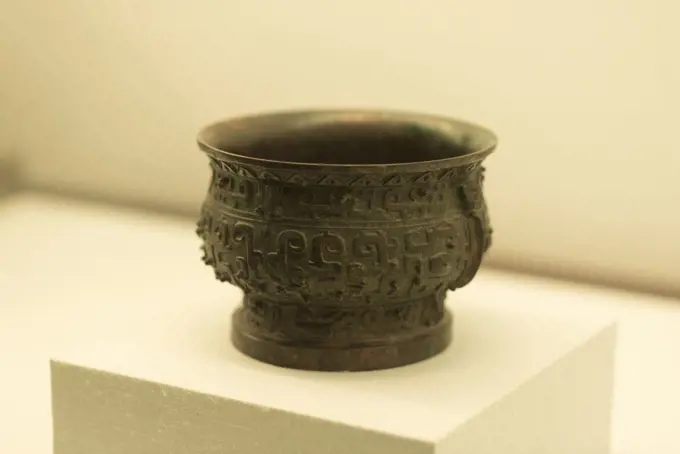
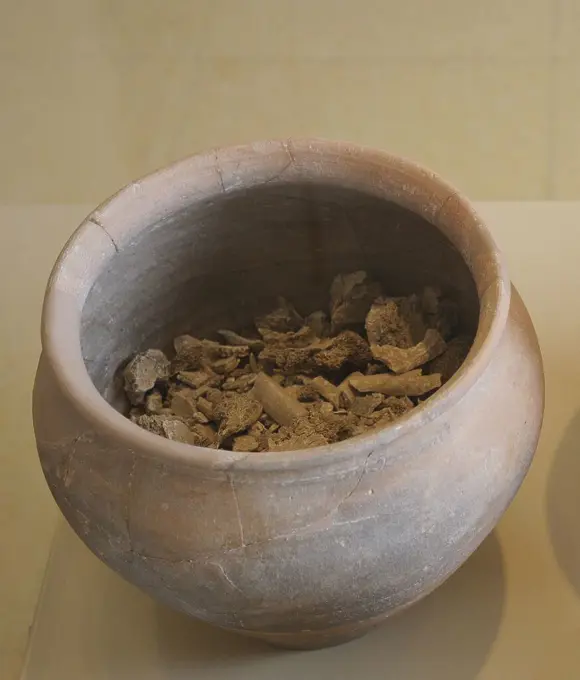
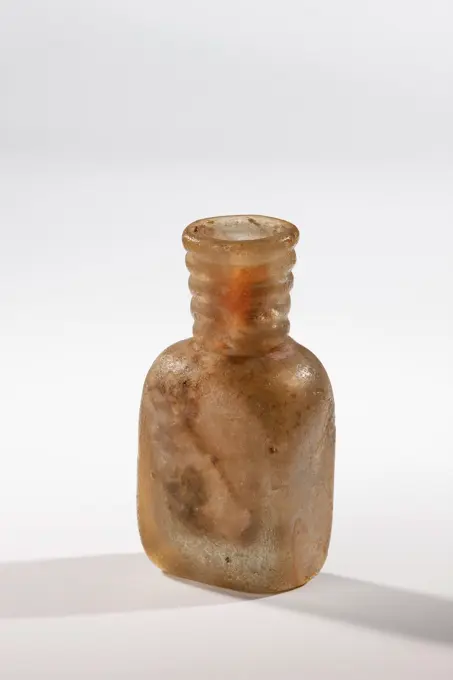
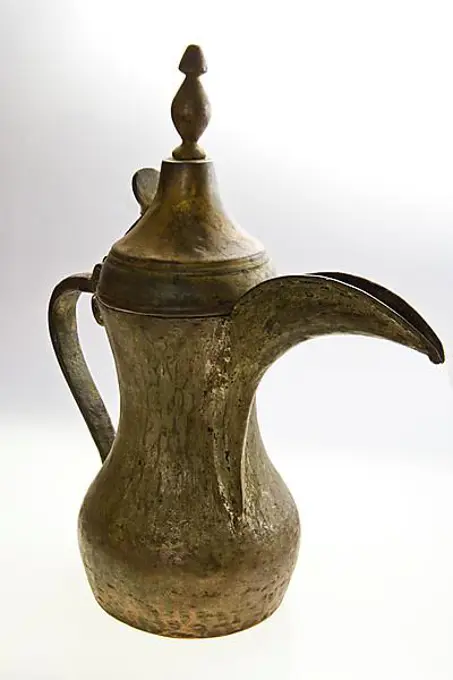
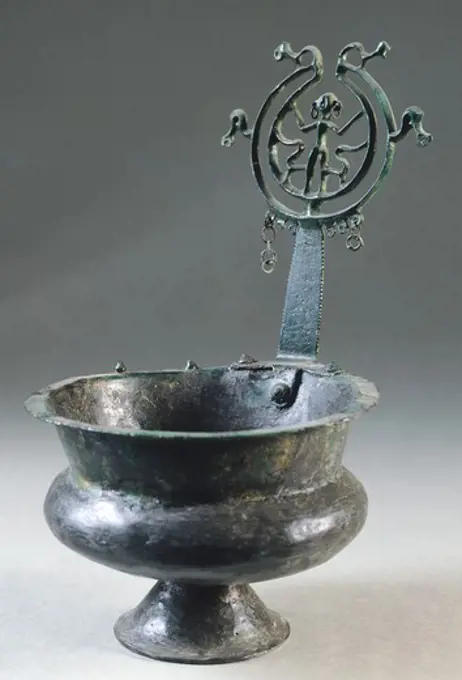
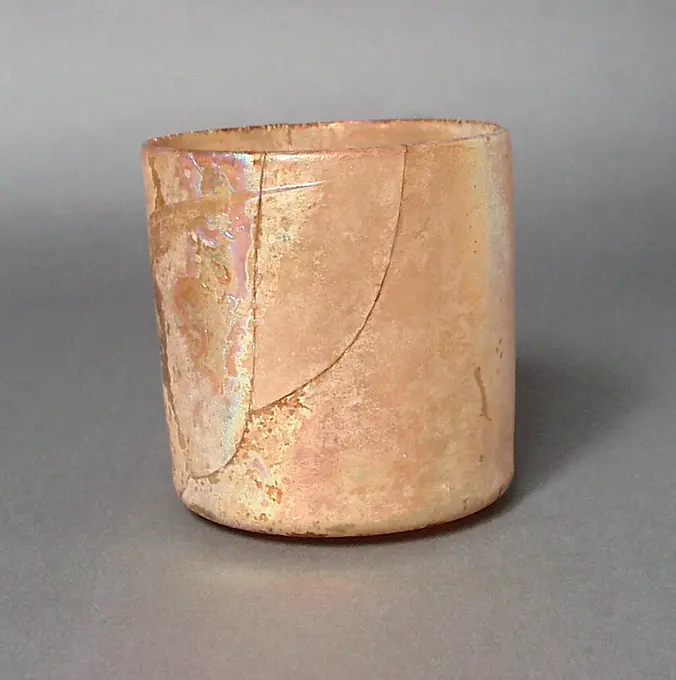
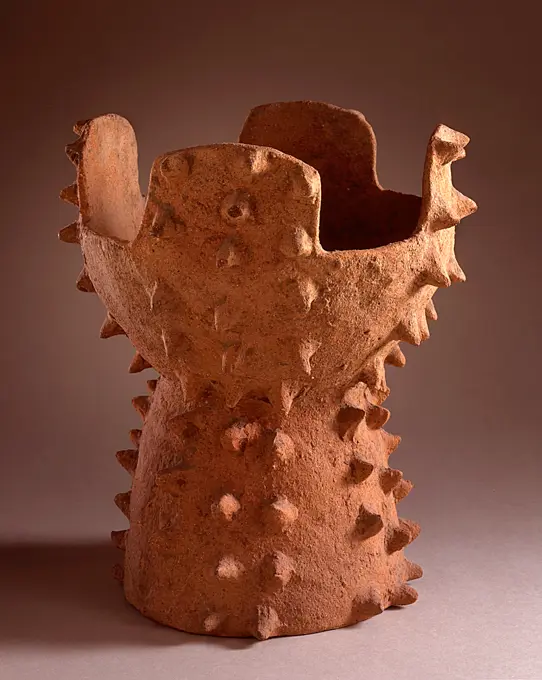
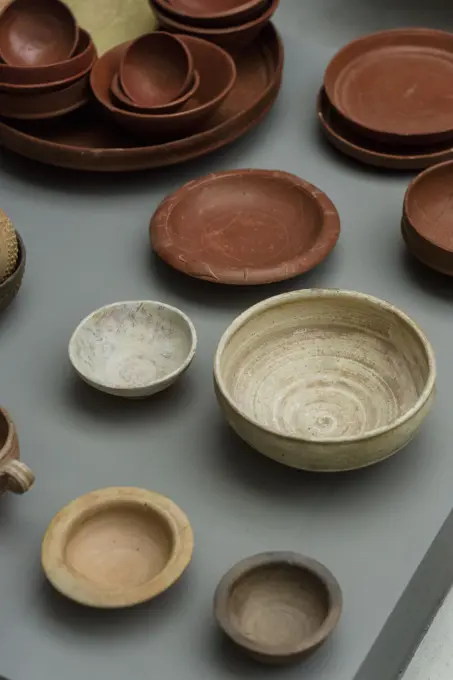
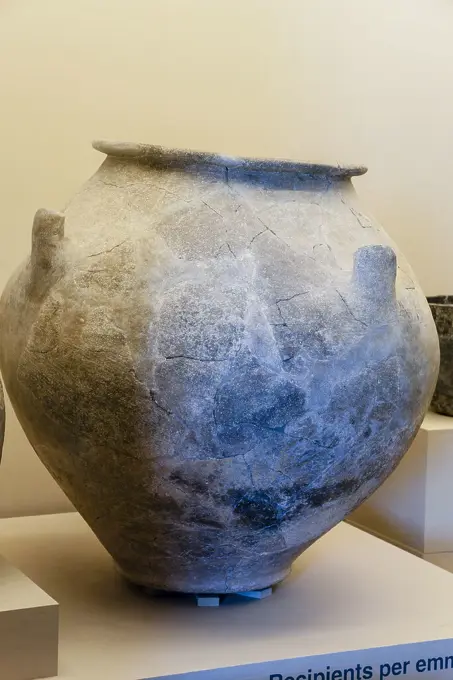
Collection of historical jars and vases from various cultures, highlighting their unique shapes and decorative features.
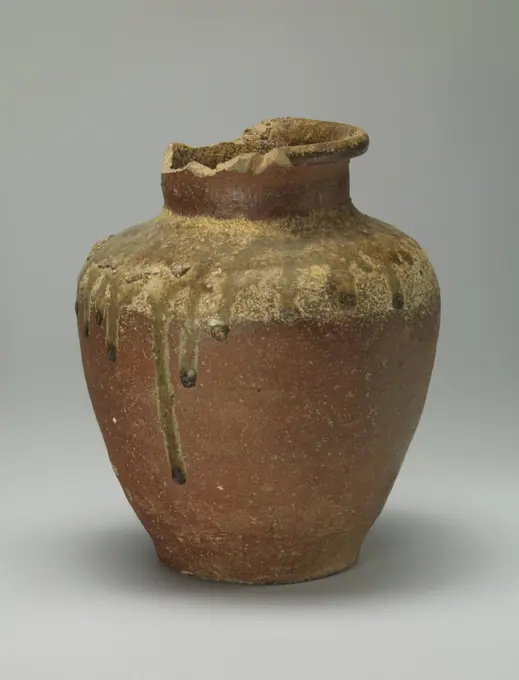
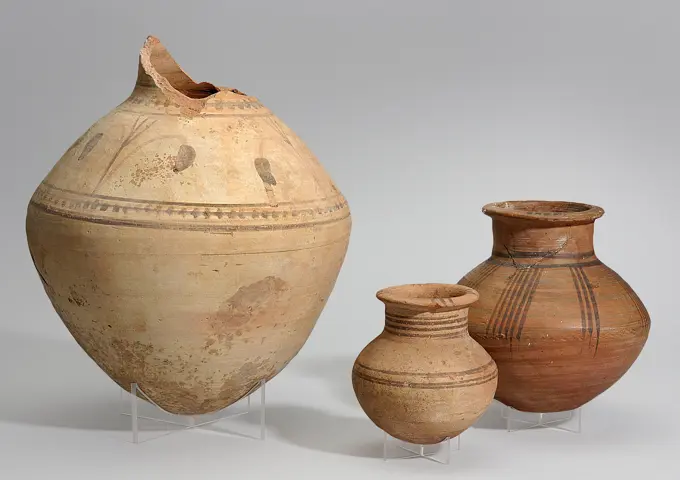
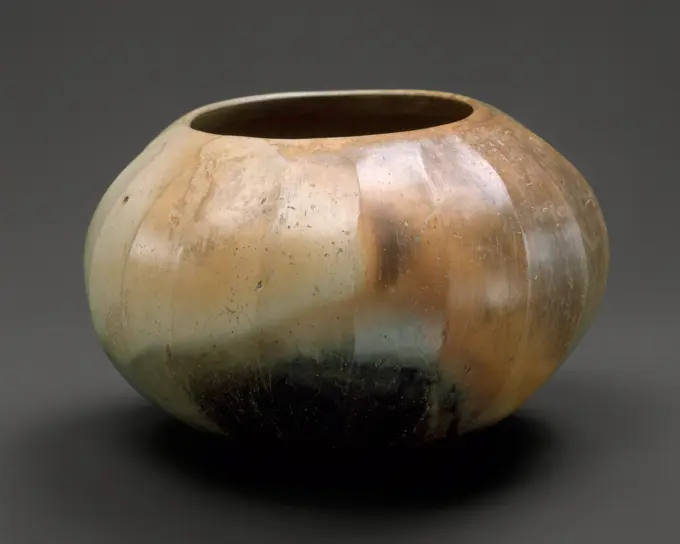
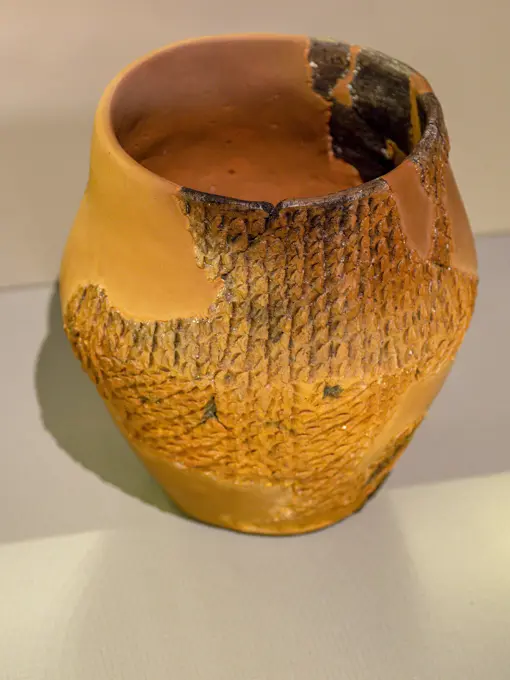
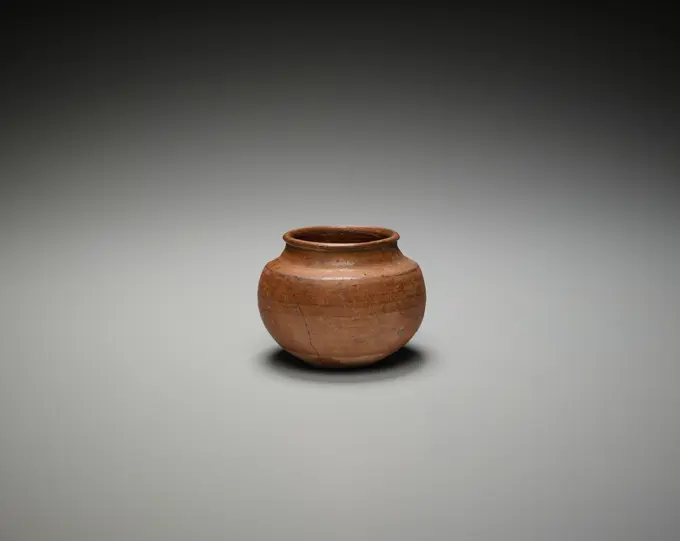
Jar with Broken Rim, 13th century, Unknown Japanese, 8 3/4 × 7 1/4 × 7 1/4 in. (22.23 × 18.42 × 18.42 cm), Stoneware with natural ash glaze, Japan, 13th century, Potters began creating stoneware vessels at the Tokoname kilns by the Heian period (794-1185). Most of these were storage jars, urns, bowls, teapots, and other utilitarian objects often featuring natural ash glaze. By the 1200s, when this jar was made, Tokoname pottery was in use throughout the Japanese islands. Tokoname is one of Japans Six Ancient Kilns, which are historic areas of pottery production. Tokoname was the leading site for the production of unglazed pottery.
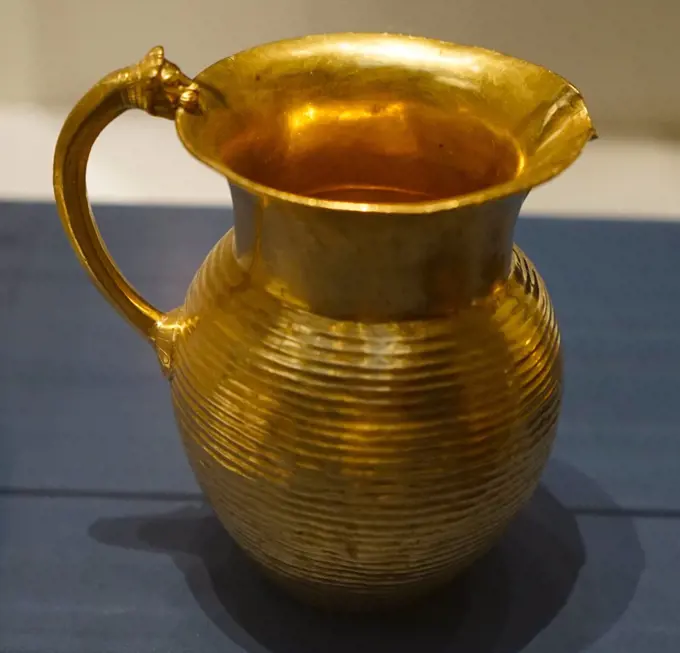
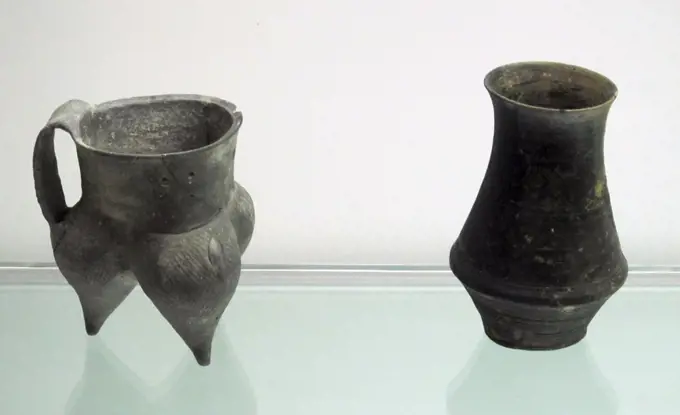
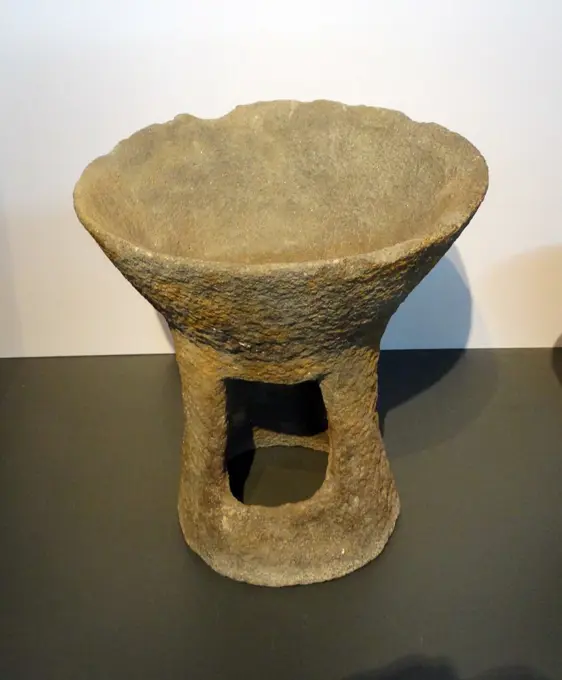
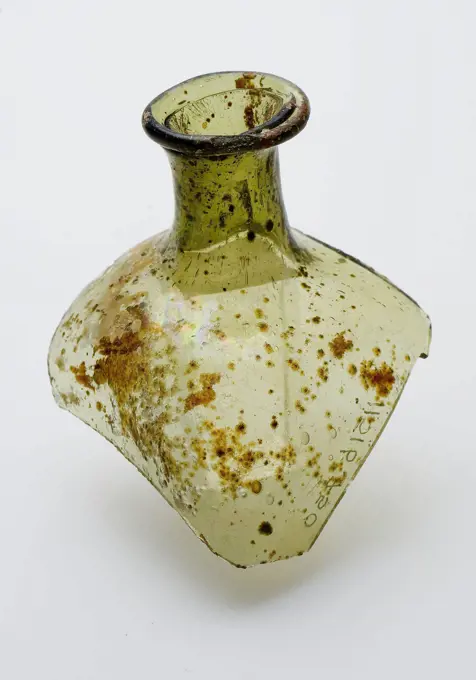
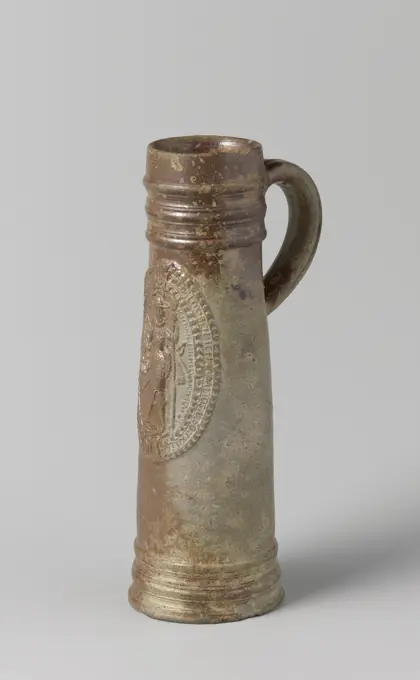
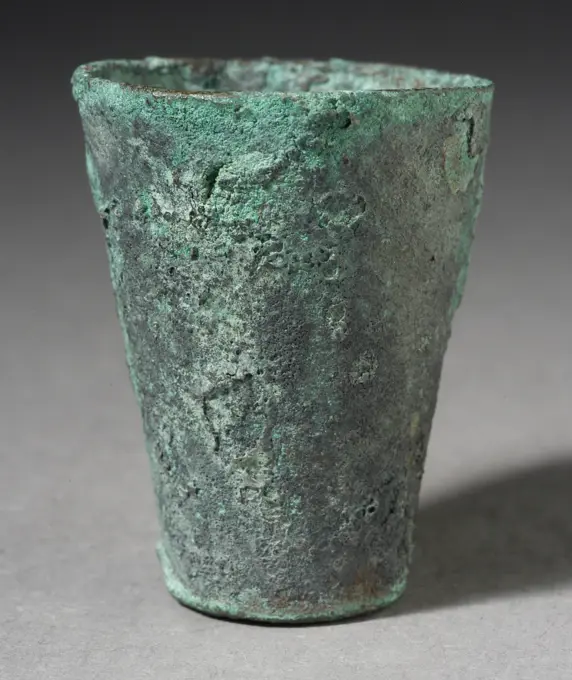
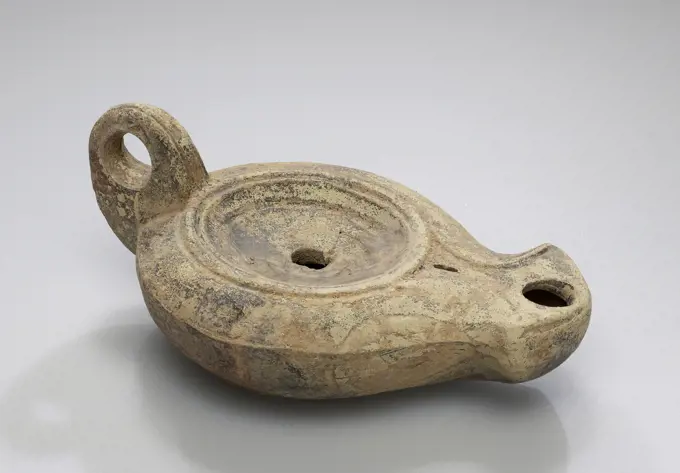
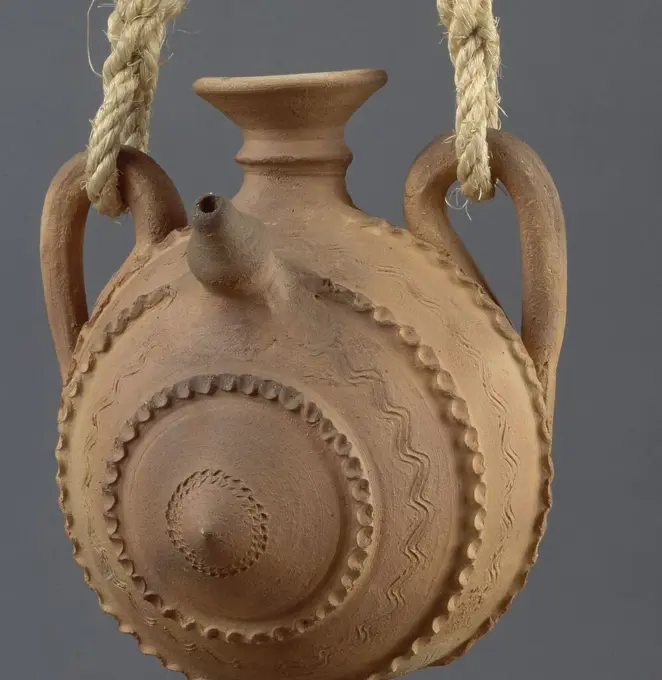
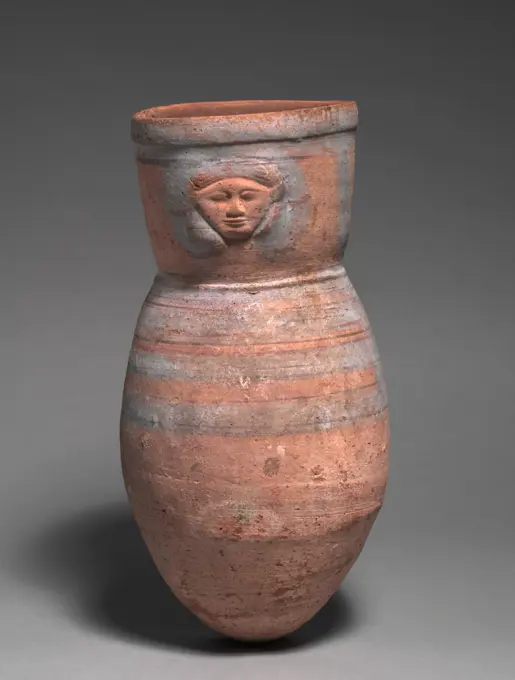
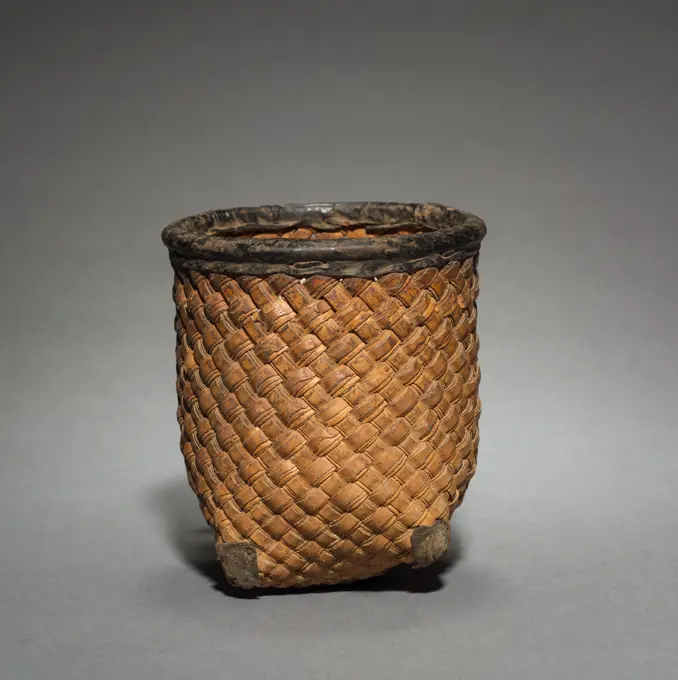
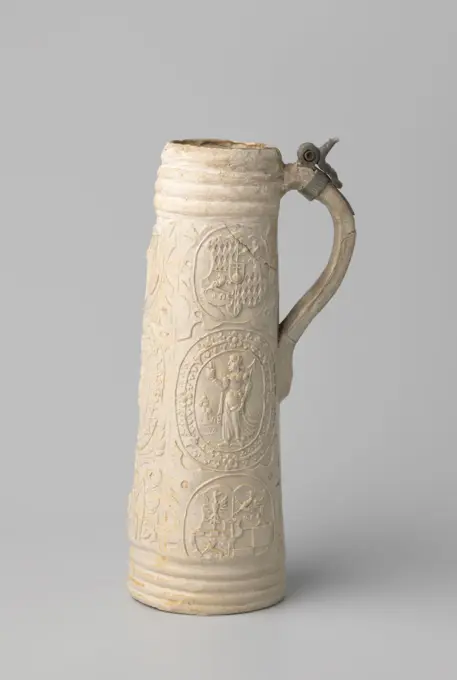
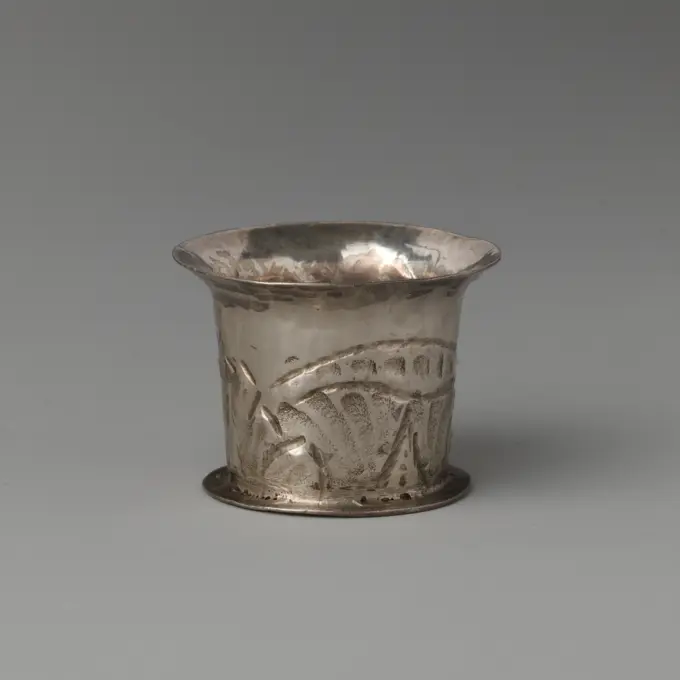
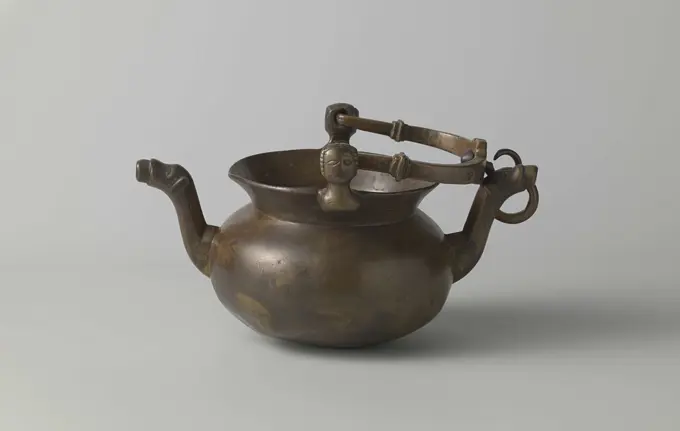
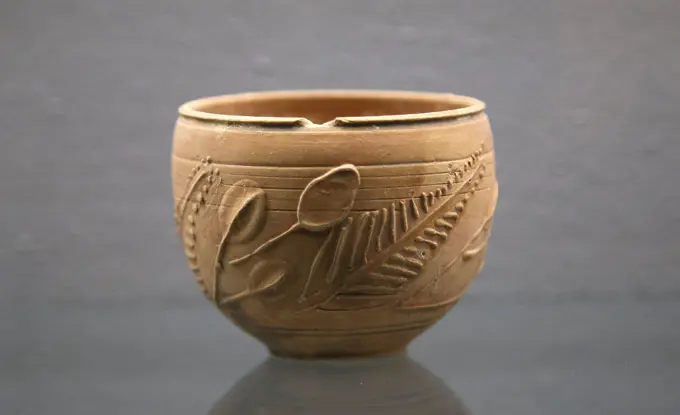
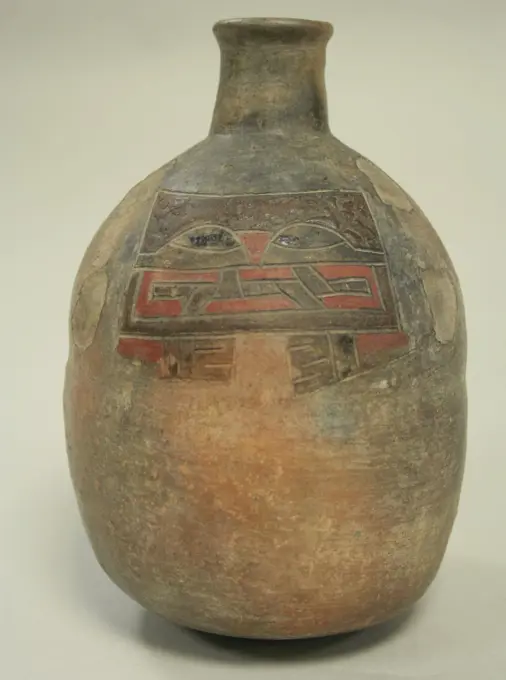
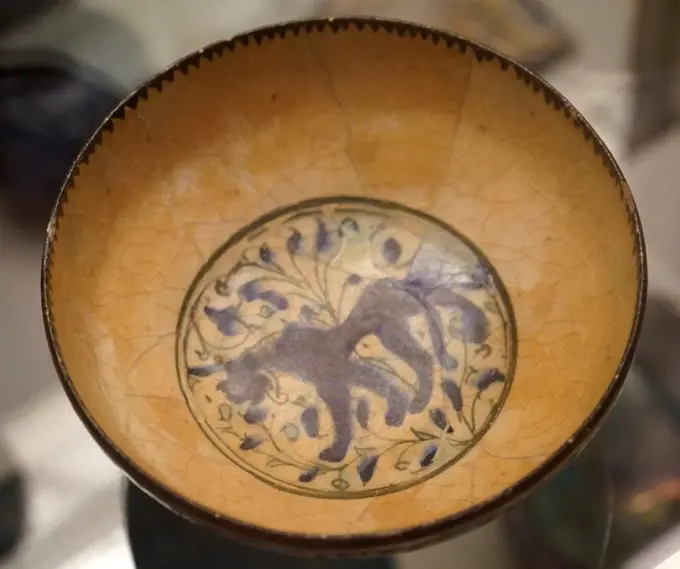
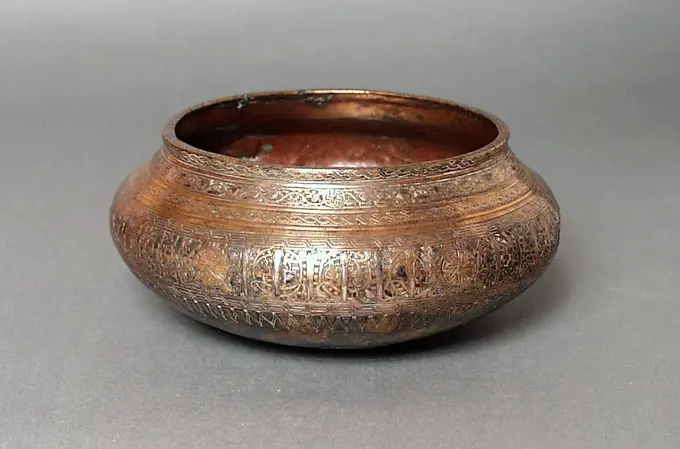
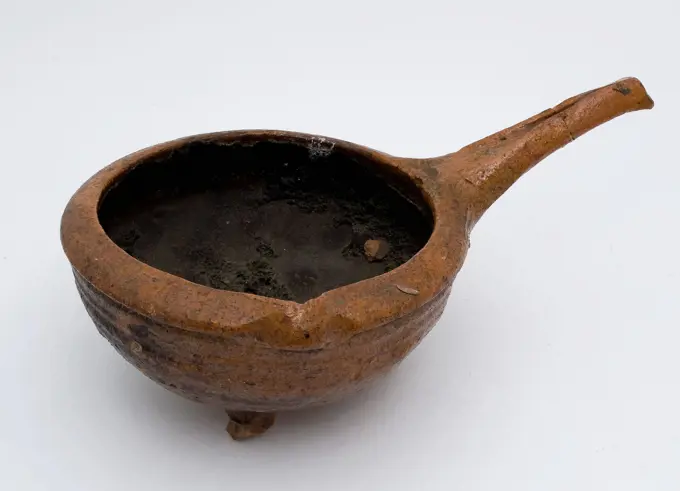
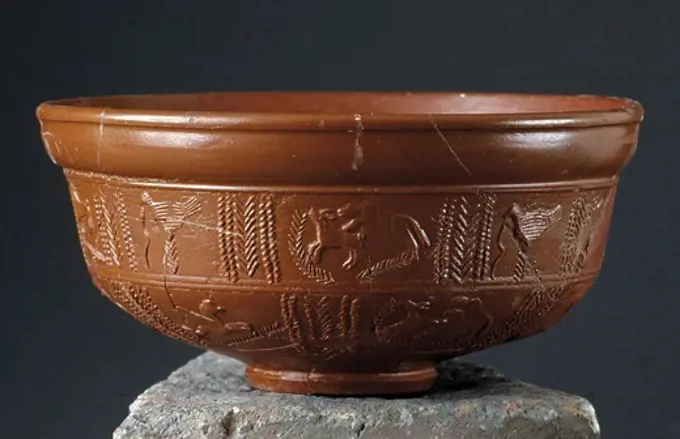
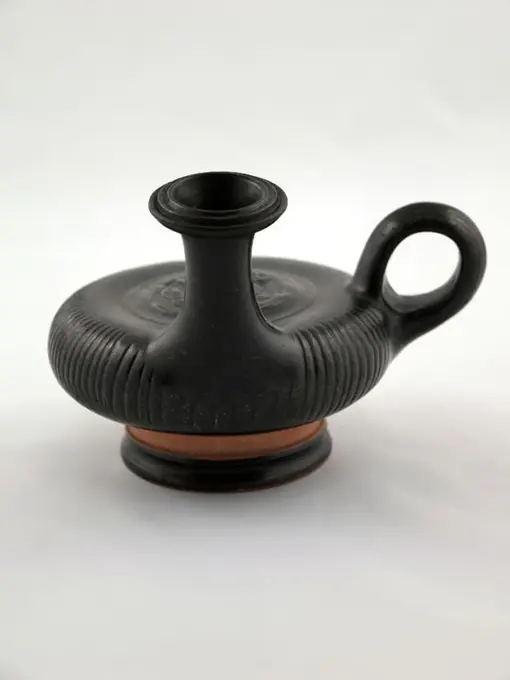
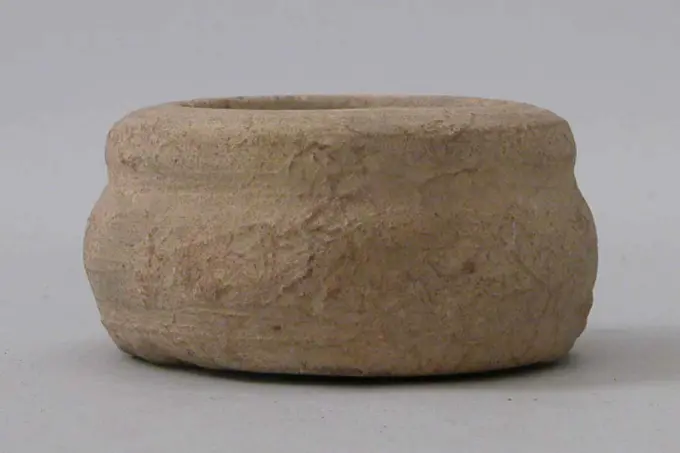
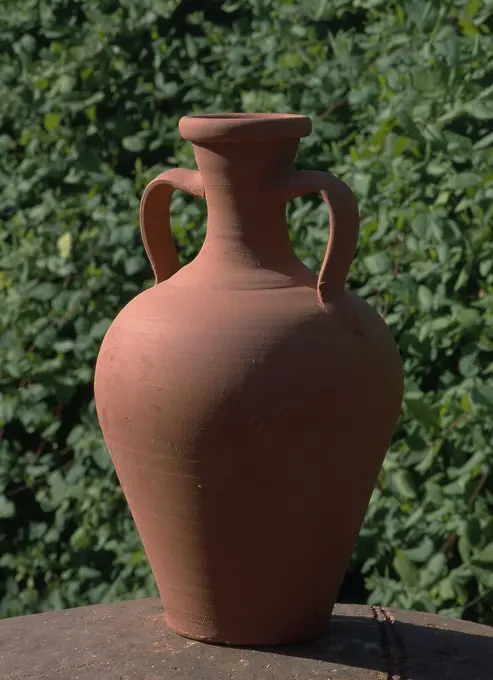
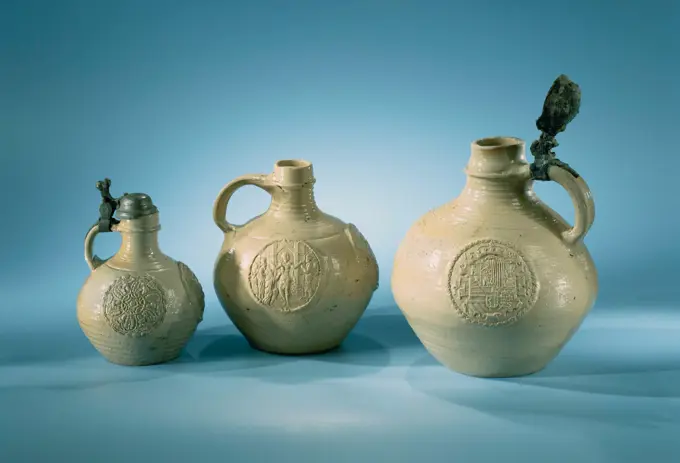
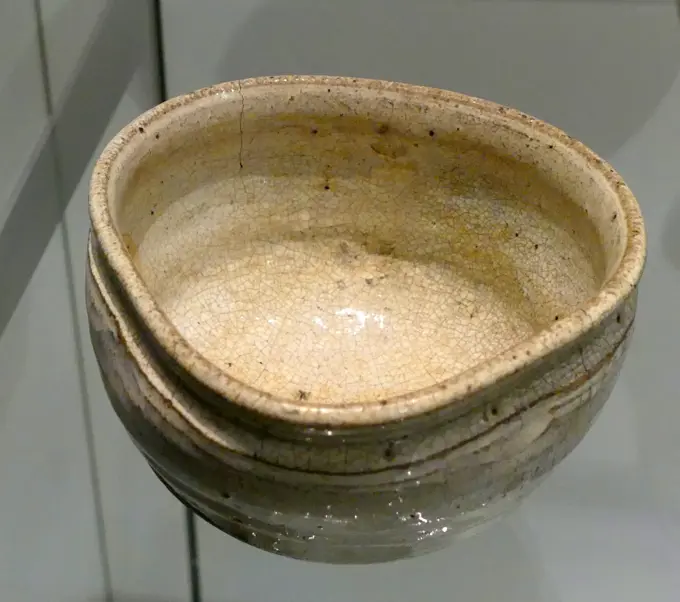
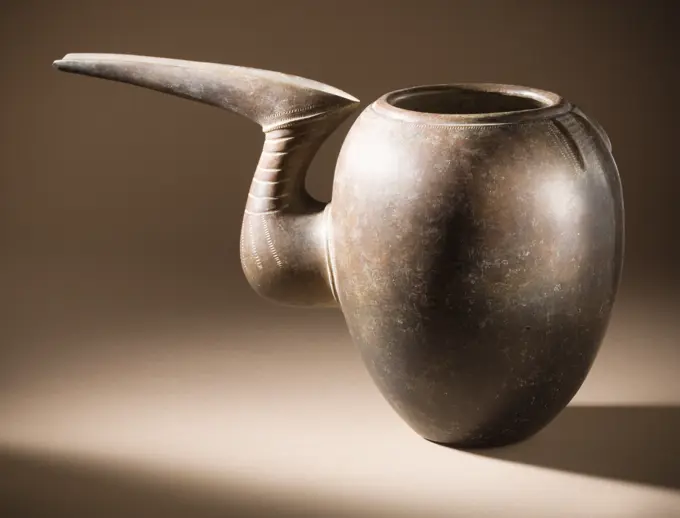
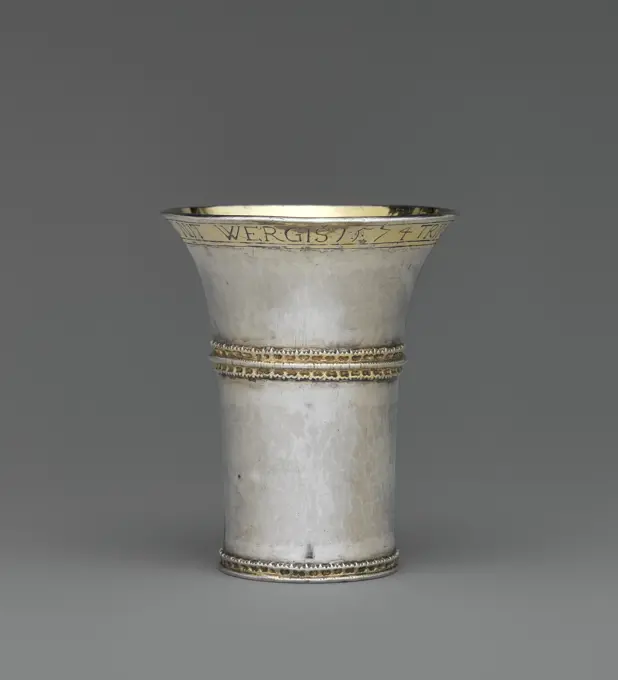
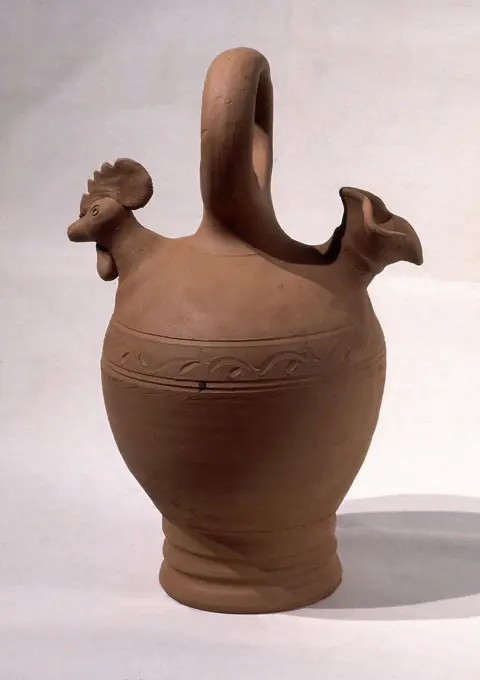
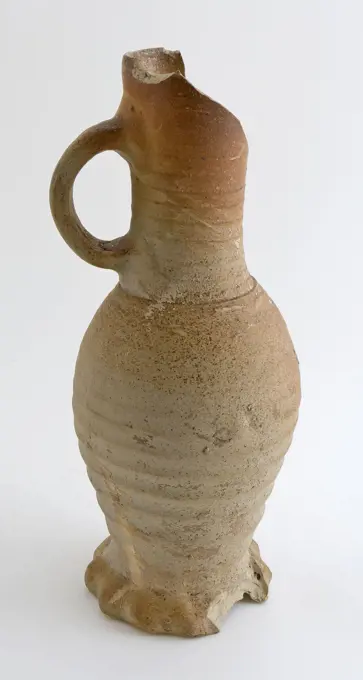
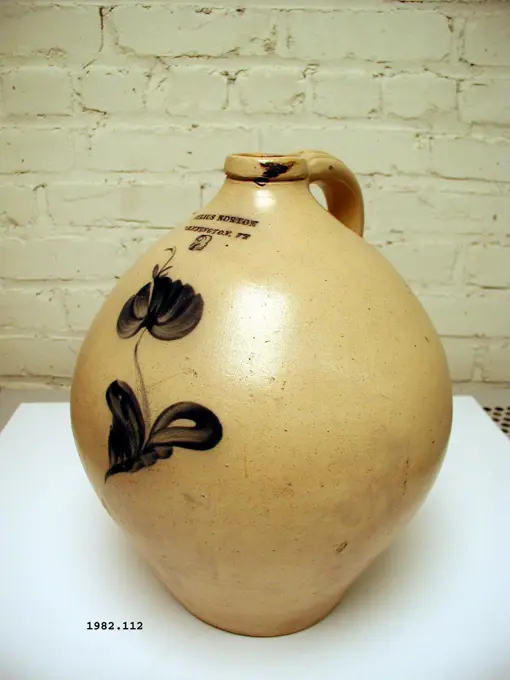
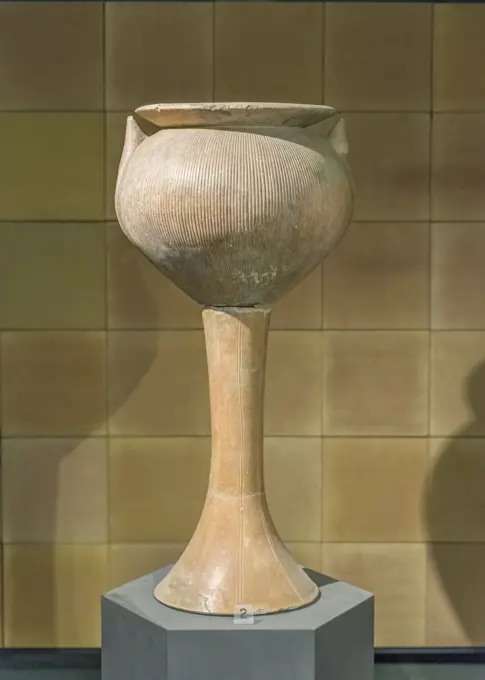
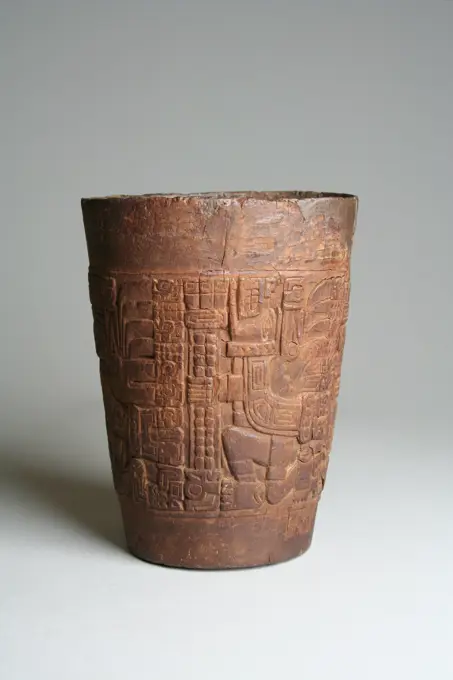
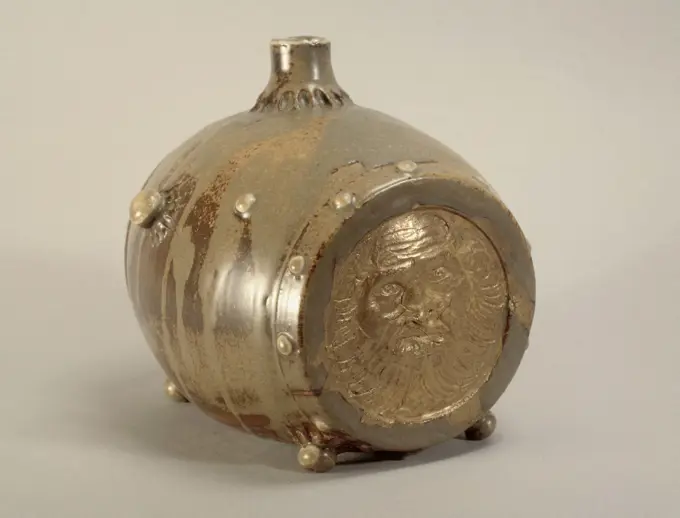
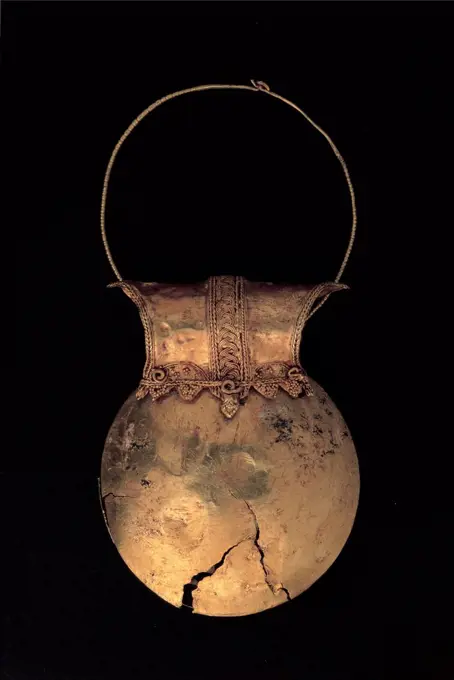
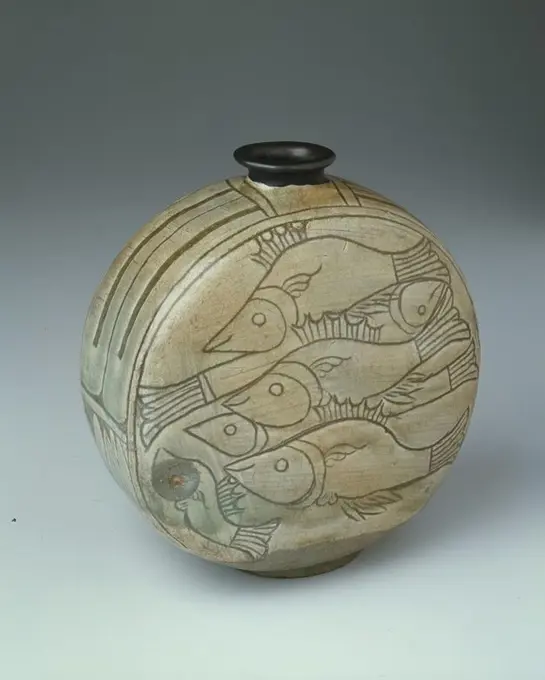
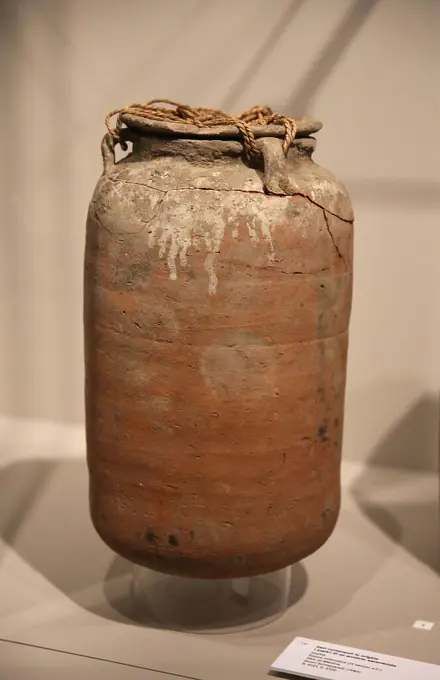
Incised Bowl before 16th century Mexican. Incised Bowl. Mexican. before 16th century. Ceramic. Mexico, Mesoamerica. Ceramics-ContainersGolden jug with horizontal fluting, typical of Achaemenid metal work. Dated 5th Century BCNeolithic pottery vessels, Art Museum, Hong Kong. 2010.bell-shaped container of marine type, Tres Montes, Bardenas Reales, bronze age, Navarra,Spain.Early Iron Age fluted pottery, Huesca museum, Aragon community, Spain.OLLA CON VIDRIADO EN EL INTERIOR- S XX- ARTE POPULAR. Location: ALFARERIA. MARRATXI-PORTOL. MALLORCA. SPAIN.Painted vessel, a vessel decorated with painted lines;  around 1550 1295 BC ; New PADeposit of the University of Warsaw from 1937-1939, scenes.gal.eg., Egyptian ceramics, painted ceramics, floral decorations, dishes, Polish-French excavations in Edfu (Egypt)Vase (usual name). Sandstone coated with glazes. Cernuschi Museum, Asia Museum of Asia in the city of Paris.Chalcolithic period vessels Teleilat el-Ghassul; Jericho; Palestine circa 3000 BCEMilk;  19th century (1801-00-00-1900-00-00);JABECA DE MERCURIO. (DEPOSITO: MUSEO ARQUEOLOGICO NACIONAL).Fragment of part of body, part of shoulder, neck and lip of bottle, medicine bottle bottle holder soil find glass, cm - 1.7 cm) with eccentrically positioned flattened widened lip with rim folded down, archeology Rotterdam railroad tunnel medicine drug Soil discovery: rail tunnel Rotterdam .Bowl late 14th century. Bowl 444597Glass container and others tableware objects. Roman culture. Blown glass. 1st - 2nd century AD.Tankard (schnelle) with a man in a medallion, anonymous, c. 1585 - c. 1600 Jug (schnelle) of stoneware with cylindrical, tapered body and C-shaped ear. Profiles under the edge and above the foot. Covered with a brown Engobe. On the front of the jug in relief a printed and imposed medallion containing a 16th century dressed man (warlord) With a lance and stock market. Around him the inscription 'Ich bin ein horts ich hap den baide l zande r gelt'. The edge reads 'Geldrios: bin: ich/ altos: also: must/ sei: Weissen: dei: this/ leissen: 1585: g: f'. Raeren. Rae stoneware. glaze. engobe vitrification Jug (schnelle) of stoneware with cylindrical, tapered body and C-shaped ear. Profiles under the edge and above the foot. Covered with a brown Engobe. On the front of the jug in relief a printed and imposed medallion containing a 16th century dressed man (warlord) With a lance and stock market. Around him the inscription 'Ich bin ein horts ich hap den baide l zande r gelt'. The edge reads 'GeldWater Pipe Top 19th century. Water Pipe Top 444577Jug, Good Samaritan” pattern.   Maker: Jones & Walley, British, 1841-1843Model Cup. Egypt, 6th - 8th Dynasties (2374 - 2165 BCE). Furnishings; Serviceware. CopperIslamic jar, 10th century,, Hospitalet Vell site, Manacor History Museum, Manacor, Mallorca, Balearic Islands, Spain.ceramic vessels, Son Fornes archaeological museum, post-Alaayotic period room, Montuiri, Comarca de Es Pla, Mallorca, Spain.Lamp, North Africa; 1st - 4th century; Terracotta; 2.2 x 6 x 9.2 cm (7,8 x 2 3,8 x 3 5,8 in.)Flask in the Shape of a Womans HeadBOTIJO DE CARRO CON 2 ASAS DECORACION INCISA Y EN RELIEVE - BARRO COCIDO. Location: ALFARERIA. SPAIN.Hathor Jar, 1391-1337 BC. Egypt, probably Malqata, New Kingdom, late Dynasty 18, reigns of Amenhotep III-Akhenaten, 1391-1337. Nile silt ware; diameter: 18.7 cm (7 3/8 in.); diameter of mouth: 15 cm (5 7/8 in.); overall: 37.8 cm (14 7/8 in.).One of Ten Nesting Wedding Baskets, c 1900s . Africa, Western Sudan, Burkina Faso, Lobi, 20th century (). Plant fiber and leather; diameter of mouth with rim: 12.1 x 10.5 cm (4 3/4 x 4 1/8 in.).VAAS Met Mascarons, François-Emile Decorchemont, c. 1923 - C. 1924 Small vase with flat bottom. Conical foot. Slightly bent, upwards, losing the body from Pâte de Better in brown, green and blue purple. On the body vertical, ground lines, an edge of ovals along the top and a mascaron on both sides. On the edge of the foot Fdecorchemont. Conches-à-Ouche glass. uranium oxide grinding / glassblowing Small vase with flat bottom. Conical foot. Slightly bent, upwards, losing the body from Pâte de Better in brown, green and blue purple. On the body vertical, ground lines, an edge of ovals along the top and a mascaron on both sides. On the edge of the foot Fdecorchemont. Conches-à-Ouche glass. uranium oxide grinding / glassblowingTankard (schnelle) with coats of arms and Mercury, Jupiter and Venus, anonymous, c. 1590 - c. 1610 Jug (schnelle) of stoneware with a cylindrical, slightly tapered body and C-shaped ear. Profiles above the foot and below the edge. On the body in relief three rows of three printed and imposed medallions. The middle row with the personifications of Mercury, with the inscription 'Mercvrivs', Jupiter, with 'IVPeter' and Venus. In the top row from left to right: the weapon of Cologne, the national weapon and the coat of arms of the Pfalz. The bottom row from left to right: Unidentified weapon with the date '1589', the weapon of the Elector Aartsbishop van Keulen and the weapon of the Keurvorst of Brandenburg. A pewter frame attached to the ear; Lid is missing. Siegburg. Siegburg Stoneware. Glaze. frame: tin (metal) vitrification Jug (schnelle) of stoneware with a cylindrical, slightly tapered body and C-shaped ear. Profiles above the foot and below the edge. On the body in relief three rowsMiniature beaker 1689-90 Probably by George Manjoy British. Miniature beaker. British, London. 1689-90. Silver. Metalwork-Silver-MiniatureLamp; Italy; late 1st - early 2nd century; Terracotta; 3.8 × 5 × 7.1 cm (1 1,2 × 1 15,16 × 2 13,16 in.)Jar 11th-12th century. Jar. 11th-12th century. Earthenware; slip covered and incised, unglazed. Excavated in Iran, Nishapur. CeramicsLavabo.The object is composed of the following cast parts: the boiler (whose spouts and handle sets are lit), the handle, the hook, the ring. The boiler has a flatbolle shape and a somewhat hollow collar, which makes it a sharp corner. The two curved cross-section hexagonal spouts are placed in each other's extension. The ends have the form of animal heads. Perpendicular to it located against the collar, at the sharp edge, the two handle tips in the form of women's heads. The round, in cross-section rectangular, with profiles decorated handle has a widening with an eye in the middle part in which the hook with the hanging ring are arranged.Bowl (Tecomate) 12th-9th century B.C. Olmec. Bowl (Tecomate). Olmec. 12th-9th century B.C.. Ceramic. Mexico, Mesoamerica. Ceramics-ContainersCreampotTerra sigilata vessel. Roman era. Andalusia, Spain. Imperial era. Archaeological Museum of Seville. Andalusia. Spain.Field Stove and Canteen 1800-2000 Europe. Iron, and tin .bitronkonisch geformtes Keramikglas mit Nageldrucken verziert bitronconic shaped ceramic glass decorated with prints of nails, Lumentxa cave, Lekeitio, Arkeologi Museoa, aqueologico museum, Bilbao, Bizkaia, Basque Country, Spain Copyright: xZoonar.com/Tolox 22845473Beaker and Cup; Eastern Mediterranean; 1st - 2nd century; Glass; 2003.379Hexagonal vase ca. 1650-1700 Factory of Cornelius Funcke. Hexagonal vase 203278Pipe Bowl; fired and polished earthenwareJar. Jar 250247 Jar, Terracotta, H. 16.99 cm.. The Metropolitan Museum of Art, New York. Gift of J. Pierpont Morgan, 1917 (17.194.1866)jug auf weißem hintergrund old jug on white background LicenseRF Copyright: xZoonar.com/MilanxVasicekx 1902287Stirrup Vessel in the Form of a Feline Head. Moche; Chimbote, Santa Valley, north coast, Peru. Date: 250 AD-500 AD. Dimensions: H. 30.2 cm (10 7/8 in.). Ceramic and pigment. Origin: Santa Valley. Museum: The Chicago Art Institute, Chicago, USA.Bottle, Feline face 7th-4th century B.C. Paracas A rectangular, stylized feline face with exaggerated fangs decorates one side of this globular bottle with a short neck. The front legs of the feline protrude below the face. The other side of the bottle is undecorated. The surface of the bottle appears to have been burnished. There is evidence of an indentation around the middle of the bottle, possibly an indication of where the top and bottom, shaped by hand separately, were joined. Evidence of two handles, now missing, can be seen on either side of the incised feline decoration in the four roughly oval aberrations on the upper sloping edge of the bottles surface. The missing handles may have represented ears for the feline face. Feline face motifs are common in both Chavín and Paracas art (see, for example, MMA 1979.206.1148). The faces are stylized with exaggerated teeth and appear to have a mythological meaning in both cultures. The feline decoration evident on this bottle is charaDish;  around 2345 2181 BC ; Old state, 6 dynasty (-2345-00-00--2181-00-00);JugPainted decorated bowl with a prowling feline in foliage. Dated 13th CenturyBowlPottery saucepan on three legs, with pouring lip and handle, inward curled upper edge, saucepan pan crockery holder kitchenware earth discovery ceramics earthenware glaze lead glaze, hand-turned molded glazed baked Pottery saucepan with semi-circular body on three legs Slanted upwards scalloped handle Curled top edge with pouring lip. Red shard entirely glazed. Rotations on the shoulder. Burnt food remains on the inside archeology indigenous pottery cooking kitchen food preparationURNA FUNERARIA EN CERAMICA CON FORMA DE NUEZ- ARTE MESOPOTAMICO. Location: MUSEO. ALEPO.BOTIJA PARA AGUA TIPO VELEZ-MALAGA-ARTE POPULAR S XX-SIN VIDRIAR. Location: ALFARERIA. CORDOBA. SPAIN.SPAIN. LEON. Vessel found in the astur-Roman city of Lancia (1st-4th centuries). Roman art. Early Empire. Ceramics. SPAIN. CASTILE AND LEON. Len. Museum of Len. Proc: SPAIN. CASTILE AND LEON. LEON. Villasabariega. Lancia.Guttus (Pouring Vessel). Greek; Apulia, Italy. Date: 330 BC-300 BC. Dimensions: 9.2 × 11.4 × 12.7 cm (3 5/8 × 4 1/2 × 5 in.). Terra-cotta, decorated in the black-glaze technique. Origin: Cales. Museum: The Chicago Art Institute, Chicago, USA. Author: ANCIENT GREEK.Bowl 9th-11th century. Bowl 449082CANTARILLO DE CUELLO ALTO Y BOCA ANCHA CON DOS ASAS - BARRO ROJO SIN VIDRIAR - SIGLO XX. Location: ALFARERIA. FUENTES DE EBRO. Saragossa Zaragoza. SPAIN.Wine jug with fixed lid from v.O.C.-ship the 'white lion'. Wine jug with fixed lid from v.O.C. ship the 'white lion', 100%% present. Wine jar with baluster-shaped wall finished in narrow neck and small mouth. Halfway through the neck a ledge of clay. From this height a vertical ear runs to the shoulder. On the ear there is a fixing of a tin valve cover. On shoulder runs incision line around the jug. On the abdomen: three relief medallions with coat of arms. Gray-white glaze on crème shard. Neck decorated with radial ridges.TAIPEI, TAIWAN - December 14 : Antiques are displayed in Taipei’s National Palace Museum on December 14, 2016 in Taipei, Taiwan, Asia.Plato procedente de Solibernat, Torres de Segre. Siglo XI. Museu d'Història de Catalunya.CANTARO PARA AGUA CON UNA SOLA ASA- ARTE POPULAR S XX. Location: ALFARERIA. LUPIANA. Guadalajara. SPAIN.Roman Era. Ceramic urn. The burial zone located at Robert d'Aguilo Street. Tarragona, Spain. National Archaeological Museum. Tarragona. Spain.CERAMICA POPULAR CANTARO. Location: ALFARERIA. CORDOBA. SPAIN.JarCeramic Tea bowl made in the Joseon period, buncheong stoneware, Japan. Edo period, early 1600s Fukuoka, Japan, Glazed stonewareBeak - spouted Gray Ware Pot. Northern Iran, circa 1350-1000 B.C.. Furnishings; Cookware. Dark-gray burnished wareBeaker 1574 Attributed to Valentinus (Felten) Dengel The Salgo Collection contains two examples of an extremely rare beaker of a graceful type that has its roots in the Hungarian Gothic period. Most such beakers were melted down, but a few were part of hordes hidden during turbulent times and only recovered in the nineteenth and twentieth centuries. All of these beakers have a simple trumpet-shaped form with an applied gilded and pierced girdle above the middle section. The German inscription on the lip reads, "Drink and dont forget God your Lord 1574."LiteratureJudit H. Kolba. Hungarian Silver: The Nicolas M. Salgo Collection. London, 1996, p. 26, no. 4.ReferencesElemér K?szeghy. Magyarországi ötvösjegyek a középkortól 1867-ig / Merkzeichen der Goldschmiede Ungarns vom Mittelalter bis 1867. Budapest, 1936, likely no. 1294 [makers mark.Géza Fehér. Craftsmanship in Turkish-Ruled Hungary. Budapest, 1975, n.p., fig. 59.Eva Toranová. Goldschmiedekunst in der Slowakei. Translated by HeleBOTIJO CON FORMA DE GALLO EN BARRO. Location: ALFARERIA. Guadix. GRANADA. SPAIN.LimeContainerBottle. unknown, craftsmanAntique teapot, Saudi Arabia, AsiaKuan vase; Bielino (Manufaktura Fajansu; 1779-1800), Wolff, Karol (fl. Ca 1800); 1779-1800 (1779-00-00-1779-00-00);Antique glass 1898, Middle EastItalic civilizations, Liguri, 8th century b.C. Dipper cup. From the necropolis of Chiavari, province of Genoa.Cup with handle (ansa). Bronze artefact from Campi Bisenzio (Tuscany). Etruscan civilization, 8th Century BC.CupViking Age. Pottery and jar. From Kaupang, Larvik K., Vestfold. 9th-10th century. Historical Museum. Oslo. Norway.Stoneware jug pinched with cylindrical neck and curved body, jug crockery holder soil find ceramic stoneware, hand-turned baked stoneware jug gray shard light gray beard reddish brown with rust splashes bandoor profiled neck rings around the belly and pinched foot archeology import pottery serve drink serve serveJug.   Maker: Julius Norton, American, 1809-1861Italy, Sicily, Syracuse. Museo Archeologico Regionale Paolo Orsi, Greek Pottery from the 6th century BCBeaker (kero) 7th-10th century Tiwanaku Cylindrical beakers with flaring sides, called keros, are a vessel form popular when the cities of Wari and Tiwanaku dominated the central and southern Andes. Used for the consumption of chicha (corn beer) during ceremonies and everyday gatherings, they played an important role in the maintenance of social and political relations. Keros were made of wood, fired clay, gold, and silverthe material reflecting the social status of the owner. They are decorated on the exterior with religious imagery and geometric motifs. On the circumference of this kero are four anthropomorphized winged figures in low but crisp relief. Its abstract carving style, distortion of the figures, and dense ornamentation are characteristic of Tiwanaku art. All four figures carry the staffs in their right hands that are a symbol of status and authority in ancient Peru. Two have feline faces looking skyward, the other two have raptor heads facing forward. Their wings are tippEgyptian 18th dynasty alabaster vesselIncense Burner. Mexico, Colima, 1100-1500. Ceramics. Unslipped buff ceramicceramica romana,museo monografico de Conimbriga, ciudad del Conventus Scallabitanus, provincia romana de Lusitania, cerca de Condeixa-a-Nova, distrito...Candlesticks 868-905. Candlesticks. 868-905. Glass; free blown. Attributed to Egypt. Glasskitchen utensils, Son Fornes Archaeological Museum, talayotic period room (1300-123 a. C.), Montuiri, Es Pla region, Mallorca, Spain.Jean Carriès (1855-1894). "Pot-bar with artistic head". Enameled sandstone. Museum of Fine Arts of the City of Paris, Petit Palais. Pot-bar with artistic head Artistic Face, Barrel-Pot, Ceramic, Ceramic, Enamed Stoneware, Gres Emaille, Pot-Brill, Artistic Tete, Face, HeadEarly pottery vessels including storage vessels, jars, cooking pots, bowls, chalices, spoons and other miniature vessels. From Munhata, Tel Teo, Tel Kiri and Herzlia from the Yarmukian culture from over 8,000 years ago. Made from pottery and pigments.Golden Bulla, by Unknown artist, 1st Century, gold leaf with filigree decoration. Italy: Campania: Naples: National Archaeological Museum. Whole artwork. Golden bulla necklace decoration interlacement/plaiting/weaving goldFlask with Fish. Korean. Date: 1400-1499. Dimensions: 22.3 x 20.2 x 13.1cm (8 3/4 x 7 7/8 x 5 1/8 in.). Buncheong ware; stoneware with underglaze carved decoration. Origin: Korea. Museum: The Chicago Art Institute, Chicago, USA.CONJUNTO DE PIEZAS DE CERAMICA VIDRIADA CON DECORACION DE CORDON Y PUNTO. Location: ALFARERIA. NAVAL. HUESCA. SPAIN.Ceramic jars of Trier with inscriptions like: Fill me! Give to me wellness! You will live! From Cologne, Germany.Antique Roman glass. 1898CANTARO. Location: ALFARERIA. SPAIN.PUCHERO EN BARRO BLANCO CON TREVEDES INCORPORADAS EN CERAMICA-ARTE POPULAR. Location: ALFARERIA. SPAIN.container, first iron age, Museum of Navarra, Pamplona, Navarra,Spain.Fragment of a Beaker probably 10th century. Fragment of a Beaker 450814JARRA DE CUATRO ASAS ESMALTADA - ARTE POPULAR S XX -. Location: ALFARERIA. SPAIN.Djenne vase, Mali, 19th century, polychrome ceramic, Sa Bassa Blanca Museum (msbb). Yannick Vu and Ben Jakober , Alcudia, Majorca, Spain.Situla and fragments. UnknownJars originally containing papyrusfrom a priestly archive. Clay. Ptolemaic Period (2nd cent. BCE). Deir el-Medina. Egyptian Museum of Turin. Italy.Green olives in a clay jarCanopic jars, Late Period, Dynasty XXVI, Egyptian civilization