Ancient Pottery

Collection of historical jars and vases from various cultures, highlighting their unique shapes and decorative features.
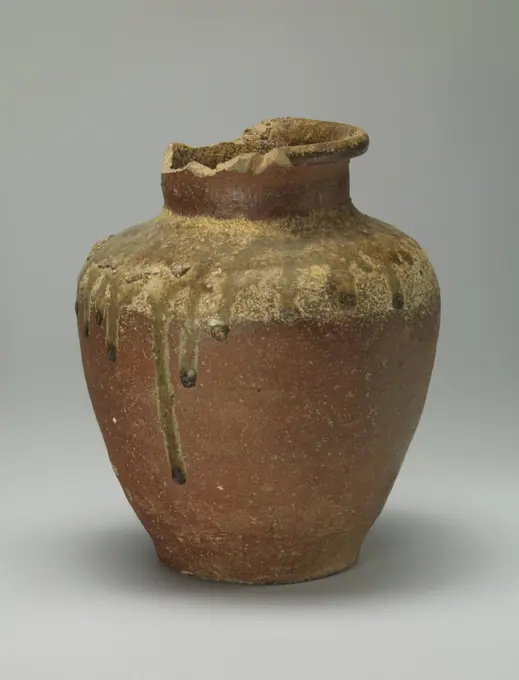
Jar with Broken Rim, 13th century, Unknown Japanese, 8 3/4 × 7 1/4 × 7 1/4 in. (22.23 × 18.42 × 18.42 cm), Stoneware with natural ash glaze, Japan, 13th century, Potters began creating stoneware vessels at the Tokoname kilns by the Heian period (794-1185). Most of these were storage jars, urns, bowls, teapots, and other utilitarian objects often featuring natural ash glaze. By the 1200s, when this jar was made, Tokoname pottery was in use throughout the Japanese islands. Tokoname is one of Japans Six Ancient Kilns, which are historic areas of pottery production. Tokoname was the leading site for the production of unglazed pottery.
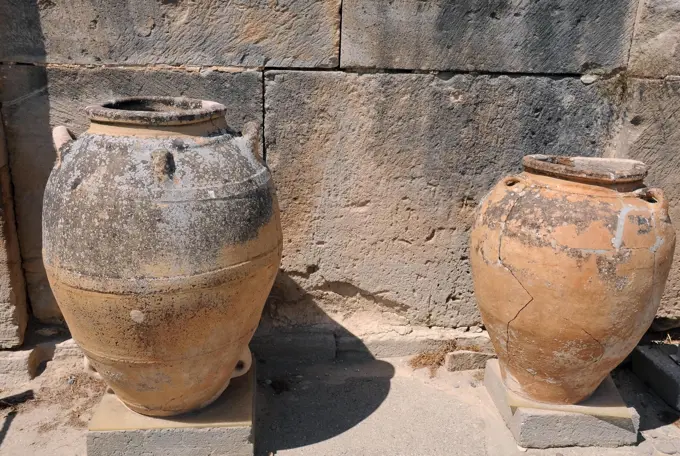
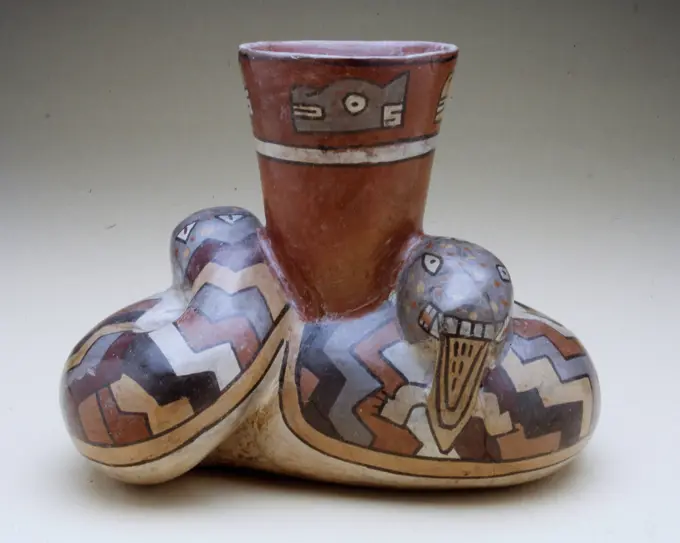
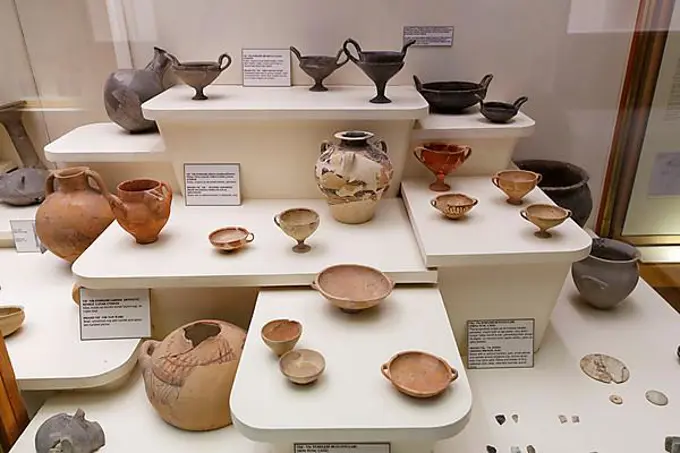
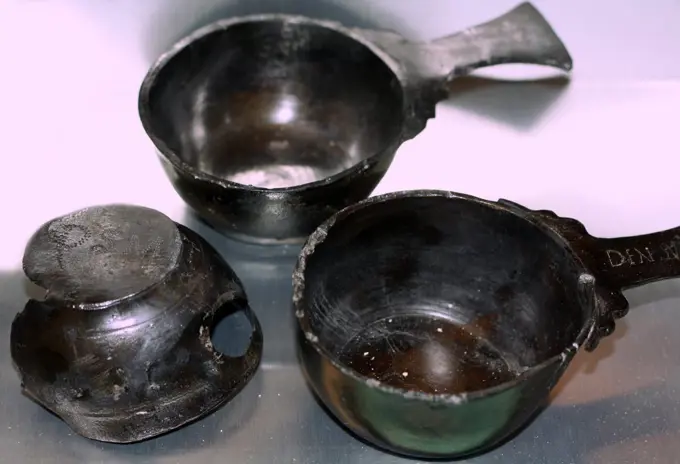
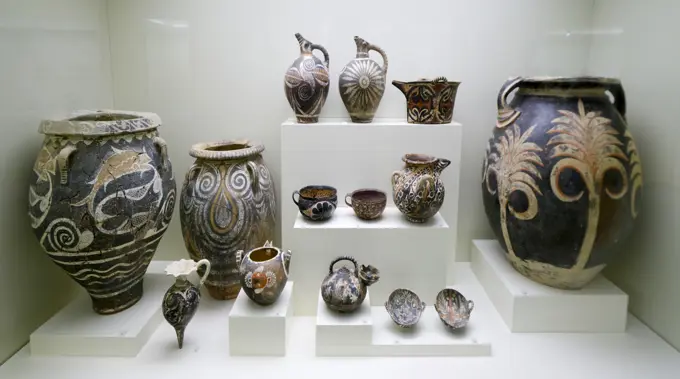
Greece, Crete, Heraklion / Iraklion. Pithos (ceramic jars) and other Minoan clay artifacts. Heraklion ArcheologicalTwo Ancient Pithoi in Phaestus Two ancient pithoi in Phaestus in Crete island in Greece Copyright: xZoonar.com/vicspacewalkerx 3739326 Moroccan stove with tagine in the gardenCANTARO DE BARRO DE CUELLO ANCHO Y ALTO CON DOS ASAS LATERALES. Location: ALFARERIA. Agost. Alicante. SPAIN.Ewer 9th century This ceramic ewer was excavated at the site of Tepe Madrasa in Nishapur.Nishapur was a vital city in the early and middle Islamic periods, located along one of the main trajectories that connected Iran and West Asia Islamic lands with Central Asia and China. These itineraries are often referred by the term Silk routes but were in fact crucial to the movement of constellations of materials and objects, as well as people and ideas. The diverse population of Nishapur and its surroundings, from the better-researched elite groups of merchants, land-owning aristocracy, and literates, to the less-known artisans, farmers, miners, and servants, were instrumental in adapting global cultural trends to create their own distinctive visual languages. This is seen in the material remains of everyday life in medieval Nishapur - from pots and pans to lighting devices, inkwells, textiles and trimmings, jewelry, games and toys, talismanic devices, weapons, coins, and architectural fragmeJar, 11th-14th century, 7 x 9 1/4 in. (17.8 x 23.5 cm), Polychromed earthenware, Peru, 11th-14th century, The double-headed snake is a common image throughout ancient traditional beliefs, from the Pacific Coast to the Andes. In this example, the jaguar appears around the neck of the vase in profile, and complements the serpent imagery. Both the snake and the jaguar were encountered in sacred journeys, and were important symbols of shamanic visions and power. This object successfully unites two sacred animals important to traditional beliefs.Size of 1/4 oil size with handle, anonymous, c. 1810  Size of 1/4 oil size with handle (approx. 1/8 liter) Netherlands tin plate   NetherlandsFinds from Troy VI, Istanbul Archaeology Museum, Sarayburnu, Istanbul, European side, Istanbul Province, Turkey, European side, EuropeRoman ink pot with pewter bowls and dishes. It is most likely all these vessels were used in religious services. 1st-4th century AD.Watercolor garden pots on white background. Brown wooden pots and basket. Gardening clipart Watercolor garden pots on white background. Brown wooden pots and basket. Copyright: xZoonar.com/LiubovxPonomarchukx 18856920