My Boards
View Pictures
  • My Boards
← Artworks

Ancient Relief Artworks

Intricate relief carvings showcasing scenes from Ancient Egypt and Mesopotamia, featuring deities, transportation, and offerings in muted colors.
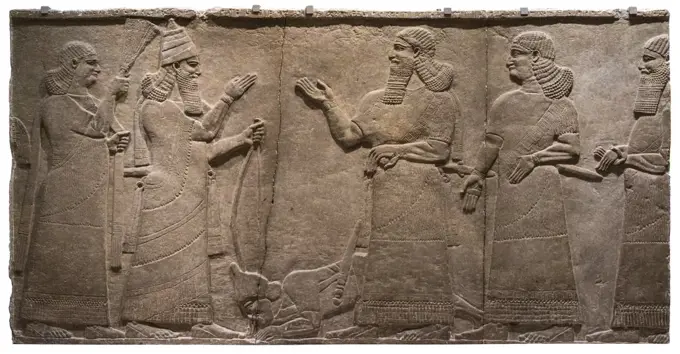
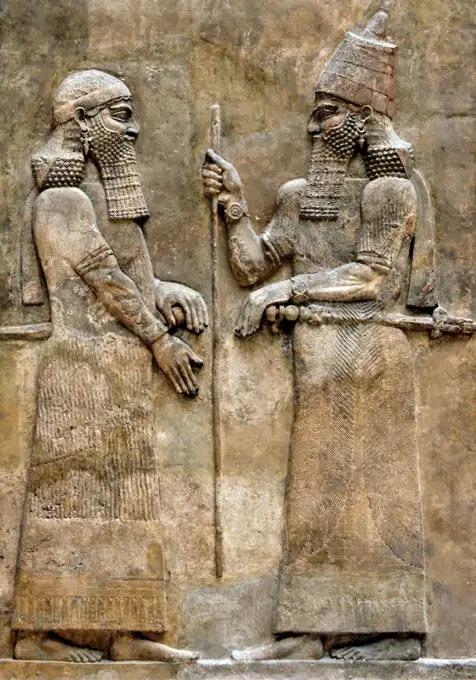
Assyrian Ruler Tiglath-Pileser III Receives Homage; Panel from the Royal Palace at Nimrud; 745-727 B.C.E.; Limestone Unknown Artist; Florence
258 assets in this story
6176-66095038
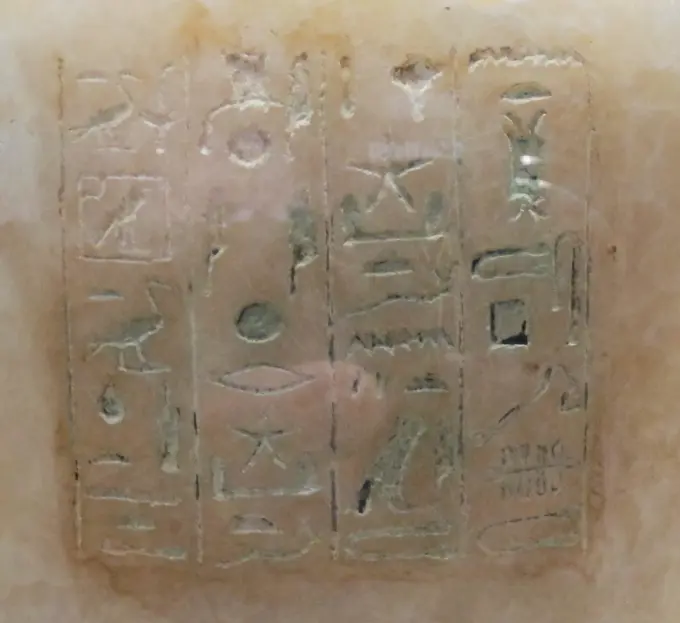
Egyptian Hieroglyphs- Saqqara Necropolis, Memphis, Egypt.   Depicts man carrying goat like animal. Vintage engraved Photograph of Egypt, circa 1870s, from work by archeologist Auguste Mariette
6145-29765116
Cylinder seal ca. 6th-4th century B.C. Achaemenid. Cylinder seal 323891
1848-55341979
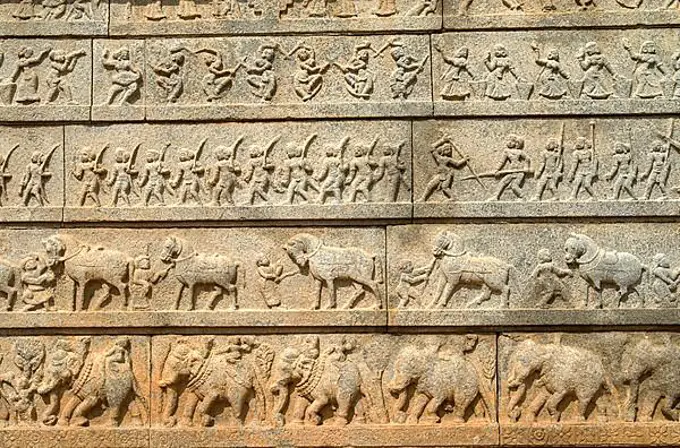
Bas reliefs on the outer wall of the Ramachandra Hazara Rama temple, One thousand Ramas built in the 1420 in Hampi, Karnataka, South India, India, Asia. UNESCO World Heritage Site, Asia
4409-21481921
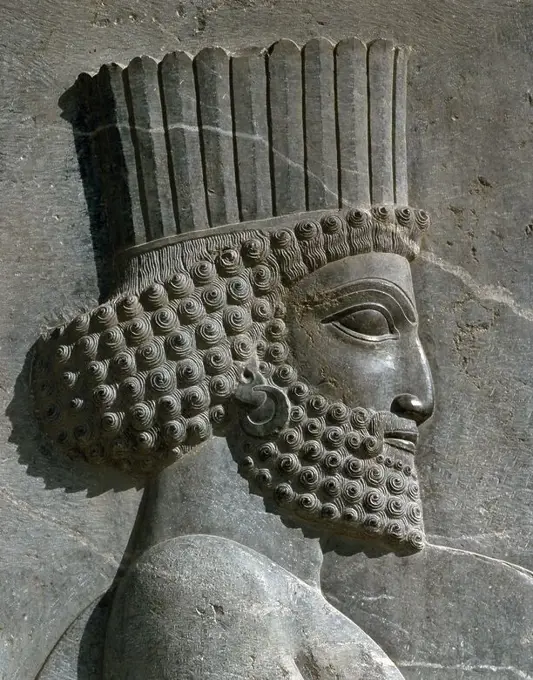
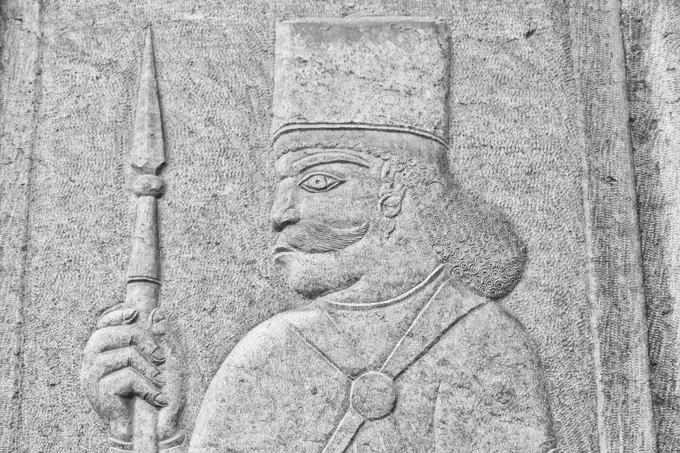
Achaemenid Empire. Persepolis. Relief of a Mede soldier (round cap), detail . The tripylon or Central Palace. 5th century BC. Iran (Persia).
1838-22027104
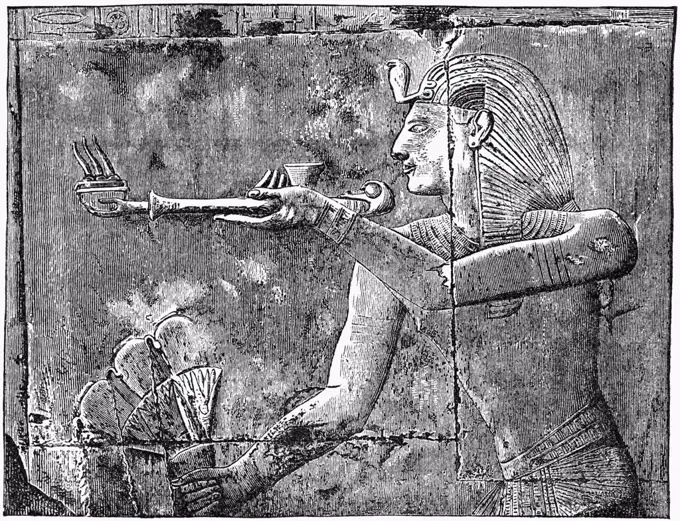
Relief Engraving of Seti I Burning an Offering of Incense, Abydos, Egypt, Illustration, Cyclopaedia of Universal History, Volume 1, The Ancient World, by John Clark Ridpath, the Jones Brothers Publishing Company, 1885
1848-53266788
Sandstone relief, Museum of Underwater Archaeology, Fort St. Peter, Castle of the Knights of St. John, Bodrum Fortress, Mugla, Turkey, Museum of Underwater Archaeology, Underwater Museum, Asia
1525R-11352593
Luxor, Egypt, Africa
1746-19670613
This reconstruction corresponds in its essence to what an Assyrian palace chamber might have looked like, even it its components originate from a number of different periods and sites. The windowless apartments got their light solely through the doors. The two colossal figures at the entry - called in Assyrian schedulamassu - are human headed, winged lions with horned crowns as a symbol of divinity.
4409-63014782
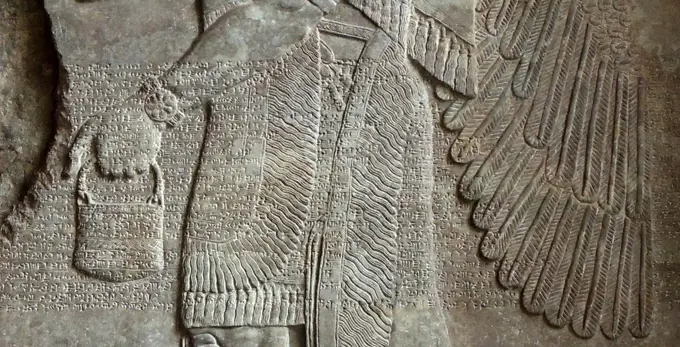
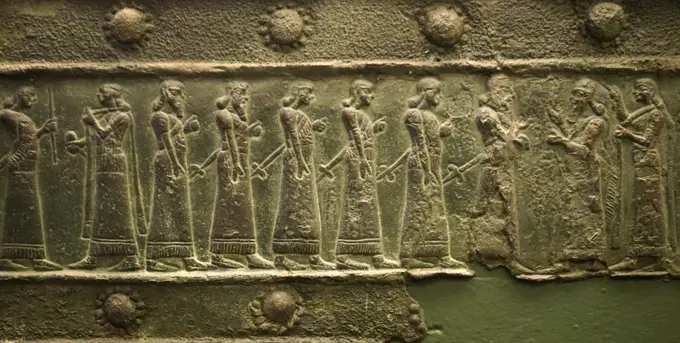
Arms-bearer of Tiglath-pileser III. Assyrian, about 728 BC. From Nimrud, central Palace. British Museum. London.
1746-19631021
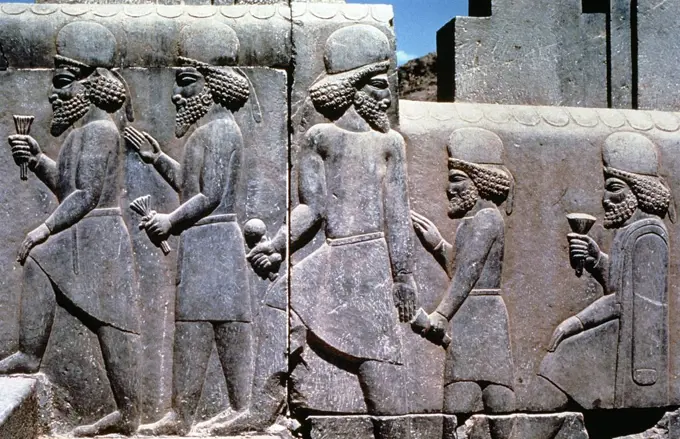
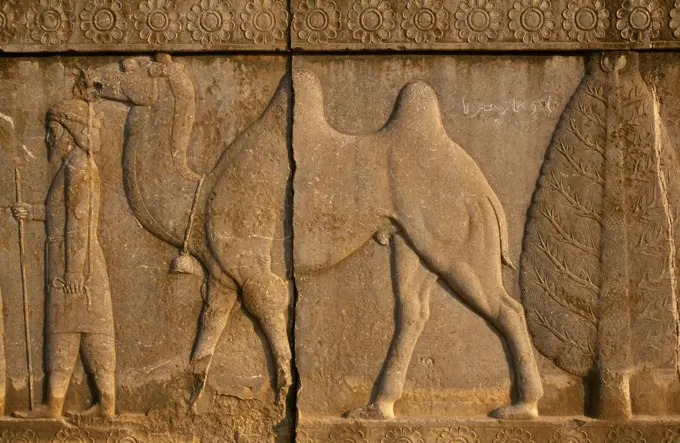
Relief carving on the stairway to the Royal Audience Hall of Darius I (548-486 BC) king of Persia. Subjects bringing tribute and gifts. Persepolis.
1848-51757434
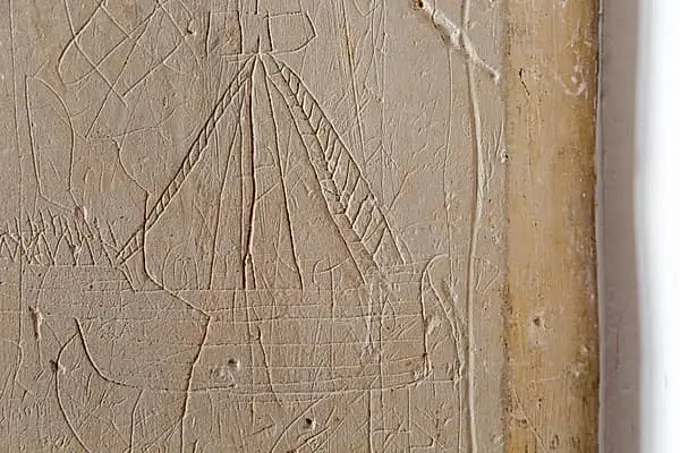
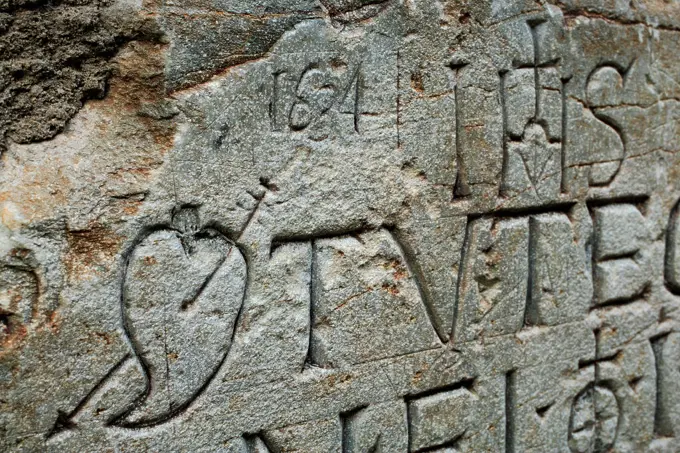
Village parish church Parham, Suffolk, England, UK ship carved graffiti in stone 14th -15th century
4409-28799508
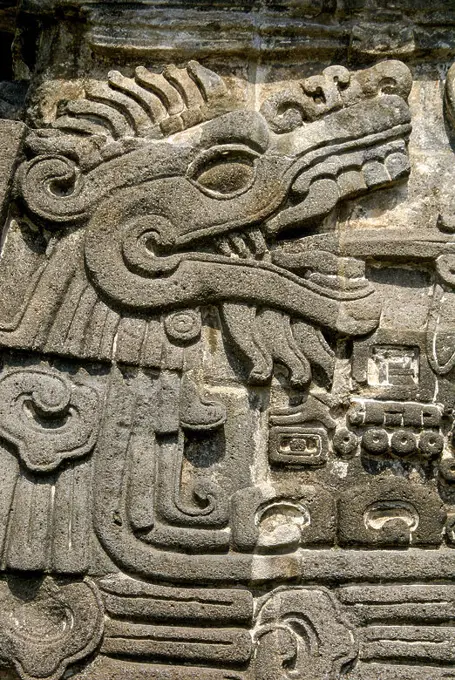
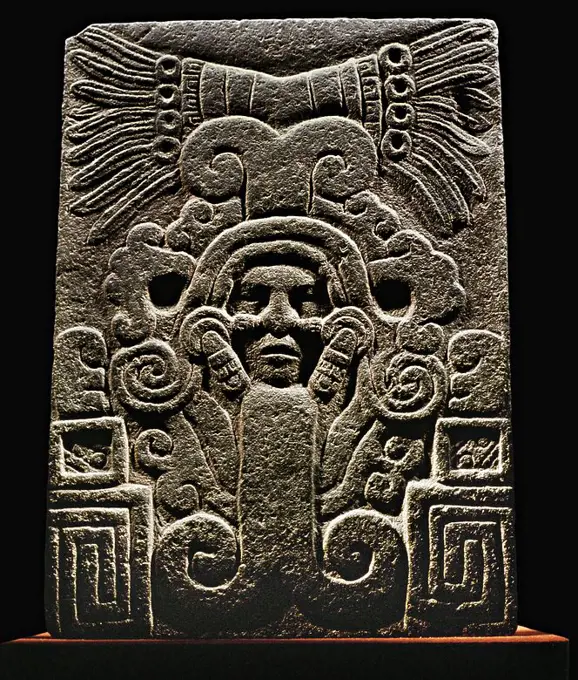
Bajorrelieve de Quetzalcóatl.Piramide de la serpiente enplumada(piramide de Quetzalcóatl).Yacimiento de Xochicalco. Estado de Morelos.Mexico.
1525R-201437
Luxor, Egypt, Africa
7155-70374671
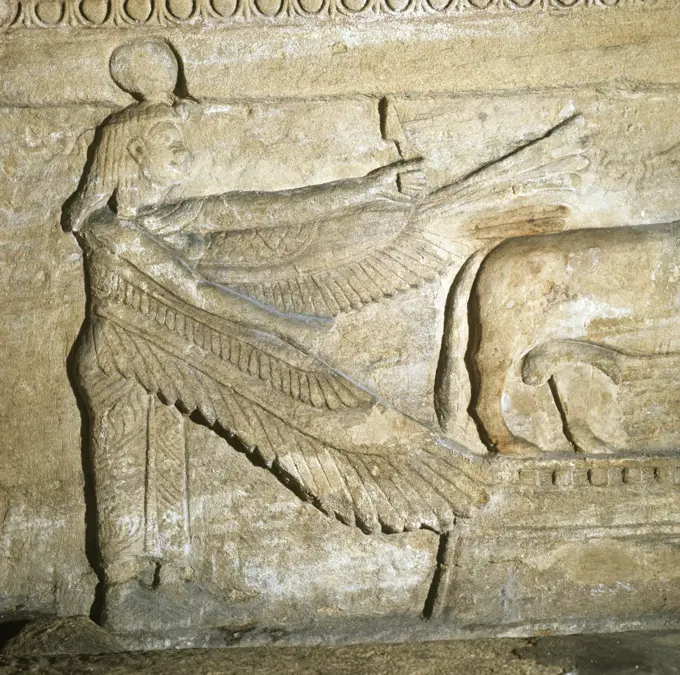
Ancient Egypt. Kom El Shugafa, catacomb, Alexandria. 1st cent. BC. 2nd level tomb. Nephthys.
6176-67037141
Portrait-relief of Enannatum I. Artist: Unknown
1746-29972040
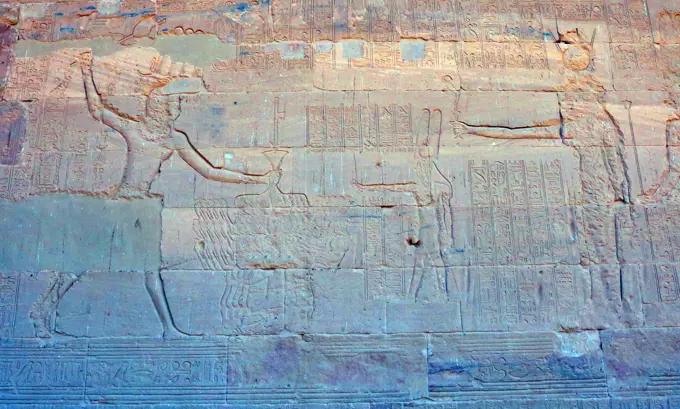
Philae, an island in the reservoir of the Aswan Low Dam, downstream of the Aswan Dam and Lake Nasser, Egypt. The temple complex was dismantled and moved to nearby Agilkia Island as part of the UNESCO Nubia Campaign project, before the 1970 completion of the Aswan High Dam. The first temple structure, which was built by native pharaohs of the 30th dynasty, was the one for Hathor. Greco-Roman era. The island temple was built during the Ptolemaic Kingdom. The principal deity of the temple complex was Isis
4409-20932083
King's stele with inscription and a relief depicting King Sennacherib praying in front of the divine symbols. 705-681 BC. Detail. Limestone. From Nineveh. Archaeological Museum. Museum of Ancient Orient. Istanbul. Turkey.
6145-29779626
Cylinder seal ca. 1820-1730 B.C.. Cylinder seal 328767
1848-54789795
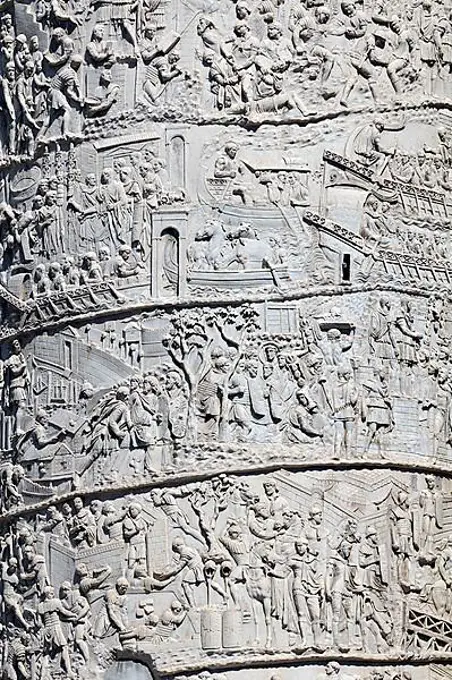
Relief, detail view of the Trajan Column, Rome, Lazio, Italy, Europe
4409-20916800
SPAIN - Val dAran (district) - Catalonia - Lerida. Santuari de Montgarri Naut Aran, Val d'Aran, Vall d'Aran, Lleida
1788-10667
Egypt, Thebes, Luxor, Valley of the Kings, Tomb of Ramses VI, close-up of mural painting from twentieth dynasty
4409-21485805
Canteras Gebel Silsila (margen oriental).
1746-21110980
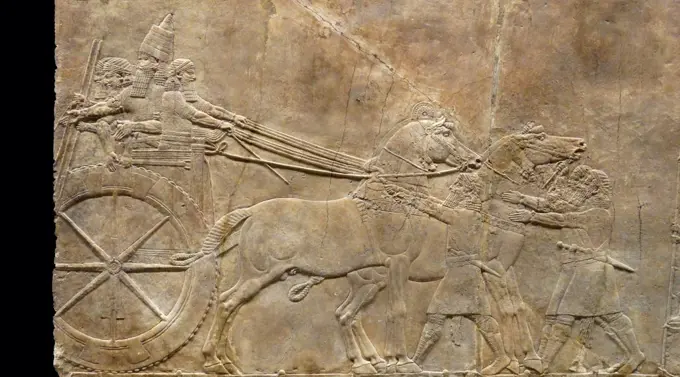
Relief depicting The royal lion hunt. Assyrian, about 645-635 BC From Nineveh, North Palace. Grooms lead horses towards a screened enclosure, within which the royal chariot is being prepared for the hunt. Men struggle to push one horse into position; the other is having its hamess tightened. King Ashurbanipal is already in the chariot
1848-55226761
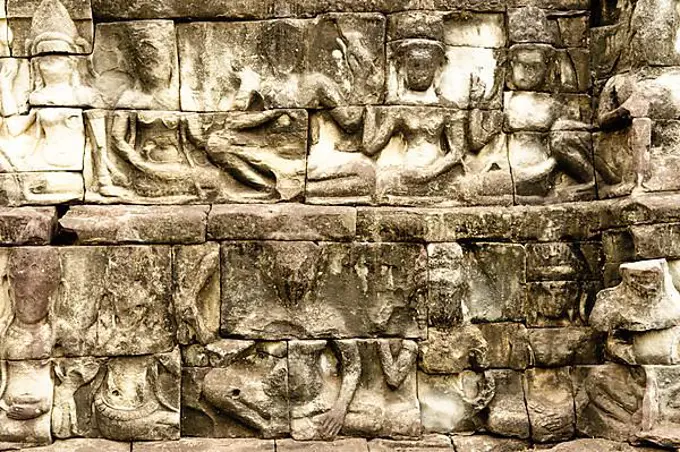
Figures of the Leper King Terrace in detail, Angkor Thom complex, Siem Reap, Cambodia, Southeast Asia, Asia
4409-8168
CODIGO DE HAMMURABI - PROCEDENTE DE SUSA - DIORITA - 1780 AC. Location: MUSEO DEL LOUVRE-ESCULTURAS. France. HAMURABI. SHAMASH (DIOS).
1848-63250804
Tomb guards at the rock tomb of Artaxerxes II, Persepolis, Persepolis, Iran, Asia
1909-3290
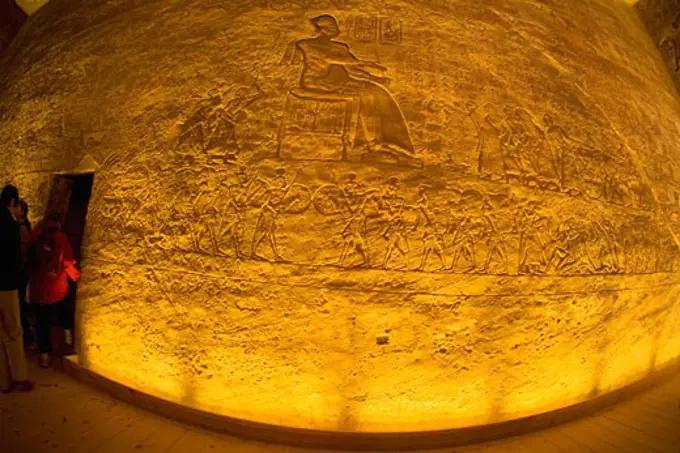
Abu Simbel Great Temple interior relief Egypt North Africa
5514-65782835
A stele of a sitting person carved in stone sits
1746-21124048
The Balawat Gates, three sets of gates from Balawat, an ancient Assyrian Empire, with embossed scenes showing scenes of warfare, the presentation of tribute and hunting of Lions and bulls.
4042-73023810
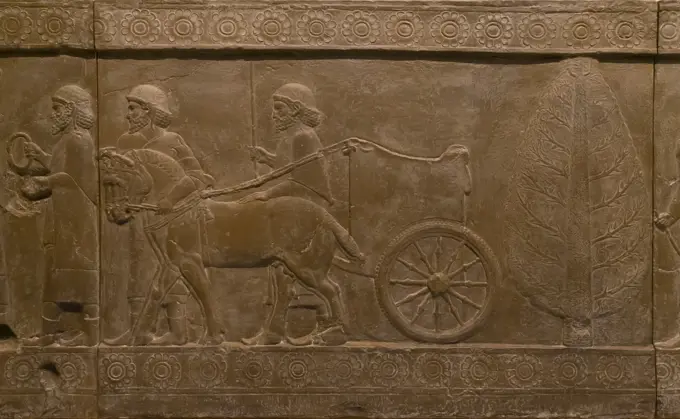
A delegation bring gifts of precious metal and a chariot fit for a king, Persepolis, 500 BC, Cappadocian Sculptures, Cast from Apadana, Persepolis, Iran, British Museum,London, England, UK
1746-19661941
Sargon II reigned 722  705 BC) Assyrian king
4409-131130
'The Birth of Topiltzin'. Museum: MUSEO ARQUEOLOGICO, Mexico D. F., CIUDAD DE MEXICO.
1788-17696
Egypt, Tall al-Amarnah (Amarna, Tell el-Amarna), necropolis, tomb of Panehsi, detail, relief
6176-67035973
Neo-Assyrian cylinder-seal impression. Artist: Unknown
6145-55179333
The campaign against Urkhileni of Hamath, including the capture of Qarqara.. Birch, Samuel (1813-1885). Photographs, Illustrations. 1880 - 1902. General Research Division. Gates , Assyria, Bas-reliefs , Assyria, Shalmaneser III, King of Assyria, active 9th century B.C. , Palaces
7155-70383296
Adad, Storm god & animal attribute, bull. Holds vase gushing with water, symbol of rain. Cylinder seal. 1894-1595 B.C. Babylon.
4409-20896247
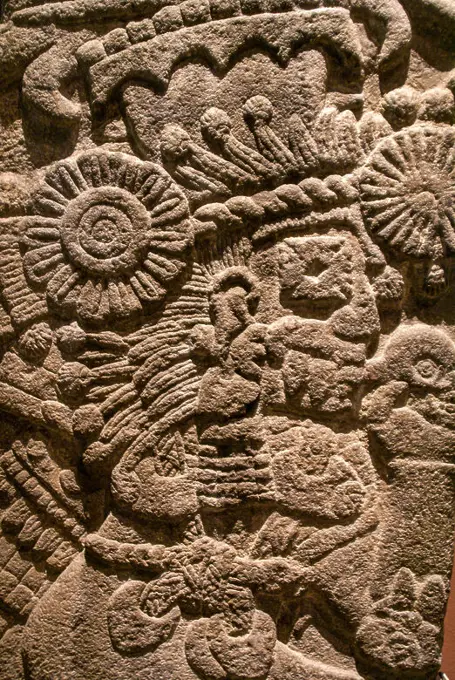
Aztec Relief. National Museum of Anthropology. State of Mexico D.F.Mexico.
6145-59138166
Emilia-Romagna Bologna Bologna Museo Civico Archeologico Sale III, IV, V3. Hutzel, Max 1960-1990 Specific Location: Sale III, IV, V (Egyptian antiquities) Owner: Museo Civico Archeologico Antiquities: III: basalt sculptural fragments; reliefs from the tomb of Horemheb; funerary stele; dynasties XVIII, XIX, XX, Ptolomeic dynasty reliefs, generally in limestone. IV: XVIII, XIX dynasty sculptures in granite, limestone, sarcophagi, statuette in basalt, statuette in wood, statuettes in bronze, statuette faience, mummy mask: V: basalt sculptures of Horus, Sekhmet, limestone stele (Antiq. count: 202); Republican portrait sculpture, Republican cippi with portrait bust, cippus with portraits (single and group), cippi with inscriptions from all periods, architectural fragments, basin with inscription, torso fragment of cuirassed figure of the 1st century AD (Nero) (Antiq. count: 185); disk lamps from the late republic to 6th century, with erotes, animals, erotica, mythological scenes, menorah, p
1746-29966287
Tomb KV9 in Egypt's Valley of the Kings was originally constructed by Pharaoh Ramesses V. He was interred here, but his uncle, Ramesses VI, later reused the tomb as his own. The layout is typical of the 20th dynasty - the Ramesside period 1145 BC
7222-71299355
Asia, Iran, Persepolis aka Takht-e Jamshid or Throne of Jamshid. Bas relief carvings remain one of the highlights of this ruined capital of the Achaemenian Empire started by Darius I.
1746-19691852
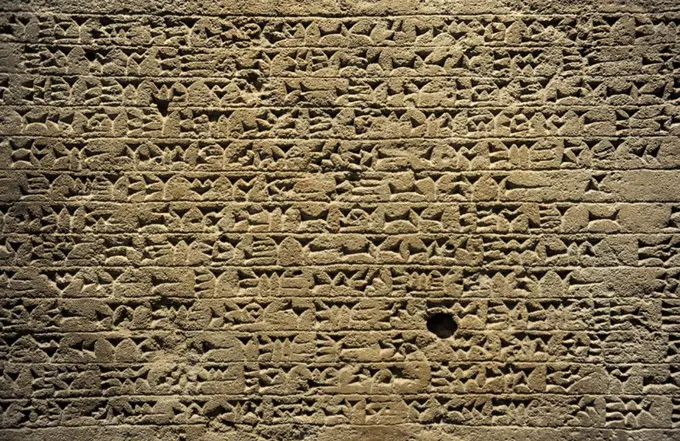
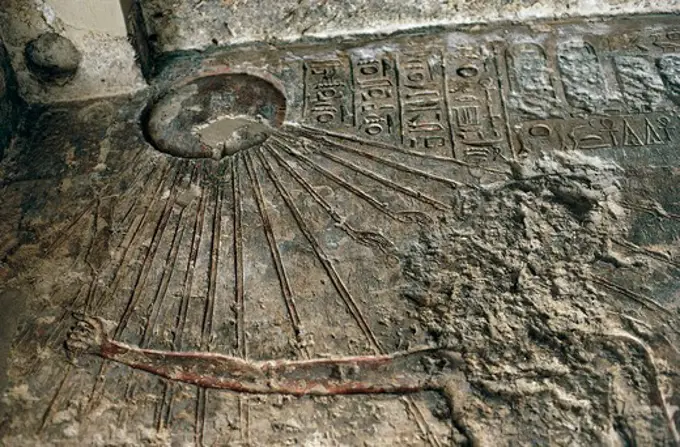
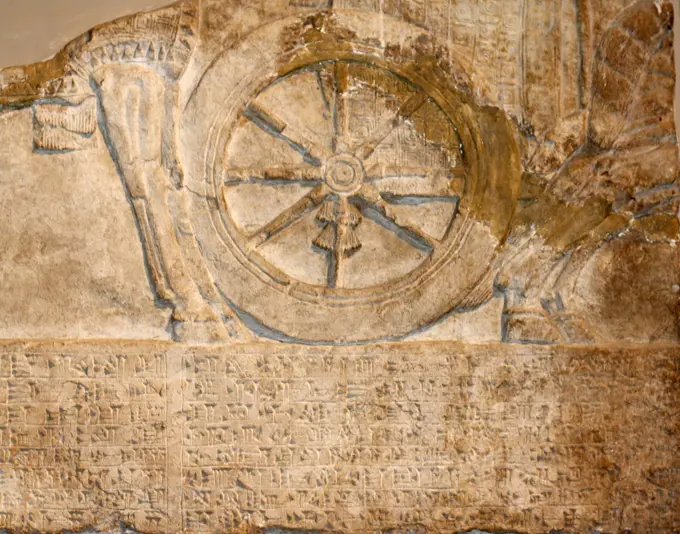
Chariots, Assyrian about 728 BC. From Nimrud. This wall-panel, one of a series, shows two disconnected scenes. Door-sill, Assyrian, 9th-8th century BC. From Nimrud. The text gives the name and genealogy of Adad-nirari III (810-783 BC) and was written in doorways of a palace built during his reign.
4409-17412583
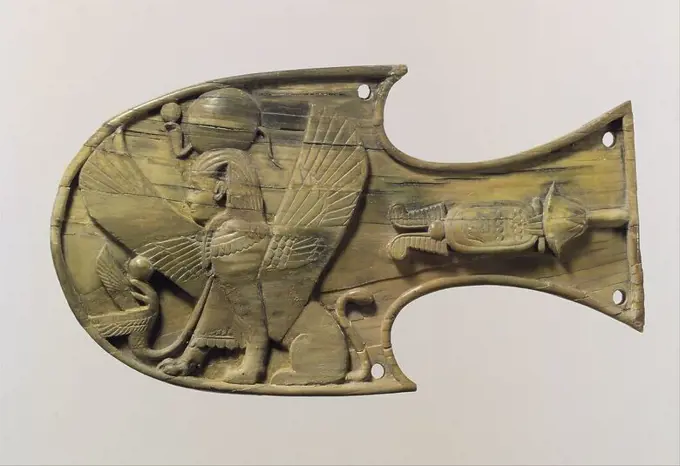
Horse blinker carved in relief with a seated sphinx. Culture: Assyrian. Dimensions: 4.13 x 7.32 in. (10.49 x 18.59 cm). Date: ca. 8th century B.C..The craftsmen who carved ivories in the Phoenician style were strongly influenced by Egyptian art. Many of these ivories illustrate Egyptian themes and motifs, but in entirely original compositions. Phoenician-style ivories were used primarily as furniture decoration. Some are solid plaques; others are carved on one or both sides in a delicate openwork technique. Many were originally covered with gold leaf and inlaid with semiprecious stones or colored glass.Elaborate horse trappings, including frontlets and blinkers such as this one, were sometimes crafted from ivory and are represented on Assyrian reliefs. This spade-shaped horse blinker is decorated in low relief with a seated sphinx wearing the Egyptian cobra, or uraeus, and sun disk on its head. Another winged uraeus and sun disk faces the sphinx to its left. Behind the sphinx is a ca
4409-21485758
Achaemenid Empire. Persepolis. Stairs of Tripylon (Triple gate). Relief of a Persian officer of the court. 5th century BC. Iran.
1746-19697875
Decorative panels of moulded terracotta bricks. Achaemenid period. Palace of Darius 1st.
1788-22301
Egypt, Bas-relief portraying Amenhotep IV (Pharaoh Akhenaten, circa 1360-1342) with his wife Nefertiti (circa 1370-1330 BC) and their children, the Pharaoh gives an earring to Princess Meritaten, his first daughter, eighteenth dynasty, New Kingdom
1848-50400435
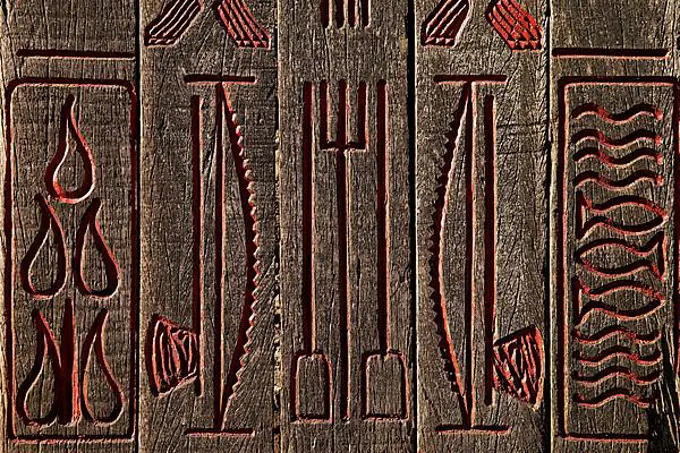
Detail of the wooden stele made of ship planks for the 1000th anniversary of the parish, artist Walter Jansen, Odenthal, Bergisches Land, North Rhine-Westphalia, Germany, Europe
1746-30012395
A photograph taken of the Festival Hall of Thutmose III (Akh-menu) is an ancient shrine in Luxor (Thebes), Egypt. It is located at the heart of the Precinct of Amun-Re, in the Karnak Temple Complex. The Hall is situated at the end of the Middle Kingdom court. It was initially built to celebrate the Jubilee (Heb-Sed) of the 18th dynasty Pharaoh, Thutmose III, and later became used as part of the annual Opet Festival. circa 1425 BC
4409-17553429
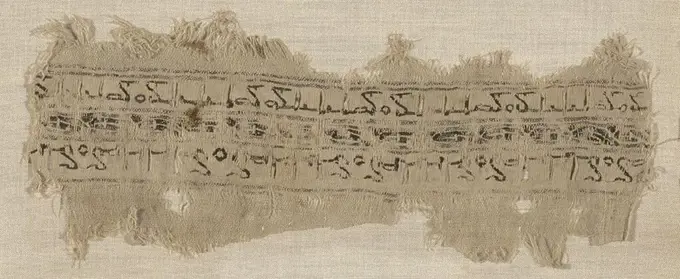
Fragment. Egypt. Date: 969 AD-1171. Dimensions: 7.6 × 20.6 cm (3 × 8 1/8 in.). Linen and silk, tapestry weave. Origin: Egypt. Museum: The Chicago Art Institute, Chicago, USA. Author: Islamic.
1788-23486
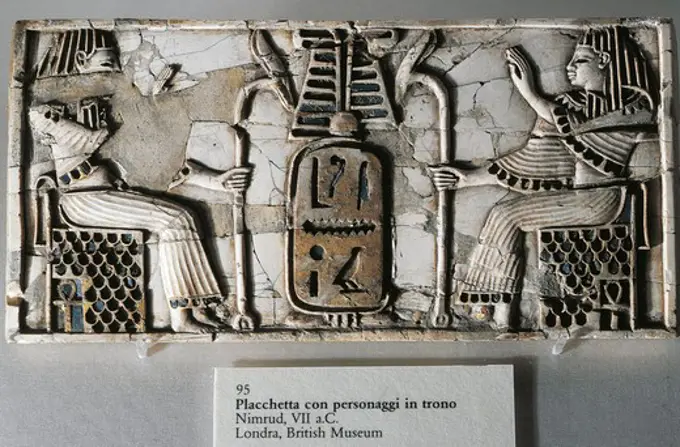
UK. London, Ivory plaquette representing two figures sitting on throne, found in Nimrud, Iraq
6145-54533829
The conquest of Ararat and reception of tribute from the king of Kirzani.. Birch, Samuel (1813-1885). Photographs, Illustrations. 1880 - 1902. General Research Division. Gates , Assyria, Bas-reliefs , Assyria, Shalmaneser III, King of Assyria, active 9th century B.C. , Palaces
6145-29776852
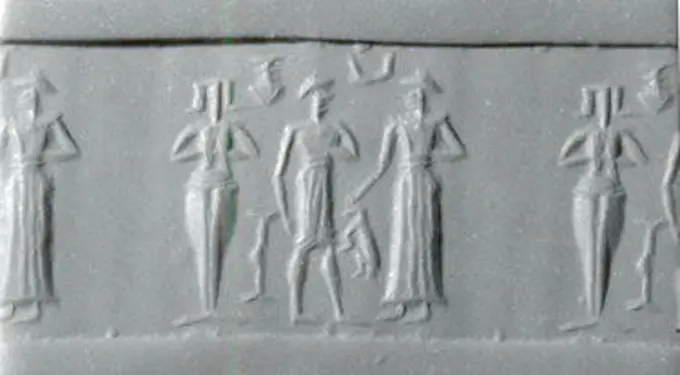
Cylinder seal ca. 18th-17th century B.C. Babylonian. Cylinder seal. Babylonian. ca. 18th-17th century B.C.. Hematite. Old Babylonian. Mesopotamia
1746-19631118
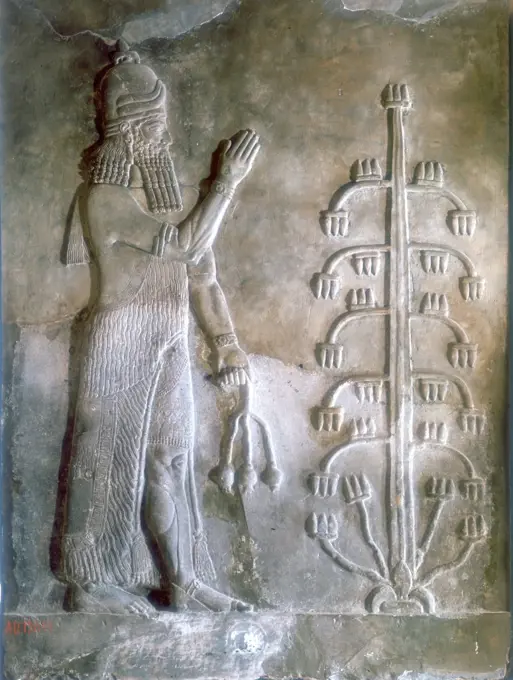
Sargon I, king of Mesopotamia who reigned c2334-c2279 BC. Founder of the Akkadian Semitic dynasty. Sargon standing before a tree of life. Stone relief. Louvre, Paris.
1525-25629112
in iran the bas relief of an antique warrior
1788-111119076
Site of Abu Simbel, monuments carved in the rock, Nubia, Egypt, engraving from Antiquites de la Nubie, ou Monumens inedits des bords du Nil (Antiquities of Nubia or Unknown monuments on the banks of the Nile), Plate 55, by Francois-Christian Gau, 1822, Paris.
6145-29186184
Canopic jar of princess Sithathoryunet - Duamutef ca. 1887-1813 B.C. Middle Kingdom The four canopic jars of the king's daughter Sithathoryunet all have human-headed lids like most jars dating to the Middle Kingdom. The jars were intended to store the four internal organs removed during mummification, the lungs, liver, intestines, and stomach. The inscriptions on the jars invoke the four funerary goddesses and the Four Sons of Horus who protect these organs. The inscription on this jar invokes Neith and Duamutef, who protect the stomach.. Canopic jar of princess Sithathoryunet - Duamutef. ca. 1887-1813 B.C.. Travertine (Egyptian alabaster), paint. Middle Kingdom. From Egypt, Fayum Entrance Area, Lahun, Tomb of Sithathoryunet (BSA Tomb 8), BSAE excavations 1914. Dynasty 12
1746-29955226
Limestone, painted stela, of the chief of police, Ptahmay. New Kingdom, 18th Dynasty, circa 1354 BCE. Amarna period, Egypt
1889R-85550
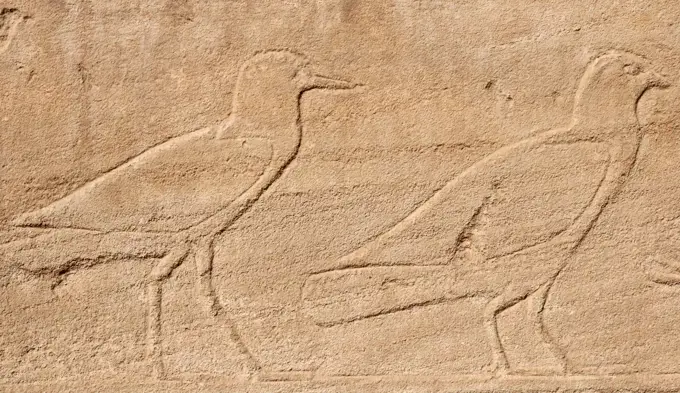
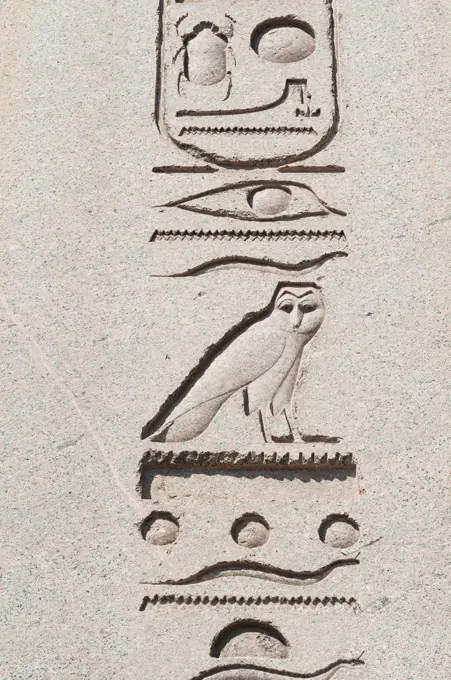
Hieroglyph Carvings In The Surface Of The Ancient Egyptian Obelisk Of Theodosius, Istanbul Turkey
1899-65659657
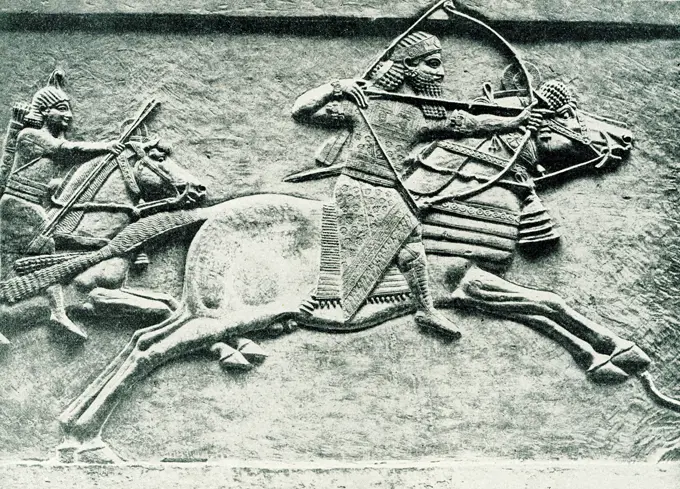
This 1910 image shows an Assyrian king hunting. The stone relief is in the British Museum in London. Here, the king Ashurbanipal gallops forward, shooting at wild asses. One of the horsemen behind him has spare arrows and the other has a spare mount. Asses are shot or pulled down by dogs. Ashurbanipal ruled in 600s BC. Date of this relief uncovered at North Palace at Nineveh is 645-635 BC.
PREVIOUS
of 3
NEXT
2401 S. Ervay, Suite 206
Dallas, Texas 75215
United States
Get Started
Free ResearchMy BoardsMy Cart
For Creators
How To License Your ContentContributor PortalFrame of Mind
Resources
API accessPricing
Contact
+1 866 236 0087help@viewpictures.co.uk Contact form
©2026 View Pictures. All Rights Reserved. -A
This site is protected by reCAPTCHA and Google Privacy Policy and Terms of Service apply.