My Boards
View Pictures
  • My Boards
← Artworks

Ancient Reliefs and Seals

Artifacts from ancient cultures including detailed reliefs, stone stelae, and decorated seals showcasing historical scenes and figures.
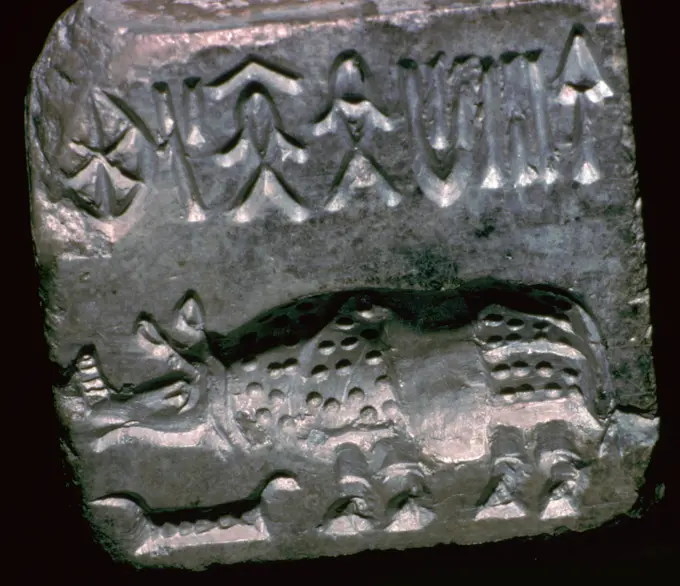
Rhinoceros in a Pakistani steatite seal, 25th century BC. Artist: Unknown
311 assets in this story
6145-29139658
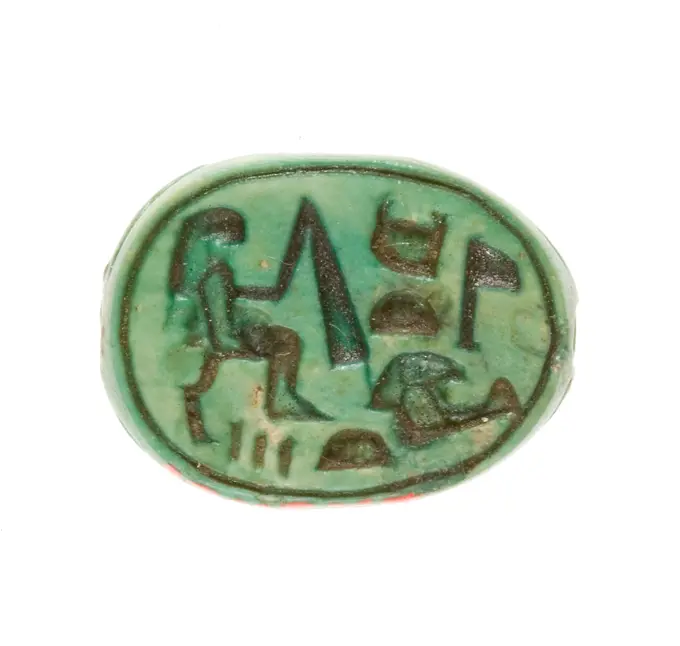
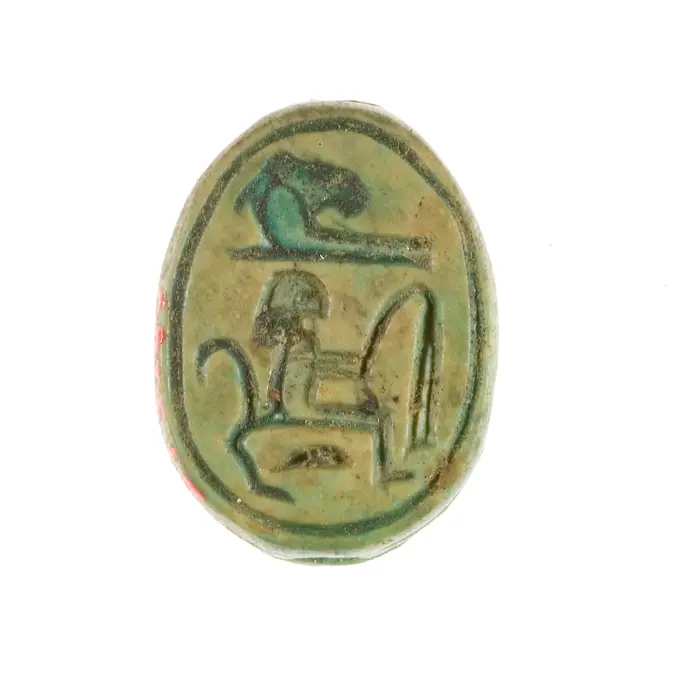
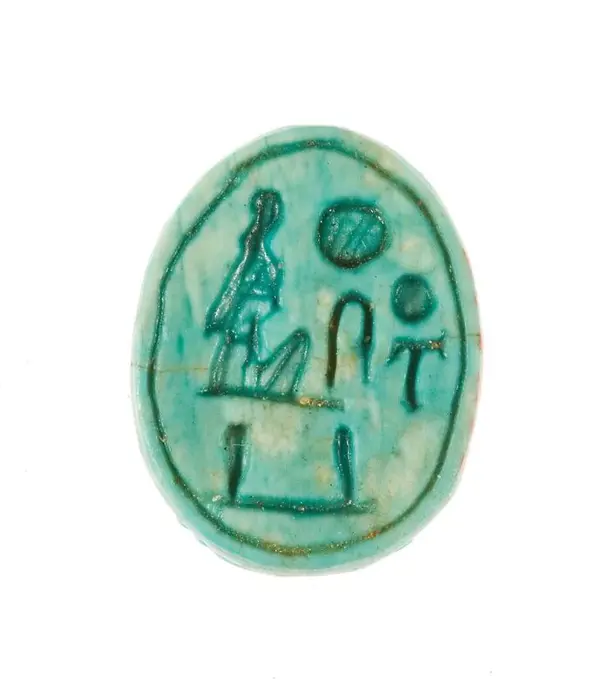
Scarab Inscribed for the God's Wife Hatshepsut ca. 1479-1458 B.C. New Kingdom This scarab was found in a foundation deposit associated with Hatshepsut's funerary temple at Deir el-Bahri. The base is inscribed with her personal name, Hatshepsut ("foremost of noblewomen") linked with the title God's Wife. Hatshepsut inherited the title while she served as principal queen of her half-brother, Thutmose II. Later in her life, after taking on the titles of King, Hatshepsut passed the title to her daughter, Neferure (see scarab 27.3.326).. Scarab Inscribed for the God's Wife Hatshepsut. ca. 1479-1458 B.C.. Steatite (glazed). New Kingdom. From Egypt, Upper Egypt, Thebes, Deir el-Bahri, Temple of Hatshepsut, Foundation Deposit 7 (G), MMA excavations, 1926-27. Dynasty 18, early
7222-71299502
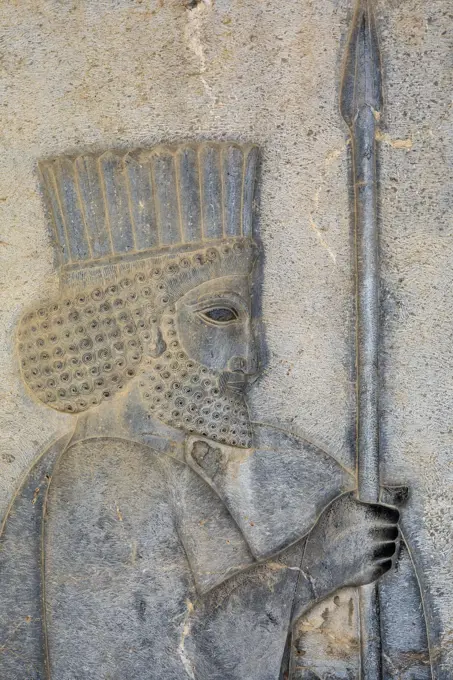
Iran, Persepolis. A bas-relief of a Persian royal guard with a spear. Persepolis was the ceremonial capital of the Achaemenid Empire dating back to 515 BC.
6145-29139644
Scarab Inscribed for Hatshepsut ca. 1479-1458 B.C. New Kingdom This scarab was discovered in one of the foundation deposits along the front wall of the lower court of Hatshepsut's funerary temple at Deir el-Bahri. It's base is inscribed with her personal name (Hatshepsut). A similar version of the same inscription may be found on another scarab (27.3.166), but the backs of the two scarabs are quite different.. Scarab Inscribed for Hatshepsut. ca. 1479-1458 B.C.. Steatite (glazed). New Kingdom. From Egypt, Upper Egypt, Thebes, Deir el-Bahri, Temple of Hatshepsut, Foundation Deposit 9 (I), MMA excavations, 1926-27. Dynasty 18, early
6176-67066646
The Lewis Chessmen, (Norwegian), c1150-c1200, (c1920). Artist: Unknown
4048-2804
Assyria, from the Temple of Nabu, the head of the god of writing, Nimroud circa 811-783 BC, photo ca 1860
6145-46867587
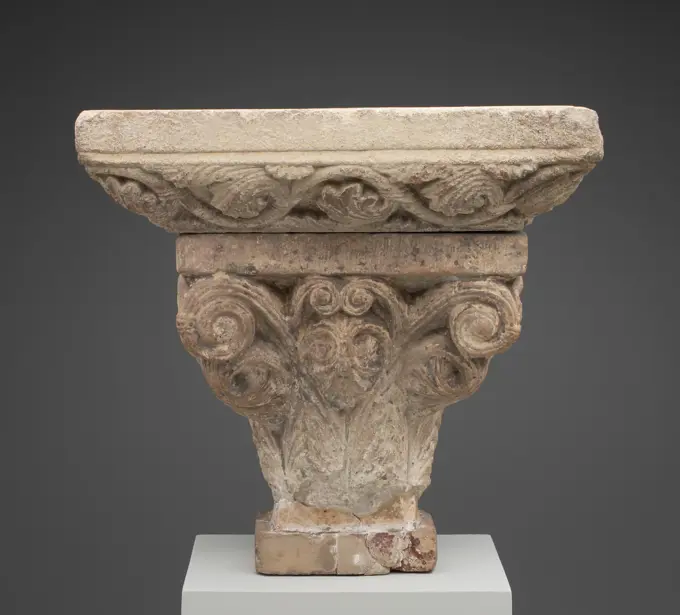
RomanesqueCapital.  Artist: Unknown
6145-29760522
Panel 11th century. Panel 448231
6176-67036333
Base of the east face of the Moone Cross, 7th century. Artist: Unknown
1788-41259
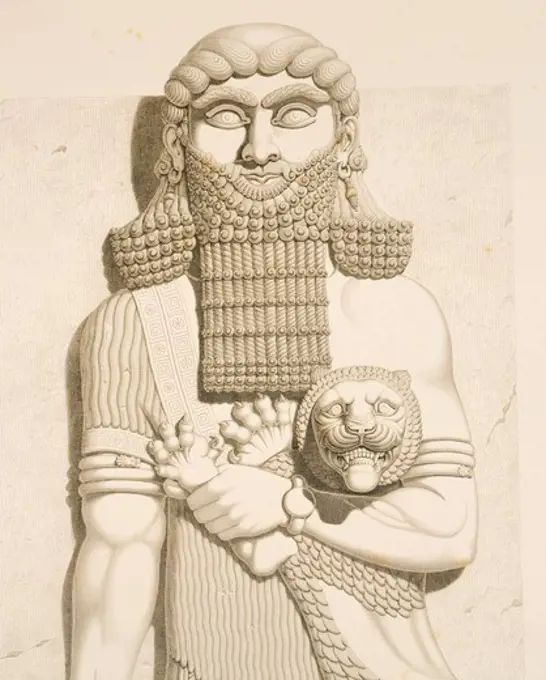
Relief depicting a man and a lion, detail, drawing by Eugene Flandin from Monuments of Nineveh by Paul-Emile Botta, 1849. Assyrian civilisation.
4443-28736373
Metate, 1-499, 15 7/8 x 26 x 25 1/2 in. (40.3 x 66 x 64.8 cm), Volcanic rock, Costa Rica, 1st-5th century, Flying panel metates or grinding stones such as this one were among the largest sculptures produced in Central America. They were prestige ritual objects owned by chiefs, and symbolically represented his control over labor and agricultural surplus. Themes portrayed on these metates are generally quite complex, but are almost always related to issues of fertility and renewal. The tripod supports of this sculpture feature figures of captives with their heads held in the beaks of birds, a reference to agriculture and sowing, as heads were symbolic of seeds. The central panel shows an individual with outstretched arms wearing a crocodile mask, surrounded by serpents. Both animals are connected to the earth and the supernatural.
4409-17425244
Scarab Inscribed Maatkare (Hatshepsut), She Lives. Dimensions: L. 1.7 cm (11/16 in.); W. 1.3 cm (1/2 in.). Dynasty: Dynasty 18, early. Reign: Joint reign of Hatshepsut and Thutmose III. Date: ca. 1479-1458 B.C.. Museum: Metropolitan Museum of Art, New York, USA.
PREVIOUS
of 4
NEXT
2401 S. Ervay, Suite 206
Dallas, Texas 75215
United States
Get Started
Free ResearchMy BoardsMy Cart
For Creators
How To License Your ContentContributor PortalFrame of Mind
Resources
API accessPricing
Contact
+1 866 236 0087help@viewpictures.co.uk Contact form
©2026 View Pictures. All Rights Reserved. -A
This site is protected by reCAPTCHA and Google Privacy Policy and Terms of Service apply.