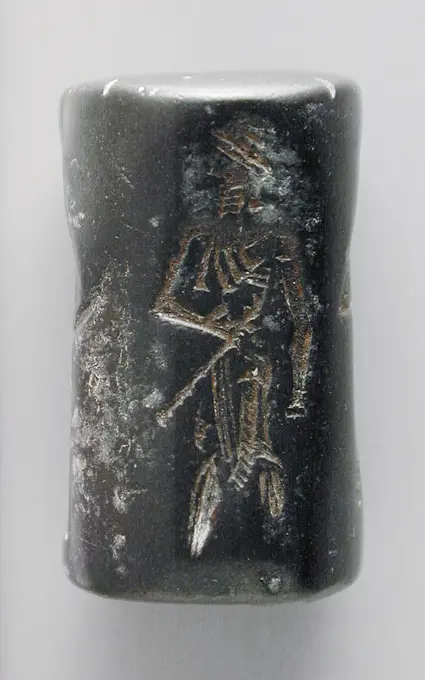
Ancient Scarabs and Seals

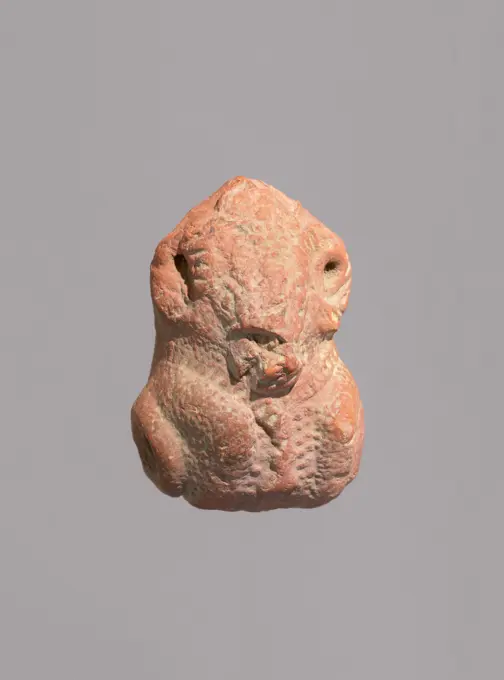
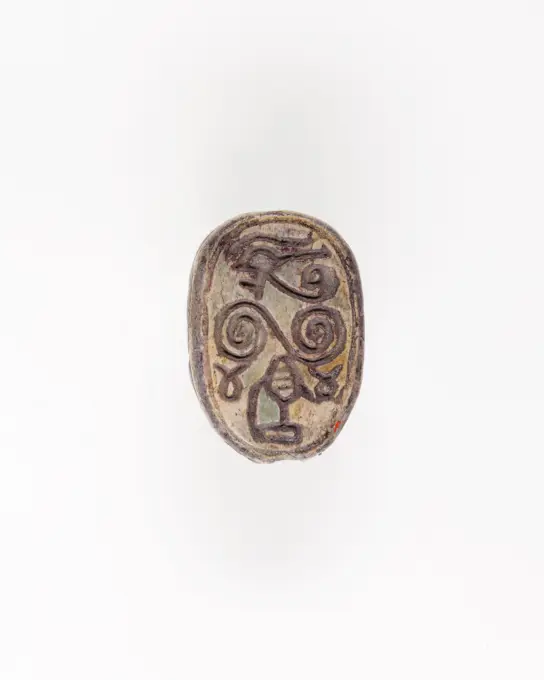
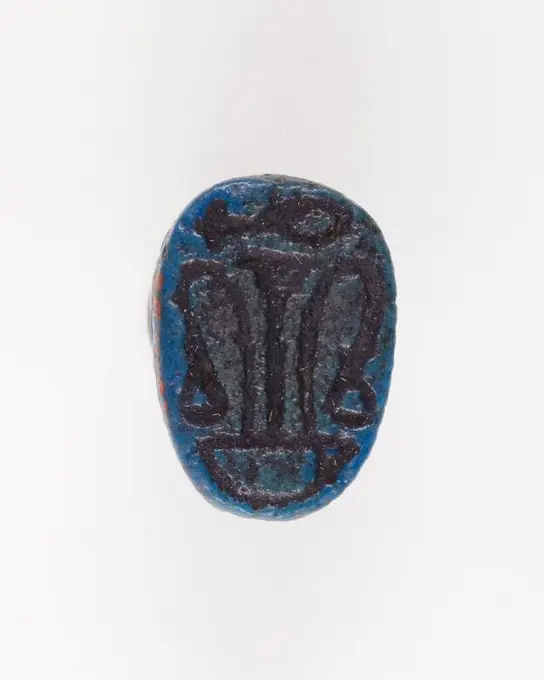
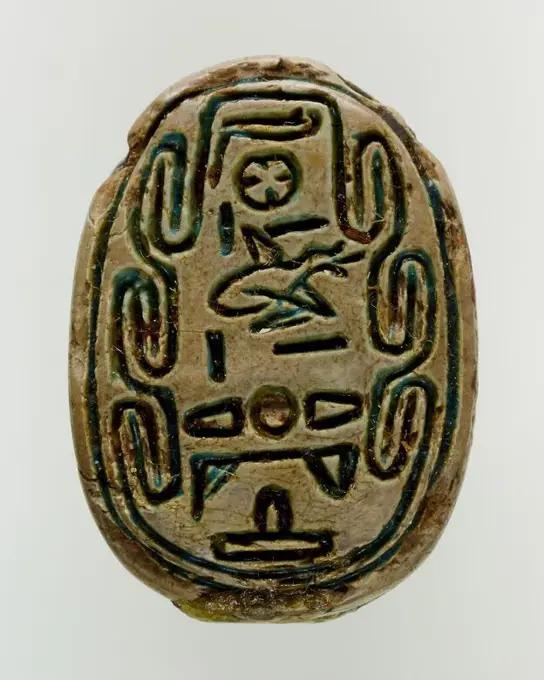
Collection of ancient scarabs and seals, featuring inscriptions and intricate designs, showcasing historical artifacts from Egypt and Syria.
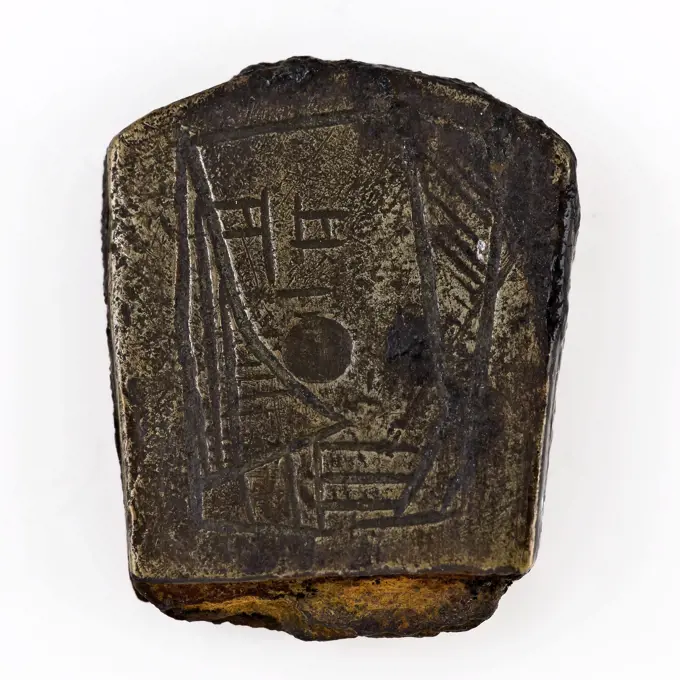
Knob of cutlery knife, handle knife cutlery soil find copper brass metal, w 1.7 forged riveted engraved Heftind consists of two fittings riveted to plate girdle. Rounded corners archeology Rotterdam Kralingen-Crooswijk Kralingen East Honingerdijk eating religion bible Mary Magdalene Soil discovery: Honingerdijk 1982-05-23
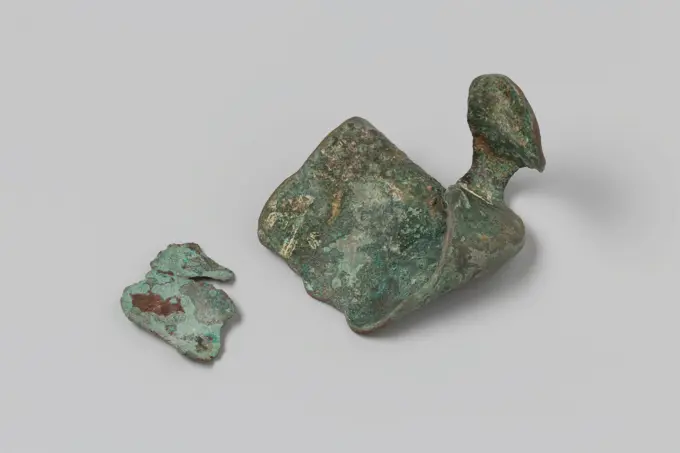
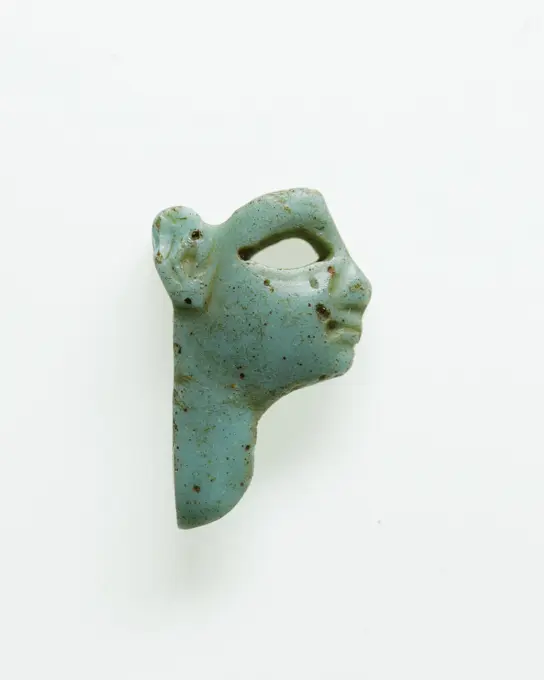
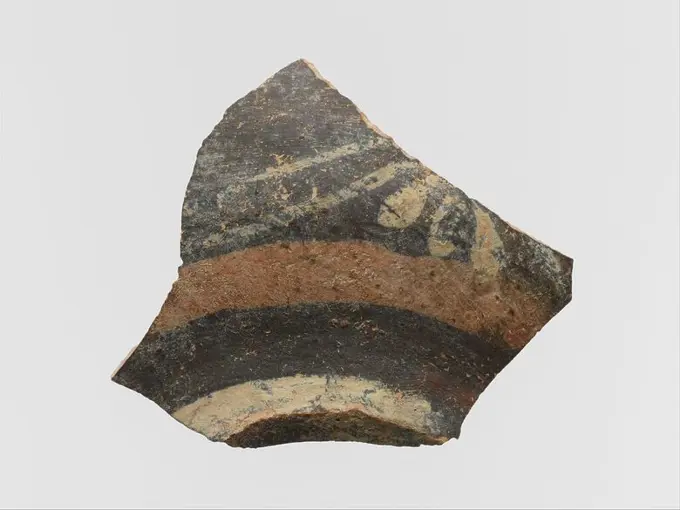
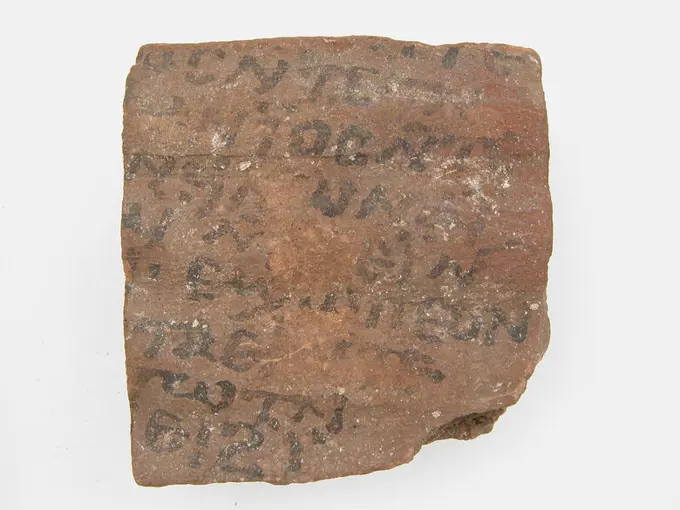
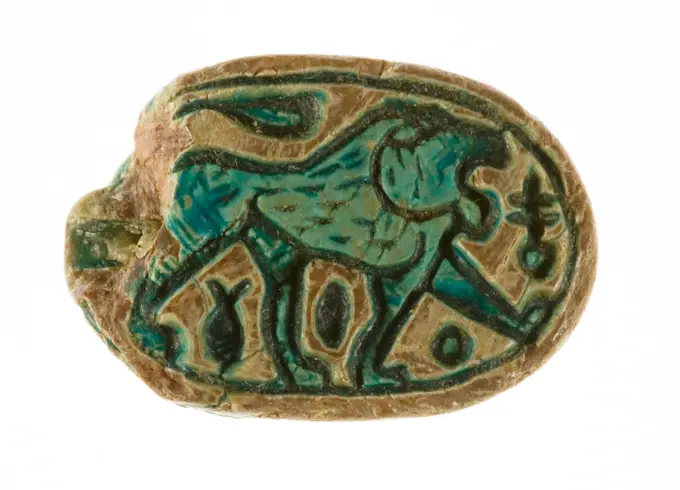
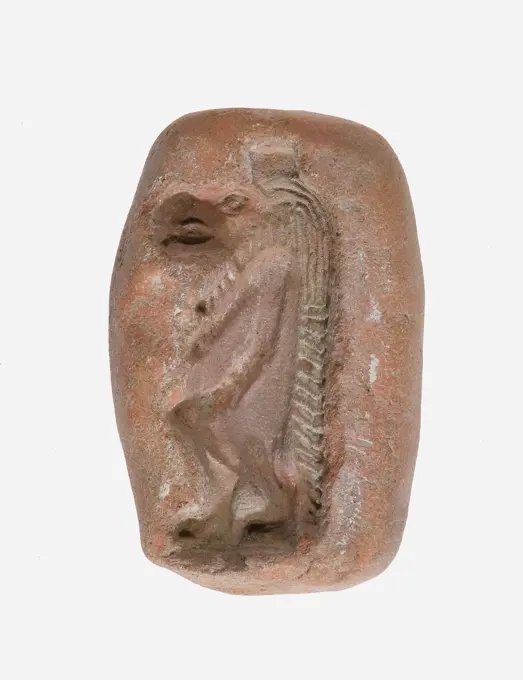
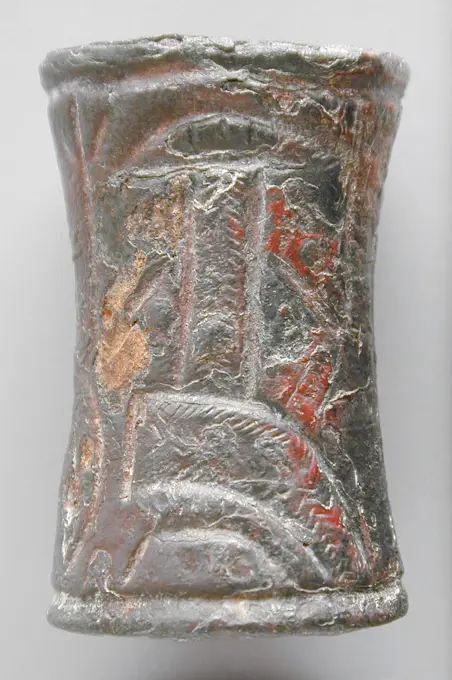
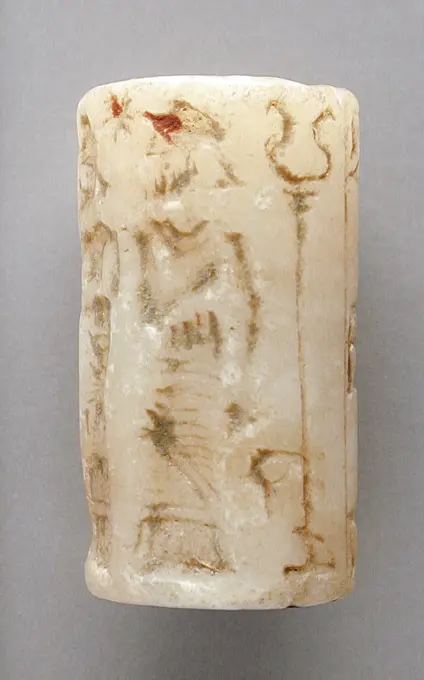
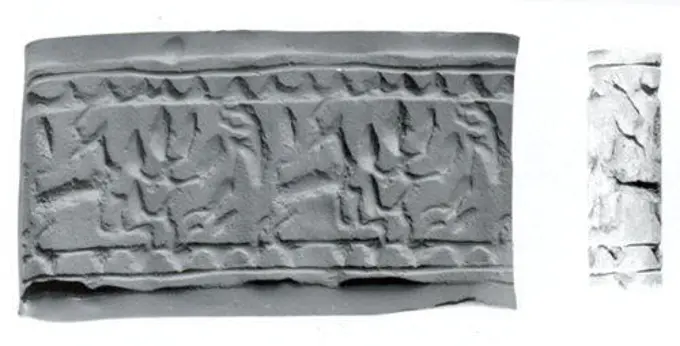
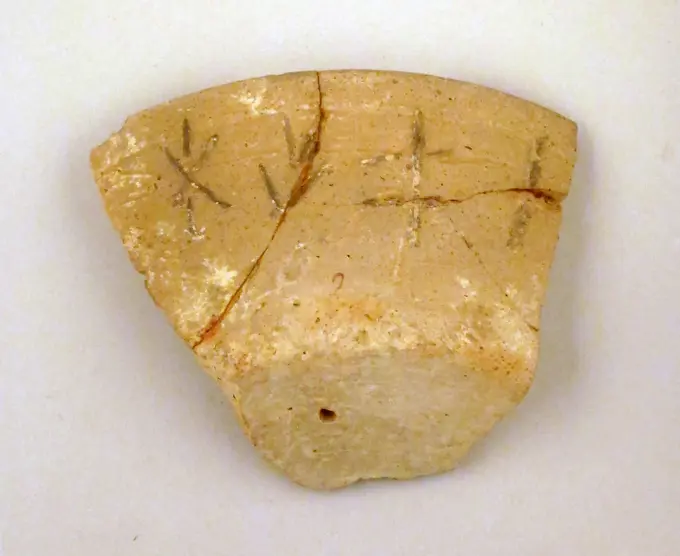
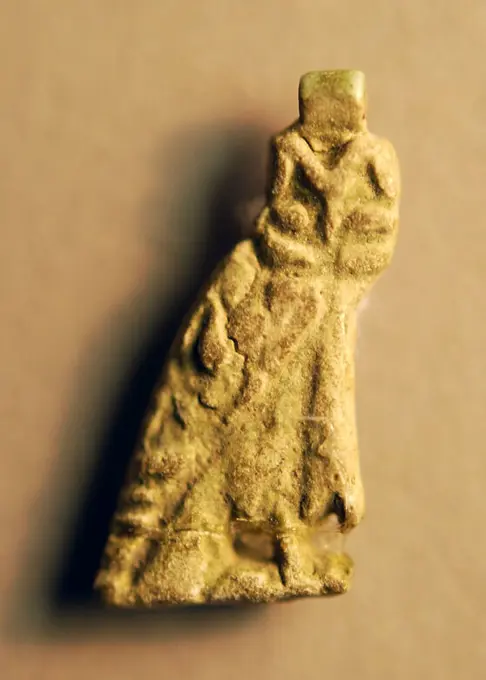
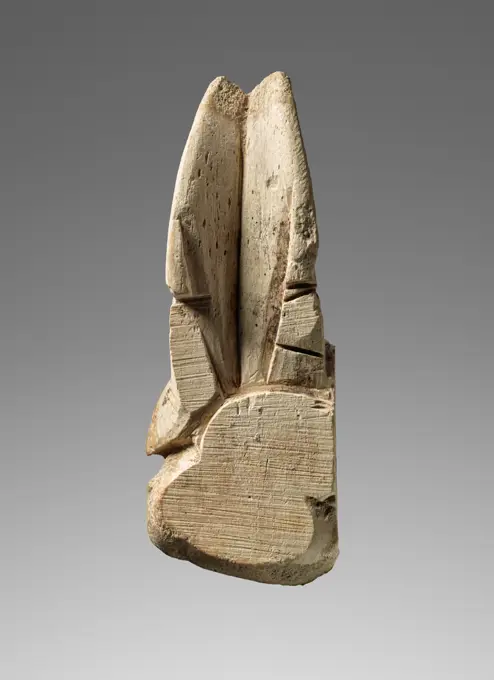
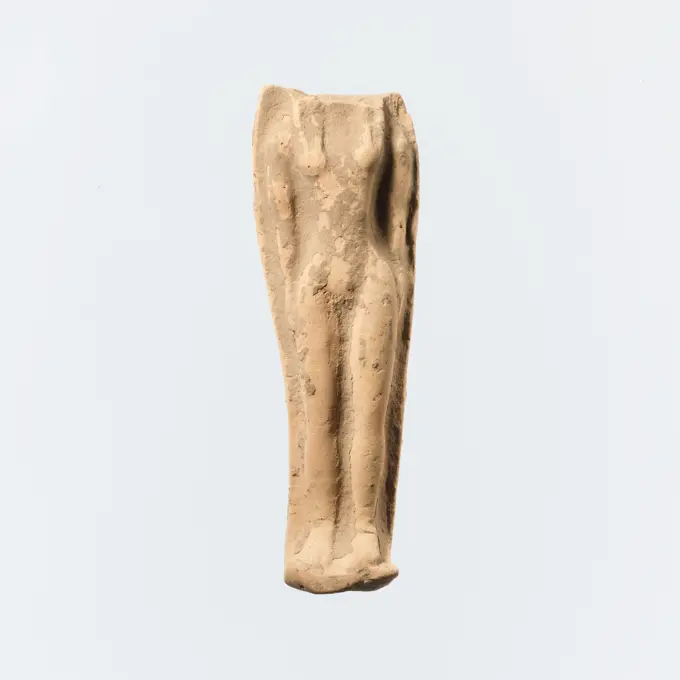
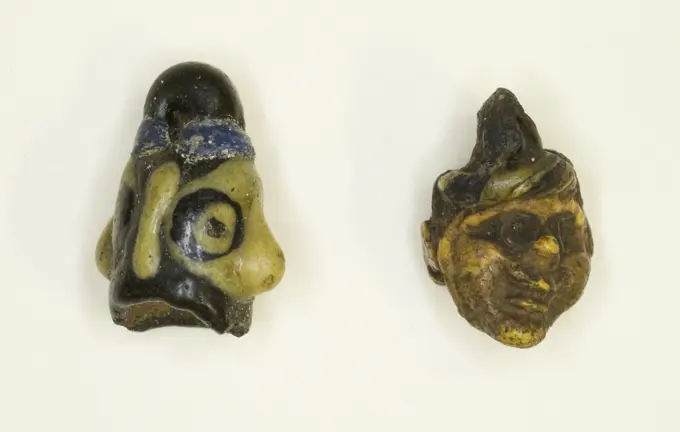
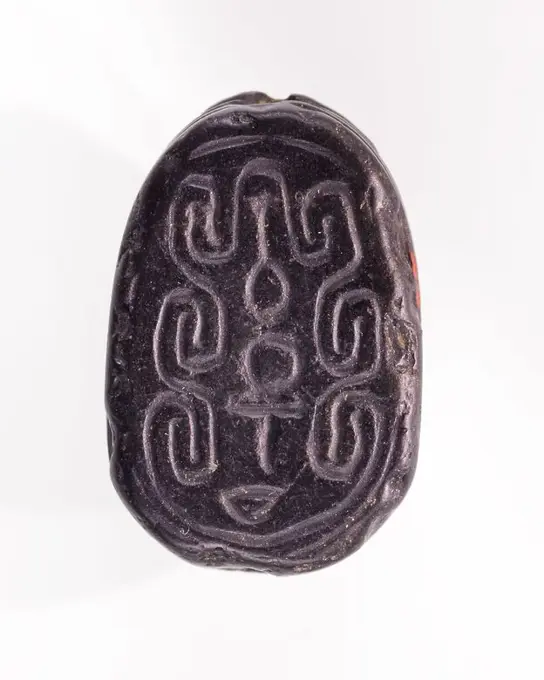
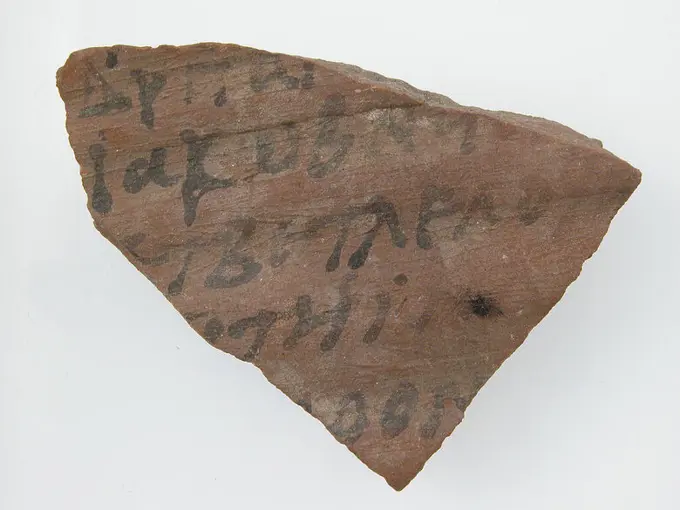
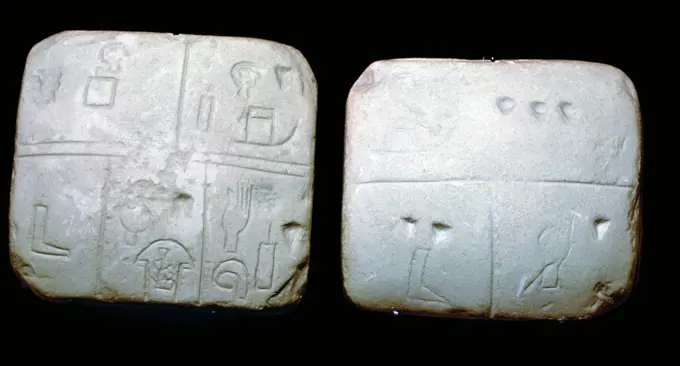
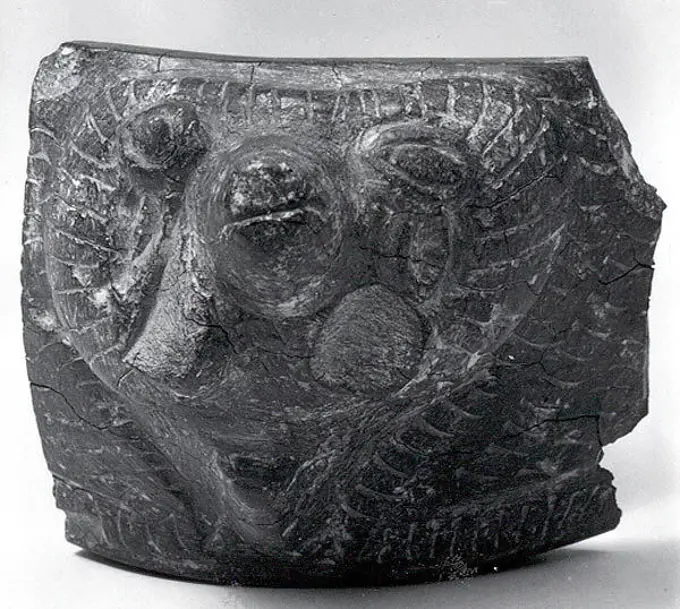
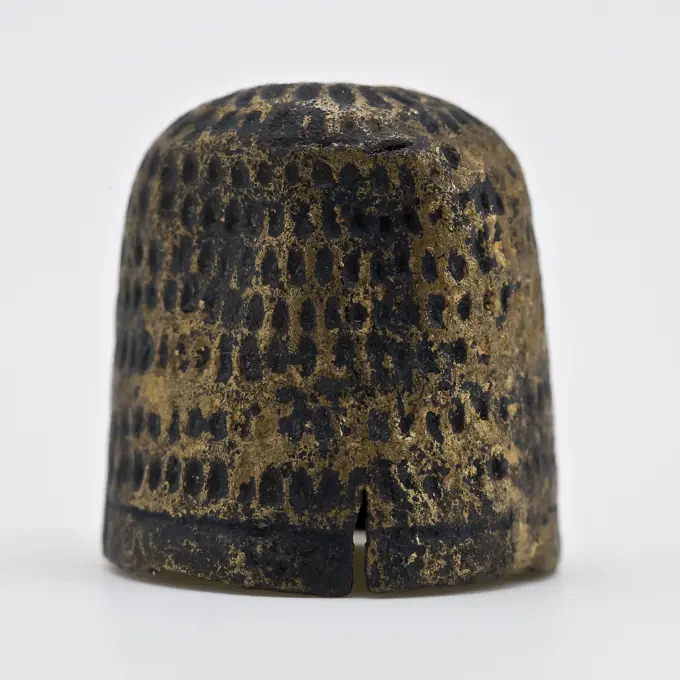
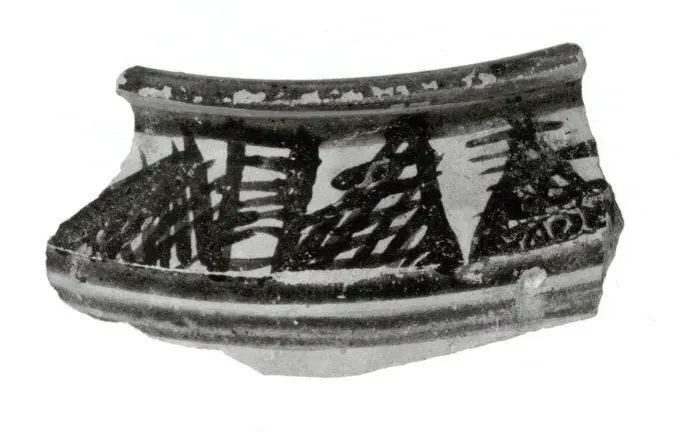
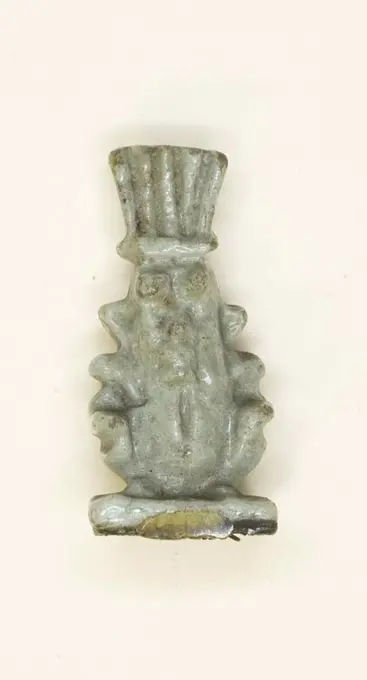
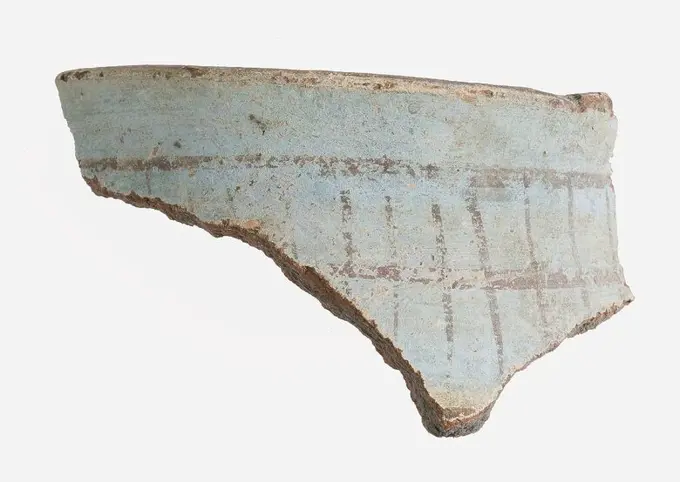
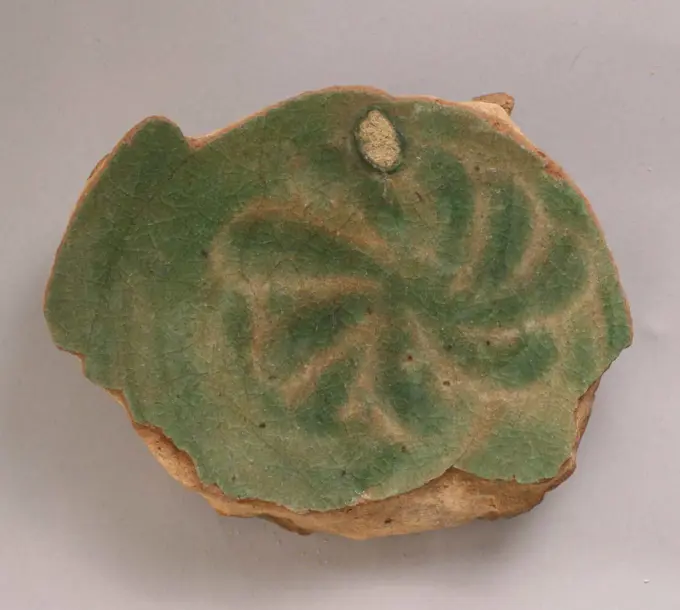
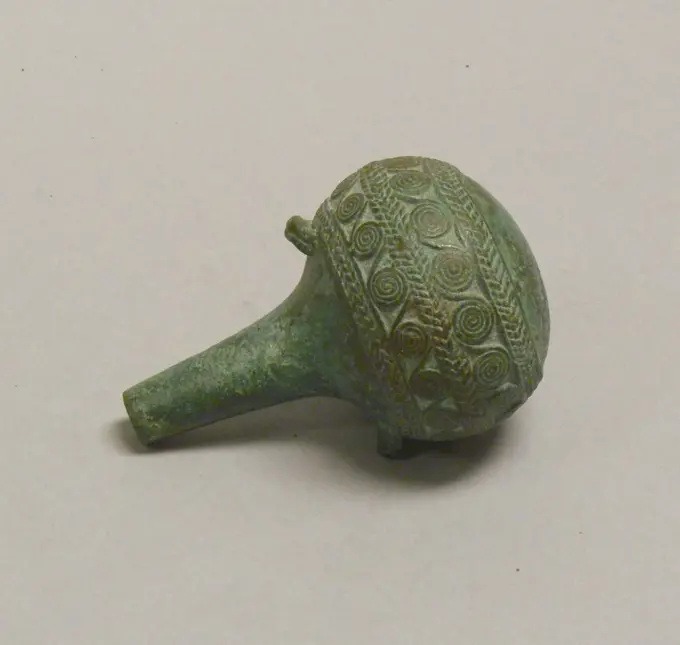
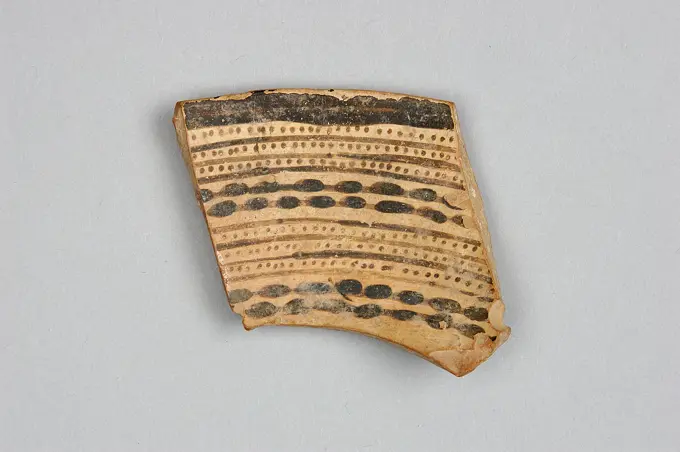
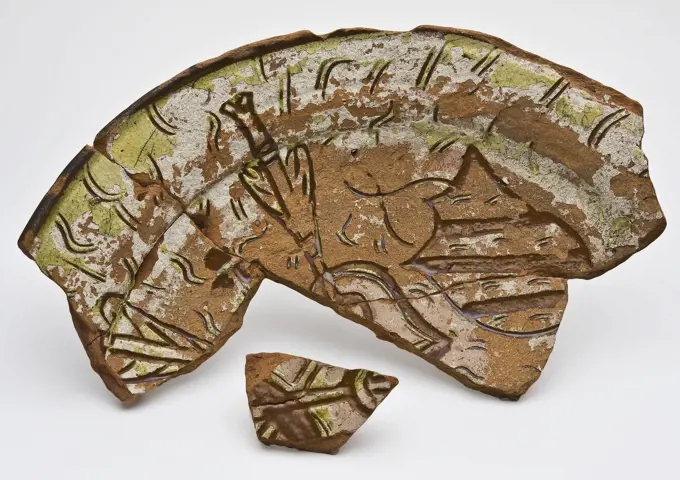
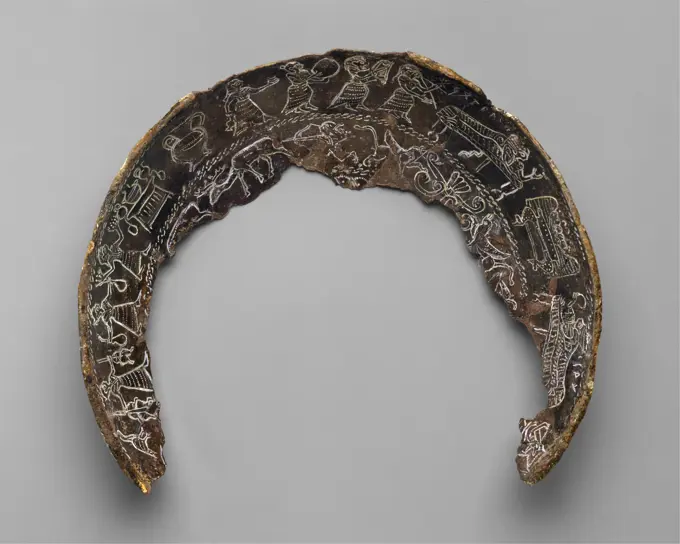
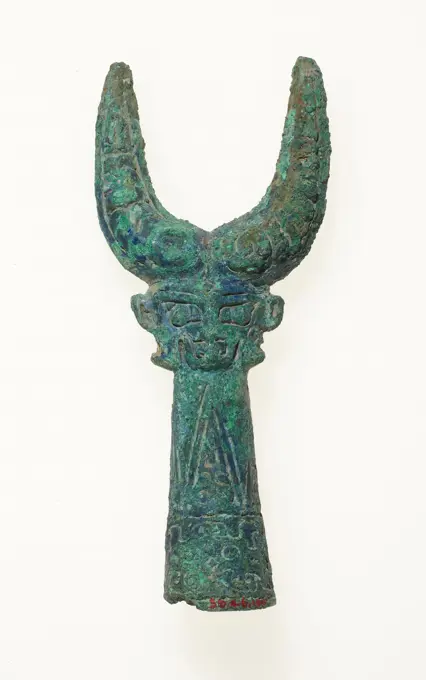
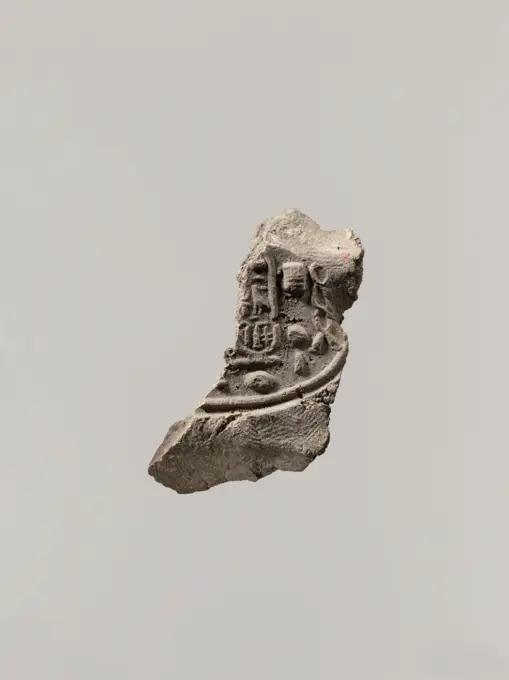
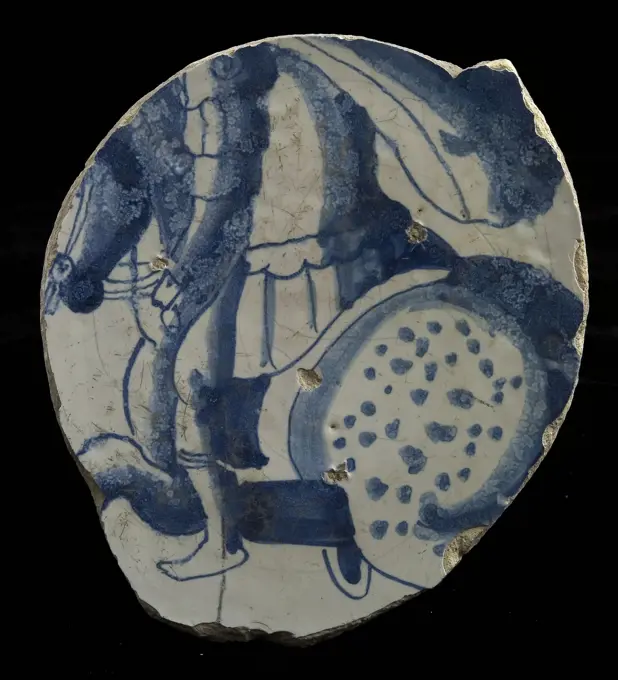
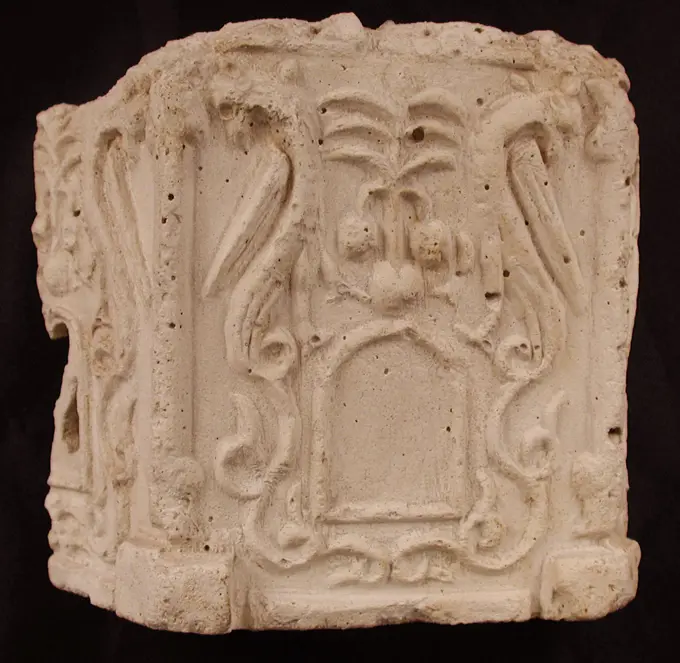
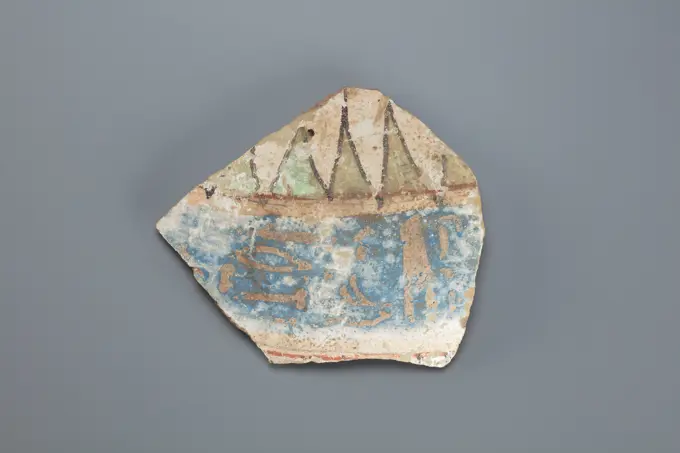
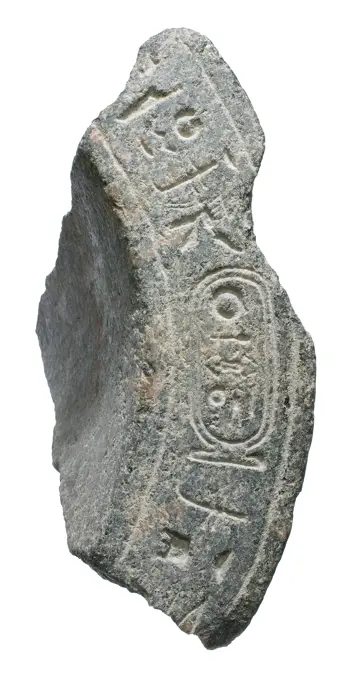
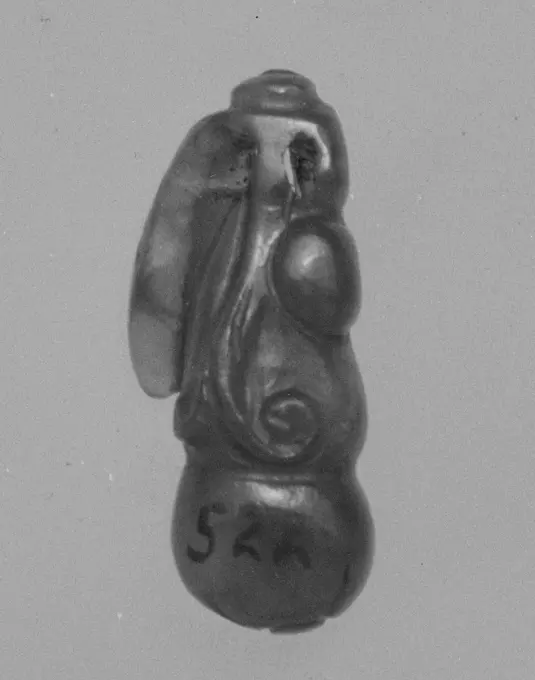
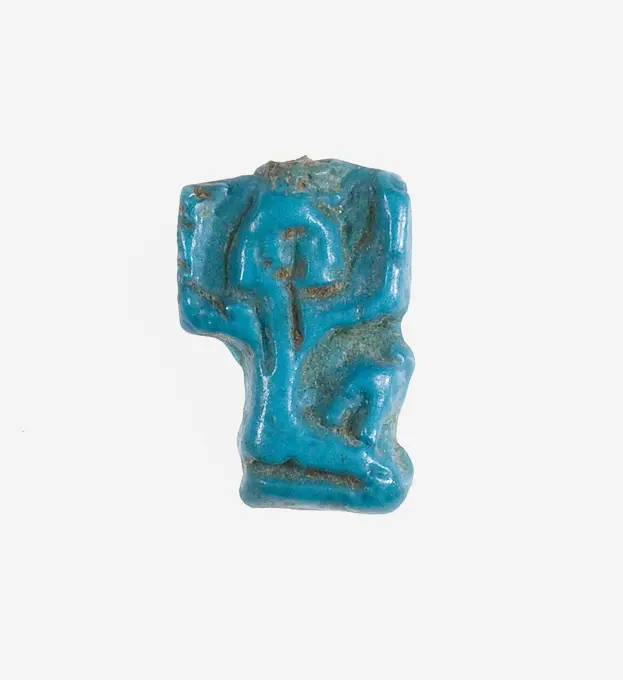
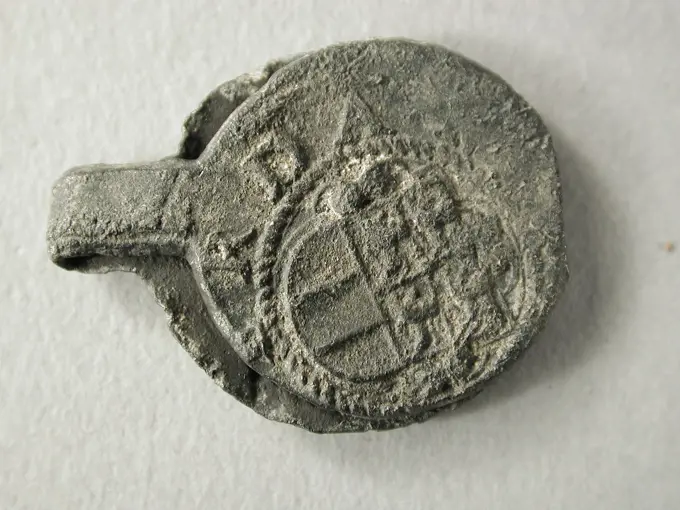
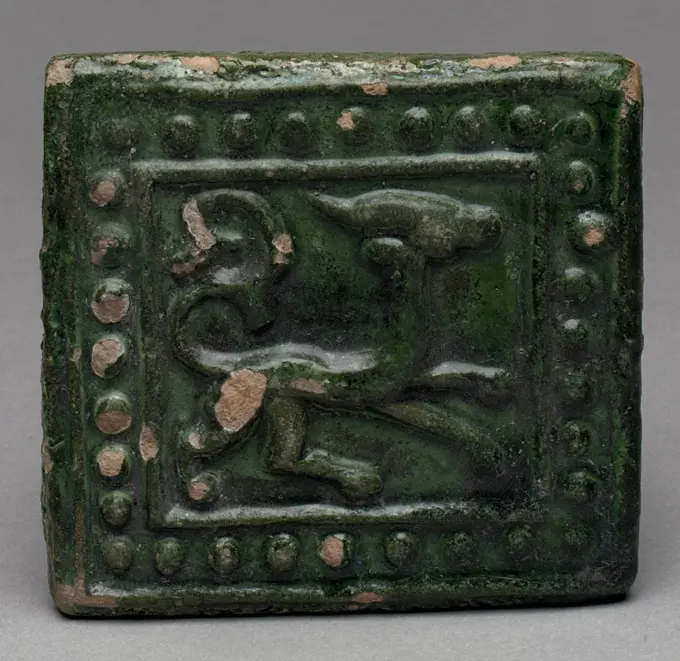
Square Tile second half 12th-early 13th century This tile belongs to a series found in Ghazni, the capital of the Ghaznavid dynasty (977-1186), in a house destroyed during the Mongol invasion of 1221. Most of the tiles in the series are square, some are polygonal, and are molded in relief with animals, plants, or occasionally inscriptions. Even though these tiles are unique in style, their decoration shows affinities with classical pre-Islamic motifs from Iran, such as the "pearl" borders and the animals in profile within a frame.. Square Tile 452773Scarab Inscribed Daughter of Re, with Winged Maat ca. 1479-1458 B.C. New Kingdom. Scarab Inscribed Daughter of Re, with Winged Maat. ca. 1479-1458 B.C.. Steatite (glazed). New Kingdom. From Egypt, Upper Egypt, Thebes, Deir el-Bahri, Temple of Hatshepsut, Foundation Deposit 7 (G), MMA excavations, 1926-27. Dynasty 18, earlyFragments of copper from the wreck of the East Indians Hollandia, 1700 - in Or Before 1743  Parts of artefacts; eroded fragments: materials; copper. Netherlands copper (metal)   SecondProfile Face Inlay 664 B.C.-30 B.C Late Period-Ptolemaic Period Inlay elements made from either glass or faience were often used in composite reliefs on pieces of furniture and funerary equipment. The bright colors not only enhanced the objects appearance, but and also had its own symbolic value. For example, blue-green related to regeneration.. Profile Face Inlay. 664 B.C.-30 B.C. Faience. Late Period-Ptolemaic Period. From EgyptPlate. Culture: Old Assyrian Trading Colony. Dimensions: 1.75 x 0.88 in. (4.45 x 2.24 cm). Date: ca. 18th century B.C.. Museum: Metropolitan Museum of Art, New York, USA.Terracotta vase fragment with floral decoration and bands. Culture: Minoan. Dimensions: Overall: 2 9/16 x 2 1/8in. (6.5 x 5.4cm). Date: ca. 1800-1700 B.C..From Knossos, CretePolychrome fragment with floral ornament in white and orange bands on dark ground. Museum: Metropolitan Museum of Art, New York, USA.Prussia, the Teutonic Order, bracteate, Toruń - Elbląg; 1257/1258-1267/1268 The Order of the CrossRing Seal. Egypt, no date. Jewelry and Adornments. FaienceOstrakon with a Letter. Culture: Coptic. Dimensions: 1 7/8 x 1 7/8 in. (4.8 x 4.8 cm). Date: 600. Museum: Metropolitan Museum of Art, New York, USA.Stamp Seal, Tabloid. Northern Syria, 10th-8th century B.C.. Tools and Equipment; seals. Black serpentineCanaanite Scarab with a Roaring Lion ca. 1600-1500 B.C. Early New Kingdom. Canaanite Scarab with a Roaring Lion. ca. 1600-1500 B.C.. Steatite. Early New Kingdom. From Canaan, Levant. Dynasty 18Buckle. China, 206 B.C.-A.D. 220. Costumes; Accessories. Bronze, castMold for a Taweret Amulet ca. 1390-1353 B.C. New Kingdom. Mold for a Taweret Amulet. ca. 1390-1353 B.C.. Pottery. New Kingdom. From Egypt, Upper Egypt, Thebes, Malqata, Khor west of camp or E. side of S. Village, MMA excavations, probably 1911-12. Dynasty 18Plaque middle of 6th century Frankish. Plaque 465645 Frankish, Plaque, middle of 6th century, Copper alloy, Overall: 7/8 x 13/16 x 1/4 in. (2.3 x 2.1 x 0.6 cm). The Metropolitan Museum of Art, New York. Gift of J. Pierpont Morgan, 1917 (17.193.310)Shawabty of Ditamenpaankh, 715-656 BC. Egypt, Late Period, Dynasty 25. Terracotta; overall: 4.7 x 1.7 x 1 cm (1 7/8 x 11/16 x 3/8 in.).Cylinder Seal. Iran, late 2nd-early 1st millennium B.C.. Tools and Equipment; seals. IronCylinder Seal. Mesopotamia, no date. Tools and Equipment; seals. StoneCylinder seal and modern impression: horned animal and tree ca. 13th century B.C. Elamite. Cylinder seal and modern impression: horned animal and tree 326922Amulet of a Hathor Cow 1070 BCE-656 BCE Egypt. Faience . Ancient EgyptianLimestone inscribed box fragment Cypriot Fragment of an inscribed box; dedicated to the Lady of Paphos.. Limestone inscribed box fragment. Cypriot. Stone. Cesnola InscriptionsOwl Amulet. Dimensions: H. 2 cm (13/16 in); w. 1.2 cm (1/2 in); th. 0.15 cm (9/16 in). Dynasty: Dynasty 18. Reign: reign of Amenhotep III. Date: ca. 1390-1352 B.C.. Museum: Metropolitan Museum of Art, New York, USA.Appliqué for a funeral couch. UnknownSherd ca. 6th-8th century A.D. Sasanian or Islamic. Sherd 322838Animal figurine. unknown, craftsmanBifacial Stone Tool. Egypt, Badari, Neolithic Period (5500 - 3100 BCE). Tools and Equipment. FlintScarab Incised with Hieroglyphs and Scroll ca. 1760-1670 B.C. Middle Kingdom The majority of design scarabs of the late Middle Kingdom (late Dynasty 12-Dynasty 13, ca. 1850 -1640 B.C.) are decorated with symmetric compositions of hieroglyphs and/or scrolls. These signs are not meant to form words but are chosen for their positive, protective meaning. This scarab shows the wedjat-eye, symbol for health and well-being, a vase, and a hieroglyph meaning protection (sa).. Scarab Incised with Hieroglyphs and Scroll 557108Scarab. Dimensions: l. 1.7 cm (11/16 in). Dynasty: Dynasty 12-18. Date: ca. 1981-1295 B.C.. Museum: Metropolitan Museum of Art, New York, USA.Planets-manager. Cornalet Collection Sites 2013-2016. Numismatic.Slip from palette inscribed for the king's son Khety Nebkau ca. 1981-1900 B.C. Middle Kingdom. Slip from palette inscribed for the king's son Khety Nebkau. ca. 1981-1900 B.C.. Ivory. Middle Kingdom. From Egypt, Memphite Region, Lisht North, cemetery south of Senwosret (758), west end of moat "birbish", MMA excavations, 1907-08; Possibly from Pit 723. Early Dynasty 12Terracotta statuette of a female figure 7th century B.C. Greek, Cretan Body of a nude, frontal female figure.. Terracotta statuette of a female figure. Greek, Cretan. 7th century B.C.. Terracotta. Archaic. TerracottasEngraved Gem with Bes-Pantheos and Anubis; Italy; 100 - 250; Lapis lazuli; 1.2 × 0.9 × 0.2 cm (1,2 × 3,8 × 1,16 in.)Sealing pistonHead Pendants 30 BCE-395 CE Carthage. Glass . CarthaginianSeal of Philip II., 1571 seal Seal in red was. Front: to the left galloping horse with a man in full armor. The man has a sword in the lifted right hand. A cityscape is shown below. Up, below, left and right coats of arms. Netherlands wax printing  NetherlandsFragment; silk, metallic threadSumeric clay cone (wedge record of the Prince Gudea of Lagash in South Mesopotamia for one of him in Girsu (Tello today) Temple.)Scarab. Dimensions: L. 2.3 cm (7/8 in). Dynasty: Dynasty 12-18. Date: ca. 1981-1295 B.C.. Museum: Metropolitan Museum of Art, New York, USA.Ostrakon. Culture: Coptic. Dimensions: 2 7/16 x 2 in. (6.2 x 5.1 cm). Date: 7th century. Museum: Metropolitan Museum of Art, New York, USA.Fragment 14th-15th century. Fragment 446352Early Sumerian stone tables, inscribed with very early archaic pictographic symbols. Artist: UnknownFerret 6th-7th centuries Frankish. Ferret 465542 Frankish, Ferret, 6th7th centuries, Copper alloy, Overall: 1 11/16 x 1/2 x 1/4 in. (4.3 x 1.3 x 0.6 cm). The Metropolitan Museum of Art, New York. Gift of J. Pierpont Morgan, 1917 (17.193.221)Model of a House 12th-early 13th century. Model of a House 447295Sealing pistonPlaque ca. 8th-7th century B.C. Iran. Plaque 324216Stożek pogrzebowy Penre. unknown, authorFragments ship bell from the wreck of the East Indiesman Hollandia. Acoustic, BELL (SHIPs); Fragment of RIM, Eroded, Concentric Band Molding, Fit to NG 1980-27H2979 / 1937.Bowl fragment with the head of a ram ca. early 2nd millennium B.C. Elamite This bowl fragment features the head of a stylized ram. The ram has a pointed snout, lentoid eyes with incised pupils, and horns with incised lines that form a heart shape around the rams face. The fragment is made of bitumen, an asphalt-like substance that occurs naturally in the Near East. Mixed with ground calcite and quartz it forms a hard, gray substance which can be shaped like clay.This fragment was excavated at Susa in southwestern Iran, the capital of the ancient Elamite kingdom. While bitumen was used elsewhere in the Near East, beginning in the third millennium BCE the Elamites developed an especially sophisticated recipe for bitumen compound, which they used to make a range of vessels, most decorated with animal foreparts, as well as other objects, a practice which continued into the first millennium BCE.. Bowl fragment with the head of a ram 323795Pressed thimble with rectangular wells, thimble sewing kit soil find copper metal h 1,7, pressed Copper thimble with rectangular holes and right rotating spiral at the top going over without groove in the shaft with one groove in the board archeology Rotterdam railway tunnel seamstress tailor sewing textile repairing clothes needle and thread repair Soil discovery: trajectory rail tunnel Rotterdam.Plaque fragment ca. 18th century B.C. Old Assyrian Trading Colony. Plaque fragment 323608Sherd ca. 1800 B.C. Assyrian. Sherd 327058Scarab: Wish Formula. Egyptian. Date: 1550 BC-525 BC. Dimensions: 1 × 0.6 × 0.5 cm (3/8 × 1/4 × 3/16 in.). Steatite. Origin: Egypt. Museum: The Chicago Art Institute, Chicago, USA. Author: Ancient Egyptian.Openwork Spacer Bead, 1069-715 BC. Egypt, Third Intermediate Period, Dynasties 21 (1069-945 BC) - 22 (945-715 BC). Turquoise faience; overall: 2.5 x 0.7 cm (1 x 1/4 in.).Hewn stone axe. Neolithic period. Algeria. 8.2cm.Bowl;  1 thous. BC (-1000-00-00-1-00-00);The collection of the ancient EastEngraved Gem. UnknownFragment 8th-9th century. Fragment. 8th-9th century. Earthenware. Found/excavated Iraq, Ctesiphon. CeramicsAmulet of the God Bes. Egyptian. Date: 1069 BC-332 BC. Dimensions: 1.5 × .75 × .5 cm (9/16 × 1/4 × 3/16 in.). Faience. Origin: Egypt. Museum: The Chicago Art Institute, Chicago, USA. Author: Ancient Egyptian.Interior of a lock, with part of a stuck key, anonymous, c. 1590 - c. 1596 lock Interior of a lock, with part of a stuck key. The corresponding Assembly under number NM-7843-1.  iron (metal) forging  Nova Zembla. Saving HuysVessel fragment. Dimensions: h. 4.1 cm (1 5/8 in); w. 6.8 cm (2 11/16 in). Dynasty: Dynasty 18. Reign: reign of Amenhotep III. Date: ca. 1390-1353 B.C.. Museum: Metropolitan Museum of Art, New York, USA.Inlay. Culture: Sumerian. Dimensions: 2.87 x 3.23 in. (7.29 x 8.2 cm). Date: ca. 2600-2500 B.C.. Museum: Metropolitan Museum of Art, New York, USA.Strap or batter plate with hook and decoration, belt tongue fittings clothing accessories clothing soil find tin copper brass metal, cast riveted Some fittings with hook. Belt tongue belonging to belt buckle or belt hanger. Decoration consists of large flower. Some openwork curls at the base of the hook. Archeology. Rotterdam rail tunnel fastening hanging fastening carrying along. archaeological find in the soil: trajectory rail tunnel Rotterdam.Seal China. Seal 41029Fragment of pottery ". Ceramic. China, Shang dynasty. Paris, Cernuschi museum. 72199-28 Ceramic, shang dynasty, fragment, pottery, archeological vestigeFragment of a Bowl 14th-15th century. Fragment of a Bowl. 14th-15th century. Earthenware; modeled decoration under transparent green glaze. Made in Egypt. CeramicsLime Vessel 500 B.C.-A.D. 300 Indonesia (Java, Lumajang, Pasiran). Lime Vessel. Indonesia (Java, Lumajang, Pasiran). 500 B.C.-A.D. 300. Bronze. Bronze and Iron Age period. MetalworkPlaque in the Shape of a Bird 12th-11th century B.C. China. Plaque in the Shape of a Bird. China. 12th-11th century B.C.. Jade (nephrite). Shang (ca. 1600-1046 B.C.)-Western Zhou (1046-771 B.C.) dynasty. JadeFragment of Key Handle 1st-7th century Roman. Fragment of Key Handle 462923Fragment of a bowl; Unknown Night -Tamanian workshop; approx. 6500 5500 BC ; Halaf culture (-6505-00-00--5495-00-00);Szarzyńska, Krystyna (1918-), painted ceramics, gift (provenance), Halaf culture (approx. 6500-ok. 5500 BC), bowls, geometric motifsRim Fragment, 222-650. Iran, Sasanian Period, 3rd-7th Century. Earthenware; overall: 10.8 cm (4 1/4 in.).Dish on fins, decorated with escutcheon and arrows in sgraffito, dish crockery holder soil find ceramic earthenware clay engobe glaze lead glaze nr.1, hand-turned glazed sgraffito sautéed Dish with pinched stand vane. Red shard front with yellow sludge with incised decoration and glaze. Composed of five shards archeology Rotterdam railway tunnel heraldry serve serving food Soil discovery: rail tunnel Rotterdam.Fragment of a high -medieval goal fragment of a high medieval gateFragmentary silver bowl ca. 710-675 B.C. Cypriot The focus of the banquet scene in the outer frieze is an offering table with a bowl probably filled with fruit. It is flanked by two reclining figures. On the right is a figure wearing an Egyptian crown, above whom an inscription may signify "king." Behind him appears a flute player. On the left of the table is a "queen" with an Egyptian wig, above whom are letters that certainly include the prefix "Cypro-" and give her name or title, perhaps Kypromedousa, "protectress of Cyprus." Behind her, from right to left, come three musicians, a large amphora, a table with vases and ladles, and three women bearing offerings: bowls, the legs of sheep or goats, and trussed geese. The banquet iconography, combining Egyptian and Phoenician features, indicates that the bowl would not have been a temple dedication.. Fragmentary silver bowl 243826Cow-head finial, 12th century BCE, 6 3/8 × 2 11/16 × 1 5/16 in., 0.7 lb. (16.2 × 6.9 × 3.3 cm, 0.3 kg), Bronze, China, 12th century BCEFragments of copper from the wreck of the East Indians Hollandia, 1700 - in Or Before 1743  Parts of artefacts; eroded fragments: materials; copper. Netherlands copper (metal)   SecondFragmentary Seal Impression from Tutankhamun's Embalming Cache ca. 1336-1327 B.C. New Kingdom This mud sealing has the impression of a seal with the name of Tutankhamun and the epithet "beloved of Ptah." It was found in a cache of large jars that contained unused embalming materials as well as floral collars and broken dishes that may have been used for the celebration of the king's funeral.. Fragmentary Seal Impression from Tutankhamun's Embalming Cache. ca. 1336-1327 B.C.. Nile mud. New Kingdom. From Egypt, Upper Egypt, Thebes, Valley of the Kings, Embalming Cache of Tutankhamun (KV 54), Davis/Ayrton excavations, 1907-08. Dynasty 18Fragment majolica plate, blue on white, rider on fungus, plate dish crockery holder soil find ceramic earthenware glaze, baked underside covered with lead glaze. Monochrome archeology Rotterdam City center Stadsdriehoek Cool Coolsingel underground pit decorate food Soil discovery underground pit Coolsingel Rotterdam 1964.Bliżej Kultury Constantine 1, Menna ArelateFragment of a Base with Pair of Peacocks flanking a Palm Motif 12th century. Fragment of a Base with Pair of Peacocks flanking a Palm Motif 448965Decorated jar fragment with inscription ca. 1390-1352 B.C. New Kingdom. Decorated jar fragment with inscription. ca. 1390-1352 B.C.. Pottery and ink, paint. New Kingdom. From Egypt, Upper Egypt, Thebes, Malqata, Palace of Amenhotep III, MMA excavations. Dynasty 18Rim from a libation basin l () with the prenomen of Akhenaten alone followed by the queen's titles ca. 1353-1336 B.C. New Kingdom, Amarna Period. Rim from a libation basin l () with the prenomen of Akhenaten alone followed by the queen's titles 550049Small Figure 4th-7th century Coptic. Small Figure. Coptic. 4th-7th century. Copper alloy. Made in Kharga Oasis, Byzantine Egypt. MetalworkCylinder seal. Culture: Babylonian. Dimensions: 0.94 in. (2.39 cm). Date: ca. 18th-17th century B.C..Although engraved stones had been used as early as the seventh millennium B.C. to stamp impressions in clay, the invention in the fourth millennium B.C. of carved cylinders that could be rolled over clay allowed the development of more complex seal designs. These cylinder seals, first used in Mesopotamia, served as a mark of ownership or identification. Seals were either impressed on lumps of clay that were used to close jars, doors, and baskets, or they were rolled onto clay tablets that recorded information about commercial or legal transactions. The seals were often made of precious stones. Protective properties may have been ascribed to both the material itself and the carved designs. Seals are important to the study of ancient Near Eastern art because many examples survive from every period and can, therefore, help to define chronological phases. Often preserving imagery no longerScarab of a Seal Bearer. Egypt, 13th - 16th Dynasties (1783 - 1600 BCE). Sculpture. Steatite with modern green colorPlaque, 19th-20th Century. China, Qing dynasty (1644-1911). Jade; overall: 6 cm (2 3/8 in.).Equal-Arm Brooch ca. 650-750 Frankish. Equal-Arm Brooch 465491 Frankish, Equal-Arm Brooch, ca. 650750, Copper alloy, Overall: 1 15/16 x 11/16 x 9/16 in. (5 x 1.8 x 1.4 cm). The Metropolitan Museum of Art, New York. Gift of J. Pierpont Morgan, 1917 (17.193.176)Keertje to plomb with inscription AK, Anonymous, 1829  one -sided, triangular lead. Front: coat of arms between letters A and K above the year in compartment within pearl edge. Tours side: graving: letters A, K and E Netherlands lead (metal) striking (metalworking)Menat fragment ca. 1479-1458 B.C. New Kingdom. Menat fragment. ca. 1479-1458 B.C.. Faience. New Kingdom. From Egypt, Upper Egypt, Thebes, Deir el-Bahri, Hatshepsut Hole, Hathor Shrine, MMA excavations, 1922-23. Dynasty 18Pendant China. Pendant. China. Jadeite. Qing dynasty (1644-1911), Qianlong period (1736-95). JadeLead grille or ornament. Culture: Greek, Laconian. Dimensions: Height: 1 1/2 in. (3.9 cm). Date: 6th-5th century B.C..Small flat votive figurines of cast lead have been found in great quantities at the ancient sanctuaries of Laconia; over one hundred thousand, dating from the seventh century B.C. to the Classical period, were dedicated to the goddess Artemis Orthia in Sparta. Museum: Metropolitan Museum of Art, New York, USA.Fragment of amulet with inscription in Arabic. unknown, craftsmanScarab of the Vizier Minhotep. Dimensions: L. 2.6 cm (1 in.); W. 1.9 cm (3/4 in.); H. 1.3 cm (1/2 in.). Dynasty: Dynasty 13. Date: ca. 1750-1700 B.C..Scarabs bearing the names of nonroyal individuals first appeared in the later Twelfth Dynasty, concurrent with other significant cultural and political developments. Thereafter scarabs were mass produced, primarily as amulets, though they often also functioned as administrative seals. Scarab beetles lay their eggs in round balls of dung from which their young emerge, actions that the ancient Egyptians equated with the sun god and rebirth, appropriate symbolism for amulets that were often placed in tombs. Museum: Metropolitan Museum of Art, New York, USA.Faience Plaque with name of Deceased. Egypt, Late Period (714 - 333 BCE). Sculpture; plaques. FaienceScarab Inscribed with the Name Ahmose ca. 1550-1525 B.C. New Kingdom. Scarab Inscribed with the Name Ahmose. ca. 1550-1525 B.C.. Jasper. New Kingdom. From Egypt. Dynasty 18Raised relief fragment 664-610 B.C. Late Period, Saite see 23.3.468. Raised relief fragment 548188Female Head. UnknownLADRILLO. PALEOCRISTIANO S.IV. (DEPOSITO: MUSEO ARQUEOLOGICO NACIONAL).Spindle Whorl 10th-early 16th century Mexican. Spindle Whorl 307547Shu Amulet ca. 1390-1353 B.C. New Kingdom. Shu Amulet. ca. 1390-1353 B.C.. Faience. New Kingdom. From Egypt, Upper Egypt, Thebes, Malqata, Palace of Amenhotep III, MMA excavations, 1910-11. Dynasty 18Cloth seal with Rotterdam coat of arms and P, cloth seal hallmark ground find lead metal, Cloth lead with on the front the coat of arms of Rotterdam and text on the reverse in circle of leaves P and four lilies on each side around text IG CLOSE FISTS: RDA archeology Rotterdam railway tunnel heraldry hallmarks government cloth trade textile trade trade guild Soil discovery: trajectory rail tunnel Rotterdam.Cylinder Seal. Mesopotamia, Old Babylonian period, circa 2000-1600 B.C.. Tools and Equipment; seals. Hematite