Ancient Scarabs and Seals

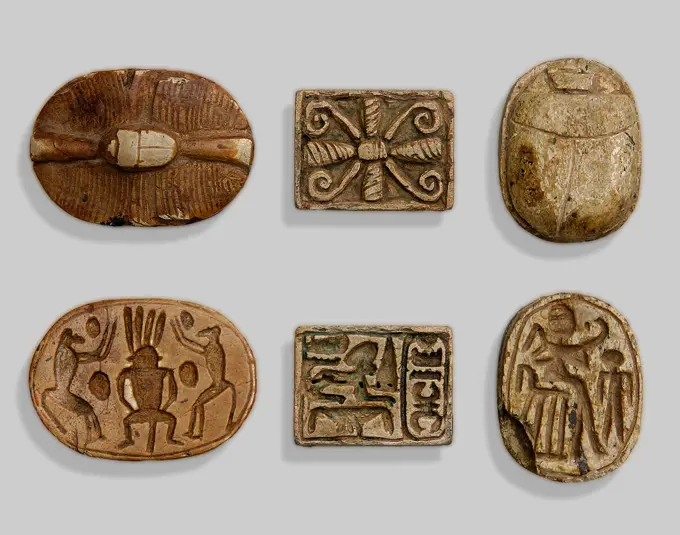
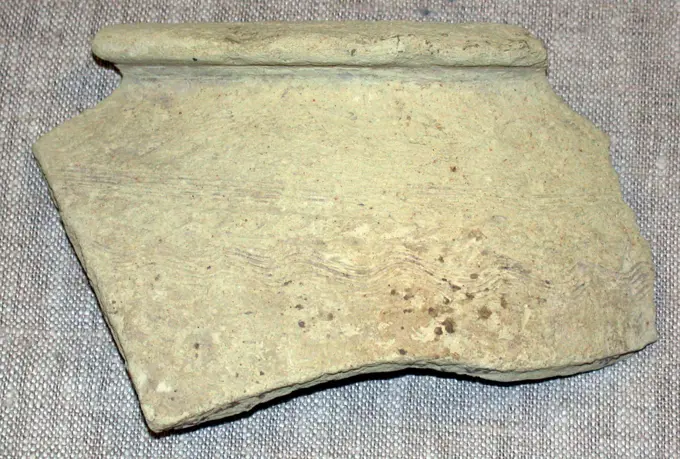
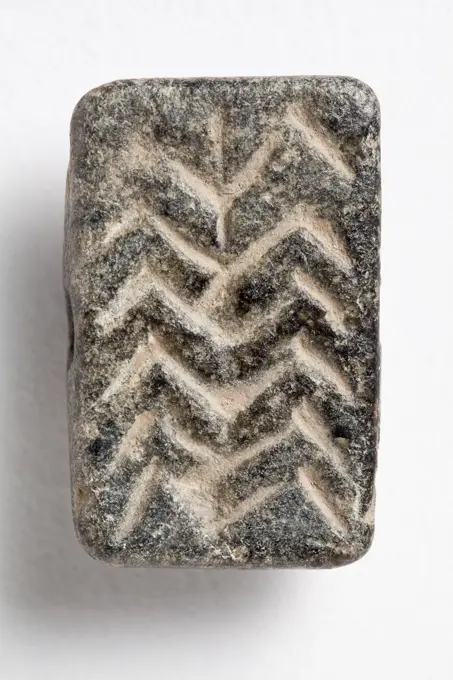
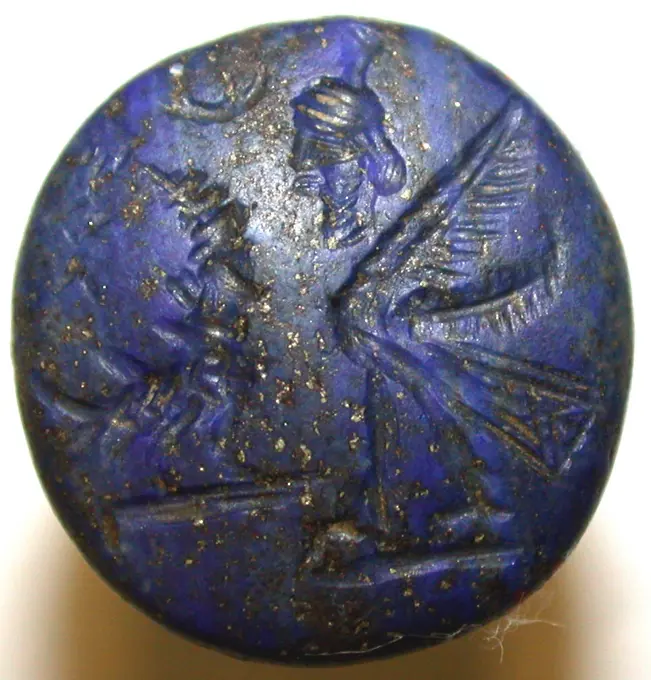
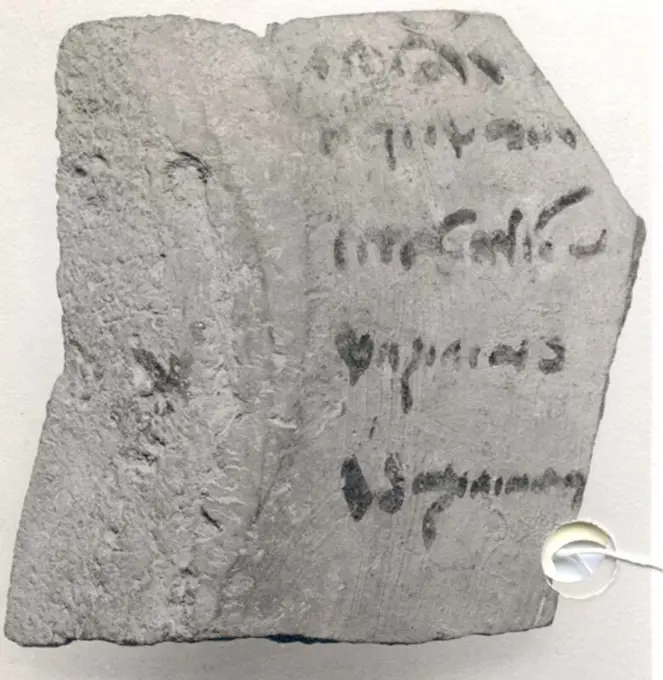
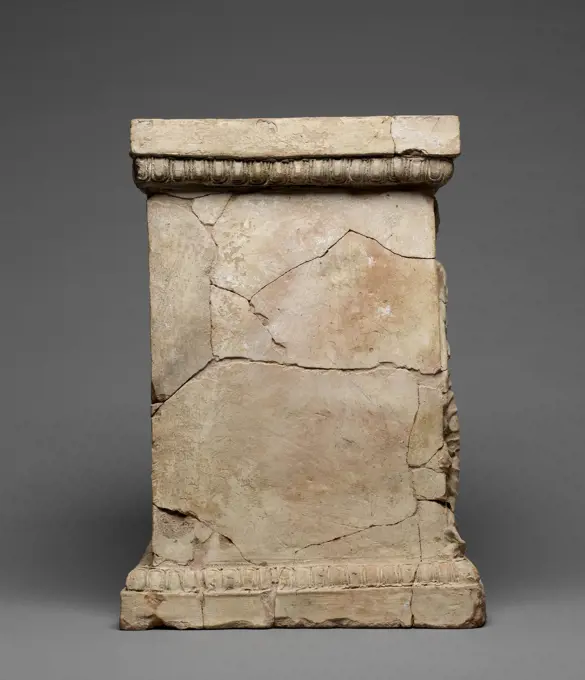
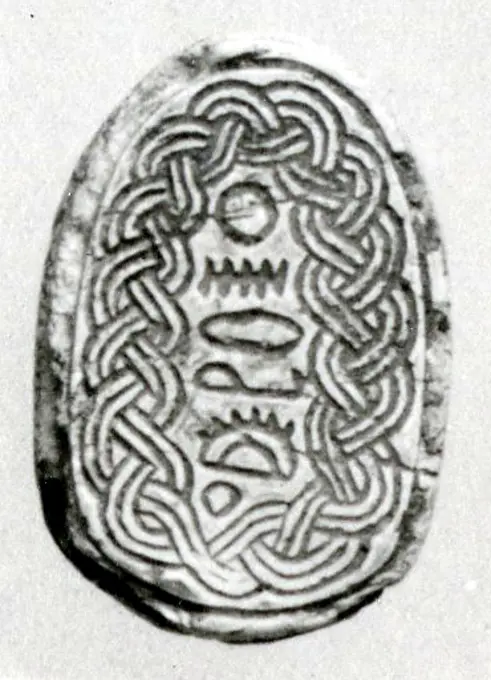
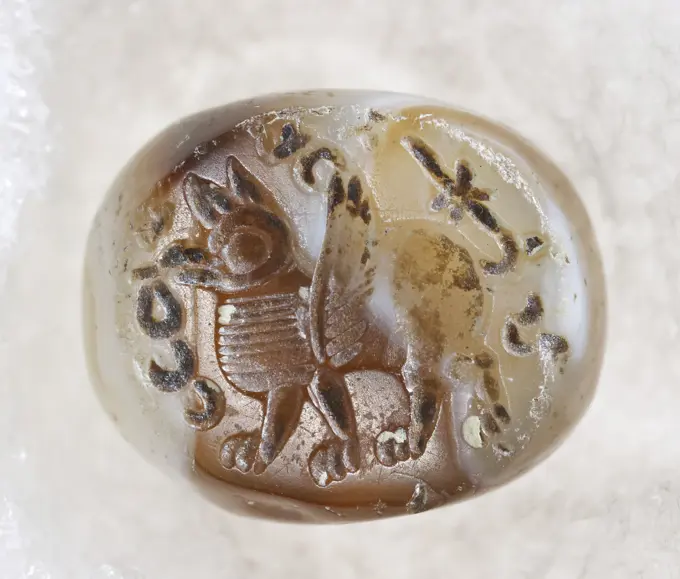
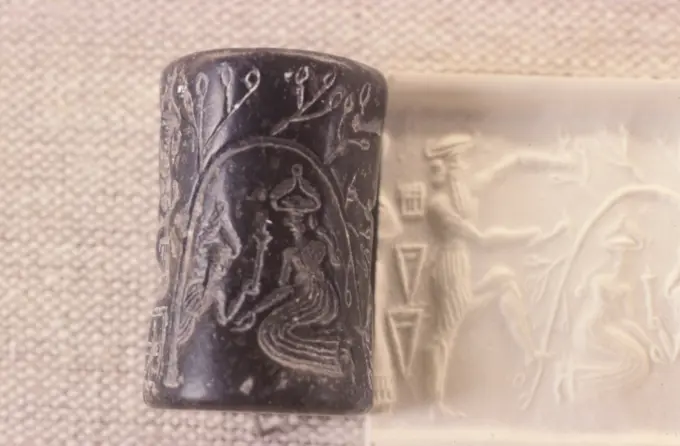
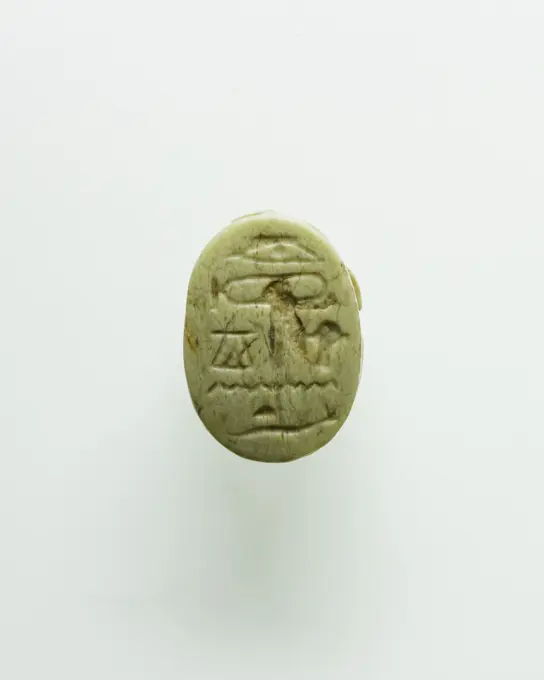
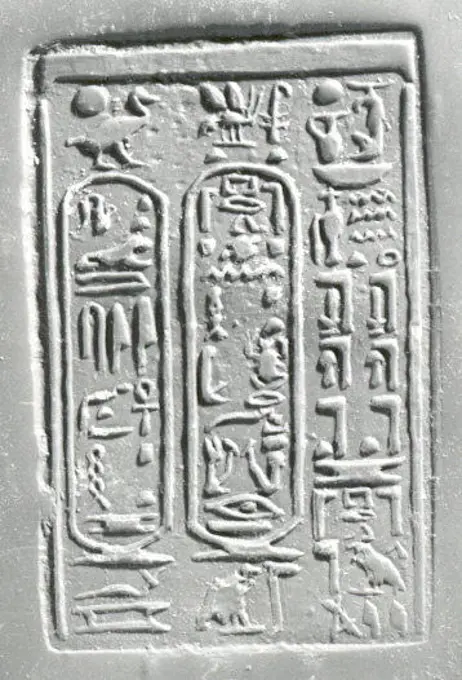
Collection of ancient scarabs and seals, featuring inscriptions and intricate designs, showcasing historical artifacts from Egypt and Syria.
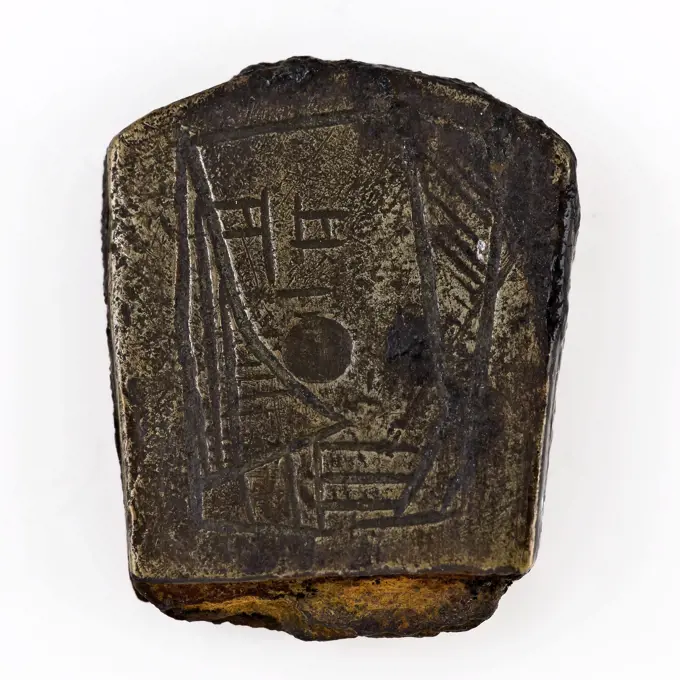
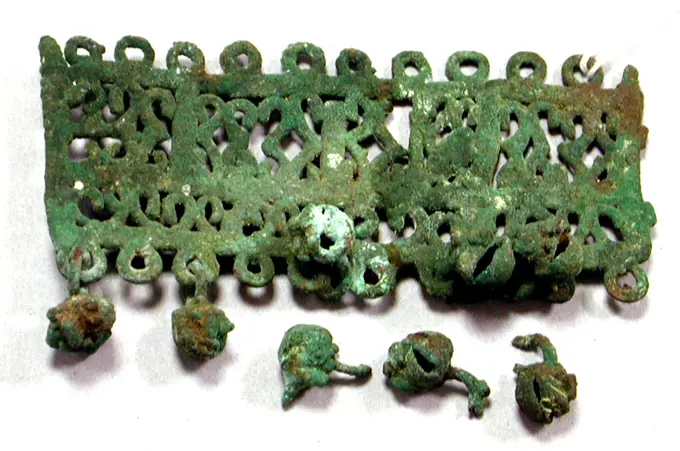
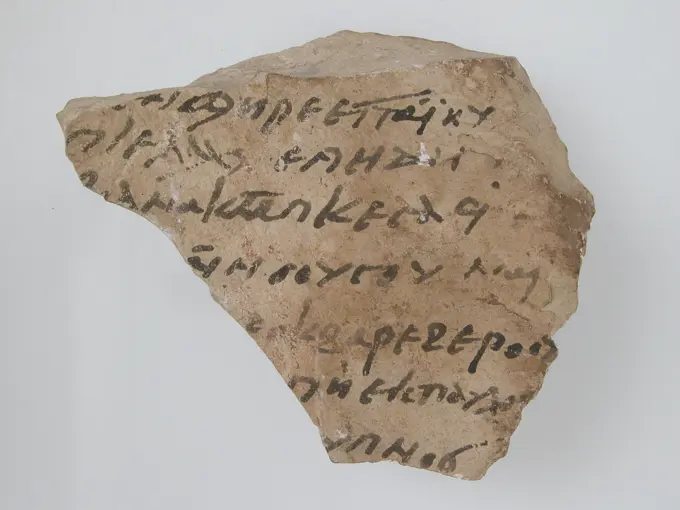
Knob of cutlery knife, handle knife cutlery soil find copper brass metal, w 1.7 forged riveted engraved Heftind consists of two fittings riveted to plate girdle. Rounded corners archeology Rotterdam Kralingen-Crooswijk Kralingen East Honingerdijk eating religion bible Mary Magdalene Soil discovery: Honingerdijk 1982-05-23
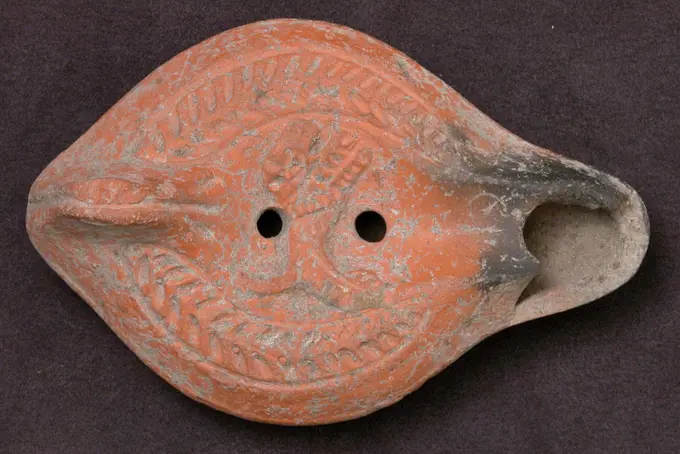
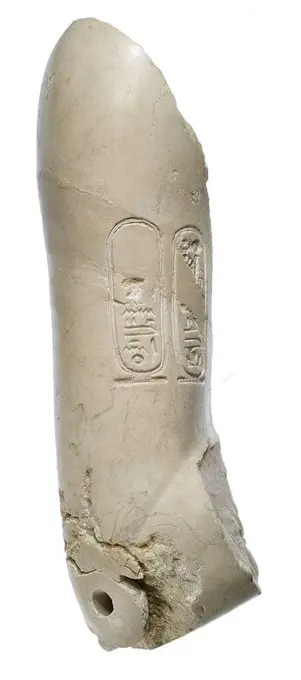
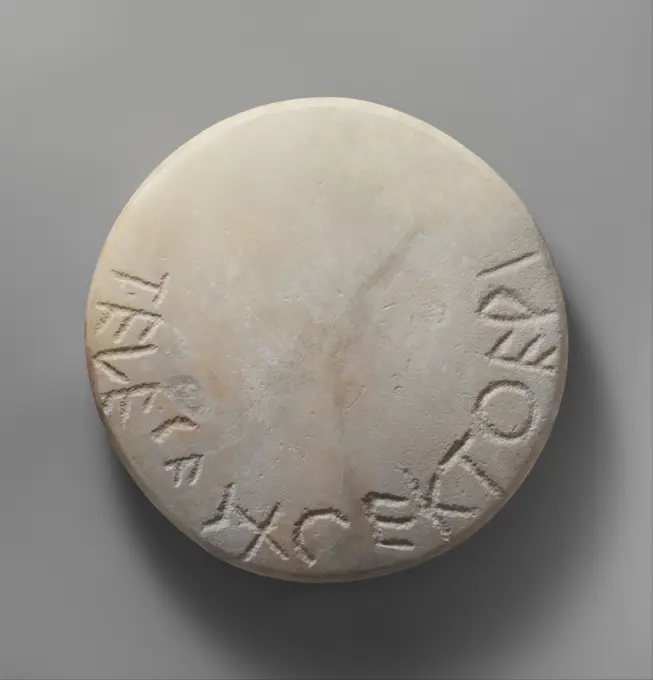
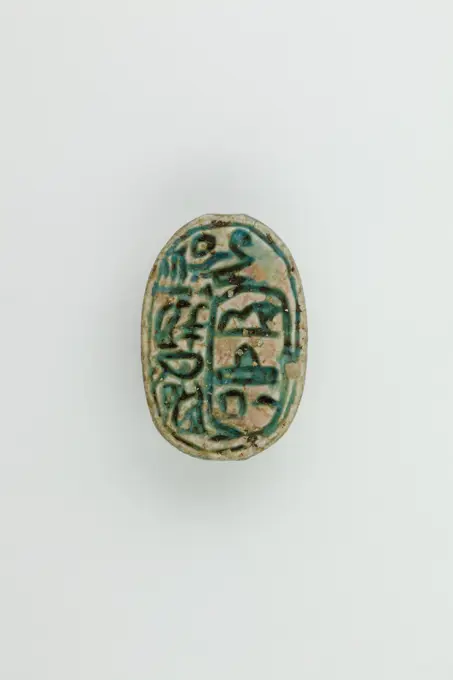
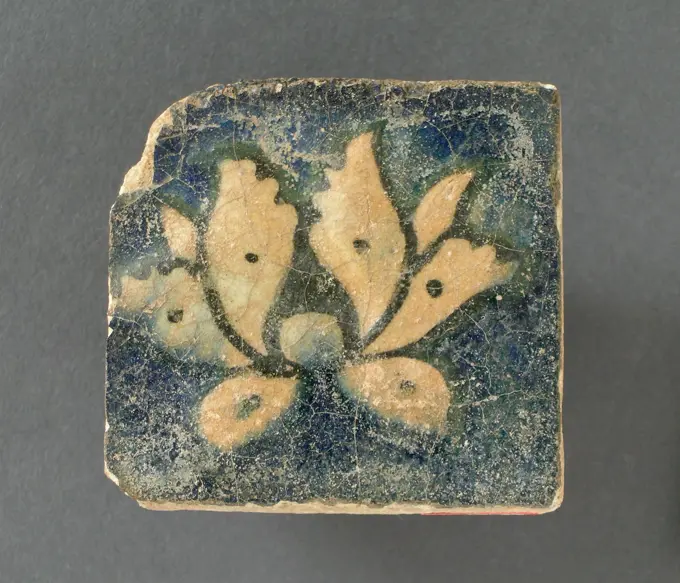
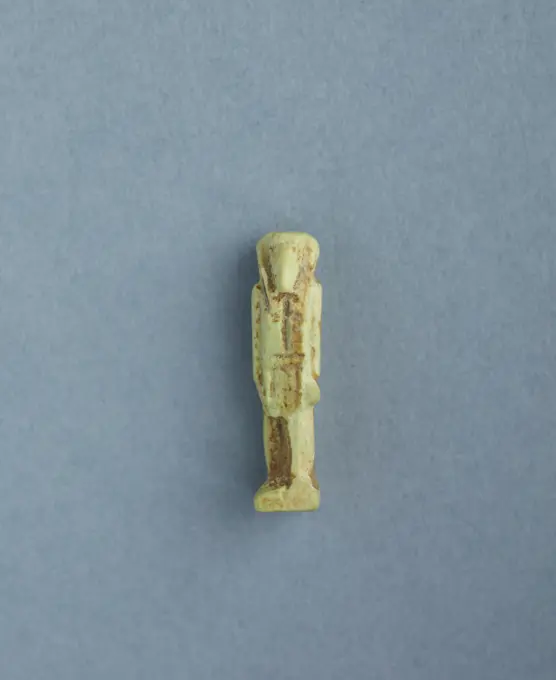
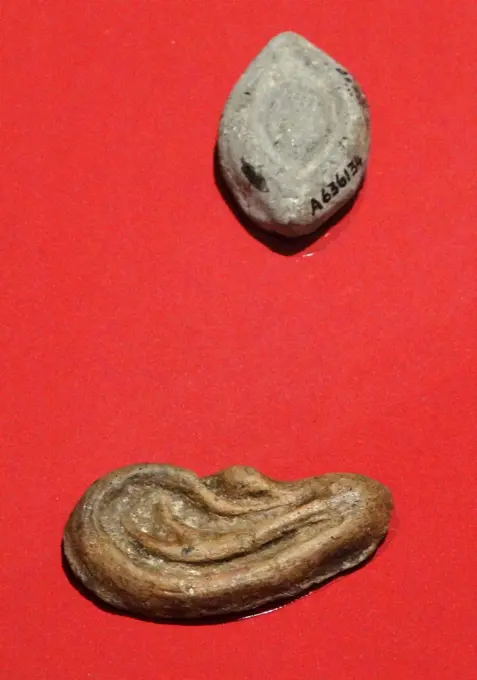
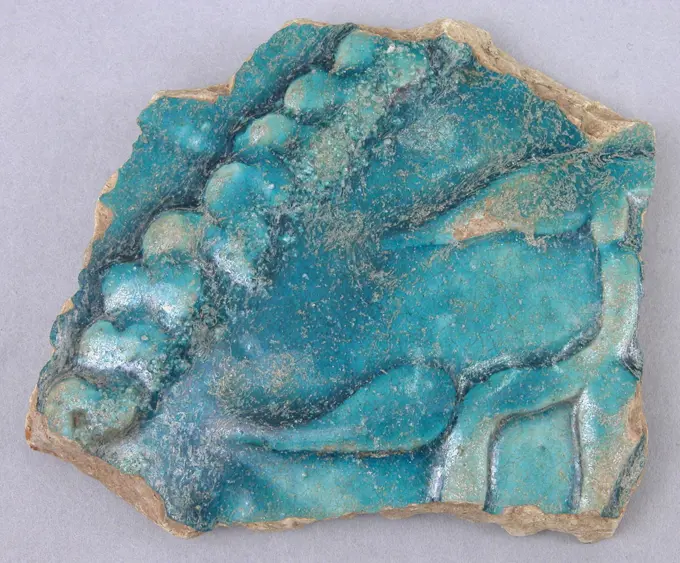
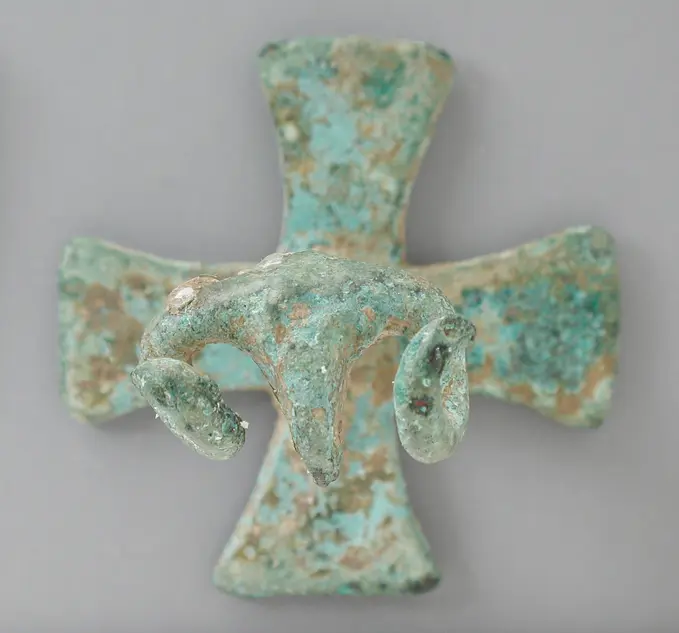
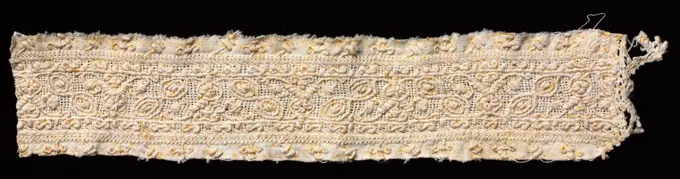
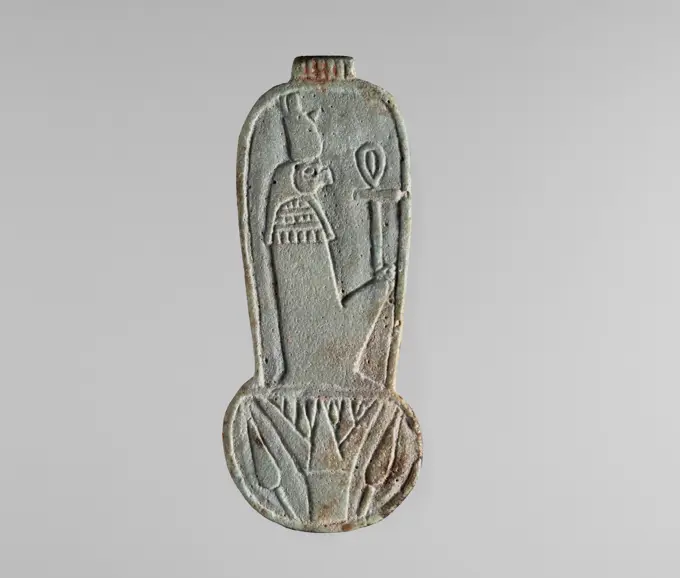
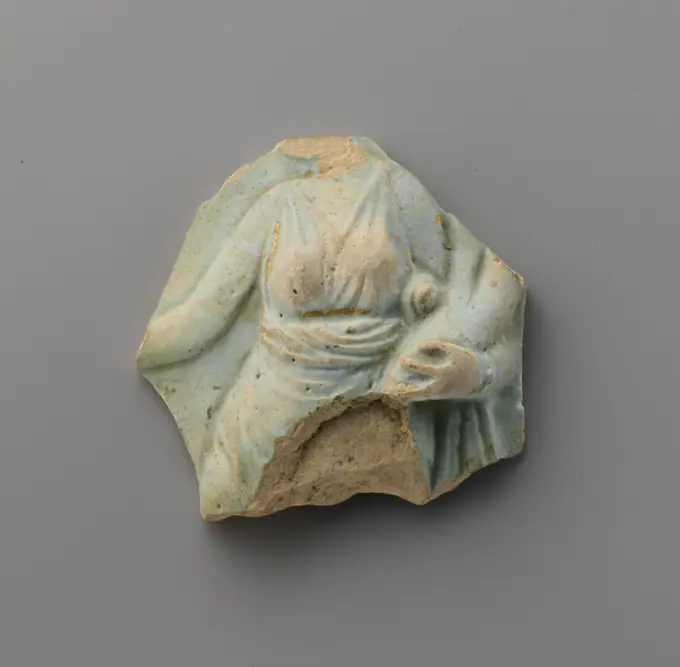
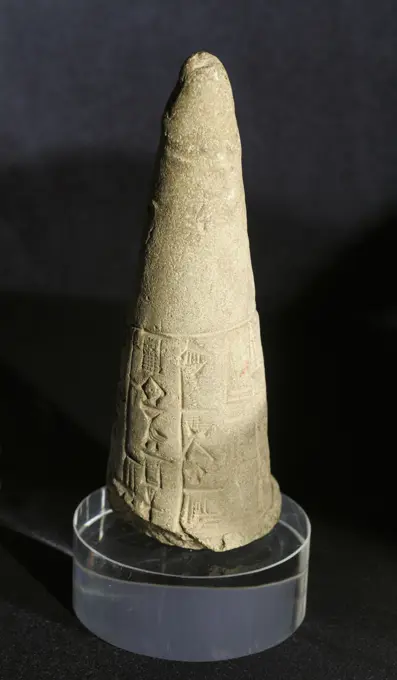
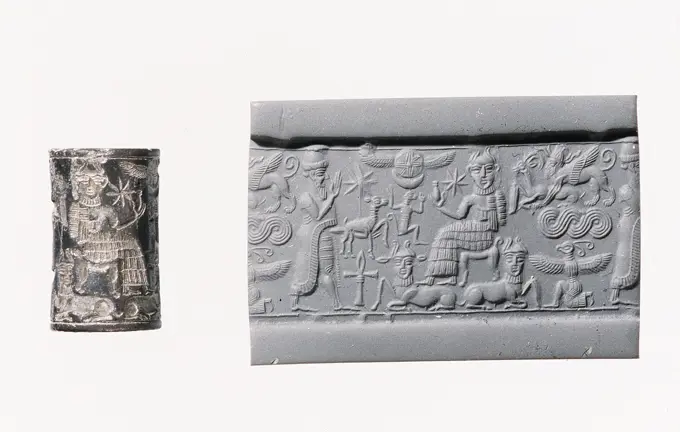
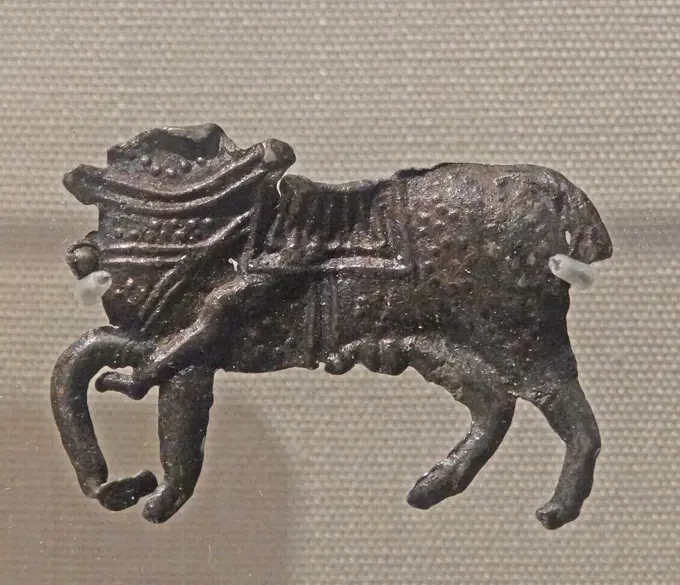
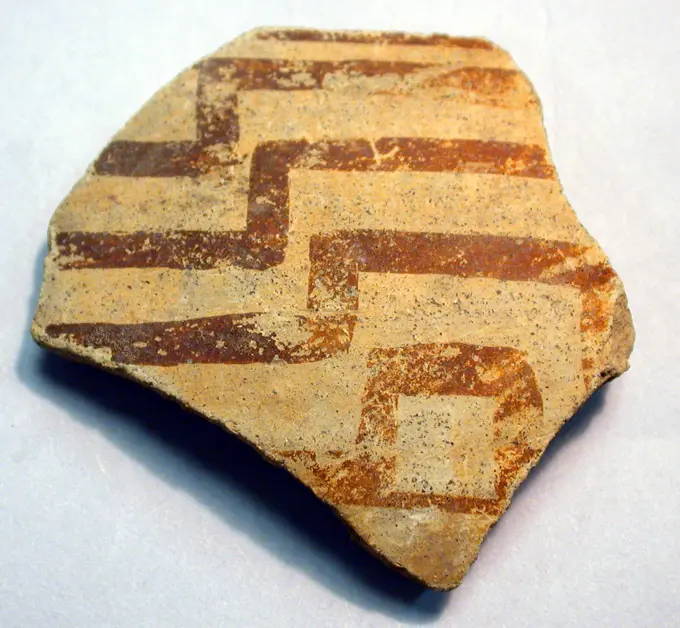
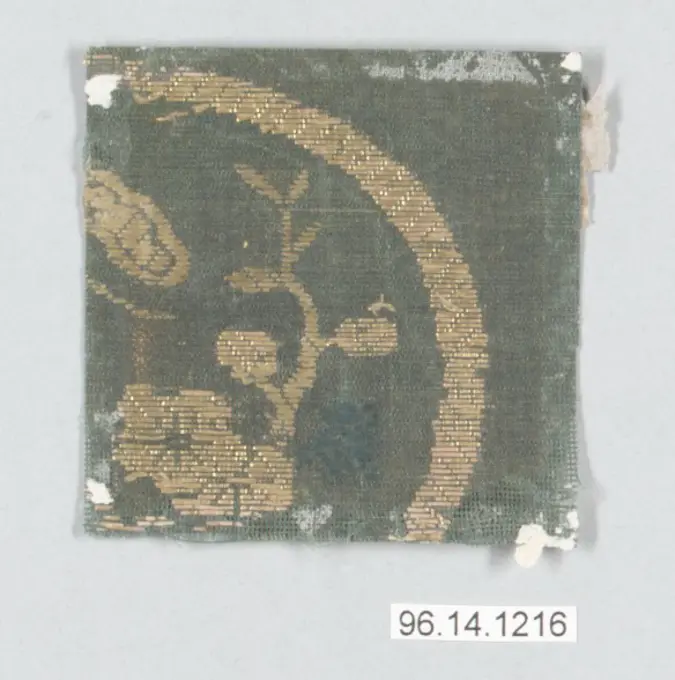
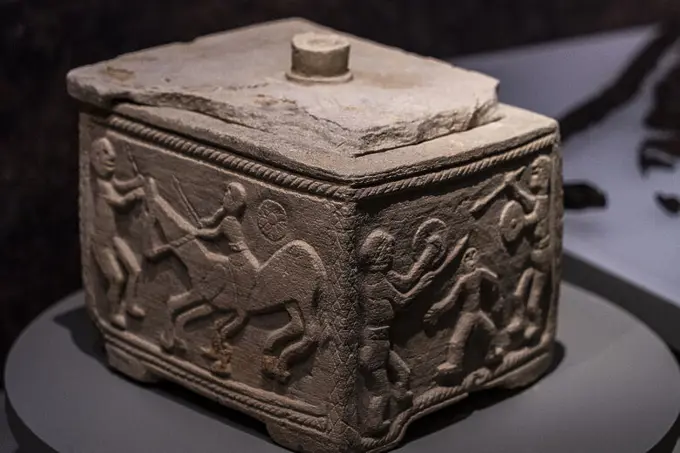
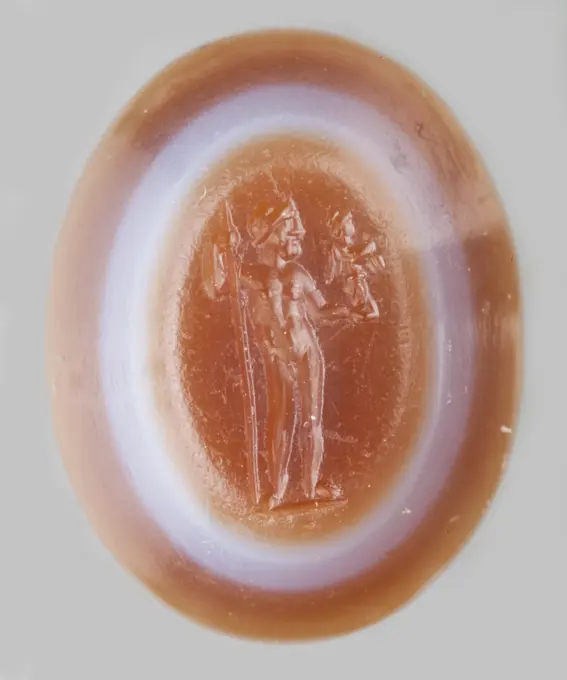
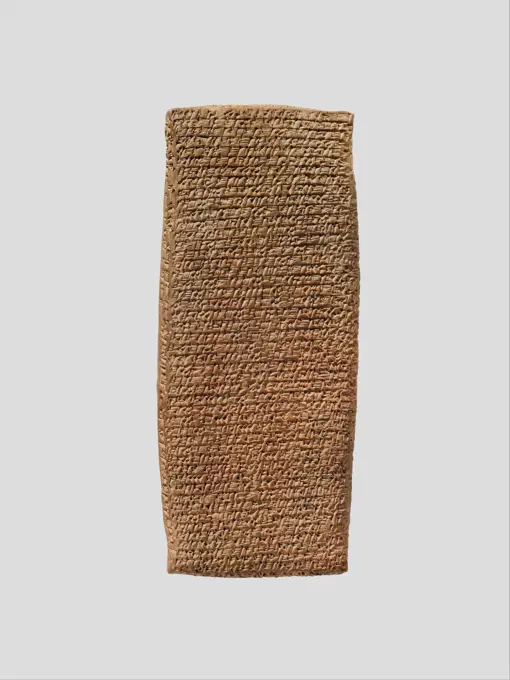
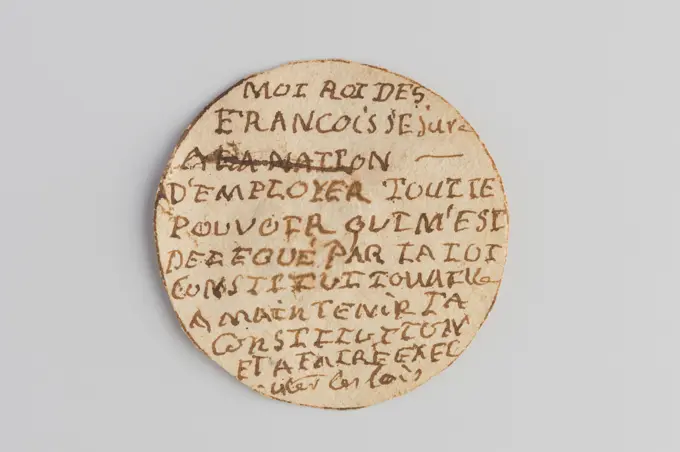
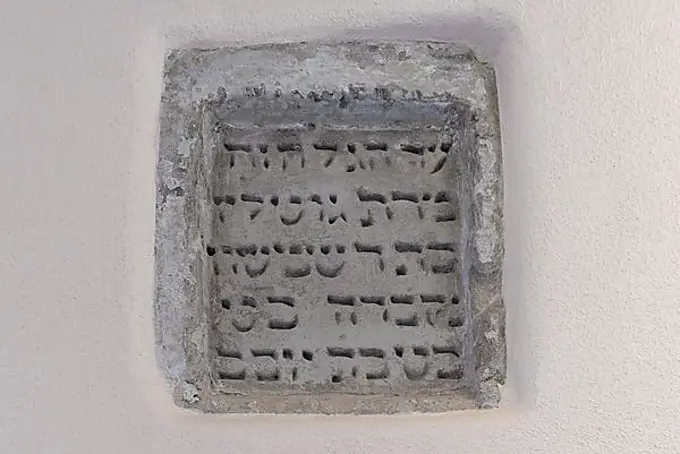
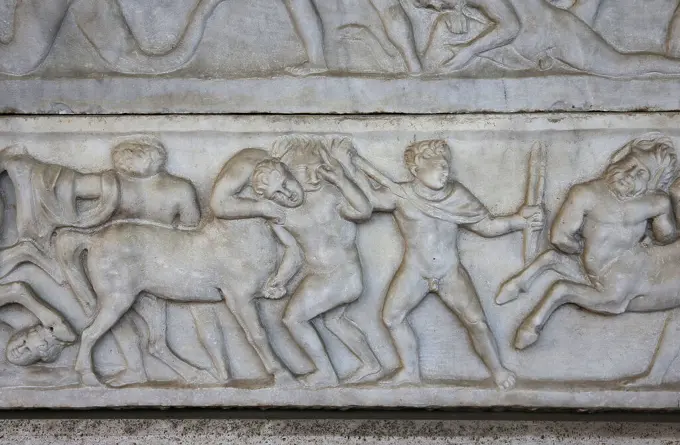
Anonymous. Revolutionary carrying a flag, around 1848 (obverse). Paris, Carnavalet museum. Medal, numismaticsKey piece, anonymous, c. 1550 - c. 1600 Key piece made of oak, sawn from a korbeel. Coming from the broken house Warmoesstraat 145 in Amsterdam. Northern Netherlands oak (wood) Key piece made of oak, sawn from a korbeel. Coming from the broken house Warmoesstraat 145 in Amsterdam. Northern Netherlands oak (wood)Lamp 4th century Small earthenware lamps, made from double molds, were the most commonly used source of light in daily Coptic life. A wick produced from plant fiber or linen fabric was placed in a reservoir filled with oil, generally castor or sesame oil, and illuminated. This red earthenware lamp displays the image of a lion running, encircled by a border of palm branches.. Lamp 447983Upper right arm, bent, Aten cartouches. Dimensions: H. 27 × W. 10 × D. 9 cm (10 5/8 × 3 15/16 × 3 9/16 in.); Cartouche 2.3 cm (7/8 in.). Dynasty: Dynasty 18. Reign: reign of Akhenaten. Date: ca. 1353-1336 B.C.. Museum: Metropolitan Museum of Art, New York, USA.Oil Lamp. Egypt or Near East, Roman Period - Byzantine Period (305 BCE - 641 CE). Furnishings; Lighting. TerracottaBase of a Vessel with a White Slip Inscription 9th-10th century. Base of a Vessel with a White Slip Inscription 450153Volute-krater fragment 4th century B.C. Greek, South Italian, Apulian. Volute-krater fragment. Greek, South Italian, Apulian. 4th century B.C.. Terracotta; red-figure. Late Classical. VasesFragment 8th-9th century. Fragment 448860Marble diskos 6th century B.C. Greek, Attic This diskos is one of a pair that were dedicated and later discovered still together; the mate is now in the Museum of Fine Arts, Boston. The inscription on this example identifies the owner as Telesarchos and adds from the tomb.. Marble diskos. Greek, Attic. 6th century B.C.. Marble. Archaic. Stone SculptureScarab of King Khaneferre Sebekhotep IV ca. 1731-1719 B.C. Late Middle Kingdom. Scarab of King Khaneferre Sebekhotep IV. ca. 1731-1719 B.C.. Steatite, glazed. Late Middle Kingdom. From Egypt. Dynasty 13Tile. Iran, 14th century. Ceramics. Fritware, molded, painted and glazedVase fragment Roman, Gaul Upper part of man and animal.. Vase fragment 250378Amulet - ThotBonk from 1 penny from the Dutch East Indies, 1804, Batavian Republic, 1804 coin Copper rectangular mint. Front: Within a rectangular list of pearls value indication 1 S. Down side: within a rectangular list of pearls year. Batavia copper (metal) striking (metalworking)Calcified stone, Melanesian ceremonial chair, from the Nias tribe, in the Gomo area of Papua New Guinea. Late 19th centuryBell (Inscription: I czizow)  Parish Church Saint. Bartłomiej, Poręba SpytkowskaTerracotta votive offerings. From an Etruscan or Etrusco-Campanian selection once featured in Henry Welcome's museum. 4th-2nd Century BC.tumbled Tinguaite gemstone on white marble macro shooting of natural mineral rock specimen - tumbled Tinguaite gemstone on white marble background from Khibiny Mountains, Kola Peninsula, Russia Copyright: xZoonar.com/ValeryxVoennyyx 11949876Skarabeus with the presentation of two babes adoring, amulet - plaque with rosette And named Mencheperre, a score with a silhouette on the throne;  around 1295 1186 BC ; New PA 1295 BC ; New PA 1295 BC ; New PABes (Mitol.), Majewski, Erazm (1858-1922), Majewski, Erazm (1858-1922)-collections, mencheperre cryptograms, scenes.gal.eg., Band of Heka, Bicz Nechacha (iconogr.), Egyptian deities, decorations Ryte, hieroglyphs, cartouches, cryptogram, kings, pavian (iconogr.), plaques, message (provenance), rosettes, tronaEpitafium kapłana Stefanosa. unknown, craftsmanCeltiberian box, Valdeolea, Museum of prehistory and archeology (MUPAC), Santander, Cantabria, Spain.Bowl 5th-4th century B.C. () Paracas. Bowl 316717Offering table, titulary of queen ca. 1353-1336 B.C. New Kingdom, Amarna Period. Offering table, titulary of queen 549828Taweret Amulet 664-30 B.C. Late Period-Ptolemaic Period. Taweret Amulet 552723Sherd ca. 6th-8th century A.D. Sasanian or Islamic. Sherd 322839Lid in boxes on the boat;  New PAThe collection of ancient EgyptPlaque. Western Inner Mongolia and northern China, 5th-4th century B.C.. Sculpture; plaques. Bronze, castFragment of a Closed Vessel probably 7th-9th century This ceramic fragment was excavated in Ctesiphon, the Sasanian metropolis and administrative capital conquered by Arab Muslim armies in 637. The city was known in Arabic as al-Madain, or "the cities", for its extended area. Arab historians indulge in describing al-Madain/Ctesiphons grand monuments, which obsessed Muslim rulers and may have acquired a symbolic meaning related to its imperial past. This was the case of the Taq-i Kisra, an impressively-sized ivan (a vaulted hall with one side open) partially dismantled to reuse its bricks in caliphal buildings in the new capital Baghdad. This fragment belongs to a long-standing tradition of turquoise-glazed ceramics made in Mesopotamia since the Parthian period, of which it represents a late Sasanian or Early Islamic evolution. The vegetal applied motifs are similar to those on 32.150.267.. Fragment of a Closed Vessel 448754Early Christian art. Greece. Clay stamps. 6th-7th century. Byzantine Museum. Athens. Greece.Stamp Seal. Northern Iran, Iron Age I-II, about 1350-800 B.C.. Tools and Equipment; seals. Bronze, castModel harpoon. Dimensions: H. 8.6 cm (3 3/8 in.); W. 1.9 cm (3/4 in.). Dynasty: Dynasty 2. Reign: reign of Khasekhemui. Date: ca. 2650 B.C.. Museum: Metropolitan Museum of Art, New York, USA.Excerpt of a dish with a ross-baking shard, with white glaze at the front and rear, on which at the front in yellow, orange, light and dark blue stripes and curls are painted, anonymous, 1200- 1899  Italy earthenware  Italy earthenwareJar rim sherd ca. mid-3rd millennium B.C.. Jar rim sherd 326109Fragment of a Band with Abstract Pattern, 1500s. Italy, Venice, 16th century. Bleached linen: needle lace, burato (twined ground and darned in one direction); overall: 5.1 x 25.5 cm (2 x 10 1/16 in.).Amulet - ciężarek naszyjnika menit. unknown, authorGilt faience fragment of an oinochoe (jug) 3rd century B.C. Greek, Ptolemaic in high relief, Arsinoe IIThe double cornucopia held in the crook of the left arm of the figure is an attribute of the Ptolemaic queen, Arsinoe II. Such cornucopiae, accompanied by inscriptions bearing her name appear on coins, as well as on complete examples of relief oinochoai, thus allowing a secure identification of the queen, despite the small size of the fragment and lack of head.. Gilt faience fragment of an oinochoe (jug) 250524 Greek, Ptolemaic, Gilt faience fragment of an oinochoe (jug), 3rd century B.C., Faience, h. 2 13/32 in. (6.1 cm). The Metropolitan Museum of Art, New York. Gift of J. Pierpont Morgan, 1917 (17.194.2392)Petal-Shaped Bead, c. 1391-1353 BC. Egypt, New Kingdom, Dynasty 18, reign of Amenhotep III. Faience; overall: 3 x 1 cm (1 3/16 x 3/8 in.).INTERIOR-PIEZAS DE ORFEBRERIA PREHISPANICA EN ORO. Location: MUSEO ESTADO-CONV STO DOMINGO. Oaxaca. CIUDAD DE MEXICO.Gnostic Amulet Engraved on a Garnet. UnknownPurse Mount in the Form of a Cross 7th century Frankish Belts were important features of early medieval dress. Not only did they serve the practical function of holding weapons and tools, but their fittings, which could vary in terms of material, decoration, and size, were also highly visible indicators of rank and status. Iron buckles, many imposing in size, were worn by both men and women. Their intricate decoration was achieved by squeezing narrow twisted strips of silver into patterns engraved on the surface of the prefabricated iron pieces. A complete belt would have consisted of a buckle, a counter plate that was placed opposite the buckle, and sometimes a rectangular plate placed in the middle of the belt at the back for decoration.. Purse Mount in the Form of a Cross 464971Chisel China. Chisel 42773Bell Urban (medallion; casting of Jan III Sobieski's medal from 1686  obverse)  Zygmuntów Tower, Wawel Cathedral, KrakowEngraved Gem. UnknownVotive Tablet. Culture: China. Dimensions: H. 4 3/8 in. (11.1 cm); W. 8 3/8 in. (21.3 cm). Date: dated 870. Museum: Metropolitan Museum of Art, New York, USA.Seal China. Seal. China. Bronze. Ming dynasty (1368-1644) or earlier. MetalworkEye of Horus (Wedjat) Finger Ring 1350 BCE Egypt. Faience . Ancient EgyptianCopper Ornament with Dangles before 15th century Peruvian. Copper Ornament with Dangles 315664Grooved plaque seal 2150-2030 B.C. Egyptian. Grooved plaque seal. Egyptian. 2150-2030 B.C.. Bone (). First Intermediate Period. EgyptGedenktafel für ein tragbares Oratorium plaque of a portable oratory, 15th century, Munatones castle, Muskiz, Arkeologi Museoa, museum aqueologico, Bilbao, Bizkaia, Basque Country, Spain Copyright: xZoonar.com/BartomeuxBalaguerxRotgerx 22845503vessels with symbolic decoration, ceramics, late Neolithic, 4000-3000 BC, Evora Museum, Evora, Alentejo, Portugal, Europe.Sumeric clay cone (wedge record of the Prince Gudea of Lagash in South Mesopotamia for one of him in Girsu (Tello today) Temple.)Figure 500 B.C.-A.D. 300 Indonesia. Figure. Indonesia. 500 B.C.-A.D. 300. Bronze. Bronze and Iron Age period. MetalworkCylinder seal and modern impression: royal worshiper before a god on a throne; human-headed bulls below ca. 1820-1730 B.C. Although engraved stones had been used as early as the seventh millennium B.C. to stamp impressions in clay, the invention in the fourth millennium B.C. of carved cylinders that could be rolled over clay allowed the development of more complex seal designs. These cylinder seals, first used in Mesopotamia, served as a mark of ownership or identification. Seals were either impressed on lumps of clay that were used to close jars, doors, and baskets, or they were rolled onto clay tablets that recorded information about commercial or legal transactions. The seals were often made of precious stones. Protective properties may have been ascribed to both the material itself and the carved designs. Seals are important to the study of ancient Near Eastern art because many examples survive from every period and can, therefore, help to define chronological phases. Often preservStamp, Gabled. Northern Syria or southeast Anatolia, circa 6th-4th millennium B.C.. Tools and Equipment; stamps. Black serpentineStamp seal (conoid) with monsters second half of 8th - 6th century B.C. or later Assyro-Babylonian or Achaemenid. Stamp seal (conoid) with monsters 327693Sherd ca. 3rd-7th century A.D. Sasanian. Sherd 323211Wedge-shaped Capital late 11th century Italian. Wedge-shaped Capital 471333Cylinder seal ca. 2350-2150 B.C. Akkadian. Cylinder seal 323822Altar with the Myth of Adonis; Calabria, Italy; 425 - 375 B.C; Terracotta with yellowish diluted clay, white slip and polychromy (red, reddish brown, green); 41.8 × 34.2 × 29.2 cm (16 7,16 × 13 7,16 × 11 1,2 in.)Copper Tweezers 2nd-7th century () Moche (). Copper Tweezers 315632Ostrakon 7th century Coptic. Ostrakon 474485Ampulla, religious badge worn by English, medieval Christian pilgrims in the 13th centuryScarab ca. 1981-1550 B.C. Middle Kingdom-Second Intermediate Period. Scarab. ca. 1981-1550 B.C.. Steatite, gray glazed. Middle Kingdom-Second Intermediate Period. From Egypt. Dynasty 12-17Sherds ca. mid-7th millennium B.C. Samarra. Sherds 329632Fragment majolica dish, blue on white, with two cherries, plate dish crockery holder soil find ceramic earthenware glaze, baked underside covered with lead glaze. Monochrome archeology Rotterdam decorate food Soil discovery Rotterdam.Epitafium Eutychidesa, syna Teodorosa. unknown, workshopLintel, anonymous, c. 850 Kalakop, upper sill of a niche of one of the shrines of the Lara Jonggrang group. Lara Jonggrang Temple andesite Kalakop, upper sill of a niche of one of the shrines of the Lara Jonggrang group. Lara Jonggrang Temple andesiteSumerian culture, Stone , 4th millennium BC, Russia, St. Petersburg, State Hermitage, 4, 3x2, 3One of twenty-one seals, 800 BCE - 400 CE, various, Various semi-precious stones, Mesopotamia, 8th century BCE - 5th century CESteatite quadrangular seal. Culture: Greek. Dimensions: L. 3.3 cm. Date: late 8th-early 7th century B.C..Four-sided. dark brown steatite, with tapering edges and a vertical perforation. Area divided into four squares, two are decorated with linear patterns, two with stylized animals-a griffin and another monster. On the back are three broad vertical grooves and a few other marks, perhaps an unfinished design. Museum: Metropolitan Museum of Art, New York, USA.Funerary stele of a women. unknown, authorPottery mold for smoking pipes sculpture Christ child and latex casting, mold tools equipment earth discovery ceramics earthenware, hand-formed baked Pottery mold for pipes image red shard Picture representation: Christ child in the left hand the national apple archeology indigenous pottery worship religion forms bible Jesus ChristPlakietka z rybą Tilapia. unknown, authorPiece late 19th century Japan. Piece 66935Box of the Warriors, archaeological piece from the Iberian period, 1st century BC. C., Piquía necropolis, Arjona, Iberian Museum of Jaén, Andalusia, Spain.Four tiles, anonymous, c. 1400 - c. 1600 Four tiles of red -baking slanting work with different decorations: a rose of five leaves in a circle, an ornament consisting of 4 French lilies, a single French lily and an unknown animal on four legs with a long tail (a lion). Netherlands earthenware. lead glaze   Our Lady Munsterkerk Four tiles of red -baking slanting work with different decorations: a rose of five leaves in a circle, an ornament consisting of 4 French lilies, a single French lily and an unknown animal on four legs with a long tail (a lion). Netherlands earthenware. lead glaze   Our Lady MunsterkerkJupiter with a figurine of VictoriaWalking Panther. Dated: model 1831. Dimensions: overall: 7.7 x 14.1 cm (3 1/16 x 5 9/16 in.) overall (height with suspension loop extended): 8.6 cm (3 3/8 in.) gross weight: 129.000 gr. Medium: bronze. Museum: National Gallery of Art, Washington DC. Author: Antoine-Louis Barye.Ring: Amun-Ra, King of the Gods, the Lord. Egyptian. Date: 1550 BC-1069 BC. Dimensions: W. 1 cm (3/8 in.); diam. 2.1 cm (13/16 in.). Faience. Origin: Egypt. Museum: The Chicago Art Institute, Chicago, USA. Author: Ancient Egyptian.Cylinder seal from Mesopotamia, Shamash the sun god destroys the verdure in summer. It is reborn as a small god aided by Goddess Tello III mill BC.Steatite pyramidal seal. Culture: Minoan. Dimensions: Base 0.8 cm x 1 cm; H. 0.9 cm. Date: ca. 2400-1900 B.C..Circular and linear motifs. Museum: Metropolitan Museum of Art, New York, USA.Scarab with Inscription Referring to Osiris 1295-1070 B.C. New Kingdom This scarab from Lisht is inscribed with a variation on a religious epithet that is commonly associated with deities, such as the falcon god Horus, or with the king, as living manifestation of Horus. The inscription in hieroglyphs mentions him guarding the throne of his father, the god Osiris. Given the limited surface on scarab bases, seal carvers were often very creative in using as few hieroglyphs and signs as possible in order to convey their message. The god Osiris is here alluded to by the sign of a royal cartouche that does not contain hieroglyphs that would normally encircle the name of a king. An empty cartouche can represent the name Wenennefer (meaning: he who is in everlastingly good condition), which most commonly invokes Osiris. This amulet thus calls upon protection by Osiris son. Scarabs bearing similar inscriptions date to the Third Intermediate Period (ca. 1295-664 B.C.).. Scarab with Inscription Roman Remains from Drumburgh and Kirkby Thore, UK, England, engraving 1870s, BritainSello de tonelero. Museu Comarcal de la Conca de Barberà.Aztec calendar stone, Mexico photo by William Henry Jackson, 1843-1942, photographer. between 1884 and 1900.Cuneiform tablet: record of a lawsuit ca. 20th-19th century B.C. Old Assyrian Trading Colony Kültepe, the ancient city of Kanesh, was a powerful and cosmopolitan city located in northern Cappadocia in central Anatolia. During the early second millennium B.C., it became part of the network of trading settlements established across the region by merchants from Ashur (in Assyria in northern Mesopotamia). Travelling long distances by donkey caravan, and often living separately from their families, these merchants traded vast quantities of tin and textiles for gold and silver in addition to controlling the copper trade within Anatolia itself. Although the merchants adopted many aspects of local Anatolian life, they brought with them Mesopotamian tools used to record transactions: cuneiform writing, clay tablets and envelopes, and cylinder seals. Using a simplified version of the elaborate cuneiform writing system, merchants tracked loans as well as business deals and disputes, and sent lettCarnavalet Museum, Medals CollectionStamp seal ca. 180-145 B.C.. Stamp seal 327220Gravestone of a Nuremberg Jewish woman from 1334 in the entrance of the Sebald parsonage, Nuremberg, Middle Franconia, Bavaria, Germany, EuropeSilver-plated copper alloy plaques, 1980s from Tirupati, Andhra Pradesh. Plaques showing parts of the body are pressed from sheet metal and sold. People suffering from ailments buy the part of the body affected and expect to be cured.Fragment of an Inscribed Slab with a Rosette 6th-7th century. Fragment of an Inscribed Slab with a Rosette 456201France, Vaucluse, Vaison la Romaine, archaeological museumRoman sarcophagus from Pozemia, c. 140. Detail of Centauromachya. National Roman Museum (Baths of Diocletian). Rome. Italy.