Ancient Seal Impressions

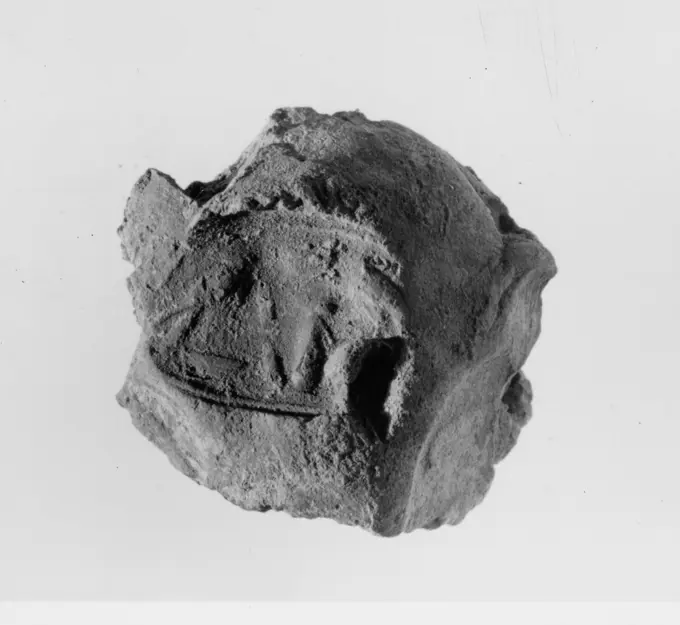
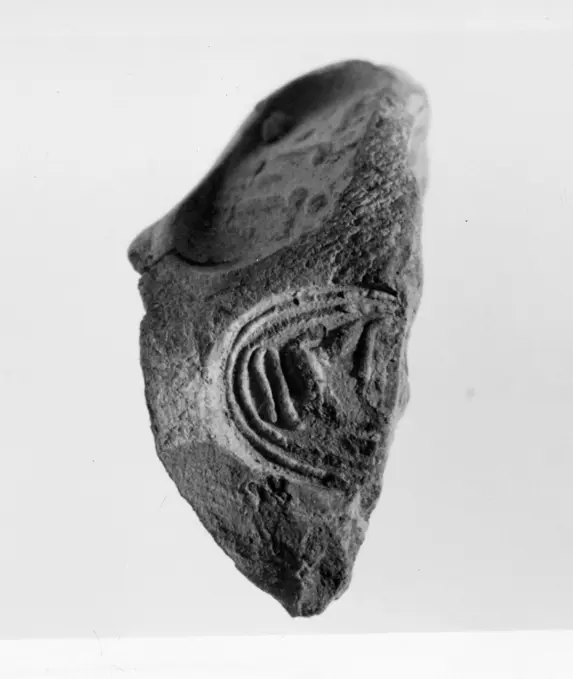
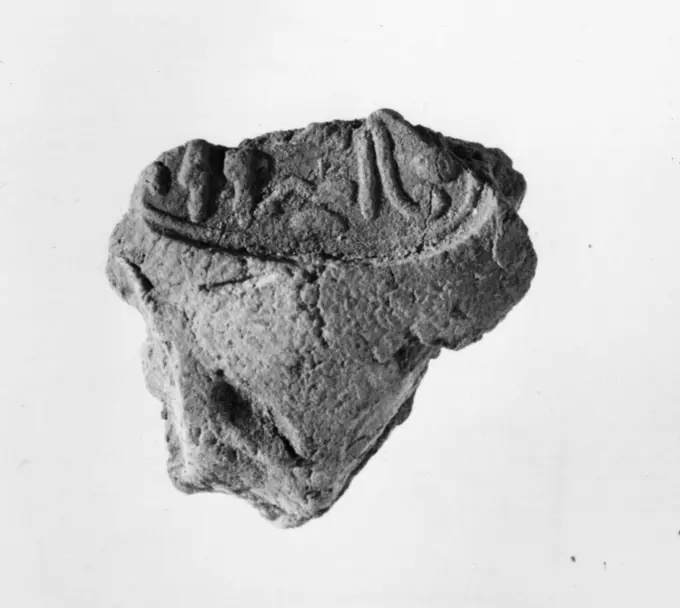
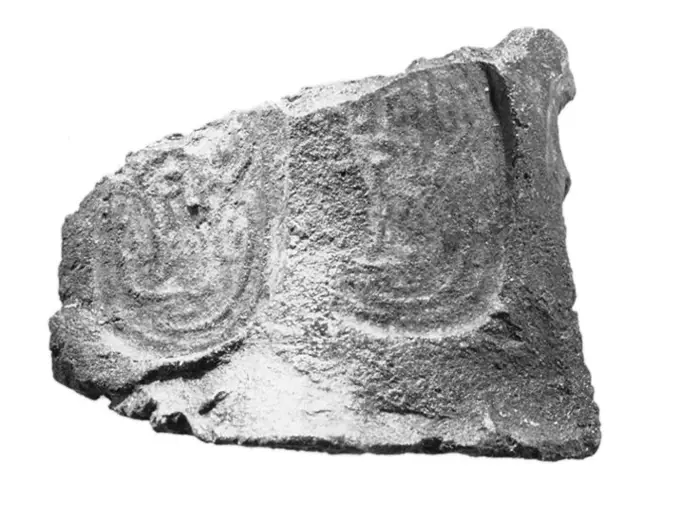
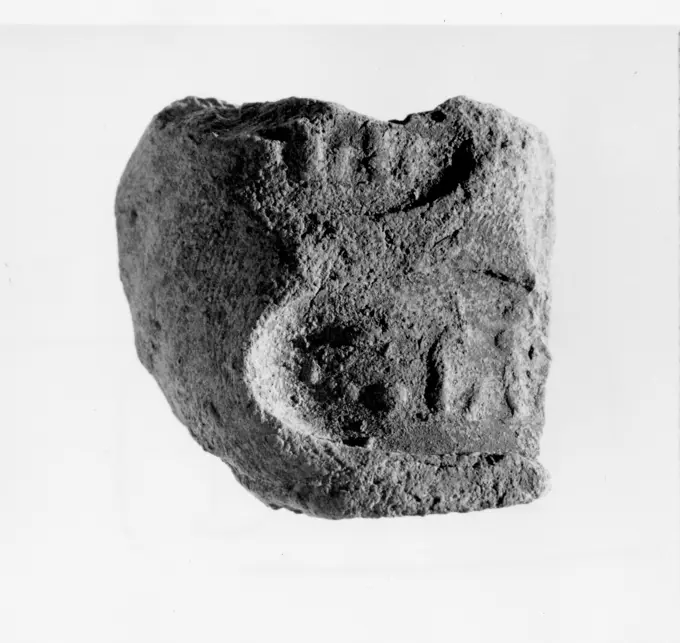
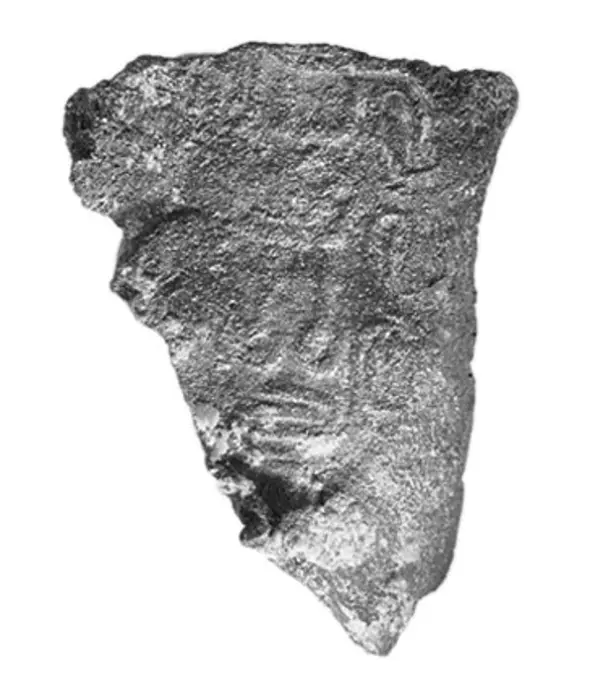
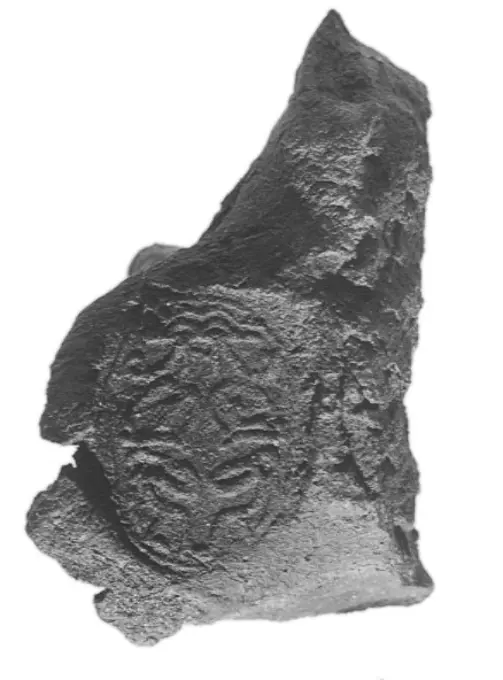
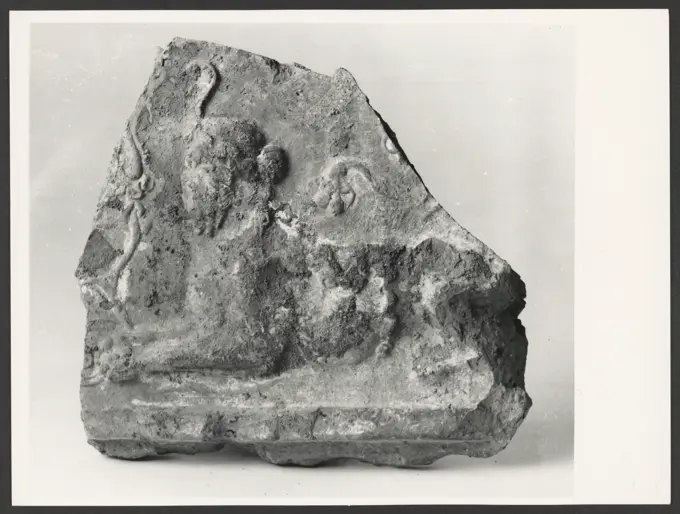
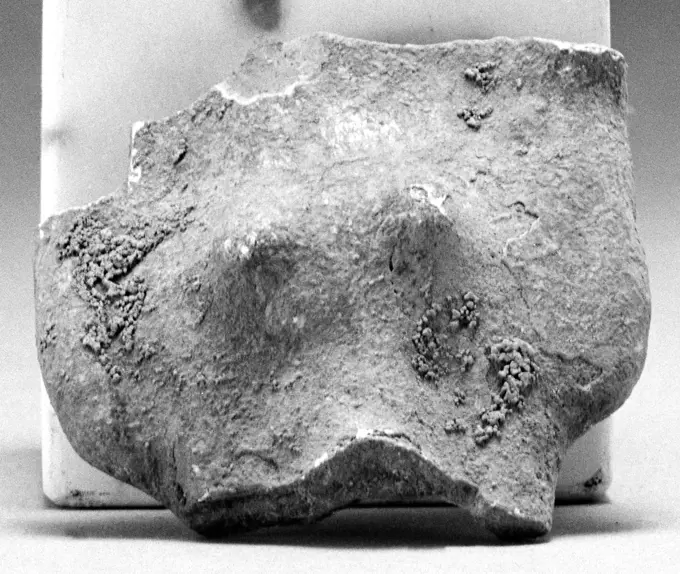
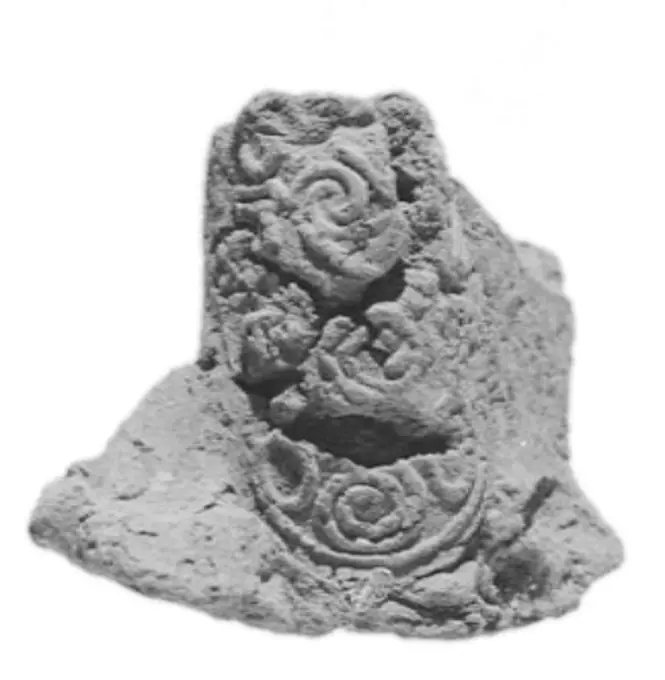
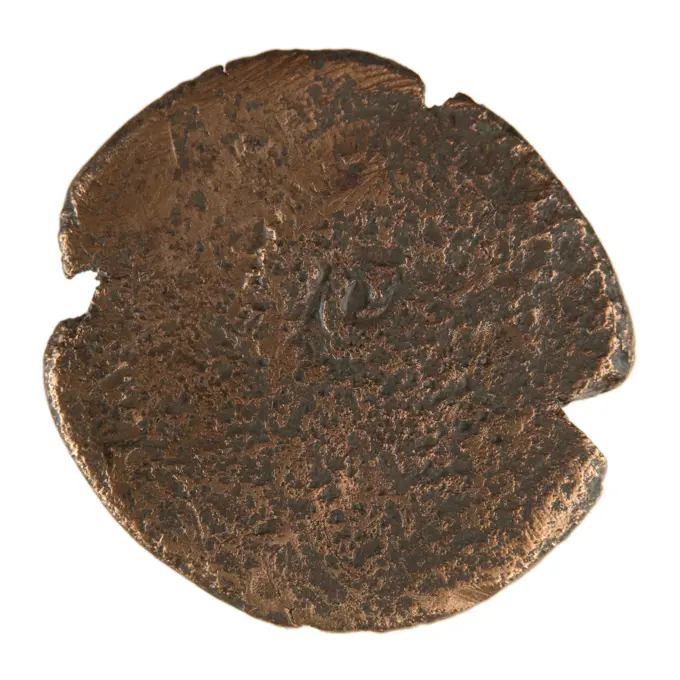
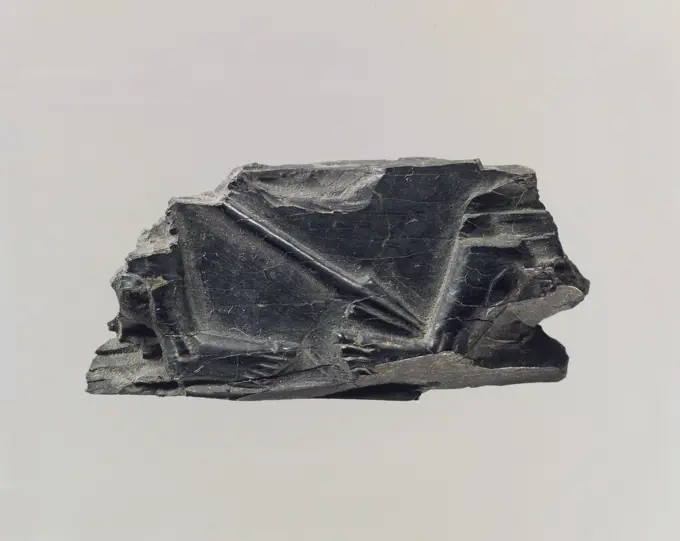
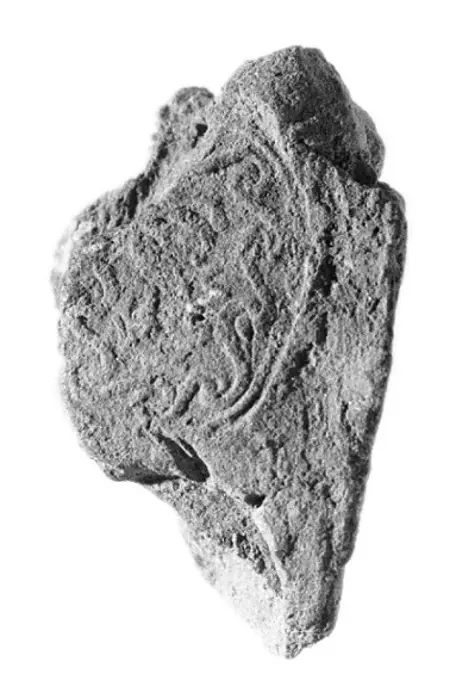
Historical mud seals depicting various impressions from the Middle and New Kingdoms of Egypt, showcasing intricate designs and inscriptions.
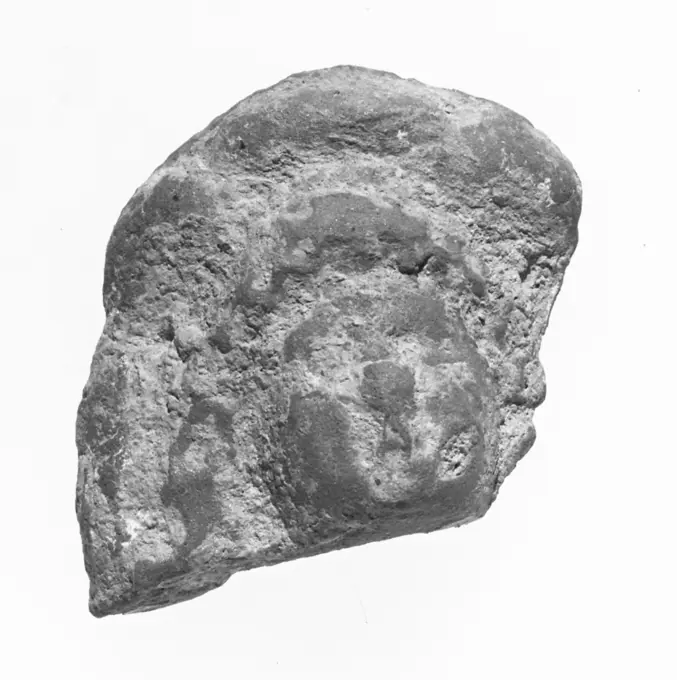
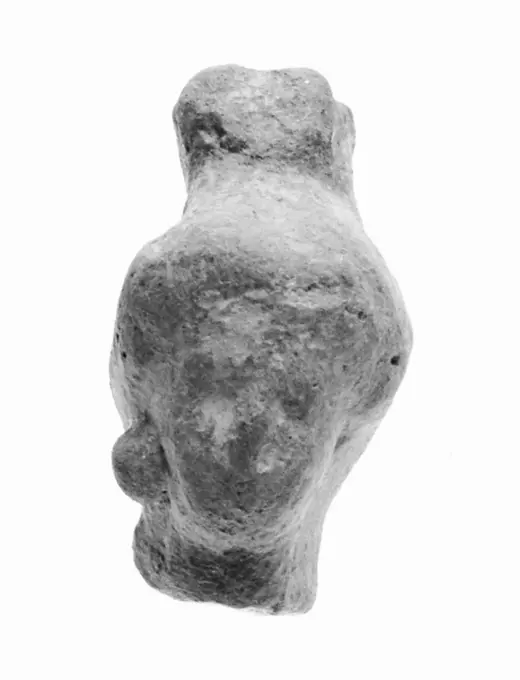
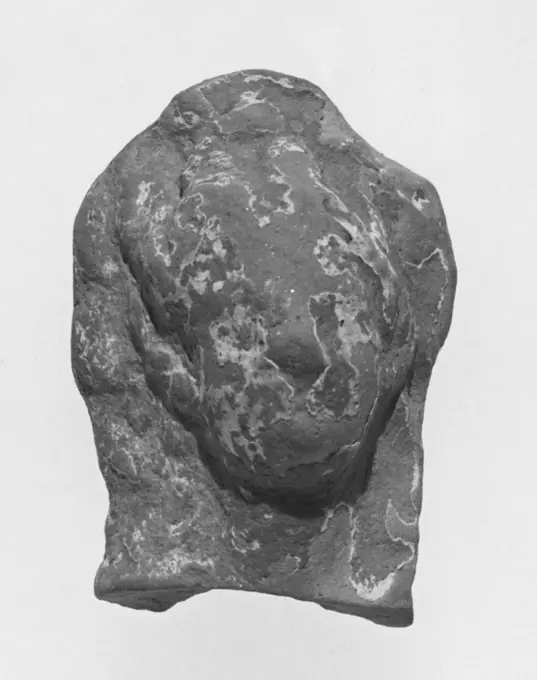
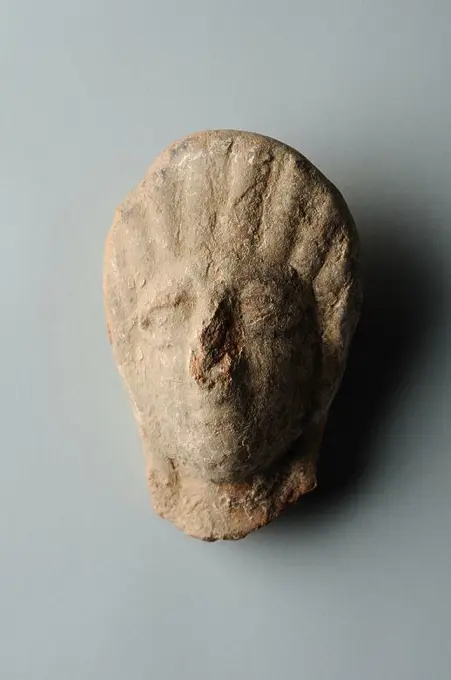
Female Head. Unknown
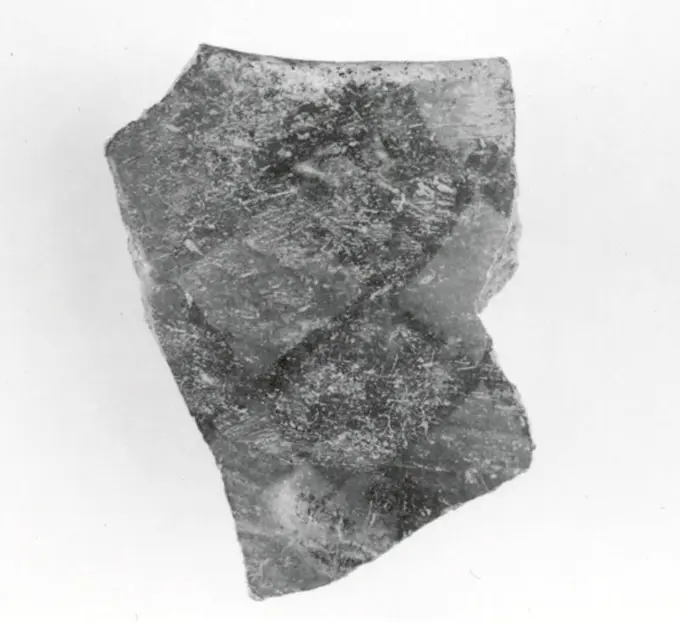
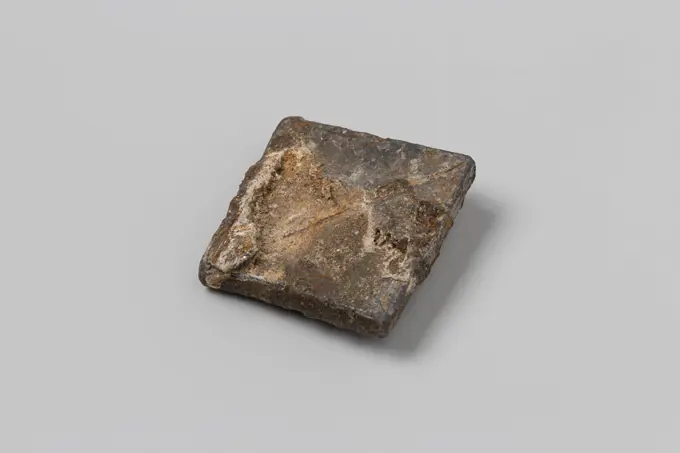
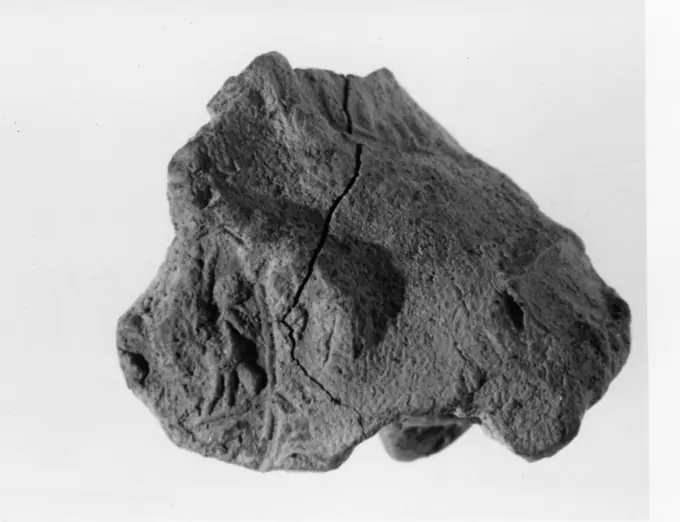
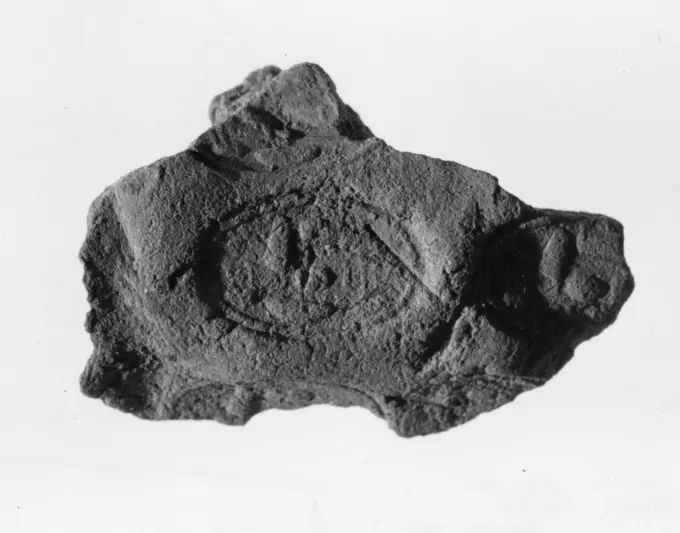
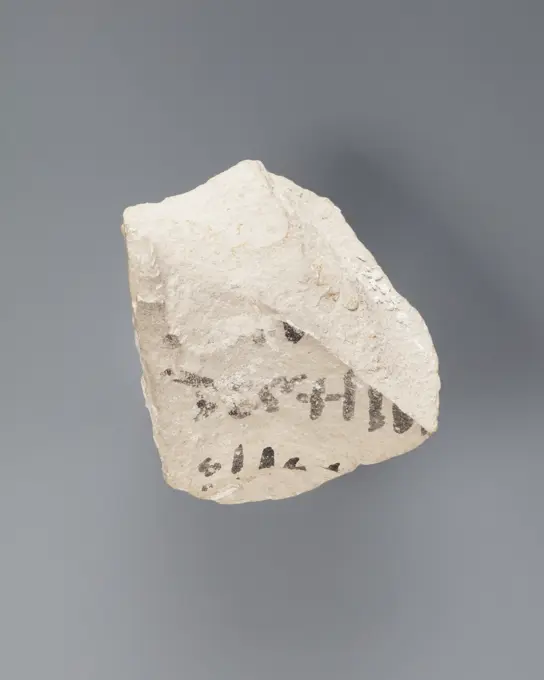
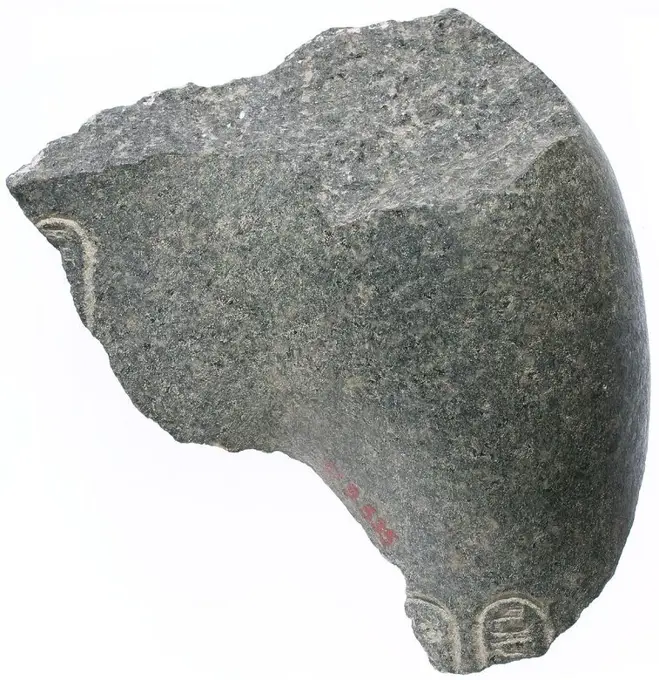
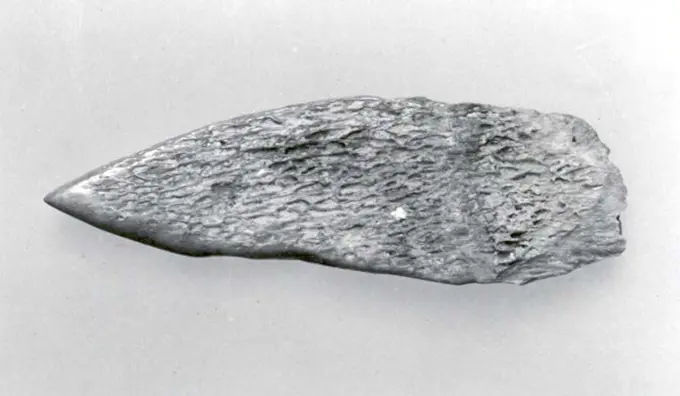
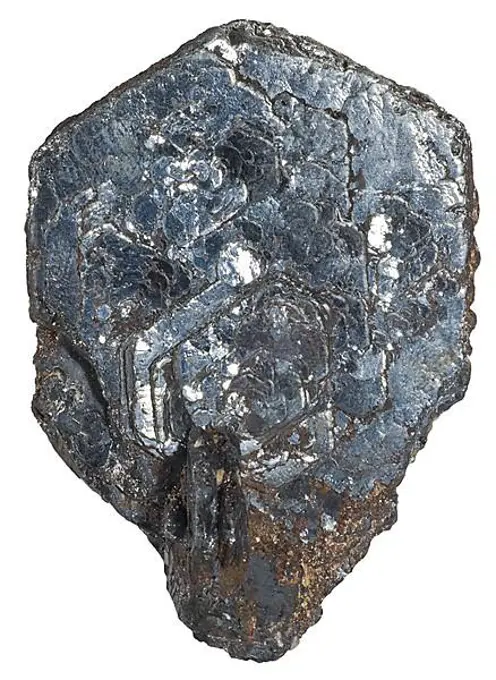
Female Head. UnknownSealing ca. 1981-1640 B.C. Middle Kingdom. Sealing 560363Sealing ca. 2030-1640 B.C. Middle Kingdom. Sealing 546537Document Sealing With Multiple Seal Impressions ca. 1390-1353 B.C. New Kingdom. Document Sealing With Multiple Seal Impressions. ca. 1390-1353 B.C.. Mud. New Kingdom. From Egypt, Upper Egypt, Thebes, Malqata, MMA excavations, 1910-12; Presumably from West Villas, West Villa B. Dynasty 18Document Sealing With Multiple Seal Impressions ca. 1390-1353 B.C. New Kingdom. Document Sealing With Multiple Seal Impressions. ca. 1390-1353 B.C.. Mud. New Kingdom. (none assigned) Egypt, Upper Egypt, Thebes, Malqata, MMA excavations, 1910-12; Presumably from West Villas, West Villa B. Dynasty 18Document Sealing ca. 1390-1353 B.C. New Kingdom. Document Sealing. ca. 1390-1353 B.C.. Mud. New Kingdom. From Egypt, Upper Egypt, Thebes, Malqata, West Villas, West Villa B, MMA excavations, 1910-12. Dynasty 18Sealing ca. 1981-1640 B.C. Middle Kingdom. Sealing 557532Female Head. UnknownSealing ca. 1981-1640 B.C. Middle Kingdom. Sealing 557519Document Sealing With the Throne Name of Amenhotep III ca. 1390-1353 B.C. New Kingdom. Document Sealing With the Throne Name of Amenhotep III. ca. 1390-1353 B.C.. Mud. New Kingdom. From Egypt, Upper Egypt, Thebes, Malqata, West Villas, West Villa B, MMA excavations, 1910-12. Dynasty 18Female Head. UnknownSealing ca. 1981-1640 B.C. Middle Kingdom. Sealing 560339Lampka. unknown, authorFemale Head. UnknownDocument Sealing with the Throne Name of Amenhotep III ca. 1390-1353 B.C. New Kingdom. Document Sealing with the Throne Name of Amenhotep III. ca. 1390-1353 B.C.. Mud. New Kingdom. From Egypt, Upper Egypt, Thebes, Malqata, Palace of Amenhotep III, West Villa B, Southern rubbish mound, west magazine, MMA excavations, 1910-12. Dynasty 18Sherd ca. 1500-1000 B.C. Iran This sherd is made of a red clay, with brown painted decoration. It is typical of Yaz I ceramics from Turkmenistan, dating to ca. 1500-1000 B.C. It was excavated in 1937 at a prehistoric site in the vicinity of Nishapur in northeastern Iran. While Nishapur itself was founded by the Sasanian king Shapur I (reigned ca. A.D. 241-272), this sherd shows that human habitation there goes back to the prehistoric period. Furthermore, the prehistoric pottery from Nishapur has close affinities with ceramic materials from Central Asia rather than with contemporary sites in Iran, meaning that in this period its inhabitants were likely culturally linked to their neighbors to the east. At the same time, Nishapurs location on what later became known as the Great Khorasan Road suggests that it was part of the trade network that facilitated the import of precious stones such as lapis lazuli, carnelian and turquoise from Central Asia to Mesopotamia.. Sherd 323657Document Sealing With the Throne Name of Amenhotep III ca. 1390-1353 B.C. New Kingdom. Document Sealing With the Throne Name of Amenhotep III. ca. 1390-1353 B.C.. Mud. New Kingdom. From Egypt, Upper Egypt, Thebes, Malqata, no exact location recorded, MMA excavations, 1910-12. Dynasty 18Grotesque Statuette of a Crouching Phallic Figure from Egypt. UnknownBody Fragment of a Relief Pithos. UnknownFragment Germany. Fragment. Germany. Nephrite. JadeSealing ca. 2030-1640 B.C. Middle Kingdom. Sealing 546550Lazio Roma Subiaco Monastery of S. Scolastica Archaeological Museum42. Hutzel, Max 1960-1990 Antiquities: Views of antiquities in museum, including sarcophagi, plates, vases, coins. General Notes: Hutzel guide says we have negatives, but we cannot find them. German-born photographer and scholar Max Hutzel (1911-1988) photographed in Italy from the early 1960s until his death. The result of this project, referred to by Hutzel as Foto Arte Minore, is thorough documentation of art historical development in Italy up to the 18th century, including objects of the Etruscans and the Romans, as well as early Medieval, Romanesque, Gothic, Renaissance and Baroque monuments. Images are organized by geographic region in Italy, then by province, city, site complex and monument.Fragment of a Female Torso. UnknownLampka. unknown, authorFemale Head. UnknownBliżej Kultury Władysław Jagiełło (CA 1351 1434), Mint of KrakówSealing ca. 2030-1640 B.C. Middle Kingdom. Sealing 565359Unattributed Trebizond Coin. UnknownPlaying Task from the wreck of the East India Hollandia. Rectangular, Square, Flat, Engraved Diagonal Cross on One Side, Game token.Sealing ca. 7th century A.D. Sasanian. Sealing 323300Red-Figure Volute Krater Fragment; Attributed to the Kleophrades Painter (Greek (Attic), active 505 - 475 B.C.); Athens, Greece; about 480 B.C; Terracotta; 7.4 cm (2 15,16 in.)Document Sealing With Multiple Seal Impressions ca. 1390-1353 B.C. New Kingdom. Document Sealing With Multiple Seal Impressions. ca. 1390-1353 B.C.. Mud. New Kingdom. From Egypt, Upper Egypt, Thebes, Malqata, No exact find spot determined, MMA excavations, 1910-12. Dynasty 18Female Head. UnknownCloseup on a fossil mammoth vertebra.Female Head. UnknownDocument Sealing ca. 1390-1353 B.C. New Kingdom. Document Sealing. ca. 1390-1353 B.C.. Mud. New Kingdom. From Egypt, Upper Egypt, Thebes, Malqata, King's Palace, West magazine, MMA excavations, 1910-12. Dynasty 18Sherd ca. 3100-2500 B.C. Iran This sherd is made of grey clay which has been painted red on the outside and black on the inside, and the exterior surface has been polished. It is typical of Namazga IV ceramics from Turkmenistan and Hissar II ceramics from Iran, and likely date to ca. 3100-2500 B.C. It was excavated in 1937 at a prehistoric site in the vicinity of Nishapur in northeastern Iran. While Nishapur itself was founded by the Sasanian king Shapur I (reigned ca. A.D. 241-272), this sherd shows that human habitation there goes back to the prehistoric period. Furthermore, the prehistoric pottery from Nishapur has close affinities with ceramic materials from Central Asia rather than with contemporary sites in Iran, meaning that in this period its inhabitants were likely culturally linked to their neighbors to the east. At the same time, Nishapurs location on what later became known as the Great Khorasan Road suggests that it was part of the trade network that facilitated the imporFemale Head. UnknownSealing ca. 7th century A.D. Sasanian. Sealing 323417Plaque ca. 3rd-7th century A.D. Sasanian. Plaque. Sasanian. ca. 3rd-7th century A.D.. Glass. Sasanian. Mesopotamia, CtesiphonSealing ca. 2030-1640 B.C. Middle Kingdom. Sealing 546543Female Head. UnknownSealing ca. 2030-1640 B.C. Middle Kingdom. Sealing 565889Jar, fragments 270 B.C.-A.D. 320 Meroitic Period. Jar, fragments. 270 B.C.-A.D. 320. Glass. Meroitic Period. From Nubia (Sudan), Lower Nubia, Faras, Cemetery 1, Grave 1504, University of Oxford Excavations in Nubia 1910-1912Female Head. UnknownCoin late 11th-early 13th century. Coin 457352Hieratic ostracon New Kingdom, Ramesside ca. 1295-1070 B.C. View more. Hieratic ostracon. ca. 1295-1070 B.C.. Limestone, ink, paint. New Kingdom, Ramesside. From Egypt, Upper Egypt, Thebes, Valley of the Kings, Davis excavations. Dynasty 19-20Poland, Władysław Jagiełło (King of Poland, 1386 1434), Denar, 1398 1422, Town of Krakow W ADYS AW JAGIECH (CA 1351 1434), Mint of KrakówBliżej Kultury Władysław Jagiełło (CA 1351 1434), Mint of KrakówSealing ca. 2030-1640 B.C. Middle Kingdom. Sealing 565398Raised relief fragment 664-610 B.C. Late Period, Saite see 23.3.468. Raised relief fragment 548167Left shoulder and chest with cartouches of Aten. Dimensions: H. 13.2 × W. 13.1 × D. 4.3 cm (5 3/16 × 5 3/16 × 1 11/16 in.); cartouche: W. 1.5 cm (9/16 in.). Dynasty: Dynasty 18. Reign: reign of Akhenaten. Date: ca. 1353-1336 B.C.. Museum: Metropolitan Museum of Art, New York, USA.Female Head. UnknownBrok from V.O.C. ship De 'Witte Leeuw', Before 1613  Brok from V.O.C. ship the 'Witte Leeuw', Lead White, Raw material for paint.  lead white   Sint-HelenaAmphora plug; Egyptian workshop; VII-VIII century (601-00-00-800-00-00);mule plugsHead with Lampadion Knot. UnknownFemale Head. UnknownFragment imadła amfory ze stemplem. Filokrates (ca 280-ca 240 a.C.), potter's workshopFragment of Haniwa Statuette 7th century or earlier Japan. Fragment of Haniwa Statuette 48796Side piece of leather shoe with sewing holes along edges, shoe footwear clothing fragment soil finding leather, archeologyTool 5th-3rd millennium B.C. () Iran This bone tool was excavated in 1937 at a prehistoric site in the vicinity of Nishapur in northeastern Iran. While Nishapur itself was founded by the Sasanian king Shapur I (reigned ca. A.D. 241-272), this tool shows that human habitation there goes back to the prehistoric period. Furthermore, the prehistoric pottery from Nishapur has close affinities with ceramic materials from Central Asia rather than with contemporary sites in Iran, meaning that in this period its inhabitants were likely culturally linked to their neighbors to the east. At the same time, Nishapur’s location on what later became known as the Great Khorasan Road suggests that it was part of the trade network that facilitated the import of precious stones such as lapis lazuli, carnelian and turquoise from Central Asia to Mesopotamia.. Tool 323698Fragment of a bowl ca. 3rd-7th century A.D. Sasanian. Fragment of a bowl 322734Fragment of a Bottle 18th century American. Fragment of a Bottle. American. 18th century. Free-blown non-lead glass. Made in Wistarburg, New Jersey, United StatesBliżej Kultury Władysław Jagiełło (CA 1351 1434), Mint of KrakówBody (relief ) ca. 1353-1336 B.C. New Kingdom, Amarna Period. Body (relief ) 549807Female Head. UnknownRaised relief fragment 664-610 B.C. Late Period, Saite see 23.3.468. Raised relief fragment. 664-610 B.C.. Limestone. Late Period, Saite. From Egypt, Upper Egypt, Thebes, Deir el-Bahri, Tomb of Nespekashuty (TT 312, MMA 509), 1st chamber E. wall; bottom register, MMA excavations, 1922-23. Dynasty 26Hematite, Minas Gerais, Brazil, South AmericaRing. UnknownTorso of Apollo: Fragment of Goat Skin Drapery, c. 100-200. Italy, Roman, 2nd century. Marble; overall: 90 cm (35 7/16 in.).Sealing ca. 2030-1640 B.C. Middle Kingdom. Sealing. ca. 2030-1640 B.C.. Clay (unfired). Middle Kingdom. From Egypt, Memphite Region, Lisht South, Pyramid complex of Senwosret I, north temple gateway, MMA excavations, 1913-14. Dynasty 12-13Tool ca. 1295-1070 B.C. New Kingdom, Ramesside. Tool. ca. 1295-1070 B.C.. Flint. New Kingdom, Ramesside. From Egypt, Memphite Region, Lisht North, MMA excavations. Dynasty 19-20Head with Melon Coiffure and Bow Knot. UnknownSealing ca. 2030-1640 B.C. Middle Kingdom. Sealing 546582Head female of terracotta figurine with roman hairstyle. Height 6,6 cm Width 4 cm (1 st - 3 rd CE ) - Roman period, from " House of Griffins "- Archaeological site of Complutum in Alcalá de Henares ( Madrid ). SPAIN.Relief fragment from the tomb of Meketre ca. 1981-1975 B.C. Middle Kingdom. Relief fragment from the tomb of Meketre 668902Sealing ca. 7th century A.D. Sasanian. Sealing 323364Attic Red-Figure Statuette Kantharos Fragment (comprised of 2 joined fragments). Attributed to Onesimos (Greek (Attic), active 500 - 480 B.C.)Greece, Macedonia, Filippi, August (27 BC August, PhilippiFurniture plaque carved in relief with spear ca. 9th century B.C. Iran Excavations at Hasanlu in Iran yielded a large number of carved ivory fragments, many in a distinctive style found only at this site, which probably decorated wooden furniture or were used as small precious objects such as boxes. The citadel at Hasanlu was attacked and destroyed around 800 B.C., most likely by military forces of the powerful state of Urartu, centered in present-day Armenia, eastern Turkey, and northwestern Iran. In the fire that destroyed the citadel, many objects were crushed and shattered. The blackened appearance of most of the Hasanlu ivories is due to their exposure to high temperatures at the time of the citadels destruction.This fragment shows the lower legs of two barefoot warriors, advancing toward each other. The spear tip of the warrior at left touches the foot of the adversary at right. This piece may be part of another plaque in the Metropolitan Museums collection (65.163.8), or a simButton ca. 9th century B.C. Iran. Button 325206Weight, bull ca. 1550-1295 B.C. New Kingdom. Weight, bull 553858Vessel fragment. Dimensions: h. 2.1 cm (13/16 in); w. 5.6 cm (2 3/16 in); th. 0.5 cm (3/16 in). Dynasty: Dynasty 18. Reign: reign of Amenhotep III. Date: ca. 1390-1353 B.C.. Museum: Metropolitan Museum of Art, New York, USA.PIEZA DE LA ACROPOLIS DE SESKLO-NEOLITICO. Location: MUSEO. Volos. GREECE.Stucco Fragment probably 8th-12th century This object was excavated at Nishapur.Nishapur was a vital city in the early and middle Islamic periods, located along one of the main trajectories that connected Iran and West Asia Islamic lands with Central Asia and China. These itineraries are often referred to by the term Silk routes but were in fact crucial to the movement of constellations of materials and objects, as well as people and ideas. The diverse population of Nishapur and its surroundings, from the better-researched elite groups of merchants, land-owning aristocracy, and literates, to the less-known artisans, farmers, miners, and servants, were instrumental in adapting global cultural trends to create their own distinctive visual languages. This is seen in the material remains of everyday life in medieval Nishapur - from pots and pans to lighting devices, inkwells, textiles and trimmings, jewelry, games and toys, talismanic devices, weapons, coins, and architectural fragments.NiSealing ca. 1981-1640 B.C. Middle Kingdom. Sealing 560420Wall casing 664-610 B.C. Late Period, Saite see 23.3.468. Wall casing. 664-610 B.C.. Limestone. Late Period, Saite. From Egypt, Upper Egypt, Thebes, Deir el-Bahri, Tomb of Nespekashuty (TT 312, MMA 509), Undetermined, MMA excavations, 1922-23. Dynasty 26Body with garment, shawl pleating, fringe. Dimensions: H. 22 × W. 9.5 × D. 4 cm (8 11/16 × 3 3/4 × 1 9/16 in.). Dynasty: Dynasty 18. Reign: reign of Akhenaten. Date: ca. 1353-1336 B.C.. Museum: Metropolitan Museum of Art, New York, USA.Fragment of an Etruscan Statue. UnknownHooded Female Head. UnknownDrohiczyn seal. unknown, managerPlaque in the shape of a fish China. Plaque in the shape of a fish. China. Jade (nephrite). Shang (ca. 1600-1046 B.C.)-Western Zhou dynasty (1046-771 B.C.). JadeCoin 758-68. Coin. 758-68. Copper. Excavated in Iran, Nishapur. CoinsFragment of a Bowl 9th-10th century. Fragment of a Bowl 454616Drohiczyn seal. unknown, managerHead from a royal statue, 18th Dynasty, about 1420 BC. This damaged head of an unknown king wears the headcloth called a nemes. The style suggests a date in the mid to late 18th dynasty, around 1420 BC.Neolithic Period. Temple Period (3600 to 2500 BC). Malta. Incised sherd depicting two bulls. Between them there is a curvilinear motif which may represent a tree. The incisions are covered with red ochre. From Tarxien. National Museum of Archaeology. Valletta. Malta.Papyrus Inscribed in Greek Papyrus Inscribed in Greek, ca. 215 C.E. (recto); 3rd century C.E. (verso). Papyrus, ink, Glass: 8 1/16 x 12 5/8 in. (20.5 x 32 cm).   Egyptian, Classical, Ancient Near Eastern Art ca. 215 C.E. (recto); 3rd century C.E. (verso)Relief fragment, tomb of Meketre ca. 1981-1975 B.C. Middle Kingdom. Relief fragment, tomb of Meketre. ca. 1981-1975 B.C.. Limestone, paint. Middle Kingdom. From Egypt, Upper Egypt, Thebes, Southern Asasif, Tomb of Meketre (TT 280, MMA 1101), MMA excavations, 1920. Dynasty 12Pendant China. Pendant. China. Jade. Han dynasty (206 B.C.-A.D. 220). Jade