Ancient Seal Impressions

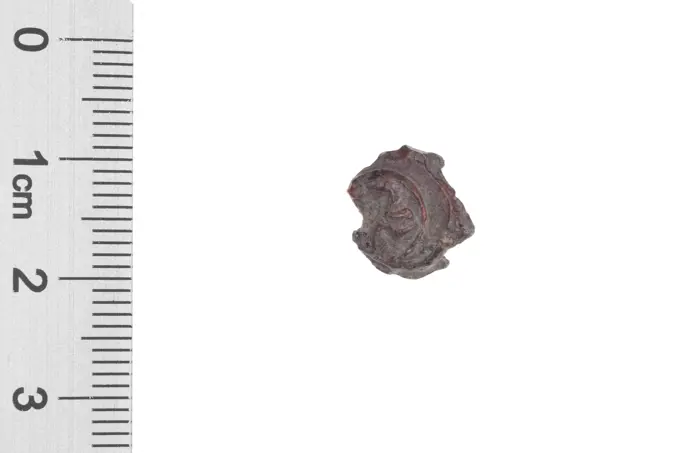
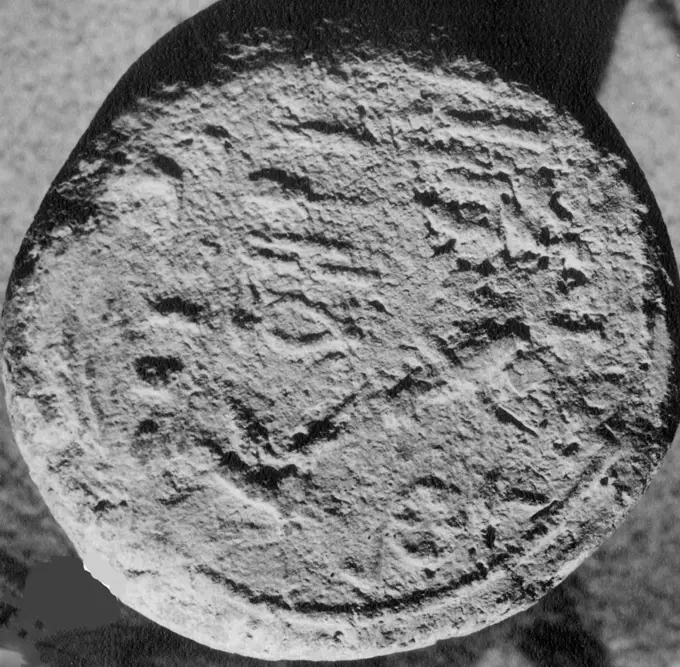
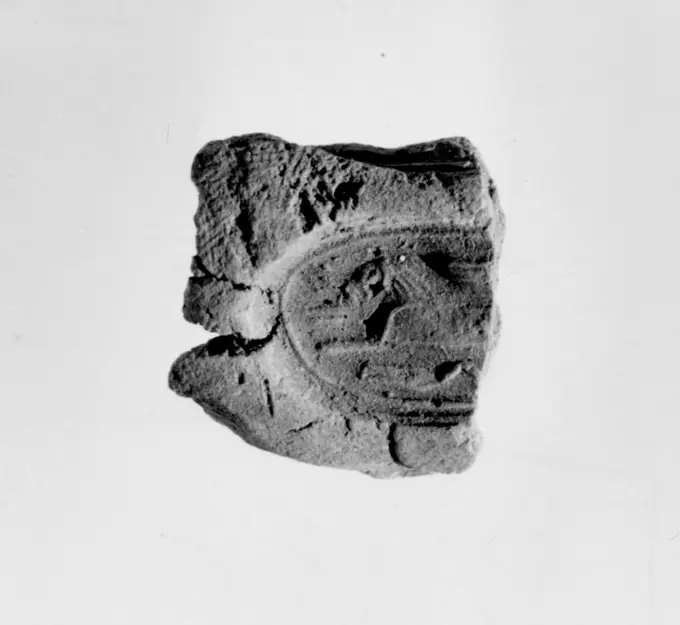
Historical mud seals depicting various impressions from the Middle and New Kingdoms of Egypt, showcasing intricate designs and inscriptions.
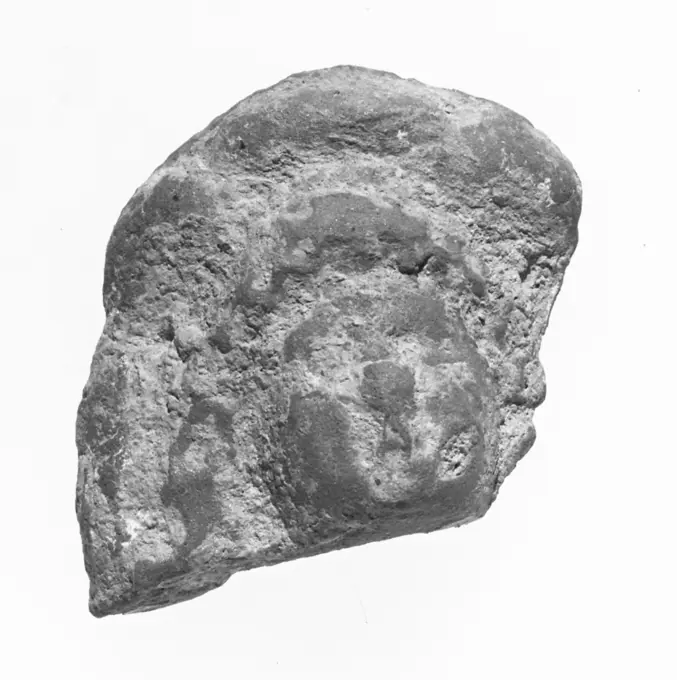
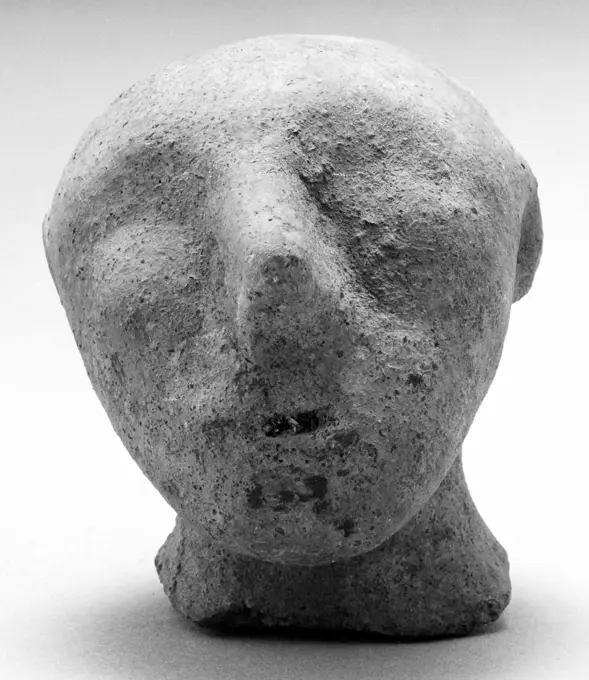
Female Head. Unknown
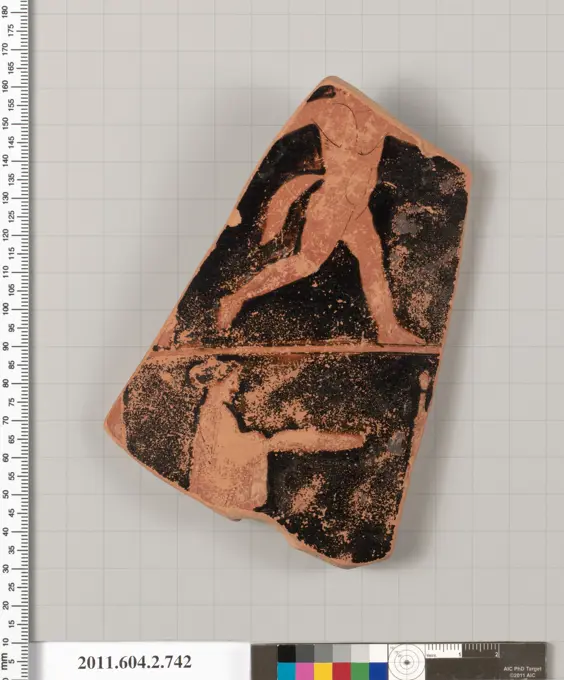
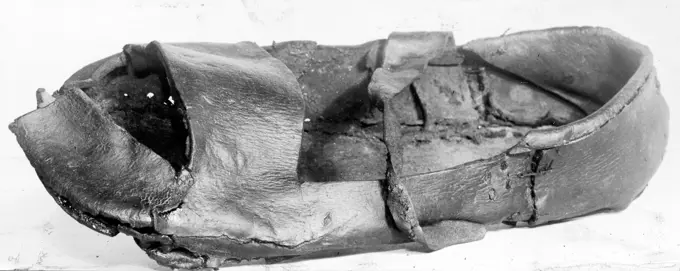
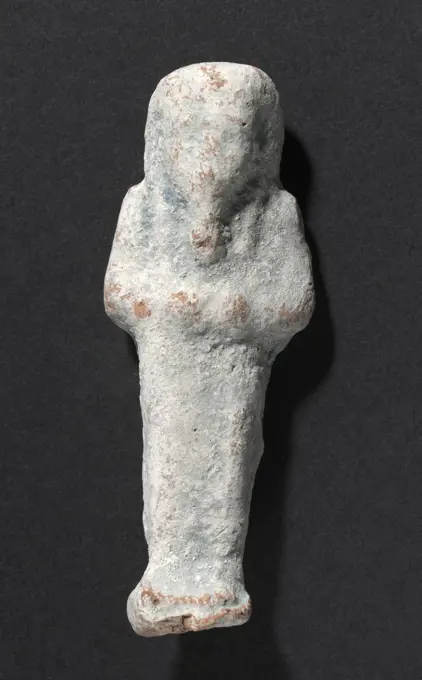
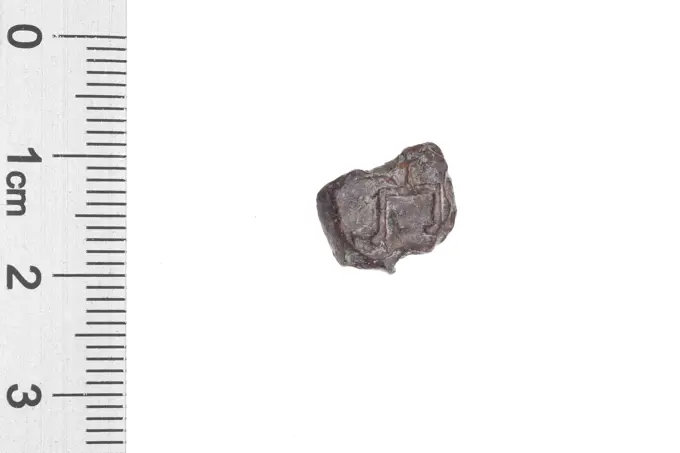
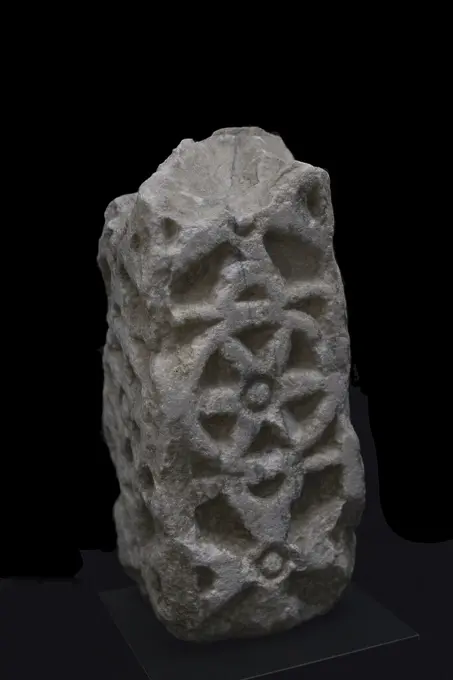
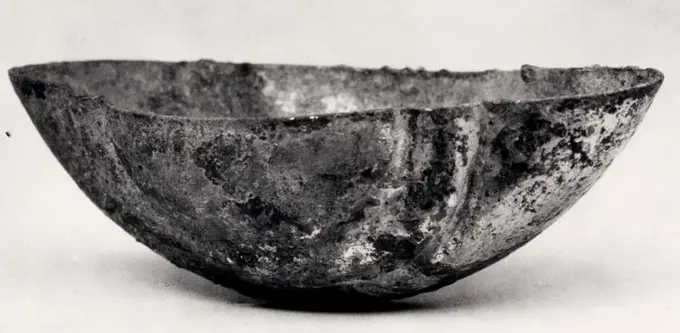
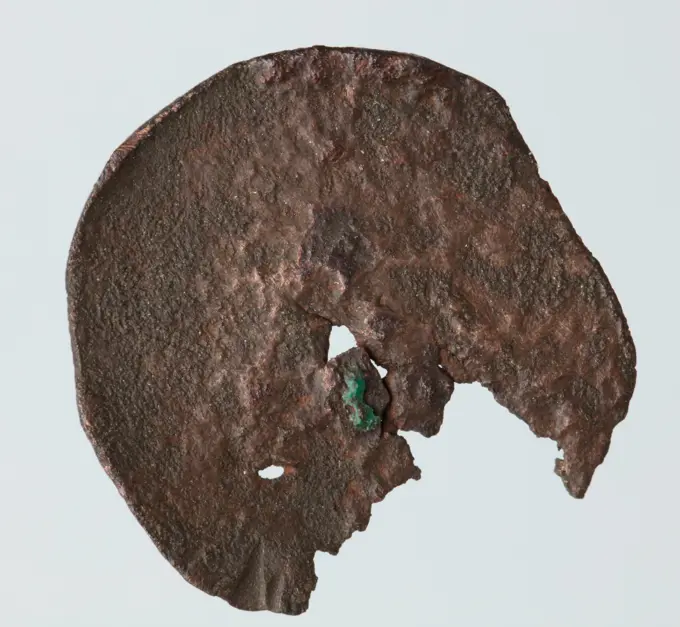
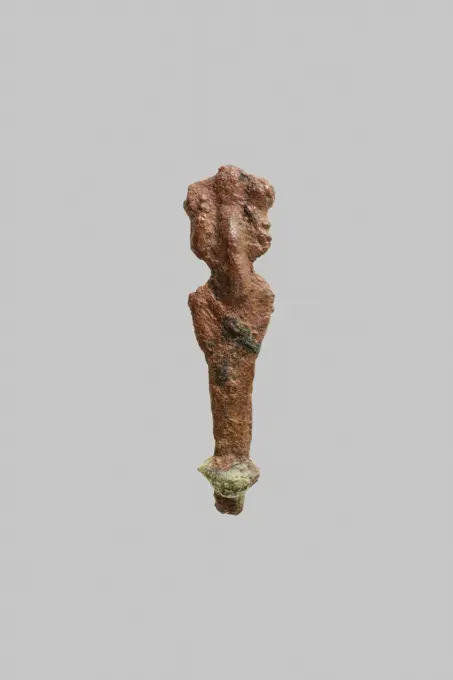
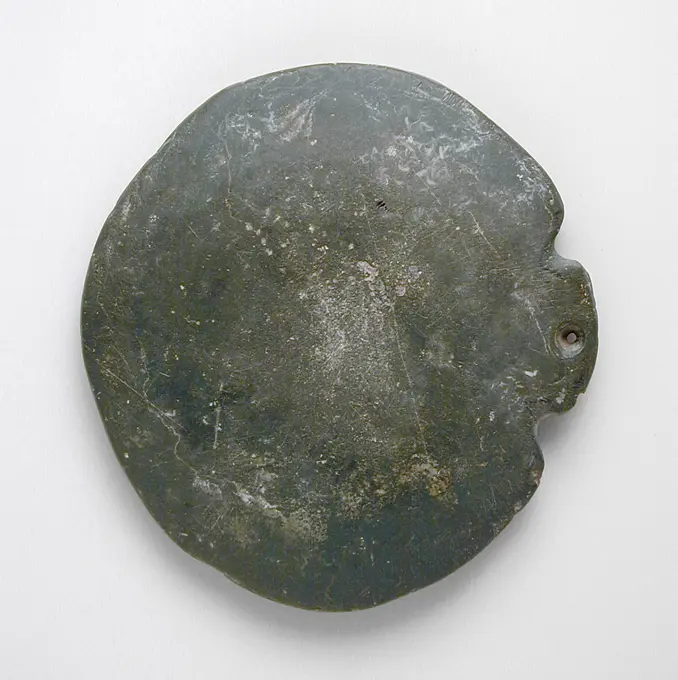
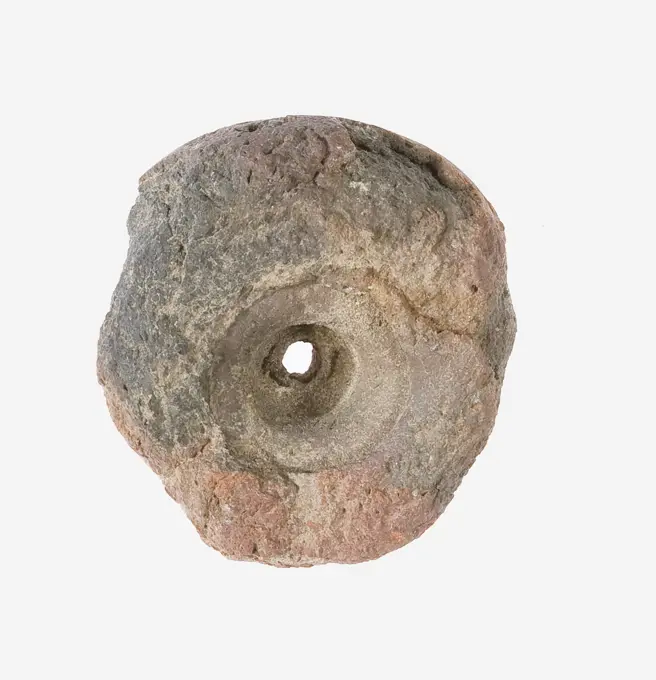
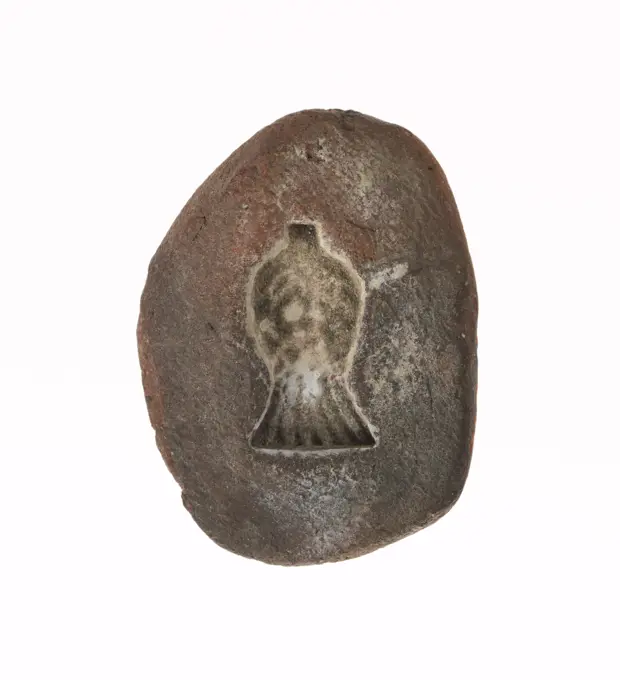
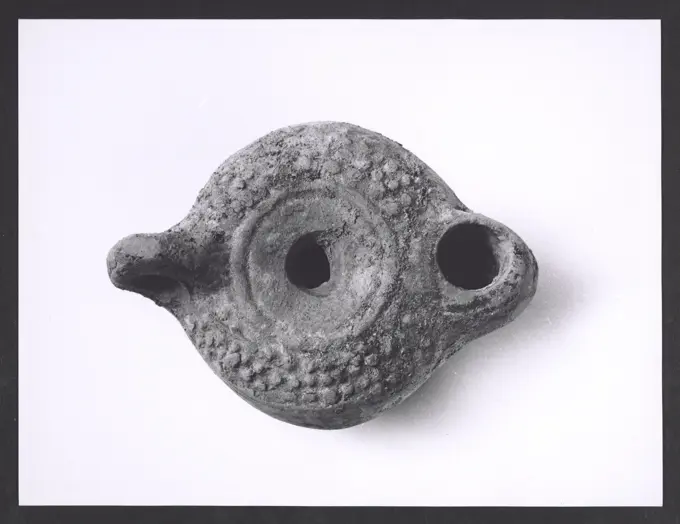
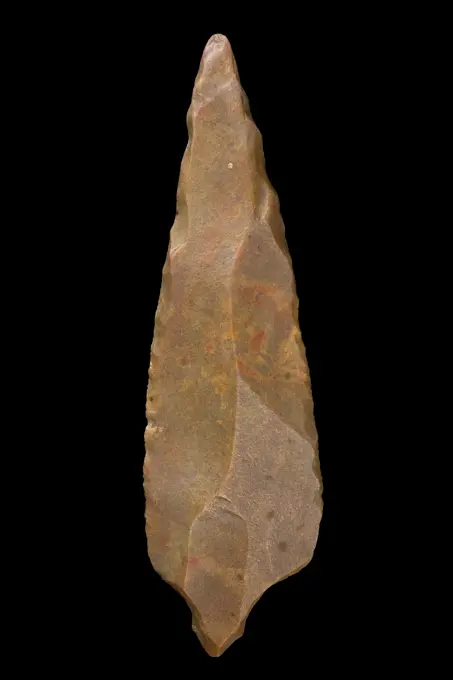
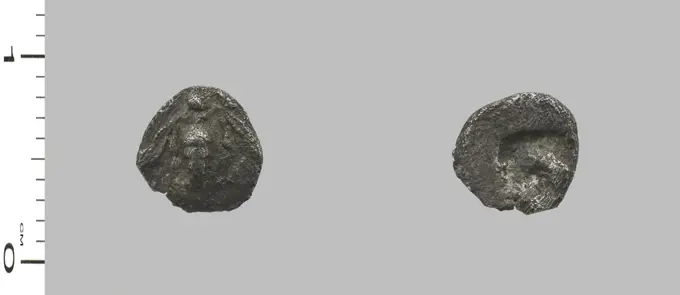
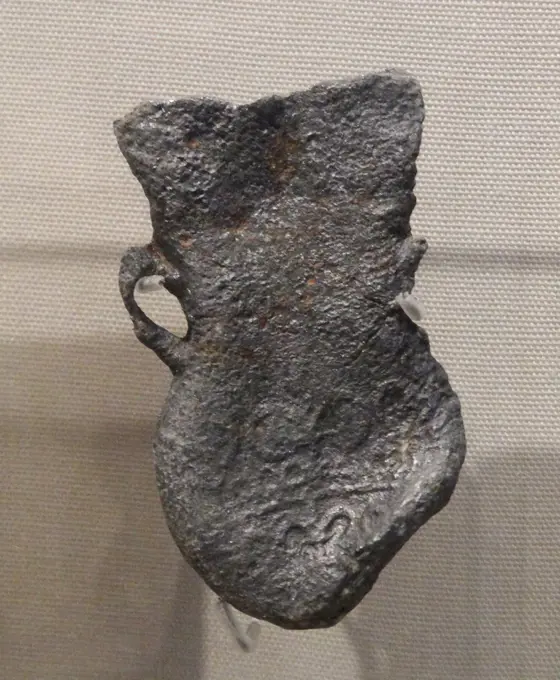
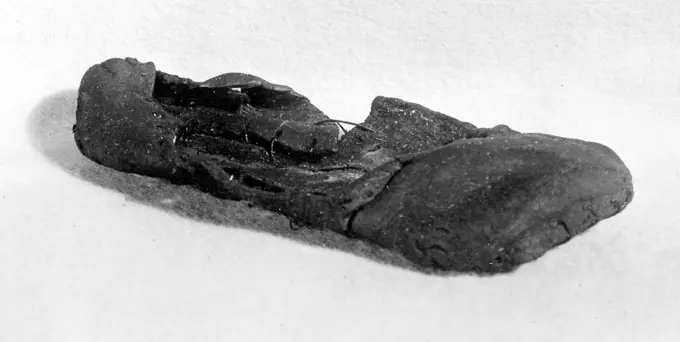
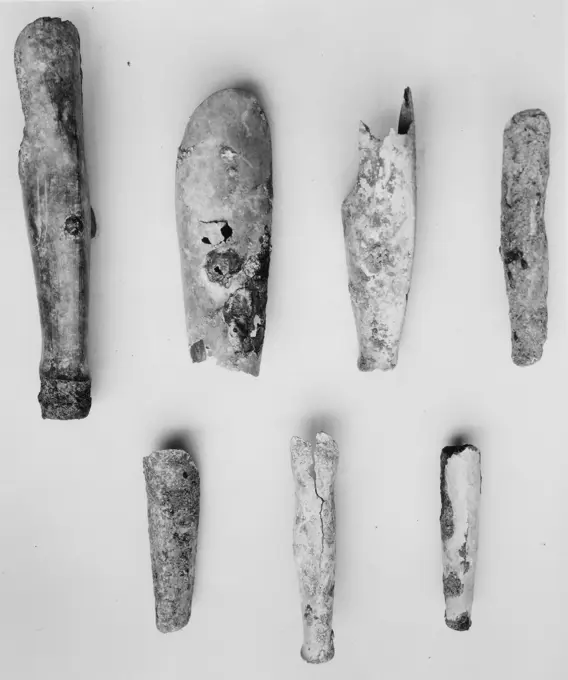
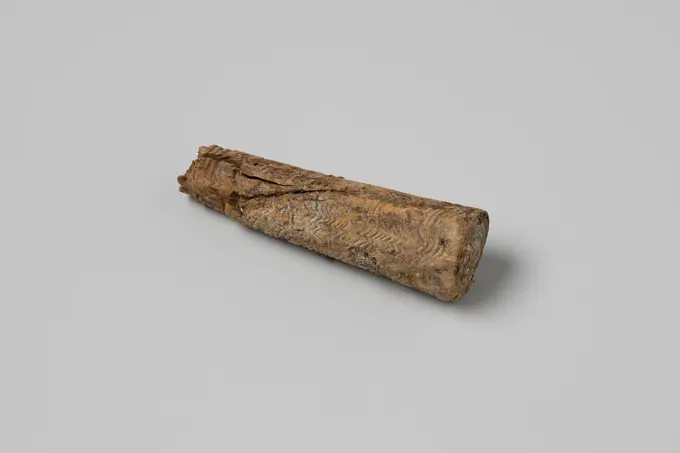
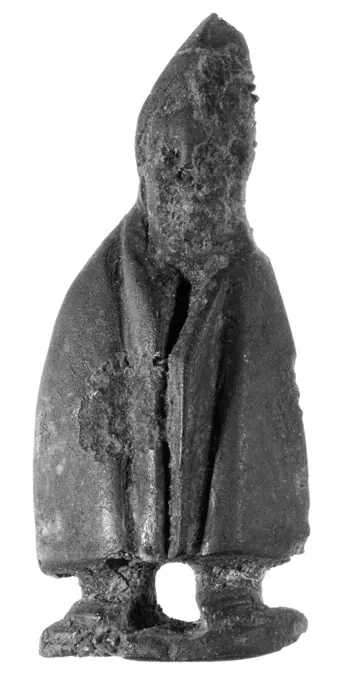
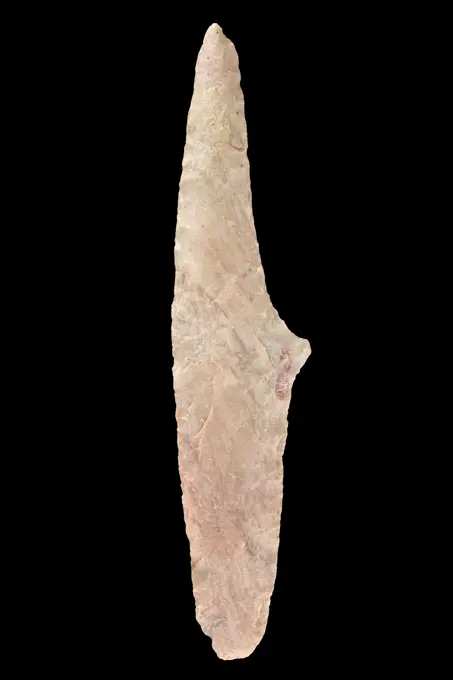
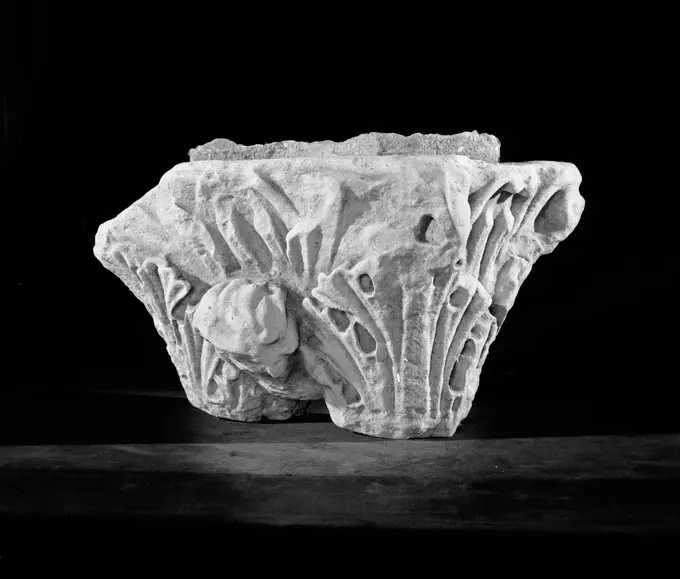
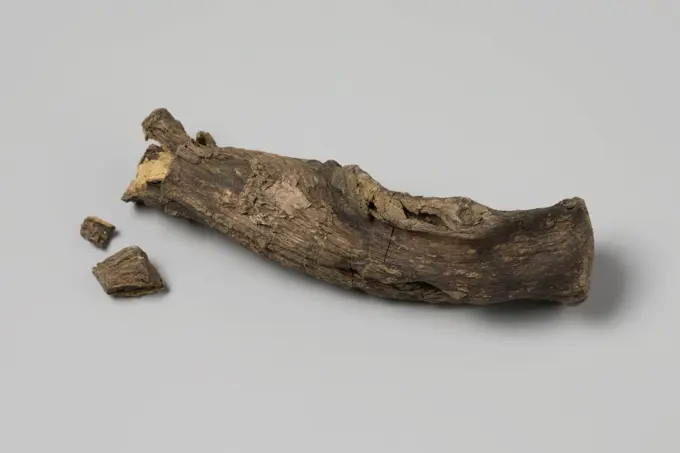
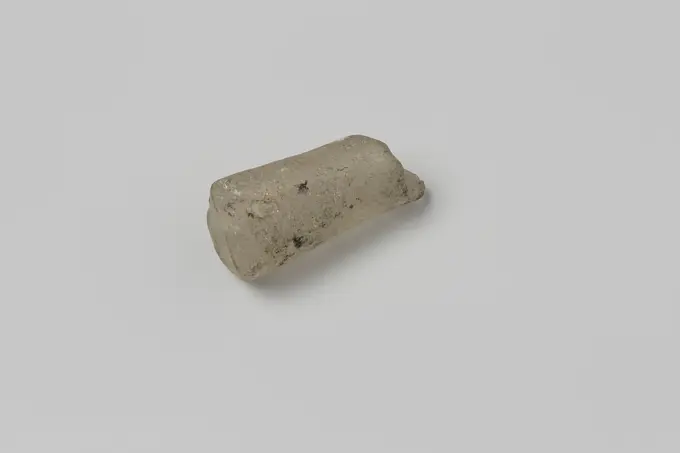
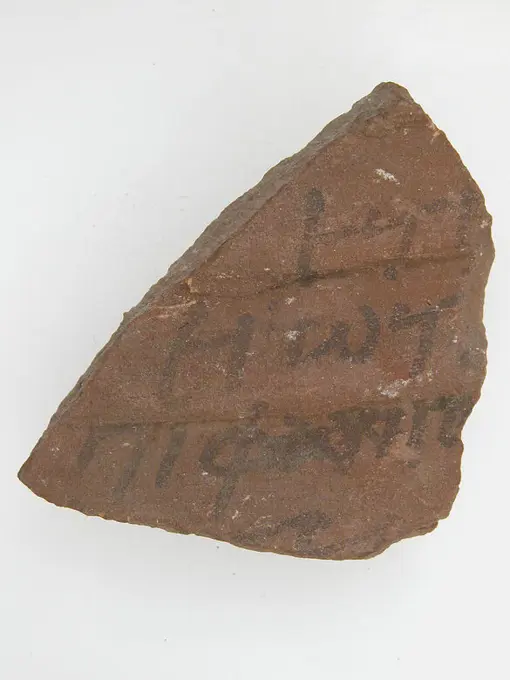
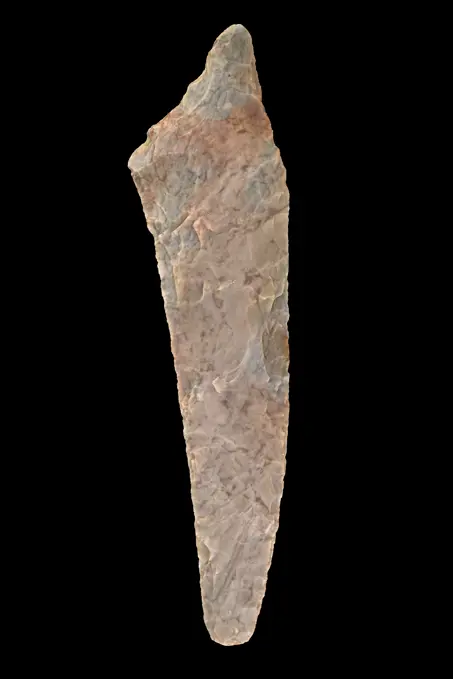
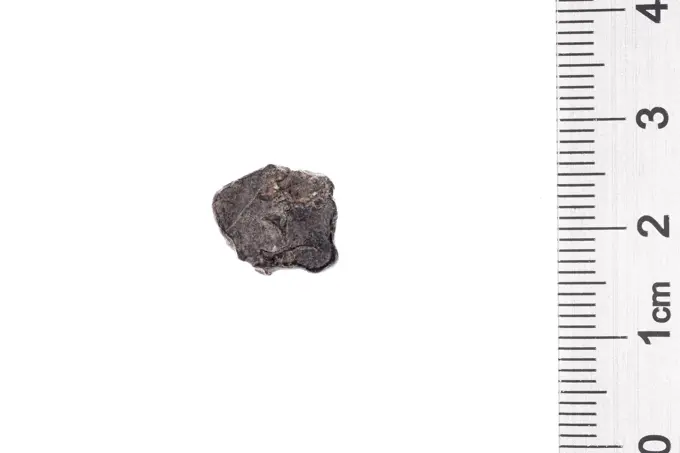
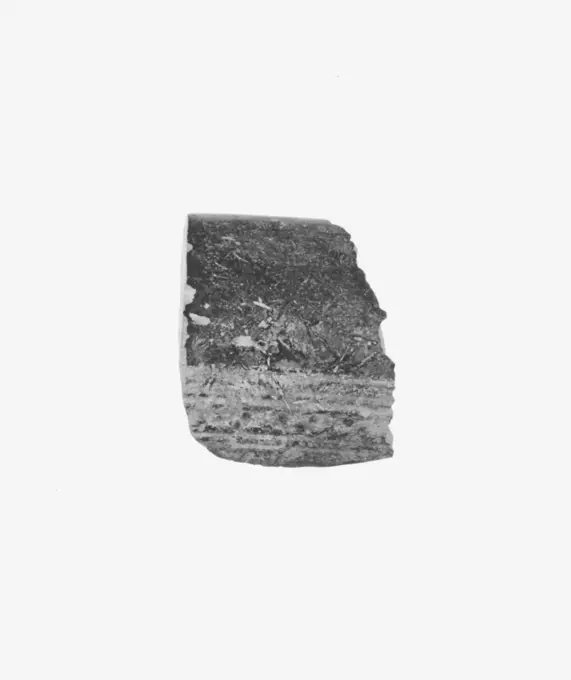
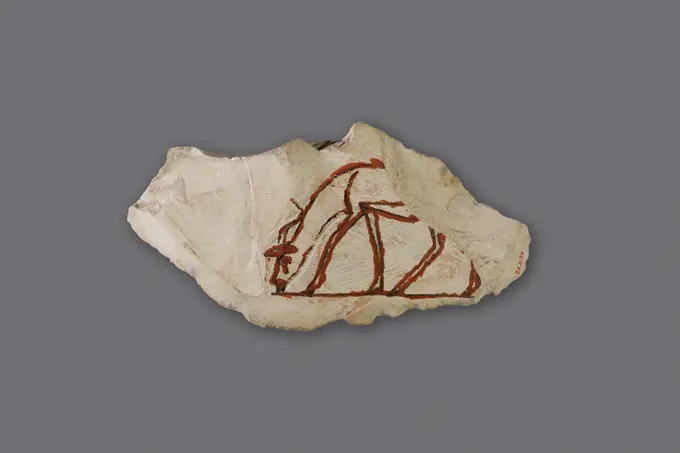
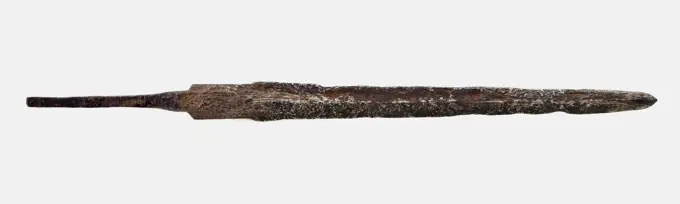
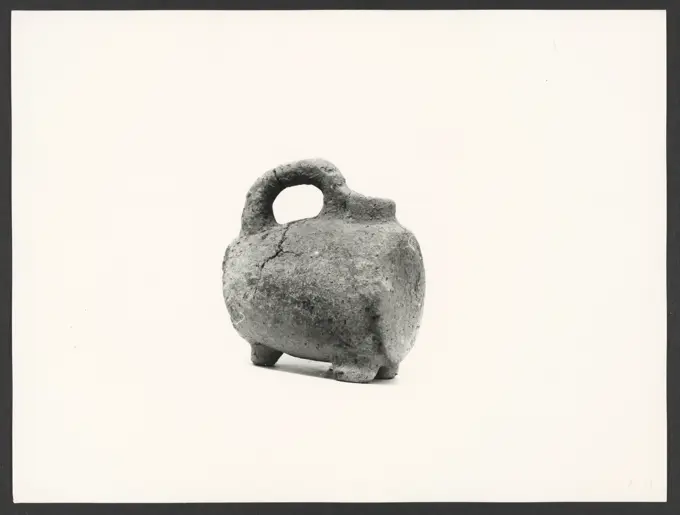
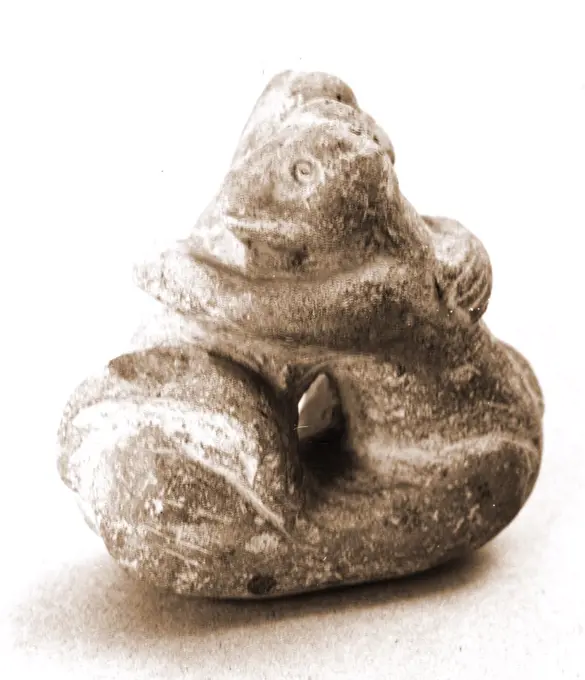
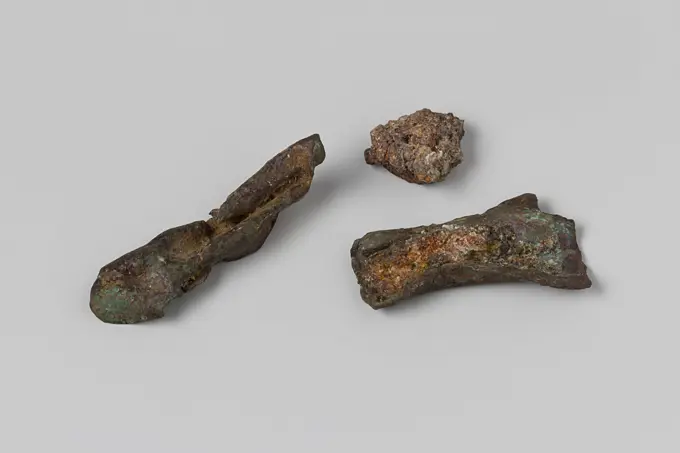
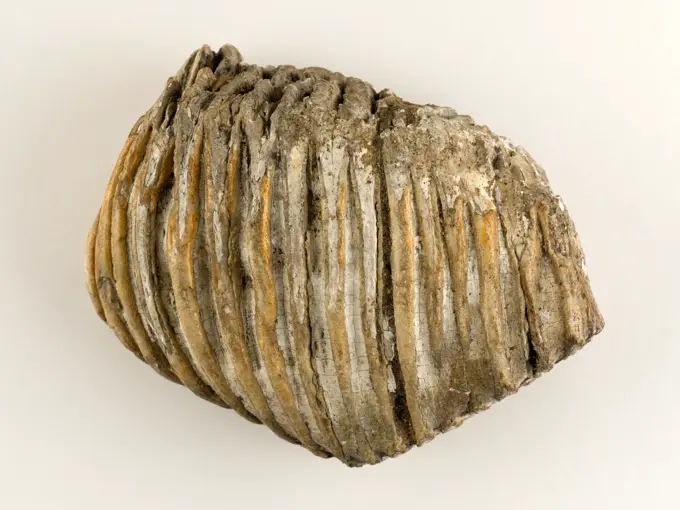
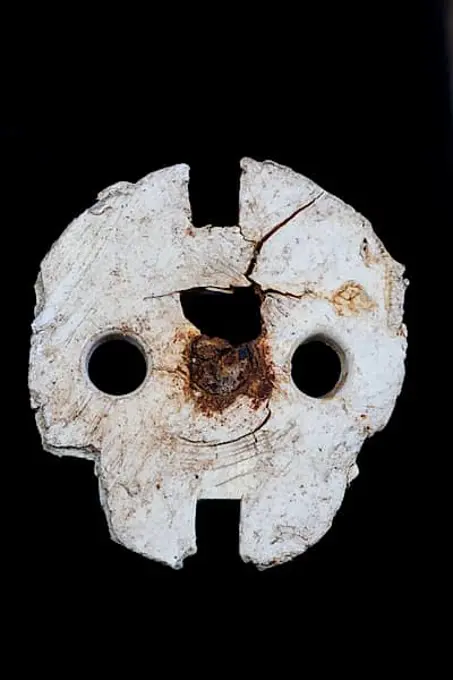
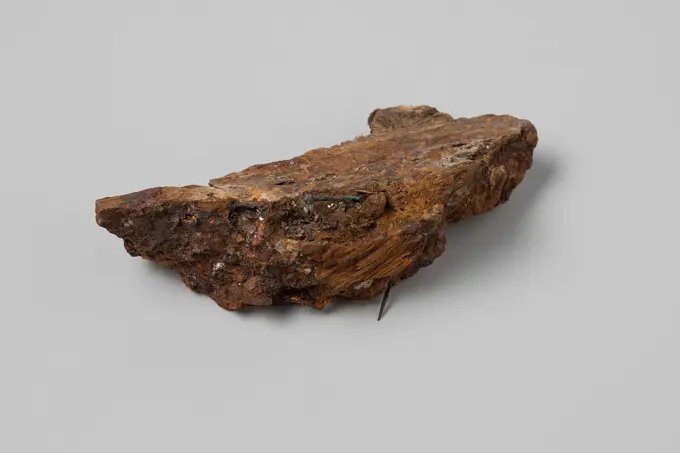
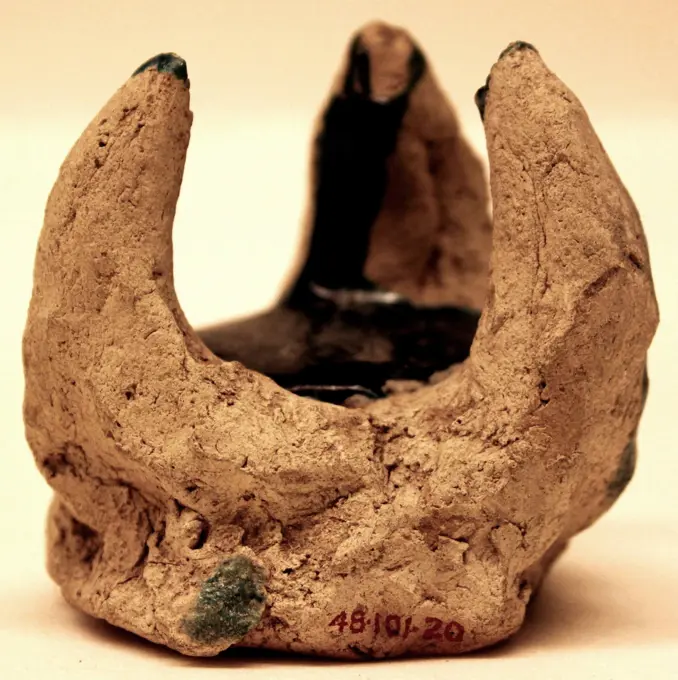
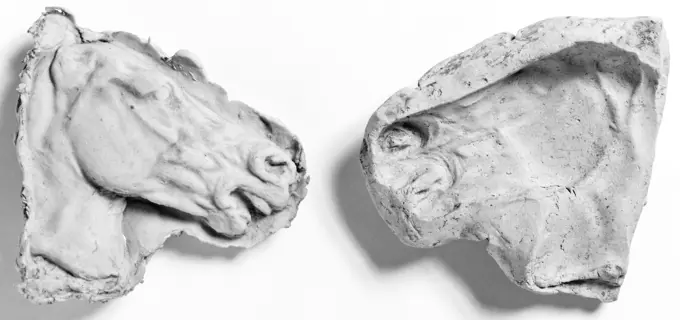
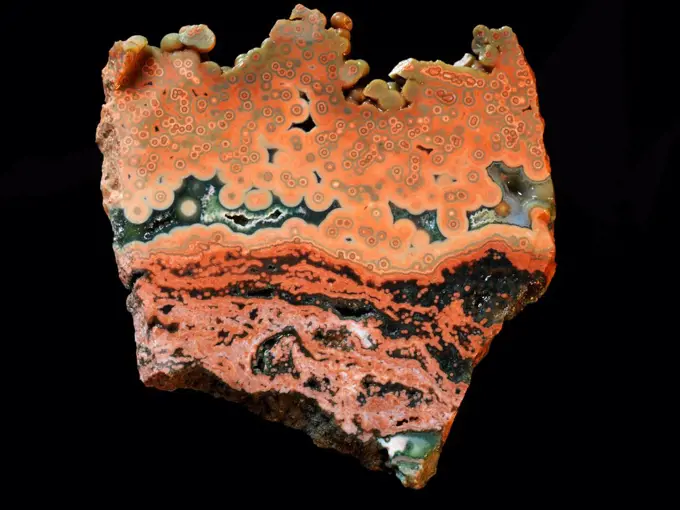
Coin 8th-9th century. Coin. 8th-9th century. Copper. Excavated in Iran, Nishapur. CoinsDrohiczyn seal. unknown, managerTerracotta fragment of a calyx-krater (bowl for mixing wine and water) 460-450 B.C. Greek, Attic Part of a two row calyx-krater; on the top a satyr running to right; below, a draped woman to right, holding a phiale; right hand holding a sceptre. Terracotta fragment of a calyx-krater (bowl for mixing wine and water). Greek, Attic. 460-450 B.C.. Terracotta; red-figure. Classical. VasesShoe Made 1501-1600 England. Leather, slashed toe and strap .Shawabty of Ditamenpaankh, 715-656 BC. Egypt, Late Period, Dynasty 25. Terracotta; overall: 6.9 x 2.5 x 1.6 cm (2 11/16 x 1 x 5/8 in.). High demand for shawabtys in the Late Period, a time when as many as 400 or more shawabtys were placed in the tomb with the deceased, gave rise to a specialized container for storing them: the shawabty box. This example is inscribed for the lady of the house, Ditamenpaankh, and was probably one of a pair originally made for her. The single-masted boat on the box's lid is perhaps an allusion to the pilgrimage of the deceased to the holy city of Abydos, the cult city of Osiris, king of the dead. The shawabtys inside are crude, mass-produced examples cast in an open mold. Made of terracotta, their blue paint imitates more costly shawabtys made of faience. As for the shawabty spell, it has been removed from its traditional location on the shawabty's front and relocated onto the sides of box, where it needed only to be written once, thus expediting productDrohiczyn seal. unknown, managerPilaster with decoration that alternates crosses pattée and six-petal rosettes, with a central button, within circles. Marble. 7th-8th centuries. From Toledo, Spain. Museum of Visigoth Councils and Culture. Toledo, Castile-La Mancha, Spain.Fragments Germany. Fragments. Germany. Nephrite. JadeSpearhead with shaft ca. 9th century B.C. Iran. Spearhead with shaft 325018Raised relief fragment 664-610 B.C. Late Period, Saite see 23.3.468. Raised relief fragment 548197False Coin, Władysław Jagiełło (1386 1434), Kwartalnik Mały (Ternar); 1399/1400 unknownStanding Figure Plaque. UnknownSealing ca. 7th century A.D. Sasanian. Sealing 323348Bowl Korea. Bowl 57468Bliżej Kultury Władysław Jagiełło (CA 1351 1434), Mint of KrakówHuman torso in sandstone; Jordanian from Mshatta 8th century ADAttic Panathenaic Amphora Fragment. Attributed to the Euphiletos Painter (active about 530 - 510 B.C.)Osiris Figure Late Period-Ptolemaic Period ca. 712-30 B.C. View more. Osiris Figure. ca. 712-30 B.C.. Bronze. Late Period-Ptolemaic Period. From Egypt, Western Desert; Kharga OasisPalette. Egypt, Naqada II Period (3500 - 3050 BCE). Tools and Equipment; palettes. SchistLeft Foot from a Male Statue. UnknownBeech nut from the wreck of the East Indied Heart 't flying heart. The brown beech nut is broken in two halves.Ridged Umbel Mold ca. 1390-1353 B.C. New Kingdom. Ridged Umbel Mold. ca. 1390-1353 B.C.. Pottery. New Kingdom. From Egypt, Upper Egypt, Thebes, Malqata, Khor west of camp or E. side of S. Village, MMA excavations, probably 1911-12. Dynasty 18Chisel ca. 4600-3600 B.C. Ghassulian. Chisel 326528Attic Red-Figure Kylix Fragment.Belt fragment ca. 9th century B.C. Iran. Belt fragment 325133Drohiczy seal;  XI-XIII century (1090-00-00-1110-00-00);guild seals, customs seals, touches, seals of customs chambers, official seals, seals with a cross, seal with the image of the faceMold for Cornflower Pendant ca. 1353-1336 B.C. New Kingdom, Amarna Period. Mold for Cornflower Pendant 569912Miniature Etruscan Kantharos. UnknownEmilia-Romagna Ferrara Ferrara Museo Civico di Schifanoia43. Hutzel, Max 1960-1990 General Notes: INCOMPLETE RECORD--NEGATIVES PROCESSED, PRINTS FILED German-born photographer and scholar Max Hutzel (1911-1988) photographed in Italy from the early 1960s until his death. The result of this project, referred to by Hutzel as Foto Arte Minore, is thorough documentation of art historical development in Italy up to the 18th century, including objects of the Etruscans and the Romans, as well as early Medieval, Romanesque, Gothic, Renaissance and Baroque monuments. Images are organized by geographic region in Italy, then by province, city, site complex and monument.Attic Black-Figure Lekythos Fragment. UnknownDrohiczyn seal. unknown, managerArrowhead 2nd-1st millennium B.C. Iran. Arrowhead 325230Moldy sliced breadBell. Bronze. Cernuschi Museum, Asia Museum of Asia in the city of Paris.Imitation of a Toy Frog; Eastern Mediterranean (); 20th century; Yellow-brown hardstone; 10.2 cm (4 in.)Point drill on blade. Mali, Neolithic.. 8,3 cm.Lotus Pendant 664-332 B.C. Late Period. Lotus Pendant. 664-332 B.C.. Faience. Late Period. From Egypt. Dynasty 26-30Mint: Ephesus, Tetartemorion fromEphesus, 500-400 B.C., Silver, 0.14 g, 2:00, 6.2mm, Made in Ephesus, Ionia, Greek, 5th century B.C., NumismaticsAmpulla, religious badge worn by English, medieval Christian pilgrims in the 13th centuryChild's Shoe Made 1501-1600 England. Leather .Miniature bronze greave. Miniature bronze greave 251116Cork from the wreck of the East Indiesman 't flying heart. The brown cork comes from a wine bottle (see dimensions). Cork.Flask. UnknownCoin 5th-14th century. Coin. 5th-14th century. Copper. Excavated in Iran, Nishapur. CoinsDrohiczyn seal. unknown, managerWrist ca. 1353-1336 B.C. New Kingdom, Amarna Period. Wrist 549837Offering tray ca. 2030-1980 B.C. Middle Kingdom. Offering tray. ca. 2030-1980 B.C.. Pottery. Middle Kingdom. From Egypt, Upper Egypt, Thebes, Deir el-Bahri, Tomb MMA 105, MMA excavations, 1926-27. Dynasty 11Bead China. Bead 43141Attic Black-Figure Hydria Fragment. Unknown 540 - 520 B.C. Left part of body decoration. Ivy band and lower body of standing figure.Sherd ca. 3100-2500 B.C. Iran This sherd is made of grey burnished clay. It is typical of Namazga IV ceramics from Turkmenistan and Hissar II ceramics from Iran, and likely date to ca. 3100-2500 B.C. It was excavated in 1937 at a prehistoric site in the vicinity of Nishapur in northeastern Iran. While Nishapur itself was founded by the Sasanian king Shapur I (reigned ca. A.D. 241-272), this sherd shows that human habitation there goes back to the prehistoric period. Furthermore, the prehistoric pottery from Nishapur has close affinities with ceramic materials from Central Asia rather than with contemporary sites in Iran, meaning that in this period its inhabitants were likely culturally linked to their neighbors to the east. At the same time, Nishapurs location on what later became known as the Great Khorasan Road suggests that it was part of the trade network that facilitated the import of precious stones such as lapis lazuli, carnelian and turquoise from Central Asia to Mesopotamia.Female Head. UnknownDrohiczyn seal. unknown, managerDrohiczyn seal. unknown, managerKnife lift from the wreck of the East India Hollandia. Knife, handle, cylindrical: tapering; ID. NG 1980-27H512A.Sickle Blade, 1980-1801 BC. Egypt, Middle Kingdom, Dynasty 12. Flint; overall: 5 cm (1 15/16 in.).Bead. UnknownHead from a royal statue, 18th Dynasty, about 1420 BC. This damaged head of an unknown king wears the headcloth called a nemes. The style suggests a date in the mid to late 18th dynasty, around 1420 BC.Belt Buckle 7th century Frankish. Belt Buckle 465512 Frankish, Belt Buckle, 7th century, Iron, silver and brass inlay, Overall: 5 15/16 x 2 3/4 x 1 in. (15.1 x 7 x 2.5 cm). The Metropolitan Museum of Art, New York. Gift of J. Pierpont Morgan, 1917 (17.193.195a, b)Curved blade with tang and side stop (rare shape). Pink gray jasper. Mali, Neolithic. 15.5cm.Shoe Made 1501-1600 England. Leather .Drohiczyn seal. unknown, managerFragments of shoe soles from the wreck of the East Indians Hollandia, Anonymous, 1700 - in Or Before 1743  Shoe; fragm of heel with pins, sim. NG 1980-27H2232 dried, deformed: fragm of sole. Netherlands leather. pinnen: wood (plant material)   SecondCaddis Fly (Potamophylax sp) case made of rock fragments, GermanyAttic Red-Figure Kylix Fragment. UnknownTwenty capitals decorated with antqueling leaves and a head, excavations of the Hotel-Dieu, second half of the XII CENTURLE (Cat 37) Anonymous. Twinned capitals decorated with anti-trading leaves and a head, excavation of the hotel-Dieu, second half of the twelfth century (Cat 37). Pierre.Handle of a prime or chisel from the wreck of the East Indians Hollandia, Anonymous, 1700 - in or before 1743  Tools and instruments, various tools, awl/chisel handle; id. NG 1980-27H2281, deformed. Netherlands wood (plant material)   SecondFragment of Bowl 16th century. Fragment of Bowl 450288Fragment straight stem from glass from the wreck of the East India Hollandia. Glass, Voice Glass, votes, Plain; Fragm, circular, tapering, hollow core, eroded.Ostrakon. Culture: Coptic. Dimensions: 1 7/8 x 1 3/4 in. (4.7 x 4.5 cm). Date: 7th century. Museum: Metropolitan Museum of Art, New York, USA.Drohiczyn seal. unknown, managerPIEZA DE AJUAR PALEOLITICO: CANTO TRABAJADO DE CUARCITA (DEPOSITO: MUSEO ARQUEOLOGICO NACIONAL).Drohiczyn seal. unknown, managerMale Head. UnknownMold of a Small Head; Tarentum (Taras), South Italy, Europe; 4th or 3rd century B.C; Terracotta; 5.7 cm (2 1,4 in.)Funerary Cone ca. 1550-1295 B.C. New Kingdom. Funerary Cone. ca. 1550-1295 B.C.. Pottery. New Kingdom. From Egypt, Upper Egypt, Thebes. Dynasty 18Document Sealing ca. 1390-1353 B.C. New Kingdom. Document Sealing. ca. 1390-1353 B.C.. Mud. New Kingdom. From Egypt, Upper Egypt, Thebes, Malqata, West Villas, West Villa B, MMA excavations, 1910-12. Dynasty 18Curved blade with tang and side stop (rare shape). Pink gray jasper. Mali, Neolithic. 15.5cm.Drohiczyn seal. unknown, managerAttic Gallatin Type Plate Fragment. UnknownScepter in the shape of a bull's head ca. 3rd-7th century A.D. Sasanian. Scepter in the shape of a bull's head 326224Ostracon with sketch of a grazing antelope 664-610 B.C. Late Period, Saite The courtyard rubbish outside Nespekashuty's tomb reflects long periods of use, a situation which complicates the dating and understanding of the painted ostraka found there.. Ostracon with sketch of a grazing antelope. 664-610 B.C.. Limestone, ink. Late Period, Saite. From Egypt, Upper Egypt, Thebes, Deir el-Bahri, Tomb of Nespakashuty (TT 312, MMA 509a), MMA excavations, 1922-23. Dynasty 26Raised relief fragment 664-610 B.C. Late Period, Saite see 23.3.468. Raised relief fragment 547999Seal China. Seal 40999Blade of dagger with double-edged blade, kidney dagger dagger knife stab weapon weapon fragment soil find iron metal, forged blade The blade is double-edged and flat diamond-shaped. Kling suitable for general carving archeology dagger decoration status symbol personal equipment defense clothing accessory militariaLazio Viterbo Viterbo Museo Civico79. Hutzel, Max 1960-1990 Views of paintings (Middle Ages through 18th c.), frescoes, a tabernacle, coffin, sculpture reliefs, portal fragments, busts, sculpture, tapestry found in the Pinacoteca, Second floor gallery and Second floor cloister sequences. Antiquities: Many views of Etruscan and Roman fragments, sculpture, sarcophagi, pottery, masks, jewelry and other objects found in the Storeroom sequence (inventory numbers on back of prints), and the Cloister, Second floor Cloister, Valle Giulia, Sala Romana and Sala Etrusca sequences. General Notes: There are eight separate numerical sequences for this location. The cloister as an architectural structure, rather than museum site, is documented in the record and file for S. Maria della Verita, Cloister, all views of which are stored in Medieval core collection. Five views from the Museo Civico Second floor cloister sequence are stored in Medieval. German-born photographer and scholar Max Hutzel (1911-Male Head. UnknownAttic Black-Figure Neck Amphora Fragment. UnknownAbruzzo, L'Aquila, S. Giuliano (L'Aquila environs), Museo, Italy, 20th century, photo, photography, EuropeFragments from buyer from the wreck of the East India Hollandia.parts or artifacts; eroded fragments: Materials; Copper.Karte von Katar auf verwittertem Holz - Map of Qatar on weathered wood Karte von Katar auf verwittertem Holz - Map of Qatar on weathered wood Copyright: xZoonar.com/lantapixx 11529746Mammoth molar. Mesolithic. Paris, Carnavalet museum. Prehistoric animal, tooth, mammoth, mesolithic, molar, prehistoryArchaic North American Indian spear point. Artist: UnknownCharred, burnt, braised interior of a power outlet looks like a skull or a mask, symbol of excessive energy consumption, studio recording, GermanyPin in rusty wood fragment from the wreck of the East Indiesman Hollandia. Pin, Tools And Instruments, Sewing and Sailmaking, Pin; Concreted, ID. NG 1979-434H.Fragments of a ship bell, anonymous, 1700 - in or before 1743 musical instrument. percussion instrument. bell (idiophone). ship bell. fragment Acoustic, bell (ship's); fragment of body, very eroded. Netherlands copper (metal)   SecondWinged arrowhead in carved stone. Neolithic period. North Africa. 2,6 cm.Kiln Stand 11th century. Kiln Stand 450775Mold of the Right Side of a Horse's Head. UnknownDrohiczyn seal. unknown, managerSlab of Ocean Jasper found on the near the village of Marovato on northwest coast of Madagascar.