Ancient Seal Impressions

Historical mud seals depicting various impressions from the Middle and New Kingdoms of Egypt, showcasing intricate designs and inscriptions.
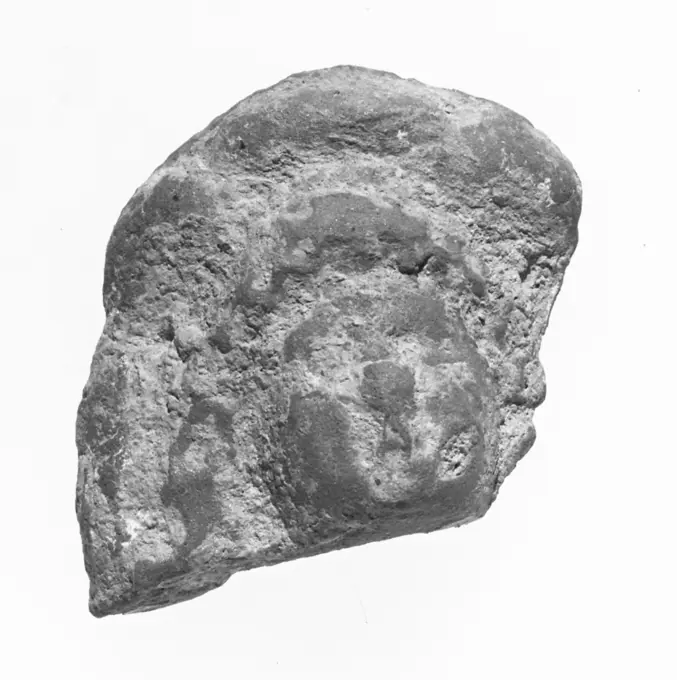
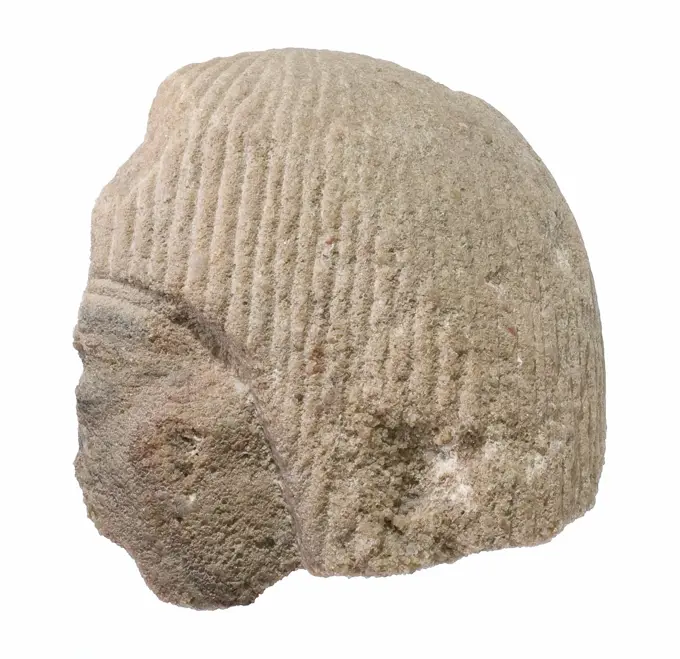
Female Head. Unknown
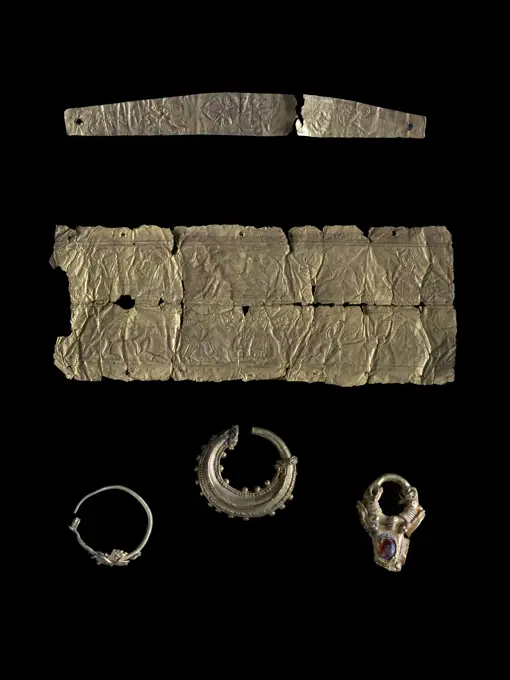
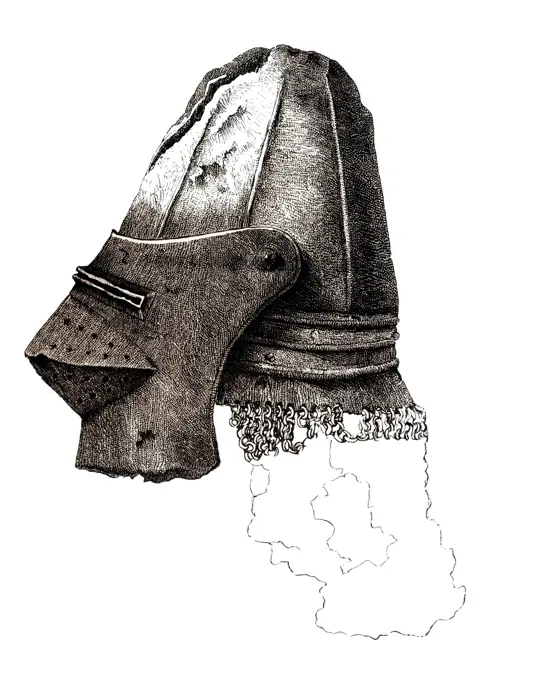
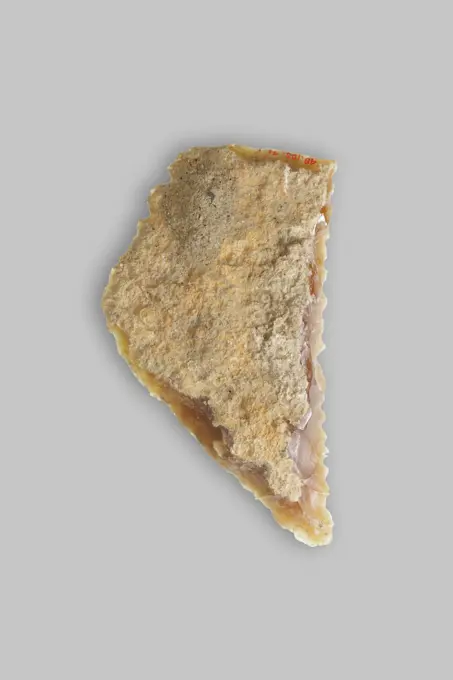
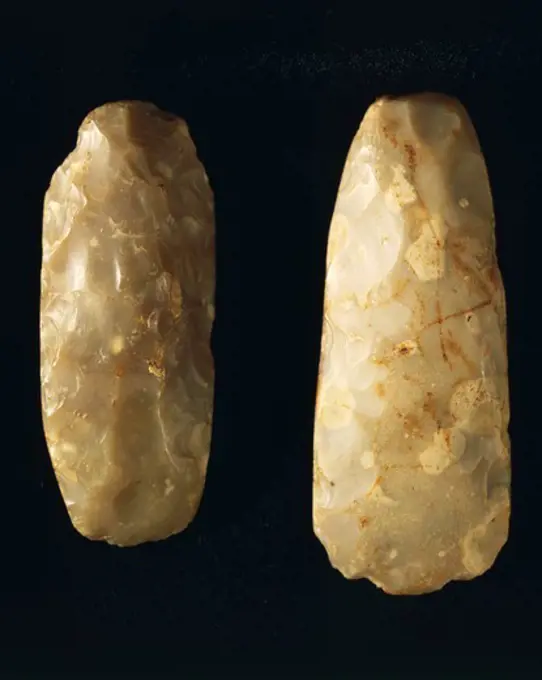
Head of official from a scene ca. 1352-1336 B.C. New Kingdom, Amarna Period. Head of official from a scene 550048Bead in the Shape of a Tortoise, c. 6th-8th century, 1/4 x 5/8 x 1/2 in. (0.6 x 1.6 x 1.3 cm), Stone, Myanmar (Burma), 6th-9th centuryCicada late 19th to early 20th century China. Cicada 43010Fragment of a Bowl 9th century. Fragment of a Bowl 454004Spindle Whorl 10th-early 16th century Mexican. Spindle Whorl 307570Female Head Fragment. UnknownTwo points stone made on black background in frame.Prehistory, Italy, Neolithic. Almond-shaped bifaceWinged arrowhead in carved stone. Neolithic period. North Africa. 2,5 cm.Campania Caserta Capua Museo Campano69. Hutzel, Max 1960-1990 Medieval: Byzantine architectural fragments; parchment fragments with miniatures (12th century) from Montecassino; painted wooden crucifix (13th century); Carolingian crucifixes; Bishop's miter (11th century) of gold and silver damask; fresco (13th century). Post-medieval: Architecture (15th century). Formerly the Palazzo Antignano. Unusual Catalan/Moorish-style portal; Paintings on panel and canvas (15th-18th centuries); marble intarsia (16th century); marble sculpture: busts of Christ and Mary (17th century); sculpture of saints in marble and in wood (15th century); painted and gilded sculpture in wood; marble grave sculpture (16th century); sarcophagus with allegorical carvings; gold reliquary "Rosa d'Oro"; crucifix made of elephant tusk Specific Location: Pianterreno Antiquities: Italic sculpture (seated women holding babies); inscription. Photo campaign #1: 533 photos. Roman relief and sculpture; cinerary urns; Greek anBody with garment, pleating ca. 1353-1336 B.C. New Kingdom, Amarna Period. Body with garment, pleating 550018Egypt, Thebes, Luxor, Valley of the Kings, Mummy, Tomb of Amenhotep IIShells - Misc. March 11, 1985.Attic Cup Fragment. UnknownSeated Male Deity (Ehecatl ) 15th-early 16th century Aztec. Seated Male Deity (Ehecatl ) 307643Goldsmithery. But Ziwiyé (Iran). 9th-7th centuries BC, Cernuschi Museum. Jewelry, gold ziwiye, goldenie, IranVessel fragment Early Dynastic Period ca. 2960-2649 B.C. View more. Vessel fragment. ca. 2960-2649 B.C.. Pottery. Early Dynastic Period. From Egypt, Fayum, BSAE/Caton-Thompson excavations, 1924-26Covered Box China. Covered Box. China. Jade. Qing dynasty (1644-1911), Qianlong period (1736-95). Jade in phaselis temple turkey asia old ruined column and destroyed stoneMiniature vessel from Tomb of Perneb ca. 2381-2323 B.C. Old Kingdom Almost 400 miniature pottery vessels were found during the clearing of Pernebs tomb, the majority in the rubble fill of the interior chambers and shafts, with the rest picked up around the outside. It is likely that these came originally from the above-ground chapel, as they would have been used for the offering cult. Since this cult would have been celebrated repeated over time, large numbers of these vessels accumulated around the tomb. Mass-produced, they do have some interior volume and might have held small amounts of liquids or solid foodstuffs such as grain. Perneb could thus have partaken magically in whatever types of food and drink were offered. The shapes of these jars and bowls bear more resemblance in some cases to earlier vessels than to receptacles in daily use during Perneb's era. This example is a cup.. Miniature vessel from Tomb of Perneb. ca. 2381-2323 B.C.. Pottery. Old Kingdom. From Egypt, MemphitSealing ca. 1981-1640 B.C. Middle Kingdom. Sealing 560486Female head with elaborate hairstyle ca. 2600-2500 B.C.. Female head with elaborate hairstyle 324116Crested helmet fragments ca. 9th century B.C. Iran. Crested helmet fragments 325132Fragment Varkensbot from the wreck of the East Indians Hollandia, 1700 - in Or Before 1743  Faunal remains: bones; pig bones (Sus); fragm of tibia (part of hind leg), distal end unfused, eroded.  bone (material)   SecondMarble inscribed ex-voto or statue base Cypriot Inscription in one line around three sides of a small marble pedestal. Characters 3/16 inches high, in allstages of legibility, and the whole difficult, since the surface is much worn, scratched, andbroken in spots.. Marble inscribed ex-voto or statue base 241896Lazio Latina Sezze Antiquarium Comunale09. Hutzel, Max 1960-1990 German-born photographer and scholar Max Hutzel (1911-1988) photographed in Italy from the early 1960s until his death. The result of this project, referred to by Hutzel as Foto Arte Minore, is thorough documentation of art historical development in Italy up to the 18th century, including objects of the Etruscans and the Romans, as well as early Medieval, Romanesque, Gothic, Renaissance and Baroque monuments. Images are organized by geographic region in Italy, then by province, city, site complex and monument.Sealing ca. 7th century A.D. Sasanian. Sealing 323461Ammonit Ammonit Versteinerung pyritisiert, 150 Mio. Jahre alt, Bayern Copyright: xZoonar.com/Dr.xNorbertxLangex 13512356Shoe. England. Date: 1501-1600. Dimensions: 25 × 12 × 3.5 cm (9 13/16 × 4 11/16 × 1 3/8 in.). Leather. Origin: England. Museum: The Chicago Art Institute, Chicago, USA.Cuneiform tablet: fragment, Ebabbar archive ca. 7th-4th century B.C. Babylonian or Achaemenid. Cuneiform tablet: fragment, Ebabbar archive 322081Openwork rattle ca. late 8th-7th century B.C. Israelite. Openwork rattle. Israelite. ca. late 8th-7th century B.C.. Ceramic. Iron Age II. Levant, Lachish (modern Tell ed-Duweir)Complete arrowheads , Archaeological assemblages, Charles F. Walcott Archaleogical Collection14th century. Visored Bassinet. almost spherical. with a camouflage pattern attached. from Warwick Castle. from the book The British Army. 1868. Historical. digitally restored reproduction from a 19th century originalKarte von Finnland - Map of Finland OLYMPUS DIGITAL CAMERA Copyright: xZoonar.com/lantapixx 10980942Sickle Insert ca. 1184-664 B.C. Probably New Kingdom, Ramesside-Third Intermediate Period This small piece of flint was a key element to a successful agricultural season in ancient Egypt. Grain was a staple of the economy, as bread and beer made from grain were consumed daily. They also formed the foundation of eternal sustenance, as funerary offerings. Ancient Egyptians used sickles made from flint and wood to reap grain. Pieces of flint such as this one were shaped to fit into a wooden haft along with a number of other such inserts, and secured with an adhesive. The flint pieces provided a sharp edge to cut the grain stalks. With use, the flint would wear down and develop a shiny gloss. The flint inserts could be re-sharpened or replaced as needed. Sickle inserts could be made in a variety of ways. The earliest were fully bifacially retouched, then later they were made on blades (long narrow pieces of flint). Starting in the 2nd millennium BC, some sickle inserts were made on large fPrehistory, France, Neolithic. Polished flint axes. From the Yonne valley.Child's Shoe Made 1501-1600 England. Leather .Bell-shaped seal with perforated fist-shaped handle ca. 6th-5th century B.C. Achaemenid. Bell-shaped seal with perforated fist-shaped handle. Achaemenid. ca. 6th-5th century B.C.. Ceramic, green. Achaemenid. Northern SyriaOld antique engraved adorned Bornean orangutan (Pongo pygmaeus) tribal trophy skull carved with incised designs, Dayak, Dajak art, native to BorneoTurritella mussel on driftwood with a black background Turritella shell on driftwood with black backgrounddog bone in front of white backgroundMilkvarn from Smedjebackens Valsverks AB.It's All Over Now, Baby Blue