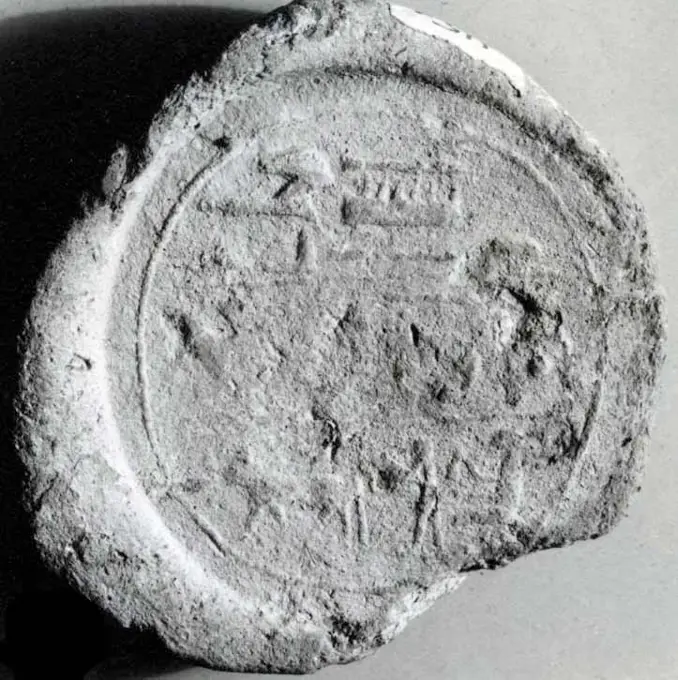
Ancient Seal Imprints

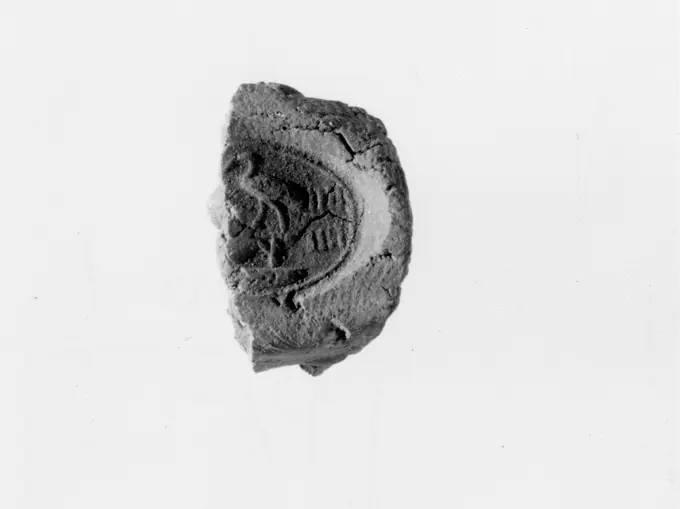
Unique imprints and sealings from the Middle and New Kingdom of Egypt, featuring historical inscriptions and artistic designs.
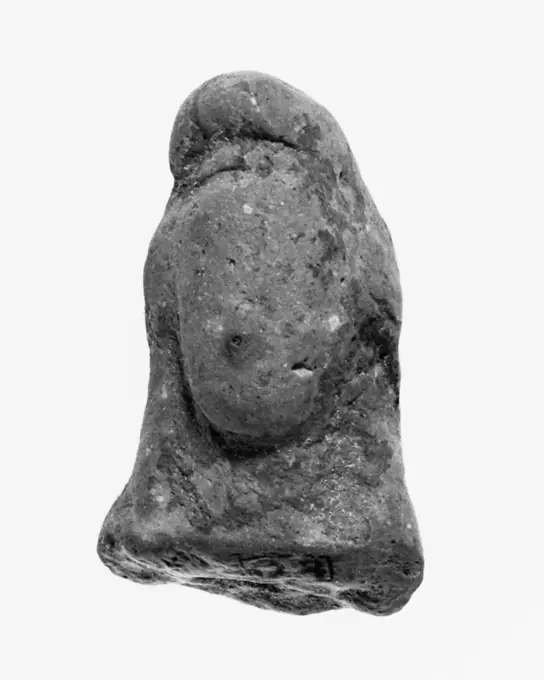
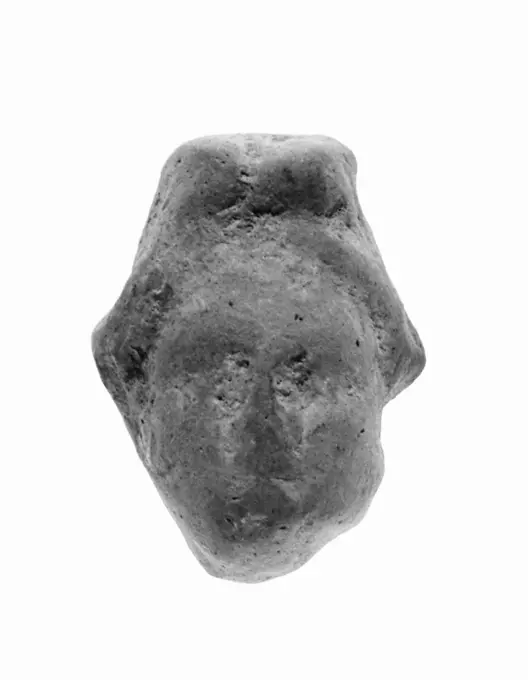
Female Head. Unknown
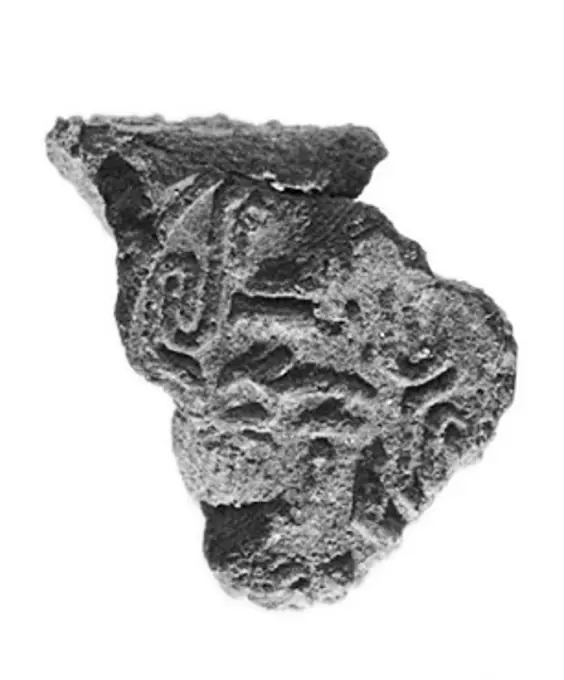
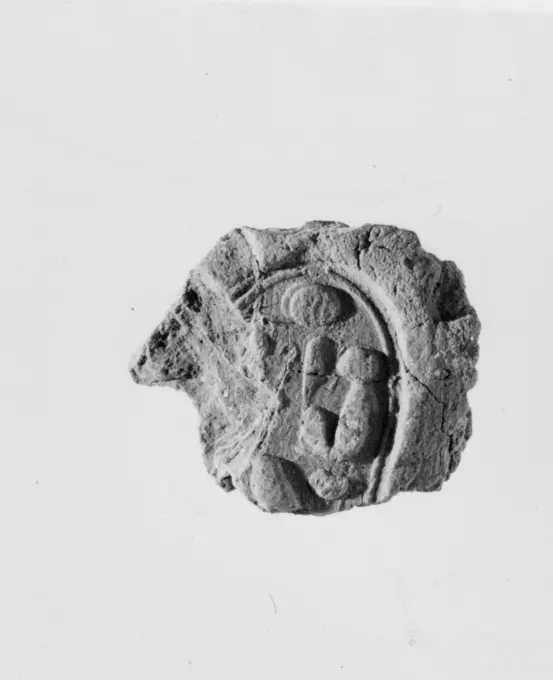
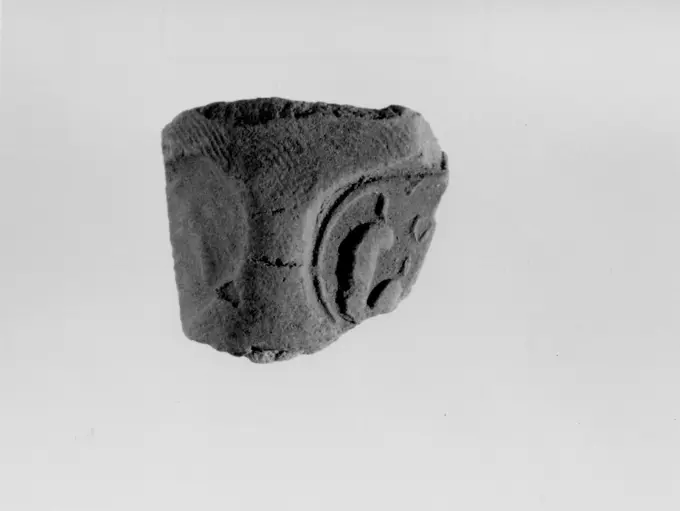
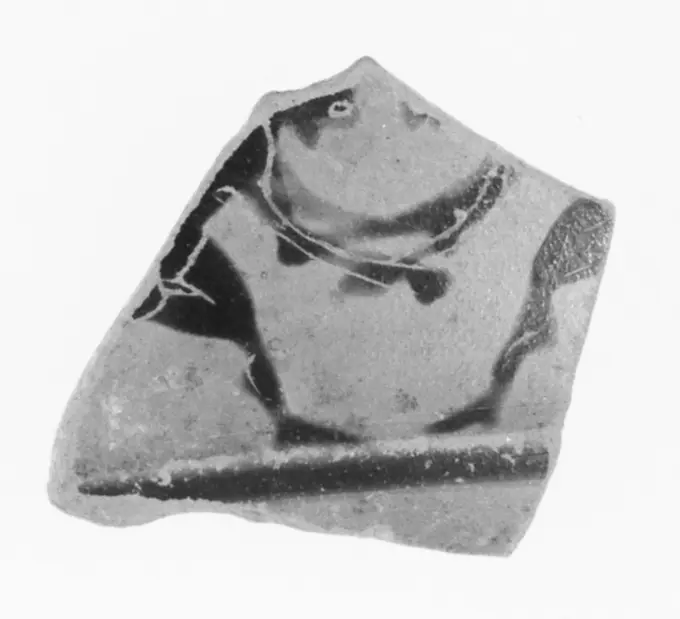
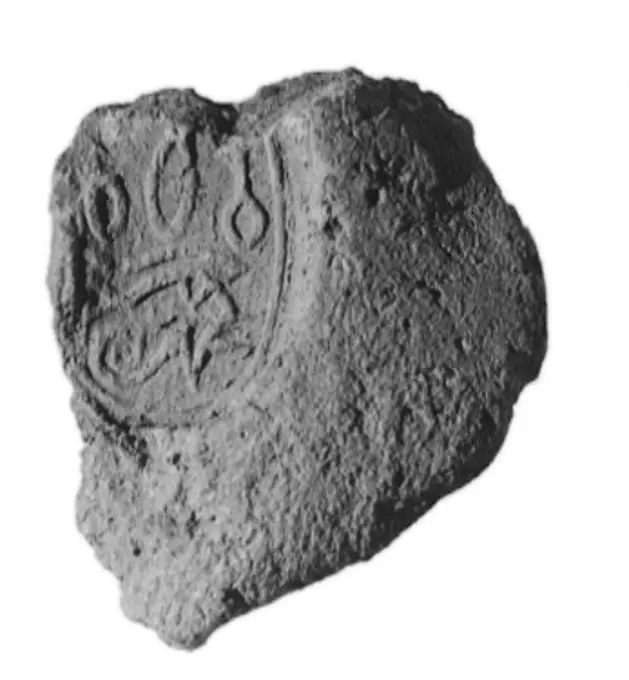
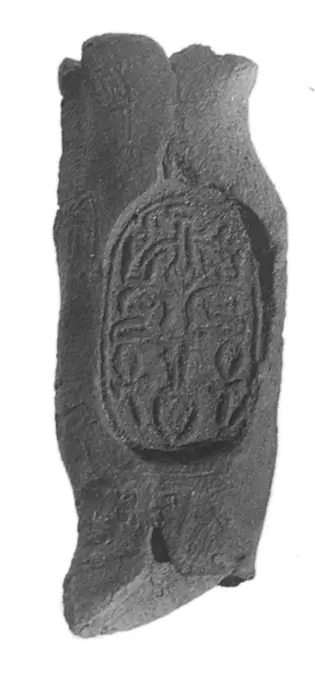
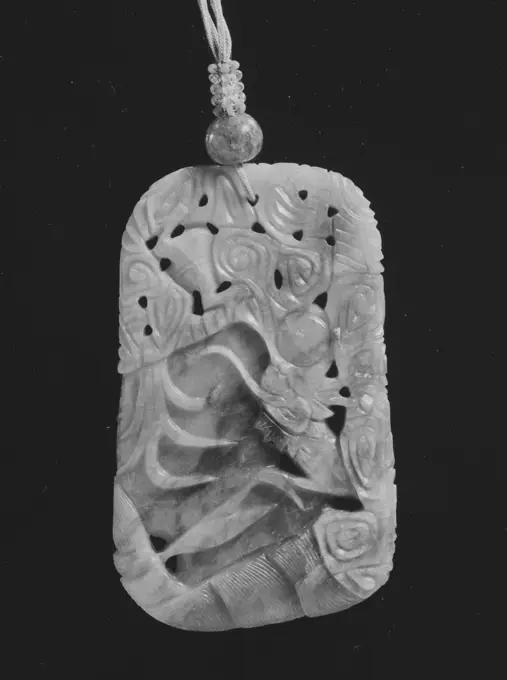
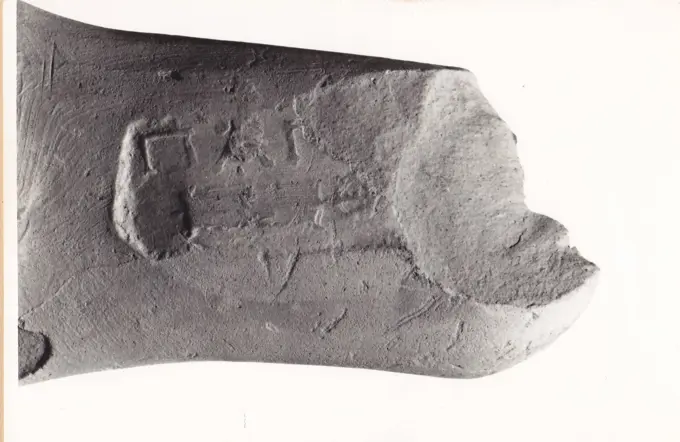
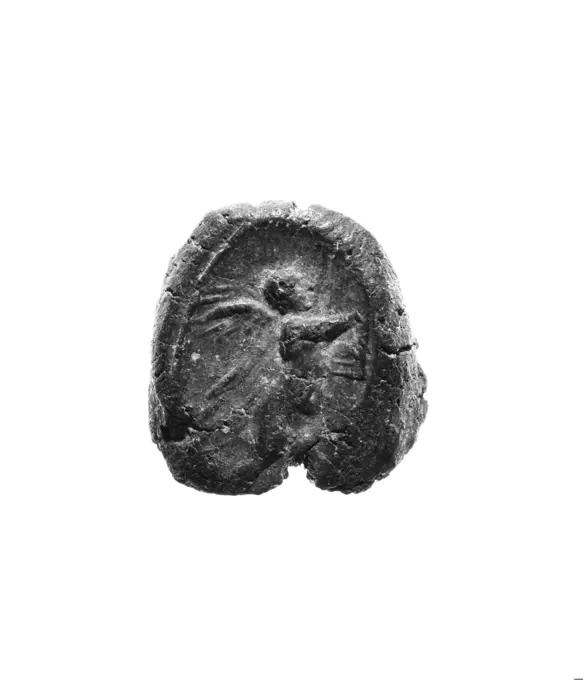
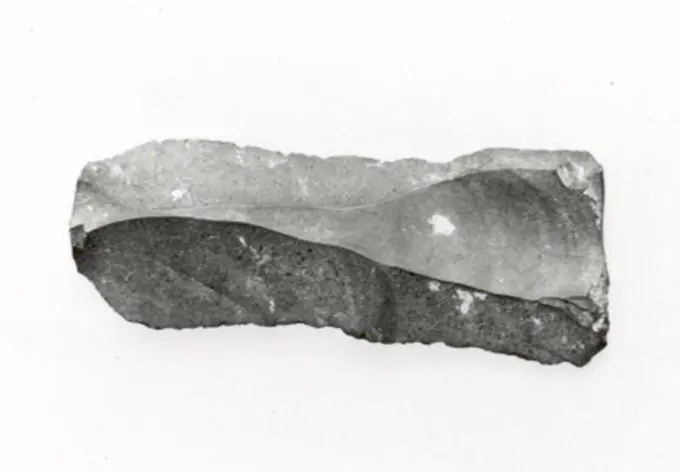
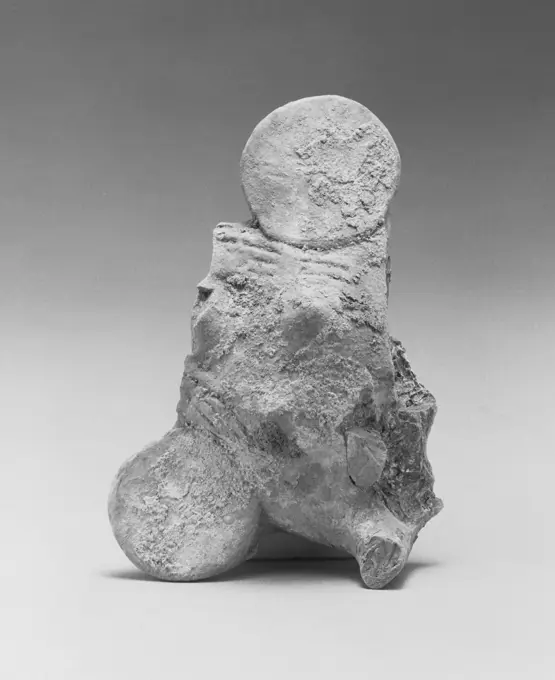
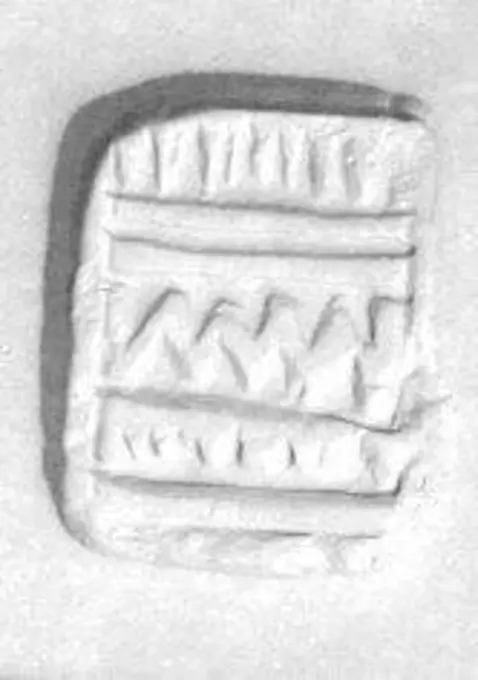
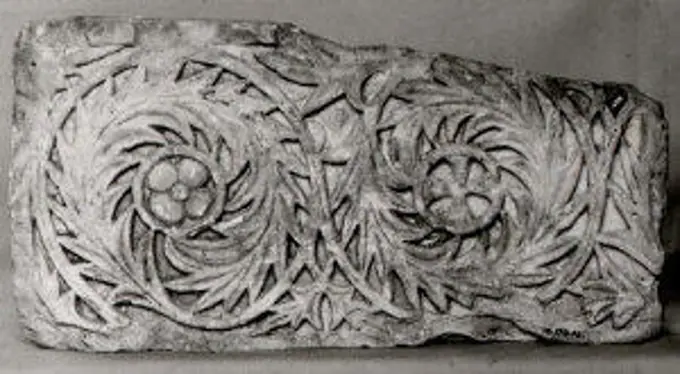
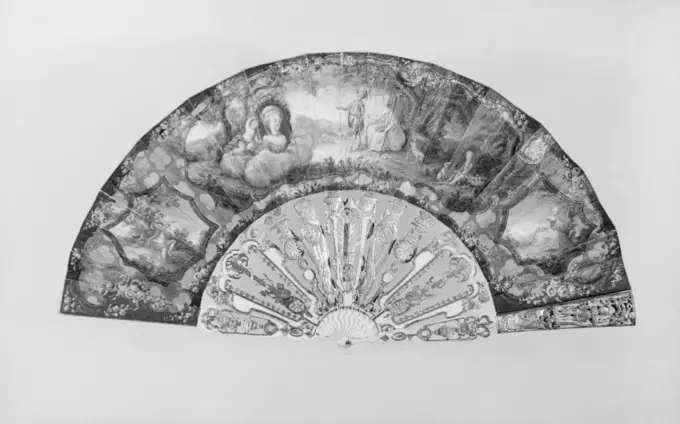
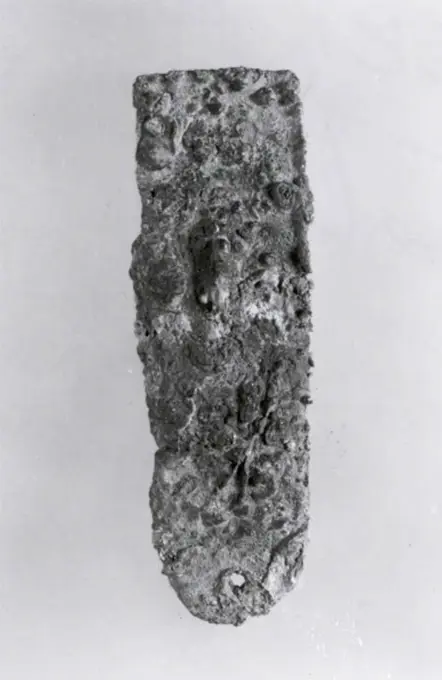
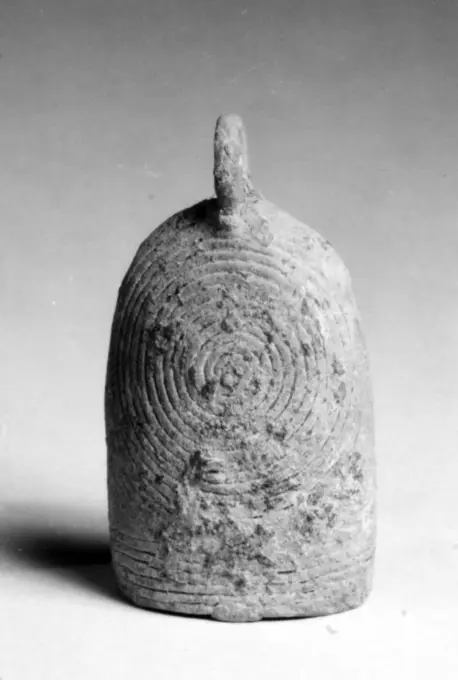
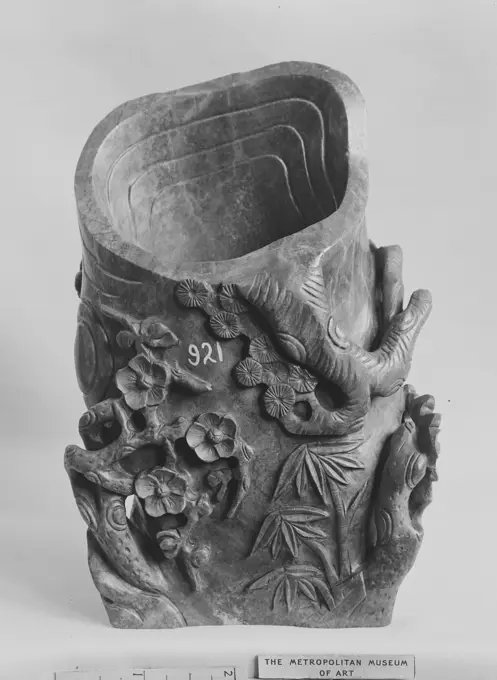
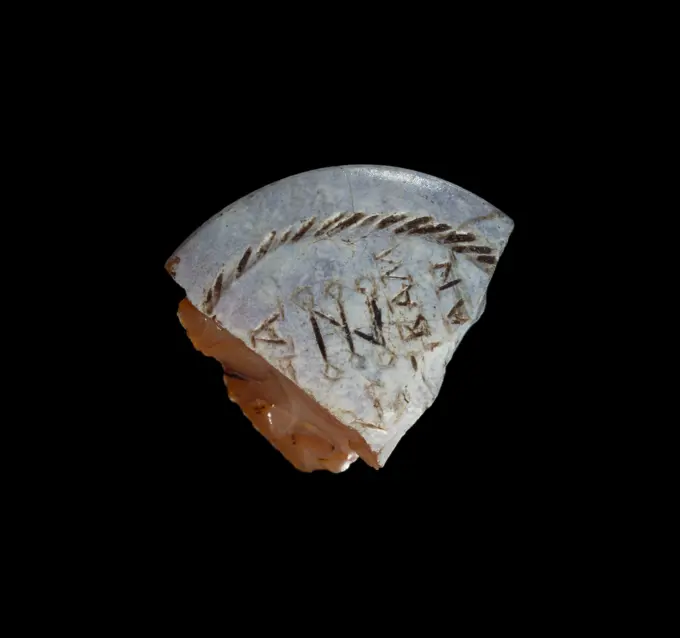
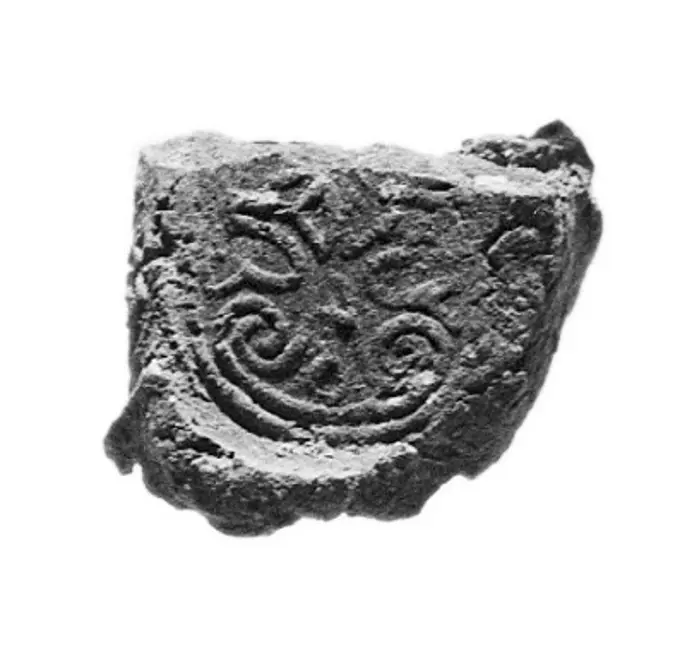
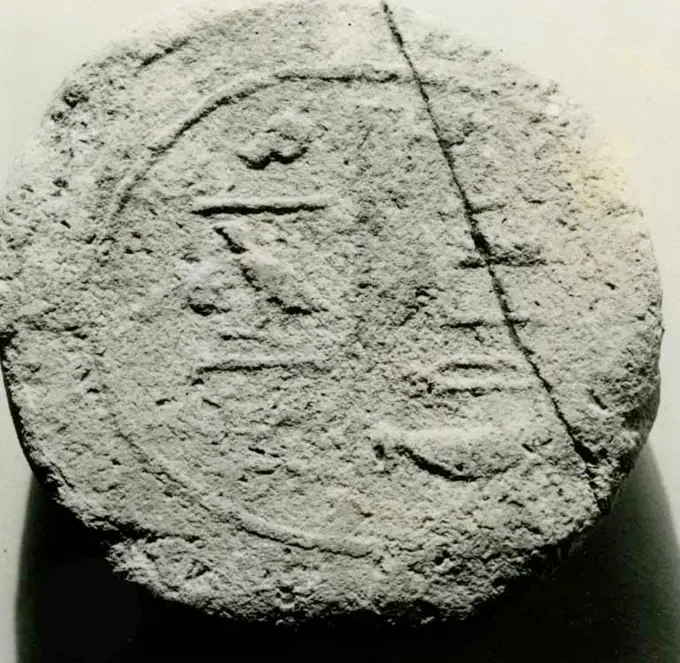
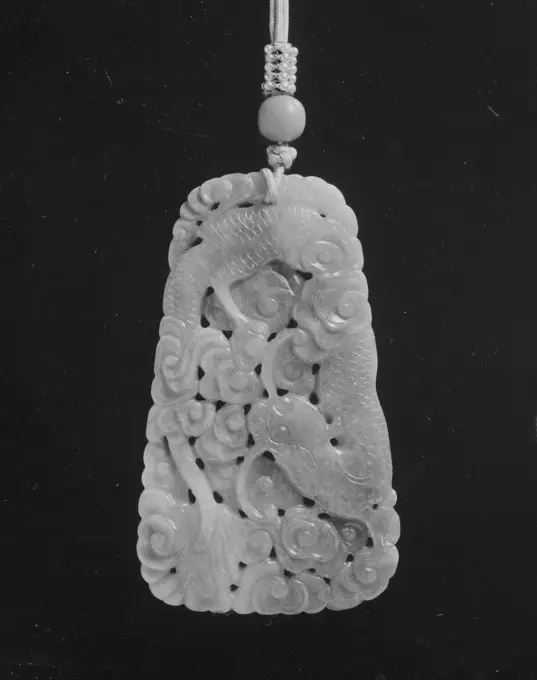
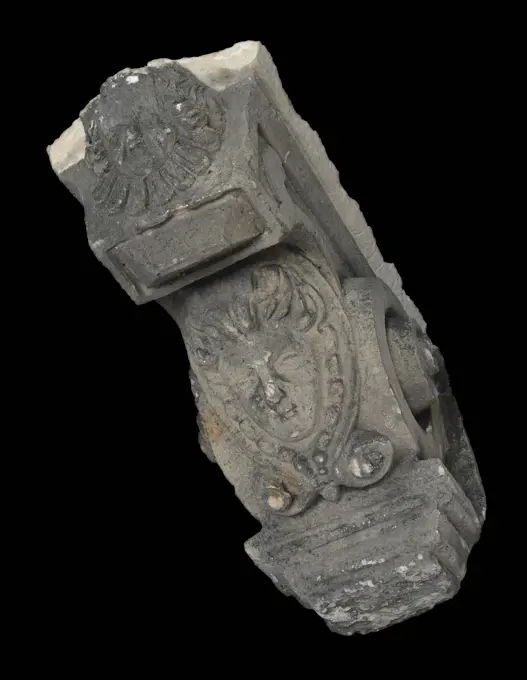
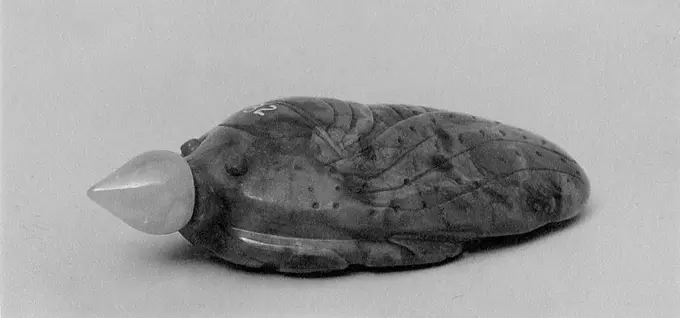
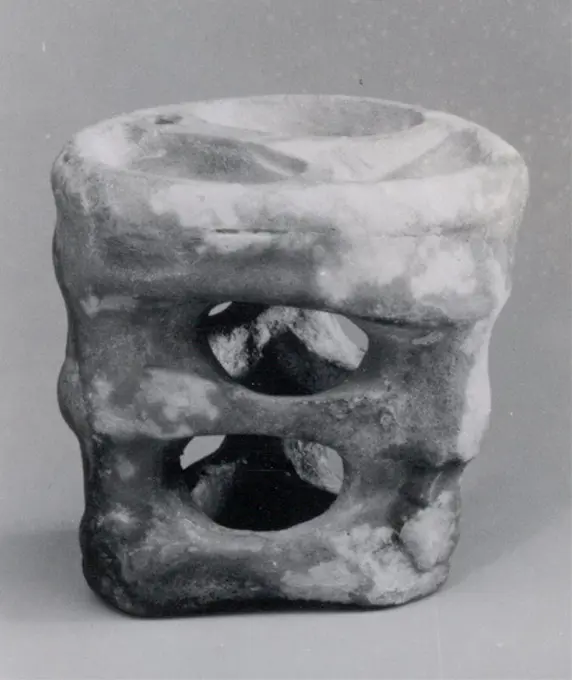
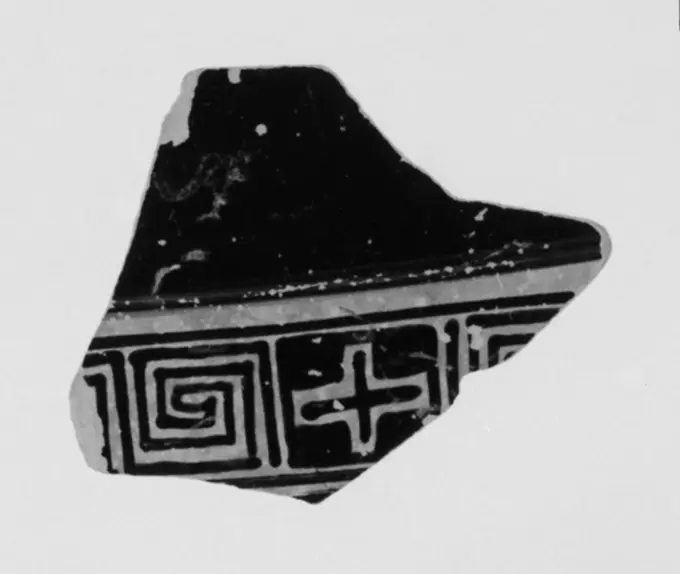
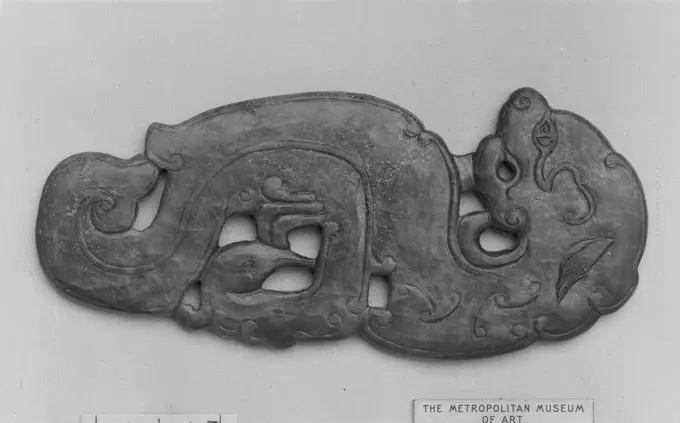
Document Sealing With the Throne Name of Amenhotep III ca. 1390-1353 B.C. New Kingdom. Document Sealing With the Throne Name of Amenhotep III. ca. 1390-1353 B.C.. Mud. New Kingdom. From Egypt, Upper Egypt, Thebes, Malqata, West Villas, West Villa B, MMA excavations, 1910-12. Dynasty 18Female Head. UnknownSealing ca. 2030-1640 B.C. Middle Kingdom. Sealing 546560Sealing ca. 1981-1640 B.C. Middle Kingdom. Sealing 557533Sealing ca. 1981-1640 B.C. Middle Kingdom. Sealing 560459Document Sealing With the Throne Name of Amenhotep III ca. 1390-1353 B.C. New Kingdom. Document Sealing With the Throne Name of Amenhotep III. ca. 1390-1353 B.C.. Mud. New Kingdom. From Egypt, Upper Egypt, Thebes, Malqata, West Villas, West Villa B, MMA excavations, 1910-12. Dynasty 18Unattributed Trebizond Coin. UnknownDocument Sealing With the Throne Name of Amenhotep III ca. 1390-1353 B.C. New Kingdom. Document Sealing With the Throne Name of Amenhotep III. ca. 1390-1353 B.C.. Mud. New Kingdom. From Egypt, Upper Egypt, Thebes, Malqata, West Villas, West Villa B, MMA excavations, 1910-12. Dynasty 18Mortuary figure China. Mortuary figure 43195Attic Black-Figure Lip Cup Fragment. UnknownFragment stemplowanego imadła amfory. unknown, potter's workshopFemale Head Fragment. UnknownFemale Head. UnknownFemale Head. UnknownUnattributed Trebizond Coin. UnknownCoin 758-68. Coin. 758-68. Copper. Excavated in Iran, Nishapur. CoinsFlask. UnknownBes amulet 664-332 B.C. Late Period. Bes amulet 555362Attachment. UnknownDocument Sealing With the Throne Name of Amenhotep III ca. 1390-1353 B.C. New Kingdom. Document Sealing With the Throne Name of Amenhotep III. ca. 1390-1353 B.C.. Mud. New Kingdom. From Egypt, Upper Egypt, Thebes, Malqata, King's Palace, East magazine, MMA excavations, 1910-12. Dynasty 18Female Head. UnknownRaised relief fragment 664-610 B.C. Late Period, Saite see 23.3.468. Raised relief fragment. 664-610 B.C.. Limestone. Late Period, Saite. From Egypt, Upper Egypt, Thebes, Deir el-Bahri, Tomb of Nespekashuty (TT 312, MMA 509), 1st chamber E. wall; 3rd register, MMA excavations, 1922-23. Dynasty 26Geometric Squat Alabastron() Fragment. UnknownSealing ca. 1981-1640 B.C. Middle Kingdom. Sealing 560340Sealing ca. 2030-1640 B.C. Middle Kingdom. Sealing 546566Tile China. Tile 51968Sealing ca. 2030-1640 B.C. Middle Kingdom. Sealing 565758Sealing ca. 2030-1640 B.C. Middle Kingdom. Sealing 546544Female Head. UnknownUnattributed Trebizond Coin. UnknownUszebti Nespakaiszuti. unknown, authorFemale Head. UnknownAnta Capital with Bull's Head. UnknownPendant 20th century China. Pendant. China. 20th century. Jadeite, seed pearls. JadeDocument Sealing With Multiple Seal Impressions ca. 1390-1353 B.C. New Kingdom. Document Sealing With Multiple Seal Impressions. ca. 1390-1353 B.C.. Mud. New Kingdom. From Egypt, Upper Egypt, Thebes, Malqata, MMA excavations, 1910-12; Presumably from West Villas, West Villa B. Dynasty 18Sealing ca. 2030-1640 B.C. Middle Kingdom. Sealing 546580Fragment imadła amfory ze stemplem. Papas (ok. 160-146 p.n.e.), potter's workshopBlack clay seal. UnknownSealing ca. 2030-1640 B.C. Middle Kingdom. Sealing. ca. 2030-1640 B.C.. Clay (unfired). Middle Kingdom. From Egypt, Memphite Region, Lisht South, Pyramid complex of Senwosret I, north temple gateway, MMA excavations, 1913-14. Dynasty 12-13Tool 5th-3rd millennium B.C. Iran This flint tool was excavated in 1937 at a prehistoric site in the vicinity of Nishapur in northeastern Iran. While Nishapur itself was founded by the Sasanian king Shapur I (reigned ca. A.D. 241-272), this flint shows that human habitation there goes back to the prehistoric period. Furthermore, the prehistoric pottery from Nishapur has close affinities with ceramic materials from Central Asia rather than with contemporary sites in Iran, meaning that in this period its inhabitants were likely culturally linked to their neighbors to the east. At the same time, Nishapurs location on what later became known as the Great Khorasan Road suggests that it was part of the trade network that facilitated the import of precious stones such as lapis lazuli, carnelian and turquoise from Central Asia to Mesopotamia.. Tool 323692Funerary Cone of the Scribe Amenhotep ca. 1550-1295 B.C. New Kingdom Used as architectural decoration, funerary cones were arranged along the upper edge of the facades of private tombs at Thebes. This Cone has the impression of a stamp inscribed for a scribe of the offering table named Amenhotep. For a drawing of this impression see http://www.funerarycones.com/, number 593.. Funerary Cone of the Scribe Amenhotep Funerary Cone of the Scribe Amenhotep ca. 1550-1295 B.C. New Kingdom Used as architectural decoration, funerary cones were arranged along the upper edge of the facades of private tombs at Thebes. This Cone has the impression of a stamp inscribed for a scribe of the offering table named Amenhotep. For a drawing of this impression see http://www.funerarycones.com/, number 593.. Funerary Cone of the Scribe Amenhotep. ca. 1550-1295 B.C.. Pottery. New Kingdom. From Egypt, Upper Egypt, Thebes; Probably from Asasif. Dynasty 18Female Head. UnknownPiece early 19th century French. Piece 214171Unattributed Trebizond Coin. UnknownFigurine ca. mid-7th millennium B.C. Hacilar. Figurine 325701Bat Amulet Middle Kingdom ca. 1859-1640 B.C.Female attendant 7th-9th century China. Female attendant 48472Bracelet ca. 8th-7th century B.C. Iran. Bracelet. Iran. ca. 8th-7th century B.C.. Bronze. Iron Age. IranPyramidal seal ca. 3100-2900 B.C. (). Pyramidal seal. ca. 3100-2900 B.C. (). Chlorite or steatite, black. Jemdet Nasr (). Mesopotamia or SyriaBell 1st millennium B.C. Iran. Bell. Iran. 1st millennium B.C.. Bronze. Iron AgePlaque in the shape of a fish China. Plaque in the shape of a fish. China. Jade (nephrite). Shang (ca. 1600-1046 B.C.)-Western Zhou dynasty (1046-771 B.C.. JadeVessel 270 B.C.-A.D. 320 Meroitic Period. Vessel. 270 B.C.-A.D. 320. Glass. Meroitic Period. From Nubia (Sudan), Lower Nubia, Faras, Cemetery 1, Grave 1134, University of Oxford Excavations in Nubia 1910-1912Fragment Tibet. Fragment 43462Female Head with Conical Polos. UnknownCoin probably 8th-9th century. Coin. probably 8th-9th century. Copper. Excavated in Iran, Nishapur. CoinsFragment of a Frieze with Scrolls Enclosing a Rosette and a Cross 6th century Chrstian symbols infiltrated the decorative arts. Here a Greek cross is enclosed in a stylized foliate scroll.. Fragment of a Frieze with Scrolls Enclosing a Rosette and a Cross 453626Fan 18th century French. Fan 209854Armor plate ca. late 8th-late 7th century B.C. Assyrian. Armor plate 324771Bell 100 BC-200 AD Italian (Pompeii). Bell 502175Head Pendant 3rd-9th century Maya. Head Pendant 315035Sealing ca. 2030-1640 B.C. Middle Kingdom. Sealing 565432BOLSA DE CUERO ENCONTRADA EN LAS EXCAVACIONES DE BAR KOKHBA.Unattributed Trebizond Coin. UnknownRaised relief fragment 664-610 B.C. Late Period, Saite see 23.3.468. Raised relief fragment. 664-610 B.C.. Limestone, varnish. Late Period, Saite. From Egypt, Upper Egypt, Thebes, Deir el-Bahri, Tomb of Nespekashuty (TT 312, MMA 509), 1st chamber N. door, MMA excavations, 1922-23. Dynasty 26Female Head. UnknownEmilia-Romagna Ferrara Ferrara Museo Civico di Schifanoia68. Hutzel, Max 1960-1990 General Notes: INCOMPLETE RECORD--NEGATIVES PROCESSED, PRINTS FILED German-born photographer and scholar Max Hutzel (1911-1988) photographed in Italy from the early 1960s until his death. The result of this project, referred to by Hutzel as Foto Arte Minore, is thorough documentation of art historical development in Italy up to the 18th century, including objects of the Etruscans and the Romans, as well as early Medieval, Romanesque, Gothic, Renaissance and Baroque monuments. Images are organized by geographic region in Italy, then by province, city, site complex and monument.Fragment imadła amfory ze stemplem. Aristos (ok. 198-161 p.n.e.), potter's workshopFragment Tibet. Fragment 43456Bell 500 B.C.-A.D. 300 Thailand. Bell 37730Brown Clay Seal. UnknownSima Block with Lionhead Spout. UnknownVase 18th century China. Vase. China. 18th century. Lapis lazuli. HardstoneSnuff Bottle 18th century China. Snuff Bottle 41721Female Head. UnknownOsiris Figure Late Period-Ptolemaic Period ca. 712-30 B.C. View more. Osiris Figure. ca. 712-30 B.C.. Bronze, inlay. Late Period-Ptolemaic Period. From Egypt, Western Desert; Kharga OasisSpearhead with bent tang and slotted blade ca. 2300-2000 B.C. Hattian. Spearhead with bent tang and slotted blade 324464Engraved Gem. UnknownChild's Horned Toe Shoe. England. Date: 1501-1600. Dimensions: 15 × 5.5 × 2.5 cm (5 7/8 × 2 1/8 × 1 in.). Leather. Origin: England. Museum: The Chicago Art Institute, Chicago, USA.Sealing ca. 1981-1640 B.C. Middle Kingdom. Sealing. ca. 1981-1640 B.C.. Mud. Middle Kingdom. From Egypt, Memphite Region, Lisht North, Cemetery, MMA excavations, 1920-22. Dynasty 12-13Models of the Sagrada Familia, Barcelona.Attic Black-Figure Pyxis and Kalathos Fragments (comprised of 2 Joining Fragments). UnknownCanopic Jar (with lid 30.8.54). Dimensions: Jar only: H. 36.9 cm (14 1/2 in.); Diam. 24 cm (9 7/16 in.)Jar with lid: H. 53.2 cm (20 15/16 in.). Dynasty: Dynasty 18. Reign: reign of Akhenaten. Date: ca. 1349-1336 B.C..Although this canopic jar was intended for a funerary context, the face on the lid was carved by a master with the skill and care one might expect in a more public portrait. Whatever the age of the owner at her death, she was given a youthful countenance for the eternal afterlife. The shape of the face, with its long slender nose, sloe eyes, and sensuous mouth, identifies it as a product of the latter half of the Amarna period. The jar and lid were altered in antiquity, making it extremely difficult to identify the original owner.The striking face carved on the jar lid represents one of the royal women of Amarna. Her hairstyle of overlapping curls, known as the Nubian wig, was worn only by adults and was popular among the female members of Akhenaten's family. The hole aFunerary Cone of the Deputy of the Army Amenemhab ca. 1550-1295 B.C. New Kingdom This cone has the impression of a stamp seal inscribed for a deputy of the army named Amenemhab who owned Theban tomb 85. For a drawing of this impression see http://www.funerarycones.com/, number 270.. Funerary Cone of the Deputy of the Army Amenemhab Funerary Cone of the Deputy of the Army Amenemhab ca. 1550-1295 B.C. New Kingdom This cone has the impression of a stamp seal inscribed for a deputy of the army named Amenemhab who owned Theban tomb 85. For a drawing of this impression see http://www.funerarycones.com/, number 270.. Funerary Cone of the Deputy of the Army Amenemhab. ca. 1550-1295 B.C.. Pottery. New Kingdom. From Egypt, Upper Egypt, Thebes. Dynasty 18Oval Plaque. Egypt, Roman Period - Coptic Period (30 BCE - 700 CE). Sculpture. LeadCoin A.H. 169/ A.D. 785. Coin. A.H. 169/ A.D. 785. Copper. Excavated in Iran, Nishapur. CoinsFunerary Cones ca. 1550-1295 B.C. New Kingdom. Funerary Cones. ca. 1550-1295 B.C.. Pottery. New Kingdom. From Egypt, Upper Egypt, Thebes. Dynasty 18Pendant with dragon 20th century China. Pendant with dragon. China. 20th century. Jade (jadeite). Qing dynasty (1644-1911). JadeFragmentary Stamnoid Krater. UnknownFragmentary Stamnoid Krater. UnknownConsole of mantelpiece with two female heads, mantelpiece console construction element gypsum, molded Console with curves at the front and in front of the woman's heads on the sides. Can you see façade of 10237 or 10238 fireplace Rotterdam City Center Stadsdriehoek leuvehaven Probably Leuvehaven 39 Rotterdam.Coin uncertain. Coin 457653Snuff bottle with stopper China. Snuff bottle with stopper 41415Cosmetic stand ca. 9th century B.C. Iran. Cosmetic stand 325767Attic Red-Figure Pelike Fragment (part of 86.AE.199.1).Girdle pendant China. Girdle pendant. China. Jade. Han dynasty (206 B.C.-A.D. 220). JadePlaque in the Shape of an Animal Head 11th-10th century B.C. China. Plaque in the Shape of an Animal Head. China. 11th-10th century B.C.. Jade (nephrite). Western Zhou dynasty (1046-771 B.C.). JadeFunerary Cone of the Scribe Kanakht ca. 1550-1295 B.C. New Kingdom See 30.6.172. Funerary Cone of the Scribe Kanakht. ca. 1550-1295 B.C.. Pottery. New Kingdom. From Egypt, Upper Egypt, Thebes. Dynasty 18Mountain Scene 18th century China. Mountain Scene. China. 18th century. Nephrite. Qing dynasty (1644-1911). JadeFigurine ca. 4th-3rd century B.C. Parthian. Figurine 324303Sealing fragment ca. 2030-1640 B.C. Middle Kingdom. Sealing fragment 565847