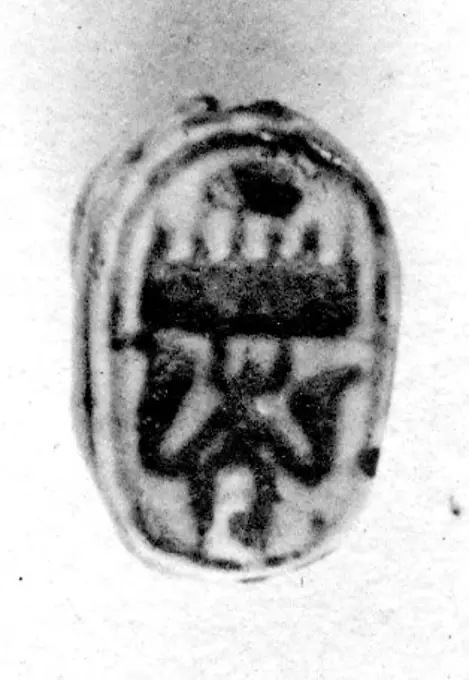
Ancient Seal Imprints

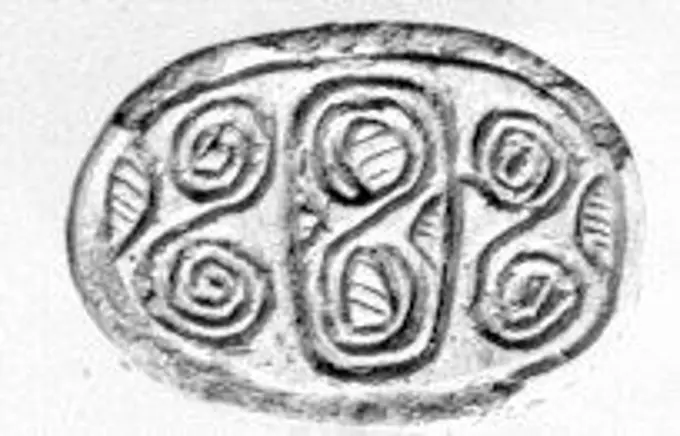
Unique imprints and sealings from the Middle and New Kingdom of Egypt, featuring historical inscriptions and artistic designs.
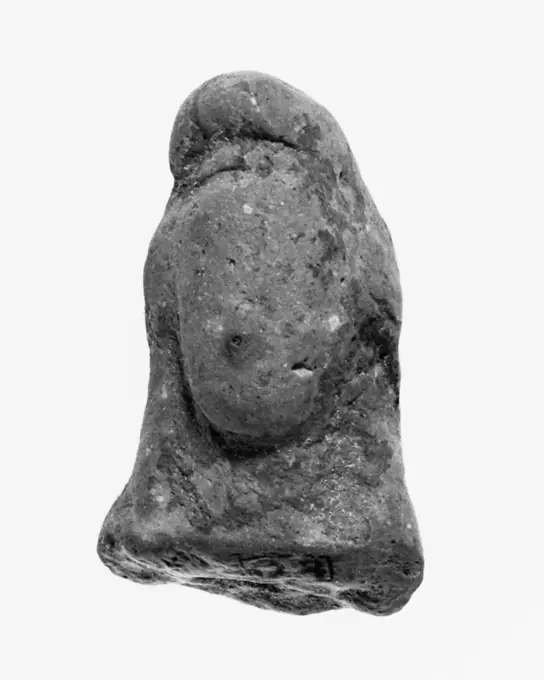
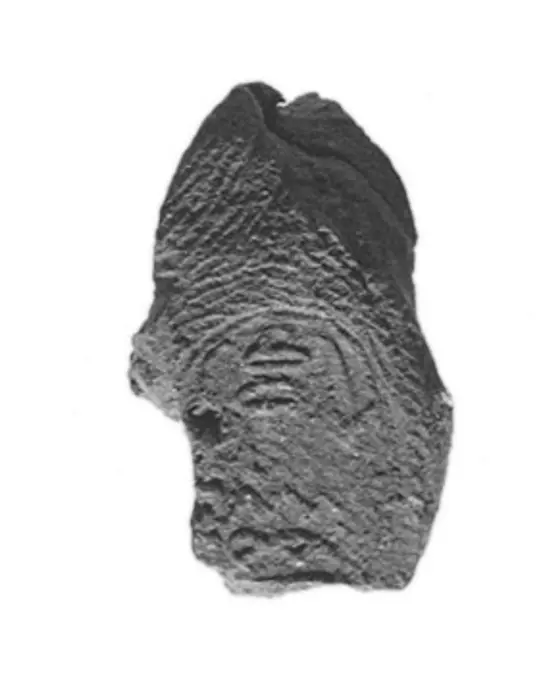
Female Head. Unknown
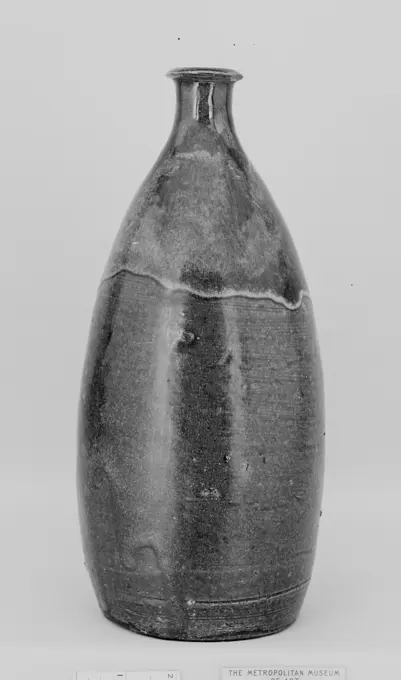
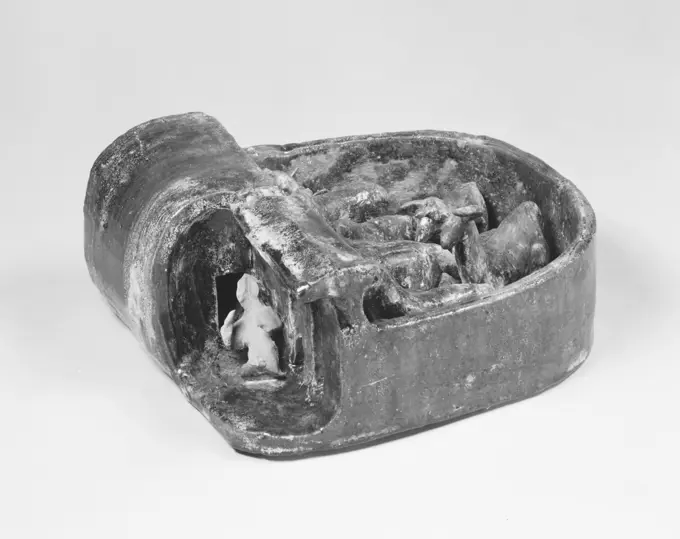
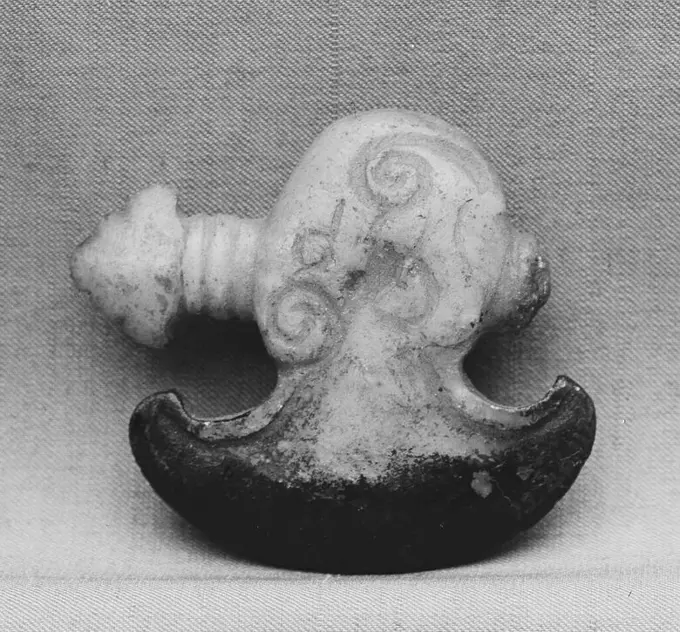
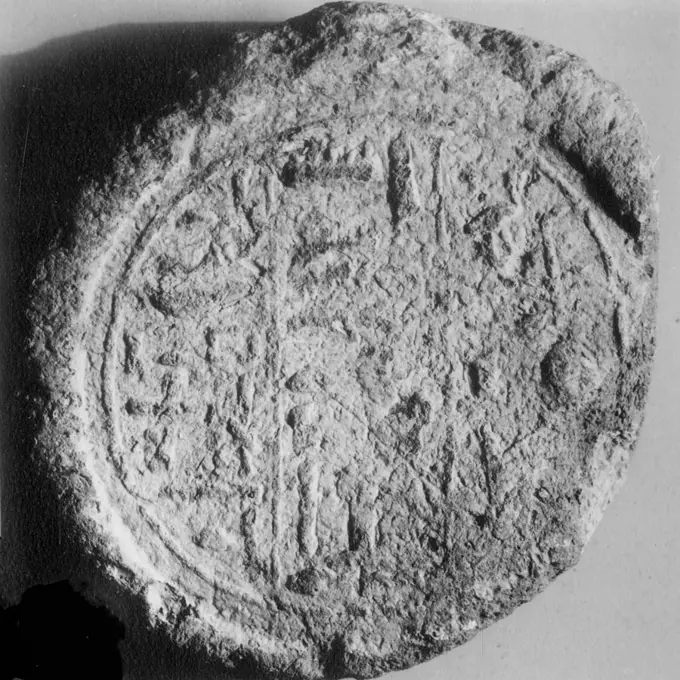
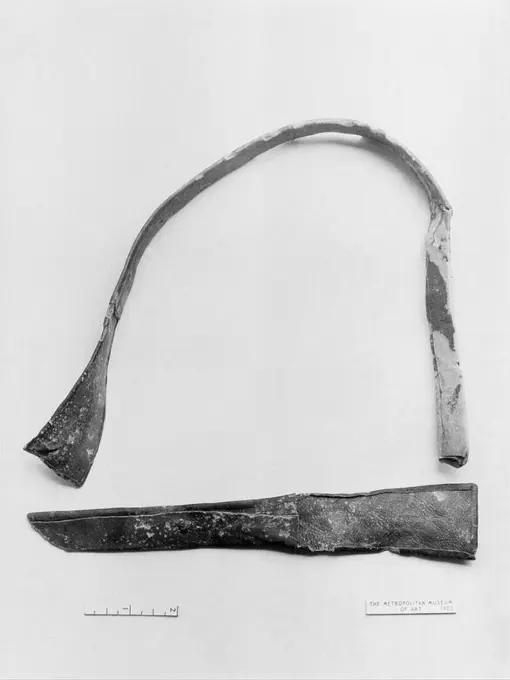
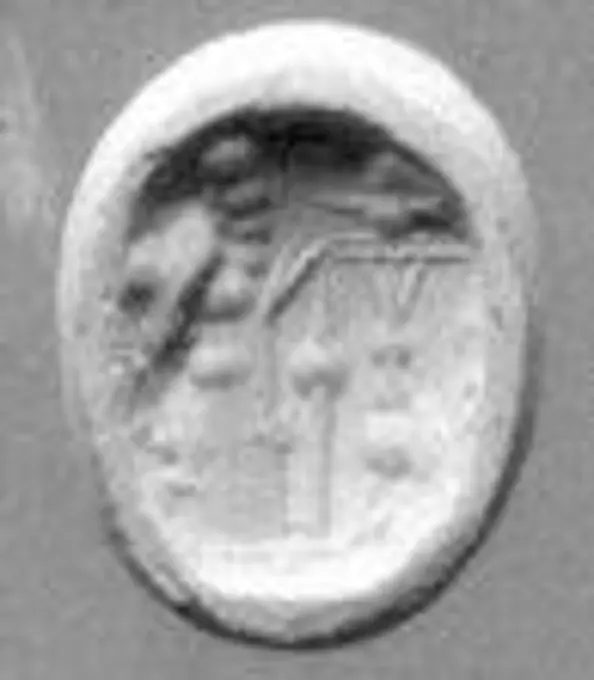
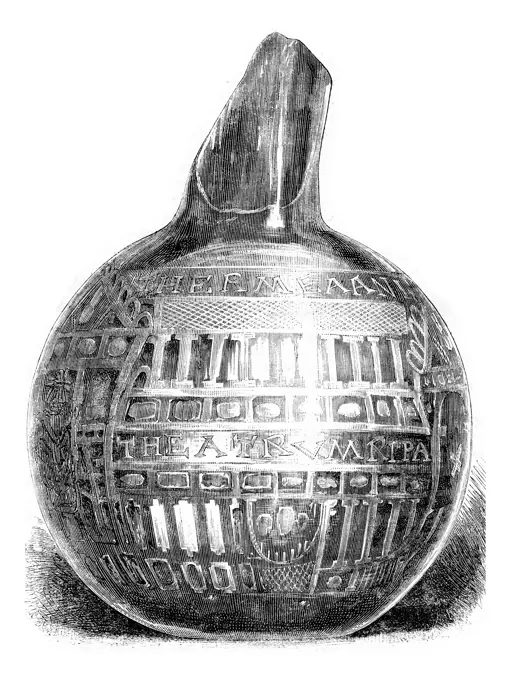
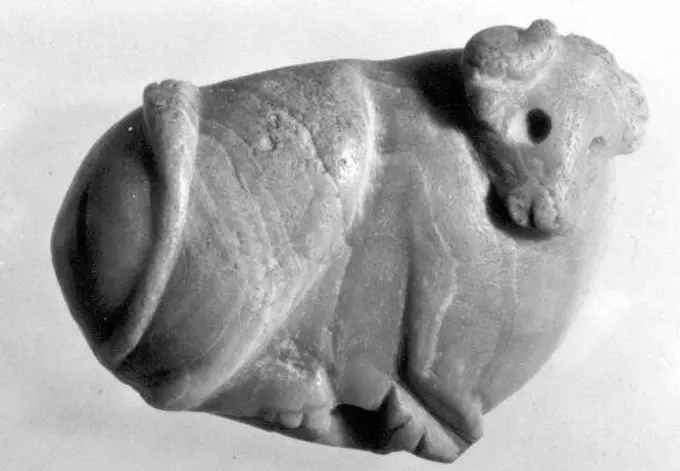
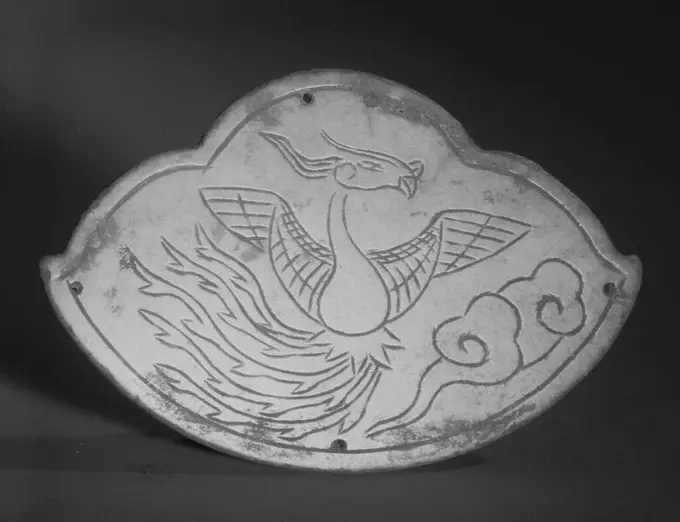
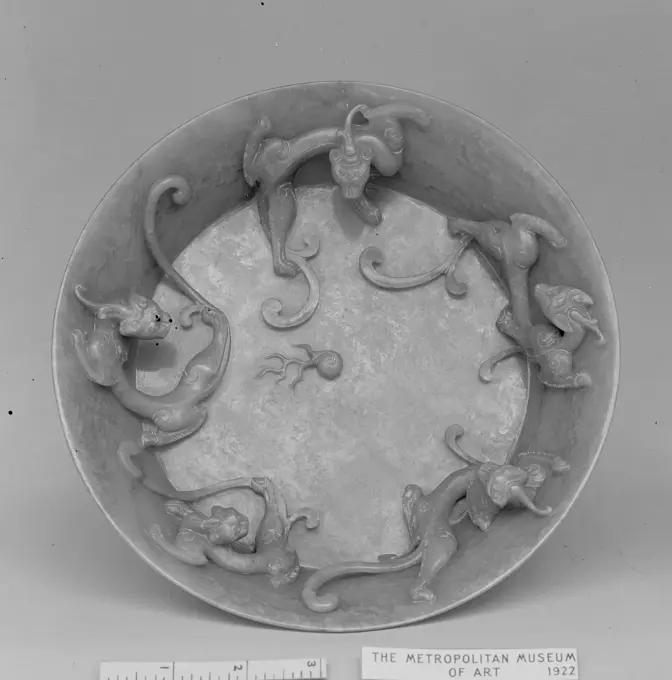
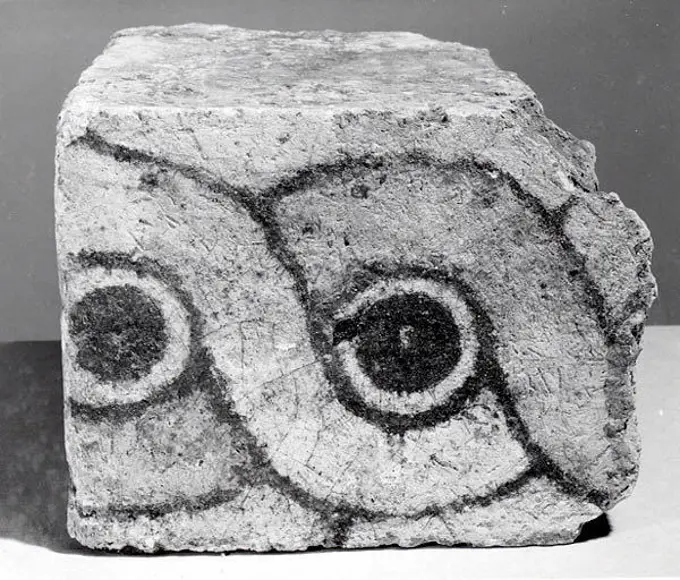
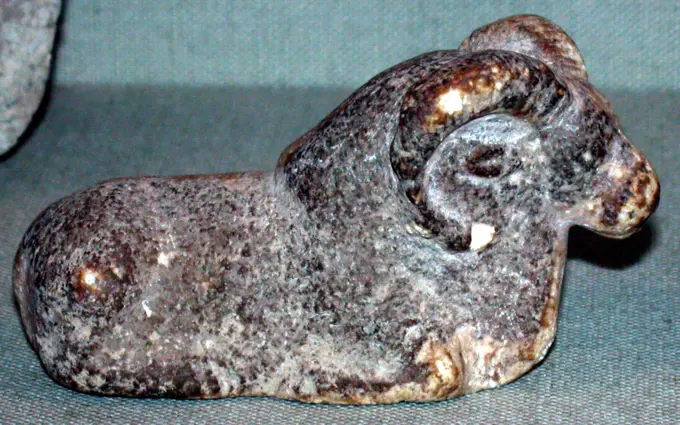
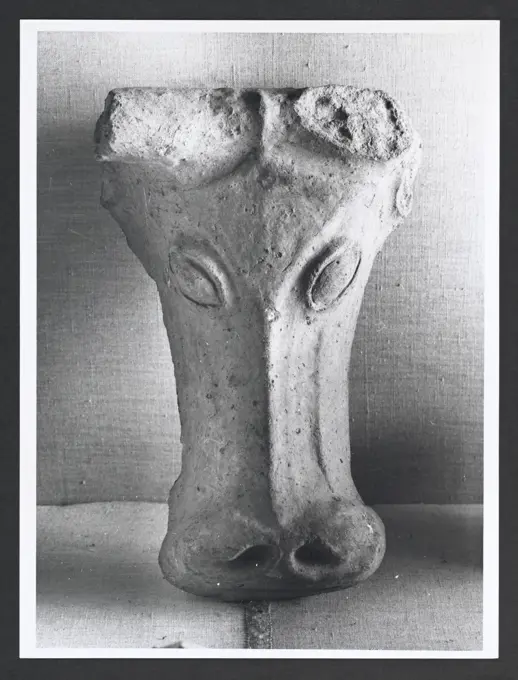
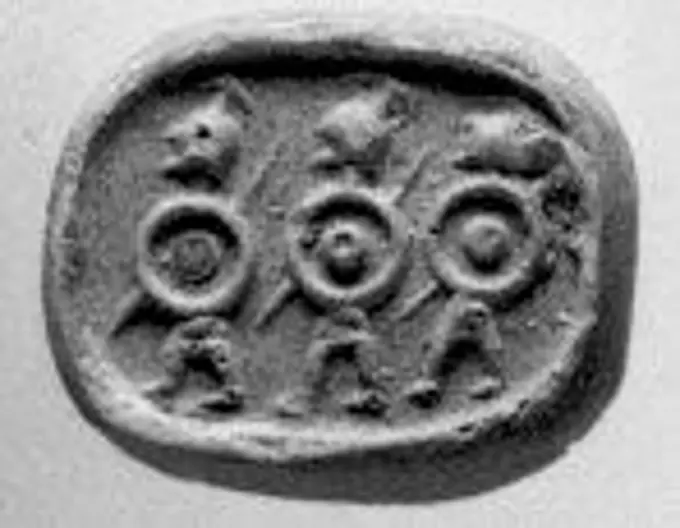
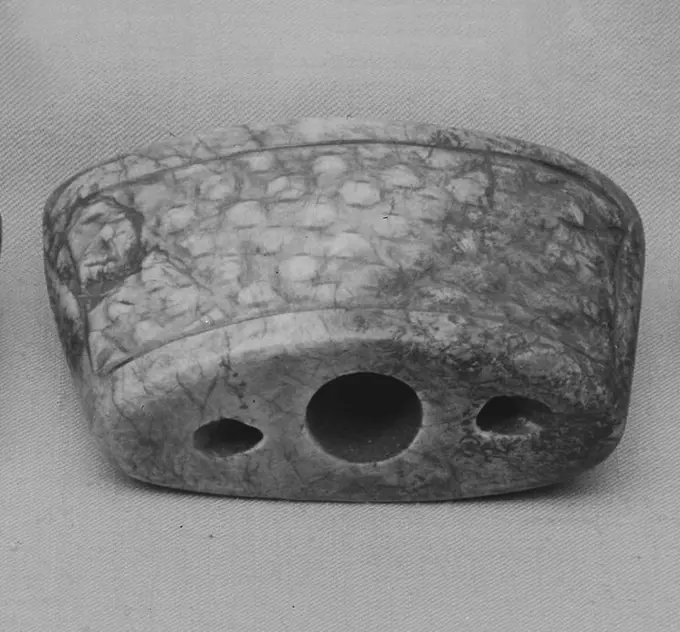
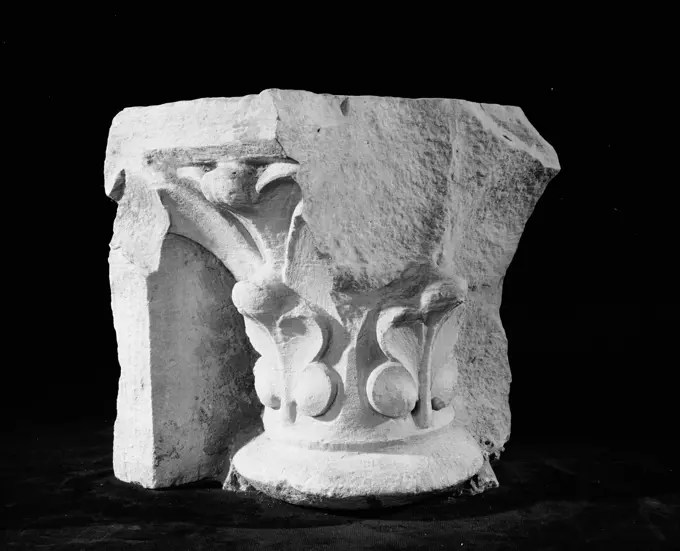
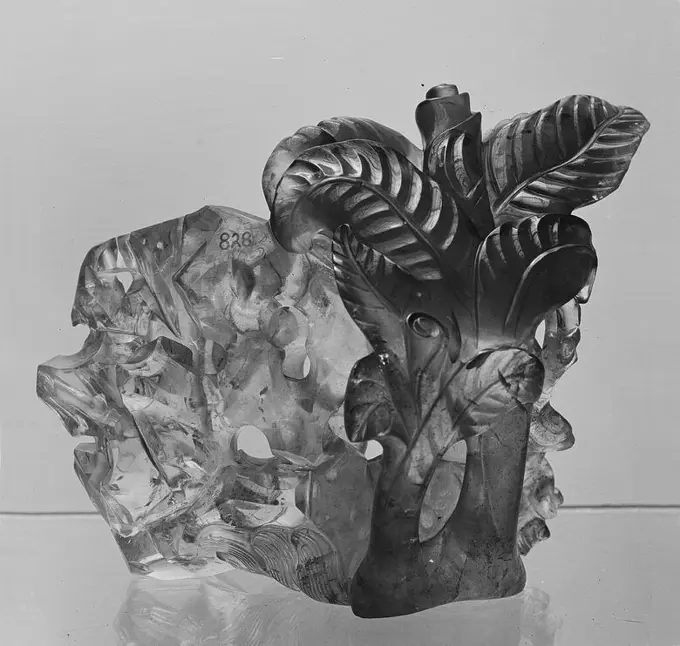
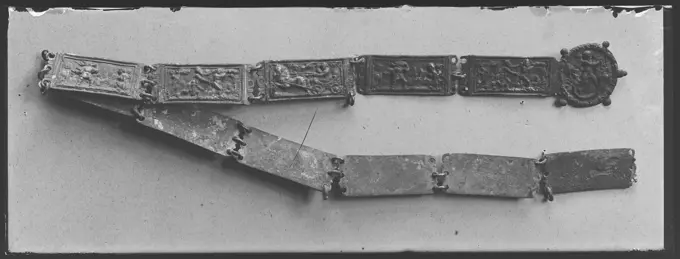
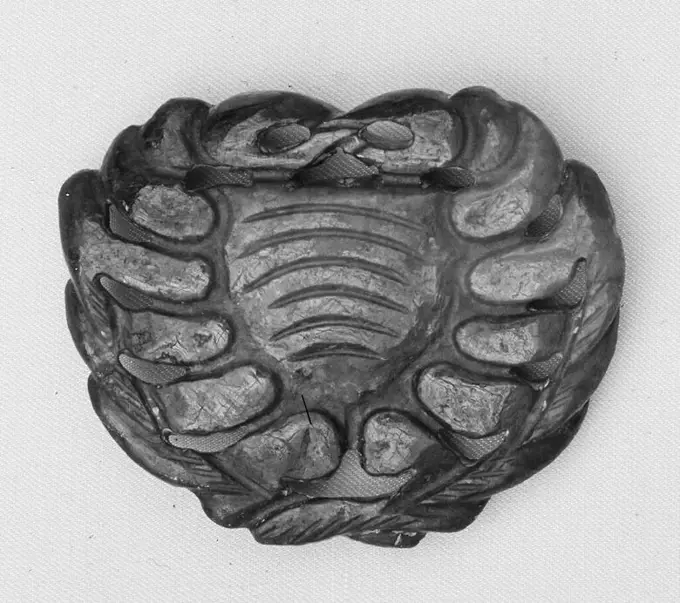
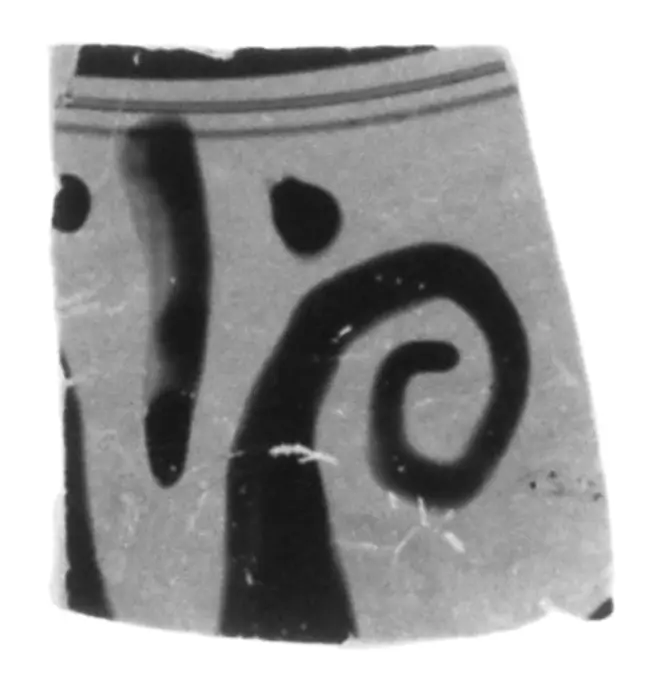
Coin dated A.H. 191/ A.D. 806. Coin. dated A.H. 191/ A.D. 806. Copper. Excavated in Iran, Nishapur. CoinsLarge Bottle 18th century Japan. Large Bottle. Japan. 18th century. Clay covered with a thin glaze and a thick overglaze (Seto ware, Satsuma type). Edo period (1615-1868). CeramicsGoltland runic (unknown town). Historic museum. Stockholm. Sweden.Pataikos amulet 664-332 B.C. Late Period. Pataikos amulet. 664-332 B.C.. Faience. Late Period. From Egypt. Dynasty 26-30Ornament in the Shape of a Quail 1750 Japan. Ornament in the Shape of a Quail 48858Goat Pen 1st-early 3rd century China Pottery models of houses and farm structures were commonly included in Eastern Han burials to provide for the afterlife.. Goat Pen 44324Hatchet head. Culture: China. Dimensions: H. 1 3/8 in. (3.5 cm); W. 1 1/2 in. (3.8 cm); D. 3/8 in. (1 cm). Museum: Metropolitan Museum of Art, New York, USA.Funerary Cone ca. 1550-1295 B.C. New Kingdom. Funerary Cone. ca. 1550-1295 B.C.. Pottery. New Kingdom. From Egypt, Upper Egypt, Thebes. Dynasty 18Mummy braces bearing the name of Painedjem. Dimensions: A: L. 50 cm (19 11/16 in.); B: L. 24.5 cm (9 5/8 in.). Dynasty: Dynasty 21. Reign: reign of Painedjem I. Date: ca. 1070-889 B.C..This set of leather braces, embossed with the name Painedjem, would have been put around the neck and crossed on the chest of the mummy. Museum: Metropolitan Museum of Art, New York, USA.Garuda head (Angle figure) (common name), 0100. dense black stone. Cernuschi Museum, Asia Museum of Asia in the city of Paris.Stamp seal (octagonal pyramid) with cultic scene 7th - 6th century B.C. Assyro-Babylonian. Stamp seal (octagonal pyramid) with cultic scene. Assyro-Babylonian. 7th - 6th century B.C.. Banded and flawed blue Chalcedony (Quartz). Neo-Assyrian / Neo-Babylonian. MesopotamiaTea Jar 18th century Japan. Tea Jar. Japan. 18th century. Clay covered with glaze. Edo period (1615-1868). CeramicsAcademy of Fine Arts of Lisbon, Roman Glass Bottle serious, vintage engraving. Academy of Fine Arts of Lisbon, Roman Glass Bottle serious, vintage engraved illustration. Magasin Pittoresque 1873. Copyright: xZoonar.com/PatrickxGuenettex 10679360Royal Seal of Henri II 1547-59 French. Royal Seal of Henri II 207792The ring of the Earl of Essex, vintage engraving. The ring of the Earl of Essex, vintage engraved illustration. Magasin Pittoresque 1869. Copyright: xZoonar.com/PatrickxGuenettex 10678927Vessel lid ca. 3rd-7th century A.D. Sasanian. Vessel lid 322764No maker's mark, Caddy Spoon, 1798/99, silver.Female Head. UnknownEngraved Gem. UnknownBlock. Culture: Catalan. Dimensions: Overall: 7 1/4 x 8 1/4 x 7 1/4 in. (18.4 x 21 x 18.4 cm). Date: ca. 1130-40. Museum: Metropolitan Museum of Art, New York, USA.Abruzzo, L'Aquila, S. Giuliano (L'Aquila environs), Museo, Italy, 20th century, photo, photography, EuropeBead with Faces 4th-8th century Atlantic Watershed. Bead with Faces 313038Head with Melon Coiffeur. UnknownCopper ox-hide ingot from Ancient Cyprus. Dated 13th Century BCFragment (Border) Morocco. Silk embroidery on cotton satin. Stitch long armed cross-stitch .Engraved Gem. UnknownSnuff Bottle 19th century China. Snuff Bottle 41216piece of raw shungite gemstone isolated on white macro shooting of natural mineral stone - piece of raw shungite gemstone isolated on white background Copyright: xZoonar.com/ValeryxVoennyyx 9078530Sweden, Blekinge, Blekinge, Karlskrona, Karlskrona, external marina (depicted, town).Sweden, Blekinge, Blekinge, Karlskrona, Karlskrona, External War Gogs (depicted, City)Stamp seal ca. 3rd-7th century A.D. Sasanian. Stamp seal. Sasanian. ca. 3rd-7th century A.D.. Chalcedony, yellow. Sasanian. Iran or MesopotamiaFigure ( Ti'i) early 19th century or earlier Maohi (Tahitian). Figure ( Ti'i) 311945Female Head. UnknownSealing ca. 2030-1640 B.C. Middle Kingdom. Sealing 565331Kneeling statue of Montuemhat holding a stele, probably from Montuemhats tomb at Thebes.Steatite engraved gem late 7th-late 6th century B.C. Greek The suicide of Ajax. He has fallen on his sword which is stuck in a mound of earth.. Steatite engraved gem 254456Drohiczyn seal. unknown, managerBasket with handles ca. 1550-1295 B.C. New Kingdom . Basket with handles. ca. 1550-1295 B.C.. Fiber. New Kingdom . From Egypt, Upper Egypt, Thebes, Deir el-Bahri, Roman Burial XLIIMask of a Bearded Male. UnknownArrowhead 2nd-1st millennium B.C. Iran. Arrowhead 325235Coin probably 10th century. Coin. probably 10th century. Silver. Excavated in Iran, Nishapur. CoinsSeated female musician with lute 7th-8th century China. Seated female musician with lute 48475Chisel. Culture: China. Dimensions: H. 3 1/8 in. (7.9 cm); W. 1 1/2 in. (3.8 cm); D. 3/16 in. (.5 cm). Museum: Metropolitan Museum of Art, New York, USA.Funerary Cone of the Chief of the Medjay Didu ca. 1479-1400 B.C. New Kingdom. Funerary Cone of the Chief of the Medjay Didu. ca. 1479-1400 B.C.. Pottery. New Kingdom. Formerly considered made in Egypt, Upper Egypt, Thebes, Khokha, Tomb MMA 828 ( 4), or Tomb TT 200, courtyard rubbish, MMA excavations, 1915. Dynasty 18Engraved Gem. UnknownCoin 5th-14th century. Coin. 5th-14th century. Copper. Excavated in Iran, Nishapur. CoinsRelief fragment, tomb of Meketre ca. 1981-1975 B.C. Middle Kingdom. Relief fragment, tomb of Meketre 562160 in phaselis temple turkey asia old ruined column and destroyed stoneLead figure of a goddess with spear and aegis, possibly Athena 6th-5th century B.C. Greek, Laconian Small flat votive figurines of cast lead have been found in great quantities at the ancient sanctuaries of Laconia; over one hundred thousand, dating from the seventh century B.C. to the Classical period, were dedicated to the goddess Artemis Orthia in Sparta.. Lead figure of a goddess with spear and aegis, possibly Athena 251620 Greek, Laconian, Lead figure of a goddess with spear and aegis, possibly Athena, 6th5th century B.C., Lead, Height: 1 5/8 in. (4.2 cm). The Metropolitan Museum of Art, New York. Gift of A. J. B. Wace, 1924 (24.195.54)Canosan Oinochoe Fragment. UnknownRaised relief fragment 664-610 B.C. Late Period, Saite see 23.3.468. Raised relief fragment. 664-610 B.C.. Limestone. Late Period, Saite. From Egypt, Upper Egypt, Thebes, Deir el-Bahri, Tomb of Nespekashuty (TT 312, MMA 509), Undetermined, MMA excavations, 1922-23. Dynasty 26Textile Fragment 6th century. Textile Fragment 444175Coin A.H. 170-177/ A.D. 786-93. Coin. A.H. 170-177/ A.D. 786-93. Copper. Excavated in Iran, Nishapur. CoinsFigurine ca. 2350-2150 B.C.. Figurine 324393Relief with royal figures ca. 1353-1336 B.C. New Kingdom, Amarna Period. Relief with royal figures. ca. 1353-1336 B.C.. Limestone, paint (mostly modern). New Kingdom, Amarna Period. From Egypt; Probably from Middle Egypt, Hermopolis (Ashmunein; Khemenu); Probably originally from Amarna (Akhetaten). Dynasty 18Brush Holder. Artist: Hozan. Culture: Japan. Dimensions: H. 5 1/2 in. (14 cm); Diam. 5 7/8 in. (14.9 cm). Date: 19th century. Museum: Metropolitan Museum of Art, New York, USA.Toe of a Shoe Made 1501-1600 England. Leather .Fragments of a lotiform chalice ca. 1070-664 B.C. Third Intermediate Period or later. Fragments of a lotiform chalice. ca. 1070-664 B.C.. Faience. Third Intermediate Period or later. From Egypt. Dynasty 21-25Box mid-18th century German. Box. German. mid-18th century. Silk. Textiles-EmbroideredAttic White-Ground Calyx Krater Fragment. UnknownCapital 6th-7th century In the 500s Apa (Father) Jeremias founded a Coptic monastery at Saqqara, the ancient Egyptian necropolis (cemetery) of the city of Memphis, near the oldest pyramids. He and the earliest monks lived in tombs at the site. As the monastery grew, several grand churches with lavish decoration were built, as well as many chapels, public buildings, and complexes of cells (rooms) for each monk. The monastery continued to grow after the Arab conquest with materials from early Byzantine tomb structures being reused for additional monastic structures. Inscriptions record prayers to numerous holy figures. Sculptural elements from Saqqara are often carved with deeply undercut patterns to intensify the play of light and shadow and to mask the solidity of the architecture. This sculptural style was popular throughout the Byzantine world in the 500s.. Capital. 6th-7th century. Limestone; carved in relief. Found Egypt, Saqqara. SculptureSeal amulet in the form of a reclining cow ca. 3300-2900 B.C.. Seal amulet in the form of a reclining cow. ca. 3300-2900 B.C.. Onyx. Late Uruk-Jemdet Nasr. Southern MesopotamiaMedallion ca. 1800. Medallion 446098Pendant plaque. Culture: China. Dimensions: H. 2 1/8 in. (5.4 cm); W. 3 1/4 in. (8.3 cm). Date: 12th-13th century. Museum: Metropolitan Museum of Art, New York, USA.Dish China. Dish. China. Nephrite. Ming dynasty (1368-1644). JadePit from a Balanites tree with a hole caused by a rodent ca. 2381-2323 B.C. Old Kingdom. Pit from a Balanites tree with a hole caused by a rodent. ca. 2381-2323 B.C.. Plant Remains ("Balanites Aegyptiaca"). Old Kingdom. From Egypt, Memphite Region, Saqqara. Dynasty 5Votive cow plaque ca. 1479-1458 B.C. New Kingdom. Votive cow plaque. ca. 1479-1458 B.C.. Copper. New Kingdom. From Egypt, Upper Egypt, Thebes, Deir el-Bahri, Hatshepsut Hole, Debris from the Hathor shrine, MMA excavations, 1923-24. Dynasty 18Fragment of a Band 4th-5th century. Fragment of a Band 443869Stamp seal (scaraboid) with animal and divine symbols 7th century B.C. Assyrian. Stamp seal (scaraboid) with animal and divine symbols. Assyrian. 7th century B.C.. Steatite. Neo-Assyrian. Mesopotamia or SyriaAltar dedicated to Oceanus by Sixth Victorious Legion in occasion of safe sea crossing in 122Brick fragment with a guilloche design ca. 9th century B.C. Assyrian The Assyrian palaces were originally decorated with bright colors and elaborate patterns. Sadly, little of this polychromy survives. Small amounts of pigment remain visible on some reliefs but rarely on ivories, while images in art can also give some impression of textiles that have not survived. Perhaps the best sources for polychromy in the palaces are fragments of painted and glazed ceramic architectural elements. This brick fragment provides an example in color of a guilloche pattern found in much Assyrian art.Painted and glazed brickwork is a major category in ancient Near Eastern art. Some of the most spectacular examples can be seen in Nebuchadnezzars Babylon, and at the palace of the Achaemenid Persian king Darius I at Susa.. Brick fragment with a guilloche design 324796Human Head. Unknown  in antique cemetery of turkey asia and    mystery headstone PIEZA DEL TEMPLO DE DEBOD: ESTELA DE LA CAPILLA DE ADIJALAMANI (PERIODO GRECOROMANO).Reclining mouflon ca. 2600-1900 B.C. Indus. Reclining mouflon. Indus. ca. 2600-1900 B.C.. Marble. Mature Harappan. Indus ValleyCampania Caserta Capua Museo Campano25. Hutzel, Max 1960-1990 Medieval: Byzantine architectural fragments; parchment fragments with miniatures (12th century) from Montecassino; painted wooden crucifix (13th century); Carolingian crucifixes; Bishop's miter (11th century) of gold and silver damask; fresco (13th century). Post-medieval: Architecture (15th century). Formerly the Palazzo Antignano. Unusual Catalan/Moorish-style portal; Paintings on panel and canvas (15th-18th centuries); marble intarsia (16th century); marble sculpture: busts of Christ and Mary (17th century); sculpture of saints in marble and in wood (15th century); painted and gilded sculpture in wood; marble grave sculpture (16th century); sarcophagus with allegorical carvings; gold reliquary "Rosa d'Oro"; crucifix made of elephant tusk Specific Location: Pianterreno Antiquities: Italic sculpture (seated women holding babies); inscription. Photo campaign #1: 533 photos. Roman relief and sculpture; cinerary urns; Greek anScaraboid seal ca. 7th-6th century B.C. Cypriot. Scaraboid seal. Cypriot. ca. 7th-6th century B.C.. Steatite. Cypro-Archaic. CyprusStamp seal ca. 3rd-7th century A.D. Sasanian. Stamp seal. Sasanian. ca. 3rd-7th century A.D.. Carnelian. Sasanian. Iran or MesopotamiaChalice veil. Culture: Italian. Dimensions: Overall: 28 x 28 in. (71.1 x 71.1 cm). Date: 17th century. Museum: Metropolitan Museum of Art, New York, USA.Cylinder Seal. Iran, late 2nd-early 1st millennium B.C.. Tools and Equipment; seals. BronzeScabbard ornament China. Scabbard ornament. China. Jade. Han dynasty (206 B.C.-A.D. 220). JadeScarab seal ca. 1700-1560 B.C.. Scarab seal. ca. 1700-1560 B.C.. Steatite, white. Dynasty 15-17, 2nd Intermediate Period, Hyksos. Levant, Lachish (modern Tell ed-Duweir)This stone box with a carved an image of a water opossum or ahuitzotl, carved on its inside surface. It was believed to eat the eyes, nails and entrails of people who drowned. This box may have belonged to Ahuitzotl, the eighth Aztec ruler (1486-1502), who is reputed to have drowned in a floodquad car tires footprint in beach summer sand Flask. UnknownSet of Ten Belt Plaques late 3rd-early 4th century China. Set of Ten Belt Plaques 44303Engagee column marquee decorated with foliage has five lobes, unknown provenance, beginning XIII century (Cat 209) Anonymous. Engaged column marquee decorated with foliage with five lobes, unknown provenance, early 13th century (Cat 209). Pierre.Double vase. Culture: China. Dimensions: H. 5 5/8 in. (14.3 cm); L. 6 1/2 in. (16.5 cm). Date: 18th century. Museum: Metropolitan Museum of Art, New York, USA.Snuff bottle with stopper 18th-19th century China. Snuff bottle with stopper 41160Gable seal ca. 3500-2900 B.C.. Gable seal. ca. 3500-2900 B.C.. Steatite, black. Late Uruk-Jemdet Nasr. MesopotamiaBliżej Kultury unknown1/24 Stater fromIonia. Artist: UnknownButton. Culture: China. Dimensions: H. 1 7/8 in. (4.7 cm); W. 1 1/2 in. (3.8 cm); D. 3/8 in. (1 cm). Museum: Metropolitan Museum of Art, New York, USA.Attic Cup Fragment. UnknownAttic Cup Fragment. UnknownAttic Black-Figure Eye Cup Fragment. UnknownCampania Caserta Capua Museo Campano63. Hutzel, Max 1960-1990 Medieval: Byzantine architectural fragments; parchment fragments with miniatures (12th century) from Montecassino; painted wooden crucifix (13th century); Carolingian crucifixes; Bishop's miter (11th century) of gold and silver damask; fresco (13th century). Post-medieval: Architecture (15th century). Formerly the Palazzo Antignano. Unusual Catalan/Moorish-style portal; Paintings on panel and canvas (15th-18th centuries); marble intarsia (16th century); marble sculpture: busts of Christ and Mary (17th century); sculpture of saints in marble and in wood (15th century); painted and gilded sculpture in wood; marble grave sculpture (16th century); sarcophagus with allegorical carvings; gold reliquary "Rosa d'Oro"; crucifix made of elephant tusk Specific Location: Pianterreno Antiquities: Italic sculpture (seated women holding babies); inscription. Photo campaign #1: 533 photos. Roman relief and sculpture; cinerary urns; Greek anDuck-shaped Seal with the Name of Thutmose III ca. 1479-1425 B.C. New Kingdom. Duck-shaped Seal with the Name of Thutmose III 557859Child's Boot Made 1501-1600 England. Leather .Coin dated A.H. 614/ A.D. 1217. Coin. dated A.H. 614/ A.D. 1217. Copper. Excavated in Iran, Nishapur. CoinsVase. Artist: Minzan. Culture: Japan. Dimensions: H. 10 in. (25.4 cm); Diam. of rim 2 1/4 in. (5.7 cm); W. 4 5/8 in. (11.7 cm); D. 3 in. (7.6 cm). Date: ca. 1830. Museum: Metropolitan Museum of Art, New York, USA.