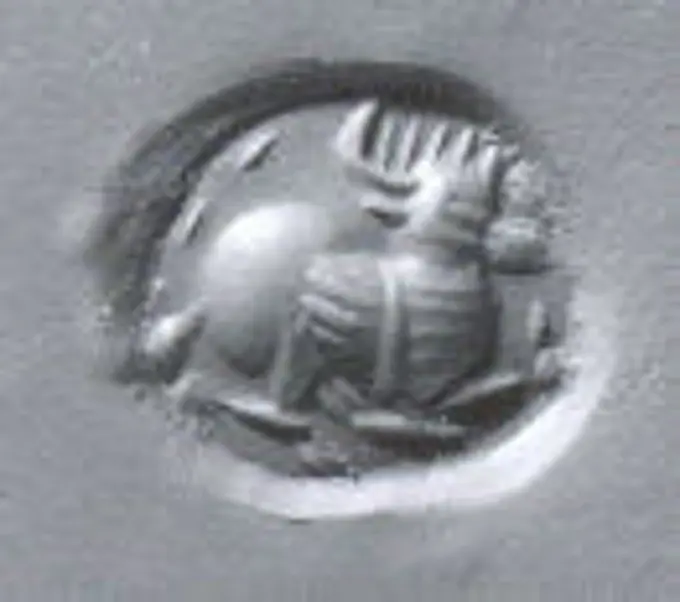
Ancient Seal Imprints

Unique imprints and sealings from the Middle and New Kingdom of Egypt, featuring historical inscriptions and artistic designs.
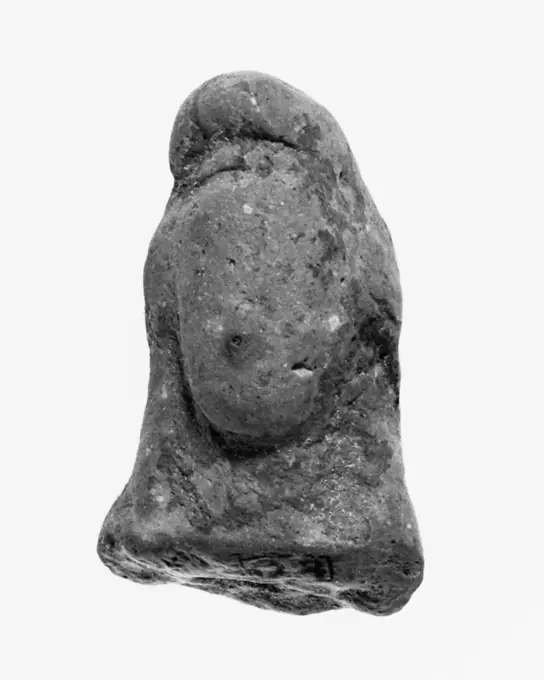
Female Head. Unknown
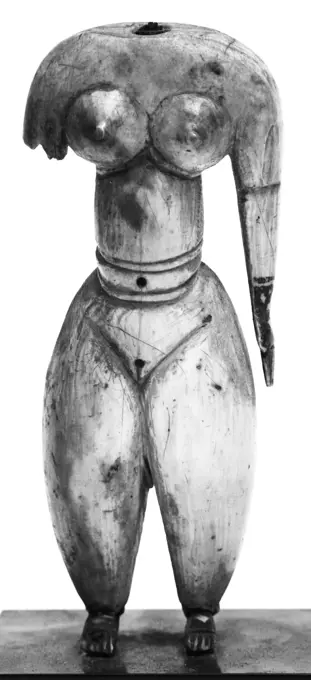
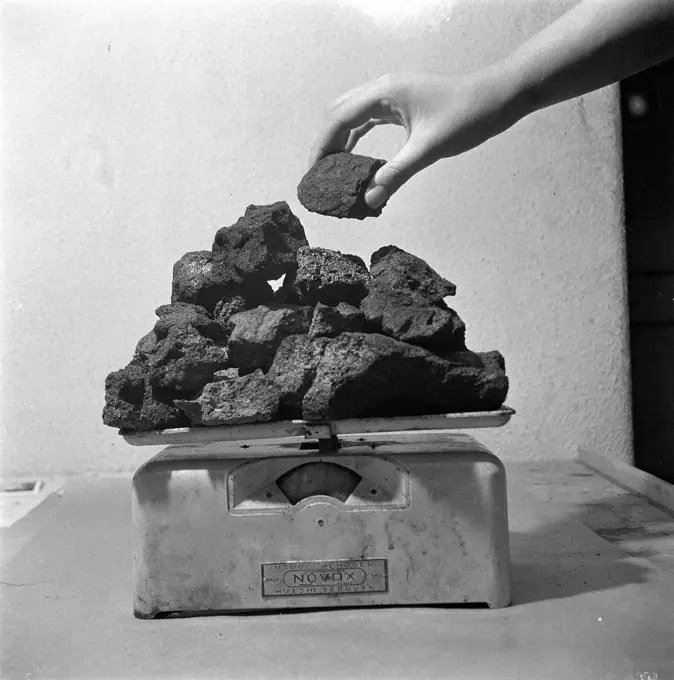
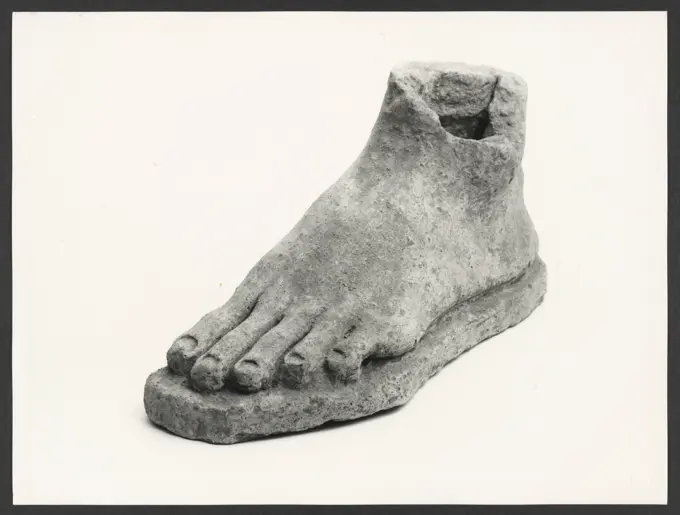
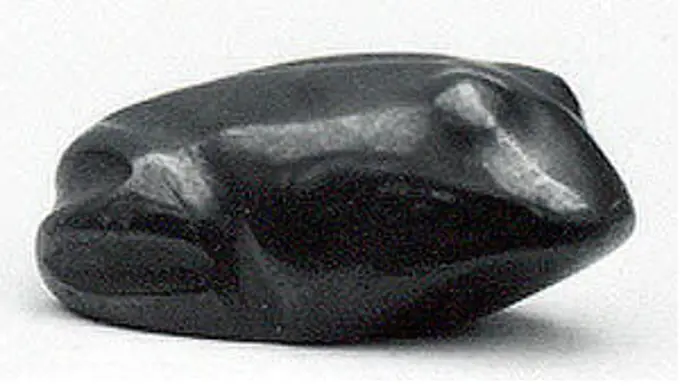
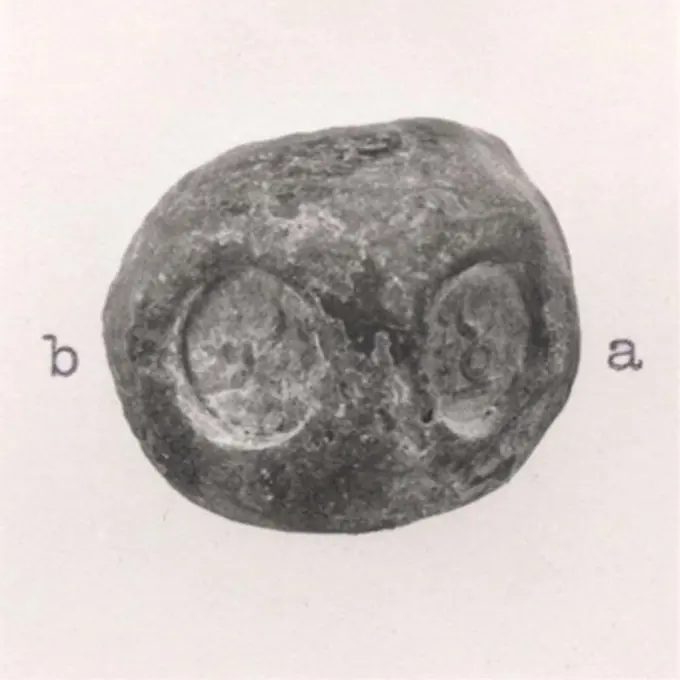
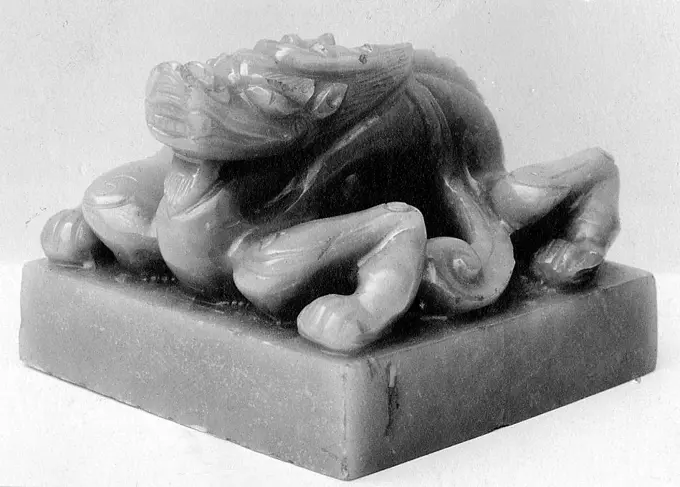
Fragment late 14th century French or British. Fragment. French or British. late 14th century. Pot-metal glass and vitreous paint. Glass-StainedStamp seal (octagonal pyramid) with cultic scene late 8th - 6th century B.C. Assyro-Babylonian. Stamp seal (octagonal pyramid) with cultic scene. Assyro-Babylonian. late 8th - 6th century B.C.. Flawed neutral Chalcedony (Quartz). Neo-Assyrian / Neo-Babylonian. MesopotamiaPaint Roller ca. 3500 B.C. Thailand. Paint Roller. Thailand. ca. 3500 B.C.. Pottery. CeramicsEyeglass Case with Banner and Books 18th-19th century China. Eyeglass Case with Banner and Books 68795Close up of weight 2kgLazio Latina Sezze Antiquarium Comunale81. Hutzel, Max 1960-1990 German-born photographer and scholar Max Hutzel (1911-1988) photographed in Italy from the early 1960s until his death. The result of this project, referred to by Hutzel as Foto Arte Minore, is thorough documentation of art historical development in Italy up to the 18th century, including objects of the Etruscans and the Romans, as well as early Medieval, Romanesque, Gothic, Renaissance and Baroque monuments. Images are organized by geographic region in Italy, then by province, city, site complex and monument.Collar ca. 1855 Belgian. Collar 168317Fragment 1763-74 Stiegel's Manheim Factory. Fragment. American. 1763-74. Free-blown glass. Made in Manheim, Pennsylvania, United StatesBadge with Shrine of Edward the Confessor 15th century British. Badge with Shrine of Edward the Confessor 474374Collar or Small Fichu Made 1850-1869 France. Silk, bobbin straight lace (made in strips) .Statuette of a Woman. UnknownThree crowns (depicted - name).Three crowns (depicted - name)Loulan was an ancient kingdom based around an important oasis city already known in the 2nd century BCE on the northeastern edge of the Lop Desert. Loulan was an ancient kingdom along the Silk Road. In 108 BCE, the Han Dynasty forces defeated the armies of the Loulan kingdom and made it into a tributary state. In 77 BCE, Loulan came under the control of the Han Dynasty and was given the Chinese name of Shanshan. The site is now completely surrounded by desert. Gaochang is the site of an ancient oasis city built on the northern rim of the inhospitable Taklamakan Desert in Xinjiang, China. A busy trading center, it was a stopping point for merchant traders traveling on the Silk Road. The ruins are located 30 km southeast of modern Turpan. Gaochang is called Karakhoja or Qarakhoja in Uighur. The archaeological site is also known in early published reports as Chotscho, Khocho, or Qoao.Antique glass 1898, Middle EastStamp seal ca. late 1st millennium B.C. Graeco-Roman. Stamp seal. Graeco-Roman. ca. late 1st millennium B.C.. Jasper, green with red flecks. Graeco-Roman. Greece or ItalyPierced dish late 18th century Dutch, Delft. Pierced dish. Dutch, Delft. late 18th century. Tin-glazed earthenware. Ceramics-PotteryDecorative pillar in Karla caves in 2nd century B.C., Lonavala, Maharashtra, India Copyright: xAnilxDave/DinodiaxPhotoxAnefo photo collection. The cold. Photo series about Winterkou. Coal. December 12, 1945Lazio Viterbo Viterbo Museo Civico01. Hutzel, Max 1960-1990 Views of paintings (Middle Ages through 18th c.), frescoes, a tabernacle, coffin, sculpture reliefs, portal fragments, busts, sculpture, tapestry found in the Pinacoteca, Second floor gallery and Second floor cloister sequences. Antiquities: Many views of Etruscan and Roman fragments, sculpture, sarcophagi, pottery, masks, jewelry and other objects found in the Storeroom sequence (inventory numbers on back of prints), and the Cloister, Second floor Cloister, Valle Giulia, Sala Romana and Sala Etrusca sequences. General Notes: There are eight separate numerical sequences for this location. The cloister as an architectural structure, rather than museum site, is documented in the record and file for S. Maria della Verita, Cloister, all views of which are stored in Medieval core collection. Five views from the Museo Civico Second floor cloister sequence are stored in Medieval. German-born photographer and scholar Max Hutzel (1911-Lead figure of a winged goddess, possibly Artemis Orthia late 7th-6th century B.C. Greek, Laconian Small flat votive figurines of cast lead have been found in great quantities at the ancient sanctuaries of Laconia; over one hundred thousand, dating from the seventh century B.C. to the Classical period, were dedicated to the goddess Artemis Orthia in Sparta.. Lead figure of a winged goddess, possibly Artemis Orthia 251614 Greek, Laconian, Lead figure of a winged goddess, possibly Artemis Orthia, late 7th6th century B.C., Lead, Height: 1 1/16 in. (2.7 cm). The Metropolitan Museum of Art, New York. Gift of A. J. B. Wace, 1924 (24.195.48)Weight in the shape of frog ca. early 2nd millennium B.C.. Weight in the shape of frog. ca. early 2nd millennium B.C.. Hematite. Cyprus or Western AsiaCrown Regalia To Be Used In Coronation Ceremony -- New official photographs of the British Crown Regalia which will be used in the coronation ceremonies for King George VI have been released for publication on February 25.The Spurs and Coronation ring. The St. George's spurs, emblems of Kingthood and chivalry, are of solid gold and Richley chased. The coronation ring is his majesty's personal property, and embraces a valuable sapphire and four long rubies. The general design of the jewels represents the cross of St. George. February 25, 1937. (Photo by Associated Press Photo).Unknown photographer, beam fragment in Baalbek (without dat.): View. Photo, 20.1 x 20.2 cm (including scan edges) unbek. Fotograf : Gebälkfragment in Baalbek (ohne Dat.)Sealing ca. 7th century A.D. Sasanian. Sealing 323358Scarf Pin. Culture: American. Dimensions: Without pin: H. 1/2 in. (1.3 cm). Date: 1776-83. Museum: Metropolitan Museum of Art, New York, USA.Girdle pendant China. Girdle pendant 42926Document Sealing With the Throne Name of Amenhotep III ca. 1390-1353 B.C. New Kingdom. Document Sealing With the Throne Name of Amenhotep III. ca. 1390-1353 B.C.. Mud. New Kingdom. From Egypt, Upper Egypt, Thebes, Malqata, King's Palace, West magazine, MMA excavations, 1910-12. Dynasty 18Collection Dutch Heidematschappij. Damaged. undatedImperial seal China. Imperial seal 41054Black and White Illustration of a Viking Mailcoat and Silver Helmet; 5th CenturyWestern inuit bronze adze haft. Artist: UnknownThrone of King Minos in Knossos, c. 1895 - c. 1915 photograph  unknown paper. cardboard   KnifeStamps used in Mexico or the Canary Islands for body painting. Old 19th century engraved illustration from La Nature 1888Stamp seal ca. 5th-7th century A.D. Sasanian. Stamp seal. Sasanian. ca. 5th-7th century A.D.. Stone. Sasanian. IranThe First Cleaving of the King's Great Cullinan Diamond: the Two Stones That Were the Result of the First Splitting-Weight, 1040 1/2 Carats and 1977 1/2 Carats. (Actual Size.) The Steel Knife With Which the Great Cullinan Diamond was Split. (Actual Size.) (X) The dent caused by the blow. The Second Cleaving of the Cullinan: the Great Diamond in Three Parts. (Actual Size.)Ring 1800-30 William Brown British. Ring 6864Votive cow plaque ca. 1479-1458 B.C. New Kingdom. Votive cow plaque. ca. 1479-1458 B.C.. Copper. New Kingdom. From Egypt, Upper Egypt, Thebes, Deir el-Bahri, Hatshepsut Hole, Debris from the Hathor shrine, MMA excavations, 1923-24. Dynasty 18