Ancient Seals and Coins

Artifacts including ancient seals and coins, depicting historical figures and cultural significance, showcasing craftsmanship of different periods.

tumbled shungite mineral gem stone isolated macro shooting of natural gemstone - tumbled shungite mineral gem stone isolated on white background Copyright: xZoonar.com/ValeryxVoennyyx 8879884
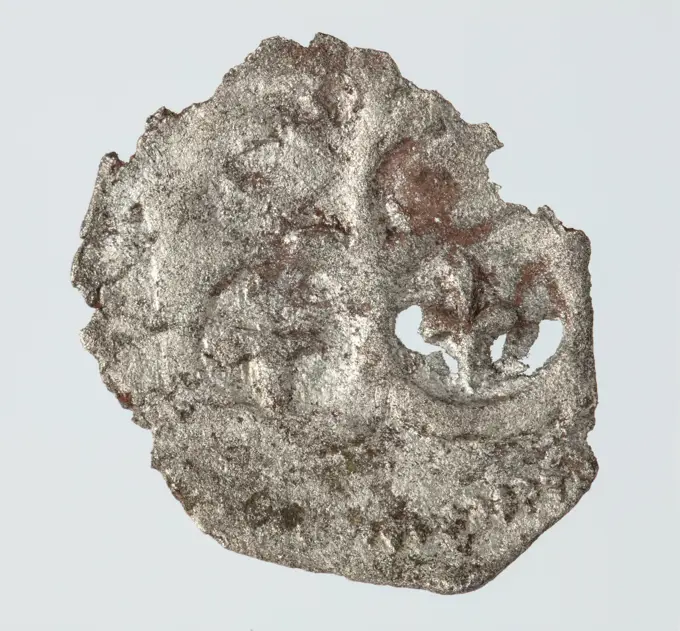
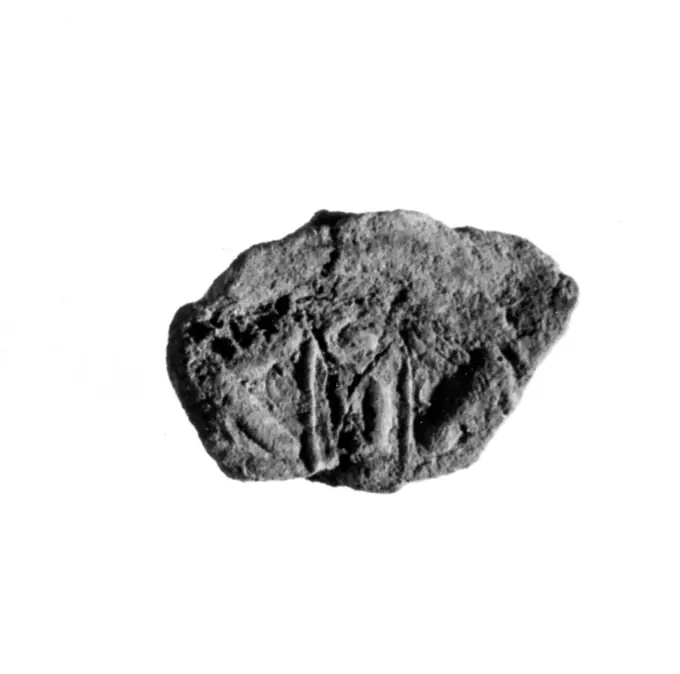
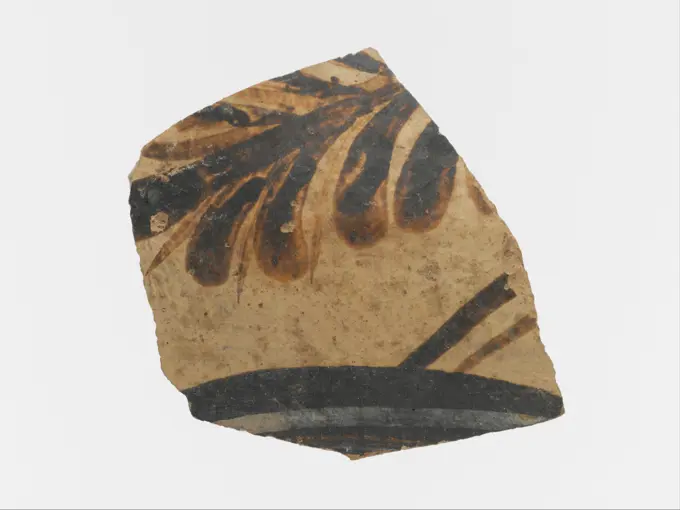
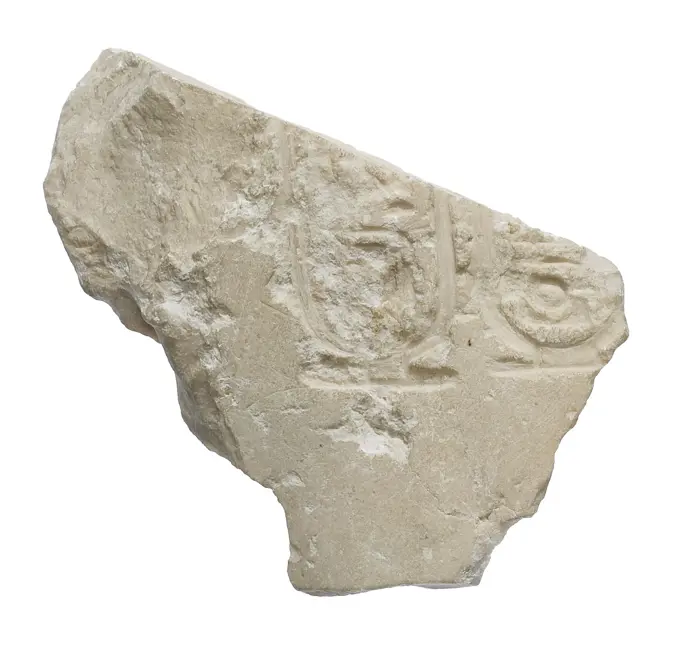
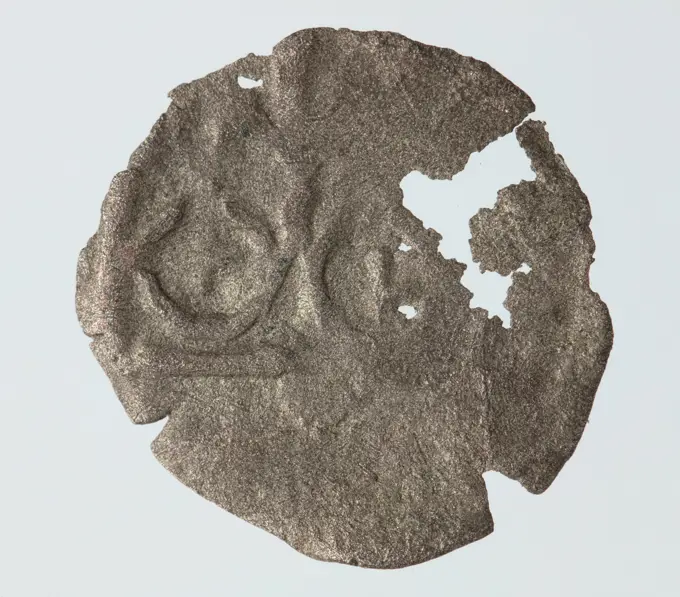
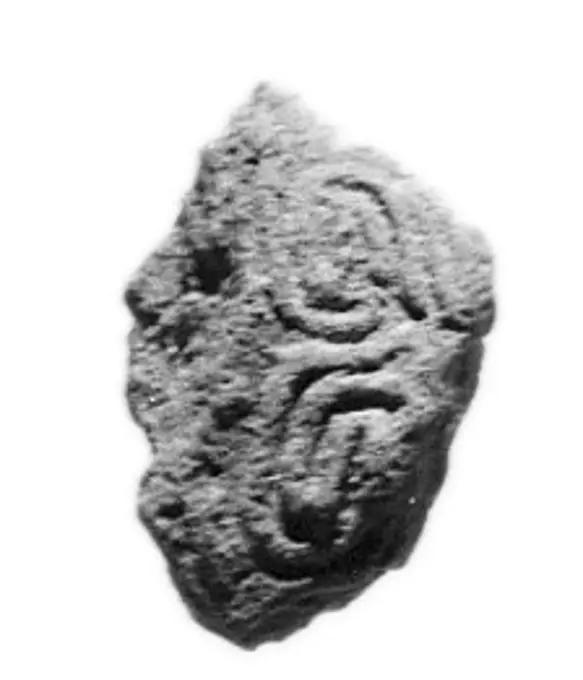
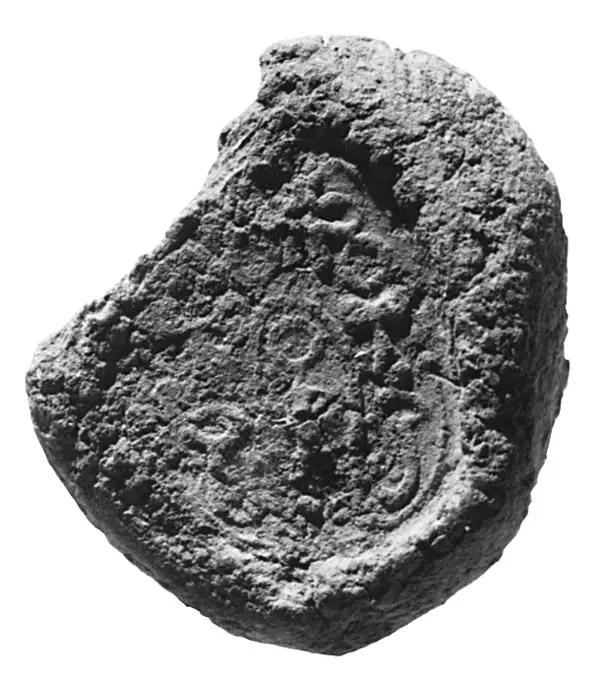
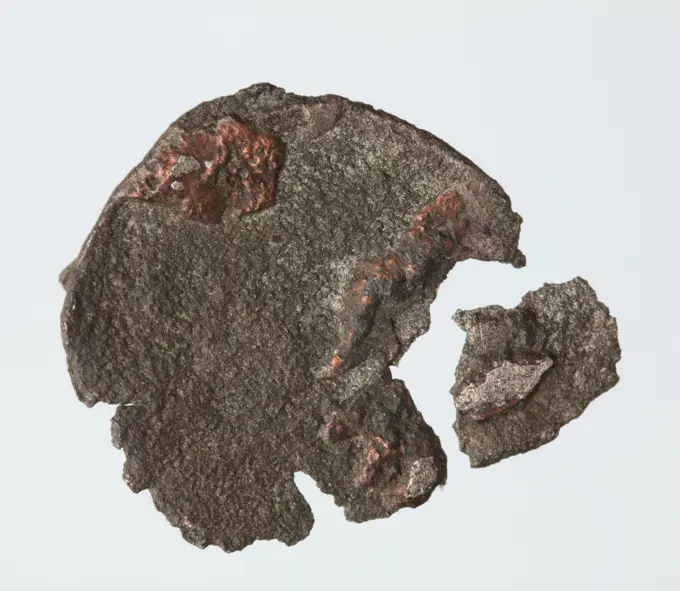
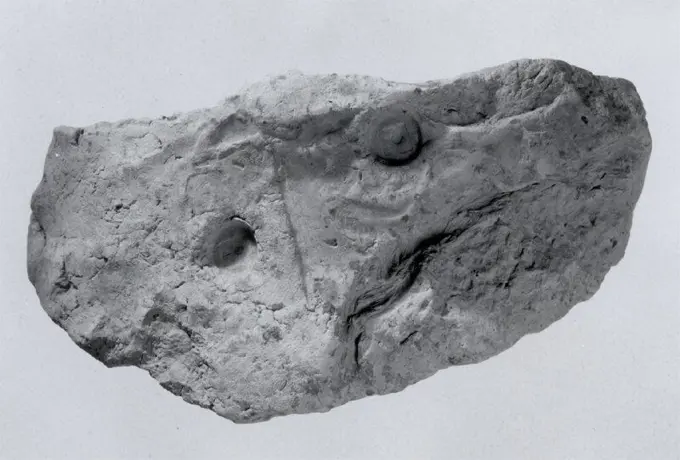
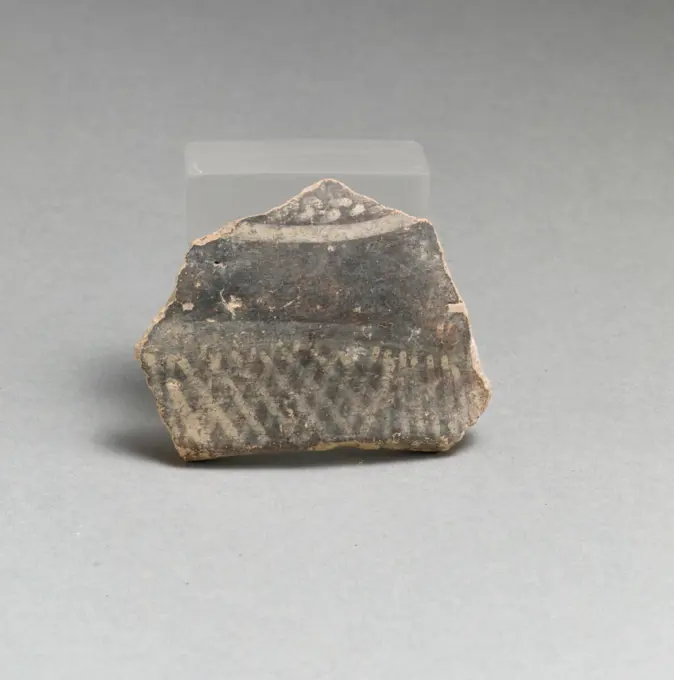
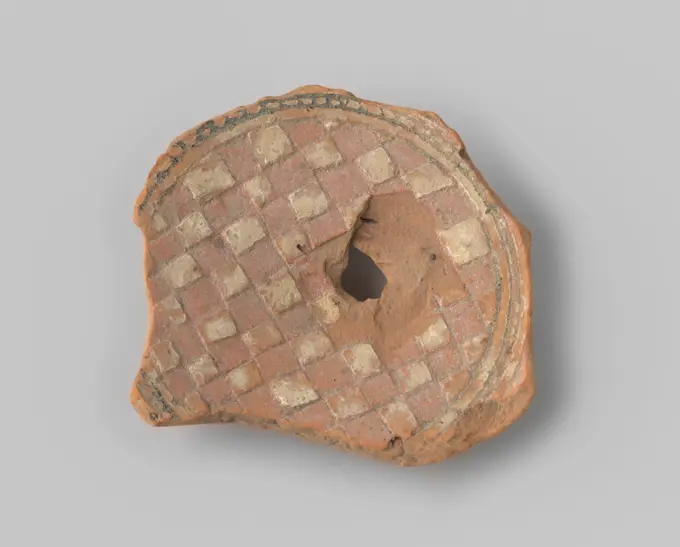
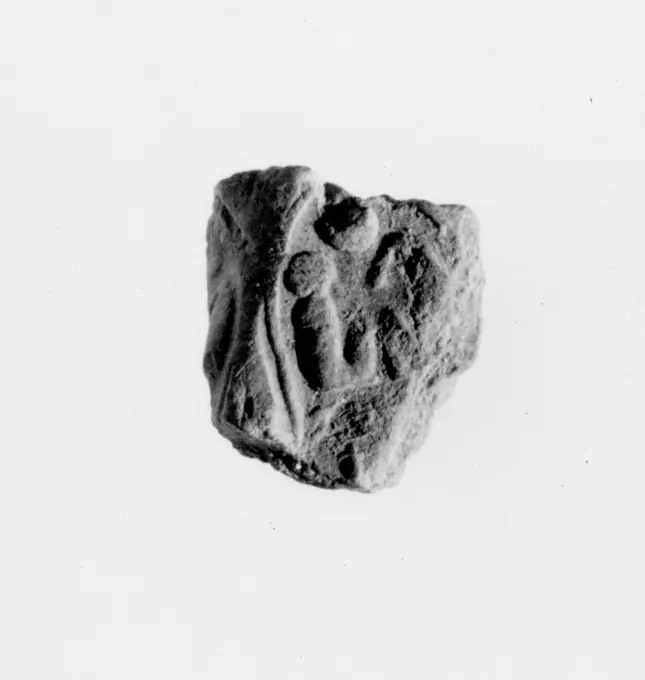
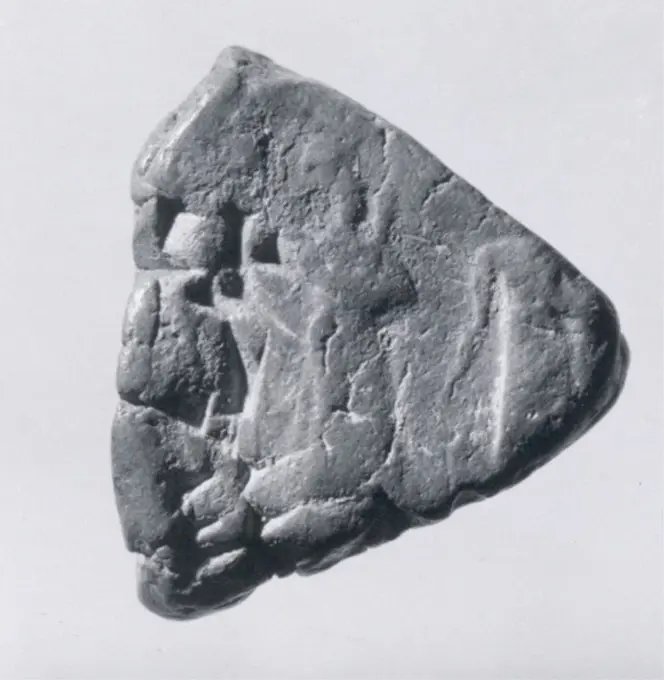
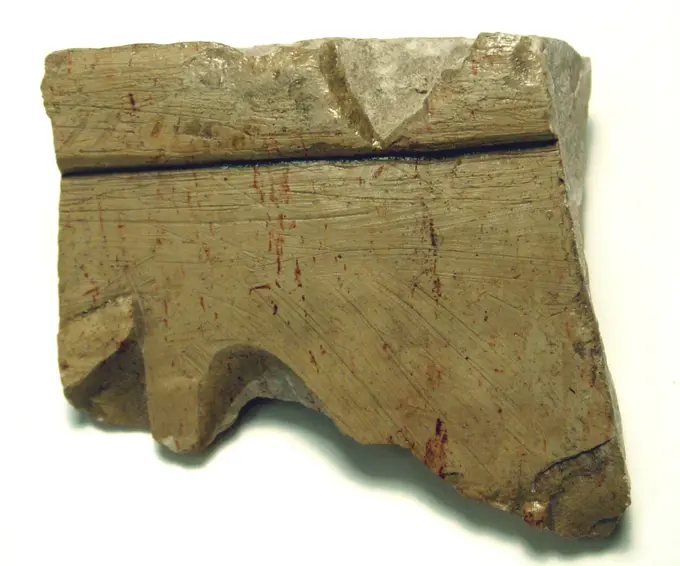
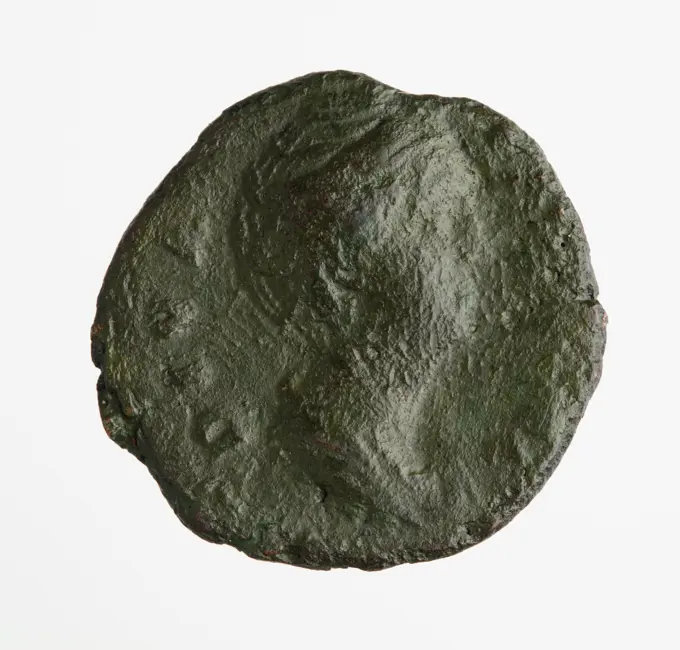
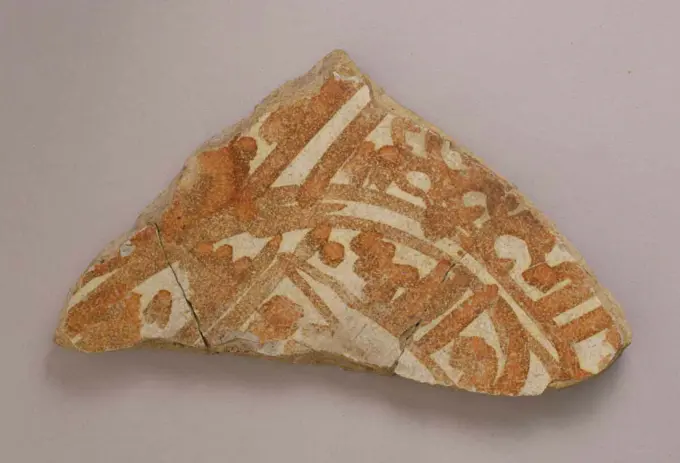
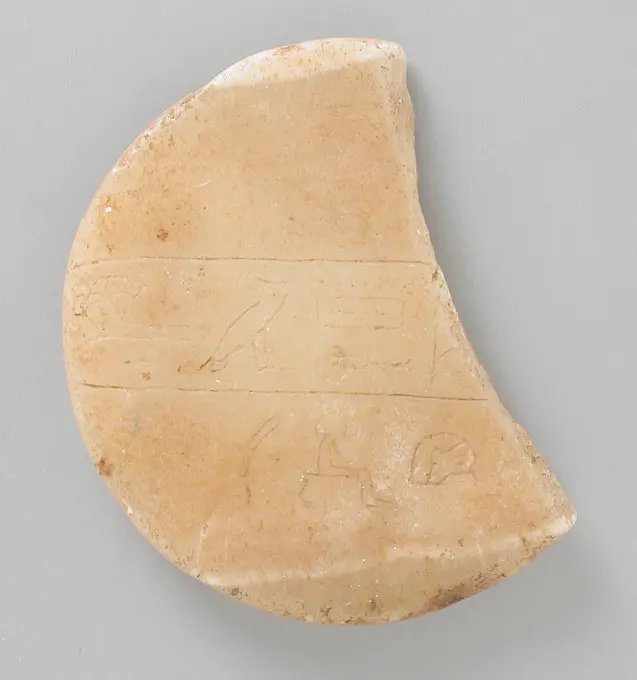
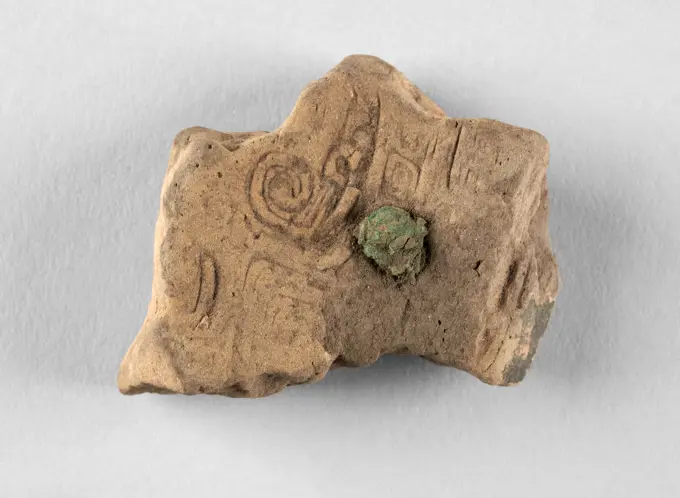
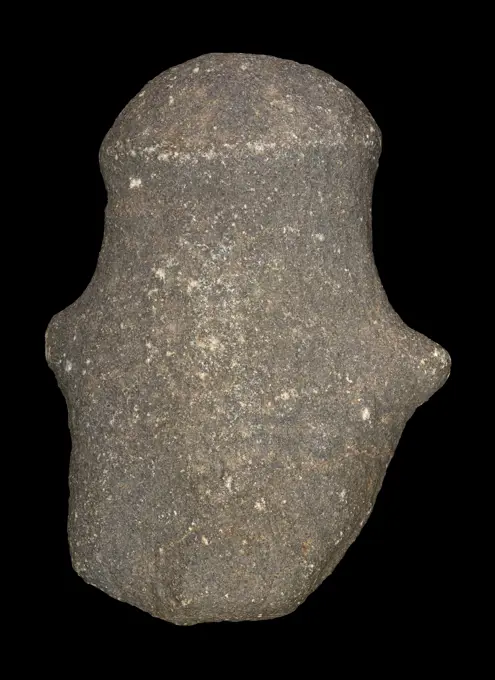
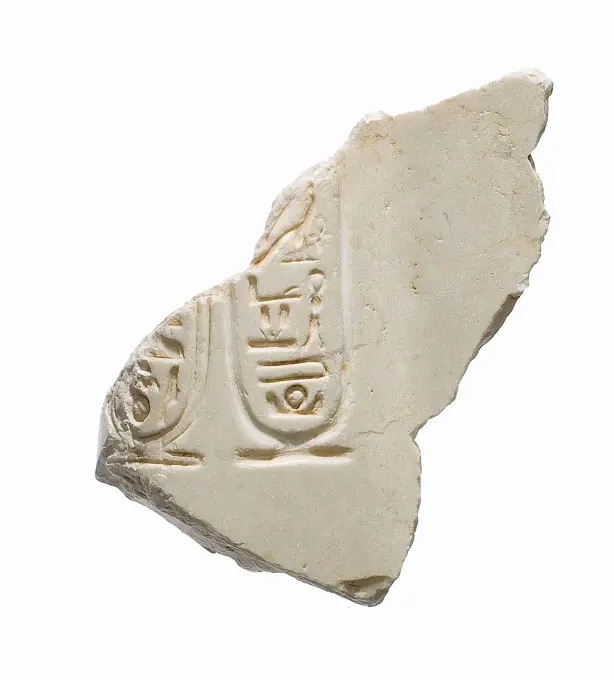
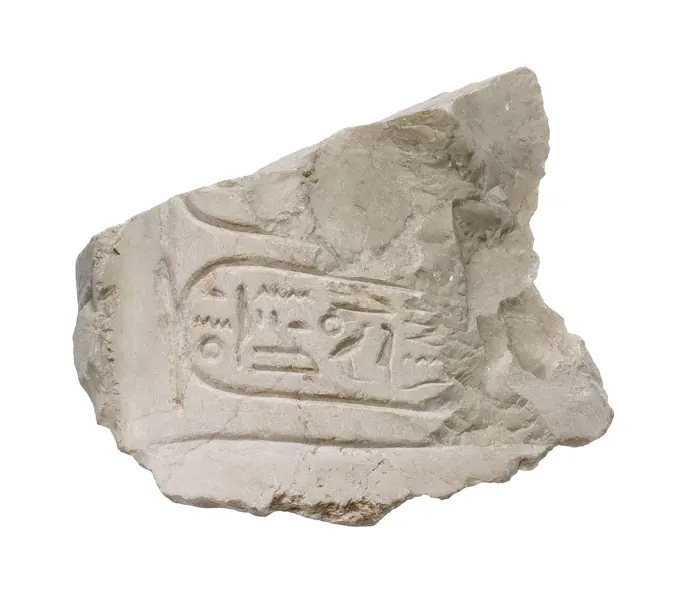
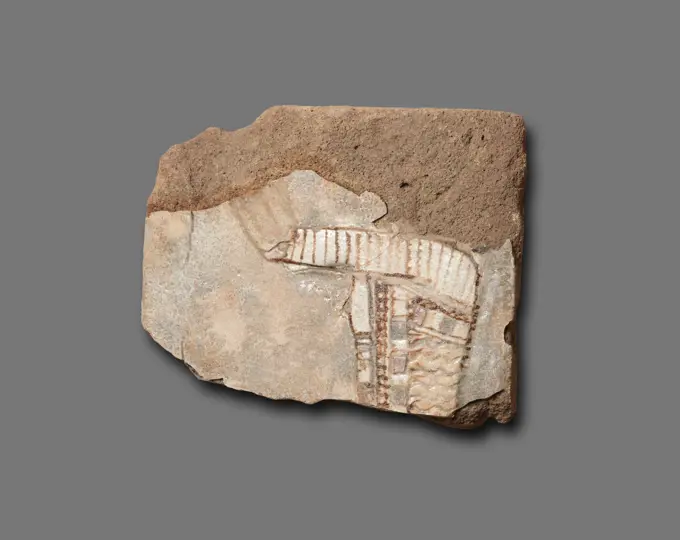
Sealing ca. 2030-1640 B.C. Middle Kingdom. Sealing 565779Female Head. UnknownBliżej Kultury Władysław Warneńczyk (King of Poland, 1434 1444), Mint of Krakówtumbled shungite mineral gem stone isolated macro shooting of natural gemstone - tumbled shungite mineral gem stone isolated on white background Copyright: xZoonar.com/ValeryxVoennyyx 8879884Bliżej Kultury Władysław Jagiełło (CA 1351 1434), Mint of KrakówRaised relief fragment 664-610 B.C. Late Period, Saite see 23.3.468. Raised relief fragment. 664-610 B.C.. Limestone. Late Period, Saite. From Egypt, Upper Egypt, Thebes, Deir el-Bahri, Tomb of Nespekashuty (TT 312, MMA 509), 1st chamber W. wall; 2nd register, MMA excavations, 1922-23. Dynasty 26Pyxis fragment ca. 9th century B.C. Iran. Pyxis fragment 325810BLIŻEJ KULTURY Mint of Kraków, Władysław Warneńczyk (King of Poland, 1434 1444)Sealing ca. 2030-1640 B.C. Middle Kingdom. Sealing 565881Wall painting fragment. Culture: Roman. Dimensions: Overall: 9 1/2 x 8 1/4 x 13/16 in. (24.2 x 21 x 2.1 cm). Date: 1st century A.D..On black ground; two birds in flowering acanthus plant; flowers in vine. Museum: Metropolitan Museum of Art, New York, USA.Sealing ca. 2030-1640 B.C. Middle Kingdom. Sealing 565800Bliżej Kultury Władysław Jagiełło (CA 1351 1434), Mint of KrakówOstracon 400-30 B.C. Late Period-Ptolemaic Period. Ostracon 588370Document Sealing with the Throne Name of Amenhotep III ca. 1390-1353 B.C. New Kingdom. Document Sealing with the Throne Name of Amenhotep III. ca. 1390-1353 B.C.. Mud. New Kingdom. From Egypt, Upper Egypt, Thebes, Malqata, King's Palace, West magazine, MMA excavations, 1910-12. Dynasty 18Sealing fragment ca. 2030-1640 B.C. Middle Kingdom. Sealing fragment 565855Bliżej Kultury Władysław Jagiełło (CA 1351 1434), Mint of KrakówDocument Sealing with the Throne Name of Amenhotep III ca. 1390-1353 B.C. New Kingdom. Document Sealing with the Throne Name of Amenhotep III. ca. 1390-1353 B.C.. Mud. New Kingdom. From Egypt, Upper Egypt, Thebes, Malqata, West Villas, West Villa B, MMA excavations, 1910-12. Dynasty 18Pendant with geometric ornament. Culture: Cypriot. Dimensions: Other: 13/16 x 5/8 x 1 7/16 in. (2.1 x 1.6 x 3.6 cm). Museum: Metropolitan Museum of Art, New York, USA.Terracotta vessel fragment with floral motif and band ca. 1600-1450 B.C. Minoan From Knossos, CreteFragment with grass design; dark-on-light ware.. Terracotta vessel fragment with floral motif and band 248547Document Sealing With Multiple Seal Impressions ca. 1390-1353 B.C. New Kingdom. Document Sealing With Multiple Seal Impressions. ca. 1390-1353 B.C.. Mud. New Kingdom. From Egypt, Upper Egypt, Thebes, Malqata, MMA excavations, 1910-12; Presumably from West Villas, West Villa B. Dynasty 18Chest or abdomen of Akhenaten, Aten cartouches ca. 1352-1336 B.C. New Kingdom, Amarna Period. Chest or abdomen of Akhenaten, Aten cartouches. ca. 1352-1336 B.C.. Indurated limestone. New Kingdom, Amarna Period. From Egypt, Middle Egypt, Amarna (Akhetaten), Great Temple of the Aten, pit outside southern wall, Petrie/Carter excavations, 1891-92. Dynasty 18Bliżej Kultury Władysław Jagiełło (CA 1351 1434), Mint of KrakówFemale Head. UnknownSealing ca. 1981-1640 B.C. Middle Kingdom. Sealing. ca. 1981-1640 B.C.. Mud. Middle Kingdom. From Egypt, Memphite Region, Lisht North, Cemetery, MMA excavations, 1920-22. Dynasty 12-13Sealing ca. 1981-1640 B.C. Middle Kingdom. Sealing 560351Sealing ca. 7th century A.D. Sasanian. Sealing 323443Fragment glass from the wreck of the East Indians Hollandia, 1700 - in or before 1743  Parts of artefacts; eroded fragments: materials; glass. Netherlands glass   SecondSealing ca. 7th century A.D. Sasanian. Sealing 323397Sealing ca. 2030-1640 B.C. Middle Kingdom. Sealing 546602Fragment 13th century Crusader. Fragment 475331Loom-Weight. UnknownSealing ca. 2030-1640 B.C. Middle Kingdom. Sealing 565349Sealing ca. 2030-1640 B.C. Middle Kingdom. Sealing. ca. 2030-1640 B.C.. Clay (unfired). Middle Kingdom. From Egypt, Memphite Region, Lisht South, Pyramid complex of Senwosret I, north temple gateway, MMA excavations, 1913-14. Dynasty 12-13Coin A.H. 387-89/A.D. 997-98. Coin. A.H. 387-89/A.D. 997-98. Copper. Excavated in Iran, Nishapur. CoinsBliżej Kultury Władysław Jagiełło (CA 1351 1434), Mint of KrakówSealing ca. 1981-1640 B.C. Middle Kingdom. Sealing 557528Fragment probably 11th century. Fragment 451603Head with Knidian Coiffure. UnknownDocument Sealing ca. 1390-1353 B.C. New Kingdom. Document Sealing. ca. 1390-1353 B.C.. Mud. New Kingdom. From Egypt, Upper Egypt, Thebes, Malqata, no exact location recorded, MMA excavations, 1910-12. Dynasty 18Sealing ca. 2030-1640 B.C. Middle Kingdom. Sealing 565328Triangular polished ax in gneiss. Neolithic period. Sub-Saharan Africa. 4.2cm.Ivory Fragment. UnknownFemale Head. UnknownBulla 2nd century BC-1st century AD Parthian This lump of clay, called a bulla,’ bears three impressions of the same cylinder seal. The image on the seal depicts a warrior wearing a bashlyk (a Persian hat that covers most of the head) and carrying a dagger in one hand advancing on an enemy who is poorly preserved. In the middle of two of the impressions a circular object - probably one end of the cylinder seal - has been impressed. Given its condition it is not clear to what it was attached originally, but it may have been a stopper in the mouth of a jar.Seals were ancient accounting tools, used for example to indicate who supplied a commodity, who was responsible for its disbursement, or who received it. In this case, the seal impressions may indicate who supplied the contents of the jar. Once the jar was opened, the bulla was discarded. The seal used on this bulla is interesting because it dates to the Achaemenid period (probably ca. the early 5th century B.C.), at least five centurVase fragment Minoan. Vase fragment 247842Excerpt (foot) with red shard, in sgraffito drawing a diamond pattern, alternately with white glaze, anonymous, 1200 - 1899  Italy earthenware  Italy earthenwareRelief fragment, tomb of Meketre ca. 1981-1975 B.C. Middle Kingdom. Relief fragment, tomb of Meketre 562200Document Sealing With the Throne Name of Amenhotep III ca. 1390-1353 B.C. New Kingdom. Document Sealing With the Throne Name of Amenhotep III. ca. 1390-1353 B.C.. Mud. New Kingdom. From Egypt, Upper Egypt, Thebes, Malqata, no exact location recorded, MMA excavations, 1910-12. Dynasty 18Basin fragments ca. 9th century B.C. Iran. Basin fragments. Iran. ca. 9th century B.C.. Bronze, iron. Iron Age II. Iran, HasanluPlaque fragment ca. 9th century B.C. Iran. Plaque fragment 325752Sealing ca. 1981-1640 B.C. Middle Kingdom. Sealing 560327Cuneiform tablet impressed with cylinder seal: docket ca. 1745 B.C. Babylonian. Cuneiform tablet impressed with cylinder seal: docket 322006Fragment of silver from the wreck of the East India Hollandia.parts or artifacts; eroded fragments: Materials; Silver.Mold for Grape Cluster Pendant ca. 1353-1336 B.C. New Kingdom, Amarna Period. Mold for Grape Cluster Pendant 569905Sealing ca. 2030-1640 B.C. Middle Kingdom. Sealing 565878Plaque in the Shape of a Cow Head. Egypt, Amarna, New Kingdom (circa 1569 - 1081 BCE). Sculpture. FaienceWall painting fragment 1st century A.D. Roman On yellow ground; frontal winged figure in red with left hand grasping vine.. Wall painting fragment. Roman. 1st century A.D.. Fresco. Miscellaneous-PaintingsEtruscan Black-Figure Oinochoe Fragment. UnknownSealing ca. 2030-1640 B.C. Middle Kingdom. Sealing. ca. 2030-1640 B.C.. Clay (unfired). Middle Kingdom. From Egypt, Memphite Region, Lisht South, Pyramid complex of Senwosret I, north temple gateway, MMA excavations, 1913-14. Dynasty 12-13Raised relief fragment 664-610 B.C. Late Period, Saite see 23.3.468. Raised relief fragment 548004Fragment of the shell out of the vessel;  1. PO. 2 thousand BC (-2000-00-00--1501-00-00);The collection of the ancient EastFemale Head. UnknownAttic Red-Figure Kylix Fragment.Bliżej Kultury Antoninus Pius, Mint of RomeFragment 12th century. Fragment 445603Jar Lid Fragment or Disk with Name of King Amenemhat. Egypt, Middle Kingdom, reign of Amenemhat I-IV (1991 - 1790 BCE). Sculpture. CalciteDocument Sealing With the Throne Name of Amenhotep III ca. 1390-1353 B.C. New Kingdom. Document Sealing With the Throne Name of Amenhotep III. ca. 1390-1353 B.C.. Mud. New Kingdom. From Egypt, Upper Egypt, Thebes, Malqata, King's Palace, West magazine, MMA excavations, 1910-12. Dynasty 18Shard of a bullet. Shard of a bullet. From the citadel.Anonymous, mold fragment for bronze (common name). Cernuschi Museum, Asia Museum of Asia in the city of Paris.Concretion with fragments of cats and dogs from the wreck of the East Indians Hollandia, 1700 - in Or Before 1743 concretionary stone Parts of artefacts; eroded fragments: materials; lump, ring-shaped end, containing fragm of pipes. Netherlands concretionary stone. pipe clay   SecondArm, outside shoulder with Aten cartouche ca. 1353-1336 B.C. New Kingdom, Amarna Period. Arm, outside shoulder with Aten cartouche 549815Relief fragment, tomb of Meketre ca. 1981-1975 B.C. Middle Kingdom. Relief fragment, tomb of Meketre. ca. 1981-1975 B.C.. Limestone, paint. Middle Kingdom. From Egypt, Upper Egypt, Thebes, Southern Asasif, Tomb of Meketre (TT 280, MMA 1101), MMA excavations, 1920. Dynasty 12Attic Black-Figure Skyphos Fragment. UnknownSealing ca. 2030-1640 B.C. Middle Kingdom. Sealing. ca. 2030-1640 B.C.. Clay (unfired). Middle Kingdom. From Egypt, Memphite Region, Lisht South, Pyramid complex of Senwosret I, north temple gateway, MMA excavations, 1913-14. Dynasty 12-13Sealing ca. 2030-1640 B.C. Middle Kingdom. Sealing 572492Loom-Weight. UnknownAttic Black-Figure Amphora Fragment. UnknownBasalt Throat Axe. Neolithic period. North Africa. 11cm.Document Sealing with the Throne Name of Amenhotep III ca. 1390-1353 B.C. New Kingdom. Document Sealing with the Throne Name of Amenhotep III. ca. 1390-1353 B.C.. Partially baked () mud. New Kingdom. From Egypt, Upper Egypt, Thebes, Malqata, West Villas, West Villa B, MMA excavations, 1910-12. Dynasty 18Drohiczy seal;  XI-XIII century (1090-00-00-1110-00-00);guild seals, customs seals, touches, seals of customs chambers, official seals, seals with a crossFragment of an Arm with Drapery (Right Elbow and Upper Arm). UnknownArm with Aten cartouches belonging with 21.9.431 ca. 1353-1336 B.C. New Kingdom, Amarna Period. Arm with Aten cartouches belonging with 21.9.431 549671Play medal from the wreck of the East Indies Hollandia, Anonymous, 1700 - in Or Before 1743  Rectangular, square, flat, engraved diagonal cross on one side, game token. Netherlands lead (metal)   SecondTorso/belt of the king with Aten cartouches ca. 1353-1336 B.C. New Kingdom, Amarna Period. Torso/belt of the king with Aten cartouches 549685Stamp Seal. Assyria or Mesopotamia, Neo-Assyrian or neo-Babylonian (style), late 7th-6th century B.C.. Tools and Equipment; seals. Bluish chalcedonyHead of a Comic Actor. UnknownSickle Blade, 1980-1801 BC. Egypt, Middle Kingdom, Dynasty 12. Flint; overall: 5 cm (1 15/16 in.).Fragment lead and grit from the wreck of the East Indians Hollandia, 1700 - in Or Before 1743 fragment Parts of artefacts; eroded fragments: materials; lead. Netherlands lead (metal)   Secondas/dupondius; Antoninus Pius (86-161; Roman emperor 138-161), Marek Aureliusz (121-180; Roman emperor 161-180); 147-148 (147-00-00-148-00-00);Small jadeitite axe. Culture: Cretan. Dimensions: Length 1 1/4 in. (3.1 cm); W. 1 1/4 in. (3.1 cm). Date: 5th-4th millennium B.C..Celt. Museum: Metropolitan Museum of Art, New York, USA.Attic Black-Figure Vase Fragment. UnknownFragment Germany. Fragment 43547Plate from the wreck of the East India Flying Heart. Round to oval distorted plate with two holes, corroded.Sling-Bullet. UnknownTile depicting Foreigners ca. 1279-1213 B.C. New Kingdom, Ramesside This tile once decorated the palace of Ramesses II in Piramesse, which he made into one of the greatest royal cities of ancient Egypt. Thanks to the royal favor and its strategic location, Piramesse soon became an important international trade center and a cosmopolitan metropolis, boasting a harbor, a military base, and temples dedicated to various gods like Amun-Re-Harakhty-Atum, Seth, Astarte, etc. Poems were written in the city's praise, and its name, which translates as "The House of Ramesses, Beloved of Amun, Great of Victories" when fully written, came to us through the Old Testament as Raamses.’ The tiles bear the names of Seti I, Ramesses II and later Ramesside kings, who renovated the palace and changed its decoration through the reigns. New tiles were made, and the old tiles may be have been dismantled and buried together. Based on the tiles, we can still reconstruct quite a number of the features of the palSix Brigandine Plates. Culture: European. Dimensions: (.1); H. 4 7/16 in. (11.2 cm); W. 2 7/8 in. (7.5 cm); Wt. 1.8 oz. (51 g); (.2); H. 4 in. (10.2 cm); W. 2 3/4 in. (6.9 cm); Wt. 2.1 oz. (60 g); (.3); H. 4 1/4 in. (10.9 cm); W. 3 1/8 in. (7.9 cm); Wt. 3 oz. (85 g); (.4) H. 4 3/16 in. (10.6 cm); W. 3 in. (7.5 cm); Wt. 2.9 oz. (82 g); (.5); H. 4 (10.2 cm); W. 2 15/16 in. (7.5 cm); Wt. 1.7 oz. (48.2 g); (.6); H. 4 1/2 in. (11.3 cm); W. 2 in. (5.1 cm); Wt. 2.5 oz. (71 g). Date: 15th century. Museum: Metropolitan Museum of Art, New York, USA.Ostrakon with Arabic text (on both sides);  2. PO. XIV-1. after. XVII century (1350-00-00-1650-00-00);Arabian (culture), Inscribed ceramics, Arab inscriptions, Islam art, Polish excavations in Faras (Sudan)Karte von Grönland auf rostigem Metall - Map of Greenland on rusty metal Karte von Grönland auf rostigem Metall - Map of Greenland on rusty metal Copyright: xZoonar.com/lantapixx 10569542Spatula from the wreck of the East Indies Hollandia, Anonymous, 1700 - in Or Before 1743  Tools and instruments, various tools, spatula; eroded: broad, pointed, flat blade with thickened notched lower end. Netherlands bone (material)   SecondFragment 8th-9th century. Fragment 448814