Ancient Seals and Coins

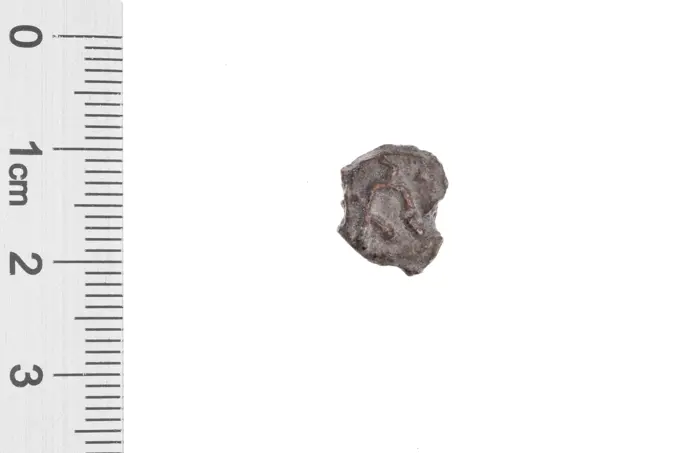
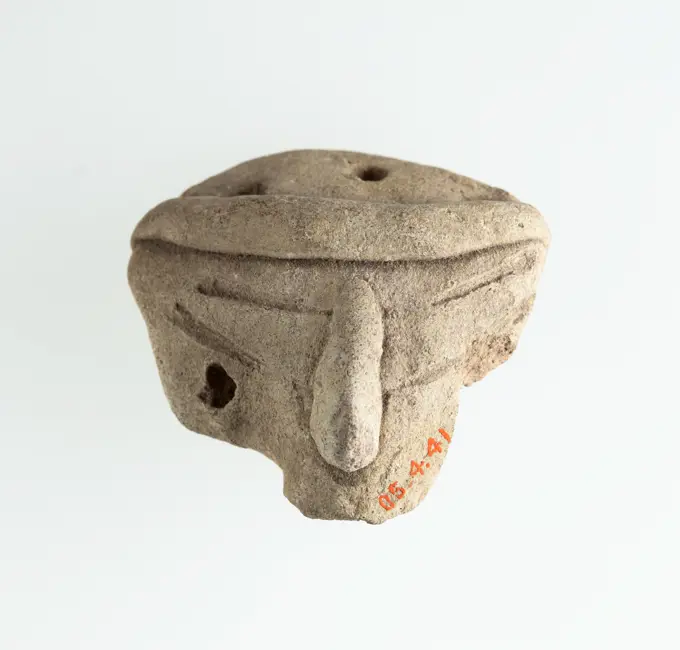
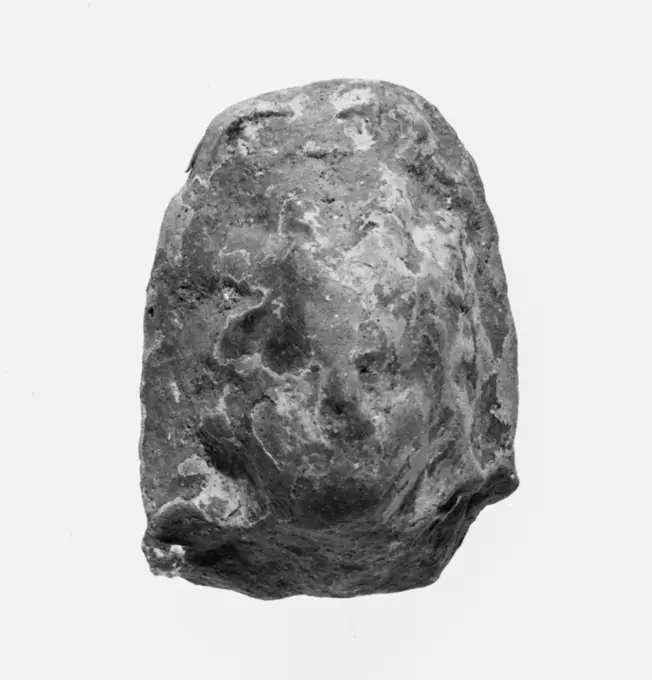
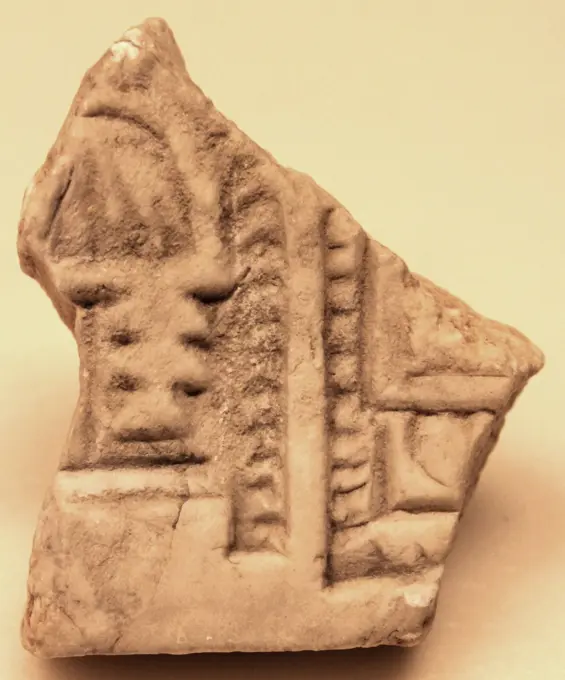
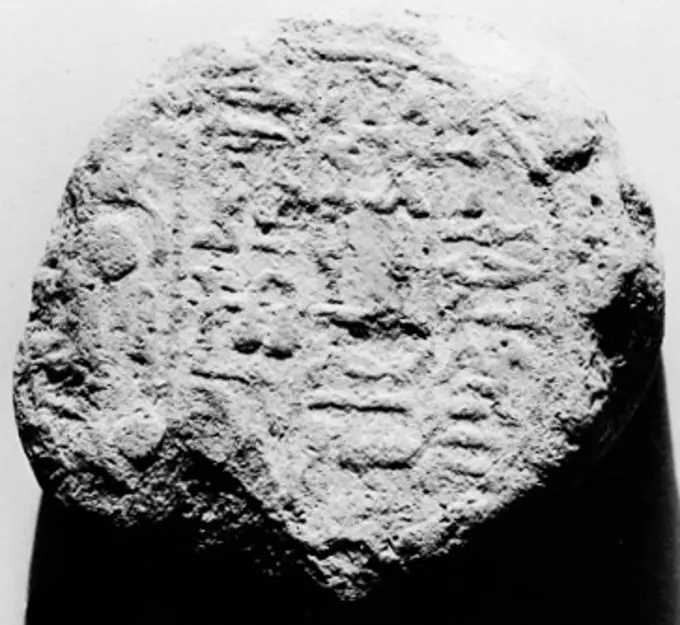
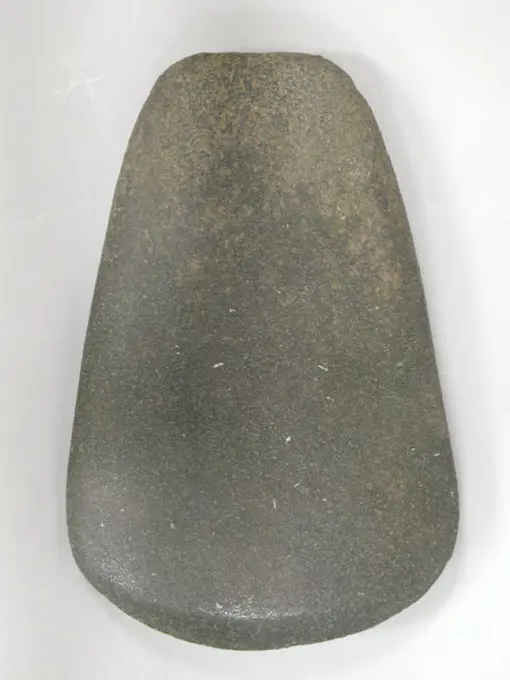
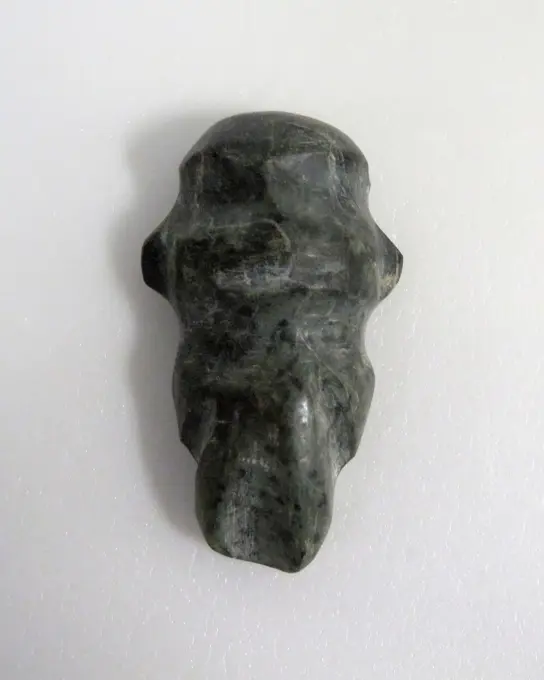
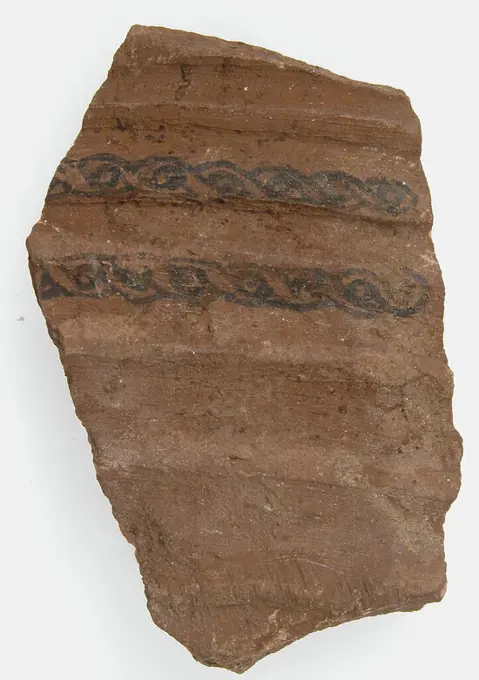
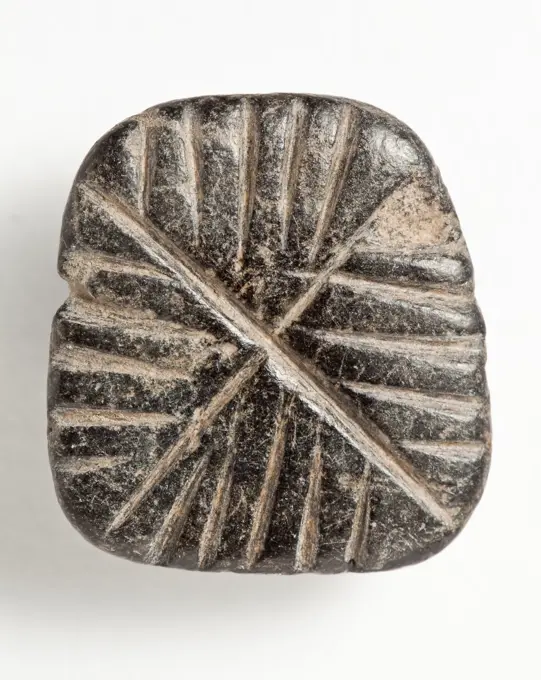
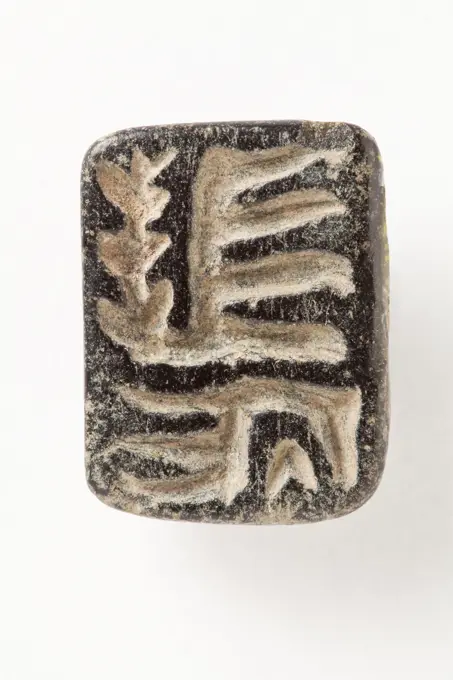
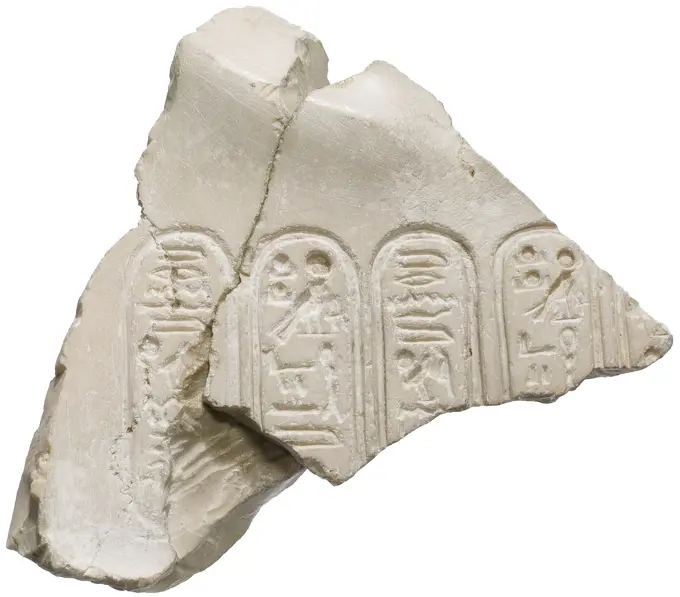
Artifacts including ancient seals and coins, depicting historical figures and cultural significance, showcasing craftsmanship of different periods.

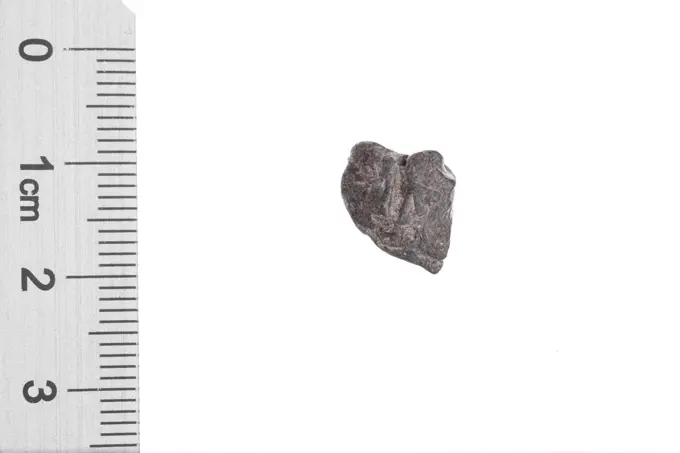
tumbled shungite mineral gem stone isolated macro shooting of natural gemstone - tumbled shungite mineral gem stone isolated on white background Copyright: xZoonar.com/ValeryxVoennyyx 8879884
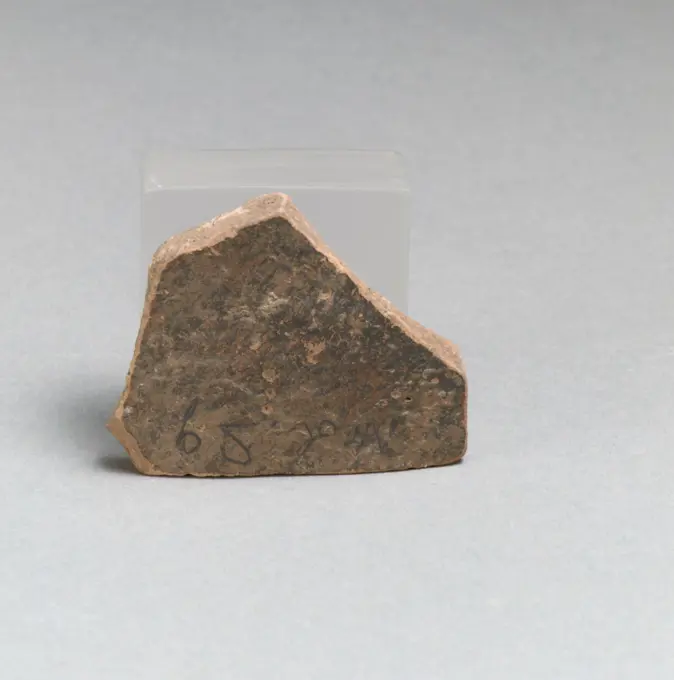
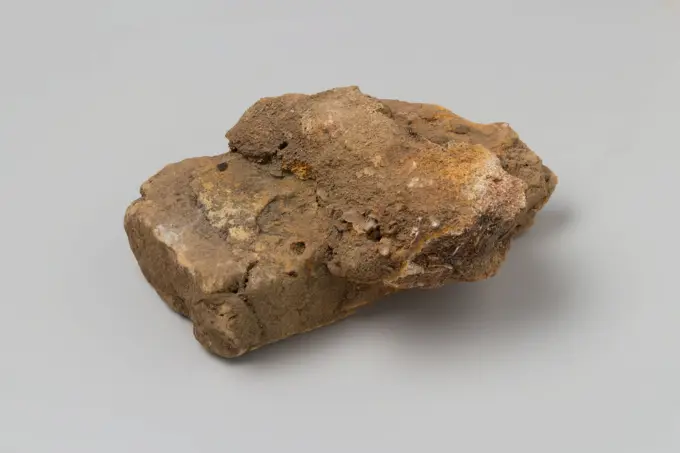
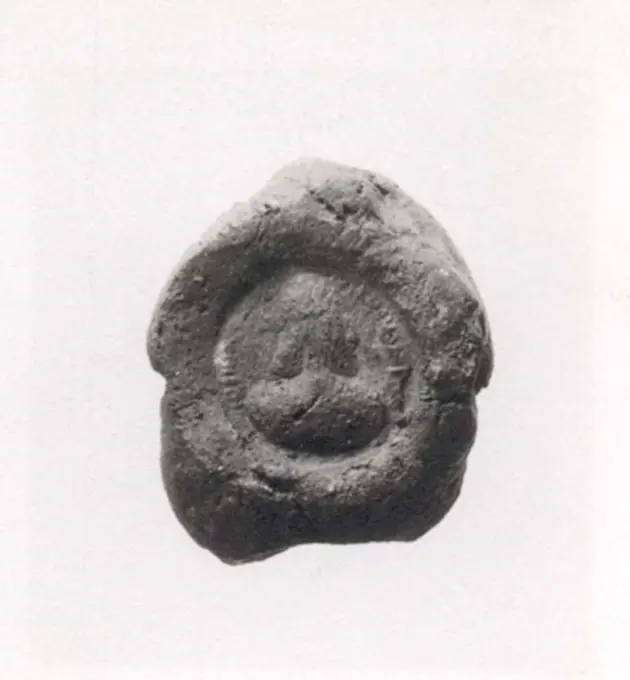
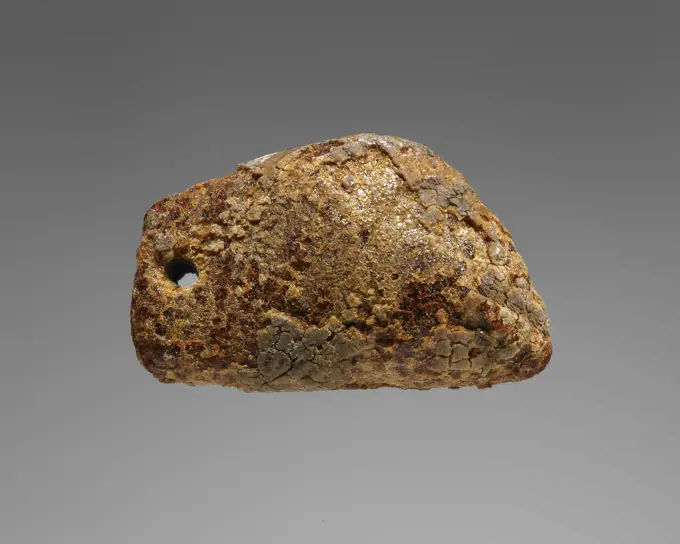
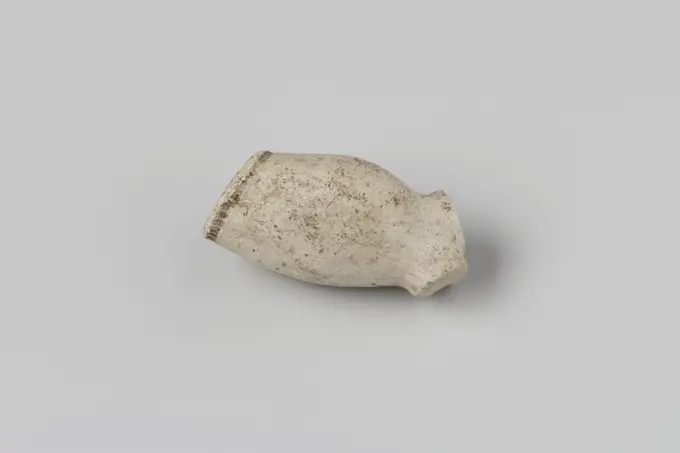
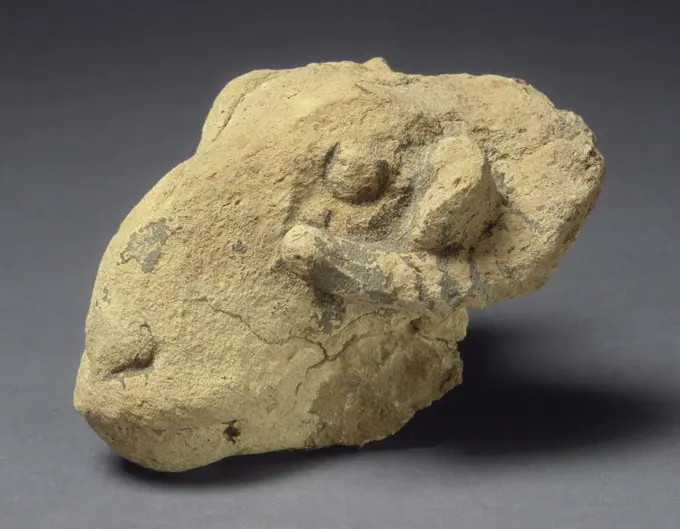
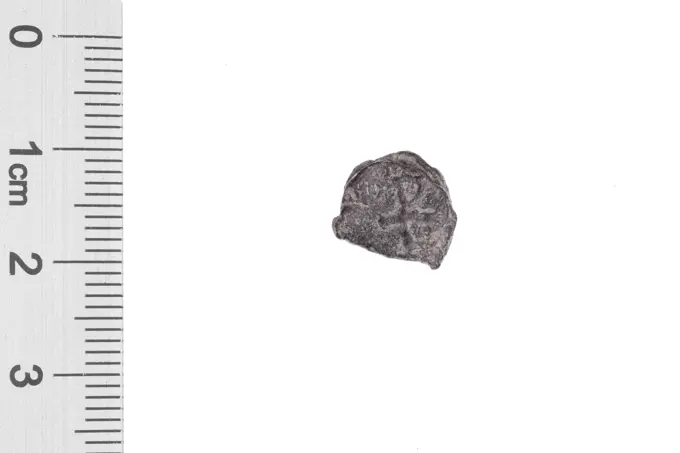
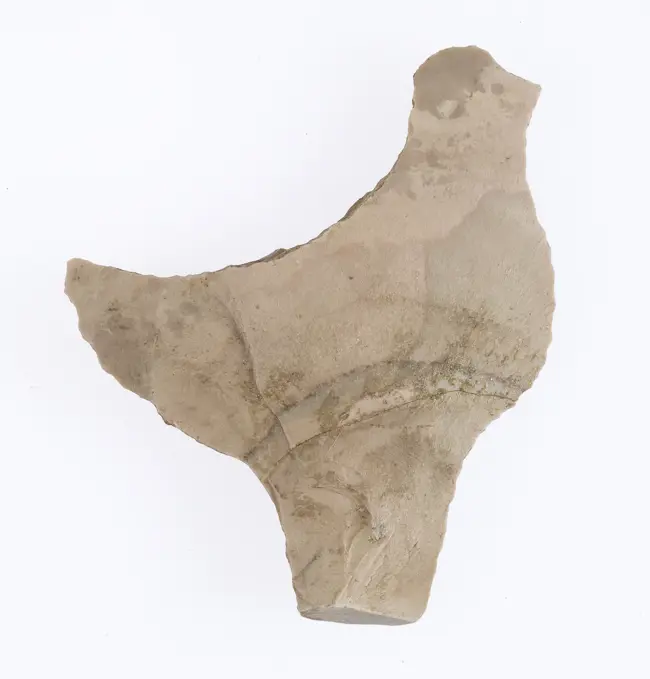
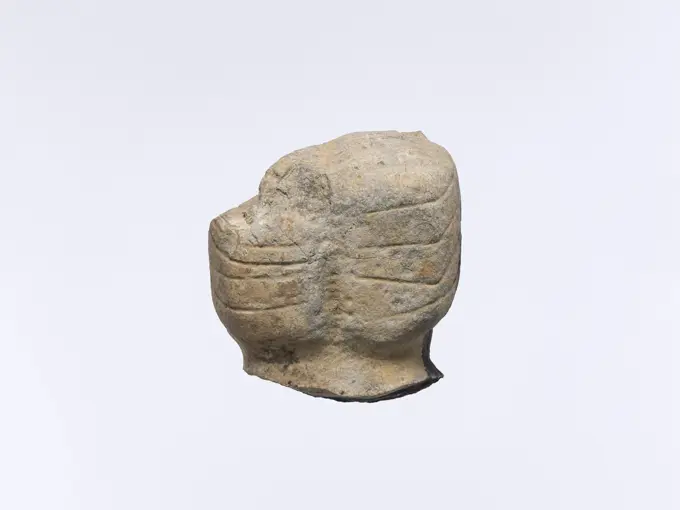
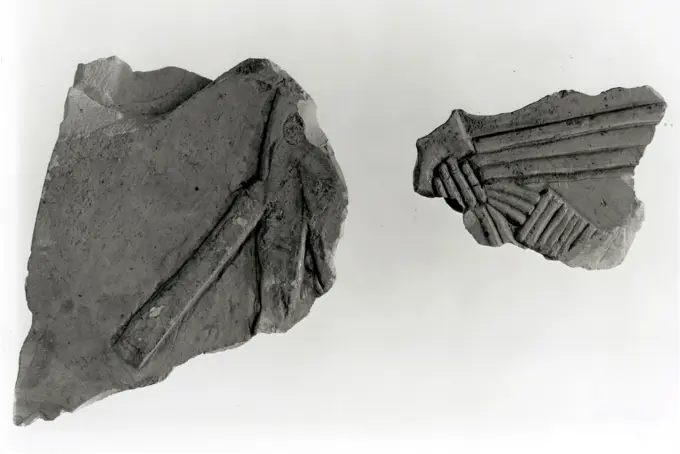
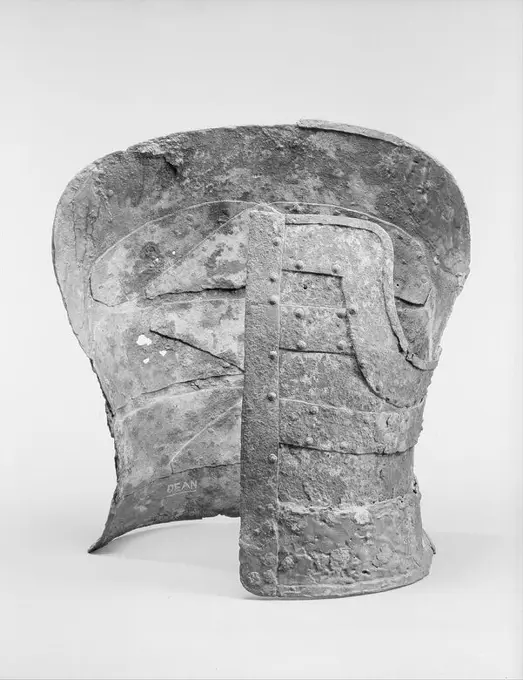
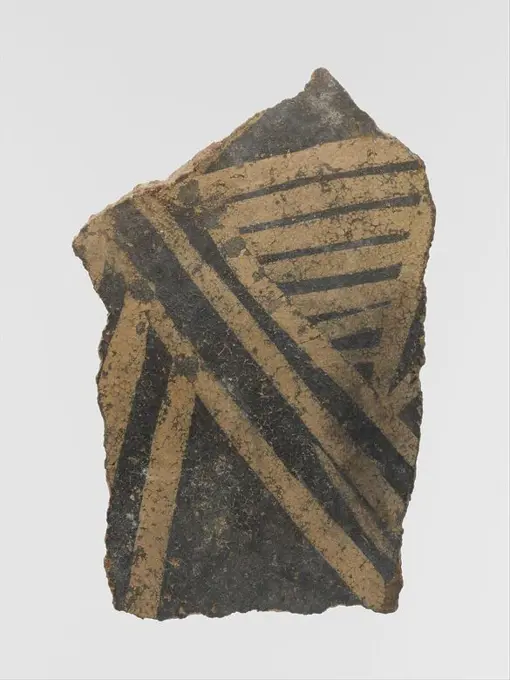
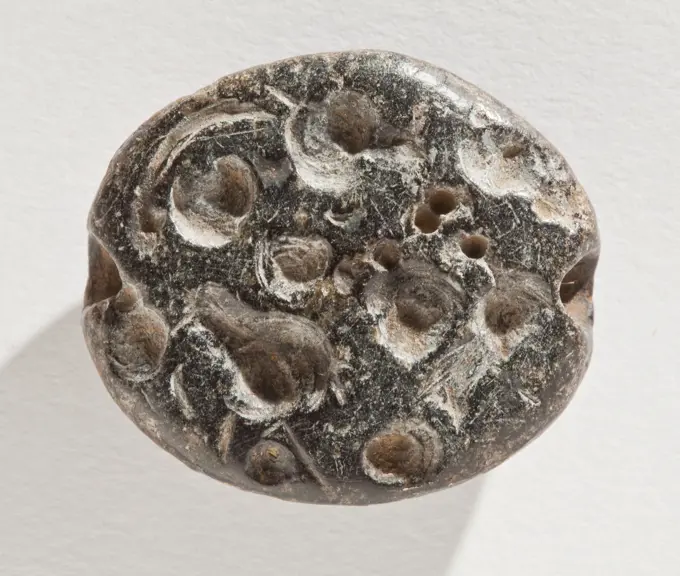
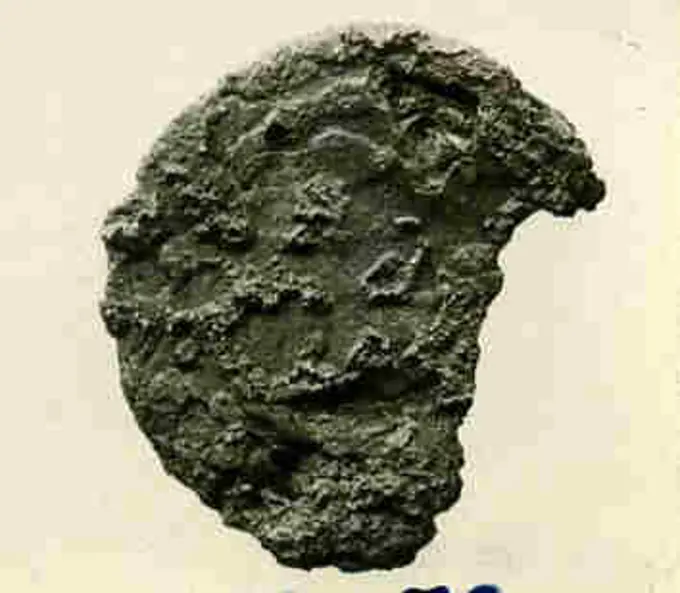
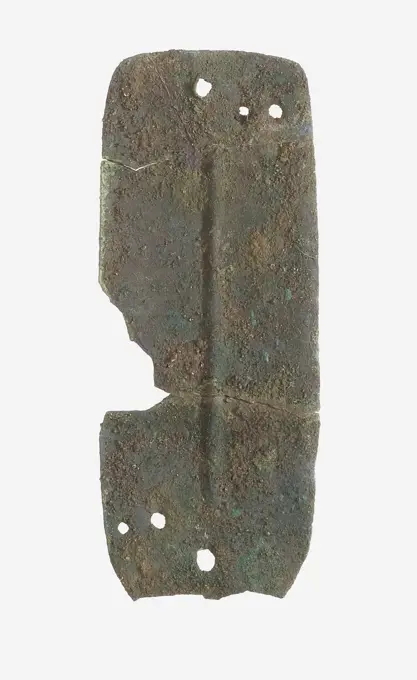
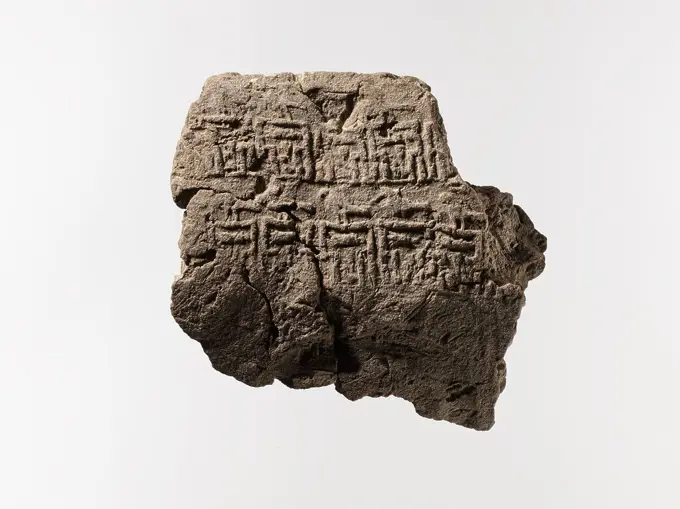
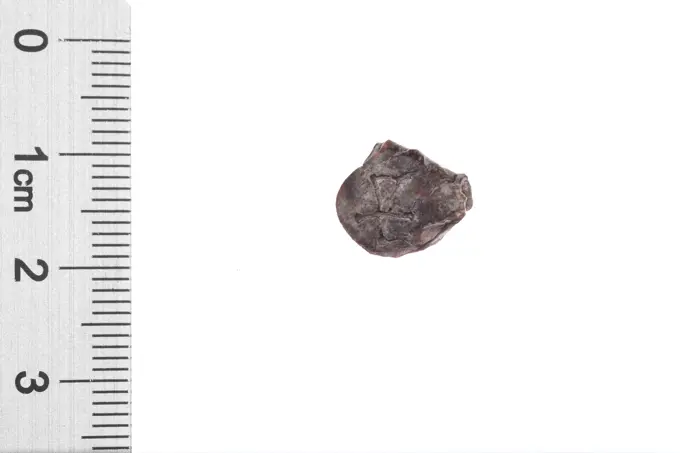
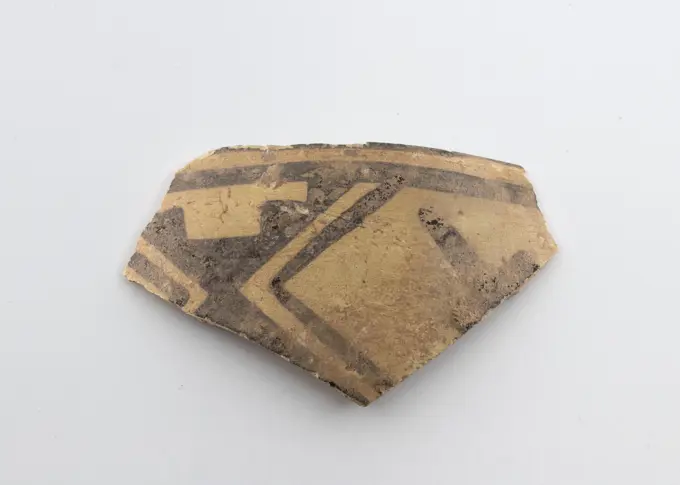
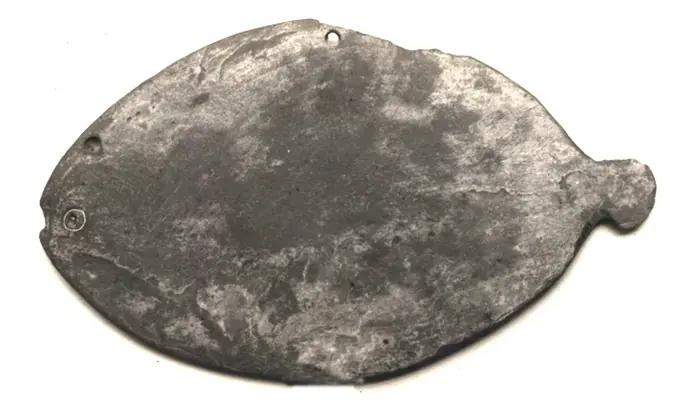
Belt fragment ca. 9th century B.C. Iran. Belt fragment 325168Excerpt human skull from the wreck of the East Indians Hollandia, 1700 - in Or Before 1743  Human remains: bones; fragm of parietale (part of skull).  bone (material)   SecondBead. UnknownVase fragment Neolithic. Vase fragment 251330 Neolithic, Vase fragment, Terracotta, 1 1/2  1 13/16  1/4 in. (3.7  4.6  0.6 cm). The Metropolitan Museum of Art, New York. Gift of Gisela M. A. Richter, 1923 (23.121.30)Part of a brick with a piece of concretion from the wreck of the East Indians' t Vliegend Hart, Anonymous, 1700 - 1735 brick (clay product) Part of a rectangular, yellow -brown brick with a piece of concretion. Brick.  brick (clay product). concretionary stoneSealing ca. 7th century A.D. Sasanian. Sealing 323346Wall plaque ca. 9th century B.C. Iran. Wall plaque 325624Loden role from the wreck of the East Indiesman 't flying heart. To tube rolled lead plate. Black-gray in color. Roll or lead.A fragment of the udder of the vessel;  6,000 BC (-6000-00-00--5001-00-00);The collection of the ancient EastDocument Sealing ca. 1390-1353 B.C. New Kingdom. Document Sealing. ca. 1390-1353 B.C.. Mud. New Kingdom. From Egypt, Upper Egypt, Thebes, Malqata, King's Palace, West magazine, MMA excavations, 1910-12. Dynasty 18Sealing ca. 7th century A.D. Sasanian. Sealing. Sasanian. ca. 7th century A.D.. Un-baked clay. Sasanian. Iran, Qasr-i Abu NasrDrohiczyn seal. unknown, managerPendant: Female Head; Italy; 480 - 450 B.C; Amber; 30 × 21 × 9 mm (1 3,16 × 13,16 × 3,8 in.)Fragment of the shell out of the vessel;  1. PO. 2 thousand BC (-2000-00-00--1501-00-00);The collection of the ancient EastPijpenkop, Anonymous, 1635 - 1650 Pipe. Of the excavations on the Hofstede Arentsburg 1827-1831 under the supervision of Professor Reuvens. Netherlands pipe clay Pipe. Of the excavations on the Hofstede Arentsburg 1827-1831 under the supervision of Professor Reuvens. Netherlands pipe claySeal ca. 2080-2030 B.C. First Intermediate Period. Seal 544400Etruscan Black-Figure Oinochoe Fragment. UnknownSealing ca. 7th century A.D. Sasanian. Sealing 323402Stucco Fragment probably 8th-12th century. Stucco Fragment. probably 8th-12th century. Stucco (mortar); carved; painted. Excavated in Iran, Nishapur. StuccoHead of a ram ca. 3500-3100 B.C. The extraordinary modeling of this ram's head is characteristic of the Late Uruk period. Sculpted in the round, the back of the head is hollowed out. Ridged horns spring from the center of the forehead and coil behind small, slightly folded but protruding ears. A raised ridge protects each of the spherical eyes, from the corner of which a fold of skin runs along the sides of the muzzle. Fleshy lips join to form the closed mouth. Small patches of black color on the left side of the head suggest that it may originally have been painted. Although it is not clear exactly where this baked clay head comes from, other very similar examples made of stone and terracotta have been excavated from the city of Uruk in southern Mesopotamia. Indeed, it seems that images of sheep were common in the city at this time, especially within buildings associated with the cult of Inanna, goddess of Uruk. This might indicate that animal sculptures, such as this example, played Drohiczyn seal. unknown, managerVotive Fragment, Hathor ca. 1479-1458 B.C. New Kingdom. Votive Fragment, Hathor. ca. 1479-1458 B.C.. Gray faience. New Kingdom. From Egypt, Upper Egypt, Thebes, Deir el-Bahri, Temple of Hatshepsut, Hathor Chapel, Egypt Exploration Fund excavations. Dynasty 18Coin 8th-9th century. Coin. 8th-9th century. Copper. Excavated in Iran, Nishapur. CoinsPleated garment, relief () ca. 1353-1336 B.C. New Kingdom, Amarna Period. Pleated garment, relief () 550021Brown coin; Wologezes I (51-79); 51-79 (51-00-00-79-00-00);Small Bead 500-600 Frankish. Small Bead. Frankish. 500-600. Glass. Glass-BeadsLampka. unknown, authorscraper on retouched sheet, El Polvorín cave, Karrantza, Arkeologi Museoa, museo aqueologico, Bilbao, Bizkaia, Pais Vasco, Spain.Volute-krater fragment 4th century B.C. Greek, South Italian, Apulian. Volute-krater fragment. Greek, South Italian, Apulian. 4th century B.C.. Terracotta; red-figure. Late Classical. VasesCork from the wreck of the East Indiesman 't flying heart. The cork is brown in color and dented on a side. Cork of a Bottle.Drohiczyn seal. unknown, managerFlint shaped like a bird ca. 3300-2900 B.C. Predynastic-Early Dynastic. Flint shaped like a bird. ca. 3300-2900 B.C.. Flint. Predynastic-Early Dynastic. From Egypt; Said to be from Egypt, Upper Egypt, Thebes, Dra Abu el-Naga. Naqada II-Dynasty 1Patch/Applique. Egypt, probably Coptic Period (250 - 650 CE). Costumes. Leather, cloth, gilt and paintFemale Head. UnknownFigurine ca. 2600-2350 B.C. Sumerian. Figurine. Sumerian. ca. 2600-2350 B.C.. Stone. Early Dynastic III. Mesopotamia, NippurPoint in the shape of a laurel leaf in cut stone. Neolithic period. North Africa. 6,5 cm.Inscribed fragment, Aten cartouches ca. 1353-1336 B.C. New Kingdom, Amarna Period. Inscribed fragment, Aten cartouches 549866Raised relief fragment 664-610 B.C. Late Period, Saite see 23.3.468. Raised relief fragment. 664-610 B.C.. Limestone. Late Period, Saite. From Egypt, Upper Egypt, Thebes, Deir el-Bahri, Tomb of Nespekashuty (TT 312, MMA 509), 1st chamber W. wall; top register, MMA excavations, 1922-23. Dynasty 26Female Head. UnknownStone probably 8th-12th century This object was excavated at Nishapur.Nishapur was a vital city in the early and middle Islamic periods, located along one of the main trajectories that connected Iran and West Asia Islamic lands with Central Asia and China. These itineraries are often referred to by the term Silk routes’ but were in fact crucial to the movement of constellations of materials and objects, as well as people and ideas. The diverse population of Nishapur and its surroundings, from the better-researched elite groups of merchants, land-owning aristocracy, and literates, to the less-known artisans, farmers, miners, and servants, were instrumental in adapting global cultural trends to create their own distinctive visual languages. This is seen in the material remains of everyday life in medieval Nishapur - from pots and pans to lighting devices, inkwells, textiles and trimmings, jewelry, games and toys, talismanic devices, weapons, coins, and architectural fragments.Nishapur lFunerary Cone of the Scribe User ca. 1479-1425 B.C. New Kingdom This cone has the impression of a stamp seal inscribed for a scribe named User who was also overseer of the fields and cornmeasurer of the god Amun. User also owned Theban tomb 260. For a drawing of this impression see http://www.funerarycones.com/, number 61.. Funerary Cone of the Scribe User Funerary Cone of the Scribe User ca. 1479-1425 B.C. New Kingdom This cone has the impression of a stamp seal inscribed for a scribe named User who was also overseer of the fields and cornmeasurer of the god Amun. User also owned Theban tomb 260. For a drawing of this impression see http://www.funerarycones.com/, number 61.. Funerary Cone of the Scribe User. ca. 1479-1425 B.C.. Pottery. New Kingdom. From Egypt, Upper Egypt, Thebes. Dynasty 18Small stone axe. Culture: Greek Neolithic. Dimensions: L.. 2 1/8 in. (5.4 cm.)W. 1 9/16 in. (4 cm.). Date: 5th-3rd millennium B.C..Celt. Museum: Metropolitan Museum of Art, New York, USA.Lazio Roma Rome SS. Giovanni e Paolo, Museum7. Hutzel, Max 1960-1990 Medieval: Ceramic fragments, sculptural fragments, fresco fragments, inscribed tomb markers. Houses one of the best collections of Malagan medieval ceramics for casting wall monuments, copies of which are housed in campanile. Specific Location: Museum Antiquities: Ceramic fragments, sculptural fragments, architectural fragments Object Notes: Basilica has separate record and is filed separately. German-born photographer and scholar Max Hutzel (1911-1988) photographed in Italy from the early 1960s until his death. The result of this project, referred to by Hutzel as Foto Arte Minore, is thorough documentation of art historical development in Italy up to the 18th century, including objects of the Etruscans and the Romans, as well as early Medieval, Romanesque, Gothic, Renaissance and Baroque monuments. Images are organized by geographic region in Italy, then by province, city, site complex and monument.Celt before 16th century Mexican. Celt 317251Coin probably 12th century. Coin. probably 12th century. Copper. Excavated in Iran, Nishapur. CoinsFigure, 400 BCE - 500 CE, 2 3/4 x 1 1/2 x 1 in. (7 x 3.8 x 2.5 cm), Metadiorite, Mexico, 4th century BCE - 6th century CEPlaque ca. 3rd-7th century A.D. Sasanian. Plaque 322740piece of broken white glass polished, smoothed and frosted naturally by a river, isolated on blackSealing ca. 1981-1640 B.C. Middle Kingdom. Sealing 560323Ostrakon. Culture: Coptic. Dimensions: 2 1/4 x 3 5/16 in. (5.7 x 8.4 cm). Date: 7th century. Museum: Metropolitan Museum of Art, New York, USA.Coin 8th-9th century. Coin. 8th-9th century. Copper. Excavated in Iran, Nishapur. CoinsCuirass of a Tanko. Culture: Japanese. Dimensions: H. 17 1/2 in. (44.5 cm); greatest W. 16 3/4 in. (42.6 cm); greatest D. 12 1/4 in. (31.1 cm); Wt. 8 lb. 9 oz. (3884 g). Date: late 5th-6th century.The earliest known armors worn in Japan were of either the keiko type or the tanko type seen here. The keiko is of lamellar construction, with overlapping bronze or iron scales laced together with leather or fabric. The tanko is constructed entirely of horizontal iron plates joined by rivets. The tanko's rigid cuirass, shaped to the body, is higher in the back and opens at the center front; the right front panel (missing in this example) is hinged at the side to admit the body. The complete tanko would have included the helmet of plate with a deep neck guard, neckplates, shoulderplates, arm guards, and a deep skirt. Museum: Metropolitan Museum of Art, New York, USA.Terracotta vessel fragment with linear motifs. Culture: Minoan. Dimensions: Other: 4 1/4 in. (10.8 cm). Date: ca. 2300-2100 B.C..From Gournia, CreteFragment with triangular motifs. Museum: Metropolitan Museum of Art, New York, USA.Ostracon 400-30 B.C. Late Period-Ptolemaic Period. Ostracon. 400-30 B.C.. Pottery, ink. Late Period-Ptolemaic Period. From Egypt, Western Desert; Kharga Oasis, Hibis, MMA excavations, 1908-10Stamp Seal, Oval Hemispheroid. Iran or Mesopotamia, before and about 3000 B.C.. Tools and Equipment; seals. Black serpentineAxe Head late 9th-early 13th century (carving); prehistoric (axe head) Byzantine (carving). Axe Head 472766Coin mid-8th century. Coin. mid-8th century. Copper. Excavated in Iran, Nishapur. Coinsplug for the bottom of Container in the form of a Sacrificer, 770-890 (radiocarbon date, 95% probability). Peru, Middle Horizon, Wari Culture, 7th -11th century. Wood and red pigment (cinnabar); overall: 10.8 x 7 x 7.5 cm (4 1/4 x 2 3/4 x 2 15/16 in.). This plug is on the bottom of a container that assumes the shape of a magnificent, feline-headed, supernatural sacrificer who draws a knife across the throat of the human it holds in its lap. Severed human heads hang from the feline's belt and dangle by the trachea at the back of its headdress. Sacrifice had a place in Wari religious practice, probably as an unusual and exceptionally precious offering made to entice the benevolence of cosmic forces. Indeed, colonial-period Andean people believed that death was a prerequisite for the renewal of the world.Funerary Cone of Sare ca. 1550-1295 B.C. New Kingdom This cone has the impression of a stamp seal inscribed for a man named Sare who was a child of the nursery. For a drawing of this impression see http://www.funerarycones.com/, number 573.. Funerary Cone of Sare Funerary Cone of Sare ca. 1550-1295 B.C. New Kingdom This cone has the impression of a stamp seal inscribed for a man named Sare who was a child of the nursery. For a drawing of this impression see http://www.funerarycones.com/, number 573.. Funerary Cone of Sare. ca. 1550-1295 B.C.. Pottery. New Kingdom. From Egypt, Upper Egypt, Thebes. Dynasty 18Shard: Bird From Neck ca. 4th-5th century Pakistan. Shard: Bird From Neck 51254Flesh area from a statue ca. 1353-1336 B.C. New Kingdom, Amarna Period. Flesh area from a statue 561676Fragment of the shell out of the vessel;  3 thousand BC (-3000-00-00--2001-00-00);The collection of the ancient EastAttic Red-Figure Duck Askos Fragment. UnknownStamp Seal. Northern Syria or Southeast Anatolia, circa 6th-4th millennium B.C.. Tools and Equipment; seals. Black serpentineRelief fragment with the head of a monkey ca. 1961-1917 B.C. Middle Kingdom. Relief fragment with the head of a monkey 545481Coin 5th-14th century. Coin. 5th-14th century. Copper. Excavated in Iran, Nishapur. CoinsAttic Oinochoe Fragment. UnknownRelief fragment, tomb of Meketre ca. 1981-1975 B.C. Middle Kingdom. Relief fragment, tomb of Meketre. ca. 1981-1975 B.C.. Limestone, paint. Middle Kingdom. From Egypt, Upper Egypt, Thebes, Southern Asasif, Tomb of Meketre (TT 280, MMA 1101), MMA excavations, 1920. Dynasty 12Stamp Seal, Rectangular with Knob-Shaped, Perforated Handle. Northern Syria or southeast Anatolia, circa 3500 - 3100 B.C.. Tools and Equipment; seals. Black serpentineSculptural Fragment: Left Hand; Greece; about 320 B.C; Marble; 5.5 × 9.6 × 9.1 cm (2 3,16 × 3 3,4 × 3 9,16 in.)Stone polished axe. North Africa, Neolithic. 4.1cm.Hooded Female Head. UnknownMetal fragment (iron) With print on the surface of a textile structure, from the wreck of the East Indies Fleet, C. 1700 - c. 1735 concretionary stone The fragment once led to a textile object, the pattern of which is clearly visible. The pattern consists of very fine warp and impact wires. Concretion.  concretionary stoneLoden role from the wreck of the East Indiesman 't flying heart. To tubularly loden pictures. Black-gray and silver gray in color. Roll or lead.Attic Red-Figure Pelike Fragment.Right chest of Akhenaten prostrate with Aten cartouches ca. 1352-1336 B.C. New Kingdom, Amarna Period. Right chest of Akhenaten prostrate with Aten cartouches 549640Dog ca. 1850-1700 B.C. Middle Kingdom. Dog. ca. 1850-1700 B.C.. Faience, traces of blue glaze. Middle Kingdom. From Egypt, Memphite Region, Lisht North, Tomb of Senwosret (758), inside, Pit 805, MMA excavations, 1907-08. Dynasty 12, late-13 to 1700 B.C.Tical from Thailand van Buddha Ivat Fa, 1782-1809 ,, 1782 - 1809 coin Silver, grain -shaped mint. Equipped with two stamps (KRA): rosette and tree leaf .  silver (metal) castingFragment of Gothic Velvet, 15th century. Spain, 15th century. Velvet; silk and metallic thread; average: 14.6 x 15 cm (5 3/4 x 5 7/8 in.).Game piece ca. 2030-1640 B.C. Middle Kingdom. Game piece 546954Fragment lead from the wreck of the East Indieschief Hollandia. Parts or artifacts; eroded fragments: Materials; Lead.Sealing ca. 1981-1640 B.C. Middle Kingdom. Sealing 557546Scale from Armor ca. 1390-1353 B.C. New Kingdom Although bronze and iron scales have been found in Egypt, body armoraforeign importwas probably not commonly worn there. Two sets of armorappear in a presentation scene in the tomb of Kenamun at Thebes, and a cuirassof leather scales was found in the tomb of Tutankhamun. The ten scales (11.215.452a-j) were excavated from the palace of Amenhotep III, but their position, embedded in an enclosure wall, does not allow us to speculate as to who might have worn them. The scales would have been sewn to a linen or leather backing. Although they vary, they still might have constituted the same armor.. Scale from Armor. ca. 1390-1353 B.C.. Bronze. New Kingdom. From Egypt, Upper Egypt, Thebes, Malqata, Palace of Amenhotep III, MMA excavations, 1910-11. Dynasty 18Fragment of a quiver () ca. 2124-1981 B.C. Middle Kingdom This fragment was probably part of a decorative border that was attached around the top of a quiver or spear case. The craftsman who made it sewed together wide strips of red and green dyed leather, then wove narrow strips of red, green, yellow, and black through slits in the surface to form the decorative pattern.. Fragment of a quiver () 545110Mud jar sealing with King Narmer's name. Dimensions: H. 11.4 cm (4 1/2 in); W. 12.4 cm (4 7/8 in); Th. 4.6 cm (1 13/16 in). Date: ca. 3100 B.C.. Museum: Metropolitan Museum of Art, New York, USA.Drohiczyn seal. unknown, managerSherd ca. 2700-2500 B.C. Iran This sherd is made of a buff clay, with brown painted decoration. It is typical of Namazga IV ceramics from Turkmenistan, dating to ca. 2700-2500 B.C. It was excavated in 1937 at a prehistoric site in the vicinity of Nishapur in northeastern Iran. While Nishapur itself was founded by the Sasanian king Shapur I (reigned ca. A.D. 241-272), this sherd shows that human habitation there goes back to the prehistoric period. Furthermore, the prehistoric pottery from Nishapur has close affinities with ceramic materials from Central Asia rather than with contemporary sites in Iran, meaning that in this period its inhabitants were likely culturally linked to their neighbors to the east. At the same time, Nishapurs location on what later became known as the Great Khorasan Road suggests that it was part of the trade network that facilitated the import of precious stones such as lapis lazuli, carnelian and turquoise from Central Asia to Mesopotamia.. Sherd. Iran. ca. Disk China. Disk 42841Disk ornament 13th-16th century Colombia. Disk ornament. Colombia. 13th-16th century. Gold. Colombia. Metal-OrnamentsDrohiczy seal;  XI-XIII century (1090-00-00-1110-00-00);guild seals, customs seals, touches, seals of customs chambers, official seals, seals with a crossPijpenkop, Jan Nieuwveld, 1740 - 1780 Fragment Pijpenkop, round bottom model, with grunts in outline (floral sinking motif), ending at the top in arcs in which alternating stylized floals and lilies and a row of flowers above the arches. Of the excavations on the Hofstede Arentsburg 1827-1831 under the supervision of Professor Reuvens. Gouda pipe clay Fragment Pijpenkop, round bottom model, with grunts in outline (floral sinking motif), ending at the top in arcs in which alternating stylized floals and lilies and a row of flowers above the arches. Of the excavations on the Hofstede Arentsburg 1827-1831 under the supervision of Professor Reuvens. Gouda pipe clayFragment pipe head. Fragment pipe head. Of the excavations at the Hofstede Arentsburg 1827-1831 under the supervision of professor Reuvens.Fragment probably 15th century. Fragment 445628Drohiczyn seal. unknown, managerFish palette ca. 3650-3500 B.C. Predynastic Period. Fish palette 558250Stamp seal 2nd millennium B.C.. Stamp seal. 2nd millennium B.C.. Faience (), Ceramic (). Late Bronze Age. Central AsiaFragment of a Bowl late 11th-12th century. Fragment of a Bowl 452496Sealing ca. 1981-1640 B.C. Middle Kingdom. Sealing 560473Pyxis fragment. Culture: Iran. Dimensions: 2.24 x 2.32 x 0.31 in. (5.69 x 5.89 x 0.79 cm). Date: ca. 9th century B.C.. Museum: Metropolitan Museum of Art, New York, USA.Spandrel. Turkey, 13th century. Stucco. Stucco, molded