Ancient Seals and Coins

Artifacts including ancient seals and coins, depicting historical figures and cultural significance, showcasing craftsmanship of different periods.

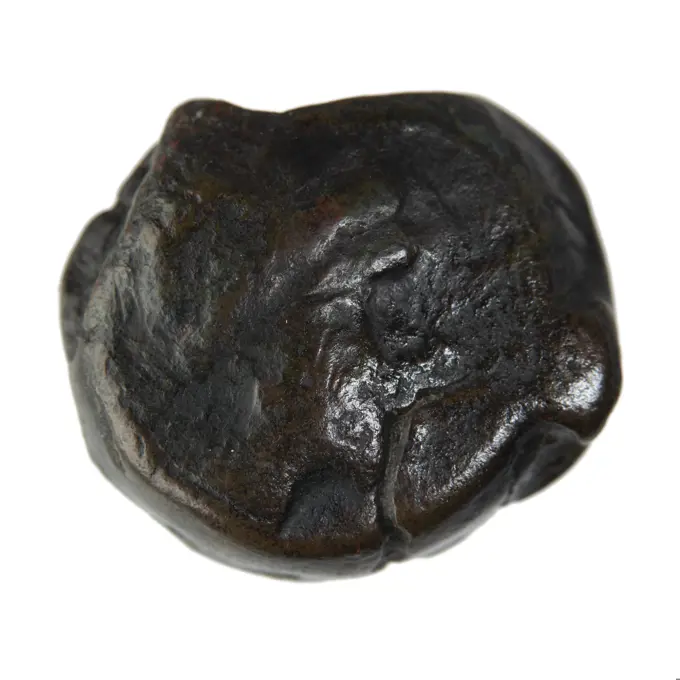
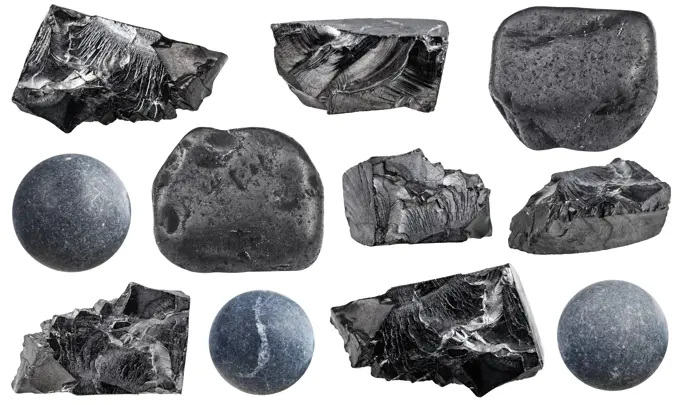
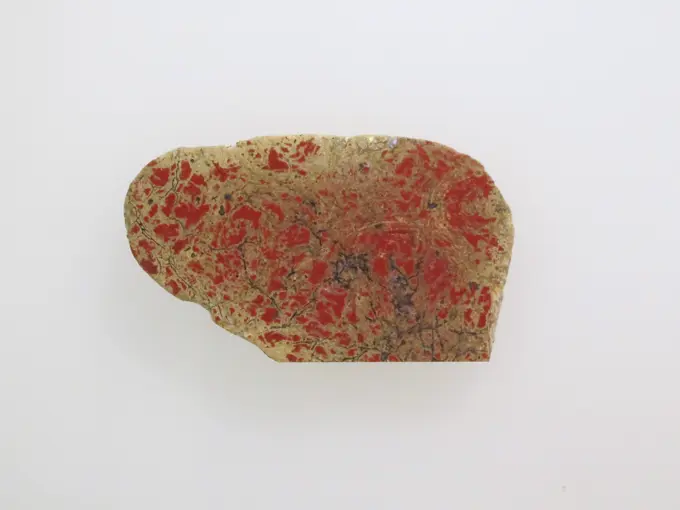
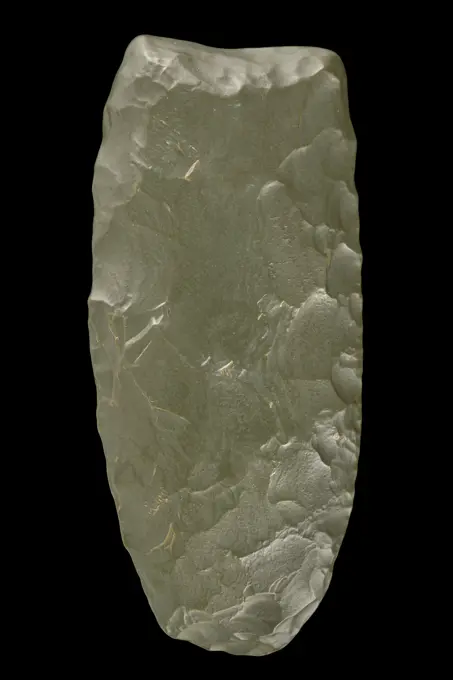
tumbled shungite mineral gem stone isolated macro shooting of natural gemstone - tumbled shungite mineral gem stone isolated on white background Copyright: xZoonar.com/ValeryxVoennyyx 8879884
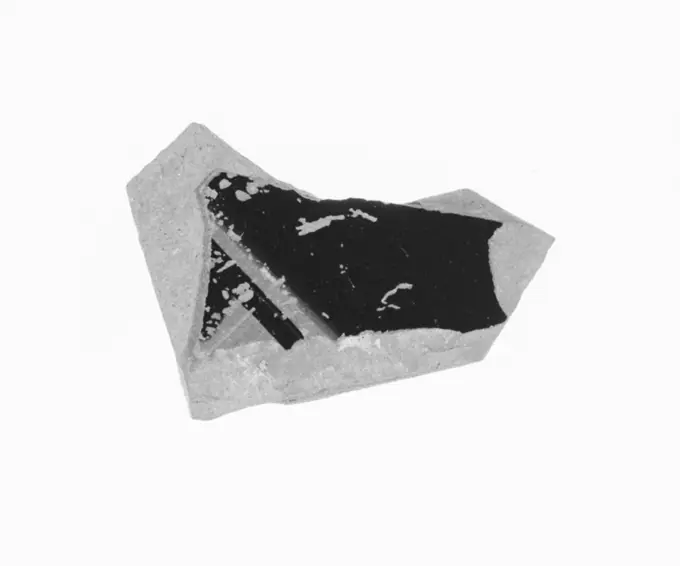
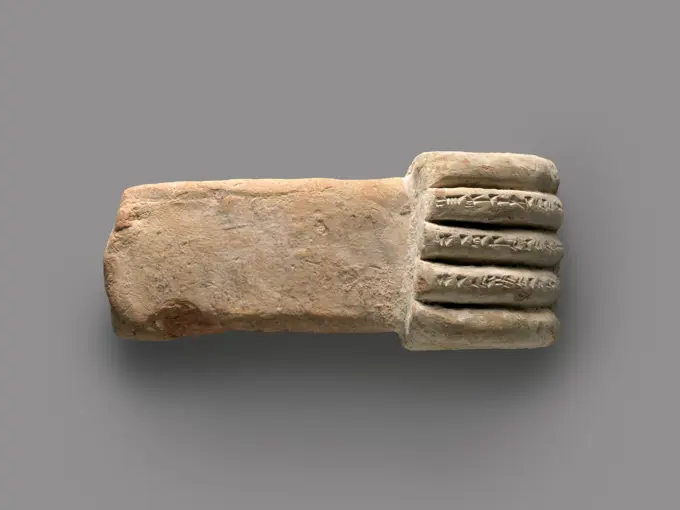
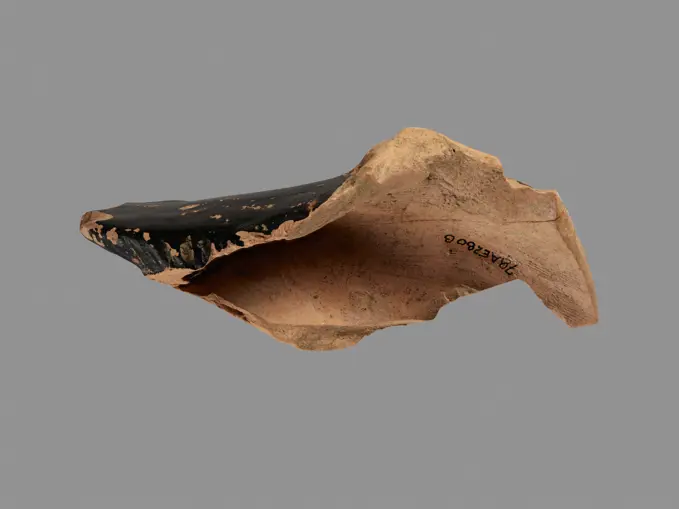
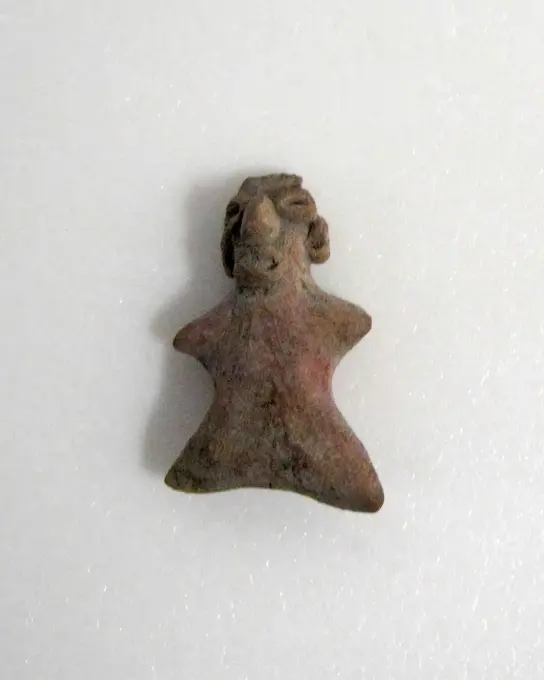
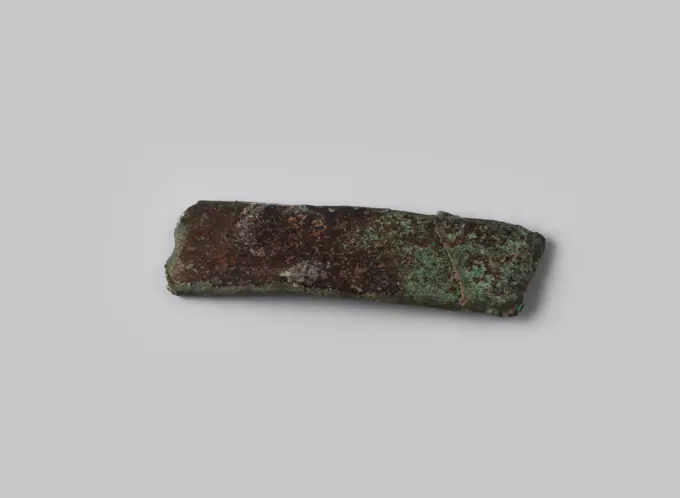
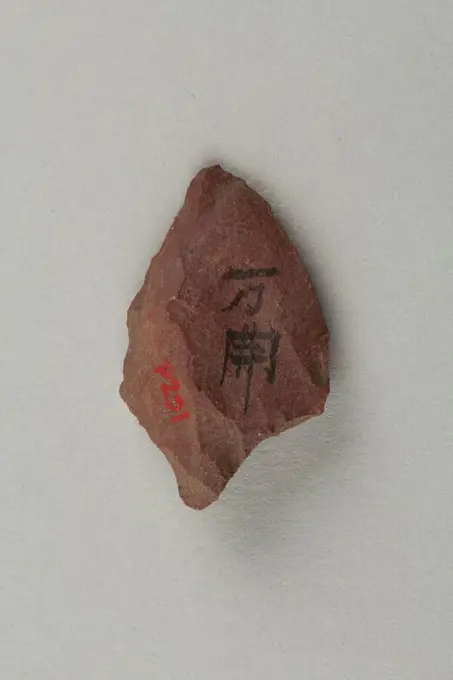
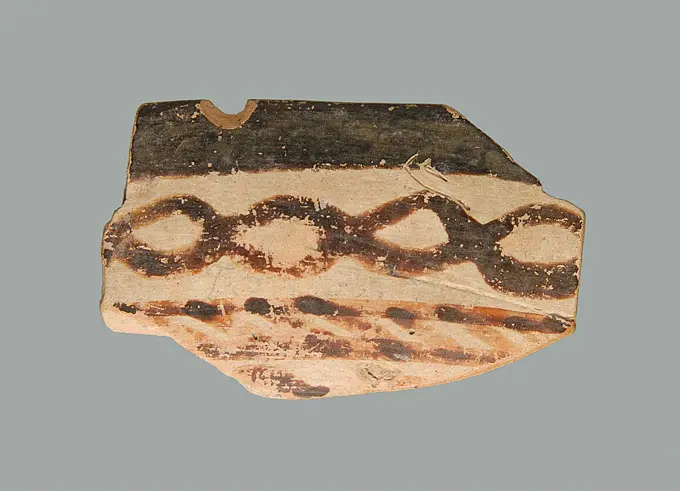
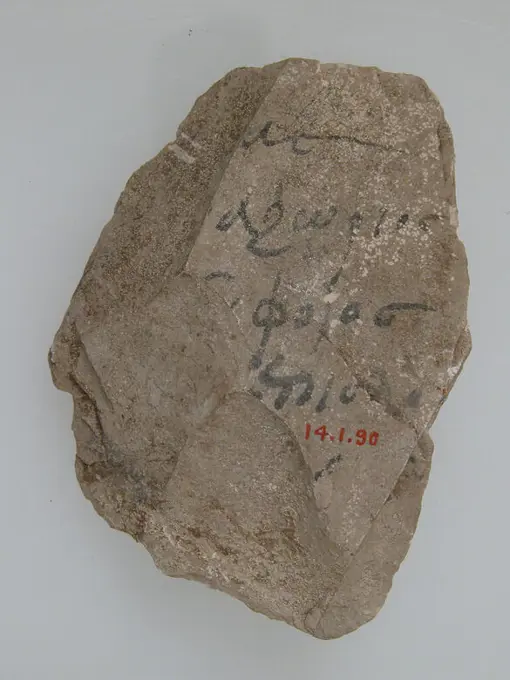
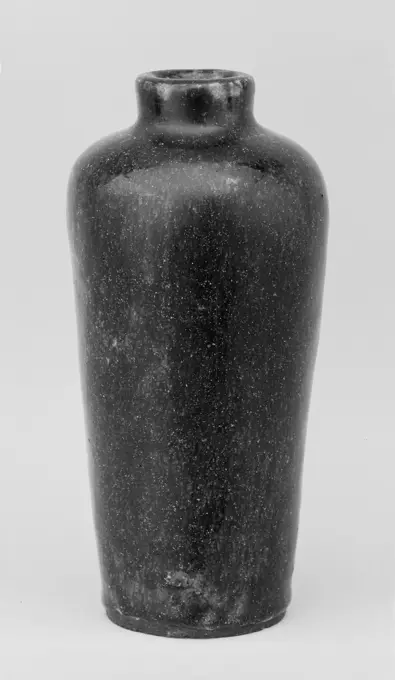
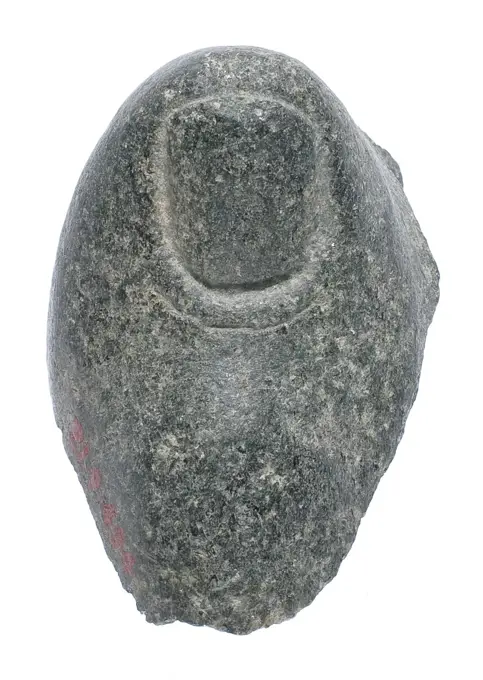
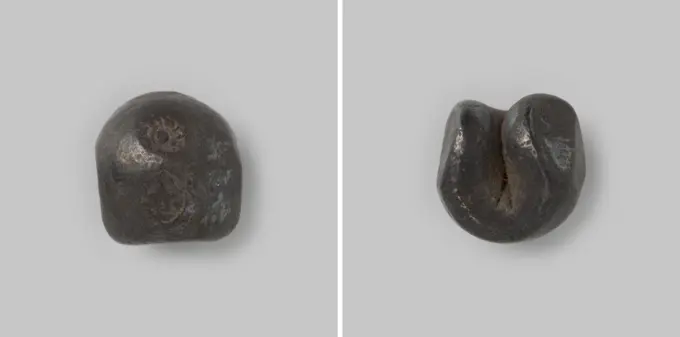
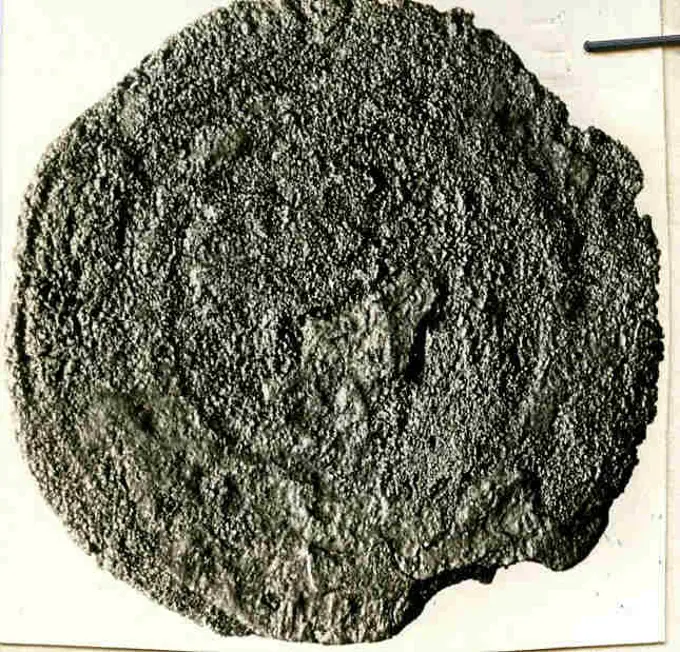
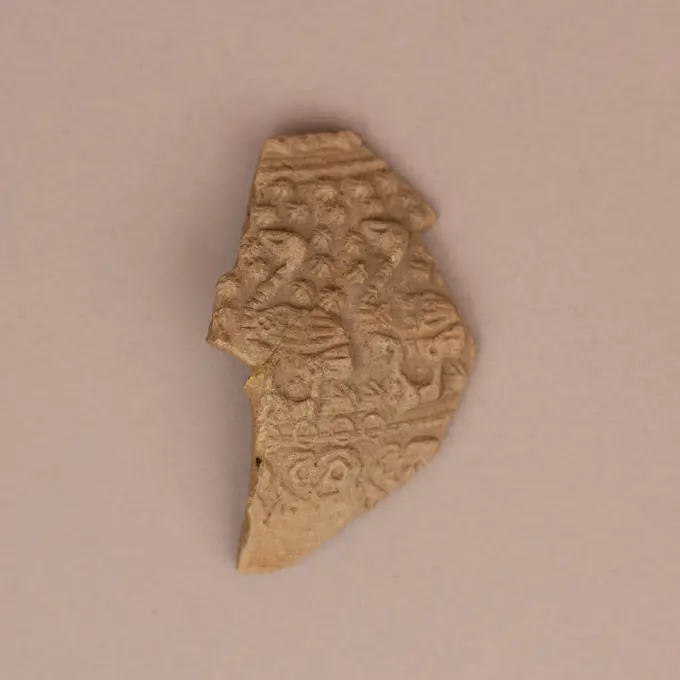
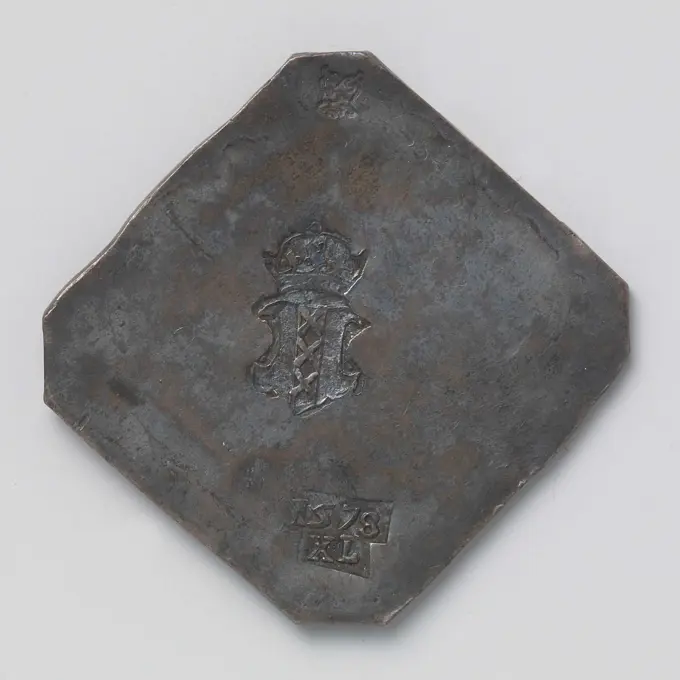
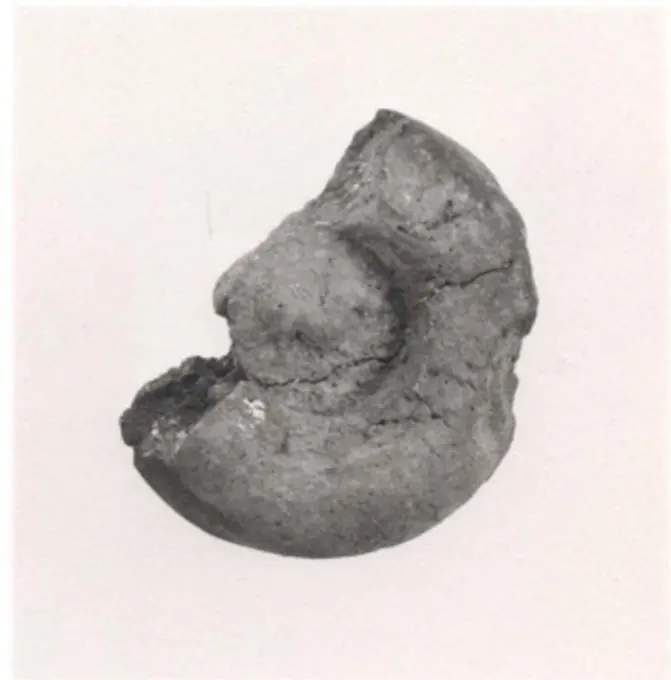
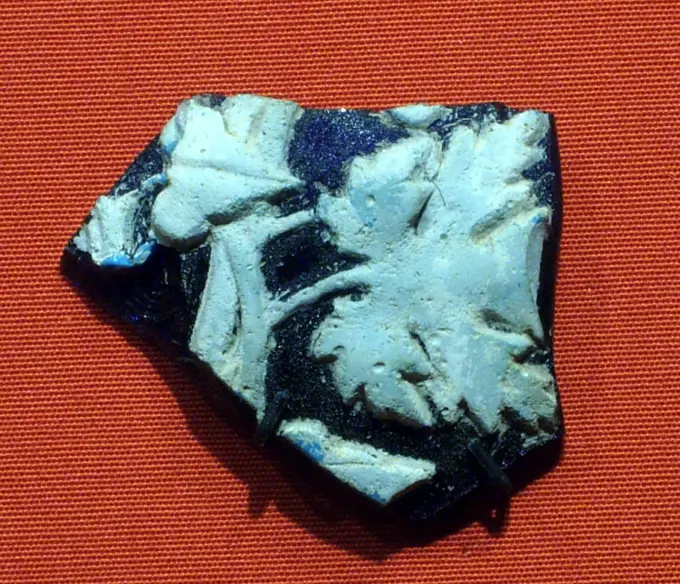
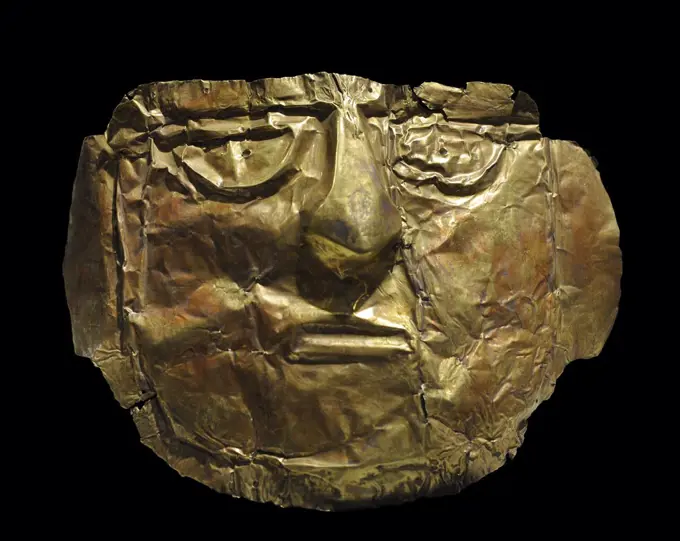
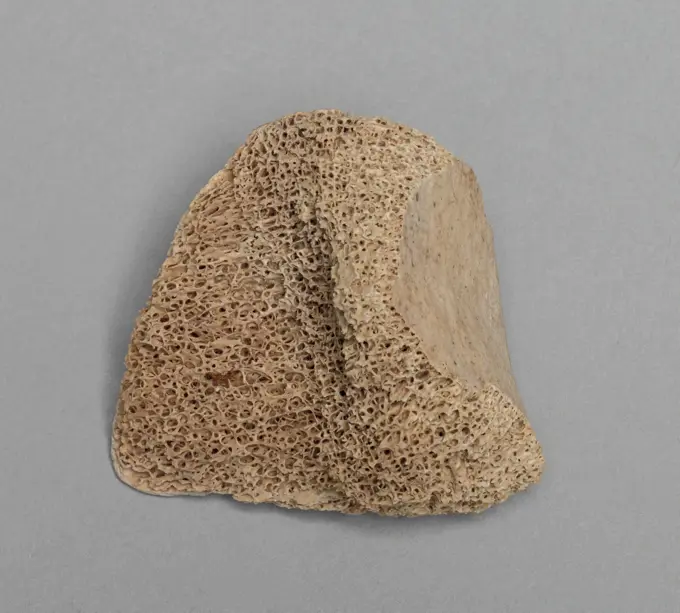
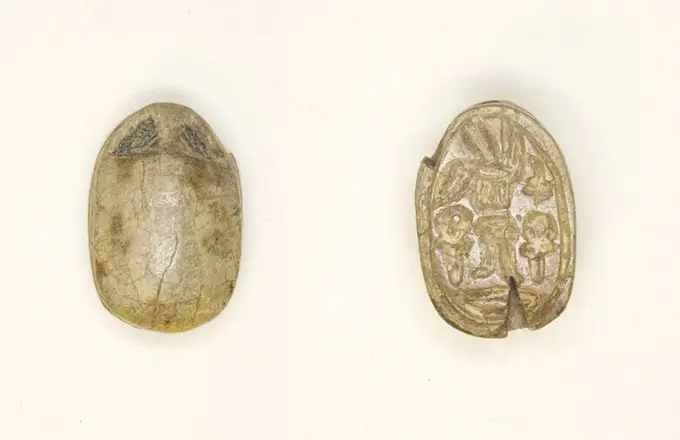
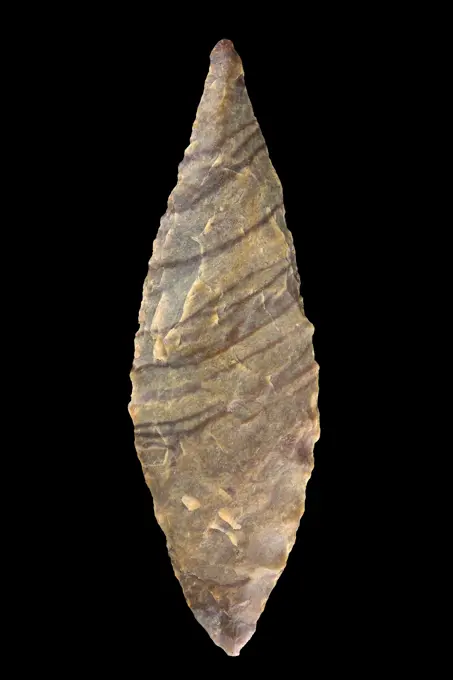
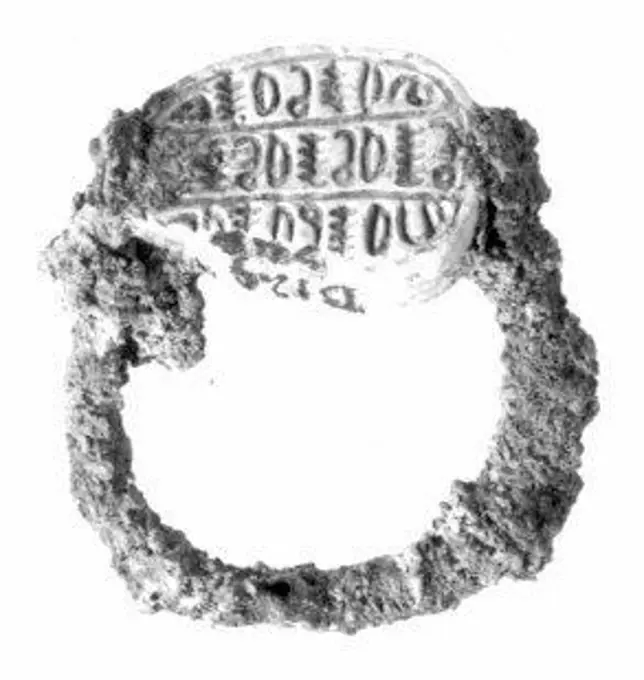
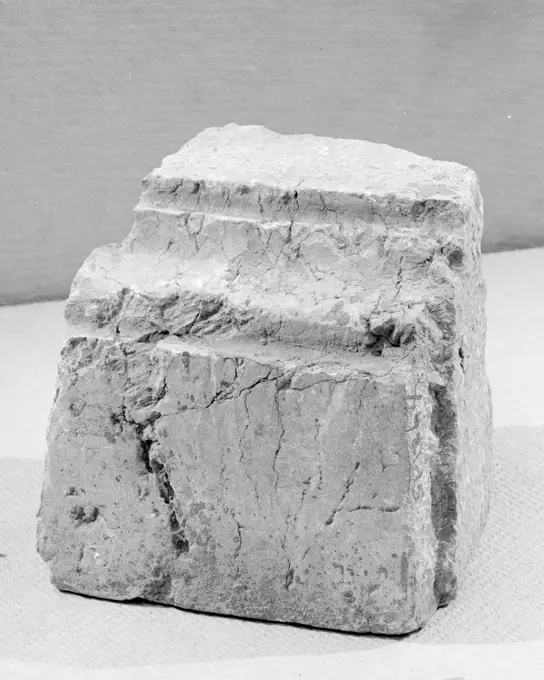
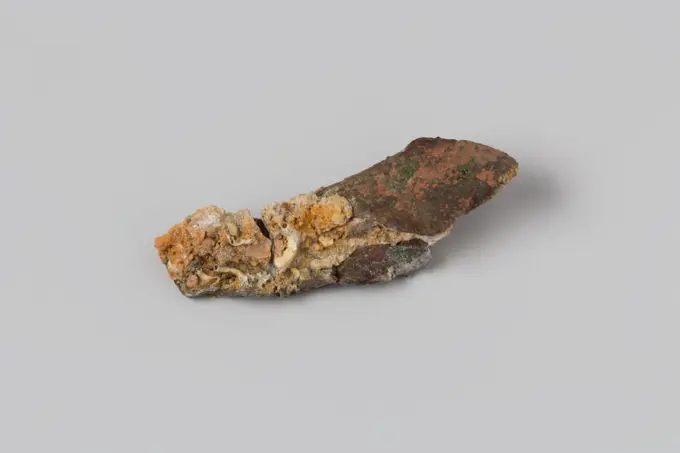
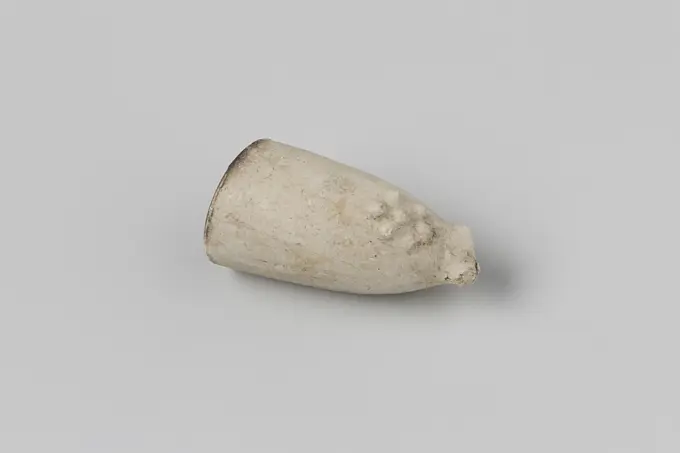
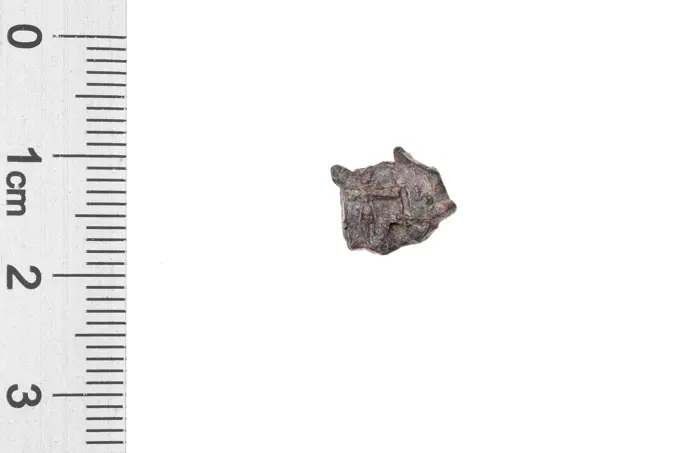
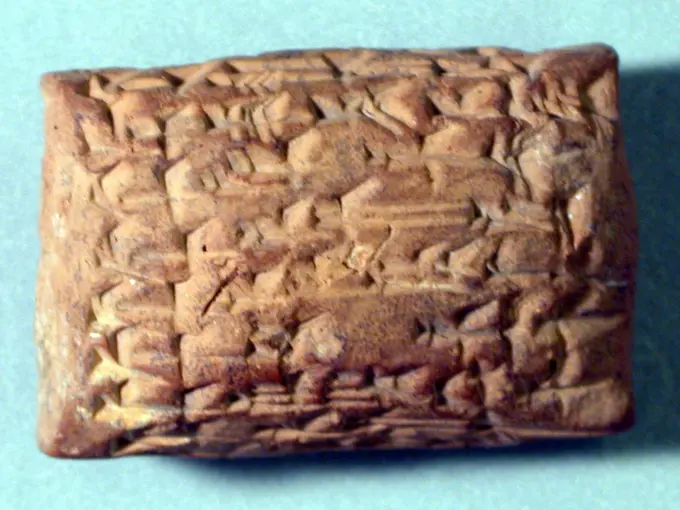
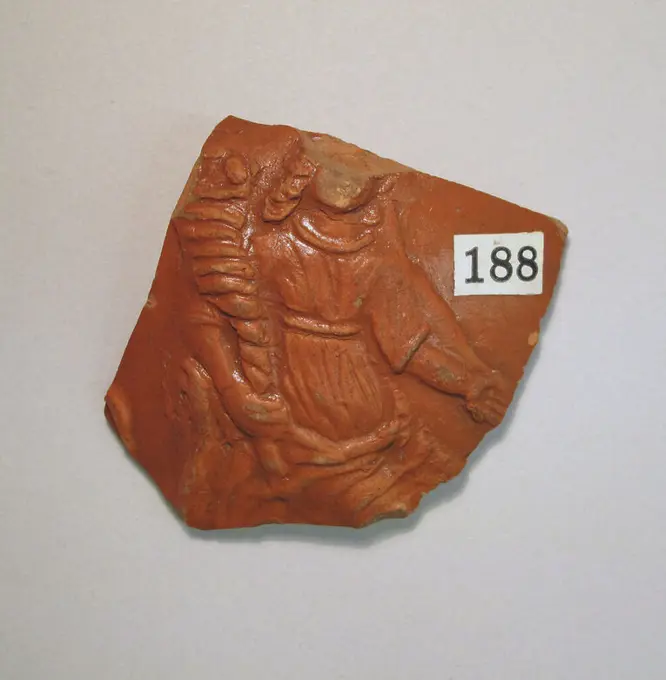
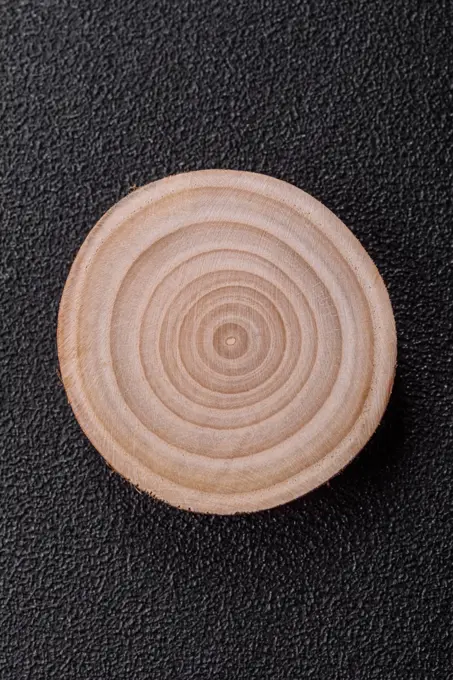
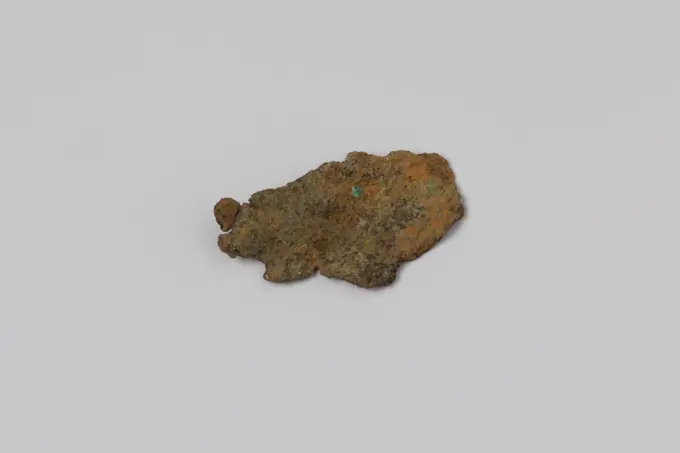
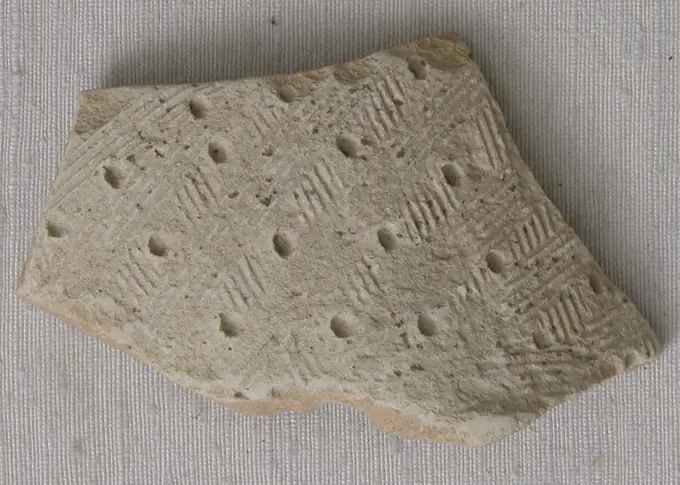
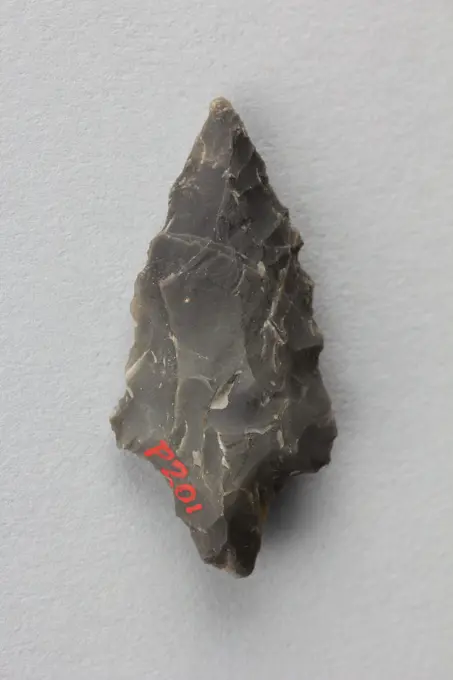
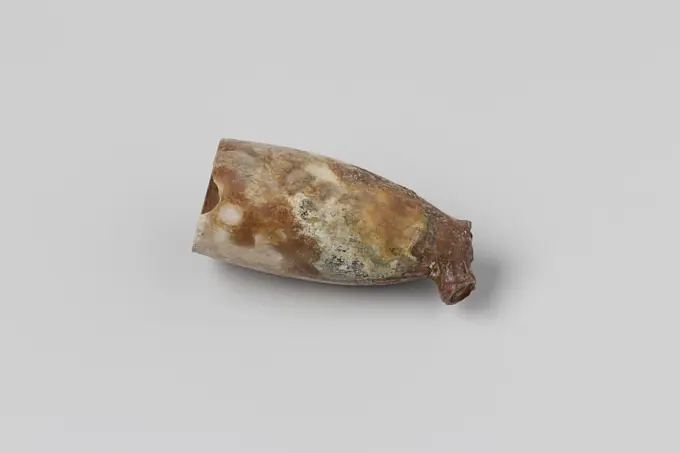
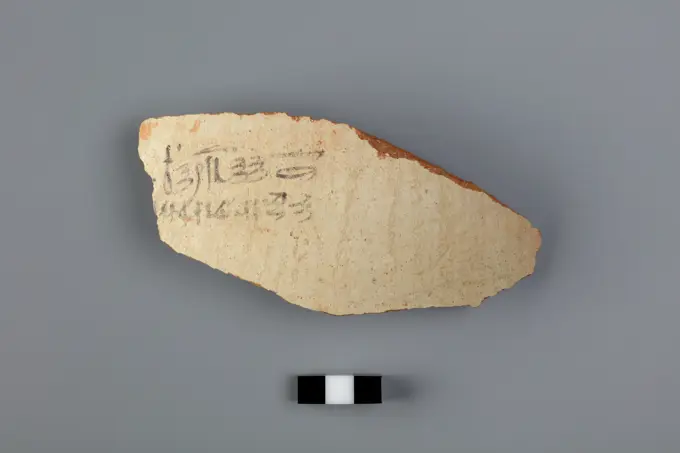
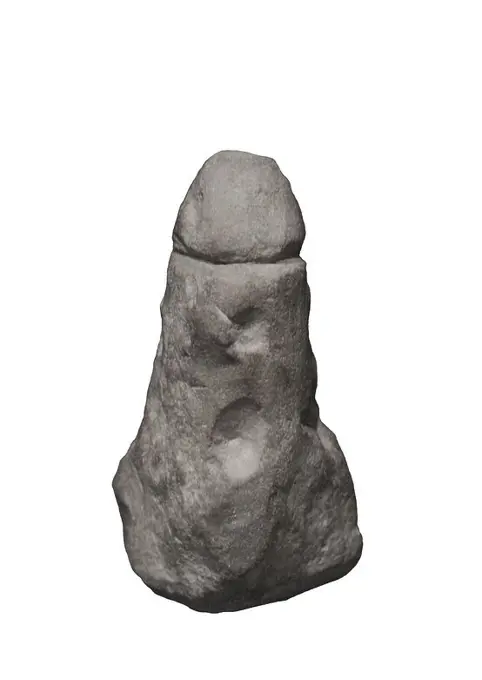
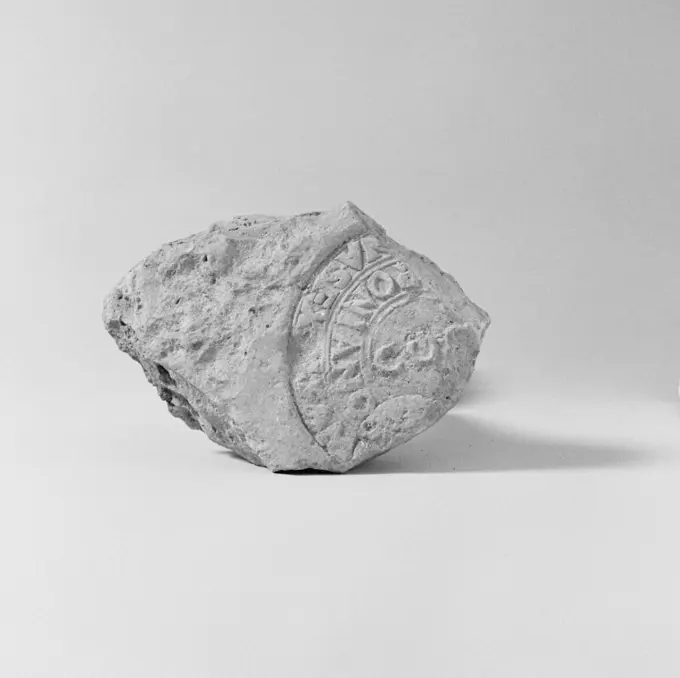
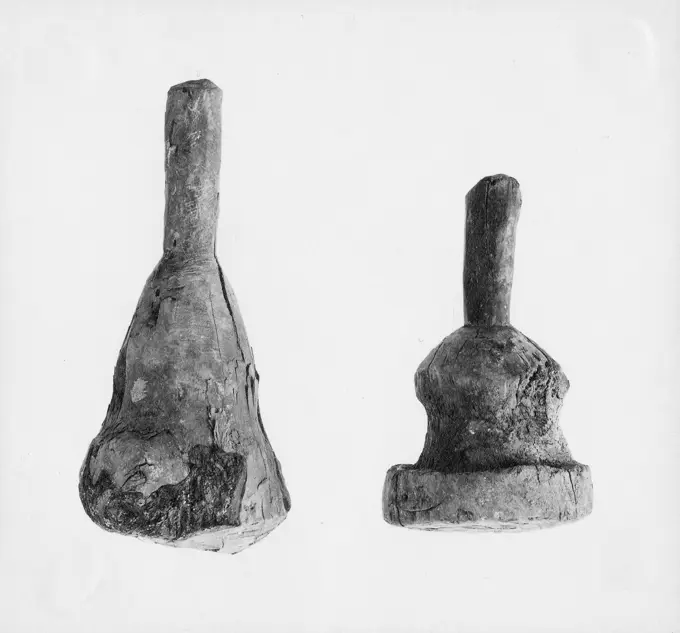
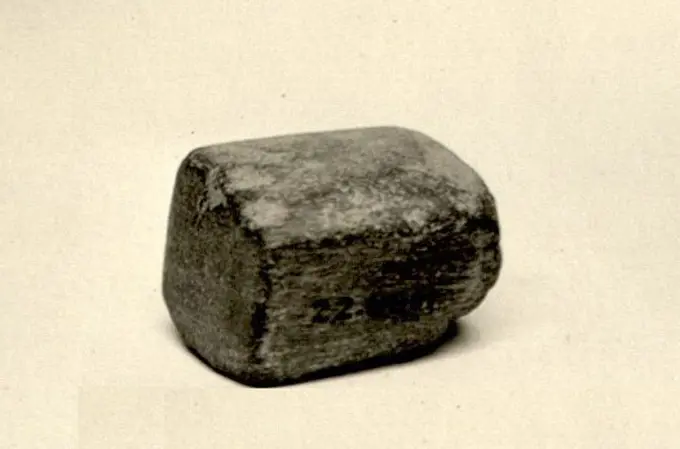
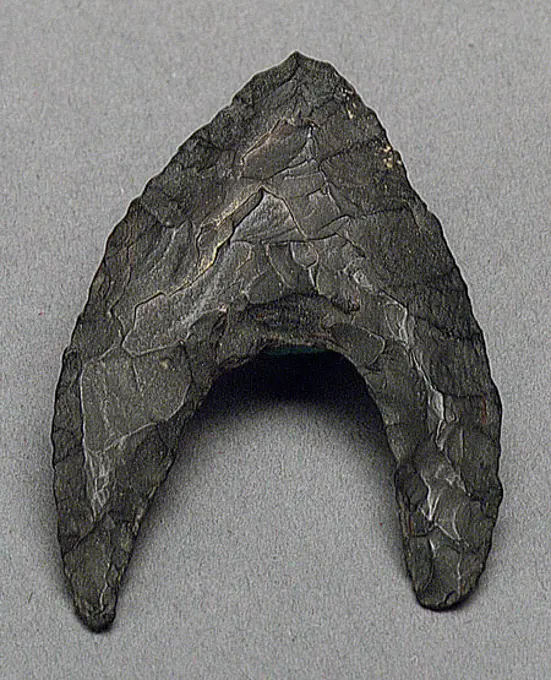
Drohiczyn seal. unknown, managerSkyphos fragment East Greek/Sardis, Lydian. Skyphos fragment 252778 East Greek/Sardis, Lydian, Skyphos fragment, Terracotta, Overall: 1 15/16 x 1 1/2in. (5 x 3.8cm). The Metropolitan Museum of Art, New York. Gift of The American Society for the Excavation of Sardis, 1926 (26.199.211)Perecoll / Penya-segat, 1997. Colección privada.Drohiczyn seal. unknown, managerArrowhead ca. 9th century B.C. Iran. Arrowhead 326194Attic Black-Figure Amphora Fragment. Unknownrough Volkonskoite stone on dark background macro shooting of natural mineral rock specimen - rough Volkonskoite stone on dark granite background from Ural Mountains, Perm Krai of Russia Copyright: xZoonar.com/ValeryxVoennyyx 11383801Miniature corbel in the shape of a hand ca. 883-859 B.C. Assyrian The interiors of Assyrian palaces were richly decorated, with reliefs on the stone slabs lining the thick mud brick walls, giant standing statues representing mythological figures as gatekeepers, and colored glazed tiles and painted decorative motifs running along the walls above the stone reliefs. Also found in the palace rooms were intriguing clay objects in the shape of hands.Assyrian clay hands were first discovered in the mid-nineteenth century by British and French archaeologists in the remains of palaces and temples of major Assyrian cities in northern Iraq. These architectural devices were mainly employed in the Assyrian capitals of Ashur, Nimrud, Khorsabad, and Nineveh, but similar objects were also excavated also at Zincirli, capital of the Aramaean kingdom of Samal in north-western Syria.This object represents a hand in the shape of a clenched fist, with five distinct fingers, and a section left rough that funOne fragment of a Duck Askos. Attributed to the Clusium Group (Etruscan, active 350 - 300 B.C.)Fragment of image. .Miniature figurine, 1500 BCE, 1 1/4 in. (3.2 cm), Earthenware, Mexico, Pre-ClassicOstreidae shell from the wreck of the Dutch East India ship Witte Leeuw, before 1613 oyster shell Oyster shell from V.O.C. ship De 'Witte Leeuw'.  oyster shell   Sint-HelenaExcerpt of copper from the wreck of the East Indians Hollandia, 1700 - in or before 1743 fragment Varied parts or fragments, strips and strip-shaped fragments; fragm. Netherlands copper (metal)   SecondArrowhead. Culture: Japan. Dimensions: W. 5/8 in. (1.6 cm); L. 1 1/8 in. (2.9 cm). Museum: Metropolitan Museum of Art, New York, USA.Fragment of a bowl; Unknown Night -Tamanian workshop; approx. 6500 5500 BC ; Halaf culture (-6505-00-00--5495-00-00);Szarzyńska, Krystyna (1918-), painted ceramics, gift (provenance), Halaf culture (approx. 6500-ok. 5500 BC), bowls, geometric motifsCoin A.H. 141-51/ A.D. 758-68. Coin 457624Greece, Sarmacja, Olmia, 1st half of the 2nd century BC, AE MintOstrakon. Culture: Coptic. Dimensions: 2 1/2 x 1 7/8 in. (6.3 x 4.8 cm). Date: 600. Museum: Metropolitan Museum of Art, New York, USA.Vase late 18th century Japan. Vase. Japan. late 18th century. Pottery covered with a mottled glaze, flecked with blue (Satsuma ware). Edo period (1615-1868). CeramicsRight big toe of a statue ca. 1353-1336 B.C. New Kingdom, Amarna Period. Right big toe of a statue 553777Fragments client sprays from the wreck of the East Indieschief Hollandia. Tools and Instruments, Medical, Enema Syringe; Fragm or Needles: ENDS ID. NG 1980-27H1632 / 1799, Extremely Corroded.Amulet of the Goddess Taweret (Thoeris) 1069 BCE-332 BCE Egypt. Faience . Ancient EgyptianTical from Thailand van Nang Klaotsjao, 1824-1851 ,, 1824 - 1851 coin Silver, grain -shaped mint. Equipped with two stamps (KRA): rosette and tree leaf .  silver (metal) castingCeltic civilization, France. Copper, iron and gold helmet decorated with geometric motifs. From Amfreville-sous-les-Monts.Shards of pots and a glass shard from the wreck of the East Indians Hollandia, Anonymous, 1700 - in Or Before 1743 pot Stoneware, Rhenish, Westerwald, pot: fragm of handle with relieved decoration; fragm of body, sim. NG 1980-27H2624). Westerwald stoneware. glass   SecondWall painting fragment 1st century A.D. Roman On black ground; Acephalic Hippocamp to right.. Wall painting fragment. Roman. 1st century A.D.. Fresco. Miscellaneous-PaintingsCoin 758-68. Coin 457567set of various shungite natural mineral stones set of various shungite natural mineral stones and gemstones isolated on white background Copyright: xZoonar.com/ValeryxVoennyyx 9123931Bottle ca. 3rd-7th century A.D. Sasanian. Bottle 322733Hat for day or undertaking of knitted cotton, anonymous, c. 1800 - c. 1900 Hat of knitted cotton. The bulb with block pattern is trimmed along the forehead with a strip with finer structure, in which a star patron is incorporated. For day or undertaking. Friesland cotton (textile) knitting Hat of knitted cotton. The bulb with block pattern is trimmed along the forehead with a strip with finer structure, in which a star patron is incorporated. For day or undertaking. Friesland cotton (textile) knittingFragment imadła amfory za stemplem. Synope (Azja Mniejsza)Fragment 10th-11th century. Fragment. 10th-11th century. Earthenware; molded and unglazed. Excavated in Iran, Nishapur. CeramicsSiege from Amsterdam, emergency mint of forty pennies, beaten from the silver of the new church. One-sided, diamond-shaped emergency with beveled corners. Front: three stamps above each other; From bottom to top: Muntmeesteren sign: Fire steel; city pavement: crowned coat of arms; Anniversary above letters X and L. down side: blankSealing ca. 7th century A.D. Sasanian. Sealing. Sasanian. ca. 7th century A.D.. Un-baked clay. Sasanian. Iran, Qasr-i Abu NasrOre formed around a loose stone. From Lake Salem.Stamp Seal, Stepped Pyramidal. Iran or Mesopotamia, circa 3rd millennium B.C.. Tools and Equipment; seals. Burnt marble ()Cameo fragment with ivy and vine leaves from a skyphos (footed wine cup) A.D. 41-96 Roman Period, Claudian or early Flavian Many artworks of the Roman Period in Egypt represent the taste of wealthy urban merchant and rich farming classes of Roman Egypt. Wide trade of luxury works is evident, and Greco-Roman style dominates. Since Egyptian pharaohs had first authorized Greek trading colonies and employed Greek mercenaries in the seventh century BC., there was a considerable Greek presence in Egypt. With Alexander's conquest, Macedonian Greek Ptolemies ruled as successors to the pharaohs, and Ptolemaic Greek and eastern Mediterranean soldiery was heavily settled in parts of Egypt. Although the Ptolemaic kings maintained traditional Egyptian religious and political forms, elite society, of mixed Greek and Egyptian descent, aspired to Greek culture in many respects. With the replacement of a Ptolemaic pharaoh in Memphis and Alexandria by a Roman emperor in Rome, the status of Greek cultureFuneral mask. Gold. Chimu culture. Late Intermediate period (1100-1400 AD). Peru. South America. Museum of the Americas. Madrid, Spain. Ostracon 595-30 B.C. Late Period-Ptolemaic Period. Ostracon. 595-30 B.C.. Pottery, ink. Late Period-Ptolemaic Period. From Egypt, Western Desert; Kharga Oasis, Hibis, MMA excavations, 1908-10Canosan Oinochoe Fragment. UnknownDrohiczyn seal. unknown, managerCanosan Statuette Fragment (Lion's Paw). UnknownRelic of St. Gregory, c. 1045. Germany, Lower Saxony, Romanesque period, 11th century. Bone; This relic is housed in the portable altar commissioned by Countess Gertrude of Brunswick, one of the Guelph Treasure’s earliest and most sumptuous objects.Scarab: Hieroglyphs (nsw-bity, Dd, anx, nb). Egyptian. Date: 1985 BC-1650 BC. Dimensions: 1.6 × 1.1 × 0.6 cm (5/8 × 7/16 × 1/4 in.). Steatite. Origin: Egypt. Museum: The Chicago Art Institute, Chicago, USA. Author: Ancient Egyptian.Marble architectural fragment with palmette from the Temple of Artemis at Sardis 3rd or 2nd century B.C. Greek This fragment is likely from the central part of the underside of a bolster (long narrow cushion) from an Ionic column capital from the temple.. Marble architectural fragment with palmette from the Temple of Artemis at Sardis 252842 Greek, Marble architectural fragment with palmette from the Temple of Artemis at Sardis, 3rd or 2nd century B.C., Marble, Other: 11 in. (27.9 cm). The Metropolitan Museum of Art, New York. Gift of The American Society for the Excavation of Sardis, 1926 (26.199.279)Stone Chisel before 16th century Mexican. Stone Chisel 317231Arrowhead in chipped stone. Neolithic period. Found between 1970 and 1980 in the southern Sahara at El Golea Timimoun, eastern erg. Algeria. 7,1 cm.Scarab seal ring with Hyksos-period an-ra inscription ca. 1700-1560 B.C.. Scarab seal ring with Hyksos-period an-ra inscription. ca. 1700-1560 B.C.. Steatite, cream colored, bronze (). Dynasty 15-17, 2nd Intermediate Period, Hyksos. Levant, Lachish (modern Tell ed-Duweir)Attic Red-Figure Volute Krater Fragment.Inscribed Slab 6th-7th century. Inscribed Slab 456180Parapet Block ca. 1130-40 French. Parapet Block. French. ca. 1130-40. Stone. Made in Roussillon, France. Sculpture-ArchitecturalFragment 8th-9th century. Fragment 448798Excerpt of copper from the wreck of the East Indians Hollandia, 1700 - in or before 1743  Parts of artefacts; eroded fragments: materials; copper. Netherlands copper (metal)   SecondOval glass disk of thin window glass, disc artifact soil find glass, cast cut cut Oval slice thin window glass possible spectacle lens archeologyMolded Faience Plaque with throne name of Queen Tawosret. Egypt, New Kingdom, 19th Dynasty, reign of Tawosret (1209 - 1201 BCE). Sculpture; plaques. FaienceFragment of a Bowl or Cup 13th-16th century. Fragment of a Bowl or Cup 452453Fragment blowjob. Fragment pipe head with two stained flowers. Of the excavations at the Hofstede Arentsburg 1827-1831 under the supervision of professor Reuvens.Stamp Seal. Northern Mesopotamia, circa 4th millennium B.C.. Tools and Equipment; seals. Black serpentineDrohiczyn seal. unknown, managerExcerpt of copper from the wreck of the East Indians Hollandia, 1700 - in or before 1743  Parts of artefacts; eroded fragments: materials; copper. Netherlands copper (metal)   SecondBead. UnknownLUCERNA DE BARNIZ ROJO - S VII-VI AC. Location: MUSEO ARQUEOLOGICO / MUSEO DE PUIG DES MOLINS. IBIZA. SPAIN.Glass monochrome inlay fragment 1st half of 1st century A.D. Roman Opaque red.Flat inlay, with one rounded end; uneven underside; edges slightly beveled.Polished upper side and one straight edge; pitting and surface cracking on upper side; black and green weathering with slight iridescence on underside; similar weathering on all but straight edge.. Glass monochrome inlay fragment. Roman. 1st half of 1st century A.D.. Glass; cast. Early Imperial, Julio-Claudian. GlassTrilobe plaque seal with stalk handle early 2nd millennium B.C. Old Assyrian Trading Colony. Trilobe plaque seal with stalk handle 322546HACHAS PULIMENTADAS ERA DEL BRONCE. Location: MUSEO ARQUEOLOGICO-COLECCION. Oviedo. ASTURIAS. SPAIN.Green jasper scraper. Neolithic period. Mali. 11cm.Cap 1660-85 British. Cap. British. 1660-85. linenCuneiform tablet: loan of silver ca. 7th century B.C. Assyrian. Cuneiform tablet: loan of silver 328916Inscribed brick ca. 20th century B.C. Babylonian. Inscribed brick 323756Arrowhead in cut stone with peduncle and wings. Neolithic period. North Africa. 4,1 cm.Residual waste from coal from the wreck of the East Indied Flying Heart. Stony lump residual waste from coal burning. One pieces. Slug.Relief fragment from the tomb of Meketre ca. 1981-1975 B.C. Middle Kingdom. Relief fragment from the tomb of Meketre 545339Vase fragment. Culture: Roman, Gaul. Dimensions: 2 5/16 × 2 9/16 × 1/4 in. (5.9 × 6.6 × 0.7 cm).Figure holding torch. Museum: Metropolitan Museum of Art, New York, USA.Costume Ornament 11th-12th century Peru; central coast (). Costume Ornament 308686Round wooden cut of a tree or branch with annual rings Round wooden cut of a tree or branch with rings on a dark concrete background Copyright: xZoonar.com/TetianaxChernykovax 23012831Head with Melon Coiffure. UnknownBelt Buckle. Culture: Frankish. Dimensions: Overall: 5 9/16 x 2 13/16 x 1 1/4 in. (14.2 x 7.1 x 3.2 cm). Date: 7th century. Museum: Metropolitan Museum of Art, New York, USA.Excerpt of copper from the wreck of the East Indians Hollandia, 1700 - in or before 1743  Parts of artefacts; eroded fragments: materials; copper. Netherlands copper (metal)   SecondCampania Caserta Capua Museo Campano7. Hutzel, Max 1960-1990 Medieval: Byzantine architectural fragments; parchment fragments with miniatures (12th century) from Montecassino; painted wooden crucifix (13th century); Carolingian crucifixes; Bishop's miter (11th century) of gold and silver damask; fresco (13th century). Post-medieval: Architecture (15th century). Formerly the Palazzo Antignano. Unusual Catalan/Moorish-style portal; Paintings on panel and canvas (15th-18th centuries); marble intarsia (16th century); marble sculpture: busts of Christ and Mary (17th century); sculpture of saints in marble and in wood (15th century); painted and gilded sculpture in wood; marble grave sculpture (16th century); sarcophagus with allegorical carvings; gold reliquary "Rosa d'Oro"; crucifix made of elephant tusk Specific Location: Pianterreno Antiquities: Italic sculpture (seated women holding babies); inscription. Photo campaign #1: 533 photos. Roman relief and sculpture; cinerary urns; Greek andTaweret Amulet 664-332 B.C. Late Period. Taweret Amulet. 664-332 B.C.. Faience. Late Period. From Egypt. Dynasty 26-30Fragment 8th-9th century. Fragment 448862Brown coin; Gotarzes II (King of Parta; 40-51); 38-51 (38-00-00-51-00-00);Excerpts copper from the wreck of the East Indians Hollandia, Anonymous, 1700 - in Or Before 1743 fragment Varied parts or fragments, sheet metal fragments: worked, with rivets; fragm, sim. 80H2060, slightly curved, 2 rivets. Netherlands copper (metal)   SecondVase fragment ca. 560-500 B.C. Etruscan Frieze of human figures, heads and knobs in relief (one piece inscribed); four pieces joined.. Vase fragment. Etruscan. ca. 560-500 B.C.. Terracotta; bucchero pesante. Archaic. VasesDrohiczyn seal. unknown, managerBody Fragment of a Relief Pithos. UnknownAttic Black-Figure Amphora Fragment. UnknownModel of spinning bowl ca. 1850-1800 B.C. Middle Kingdom. Model of spinning bowl. ca. 1850-1800 B.C.. Limestone, paint. Middle Kingdom. From Egypt, Memphite Region, Lisht North, Tomb of Nakht (493), south cemetery, Pit 428, north chamber, MMA excavations, 1913-14. Dynasty 12Arrowhead Japan. Arrowhead 62386Blowjob from the wreck of the East India Hollandia.Pipe, Bowl, Heelmar: Fish, Flounder; 2HSM1.6.Parapet Block. Culture: French. Date: ca. 1130-40. Museum: Metropolitan Museum of Art, New York, USA.Jar Label ca. 1390-1352 B.C. New Kingdom. Jar Label. ca. 1390-1352 B.C.. Pottery and ink, paint. New Kingdom. From Egypt, Upper Egypt, Thebes, Malqata, MMA excavations, 1915-1917. Dynasty 18Neolithic Period. Temple Period (3600 to 2500 BC). Tarxien Temple Complex. Malta. Built in honour of a mother goddess of fertility. Phallic representation. National Museum of Archaeology. Valletta. Malta.Wall painting fragment. Culture: Roman. Dimensions: Overall: 3 1/8 x 2 15/16 x 11/16 in. (8 x 7.5 x 1.8 cm). Date: 1st century A.D..On yellow ground; plant stalk in sepia with tendrils; white calyx below. Museum: Metropolitan Museum of Art, New York, USA.Stamped Tile Fragment. UnknownMallet 390-30 B.C. Late Period-Ptolemaic. Mallet. 390-30 B.C.. Wood. Late Period-Ptolemaic. From Egypt, Upper Egypt, Thebes, Asasif, MMA excavations, 1912-13. Dynasty 30 or laterWeight ca. 1981-1640 B.C. Middle Kingdom. Weight. ca. 1981-1640 B.C.. Red limestone. Middle Kingdom. From Egypt, Memphite Region, Lisht North, Cemetery, MMA excavations, 1920-22. Dynasty 12-13Hollow-Base Projectile Point ca. 7000-4500 B.C. Neolithic Period The long history of human occupation in the Nile valley and nearby deserts is often best documented by the tools left behind when sites were abandoned. In recent years, scholars have become increasingly interested in the early periods of Egyptian settlement, and consequently much more is now known about them. The tools of the early Paleolithic period were often hand axes, but in later periods the tool kits became highly varied, with small stone blades becoming very common items. The variety within and between tool kits was due to differences in the environmental zones people occupied and the types of resources they exploited.During the Epipaleolithic period (ca. 10,000-7000 B.C.), tools that we call arrowheads appear for the first time. The hollow-base arrowhead illustrated here was a common type in the Neolithic period (ca. 7000-4500 B.C.), when the habitation of the Nile valley itself was underway. These projectile poinFragment of a Mosaic Glass Vessel. Unknown 1st century A.D.Statuette of a woman votary, 5 . Culture: Greek, Laconian. Dimensions: Height: 1 1/4 in. (3.2 cm). Date: ca. 700-500 B.C.. Museum: Metropolitan Museum of Art, New York, USA.