Ancient Seals and Coins

Artifacts including ancient seals and coins, depicting historical figures and cultural significance, showcasing craftsmanship of different periods.

tumbled shungite mineral gem stone isolated macro shooting of natural gemstone - tumbled shungite mineral gem stone isolated on white background Copyright: xZoonar.com/ValeryxVoennyyx 8879884
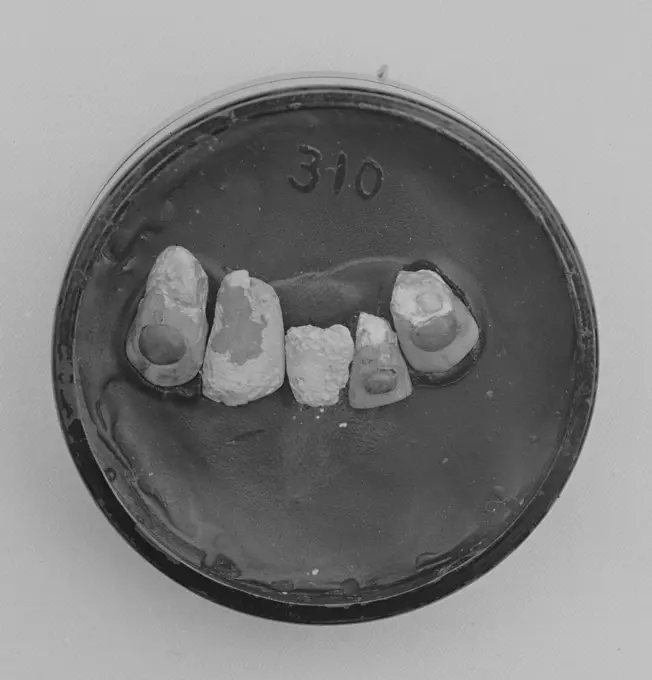
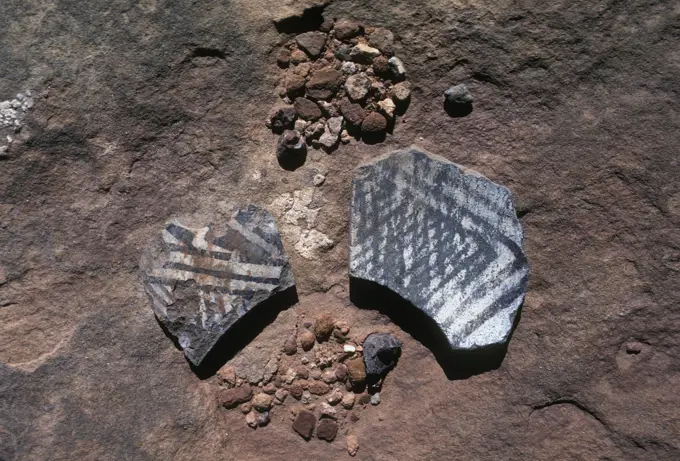
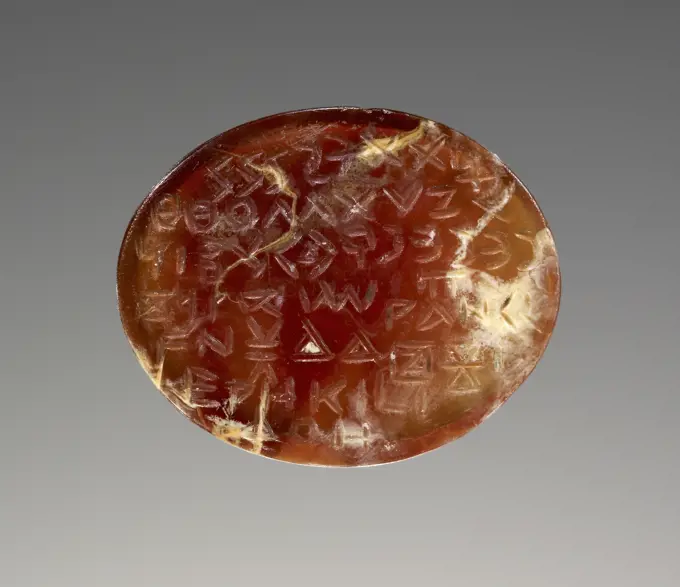
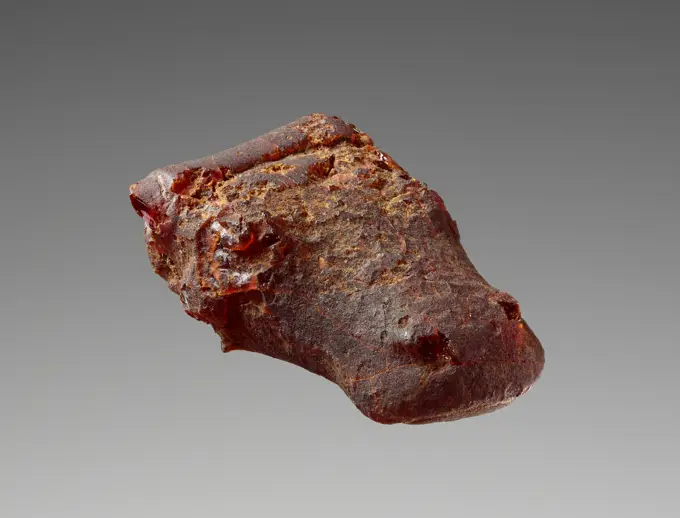
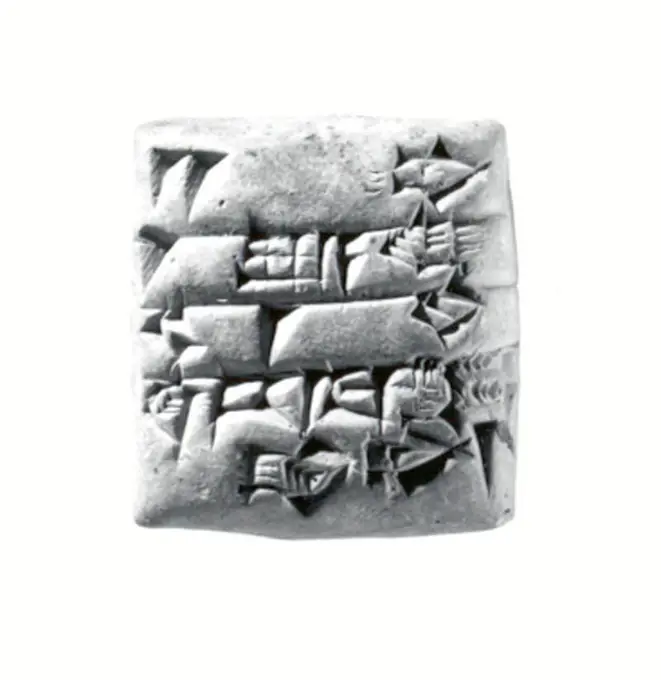
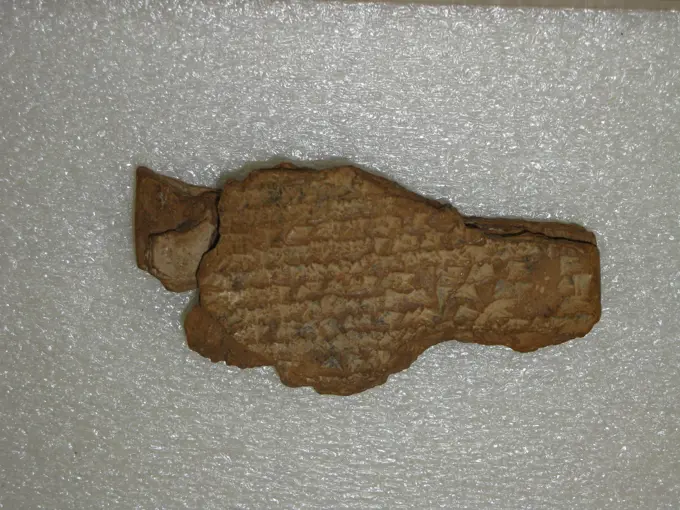
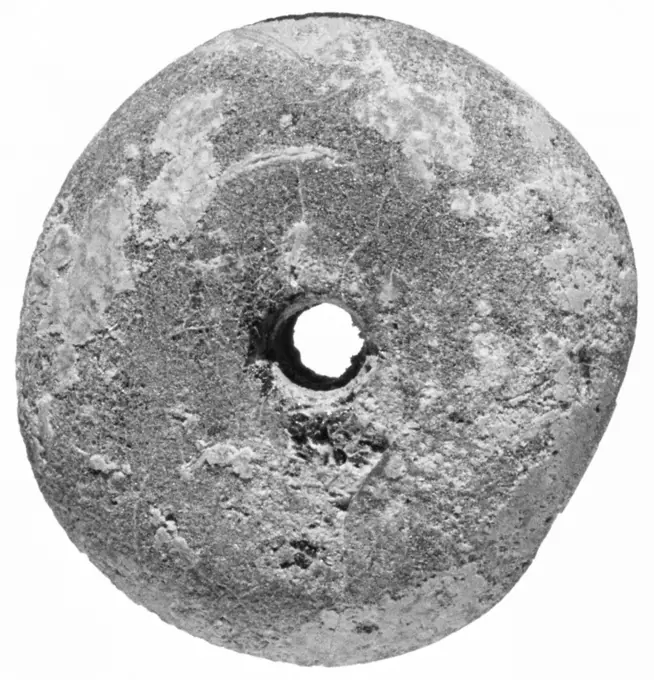
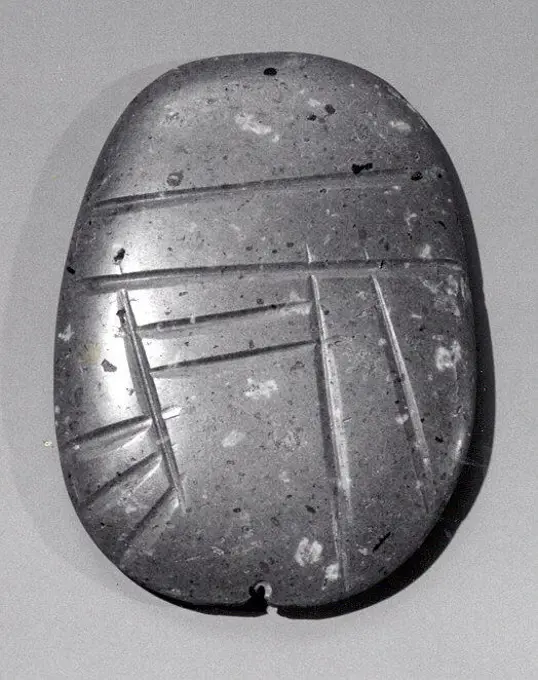
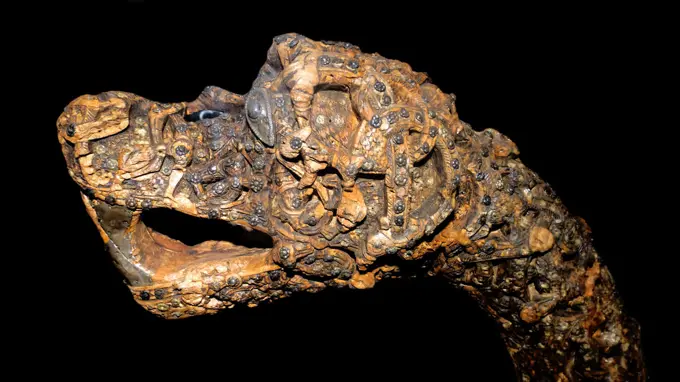
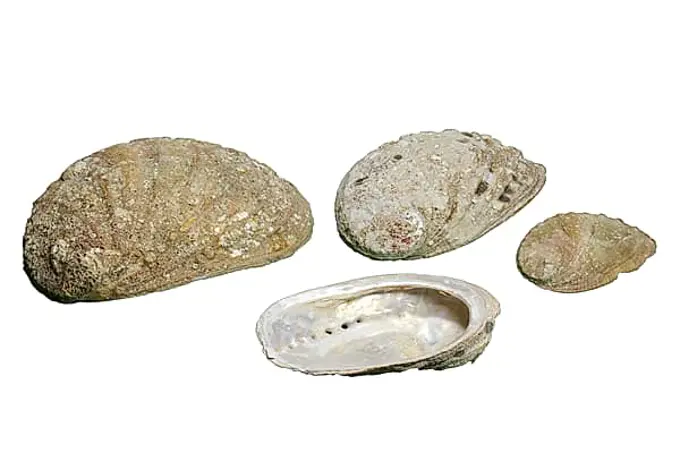
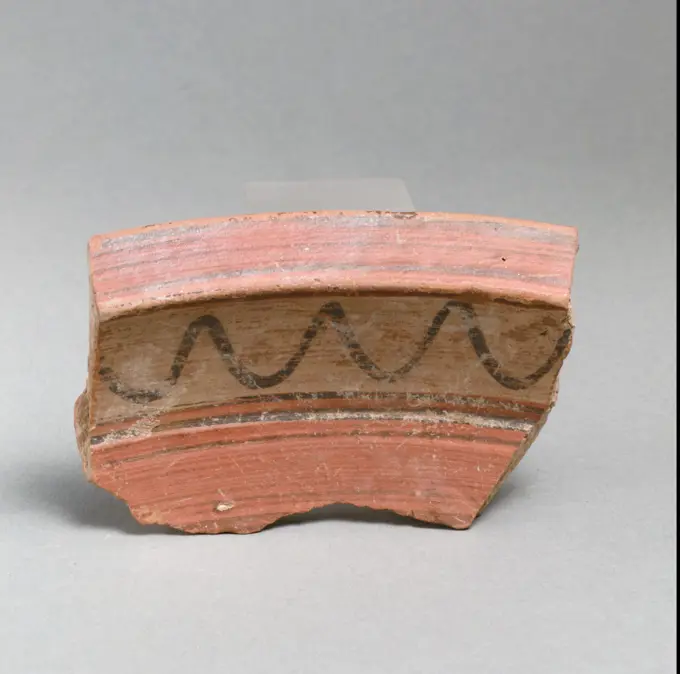
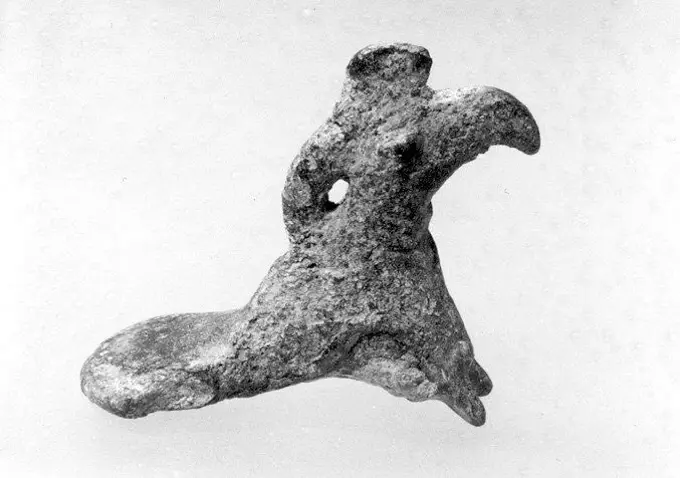
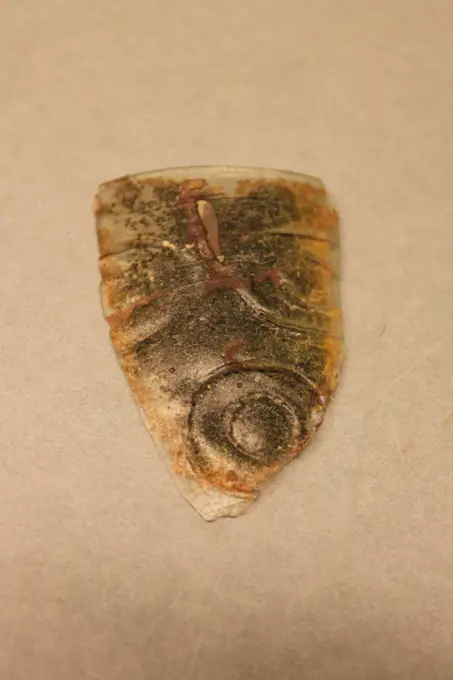
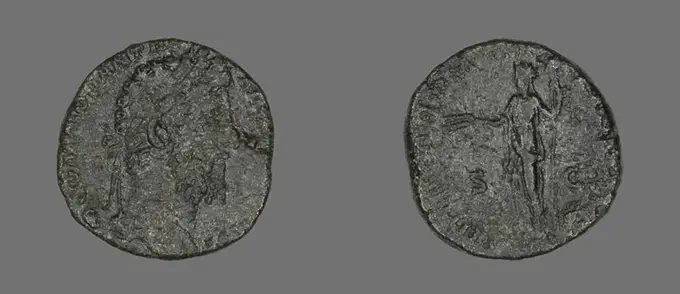
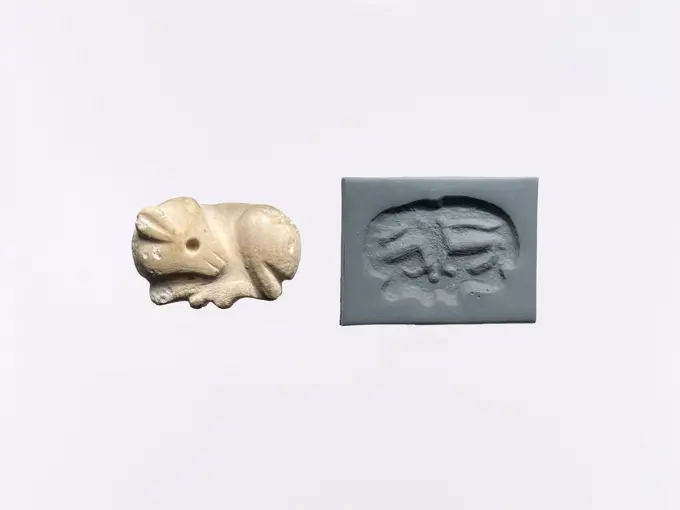
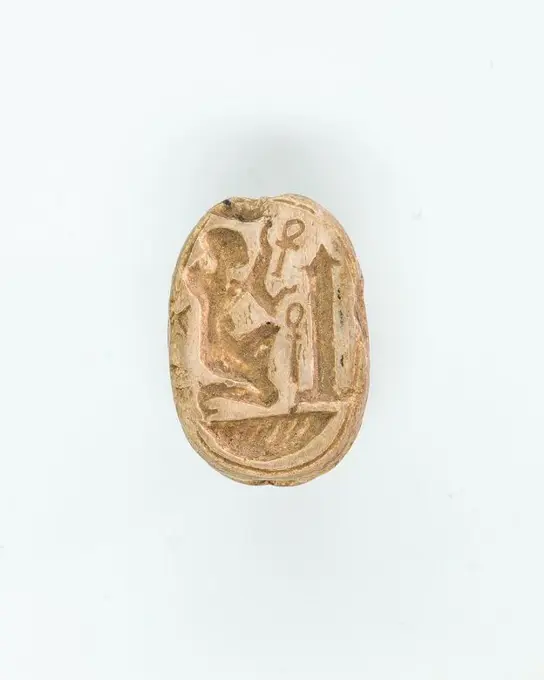
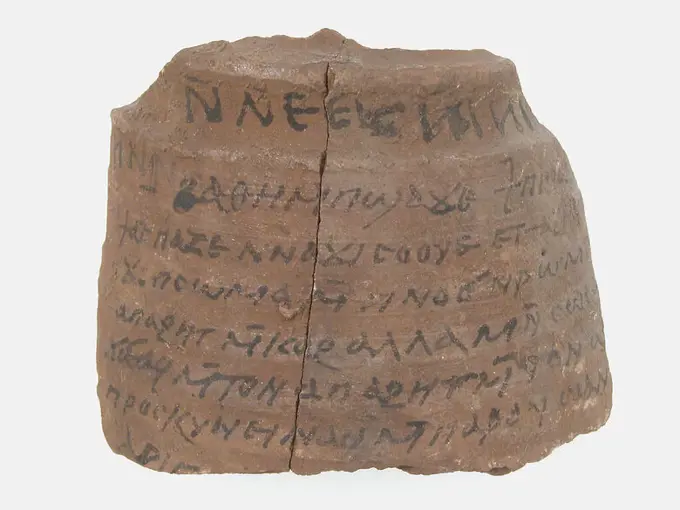
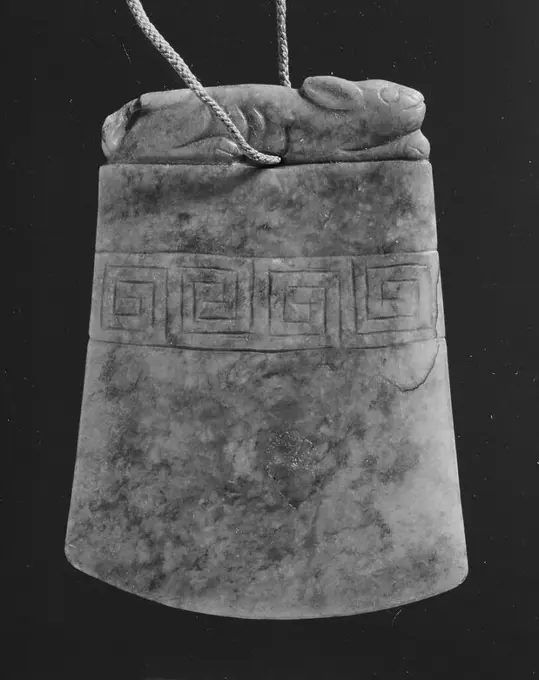
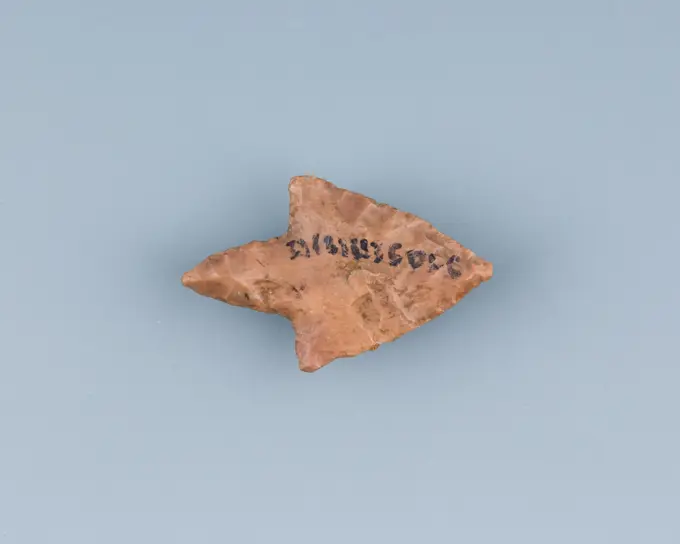
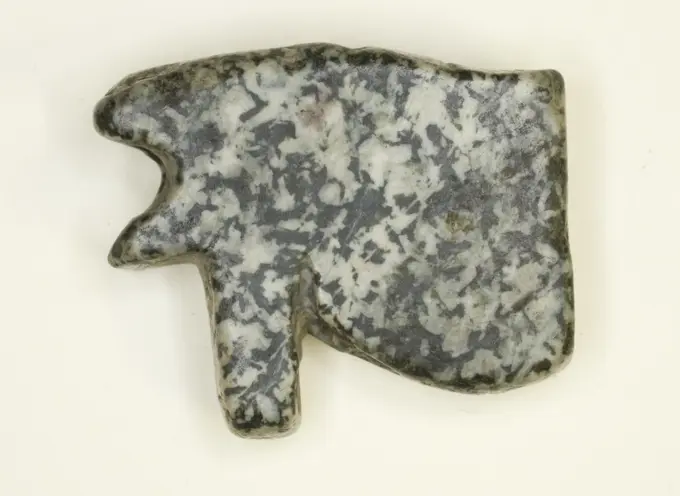
Head with Bow Knot and Kekryphalos. UnknownBlock. Culture: French. Date: ca. 1130-40. Museum: Metropolitan Museum of Art, New York, USA.Pit from a Balanites tree with a hole caused by a rodent ca. 2381-2323 B.C. Old Kingdom. Pit from a Balanites tree with a hole caused by a rodent. ca. 2381-2323 B.C.. Plant Remains ("Balanites Aegyptiaca"). Old Kingdom. From Egypt, Memphite Region, Saqqara. Dynasty 5Arrowhead Japan. Arrowhead 62410Mirror, 9th century, 2 1/16 in. (5.24 cm) (diameter), Bronze, gold, China, 9th centuryBowl sherds ca. 3rd-7th century A.D. Sasanian. Bowl sherds 323234Human tooth inlaid with jadeite (one of three) Mexico. Human tooth inlaid with jadeite (one of three). Mexico. Jadeite, pea-green. JadeBell Half zygmunt (Large Topór Coat of ARMS)  Zygmuntów Tower, Wawel Cathedral, KrakowArtifacts in a canyon, Utah, USA.Head with Wreath. UnknownEngraved Gem; Roman Empire; 2nd - 4th century; Carnelian; 1.5 x 1.2 cm (9,16 x 1,2 in.)Pendant: Bovine Head. UnknownCampania Caserta Capua Museo Campano50. Hutzel, Max 1960-1990 Medieval: Byzantine architectural fragments; parchment fragments with miniatures (12th century) from Montecassino; painted wooden crucifix (13th century); Carolingian crucifixes; Bishop's miter (11th century) of gold and silver damask; fresco (13th century). Post-medieval: Architecture (15th century). Formerly the Palazzo Antignano. Unusual Catalan/Moorish-style portal; Paintings on panel and canvas (15th-18th centuries); marble intarsia (16th century); marble sculpture: busts of Christ and Mary (17th century); sculpture of saints in marble and in wood (15th century); painted and gilded sculpture in wood; marble grave sculpture (16th century); sarcophagus with allegorical carvings; gold reliquary "Rosa d'Oro"; crucifix made of elephant tusk Specific Location: Pianterreno Antiquities: Italic sculpture (seated women holding babies); inscription. Photo campaign #1: 533 photos. Roman relief and sculpture; cinerary urns; Greek anCuneiform tablet: receipt of oxen and sheep ca. 2040 B.C. Neo-Sumerian. Cuneiform tablet: receipt of oxen and sheep 322465Cuneiform tablet: Shumma izbu, tablet 5 ca. 4th-2nd century B.C. Seleucid. Cuneiform tablet: Shumma izbu, tablet 5. Seleucid. ca. 4th-2nd century B.C.. Clay. Seleucid. MesopotamiaFragment majolica dish on stand with polychrome rosette in the mirror, dish plate board plate ground find ceramic earthenware glaze tin glaze lead glaze, ring 11.2 majolica baked 2x painted glazed hand-turned Mirror fragment. en. Polychrome rosette with blue contour twisted blue and yellow spiral on white background. underside of lead glazing baked archeology Rotterdam City center Stadsdriehoek Schielandshuis indigenous pottery food serving table room serve Soil discovery: Schielandshuis during restoration.Rust can over the floorBead. UnknownFragment Pijpenkop, Machiel Andriesz van Oosterhout, 1740 - 1760 Fragment piping head with the letters m a o with m on the left. Of the excavations on the Hofstede Arentsburg 1827-1831 under the supervision of Professor Reuvens. Schoonhoven pipe clay Fragment piping head with the letters m a o with m on the left. Of the excavations on the Hofstede Arentsburg 1827-1831 under the supervision of Professor Reuvens. Schoonhoven pipe clayIncised Plaque 1st-8th century Mezcala. Incised Plaque 313052Fragment. Dimensions: L 24cm x W 19 x H 5.5. Date: probably 8th-12th century. Museum: Metropolitan Museum of Art, New York, USA.Fragments 4th-7th century Coptic. Fragments 478995Ornament tile, similar to diabolo, wall tile tile sculpture ceramic earthenware glaze, baked 2x glazed painted Yellow shard square two nail holes. Purple on white and blue frame RotterdamExcavation of Oseberg Viking age ship discovered in a large burial mound at the Oseberg farm near Tønsberg in Vestfold County, Norway began in 1903. The Oseberg ship dated from 834 AD, was pulled ashore and used as a burial ship for the two ladies. That site also contained numerous richly decorated objects in wood. The characteristic motif of the style is gripping beasts. The gripping beast motif is what clearly distinguishes the early Viking art from the styles that preceded it.Abalone (Haliotis tuberculata), exposedVase fragment East Greek/Sardis, Lydian Rim fragment with incised black lines.. Vase fragment 252678 East Greek/Sardis, Lydian, Vase fragment, Terracotta, Overall: 3 1/4 x 1 15/16in. (8.2 x 5cm). The Metropolitan Museum of Art, New York. Gift of The American Society for the Excavation of Sardis, 1926 (26.199.110)Stamp seal: two boars ca. 3800-3500 B.C.. Stamp seal: two boars 326735Pendant 1st millennium B.C. Iran. Pendant. Iran. 1st millennium B.C.. Bronze. Iron Age. Iran, probably from LuristanFragment of a Beaker 9th-10th century This object was excavated at Nishapur.Nishapur was a vital city in the early and middle Islamic periods, located along one of the main trajectories that connected Iran and West Asia Islamic lands with Central Asia and China. These itineraries are often referred to by the term Silk routes’ but were in fact crucial to the movement of constellations of materials and objects, as well as people and ideas. The diverse population of Nishapur and its surroundings, from the better-researched elite groups of merchants, land-owning aristocracy, and literates, to the less-known artisans, farmers, miners, and servants, were instrumental in adapting global cultural trends to create their own distinctive visual languages. This is seen in the material remains of everyday life in medieval Nishapur - from pots and pans to lighting devices, inkwells, textiles and trimmings, jewelry, games and toys, talismanic devices, weapons, coins, and architectural fragments.NishSestertius (Coin) Portraying Marcus Aurelius or Lucius Verus. Roman. Date: 161 AD-180 AD. Dimensions: Diam. 2.8 cm; 18.85 g. Bronze. Origin: Roman Empire. Museum: The Chicago Art Institute, Chicago, USA. Author: ANCIENT ROMAN.Fragment 13th-15th century. Fragment 446447Seal amulet in the form of a reclining cow ca. 3300-2900 B.C.. Seal amulet in the form of a reclining cow. ca. 3300-2900 B.C.. Stone. Late Uruk-Jemdet Nasr. Mesopotamia, NippurThe set of design elements made from stone or cement: arrows, markers, tick, banners. 3D imitation in hand drawn sketchy style.Crested figure (Macuilxochitl). Culture: Aztec. Dimensions: Overall: 6 1/2 x 2 3/16 x 3 in. (16.51 x 5.51 x 7.62 cm)Other: 2 3/16 x 3 in. (5.51 x 7.62 cm). Date: 15th-early 16th century. Museum: Metropolitan Museum of Art, New York, USA.Sealing ca. 1981-1640 B.C. Middle Kingdom. Sealing 560349Ostrakon. Culture: Coptic. Dimensions: (a) 3 1/4 x 3 1/4 in. (8.3 x 8.3 cm)(b) 1 1/4 x 3 3/8 in. (3.2 x 8.6 cm). Date: 7th century. Museum: Metropolitan Museum of Art, New York, USA.Scarab with a kneeling figure before an obelisk. Dimensions: L. 1.5 cm (9/16 in.); W. 1 cm (3/8 in.); H. 0.7 cm (1/4 in.). Dynasty: Dynasty 21-25. Date: ca. 1070-664 B.C.. Museum: Metropolitan Museum of Art, New York, USA.Ostrakon. Culture: Coptic. Dimensions: 4 3/16 x 3 1/4 in. (10.6 x 8.2 cm). Date: 7th century. Museum: Metropolitan Museum of Art, New York, USA.Attic Black-Figure Vase Fragment. UnknownPendant. Culture: China. Dimensions: W. 2 1/4 in. (5.7 cm); L. 3 1/8 in. (7.9 cm). Date: 20th century. Museum: Metropolitan Museum of Art, New York, USA.Abruzzo L'Aquila Caporciano S. Pietro in Valle1. Hutzel, Max 1960-1990 Post-medieval: Architecture, architectural sculpture (12th century) Ciborium, sarcofagus, altar with frescos, stoup (12th cent.) German-born photographer and scholar Max Hutzel (1911-1988) photographed in Italy from the early 1960s until his death. The result of this project, referred to by Hutzel as Foto Arte Minore, is thorough documentation of art historical development in Italy up to the 18th century, including objects of the Etruscans and the Romans, as well as early Medieval, Romanesque, Gothic, Renaissance and Baroque monuments. Images are organized by geographic region in Italy, then by province, city, site complex and monument.Arrowhead ca. 10,000 B.C.-5000 B.C. European, Italian peninsula. Arrowhead. European, Italian peninsula. ca. 10,000 B.C.-5000 B.C.. Stone. Archery Equipment-ArrowheadsEye of Horus (Wedjat) Amulet 664 BCE-332 BCE Egypt. Granite . Ancient EgyptianKarte des Iran auf rostigem Metall - Map of Iran on rusty metal Karte des Iran auf rostigem Metall - Map of Iran on rusty metal Copyright: xZoonar.com/lantapixx 11019707Ceramic fragment. Dimensions: 5.56 cm x 4.42 cm. Date: 8th-12th century. Museum: Metropolitan Museum of Art, New York, USA.Roman monetary system, republican and imperial coinages, 2nd-5th century AD, Huelva Museum, Huelva, Andalusia, Spain.