Ancient Seals And Fragments

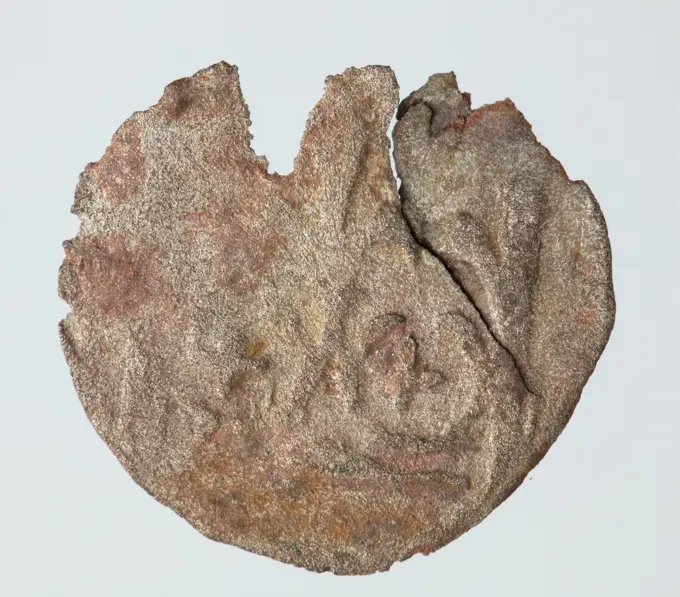
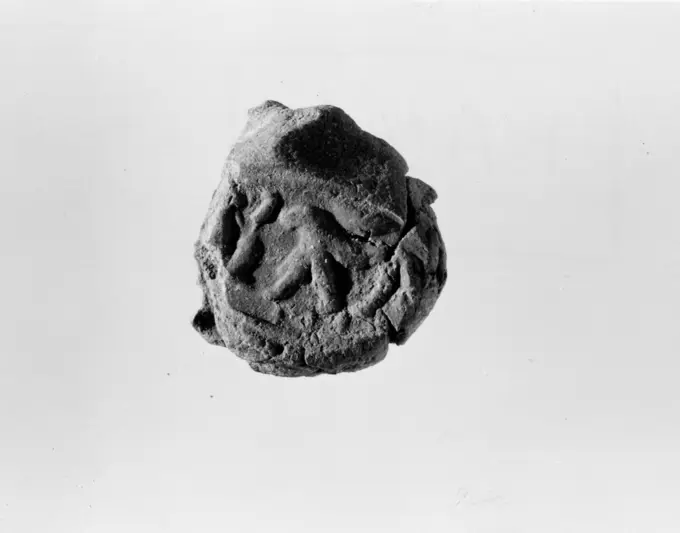
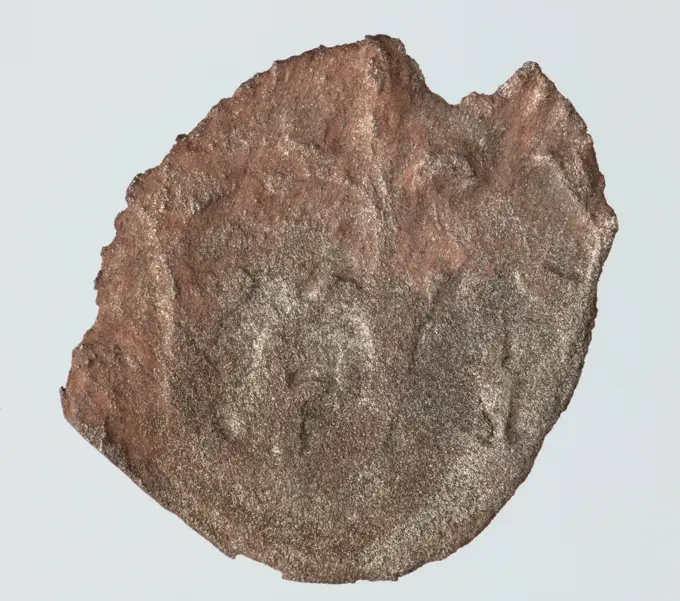
Artifacts including sealing fragments and historical imprint seals from the Middle and New Kingdoms of Egypt, featuring ancient designs and textures.

Female Head. Unknown
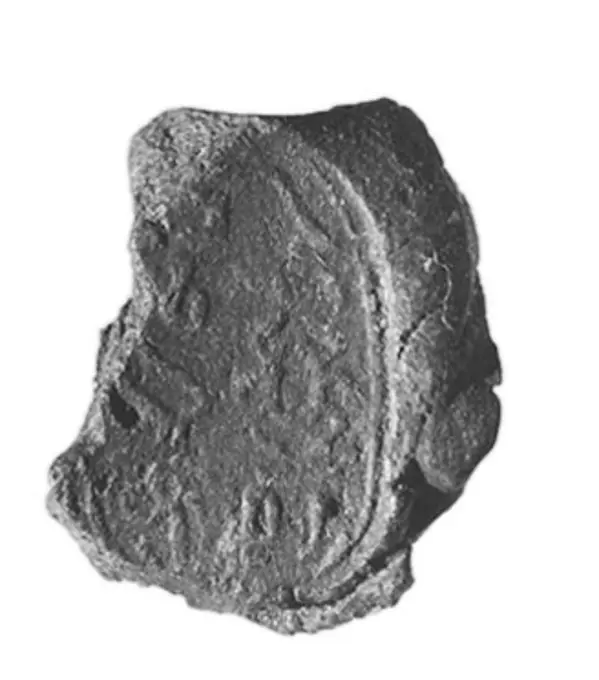
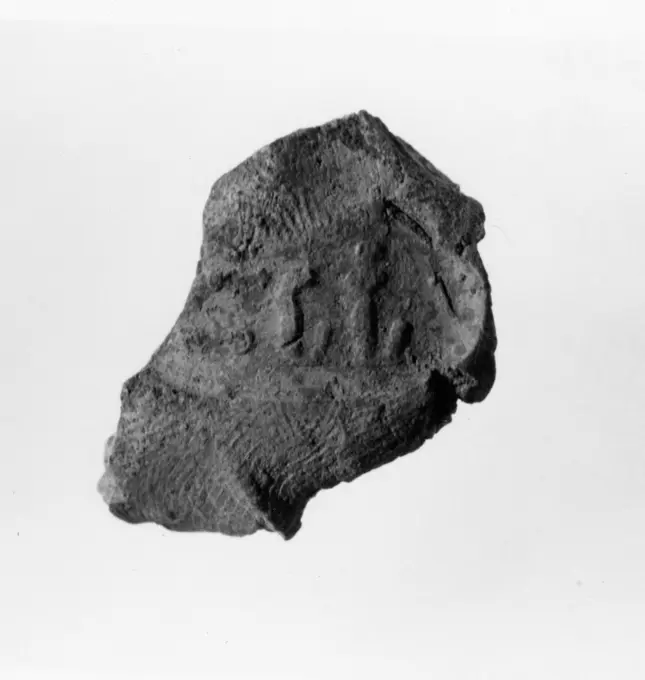
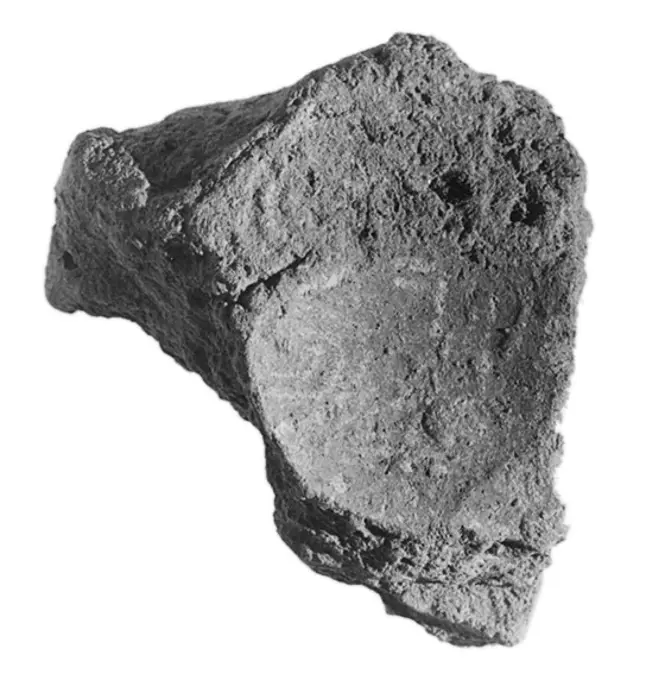
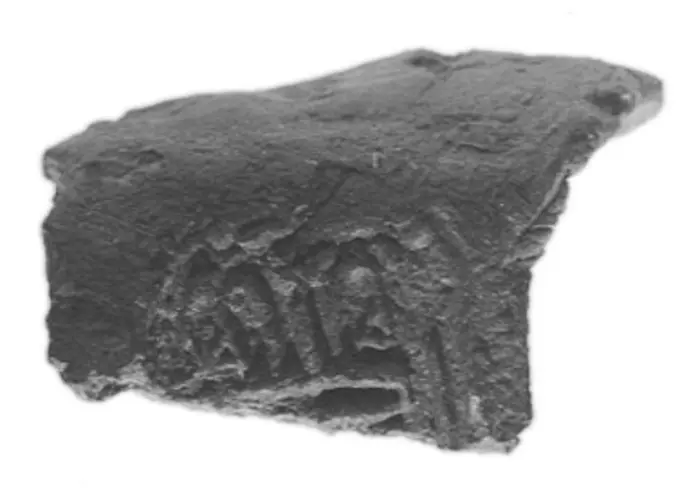
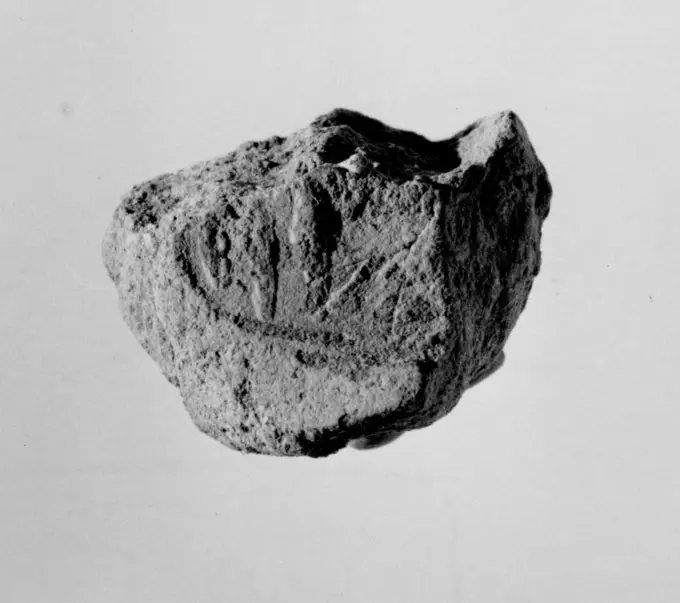
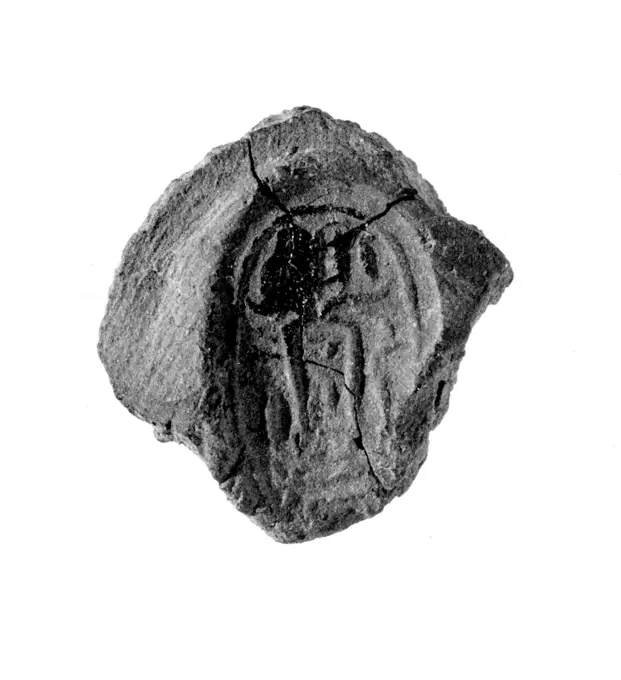
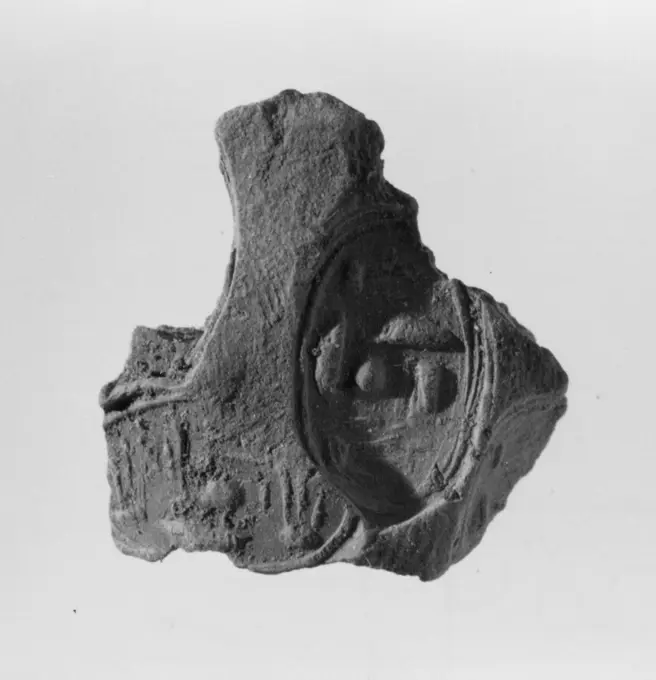
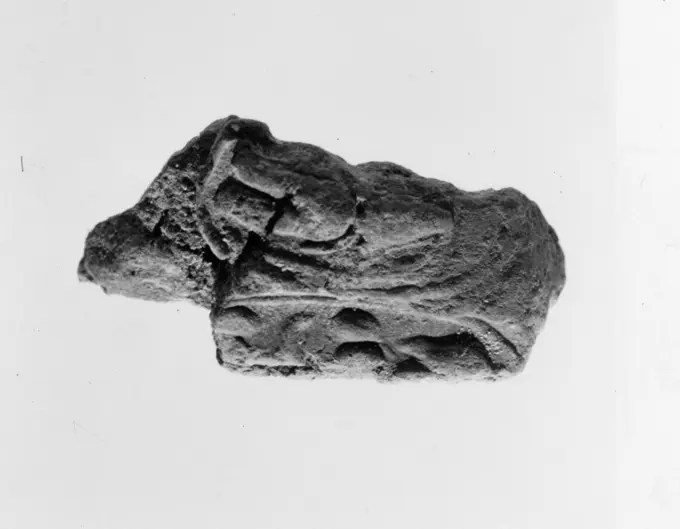
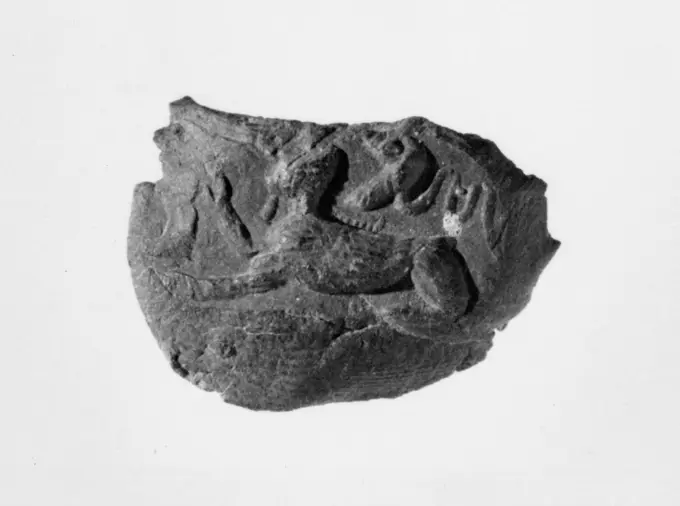
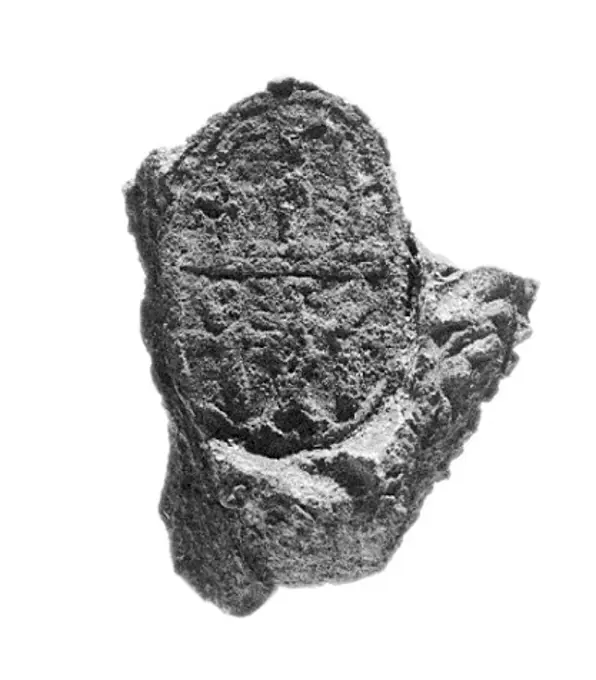
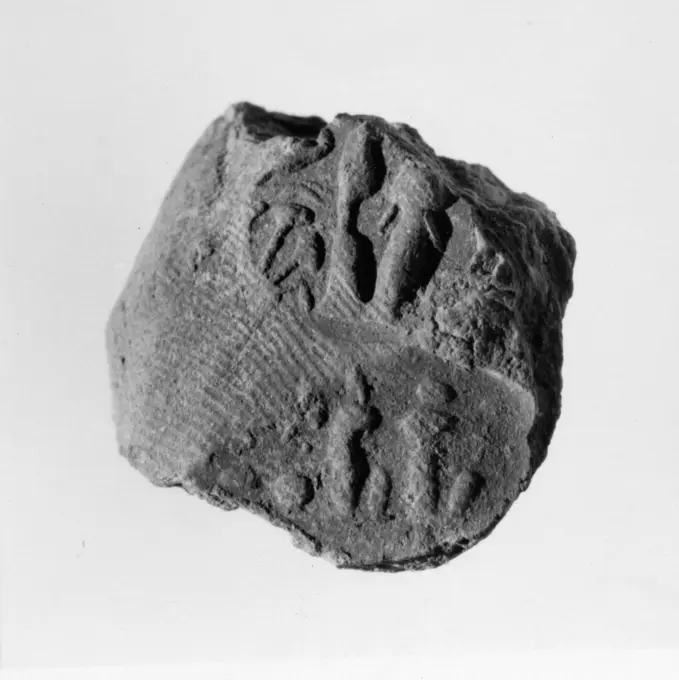
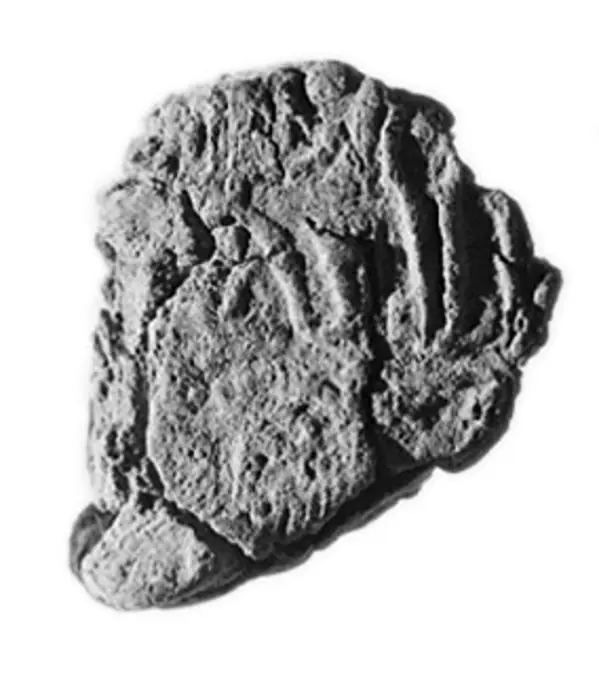
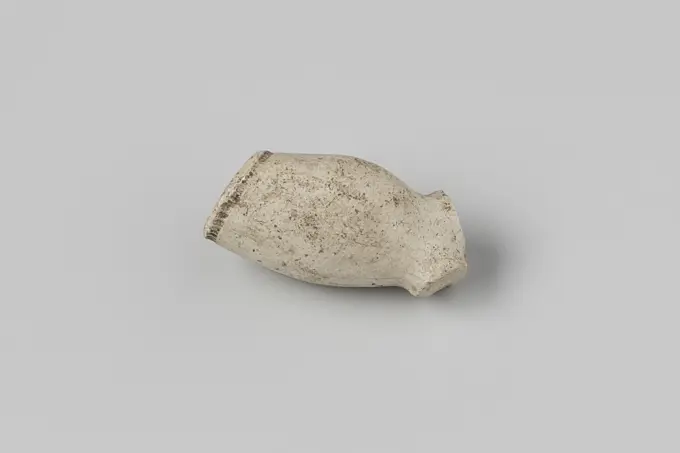
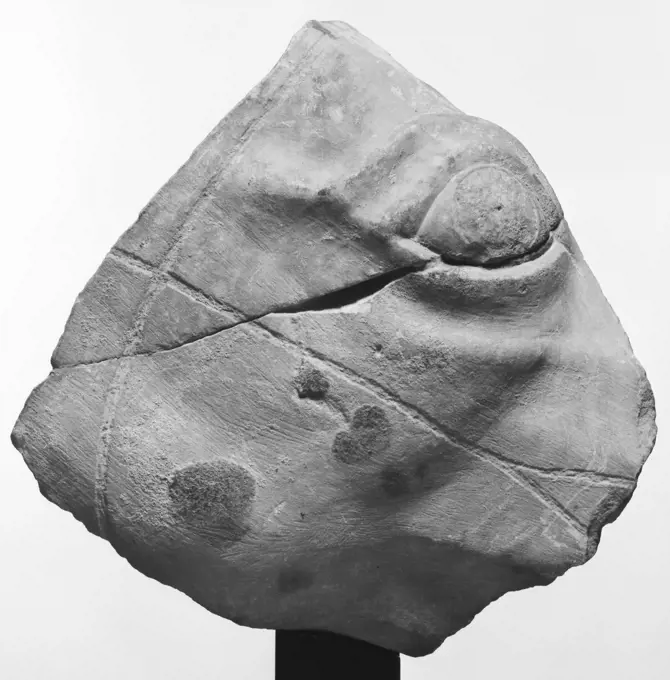
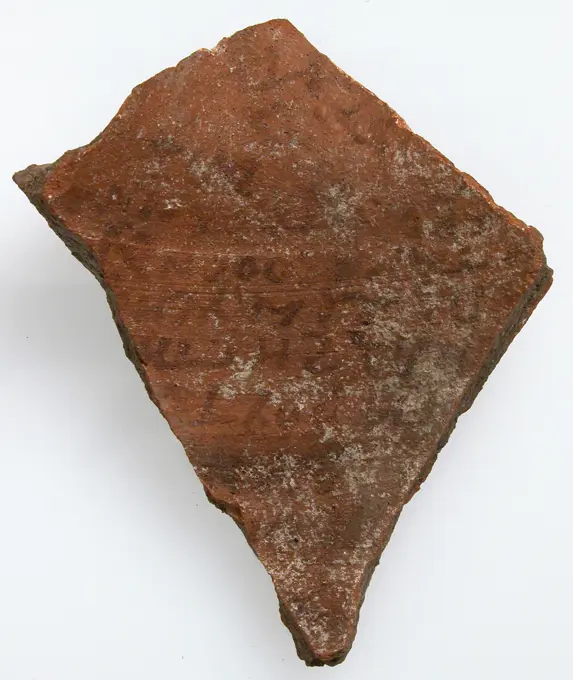
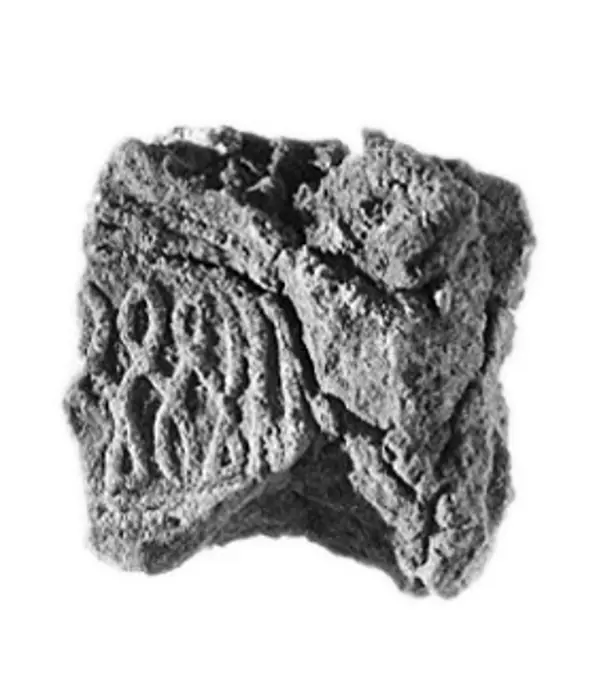
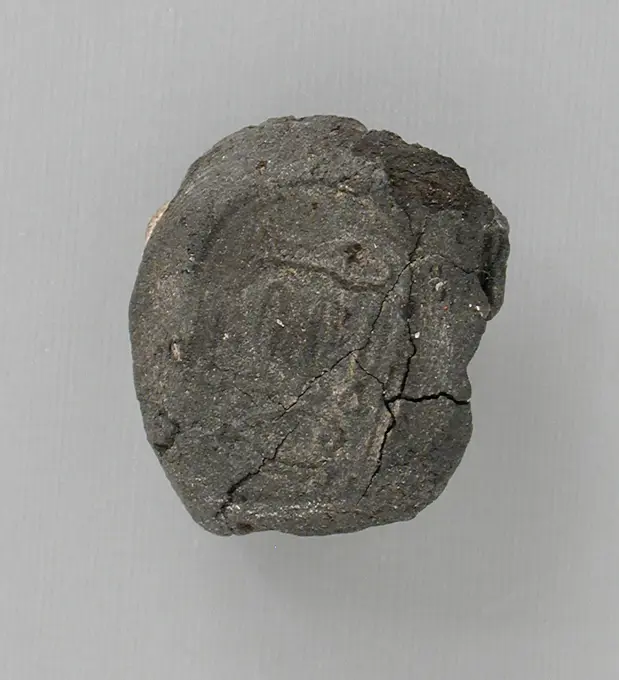
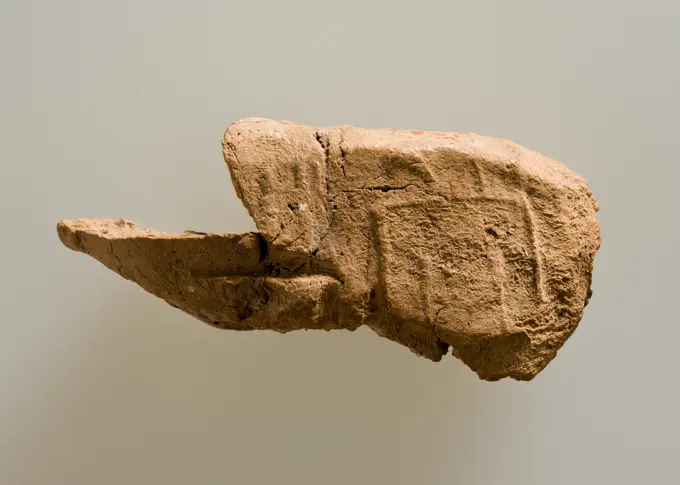
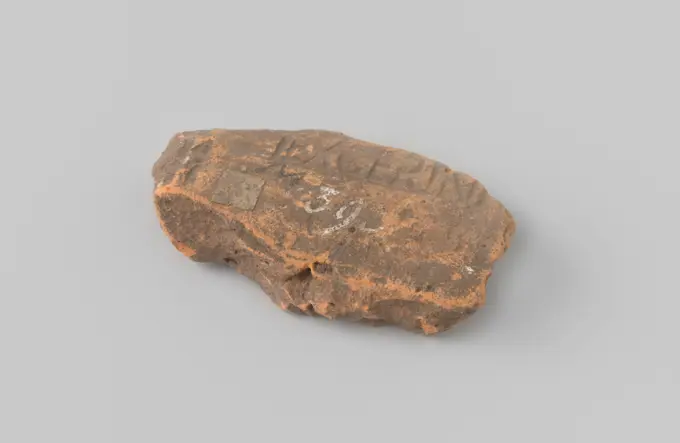
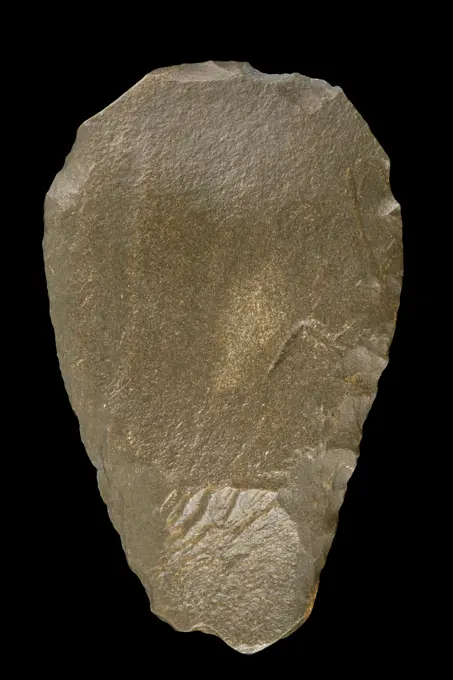
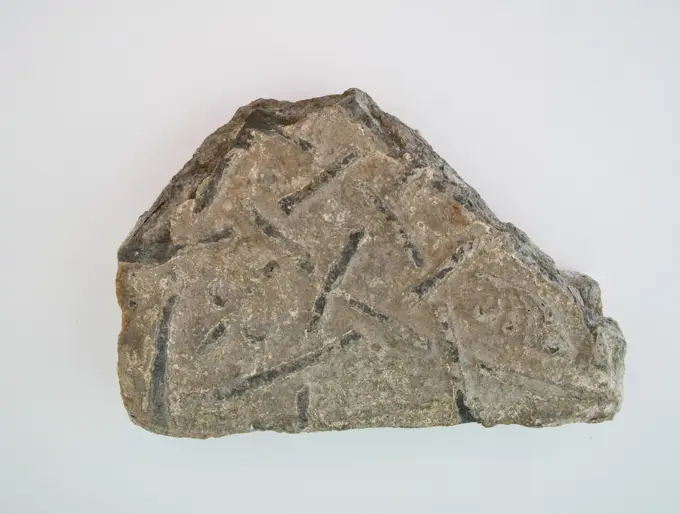
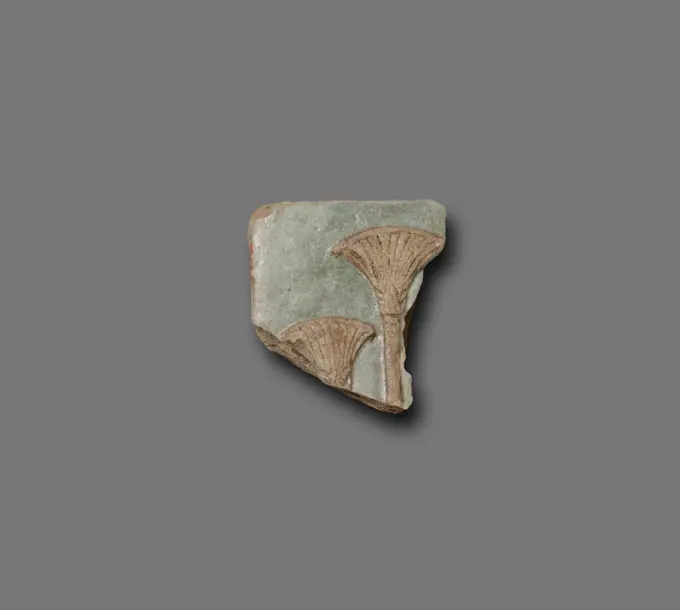
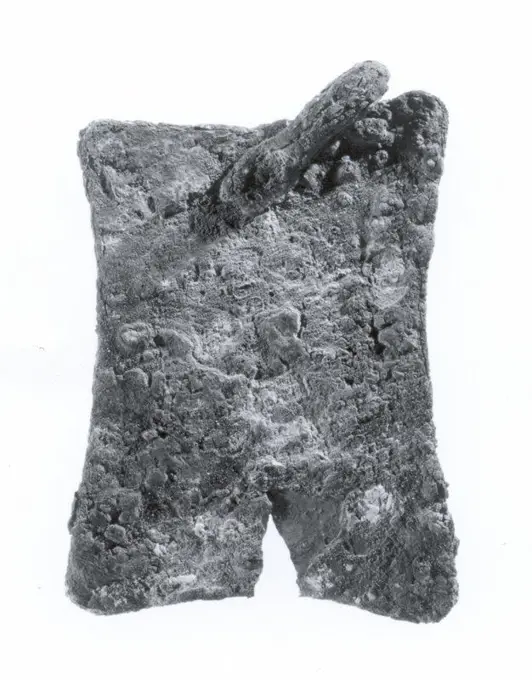
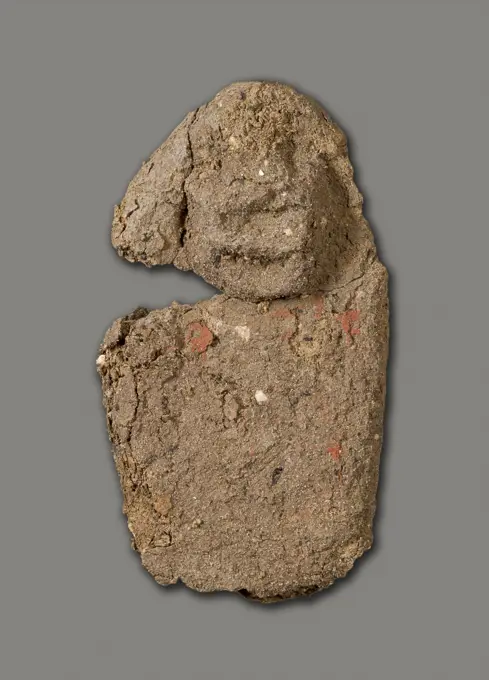
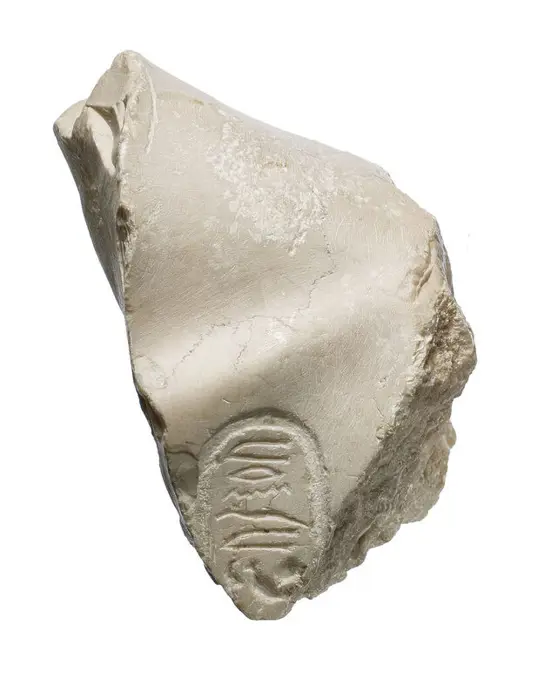
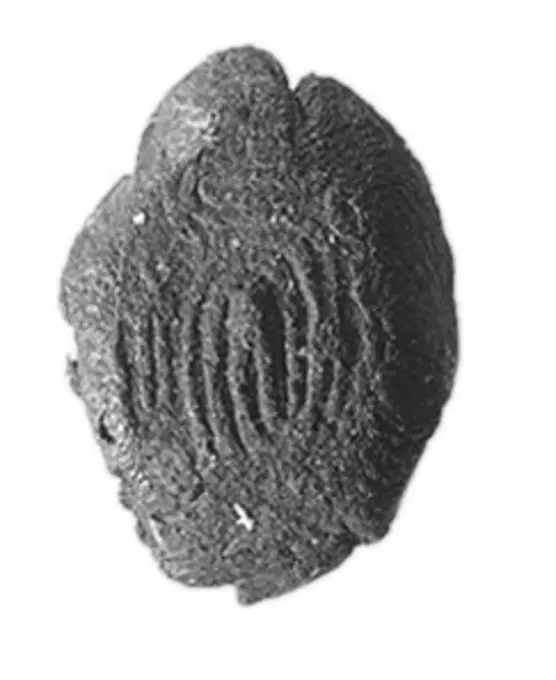
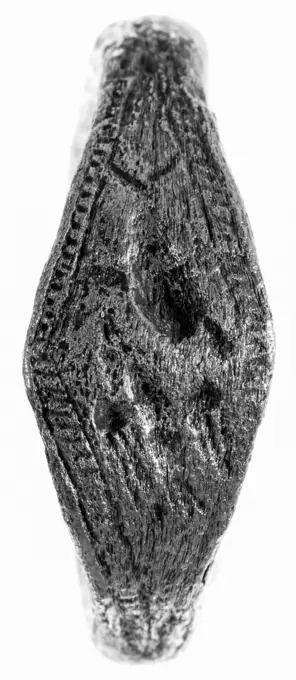
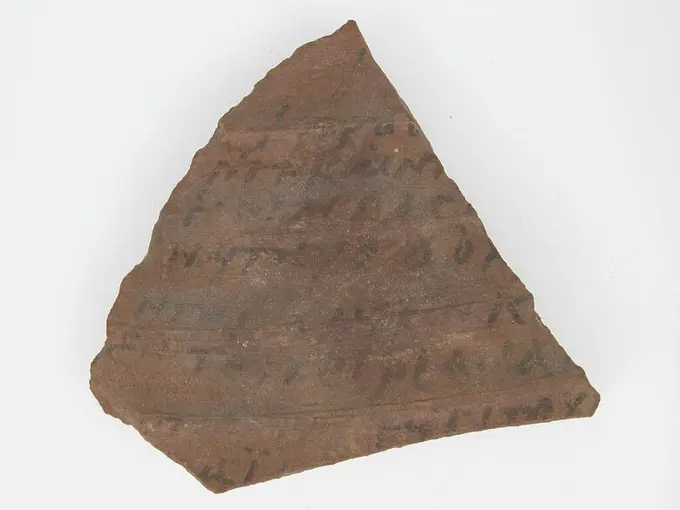
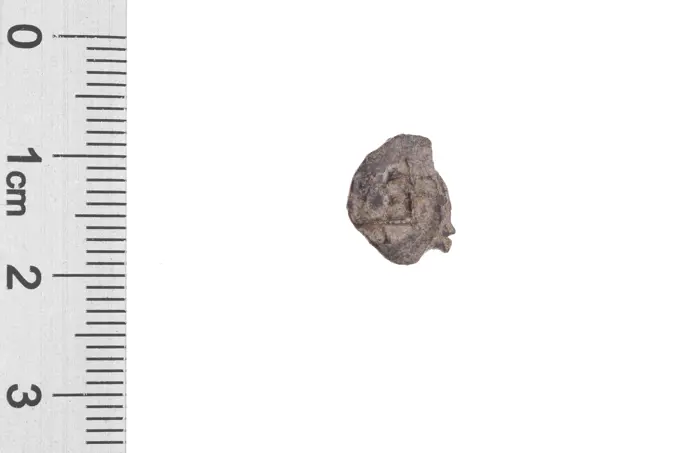
Sealing ca. 2030-1640 B.C. Middle Kingdom. Sealing 546519Female Head. UnknownSealing fragment ca. 2030-1640 B.C. Middle Kingdom. Sealing fragment 565741Document Sealing With Multiple Seal Impressions ca. 1390-1353 B.C. New Kingdom. Document Sealing With Multiple Seal Impressions. ca. 1390-1353 B.C.. Mud. New Kingdom. From Egypt, Upper Egypt, Thebes, Malqata, MMA excavations, 1910-12; Presumably from West Villas, West Villa B. Dynasty 18Sealing fragment ca. 2030-1640 B.C. Middle Kingdom. Sealing fragment. ca. 2030-1640 B.C.. Clay (unfired). Middle Kingdom. From Egypt, Memphite Region, Lisht South, South of the tomb of Imhotep, north of the royal causeway, MMA excavations, 1930-31. Dynasty 12-13Fragment of buyer from the wreck of the East India Hollandia.parts or artifacts; eroded fragments: Materials; Copper.Female Head. UnknownSealing ca. 2030-1640 B.C. Middle Kingdom. Sealing 565388Document Sealing ca. 1390-1353 B.C. New Kingdom. Document Sealing. ca. 1390-1353 B.C.. Mud. New Kingdom. From Egypt, Upper Egypt, Thebes, Malqata, West Villas, West Villa B, MMA excavations, 1910-12. Dynasty 18Appliqué with Eros(). UnknownSealing ca. 2030-1640 B.C. Middle Kingdom. Sealing 565868Document Sealing with the Throne Name of Amenhotep III ca. 1390-1353 B.C. New Kingdom. Document Sealing with the Throne Name of Amenhotep III. ca. 1390-1353 B.C.. Mud. New Kingdom. From Egypt, Upper Egypt, Thebes, Malqata, Southern rubbish mounds, MMA excavations, 1910-12. Dynasty 18Document Sealing ca. 1390-1353 B.C. New Kingdom. Document Sealing. ca. 1390-1353 B.C.. Mud. New Kingdom. From Egypt, Upper Egypt, Thebes, Malqata, King's Palace, West magazine, MMA excavations, 1910-12. Dynasty 18Document Sealing With Multiple Seal Impressions ca. 1390-1353 B.C. New Kingdom. Document Sealing With Multiple Seal Impressions. ca. 1390-1353 B.C.. Mud. New Kingdom. From Egypt, Upper Egypt, Thebes, Malqata, MMA excavations, 1910-12; Possibly from West Villas, West Villa B. Dynasty 18Sealing fragment ca. 2030-1640 B.C. Middle Kingdom. Sealing fragment 565857Female Head. UnknownDocument Sealing ca. 1390-1353 B.C. New Kingdom. Document Sealing. ca. 1390-1353 B.C.. Mud. New Kingdom. From Egypt, Upper Egypt, Thebes, Malqata, West servants' houses, MMA excavations, 1910-12. Dynasty 18Sealing ca. 1981-1640 B.C. Middle Kingdom. Sealing 565443Axe, Neolithic period. From a site in Worcestershire, UKFemale Head. UnknownDocument Sealing With Multiple Seal Impressions ca. 1390-1353 B.C. New Kingdom. Document Sealing With Multiple Seal Impressions. ca. 1390-1353 B.C.. Mud. New Kingdom. From Egypt, Upper Egypt, Thebes, Malqata, MMA excavations, 1910-12; Presumably from West Villas, West Villa B. Dynasty 18Unattributed Trebizond Coin. UnknownShard from one can be from the wreck of the East Indiesman Hollandia. Stoneware, rhenish, frechen-ware, jug; Fragm of Shoulder with Lower Join or Handle, SIM. NG 1980-27H797A.Head of a Comic Actor. UnknownRaised relief fragment 664-610 B.C. Late Period, Saite see 23.3.468. Raised relief fragment. 664-610 B.C.. Limestone, varnish. Late Period, Saite. From Egypt, Upper Egypt, Thebes, Deir el-Bahri, Tomb of Nespekashuty (TT 312, MMA 509), 1st chamber N. door, MMA excavations, 1922-23. Dynasty 26Female Head. UnknownPiped cup ca. 18th century B.C. Old Assyrian Trading Colony. Piped cup 323556Attic Red-Figure Krater Fragment. UnknownFragment Leisteen from the wreck of the East Indiesman Hollandia. Parts or artifacts; eroded fragments: Materials; Slate.Sealing ca. 1981-1640 B.C. Middle Kingdom. Sealing 557522BLIŻEJ KULTURY Mint of Kraków, Władysław Jagiełło (King of Poland, 1386 1434)Blowjob. Pipes head. Of the excavations at the Hofstede Arentsburg 1827-1831 under the supervision of professor Reuvens.Fragment of a Relief of a Horse's Head; Greece (Attica); about 540 B.C; Hymettan marble; 22.6 × 21.5 × 8 cm (8 7,8 × 8 7,16 × 3 1,8 in.)Ostrakon 600 Coptic. Ostrakon 474748Bliżej Kultury Władysław Jagiełło (CA 1351 1434), Mint of KrakówSealing fragment ca. 2030-1640 B.C. Middle Kingdom. Sealing fragment 565856Group of Transport Amphorae (6). UnknownFemale Head. UnknownSealing ca. 2030-1640 B.C. Middle Kingdom. Sealing. ca. 2030-1640 B.C.. Clay (unfired). Middle Kingdom. From Egypt, Memphite Region, Lisht South, Pyramid complex of Senwosret I, north temple gateway, MMA excavations, 1913-14. Dynasty 12-13Document Sealing With the Throne Name of Amenhotep III ca. 1390-1353 B.C. New Kingdom. Document Sealing With the Throne Name of Amenhotep III. ca. 1390-1353 B.C.. Mud. New Kingdom. From Egypt, Upper Egypt, Thebes, Malqata, West Villas, West Villa B, MMA excavations, 1910-12. Dynasty 18Shard of a pot from the wreck of the East India Hollandia.Stoneware, Rhenish, Westerwald, Pot; or body, sim. NG 1980-27H2624R.Female Head. UnknownBliżej Kultury Władysław Jagiełło (CA 1351 1434), Mint of KrakówDocument Sealing With the Throne Name of Amenhotep III ca. 1390-1353 B.C. New Kingdom. Document Sealing With the Throne Name of Amenhotep III. ca. 1390-1353 B.C.. Mud. New Kingdom. From Egypt, Upper Egypt, Thebes, Malqata, No exact location recorded, MMA excavations, 1910-12. Dynasty 18Wall casing 664-610 B.C. Late Period, Saite see 23.3.468. Wall casing 548146Fragment of a PIN from the wreck of the East Indied Flying Heart. The brown coniferous fragment is almost rectangular and has a standing ledge (approx. 4 mm high) on one side in the middle.Sealing ca. 2030-1640 B.C. Middle Kingdom. Sealing 565897Votive plaque of Zaō Gongen Japan 11th century This flame-shaped votive plaque is incised with the figure of Zaō Gongen on a rocky outcrop with his right foot upraised. He holds a three-pronged vajra (sankōshō) in his right hand and his left hand forms the ken-in mudra (sword gesture). This bronze plaque is said to have been retrieved from a sutra mound (kyōzuka) of the temple Kimpusenji in Yoshino, which has been a center for Shūgendō ascetic training since medieval times.Fragment Pijpenkop from the wreck of the East Indians Hollandia, Anonymous, 1700 - in Or Before 1743  Pipe, bowl, whole market illegible; fragment. Netherlands pipe clay   SecondVase fragment Greek, Lydian. Vase fragment 252756 Greek, Lydian, Vase fragment, Terracotta, Overall: 2 3/4 x 11/16in. (7 x 1.8cm). The Metropolitan Museum of Art, New York. Gift of The American Society for the Excavation of Sardis, 1926 (26.199.189)Fragment of an Archaic Kline Monument. UnknownSealing ca. 1981-1640 B.C. Middle Kingdom. Sealing 560480Ivory Fragment. UnknownBurned Seal Impression with Iconography. Egypt, Middle Kingdom - Second Intermediate Period () (1991 - 1600 BCE). Tools and Equipment; seals. Blackened clayFragment pipe head. Fragment pipe head. Of the excavations at the Hofstede Arentsburg 1827-1831 under the supervision of professor Reuvens.Female Head. UnknownSealing ca. 7th century A.D. Sasanian. Sealing. Sasanian. ca. 7th century A.D.. Un-baked clay. Sasanian. Iran, Qasr-i Abu NasrClay jar sealing impressed faintly with name of Khasekhemwy ca. 2650 B.C. Early Dynastic Period. Clay jar sealing impressed faintly with name of Khasekhemwy 570768Unattributed Trebizond Coin. UnknownSealing ca. 7th century A.D. Sasanian. Sealing 323396Fragment of a Roman brick with inscription, anonymous, c. 100 - c. 200 Fragment of a Roman brick of yellow -baking earthenware. The word Exgerin is stamped in the surface. Netherlands (possibly) earthenware Fragment of a Roman brick of yellow -baking earthenware. The word Exgerin is stamped in the surface. Netherlands (possibly) earthenwareGreen jasper scraper. Neolithic period. Mali. 7cm.Fragment of a Relief 3rd-7th century Central Asia. Fragment of a Relief 40289Floor plate, fragmentFemale Head. UnknownTile with papyrus plant ca. 1279-1213 B.C. New Kingdom, Ramesside This tile once decorated the palace of Ramesses II in Piramesse, which he made into one of the greatest royal cities of ancient Egypt. Thanks to the royal favor and its strategic location, Piramesse soon became an important international trade center and a cosmopolitan metropolis, boasting a harbor, a military base, and temples dedicated to various gods like Amun-Re-Harakhty-Atum, Seth, Astarte, etc. Poems were written in the city's praise, and its name, which translates as "The House of Ramesses, Beloved of Amun, Great of Victories" when fully written, came to us through the Old Testament as Raamses.’ The tiles bear the names of Seti I, Ramesses II and later Ramesside kings, who renovated the palace and changed its decoration through the reigns. New tiles were made, and the old tiles may be have been dismantled and buried together. Based on the tiles, we can still reconstruct quite a number of the features of the palacSealing ca. 1981-1640 B.C. Middle Kingdom. Sealing 560421Harness or bridle ornament () ca. 9th century B.C. Iran. Harness or bridle ornament () 326215Magical Figure ca. 1802-1550 B.C. Late Middle Kingdom-Second Intermediate Period These tablets of unfired clay with attached crude faces were found as a group by the Museum's excavators at Lisht South in loose surface sand west of the mastaba of Senwosretankh, a high official and possibly the architect of the pyramid complex of Senwosret I (ca. 1961-1917 B. C.), east of which he erected his own very elaborate mastaba tomb (see acc. nos. 33.1.2 and other pieces). The mud figures and little coffin (acc. no. 33.1.66) that had contained some of them must have been buried, however, considerably later than the early twelfth dynasty tomb close to which they were found. In fact, during the thirteenth and following dynasties people deposited a number of objects in the by then sacred area around a legendary ruler's pyramid and its dependant monuments, believing conceivably that potent magical powers could thus be released. These flat mud figures, for instance, are inscribed in now much-faded redLeft shoulder with Aten cartouches, possibly from Akhenaten or Nefertiti prostrate. Dimensions: H. 11.5 × W. 7.5 × D. 15 cm (4 1/2 × 2 15/16 × 5 7/8 in.); Cartouche: W. 2.7 cm (1 1/16 in.). Dynasty: Dynasty 18. Reign: reign of Akhenaten. Date: ca. 1352-1336 B.C.. Museum: Metropolitan Museum of Art, New York, USA.Flask. UnknownSealing ca. 1981-1640 B.C. Middle Kingdom. Sealing 560410Sealing fragment ca. 2030-1640 B.C. Middle Kingdom. Sealing fragment 572495Attic Black-Figure Eye Cup Fragment. UnknownRing. UnknownConus Marmoreus from v.O.c.-ship the 'white lion'. Shell from v.o.c.-ship the 'white lion'.Vase fragment East Greek/Sardis, Lydian. Vase fragment 252743 East Greek/Sardis, Lydian, Vase fragment, Terracotta, Overall: 4 3/4 x 2 15/16in. (12 x 7.5cm). The Metropolitan Museum of Art, New York. Gift of The American Society for the Excavation of Sardis, 1926 (26.199.176)Attic Red-Figure Pelike Fragment (comprised of 4 Joined Fragments). UnknownBead. UnknownFragment Steel van Fork or Spoon from the wreck of the East Indians Hollandia, Anonymous, 1700 - in Or Before 1743 spoon Cutlery, fragment: stem of fork or spoon; fragm, heavily corroded, semicircular in section. Netherlands tin (metal)   SecondDrohiczy seal;  XI-XIII century (1090-00-00-1110-00-00);guild seals, customs seals, touches, seals of customs chambers, official seals, seals with a crossRaised relief fragment 664-610 B.C. Late Period, Saite see 23.3.468. Raised relief fragment. 664-610 B.C.. Limestone. Late Period, Saite. From Egypt, Upper Egypt, Thebes, Deir el-Bahri, Tomb of Nespekashuty (TT 312, MMA 509), 1st chamber N. door, MMA excavations, 1922-23. Dynasty 26Female Head. UnknownFragment Russia (Siberia). Fragment. Russia (Siberia). Nephrite. JadeDocument Sealing New Kingdom ca. 1390-1352 B.C. View more. Document Sealing. ca. 1390-1352 B.C.. Mud. New Kingdom. From Egypt, Upper Egypt, Thebes, Malqata, No exact find spot determined, MMA excavations, 1910-12. Dynasty 18Fragment tobacco pipe, anonymous, 1650 - 1670 Fragment tobacco pipe. Of the excavations on the Hofstede Arentsburg 1827-1831 under the supervision of Professor Reuvens. Gouda pipe clay Fragment tobacco pipe. Of the excavations on the Hofstede Arentsburg 1827-1831 under the supervision of Professor Reuvens. Gouda pipe clayBliżej Kultury Władysław Jagiełło (CA 1351 1434), Mint of KrakówCoin 5th-14th century. Coin. 5th-14th century. Copper. Excavated in Iran, Nishapur. CoinsFragmentary Stamnoid Krater. UnknownForma do wyrobu amuletu (lwa). unknown, authorFragment of one side of Siptah's Canopic Chest ca. 1194-1188 B.C. New Kingdom, Ramesside. Fragment of one side of Siptah's Canopic Chest. ca. 1194-1188 B.C.. Travertine (Egyptian alabaster). New Kingdom, Ramesside. From Egypt, Upper Egypt, Thebes, Valley of the Kings, Tomb of Siptah (KV 47), Davis excavations, 1912. Dynasty 19Mace head ca. 9th century B.C. Iran. Mace head 325020Bread dish 599. Neolithic. Terracotta. Paris, Carnavalet museum. 599, Neolithic, Bread dish, terracotta, dishes, archeological vestigeAttic Black-Figure Cup Fragment. UnknownBell. UnknownForm of rope in concrete to wood from the east India Dresser's wreck 't flying heart. The large gray-brown clog concretion encloses an elongated piece of wood. The concretion has spiral-shaped prints of rope on two sides. There are also fibers to fixed, presumably hemp.Ostrakon. Culture: Coptic. Dimensions: 3 3/8 x 3 in. (8.5 x 7.6 cm). Date: 7th century. Museum: Metropolitan Museum of Art, New York, USA.Coin 5th-14th century. Coin. 5th-14th century. Copper. Excavated in Iran, Nishapur. Coinsfragment with tie or streamer ca. 1353-1336 B.C. New Kingdom, Amarna Period. fragment with tie or streamer 561688Drohiczyn seal. unknown, manager