Ancient Seals And Fragments

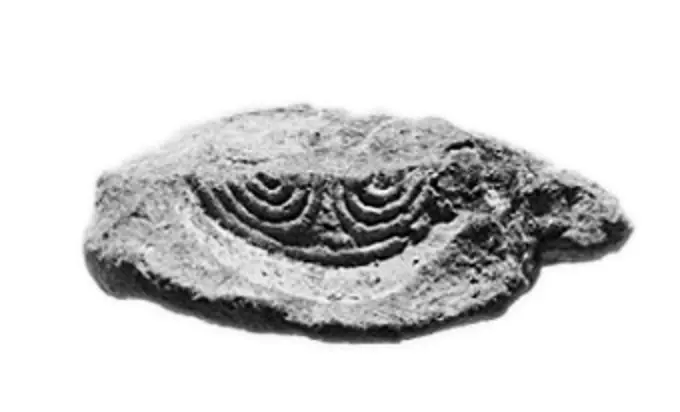
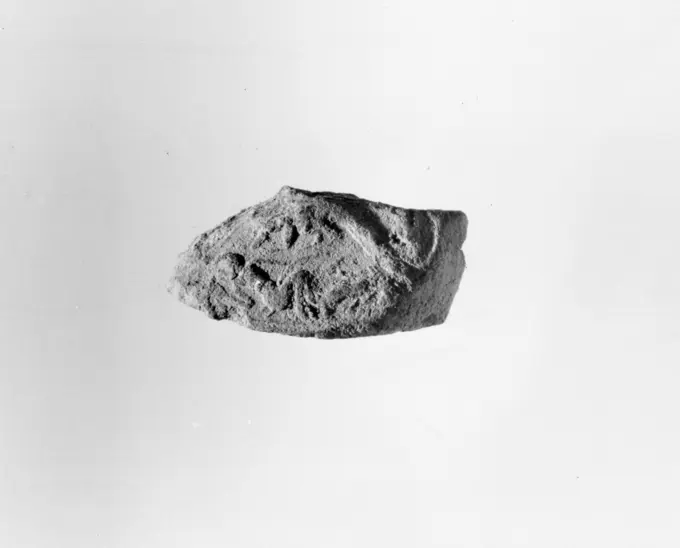
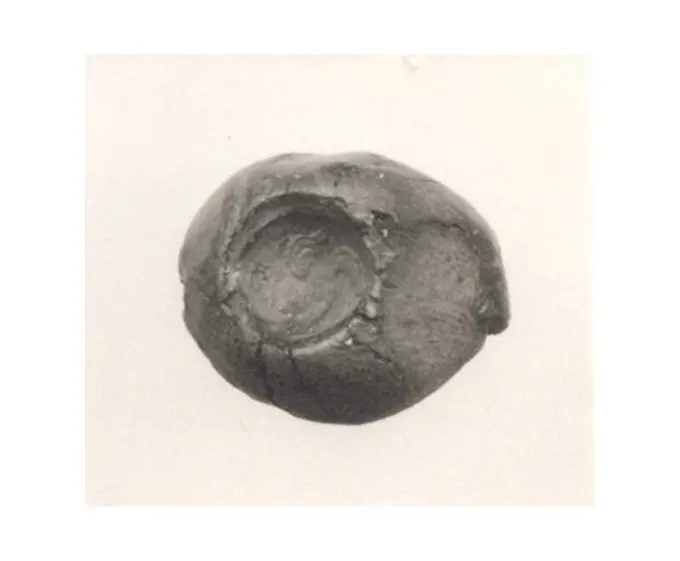
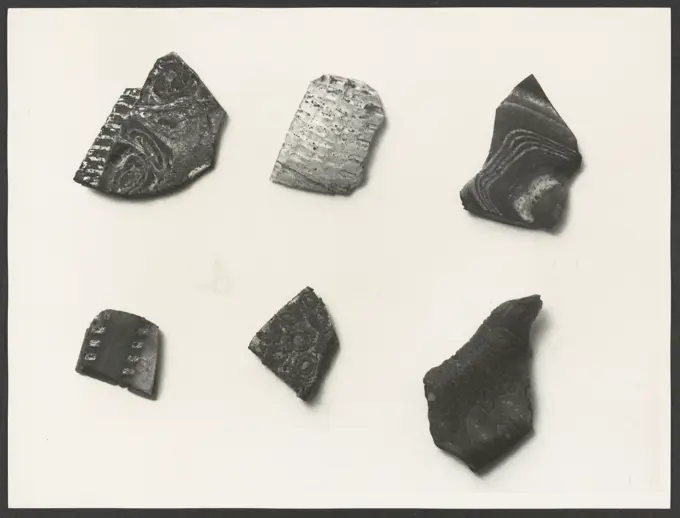
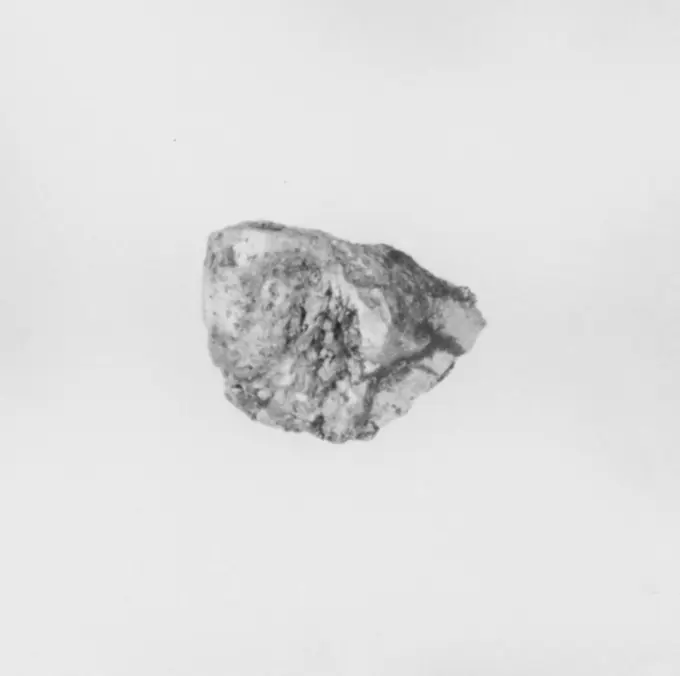
Artifacts including sealing fragments and historical imprint seals from the Middle and New Kingdoms of Egypt, featuring ancient designs and textures.

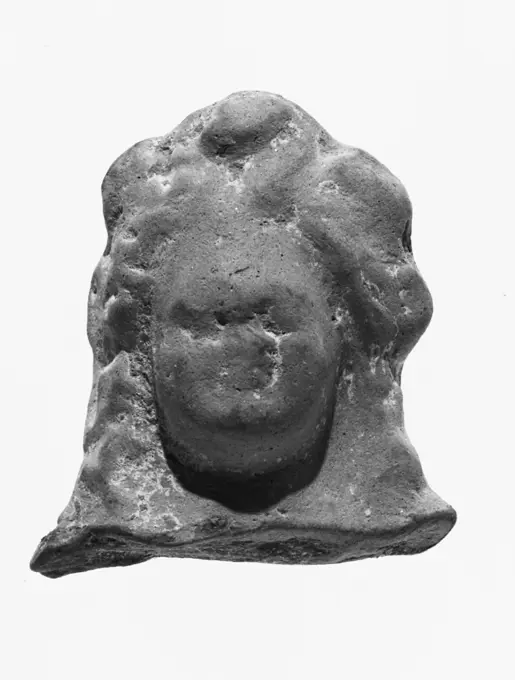
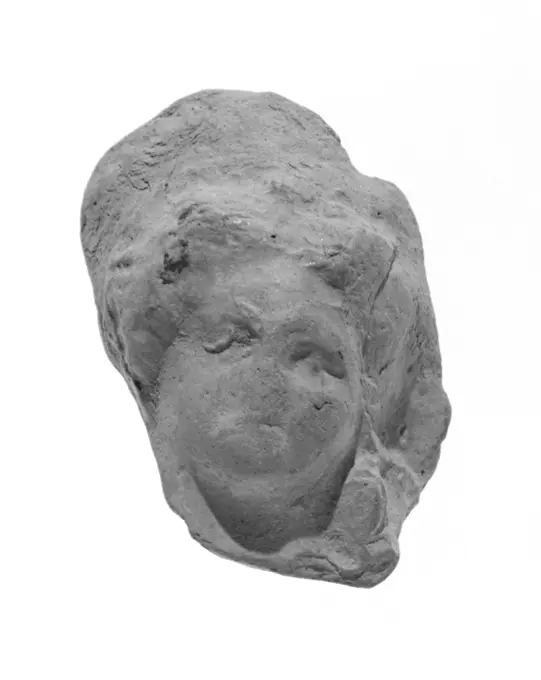
Female Head. Unknown
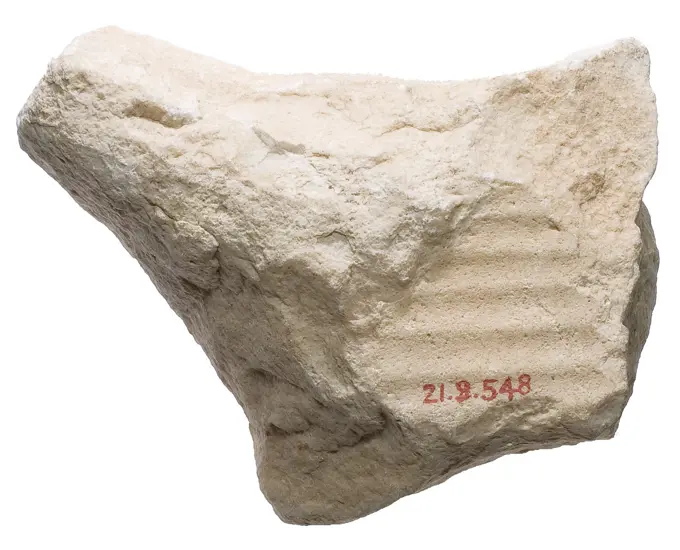
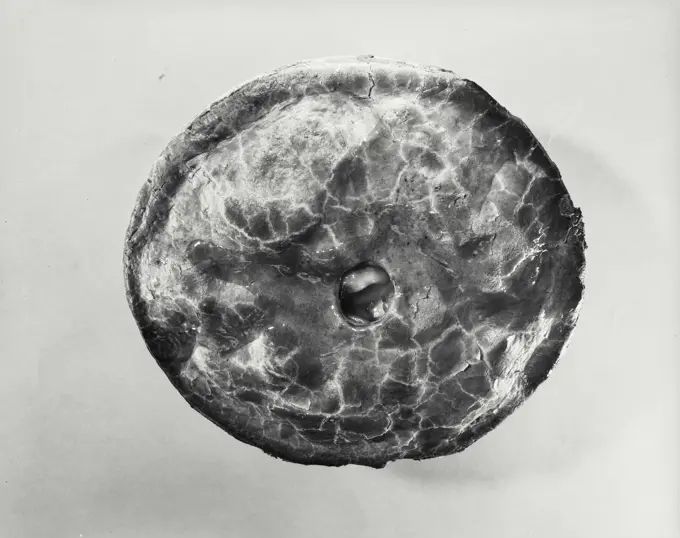
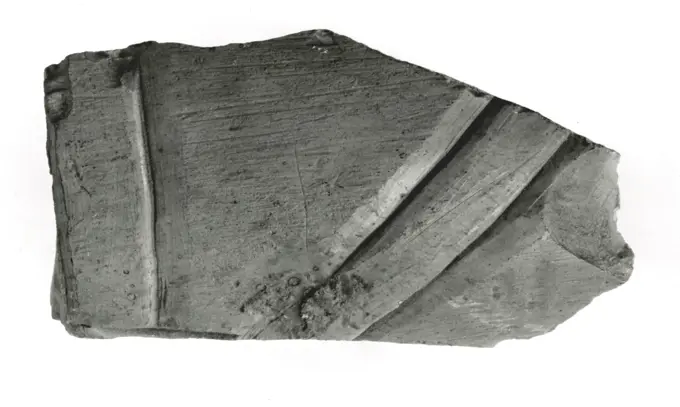
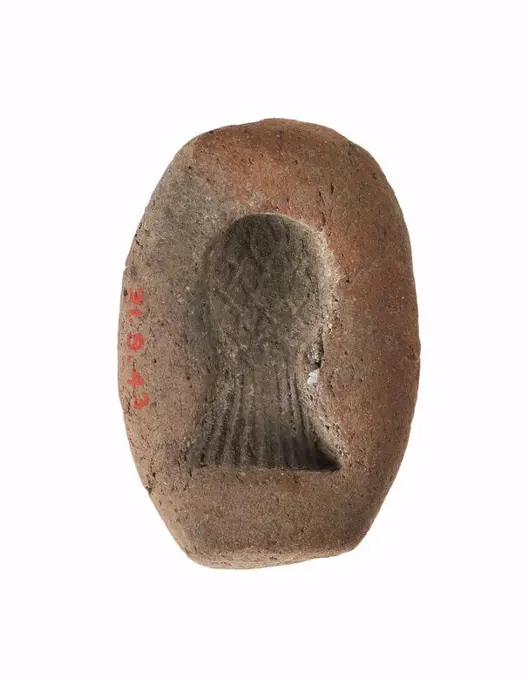
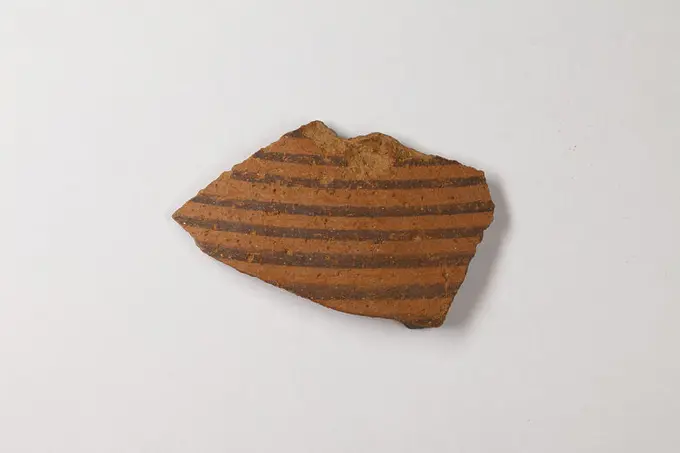
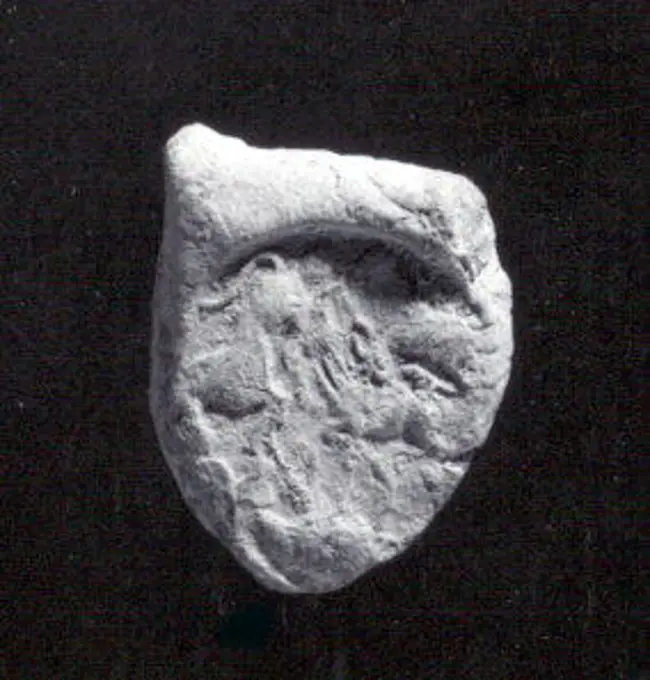
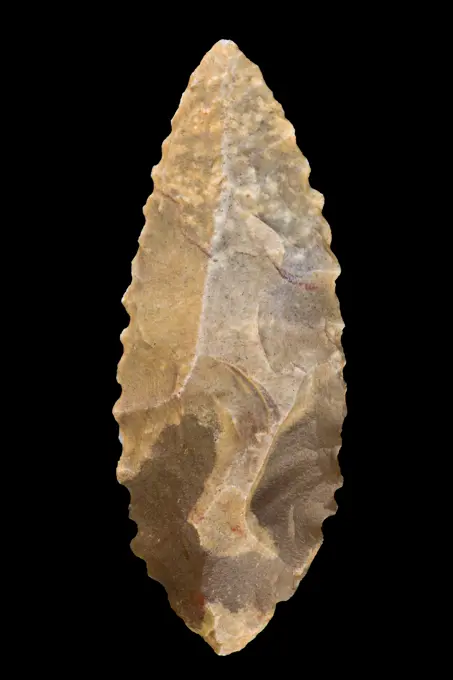
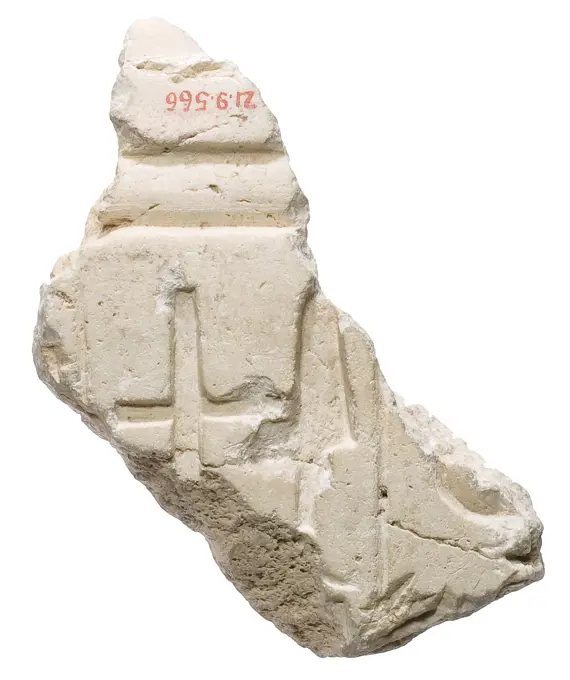
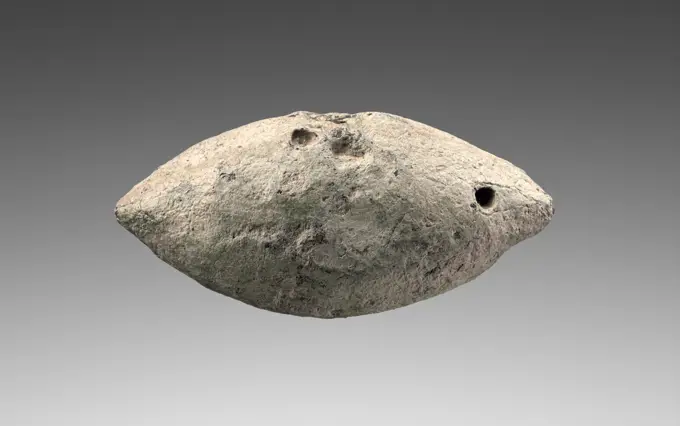
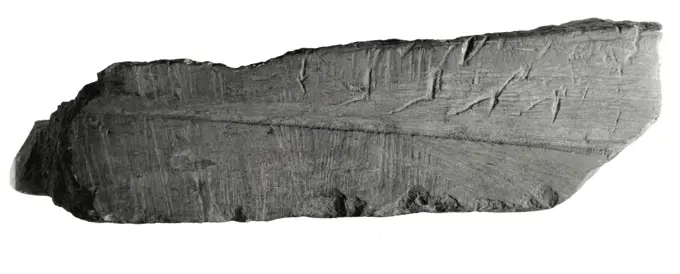
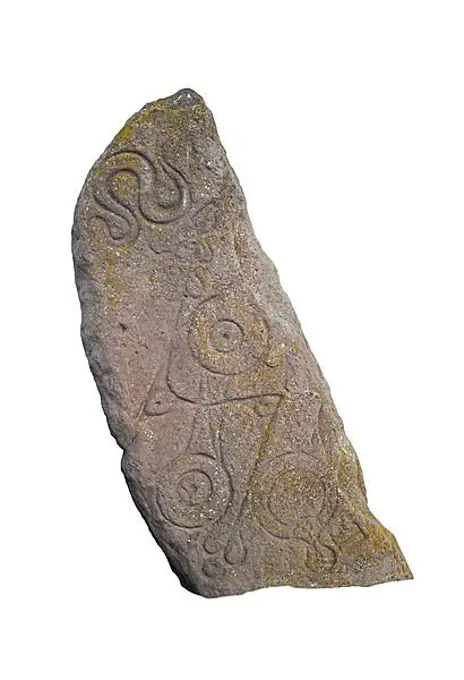
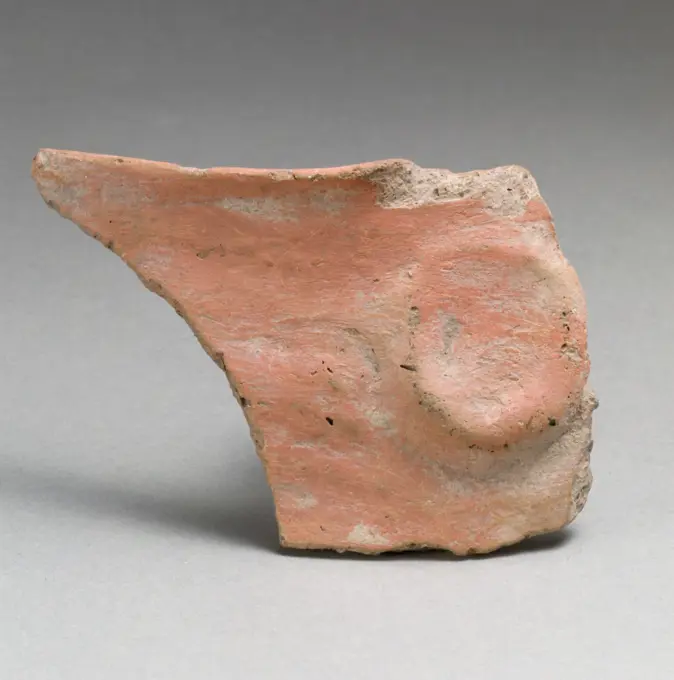
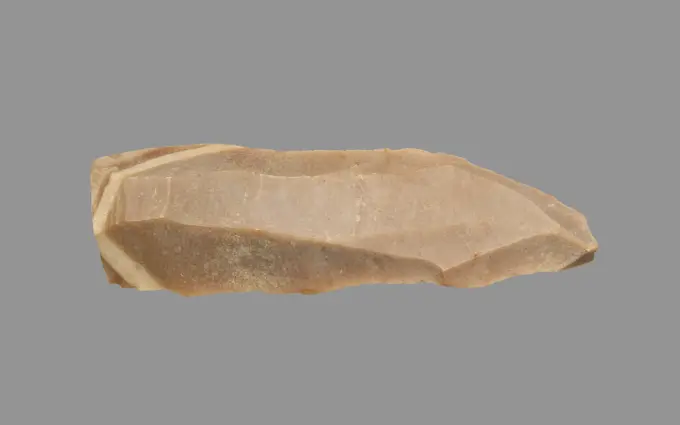
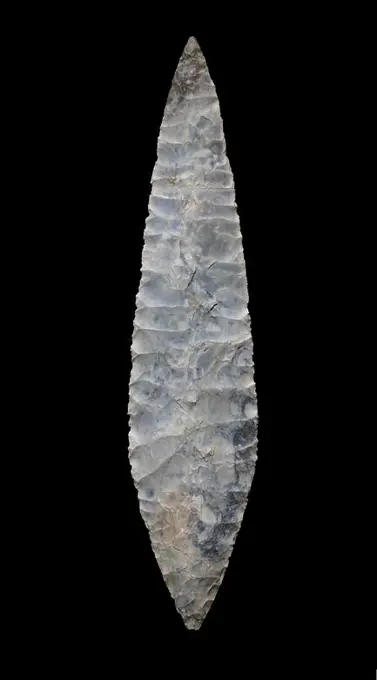
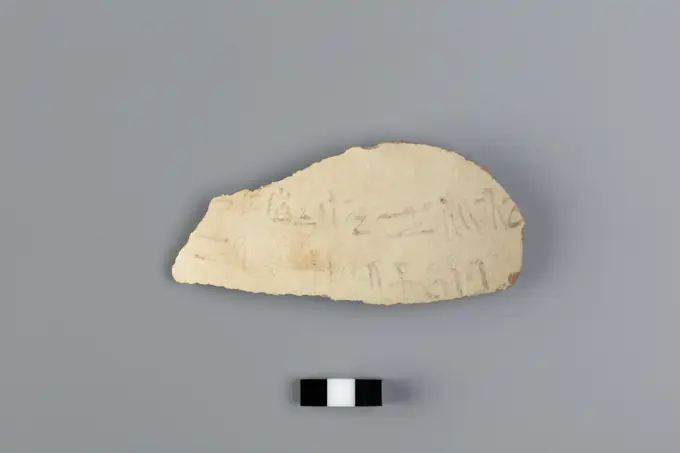
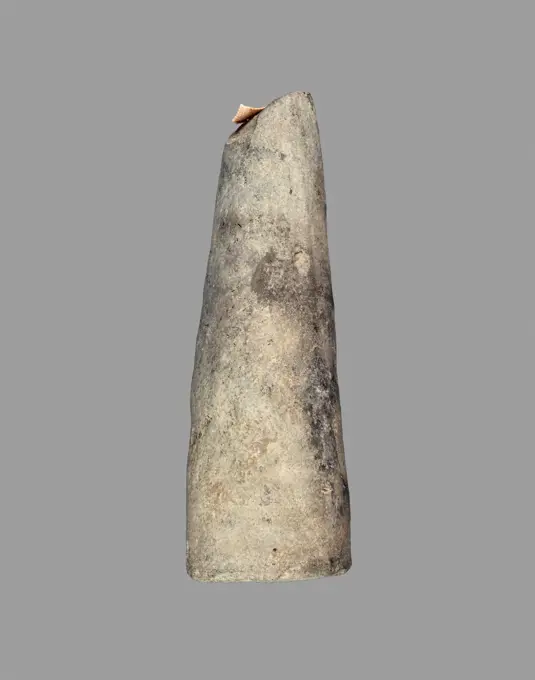
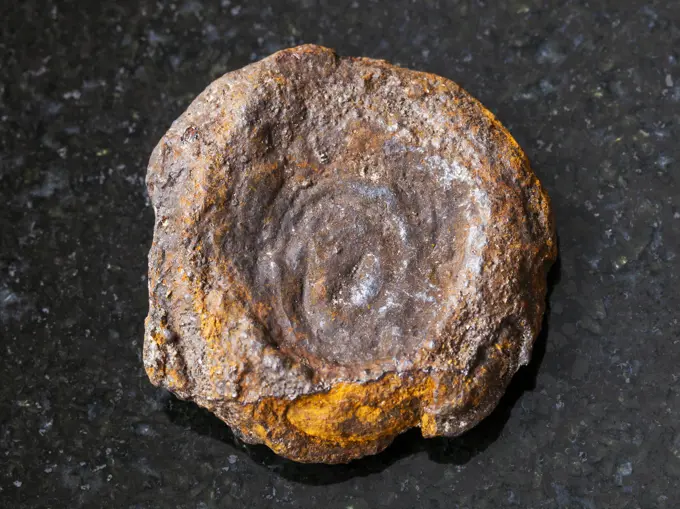
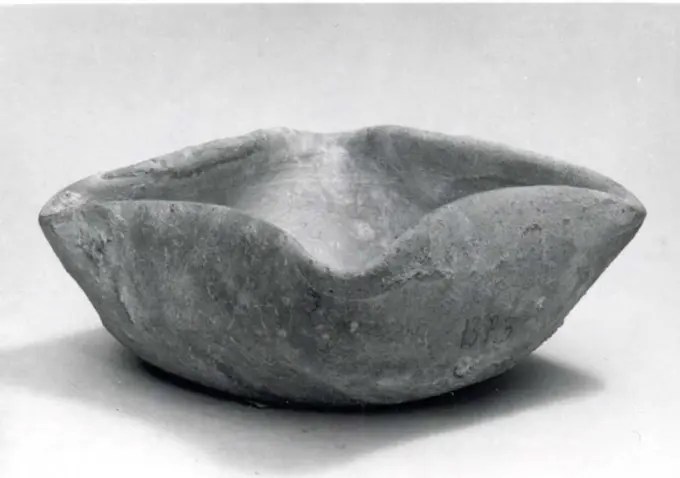
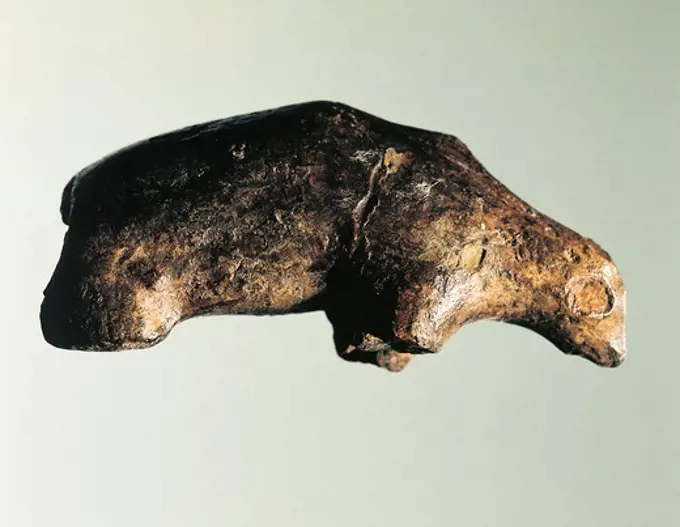
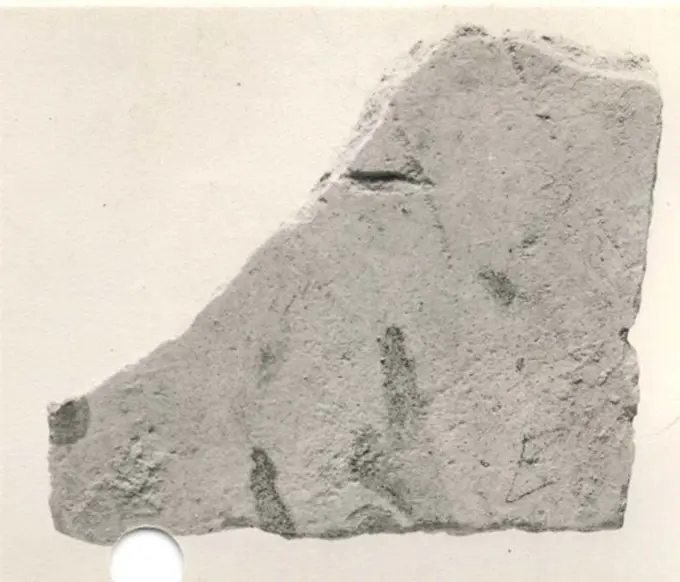
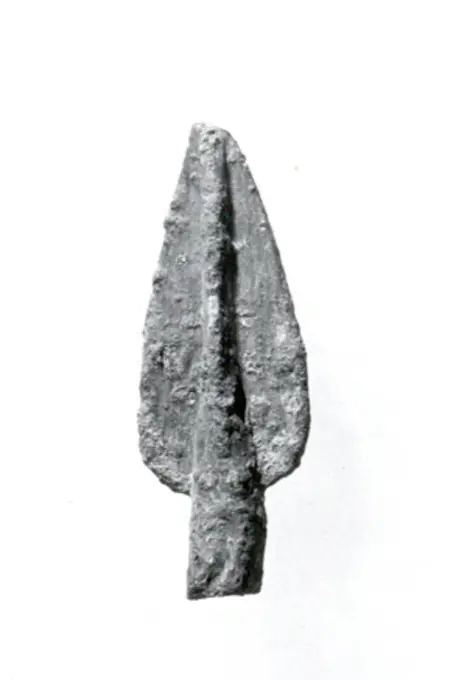
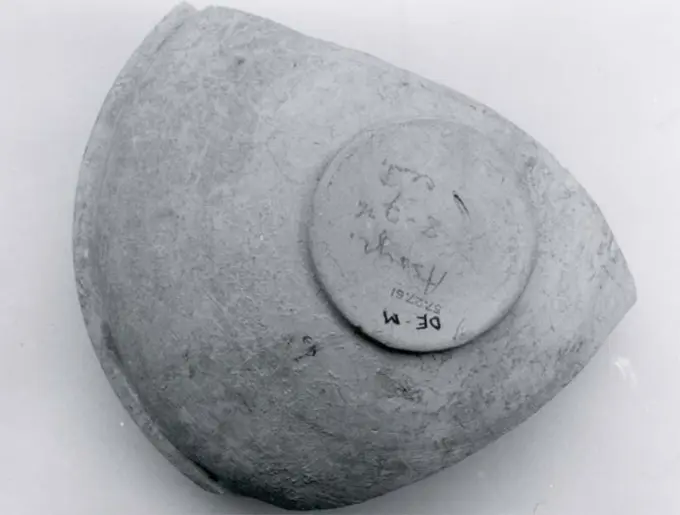
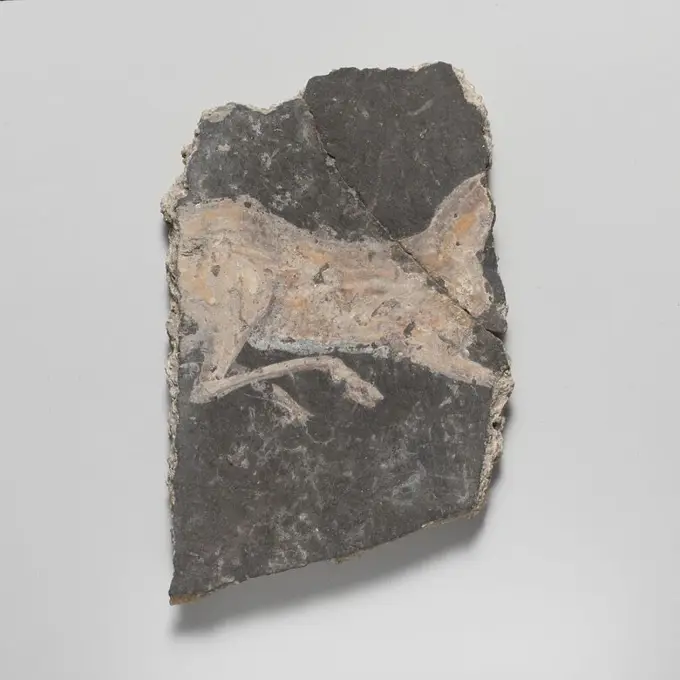
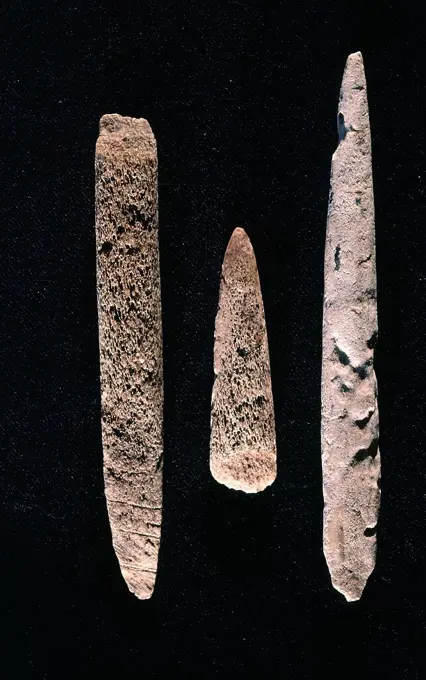
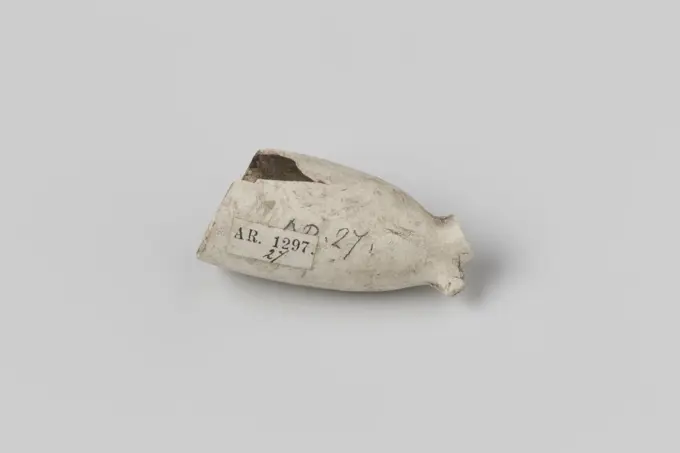
Appliqués for a funeral couch (358). UnknownFragment tin from the wreck of the East Indiesman Hollandia. Parts or artifacts; eroded fragments: Materials; tin.Head with Melon Coiffure, Bow Knot and Kekryphalos. UnknownVase fragment Minoan. Vase fragment 247780Female Head. UnknownBundle of Four Kohl Tubes ca. 1550-1295 B.C. New Kingdom. Bundle of Four Kohl Tubes 546116Fragment of a Mosaic Glass Vessel. Unknown 1st century A.D.PIEZA DEL TEMPLO DE DEBOD: ESTELA DE LA CAPILLA DE ADIJALAMANI (PERIODO GRECOROMANO) (LADO IZQUIERDO).Sealing ca. 1981-1640 B.C. Middle Kingdom. Sealing. ca. 1981-1640 B.C.. Mud. Middle Kingdom. From Egypt, Memphite Region, Lisht North, Cemetery, MMA excavations, 1920-22. Dynasty 12-13Nefertiti breast and shoulder fragment, cartouche of Aten. Dimensions: H. 14 × W. 22 × D. 15 cm (5 1/2 × 8 11/16 × 5 7/8 in.). Dynasty: Dynasty 18. Reign: reign of Akhenaten. Date: ca. 1352-1336 B.C.. Museum: Metropolitan Museum of Art, New York, USA.Drohiczyn seal. unknown, managerDrohiczyn seal. unknown, managerFemale Head Fragment. UnknownFragment of a Dish 11th-12th century. Fragment of a Dish 446522Unattributed Trebizond Coin. UnknownPleated garment, relief () ca. 1353-1336 B.C. New Kingdom, Amarna Period. Pleated garment, relief () 550022Belt Plate 6th century () Frankish. Belt Plate 465650 Frankish, Belt Plate, 6th century (), Iron, silver inlay, brass inlay, Overall: 3 1/2 x 1 3/4 x 5/8 in. (8.9 x 4.5 x 1.6 cm). The Metropolitan Museum of Art, New York. Gift of J. Pierpont Morgan, 1917 (17.193.315)Vintage Photograph. Apple pie on tableFragment of a terracotta architectural tile 6th century B.C. Lydian The inscribed sign may have indicated the placement of the piece.. Fragment of a terracotta architectural tile 252649 Lydian, Fragment of a terracotta architectural tile, 6th century B.C., Terracotta, Overall: 3 7/8 x 3 9/16 in. (9.8 x 9 cm). The Metropolitan Museum of Art, New York. Gift of The American Society for the Excavation of Sardis, 1926 (26.199.79)Pendant: Female Head in Profile; Italy; 500 - 480 B.C; Amber; 44 × 38 × 16 mm (1 3,4 × 1 1,2 × 5,8 in.)Raised relief fragment 664-610 B.C. Late Period, Saite see 23.3.468. Raised relief fragment. 664-610 B.C.. Limestone, varnish. Late Period, Saite. From Egypt, Upper Egypt, Thebes, Deir el-Bahri, Tomb of Nespekashuty (TT 312, MMA 509), 1st chamber N. door, MMA excavations, 1922-23. Dynasty 26Cuneiform tablet: bilingual unidentified fragment ca. late 1st millennium B.C.. Cuneiform tablet: bilingual unidentified fragment 321995Mold for Cornflower Pendant. Dimensions: l. 4.6 cm (1 13/16 in.). Dynasty: Dynasty 18. Reign: reign of Akhenaten. Date: ca. 1353-1336 B.C..This mold from Amarna was used to produce cornflower pendants (see 31.114.2a). The mold would hae been created by using an existing pendant to impress a shape into a pad of clay, which was then fired. The mold was then used to produce cornflower pendants in faience paste. Once molded, the pendant was not fired in the mold, but tipped out of it to dry before later firing, so that the mold itself could be used many times in quick succession. Eventually the mold, because it was porous, soaked up some of the paste materials - the whitish cloud seen over the surface within this mold is the result. After considerable use, the mold would have blurred and been discarded. Museum: Metropolitan Museum of Art, New York, USA.Buckle. UnknownAttic Red-Figure Vase Fragment. UnknownArrowhead Japan The Jōmon period is the earliest period in Japanese history, lasting from roughly 14,000 to 300 BCE. The Jōmon people were primarily hunter-gatherers, using arrowheads such as this one to hunt a variety of land animals. Archaeological evidence indicates that the Jōmon hunted over 60 species of mammal throughout the Japanese archipelago, including tanuki (Japanese raccoon dogs) and monkeys, both of which would likely be considered unpalatable in contemporary Japanese society.. Arrowhead 62268Chisel 3rd millennium B.C.. Chisel 325647Coin 5th-14th century. Coin. 5th-14th century. Copper. Excavated in Iran, Nishapur. CoinsBowl sherd. Dimensions: h. 3.1 cm (1 1/4 in); w. 5.5 cm (2 3/16 in). Dynasty: Dynasty 12-13. Date: ca. 1981-1640 B.C.. Museum: Metropolitan Museum of Art, New York, USA.Sealing with one circular seal impression ca. 18th century B.C. Old Assyrian Trading Colony. Sealing with one circular seal impression 323616Fragment of image. .Arrowhead Japan. Arrowhead. Japan. Sandstone, chert or flint. Late Jmon period (ca. 1500-1000 B.C.). StoneArrowhead 2nd-1st millennium B.C. Iran. Arrowhead 325236Gray brick originating from tower or wall that was originally connected to the Schiedam gate, brick building material earth discovery ceramics pottery, baked in form brick from remnant of tower or wall that was originally connected to the Schiedam gate archeology indigenous brick building defense Rotterdam City Center Stadsdriehoek Hoogstraat Soetensteeg Schiedam gate walled city wall Mmur or tower Schiedamsche gate at Hoogstraat Soetensteeg Rotterdam Demolished before 1625 in connection with urban expansion of the water city.Drohiczyn seal. unknown, managerStudio shot of Rhubarb root, close-upFragment Pijpenkop, Anonymous, c. 1750 - c. 1780 Fragment piping head with a crown and the number 50 depicted. Of the excavations on the Hofstede Arentsburg 1827-1831 under the supervision of Professor Reuvens. Gouda pipe clay Fragment piping head with a crown and the number 50 depicted. Of the excavations on the Hofstede Arentsburg 1827-1831 under the supervision of Professor Reuvens. Gouda pipe clayDocument Sealing With the Throne Name of Amenhotep III ca. 1390-1353 B.C. New Kingdom. Document Sealing With the Throne Name of Amenhotep III. ca. 1390-1353 B.C.. Mud. New Kingdom. From Egypt, Upper Egypt, Thebes, Malqata, West VillasWest Villa B, MMA excavations, 1910-12. Dynasty 18Silver spiral ca. 1600-1050 B.C. Cypriot With two turns.Of silver wire with two turns.. Silver spiral. Cypriot. ca. 1600-1050 B.C.. Silver. Late Bronze Age. Gold and SilverToothed shape. Arrowhead in chipped stone. Neolithic period. Found between 1970 and 1980 in the southern Sahara at El Golea Timimoun, eastern erg. Algeria. 4,1 cm.Anonymous. "Fragment of shells (German, anti -aircraft)". Metal. 1944-1944. General Leclerc Museum of Hauteclocque and the Liberation of Paris, Jean Moulin Museum. 158828-30Female Head. UnknownInscribed fragment, from balustrade ca. 1353-1336 B.C. New Kingdom, Amarna Period. Inscribed fragment, from balustrade 549867bone engraved with deep engraving technique, horse hindquarter, paleolithic furniture art, San Felices de Buelna, Museum of prehistory and archeology (MUPAC), Santander, Cantabria, Spain.Sling-Bullet. UnknownRaised relief fragment 664-610 B.C. Late Period, Saite see 23.3.468. Raised relief fragment. 664-610 B.C.. Limestone. Late Period, Saite. From Egypt, Upper Egypt, Thebes, Deir el-Bahri, Tomb of Nespekashuty (TT 312, MMA 509), Not from Nespakashuty, MMA excavations, 1922-23. Dynasty 26Head with Knidian Coiffure. UnknownDrohiczyn seal. unknown, managerDecorative batter from the wreck of the East India Hollandia. Fitting, decorative fitting or fragment; Fragm of Straight Lower Rim, scrolling cartouches or dot, floral and shell motifs, flat, squashed, eroded.Sword Guard (Tsuba) ca. 3rd century-538 Japanese A tsuba is a sword guard and part of a sword mounting. It is mounted between the swords blade and grip to protect the users hands.. Sword Guard (Tsuba) 35189Door socket ca. 595-30 B.C. Late Period. Door socket 571365The Serpent Stone, carved Pictish stone at Aberlemno, Scotland, UK against white backgroundFragment Russia. Fragment. Russia. Nephrite. JadeSealing ca. 7th century A.D. Sasanian. Sealing 323297Drohiczyn seal. unknown, managerMint: Phocaea, Tetartemorion fromPhocaea, ca. 500 B.C., Silver, 0.12 g, 4.1mm, Made in Phocaea, Ionia, Greek, 6th-5th century B.C., NumismaticsTerracotta rim fragment ca. 5300-4400 B.C. Sesklo culture From Thessaly. Terracotta rim fragment 253211 Sesklo culture, Terracotta rim fragment, ca. 53004400 B.C., Terracotta, length 3 9/16in. (9cm). The Metropolitan Museum of Art, New York. Anonymous Gift, 1930 (30.119.6)Vessel, amphora;  V-VI century (401-00-00-600-00-00);amphoras, LRA7 amphoras, Coptic dishes, resource vesselsMosaic. Limestone. Late Antiquity. Paris, Carnavalet museum. 51470-10 Late antique, limestone, mosaicMiquel Barceló / 'Bodegón - epi de mais', 1984, Técnica mixta sobre cartón, 46 x 69 cm. Museum: COLECCION PRIVADA.Drohiczyn seal. unknown, managerSickle Blade, 1980-1801 BC. Egypt, Middle Kingdom, Dynasty 12. Flint; overall: 5 cm (1 15/16 in.).Head of a wild boar, anonymous, c. 1400 - c. 1600 The cast and citized processed object has the shape of a boar head with tusks and front legs. Behind the head the attachment with six areas, in which diagonals are punched from points. Inside a cast -iron point for attachment to a larger whole. Northern Netherlands (possibly) brass (alloy) casting The cast and citized processed object has the shape of a boar head with tusks and front legs. Behind the head the attachment with six areas, in which diagonals are punched from points. Inside a cast -iron point for attachment to a larger whole. Northern Netherlands (possibly) brass (alloy) castingTerracotta roof tile, 3rd century B. C., Tamil Nadu, South India, India, AsiaKetel Van Messing, Anonymous, 1550 - 1650 Round boiler from brass. The boiler ran around from below. There are holes on the edge to which the handle or to which an iron edge was attached. Northern Netherlands brass (alloy) striking (metalworking) Round boiler from brass. The boiler ran around from below. There are holes on the edge to which the handle or to which an iron edge was attached. Northern Netherlands brass (alloy) striking (metalworking)Mosaic;  ancient period (0-00-00-0-00-00);Daszewski, Wiktor A. (1936-), Daszewski, Wiktor A. (1936-)-collection, gift (provenance)Drohiczyn seal. unknown, managerLazio Latina Sezze Antiquarium Comunale21. Hutzel, Max 1960-1990 German-born photographer and scholar Max Hutzel (1911-1988) photographed in Italy from the early 1960s until his death. The result of this project, referred to by Hutzel as Foto Arte Minore, is thorough documentation of art historical development in Italy up to the 18th century, including objects of the Etruscans and the Romans, as well as early Medieval, Romanesque, Gothic, Renaissance and Baroque monuments. Images are organized by geographic region in Italy, then by province, city, site complex and monument.Fragment tobacco pipe. Fragment tobacco pipe. Of the excavations at the Hofstede Arentsburg 1827-1831 under the supervision of professor Reuvens.Attic Black-Figure Amphora Fragment. UnknownAmber from bow of a fibula (safety pin) and additional element 7th-6th century B.C. Etruscan Almost all of the bronze elements are missing; pierced with two holes.. Amber from bow of a fibula (safety pin) and additional element. Etruscan. 7th-6th century B.C.. Amber. Archaic. Miscellaneous-AmberCylinder Seal. Syria, circa 2750-2350 B.C.. Tools and Equipment; seals. Black serpentine rockLoden role from the wreck of the East Indiesman 't flying heart. To tube rolled lead plate. Black-gray in color. Roll or lead.Armor plate ca. late 8th-late 7th century B.C. Assyrian. Armor plate 324770Textured map of Romania in nice colors. Textured map of Romania in nice colorsSmall stone of the Bastille with a wax stamp ". Paris, Carnavalet museum. 35723-6 Bastille, wax, stone, relic, French revolution, ruinsPiece from the exhibition "Art without artists". Large flint laurel-leaf point from Placard Cave, Vilhonneur, Carante (France). Solutrean period.Indian arrowhead from Georgia and North & South Carolina , Archaeological assemblages, Charles F. Walcott Archaleogical CollectionJar Label ca. 1390-1352 B.C. New Kingdom. Jar Label. ca. 1390-1352 B.C.. Pottery and ink, paint. New Kingdom. From Egypt, Upper Egypt, Thebes, Malqata, Palace of Amenhotep III, MMA excavations. Dynasty 18Stożek mozaikowy z dekoracji fasady budowli kultowej. unknown, authorDrohiczyn seal. unknown, managerVintage photograph. Slice of toasted bread on glowing backgroundIvory Fragment. Unknownraw lake iron ore coin type limonite on dark macro shooting of natural mineral rock specimen - raw lake iron ore coin type limonite on dark granite background Copyright: xZoonar.com/ValeryxVoennyyx 11392281Pijpenkop, Unknown, 1700 - 1740 Blowjob with the letters A C S depicted in a triangle. Of the excavations on the Hofstede Arentsburg 1827-1831 under the supervision of Professor Reuvens. Netherlands pipe clay Blowjob with the letters A C S depicted in a triangle. Of the excavations on the Hofstede Arentsburg 1827-1831 under the supervision of Professor Reuvens. Netherlands pipe clayOil lamp ca. 1900 B.C.. Oil lamp 325342Czech Republic, Brno, Etnograficke Muzeum Moravskeho Muzea v Brne, Clay and bone powder figurine depicting bear from Dolni Vestonice.Coin 5th-14th century. Coin. 5th-14th century. Copper. Excavated in Iran, Nishapur. CoinsSherd ca. 3rd-7th century A.D. Sasanian. Sherd 322815Pendant ca. 3rd-7th century A.D. Sasanian. Pendant 322719Arrowhead ca. 3rd-7th century A.D. Sasanian. Arrowhead. Sasanian. ca. 3rd-7th century A.D.. Bronze. Sasanian. Iran, Qasr-i Abu NasrBowl sherd ca. 8th-7th century B.C. Assyrian. Bowl sherd 324653Coin 8th-9th century. Coin 457089Stamp seal ca. 5th century A.D. Sasanian. Stamp seal. Sasanian. ca. 5th century A.D.. Marble, red, white and black. Sasanian. Iran or MesopotamiaWall painting fragment. Culture: Roman. Dimensions: Overall: 4 9/16 x 3 1/2 x 7/16 in. (11.6 x 9 x 1.1 cm). Date: 1st century A.D..On black ground; Acephalic Hippocamp to right. Museum: Metropolitan Museum of Art, New York, USA.Coin of 10 cents, dime, from 18..9, East Indies, Anonymous, c. 1800 - c. 1899 coin Dime, coin of 10 cents from the East Indies. Front: laurel wreath with in the middle '10 cents 18..9 '. Reverse: head to the right with around here 'Willem II King of the Ned ......'. The coin is in a square envelope with inscription.  metal striking (metalworking)  East-IndiaHat van Tulle with strip of tulle tulle folded along the forehead, anonymous, c. 1800 - c. 1900 Tulle hat with strip of tulle tulle. The ball of tulle -embroidered tulle is trimmed all around with a strip of tulle strip. The tulle is folded along the forehead. Friesland whole: Linen (Material). embroidering Tulle hat with strip of tulle tulle. The ball of tulle -embroidered tulle is trimmed all around with a strip of tulle strip. The tulle is folded along the forehead. Friesland whole: Linen (Material). embroideringAZAGAYAS Y FRAGMENTOS DE LA CUEVA DE SOFOXO - PALEOLITICO SUPERIOR. Location: MUSEO ARQUEOLOGICO-COLECCION. Oviedo. ASTURIAS. SPAIN.Fragment Pijpenkop, Anonymous, 1700 - 1799 Fragment Pijpenkop. Of the excavations on the Hofstede Arentsburg 1827-1831 under the supervision of Professor Reuvens. Netherlands pipe clay Fragment Pijpenkop. Of the excavations on the Hofstede Arentsburg 1827-1831 under the supervision of Professor Reuvens. Netherlands pipe clayCoin 5th-14th century. Coin. 5th-14th century. Copper. Excavated in Iran, Nishapur. Coins