Ancient Seals And Fragments

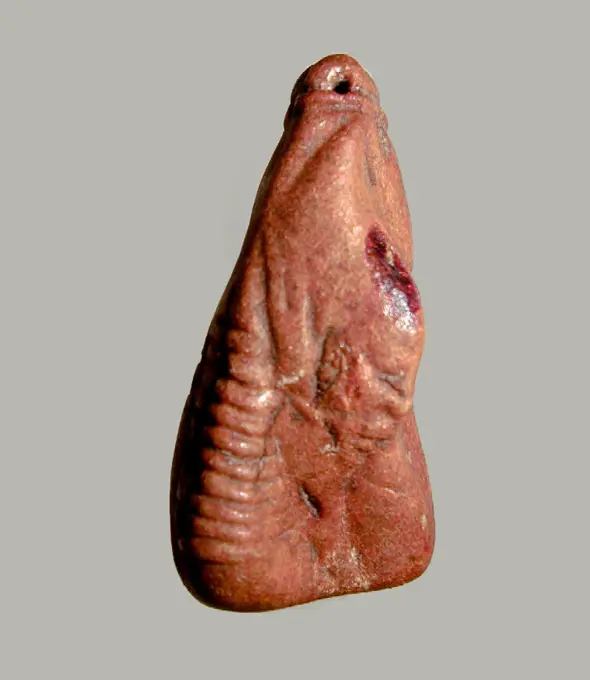
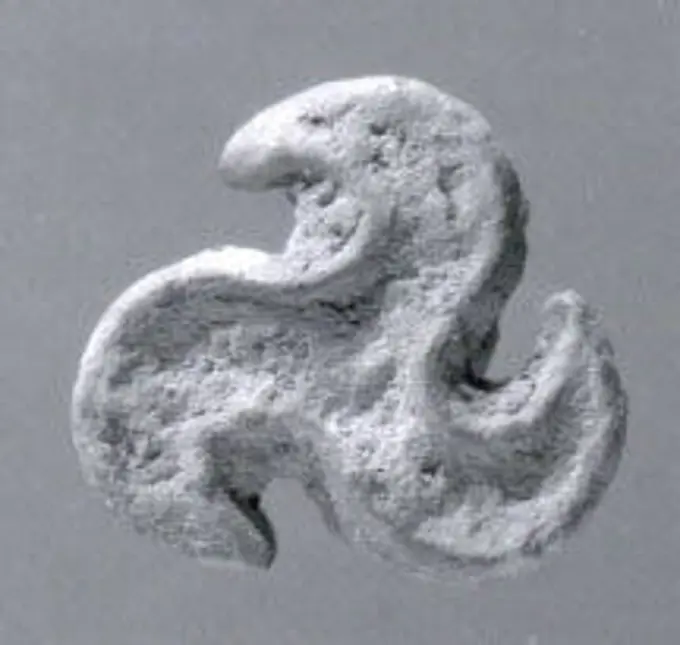
Artifacts including sealing fragments and historical imprint seals from the Middle and New Kingdoms of Egypt, featuring ancient designs and textures.

Female Head. Unknown
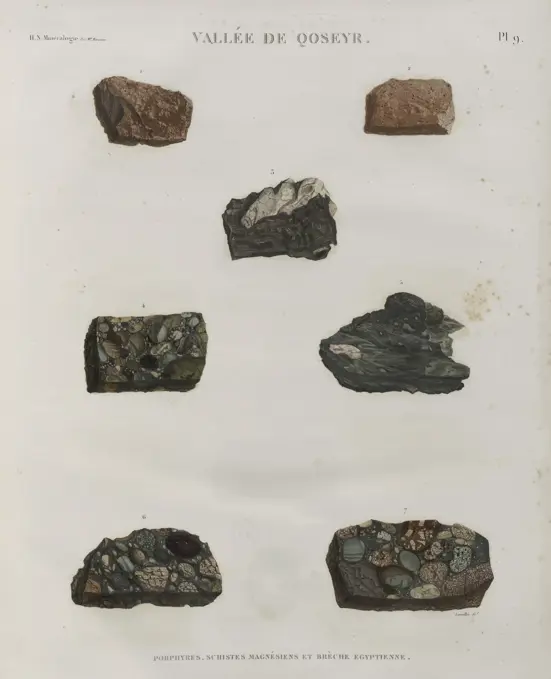
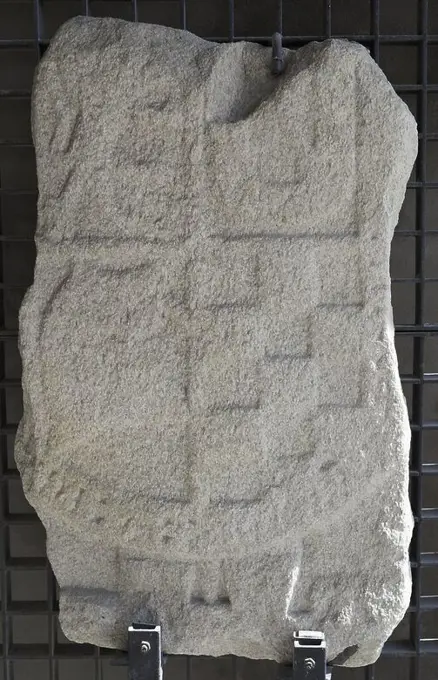
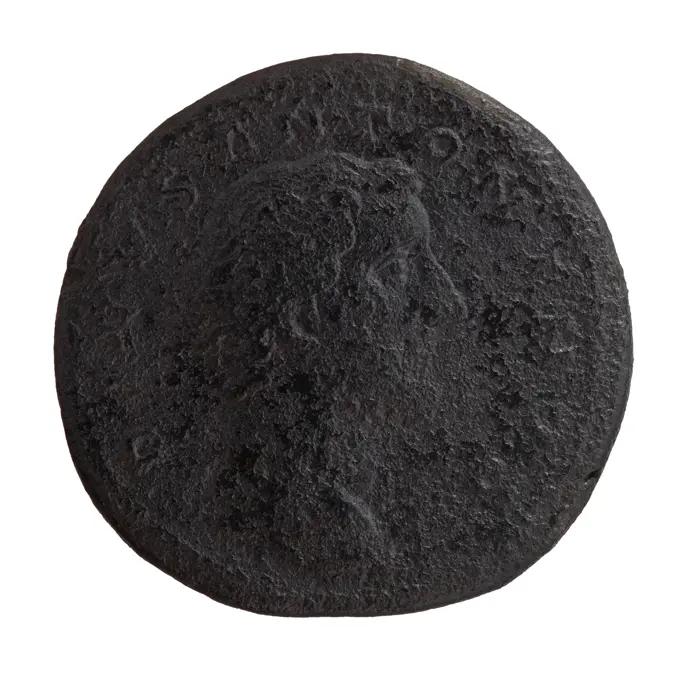
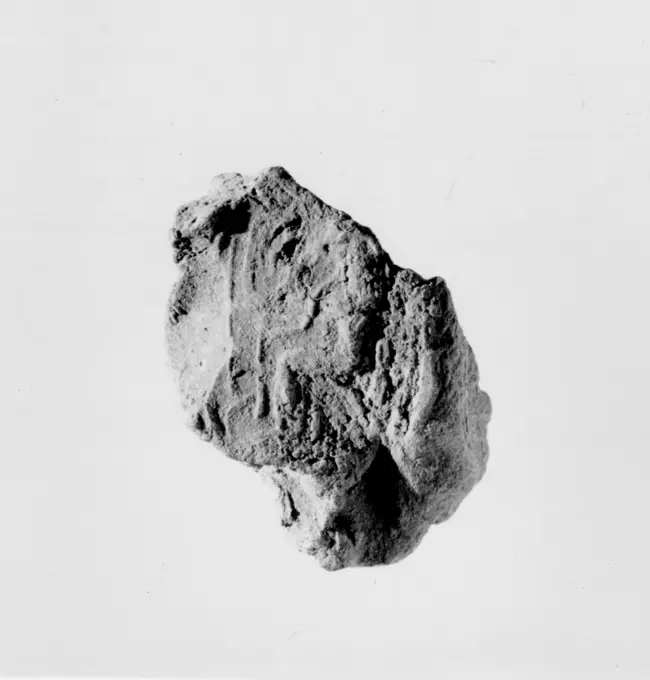
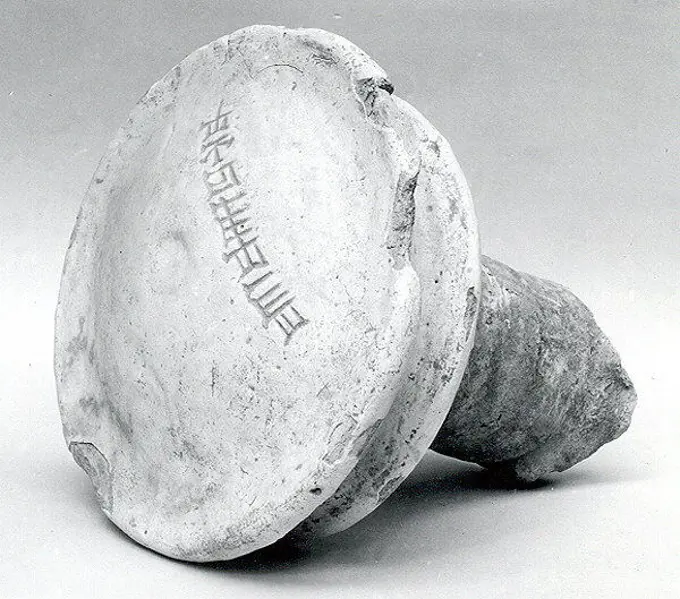
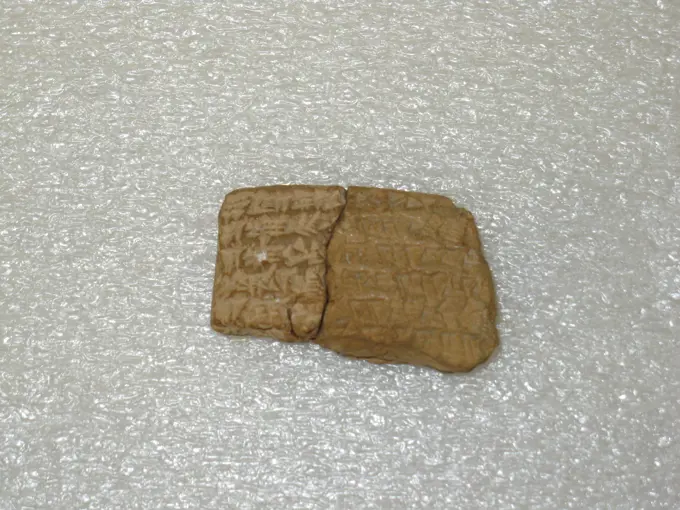
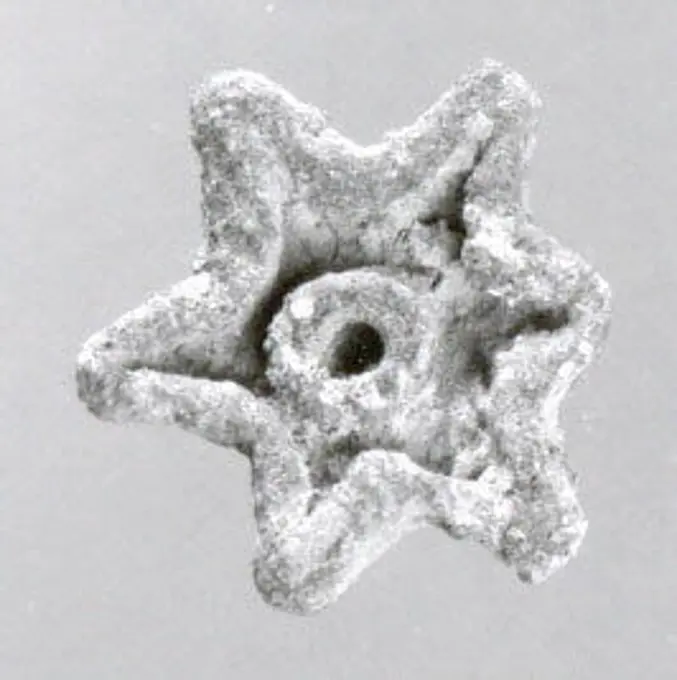
Drohiczyn seal. unknown, managerSawn trunk with wood texture on white background. Sawn tree trunk. Presented on a white background. The view from the top. Copyright: xZoonar.com/GalinaxxTolochkox 18102356Fragment Pijpenkop, Antoni Nobel, 1750 - 1780 Fragment piping head with Lampetkan crowned with the letters A and N, enclosed by flower branches. Of the excavations on the Hofstede Arentsburg 1827-1831 under the supervision of Professor Reuvens. Gouda pipe clay Fragment piping head with Lampetkan crowned with the letters A and N, enclosed by flower branches. Of the excavations on the Hofstede Arentsburg 1827-1831 under the supervision of Professor Reuvens. Gouda pipe clayTuscany Grosseto Massa Marittima Museo Civico2. Hutzel, Max 1960-1990 Post-medieval: Panel painting (1), painting Antiquities: Sculpture, urns, arrowheads, tools German-born photographer and scholar Max Hutzel (1911-1988) photographed in Italy from the early 1960s until his death. The result of this project, referred to by Hutzel as Foto Arte Minore, is thorough documentation of art historical development in Italy up to the 18th century, including objects of the Etruscans and the Romans, as well as early Medieval, Romanesque, Gothic, Renaissance and Baroque monuments. Images are organized by geographic region in Italy, then by province, city, site complex and monument.Minéralogie. Vallée de Qoseyr. Porphyres, schistes magnésiens et brèche égyptienne, 1809 - 1828., 1809 - 1828., Paris. Publisher, Impr. impériale. Egypt, Minerals, Porphyry., 70 x 50 cm. Color engravingsEmilia-Romagna Ferrara Ferrara Museo Civico di Schifanoia51. Hutzel, Max 1960-1990 General Notes: INCOMPLETE RECORD--NEGATIVES PROCESSED, PRINTS FILED German-born photographer and scholar Max Hutzel (1911-1988) photographed in Italy from the early 1960s until his death. The result of this project, referred to by Hutzel as Foto Arte Minore, is thorough documentation of art historical development in Italy up to the 18th century, including objects of the Etruscans and the Romans, as well as early Medieval, Romanesque, Gothic, Renaissance and Baroque monuments. Images are organized by geographic region in Italy, then by province, city, site complex and monument.Quartered shield of the Bermdez, one of the most noble houses in Galicia. 17th century. Archaeological and History Museum (San Anton Castle). A Coru–a, Galicia, Spain.sesterce; Marek Aureliusz (121-180; Roman emperor 161-180), Lucius Werus (130-169; Roman emperor 161-169), Antoninus Pius (86-161; Roman emperor 138-161); after 161 (150-00-00-151-00-00);Document Sealing With the Throne Name of Amenhotep III ca. 1390-1353 B.C. New Kingdom. Document Sealing With the Throne Name of Amenhotep III. ca. 1390-1353 B.C.. Mud. New Kingdom. From Egypt, Upper Egypt, Thebes, Malqata, West Villas, West Villa B, MMA excavations, 1910-12. Dynasty 18Relief ca. 1961-1917 B.C. Middle Kingdom. Relief. ca. 1961-1917 B.C.. Limestone. Middle Kingdom. From Egypt, Memphite Region, Lisht South, Pyramid Temple of Senwosret I, Causeway, MMA excavations, 1908-09. Dynasty 12Peg ca. 1340-1300 B.C. Elamite This glazed ceramic peg has an Elamite cuneiform inscription reading Untash-Napirisha,’ the name of an Elamite king who reigned ca. 1340-1300 B.C. The entire plaque has been glazed. It was excavated at Choga Zanbil, about 50 miles north of modern Ahvaz, Iran. Established by Untash-Napirisha as a new capital of the Elamite kingdom, the site boasts one of the best-preserved ziggurats in the ancient world. At least twenty-five different gods were worshipped there, and although the city was not completed by the time of Untash-Napirisha’s death, it continued to serve as a religious center until ca. 1000 B.C. Hundreds of similar pegs were discovered by archaeologists at the site, suggesting that they played a prominent role there.The exact function of these pegs remains uncertain. It is likely that they are an iteration of an earlier tradition in Mesopotamia and Iran, dating to the third millennium B.C., of dedicating votive plaques, which were literally affixCuneiform tablet: promissory note for silver, Esagilaya archive ca. 530-522 B.C. Achaemenid. Cuneiform tablet: promissory note for silver, Esagilaya archive 322011Map of Colombia on rusty metalStamp seal ca. late 3rd-early 2nd millennium B.C. Bactria-Margiana Archaeological Complex. Stamp seal. Bactria-Margiana Archaeological Complex. ca. late 3rd-early 2nd millennium B.C.. Copper alloy. Bronze Age. Bactria-MargianaLazio Viterbo Viterbo Museo Civico50. Hutzel, Max 1960-1990 Views of paintings (Middle Ages through 18th c.), frescoes, a tabernacle, coffin, sculpture reliefs, portal fragments, busts, sculpture, tapestry found in the Pinacoteca, Second floor gallery and Second floor cloister sequences. Antiquities: Many views of Etruscan and Roman fragments, sculpture, sarcophagi, pottery, masks, jewelry and other objects found in the Storeroom sequence (inventory numbers on back of prints), and the Cloister, Second floor Cloister, Valle Giulia, Sala Romana and Sala Etrusca sequences. General Notes: There are eight separate numerical sequences for this location. The cloister as an architectural structure, rather than museum site, is documented in the record and file for S. Maria della Verita, Cloister, all views of which are stored in Medieval core collection. Five views from the Museo Civico Second floor cloister sequence are stored in Medieval. German-born photographer and scholar Max Hutzel (1911-Pipes head. Pipes head. Of the excavations at the Hofstede Arentsburg 1827-1831 under the supervision of professor Reuvens.Hooded Female Head. UnknownPendant with two bearded male heads 5th century B.C. or later Italic or Etruscan Two bearded male heads with pointed Eastern caps.. Pendant with two bearded male heads. Italic or Etruscan. 5th century B.C. or later. Amber. Classical or later. Miscellaneous-AmberPlymouth Rock, Site Of The Mayflower Landing; Plymouth, Massachusetts, United States Of AmericaStamp seal ca. late 3rd-early 2nd millennium B.C. Bactria-Margiana Archaeological Complex. Stamp seal. Bactria-Margiana Archaeological Complex. ca. late 3rd-early 2nd millennium B.C.. Copper alloy. Bronze Age. Bactria-Margiana