Ancient Seals and Impressions

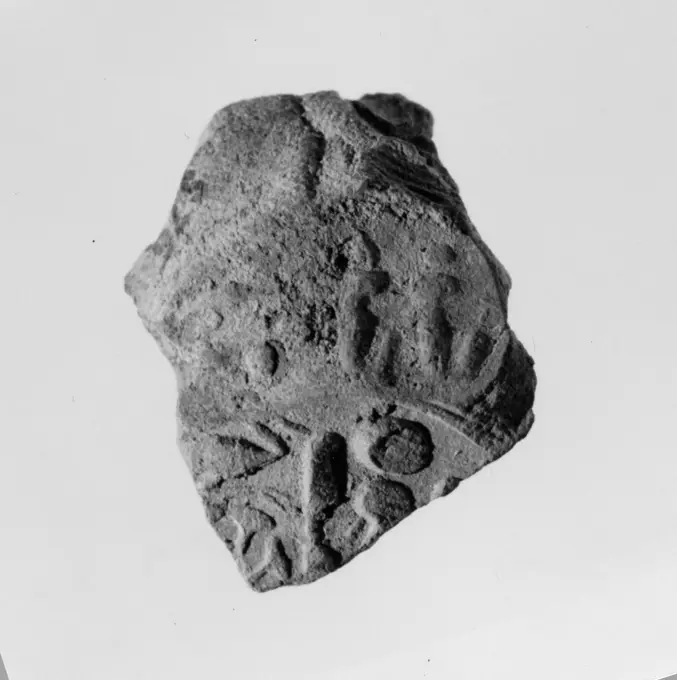
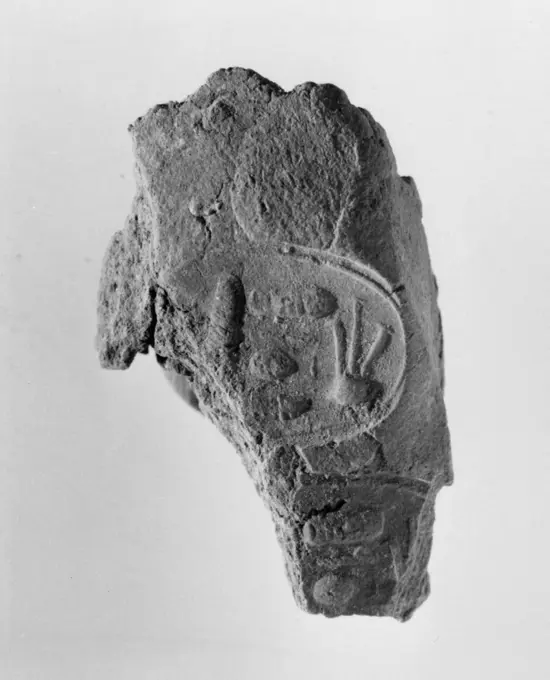
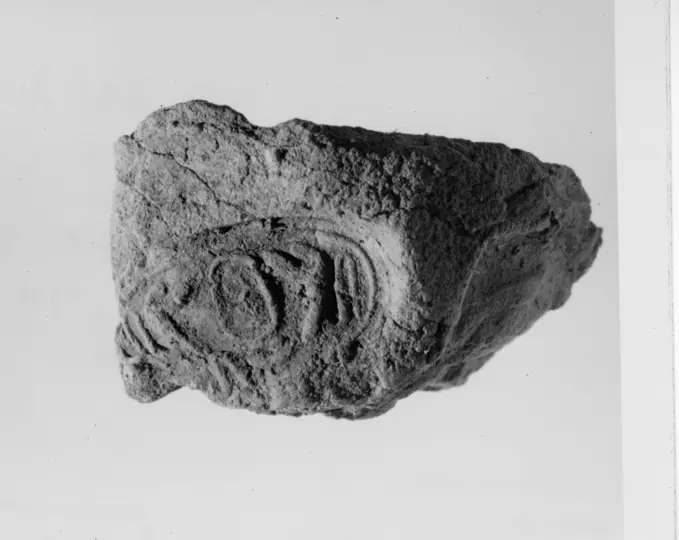
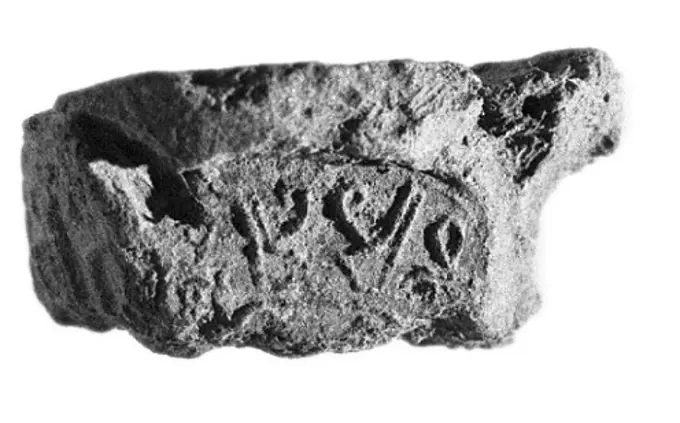
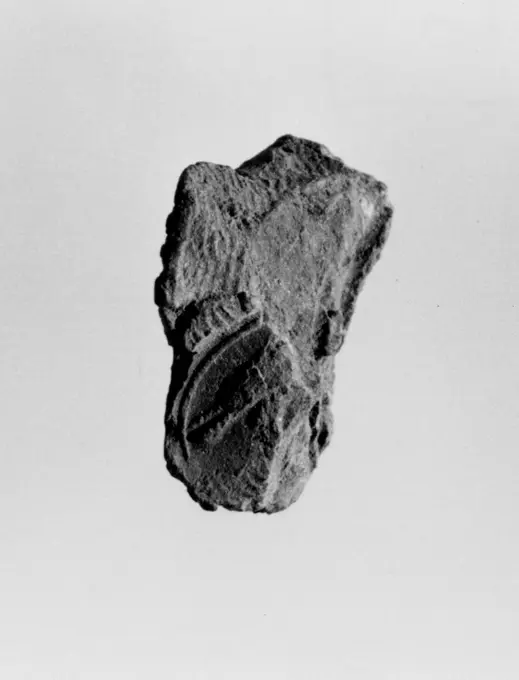
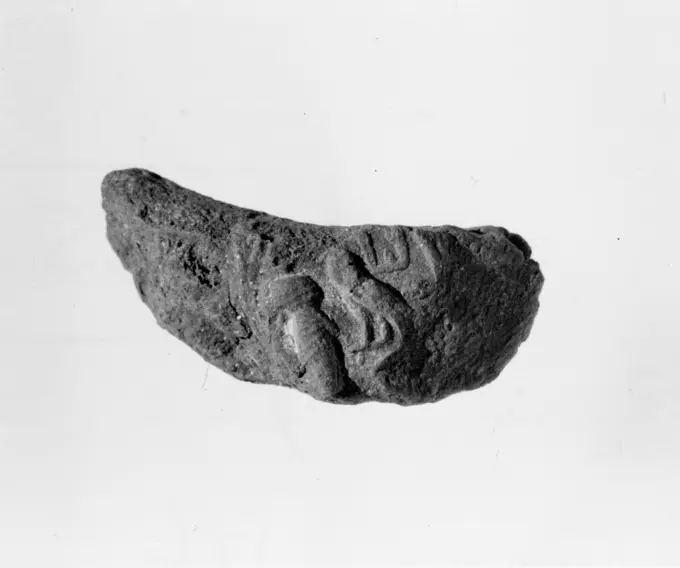
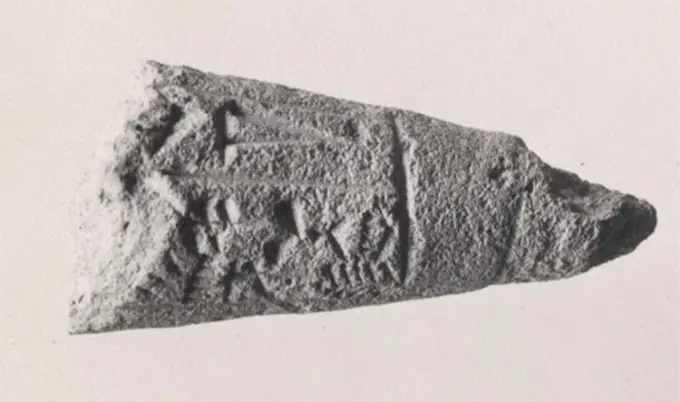
Historic mud seal impressions from ancient Egypt, showcasing detailed engravings and symbols, representing cultural artifacts from different periods.

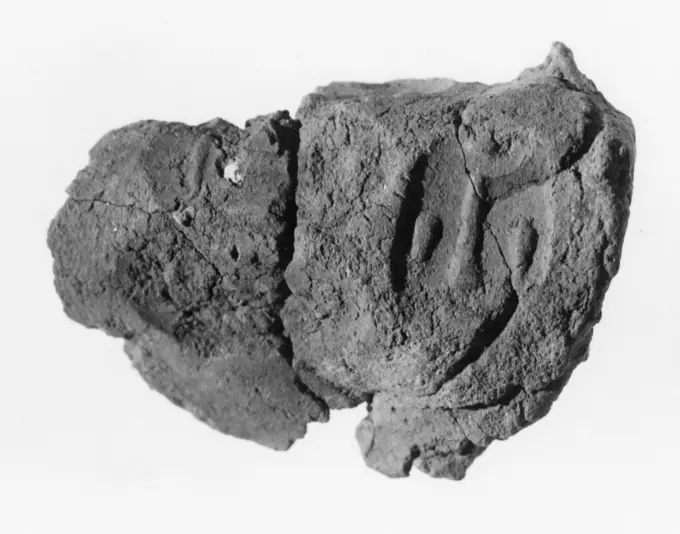
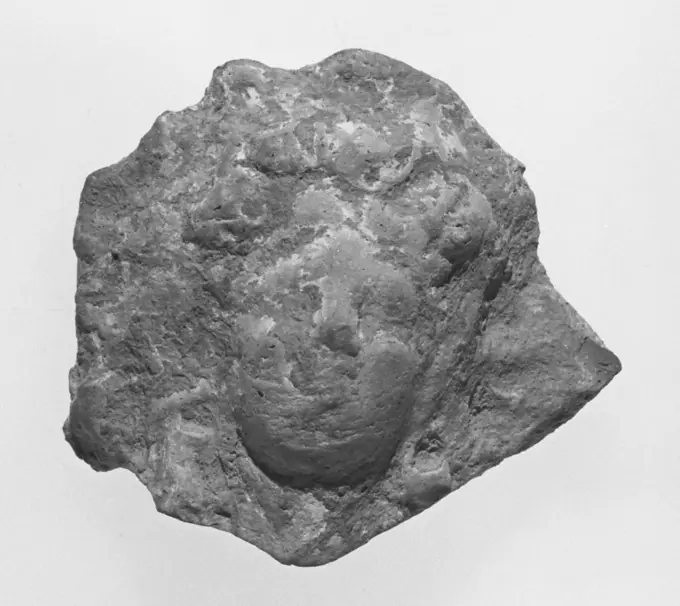
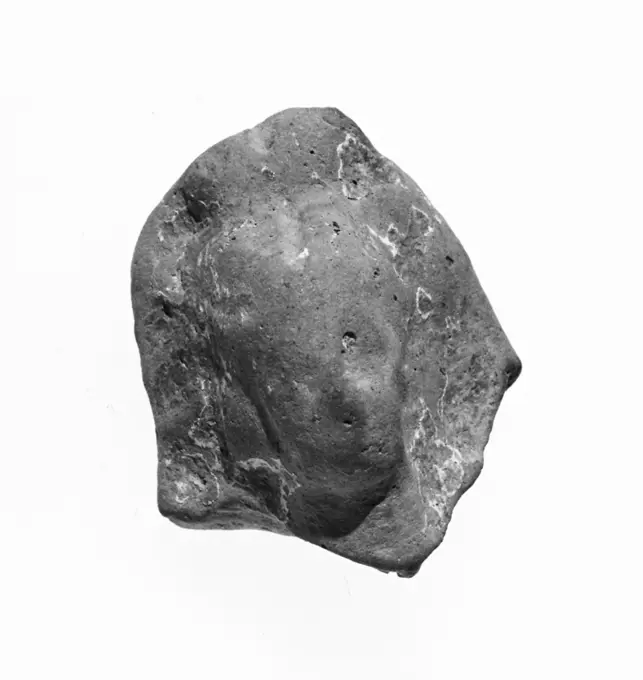
Female Head. Unknown
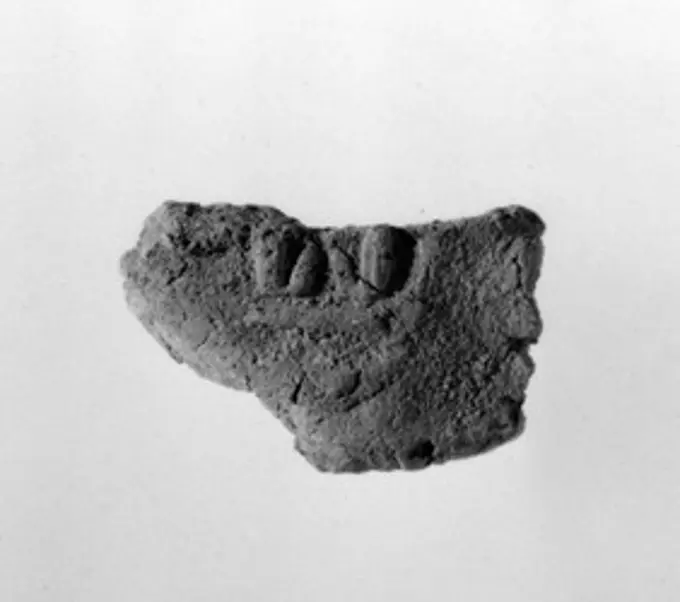
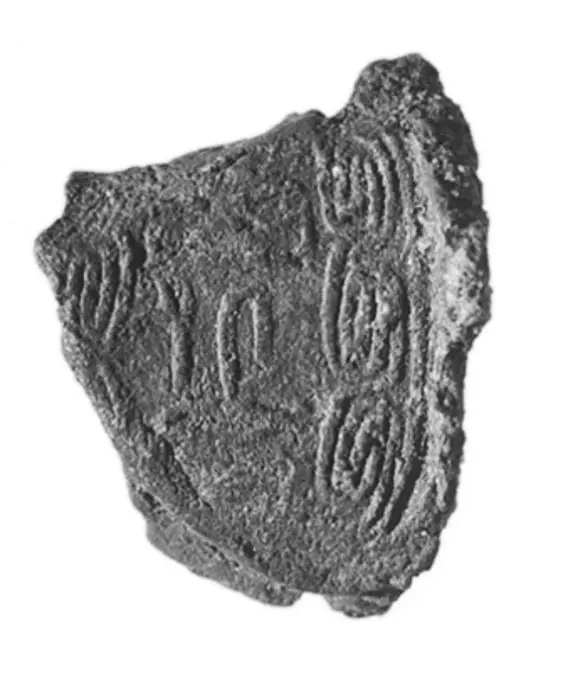
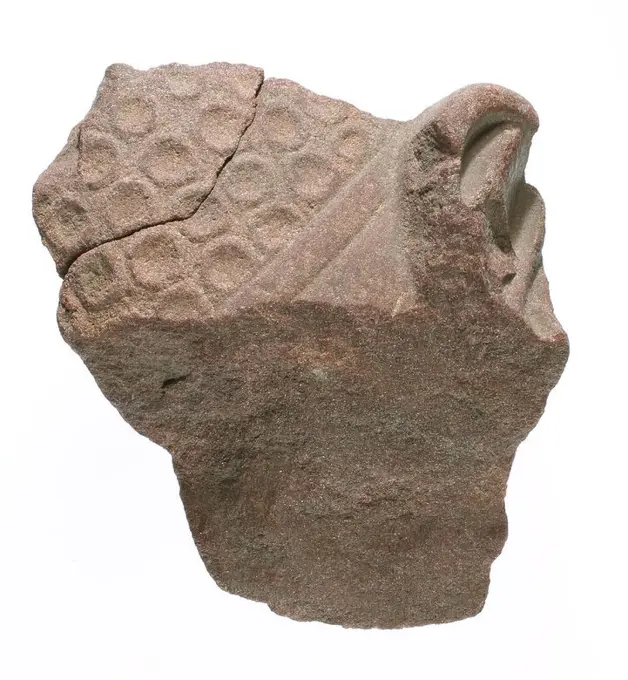
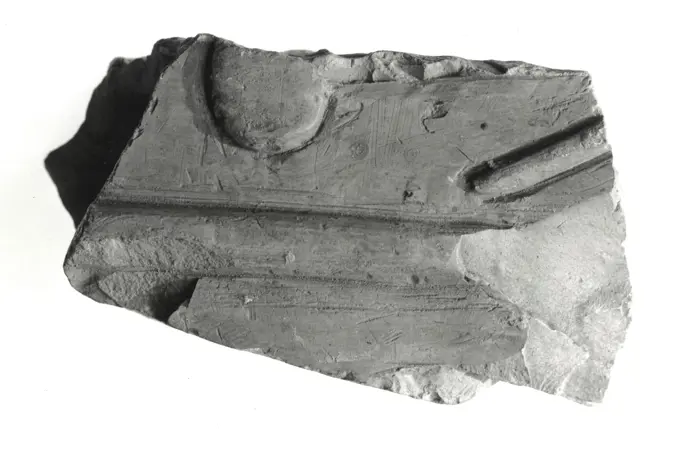
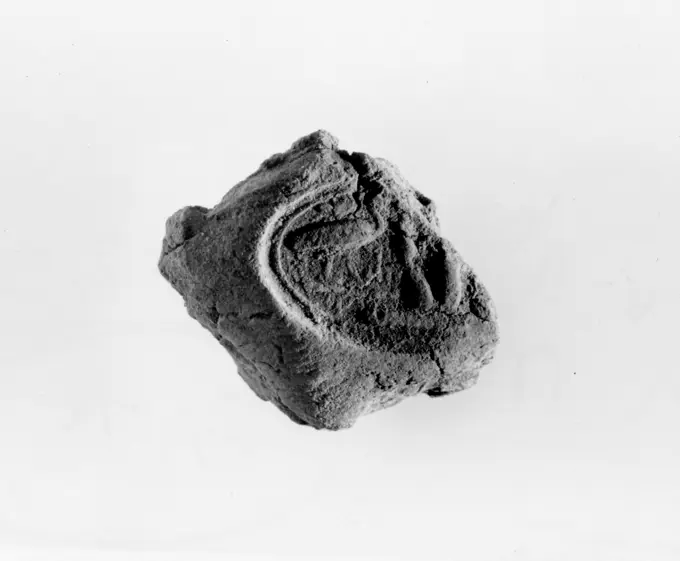
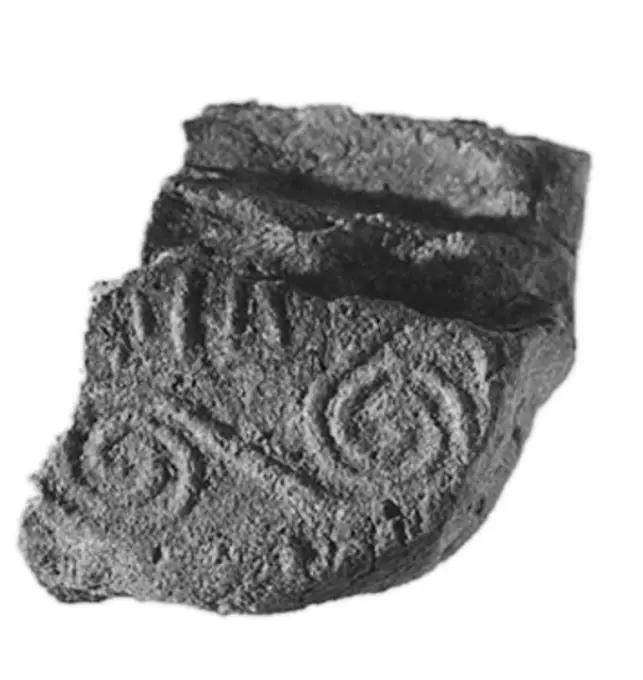
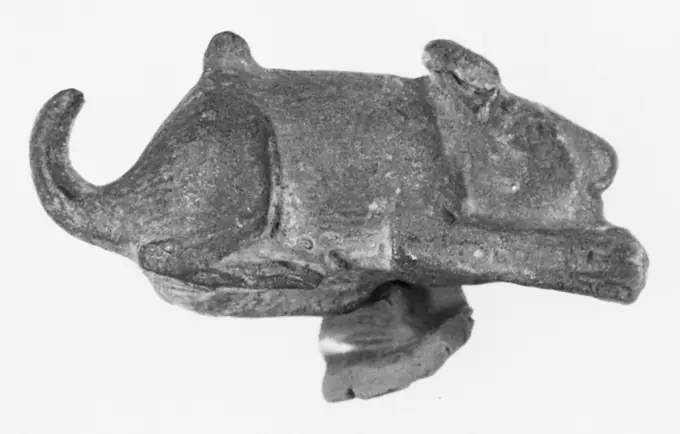
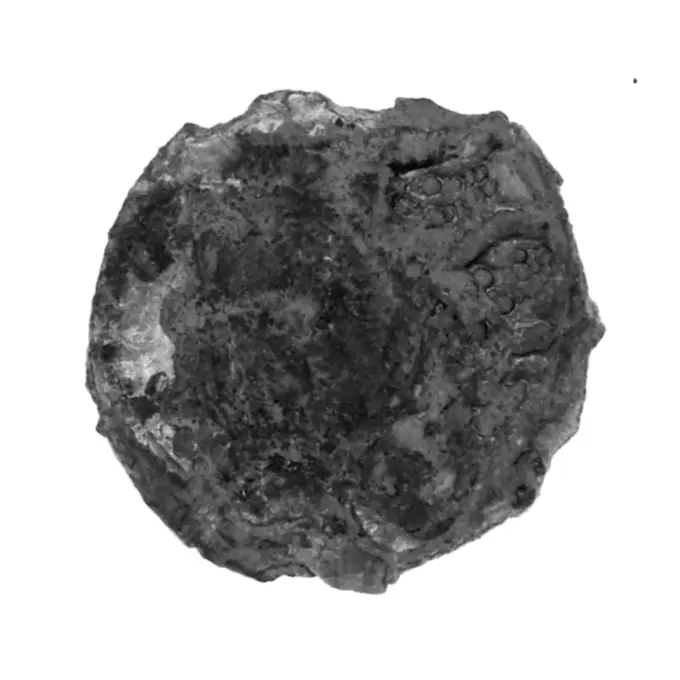
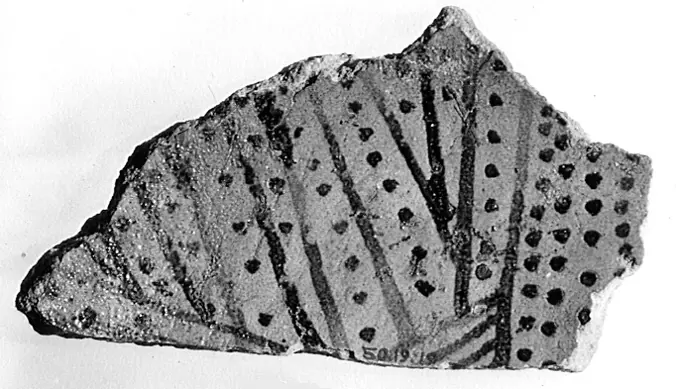
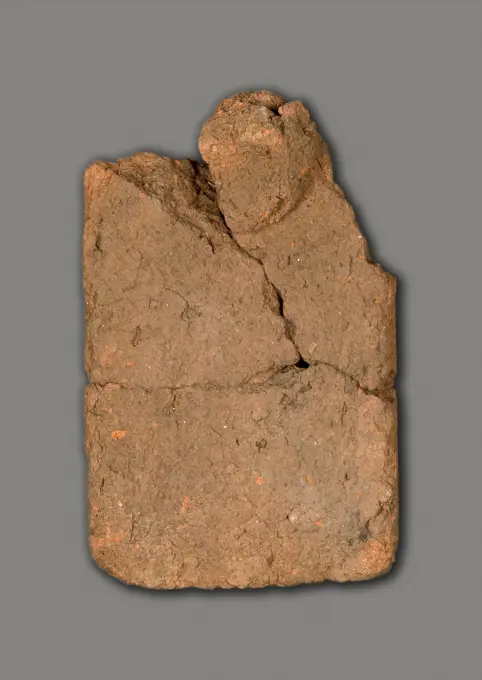
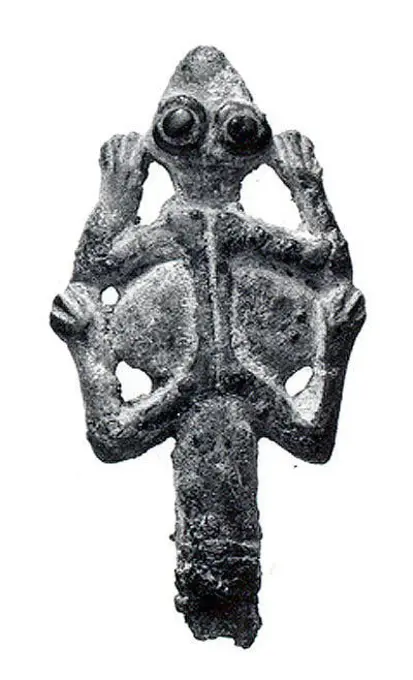
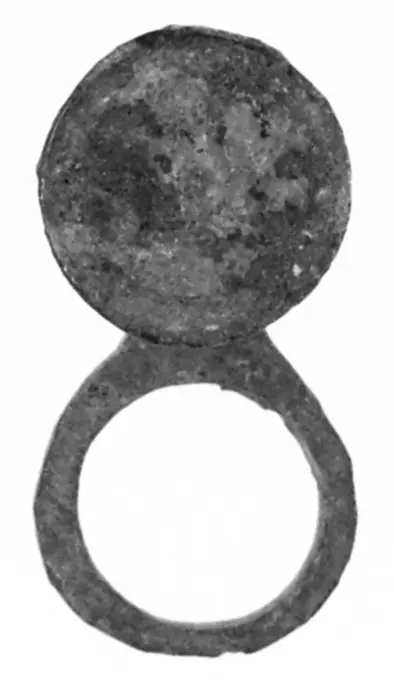
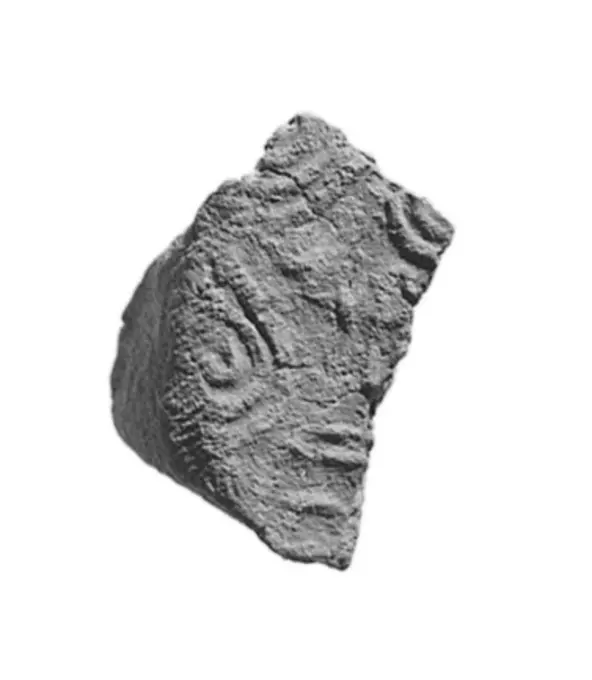
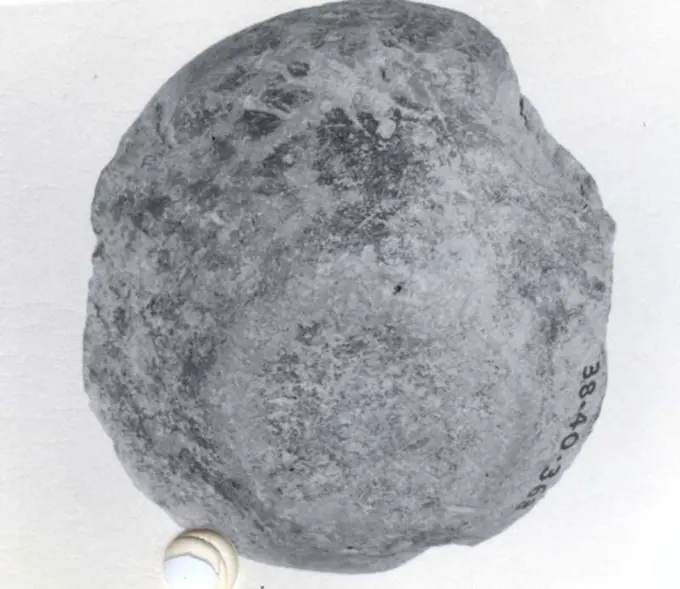
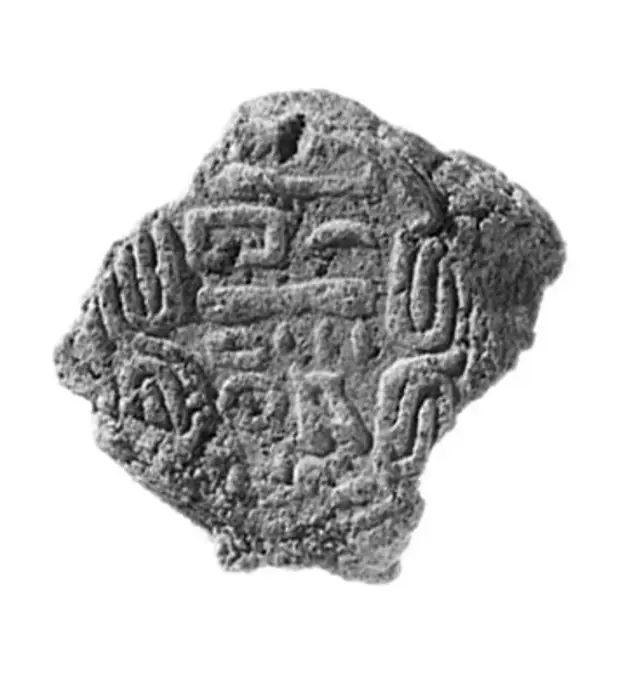
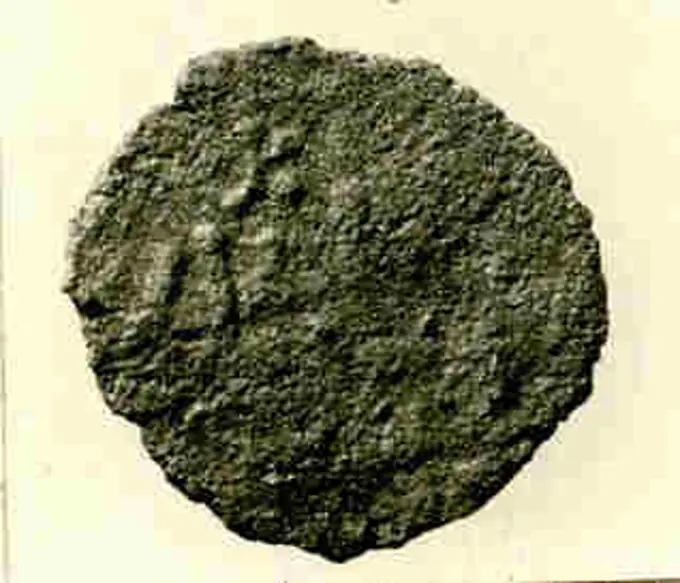
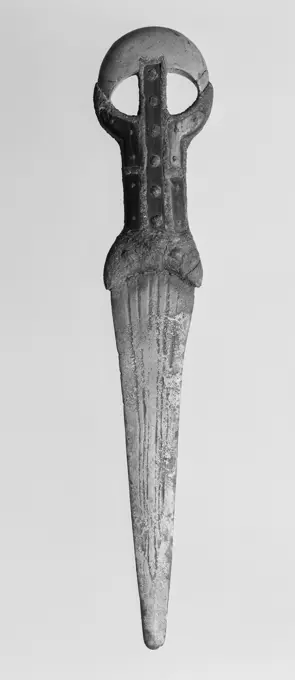
Female Head. UnknownDocument Sealing ca. 1390-1353 B.C. New Kingdom. Document Sealing. ca. 1390-1353 B.C.. Mud. New Kingdom. From Egypt, Upper Egypt, Thebes, Malqata, King's Palace, West magazine, MMA excavations, 1910-12. Dynasty 18Document Sealing With Multiple Seal Impressions ca. 1390-1353 B.C. New Kingdom. Document Sealing With Multiple Seal Impressions. ca. 1390-1353 B.C.. Mud. New Kingdom. From Egypt, Upper Egypt, Thebes, Malqata, MMA excavations, 1910-12; Presumably from West Villas, West Villa B. Dynasty 18Seal impression ca. 1981-1640 B.C. Middle Kingdom. Seal impression 557544Sealing ca. 1981-1640 B.C. Middle Kingdom. Sealing. ca. 1981-1640 B.C.. Mud. Middle Kingdom. From Egypt, Memphite Region, Lisht North, Cemetery, MMA excavations, 1920-22. Dynasty 12-13Document Sealing ca. 1390-1353 B.C. New Kingdom. Document Sealing. ca. 1390-1353 B.C.. Mud. New Kingdom. From Egypt, Upper Egypt, Thebes, Malqata, King's Palace, West magazine, MMA excavations, 1910-12. Dynasty 18Document Sealing With Multiple Seal Impressions ca. 1390-1353 B.C. New Kingdom. Document Sealing With Multiple Seal Impressions. ca. 1390-1353 B.C.. Mud. New Kingdom. From Egypt, Upper Egypt, Thebes, Malqata, West Villas, West Villa B, MMA excavations, 1910-12; Presumably from West Villas, West Villa B. Dynasty 18Sealing ca. 2030-1640 B.C. Middle Kingdom. Sealing 565427Female Head. UnknownFemale Head. UnknownFemale Head. UnknownFragment imadła amfory ze stemplem. Teythras III (ok. 290-250 p.n.e.), potter's workshopSealing ca. 2030-1640 B.C. Middle Kingdom. Sealing. ca. 2030-1640 B.C.. Clay (unfired). Middle Kingdom. From Egypt, Memphite Region, Lisht South, Pyramid complex of Senwosret I, north temple gateway, MMA excavations, 1913-14. Dynasty 12-13Sealing ca. 1981-1640 B.C. Middle Kingdom. Sealing 560429Sealing ca. 2030-1640 B.C. Middle Kingdom. Sealing 546547Female Head. UnknownFragment of a Canopic Chest of Queen Tiya ca. 1427-1390 B.C. New Kingdom, Ramesside. Fragment of a Canopic Chest of Queen Tiya 577024Sealing ca. 1981-1640 B.C. Middle Kingdom. Sealing 560317Ivory Fragment. UnknownDocument Sealings With the Throne Name of Amenhotep II ca. 1390-1353 B.C. New Kingdom. Document Sealings With the Throne Name of Amenhotep II. ca. 1390-1353 B.C.. Sun-dried mud. New Kingdom. From Egypt, Upper Egypt, Thebes, Malqata, Southern rubbish mounds, MMA excavations, 1910-12. Dynasty 18Vase. Culture: Japan. Dimensions: H. 3 7/8 in. (9.8 cm); Diam. 5 3/4 in. (14.6 cm). Date: 19th century. Museum: Metropolitan Museum of Art, New York, USA.Fragmentary Fibula. UnknownFigurka kobiety na łożu. unknown, authorSealing ca. 2030-1640 B.C. Middle Kingdom. Sealing 565375Sealing ca. 1981-1640 B.C. Middle Kingdom. Sealing 560338Attic Krater Fragment. UnknownFunerary Cone ca. 1550-1295 B.C. New Kingdom. Funerary Cone. ca. 1550-1295 B.C.. Pottery. New Kingdom. From Egypt, Upper Egypt, Thebes. Dynasty 18Sealing ca. 2030-1640 B.C. Middle Kingdom. Sealing 565344Sealing ca. 2030-1640 B.C. Middle Kingdom. Sealing 565372Document Sealing With the Throne Name of Amenhotep III ca. 1390-1353 B.C. New Kingdom. Document Sealing With the Throne Name of Amenhotep III. ca. 1390-1353 B.C.. Mud. New Kingdom. From Egypt, Upper Egypt, Thebes, Malqata, West Villas, West Villa B, MMA excavations, 1910-12. Dynasty 18Document Sealing With the Throne Name of Amenhotep III ca. 1390-1353 B.C. New Kingdom. Document Sealing With the Throne Name of Amenhotep III. ca. 1390-1353 B.C.. Mud. New Kingdom. From Egypt, Upper Egypt, Thebes, Malqata, West Villas, West Villa B, MMA excavations, 1910-12. Dynasty 18Votive cone with cuneiform inscription of Gudea ca. 2090 B.C. Neo-Sumerian. Votive cone with cuneiform inscription of Gudea 321900Document Sealing With the Throne Name of Amenhotep III ca. 1390-1353 B.C. New Kingdom. Document Sealing With the Throne Name of Amenhotep III. ca. 1390-1353 B.C.. Mud. New Kingdom. From Egypt, Upper Egypt, Thebes, Malqata, King's Palace, West magazine, MMA excavations, 1910-12. Dynasty 18Sealing fragment ca. 2030-1640 B.C. Middle Kingdom. Sealing fragment 565739Mold ca. 1550-1295 B.C. New Kingdom. Mold 558439Fragment imadła i wylewu amfory ze stemplem. unknown, potter's workshopRaised relief fragment 664-610 B.C. Late Period, Saite see 23.3.468. Raised relief fragment. 664-610 B.C.. Limestone. Late Period, Saite. From Egypt, Upper Egypt, Thebes, Deir el-Bahri, Tomb of Nespekashuty (TT 312, MMA 509), Undetermined, MMA excavations, 1922-23. Dynasty 26Attic Red-Figure Vase Fragment. UnknownLampka. unknown, authorChopper ca. 4600-3600 B.C. Ghassulian. Chopper 326522Inscribed fragment, Aten cartouche ca. 1353-1336 B.C. New Kingdom, Amarna Period. Inscribed fragment, Aten cartouche 549668Relief fragment, tomb of Meketre ca. 1981-1975 B.C. Middle Kingdom. Relief fragment, tomb of Meketre. ca. 1981-1975 B.C.. Limestone, paint. Middle Kingdom. From Egypt, Upper Egypt, Thebes, Southern Asasif, Tomb of Meketre (TT 280, MMA 1101), MMA excavations, 1920. Dynasty 12Bliżej Kultury Władysław Jagiełło (CA 1351 1434), Mint of KrakówCeremonial Axe 2nd century B.C.-A.D. 3rd century Colima. Ceremonial Axe 313069Ornament Korea. Ornament 57449Stylized Figure 1st-8th century Mezcala. Stylized Figure 312652Crown with disks and right ear. Dimensions: H. 14 × W. 15 × D. about 3.2 cm (5 1/2 × 5 7/8 × 1 1/4 in.). Dynasty: Dynasty 18. Reign: reign of Akhenaten. Date: ca. 1353-1336 B.C.. Museum: Metropolitan Museum of Art, New York, USA.A dried date ca. 2381-2323 B.C. Old Kingdom. A dried date. ca. 2381-2323 B.C.. Organic material. Old Kingdom. From Egypt, Memphite Region, Saqqara. Dynasty 5Coin 976-97. Coin. 976-97. Silver. From Iran, Nishapur. Mint Iran, Nishapur. CoinsRaised relief fragment 664-610 B.C. Late Period, Saite see 23.3.468. Raised relief fragment. 664-610 B.C.. Limestone. Late Period, Saite. From Egypt, Upper Egypt, Thebes, Deir el-Bahri, Tomb of Nespekashuty (TT 312, MMA 509), 1st chamber N. door, MMA excavations, 1922-23. Dynasty 26Document Sealing With the Throne Name of Amenhotep III ca. 1390-1353 B.C. New Kingdom. Document Sealing With the Throne Name of Amenhotep III. ca. 1390-1353 B.C.. Mud. New Kingdom. From Egypt, Upper Egypt, Thebes, Malqata, West Villas, West Villa B, MMA excavations, 1910-12. Dynasty 18Sealing ca. 1981-1640 B.C. Middle Kingdom. Sealing 560456Sealing ca. 2030-1640 B.C. Middle Kingdom. Sealing 546527Fragment of an ivory tag ca. 3013-2999 B.C. Early Dynastic Period Found near an ivory furniture leg, a second label, and two stone vessels, this tag most likely would have been used to label one of the commodities placed in the king's tomb. Among the hieroglyphs visible here is a "ib" sign, meaning heart; this sign appears in a queenly title and may indicate some connection to a royal wife.. Fragment of an ivory tag. ca. 3013-2999 B.C.. Ivory. Early Dynastic Period. From Egypt, Northern Upper Egypt, Abydos, Umm el-Qaab, Tomb of Den, near, Egypt Exploration Fund excavations, 1909. Dynasty 1Relief fragment ca. 6th-7th century A.D.. Relief fragment 322663Bliżej Kultury Władysław Jagiełło (CA 1351 1434), Mint of KrakówSealing ca. 2030-1640 B.C. Middle Kingdom. Sealing. ca. 2030-1640 B.C.. Clay (unfired). Middle Kingdom. From Egypt, Memphite Region, Lisht South, Pyramid complex of Senwosret I, north temple gateway, MMA excavations, 1913-14. Dynasty 12-13Sealing fragment ca. 2030-1640 B.C. Middle Kingdom. Sealing fragment 565845Attachment. UnknownHandle Fragment of a Pithos. UnknownUnattributed Trebizond Coin. UnknownCoin 8th-9th century. Coin. 8th-9th century. Copper. Excavated in Iran, Nishapur. CoinsSealing ca. 7th century A.D. Sasanian. Sealing 323357Fragment of a Marsh Bowl ca. 1550-1295 B.C. New Kingdom. Fragment of a Marsh Bowl. ca. 1550-1295 B.C.. Faience, paint. New Kingdom. From EgyptFragment of a Statue 3rd-7th century Central Asia. Fragment of a Statue 39991Beaker sherd ca. 8th-7th century B.C. Assyrian. Beaker sherd 324642Attic Red-Figure Kylix Fragment. UnknownMagical Figure ca. 1802-1550 B.C. Late Middle Kingdom-Second Intermediate Period These tablets of unfired clay with attached crude faces were found as a group by the Museum's excavators at Lisht South in loose surface sand west of the mastaba of Senwosretankh, a high official and possibly the architect of the pyramid complex of Senwosret I (ca. 1961-1917 B. C.), east of which he erected his own very elaborate mastaba tomb (see acc. nos. 33.1.2 and other pieces). The mud figures and little coffin (acc. no. 33.1.66) that had contained some of them must have been buried, however, considerably later than the early twelfth dynasty tomb close to which they were found. In fact, during the thirteenth and following dynasties people deposited a number of objects in the by then sacred area around a legendary ruler's pyramid and its dependant monuments, believing conceivably that potent magical powers could thus be released. These flat mud figures, for instance, are inscribed in now much-faded redUnattributed Trebizond Coin. UnknownHead of a Woman. UnknownRelief fragment, tomb of Meketre ca. 1981-1975 B.C. Middle Kingdom. Relief fragment, tomb of Meketre 562244Female Head. UnknownCoin dated A.H. 191/ A.D. 806. Coin. dated A.H. 191/ A.D. 806. Copper. Excavated in Iran, Nishapur. CoinsHollow-Base Projectile Point ca. 6900-3900 B.C. Neolithic Period. Hollow-Base Projectile Point 552146Head of pin ca. 8th-7th century B.C. Iran The head of this bronze pin probably represents a frog, view from above. It has a triangular head with bulging eyes and a globular body. All of its legs face forward. Part of the shaft of the pin is preserved, projecting from the rear of the frog.This pinhead was excavated at Surkh Dum, a settlement site in Luristan in the Zagros Mountains of western Iran. It was found in a structure interpreted as a sanctuary and was thus probably an offering to a god. Pins were probably used to fasten clothing and as objects of adornment in their own right.. Head of pin 323965Canosan Oinochoe Fragment. Unknown about 300 B.C.Stud Button. UnknownStatuette of Venus Holding a Large Scallop Shell. UnknownAdministrative Seal ca. 1981-1640 B.C. Middle Kingdom. Administrative Seal. ca. 1981-1640 B.C.. Clay (unfired). Middle Kingdom. From Egypt, Memphite Region, Lisht South, South of the tomb of Imhotep, north of the royal causeway, MMA excavations, 1930-31. Dynasty 12-13Coin A.H. 141-51/ A.D. 758-68. Coin 457701Sherd 5th-2nd millennium B.C. Iran This sherd is made of a red clay, with black painted decoration. It was excavated in 1937 at a prehistoric site in the vicinity of Nishapur in northeastern Iran. While Nishapur itself was founded by the Sasanian king Shapur I (reigned ca. A.D. 241-272), this object shows that human habitation there goes back to the prehistoric period. Furthermore, the prehistoric pottery from Nishapur has close affinities with ceramic materials from Central Asia rather than with contemporary sites in Iran, meaning that in this period its inhabitants were likely culturally linked to their neighbors to the east. At the same time, Nishapurs location on what later became known as the Great Khorasan Road suggests that it was part of the trade network that facilitated the import of precious stones such as lapis lazuli, carnelian and turquoise from Central Asia to Mesopotamia.. Sherd 323680Abstract Stone Figure late 3rd millennium B.C. Valdivia. Abstract Stone Figure 317703Coin 758-68. Coin 457644Sealing ca. 1981-1640 B.C. Middle Kingdom. Sealing 560303Coin probably 11th century. Coin. probably 11th century. Silver. Excavated in Iran, Nishapur. CoinsFragment imadła amfory ze stemplem. unknown, potter's workshopUnattributed Trebizond Coin. UnknownBelt with Aten cartouche from Akhenaten prostrate () ca. 1352-1336 B.C. New Kingdom, Amarna Period. Belt with Aten cartouche from Akhenaten prostrate (). ca. 1352-1336 B.C.. Indurated limestone. New Kingdom, Amarna Period. From Egypt, Middle Egypt, Amarna (Akhetaten), Great Temple of the Aten, pit outside southern wall, Petrie/Carter excavations, 1891-92. Dynasty 18Statuette of a Dog (with Elongated Body). UnknownDagger ca. 1600-1500 B.C. Second Intermediate Period-Early New Kingdom. Dagger. ca. 1600-1500 B.C.. Bronze or copper alloy, ivory, silver. Second Intermediate Period-Early New Kingdom. From Egypt. Dynasty 17-18Attic Black-Figure Hydria Fragment. UnknownFragmentary PalmaDish ca. 3rd-7th century A.D. Sasanian. Dish 322798Mirror disk 30 B.C.-A.D. 364 Roman Period. Mirror disk. 30 B.C.-A.D. 364. Bronze. Roman Period. From Egypt, Middle Egypt, Oxyrhynchus (Bahnasa), EEF excavations 1896-97Pounder ca. 4500-4000 B.C. Neolithic Period, Buto-Merimda-Maadi. Pounder. ca. 4500-4000 B.C.. Quartz. Neolithic Period, Buto-Merimda-Maadi. From Egypt, Western Delta, Merimda Beni Salama, Vienna Academy of Science excavations, 1927-29Girdle ring China. Girdle ring 42882Cauris Marin (11). Shell, bone, wood, china, zhou dynasty (11th century BC Paris, Cernuschi museum. Cauris, Asian civilization, Chinese civilization, zhou dynasty, currencyAxe head ca. 2300-2000 B.C. Hattian. Axe head 324475Coin 5th-14th century. Coin. 5th-14th century. Copper. Excavated in Iran, Nishapur. CoinsSealing ca. 1981-1640 B.C. Middle Kingdom. Sealing 560416