Ancient Seals and Impressions

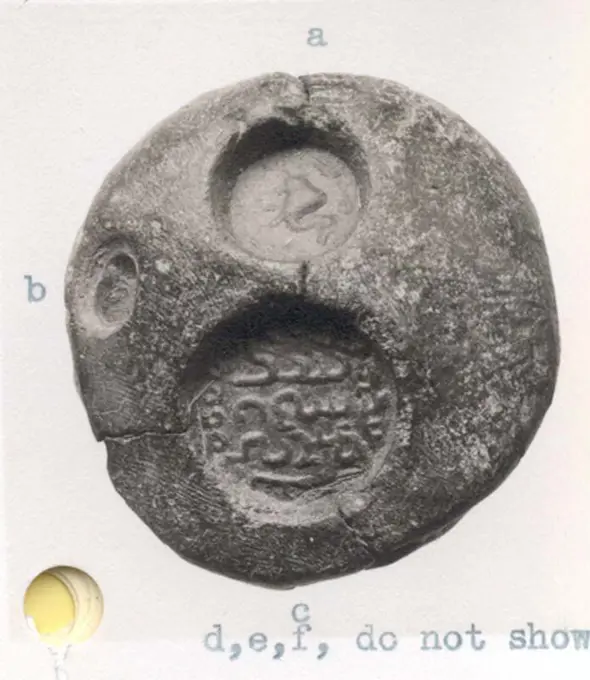
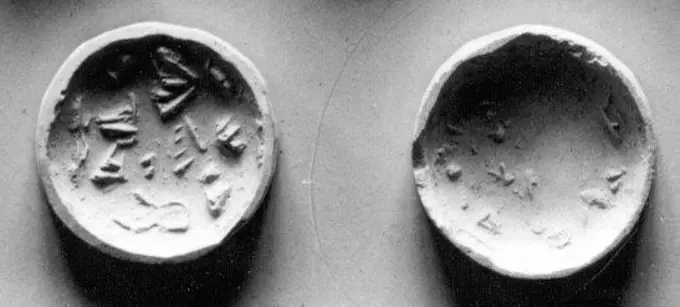
Historic mud seal impressions from ancient Egypt, showcasing detailed engravings and symbols, representing cultural artifacts from different periods.

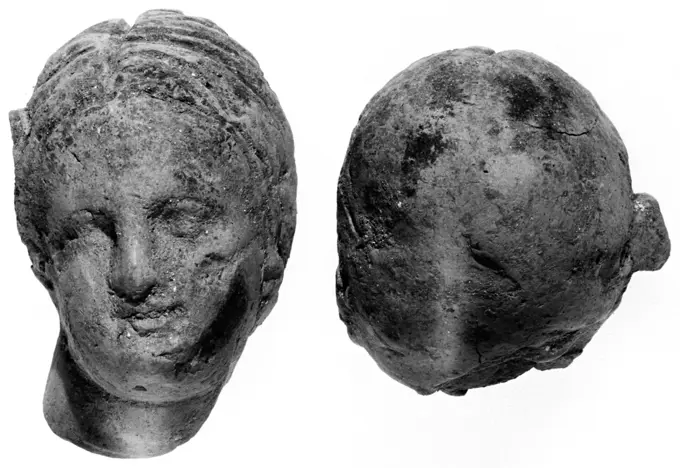
Female Head. Unknown
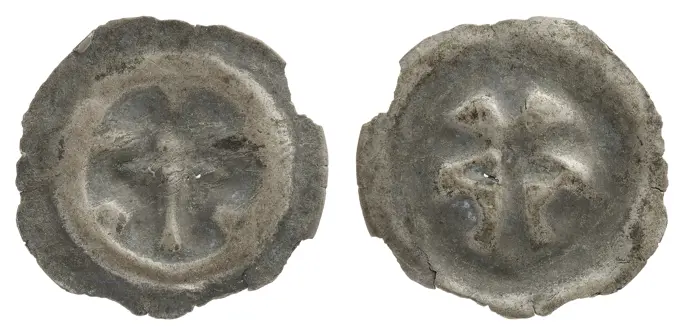
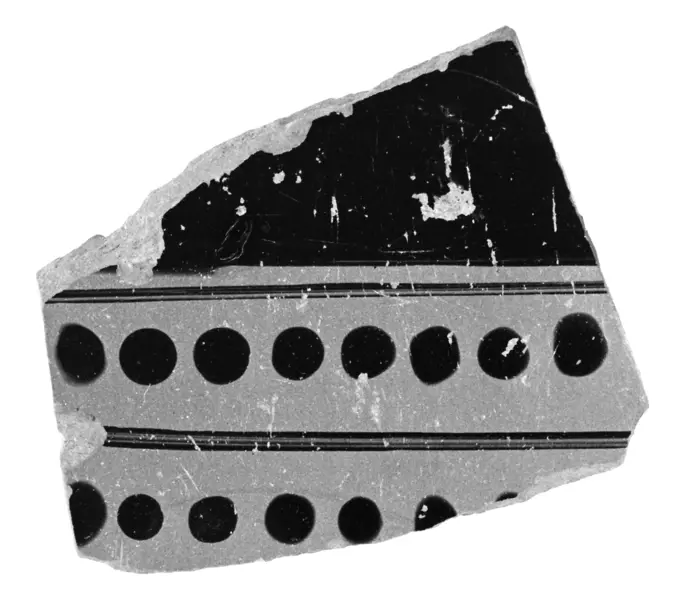
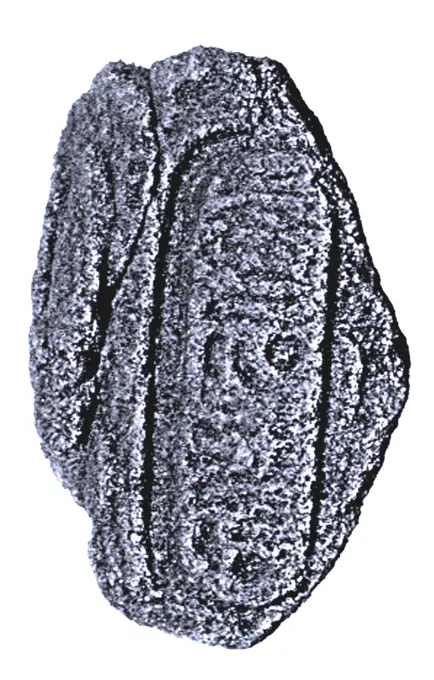
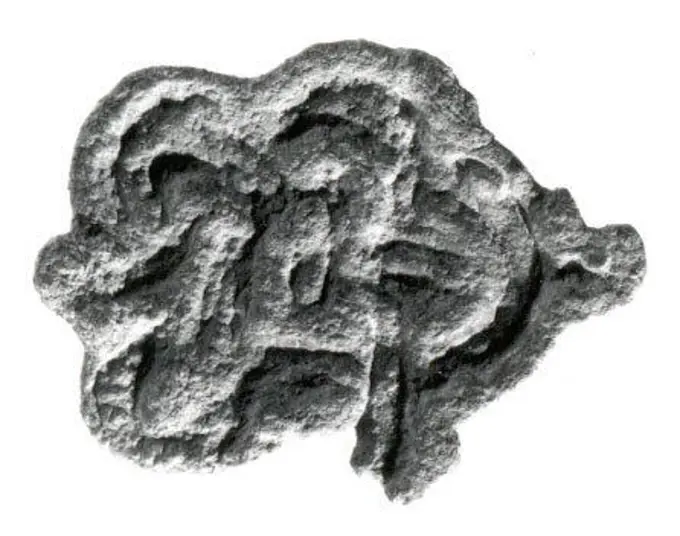
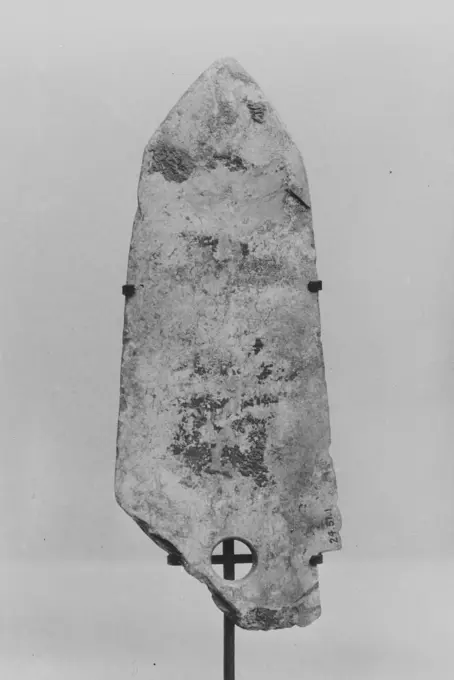
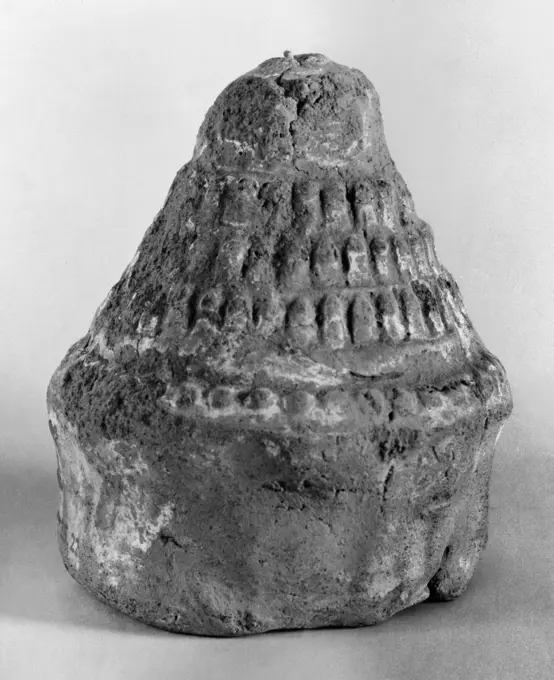
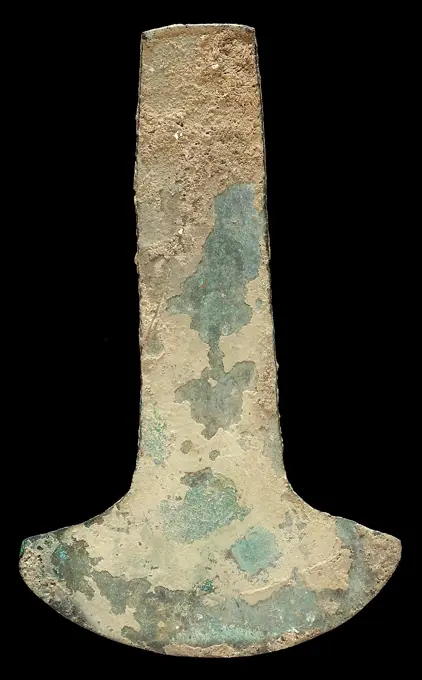
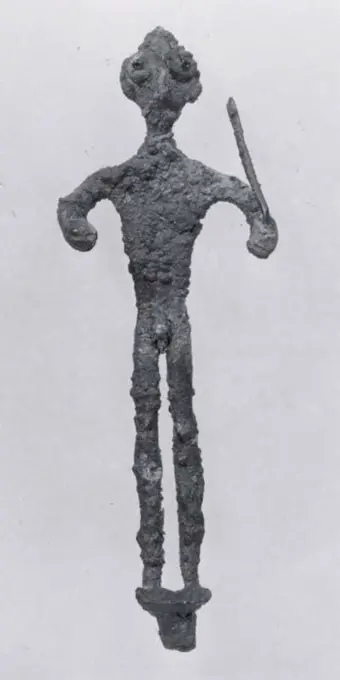
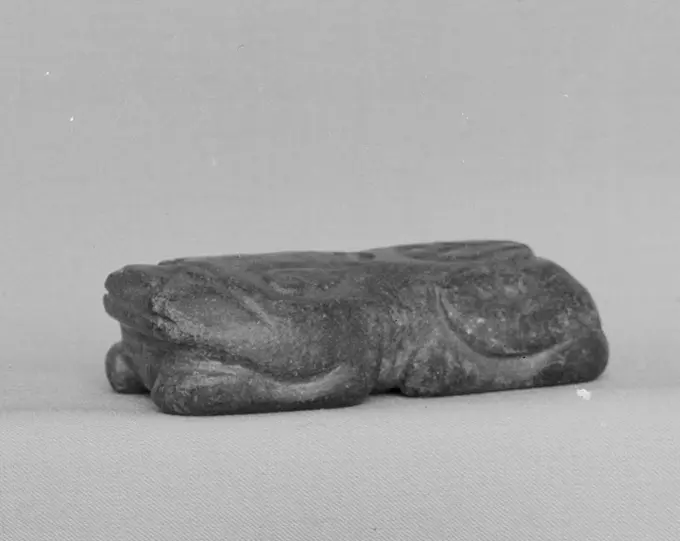
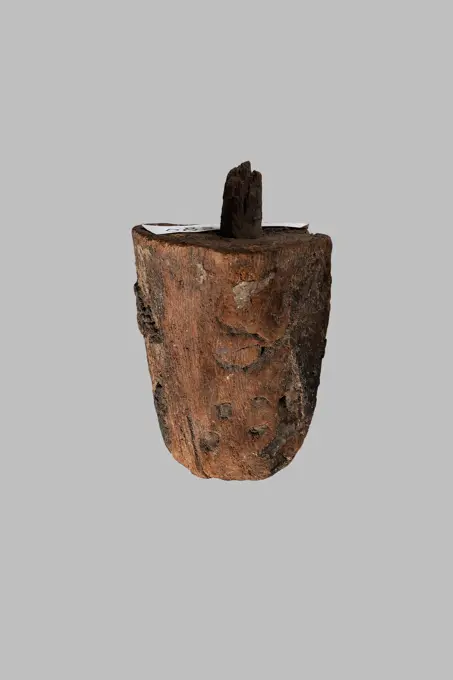
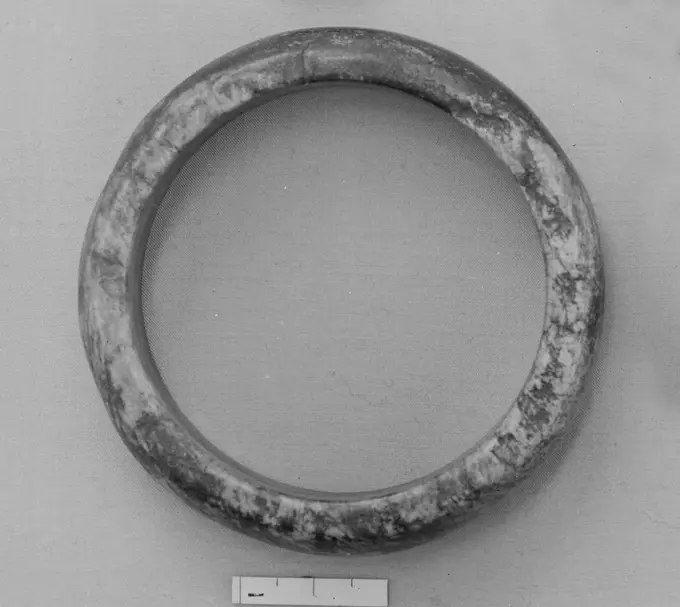
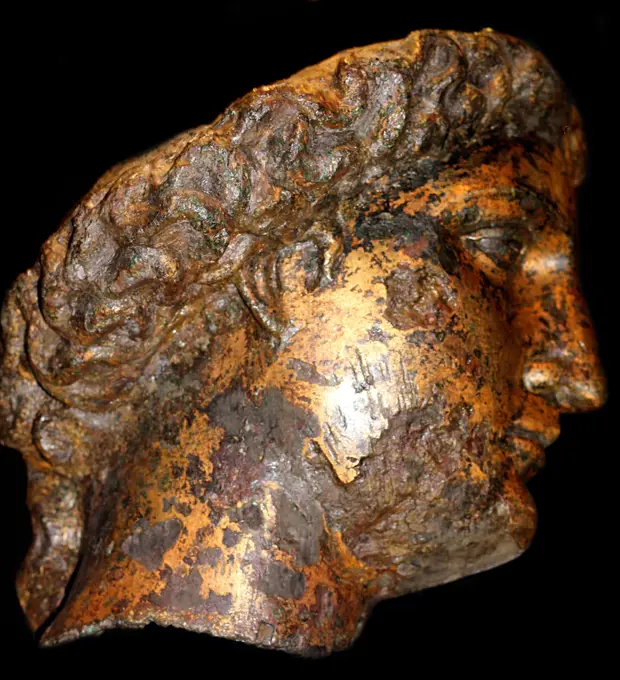
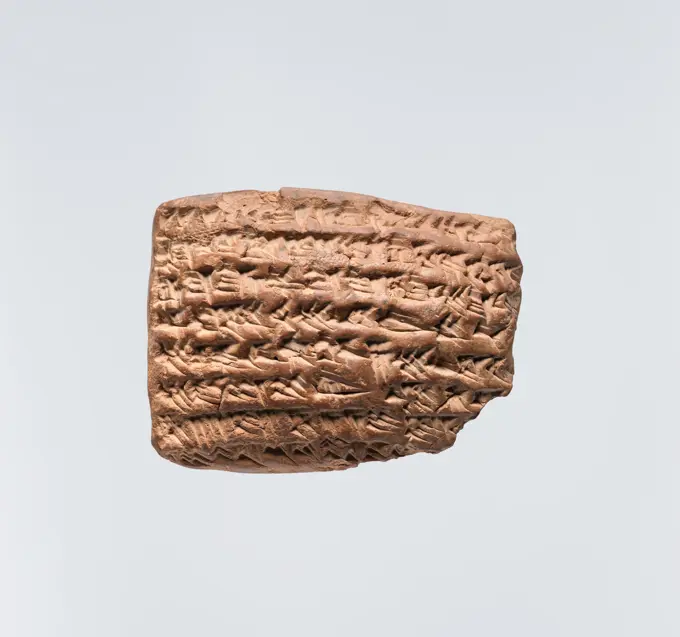
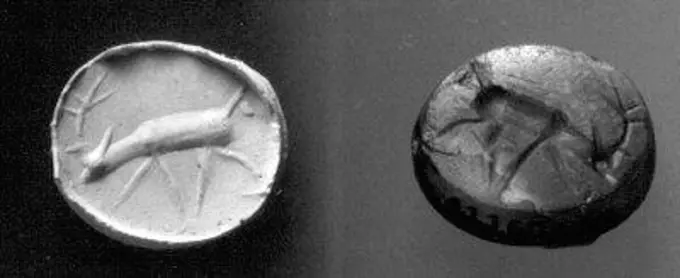
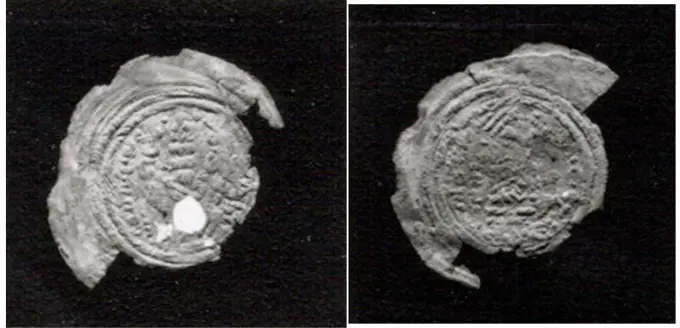
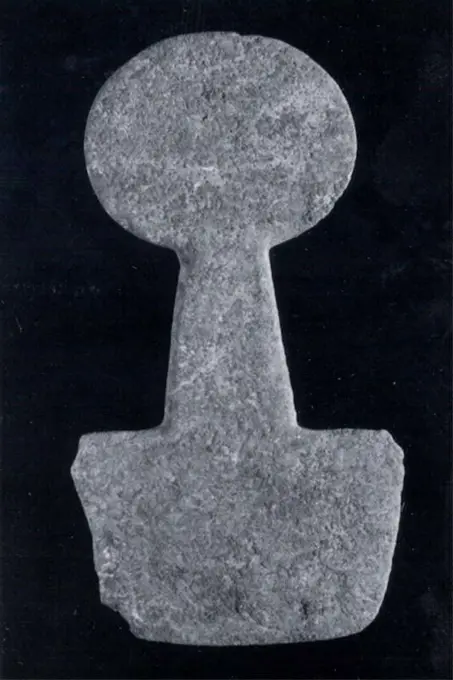
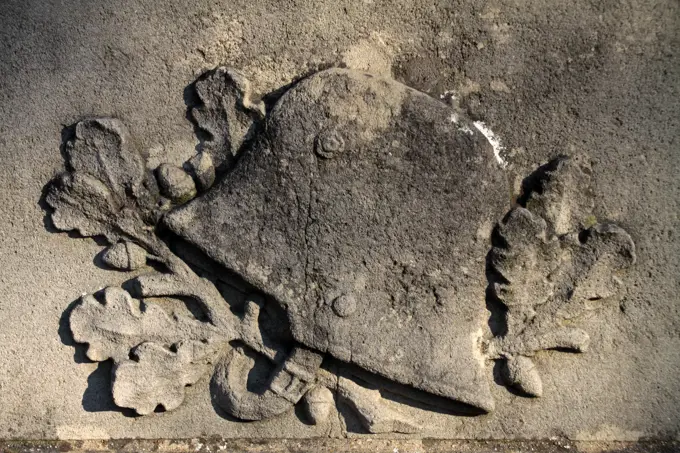
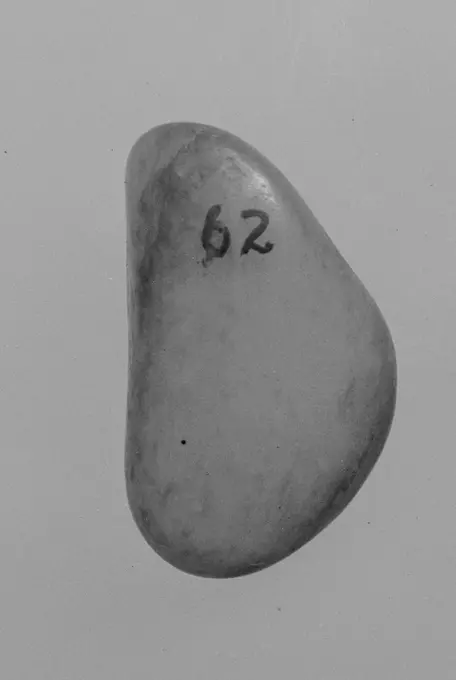
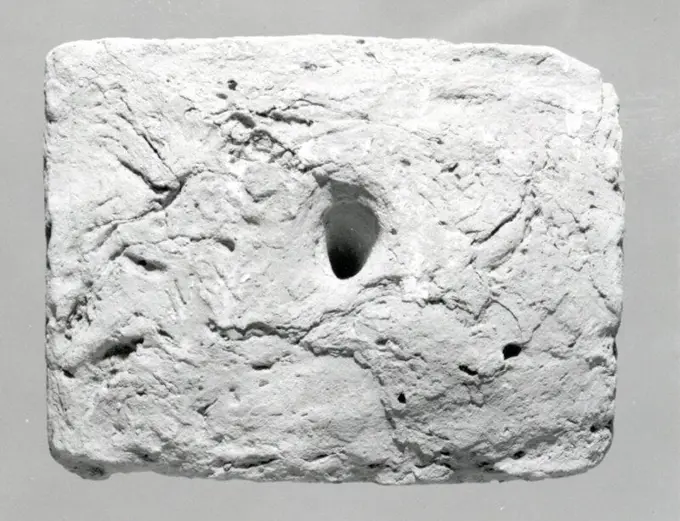
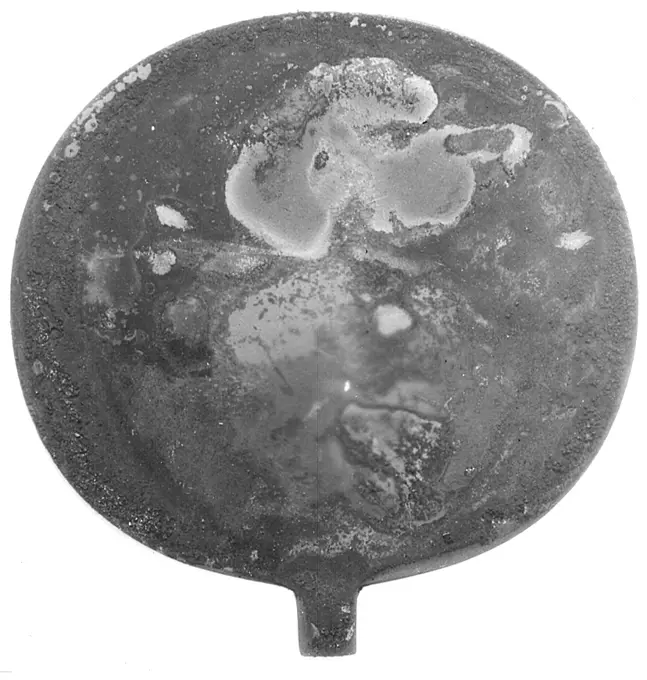
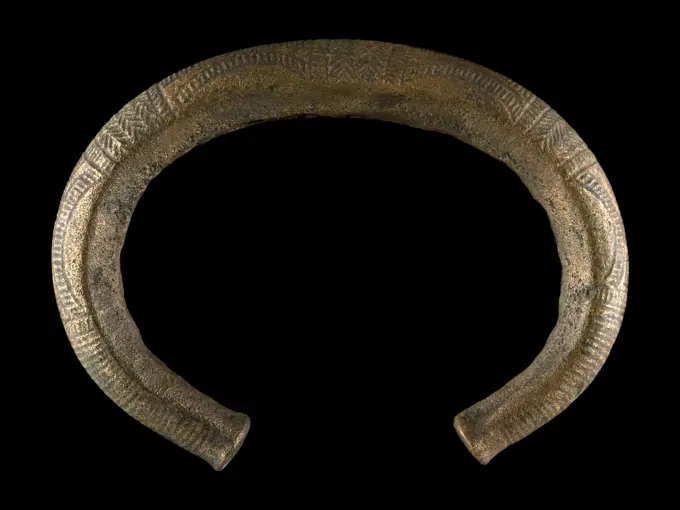
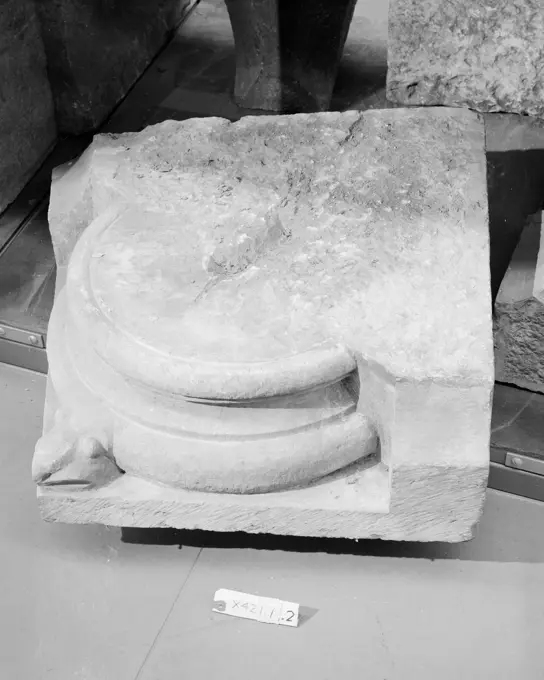
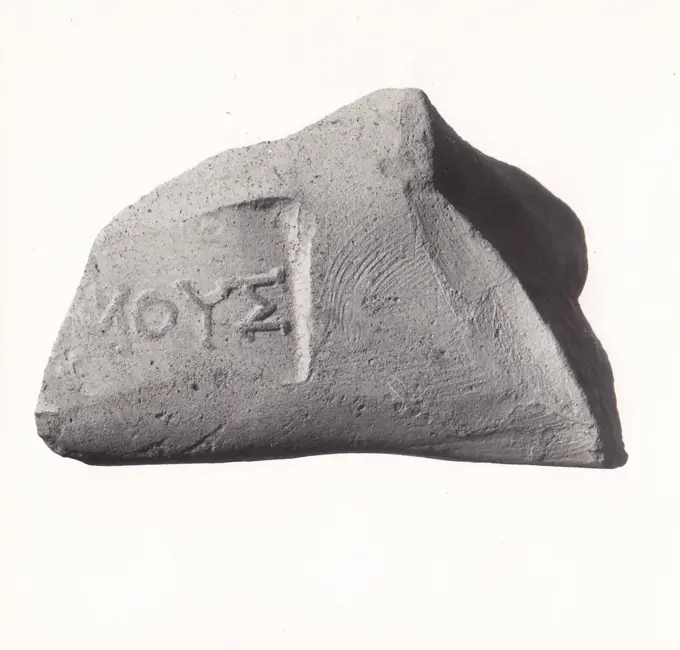
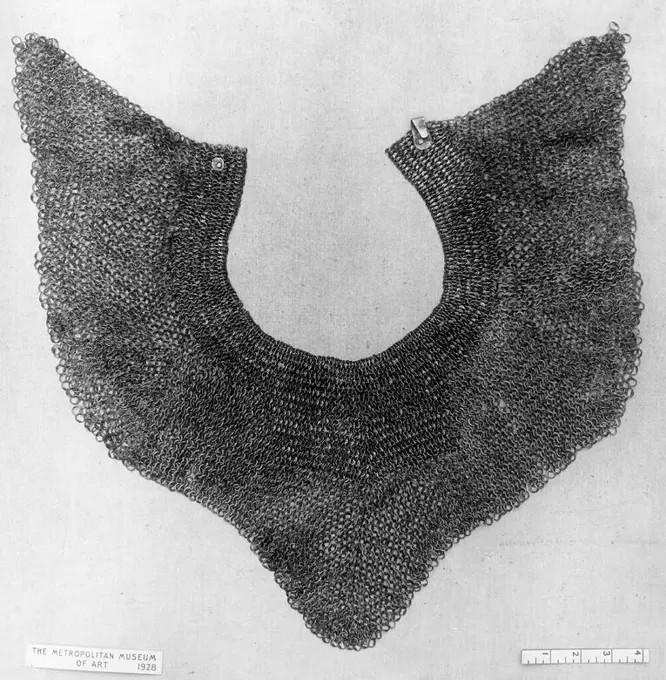
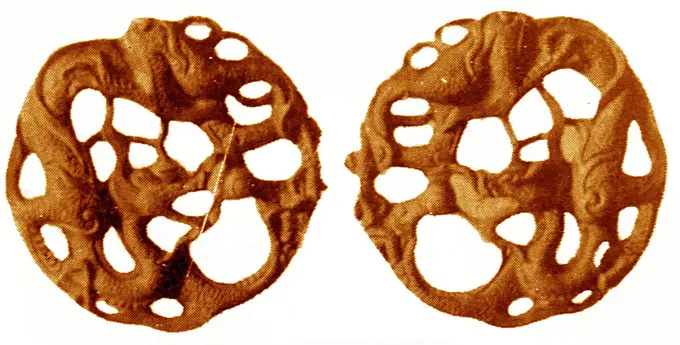
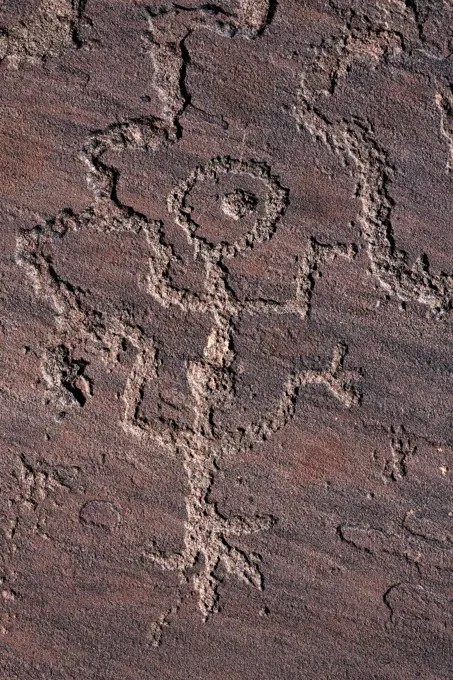
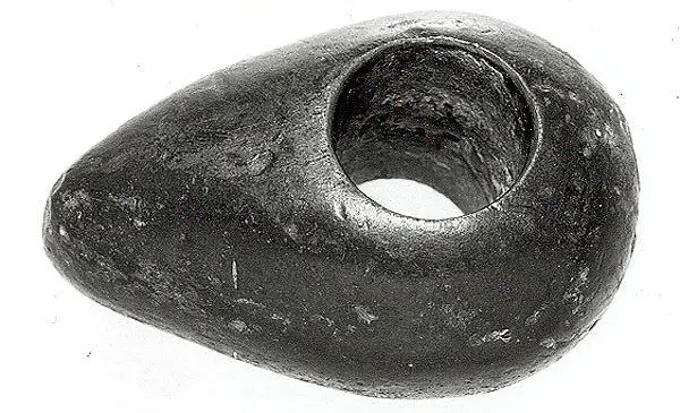
Mace head ca. 2300-2000 B.C. Hattian. Mace head 324454bracteate denarius (imitation). Zakon krzyżacki (1190-), issuerAttic Red-Figure Hydria Fragment. UnknownHead of a Male Warrior. UnknownToe and Sole of a Shoe. England; Found in London. Date: 1501-1600. Dimensions: 21 × 10.5 × 4.5 cm (8 1/4 × 4 1/8 × 1 3/4 in.)Lenght : 21 cmWidth: 10.5 cmHeight: 4.5 cm. Origin: England. Museum: The Chicago Art Institute, Chicago, USA.Aniconic Dedication to Zeus Meilichios. UnknownRitual Tablet. Culture: China. Dimensions: H. 6 1/4 in. (15.9 cm); W. 3 3/8 in. (8.6 cm). Museum: Metropolitan Museum of Art, New York, USA.Funerary Cone ca. 1550-1295 B.C. New Kingdom. Funerary Cone. ca. 1550-1295 B.C.. Pottery. New Kingdom. From Egypt, Upper Egypt, Thebes. Dynasty 18Fragment majolica dish, blue on white, with Chinese in landscape in circle with serrated edge, dish tableware holder earth discovery ceramics pottery glaze, Fragment of the soul of pancake dish On prunes fried archeology decorate food serve ChinaBead. UnknownStamp seal (tabloid) with monster second half of 8th - 7th century B.C. Assyrian. Stamp seal (tabloid) with monster. Assyrian. second half of 8th - 7th century B.C.. Steatite, black. Neo-Assyrian. Syria ()Stamp seal ca. late 3rd-early 2nd millennium B.C. Bactria-Margiana Archaeological Complex. Stamp seal. Bactria-Margiana Archaeological Complex. ca. late 3rd-early 2nd millennium B.C.. Copper alloy. Bronze Age. Bactria-MargianaFragment with second cartouche of the Aten ca. 1353-1336 B.C. New Kingdom, Amarna Period. Fragment with second cartouche of the Aten. ca. 1353-1336 B.C.. Sandstone, or poor quartzite. New Kingdom, Amarna Period. From Egypt, Middle Egypt, Amarna (Akhetaten). Dynasty 18Stamp seal with snake ca. late 3rd-early 2nd millennium B.C. Bactria-Margiana Archaeological Complex. Stamp seal with snake 326823Ceremonial dagger-ax ca. 500 B.C. China. Ceremonial dagger-ax. China. ca. 500 B.C.. Jade. Zhou dynasty (1046-256 B.C.). JadeCushion early 19th century China. Cushion. China. early 19th century. Silk, metallic thread; on silk. Qing dynasty (1644-1911). Textiles-EmbroideredMoulded Miniature Stupa (stupika) 12th-19th century Tibet. Moulded Miniature Stupa (stupika). Tibet. 12th-19th century. Clay and ashes. SculptureFragment of the bowl stroke; Unknown Night -Tamanian workshop; around 6900 6500 BC ; Hassuna culture (-6905-00-00--6495-00-00);The collection of the ancient EastIDOLO CILINDRICO OCULADO LABRADO EN HUESO - EDAD DE BRONCE - ARTE NEOLITICO. Location: MUSEO ARQUEOLOGICO-COLECCION. Sevilla. Seville. SPAIN.Head with Melon Coiffure. UnknownToe ca. 1353-1336 B.C. New Kingdom, Amarna Period. Toe 567629Owl Amulet ca. 1390-1352 B.C. New Kingdom. Owl Amulet. ca. 1390-1352 B.C.. Faience. New Kingdom. From Egypt, Upper Egypt, Thebes, West Valley of the Kings, Tomb of Amenhotep III (WV 22), Carnarvon/Carter excavations, 1915. Dynasty 18Finger. UnknownKnife, 8th-10th century, 7 1/8 x 4 5/16 x 1/4 in. (18.1 x 10.95 x 0.64 cm), Bronze, Peru, 8th-10th century, A tumi is a knife with a flared, semicircular blade that was used in ceremonies throughout the ancient Andes. Lambayeque artists working in northwest Peru made especially dramatic and opulent examples for elite members of society. Lambayeque metalworkers were technologically advanced; they developed a unique type of bronze by alloying copper and arsenic, from which this blade was cast. Originally, this tumi was likely capped by an elaborate finial depicting an important Lambayeque deity, known as the Sicán Lord, executed in materials such as gold, silver, and turquoiseSmiting god figure early 2nd millennium B.C.. Smiting god figure 324676Tiger: Emblem of the West 1500 B.C.-1200 A.D. China. Tiger: Emblem of the West 42910Vase Fragment. UnknownSealing ca. 7th century A.D. Sasanian. Sealing 323275Sealing ca. 1981-1640 B.C. Middle Kingdom. Sealing 560526Canosan Oinochoe Fragment. UnknownUnattributed Trebizond Coin comprised of four fragments. UnknownMythreya, Terracotta figurine 7th century A. D collected at Muttom near Boluvampatti, Coimbatore, Tamil Nadu, South India, India, AsiaGraeco-Roman limestone statue, identified as a figure of Bes, and dated 6th/5th century, B.C., hole in head for support of hatOffering table, Nefertiti cartouche ca. 1353-1336 B.C. New Kingdom, Amarna Period. Offering table, Nefertiti cartouche 549670Funerary Cone ca. 1550-1295 B.C. New Kingdom. Funerary Cone. ca. 1550-1295 B.C.. Pottery. New Kingdom. From Egypt, Upper Egypt, Thebes. Dynasty 18Fossil Echinoids, Conulus Albogalerus. One of four fossil echinoids, Conulus albogalerus preserved in flint. From the Upper Chalk of Gravesend, Kent.. Natural Science Collection - PalaeontologyDecorated mace head. Clenched fists of the enemies trapped in the coils of the large snake. carved onto this limestone mace head. Late Predynastic (Naqada III), 3300-3100 BC, EgyptCoin 8th-early 9th century. Coin 457557Bródka z maski sarkofagowej (). unknown, authorFemale Head. UnknownBracelet China. Bracelet 42855Image of a tile, found at the excavation of the foundation on the west side of the southern tower of the Nicolaikerk (Nicolaaskerkhof) in Utrecht.Rectangular stove tile. unknown, factoryCylinder seal ca. 3100-2900 B.C.. Cylinder seal 324523Frog 1st-8th century Mezcala. Frog. Mezcala. 1st-8th century. Serpentine probably. Mexico, Mesoamerica, Guerrero. Stone-SculptureBlock Fragment. Culture: French. Date: ca. 1130-40. Museum: Metropolitan Museum of Art, New York, USA.Lazio Roma Rome SS. Giovanni e Paolo, Museum6. Hutzel, Max 1960-1990 Medieval: Ceramic fragments, sculptural fragments, fresco fragments, inscribed tomb markers. Houses one of the best collections of Malagan medieval ceramics for casting wall monuments, copies of which are housed in campanile. Specific Location: Museum Antiquities: Ceramic fragments, sculptural fragments, architectural fragments Object Notes: Basilica has separate record and is filed separately. German-born photographer and scholar Max Hutzel (1911-1988) photographed in Italy from the early 1960s until his death. The result of this project, referred to by Hutzel as Foto Arte Minore, is thorough documentation of art historical development in Italy up to the 18th century, including objects of the Etruscans and the Romans, as well as early Medieval, Romanesque, Gothic, Renaissance and Baroque monuments. Images are organized by geographic region in Italy, then by province, city, site complex and monument.Gilt bronze head of Sulis Minerva from a cult statue in the temple at the Roman baths. Circa 1st-4th century AD. Roman. Found in Somerset, England.Cuneiform tablet: Gula incantation ca. mid- to late 1st millennium B.C. Babylonian or Achaemenid The invention of writing in approximately 3300 B.C. was one of many developments in administrative technology--including the use of geometric tokens for counting and cylinder seals to guarantee transactions--that accompanied the growth of the first cities and states in southern Mesopotamia. Proto-cuneiform is the name given to the earliest form of writing--pictograms that were drawn on clay tablets. Gradually, the pictograms became abstracted into cuneiform (Latin, "wedge-shaped") signs that were impressed rather than drawn. At its greatest extent, cuneiform writing was used from the Mediterranean coast of Syria to western Iran and from Hittite Anatolia to southern Mesopotamia. It was adapted to write at least fifteen different languages. The last dated cuneiform text has a date corresponding to A.D. 75, although the script probably continued in use over the next two centuries.This late BabPyramidal stamping device 7th-6th millennium B.C.. Pyramidal stamping device. 7th-6th millennium B.C.. Chlorite or steatite, black-green. Neolithic-Chalcolithic. Northern Syria or northern MesopotamiaBowl rim sherd ca. mid-3rd millennium B.C.. Bowl rim sherd 326115Zil 19th century Turkish. Zil 501002Coin probably 8th-9th century. Coin. probably 8th-9th century. Copper. Excavated in Iran, Nishapur. CoinsReal leather label isolated on white backgroundStamp seal (scaraboid) with animal 7th - 6th century B.C. Assyro-Babylonian. Stamp seal (scaraboid) with animal. Assyro-Babylonian. 7th - 6th century B.C.. Banded and flawed orange Carnelian (Quartz). Neo-Assyrian / Neo-Babylonian. MesopotamiaCoin A.D. 684-685/65 A.H. Islamic. Coin 323493Spade-shaped schematic female () figure ca. 3000-2800 B.C.. Spade-shaped schematic female () figure. ca. 3000-2800 B.C.. Limestone. Early Bronze Age I. AnatoliaBovine-headed vessel ca. 9th century B.C. Iran. Bovine-headed vessel 325137Fragment probably 12th century. Fragment 450264Steel helmet at the war memorial in Fuhlen Stahlhelm at the war memorial in FuhlenPebble China, Turkestan. Pebble 43471Ceremonial bracelet from Cameroon.Female Head Fragment. UnknownPlano-convex brick ca. 2900-2350 B.C. Sumerian. Plano-convex brick 325521Ovoid seal ca. 3500-3100 B.C.. Ovoid seal. ca. 3500-3100 B.C.. Stone, brown. Late Uruk (). Iran or MesopotamiaFemale Head with Knidian Coiffure. UnknownHead with Melon-Knidian Coiffure. UnknownApplique. UnknownTemple Fragments, Museo Archeologico Regionale Antonino Salinas, Collection of Etruscan, Roman, Egyptian and Greek Works, Palermo, Palermo, Sicily, Italy, EuropeGracchan boundary stone, put up wtih Gracchus' agrarian laws, Roman civilizationHead with Bow Knot. UnknownMirror of Wah ca. 1981-1975 B.C. Middle Kingdom. Mirror of Wah. ca. 1981-1975 B.C.. Bronze or copper alloy. Middle Kingdom. From Egypt, Upper Egypt, Thebes, Southern Asasif, Tomb of Wah (MMA 1102), beside face of mummy, MMA excavations, 1920. Dynasty 12Graved decoration bracelet. Copper alloy. AGE DU BRONZE Middle. Paris, Carnavalet museum. Decor engraved on the external part with tight crossbings, separated by two double grounds. The part of the still visible fixing consists of a double loop flattened by hammering, the departure of which is reinforced by a small protubrence. AGE AGE BRONZE, Copper alloy, bracelet, serious decor, protohistoryBoss 3rd-12th century. Boss 446122Drohiczyn seal. unknown, managerBase, Engaged ca. 1130-40 French. Base, Engaged. French. ca. 1130-40. Stone. Made in Roussillon, France. Sculpture-ArchitecturalFragment imadła amfory ze stemplem. Timo II (ca 160-ca 108 a.C.), potter's workshopPIEDRA GRABADA PREHISPANICA PROCEDENTE DEL POBLADO DE ZONZAMAS. Location: CASTILLO DE SAN GABRIEL. ARRECIFE. LANZAROTE. SPAIN.Halftone Greece modern statue. Collage design element in trendy magazine style. Vector illustration with vintage grunge punk cutout shape. Halftone Greece modern statue. Collage design element in trendy magazine style. Vector illustration with vintage grunge punk cutout shape.Voussoir Section. Culture: French. Date: ca. 1130-40. Museum: Metropolitan Museum of Art, New York, USA.Amulet, lion head 664-30 BC Late Period-Ptolemaic Period. Amulet, lion head. 664-30 BC. Faience. Late Period-Ptolemaic Period. From Egypt. Dynasty 19-20Coin 8th century. Coin. 8th century. Copper. Excavated in Iran, Nishapur. CoinsVASO DE ARCILLA CON DISEÑOS GEOMETRICOS ZOOMORFOS. Location: MUSEO NACIONAL DE AZERBAIYAN. BAKU. Azerbaijan.Sweden, Blekinge, Blekinge, Karlskrona, Karlskrona, external marina (depicted, town).Sweden, Blekinge, Blekinge, Karlskrona, Karlskrona, External War Gogs (depicted, City)Girdle pendant China. Girdle pendant 42931Image of a stone sarcophagus, found at excavations in Wijk bij Duurstede.Fragment of an Ewer 8th-13th century. Fragment of an Ewer 449646Collar of Mail. Culture: German. Dimensions: H. 25 7/8 in. (66.0 cm); H. folded 12 13/16 in. (31.0 cm); W. 20 in. (51.0 cm); W. folded 18 1/2 in. (47.0 cm); Diam. (outside) of collar links 13/32 in. (8.5 mm); Diam. (inside) of collar links 3/16 in. (4.6 mm); Diam. (outside) of shawl links 3/8 in. (8.3 mm); Diam. (inside) of links 9/32 in. (6.6 mm); Wt. 2 lbs. 9 oz. (1162.3 g).. Date: 16th century. Museum: Metropolitan Museum of Art, New York, USA.Gold Ornaments from Koryo (Goreyo) (Goreyo) dynasty (918-1392).Stamp seal ca. 3rd-7th century A.D. Sasanian. Stamp seal. Sasanian. ca. 3rd-7th century A.D.. Onyx, nicolo. Sasanian. Iran or MesopotamiaDouble convex discoid (bulla) seal engraved on two faces ca. 1400-1200 B.C. Hittite. Double convex discoid (bulla) seal engraved on two faces 322284Sherd ca. 6th-7th century A.D. Sasanian or Islamic. Sherd 322824Petrolyphs. Lyman lake. Arizona Basketmaker period ( 300-700 ). Lyman Reservoir, Apache County, Arizona