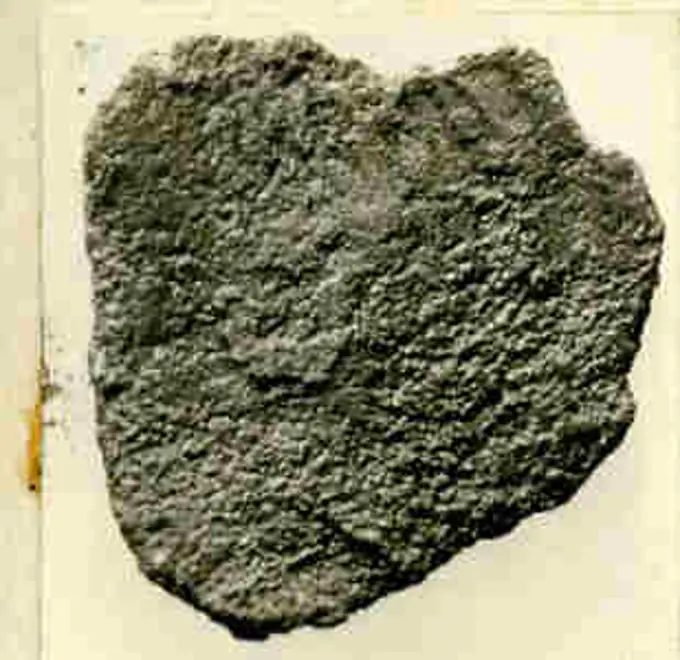
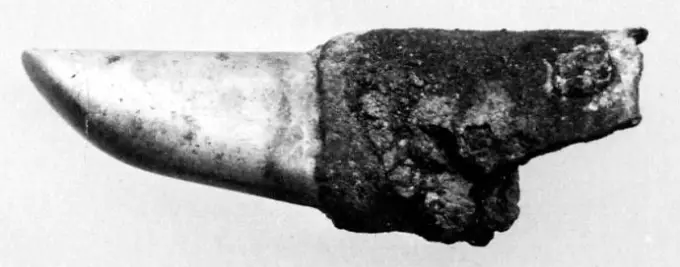
Ancient Seals Collection

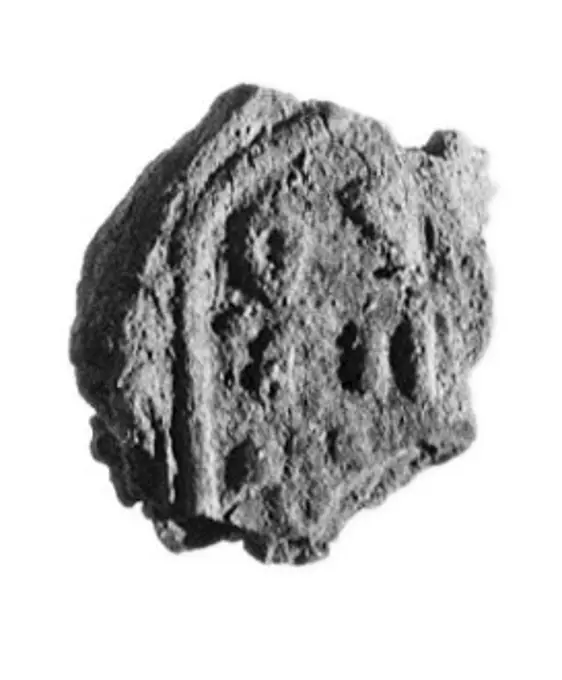
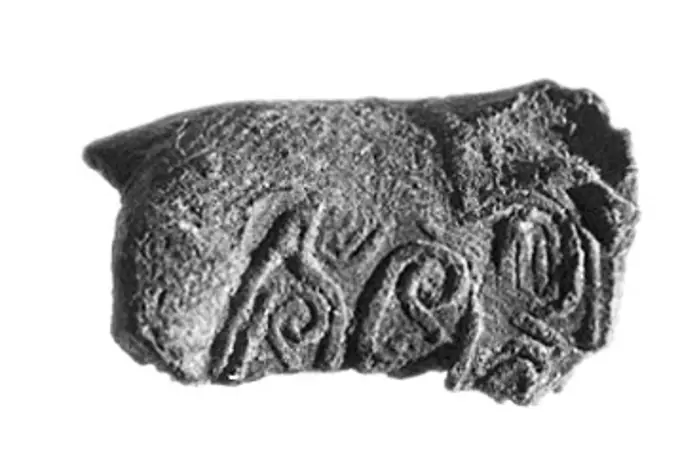
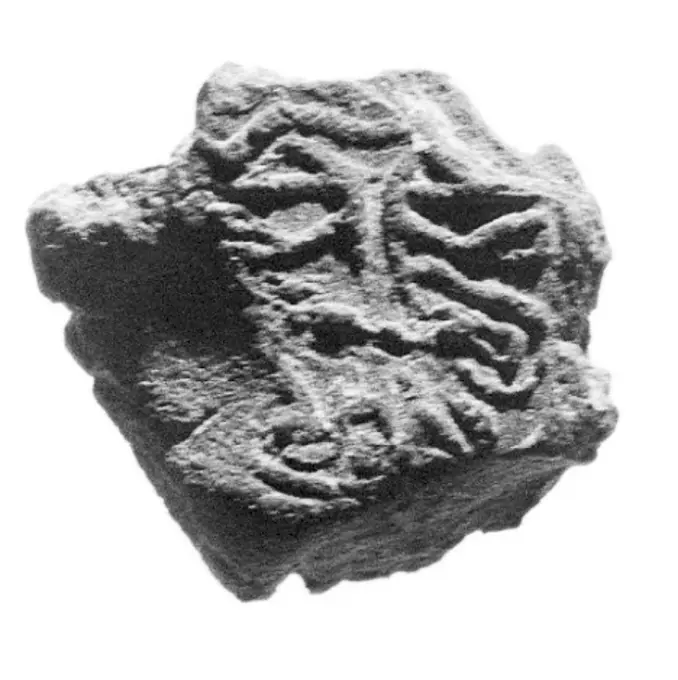
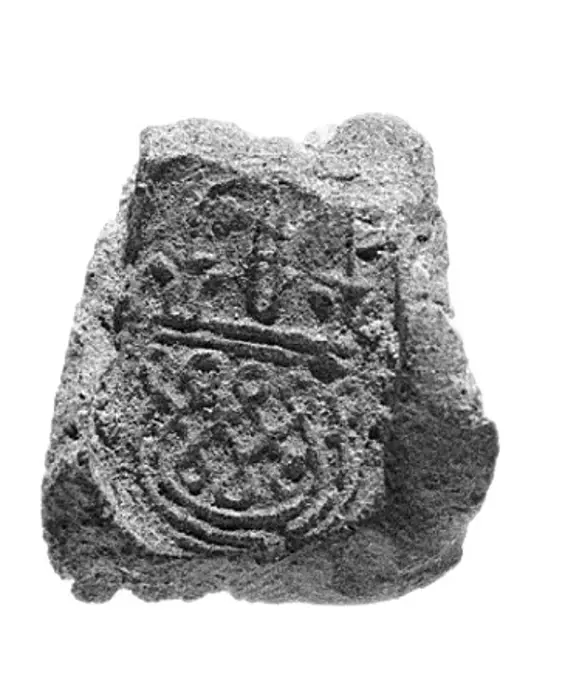
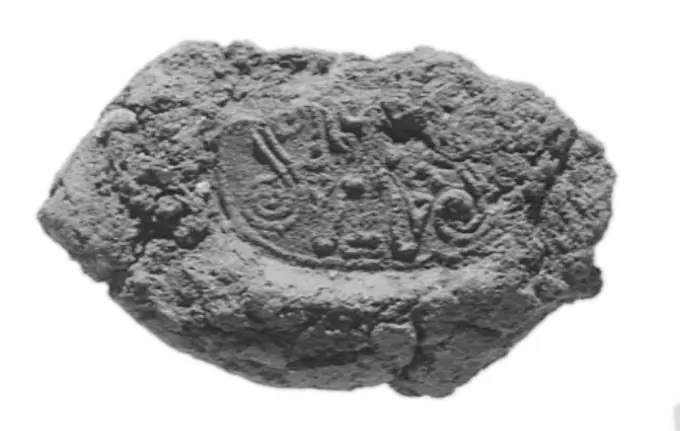
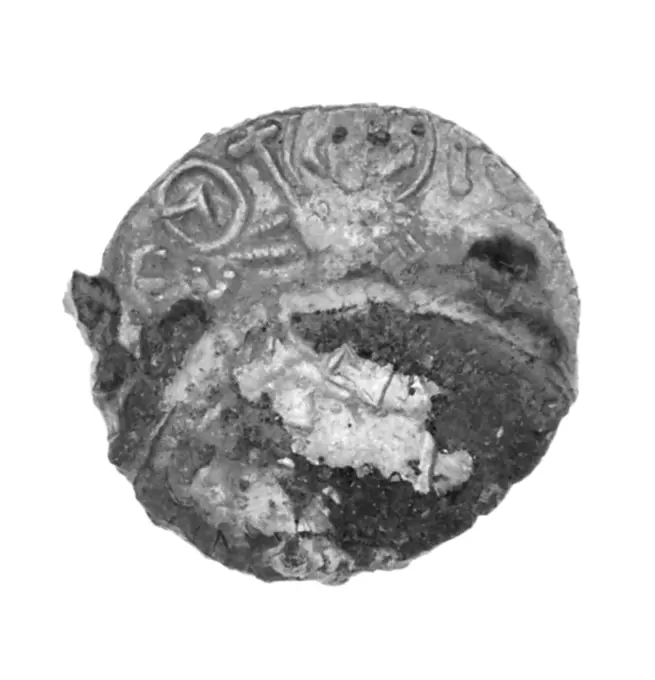
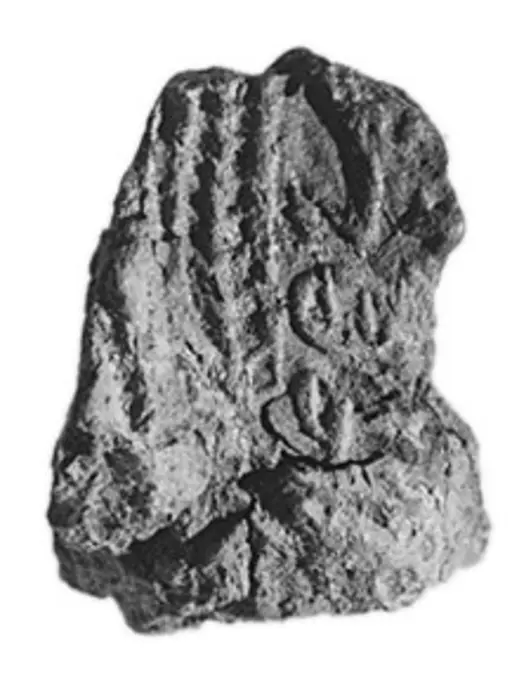
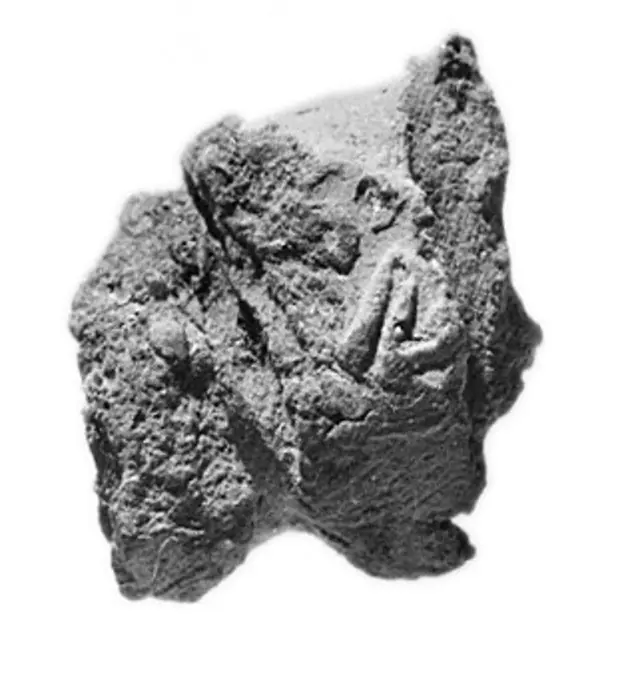
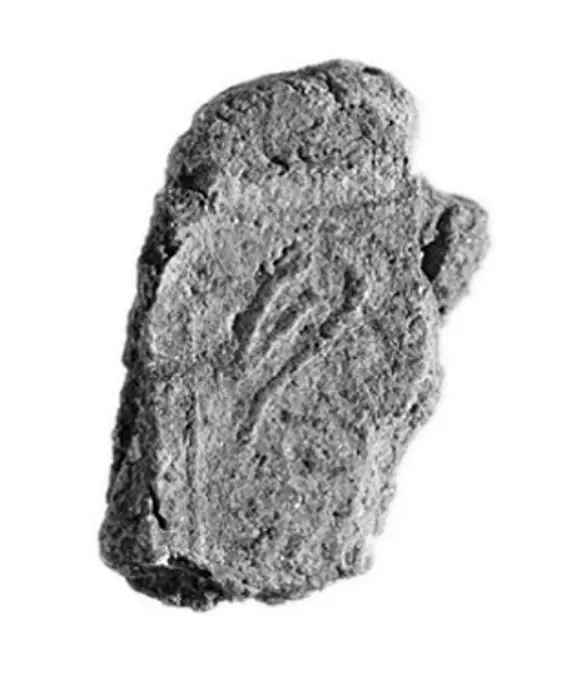
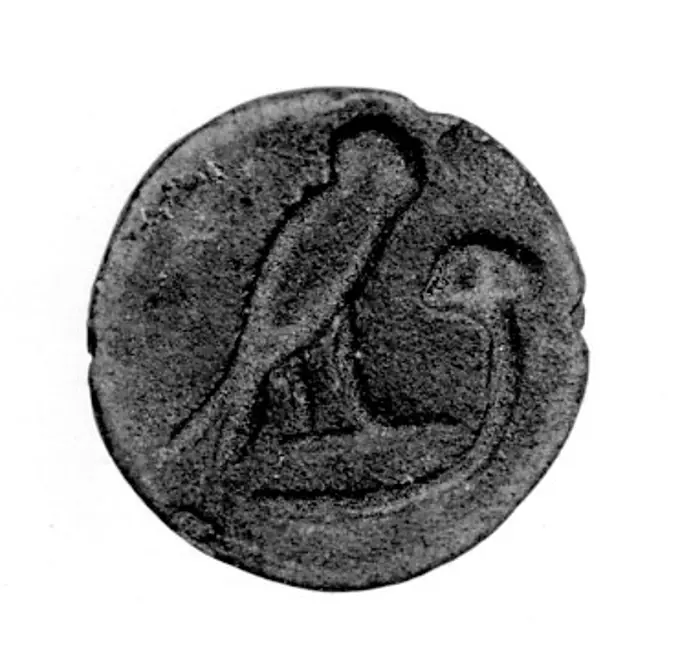
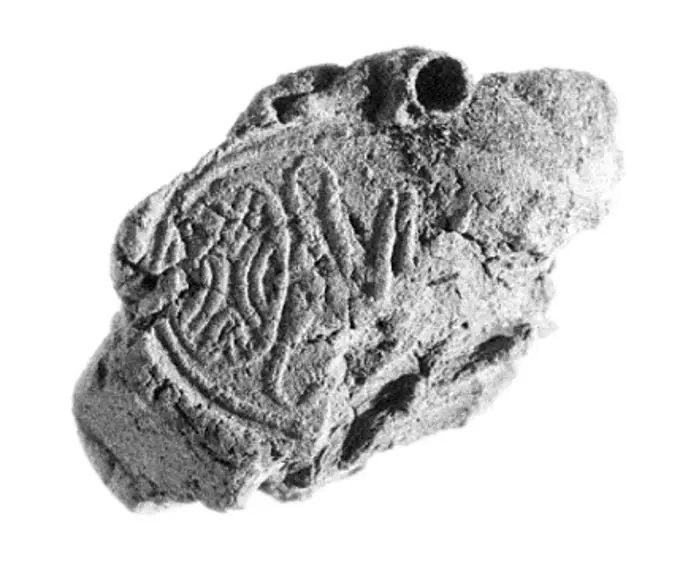
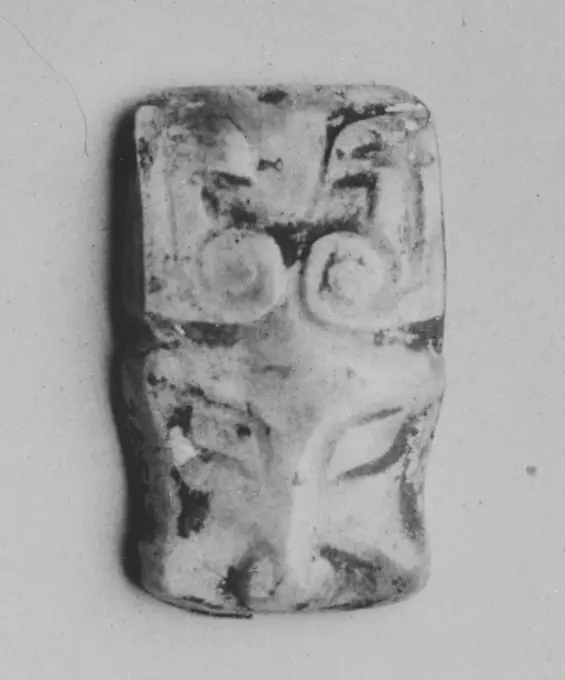
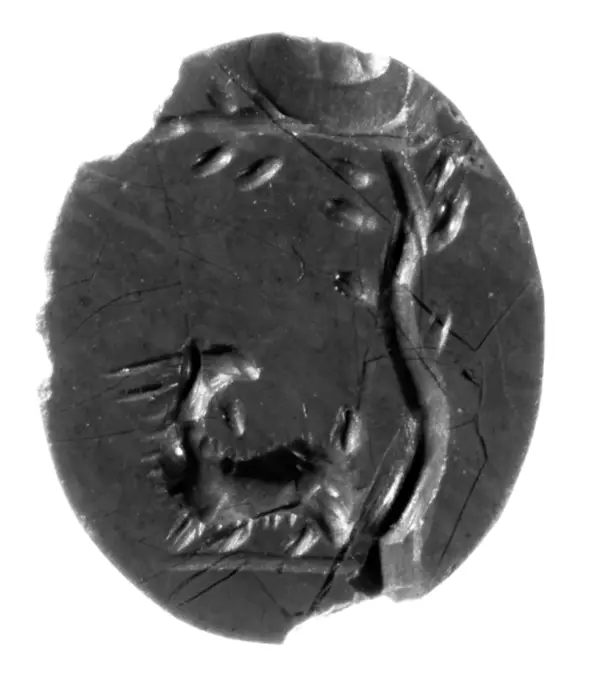
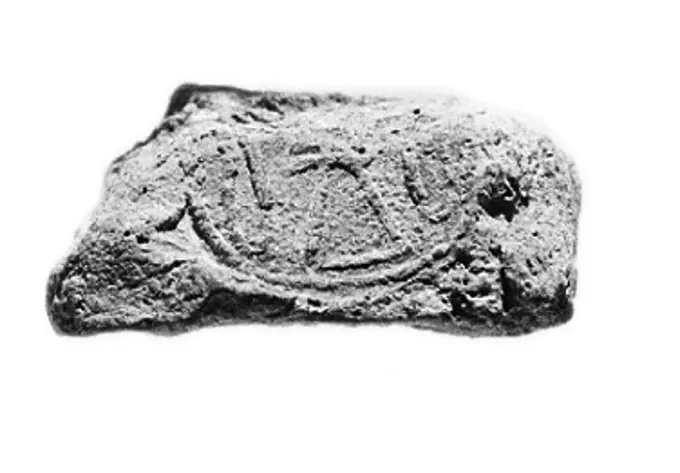
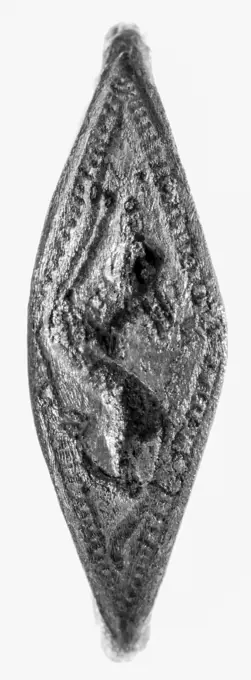
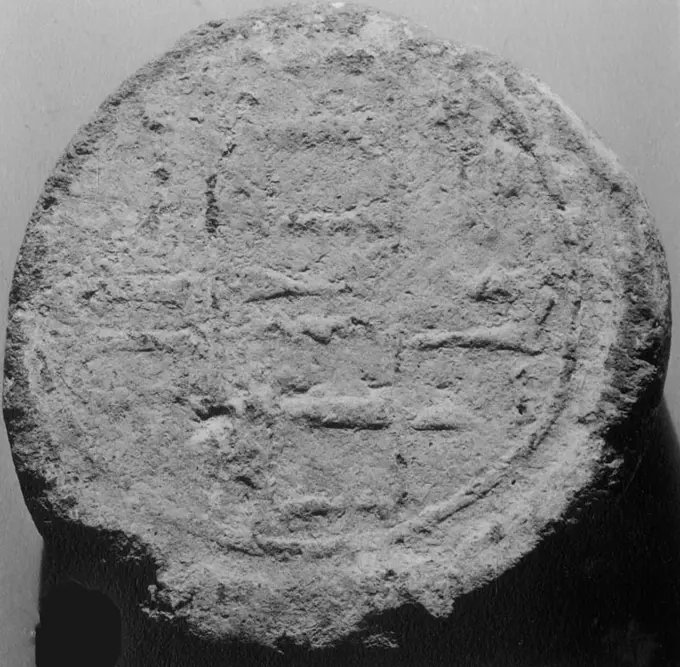
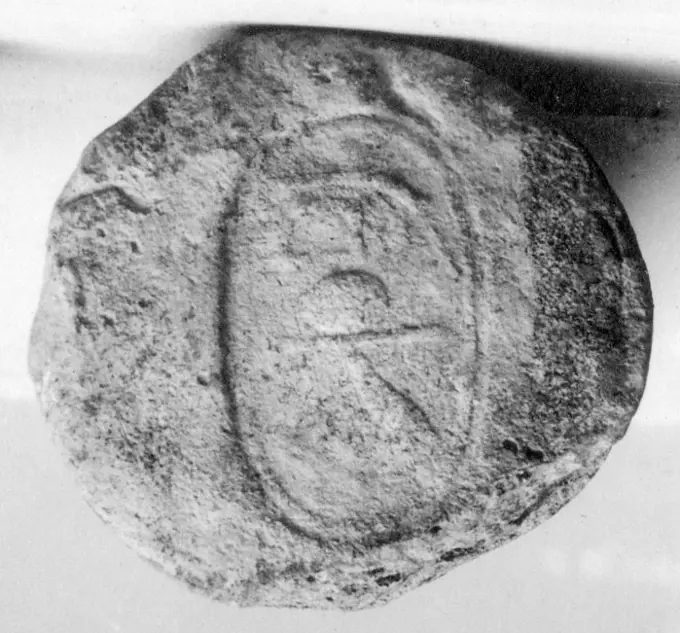
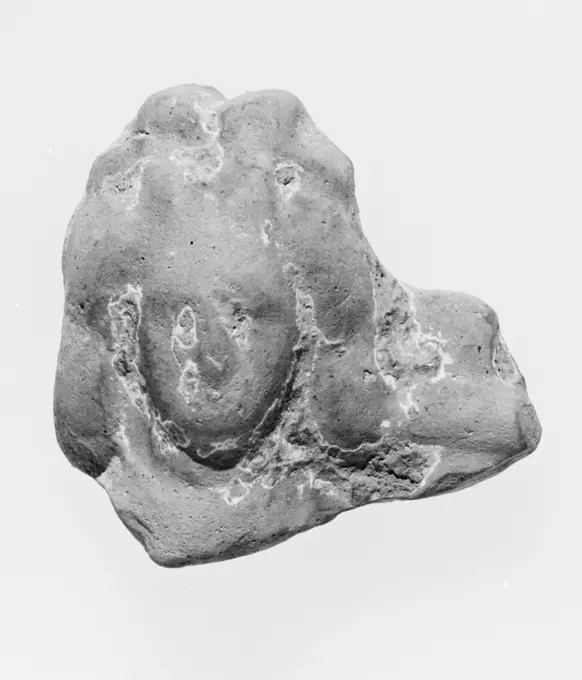
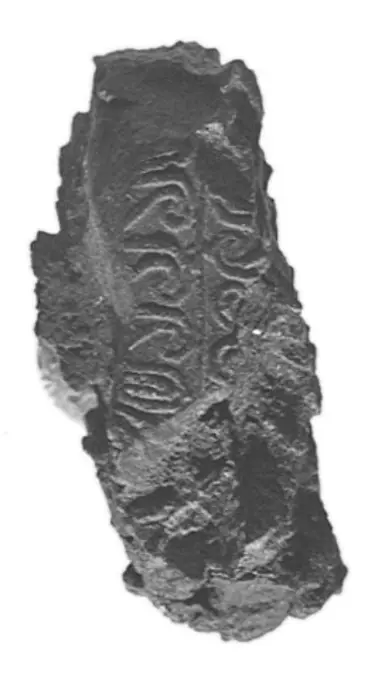
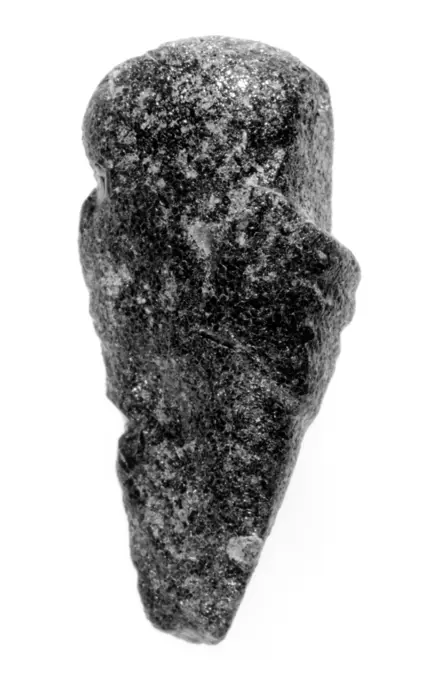
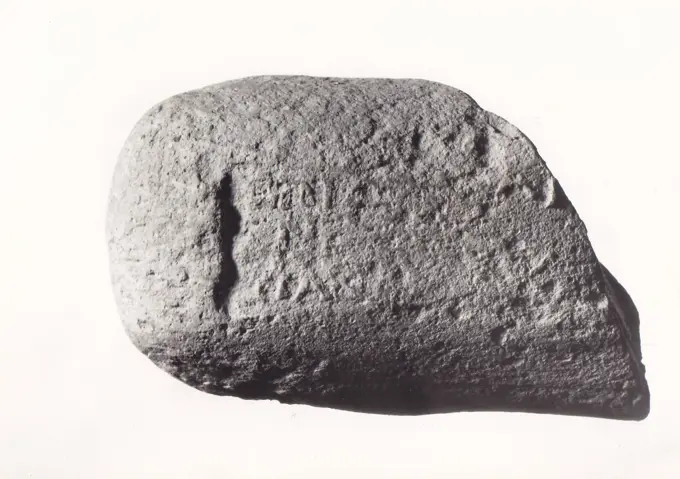
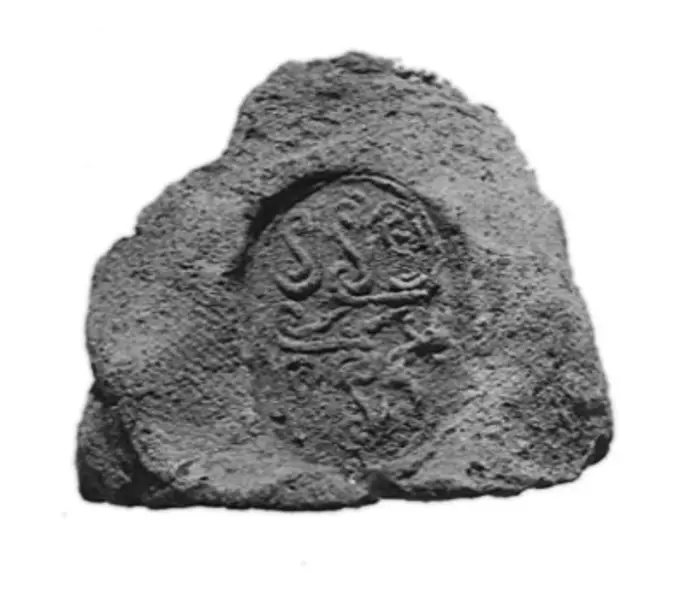
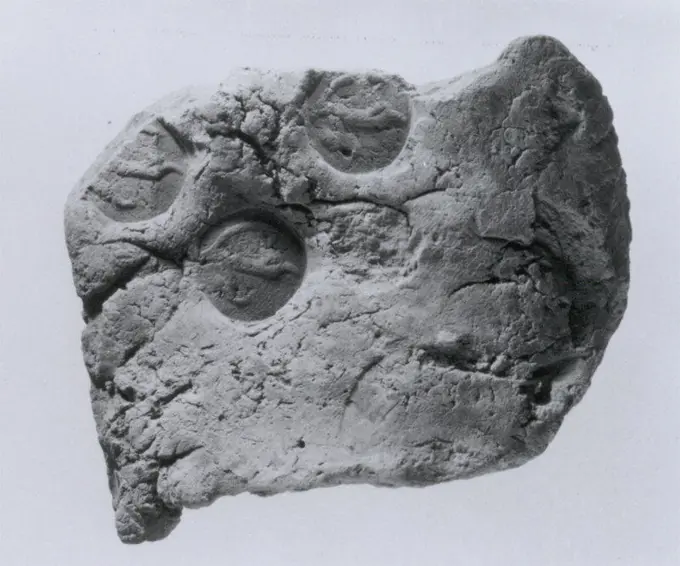
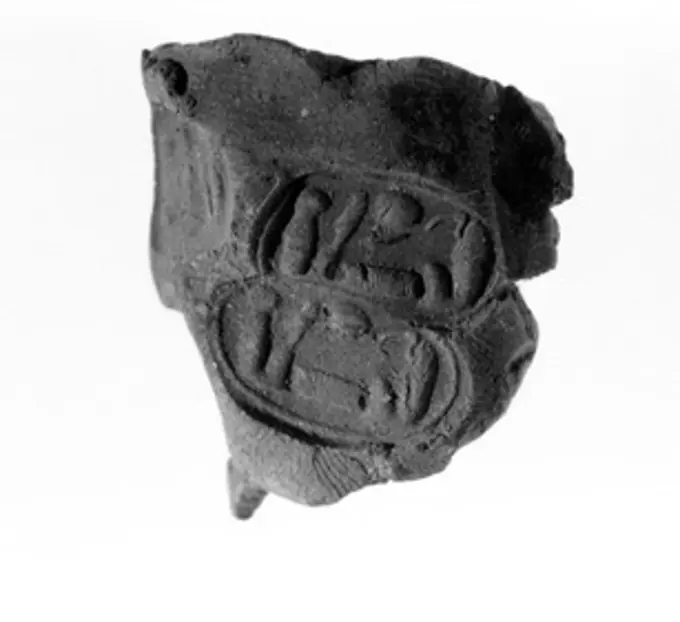
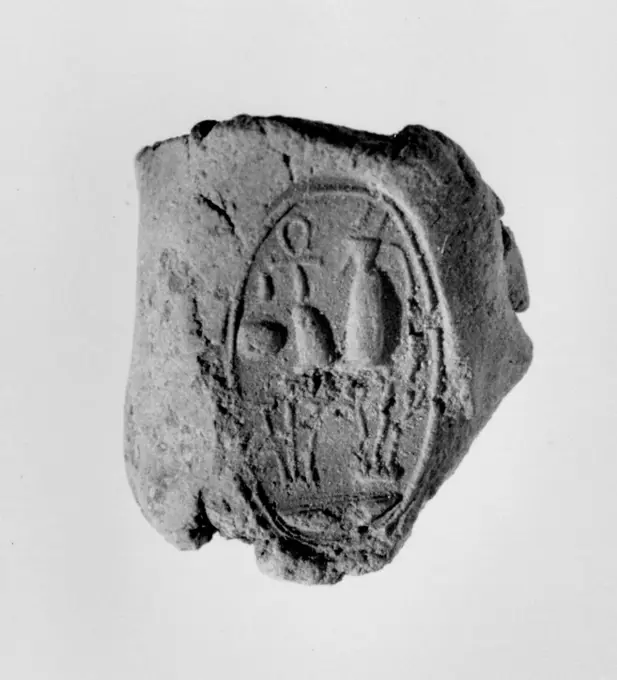
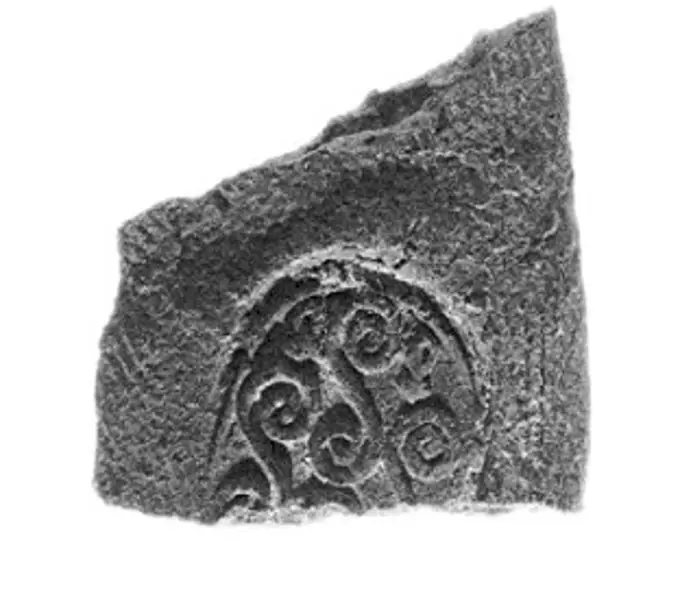
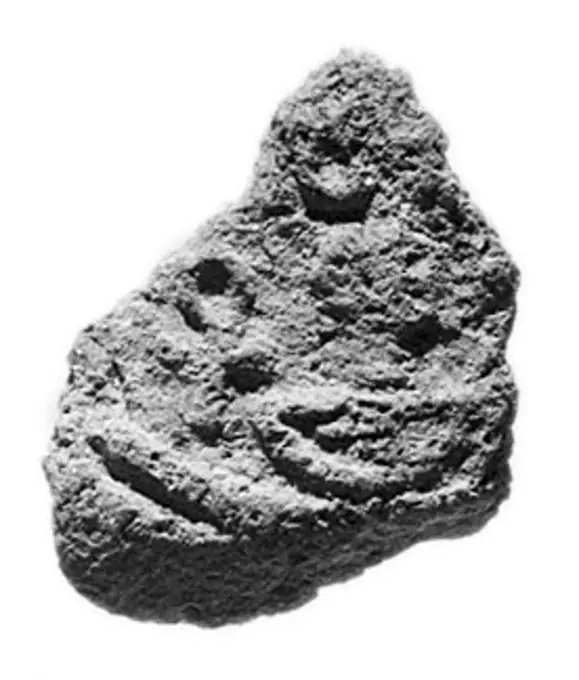
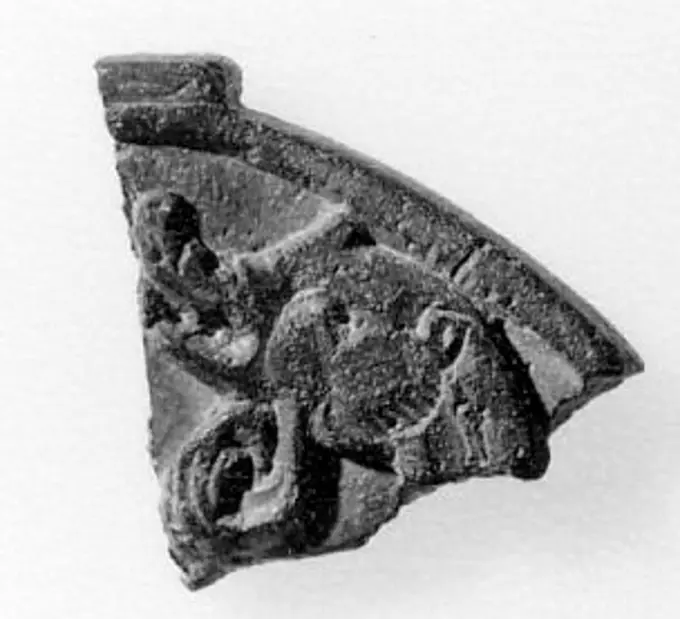
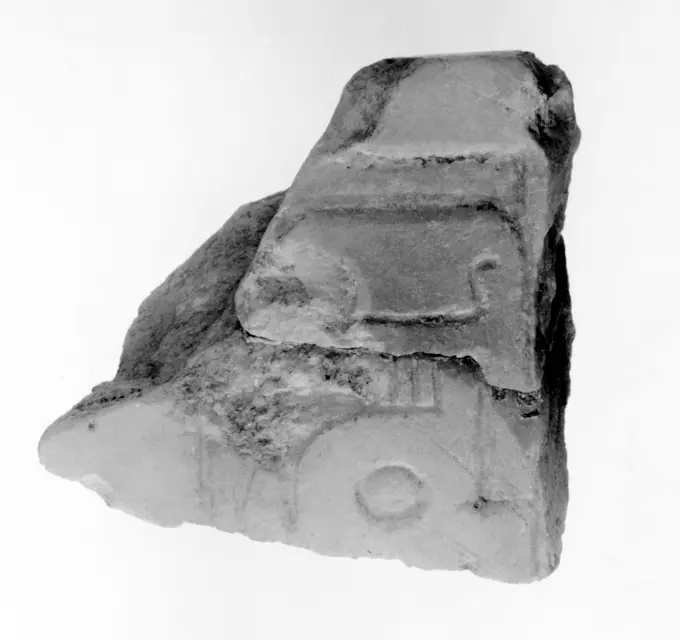
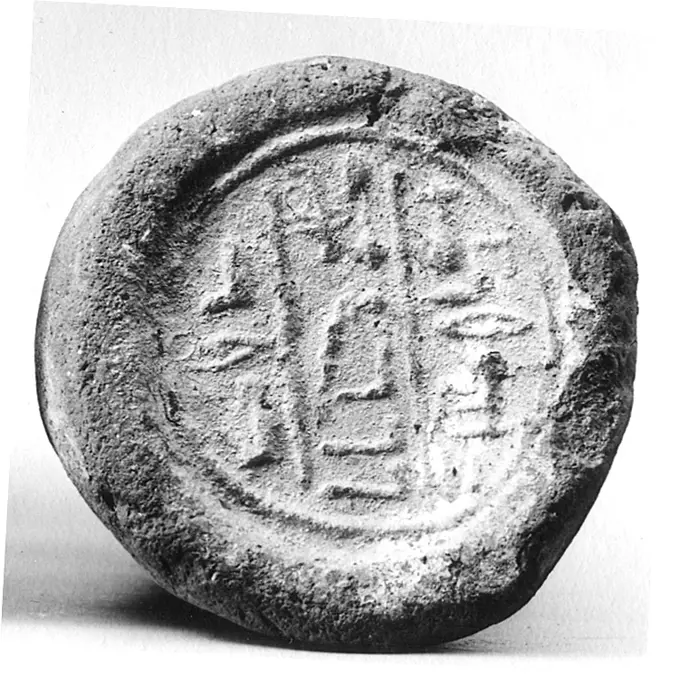
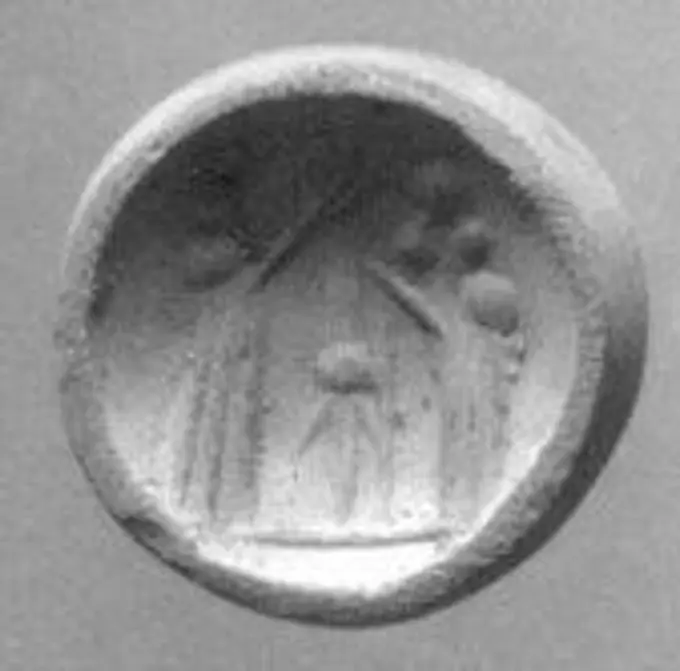
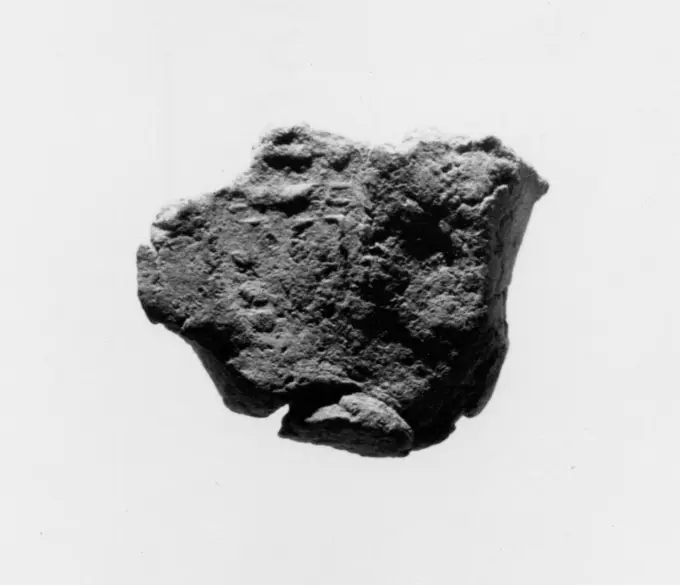
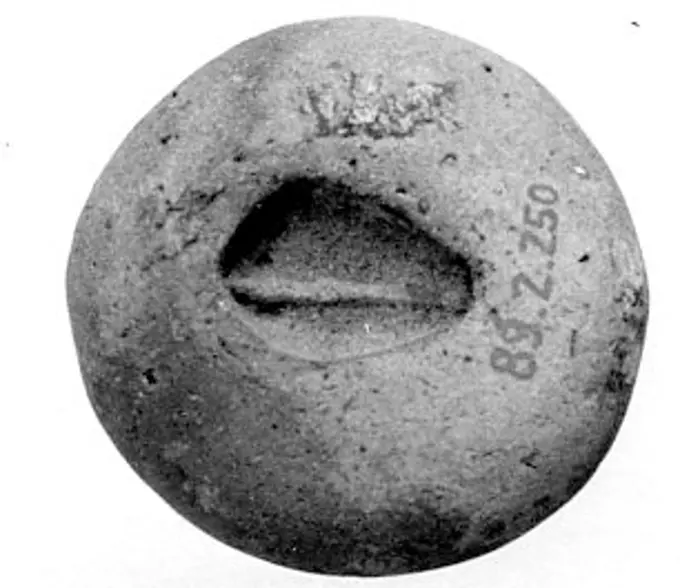
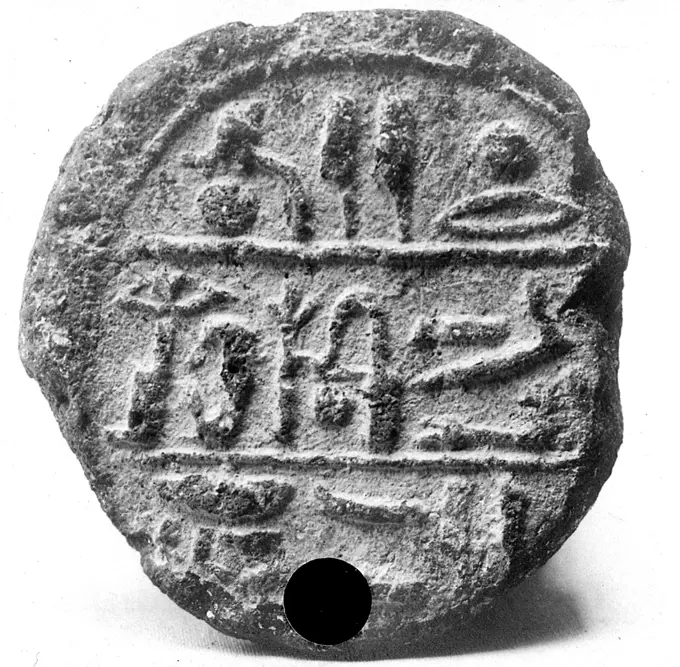
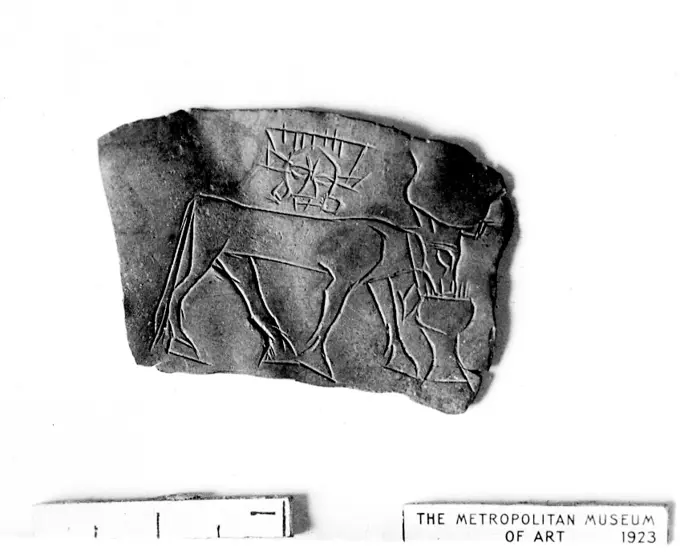
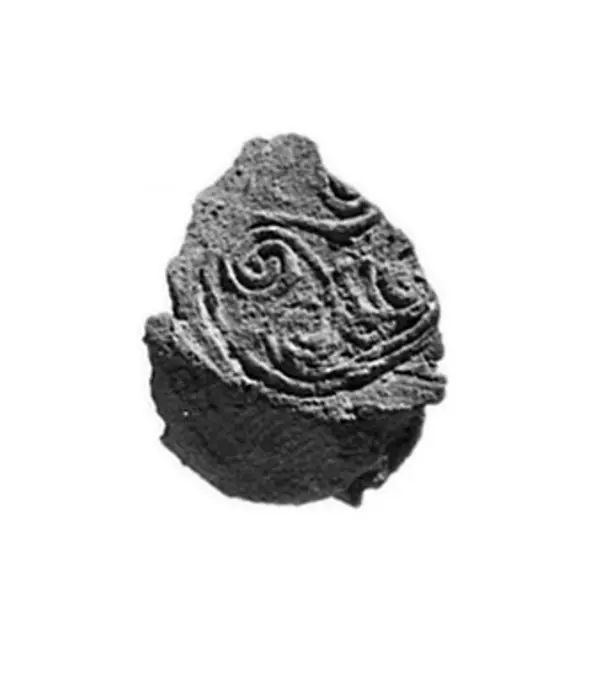
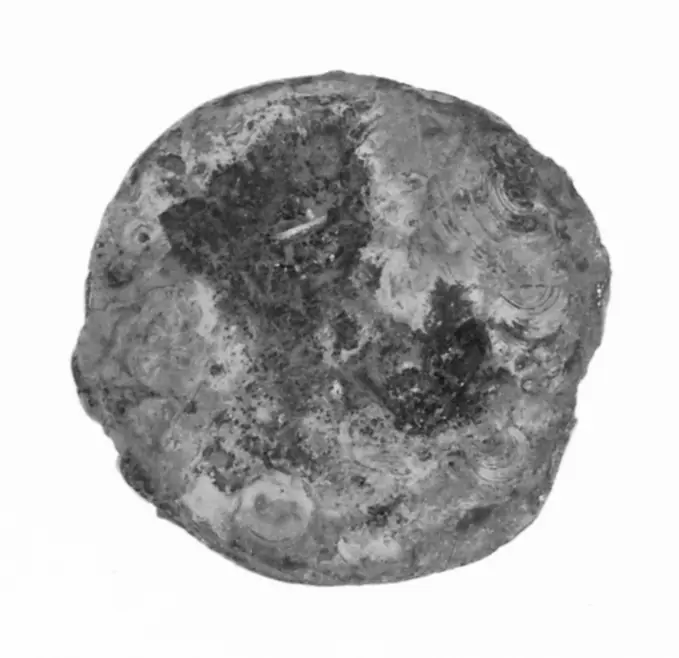
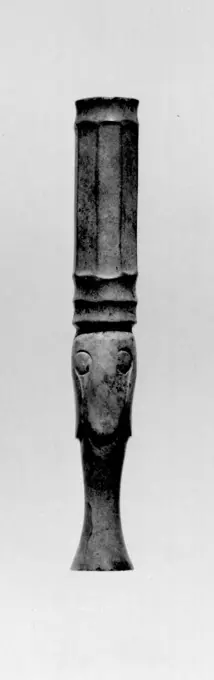
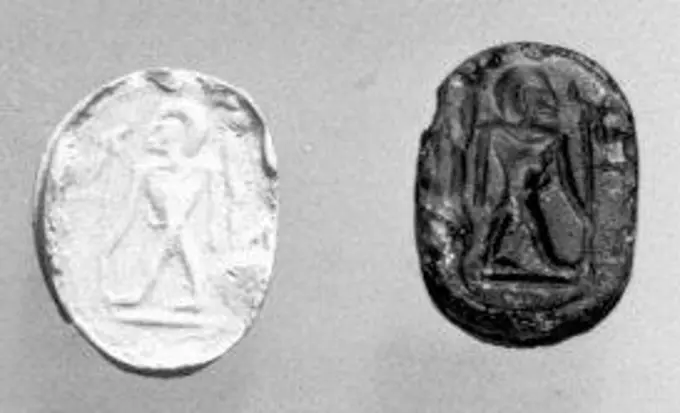
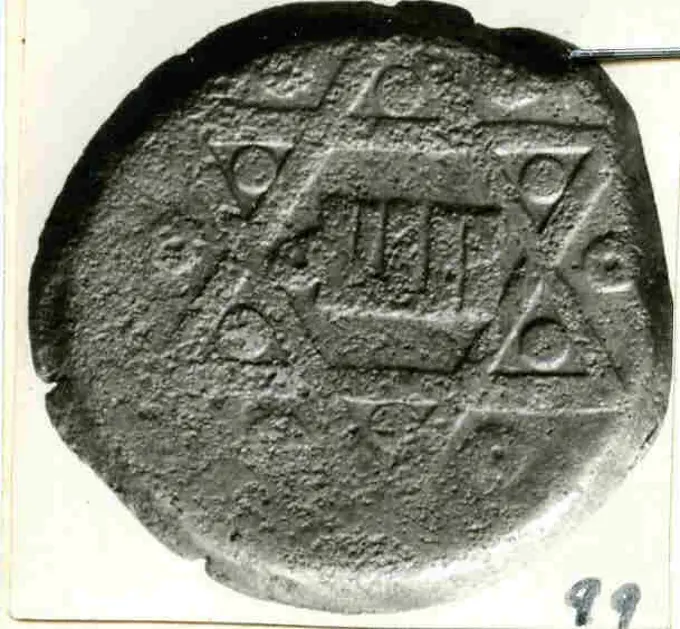
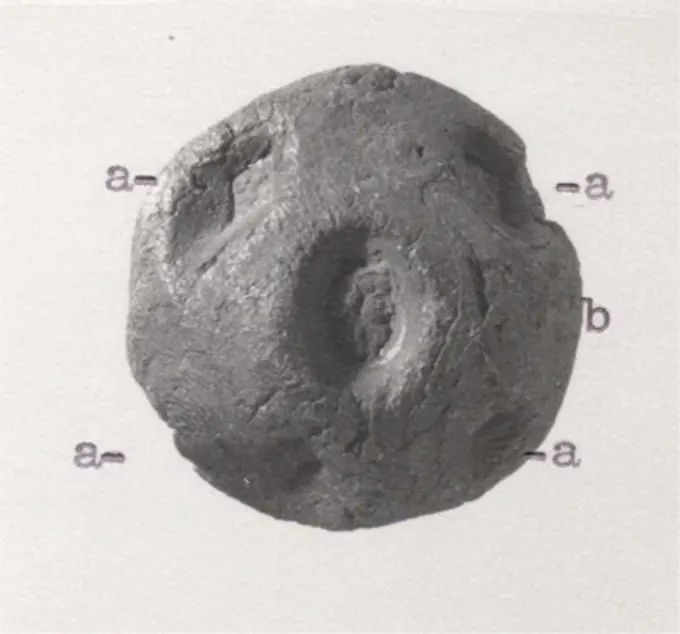
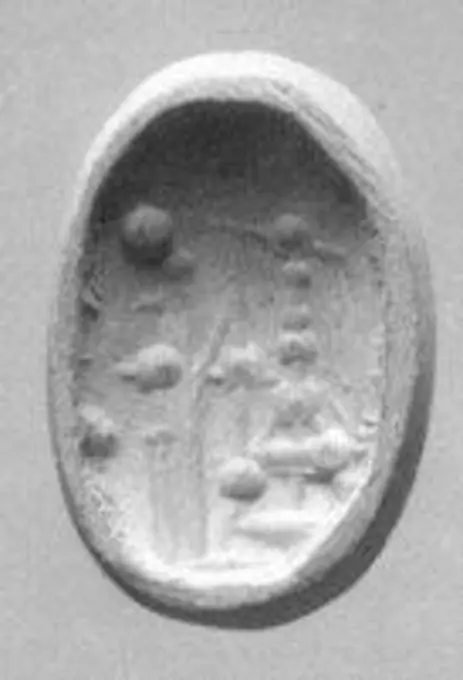
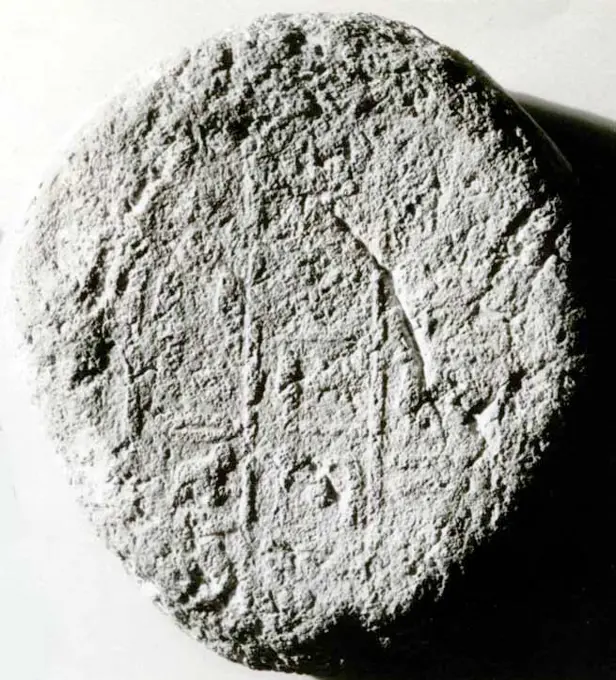
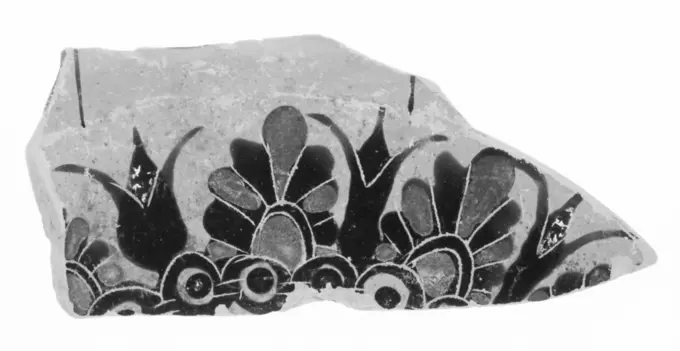
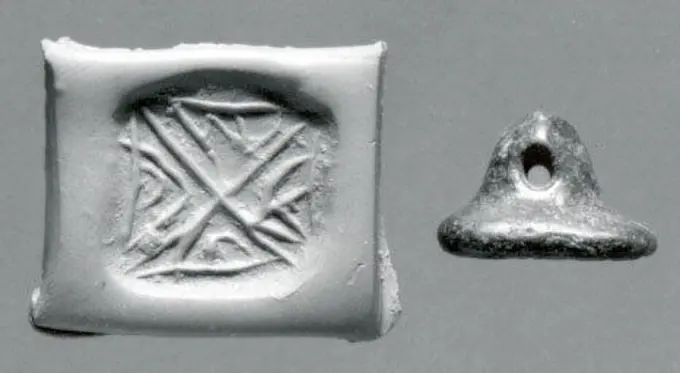
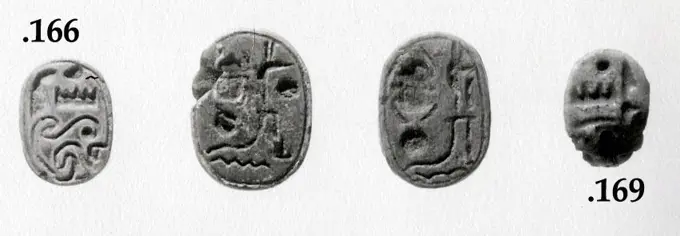
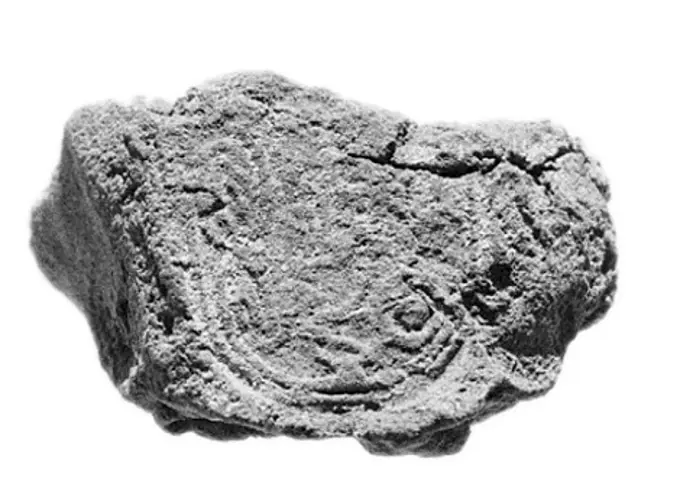
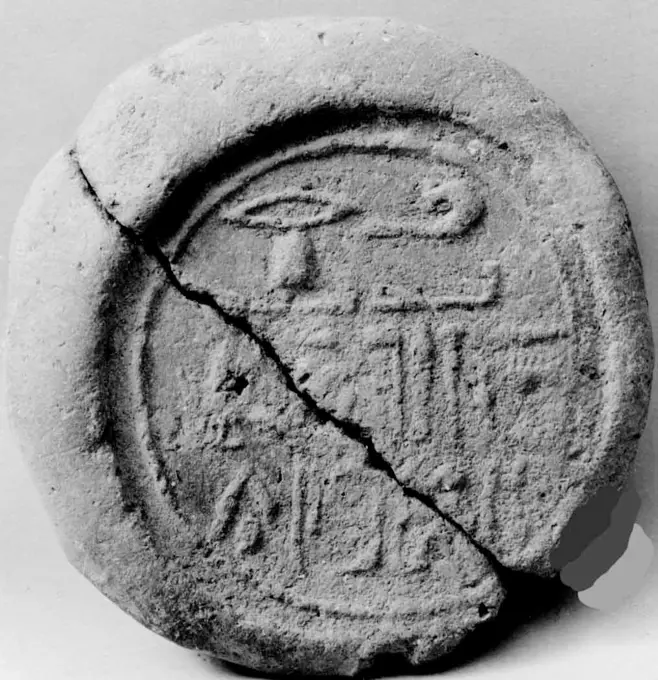
A series of historical seals from the Middle Kingdom featuring intricate engravings. The textures and aged appearance highlight their archaeological significance.
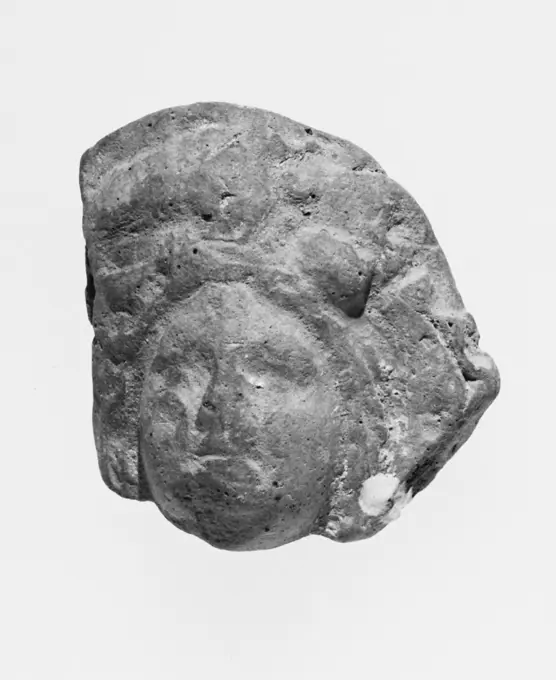
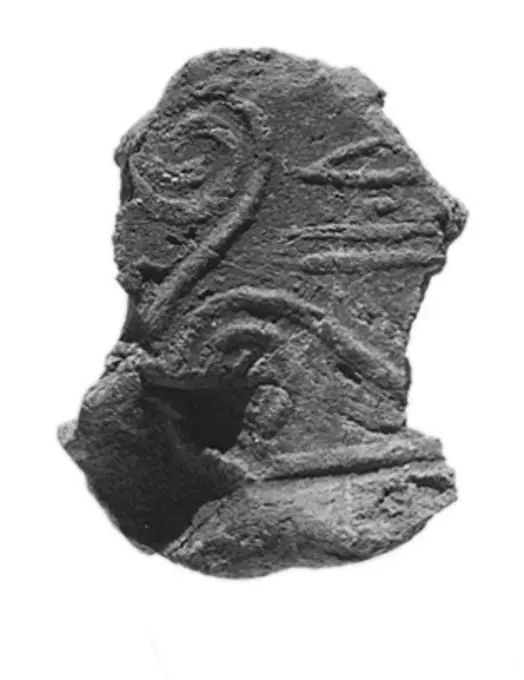
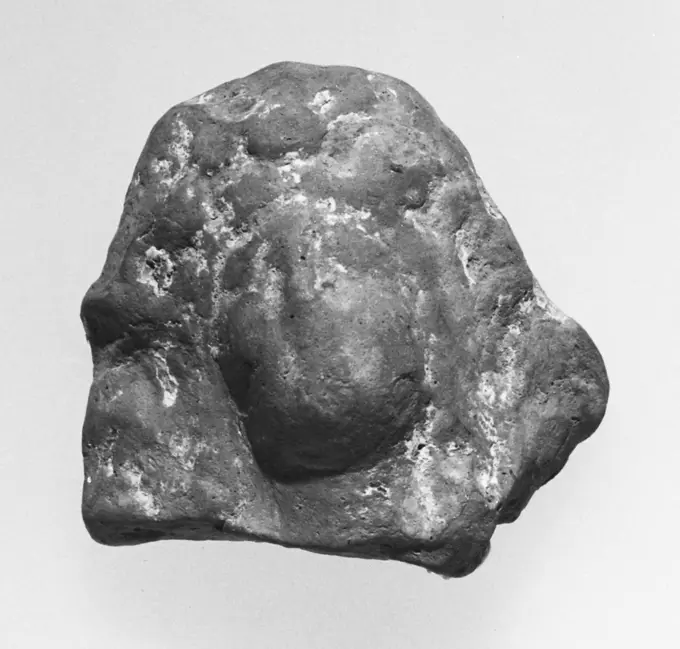
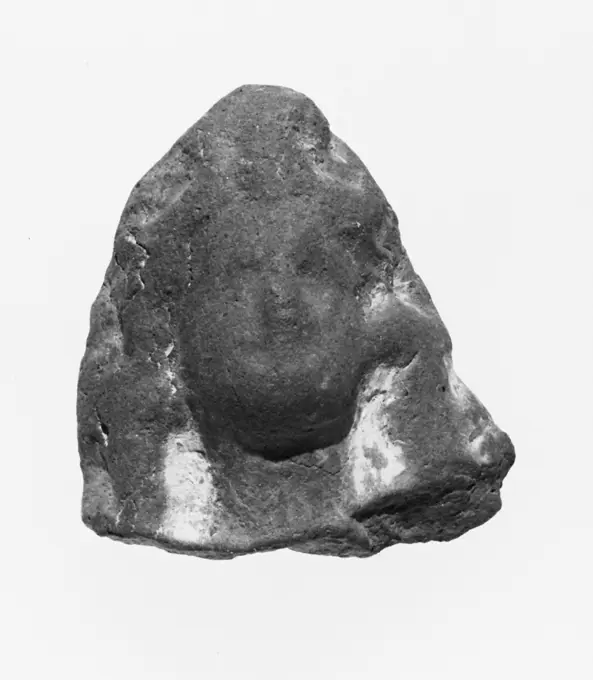
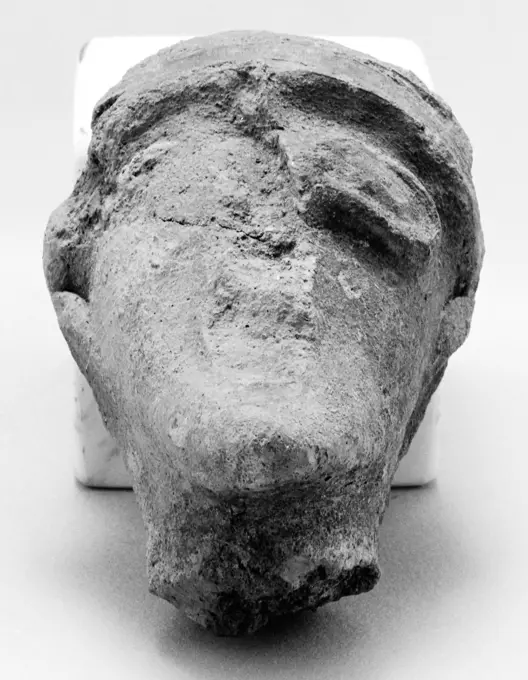
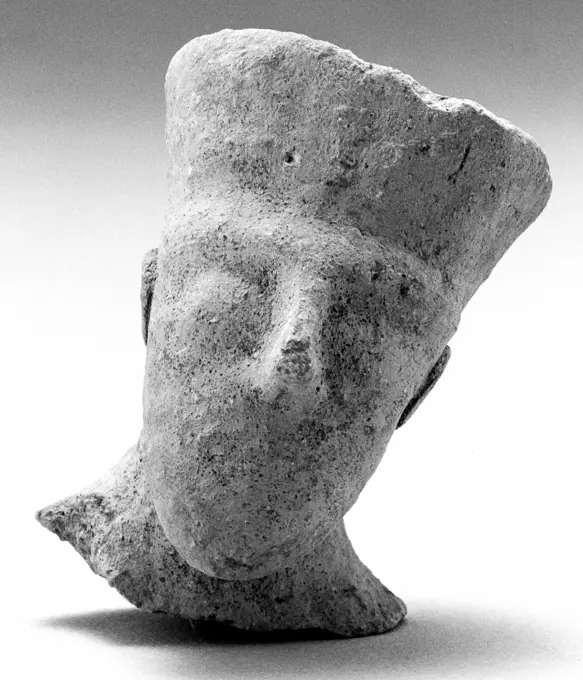
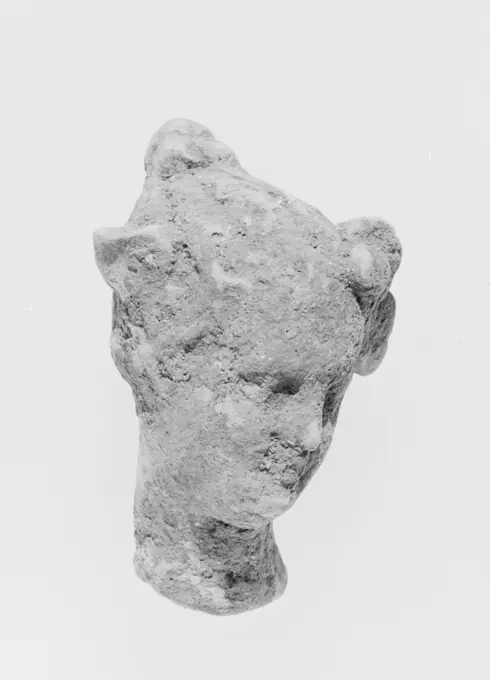
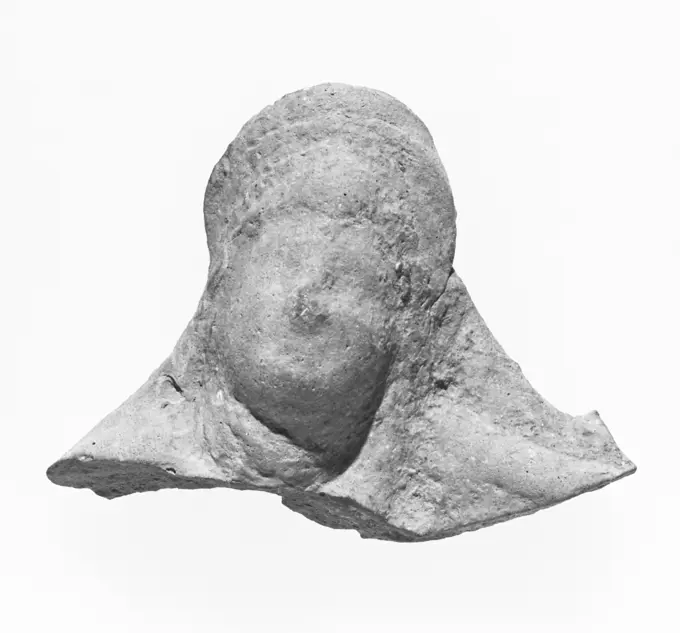
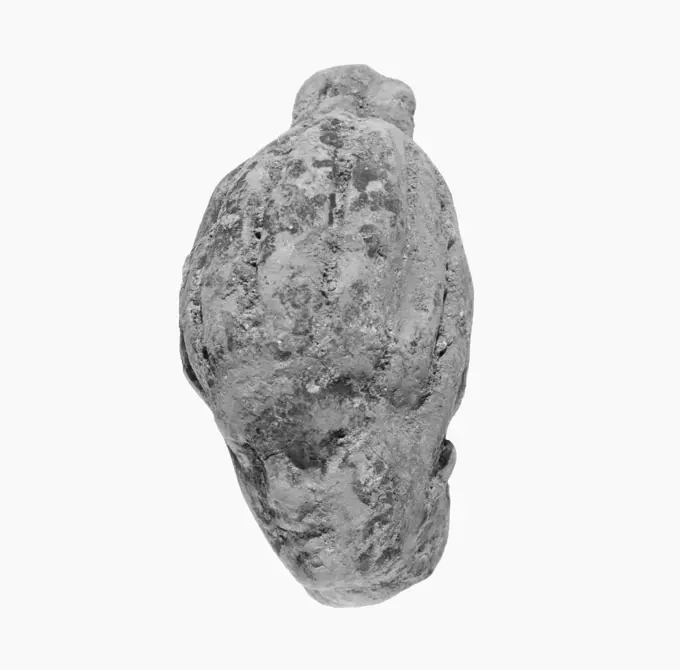
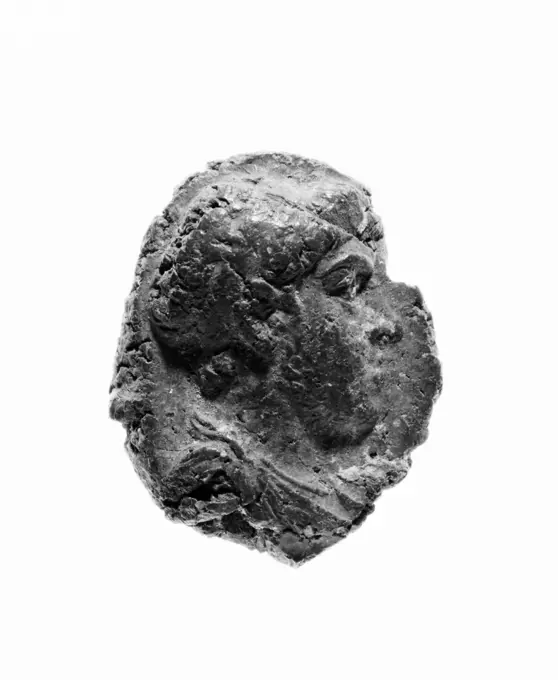
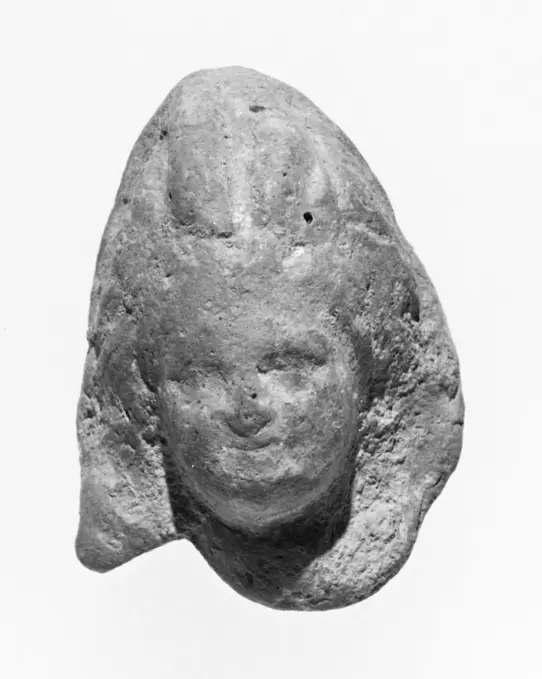
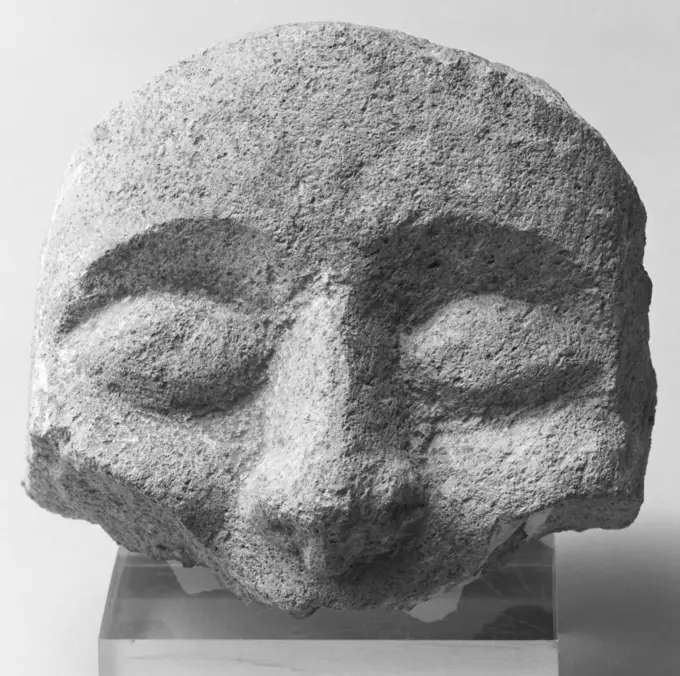
Female Head. Unknown
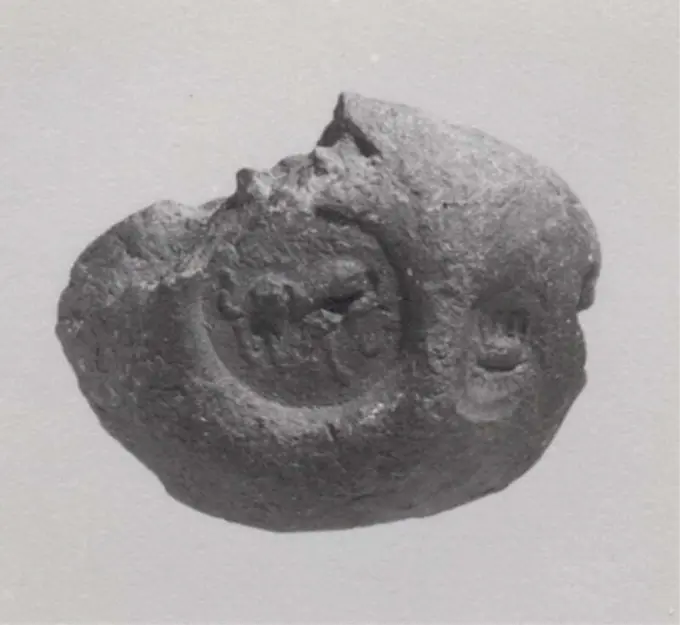
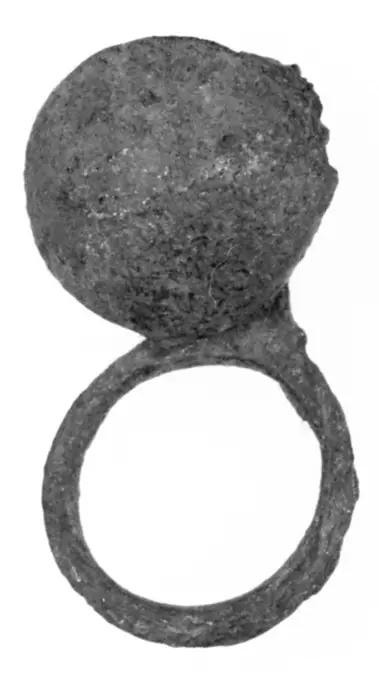
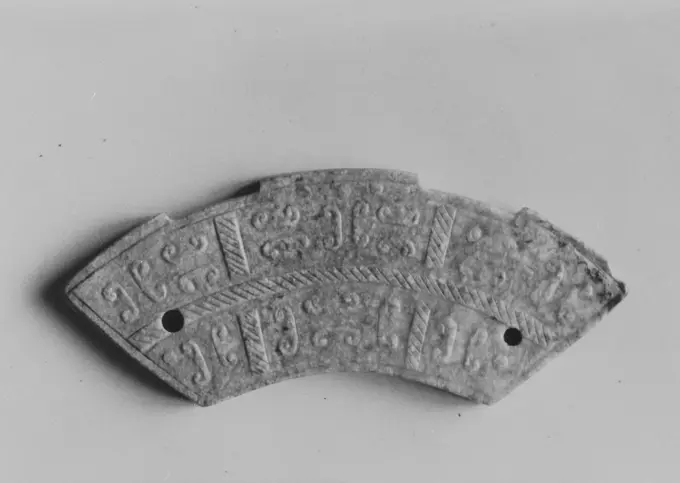
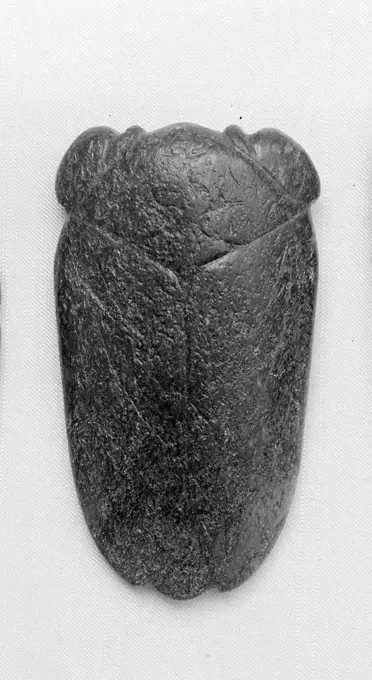
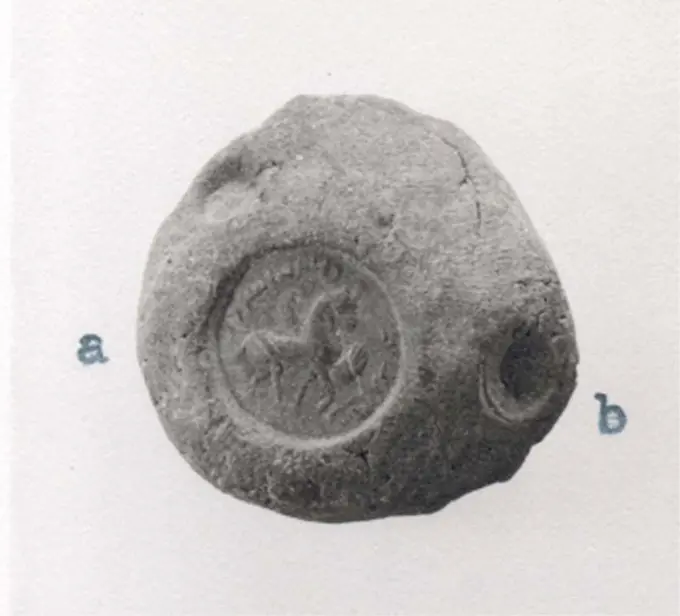
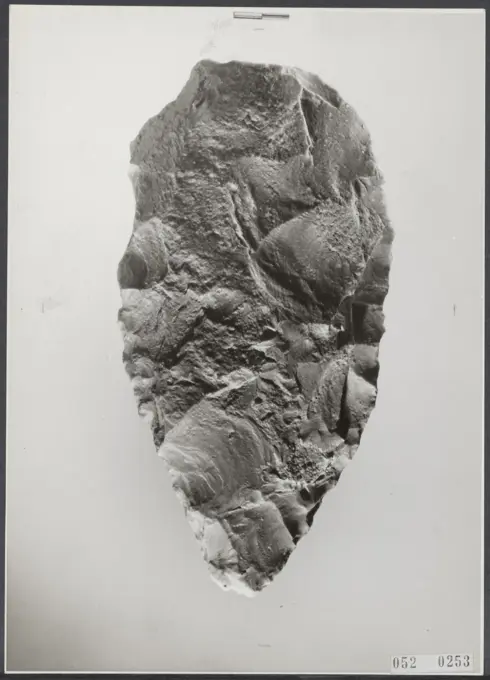
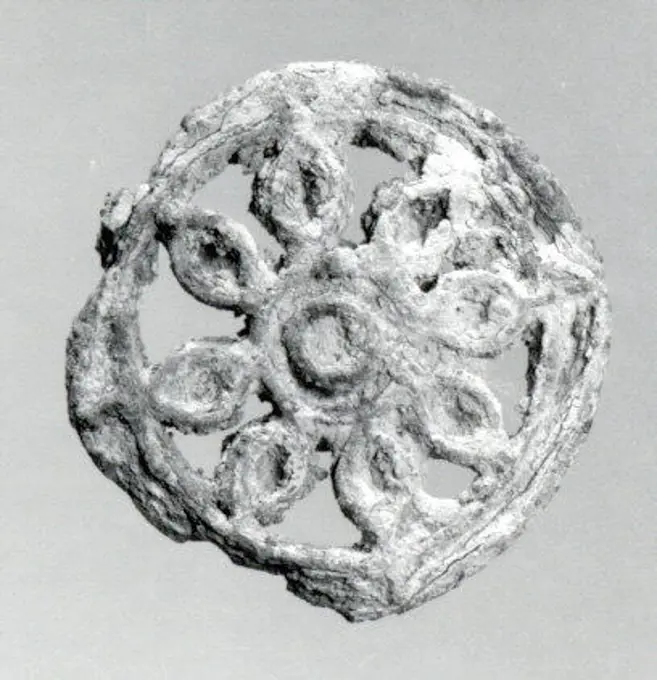
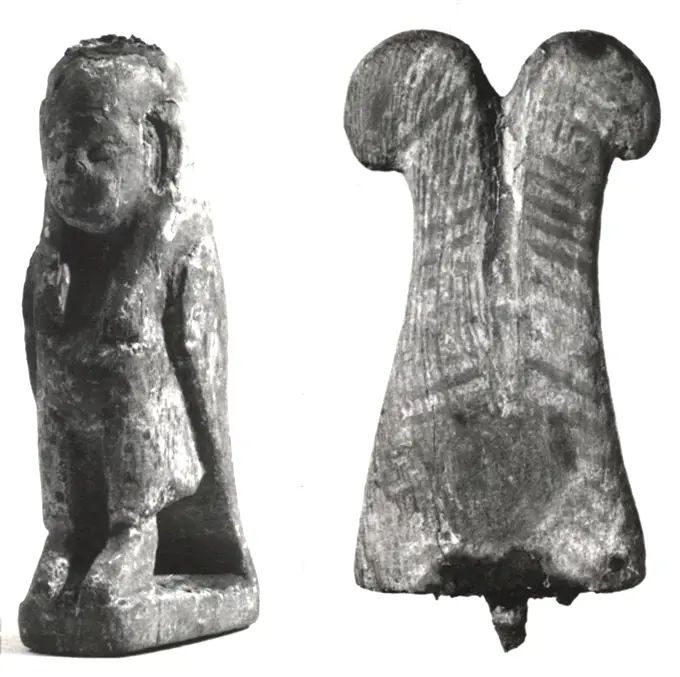
Administrative Seal ca. 1981-1640 B.C. Middle Kingdom. Administrative Seal 565814Sealing ca. 2030-1640 B.C. Middle Kingdom. Sealing 565358Sealing ca. 1981-1640 B.C. Middle Kingdom. Sealing 560431Sealing ca. 1981-1640 B.C. Middle Kingdom. Sealing 557517Sealing ca. 1981-1640 B.C. Middle Kingdom. Sealing 560324Sealing ca. 2030-1640 B.C. Middle Kingdom. Sealing 546579Female Head. UnknownUnattributed Trebizond Coin. UnknownSealing ca. 2030-1640 B.C. Middle Kingdom. Sealing 546518Document Sealing With the Throne Name of Amenhotep III ca. 1390-1353 B.C. New Kingdom. Document Sealing With the Throne Name of Amenhotep III. ca. 1390-1353 B.C.. Mud. New Kingdom. From Egypt, Upper Egypt, Thebes, Malqata, King's Palace, West magazine, MMA excavations, 1910-12. Dynasty 18Sealing ca. 1981-1640 B.C. Middle Kingdom. Sealing 560485Sealing ca. 7th century A.D. Sasanian. Sealing 323385Sealing ca. 2030-1640 B.C. Middle Kingdom. Sealing 565862Document Sealing ca. 1390-1353 B.C. New Kingdom. Document Sealing. ca. 1390-1353 B.C.. Mud. New Kingdom. From Egypt, Upper Egypt, Thebes, Malqata, West Villas, West Villa B, MMA excavations, 1910-12. Dynasty 18Female Head. UnknownSealing ca. 1981-1640 B.C. Middle Kingdom. Sealing 560439Seal 664-332 B.C. Late Period. Seal 555209Female Head. UnknownSealing ca. 1981-1640 B.C. Middle Kingdom. Sealing 564862Plaque in the shape of an animal head China. Plaque in the shape of an animal head. China. Jade (nephrite). Western Zhou dynasty (1046-771 B.C.). JadeFunerary Cone of the House Mistress Taiy ca. 1550-1295 B.C. New Kingdom This cone has the impression of a stamp seal inscribed for a house mistress named Taiy. For a drawing of this impression see http://www.funerarycones.com/, number 295.. Funerary Cone of the House Mistress Taiy Funerary Cone of the House Mistress Taiy ca. 1550-1295 B.C. New Kingdom This cone has the impression of a stamp seal inscribed for a house mistress named Taiy. For a drawing of this impression see http://www.funerarycones.com/, number 295.. Funerary Cone of the House Mistress Taiy. ca. 1550-1295 B.C.. Pottery. New Kingdom. From Egypt, Upper Egypt, Thebes. Dynasty 18Left Arm of a Statuette. UnknownGroup of Engraved Gems (8) and a Scarab. UnknownSealing ca. 1981-1640 B.C. Middle Kingdom. Sealing 560405Document Sealing With Multiple Seal Impressions ca. 1390-1353 B.C. New Kingdom. Document Sealing With Multiple Seal Impressions. ca. 1390-1353 B.C.. Mud. New Kingdom. From Egypt, Upper Egypt, Thebes, Malqata, MMA excavations, 1910-12; Presumably from West Villas, West Villa B. Dynasty 18Ring; second half of 6th century B.C; Silver; 2.1 cm, 0.0022 kg (13,16 in., 0.0049 lb.)Funerary Cone ca. 1550-1295 B.C. New Kingdom. Funerary Cone. ca. 1550-1295 B.C.. Pottery. New Kingdom. From Egypt, Upper Egypt, Thebes. Dynasty 18Funerary Cone of the Steward Khonsu ca. 1550-1295 B.C. New Kingdom. Funerary Cone of the Steward Khonsu. ca. 1550-1295 B.C.. Pottery. New Kingdom. From Egypt, Upper Egypt, Thebes, Khokha, Tomb of Puyemre (TT 39), courtyard, MMA excavations, 1915. Dynasty 18Female Head. UnknownSealing ca. 1981-1640 B.C. Middle Kingdom. Sealing. ca. 1981-1640 B.C.. Mud. Middle Kingdom. From Egypt, Memphite Region, Lisht North, Cemetery, MMA excavations, 1920-22. Dynasty 12-13Sealing ca. 2030-1640 B.C. Middle Kingdom. Sealing 565765Bead. UnknownFragment imadła amfory ze stemplem. unknown, potter's workshopSealing ca. 1981-1640 B.C. Middle Kingdom. Sealing 565808Sealing ca. 2030-1640 B.C. Middle Kingdom. Sealing 565408Human Head. UnknownUnattributed Trebizond Coin. UnknownSealing ca. 1981-1640 B.C. Middle Kingdom. Sealing. ca. 1981-1640 B.C.. Mud. Middle Kingdom. From Egypt, Memphite Region, Lisht North, Cemetery, MMA excavations, 1920-22. Dynasty 12-13Bulla 2nd century BC-1st century AD Parthian This lump of clay, called a bulla,’ bears three impressions of the same stamp seal, featuring an image of a goat standing on a rounded groundline. Given its condition it is not clear to what it was attached originally, but it may have been a stopper in the mouth of a jar. Seals were ancient accounting tools, used for example to indicate who supplied a commodity, who was responsible for its disbursement, or who received it. In this case, the seal impressions may indicate who supplied the contents of the jar. Once the jar was opened, the bulla was discarded.This bulla was excavated at Shahr-i Qumis in northern Iran, which has been identified as the ancient city of Hecatompylos, established by the Parthians as the capital of their empire by about 200 B.C. In Greek Hecatompylos means a hundred gates,’ suggesting that the city was quite large. Indeed, the modern archaeological site includes several mounds, only a few of which have been excavateScarab - application;  VII-IV century BC ; Half period (-700-00-00--301-00-00);The Art Collection of Ancient Egypt, Tyszkiewicz, Michał (1828-1897) - collections, Zachęta, Dar, ScarabsDocument Sealing With Multiple Seal Impressions ca. 1390-1353 B.C. New Kingdom. Document Sealing With Multiple Seal Impressions. ca. 1390-1353 B.C.. Mud. New Kingdom. From Egypt, Upper Egypt, Thebes, Malqata, MMA excavations, 1910-12; Presumably from Southern rubbish mounds. Dynasty 18Document Sealing ca. 1390-1353 B.C. New Kingdom. Document Sealing. ca. 1390-1353 B.C.. Mud. New Kingdom. From Egypt, Upper Egypt, Thebes, Malqata, West Villas, West Villa B, MMA excavations, 1910-12. Dynasty 18Female Head Fragment. UnknownSealing ca. 2030-1640 B.C. Middle Kingdom. Sealing. ca. 2030-1640 B.C.. Clay (unfired). Middle Kingdom. From Egypt, Memphite Region, Lisht South, Pyramid complex of Senwosret I, north temple gateway, MMA excavations, 1913-14. Dynasty 12-13Sealing ca. 1981-1640 B.C. Middle Kingdom. Sealing 560390Sealing ca. 1981-1640 B.C. Middle Kingdom. Sealing 560476Fragment of a Box Lid ca. 5th century Pakistan (ancient region of Gandhara). Fragment of a Box Lid. Pakistan (ancient region of Gandhara). ca. 5th century. Stone. SculptureFragment of the Upper Right Corner of One Side of Siptah's Canopic Box ca. 1194-1188 B.C. New Kingdom, Ramesside. Fragment of the Upper Right Corner of One Side of Siptah's Canopic Box 561274Funerary Cone of the Royal Cup-Bearer Nefretper ca. 1550-1295 B.C. New Kingdom See 04.2.352. Funerary Cone of the Royal Cup-Bearer Nefretper. ca. 1550-1295 B.C.. Pottery. New Kingdom. From Egypt, Upper Egypt, Thebes. Dynasty 18Fragment of a Bottle 18th century American. Fragment of a Bottle. American. 18th century. Free-blown non-lead glass. Made in Wistarburg, New Jersey, United StatesFemale Head. UnknownHead with Melon Coiffure and Wreath. UnknownFemale Head. UnknownFragment stemplowanego imadła amfory. Attalos (ok. 280-270 p.n.e.), potter's workshopScarab Inscribed With the Cartouche of Maatkare (Hatshepsut) ca. 1479-1458 B.C. New Kingdom. Scarab Inscribed With the Cartouche of Maatkare (Hatshepsut). ca. 1479-1458 B.C.. Steatite (glazed). New Kingdom. From Egypt. Dynasty 18Canopic Chest Lid Fragment ca. 1194-1188 B.C. New Kingdom, Ramesside. Canopic Chest Lid Fragment. ca. 1194-1188 B.C.. Travertine (Egyptian alabaster). New Kingdom, Ramesside. From Egypt, Upper Egypt, Thebes, Valley of the Kings, Tomb of Siptah (KV 47), Davis excavations, 1912. Dynasty 19Head with Melon Coiffure. UnknownStud Button. UnknownPendant Ornament China. Pendant Ornament. China. Jade. Han dynasty (206 B.C.-A.D. 220). JadeCicada late 19th to early 20th century China. Cicada 43023Stamp seal (conoid) with cultic scene 7th - 6th century B.C. Assyro-Babylonian. Stamp seal (conoid) with cultic scene. Assyro-Babylonian. 7th - 6th century B.C.. Mottled neutral Chalcedony (Quartz). Neo-Assyrian / Neo-Babylonian. MesopotamiaSealing ca. 7th century A.D. Sasanian. Sealing 323301Document Sealing With the Throne Name of Amenhotep III ca. 1390-1353 B.C. New Kingdom. Document Sealing With the Throne Name of Amenhotep III. ca. 1390-1353 B.C.. Mud. New Kingdom. From Egypt, Upper Egypt, Thebes, Malqata, no exact location recorded, MMA excavations, 1910-12. Dynasty 18Mold ca. 1550-1295 B.C. New Kingdom. Mold 558440Funerary Cone of the Scribe Maaty and His Wife Huy ca. 1550-1295 B.C. New Kingdom This funerary cone is stamped with the impression of a seal inscribed for a scribe named Maaty and for his wife, the house mistress Huy. For a drawing of this impression see http://www.funerarycones.com/, number 503.. Funerary Cone of the Scribe Maaty and His Wife Huy Funerary Cone of the Scribe Maaty and His Wife Huy ca. 1550-1295 B.C. New Kingdom This funerary cone is stamped with the impression of a seal inscribed for a scribe named Maaty and for his wife, the house mistress Huy. For a drawing of this impression see http://www.funerarycones.com/, number 503.. Funerary Cone of the Scribe Maaty and His Wife Huy. ca. 1550-1295 B.C.. Pottery, lime wash. New Kingdom. From Egypt, Upper Egypt, Thebes. Dynasty 18Head of a Comic Actor. UnknownFragment imadła amfory ze stemplem. unknown, potter's workshopVotive cow plaque ca. 1479-1458 B.C. New Kingdom. Votive cow plaque. ca. 1479-1458 B.C.. Copper. New Kingdom. From Egypt, Upper Egypt, Thebes, Deir el-Bahri, Hatshepsut Hole, Debris from the Hathor shrine, MMA excavations, 1923-24. Dynasty 18Sealing ca. 1981-1640 B.C. Middle Kingdom. Sealing 560519Engraved Gem Set Into a Ring. UnknownUnattributed Trebizond Coin. UnknownFurniture post China. Furniture post 62140Sealing ca. 1981-1640 B.C. Middle Kingdom. Sealing 560489Stamp seal (scarab) with anthropomorphic figure late 8th - early 7th century B.C. or later Phoenician. Stamp seal (scarab) with anthropomorphic figure. Phoenician. late 8th - early 7th century B.C. or later. Mottled green glass. Iron Age II or later. Levant or SyriaCoin A.H. 596-616/ A.D. 1199-1219. Coin 457392Brown clay seal. UnknownFemale Head. UnknownSealing ca. 7th century A.D. Sasanian. Sealing 323369Stamp seal (octagonal pyramid) with cultic scene 7th - 6th century B.C. Assyro-Babylonian. Stamp seal (octagonal pyramid) with cultic scene. Assyro-Babylonian. 7th - 6th century B.C.. Flawed neutral and white Agate (Quartz). Neo-Assyrian / Neo-Babylonian. MesopotamiaFemale Head. UnknownFunerary Cone of the Scribe Nakht and His Wife Tawy ca. 1410-1370 B.C. New Kingdom This cone has the impression of an oval stamp seal inscribed for the scribe Nakht who was owner of Theban tomb 52. His wife, the singer of Amun Tawy, is also named.. Funerary Cone of the Scribe Nakht and His Wife Tawy. ca. 1410-1370 B.C.. Pottery. New Kingdom. From Egypt, Upper Egypt, Thebes; Probably originally from Sheikh Abd el-Qurna, Tomb of Nakht, TT 52. Dynasty 18Cicada late 19th to early 20th century China. Cicada 43016Attic Black-Figure Nicosthenic Amphora Fragment (Consists of Four Non-Joining Fragments). UnknownFragment of a Head from a Statue of a Man. UnknownConoid seal 5th-4th millennium B.C.. Conoid seal 325952Scarab of Seti I ca. 1294-1279 B.C. New Kingdom, Ramesside. Scarab of Seti I. ca. 1294-1279 B.C.. Steatite. New Kingdom, Ramesside. From Egypt. Dynasty 19Sealing ca. 1981-1640 B.C. Middle Kingdom. Sealing 560373Funerary Cone of the High Priest of Amun Hapusenb ca. 1479-1458 B.C. New Kingdom. Funerary Cone of the High Priest of Amun Hapusenb. ca. 1479-1458 B.C.. Pottery. New Kingdom. From Egypt, Upper Egypt, Thebes, Sheikh Abd el-Qurna, near the Tomb of Dagi (TT 103, MMA 807), MMA excavations, 1913-14. Dynasty 18Unattributed Trebizond Coin. UnknownSeal China. Seal 40973Group of Engraved Gems (8) and One Cameo. UnknownMold Fragment. UnknownSealing ca. 7th century A.D. Sasanian. Sealing 323327Elsevier photo collection. Series: Utensils prehistoric time "sand". undatedCompartmented stamp seal ca. late 3rd-early 2nd millennium B.C. Bactria-Margiana Archaeological Complex. Compartmented stamp seal 326863Ba-Bird ca. 712-343 B.C. Late Period. Ba-Bird 558346Funerary Cone of Djehutymose New Kingdom ca. 1550-1295 B.C. View more. Funerary Cone of Djehutymose. ca. 1550-1295 B.C.. Pottery. New Kingdom. From Egypt, Upper Egypt, Thebes. Dynasty 18Coin 8th-9th century. Coin. 8th-9th century. Copper. Excavated in Iran, Nishapur. CoinsBurnishing tool, goldsmith's 1st-4th century Roman Period. Burnishing tool, goldsmith's. 1st-4th century. Bronze or copper alloy, bone. Roman Period. From Egypt; Probably from Upper Egypt, Thebes. Dynasty 26Coin. Unknown