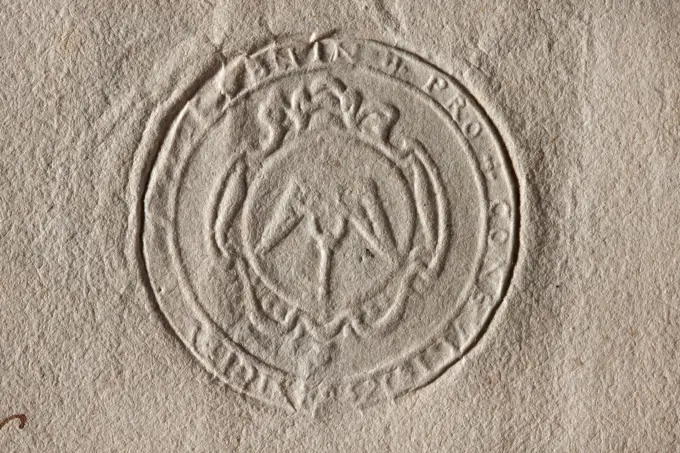
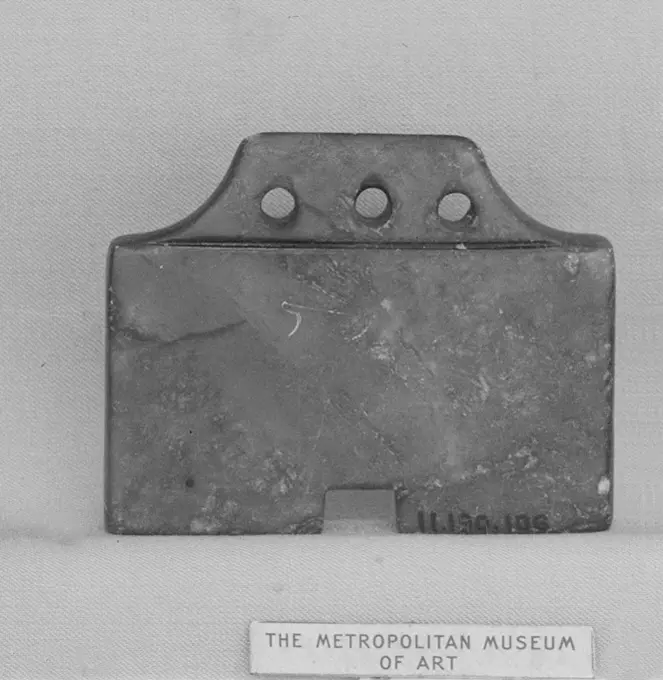
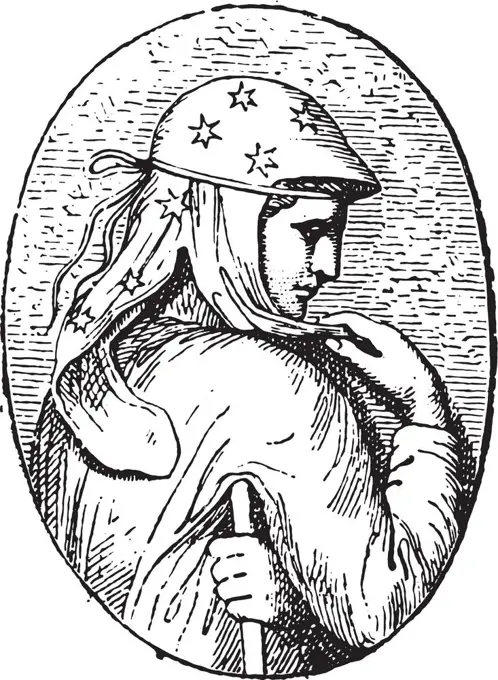
Ancient Seals Collection

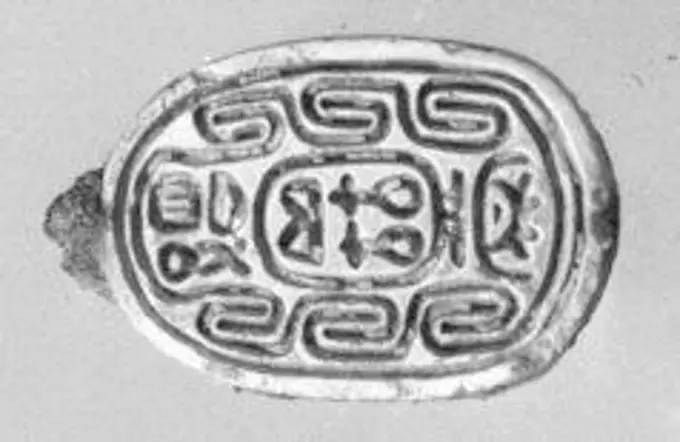
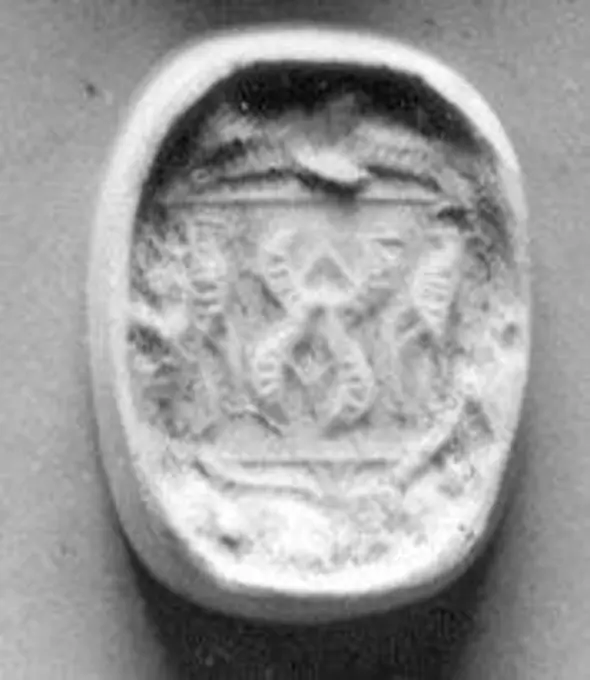
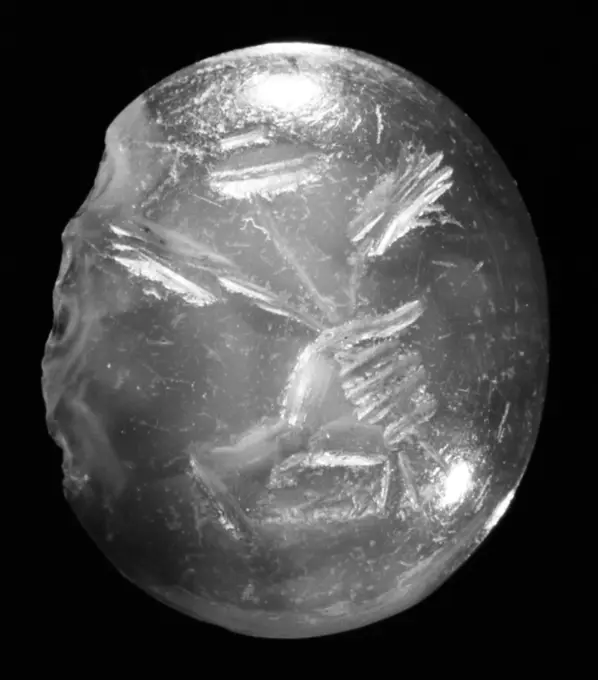
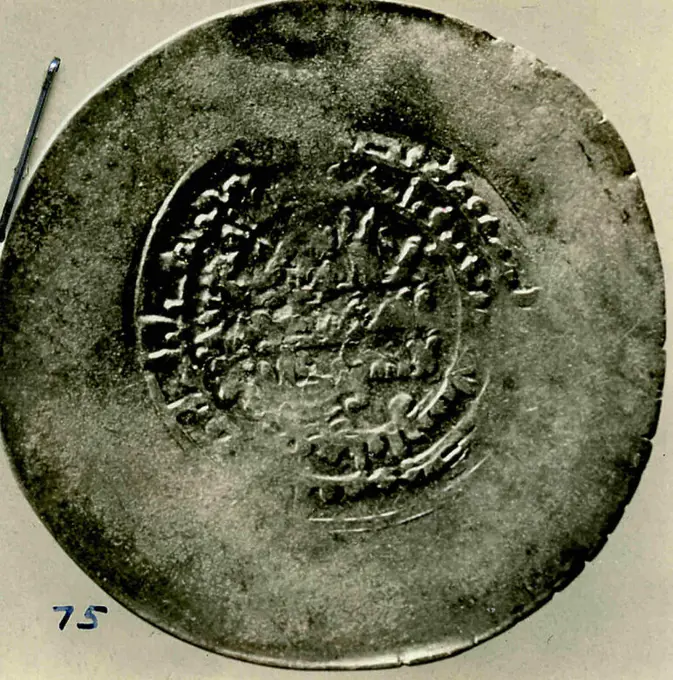
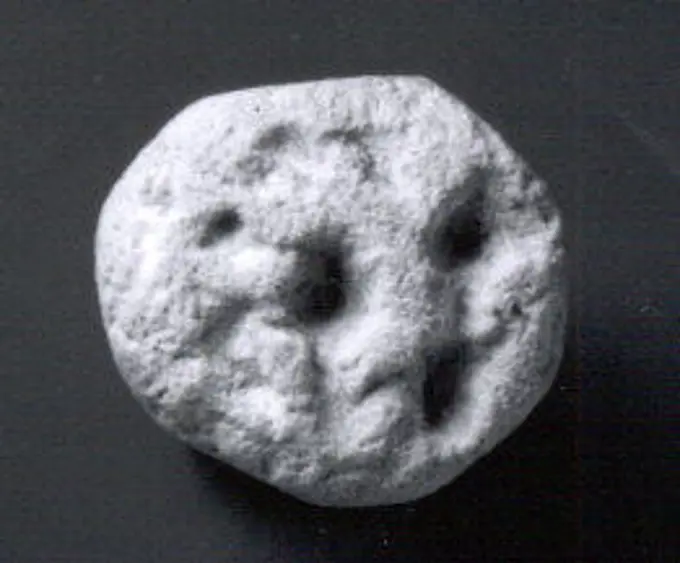
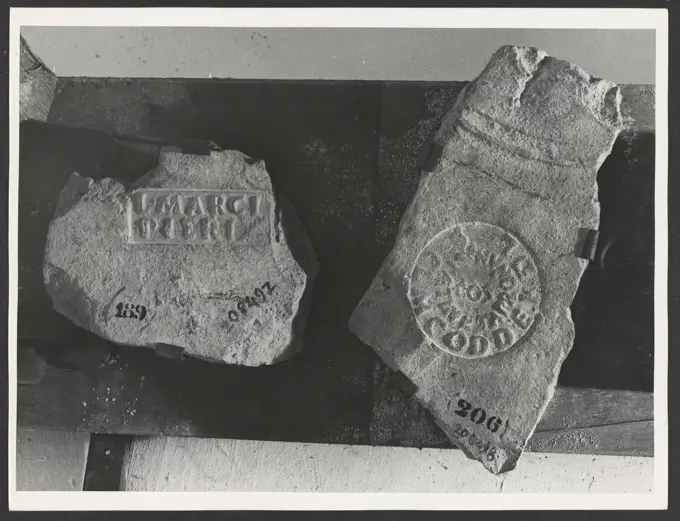
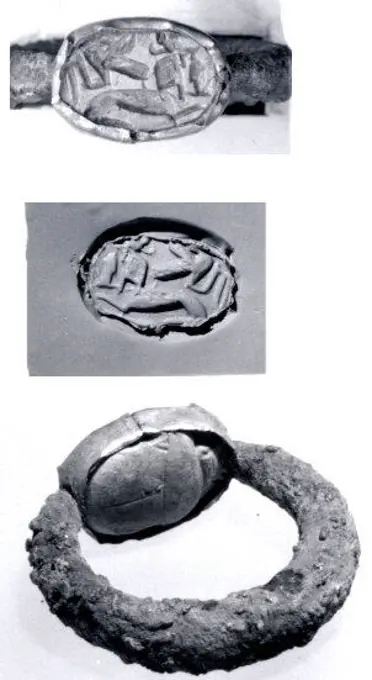
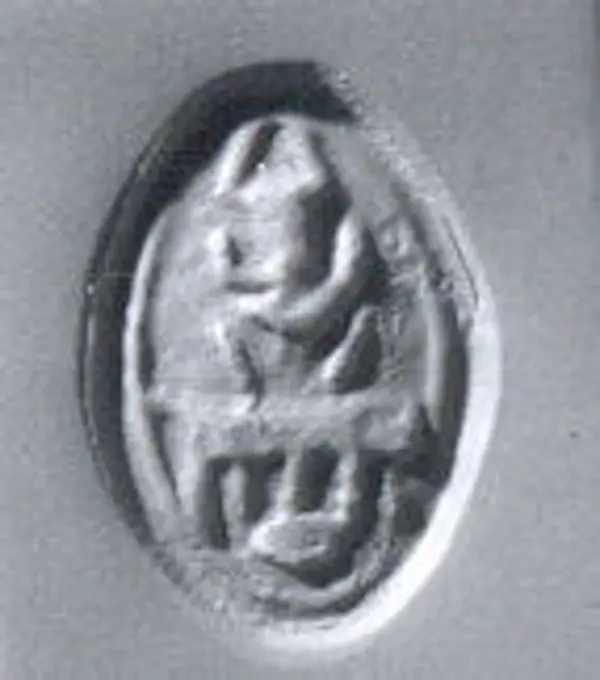
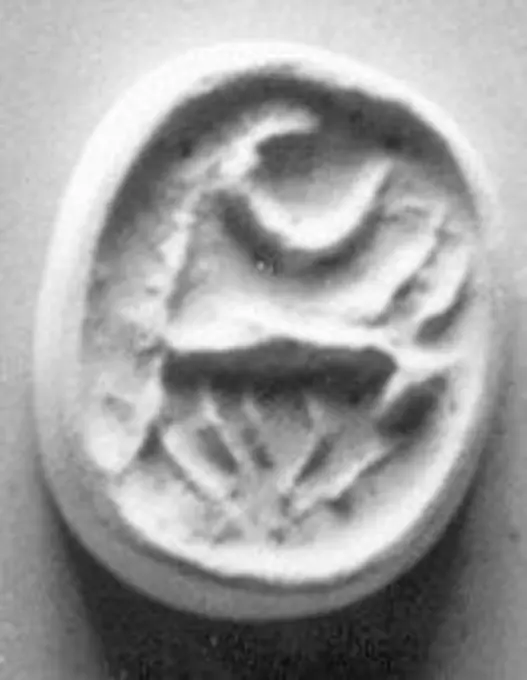
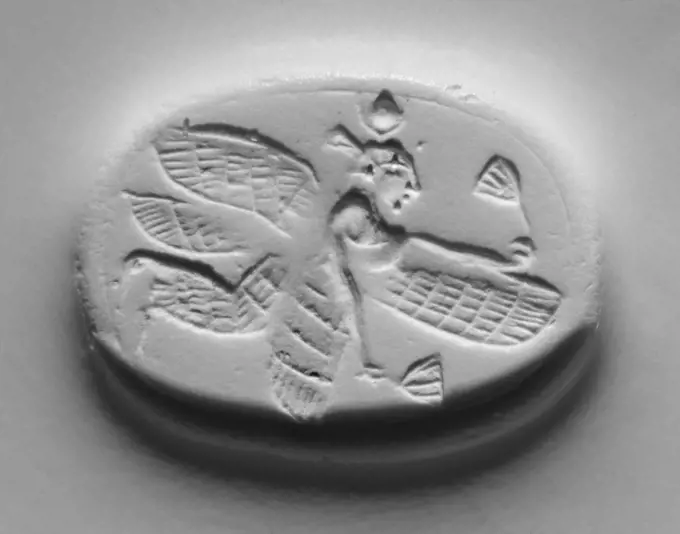
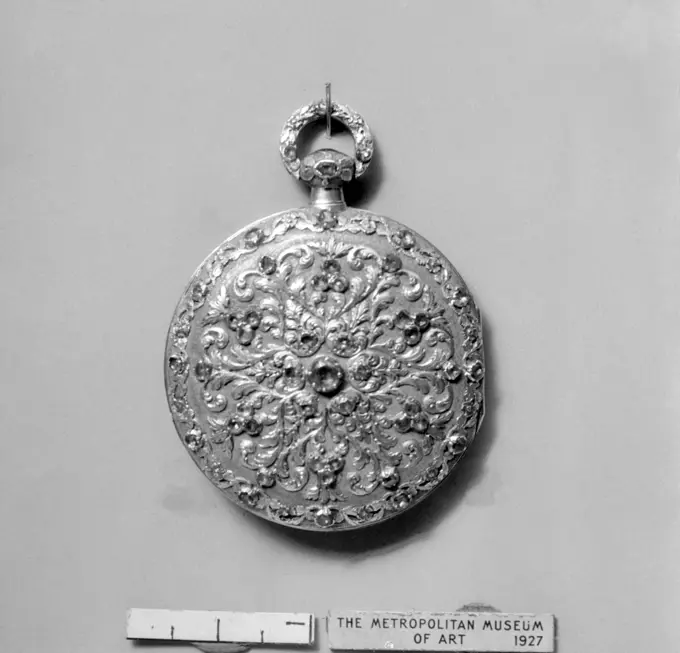
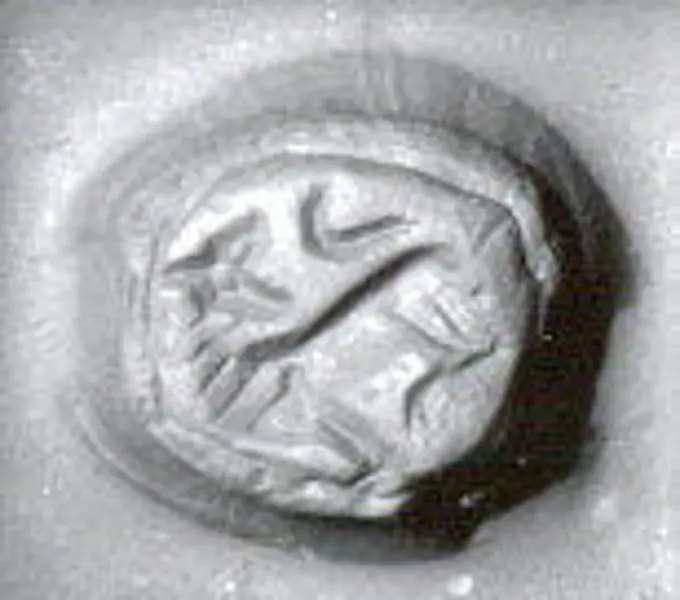
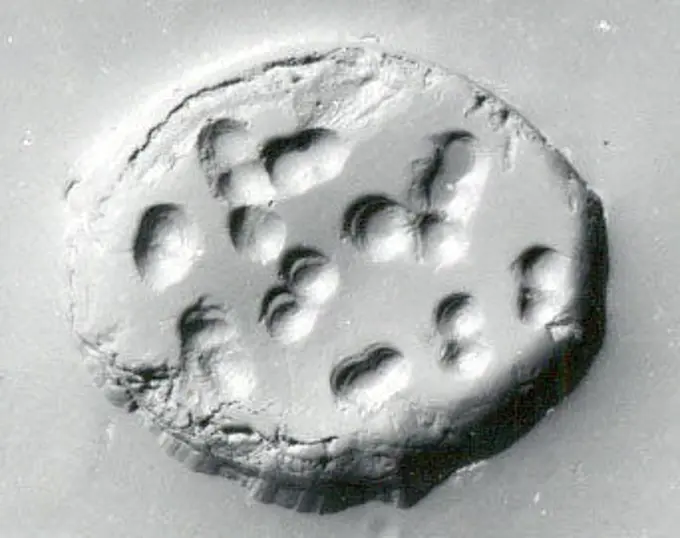
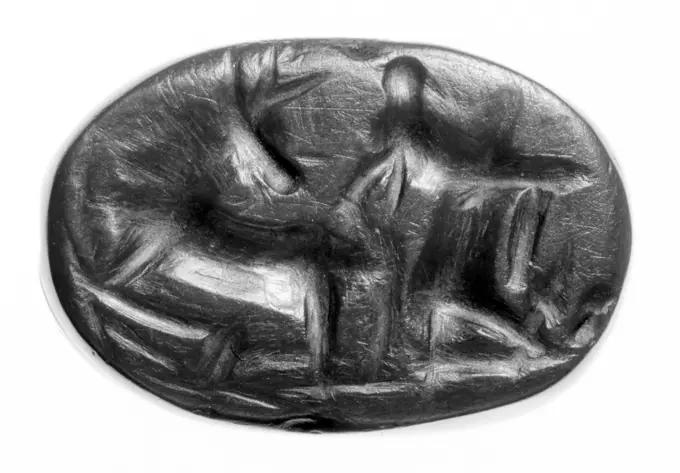
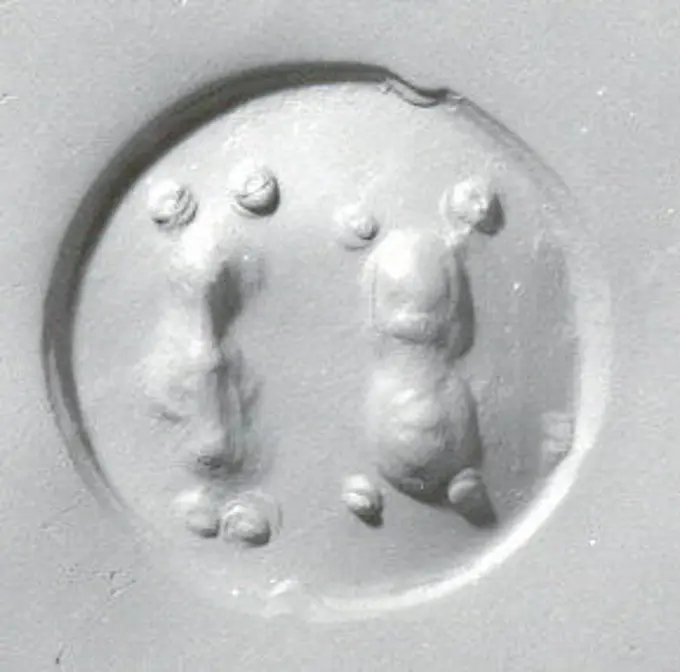
A series of historical seals from the Middle Kingdom featuring intricate engravings. The textures and aged appearance highlight their archaeological significance.
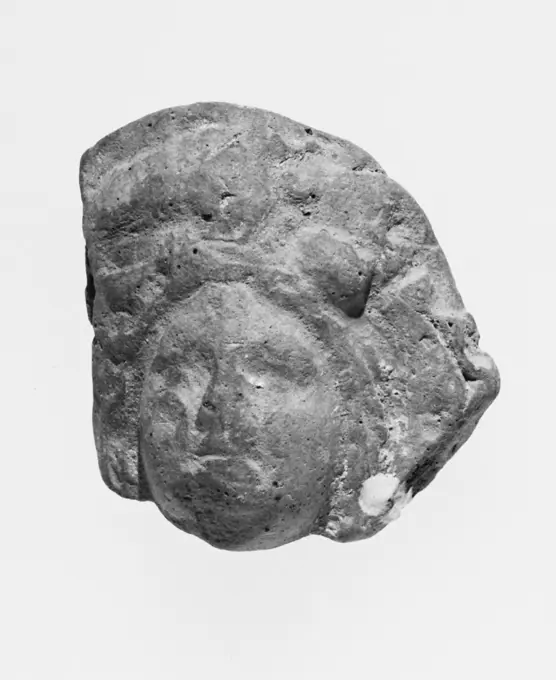
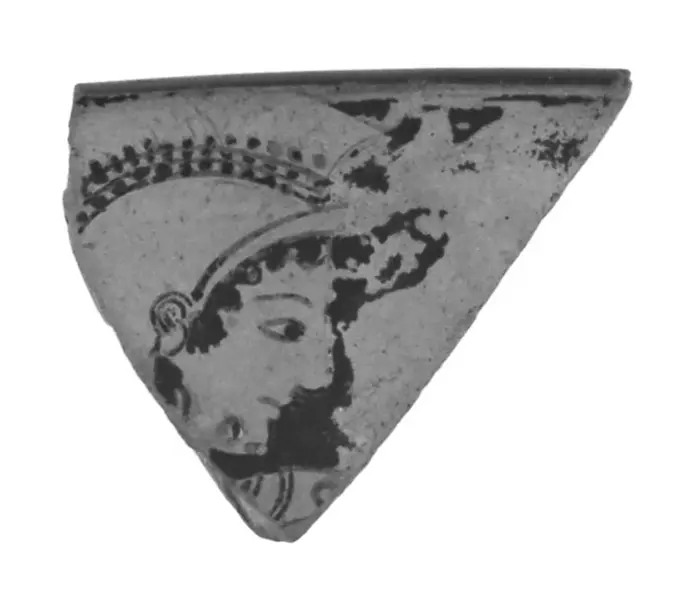
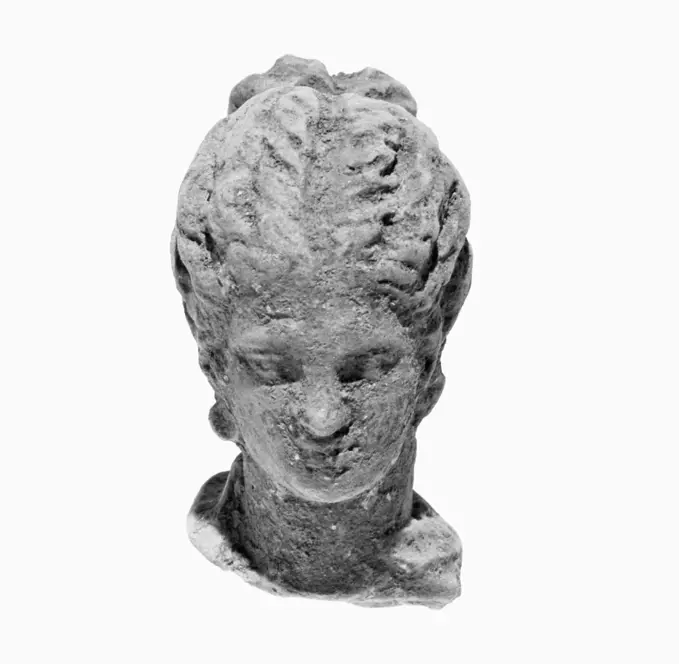
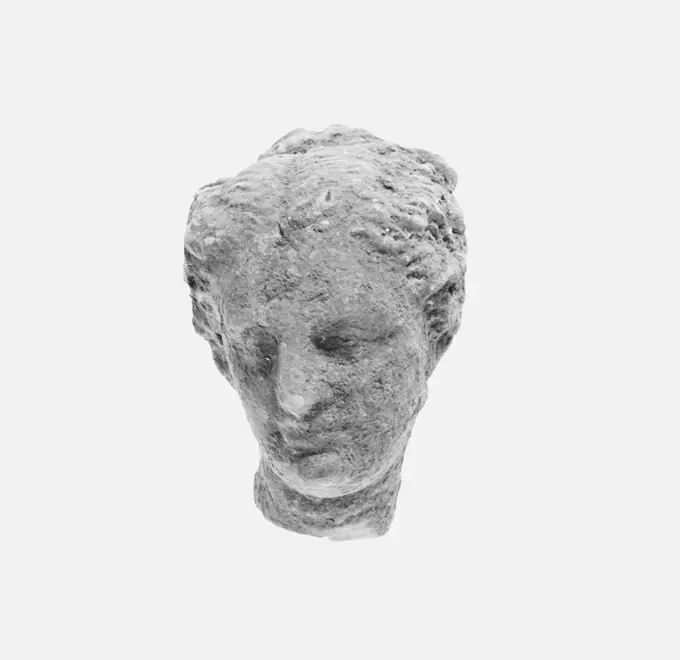
Female Head. Unknown
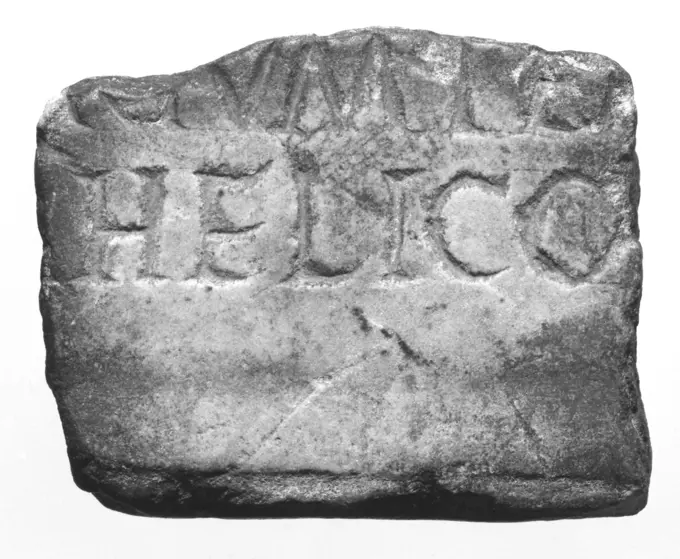
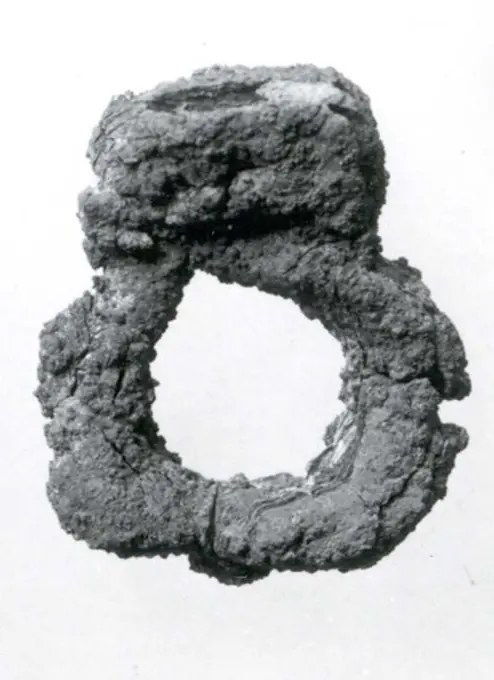
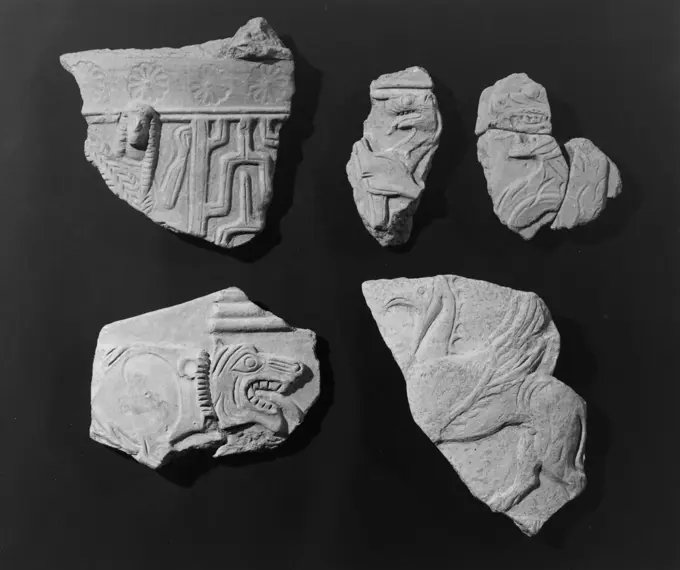
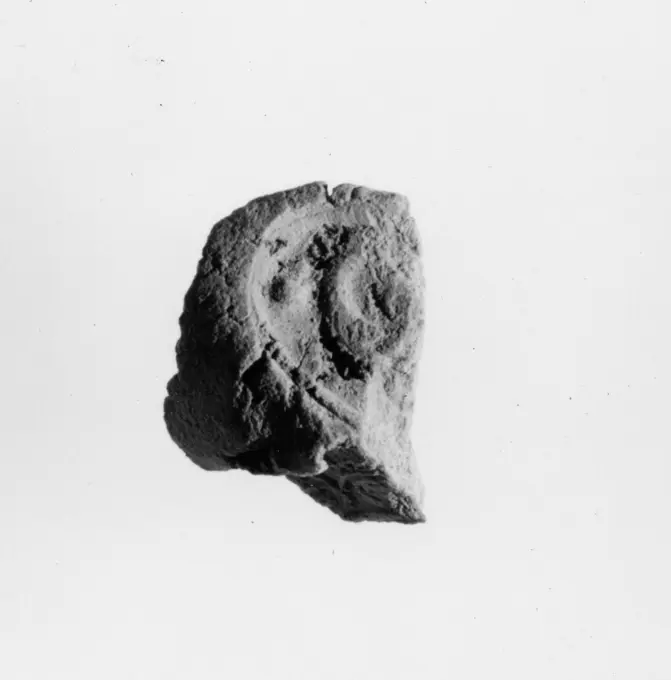
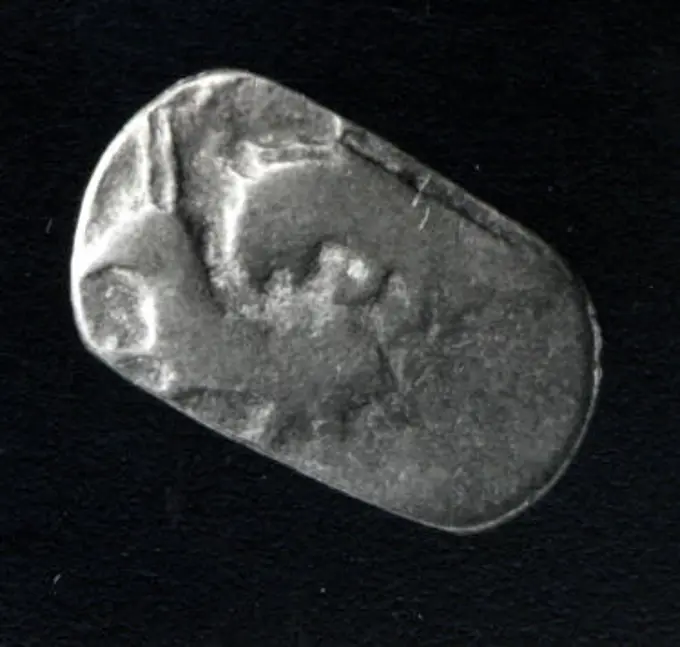
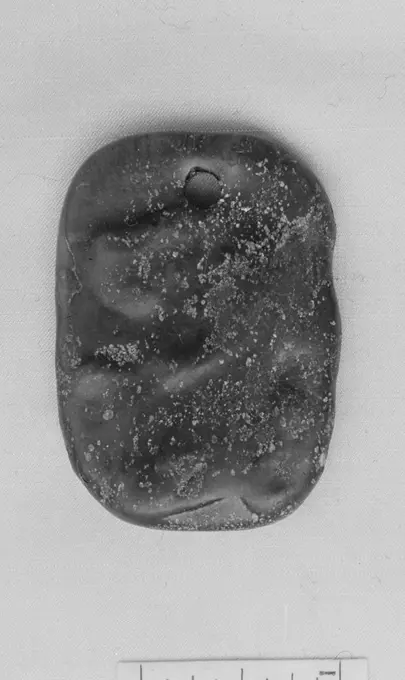
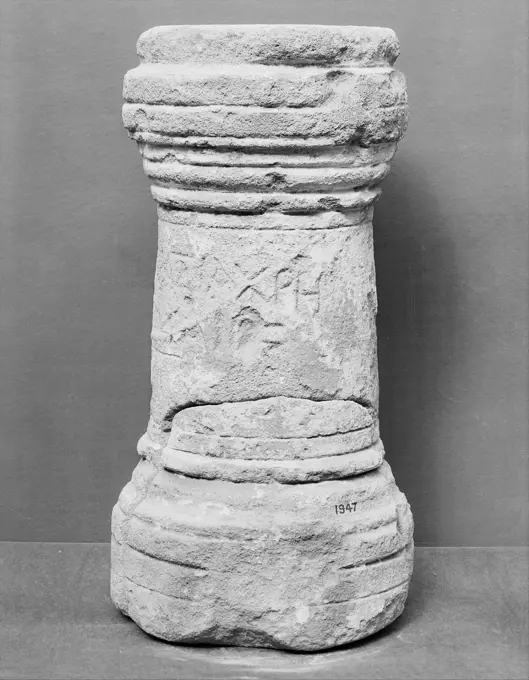
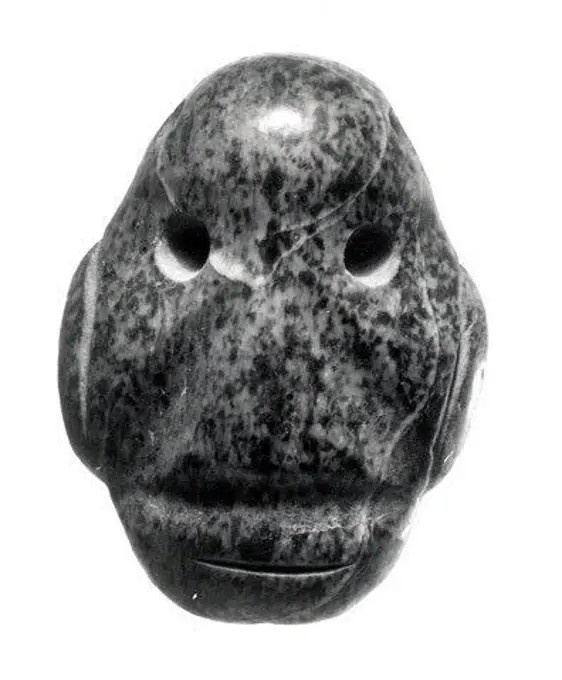
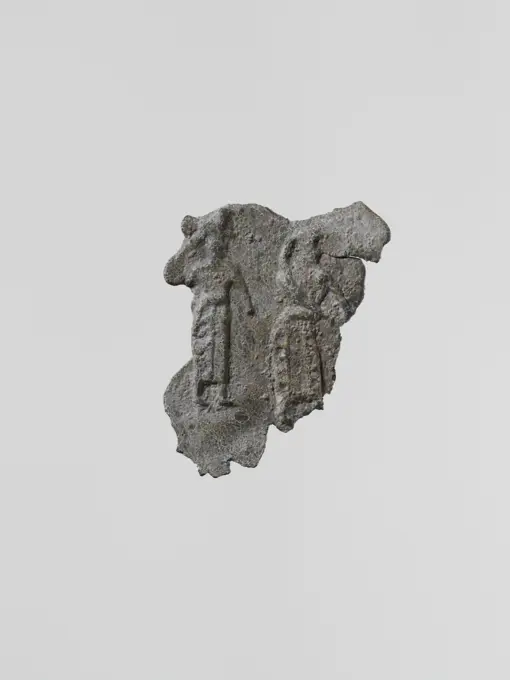
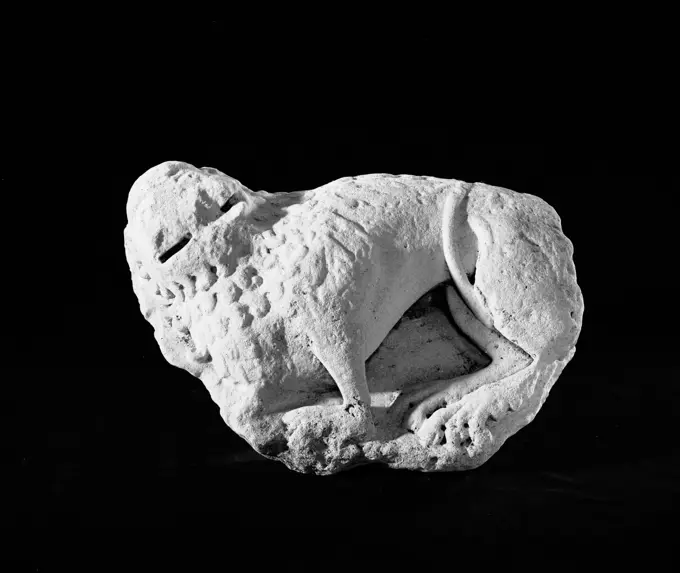
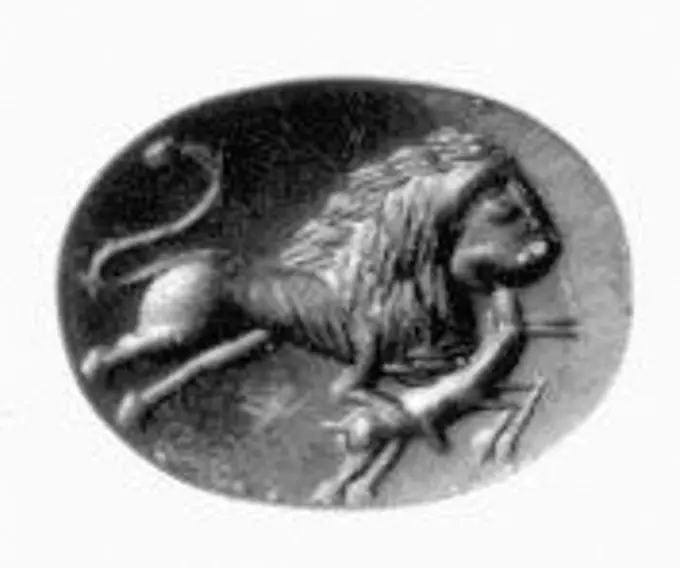
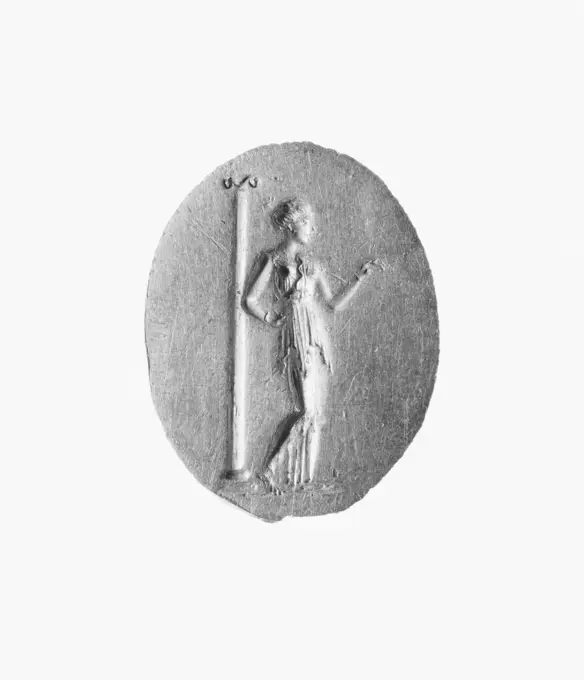
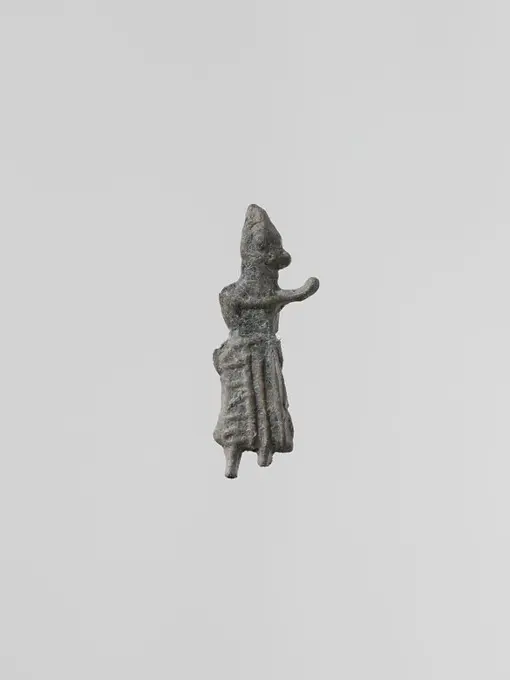
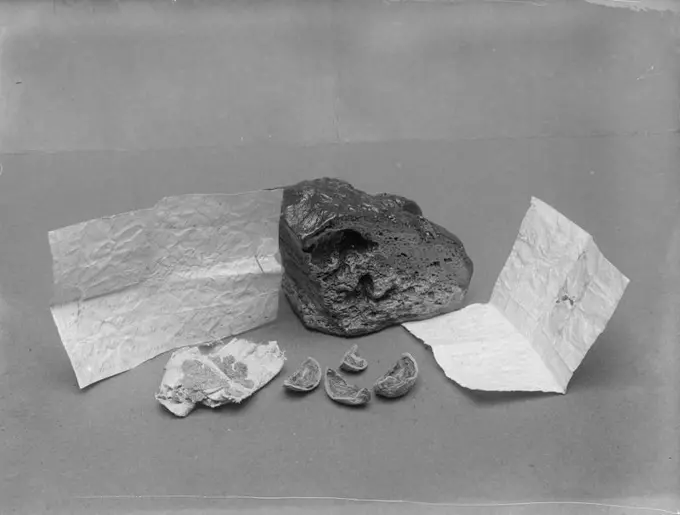
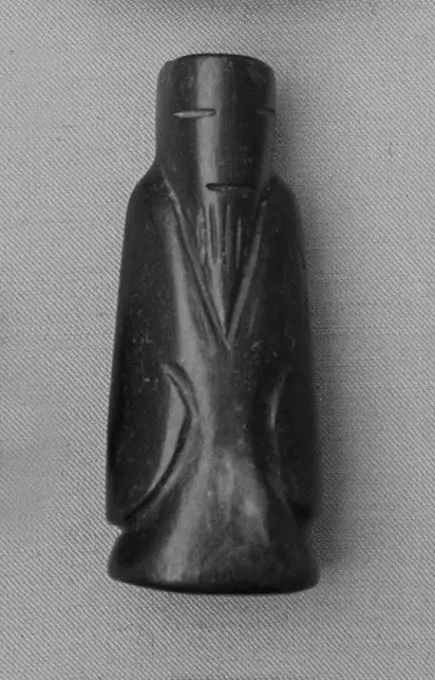
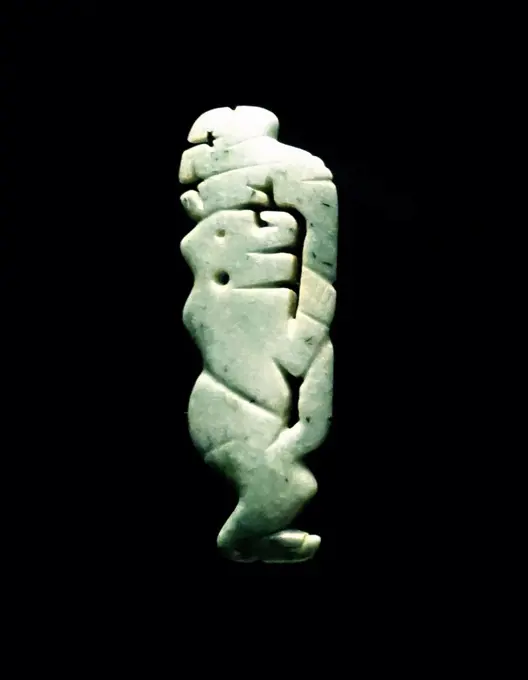
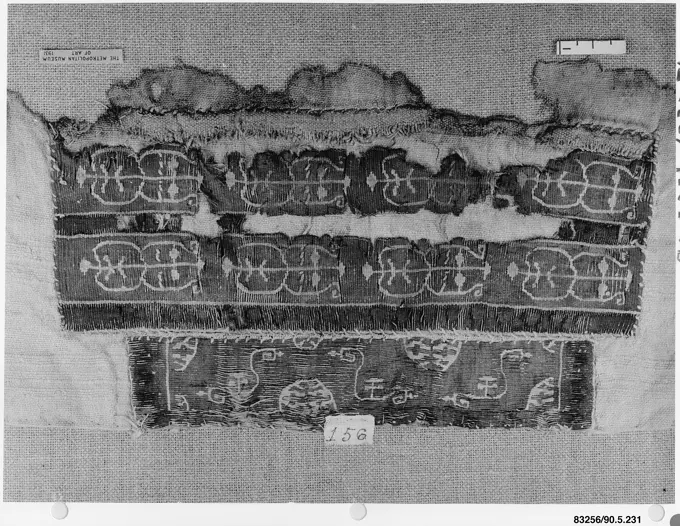
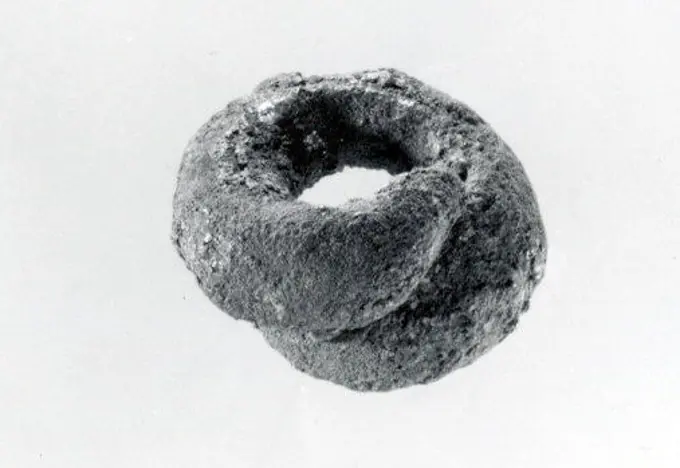
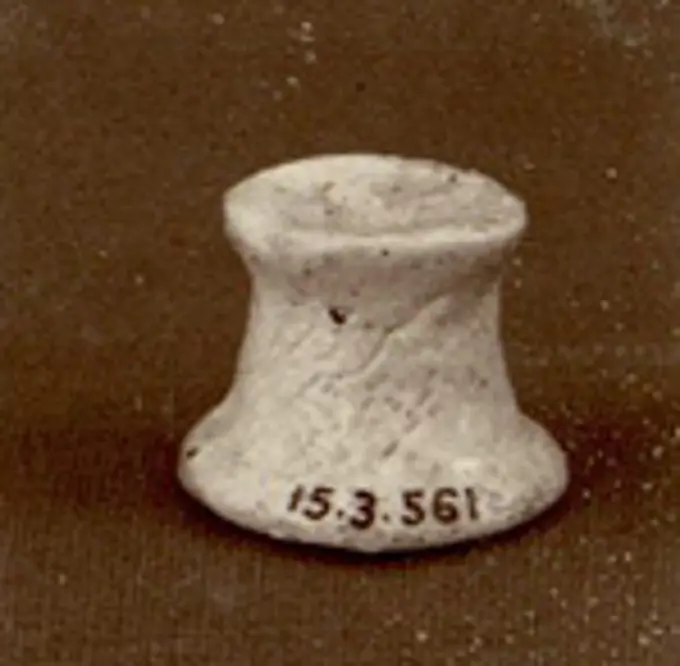
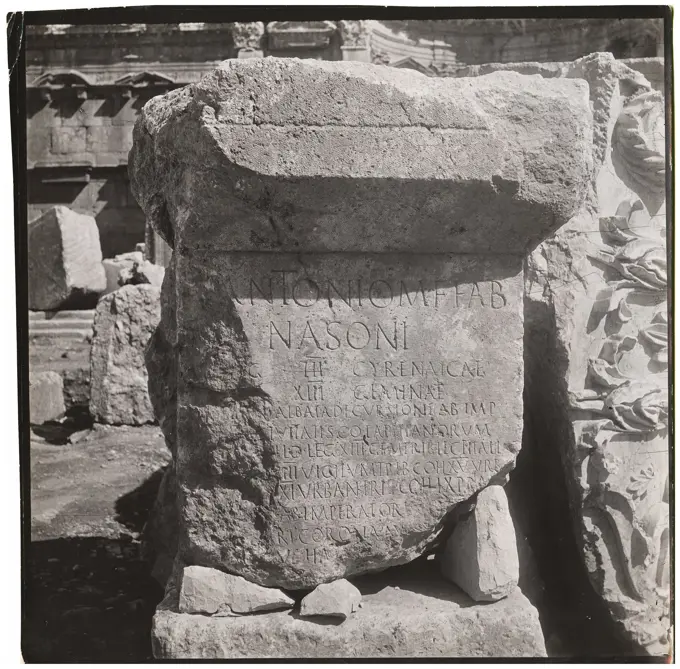
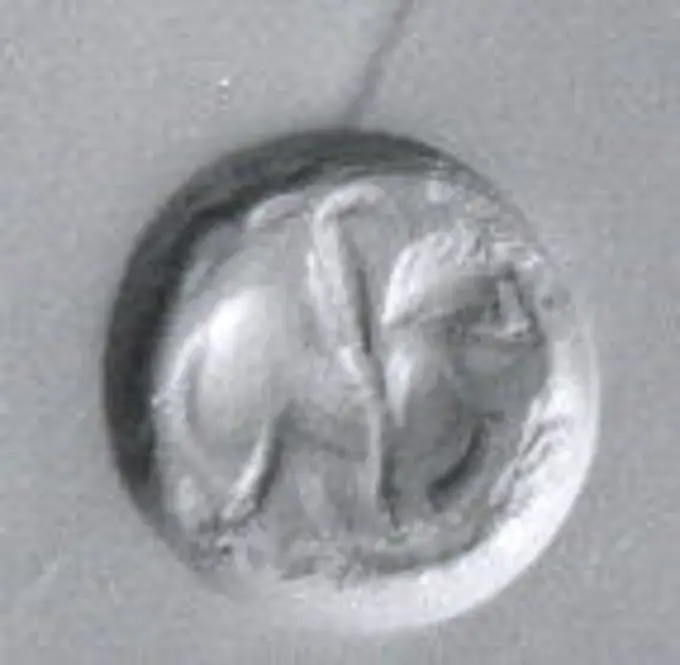
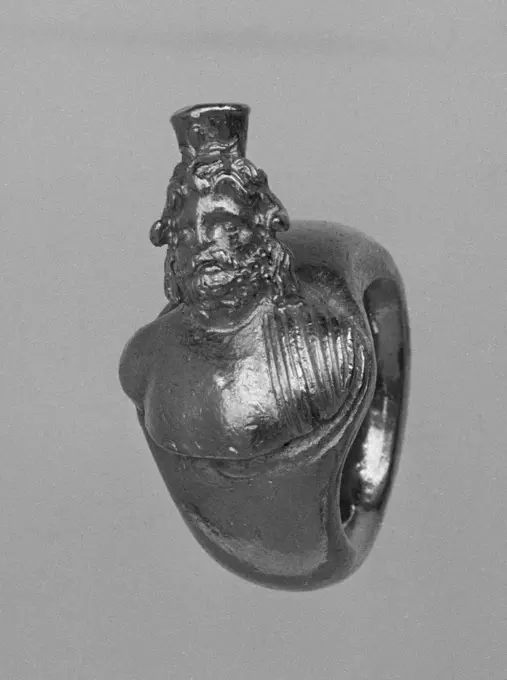
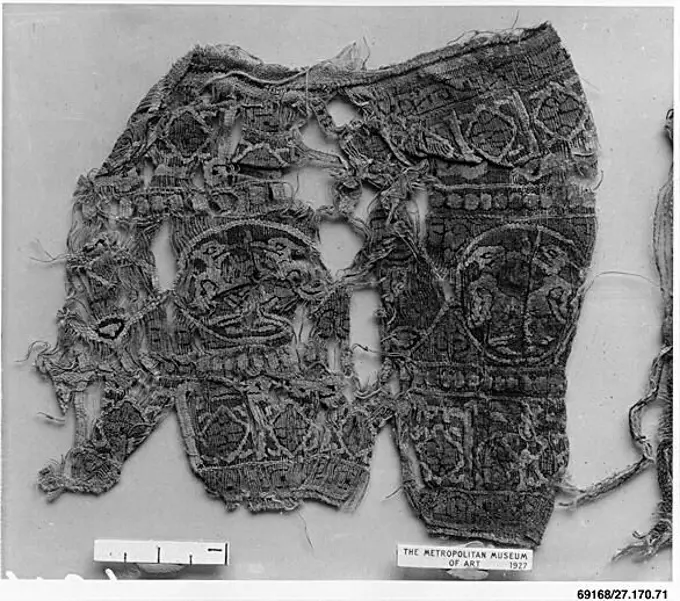
Funerary Cone of the Wab-Priest Neferkhawet ca. 1550-1295 B.C. New Kingdom See 15.10.28. Funerary Cone of the Wab-Priest Neferkhawet. ca. 1550-1295 B.C.. pottery. New Kingdom. From Egypt, Upper Egypt, Thebes, Khokha, near the Tomb of Dedi (TT 200), MMA excavations, 1913. Dynasty 18Engraved Gem. UnknownFragment of a Funerary Inscription. UnknownStamp seal ca. 3rd century A.D. Sasanian. Stamp seal. Sasanian. ca. 3rd century A.D.. Carnelian. Sasanian. Iran, NishapurRing ca. 9th-7th century B.C. Assyrian. Ring 324667Body Fragment of a Relief Pithos. UnknownDocument Sealing With Multiple Seal Impressions ca. 1390-1353 B.C. New Kingdom. Document Sealing With Multiple Seal Impressions. ca. 1390-1353 B.C.. Mud. New Kingdom. From Egypt, Upper Egypt, Thebes, Malqata, MMA excavations, 1910-12; Possibly from West Villas, West Villa B. Dynasty 18Scarab seal ca. 1786-1650 B.C.. Scarab seal. ca. 1786-1650 B.C.. Steatite, white. Dynasty 15-17, 2nd Intermediate Period, Hyksos. Levant, Lachish (modern Tell ed-Duweir)Stamp seal (scaraboid) with animals 9th - 7th century B.C. Phoenician. Stamp seal (scaraboid) with animals. Phoenician. 9th - 7th century B.C.. Variegated brown Jasper (Quartz). Iron Age II. Levant or SyriaCoin unknown. Coin 453589Fragment of an Attic Red-Figure Vase. UnknownGirdle pendant China. Girdle pendant 43004Limestone cippus of Eupraxia ca. 2nd-3rd century A.D. Roman, Cypriot The Greek inscription reads: "Good Eupraxia, farewell!". Limestone cippus of Eupraxia 241940Head Pendant 1st-8th century Mezcala. Head Pendant 307666Group of Engraved Gems (11). UnknownCoin. Date: dated A.H. 370/ A.D. 980. Museum: Metropolitan Museum of Art, New York, USA.Stamp seal ca. 5th century B.C.. Stamp seal. ca. 5th century B.C.. Ceramic, buffware. Iron Age I. Levant, TawilanLead plaque with two women 6th century B.C. Greek, Laconian Small flat votive figurines of cast lead have been found in great quantities at the ancient sanctuaries of Laconia; over one hundred thousand, dating from the seventh century B.C. to the Classical period, were dedicated to the goddess Artemis Orthia in Sparta.. Lead plaque with two women 251599 Greek, Laconian, Lead plaque with two women, 6th century B.C., Lead, Height: 1 3/16 in. (3.1 cm). The Metropolitan Museum of Art, New York. Gift of A. J. B. Wace, 1924 (24.195.33)Lazio Roma Rome SS. Giovanni e Paolo, Museum96. Hutzel, Max 1960-1990 Medieval: Ceramic fragments, sculptural fragments, fresco fragments, inscribed tomb markers. Houses one of the best collections of Malagan medieval ceramics for casting wall monuments, copies of which are housed in campanile. Specific Location: Museum Antiquities: Ceramic fragments, sculptural fragments, architectural fragments Object Notes: Basilica has separate record and is filed separately. German-born photographer and scholar Max Hutzel (1911-1988) photographed in Italy from the early 1960s until his death. The result of this project, referred to by Hutzel as Foto Arte Minore, is thorough documentation of art historical development in Italy up to the 18th century, including objects of the Etruscans and the Romans, as well as early Medieval, Romanesque, Gothic, Renaissance and Baroque monuments. Images are organized by geographic region in Italy, then by province, city, site complex and monument.Stamp seal ca. 3rd-7th century A.D. Sasanian. Stamp seal. Sasanian. ca. 3rd-7th century A.D.. Carnelian. Sasanian. IranRing with scarab 6th-5th century B.C Cypriot Swivel ring with steatite scarab in electrum, band kneeling sphinx and bird in barbaric style.. Ring with scarab 243596Textile Fragment 3rd-4th century. Textile Fragment 443361Belt hook 5th-3rd century B.C. China. Belt hook. China. 5th-3rd century B.C.. Bronze. Eastern Zhou dynasty (770--256 B.C.). MetalworkBust of Vishnu 6th-7th century() India (Jammu & Kashmir, ancient kingdom of Kashmir). Bust of Vishnu 38700Lion of Saint Mark, fragment of a tympanum, unknown origin, end of the twelfth century - beginning of the 13th century (Cat. 187) Anonymous. Lion of Saint-Marc, a fragment of a tympanum, unknown provenance, end of the twelfth century - early 13th century (Cat. 187). Pierre.Stamp seal ca. 3rd century B.C.-7th century A.D. Parthian or Sasanian. Stamp seal. Parthian or Sasanian. ca. 3rd century B.C.-7th century A.D.. Jasper, green. Parthian or Sasanian. IranFragmentary Ring. UnknownStatuette of a woman votary, 5 . Culture: Greek, Laconian. Dimensions: Height: 1 3/16 in. (2.9 cm). Date: ca. 700-500 B.C.. Museum: Metropolitan Museum of Art, New York, USA.Cowroid seal ca. 1479-1425 B.C. Egyptian. Cowroid seal. Egyptian. ca. 1479-1425 B.C.. Stone. New Kingdom. EgyptChalice veil 17th century Italian. Chalice veil 221409Ministry of Information First World War Official Collection A walnut shell containing a letter concealed in a loaf of bread which was sent from Germany to a German prisoner of war in France.Mortuary figure China. Mortuary figure 43197Low hemispheroid seal ca. 3600-2900 B.C.. Low hemispheroid seal. ca. 3600-2900 B.C.. Chlorite or steatite, black. Late Uruk-Jemdet Nasr. MesopotamiaMayan pendants made from Jade, Costa Rica, 100-800 ADFragment of a Sleeve 5th century. Fragment of a Sleeve 443717Spiral 3rd Millennium BC (). Spiral 327271Game piece ca. 1981-1640 B.C. Middle Kingdom. Game piece. ca. 1981-1640 B.C.. White faience. Middle Kingdom. From Egypt, Memphite Region, Lisht North, Cemetery, MMA excavations, 1920-22. Dynasty 12-13Unknown photographer, stone fragment with inscription in Baalbek (without dat.): View. Photo, 20.1 x 20.4 cm (including scan edges) unbek. Fotograf : Steinfragment mit Inschrift in Baalbek (ohne Dat.)Stamp seal ca. 5th-7th century A.D. Sasanian. Stamp seal. Sasanian. ca. 5th-7th century A.D.. Stone. Sasanian. IranHead with Melon Coiffure. UnknownRing with bezel in the form of a bust of Serapis 100 B.C.-A.D. 100 Ptolemaic or Roman Period A bust of Serapis was hammered and chased, rather than cast, out of gold and then soldered at an angle to the flat bezel of this ring. Rings of this form are most characteristic of Egypt, and Serapis is the god most frequently represented.. Ring with bezel in the form of a bust of Serapis. 100 B.C.-A.D. 100. Gold. Ptolemaic or Roman Period. From EgyptEngraved Scarab; 500 - 450 B.C; Green jasper; 1.5 × 1.1 × 0.9 cm (9,16 × 7,16 × 5,16 in.)Watch ca. 1809-21 Watchmaker: Firm of Moulinié, Bautte & Moynier. Watch 195626Stamp seal (scarab) with animal 9th - 7th century B.C. Phoenician (). Stamp seal (scarab) with animal. Phoenician (). 9th - 7th century B.C.. Mottled Greenstone. Iron Age II. Levant or SyriaDrilled half almond seal ca. 3500-2900 B.C.. Drilled half almond seal 326739Scarab. UnknownDrilled oval hemispheroid seal ca. 3500-2900 B.C.. Drilled oval hemispheroid seal. ca. 3500-2900 B.C.. Marble, pinkish brown. Late Uruk-Jemdet Nasr. Iran or MesopotamiaTextile Fragment 11th century. Textile Fragment 448115Head with Bow Knot. UnknownStamp seal ca. 3rd-7th century A.D. Sasanian. Stamp seal. Sasanian. ca. 3rd-7th century A.D.. Carnelian. Sasanian. Iran or MesopotamiaBnin town seal. Bnin, signatoryGirdle pendant China. Girdle pendant 43053Engraved stone, vintage engraved illustration.