Ancient Silver and Clay Artifacts

A collection of ancient ceramics and silver vessels, featuring intricate designs and historical significance from various eras and cultures.

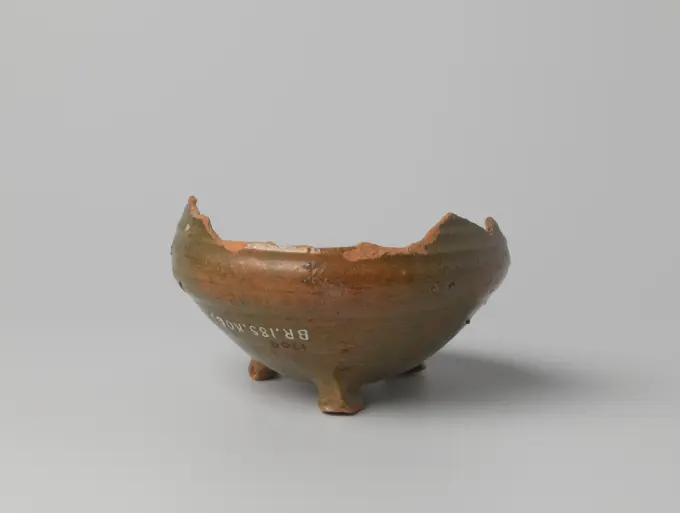
Urn, anonymous, c. 1400 - c. 1950 Urn, pointed on the bottom. Wide shouldered under, including tackling ribbed wall. Thick edge around the mouth of the pot. Remains of green enamel.  earthenware Urn, pointed on the bottom. Wide shouldered under, including tackling ribbed wall. Thick edge around the mouth of the pot. Remains of green enamel.  earthenware
Urn, anonymous, c. 1400 - c. 1950 Urn, pointed on the bottom. Wide shouldered under, including tackling ribbed wall. Thick edge around the mouth of the pot. Remains of green enamel. earthenware Urn, pointed on the bottom. Wide shouldered under, including tackling ribbed wall. Thick edge around the mouth of the pot. Remains of green enamel. earthenware
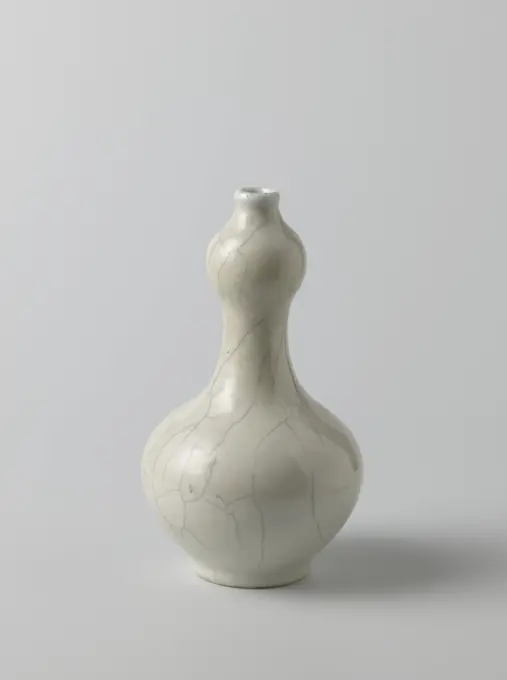
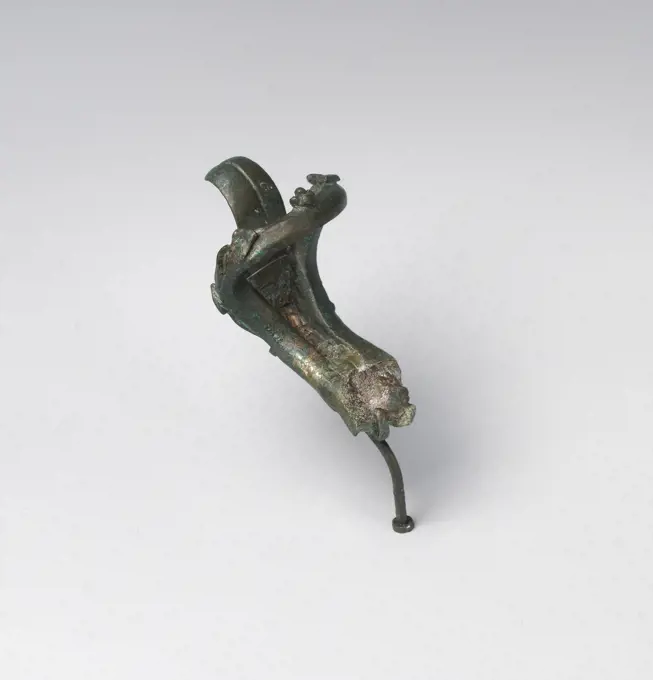
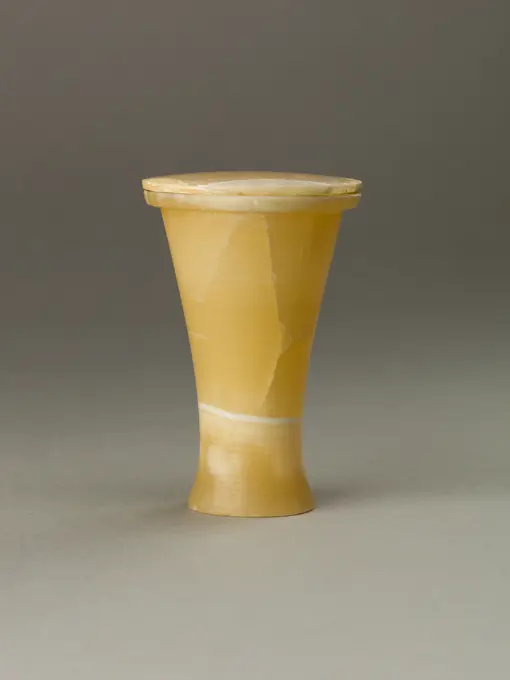
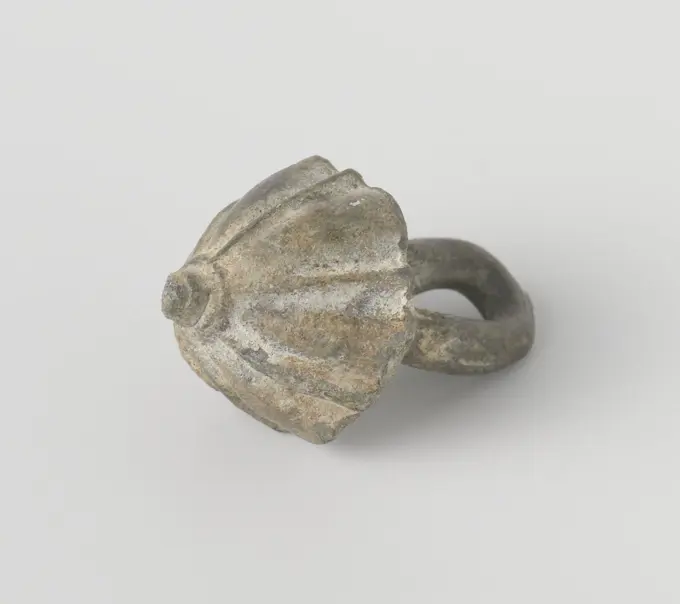
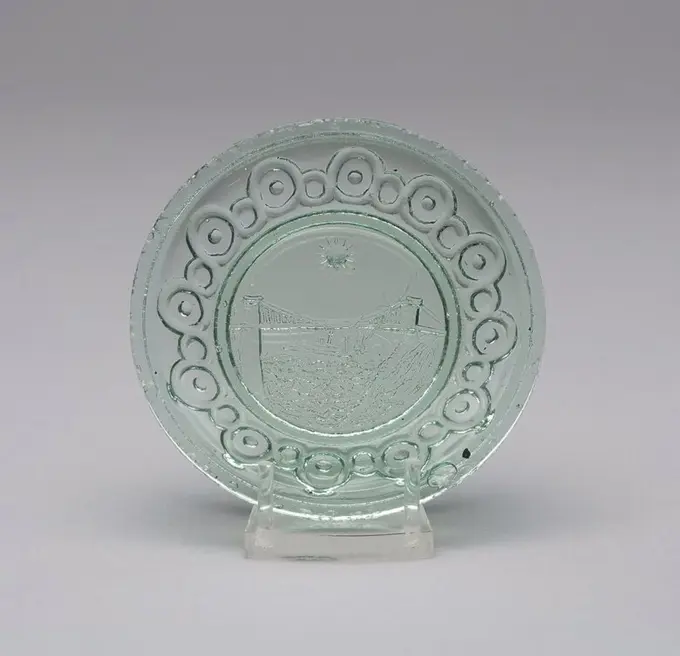
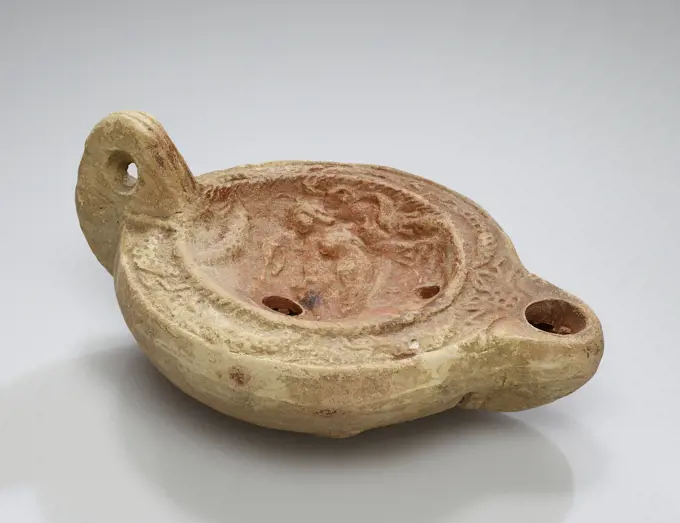
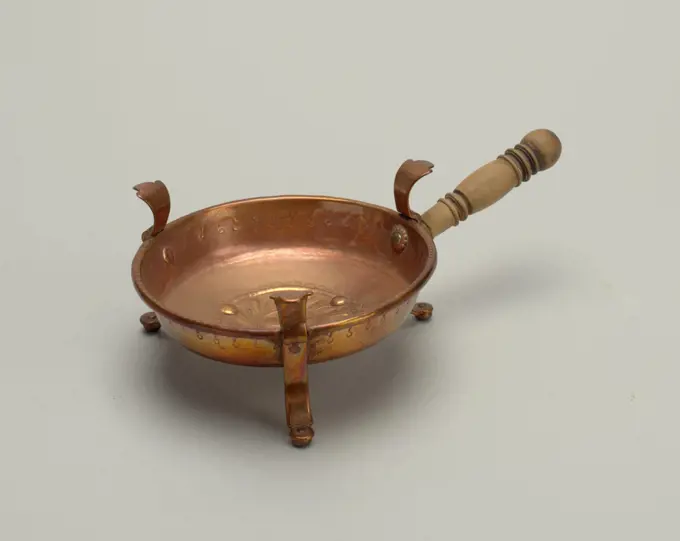
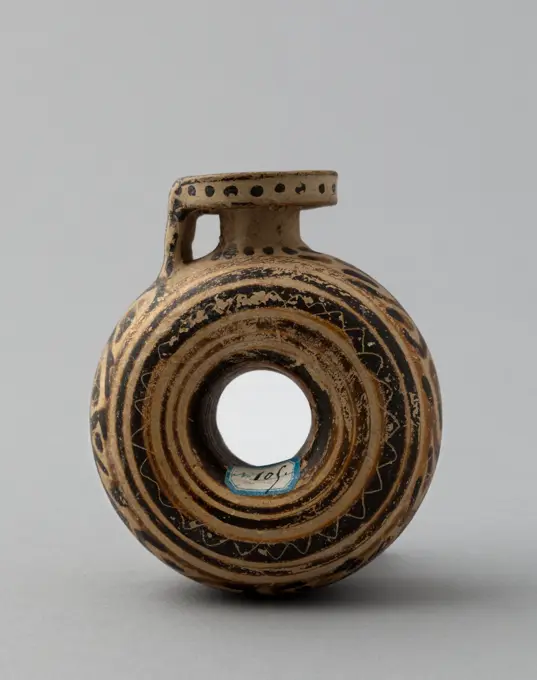
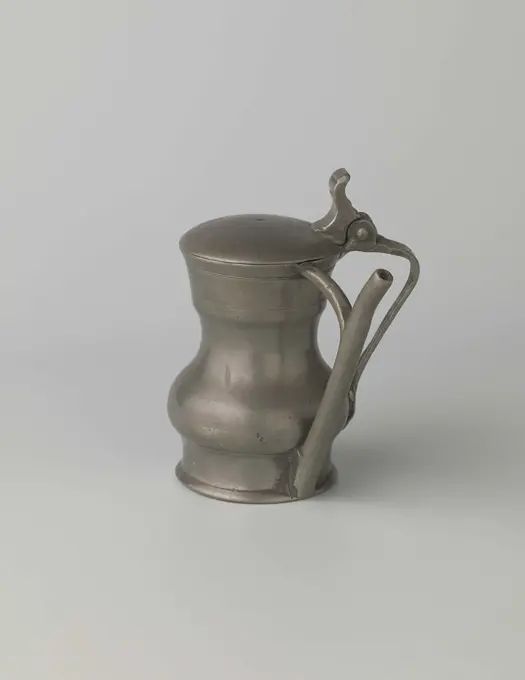
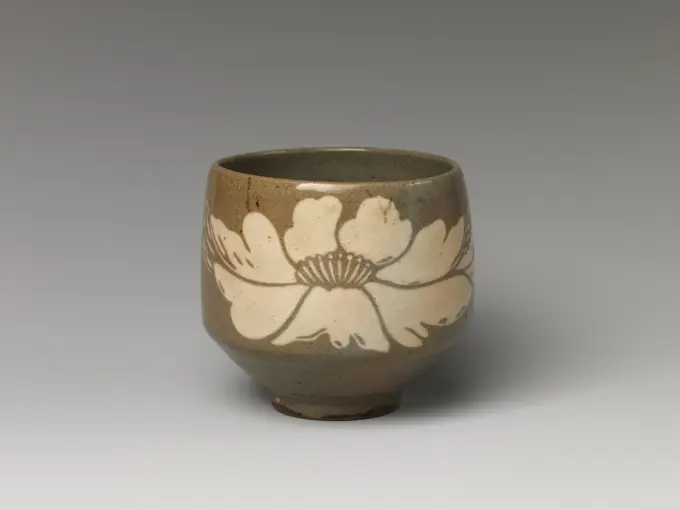
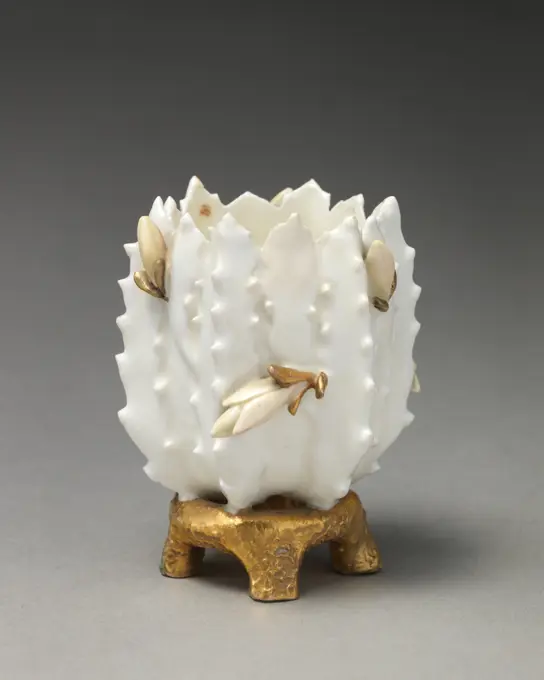
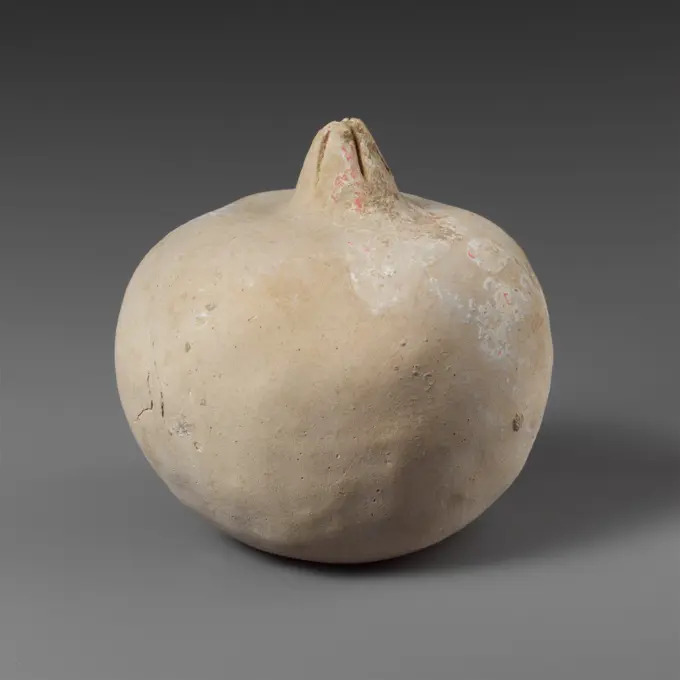
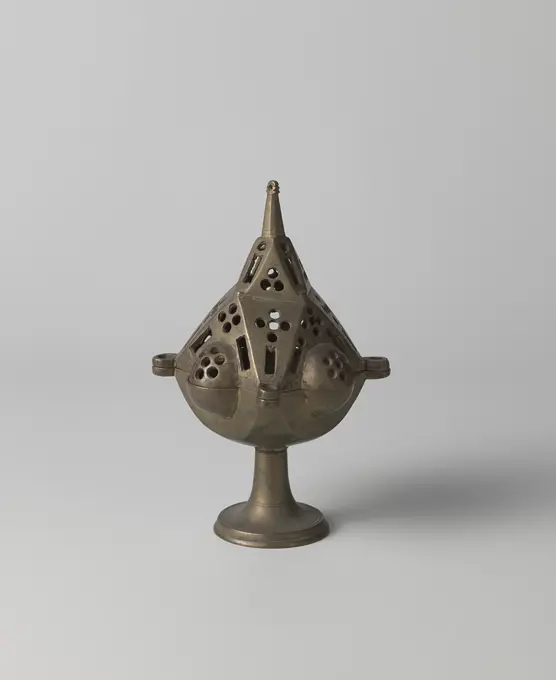
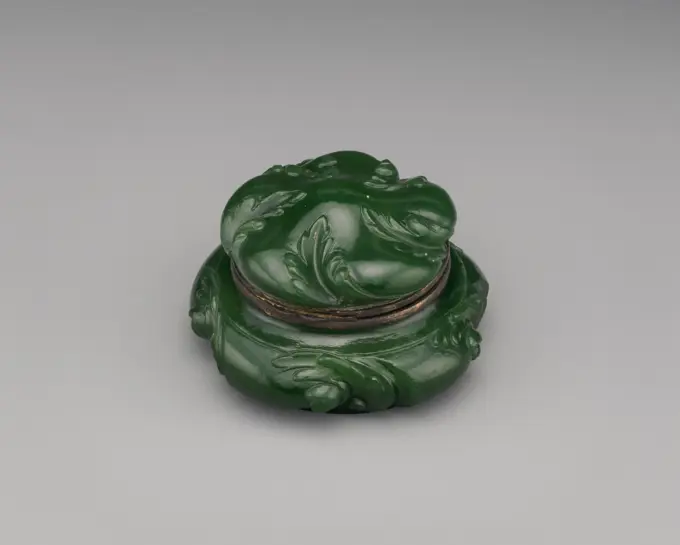
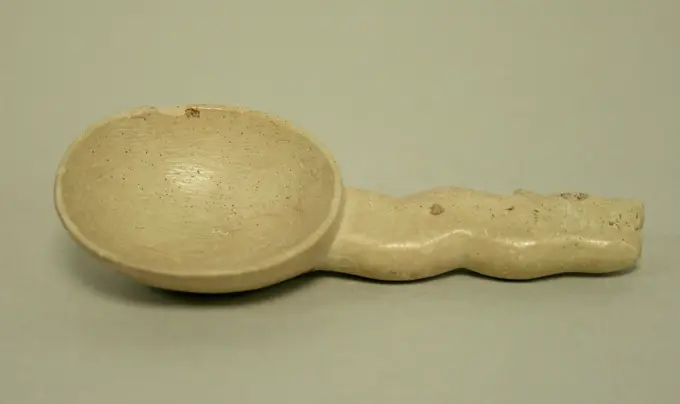
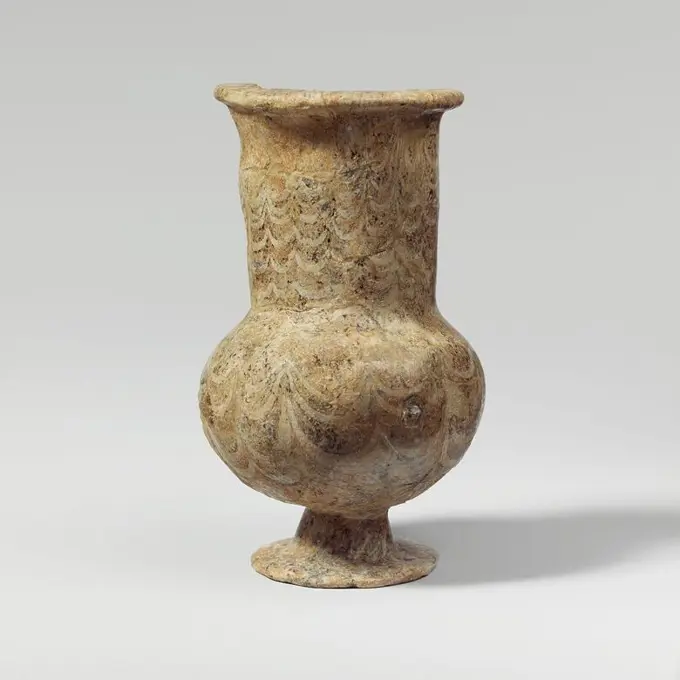
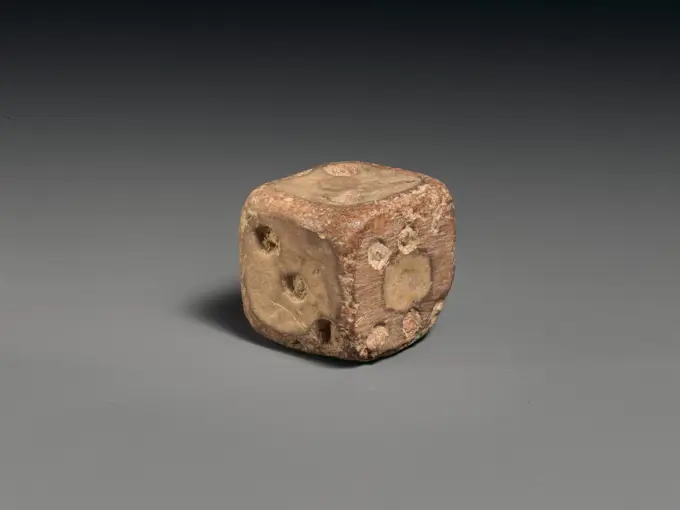
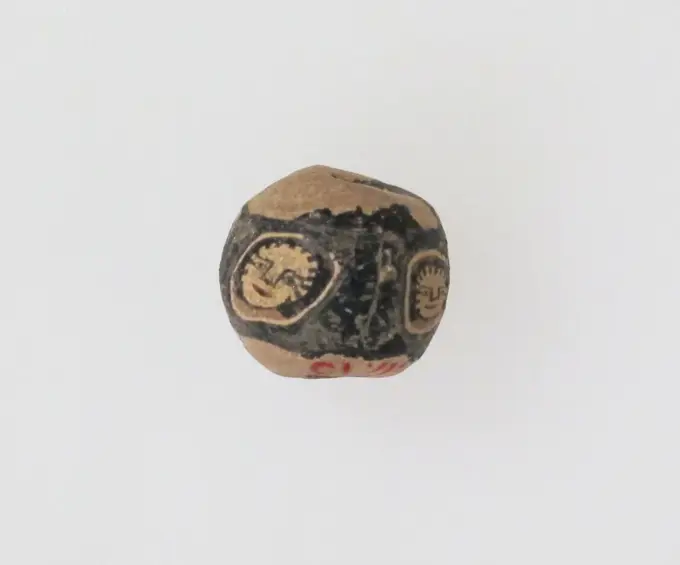
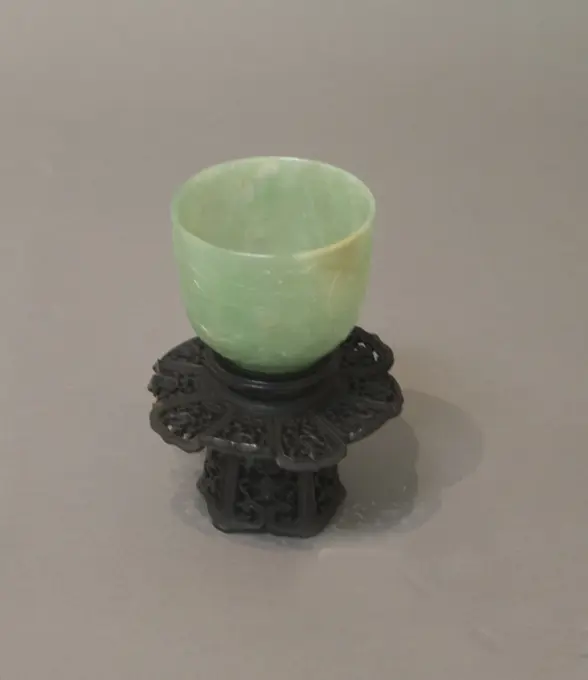
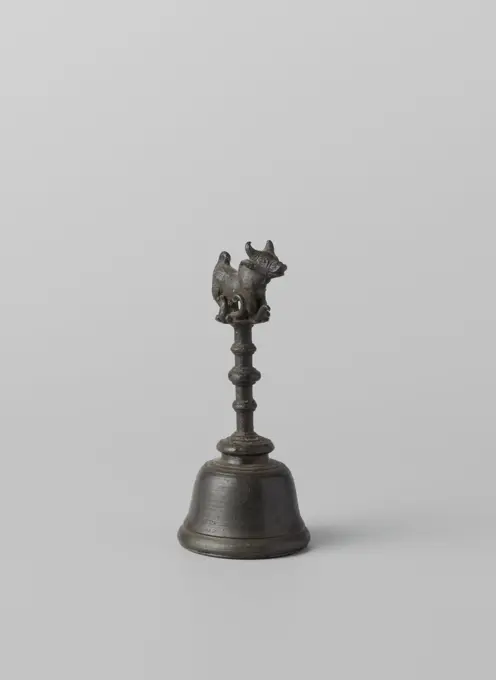
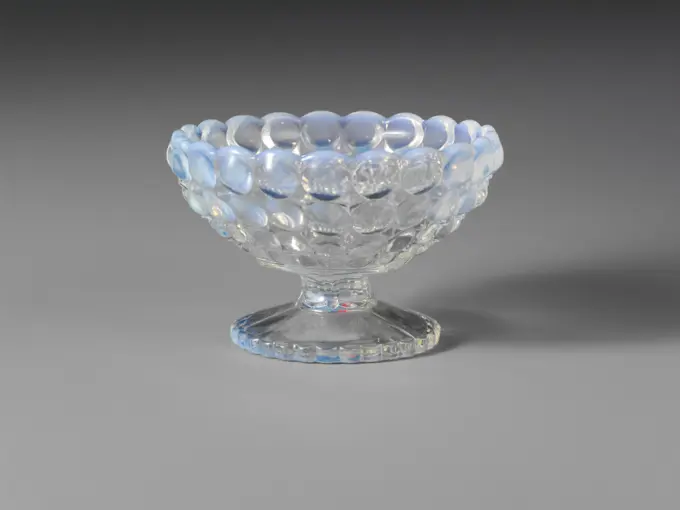
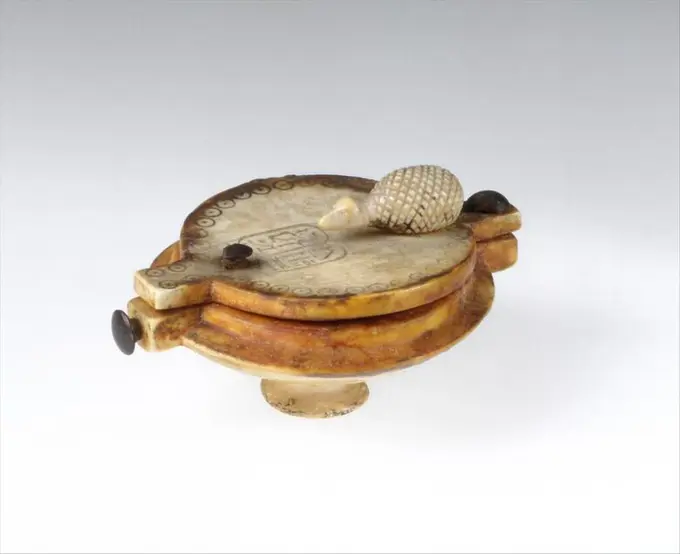
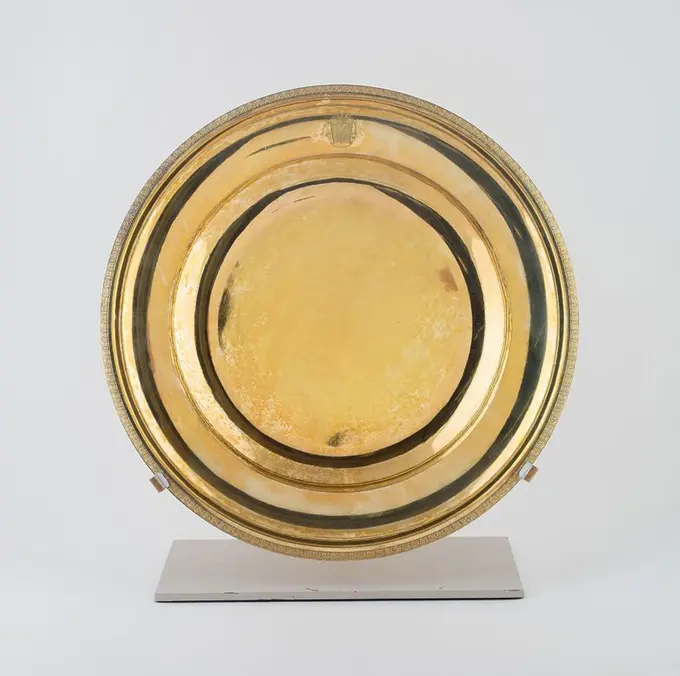
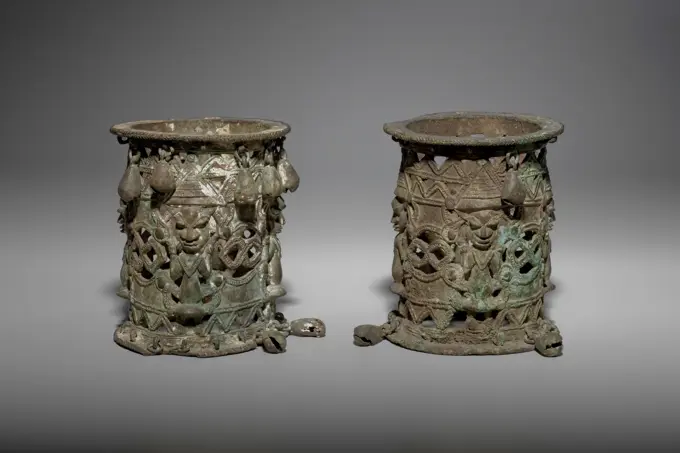
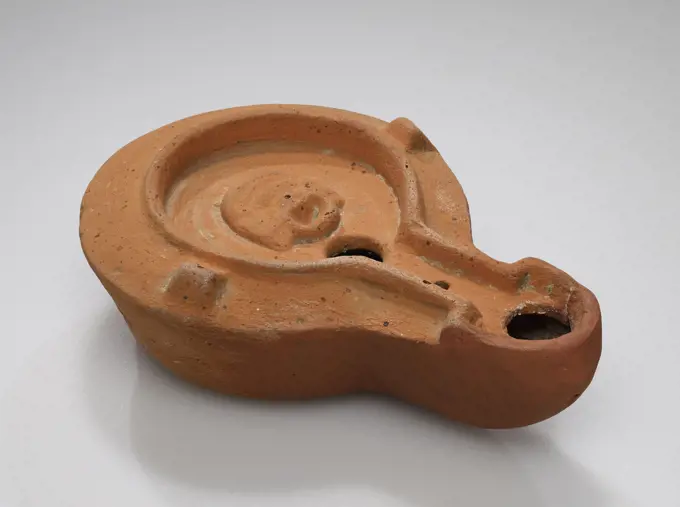
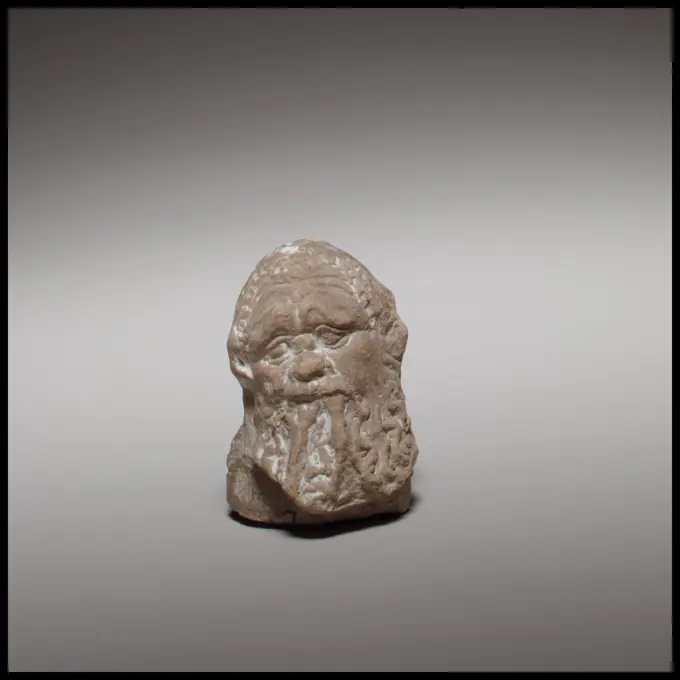
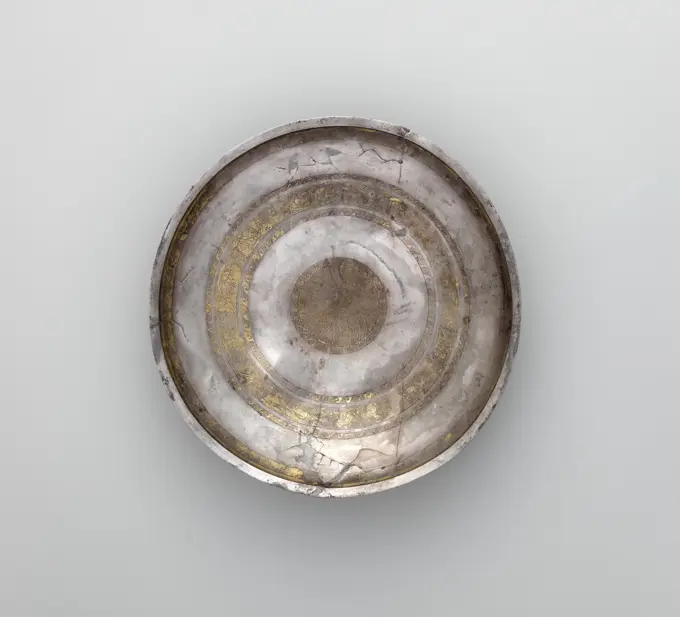
Silver gilt bowl ca. 3rd-1st century B.C. Parthian Elaborate bowls and vessels were highly valued in ancient Near Eastern society. During the pre-Achaemenid, Achaemenid, Seleucid and Parthian periods, examples made of bronze, silver, gold, and clay were used throughout a vast area extending both to the east and west of Iran. In the later periods the monetary value of many silver vessels was calculable in part according to the corresponding coin weights. Floral and vegetal decorative motifs were popular: this elegant silver gilt bowl is decorated with a chased interior concentric pattern and a central multi-petalled rosette within a wreath, encircled by a floral scroll and wave-patterned bands.. Silver gilt bowl. Parthian. ca. 3rd-1st century B.C.. Silver gilt. Parthian. Iran ()Bottle. unknown, craftsmanTerracotta oil lamp 2nd century A.D. Roman Loeschcke Type 4. Mold-made. Discus: in relief, two victory wreaths, flanked by long, vertical palm fronds, with a single small filling hole at center and a band of lines and grooves around edge. Undecorated, horizontal shoulder; two elongated knobs at sides. Heart-shaped nozzle, flanked by two small concentric circles with central dot. Raised base ring, flanked by two incised circles, and flat base.Intact; a jagged, irregular lump of clay on base.. Terracotta oil lamp 241518Bread basket. Openwork bread basket on four legs. The bread basket has two handles and is engraved with flowers on the outside. The bread basket has been marked: STK. = Amsterdam, JRL. = M (1771), Mt. = Jan Bronnet.Pot of red -baking clay, with colorless lead glaze on the inside and outside, damaged, anonymous, 1500 - 1799   earthenware. lead glaze   earthenware. lead glaze. Incense burner (Koro) of stoneware with a double gourd shape, partly covered with an eggplant and ocher-colored glaze. The lid is open at the top. Takatori or shigaraki.Kyoto-based Japanese ceramist Seif Yohei III (1851-1914) admired the glaze colors found on Chinese porcelain and tried to replicate them through intensive experimentation. His green and creamy white glazes were particularly well received. The combinations of colors with subtle molded and incised decorations in his ceramics respond powerfully to changes in light, creating a dynamic viewing experience. Names for the glazes, written in ink with a brush on the lids of the custom-made storage boxes for the works, often indicate a specific glaze or ware that had inspired him, even when the resulting color was distinctively his own. Bowl with Dragons and Flaming Jewels, c. 1900-1914. Seifū Yohei III (Japanese, 1851-1914). Porcelain with molded and carved design; 9.5 x 18.6 cm (3 3/4 x 7 5/16 in.).Oil LampUrn, anonymous, c. 1400 - c. 1950 Urn, pointed on the bottom. Wide shouldered under, including tackling ribbed wall. Thick edge around the mouth of the pot. Remains of green enamel.  earthenware Urn, pointed on the bottom. Wide shouldered under, including tackling ribbed wall. Thick edge around the mouth of the pot. Remains of green enamel.  earthenwareCoupling piece of a fire hose from the wreck of the East Indians Hollandia, Anonymous, 1700 - in Or Before 1743  Fire engine, firehose coupling; squashed, consisting of vertical stub with revolting circular collar, internally threaded, 2 vertical semicircular pierced loops diametrically opposite on the outside. Netherlands copper (metal)   SecondSmall bottle. unknown, craftsmanJar with lid , white protogrès with ivory covered. Decor of green enamel splashes. Cernuschi Museum, Asia Museum of Asia in the city of Paris.Pitcher;  approx. 2494-OK. 2181 BC ; Old PAPear-shaped bottle vase with a crackled glaze, anonymous, c. 1800 - c. 1899 Bottle -shaped vase of porcelain with pear -shaped body and thickening in the neck, covered with a translucent white glaze. Craqueled glaze. Old label on the bottom with 'B. 206b '. Monochrome. China porcelain. glaze vitrification Bottle -shaped vase of porcelain with pear -shaped body and thickening in the neck, covered with a translucent white glaze. Craqueled glaze. Old label on the bottom with 'B. 206b '. Monochrome. China porcelain. glaze vitrificationKettle; Malcz, Karol (1797-1867); 1930s (1830-00-00-1839-00-00);. Single kilogram (stamped) in box of which lined by dark leather and inside with green and red velvet. On the lid a circular picture with inscription. Folded and described paper with text.Ointment jar. Dimensions: H. 7 cm (2 3/4 in.). Dynasty: late Dynasty 12-early 13. Date: ca. 1850-1775 B.C.. Museum: Metropolitan Museum of Art, New York, USA.Lamp in the Shape of a Comic Mask; Roman Empire; 75 - 125; Bronze; 6.9 × 12.5 cm (2 11,16 × 4 15,16 in.)Small, Baluster Vase With Lightly Incised Flower Spray. Small, baluster-shaped porcelain vase, covered with a translucent white glaze. On the wall a slightly ingrangled flower branch (lotus). Unglazed underside. Blanc De Chine.Small BowlWhite ointment pot made of earthenware, with colorless lead glaze on the inside and outside, damaged, anonymous, 1500 - 1799   earthenware. lead glaze   earthenware. lead glazeCosmetic jar with lid ca. 1805 B.C. Middle Kingdom 26.7.1439-.1442 are ointment jars that were found scattered at the bottom of a tomb shaft at Thebes. Nearby was a box belonging to a man named Kemeni (26.7.1438). Kemeni's box has a drawer with spaces for eight small ointment jars, so it is assumed that the box and jars go together.. Cosmetic jar with lid 543956Pull; 1914-27-75Button, Konisch with ribs and leaf -shaped eye, anonymous, c. 1590 - c. 1596 button Button, Konisch in shape with six ribs that come together in a point and a leaf -shaped eye. Amsterdam tin (metal) casting  Nova Zembla. Saving HuysCup plate. American; Midwest. Date: 1830-1835. Dimensions: diam. 8.7 cm (3 7/16 in.). Pressed glass. Origin: Midwest. Museum: The Chicago Art Institute, Chicago, USA.Lamp, North Africa; 1st - 4th century; Terracotta; 3 x 7.6 x 10.5 cm (1 3,16 x 3 x 4 1,8 in.)Stand first half of the 12th century Korea. Stand 48159Scherf of a jug of the wreck of the East Indians Hollandia, Anonymous, 1700 - in or Before 1743  Stoneware, Rhenish, Westerwald, jug; fragm of neck, sim. NG 1980-27H2615. Westerwald stoneware   SecondBeaker. France. Date: 1675-1685. Dimensions: 9.5 × 8.1 cm (3 3/4 × 3 3/16 in.). Glass. Origin: France. Museum: The Chicago Art Institute, Chicago, USA.Chafing dish, Repousséd cooper, turned wood, On three feet, which extend above brim of circular basin. Gadrooned design in repoussé in bottom of basin. Handle turned., France, ca. 1650, metalwork, Decorative Arts, Chafing dishPipes head from v.O.c.-ship the 'white lion'. Pipes head from v.O.c.-ship the 'white lion'. Octagonal. A hole in one side. Cracked lines.Cycladichead. Copper case, spherical with hinged lid. Belongs to Bleiswick's prayer nut.Tin cup with the weapon of Amsterdam, c. 1664 - c. 1699 Tin cup. There is a reversed conical cup on the profiled stand ring. The outside is decorated with twice the city coat of arms of Amsterdam in the midst of two standing lions. At the top is a band with rank motifs. The decorations are largely executed in a trembling stitch. Amsterdam tin (metal) casting / engraving Tin cup. There is a reversed conical cup on the profiled stand ring. The outside is decorated with twice the city coat of arms of Amsterdam in the midst of two standing lions. At the top is a band with rank motifs. The decorations are largely executed in a trembling stitch. Amsterdam tin (metal) casting / engravingVase in Meiping Shape 19th century China. Vase in Meiping Shape. China. 19th century. Porcelain with iron-red glaze (Jingdezhen ware). Qing dynasty (1644-1911). CeramicsGlass dish 4th-5th century A.D. Roman Colorless.Everted, flaring, tubular rim, folded round and down, with broad almost horizontal inner shoulder; irregular S-shaped side to body, curving in to uneven integral tubular base ring; large kick in bottom.Broken and repaired, with three holes in side; some pinprick and larger bubbles; deep pitting and brilliant iridescent weathering.Mis-shapen base ring, so does not stand securely.. Glass dish 239882Cylindrical Scribe's Box ca. 1479-1458 B.C. New Kingdom. Cylindrical Scribe's Box 554661Vessel Made 3050 BCE-2630 BCE Egypt. Egyptian alabaster is a form of limestone (calcite) that is found in the Eastern Desert of Egypt. It was favored for cosmetic and ritual offering fishes because of its beautiful color and translucent quality.. Egyptian alabaster . Ancient EgyptianSnuff Bottle China. Snuff Bottle 41382Bowl ca. 7th-5th century B.C. Iran. Bowl 325279Beaker. England. Date: 1690-1691. Dimensions: H. 6.4 cm (2 1/2 in.). Silver. Origin: England. Museum: The Chicago Art Institute, Chicago, USA.Mace Head late 15th century. Mace Head 453046Glazed oil lamp. unknown, craftsmanGlass in the shape of a riding boot with the inscription Vivat. Thick flat sole with ribbed edge. Blunt nose. High shaft, finished in a wide hood. A radish track at the rear. Three flower branches are engraved on the shaft and vivat on the roof.Annular aryballe with wild boar decor. Black figures. Corinth (Greece), 600-575 BC. AD Museum of Fine Arts of the City of Paris, Petit Palais. 58804-1 Antiquity, Greek-Roman antiquity, ancient art, aryballe, helmet, ceramic, jug, black figure, large Greece, oil, hygiene, molding, object of ceremony, ancient period, pottery, container, ritual, body care, head, vase , VIEM LIFE VI 6th 6th 6 CENTURY AV.J.-C.Tuitkan from tin with lid. Tangkan from tin. At the foot rests a baluster-shaped body and at the bottom of the foot the spout, which is secured halfway with a cross connection to the lip edge. The lid is slightly vaulted and has a simple thumb trust that passes through a double-headed hinge in the handle.Engagement ring, anonymous, c. 1825 - c. 1850 Gold engagement ring. On top of an elongated plate of crystal, including a hair clip with gold thread decorated, on a red background. Signed with the letters N.B. Netherlands gold (metal). crystal (lead glass). ivory. Gold engagement ring. On top of an elongated plate of crystal, including a hair clip with gold thread decorated, on a red background. Signed with the letters N.B. Netherlands gold (metal). crystal (lead glass). ivory.Tea Bowl with Peony Decoration 19th century Japan The nineteenth-century example of inlaid Yatsushiro ware displayed here is emblematic of late Edo-period revivals of buncheong idioms, reflecting the antiquarian predilections of the tea culture and, by extension, of ceramic industries throughout Japan during this period.. Tea Bowl with Peony Decoration 62645Naczynie o brzuścu w kształcie maski komicznej. warsztat grecki, workshopMiniature vase in form of a cactus flower 1870-80 Moore Brothers. Miniature vase in form of a cactus flower. British, Longton. 1870-80. Bone china with enamel decoration and gilding. Ceramics-PorcelainMiniature tea caddy. Culture: British, London. Dimensions: Overall: 1 1/2 × 3/4 × 3/4 in. (3.8 × 1.9 × 1.9 cm). Maker: John Le Sage (British, active 1718-43). Date: ca. 1725. Museum: Metropolitan Museum of Art, New York, USA.Terracotta pomegranate 5th-4th century B.C. Greek Throughout Greek art and the Greek world, the pomegranate has been associated with funerary beliefs and ritual. The mythological expression of its connotations is clearest in the story of Persephone, daughter of the goddess Demeter, who is fated to spend half of each year in the Underworld after eating seeds of the pomegranate.. Terracotta pomegranate 251537 Greek, Terracotta pomegranate, 5th4th century B.C., Terracotta, Diam.: 3 5/16 in. (8.4 cm). The Metropolitan Museum of Art, New York. Fletcher Fund, 1924 (24.97.110)Groen Glas, Anonymous, Before 1875 Cup of dark green glass, on curved foot. Cylindrical, massive trunk, with a massive nodus in the middle. Bowl -shaped chalice. Europe (possibly) glass glassblowing Cup of dark green glass, on curved foot. Cylindrical, massive trunk, with a massive nodus in the middle. Bowl -shaped chalice. Europe (possibly) glass glassblowingHead - figurine fragment. unknown, craftsmanBucket, solid, painted in red and black. Bucket, solid rotated of red and black painted wood, with three profile bands.Censer with freak and striker tapered lid. The parts are poured and scilated. The cockpit is riveted on the round with fine rings decorated foot. The tub has a convex form that has been chamfered by four vertical surfaces and has again emitted by four globe segments, such that the edge of the cockpit has the shape of a four-pass. Kuip and lid have four pairs of eyes. The opened lid, the edge of which connects to that of the tub, is common and striker. The foot dates from the fifteenth century. Ring carrier and chain are missing.Hemispherical bowl. Crackled, transparent glaze with green reflections. Cernuschi Museum, Asia Museum of Asia in the city of Paris.Vase, Glazed porcelain, Bottle-form: globular, with straight slender neck, short foot. Coated from white rim to foot with monochrome oxblood color glaze of pear skin texture., China, mid-late 18th century, ceramics, Decorative Arts, VaseKohl Stick (with Jar 16.10.361a, b) ca. 1635-1458 B.C. Second Intermediate Period-Early New Kingdom. Kohl Stick (with Jar 16.10.361a, b) 566119Jug; Boles Avice (ceramic family; Ca 1400-), Altmann, Johann Gottlieb (1780-1851); 1830-1850 (1830-00-00-1850-00-00);Bolesławiec KamionkaBonbonniere 1898 Berquin-Varangoz Workshop. Bonbonniere. Berquin-Varangoz Workshop. France. 1898. Jade (nephrite). JadeJar mid-19th century Japan The glassware known as chalcedony was developed in Renaissance Venice. Production ceased in the eighteenth century, only to be revived in the mid-nineteenth century. These examples of chalcedony glassware reveal skill and artistry equal to that of European makers, although they were produced only shortly after the technique was introduced into Japan in the mid-1800s.. Jar 57879Lid of a jar. Lid of a jar with a bent foot edge and flat top. The conical button is faceted. Engraving with pendulum tape between which palmets. Originally does not belong to BK-NM-736-A.Spoon 7th-2nd century B.C. Chavin (). Spoon 316816Glass krateriskos (unguent jar). Culture: Egyptian or Cypriot. Dimensions: 3 11/16 × 2 3/16 in. (9.3 × 5.5 cm)Diam. of rim: 1 13/16 in. (4.6 cm)Diam. of foot: 1 7/16 in. (3.6 cm). Date: ca. 1400-1350 B.C..Translucent blue, with opaque white trail(s).Thickened and rounded rim with everted horizontal lip; tall cylindrical neck, tapering slightly downward; sloping shoulder; bulbous body; pedestal foot, conical, then tooled out into a flat, circular pad; uneven bottom with central kick; on opposite sides of body, two loop handles, applied over trail decoration.Marvered trail(s) on neck and body, tooled into a festoon pattern.Broken and repaired, with part of rim and neck missing, a large hole in one side of body, and most of handles lost; thick creamy enamel-like weathering covering all of surfaces, with some soil encrustation on interior.Among Bronze Age imports into Cyprus from Egypt were glass containers that held perfumes, scented oils, or cosmetics used for funeral purposes. AfDie ca. 3rd-7th century A.D. Sasanian Cubic dice have been in use in the Near East since the 3rd millennium B.C. with different systems of distributing the points. The numbering of the opposite sides (1-6, 2-5, 3-4) adding up to seven comes into more general use only later, as reflected by this die from Qasr-i Abu Nasr.The small town and fortress of Qasr-i Abu Nasr is located near Shiraz in southern Iran at a strategic point at the intersection of defensive mountains, available water sources, and along roads entering the Shiraz plain. The site was excavated by archaeologists from The Metropolitan Museum of Art for three seasons from 1932-1935. The town was occupied, at least intermittently, from the Parthian period (3rd century B.C.-3rd century A.D.) to the Muzaffarid period (13th-14th century A.D.). The major occupation, including the extensive fortress, dates to the Late Sasanian period (6th-7th century A.D.).. Die. Sasanian. ca. 3rd-7th century A.D.. Ceramic. Sasanian. Iran, Qasr-i Neck fragment of a jug from the wreck of the East Indians Hollandia, Anonymous, 1700 - in or before 1743 fragment Stoneware, Rhenish, Frechen-ware, jug; fragm of neck, handle broken off, relieved band on exterior sim. NG 1978-9H172 and star-shaped stamp sim. NG 1980-27H468. Cologne stoneware   SecondVase Lula, Henryk (Ur. 1930)Doorknob. Culture: American. Dimensions: Diam. 2 1/2 in. (6.4 cm). Date: ca. 1850. Museum: Metropolitan Museum of Art, New York, USA.Flakon z nakrywą. unknown, craftsmanLeft Pauldron Reinforce. Northern Italian, Milan. Date: 1550-1600. Dimensions: . Steel. Origin: Milan. Museum: The Chicago Art Institute, Chicago, USA.Glass mosaic face bead 1st century A.D. Roman, Egyptian Uncertain color, appearing black, and opaque white; details in opaque white and red, and translucent blue and deep purple, appearing black.Spherical with vertical large hole.Around center of bead, four mosaic sections arranged horizontally in a band, each showing the same female face framed by black and white striped hair, with almond-shaped eyes, eyebrows, nose, and slit mouth with red lips; the faces are enclosed in a narrow white circle set on a blue ground. Intact; slight pitting, weathering, and iridescence.. Glass mosaic face bead. Roman, Egyptian. 1st century A.D.. Glass. Early Imperial. GlassOne of pair of cups China. One of pair of cups. China. Jadeite, emerald-green running to lighter tints, and a few light clouds of creamy white tinged with russet. Ming dynasty (1368-1644). JadeSand spreader of brass. Sand spreader of brass.Ring-shaped water dropper 19th century Korea To prepare ink for calligraphy or painting, a Joseon scholar might have used this instrument to drip water onto an inkstone for grinding an ink stick. Porcelain water droppers, often in whimsical shapes and with or without painted decoration, were fashionable during the nineteenth century.. Ring-shaped water dropper 72620Handbell, anonymous, 1300 - 1600 Priesterschel with standing bull as a masterpiece. Indonesia bronze (metal) Priesterschel with standing bull as a masterpiece. Indonesia bronze (metal)Footed Dish ca. 1888 Richards and Hartley Flint Glass Co.. Footed Dish 7518Pendant: female head. Culture: Italic. Dimensions: H.: 2 1/2 in. (6.3 cm). Date: 5th-4th century B.C..Large female head in profile facing left. She has very large almond-shaped eyes and small lips and nose. She wears a pointed hat with a wide band at her forehead. Museum: Metropolitan Museum of Art, New York, USA.Ivory Unguent Box of Queen Nefertari. Dimensions: H. 3 cm (1 3/16 in); Diam. 5 cm (1 15/16 in); Greatest W. 6.4 cm (2 1/2 in.). Dynasty: Dynasty 19. Reign: reign of Ramesses II. Date: ca. 1279-1213 BC.This lenticular box with a sharp shoulder and flat swivel lid sits on a cylindrical foot. Around the outer edge of the lid and on one of the flat surfaces for the knobs used to close the container are incised circles. The tiny figure of a hedgehog, associated with the cycle of death and rebirth, sits in front of the other knob. On the lid are the cartouches of Ramesses II and his first principal wife, Nefertari. The purpose of the box is uncertain, but it was likely used for cosmetics. Museum: Metropolitan Museum of Art, New York, USA.Box with seals, wood,sealing wax, Box with lid, box holds thirty-two red wax seals. A: cover; B: bottom, USA, early 19th century, Decorative Arts, Box with sealsPair of Gravy Boats, 1746-1747. Samuel Wood (British). Silver; average: 10.2 cm (4 in.); lip to handle: 20.4 cm (8 1/16 in.); to handle: 10 cm (3 15/16 in.); to lip: 9 cm (3 9/16 in.).Pair of Circular Platters. Martin Guillaume Biennais; French, 1764-1843; Paris, France. Date: 1809-1819. Dimensions: Diam. 36.8 cm (14 1/2 in.). Silver gilt. Origin: Paris. Museum: The Chicago Art Institute, Chicago, USA. Author: MARTIN-GUILLAUME BIENNAIS.Kohl Jar. Dimensions: Overall height H. 6.4 cm (2 1/2 in.). Jar: H. 6 cm (2 3/8 in.); Diam. 5.9 cm (2 5/16 in.); Diam. of rim 6 cm (2 3/8 in.). Lid: Diam. of lid 6.1 cm (2 7/16 in.); Th. 0.8 cm (5/16 in.). Dynasty: Dynasty 18, early. Reign: reign of Thutmose I-early sole Thutmose III. Date: ca. 1504-1447 B.C..This Egyptian alabaster kohl jar was found with two other alabaster jars inside the coffin of a scribe named Amenemhat. The jars had been placed near the head of the mummy along with a bundle containing knives, razors, and a whetstone. All three were well made from fine-grained white stone. This one contained the remains of powdered antimony, or kohl, an eye makeup used by both men and women.Amenemhat was probably the son of Neferkhawet, and his burial was found in the family tomb in Western Thebes. Museum: Metropolitan Museum of Art, New York, USA.Bottle with the inscription: The friendship is' s Leavens sout, Anonymous, 1687 Soul inserted. Spherical body, long slender neck with imposed ring around the neck. On the body, the inscription: "The friendship is' s Lenevens sout." Under the engraving the signature 'petit' and on the bottom 'm petit schryfmr a leyden anno 1687'. glassblower: Low CountriesNorthern Netherlands glass glassblowing Soul inserted. Spherical body, long slender neck with imposed ring around the neck. On the body, the inscription: "The friendship is' s Lenevens sout." Under the engraving the signature 'petit' and on the bottom 'm petit schryfmr a leyden anno 1687'. glassblower: Low CountriesNorthern Netherlands glass glassblowingPair ofArmcuffsBowl with Lotus Scrolls and auspicious Symbols. Bowl of porcelain with lobed edge, covered with a translucent white glaze and painted in white. The inner wall with lotus drinks and the eight lucky symbols (wheel, infinite knot, shell, two fish, parasol, canopy, lotus, vase) in Bianco Sopra Bianco. Mounted at the soil with the four-character seal brand of Emperor Yongle in a circle. Blanc De Chine.Lamp, Cologne, Germany; 1st - 2nd century; Terracotta; 3.4 x 7 x 10.2 cm (1 5,16 x 2 3,4 x 4 in.)Woman’s hands making ceramic cup on potter’s wheelDieBeaker. Culture: Hungarian, possibly Nagyszombat. Dimensions: Overall: 4 7/16 x 3 1/4 in. (11.3 x 8.2 cm). Maker: Unidentified Master S.I.. Date: late 16th century.The gracefully curved, tapering sides of this beaker are characteristic of late sixteenth-century examples. The engraved coat of arms displays a rampant lion and the name of a patron, Stephanus Akossi, whose precise identity has yet to be established.LiteratureFine European Silver / Belles Pices d'orfvrerie europenne. Sale cat., Christie's, Geneva, May 16, 1984, p. 27, no. 43.Judit H. Kolba. Hungarian Silver: The Nicolas M. Salgo Collection. London, 1996, p. 31, no. 9.ReferencesA similar beaker with snakeskin decoration was sold by Dr. Fischer Kunstauktionen in Heilbronn, sale no. 161, no. 448.Elemr Koszeghy. Magyarorszgi tvsjegyek a kzpkortl 1867-ig / Merkzeichen der Goldschmiede Ungarns vom Mittelalter bis 1867. Budapest, 1936, no. 1507 maker's mark.See a similar beaker formerly inHead of a satyr 2nd century B.C. Cypriot The head is mold-made and solid. The back is handmade, flattened, and roughly finished.. Head of a satyr 241058Dish. Culture: German. Dimensions: Overall: 10 1/8 x 2 13/16 in. (25.7 x 7.2 cm). Date: early 16th century. Museum: Metropolitan Museum of Art, New York, USA.Flakonik - tabakierka. unknown, craftsmanPair of salvers (part of a toilet service). Culture: British, London. Dimensions: Overall, salver on foot: H. 3 3/8 x W. 9 1/4 x D. 9 1/4 in., 22 oz 10 dwt. (8.6 x 23.5 x 23.5 cm, 0.7 kg)Overall, salver only: H. 5/8 x W. 9 1/4 x D. 9 1/4 in. (1.6 x 23.5 x 23.5 cm). Maker: William Fowle (1658-1684, active 1681-84). Date: 1683-84. Museum: Metropolitan Museum of Art, New York, USA.Salt 1830-40 Probably Boston & Sandwich Glass Company. Salt. American. 1830-40. Pressed glass. Probably made in Sandwich, Massachusetts, United StatesWavy profile dish;  around 2055-1650 BC ; Medium PAStone Temple Model 1st-8th century Mezcala. Stone Temple Model 317503Anonymous display (common name), 0600. Beige gray coverage sandstones. Cernuschi Museum, Asia Museum of Asia in the city of Paris.Bowl with a white glaze. Bowl of porcelain, covered with a white glaze. White porcelain.Fuddling cup, 1650-1675, 2 7/8 x 4 3/8 x 4 1/8 in. (7.3 x 11.11 x 10.48 cm), Ceramic, delftware, England, 17th century