Ancient Silver and Clay Artifacts

A collection of ancient ceramics and silver vessels, featuring intricate designs and historical significance from various eras and cultures.

Urn, anonymous, c. 1400 - c. 1950 Urn, pointed on the bottom. Wide shouldered under, including tackling ribbed wall. Thick edge around the mouth of the pot. Remains of green enamel.  earthenware Urn, pointed on the bottom. Wide shouldered under, including tackling ribbed wall. Thick edge around the mouth of the pot. Remains of green enamel.  earthenware
Urn, anonymous, c. 1400 - c. 1950 Urn, pointed on the bottom. Wide shouldered under, including tackling ribbed wall. Thick edge around the mouth of the pot. Remains of green enamel. earthenware Urn, pointed on the bottom. Wide shouldered under, including tackling ribbed wall. Thick edge around the mouth of the pot. Remains of green enamel. earthenware
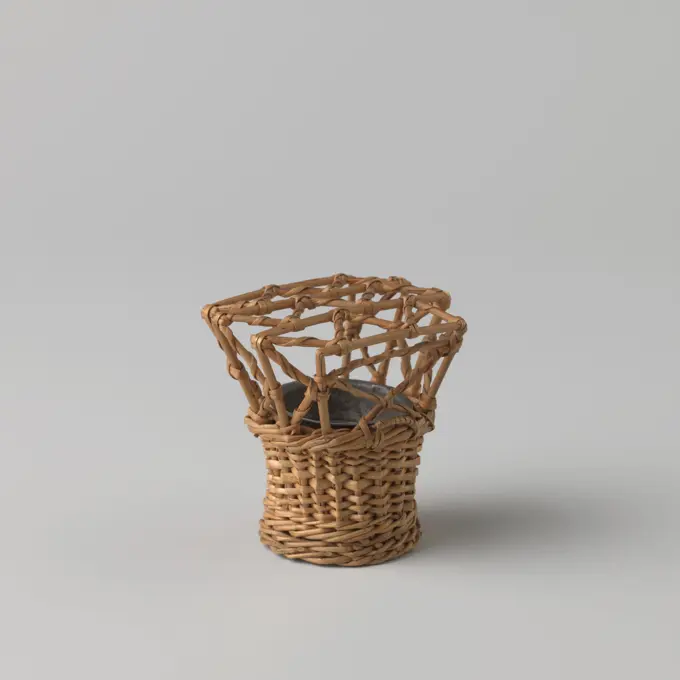
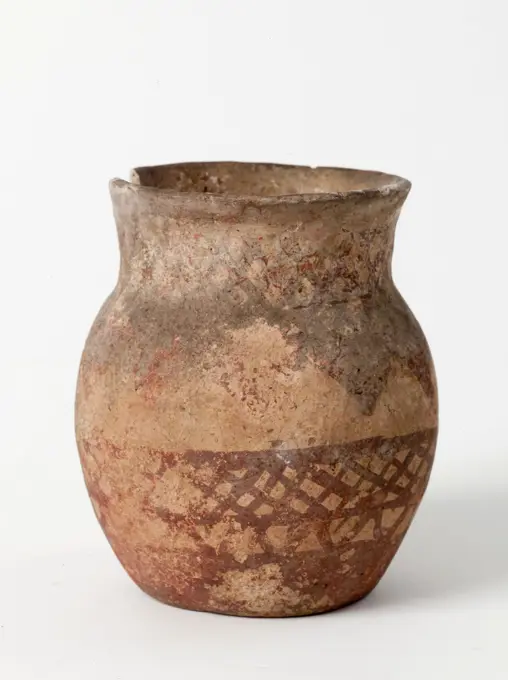
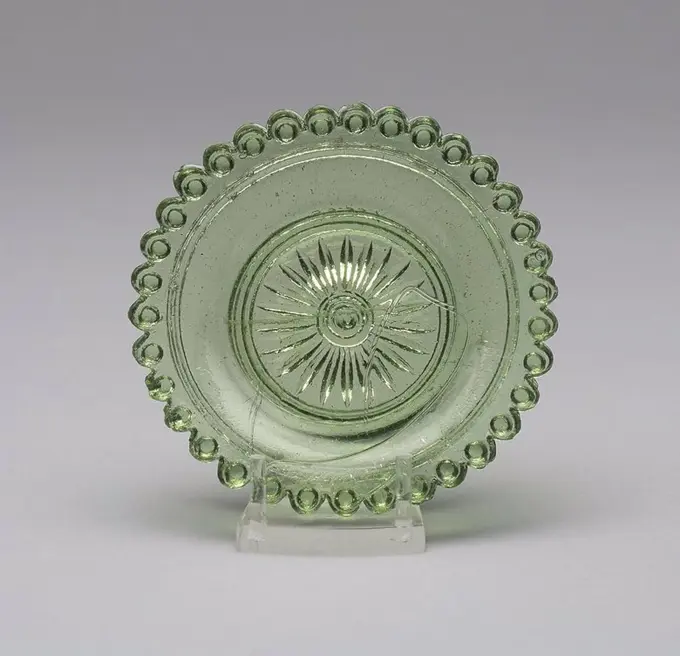
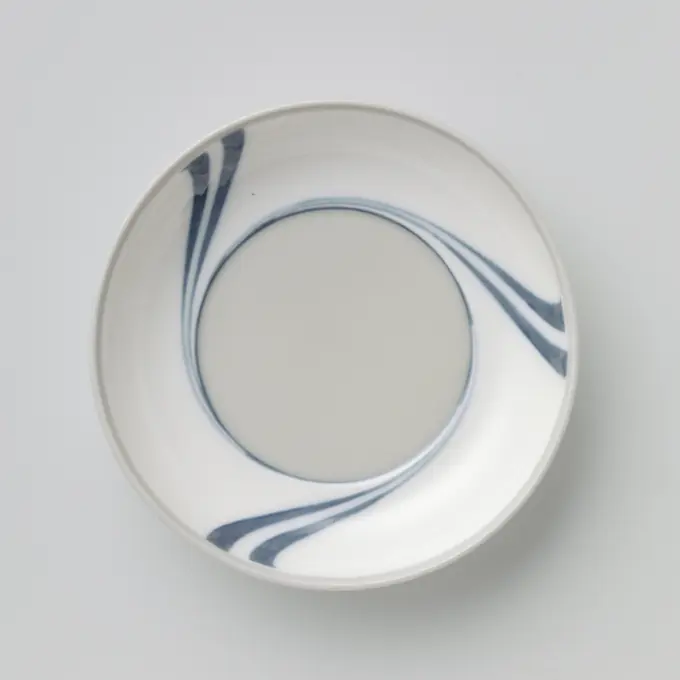
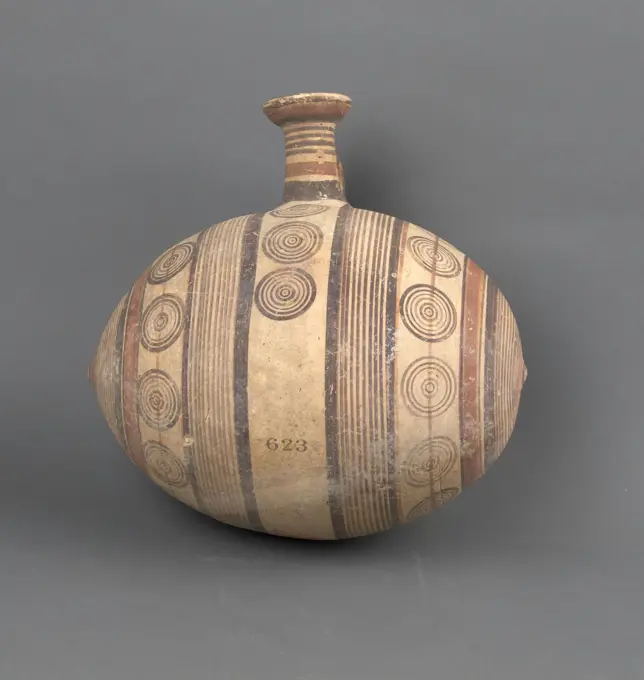
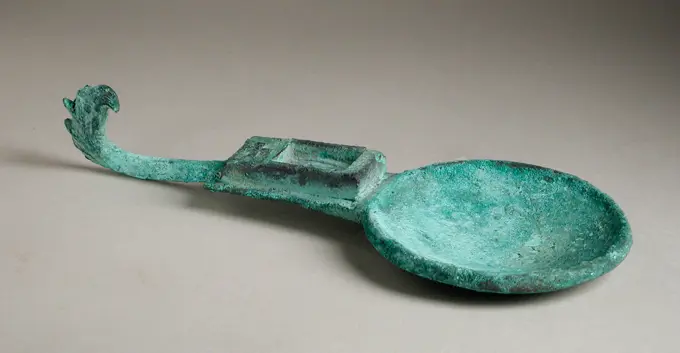
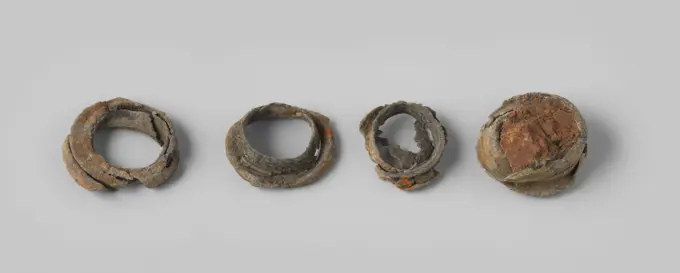
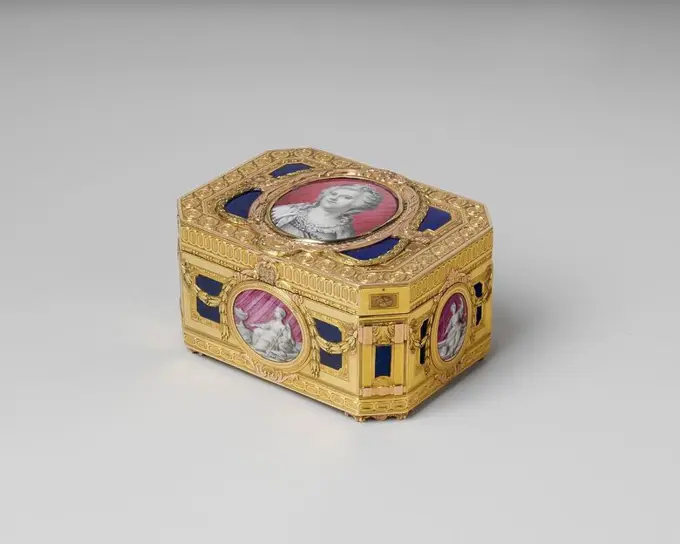
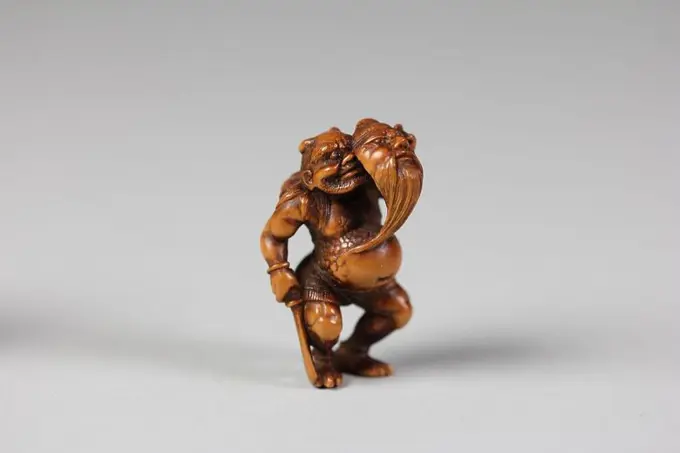
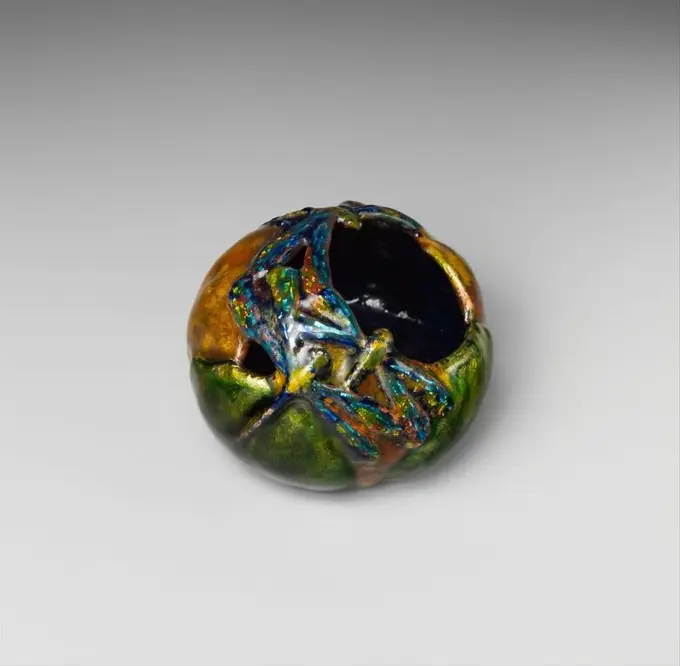
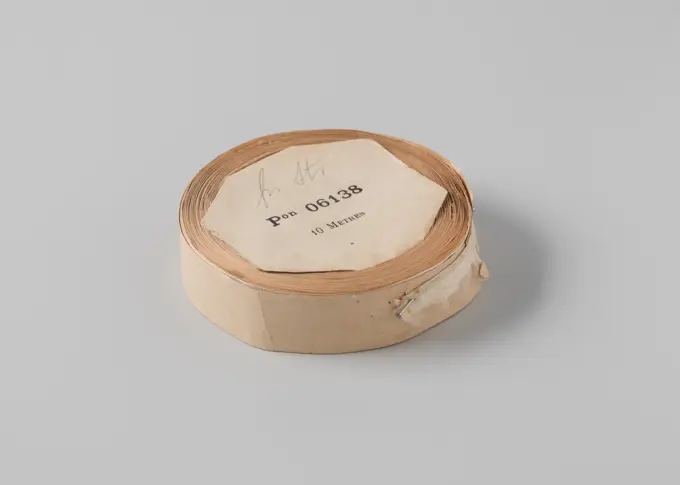
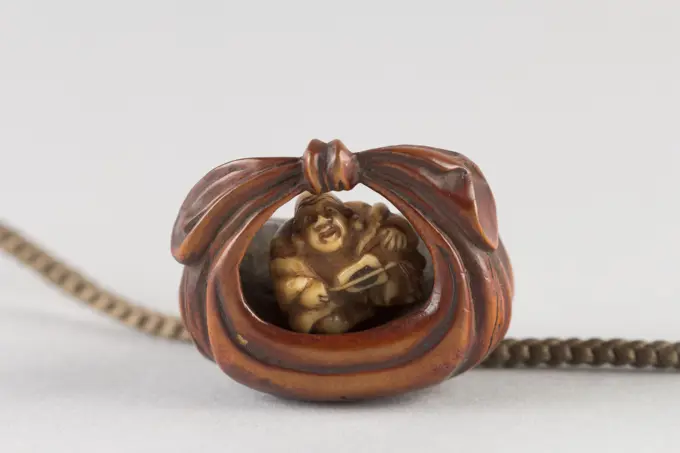
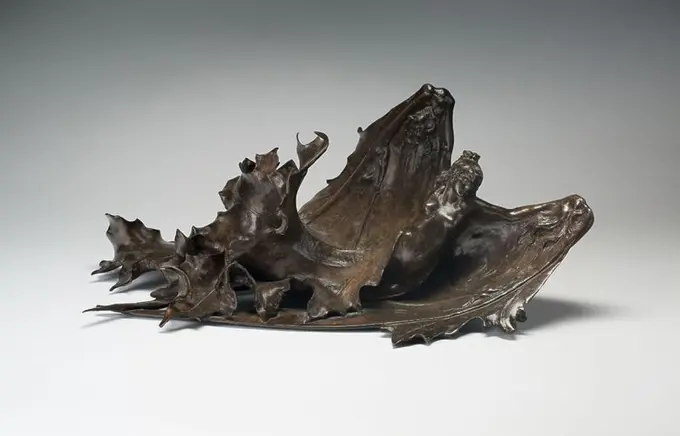
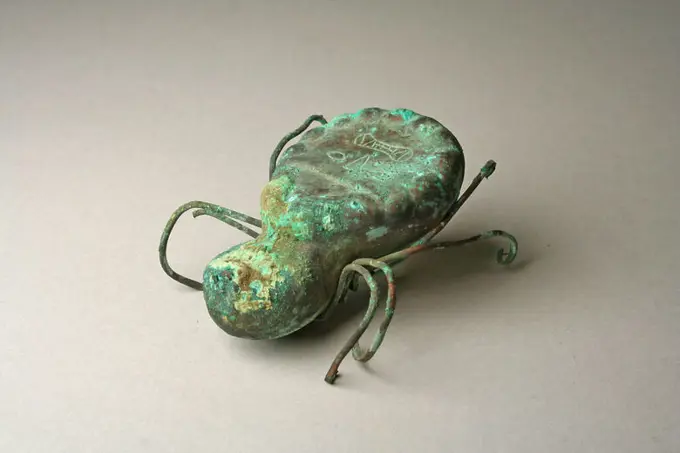
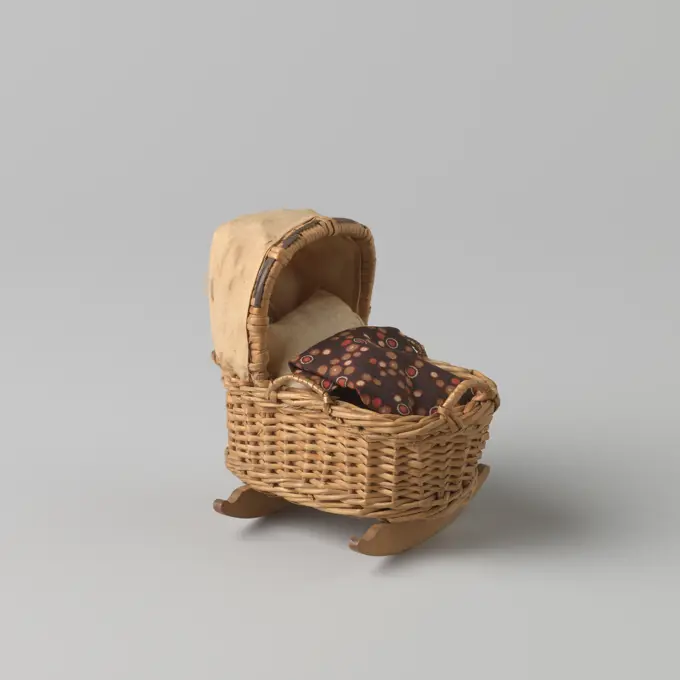
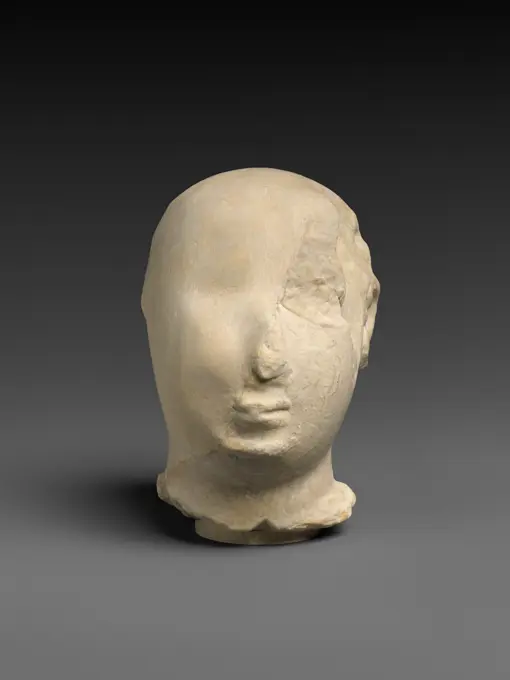
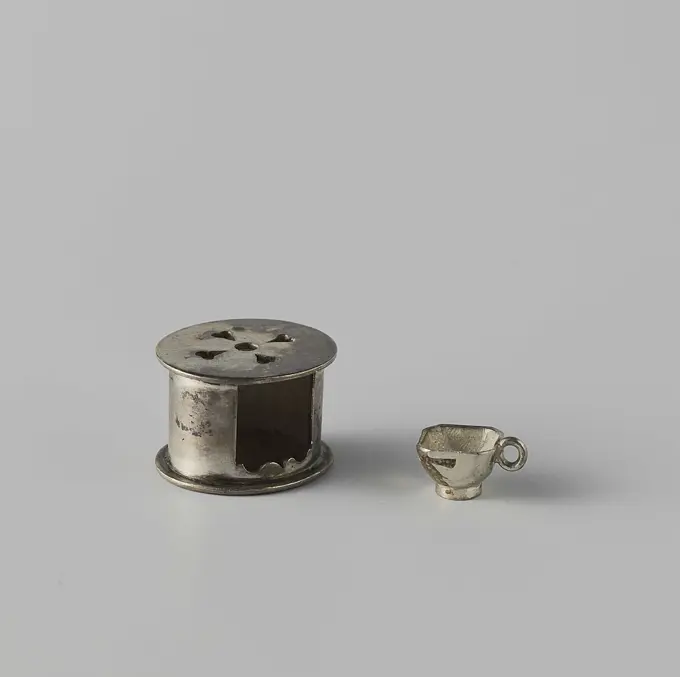
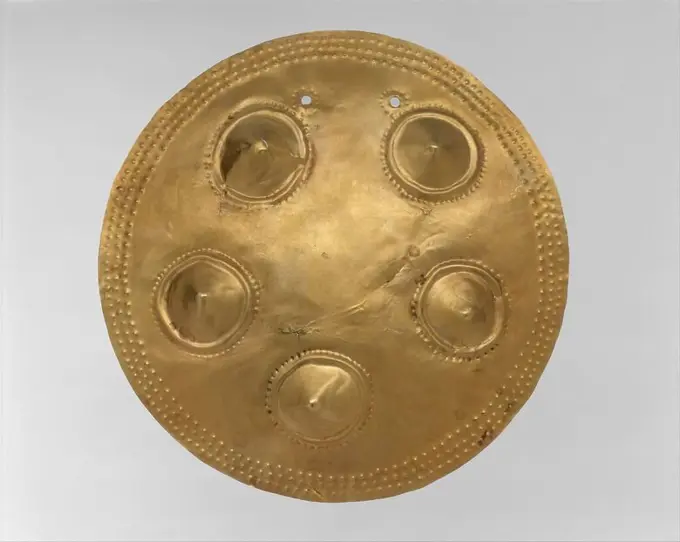
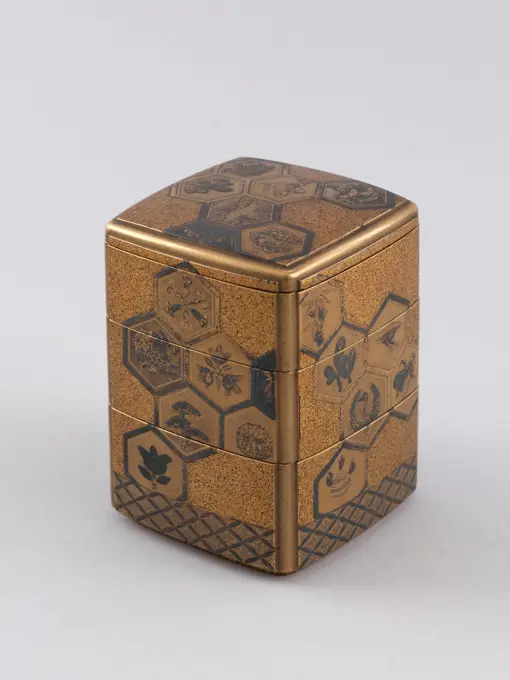
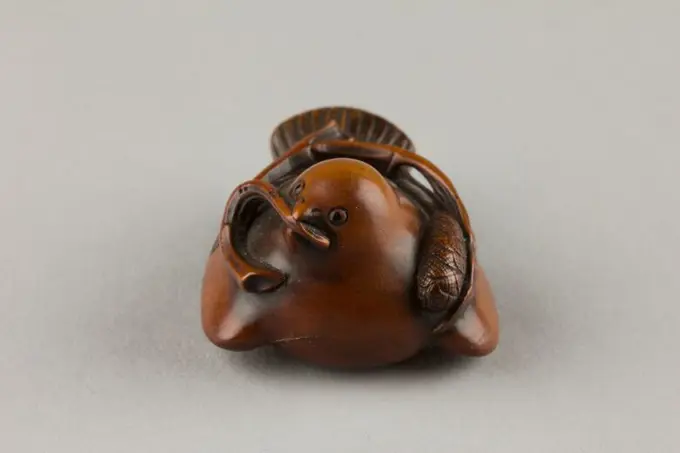
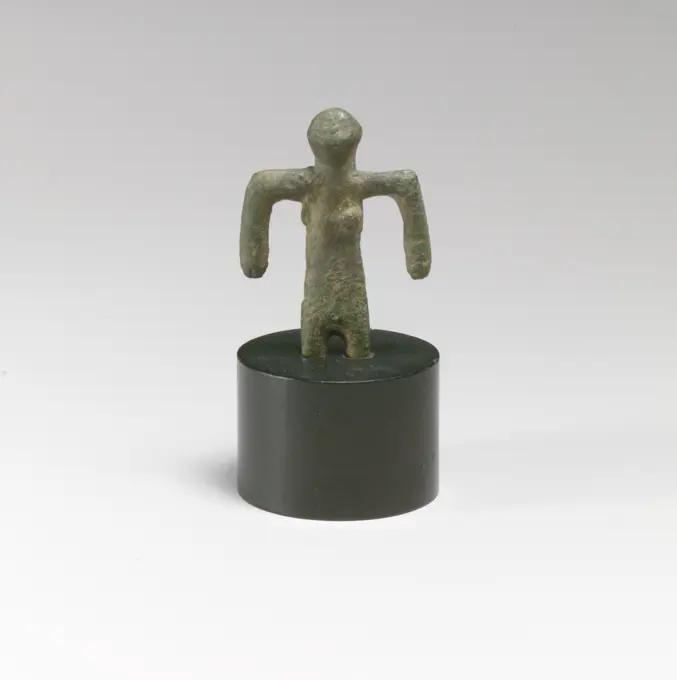
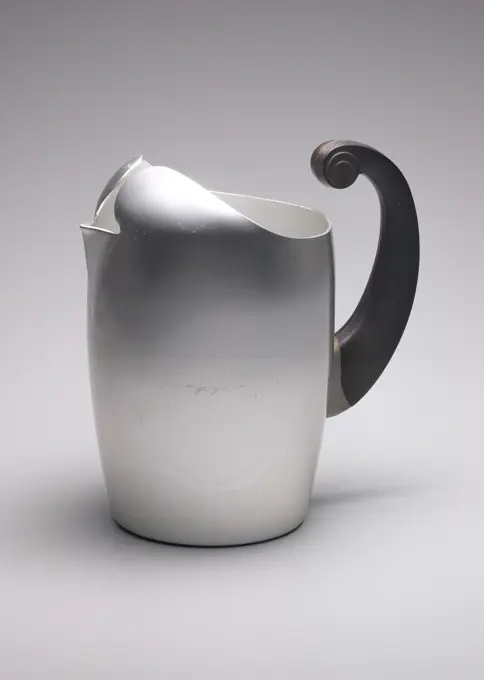
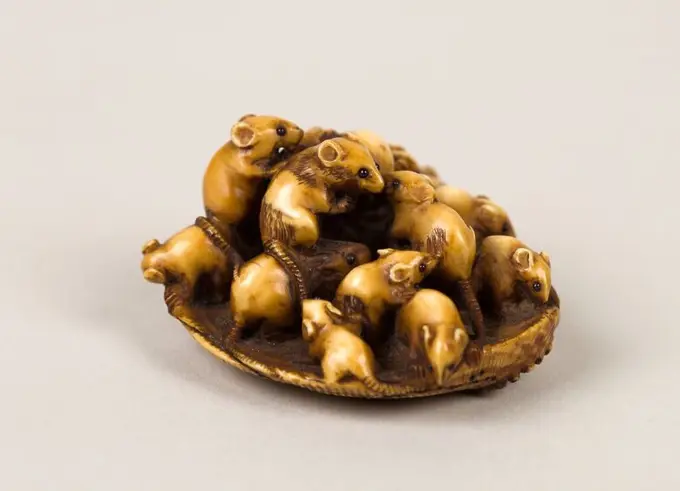
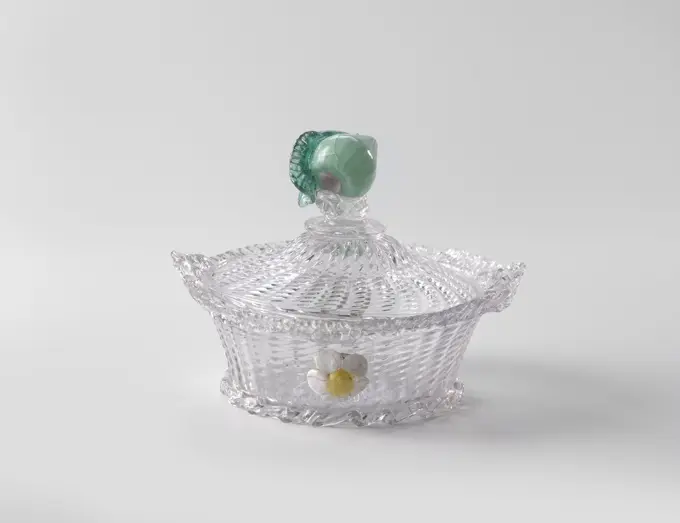
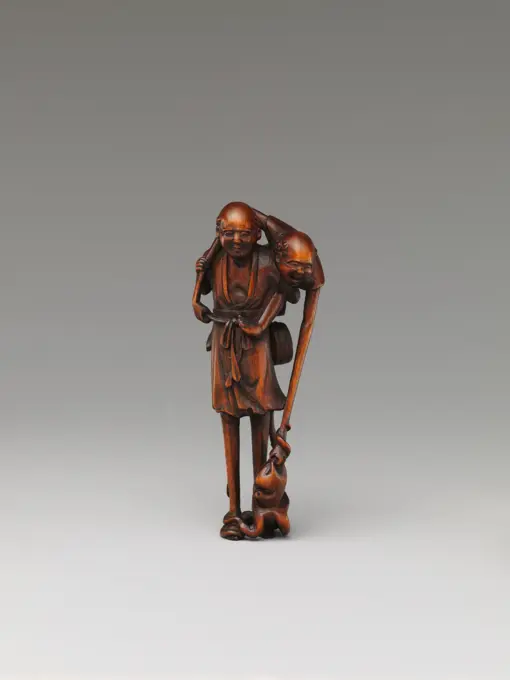
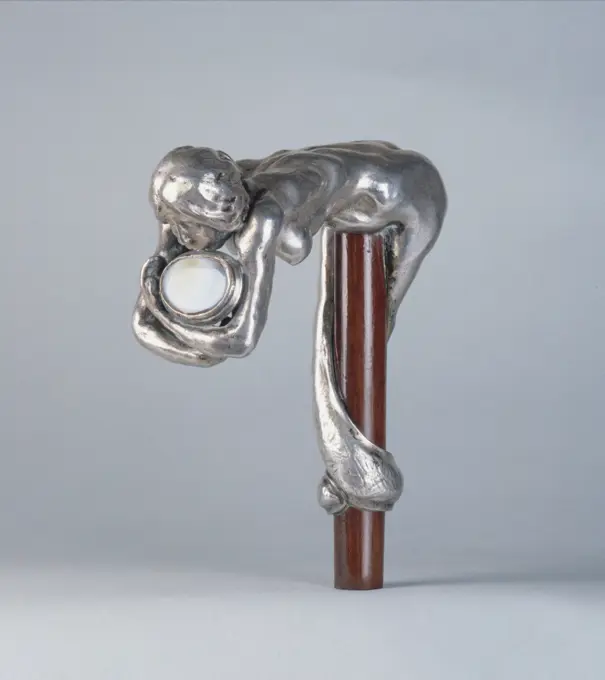
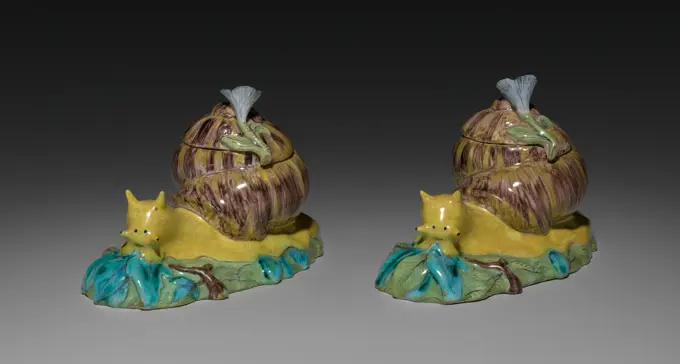
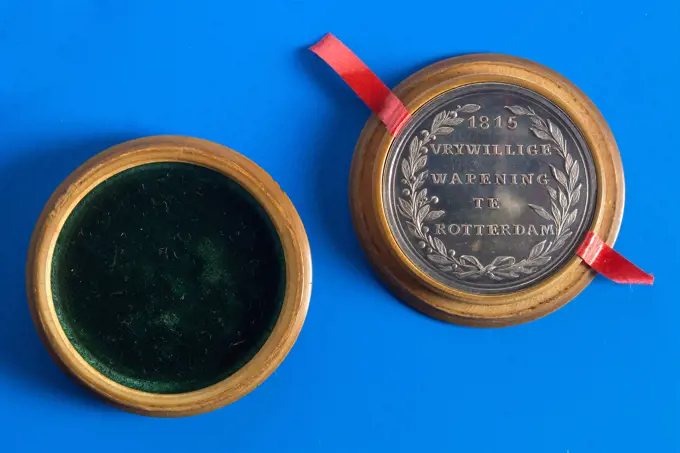
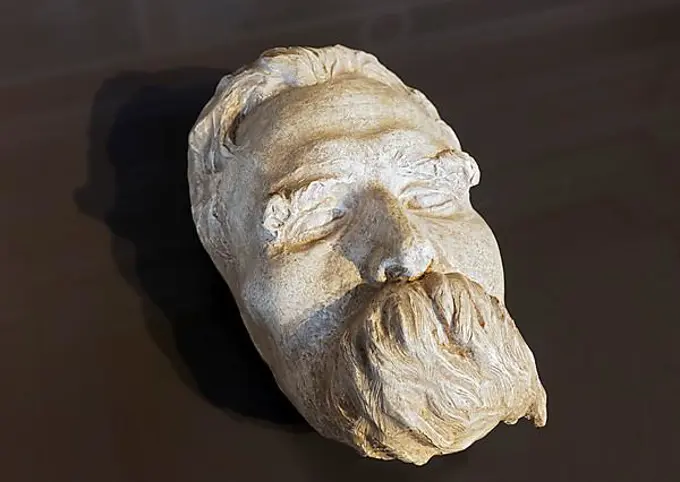
Spindle Whorl, from a group of thirteen, 1/2 x 1 in. (1.27 x 2.54 cm), Earthenware, MexicoCorinthian columncapital.Screw cap of a basement bottle from the wreck of the East Indians Hollandia, Anonymous, 1700 - in or before 1743 screwcap Container, screw cap and fitting; squashed; circular stub with flanged collar, and a cylindrical cap with a flat top, overhanging rim and engraved concentric circles. Netherlands tin (metal)   SecondBake, round, inner box of the fire basket, anonymous, c. 1750 - c. 1800 Round bowl of slogging, hanging in the fire basket on the top edge of the dense basket. Amsterdam (possibly) . Round bowl of slogging, hanging in the fire basket on the top edge of the dense basket. Amsterdam (possibly) .Vase ". Terracotta with painted decoration in brown. Neolithic period (around 8000 BC). Paris, Cernuschi museum. Chinese art, Chinese ceramic, container, decorative motif, neolithic period, container, terracotta, vaseCup plate. American; Midwest. Date: 1830-1840. Dimensions: diam. 9.2 cm (3 5/8 in.). Pressed glass. Origin: Midwest. Museum: The Chicago Art Institute, Chicago, USA.Dish from the coffee and tea set 'Saxonia', Meissener Porzellan Manufaktur, c. 1904 Porcelain dish, painted in blue and gray. The dish is part of the coffee and tea set Saxonia. The dish is marked. Float porcelain. uranium oxide Porcelain dish, painted in blue and gray. The dish is part of the coffee and tea set Saxonia. The dish is marked. Float porcelain. uranium oxideSauskom with scalloped edge. Sauce bowl of tin on four legs. The bowl runs out on one side in a spout. The other side has been canceled. The handle is turned on there. The edge of the bowl is scalloped.Jug, barrel-shaped 750-480 B.C. Cypriot Barrel-jug with bands and concentric circles.. Jug, barrel-shaped. Cypriot. 750-480 B.C.. Terracotta. Cypro-Archaic I. VasesCenser. Egypt, Roman Period - Coptic Period (100 - 500 CE) or later. Tools and Equipment; containers. BronzeCylindrical Incense Burner on Three Legs With a Green Glaze. Cylindrical incense burner from porcelain without lid, covered with a monochrome green glaze. The pot stands on three short legs. Monochromes.Goblet with Cover 1736 Germany. Glass .Flower vase China. Flower vase 43935Louis XIV, king of France ?. From lid and bottom existing walnut box; In the inside of lid: round recess, partially inserted with glass, in which a silver medal is processed. Front medal: Breast piece man inside. Downside: is not visible; Inside of soil: round recess, in which ivory cameo processed. Front cameo: buster man and woman above year. Reverse: is not visible.Bowl with lotus scrolls and auspicious symbols, anonymous, c. 1725 - c. 1749 Come from porcelain with lobed edge, covered with a translucent white glaze and painted in white. The inner wall with lotus ranks and the eight lucky symbols (wheel, infinite button, shell, two fish, parasol, canopy, Lotus, vase) in Bianco Sopra Bianco. Marked at the bottom with the four-character seal of Emperor Yongle in a circle. Blanc the Chine. China porcelain. glaze painting / vitrification Come from porcelain with lobed edge, covered with a translucent white glaze and painted in white. The inner wall with lotus ranks and the eight lucky symbols (wheel, infinite button, shell, two fish, parasol, canopy, Lotus, vase) in Bianco Sopra Bianco. Marked at the bottom with the four-character seal of Emperor Yongle in a circle. Blanc the Chine. China porcelain. glaze painting / vitrificationFragments Screw covers from the wreck of the East Indians Meresteijn, Anonymous, 1690 - 1702 screwcap Four pewter screw lids made of basement bottles, round with thread, damaged. Screwcap. Netherlands tin (metal)   Cape of Good HopeRing with hunting dog. Slippery ring of gold. Marked on the outside with a dog head.Folding Lance Rest. Italian. Date: 1575-1600. Dimensions: . Iron. Origin: Germany. Museum: The Chicago Art Institute, Chicago, USA.One from a Pair of Bangles with Ball Decorations 1000 B.C.-A.D. 400 Thailand. One from a Pair of Bangles with Ball Decorations. Thailand. 1000 B.C.-A.D. 400. Bronze. Middle-Late period. JewelrySnuffbox. Culture: French, Paris. Dimensions: 1 3/4 x 3 1/8 x 2 3/8 in. (4.4 x 7.9 x 6cm). Maker: Possibly by Pierre-François-Mathis de Beaulieu (apprenticed 1752, master 1768, active until 1792) (for Jean Georges). Date: 1764-65.An oval portrait of Catherine the Great of Russia on the cover of this box is the most prominent feature of its decoration. Catherine ruled Russia as empress from 1762 until her death in 1796, and the small enamel portrait depicts her early in her reign. The underside of the box is decorated with an image of the empress crowned by fame, while the small enamel medallions on the sides depict the four cardinal virtues: fortitude, justice, prudence, and temperance. The decoration thus serves to extol the virtues and qualities of the new empress, who came to power by deposing her husband, Peter III.The chased motifs are in the fullblown Neoclassical style, and four colors of gold have been employed to enhance their richness. Gold could be colored by adding small Galvanoplastic reproduction of a salt barrel resting on three angel's heads, fa. Elkington & Co., after 1854 - Before 1878 Galvanoplastic reproduction of a salt barrel, made up of a star from triangles and a three -pass through, that rests on three angel's heads. Gilded. London copper (metal). silver (metal) gilding Galvanoplastic reproduction of a salt barrel, made up of a star from triangles and a three -pass through, that rests on three angel's heads. Gilded. London copper (metal). silver (metal) gildingLluis Ventós / "Diosa" (Goddess), 2005, Sculpture (black Belgian marble), 24 x 13,5 x 10 cm.Vase fragment ca. 4000-3000 B.C. Neolithic, Gonia. Vase fragment. Neolithic, Gonia. ca. 4000-3000 B.C.. Terracotta. Neolithic, second period. VasesBamboo flower basket by Sugita Jozan on display inside the Kyoto State Guest House, Kyoto, Japan. During the Edo period (1603 - 1868) a Garden House and multiple mansions of aristocrats stood in the north-eastern part such as of the Yanagihara family and Kushige family. The Kyoto Imperial Palace is in the northern part of Kyoto-Gyoen National Garden. It was constructed in 1331 and the Emperors lived there until 1869. There are also Sento Imperial Palace gardens. In 1994, to commemorate the twelve-hundredth (1200th) anniversary of the establishment of the ancient capital of Heian-kyo there was growing momentum toward building a Japanese-style guest house in Kyoto. In October 1994, approval was obtained from the Cabinet of Japan for "the construction of a guest house facility.Pair of Gothic Fan-Shaped Pauldron, c. 1485-1500. Antonio Missaglia (Italian, 1416/17-1495/96). Steel; overall: 21.5 x 25.2 x 14.8 cm (8 7/16 x 9 15/16 x 5 13/16 in.). When the elements that made up a suit of armor had been forged, shaped, and polished, they were inspected for fit and finish. At this stage the master armorer would use a punch to stamp each element with his maker's mark. Other associated marks might include a town or guild mark, depending on the city of origin. The set of three marks shown here are of a type known to be Milanese. The upper mark seems to show three letters beneath a crown, while the mark below, twice repeated, is a split cross with the letters inside. These probably refer to the Missaglias.Ram late 18th-early 19th century China. Ram. China. late 18th-early 19th century. Jade (nephrite). Qing dynasty (1644-1911). JadeNetsuke of Demon with a Mask. Culture: Japan. Dimensions: H. 1 7/8 in. (4.8 cm); W. 1 1/8 in. (2.9 cm); D. 1 1/8 in. (2.9 cm). Date: 18th century. Museum: Metropolitan Museum of Art, New York, USA.Box with Design of Pines Along the Shore late 19th century Japan. Box with Design of Pines Along the Shore. Japan. late 19th century. Gold maki-e on black lacquer. Edo period (1615-1868). Lacquer. Butter fleet of green colored faience in the form of an artichoke.Head, multicolored painted with landscapes with figures, Meissener Porzellan Manufaktur, c. 1750 Half -ball -shaped head of painted porcelain. The head has a richly decorated ear and is painted with two multicolored landscapes with figures. The head is marked. Float porcelain Half -ball -shaped head of painted porcelain. The head has a richly decorated ear and is painted with two multicolored landscapes with figures. The head is marked. Float porcelainEmilia-Romagna Ferrara Ferrara Museo Civico di Schifanoia06. Hutzel, Max 1960-1990 General Notes: INCOMPLETE RECORD--NEGATIVES PROCESSED, PRINTS FILED German-born photographer and scholar Max Hutzel (1911-1988) photographed in Italy from the early 1960s until his death. The result of this project, referred to by Hutzel as Foto Arte Minore, is thorough documentation of art historical development in Italy up to the 18th century, including objects of the Etruscans and the Romans, as well as early Medieval, Romanesque, Gothic, Renaissance and Baroque monuments. Images are organized by geographic region in Italy, then by province, city, site complex and monument.Salver 19th century, after 1663-64 original Elkington & Co. British This electrotype is after a 1663-64 original in the treasure of the Kremlin, Moscow. It was a gift to Tsar Alexei by the ambassador Charles Howard from King Charles II in 1664.. Salver 186497Glass perfume bottle Roman 1st century CE Translucent deep purple.Everted rim with lip rounded in the flame; cylindrical neck, expanding downwards; squat, globular body; slightly concave bottom.Broken and repaired, with two-thirds of rim missing and two large holes in body; some pinprick and larger bubbles; patches of dulling, creamy brown weathering, and iridescence. View more. Glass perfume bottle. Roman. 1st century CE. Glass; blown. Early Imperial. GlassBottles (Sprinklers), anonymous, c. 1700 - c. 1900 Sprinkler with a flat base with turned around. Stam made up of three hollow nodi. Pear -shaped body, blown into the shape with grunts and ribs, translating into a ribbed, twisted and curved neck, which runs into a wide mouth with a narrow bucket. Persia glass glassblowing Sprinkler with a flat base with turned around. Stam made up of three hollow nodi. Pear -shaped body, blown into the shape with grunts and ribs, translating into a ribbed, twisted and curved neck, which runs into a wide mouth with a narrow bucket. Persia glass glassblowingPair of mouths, light blue, anonymous, c. 1740 - c. 1760 Pair of mules, light blue. Nose of paper and chamois leather covered with a yellow silk hand; sole made of layers of paper and pink chamois leather and brown leather; side with the bottom. Amsterdam (possibly) paper. leather. wool Pair of mules, light blue. Nose of paper and chamois leather covered with a yellow silk hand; sole made of layers of paper and pink chamois leather and brown leather; side with the bottom. Amsterdam (possibly) paper. leather. woolGlasswooden, glass and plastic ponces on white backgroundMortar and Pestle. Egyptian. Date: 1985 BC-1773 BC. Dimensions: a (mortar): 1.8 × 13.6 × 7.2 cm (.74 × 5.375 × 2.87 in)b (pestle): 3 × 2.5 × 2.5 cm (1.21 × 1 × 1 in). Stone. Origin: Egypt. Museum: The Chicago Art Institute, Chicago, USA. Author: Ancient Egyptian.Dish with scalloped edge, anonymous, c. 1700 - c. 1799 A dish of ivory, with scalloped edge. Germany (possibly) ivory. A dish of ivory, with scalloped edge. Germany (possibly) ivory.Weight Representing a Llama. Inca; Probably vicinity of Cuzco, Peru. Date: 1450-1532. Dimensions: 4.6 x 3.3 cm (1 13/16 x 1 5/16 in.). Limestone. Origin: Peru. Museum: The Chicago Art Institute, Chicago, USA.Bowl;  beginning of the 20th century (1901-00-00-1925-00-00);Repopulation Cup with two handles ,engalba thatched upper with a series of four strokes. Height 89 mm Width 107 mm Thickness 4 mm (12 th- 13 th CE ) - Medieval period belonging of the " Burgo de Santiuste Museum" in Alcalá de Henares. (Madrid). SPAIN.Vase. Culture: American. Designer: Designed by Louis Comfort Tiffany (American, New York 1848-1933 New York). Dimensions: H. 1 11/16 in. (4.3 cm). Maker: Tiffany Glass and Decorating Company (American, 1892-1902); (Stourbridge Glass Company). Date: 1898-1902.This object forms part of a group of glass vessels and enamel containers Louis Comfort Tiffany loaned to the Museum in 1925 that were later given to the Museum by the Tiffany Foundation in 1951 (51.121.1-.44). Tiffany originally chose this group of objects to show examples of form, technique, and color that were not represented in the 1896 Havemeyer gift (96.17.9-.56). Tiffany employed the dragonfly in many mediums. Here, his artisans cleverly evoked the shimmer of the wings by embedding minute pieces of silvery mica in the transparent enamel. Museum: Metropolitan Museum of Art, New York, USA.Candlestick 1870-75 Designed by Henry Whitney This candlestick, whose design was patented in 1870, has as its shaft a caryatid, a Renaissance Revival motif. Although other glass manufacturers used the caryatid motif, the New England Glass Company was unique in combining it with other elements in a single mold.. Candlestick. American. 1870-75. Pressed glass. Made in East Cambridge, Massachusetts, United StatesRoll with white satin ribbon with one frayed side, c. 1935 Roll with white satin ribbon with one frayed side. Nijmegenfrance textile materials. paper. cardboard Roll with white satin ribbon with one frayed side. Nijmegenfrance textile materials. paper. cardboardNetsuke of Bag Containing a Figure of Hotei 18th-19th century Japan. Netsuke of Bag Containing a Figure of Hotei. Japan. 18th-19th century. Wood, ivory. Edo (1615-1868) or Meiji period (1868-1912). NetsukeTable Centerpiece. Rinaldo Carnielo; Italian, 1853-1910; Florence, Italy. Date: 1881. Dimensions: 23.5 x 55.9 x 27.9 cm (9 1/4 x 22 x 11 in.). Bronze. Origin: Italy. Museum: The Chicago Art Institute, Chicago, USA.Eye Bead 4th or 3rd century B.C. China. Eye Bead. China. 4th or 3rd century B.C.. Glass with blue, brown and white decoration. Eastern Zhou dynasty, Warring States period (475-221 B.C.). GlassLazio Viterbo Viterbo Museo Civico27. Hutzel, Max 1960-1990 Views of paintings (Middle Ages through 18th c.), frescoes, a tabernacle, coffin, sculpture reliefs, portal fragments, busts, sculpture, tapestry found in the Pinacoteca, Second floor gallery and Second floor cloister sequences. Antiquities: Many views of Etruscan and Roman fragments, sculpture, sarcophagi, pottery, masks, jewelry and other objects found in the Storeroom sequence (inventory numbers on back of prints), and the Cloister, Second floor Cloister, Valle Giulia, Sala Romana and Sala Etrusca sequences. General Notes: There are eight separate numerical sequences for this location. The cloister as an architectural structure, rather than museum site, is documented in the record and file for S. Maria della Verita, Cloister, all views of which are stored in Medieval core collection. Five views from the Museo Civico Second floor cloister sequence are stored in Medieval. German-born photographer and scholar Max Hutzel (1911-piedra de moler, clásico, Santa María Nebaj,museo de antropologia, departamento de El Quiché, Guatemala, Central America.Stone Temple Model. Culture: Mezcala. Dimensions: Height 5-1/8 in.. Date: 1st-8th century. Museum: Metropolitan Museum of Art, New York, USA.Spider. Culture: Moche (Loma Negra). Dimensions: Length 2-11/16 in. (6.8 cm). Date: 390-450. Museum: Metropolitan Museum of Art, New York, USA.Crib of willowen, with white hood. Cradle of braided willows on two wooden pensions. The cradle is covered with linen on the inside, filled with fluff. The exterior of the hood is lined with white linen and with black-stained edge decoration. The crib has four handles.Ear ornament Mexico. Ear ornament 43714Leda. Constantin Brancusi; French, born Romania, 1876-1957. Date: 1915-1925. Dimensions: Marble: 22 × 26 × 8 1/2 in.; Circular base: 26 × 48 in. (diameter). Marble on concrete base. Origin: France. Museum: The Chicago Art Institute, USA.Fragmentary head of a worshiper ca. 2600-2500 B.C. Sumerian. Fragmentary head of a worshiper. Sumerian. ca. 2600-2500 B.C.. Limestone. Early Dynastic IIIa. Mesopotamia, NippurLunar Rabbit PoundingRice.  Artist: Gyokuzan Asahi, Japanese, 1843-1923. Oval stove with test. In the top of the stew, a round hole is looked off in the middle and around four open-turned hearts around it. There is a test on a foot in the stew and with an ear. The stove is marked: Mt. = Foot 430. The stew is equal to five stew with the Inputrs. BK-NM-11177-175, BK-NM-11177-176, BK-NM-11177-177, BK-NM-11177-179, BK-NM-11177-180.Stone Temple Model. Culture: Mezcala. Dimensions: Height 2-5/8 in.. Date: 1st-8th century. Museum: Metropolitan Museum of Art, New York, USA.BackpieceWine angel. Amsterdam winegel from a red buyer. With inscription: AO 1758 / Amsterdam wine mixing / exempt after the legger / van de Heeren Thesauriers / Present the WijnroeijersEpaulet from J.W. Kalkhoven, in 1830/32 Lieutenant Colonel, 1800 - 1830  A silver epaulette with thick stiff troats. Netherlands silver thread. wool   BelgiumS-Volute belonging to a porch, Anonymous, 1687 S-Volute belonging to a porch. Northern Netherlands wood (plant material). oak (wood). linden S-Volute belonging to a porch. Northern Netherlands wood (plant material). oak (wood). lindenWide-Blade Knife with Two Musicians on Top One Figure Missing. Inca; South coast or central highlands, Peru. Date: 1440-1540. Dimensions: 17.2 x 9.5 cm (6 3/4 x 3 3/4 in.). Copper. Origin: Peruvian Highlands. Museum: The Chicago Art Institute, Chicago, USA.Sea spoon. Sea spoon with a stem profiled at the end. The spoon is in a soap bin (Invnr. BK-NM-11177-77-a). The spoon is marked: m in oval and a boar cup.Carnavalet museum, tokens collectionCopper molded thimble with waffle pattern, thimble sewing kit soil find brass copper metal, cast Copper molded thimble small size with square wells in lines waffle pattern with groove merging into the shaft with wheel punch and two grooves in the board archeology seamstress tailor sewing textile edit clothes needle and restore threadPectoral Disk (Patena). Culture: Veraguas (). Dimensions: Diam. 8 1/4 in. (21 cm). Date: 11th-16th century.Works of hammered sheet gold are usually higher in gold content than are cast objects, and disks or breastplates are most commonly made from it in Central America. Ranging in size from about four to eight inches in diameter, the disks usually have two holes close to the edge, suggesting they were worn as chest ornaments, either fastened to a garment or neckband. Many pectoral disks, also called patenas, are striking in their simplicity, with brilliantly polished, highly reflective surfaces, their only decoration rows of raised dots around the rim. Others have large, centrally spaced bosses, as on this example, and some incorporate complex figural designs. Metalworkers in Central America favored lost-wax casting over hammering for the manufacture of most of their gold objects.In the early 1500s, when Christopher Columbus sailed along the Caribbean coast of present-day Costa RicaAnonymous. Perfume box with 3 superimposed compartments in gold lacquer on an adventurous background. Lacquer. Museum of Fine Arts of the City of Paris, Petit Palais. Perfume box, Aventurine background, lacquer object, gold, three compartmentsTwo Doves from a Funerary Monument. UnknownNetsuke of Sparrow (Split-tongue). Culture: Japan. Dimensions: H. 15/16 in. (2.4 cm); W. 5/16 in. (.8 cm); L. 1 5/8 in. (4.2 cm). Date: 19th century. Museum: Metropolitan Museum of Art, New York, USA.Statuette of a man 7th century B.C. or later Italic With arms held away from body.. Statuette of a man 246287Roll with white ribbon with one frayed silk and three blue horizontal stripes, c. 1930 Roll with white ribbon with one frayed side and three blue horizontal stripes. Nijmegenfrance textile materials. cardboard. paper Roll with white ribbon with one frayed side and three blue horizontal stripes. Nijmegenfrance textile materials. cardboard. paperCobra-Fish Figurine. Egypt, Ptolemaic Period - Roman Period (323 BCE - 200 CE) or modern. Sculpture. BronzeTea Caddy (Netherlands); Designed by Jan Eisenloeffel (1876 - 1957); brassLady's head ca. 1755 Chelsea Porcelain Manufactory Listen to experts illuminate this artwork's story Listen Play or pause #413. Retail Value. High and Low Supported by Bloomberg Philanthropies We're sorry, the transcript for this audio track is not available at this time. We are working to make it available as soon as possible.. Lady's head. British, Chelsea. ca. 1755. Soft-paste porcelain. Chelsea Porcelain Manufactory (British, 1745-1784, Red Anchor Period, ca. 1753-58). Ceramics-PorcelainPitcher. Designer Lurelle Van Arsdale Guild, American, 1898-1985 Manufacturer: Kensington, Inc., American, 1934-1970Netsuke of a Group of Rats Nestled in an Abalone Shell. Artist: Masamitsu. Culture: Japan. Dimensions: H. 7/8 in. (2.2 cm); W. 1 5/8 in. (4.1 cm). Date: late 19th century. Museum: Metropolitan Museum of Art, New York, USA.Geometrische Objekte und Steine Abstract background with composition of different grey geometric objects and stones. Copy space. Modern concept for product presentation. LicenseRF Copyright: xZoonar.com/NATASHAxBREENx 23303690Lid, anonymous, c. 1700 - c. 1800 Lid in the shape blown into a braid pattern. Vaulted lid in the same braid pattern, trimmed with a smooth thread. The lid is crowned by a ribbed pear of green opaque glass, with a pinched leaf of clear green glass Venice glass glassblowing Lid in the shape blown into a braid pattern. Vaulted lid in the same braid pattern, trimmed with a smooth thread. The lid is crowned by a ribbed pear of green opaque glass, with a pinched leaf of clear green glass Venice glass glassblowingDish with lid in the form of a basket, anonymous, c. 1700 - c. 1800 Scale with lid on corrugated stand ring. Body and lid blown into a braid pattern. Set, ribbed edge. Two ears of a corrugated thread. Vaulted lid in the same braid pattern, trimmed with a smooth thread. On the body two opaque white flowers with a purple heart and green, purple nerved leaves. The lid is crowned by a ribbed pear of green opaque glass, with a pinched leaf of clear green glass Venice glass glassblowing Scale with lid on corrugated stand ring. Body and lid blown into a braid pattern. Set, ribbed edge. Two ears of a corrugated thread. Vaulted lid in the same braid pattern, trimmed with a smooth thread. On the body two opaque white flowers with a purple heart and green, purple nerved leaves. The lid is crowned by a ribbed pear of green opaque glass, with a pinched leaf of clear green glass Venice glass glassblowingFlower-Shaped Clothing Plaque. Culture: China (Xinjiang Autonomous Region, Central Asia). Dimensions: Diam. 1 1/4 in. (3.2 cm). Date: 7th-9th century.The nomadic communities of Central Asia used such plaques to embellish clothing and horse trappings. As these nomadic cultures herded animals and were constantly moving, their artistic production was expressed in portable objects that marked the wearer's status and wealth. The outstanding preservation of these fragile ornaments suggests they were used in conjunction with burials, where the body was aggrandized with valuable textiles and augmented with gold. Although it is difficult to date and place these objects geographically, their presence in Central Asia and has a long, established history. Museum: Metropolitan Museum of Art, New York, USA.Pair of gold spirals 7th-6th century B.C. Etruscan Filigree; three wide bands connected by narrow strips; heart shaped terminals are at either end of the bands.. Pair of gold spirals 256200Toy Bank: Tabby Cat. Dated: c. 1937. Dimensions: overall: 30.5 x 22.2 cm (12 x 8 3/4 in.) Original IAD Object: 4 1/2" high; 4" long; 2 3/8" wide. Medium: watercolor, gouache, and pen and ink on paperboard. Museum: National Gallery of Art, Washington DC. Author: George File.Netsuke of Ashinaga and Tenaga with an Octopus 18th century Japan Ashinaga ("long legs") and Tenaga ("long arms") are two mythical figures who utilize their enhanced extremities to capture creatures from the ocean. The pair thus transforms what might at first appear as physical disfigurements into a mutually beneficial attribute. Here Tenaga grasps the day's catch, an octopus, in his left hand. In turn, the octopus' tentacles ensnare Ashinaga's legs and Tenaga's arm, and one tentacle reaches up toward Ashinaga's back.. Netsuke of Ashinaga and Tenaga with an Octopus. Japan. 18th century. Wood. Edo (1615-1868) or Meiji period (1868-1912). NetsukeBull by Pablo Picasso, painted ceramic, 1881-1973François-Rupert Carabin (1862-1932). "Silver cane handle, Agate and Bois, 1904". Silver and wood. Museum of Fine Arts of the City of Paris, Petit Palais. 26980-8 Agate, silver, accessory mode, cane handle, woodDecoration - tumor to the hat;  beginning of the 17th century (1368-00-00-1644-00-00);Grahal-Manzara. Carnavalet 2013-2016 collection sites. Numismatics.Ring set with a mouse design amulet ca. 1479-1425 B.C. New Kingdom This ring is inscribed with the cartouche of Thutmose III.. Ring set with a mouse design amulet 547674Pair of Covered Boxes in the Form of Snails, c. 1750. Strasbourg Factory (French). Faience;Pendant, 1800s. India. Silver gilt; overall: 6.4 x 7 cm (2 1/2 x 2 3/4 in.).Quartz. mineralsWater receptacle China. Water receptacle 44238H. de Heus, Medal of the voluntary reinforcement in Rotterdam, penning image material silver metal wood, Inside wreath of bound laurel and orange branch text, 1815 CURRENT WEAPON AT ROTTERDAM Rotterdam militariaBrush with round head and profiled steel, on which pink tire, anonymous, c. 1675 - c. 1699 A sweeper or brush of rosewood and pork hair; Round head with profile edge; Profiled handle with pink silk strap tied for it. Amsterdam (possibly) rosewood (wood). silk A sweeper or brush of rosewood and pork hair; Round head with profile edge; Profiled handle with pink silk strap tied for it. Amsterdam (possibly) rosewood (wood). silkModels of shot bundles (grapeshot), anonymous, c. 1750 - c. 1800 scale model A bullet bundle or grape. Linen bag with bullets or scrap on a wooden disc. Netherlands wood (plant material). linen (material). iron (metal)Death mask Friedrich Nietzsche by Rudolph Saudek, model Max Klinger, Neues Museum, Weimar, Thuringia, Germany, EuropeCanada, Quebec, Montreal, Pointe-a-Calliere Archeological Museum. Underground museum, historic pipe artifact display.