Ancient Terracotta And Bronze Vessels

Various historical vessels including terracotta jugs and bronze jars from ancient cultures, showcasing intricate designs and different materials.

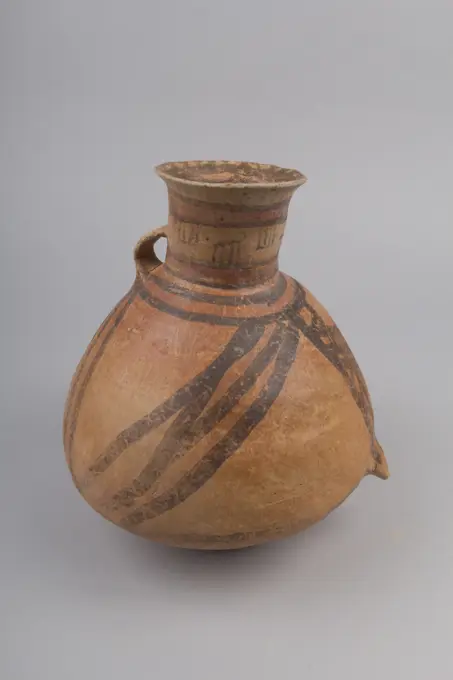
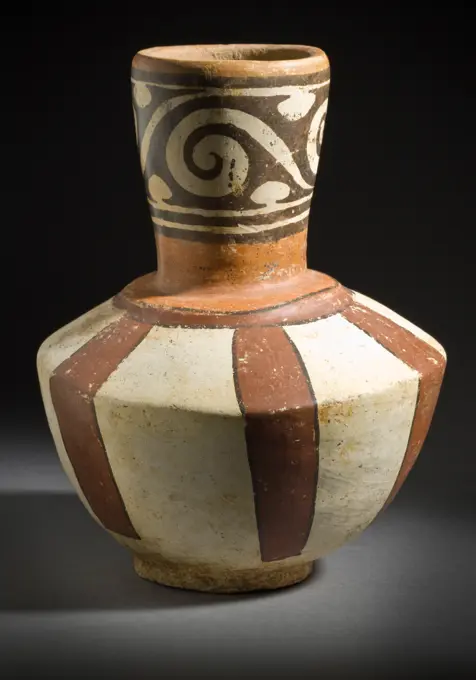
Asymetrical globular vessel, 8th-11th century, 11 x 9 1/4 x 9 1/4 in. (27.9 x 23.5 x 23.5 cm), Earthenware, Peru, 8th-11th century
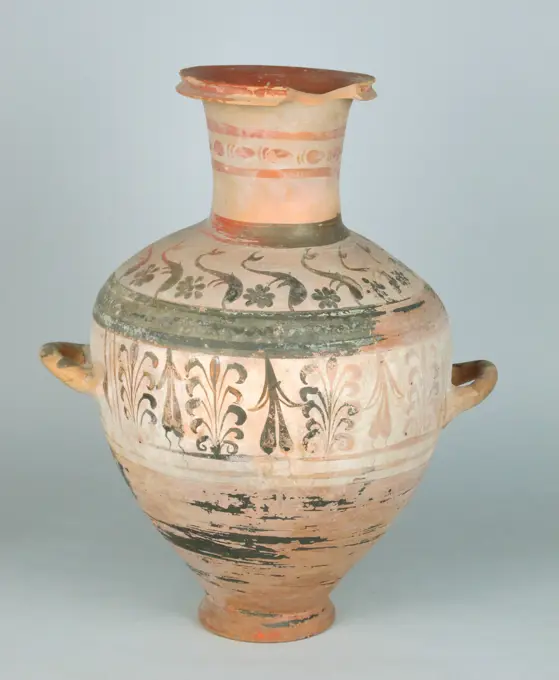
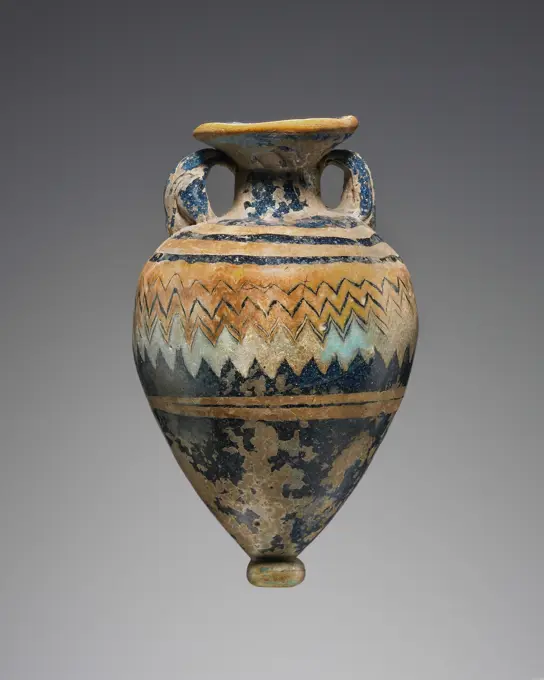
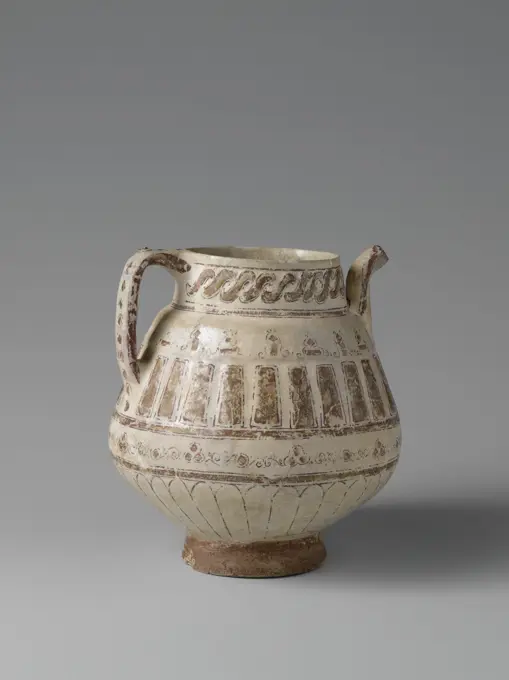
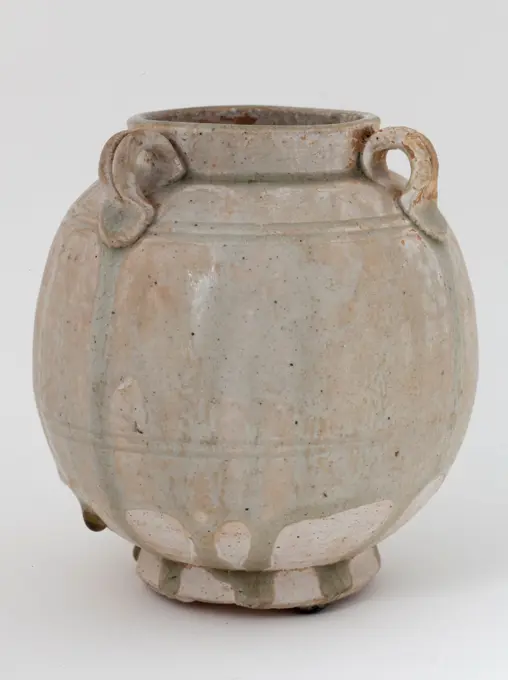
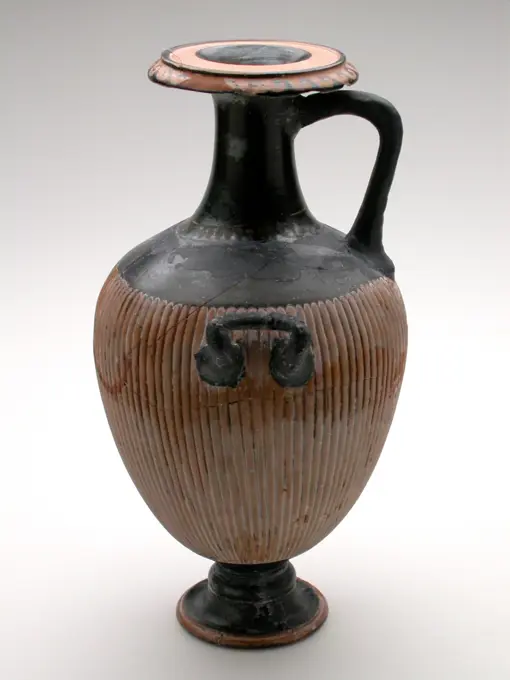
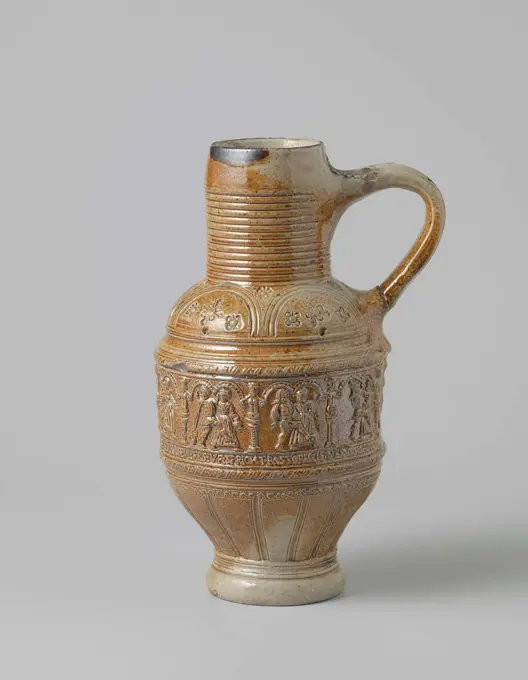
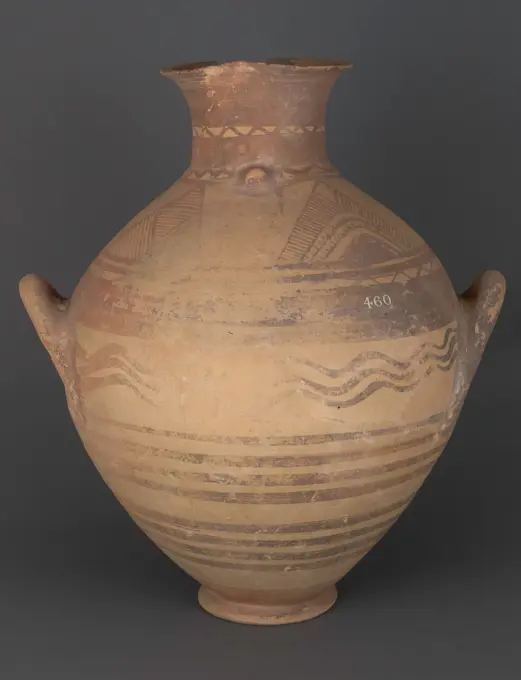
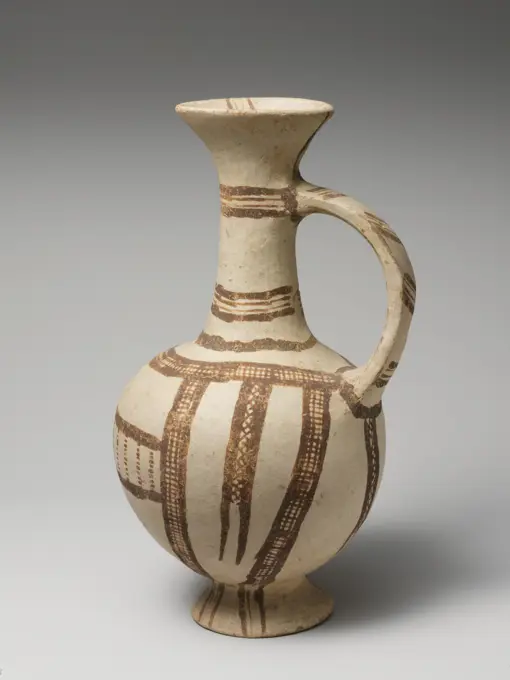
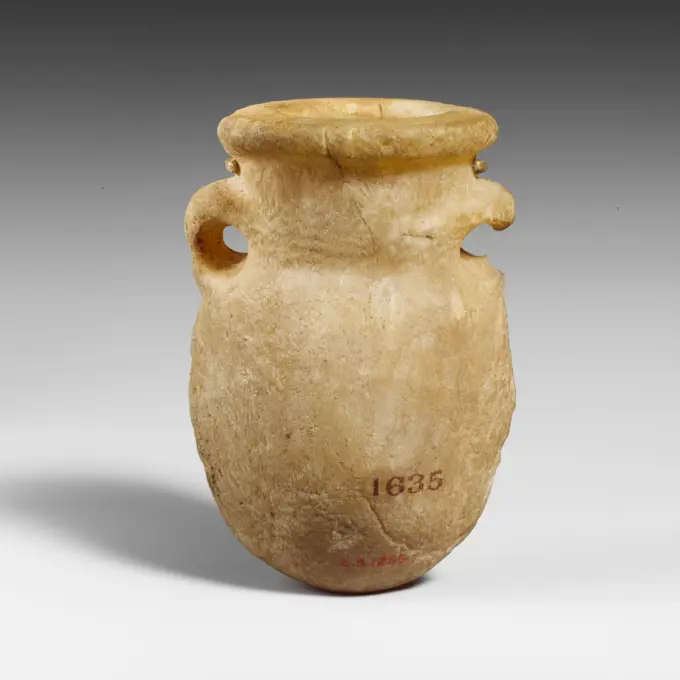
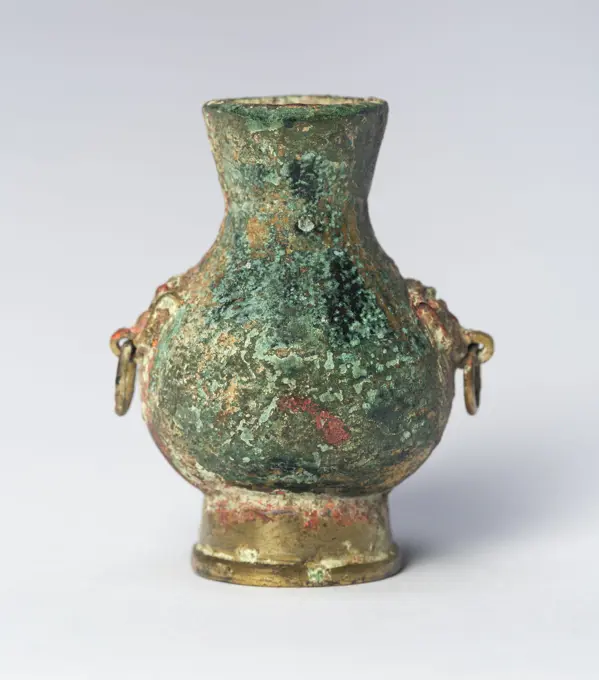
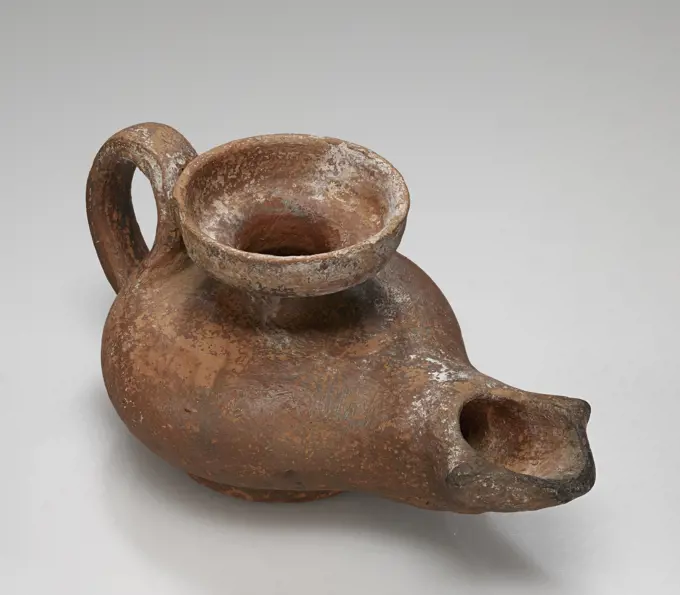
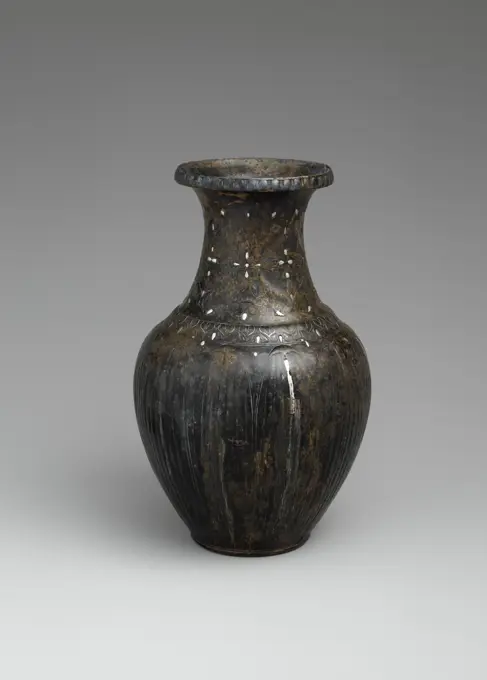
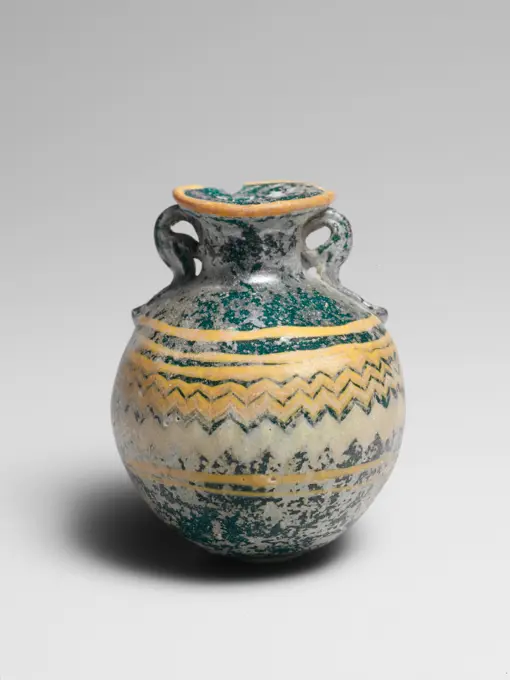
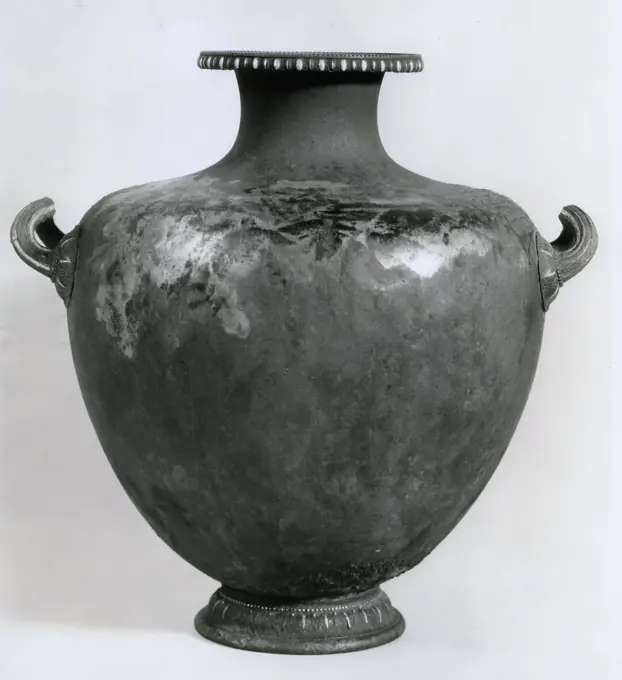
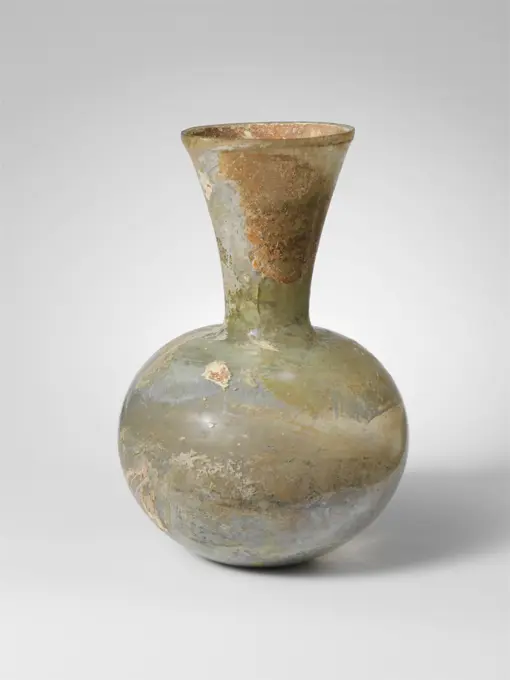
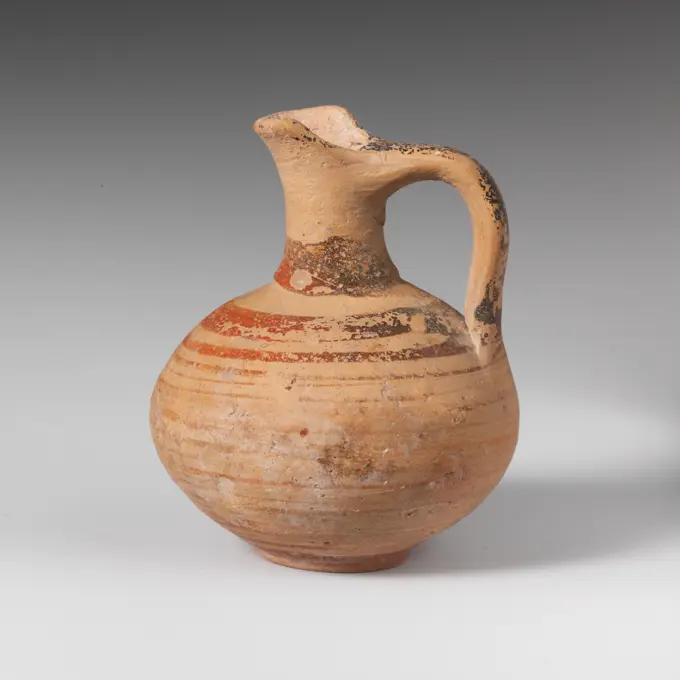
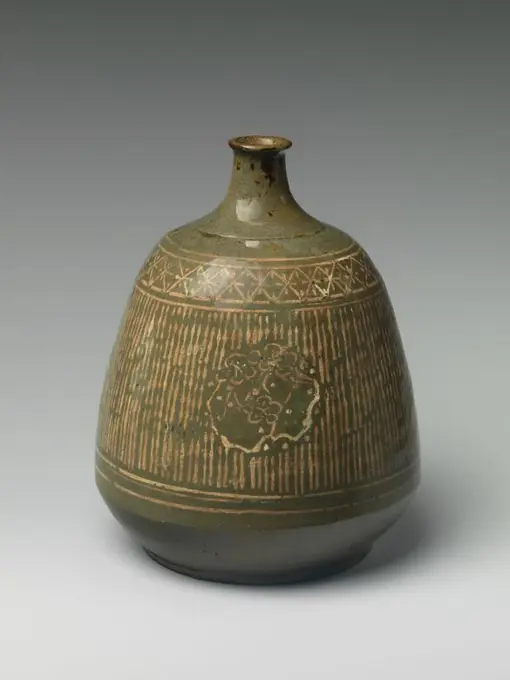
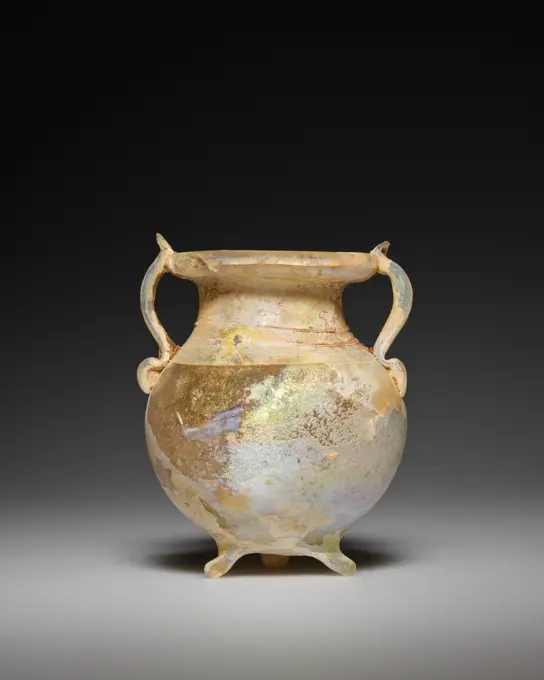
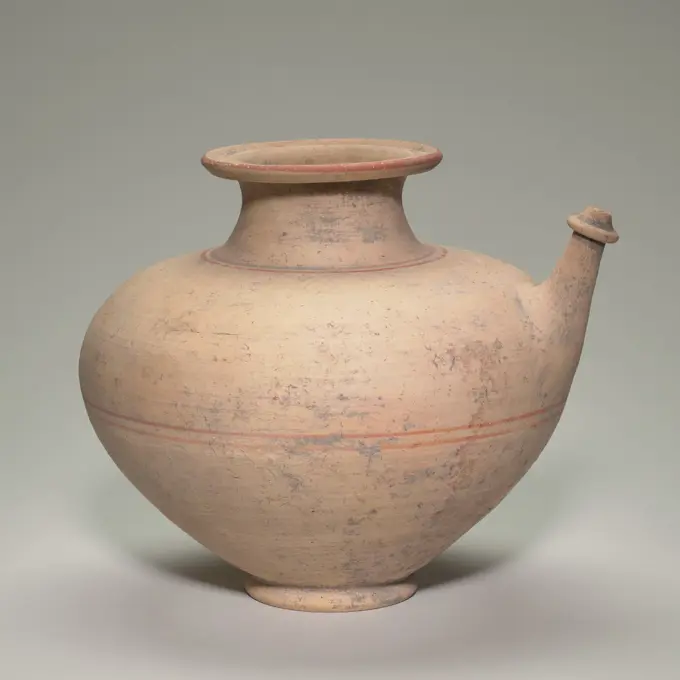
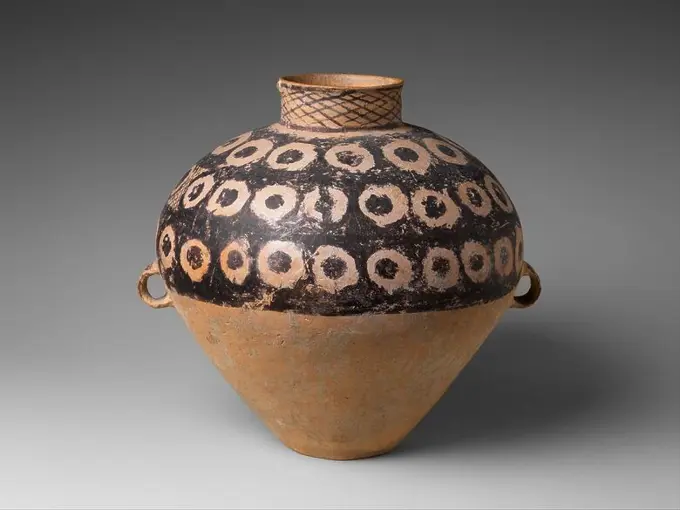
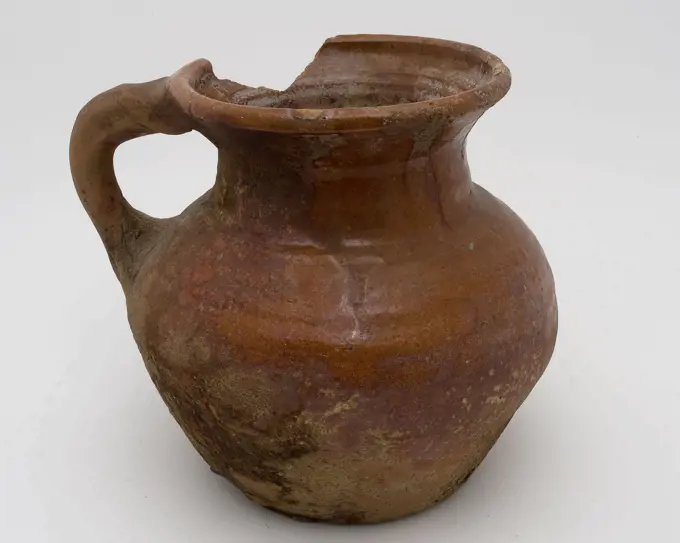
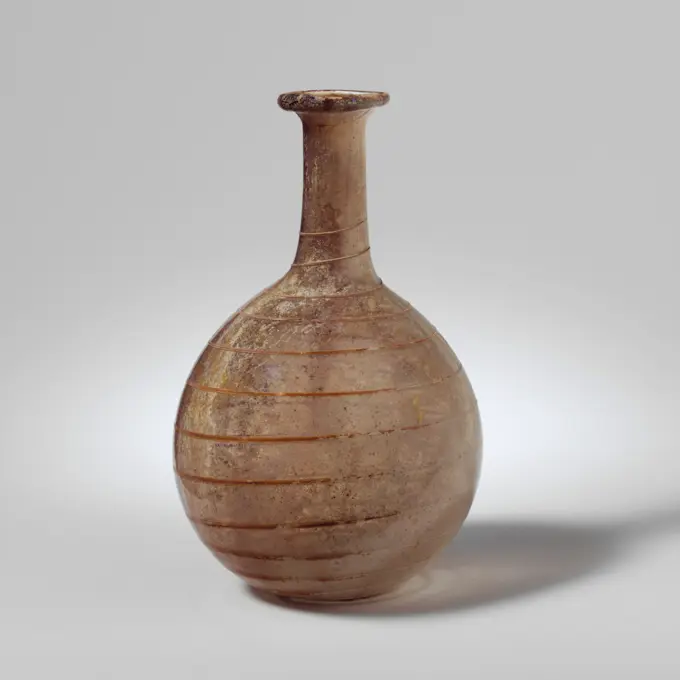
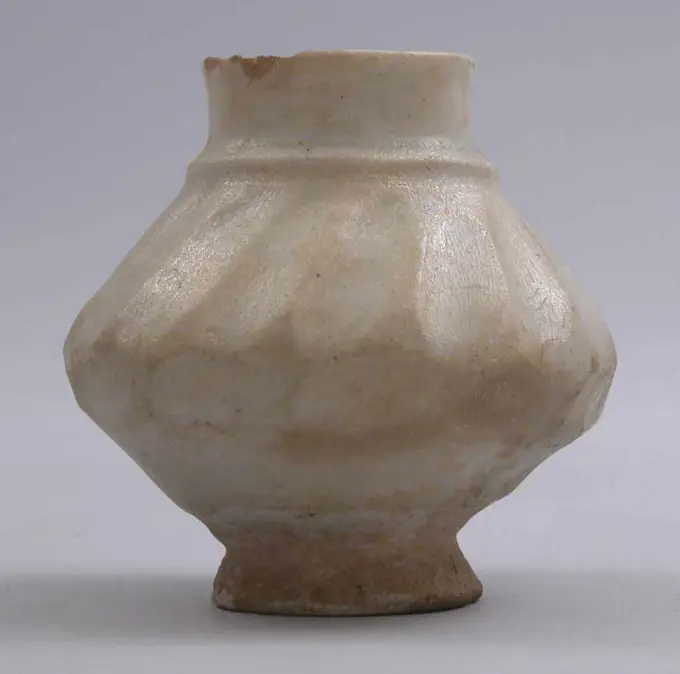
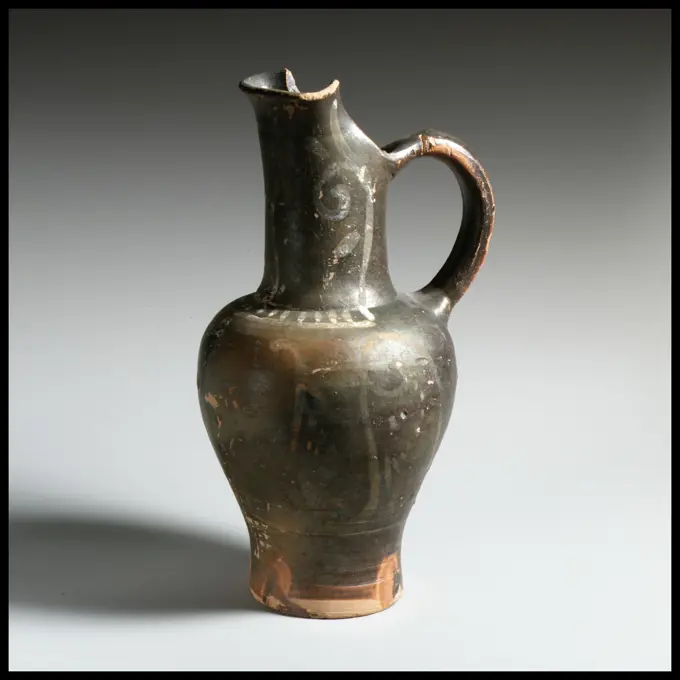
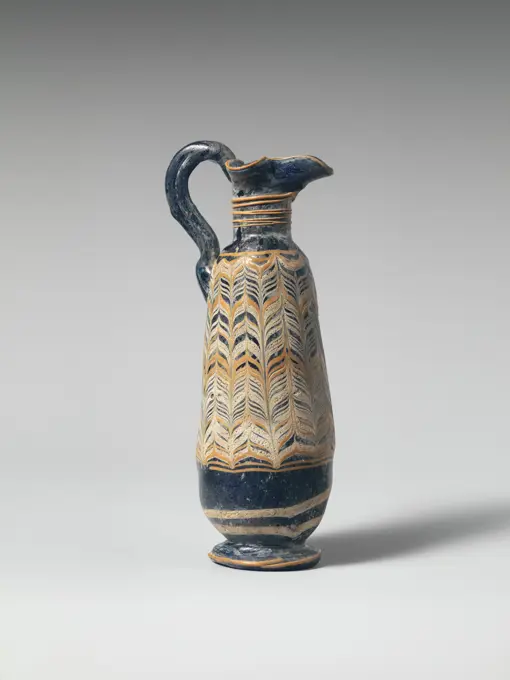
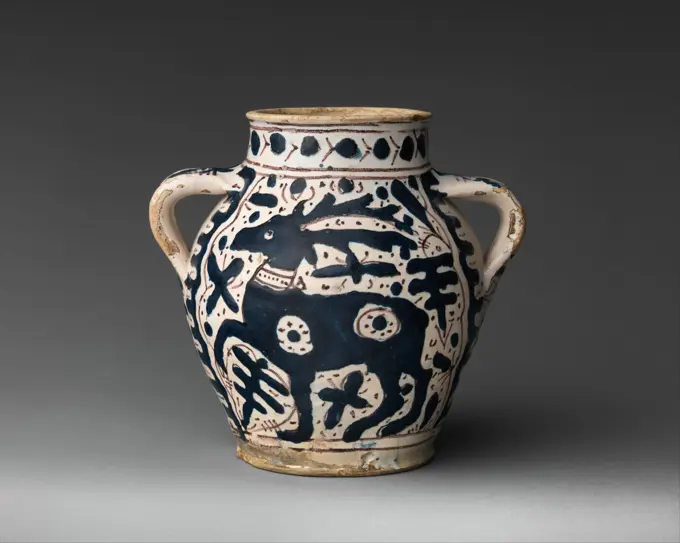
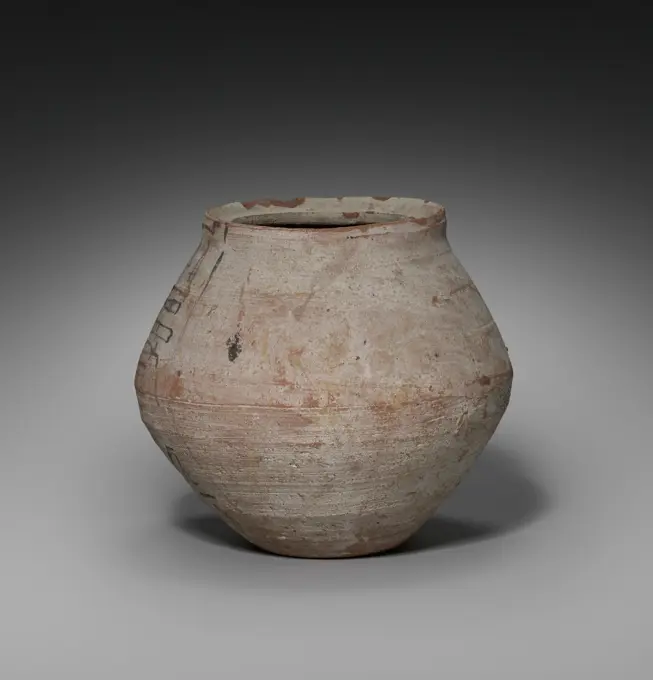
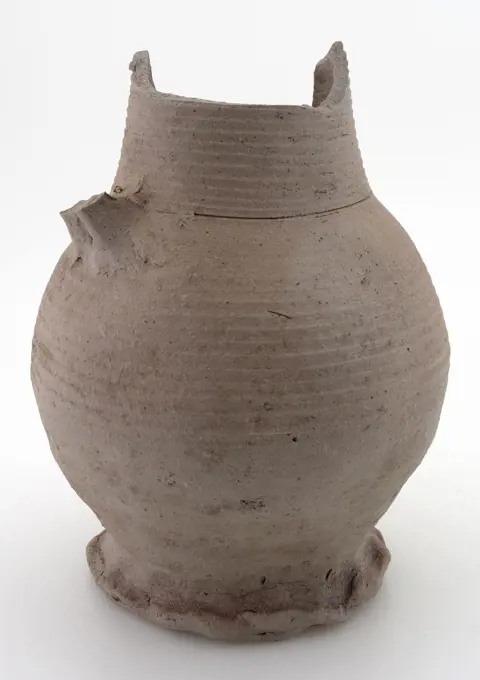
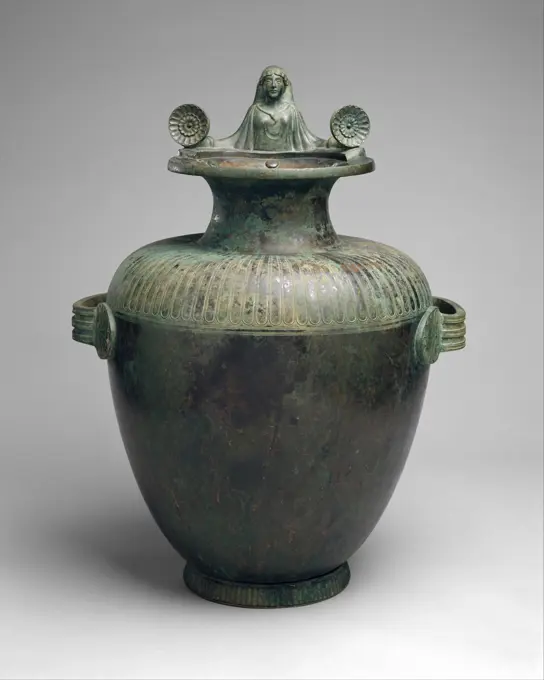
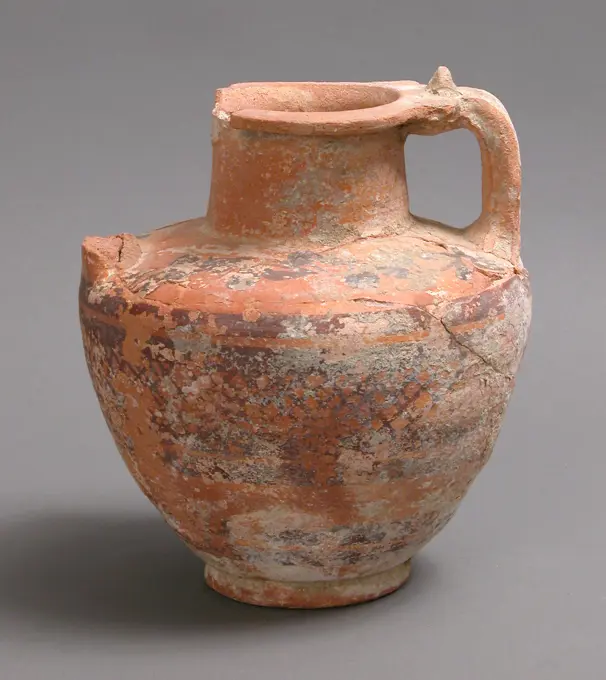
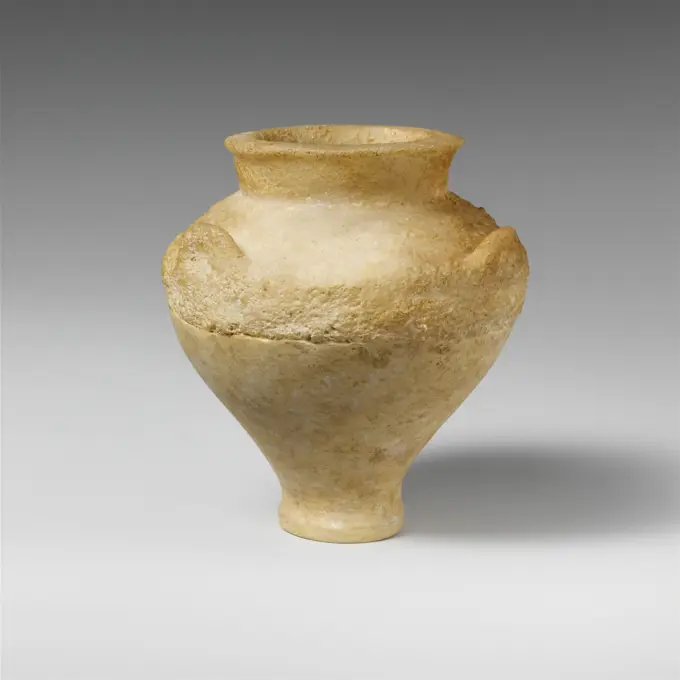
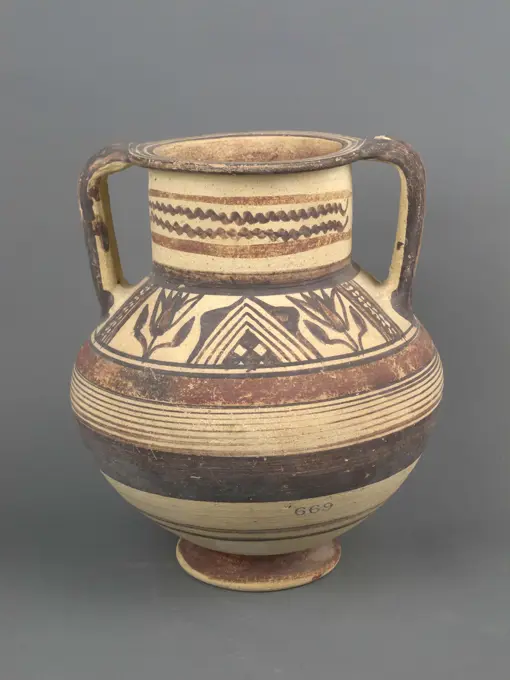
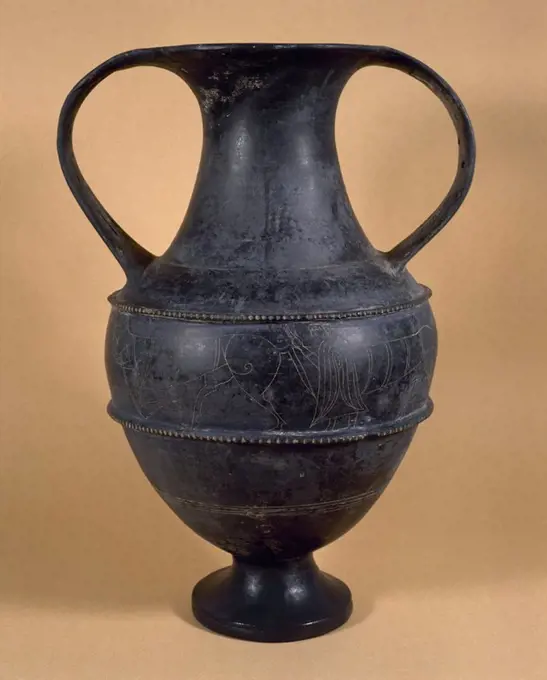
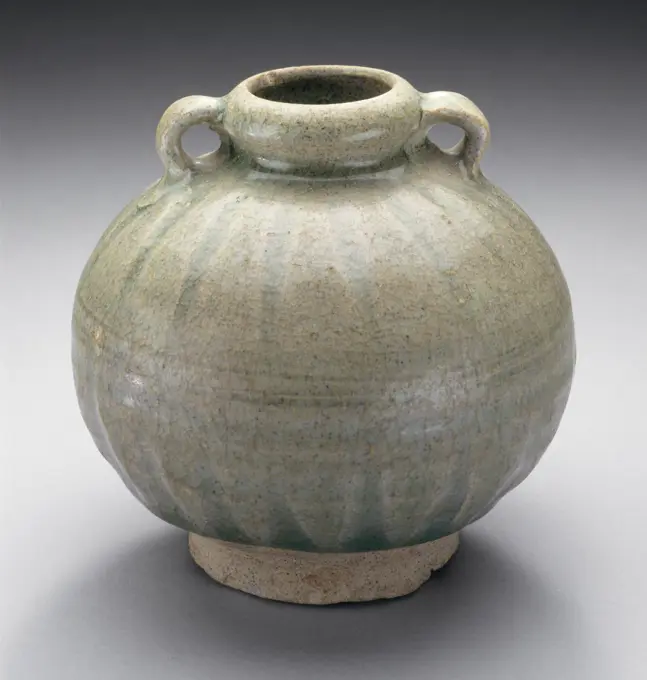
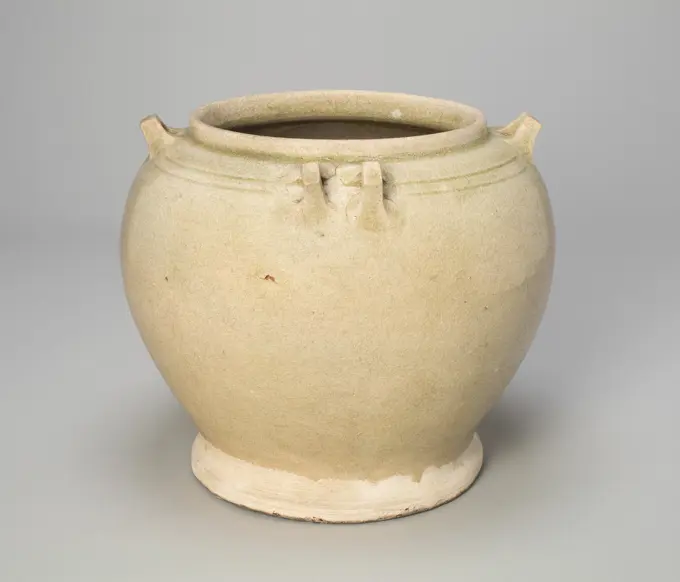
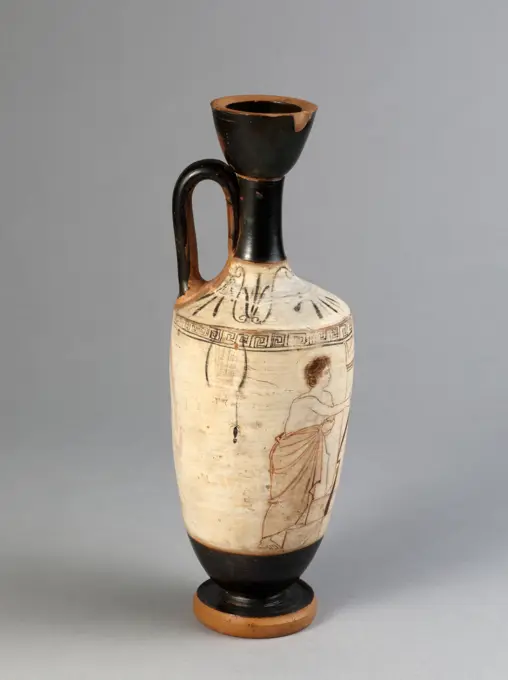
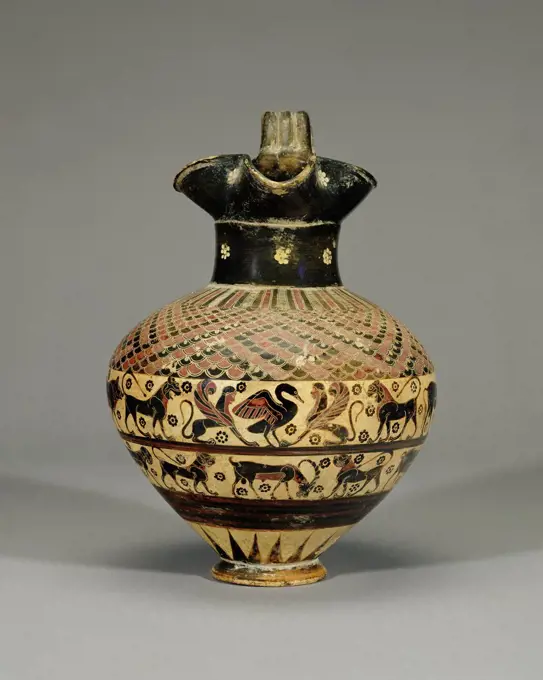
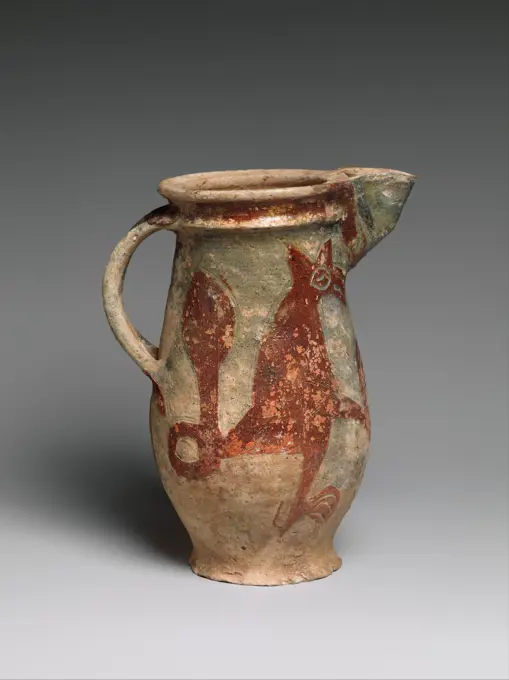
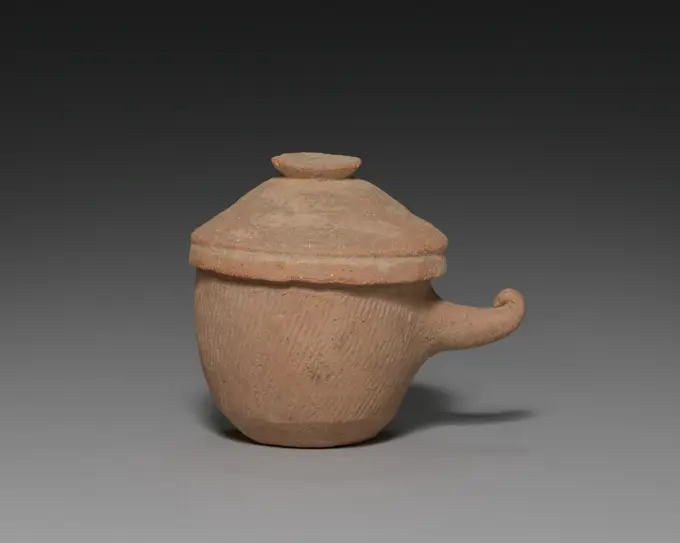
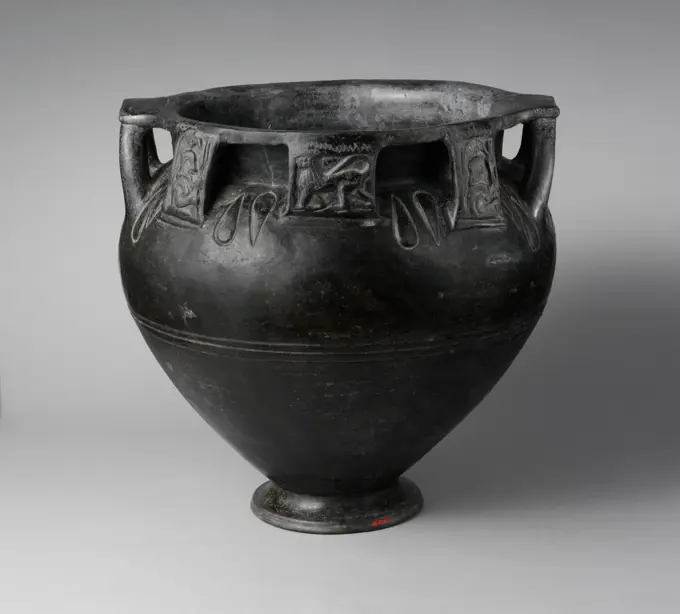
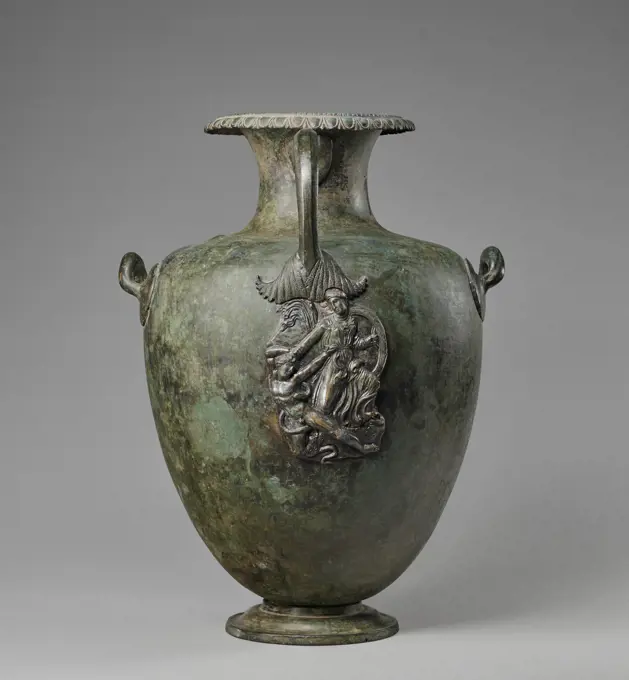
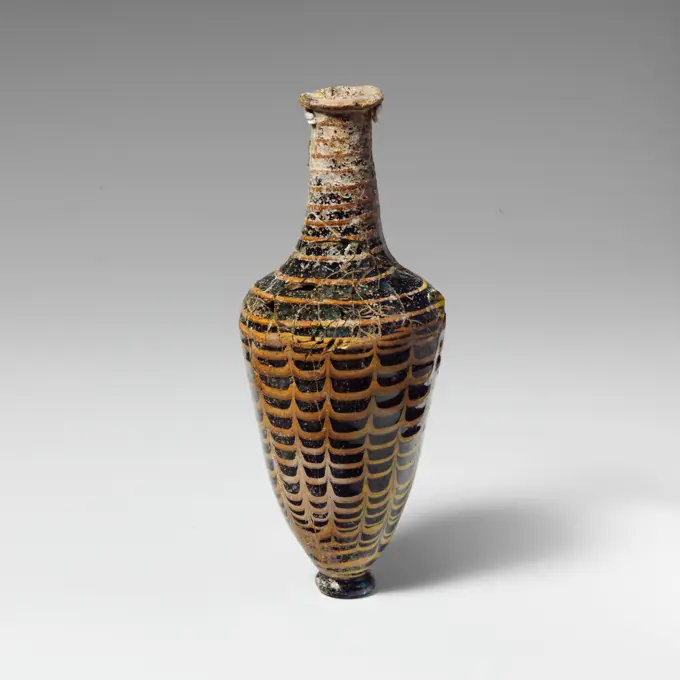
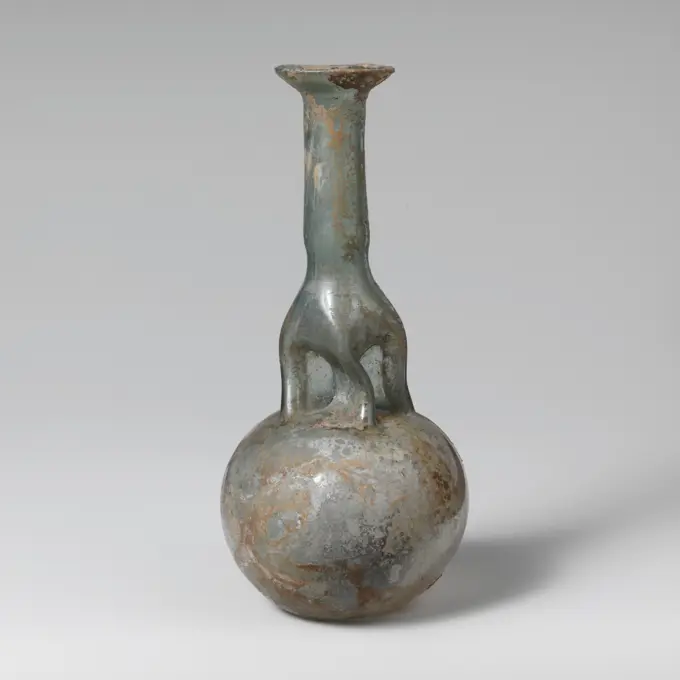
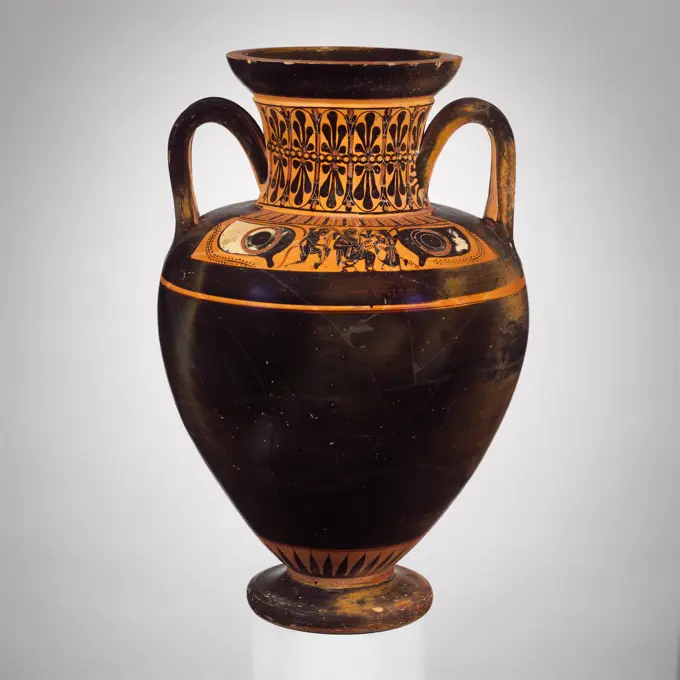
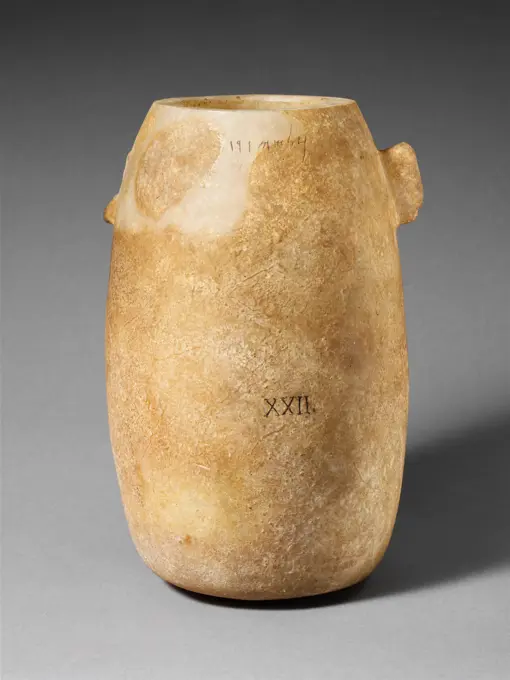
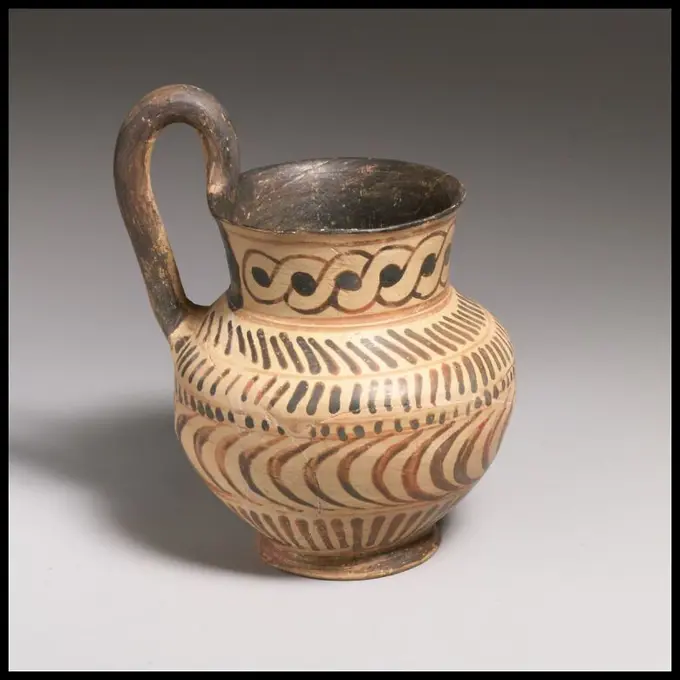
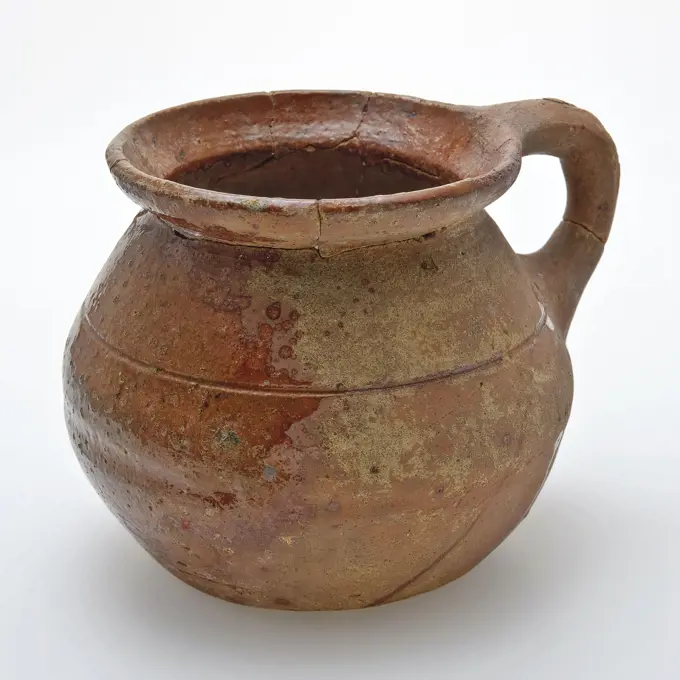
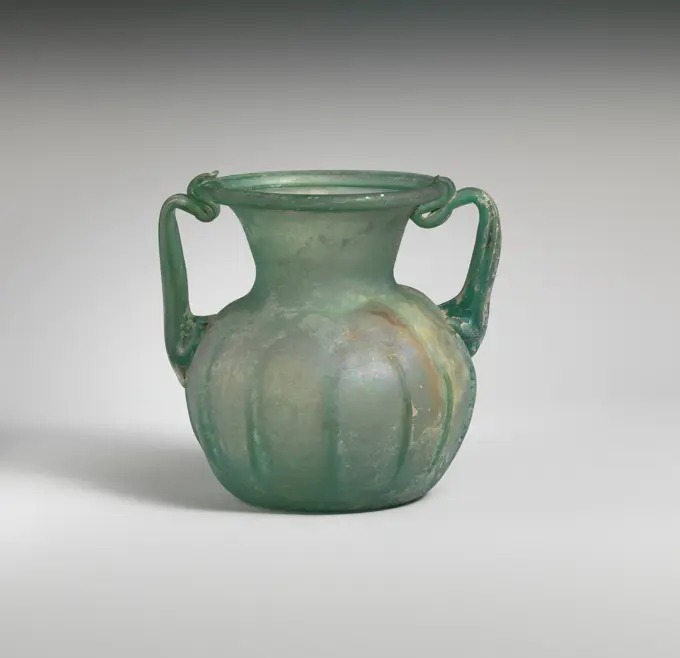
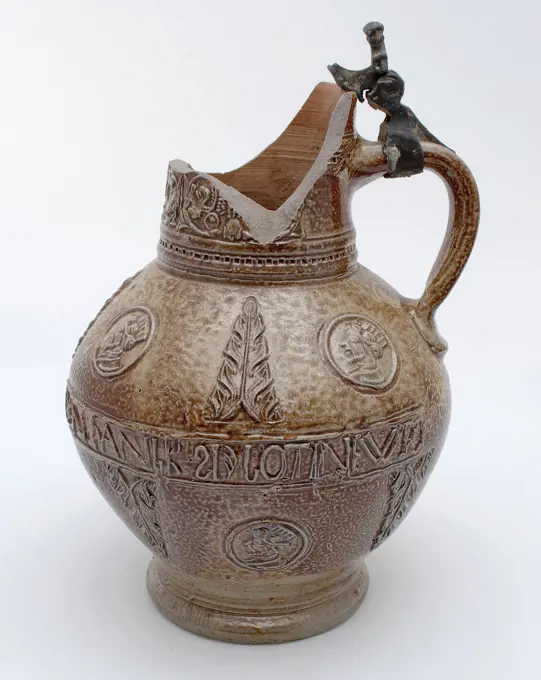
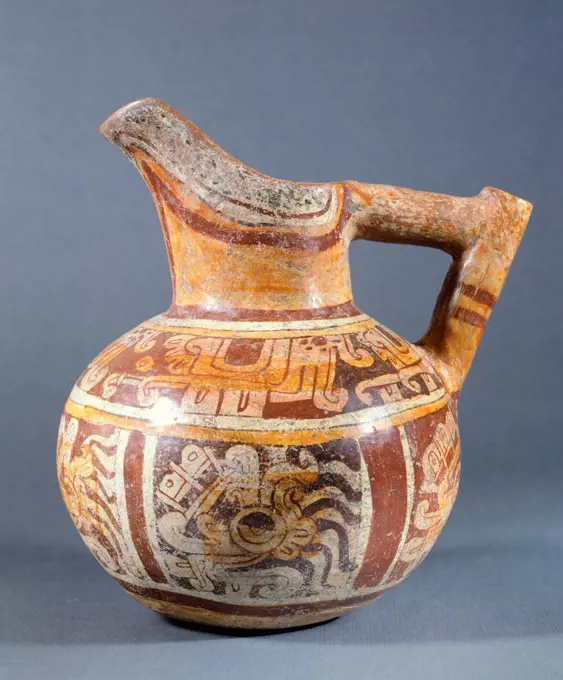
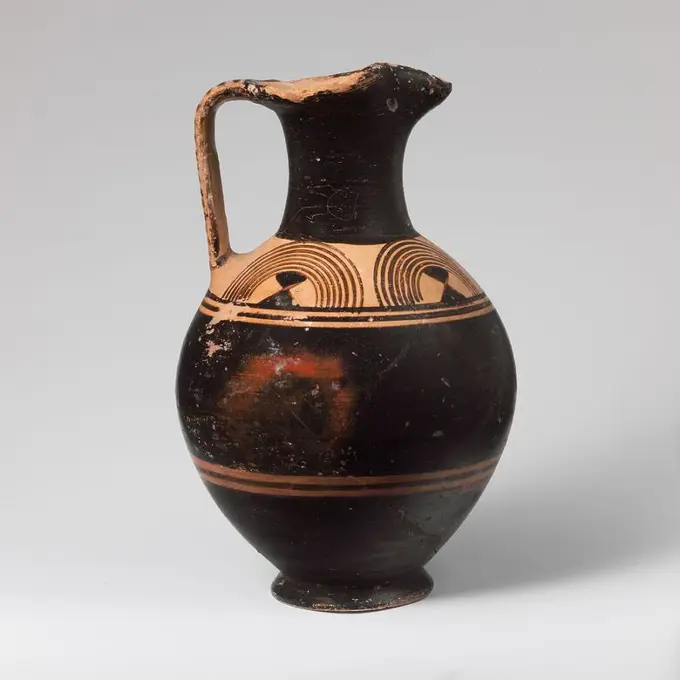
Terracotta oinochoe (jug). Culture: Greek, Attic. Dimensions: H. as preserved 8 7/16 in. (21.5 cm); H. as restored 8 1/4 in. (20.9 cm). Date: late 10th-early 9th century B.C..From the Hymettos deposit (see 30.118.1). Museum: Metropolitan Museum of Art, New York, USA.Asymetrical globular vessel, 8th-11th century, 11 x 9 1/4 x 9 1/4 in. (27.9 x 23.5 x 23.5 cm), Earthenware, Peru, 8th-11th centuryWine Jar (Hu). China. Date: 299 BC-100 BC. Dimensions: H. 32.4 cm (12 3/4 in.) diam. 25.5cm. Bronze. Origin: China. Museum: The Chicago Art Institute, Chicago, USA.Terracotta Hadra hydria (water jar). Culture: Greek, Egypt, Alexandria-Hadra. Dimensions: Overall: 15 5/8 x 12 1/2 in. (39.7 x 31.8 cm). Date: 3rd century B.C..On body, palmettes and floral ornaments alternating; on shoulder, dolphins and rosettes; on neck, band of dots. Museum: Metropolitan Museum of Art, New York, USA.Jar with Writing 8th century. Jar with Writing 448997Terracotta Hadra hydria (water jar) 3rd century B.C. Greek, Egypt, Alexandria-Hadra On body, palmettes and floral ornaments alternating; on shoulder, dolphins and rosettes; on neck, band of dots.. Terracotta Hadra hydria (water jar). Greek, Egypt, Alexandria-Hadra. 3rd century B.C.. Terracotta. Hellenistic. VasesTerracotta stirrup jar. Culture: Minoan. Dimensions: H. 3 in. (7.6 cm). Date: ca. 1300-1200 B.C..Decorated with bands and cross-hatching. Museum: Metropolitan Museum of Art, New York, USA.Amphoriskos. UnknownBottle. Eastern Mediterranean, 8th-9th century. Glass. Glass, free-blown, with applied and trailed thread decorationGlass jug. Culture: Roman. Dimensions: H.: 4 in. (10.2 cm)Diam.: 1 1/8 x 1 1/2 x 7/8 in. (2.9 x 3.8 x 2.2 cm). Date: 4th century A.D..Small jug.Colorless with yellow green tinge; handle and trail in same color.Rim folded out, round, and pressed into side of flaring mouth; cylindrical neck expanding downwards and joining imperceptibly with slender bulbous body; thick bottom, concave at center and with splayed outer edge; rod handle attached to upper body in a clawed pad, drawn up and slightly outwards, then turned in sharply onto rim, with projecting pinched fold above.Around neck, single uneven trail, forming an incomplete circle and now unattached to vessel.Broken and repaired around body with several losses; many pinprick bubbles; dulling, severe pitting, and iridescent weathering. Museum: Metropolitan Museum of Art, New York, USA.Ewer with ornamental borders, anonymous, c. 1175 - c. 1224 Can of quartz fritry with a polychrome decoration. On the wall various decorative tires with leaf motifs, tendrils and geometric patterns. Iran earthenware. glaze. gold (metal) painting / vitrification Can of quartz fritry with a polychrome decoration. On the wall various decorative tires with leaf motifs, tendrils and geometric patterns. Iran earthenware. glaze. gold (metal) painting / vitrificationJug (Bartmann jug) with a flower in a medallion, anonymous, c. 1600 - c. 1750 Jug (beard fancier bush) of stoneware on the standing surface with a spherical body and narrow neck. The C-shaped ear is attached to the neck and shoulder. Profiles on the neck. Covered with a brown engobe and cobalt blue. On the abdomen in relief three times a printed and imposed medallion with a flower. On the neck, continuously on the shoulder, a bearded man. Frechten. Cheek stoneware. glaze. engobe vitrification Jug (beard fancier bush) of stoneware on the standing surface with a spherical body and narrow neck. The C-shaped ear is attached to the neck and shoulder. Profiles on the neck. Covered with a brown engobe and cobalt blue. On the abdomen in relief three times a printed and imposed medallion with a flower. On the neck, continuously on the shoulder, a bearded man. Frechten. Cheek stoneware. glaze. engobe vitrificationJar ". Porcelain sandstone, transparent covered tinged with green. China, Tang dynasty (618-907). Paris, Cernuschi museum. Anse, Chinese art, Chinese Ceramic, container, Tang dynasty, oval form, jar, container, terracottaHydria (Water Jar) 300 BCE Nola. terracotta, decorated in the black-glaze technique . Ancient GreekTall-necked Hu, 2nd-1st century BCE, 15 3/4 x 13 in. (40.01 x 33.02 cm), Yue ware High-fired stoneware with incised decoration under celadon glaze, China, 2nd-1st century BCE, This porcelaneous storage jar, with its flared mouth, straight neck, and bulbous body is a standard Western Han vessel type. The shoulders are decorated with three raised decorative bands between which are incised stylized bird patterns possibly in imitation of painted lacquer motifs. The unglazed body below the third band has a purplish tinge due to the action of ferric oxide.Jug. Brown jug of pottery. Decorated with an ornamented Frisian to the neck and a representation of the booklet on the belly.Amphora 1200-1050 B.C. Cypriot. Amphora. Cypriot. 1200-1050 B.C.. Terracotta. Late Cypriot IIIB. VasesTerracotta jug ca. 1600-1200 B.C. Cypriot White slipware with handle and funnel-shaped lip.. Terracotta jug. Cypriot. ca. 1600-1200 B.C.. Terracotta; White slip I-II ware. Late Cypriot I-II. VasesAmfora czarnofigurowa z przedstawieniami Acheloosa. Malarz Micali, authorJug 15th-16th century French. Jug 465884 French, Jug, 15th16th century, Earthenware, Overall: 5 1/16 x 5 1/4 in. (12.9 x 13.4 cm). The Metropolitan Museum of Art, New York. Gift of J. Pierpont Morgan, 1917 (17.194.2197)Miniature alabaster lentoid flask ca. 1600-1200 B.C. () Cypriot The flask has a globular belly with two loop handles.. Miniature alabaster lentoid flask 244017Miniature Wine Jar (Hu) Artist's working dates 700 CE-800 CE China. Gilt bronze .Lamp, Asia Minor; 4th - 5th century B.C; Terracotta; 5.5 x 6.1 x 12 cm (2 3,16 x 2 3,8 x 4 3,4 in.)Vessel ca. 3rd century B.C.-1st century A.D. Seleucid or Parthian Elaborate bowls and vessels were highly valued in ancient Near Eastern society. During the pre-Achaemenid, Achaemenid, Seleucid and Parthian periods, examples made of bronze, silver, gold, and clay were used throughout a vast area extending both to the east and west of Iran. This elegant bronze cast vessel, reportedly from Iran, is decorated with floral and botanical patterns in relief inlaid with silver. Acanthus leaves and floral motifs appear on the neck; heart-shaped leaves and lily or lotus flowers around the collar. The leaves of a white lotus plant on the body alternate with additional blossoms on the body. The broad petals and vertical ribbing distinguish the leaves of a white lotus from those of a blue one, which is more commonly represented. Silver inlay that originally appeared on the leaves central spines, still extant on one of them, would have enhanced the vases luxurious appearance even further. AlthoughGlass aryballos (perfume bottle) late 6th-5th century B.C. Greek, Eastern Mediterranean Semi opaque turquoise green, with same color handles; trails in opaque yellow and possibly opaque turquoise blue. Uneven inward-sloping rim-disk; cylindrical neck; broad angular shoulder; almost spherical body; convex bottom, with linear tooling indent across it; two vertical ring handles with knobbed tails, applied over trail decoration, extend from top of body to underside of rim-disk; handles are not directly opposite each other but rather more to one side.A yellow trail applied to outer edge of rim-disk; another yellow trail applied on shoulder and wound spirally, at first in horizontal lines, then tooled into a close-set zigzag pattern around central section of body, where another broader trail is added to the zigzag, mingling with the yellow; below, a fine yellow trail wound horizontally twice around body.Complete except for chip in rim-disk; film of whitish weathering and brilliant iridescencBronze hydria (water jar) with silver inlay late 5th century B.C. Greek Relief under the handle: winged figure, perhaps Artemis, seizing a stag. Bronze hydria (water jar) with silver inlay. Greek. late 5th century B.C.. Bronze, silver. Classical. BronzesGlass bottle 4th century A.D. Roman Colorless with yellow green tinge.Uneven, knocked-off rim; broad funnel-shaped neck; globular body; small. slightly concave bottom.Intact; many pinprick bubbles and blowing striations; dulling, iridescence, and pathces of flaking creamy brown weathering.. Glass bottle 245223Terracotta jug ca. 1600-1050 B.C. Mycenaean With conventional designs.. Terracotta jug 244732Terracotta jug. Culture: Cypriot. Dimensions: H. 4 3/16 in. (10.6 cm). Date: ca. 2500-1900 B.C..One-handled with incised bands and incised zigzags. Museum: Metropolitan Museum of Art, New York, USA.Bottle. Culture: Japan. Dimensions: H. 8 in. (20.3 cm). Date: 18th century. Museum: Metropolitan Museum of Art, New York, USA.Vase bottle (usual name), 1400. Gray cover sandstones. Cernuschi Museum, Asia Museum of Asia in the city of Paris.Jar with tripod foot. UnknownKendi, 6th-7th century, 9-1/4 x 11-3/8 x 10-1/8 in. (23.5 x 28.9 x 25.7 cm), Earthenware with red pigments, Cambodia, 6th-7th centuryJug (Bartmann jug) with the coat of arms of Amterdam, anonymous, c. 1660 Jug (beard fancier bush) of stoneware on the standing surface with a spherical body and narrow neck. The C-shaped ear is attached to the neck and shoulder. Profiles on the neck. Covered with a brown Engobe. Three times a printed and imposed medallion with the crowned weapon of Amsterdam, flanked by Leeuwen. On the weapon the date '1660', the inscription 'IA' and 'Staw' in mirror image. On the neck, continuously on the shoulder, a bearded man. Frechten. Cheek stoneware. glaze. engobe vitrification Jug (beard fancier bush) of stoneware on the standing surface with a spherical body and narrow neck. The C-shaped ear is attached to the neck and shoulder. Profiles on the neck. Covered with a brown Engobe. Three times a printed and imposed medallion with the crowned weapon of Amsterdam, flanked by Leeuwen. On the weapon the date '1660', the inscription 'IA' and 'Staw' in mirror image. On the neck, continuously on the shoGlass jug. Culture: Roman. Dimensions: 3 7/8 in. (9.8 cm)Other: 2 1/4 in. (5.7 cm)Diam. of rim: 1 13/16 in. (4.5 cm). Date: 3rd century A.D..Colorless with pale blue-green tinge; handle in same color.Rim folded down, round, and in; broad, flaring mouth; short, concvae neck; rounded shoulder, sloping downward; slightly convex sides tapering downward; pushed-in bottom with central pontil scar; strap handle applied to outer edge of shoulder, drawn up, round, and in, then trailed on to top of neck and underside of mouth and rim, and trailed off on top edge of rim.Intact; many bubbles; deep pitting and iridescent weathering. Museum: Metropolitan Museum of Art, New York, USA.Ritual Vessel, 11 x 11 13/16 x 9 11/16 in. (27.94 x 30 x 24.61 cm), Terra cotta, Burkina FasoJar. China. Date: 700 AD-799 AD. Dimensions: H. 25.7 cm (10 1/8 in.); diam. 24.0 cm (9 7/16 in.). Slip-coated stoneware. Origin: China. Museum: The Chicago Art Institute, Chicago, USA.Terracotta beaker with barbotine decoration late 2nd-early 3rd century A.D. Roman Red vase with dark brown glaze; barbotine pattern of two running dogs and leaves.. Terracotta beaker with barbotine decoration 250067Jug;  The age of the brother (0-00-00-0-00-00);Art and antiquesKan, anonymous, c. 1625 - c. 1675 Spherical can of stoneware. The jug has an ear and a short, constricted neck. The neck and shoulder are decorated with yellow sludge; On the neck vertical lines and on the shoulder spirals.  earthenware Spherical can of stoneware. The jug has an ear and a short, constricted neck. The neck and shoulder are decorated with yellow sludge; On the neck vertical lines and on the shoulder spirals.  earthenwareJar (Guan). Culture: China. Dimensions: H. 15 3/4 in. (40 cm); W. incl. lugs 16 in. (40.6 cm); Diam. of rim 5 1/4 in. (13.3 cm); Diam. of base 5 in. (12.7 cm). Date: Banshan phase (ca. 2650-2350 B.C.). Museum: Metropolitan Museum of Art, New York, USA.Small two-handledvaseJar with Two Loop Handles (Hu) 2300-2000 B.C. China. Jar with Two Loop Handles (Hu). China. 2300-2000 B.C.. Earthenware with pigment. Neolithic period, Majiayao culture, Machang type. CeramicsGlass bottle ca. 4th-5th century A.D. Roman Translucent green with yellow tinge.Rounded rim, folded in and pressed into side of funnel-shaped mouth; cylindrical neck, expanding downwards; sloping shoulder; conical body with concave side; pushed-in bottom with off-center kick and large pontil scar.Lower two-thirds of body inflated in dip mold, forming twenty-six vertical indents with round tops and tapering downwards.Intact; many bubbles and blowing striations; some pitting, slight weathering, and faint iridescence on exterior, creamy white weathering and iridescence on interior.. Glass bottle 245320Jar with Horn-Shaped Handles, AD 200s-400s. Korea, Silla period (57 BC-AD 676). Earthenware with incised decoration and color; overall: 23.5 cm (9 1/4 in.); diameter of mouth: 15.9 cm (6 1/4 in.); diameter with handles: 16.5 cm (6 1/2 in.).Globular Jar with Ribs. Korea. Date: 400 AD-599 AD. Dimensions: H. 30.1 cm (11 7/8 in.); diam. 26.6 cm (10 1/2 in.). Stoneware with natural ash glaze. Origin: Korea. Museum: The Chicago Art Institute, Chicago, USA.Pottery chamber pot, ease of use with soul, funnel neck and standing ear, pot holder sanitary earthenware ceramic earthenware glaze lead glaze, hand turned glazed baked Pottery chamber pot red shard sparingly glazed Externally only on the edge and the shoulder glazed internal only below the neck opening Belly model with gradual narrowing to the foot. Foot with soul almost stand ring. Upright sausage ear crookedly attached Drain rings around the neck funnel shaped neck archeology indigenous pottery draining night sleeping room hygieneVASO SUBNEOLIOTICO.Glass perfume bottle 1st century A.D. Roman Colorless with purple tinge; trail in opaque white.Rim folded out, round, and in; short, flaring mouth; cylindrical neck, expanding slightly downward; globular body; small, flattened bottom.Single trail applied to neck and drawn in a spiral downward, getting thicker, and ending on bottom.Complete, but small break in rim repaired; pinprick bubbles; pitting and iridescent weathering.. Glass perfume bottle 239792Jar 12th century. Jar 448261Oinochoe 4th century B.C. Attributed to the Phantom Group. Oinochoe. Etruscan. 4th century B.C.. Terracotta. VasesGlass oinochoe (perfume jug) late 4th-early 3rd century B.C. Eastern Mediterranean or Italian Translucent cobalt blue, with handle and pad-base in same color; trails in opaque yellow and opaque white.Applied slender trefoil rim-disk with long spout; cylindrical neck; narrow angular shoulder; straight-sided cylindrical body, expanding downward, and then curving in to applied circular pad-base with thick rounded edge and uneven flattish bottom; strap handle attached in pad to top of body over trail decoration, with horizontal tooling indent above pad, drawn up and round in a loop, arching above the rim-disk, and pressed onto back of rim-disk and top of neck.A fine yellow trail attached at edge of rim-disk; another unmarvered yellow trail wound spirally six and a quarter times around neck; a third yellow trail, marvered, begun on lower edge of shoulder and wound round on body, tooled into a close-set feather pattern and extending as far as the point of greatest diameter; mingling with it Two-Handled Jar with Stag early 1400s Italian A manuscript from the early 1400s gives a recipe for a "blue pigment raised in the Florentine manner," a likely reference to the striking cobalt-blue paint found on this jar and many others associated with Florentine potters. Sometimes called "relief blue," the paint is applied so thickly as to create a raised surface.. Two-Handled Jar with Stag 468165Terracotta bowl. Culture: Cypriot. Dimensions: H. 14 in. (35.6 cm)diameter 10 7/8 in. (27.6 cm). Date: ca. 2500-1600 B.C..Bowl with handle and two spouts.Red Polished Ware vessels, such as this bowl, made their appearance at the very beginning of the Early Cypriot I period, having been introduced by immigrants from Anatolia who settled on the island soon after the middle of the third millennium B.C. The surface was covered with a red slip, which was then burnished to render a lustrous appearance. The small rosettes and incisions on the handle, filled with lime after firing, lend a striking contrast to the red background of the vase.Cypriot Red Polished Ware has long been known from finds in tombs throughout the island, and has recently appeared at settlement sites as well. The shapes and decorations on vessels, like this double-spouted bowl, highlight the creative spirit of the Cypriot potter, showing the artist's sense of elegance and geometric symmetry. Museum: Metropolitan Museum ofShawabty Jar with Lid, 1295-1069 BC. Egypt, New Kingdom, Dynasty 19 (1295-1186 BC) - Dynasty 20 (1186-1069 BC). Nile silt ware; lid of limestone; diameter: 23.5 cm (9 1/4 in.); diameter of mouth: 11.3 cm (4 7/16 in.); overall: 22.9 cm (9 in.).Fragment stoneware jug, sphere model with wide vertical ear, on squeeze foot, can crockery holder soil find ceramic stoneware, hand-turned baked stoneware can large ball model with wide vertical ear on squeeze foot. Rotating spools over the entire height on the neck fine spinning lips. Gray shard scraped pottery archeology Rotterdam North Agniesebuurt castle Weena indigenous pottery import drink pour table room store kitchen Soil discovery: found at the foundations of the gate of Castle Weena Rotterdam found during excavation work for construction station in 1905.Zinc Pulles (Pulles) lid; Siegburg (Ceramic family; Ca 1300-Ca 1900); 16th century (1501-00-00-1600-00-00);Septimus Severus (Roman emperor - 145-211 CE), Roman emperors, portraitsJugBronze hydria (water jar) mid-5th century B.C. Greek, Argive Inscribed on top of the mouth "one of the prizes from Argive Hera"This hydria, like Greek art in all its forms, is marked by clearly defined parts organized into a harmonious well-proportioned whole. The plain body swells gently to the shoulder zone, which turns inward with a soft, cushionlike curve. The shoulder is decorated with a simple shallow tongue pattern that echoes the vertical ribbing on the foot. The neck shoots up from the shoulder to a flaring mouth from which the bust of a woman seems to emerge. The figure belongs to the vertical handle of the hydria. She wears a peplos. Her serene face is framed by carefully detailed hair. Rotelles with a rosette pattern give a semblance of outstretched hands. We know from the inscription on the mouth that this hydria was a prize awarded at games for the goddess Hera at her sanctuary in Argos in the Peloponnisos.. Bronze hydria (water jar) 252452Jar 4th-7th century Coptic. Jar 475725Ewer 12th-13th centuryMiniature alabaster pithoid jar ca. 1400-1050 B.C. Cypriot Cypriot craftsmen of the Late Bronze Age often combined different influences into their own creations. The shape of this stone vase is purely Mycenaean Greek, but the use of alabaster likely reflects Egyptian influence.. Miniature alabaster pithoid jar. Cypriot. ca. 1400-1050 B.C.. Gypsum (alabaster). Late Bronze Age. Miscellaneous-Stone VasesJar: Jizhou Ware, 1200s-1300s. China, Jiangxi province, Ji-zhou kilns, Southern Song Dynasty (1127-1279) - Yuan Dynasty (1271-1368). Glazed stoneware with resist and slip-painted decoration; diameter: 13.4 cm (5 1/4 in.); overall: 11.3 cm (4 7/16 in.).Amphora Cypriot Krater with bands, wavy lines, and triangle ornament between lotus flowers.. Amphora. Cypriot. Terracotta. Cypro-Archaic I. VasesGlass bottle 2nd-3rd century A.D. Roman Translucent pale blue green, with same color trail.Collared rim, folded out, down, round, out, and up, tooled in a level of mouth, then up and slightly outward, with rounded vertical lip; cylindrical neck, expanding downward, slightly flattened on one side below rim; rounded shoulder; squat, globular body; pushed-in bottom with central pontil mark.Spiral trail applied to outer edge of shoulder in large pad and drawn down body to bottom.Intact, except for cracks and two holes in body; much of trail decoration is missing; pinprick bubbles; deep pitting and brilliant iridescent weathering.. Glass bottle. Roman. 2nd-3rd century A.D.. Glass; blown and trailed. Mid Imperial. GlassLekythosEtruscan amphora (bucchero pesante). 7th-6th centuries BC. Unknown origin. Archaeological Museum of Catalonia. Barcelona. Spain.Jarlet. Thailand, Sawankhalok, late 14th-15th century. Furnishings; Serviceware. Stoneware with celadon glazeGlass bottle. Culture: Roman. Dimensions: H. 4 1/8 in. (10.5 cm). Date: 2nd-3rd century A.D..Translucent pale yellow green.Rim folded out, over, and in; broad, almost horizontal mouth; cylindrical neck expanding downwards; squat globular body; kick in bottom, with off-center pontil scar.Intact; pinprick and larger bubbles, and blowing striations; slight dulling and faint iridescence on exterior, patches of brownish weathering on interior. Museum: Metropolitan Museum of Art, New York, USA.Jar with Square Handles 450 CE-499 CE China. Stoneware with light olive-green glaze and incised decoration .Women's painter workshop. Lécythe with white background. Polychromy. Around 420 BC. AD Museum of Fine Arts of the City of Paris, Petit Palais. 58664-1 Greek antiquity, funeral art, Greek art, workshop, ceramic, perfumed oil, lecythe with white background, ritual object, offering, funeral offering, character, polychromy, funeral rite, ancient scene, body care, ancient vase, funeral vase, veme Ve v 5th 5th 5 century AV.JCOinochoe. UnknownCan on constricted foot and with squeezed spout, anonymous, c. 1400 Can of multicolored painted majolica. The jug has a squeezed spout and a flat ear and stands on a tangled base. On the belly there is a wide track in which leaf branches painted. Under the spout is a compartment in which a star -shaped ornament is painted, on either side of the compartment is a compartment in which a green stylized leaf or tree. Italy earthenware. tin glaze. lead glaze majolica Can of multicolored painted majolica. The jug has a squeezed spout and a flat ear and stands on a tangled base. On the belly there is a wide track in which leaf branches painted. Under the spout is a compartment in which a star -shaped ornament is painted, on either side of the compartment is a compartment in which a green stylized leaf or tree. Italy earthenware. tin glaze. lead glaze majolicaURNE. Bronze. Chine. Par musée musée malée. Anse, Chinese art, bronze, urnTrefoil Oinochoe; Attributed to Painter of Vatican 73, Greek (Corinthian), active 650 - 625 B.C.; Greece (Corinth); 650 - 625 B.C.; Terracotta; Object (body): H (handles): 27.7 x Diam.: 19.5 cm (10 7/8 x 7 11/16 in.), Object (foot): Diam.: 6.8 cm (2 11/16 in.)Barrel-Shaped Jug with a Fox and a Rooster late 13th century French This thin-walled barrel-shaped jug is decorated with a jaunty cockerel on one side and a goose-stepping fox on the other. A looped and upright tail bring further whimsy to the fox. The Saintonge region of southwestern France enjoyed a long history of pottery making. Large numbers of these jugs were exported to London in association with the wine trade.. Barrel-Shaped Jug with a Fox and a Rooster. French. late 13th century. Glazed earthenware. Made in Saintonge, France. Ceramics-PotteryAlabastron italo-koryncki. unknown, authorLidded Jar with Horn Handle, AD 400s-500s. Korea, Silla (57 BC-935) or Kaya (AD 42-562) period. Red earthenware with impressed designs and applied red slip; overall: 10.8 cm (4 1/4 in.); 9.1 cm (3 9/16 in.).Terracotta column-krater (bowl for mixing wine and water) ca. 560-500 B.C. Etruscan Large column-kraters with decorative straps bridging the gap between shoulder and rim are typical of bucchero workshops in the Vulci area during the sixth century B.C. This bucchero pesante (heavy bucchero) example is unusual in that it has six straps, rather than the normal two, and the largest are decorated with striding lions, not human masks. A truncated warrior, equipped with crested helmet, armor or cloak, and two large spears, appears on the four smaller straps. The shape is ultimately derived from Corinthian metallic and ceramic models. When they have human masks, the straps may derive from a type of Corinthian pyxis (cosmetics jar). Thus, the Etruscan potter, although inspired by Greek models, has created an entirely new hybrid.. Terracotta column-krater (bowl for mixing wine and water) 249099Kalpis; Greece, Europe; 350 - 325 B.C; Bronze; 40.6 × 32 × 26 cm (16 × 12 5,8 × 10 1,4 in.)Jar 618 CE-906 CE China. Slip-coated stoneware .VASO DE HORNOS (JAEN) - SIGLO XV - CERAMICA NAZARI - LLAMADO JARRON DE LA ALHAMBRA. Location: MUSEO ARQUEOLOGICO NACIONAL-COLECCION. MADRID. SPAIN.Glass amphoriskos (perfume bottle) 2nd to mid-1st century B.C. Greek, Eastern Mediterranean Translucent blue, with same color pad-base; handles in translucent greenish yellow; trail in opaque yellow.Narrow rim-disk, sloping inward with prominent jagged vertical lip to mouth; cylindrical neck, expanding downward; broad convex sloping shoulder; straight-sided body, tapering downward; small circular pad-base, flattened on underside and with round edge; vestiges of two vertical s-shaped handles on outer edge of shoulder and neck.Yellow trail applied to edge of rim-disk, wound spirally down neck and across shoulder, then tooled into a festoon pattern on body with sixteen upward strokes, and continuing in almost horizontal lines around pad-base at bottom.Broken and repaired, almost all of handles missing, cracks and small holes on sholuder and top of body; dulling, pitting, iridescent weathering around rim-disk and neck, and creamy brown weathering on body and especially on trail.. Glass ampGlass bottle 3rd-4th century A.D. Roman Translucent blue green.Rounded, slightly thickened rim; flaring mouth; cylindrical neck with broad horizontal indent around base; below this, shoulder expands out and slopes downwards, then pinched into four wavy arms, forming five small openings, one at the center and four at edges, separated by diaphragms; globular body; concave bottom.Complete, apart from cracks in one side of body and one small hole; many bubbles; dulling, limy encrustation, and faint iridescence.Vessels of this type with constrictions to the base of the neck are known as kuttrolf’ bottles. Similar bottles were produced in medieval and later times.. Glass bottle 256744Long-Necked Flask with Lid, 1401-1353 BC. Egypt, New Kingdom, Dynasty 18, reign of Tuthmosis III, to reign of Amenhotep III, 1479-1353 BC. Travertine; diameter: 9.7 cm (3 13/16 in.); diameter of mouth: 4.5 cm (1 3/4 in.); overall: 16.4 cm (6 7/16 in.); diameter of lid: 6.6 cm (2 5/8 in.).Wine Jar (Hu). China. Date: 299 BC-200 BC. Dimensions: . Bronze. Origin: China. Museum: The Chicago Art Institute, Chicago, USA.Jug, ca.1700-1725, Leather, 6 × 4 13/16 in. (15.2 × 12.2 cm), Probably made in United States, American, 18thcentury, Containers -OtherTerracotta neck-amphora (jar) last quarter of the 6th century B.C. Greek, Attic Obverse, between eyes, Dionysos with maenad and satyrReverse, between eyes, satyr and maenadThis vase belongs to a class of neck-amphorae of the late sixth century B.C. in which the decoration is confined to the shoulder, often between eyes.. Terracotta neck-amphora (jar) 252486 Greek, Attic, Terracotta neck-amphora (jar), last quarter of the 6th century B.C., Terracotta, H. 15 15/16 in. (40.5 cm). The Metropolitan Museum of Art, New York. Fletcher Fund, 1926 (26.60.19)Jar. Panama, Cocle or Veraguas, 500-700 CE. Ceramics. Slip-painted ceramicJar in the Shape of a Fruit, 1100s. Cambodia, Northeast Thai kiln, Khmer Ware, Angkor Wat/Bayon period, 12th century. Glazed pottery with brown slip; diameter: 15.2 cm (6 in.); overall: 24 cm (9 7/16 in.).Alabaster inscribed "alabastron" 4th century B.C.  Cypriot The large “alabastron” has a flat base, no neck, and a flat mouth. One of the two lugs is broken. Four Phoenician letters that are difficult to interpret and three vertical lines (the number 100) are incised under the mouth.. Alabaster inscribed "alabastron" 241848Terracotta oinochoe (jug). Culture: East Greek, Milesian, Fikellura. Dimensions: H. 6 in. (15.3 cm); diameter of mouth 3 1/4 in. (8.2 cm); diameter of body 4 3/8 in. (11.2 cm). Date: 6th century B.C..Decorated with cable pattern on the neck, myrtle wreath on the shoulder and crescents and tongues on the body. Museum: Metropolitan Museum of Art, New York, USA.Pottery room comfort on curved floor with upright sausage ear and groove over the shoulder, pot holder sanitary soil find ceramic earthenware glaze lead glaze, hand turned glazed baked earthenware chamber pot on vaulted bottom. Belly model without neck Firm and standing sausage ear. Funnel-shaped upper edge. Red shard sparingly glazed One groove on the shoulder. Deep finger impression in the stomach at the place of the attachment of the ear archeology inn The Heart Geervliet Bernisse indigenous pottery drains night sleeping room hygiene Soil discovery: Geervliet Dorpsplein 1 demolition Trouw put 5 city inn 't Hart 1985.Glass jar with two handles 4th century A.D. Roman Translucent blue green; handles in same color.Outsplayed rim, folded over and in, and smoothed into side of mouth; broad funnel-shaped neck; narrow shoulder; bulbous body; deep kick in bottom with central pontil scar; two large rod handles attached in pads to upper body, drawn up, folded in and downwards, and then trailed onto rim (and top of neck on one side), ending just over top of rim.On body, twelve vertical ribs in relief.Intact; some pinprick bubbles; dulling, fine pitting, and iridescence, with some patches of creamy weathering.. Glass jar with two handles 253126 Roman, Glass jar with two handles, 4th century A.D., Glass, H.: 5 7/8 in. (14.9 cm). The Metropolitan Museum of Art, New York. Bequest of Theodore M. Davis, 1915 (30.115.78)Stoneware jug be surrounded by belly frieze with text, portrait medallions and acanthus leaves, jug crockery holder soil find ceramic stoneware glaze salt glaze tin metal, surface 8.8 hand turned stamped molded glazed baked tin lid Stoneware jug gray shard brown brindled salt glaze bandoor In frieze: WN * AN * K SI * OTINEWFO archeology import pottery serving serve drinking wine beerPolychrome terracotta jar codex type from Zaachila, Mexico. Mixtec Civilization, post-classical period 900-1521.Jug (Bartmann jug) with a flower in a medallion, anonymous, c. 1600 - c. 1649 Jug (beard fancier bush) of stoneware on the standing surface with a spherical body and narrow neck. The getting c-shaped ear is attached to the neck and shoulder. Profiles on the neck. Covered with a brown spotted enamel and cobalt blue. On the belly in relief a printed and imposed medallion with a flower. On the neck, continuously on the shoulder, a bearded man. Frechten. Cheek stoneware. glaze. cobalt (mineral) vitrification  Enkhuizen Jug (beard fancier bush) of stoneware on the standing surface with a spherical body and narrow neck. The getting c-shaped ear is attached to the neck and shoulder. Profiles on the neck. Covered with a brown spotted enamel and cobalt blue. On the belly in relief a printed and imposed medallion with a flower. On the neck, continuously on the shoulder, a bearded man. Frechten. Cheek stoneware. glaze. cobalt (mineral) vitrification  EnkhuizenBronze bowl and oinochoe (jug). Culture: Etruscan. Dimensions: H. 9 7/16 in. (24 cm). Date: late 6th-early 5th century B.C..The jug is said to have been found together with the bowl, 21.88.125. The bowl preserves the imprint of the base of the jug. Museum: Metropolitan Museum of Art, New York, USA.Glass perfume bottle 1st-2nd century A.D. Roman Translucent blue green.Uneven rim folded out, over, and in, and pressed flat on top causing constriction in mouth; cylindrical neck, expanding slightly downward with tooling marks around its base; bulbous body; curving bottom, flat at center.Intact; some larger and pinprick bubbles; pitting, dulling, and iridescence; patches of enamel-like weathering.. Glass perfume bottle 239610Storage jar. Syria, 12th century. Ceramics. Fritware, glazed turquoise