Ancient Terracotta Fragments

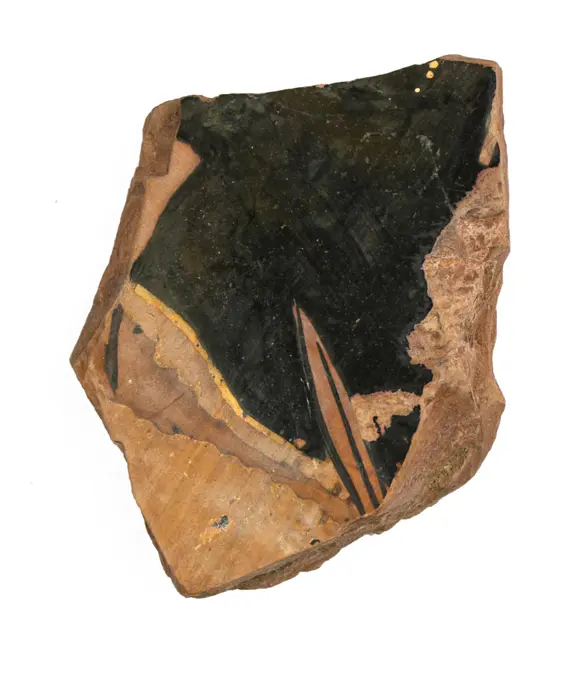
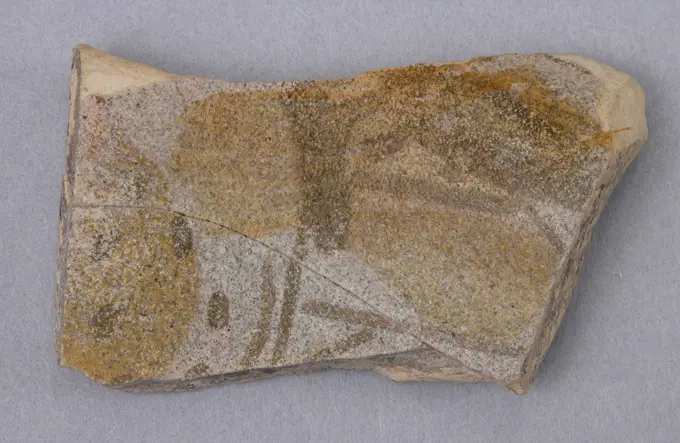
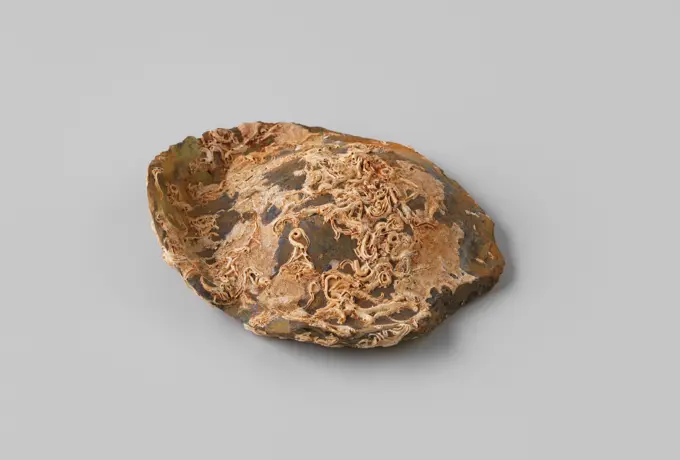
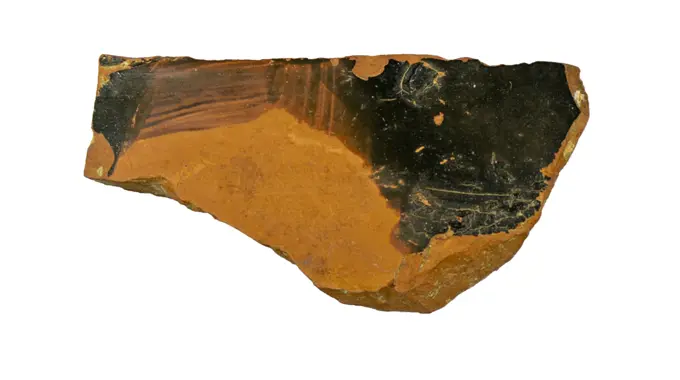
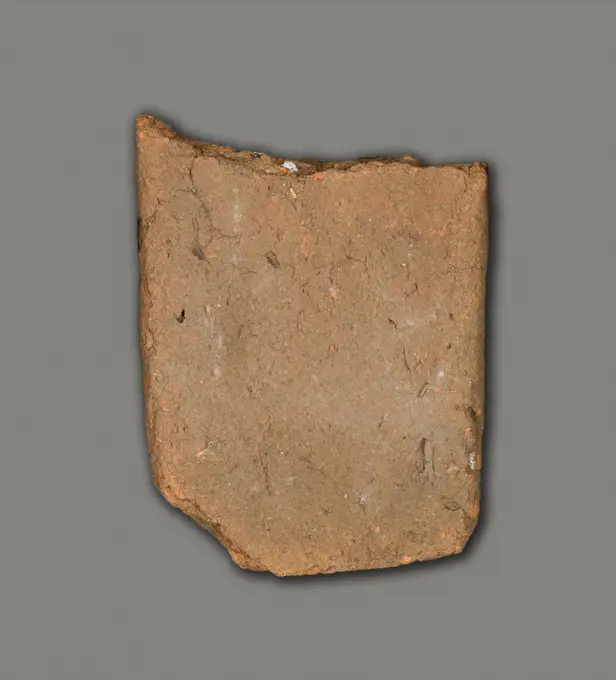
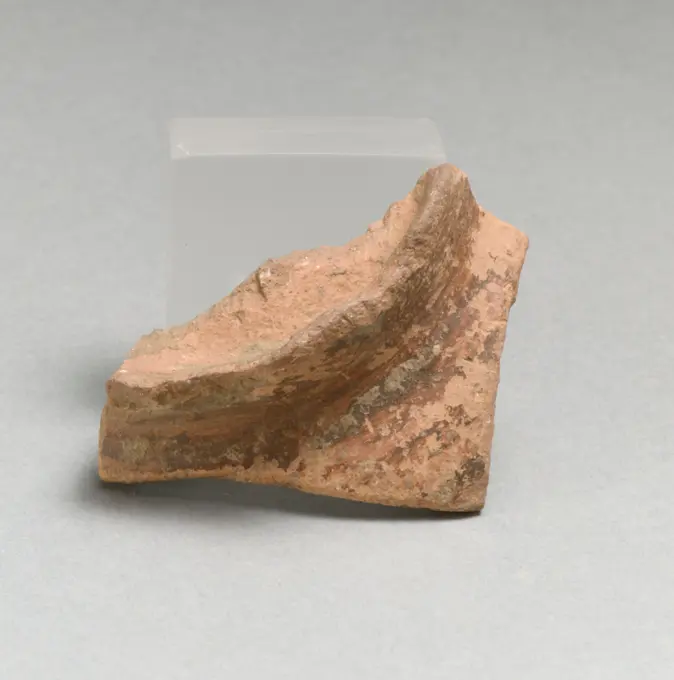
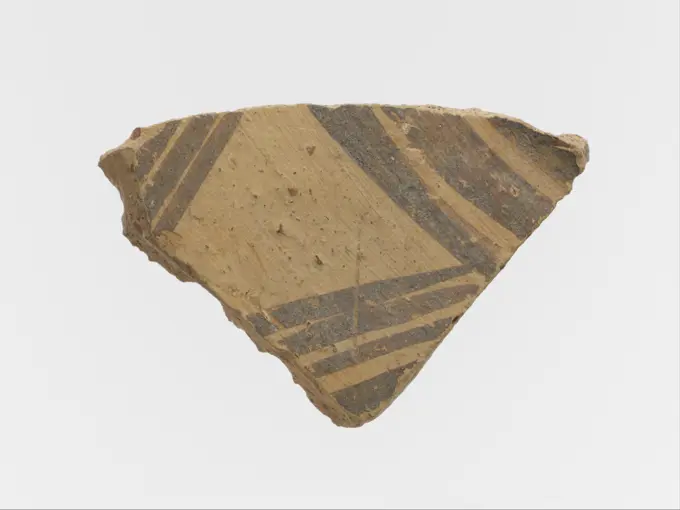
Historic terracotta fragments from drinking cups, displaying classical Greek motifs and styles, highlighting ancient craftsmanship.

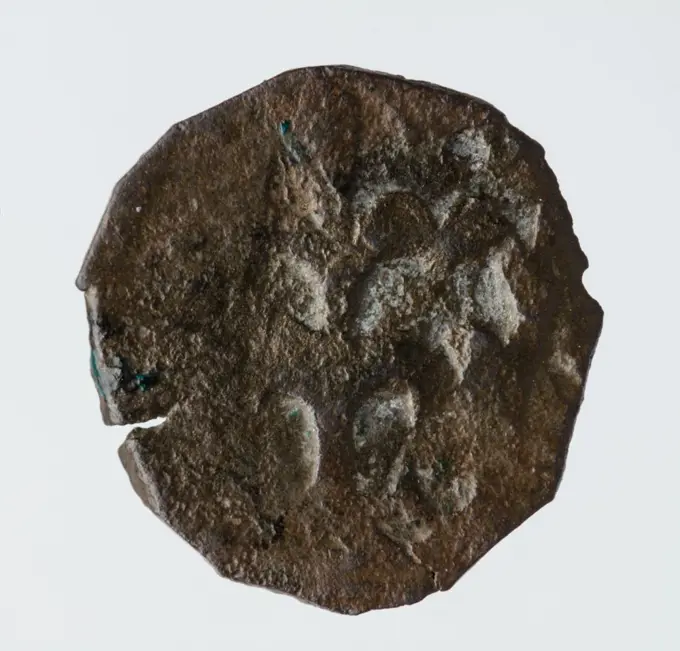
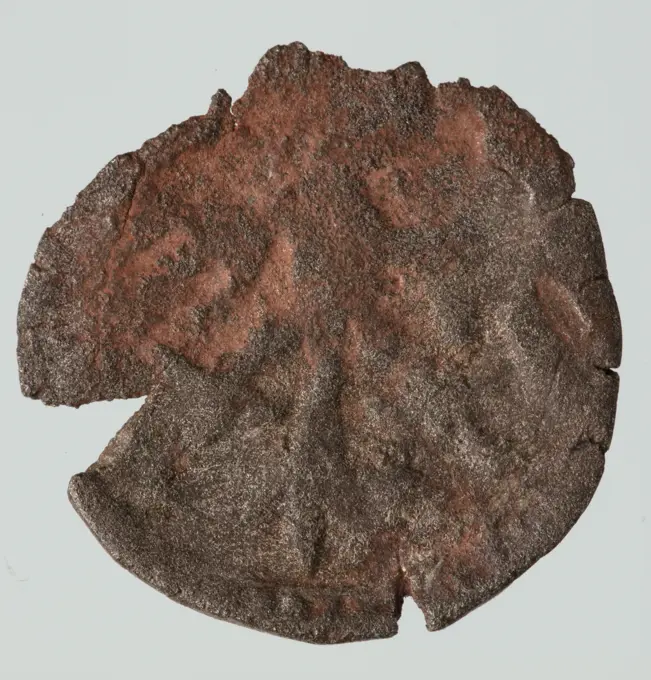
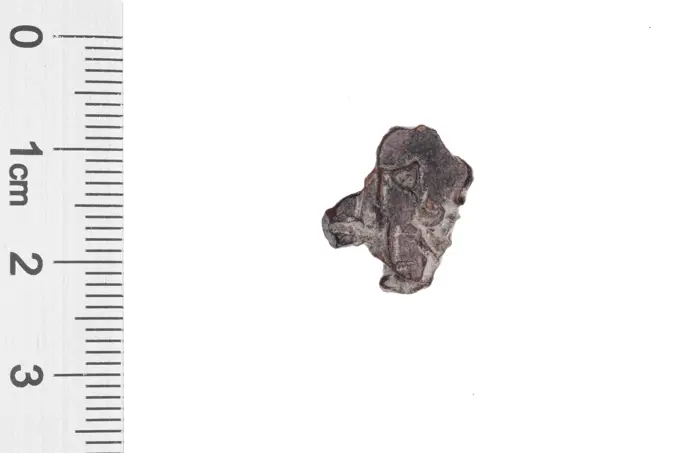
Bronze Senones (meaning) Bronze Senones (meaning). Bronze. Around 100 av.j.-C.
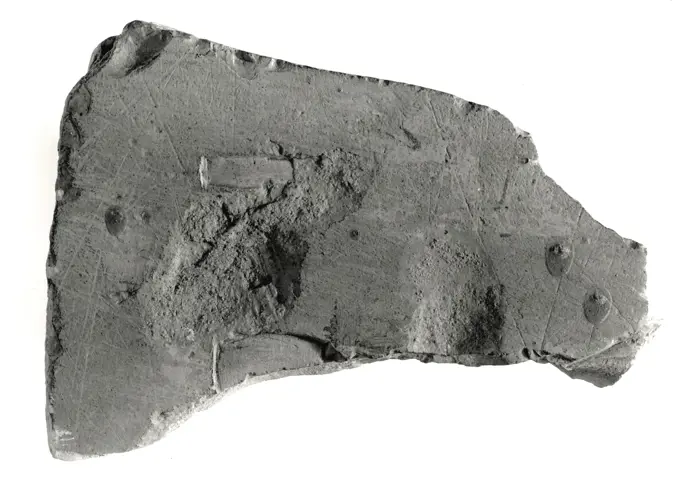
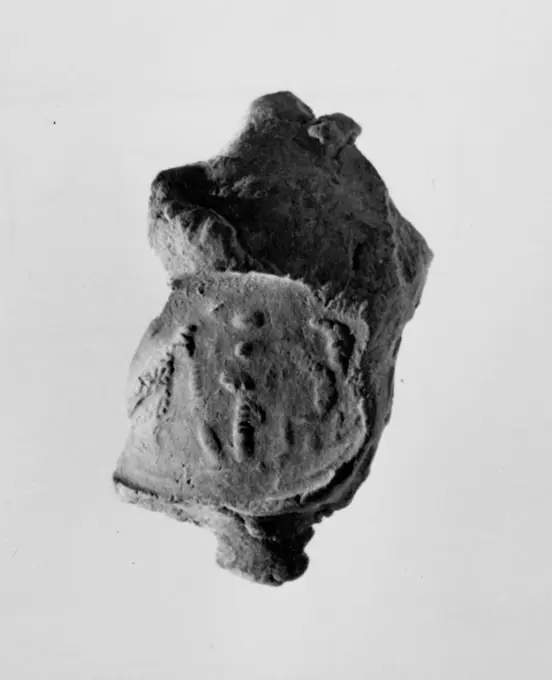
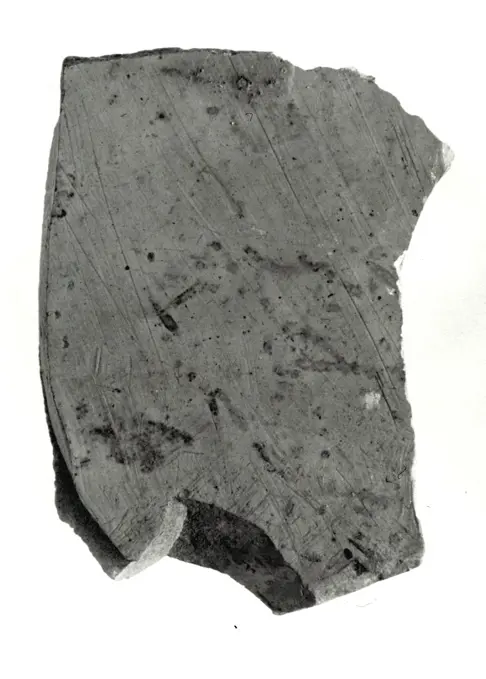
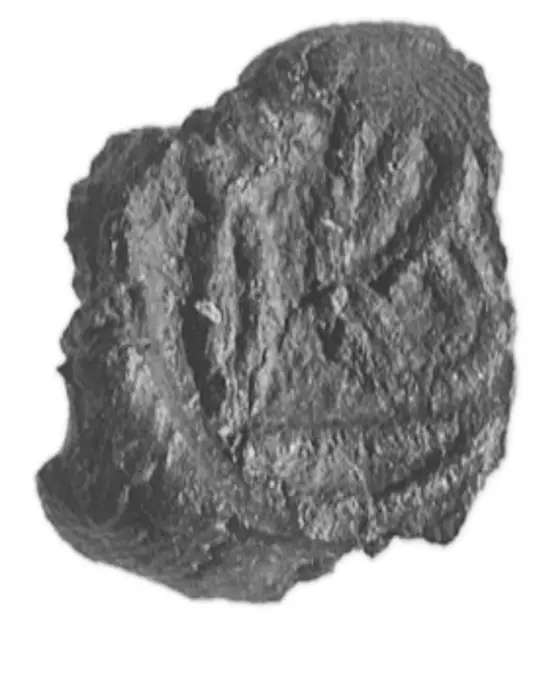
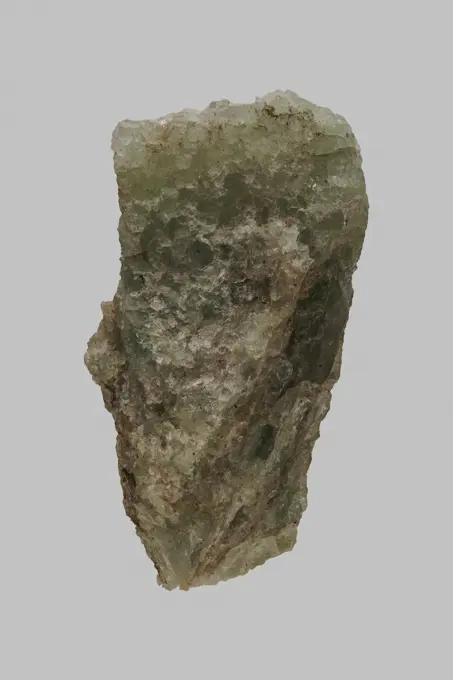
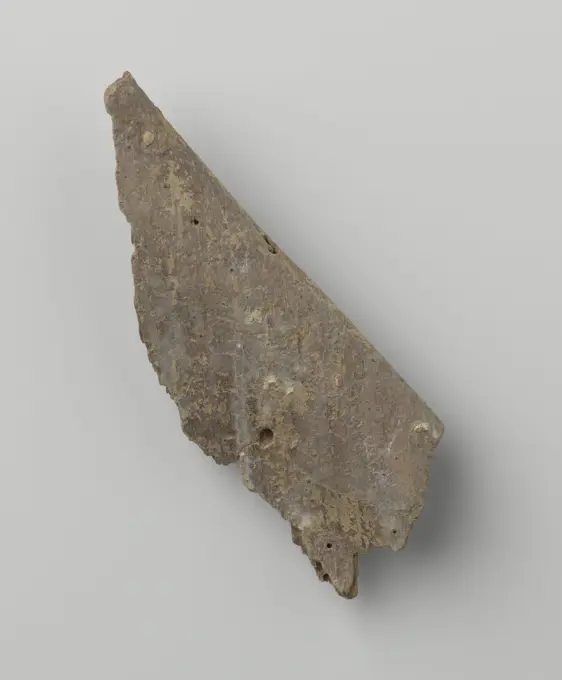
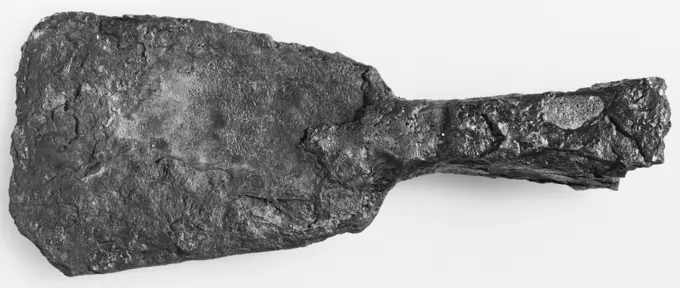
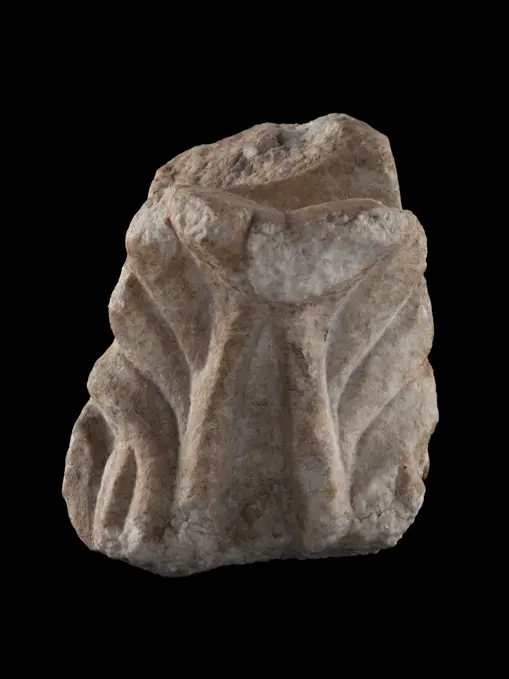
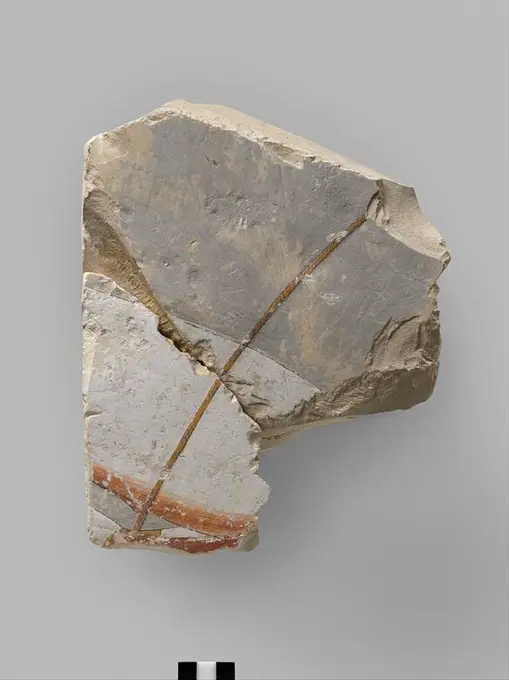
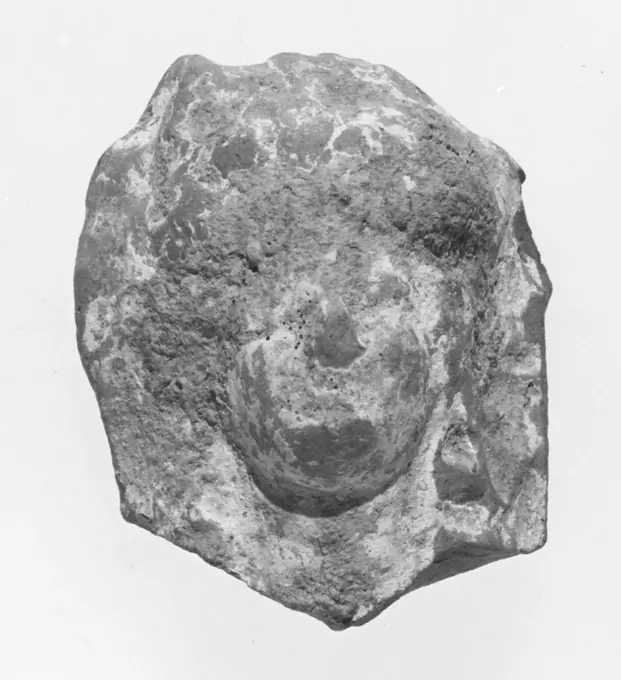
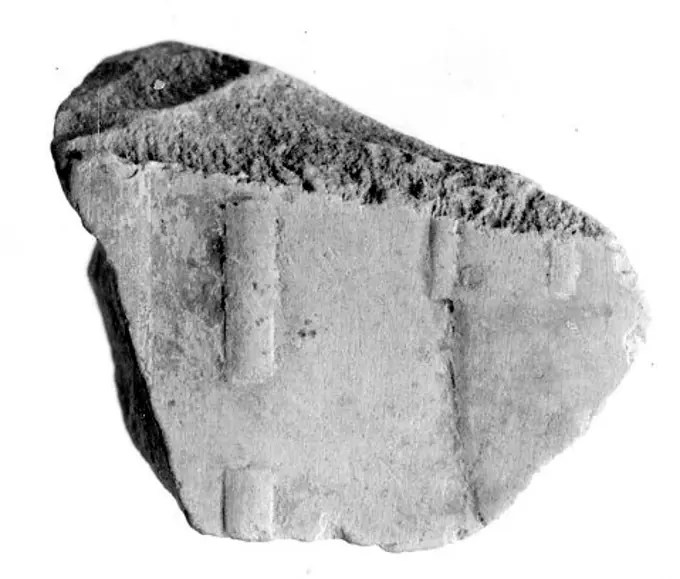
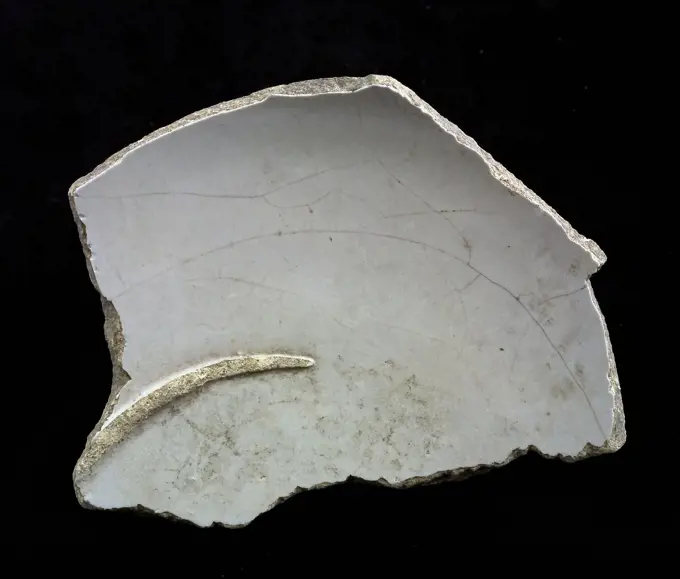
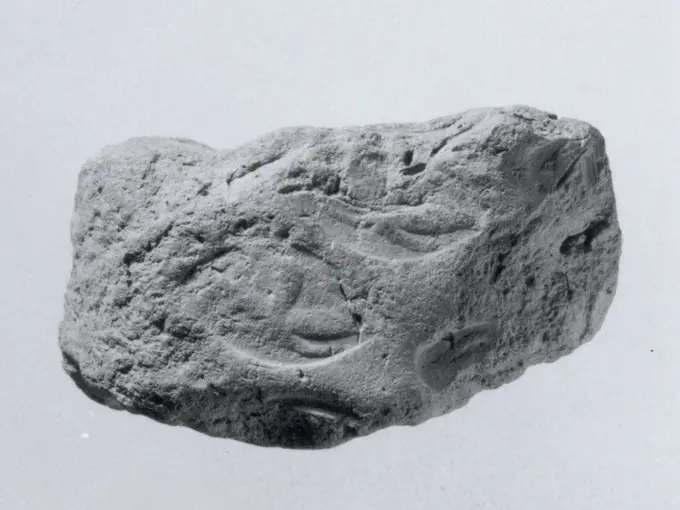
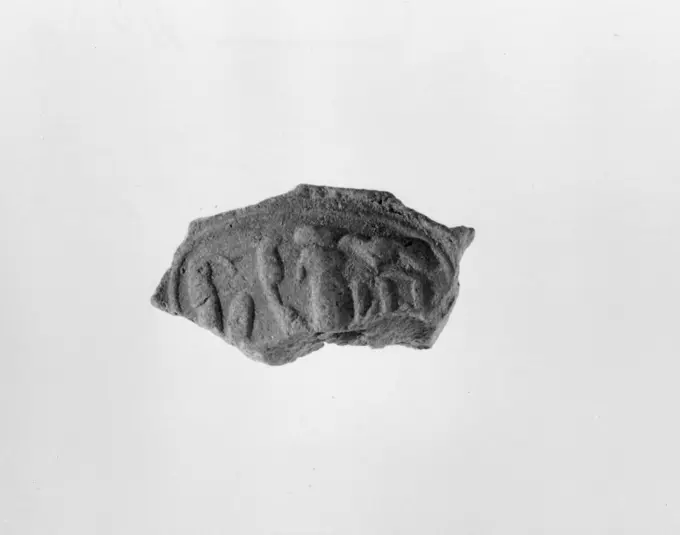
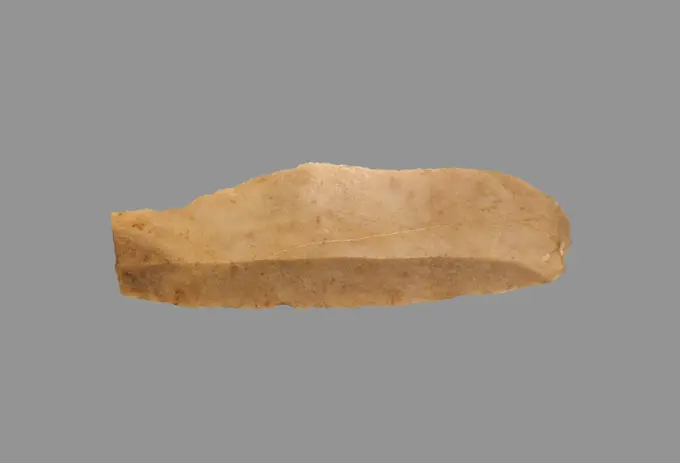
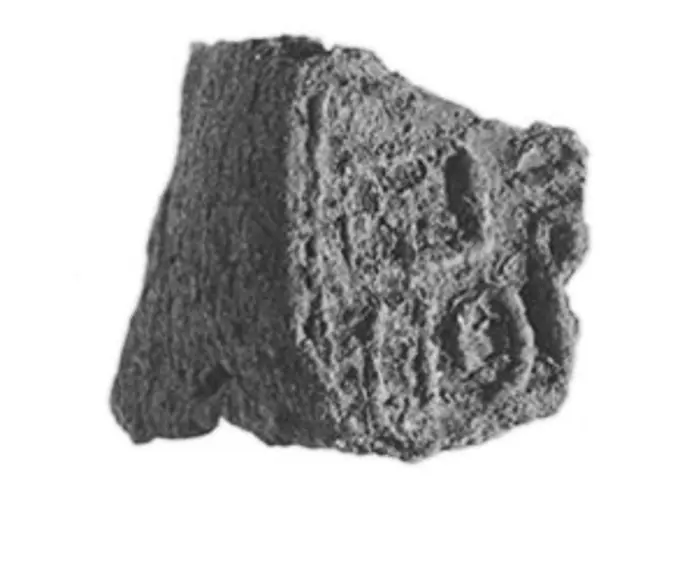
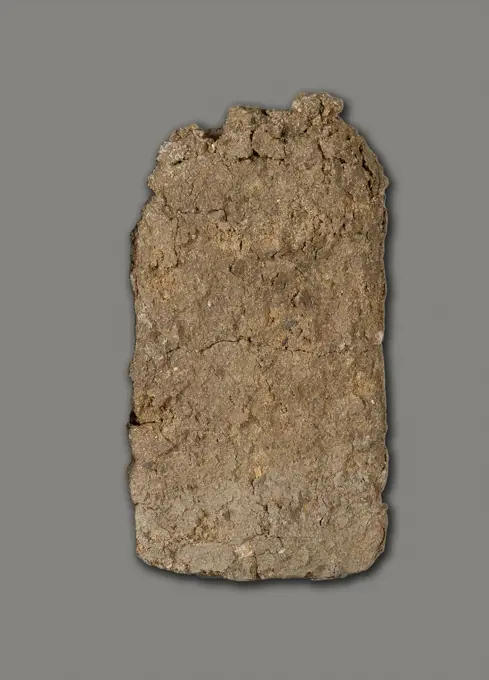
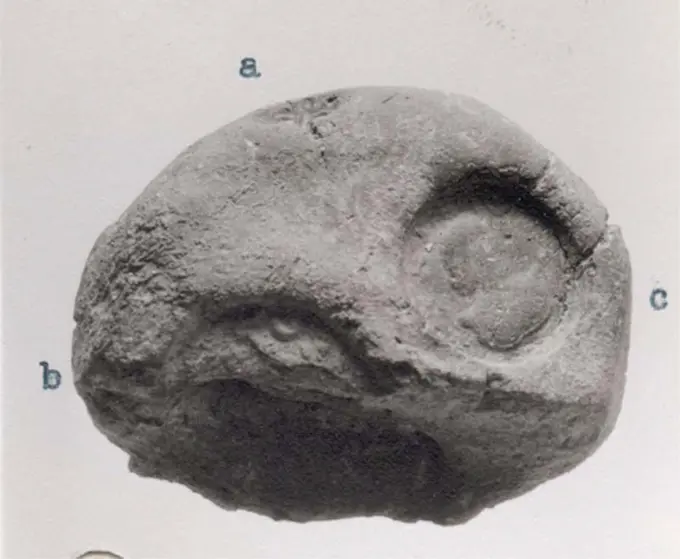
Fragment; (possibly) belonging to the Retable of Soest. .Sealing ca. 2030-1640 B.C. Middle Kingdom. Sealing 565877Sunk relief fragment 664-610 B.C. Late Period, Saite see 23.3.468. Sunk relief fragment. 664-610 B.C.. Limestone, mortar traces. Late Period, Saite. From Egypt, Upper Egypt, Thebes, Deir el-Bahri, Tomb of Nespekashuty (TT 312, MMA 509), Lunette, 2nd chamber, MMA excavations, 1922-23. Dynasty 26Sealing ca. 2030-1640 B.C. Middle Kingdom. Sealing. ca. 2030-1640 B.C.. Clay (unfired). Middle Kingdom. From Egypt, Memphite Region, Lisht South, Pyramid complex of Senwosret I, north temple gateway, MMA excavations, 1913-14. Dynasty 12-13Fragment; (possibly) belonging to the Retable of Soest. .Armor scales ca. 9th century B.C. Iran. Armor scales 325185Female Head. UnknownHead of a Comic Actor. UnknownBronze Senones (meaning) Bronze Senones (meaning). Bronze. Around 100 av.j.-C.Volute-krater fragment 4th century B.C. Greek, South Italian, Apulian. Volute-krater fragment. Greek, South Italian, Apulian. 4th century B.C.. Terracotta; red-figure. Late Classical. VasesDocument Sealing With the Throne Name of Amenhotep III ca. 1390-1353 B.C. New Kingdom. Document Sealing With the Throne Name of Amenhotep III. ca. 1390-1353 B.C.. Mud. New Kingdom. From Egypt, Upper Egypt, Thebes, Malqata, West Villas, West Villa B, MMA excavations, 1910-12. Dynasty 18Female Head. UnknownSealing ca. 1981-1640 B.C. Middle Kingdom. Sealing 560466Fragment lead from the wreck of the East Indieschief Hollandia. Parts or artifacts; eroded fragments: Materials; Lead.Bliżej Kultury Mint of Kraków, Władysław Warneńczyk (King of Poland, 1434 1444)Wall casing 664-610 B.C. Late Period, Saite see 23.3.468. Wall casing. 664-610 B.C.. Limestone. Late Period, Saite. From Egypt, Upper Egypt, Thebes, Deir el-Bahri, Tomb of Nespekashuty (TT 312, MMA 509), Undetermined, MMA excavations, 1922-23. Dynasty 26Sealing ca. 2030-1640 B.C. Middle Kingdom. Sealing 565799Sealing ca. 1981-1640 B.C. Middle Kingdom. Sealing 560385Sealing ca. 2030-1640 B.C. Middle Kingdom. Sealing 565387Ivory fragment ca. 9th century B.C. Iran. Ivory fragment. Iran. ca. 9th century B.C.. Ivory. Iron Age II. Iran, probably from HasanluSealing ca. 1981-1640 B.C. Middle Kingdom. Sealing 557539Female Head. UnknownRelief fragment, tomb of Meketre ca. 1981-1975 B.C. Middle Kingdom. Relief fragment, tomb of Meketre. ca. 1981-1975 B.C.. Limestone, paint. Middle Kingdom. From Egypt, Upper Egypt, Thebes, Southern Asasif, Tomb of Meketre (TT 280, MMA 1101), MMA excavations, 1920. Dynasty 12Scherf of a jug of the wreck of the East Indians Hollandia, Anonymous, 1700 - in or Before 1743  Stoneware, Rhenish, Frechen-ware, jug; fragm of shoulder with lower join of handle, sim. NG 1980-27H797a. Cologne stoneware   SecondClose up textured green Brazilian aventurine stone on gray backgroundSealing ca. 7th century A.D. Sasanian. Sealing 323384Fragment; (possibly) belonging to the retable of Soest, c. 1475 - c. 1499   wood (plant material)   wood (plant material)Model dagger ca. 1981-1640 B.C. Middle Kingdom. Model dagger. ca. 1981-1640 B.C.. Wood. Middle Kingdom. From Egypt, Memphite Region, Lisht North, Cemetery, MMA excavations, 1920-22. Dynasty 12-13Adze. UnknownAx head 30 B.C.-A.D. 364 Roman Period. Ax head. 30 B.C.-A.D. 364. Iron. Roman Period. From Egypt, Memphite Region, Lisht North, Cemetery, MMA excavations, 1913-14Fragment 9th century. Fragment 451546Weston, Fell 1807-12-14. North America; USA; Connecticut; Fairfield County; WestonSealing ca. 1981-1640 B.C. Middle Kingdom. Sealing. ca. 1981-1640 B.C.. Mud. Middle Kingdom. From Egypt, Memphite Region, Lisht North, Cemetery, MMA excavations, 1920-22. Dynasty 12-13Sealing ca. 1981-1640 B.C. Middle Kingdom. Sealing. ca. 1981-1640 B.C.. Clay. Middle Kingdom. From Egypt, Memphite Region, Lisht North, MMA excavations. Dynasty 12-13Sealing ca. 2030-1640 B.C. Middle Kingdom. Sealing 565783Sealing ca. 7th century A.D. Sasanian. Sealing 323295Anonymous. Merovingian marquee (small fragment). Marble. December 7, 2010. Paris, Carnavalet Museum. 54582-1 Merovingian marquee, marble, small fragmentRelief fragment from tomb of Meketre. Dimensions: H. 19.4 cm ( 7 5/8 in.); W. 24 cm ( 9 7/16 in.); D. 7 cm ( 2 3/4 in.). Dynasty: Dynasty 12. Reign: reign of Amenemhat I, early. Date: ca. 1981-1975 B.C.. Museum: Metropolitan Museum of Art, New York, USA.Female Head. UnknownSealing ca. 2030-1640 B.C. Middle Kingdom. Sealing 562018BLIŻEJ KULTURY Mint of Kraków, Władysław Jagiełło (King of Poland, 1386 1434)Sickle Blade, 1980-1801 BC. Egypt, Middle Kingdom, Dynasty 12. Flint; overall: 5 cm (1 15/16 in.).Female Head. UnknownTransport Amphora. UnknownFragment; (possibly) belonging to the Retable of Soest. .Relief fragment, tomb of Meketre ca. 1981-1975 B.C. Middle Kingdom. Relief fragment, tomb of Meketre. ca. 1981-1975 B.C.. Limestone, paint. Middle Kingdom. From Egypt, Upper Egypt, Thebes, Southern Asasif, Tomb of Meketre (TT 280, MMA 1101), MMA excavations, 1920. Dynasty 12Soil fragment wine bottle from the wreck of the East Indians Hollandia, Anonymous, 1700 - in or before 1743  Onion-shaped bottle or bottle with vertical side, base, tcs-kick-up. Continental production. Netherlands .   SecondLamp, Punic (), North Africa; 5th century B.C; Terracotta; 4 × 6.3 × 6.5 cm (1 9,16 × 2 1,2 × 2 9,16 in.)Volute-krater fragment Greek, South Italian, Apulian 4th century BCE View more. Volute-krater fragment. Greek, South Italian, Apulian. 4th century BCE. Terracotta; red-figure. Late Classical. VasesDoish; Unknown Night -Tamanian workshop; approx. 2600 2350 BC ; Early period D Azira III (-2600-00-00--2350-00-00);Bliżej Kultury Władysław Jagiełło (CA 1351 1434), Mint of KrakówFragment 13th century Crusader. Fragment 475354Female Head. UnknownFragment 13th century Crusader. Fragment 475344Vase fragment Roman. Vase fragment. Roman. Terracotta. VasesFragment of a Bowl (Study Collection) China. Fragment of a Bowl (Study Collection). China. Ceramic with celadon glaze. late Zhou dynasty (1046-256 BC). CeramicsSealing ca. 7th century A.D. Sasanian. Sealing. Sasanian. ca. 7th century A.D.. Un-baked clay. Sasanian. Iran, Qasr-i Abu NasrCrown with discs ca. 1353-1336 B.C. New Kingdom, Amarna Period. Crown with discs 561671Sealing ca. 1981-1640 B.C. Middle Kingdom. Sealing 560342Square flat small rough cut paste, disc soil finding lead metal, cast cut Flat square plate Probably cutting residue of lead processing archeology Rotterdam railroads Soil discovery: rail tunnel Rotterdam.Relief fragment, tomb of Meketre ca. 1981-1975 B.C. Middle Kingdom. Relief fragment, tomb of Meketre 562159Fragment with remains of polychromy; (possibly) belonging to the Retable of Soest. .Bliżej Kultury Władysław Jagiełło (CA 1351 1434), Mint of KrakówOrnament 9th-17th century Mali. Ornament 315897Cast Gem. UnknownFemale Head. UnknownMagical Figure ca. 1802-1550 B.C. Late Middle Kingdom-Second Intermediate Period These tablets of unfired clay with attached crude faces were found as a group by the Museum's excavators at Lisht South in loose surface sand west of the mastaba of Senwosretankh, a high official and possibly the architect of the pyramid complex of Senwosret I (ca. 1961-1917 B. C.), east of which he erected his own very elaborate mastaba tomb (see acc. nos. 33.1.2 and other pieces). The mud figures and little coffin (acc. no. 33.1.66) that had contained some of them must have been buried, however, considerably later than the early twelfth dynasty tomb close to which they were found. In fact, during the thirteenth and following dynasties people deposited a number of objects in the by then sacred area around a legendary ruler's pyramid and its dependant monuments, believing conceivably that potent magical powers could thus be released. These flat mud figures, for instance, are inscribed in now much-faded redFragment majolica dish, white glaze, baked edge on top, baking fault, plate dish crockery holder earth discovery ceramics earthenware glaze tin glaze leag glaze, majolica baked archeology Schiedam indigenous pottery handicrafts crockery Botemvondst archaeological find in the soil weedstraat Schiedam 1973.Head with Melon Coiffure and Headdress. UnknownArrowhead ca. 612 B.C. Assyrian. Arrowhead 324377Bulla 2nd century BC-1st century AD Parthian This lump of clay, called a bulla,’ bears four impressions of the same oval stamp seal (possibly from a signet ring), featuring an image of a moth. Given its condition it is not clear to what it was attached originally, but it may have been a stopper in the mouth of a jar. Seals were ancient accounting tools, used for example to indicate who supplied a commodity, who was responsible for its disbursement, or who received it. In this case, the seal impressions may indicate who supplied the contents of the jar. Once the jar was opened, the bulla was discarded.This bulla was excavated at Shahr-i Qumis in northern Iran, which has been identified as the ancient city of Hecatompylos, established by the Parthians as the capital of their empire by about 200 B.C. In Greek Hecatompylos means a hundred gates,’ suggesting that the city was quite large. Indeed, the modern archaeological site includes several mounds, only a few of which have been excavatCuneiform tablet: fragment ca. 7th-4th century B.C. Babylonian or Achaemenid. Cuneiform tablet: fragment 321864Document Sealing With the Throne Name of Amenhotep III ca. 1390-1353 B.C. New Kingdom. Document Sealing With the Throne Name of Amenhotep III. ca. 1390-1353 B.C.. Mud. New Kingdom. From Egypt, Upper Egypt, Thebes, Malqata, West Villas, West Villa B, MMA excavations, 1910-12. Dynasty 18Bliżej Kultury Władysław Jagiełło (CA 1351 1434), Mint of KrakówBelt Buckle Plate 6th-7th century Frankish. Belt Buckle Plate 465357 Frankish, Belt Buckle Plate, 6th7th century, Iron with silver and copper alloy inlay, Overall: 3 9/16 x 1 15/16 x 3/8 in. (9 x 5 x 1 cm). The Metropolitan Museum of Art, New York. Gift of J. Pierpont Morgan, 1917 (17.192.52)Fragments lead from the wreck of the East Indiesman Hollandia. Parts or artifacts; eroded fragments: Materials; Lead.Undecorated Base Fragment. UnknownShards of jugs from the wreck of the East India Hollandia. Stoneware, rhenish, frechen-ware, jug; Fragm or bodies.Vase fragment Neolithic. Vase fragment 251327 Neolithic, Vase fragment, Terracotta, 1 1/8  2 3/8  5/16 in. (2.9  6  0.7 cm). The Metropolitan Museum of Art, New York. Gift of Gisela M. A. Richter, 1923 (23.121.27)Document Sealings With the Throne Name of Thutmose III ca. 1390-1353 B.C. New Kingdom Two sealings from Malqata have partially preserved imipressions of a rectangular seal inscribed with the throne name of Thutmose III, the great-grandfather of Amenhotep III. The seal is dominated by the figure of a striding lion with a tail that curves up over his back. In front of the animal is a cartouche with the name Menkheperre. Hieroglyphs above the lion's back and between its legs record the royal epithets The Good (or Perfect) God, Lord of the Two Lands.The impression on this sealing preserves most of the lion, the curving tail and the lower ends of the two hieroglyphs above his back, and part of the cartouche.. Document Sealings With the Throne Name of Thutmose III. ca. 1390-1353 B.C.. Sun-dried mud. New Kingdom. From Egypt, Upper Egypt, Thebes, Malqata, West Villas, Wests Villa B, MMA excavations, 1910-12. Dynasty 18Terracotta vessel fragment with linear decoration ca. 2000-1550 B.C. Helladic Matt-painted ware.. Terracotta vessel fragment with linear decoration 253313 Helladic, Terracotta vessel fragment with linear decoration, ca. 20001550 B.C., Terracotta, Other: 1 9/16in. (3.9cm). The Metropolitan Museum of Art, New York. Anonymous Gift, 1930 (30.119.108)Attic Red-Figure Keras Fragment; Athens, Greece; about 470 B.C; Terracotta; 9.3 cm (3 5,8 in.)Sickle Blade, 1980-1801 BC. Egypt, Middle Kingdom, Dynasty 12. Flint; overall: 5 cm (1 15/16 in.).Sealing ca. 2030-1640 B.C. Middle Kingdom. Sealing 562023Stone wall cladding fragment. unknown, craftsmanFragment of a terracotta plaque late 5th century B.C. Greek Legs and feet of a dancing womanThe subject of the plaque was a kalathiskos dancer ( see 53.5.39).. Fragment of a terracotta plaque 254767 Greek, Fragment of a terracotta plaque, late 5th century B.C., Terracotta, 3 1/8 in. x 2 1/2 in. (7.9 cm x 6.3 cm). The Metropolitan Museum of Art, New York. Gift of the Archaeological Institute of America, 1953 (53.5.42)Engaged Column Base 11th-13th century Italian or French. Engaged Column Base. Italian or French. 11th-13th century. Stone. Sculpture-StoneMagical Figure ca. 1802-1550 B.C. Late Middle Kingdom-Second Intermediate Period These tablets of unfired clay with attached crude faces were found as a group by the Museum's excavators at Lisht South in loose surface sand west of the mastaba of Senwosretankh, a high official and possibly the architect of the pyramid complex of Senwosret I (ca. 1961-1917 B. C.), east of which he erected his own very elaborate mastaba tomb (see acc. nos. 33.1.2 and other pieces). The mud figures and little coffin (acc. no. 33.1.66) that had contained some of them must have been buried, however, considerably later than the early twelfth dynasty tomb close to which they were found. In fact, during the thirteenth and following dynasties people deposited a number of objects in the by then sacred area around a legendary ruler's pyramid and its dependant monuments, believing conceivably that potent magical powers could thus be released. These flat mud figures, for instance, are inscribed in now much-faded redDrohiczyn seal. unknown, managerMummy label Roman Period 30 B.C.-A.D. 364 View more. Mummy label. 30 B.C.-A.D. 364. Wood, pigment. Roman Period. From Egypt, Middle Egypt, Oxyrhynchus (Bahnasa), EEF excavations 1904-05Sealing ca. 7th century A.D. Sasanian. Sealing 323323Unattributed Trebizond Coin. UnknownPolished gneiss axe. North Africa, Neolithic. 5.2cm.Shark's tooth fossil on white backgroundFragment Pijpenkop from the wreck of the East Indians Hollandia, Anonymous, 1700 - in Or Before 1743  Pipe, bowl, heelmark: crowned 82; fragment, no hsm. Netherlands pipe clay   SecondSealing ca. 7th century A.D. Sasanian. Sealing 323449Fragments of a Stela inscribed on Two Sides. Egypt, New Kingdom, 19th - 20th Dynasty (1315 - 1081 BCE). Sculpture. LimestoneJar handle with seal impression ca. late 8th-7th century B.C. Israelite. Jar handle with seal impression 323176Excerpt of copper from the wreck of the East Indians Hollandia, 1700 - in or before 1743  Parts of artefacts; eroded fragments: materials; copper. Netherlands copper (metal)   SecondDisk bead 664-332 B.C. Late Period. Disk bead 555363