Ancient Terracotta Fragments

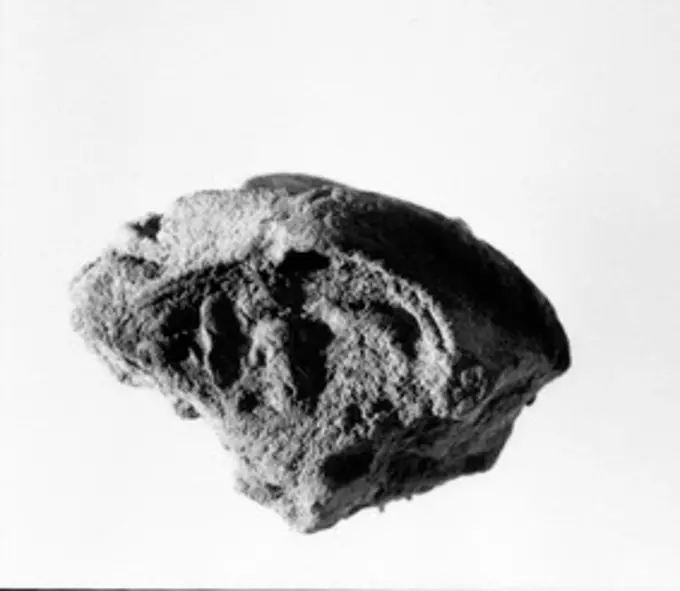
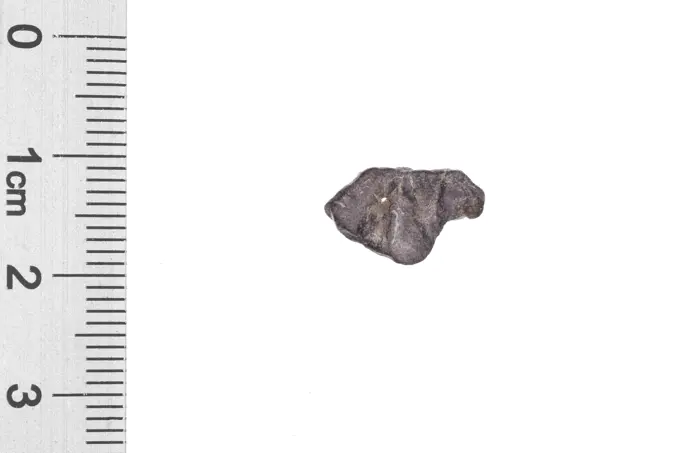
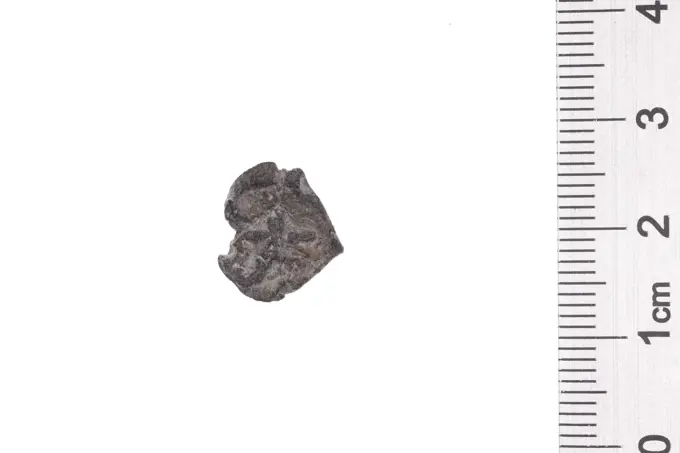
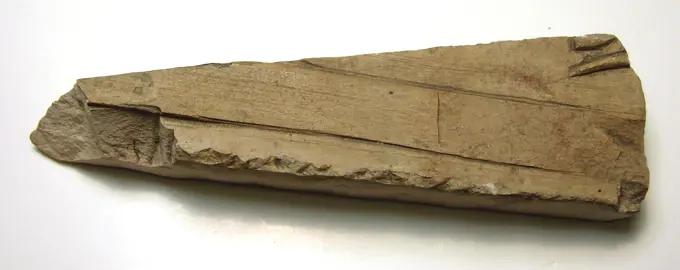
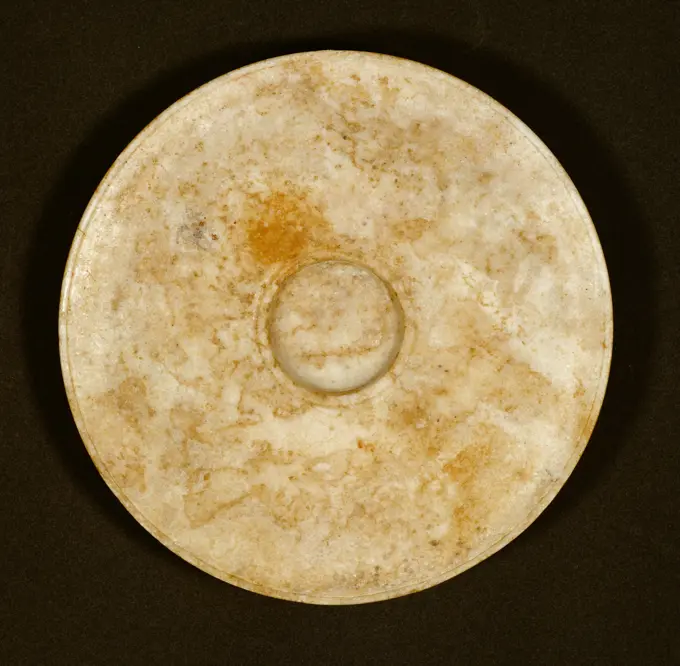
Historic terracotta fragments from drinking cups, displaying classical Greek motifs and styles, highlighting ancient craftsmanship.

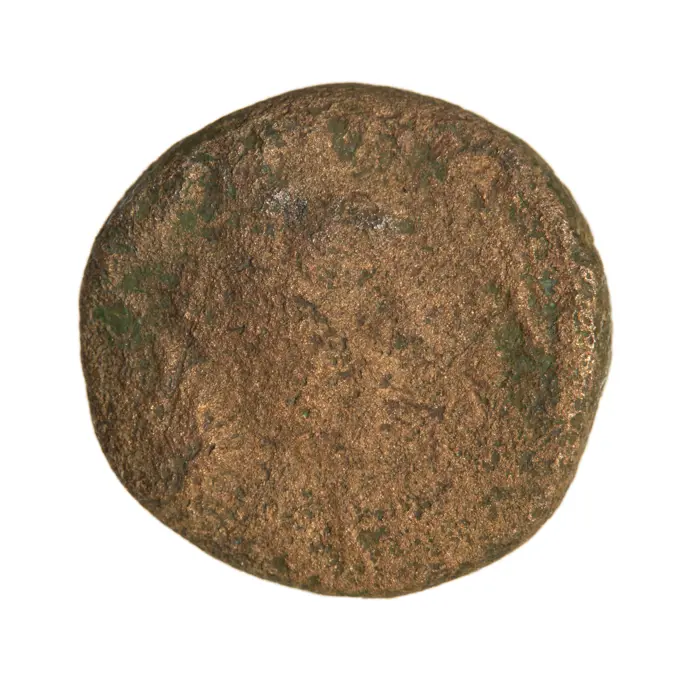
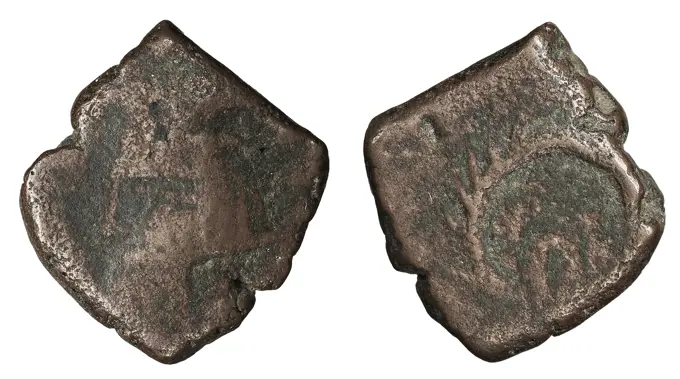
Bronze Senones (meaning) Bronze Senones (meaning). Bronze. Around 100 av.j.-C.
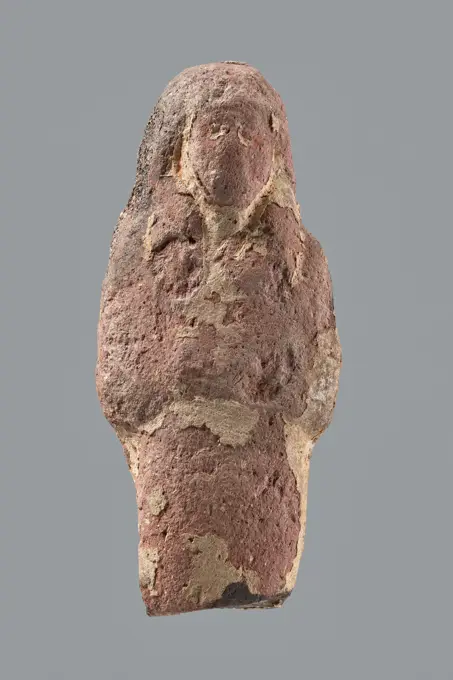
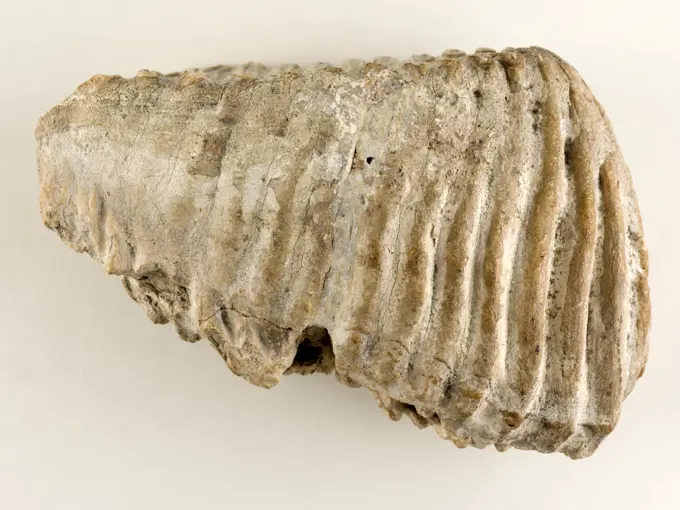
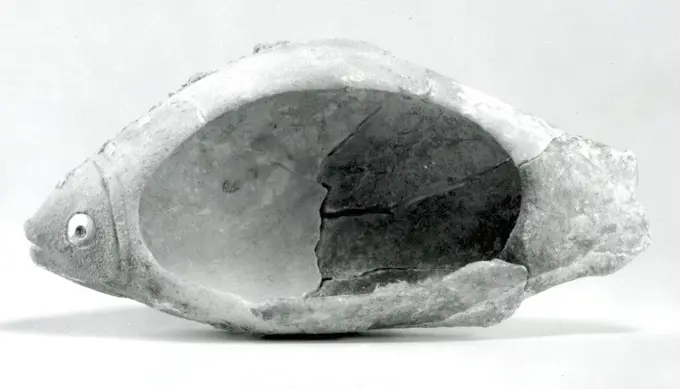
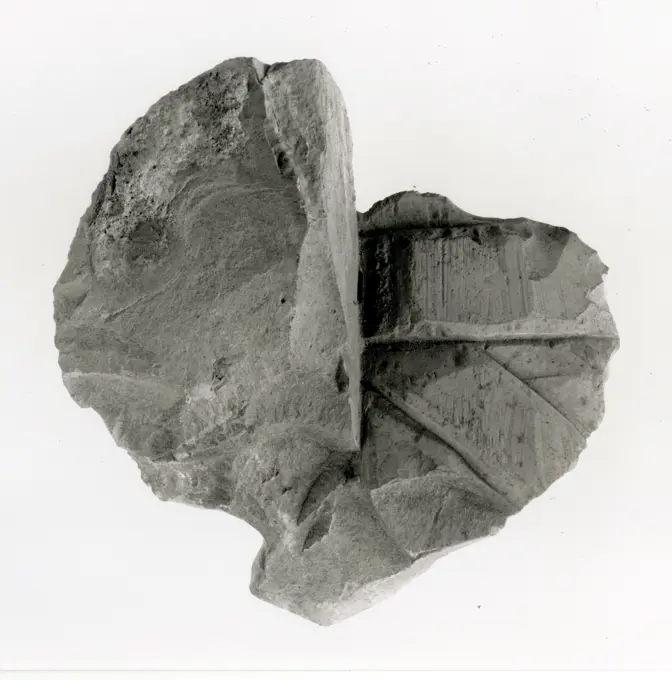
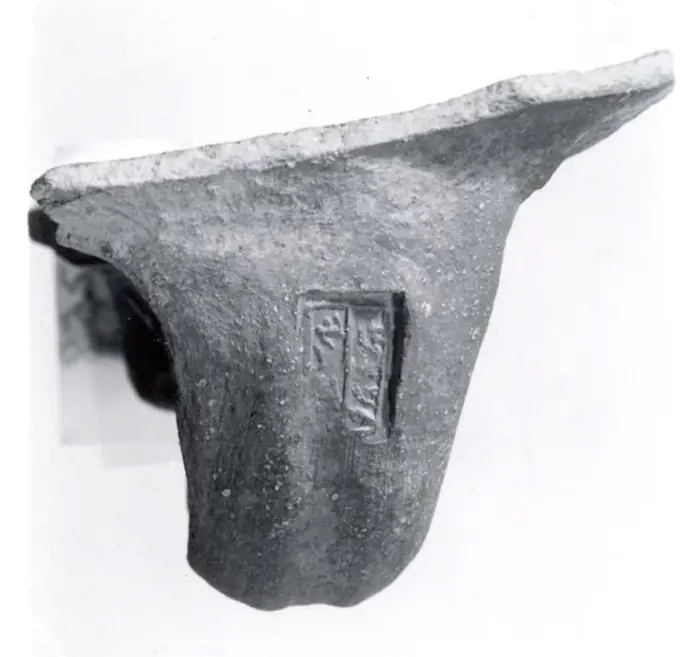
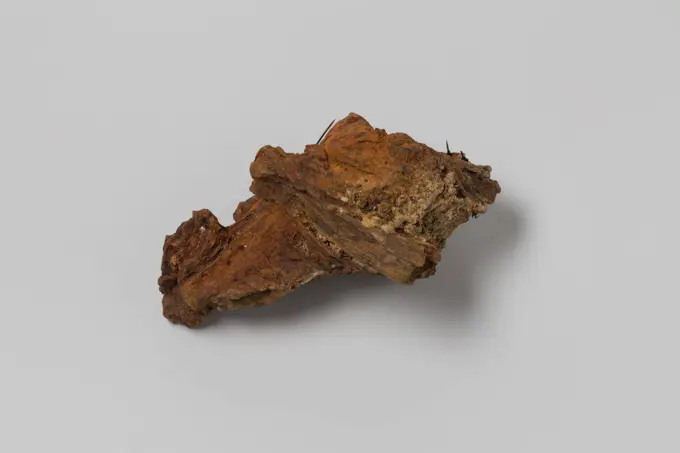
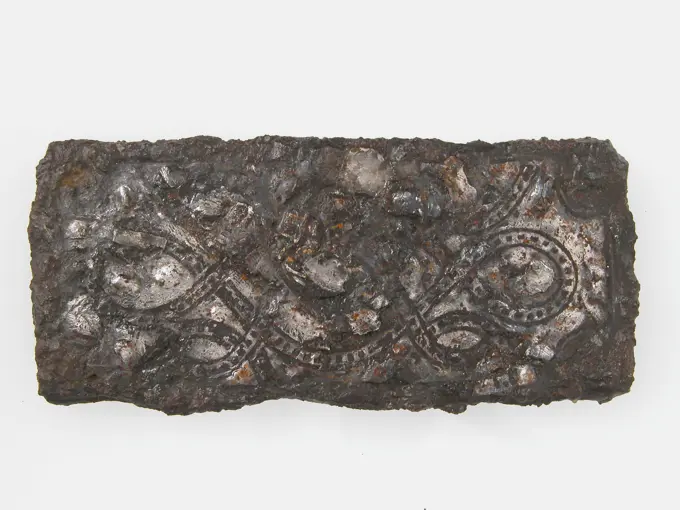
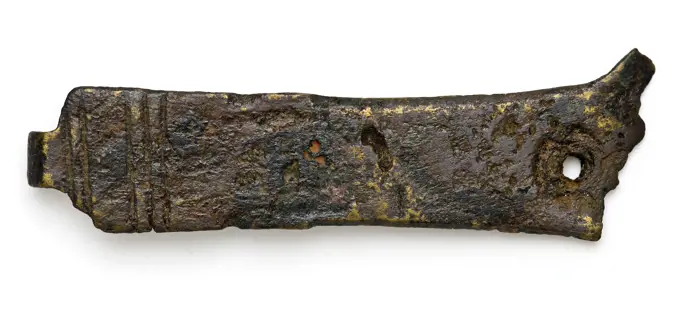
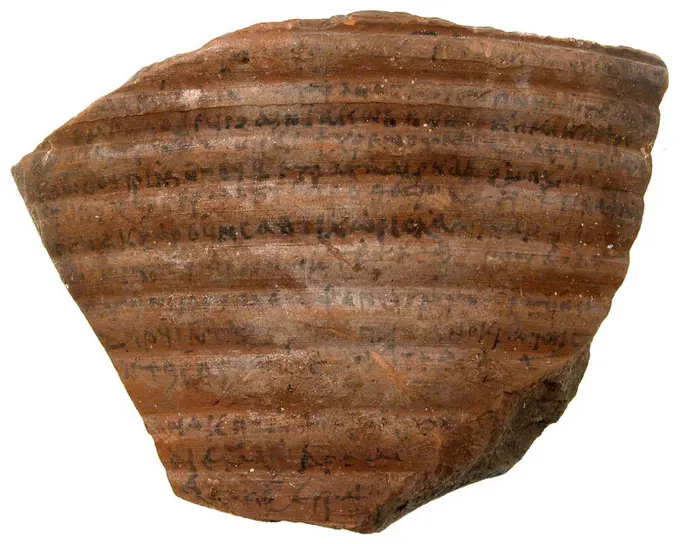
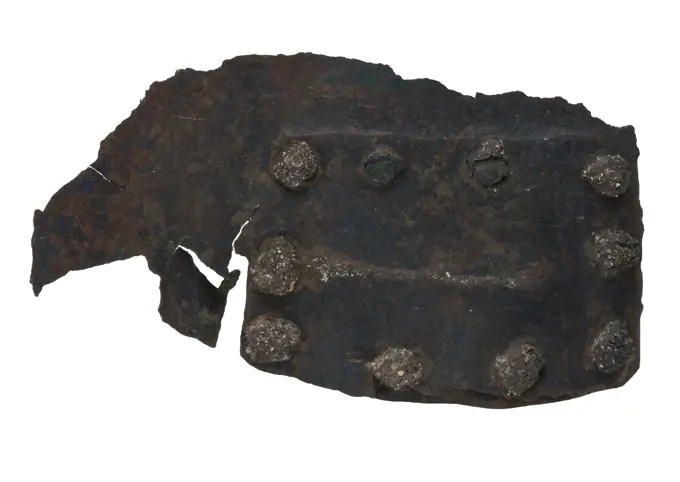
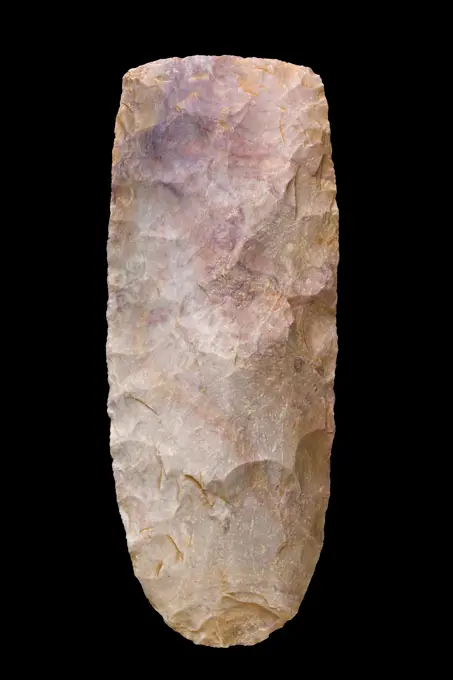
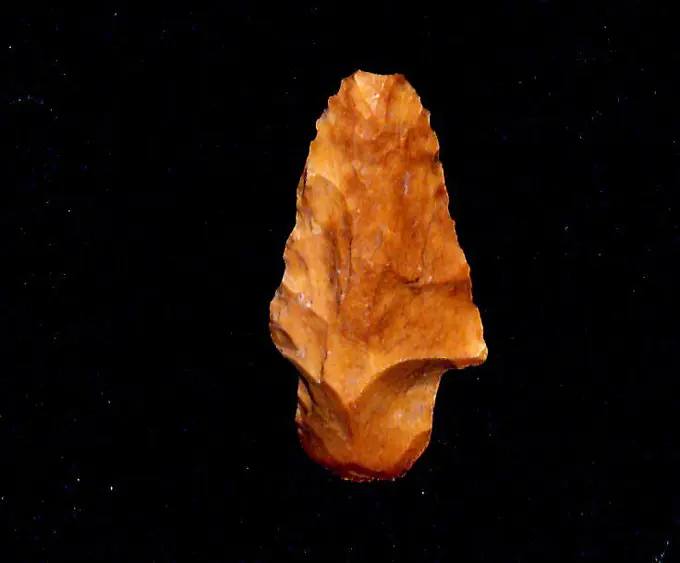
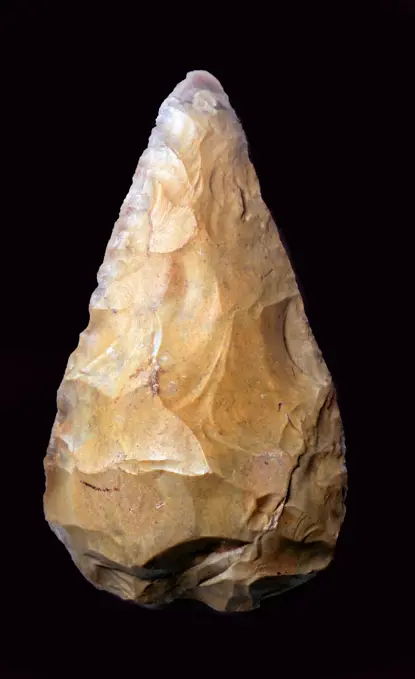
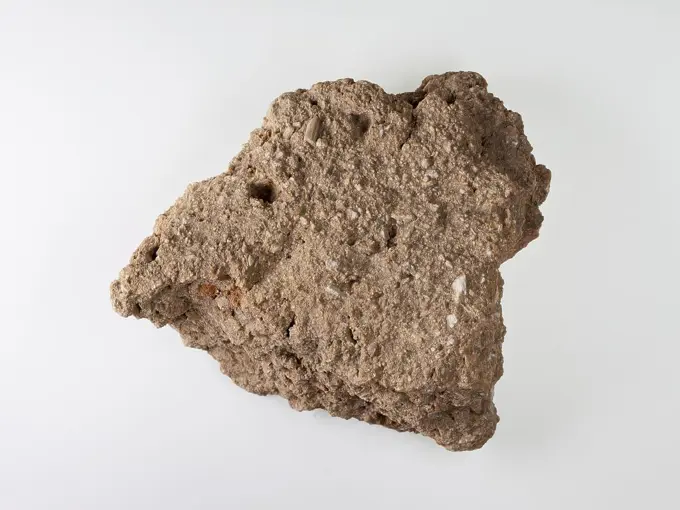
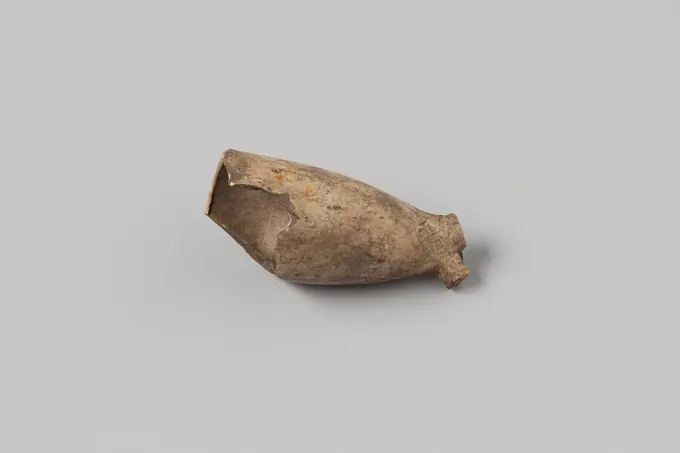
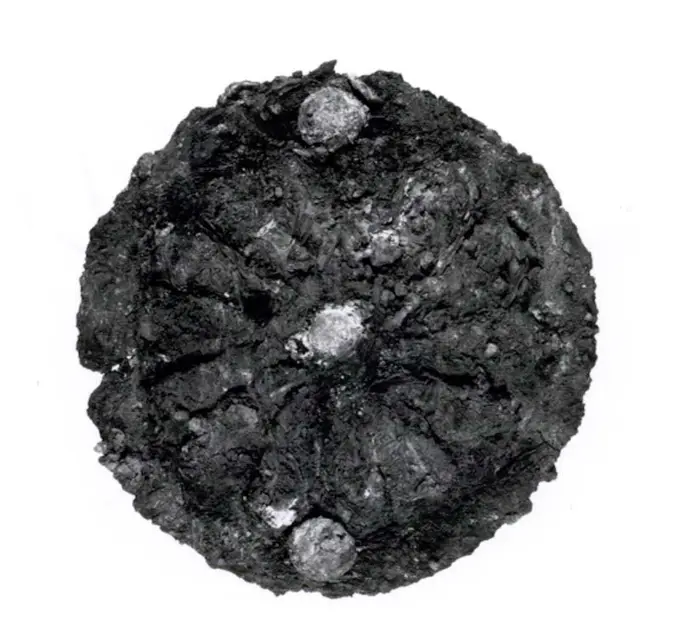
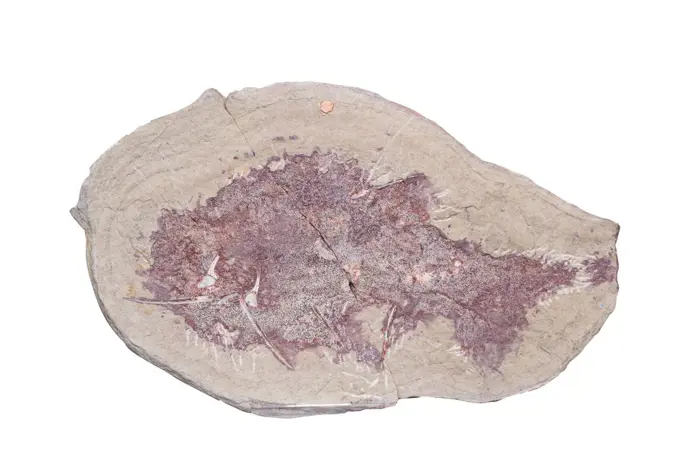
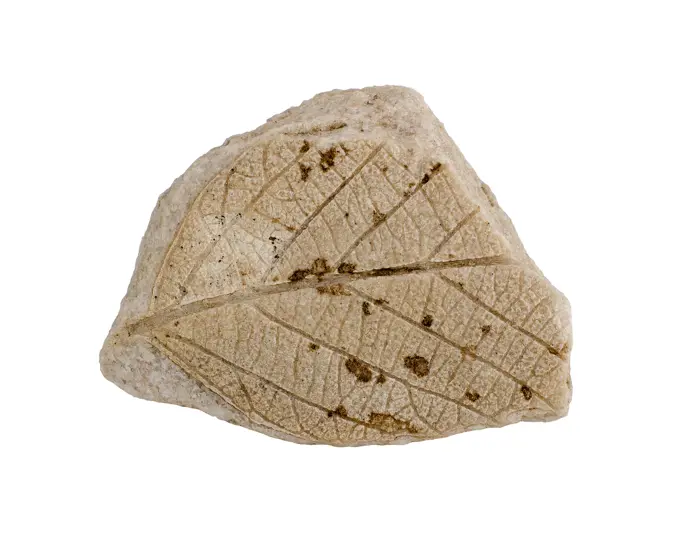
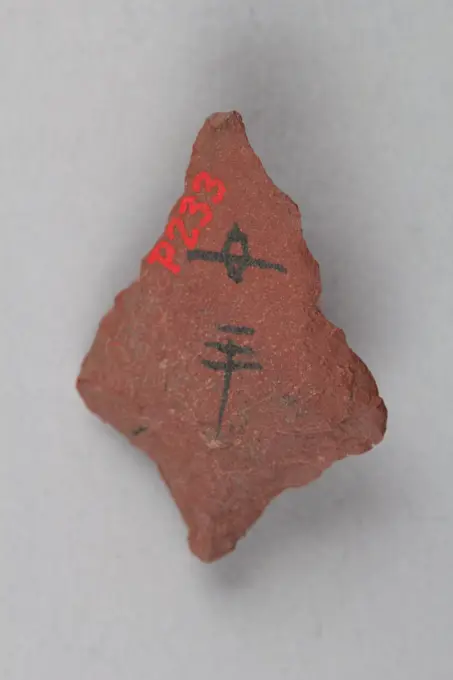
Greece, Sarmacja, Olmia, V The beginning of the 4th century BC, Dolphin money, AE MintArrowhead. Culture: Japan. Dimensions: W. 1 in. (2.5 cm); L. 1 1/2 in. (3.8 cm). Museum: Metropolitan Museum of Art, New York, USA.Equal-Arm Brooch ca. 650-750 Frankish. Equal-Arm Brooch 465558 Frankish, Equal-Arm Brooch, ca. 650750, Copper alloy, Overall: 1 7/8 x 1/2 x 5/16 in. (4.8 x 1.2 x 0.8 cm). The Metropolitan Museum of Art, New York. Gift of J. Pierpont Morgan, 1917 (17.193.235)Plate from the wreck of the East Indies' t Vliegend Hart ,, 1700 - 1735 in 1735 plate (dishes) Round to oval distorted plate with two holes, corroded. Middelburg tin (metal)Fragment of Sagger and Bowl probably 8th-12th century This fragment was excavated in Nishapur in the 1940s. It was subsequently acquired by the Museum through a division of finds with the Iranian government at the time. It is a purple-glazed stonepaste vessel that is attached to an earthenware sagger, a mishap that must have occurred during the firing process. As such, it offers important evidence for the manufacturing techniques of stonepaste vessels in Nishapur. Saggers are protective fireclay vessels that enclose ceramic ware during firing. The technique is well known in Eastern Asian ceramic productions, while in Iran it is so far only attested for among stonepaste vessels and appears to be absent in Syrian stonepaste manufacture.. Fragment of Sagger and Bowl. probably 8th-12th century. Earthenware; glazed. Found Iran, Nishapur. CeramicsUszebti. unknown, authorBead 6th-8th century. Bead 453486Fragments Visbot from the wreck of the East Indians Hollandia, 1700 - in Or Before 1743  Faunal remains: bones; fish species; cod family (Gadidae); cleithrum.  bone (material)   SecondMammoth molar. Paleolithic. Paris, Carnavalet museum. Prehistoric animal, tooth, mammoth, molar, paleolithic, prehistoryBelt Buckle Tongue. Culture: Frankish. Dimensions: Overall: 2 7/8 x 7/8 x 3/8 in. (7.3 x 2.3 x 0.9 cm). Date: 4th-7th century. Museum: Metropolitan Museum of Art, New York, USA.Canosan Oinochoe Fragment. Unknown about 300 B.C.Fish-shaped vessel 2nd millennium B.C.. Fish-shaped vessel 327036ESTELA ROMANA DEL AÑO XXXV. Location: MUSEO ARQUEOLOGICO-COLECCION. Oviedo. ASTURIAS. SPAIN.Raised relief fragment 664-610 B.C. Late Period, Saite see 23.3.468. Raised relief fragment. 664-610 B.C.. Limestone. Late Period, Saite. From Egypt, Upper Egypt, Thebes, Deir el-Bahri, Tomb of Nespekashuty (TT 312, MMA 509), 1st chamber N. door, MMA excavations, 1922-23. Dynasty 26Glass Fragment 14th century British. Glass Fragment. British. 14th century. Colorless glass. Glass-StainedCoin 758-68. Coin. 758-68. Copper. Excavated in Iran, Nishapur. Coins1/4 tical of salung uit Thailand,1650-1850, , 1650 - 1850 coin Silver, grain -shaped mint. Equipped with two stamps (KRA): chakra and pagoda.  silver (metal) castingJar handle with seal impression ca. late 8th-7th century B.C. Israelite. Jar handle with seal impression. Israelite. ca. late 8th-7th century B.C.. Ceramic. Iron Age II. Levant, Lachish (modern Tell ed-Duweir)Two dowels from a chair () ca. 18th century B.C. Old Assyrian Trading Colony. Two dowels from a chair () 329708Carbonars;  664-332 BC ; Half period () (-664-00-00--332-00-00);Sword guard China. Sword guard 42784Wall casing 664-610 B.C. Late Period, Saite see 23.3.468. Wall casing. 664-610 B.C.. Limestone. Late Period, Saite. From Egypt, Upper Egypt, Thebes, Deir el-Bahri, Tomb of Nespekashuty (TT 312, MMA 509), Undetermined, MMA excavations, 1922-23. Dynasty 26Sealing ca. 7th century A.D. Sasanian. Sealing 323400Dress part of the wreck of the East Indies Hollandia, Anonymous, 1700 - in Or Before 1743  tap, part of tap; Fragm, ID. ng 1979-521H. Netherlands copper (metal)   SecondConcretion from the wreck of the East Indies Hollandia, 1700 - in or before 1743 concretionary stone Parts of artefacts; eroded fragments: materials; lump, containing pins. Netherlands concretionary stone   SecondGreece, Sarmacja, Olmia, V The beginning of the 4th century BC, Dolphin money, AE MintDocument Sealing With the Throne Name of Amenhotep III ca. 1390-1353 B.C. New Kingdom. Document Sealing With the Throne Name of Amenhotep III. ca. 1390-1353 B.C.. Mud. New Kingdom. From Egypt, Upper Egypt, Thebes, Malqata, West Villas, West Villa B, MMA excavations, 1910-12. Dynasty 18Fragments shoe from the wreck of the East Indiesman Hollandia. Shoe; Fragm of Sole, Heel and Uppers, Dried, Deforgeed.Drohiczyn seal. unknown, managerFragment from an Etruscan Plastic Vase. UnknownSealing ca. 7th century A.D. Sasanian. Sealing 323268Drohiczyn seal. unknown, managerGrinding slab ca. 1981-1640 B.C. Middle Kingdom. Grinding slab. ca. 1981-1640 B.C.. Serpentinite. Middle Kingdom. From Egypt, Memphite Region, Lisht North, Cemetery, MMA excavations, 1920-22. Dynasty 12-13Drohiczyn seal. unknown, managerSealing ca. 7th century A.D. Sasanian. Sealing 323331Drohiczyn seal. unknown, managerFemale Head. UnknownHub with Pin China. Hub with Pin. China. Bronze. Zhou dynasty (1046-256 B.C.). MetalworkButton from the wreck of the East India hollandia. Button. (1) Flat, commanded RIM, Plain (2D, 0.4T)Syrian-style nude female ca. 15th century B.C. Syrian (). Syrian-style nude female. Syrian (). ca. 15th century B.C.. Boxwood. Late Bronze Age. Upper EgyptRaised relief fragment 664-610 B.C. Late Period, Saite see 23.3.468. Raised relief fragment 547981Belt Plate 7th century Frankish. Belt Plate 465062 Frankish, Belt Plate, 7th century, Iron, silver inlay, Overall: 3 11/16 x 1 5/8 x 1/4 in. (9.4 x 4.2 x 0.7 cm). The Metropolitan Museum of Art, New York. Gift of J. Pierpont Morgan, 1917 (17.191.345)Karte von Tschechien auf rostigem Metall - Map of Czech Republic on rusty metal Karte von Tschechien auf rostigem Metall - Map of Czech Republic on rusty metal Copyright: xZoonar.com/lantapix,x 9894076TABLILLA DE IMPRECACIONES EN PLOMO. Location: MUSEO ARQUEOLOGICO NACIONAL-COLECCION. MADRID. SPAIN.Belt Buckle Loop. Culture: Frankish. Dimensions: Overall (attached together with x.209.28, .32): 5 11/16 x 2 3/4 x 11/16 in. (14.5 x 7 x 1.8 cm)Overall (loop only): 2 3/4 x 1 9/16 x 1/2 in. (7 x 4 x 1.3 cm). Date: 4th-7th century. Museum: Metropolitan Museum of Art, New York, USA.Copper book fittings, decorated, decorative fittings fittings closure soil find copper brass metal, cast punched riveted engraved Copper strip part of book fittings Beveled sides protruding end. Decorated with transverse grooves archeology Rotterdam rail tunnel book protect close close transport Soil discovery: trajectory rail tunnel Rotterdam.Standing Kore. UnknownOstrakon. Culture: Coptic. Dimensions: 4 1/2 x 6 in. (11.5 x 15.3 cm). Date: 600. Museum: Metropolitan Museum of Art, New York, USA.Terracotta oil lamp. Culture: Greek. Dimensions: Overall: 3 1/4 in. (8.3 cm). Museum: Metropolitan Museum of Art, New York, USA.Rectangular torn fragment with batter, probably from cooking pot, batter soil find copper metal, whipped riveted Piece copper plate of presumably cooking pot on both sides rectangular piece of metal attached with ten nails Possible of covered pot or kettle archeology Rotterdam railway tunnel food preparation cooking kitchen tinker craft patching lapping Soil discovery: trajectory rail tunnel Rotterdam.Fibula. UnknownSealing ca. 1981-1640 B.C. Middle Kingdom. Sealing. ca. 1981-1640 B.C.. Mud. Middle Kingdom. From Egypt, Memphite Region, Lisht North, Cemetery, MMA excavations, 1920-22. Dynasty 12-13Pendant ca. 9th century B.C. Iran. Pendant. Iran. ca. 9th century B.C.. Faience (). Iron Age II. Iran, HasanluTetartemorion fromEphesus. Mint: Ephesus Artist: UnknownTourmaline. minerals. Europe; Austria; Tyrol ProvinceLatin Grafschrift, 500 - 1000  Piece of slate with wrecked inscription. Coming from Deventer. Was once wrapped in one piece of paper together with two others. Deventer slate (rock)   DeventerLoom Weights (3); Metapontum (), South Italy; 4th-3rd century B.C; Terracotta;Relief Fragment from the Tomb of Neferu or Khety ca. 2030-1640 B.C. Middle Kingdom. Relief Fragment from the Tomb of Neferu or Khety 577171Coin 776-85. Coin. 776-85. Copper. Excavated in Iran, Nishapur. CoinsObol fromKleonai. Mint: Kleonai Artist: UnknownDrohiczyn seal. unknown, managerGraeco-Roman limestone statue, identified as a figure of Bes, and dated 6th/5th century, B.C.. Frog, probably from lead.Document Sealing With the Throne Name of Amenhotep III ca. 1390-1353 B.C. New Kingdom. Document Sealing With the Throne Name of Amenhotep III. ca. 1390-1353 B.C.. Mud. New Kingdom. From Egypt, Upper Egypt, Thebes, Malqata, West Villas, West Villa B, MMA excavations, 1910-12. Dynasty 18Brick 1770-1800 American. Brick. American. 1770-1800. Probably earthenwareAx cut in pink jasper. Neolithic period. North Africa. 16 cm.Base European 18th-19th centuryBlock of bronze. Block of bronze 243863Campania Napoli Naples S. Lorenzo Maggiore07. Hutzel, Max 1960-1990 Medieval: Sculpture, architecture, architectural sculpture (including Roman spolia) 13-14th century Chapter house; sarcophagi, gravestones; wall painting. Fragment of mosaic; sculptural fragments in the Sala Capitolare. Post-medieval: Architecture, architectural sculpture, ceiling painting fresco cycle; prints depicting Venice c. 1845 (4), sculpture; life-size creche figures dressed in original Neapolitan costume Church restored in 1882, 1926, 1944; excavations under the transept undertaken between 1958-1962, and in the cloister in 1976, have revealed remains of a Roman macellum (market), street, and the paleochristian basilica of the 6th c. AD. Antiquities: Pottery: black-glazed, archaic banded, domestic wares, bucchero; architectural terracottas, statuettes, lamps, sculpture fragments Object Notes: 3 color negatives with no prints at the end. General Notes: Most objects/paintings/frescoes unidentified. Three batches Indian arrowhead from Georgia and North & South Carolina , Archaeological assemblages, Charles F. Walcott Archaleogical CollectionFishplate. UnknownPoint in chipped stone. Neolithic period. North Africa. 4 cm.Greece, Phenicja, Tyr, Ptolemy II Philadelfos (285 246), AE Ptolemy II Philadelfos (285 246), Mint of TyrAttic Red-Figure Stamnos Fragment. UnknownPaleolithic hand-axe. Artist: UnknownFlat figure ca. 3000 B.C.. Flat figure 326505Specimen of mortar from the Great Pyramid. Dimensions: L. 11.6 cm (4 9/16 in.); W. 11 cm (4 5/16 in.); D. 4.5 cm (1 3/4 in.). Dynasty: Dynasty 4. Reign: reign of Khufu. Date: ca. 2551-2528 B.C.. Museum: Metropolitan Museum of Art, New York, USA.Fragment blowjob from the wreck of the East India Hollandia.Pipe, Bowl, Heelmark: Crowned 82; Fragment, no HSM.Umbo or stud ca. 9th century B.C. Iran. Umbo or stud 325189Knife lift from the wreck of the East India Hollandia. Knife, handle deformed: Unclassifiable; Fragm, probably cylindrical, tapering.Concretion from the wreck of the East Indiesman Hollandia. Parts or artifacts; eroded fragments: Materials; Lump, Oblong.Fossil on white background with clipping markImprint of an ancient plant. Quercus kamischinensis. Isolated on white Imprint of an ancient plant. Quercus kamischinensis. Isolated on white Copyright: xZoonar.com/PavelxSytilinxxxxxVolgograd,xRussia.x 22009787Boulder in the form of a mountain. Culture: China. Dimensions: H. 4 1/2 in. (11.4 cm); H. incl. base 5 1/2 in. (14 cm). Date: 18th-19th century. Museum: Metropolitan Museum of Art, New York, USA.Child's Shoe. England. Date: 1501-1600. Dimensions: 12 × 6 × 2 cm (5 1/8 × 2 3/8 × 15/16 in.). Leather. Origin: England. Museum: The Chicago Art Institute, Chicago, USA.DIENTE DE HOZ. NEOLITICO. AJUAR. (DEPOSITO: MUSEO ARQUEOLOGICO NACIONAL).Arrowhead Japan. Arrowhead 62419Horseshoe, horseshoe herd ground find iron metal, forged Horseshoe archeology Rotterdam railroad tunnel horse shoeing farrier horse riding Soil discovery: rail tunnel Rotterdam.Spoon of wood, fragment. Fragment of wooden spoon consisting of a short curved stem that is in the longitudinal direction and a bin with a flattened bottom. The short handle is complete. The tray must have been dropped. The end of the container is missing. Description Historic Framework R: Typical medieval shape, for the tablespoon they were used for a long time.Shards of storage jars from the wreck of the East Indiesman Hollandia. Stoneware, Rhenish, Langerwehe-Ware, Storage-Jar; Fragm or body, sim. NG 1980-27H409.Point in chipped stone. Neolithic period. North Africa. 9,2 cm.volkonskoite natural mineral isolated on white macro shooting of natural rock - volkonskoite mineral stone material for green pigment isolated on white background Copyright: xZoonar.com/ValeryxVoennyyx 9268588Helmet (Shokakutsuki Kabuto) probably ca. 5th-6th century Japanese. Helmet (Shokakutsuki Kabuto). Japanese. probably ca. 5th-6th century. Iron. HelmetsPiece of wood wiht heads. Gamlebyen, Oslo. 12th-13th century. Norway. Historical Museum. Oslo. Norway.Appliqué for a funeral couch. UnknownDrohiczyn seal. unknown, managerPrehistoric tooth of a sea monster, MosasaurusDrohiczyn seal. unknown, managerAE. Gotarzes II (król Partów ; 40-51), rulerFlask. Unknown