Ancient Terracotta Fragments

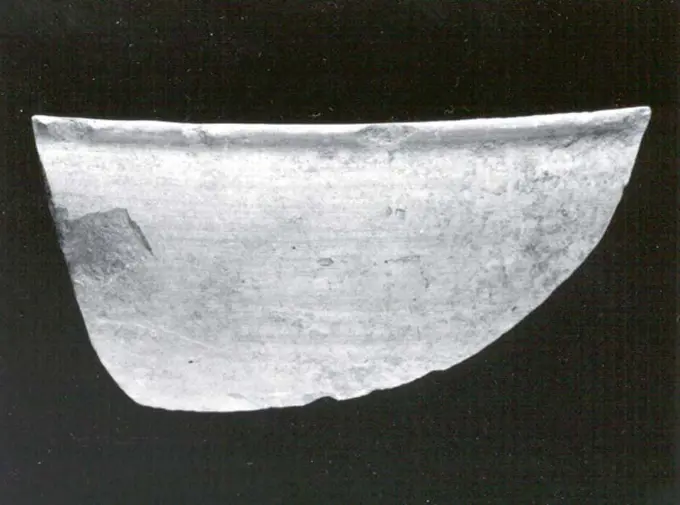
Historic terracotta fragments from drinking cups, displaying classical Greek motifs and styles, highlighting ancient craftsmanship.

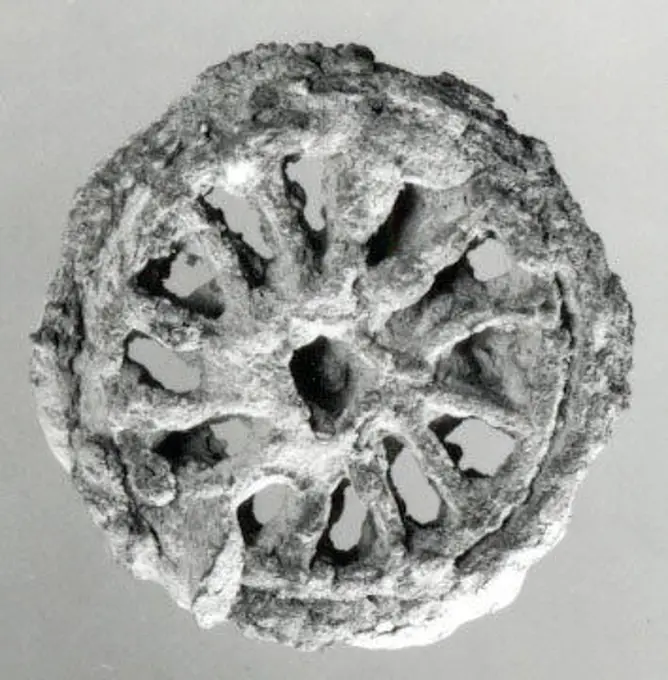
Bronze Senones (meaning) Bronze Senones (meaning). Bronze. Around 100 av.j.-C.
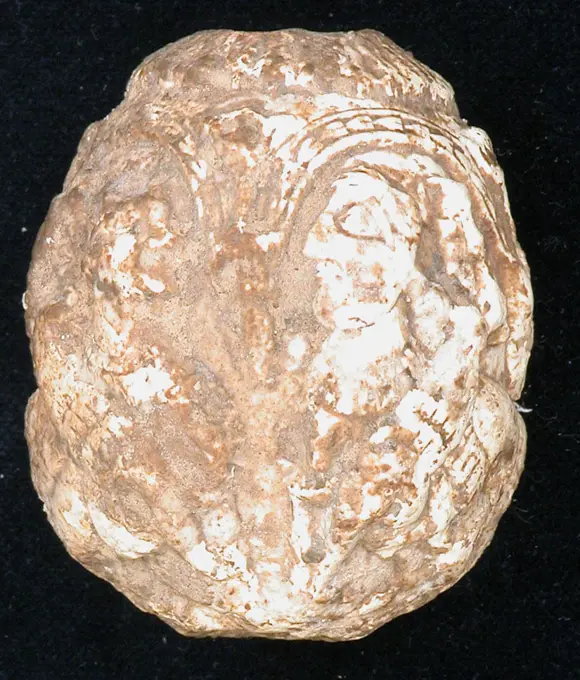
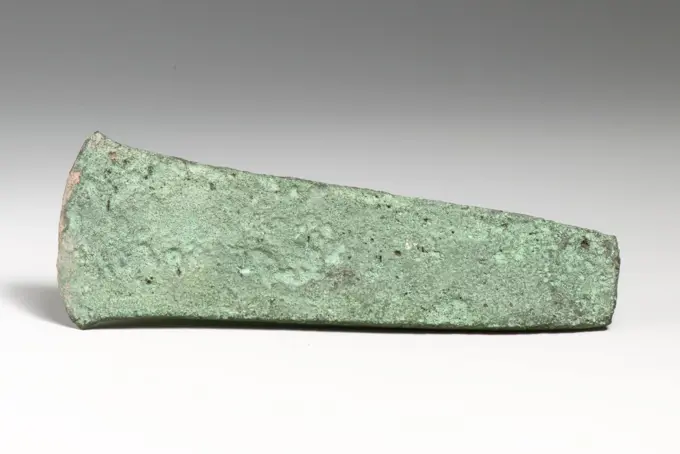
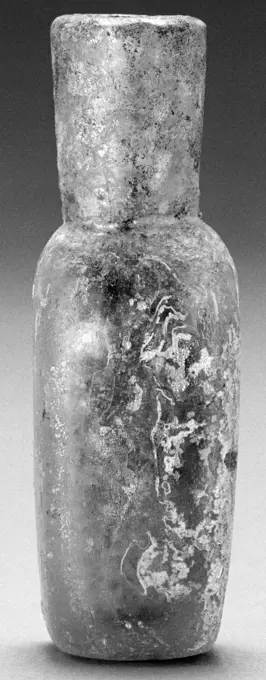
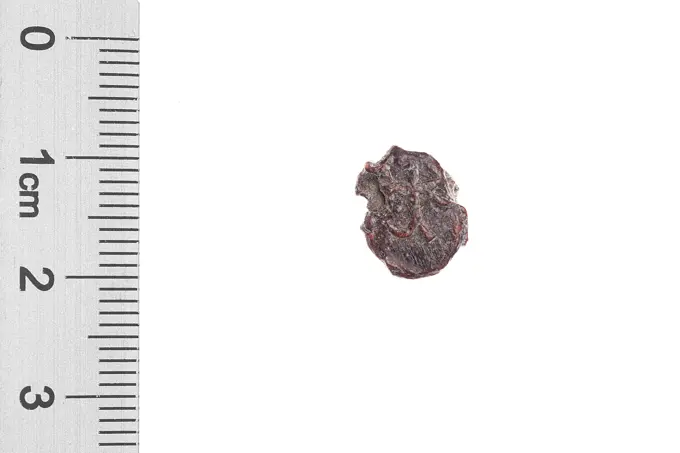
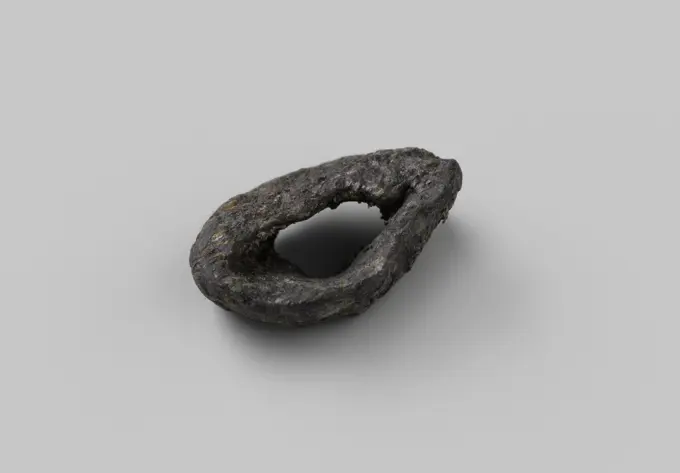
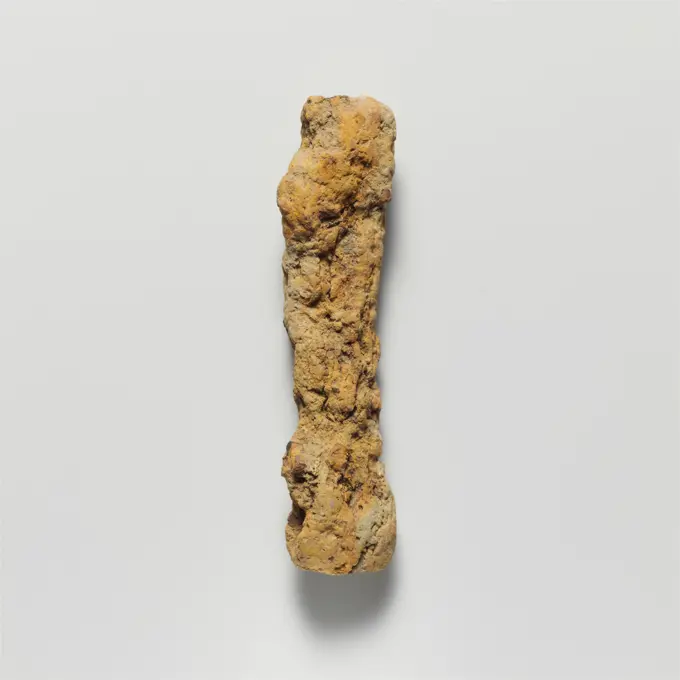
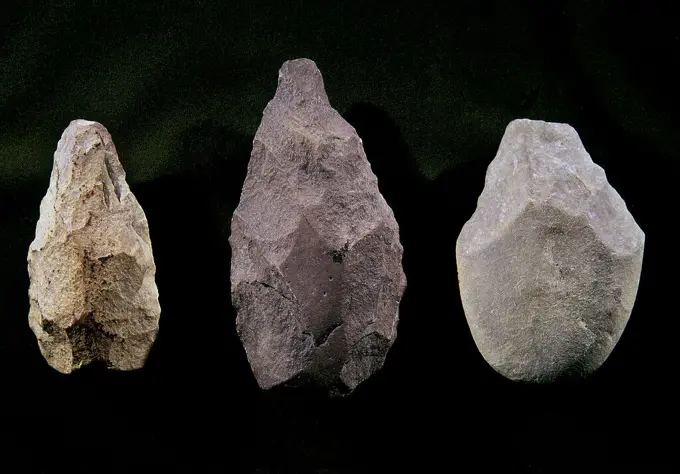
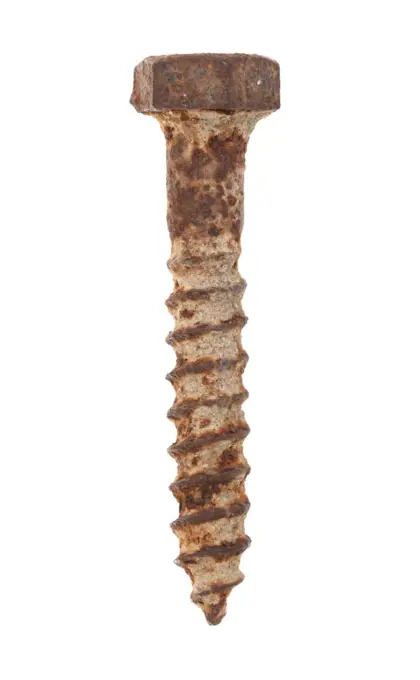
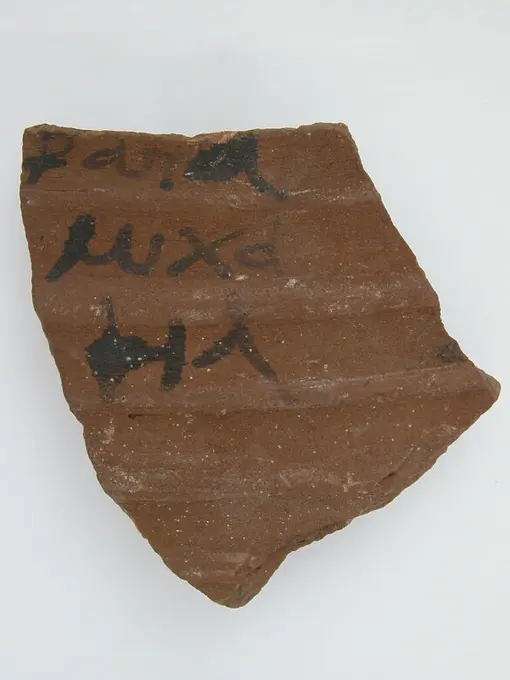
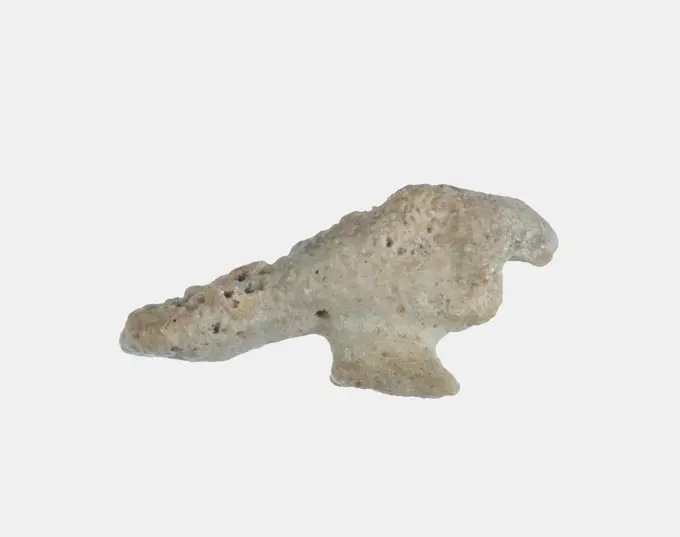
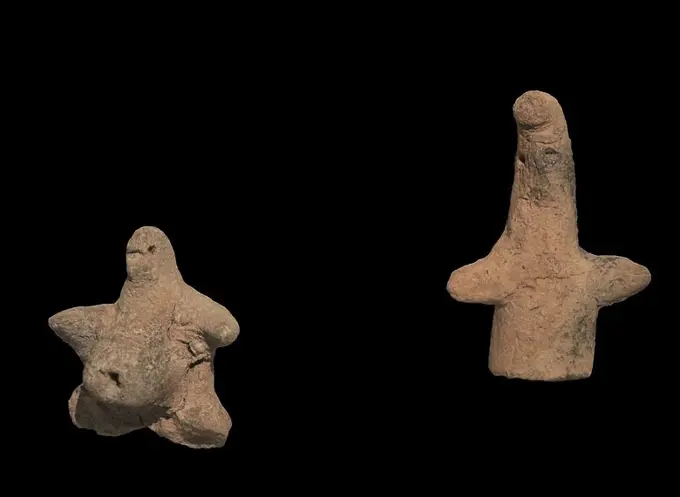
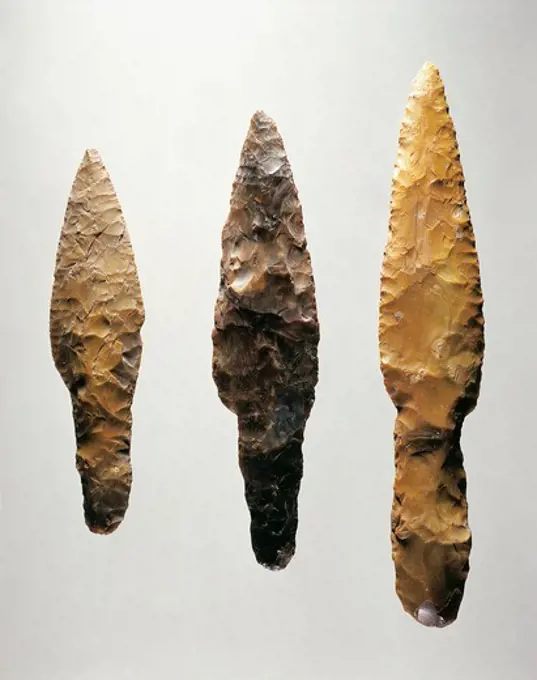
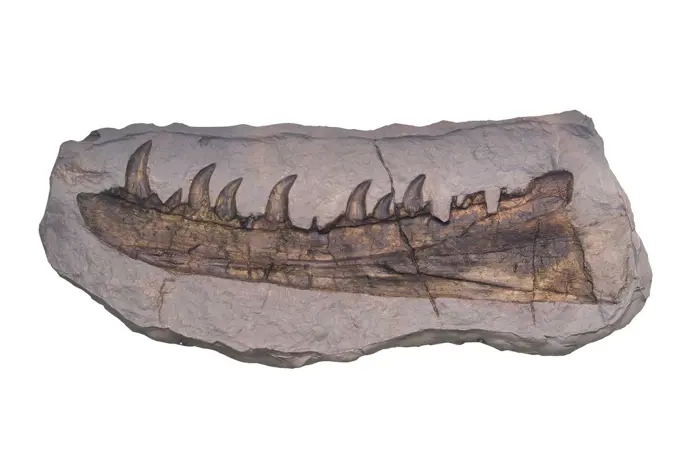
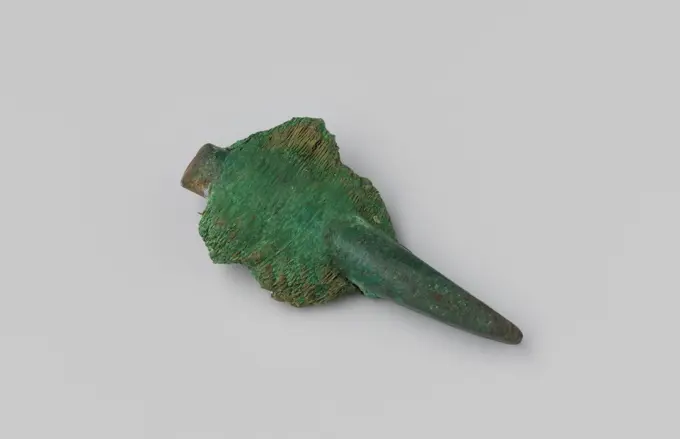
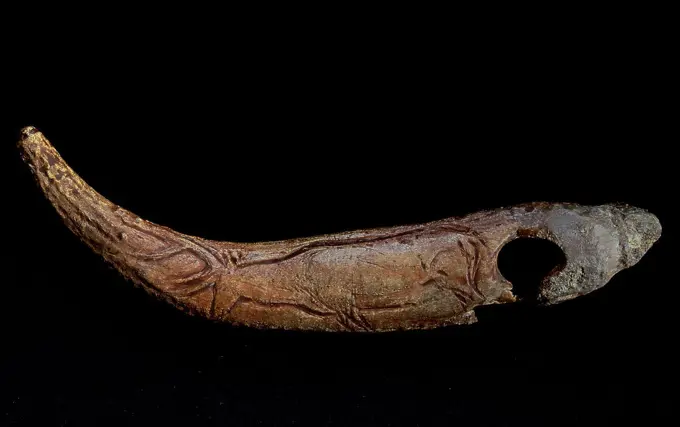
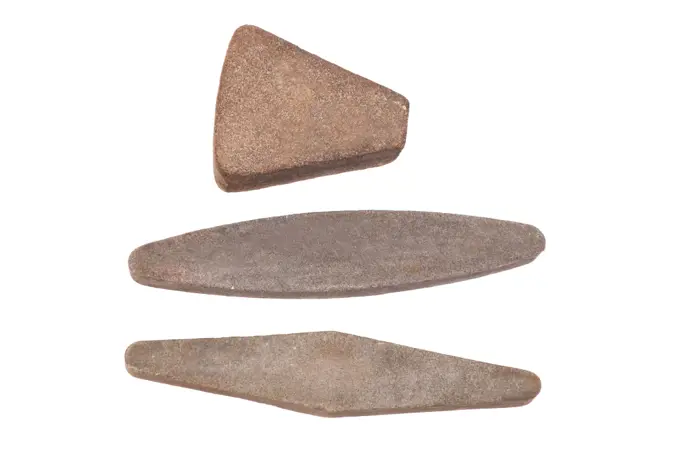
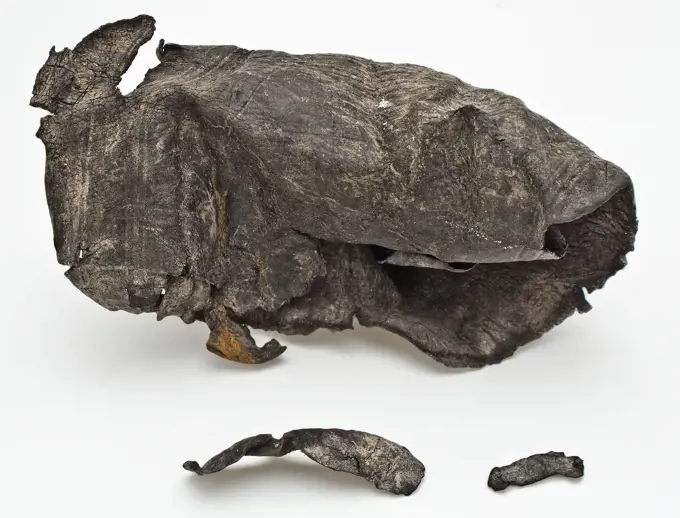
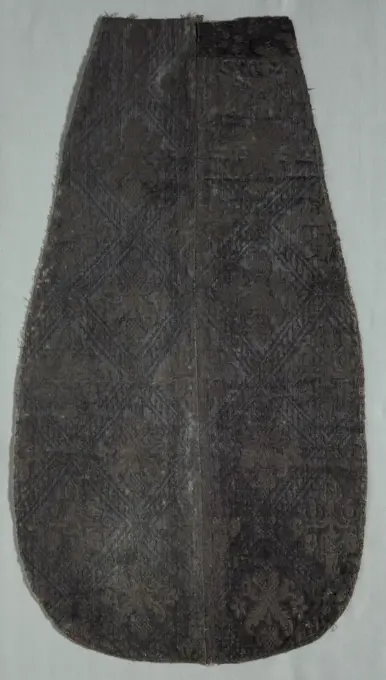
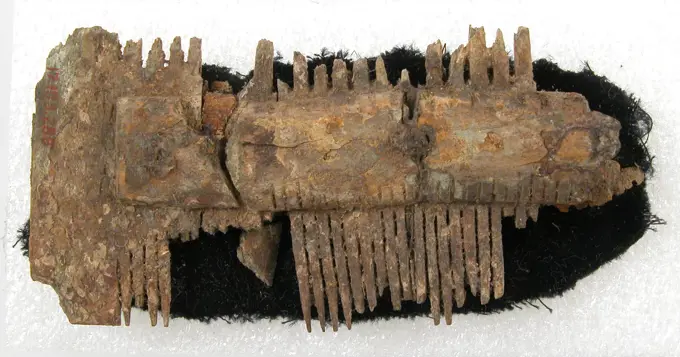
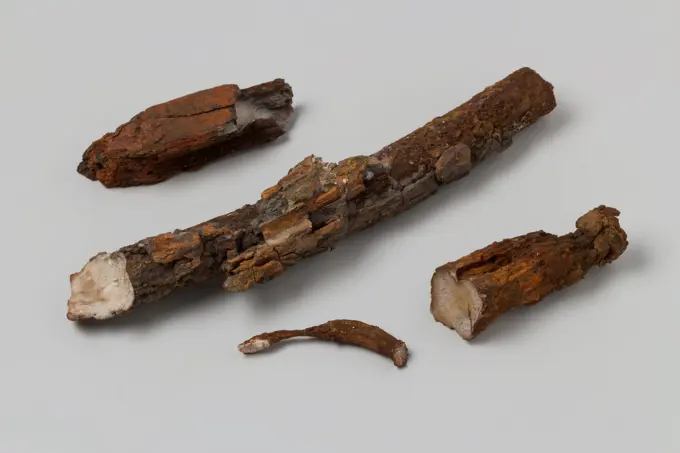
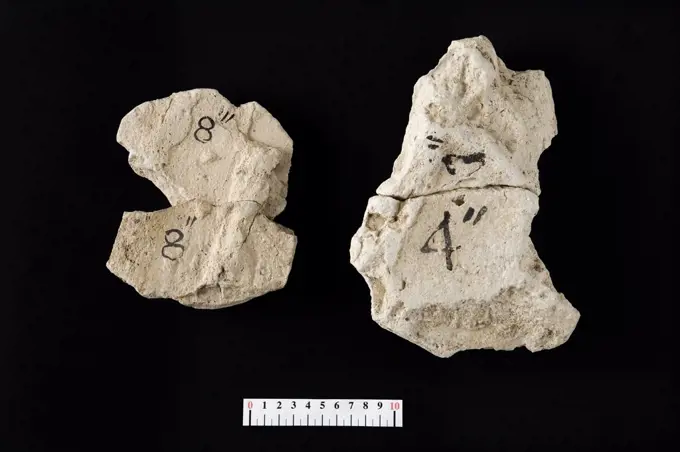
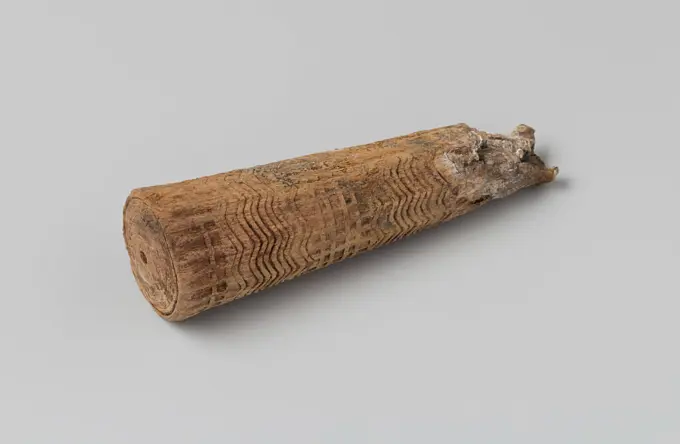
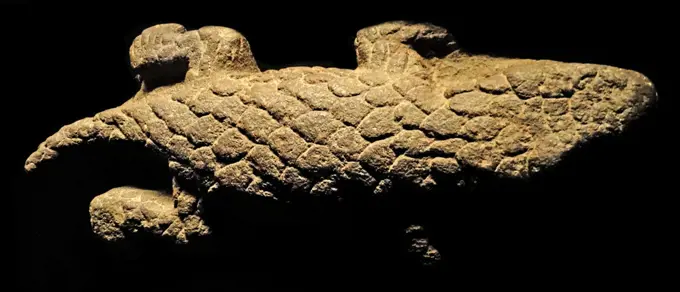
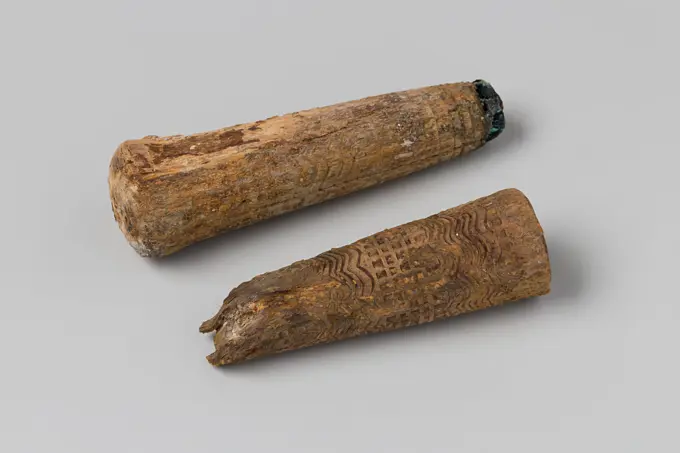
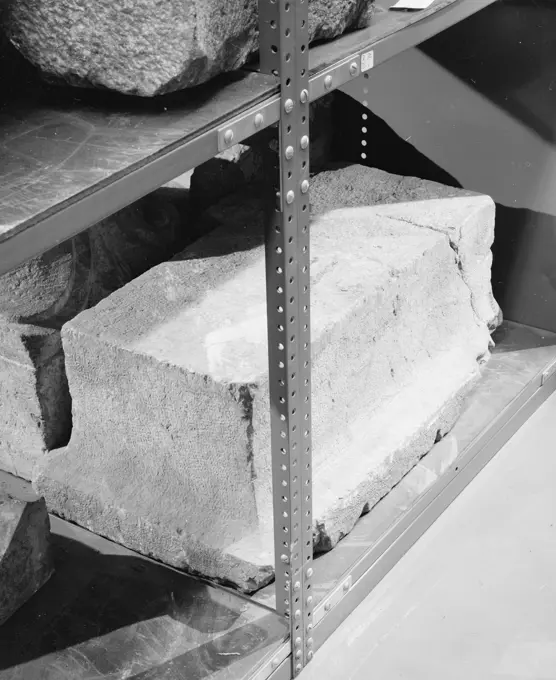
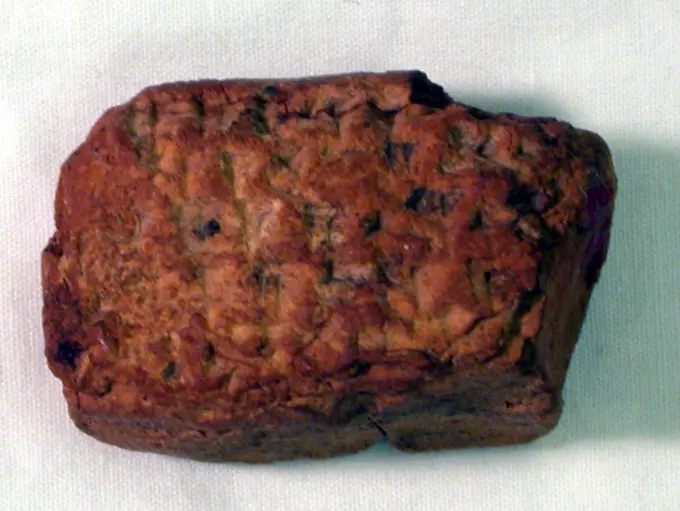
Compartmented stamp seal ca. late 3rd-early 2nd millennium B.C. Bactria-Margiana Archaeological Complex. Compartmented stamp seal 326851Mace Head 10th-11th century. Mace Head 452077Axehead. Axehead 244281Flask. UnknownFront of a neck ca. 1353-1336 B.C. New Kingdom, Amarna Period. Front of a neck 560939Sickle Blade, 1980-1801 BC. Egypt, Middle Kingdom, Dynasty 12. Flint; overall: 5 cm (1 15/16 in.).FOSSILES FROM BRAZIL.Whetstone. Neolithic period. North Africa. 4.4cm.Mosaic cone ca. 3100-2900 B.C.. Mosaic cone 328936Iron rusty steel mineral stone macro detail in orange colorBliżej Kultury Władysław Jagiełło (CA 1351 1434), Mint of KrakówSealing ca. 7th century A.D. Sasanian. Sealing 323308Bird-Shaped Ornament Korea. Bird-Shaped Ornament 57463Drohiczyn seal. unknown, managerAttendant 3rd-2nd century B.C. China. Attendant 61731Knife lift from the wreck of the East Indiesman Hollandia.knife, Handle, Cylindrical: tapering; ID. NG 1979-403H, eroded.Unidentified object ca. 9th century B.C. Iran. Unidentified object 325141Fragment of an Archaic Kline Monument. UnknownRing -shaped fragment from the wreck of the East Indians Hollandia, Anonymous, 1700 - in Or Before 1743 fragment Varied parts or fragments, rings and ring-shaped fragments; squashed, id. 80H787. Netherlands lead (metal)   SecondFragment of a Hooded Female Figure. UnknownWeight ca. 1981-1640 B.C. Middle Kingdom. Weight. ca. 1981-1640 B.C.. Limestone. Middle Kingdom. From Egypt, Memphite Region, Lisht North, cemetery south of pyramid south of House A1:4, Pit 898, MMA excavations, 1920-21. Dynasty 12-13Team four spindle beads; Unknown Night -Tamanian workshop; approx. 2600 2350 BC ; Early period D Azira III (-2600-00-00--2350-00-00);Garment fragment with pleats, probably male ca. 1353-1336 B.C. New Kingdom, Amarna Period. Garment fragment with pleats, probably male 549770dried fruit and pods from an ancient Egyptian tomb circa 1350 BCIron bar 7th-5th century B.C.  Greek, Laconian Bar of iron.. Iron bar 251750 Greek, Laconian, Iron bar, 7th5th century B.C. , Iron, 15/16  3 11/16  3/4 in. (2.4  9.3  2 cm). The Metropolitan Museum of Art, New York. Gift of A. J. B. Wace, 1924 (24.195.184)HACHAS ACHELENSES. Location: ARCHAEOLOGICAL MUSEUM. Pontevedra. SPAIN.Torn piece of edge Gold (bronze) color paper on white background.Sealing ca. 1981-1640 B.C. Middle Kingdom. Sealing 564861Rusted old screw isolated on white backgroundOstrakon. Culture: Coptic. Dimensions: 2 7/16 x 2 3/8 in. (6.2 x 6 cm). Date: 7th century. Museum: Metropolitan Museum of Art, New York, USA.Boar Head() Attachment. UnknownIndian arrowhead from Georgia and North & South Carolina , Archaeological assemblages, Charles F. Walcott Archaleogical CollectionPendant: winged female head Italic 5th century BCE A head, probably female, appears in profile with five large perforations in a roughly circular pattern. View more. Pendant: winged female head. Italic. 5th century BCE. Amber. Classical. Miscellaneous-AmberSherd ca. 2500-1750 B.C. Iran This sherd is made of a red clay. It is typical of Namazga IV/V ceramics from Turkmenistan, dating to ca. 2500-1750 B.C. It was excavated in 1937 at a prehistoric site in the vicinity of Nishapur in northeastern Iran. While Nishapur itself was founded by the Sasanian king Shapur I (reigned ca. A.D. 241-272), this sherd shows that human habitation there goes back to the prehistoric period. Furthermore, the prehistoric pottery from Nishapur has close affinities with ceramic materials from Central Asia rather than with contemporary sites in Iran, meaning that in this period its inhabitants were likely culturally linked to their neighbors to the east. At the same time, Nishapurs location on what later became known as the Great Khorasan Road suggests that it was part of the trade network that facilitated the import of precious stones such as lapis lazuli, carnelian and turquoise from Central Asia to Mesopotamia.. Sherd 323677Falcon Amulet ca. 1802-1450 B.C. Late Middle Kingdom-Early New Kingdom. Falcon Amulet. ca. 1802-1450 B.C.. Faience. Late Middle Kingdom-Early New Kingdom. From Egypt, Memphite Region, Lisht North, Cemetery south of pyramid, House A1, so-called "faience factory", MMA excavations, 1920-22. Dynasty 13-18, earlyNeolithic Period. Temple Period (4000 to 2500 BC).. Possible animal representations. Provenance: Hal Saflieni and Mnajdra. Malta. National Museum of Archaeology. Valletta. Malta.Statuette of a Boar. UnknownLazio Latina Sezze Antiquarium Comunale99. Hutzel, Max 1960-1990 German-born photographer and scholar Max Hutzel (1911-1988) photographed in Italy from the early 1960s until his death. The result of this project, referred to by Hutzel as Foto Arte Minore, is thorough documentation of art historical development in Italy up to the 18th century, including objects of the Etruscans and the Romans, as well as early Medieval, Romanesque, Gothic, Renaissance and Baroque monuments. Images are organized by geographic region in Italy, then by province, city, site complex and monument.Sweden, Stockholm, flint spear points from ScaniaFossil on white background with clipping markTABAS DE HUESO Y VIDRIO. Location: MUSEO ARQUEOLOGICO NACIONAL-COLECCION. MADRID. SPAIN.Bout in Hout, from the wreck of the East Indians Hollandia, Anonymous, 1700 - in Or Before 1743  Bolts; fragm, eroded, encrusted in; shaft circular in section, top broken off, flattened pointed end, rectangular in section. Netherlands iron (metal). wood (plant material)BASTON DE MANDO DECORADO CON EL GRABADO DE UN CIERVO PROCEDENTE DE LA CUEVA DEL CASTILLO - PALEOLITICO SUPERIOR (15000 Y 10000 AC). Location: MUSEO REGIONAL DE PREHISTORIA Y ARQUEOLOGIA. Santander. Cantabria. SPAIN.Whetstones isolated on white background Part of leather binding, bookbinding batter soil find leather, crumpled state) tanned cut glued pressed Black piece of leather. In relief: lines and floral motifs archeology Rotterdam preserving rail tunnel binding protects Soil discovery: rail tunnel Rotterdam.Velvet Fragment, late 1500s. Italy, late 16th century. Velvet; overall: 70 x 38.5 cm (27 9/16 x 15 3/16 in.).Pit from a Balanites tree with a hole caused by a rodent ca. 2381-2323 B.C. Old Kingdom. Pit from a Balanites tree with a hole caused by a rodent. ca. 2381-2323 B.C.. Plant Remains ("Balanites Aegyptiaca"). Old Kingdom. From Egypt, Memphite Region, Saqqara. Dynasty 5Sealing ca. 7th century A.D. Sasanian. Sealing 323340Double-Sided Comb 7th century Frankish. Double-Sided Comb 465616 Frankish, Double-Sided Comb, 7th century, Bone, iron pins, Overall: 3 1/8 x 1 5/8 x 9/16 in. (8 x 4.1 x 1.4 cm). The Metropolitan Museum of Art, New York. Gift of J. Pierpont Morgan, 1917 (17.193.288)Concretion filled with silicone (rubber) from the wreck of the East Indies' t Vliegend Hart, 1700 - 1735 in 1735  With silicone rubber filled iron Concretion, consisting of 4 parts, free square, fit together. Probably wood on the outside, which may have against iron.  rubber (material). concretionary stoneFlower and dog, fragments of Romanesque decorative stuccoes, after restoration, verso, basilica of Santa Maria Maggiore, Lomello, Lombardy. Italy, 11th century.Knife lift from the wreck of the East Indiesman Hollandia.knife, Handle, Cylindrical: tapering; ID. NG 1979-403H.Mortar 7th-6th millennium B.C.. Mortar 327126Rusty pliers on a brown backgroundArrowhead 2nd-1st millennium B.C. Iran. Arrowhead 325228Egyptian 18th dynasty crocidile carved in stoneSealing Middle Kingdom ca. 1981-1640 B.C. View more. Sealing. ca. 1981-1640 B.C.. Mud. Middle Kingdom. From Egypt, Memphite Region, Lisht North, Cemetery, MMA excavations, 1920-22. Dynasty 12-13Knife lifting out of the wreck of the East India hollandia.knife, handle, cylindrical: tapering; ID. NG 1979-403H, Ferrule, ID. NG 1980-27H426.Object ca. 1000-800 B.C. Edomite. Object 326245Pier Base ca. 1130-40 French. Pier Base. French. ca. 1130-40. Stone. Made in Roussillon, France. Sculpture-ArchitecturalCuneiform tablet: fragment of an account record () ca. 604-562 B.C. Babylonian. Cuneiform tablet: fragment of an account record () 321840Emilia-Romagna Ravenna Bagnacavallo Museo Civico4. Hutzel, Max 1960-1990 Post-medieval: Paintings on canvas; manuscripts Antiquities: cippi (Gracchi), cippi fragments, bipedal bricks, terracotta amphorae German-born photographer and scholar Max Hutzel (1911-1988) photographed in Italy from the early 1960s until his death. The result of this project, referred to by Hutzel as Foto Arte Minore, is thorough documentation of art historical development in Italy up to the 18th century, including objects of the Etruscans and the Romans, as well as early Medieval, Romanesque, Gothic, Renaissance and Baroque monuments. Images are organized by geographic region in Italy, then by province, city, site complex and monument.Map of Africa on rusty metalPlymouth Rock, Plymouth, Mass. , Rocks, Tichnor Brothers Collection, postcards of the United StatesTopographic relief map of the city of MONS, BELGIUM with solid contour lines and name tag on vintage backgroundLittle red model car on the top of a rock