Ancient Terracotta Jugs

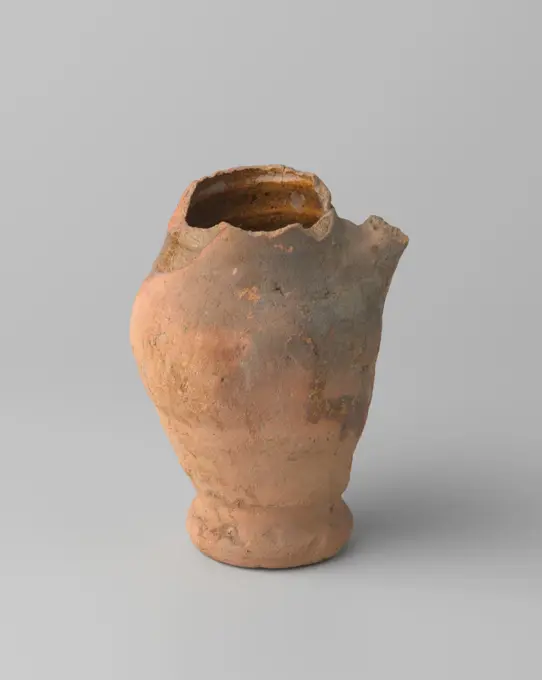
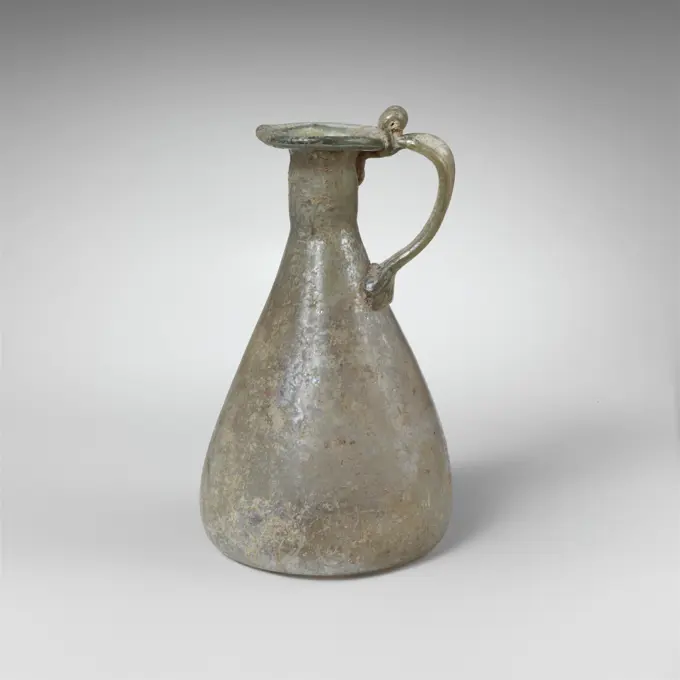
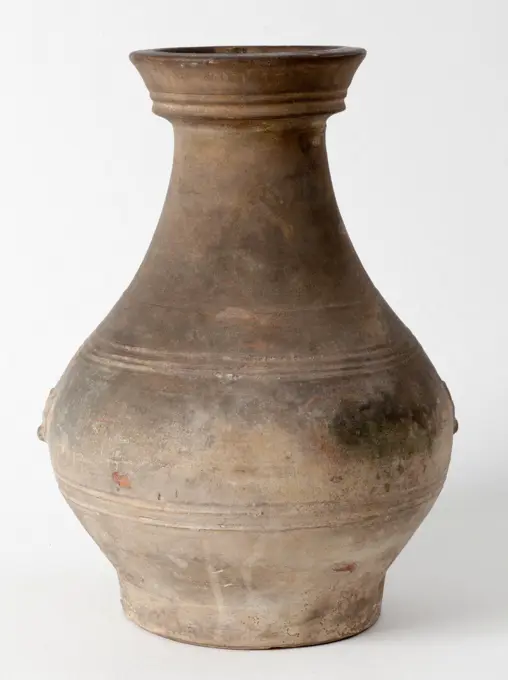
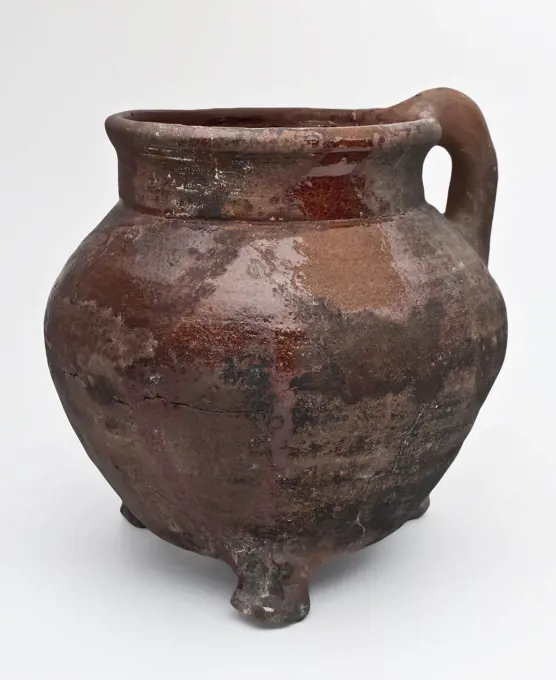
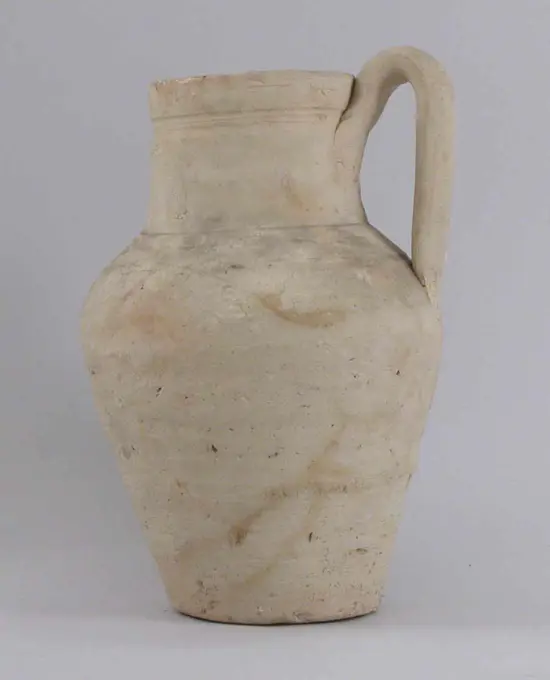
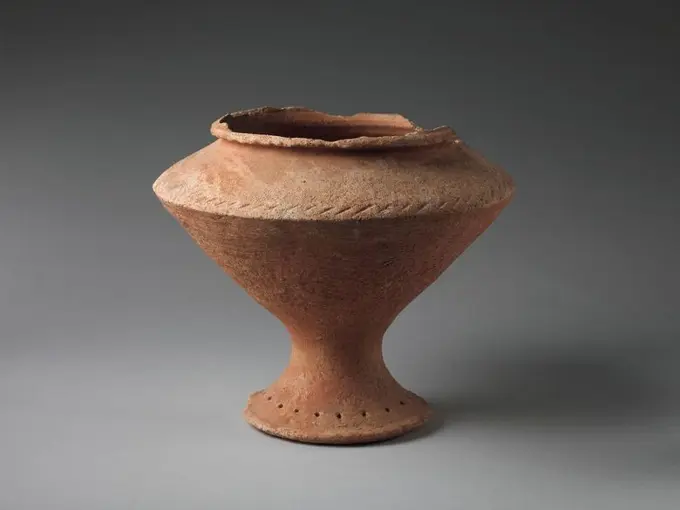
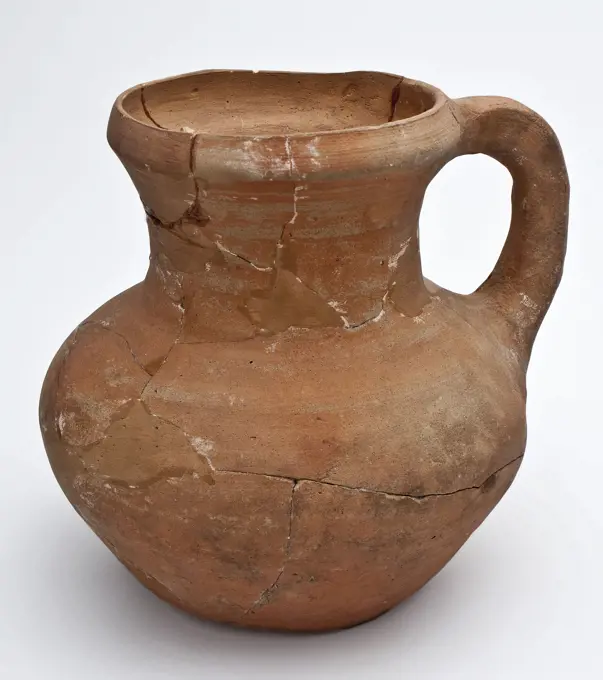
A selection of ancient pottery, including terracotta jugs and amphorae, showcasing historical craftsmanship from various cultures.
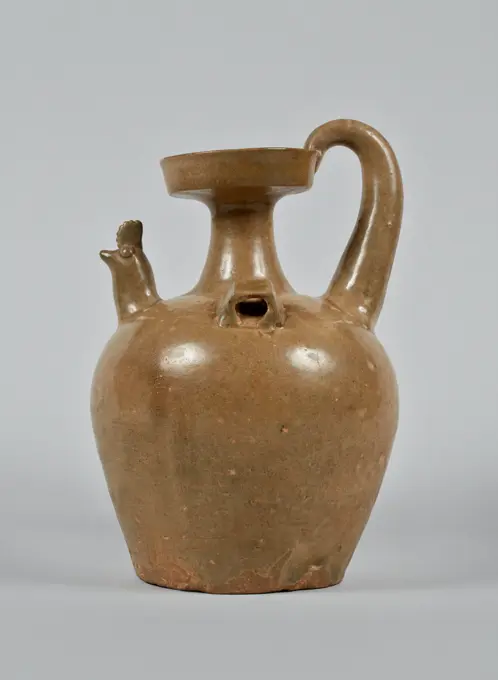
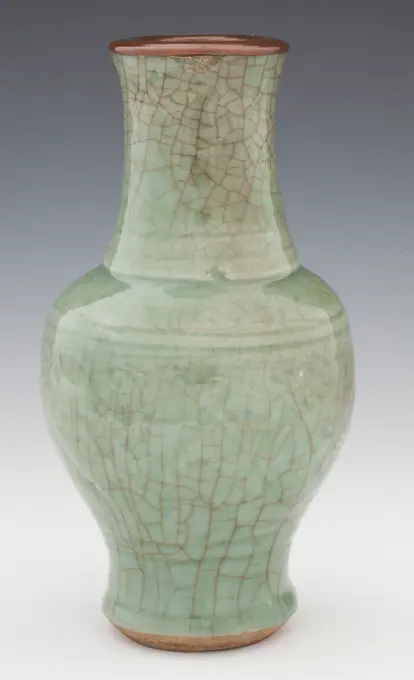
Coq heads, 450. Céladon covered sandstone. Cernuschi Museum, Asia Museum of Asia in the city of Paris.
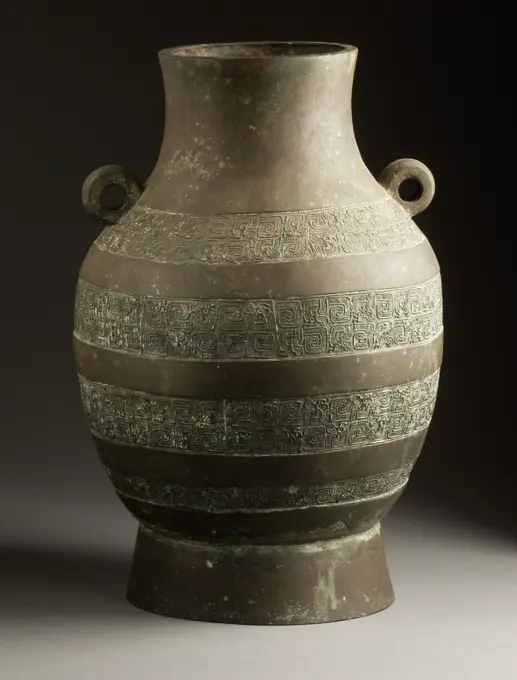
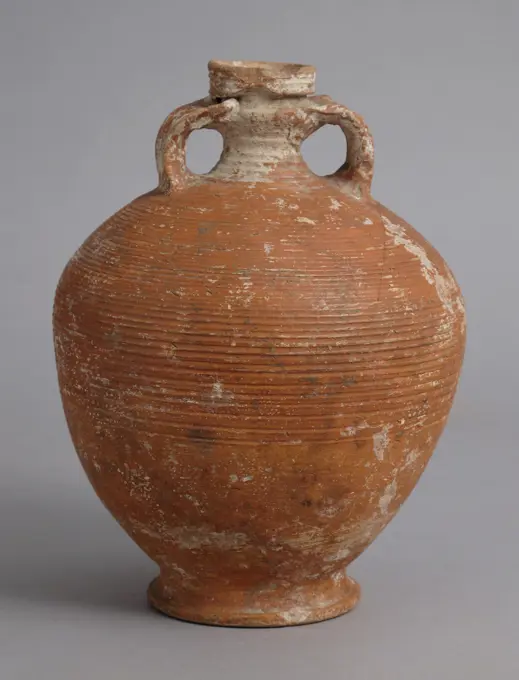
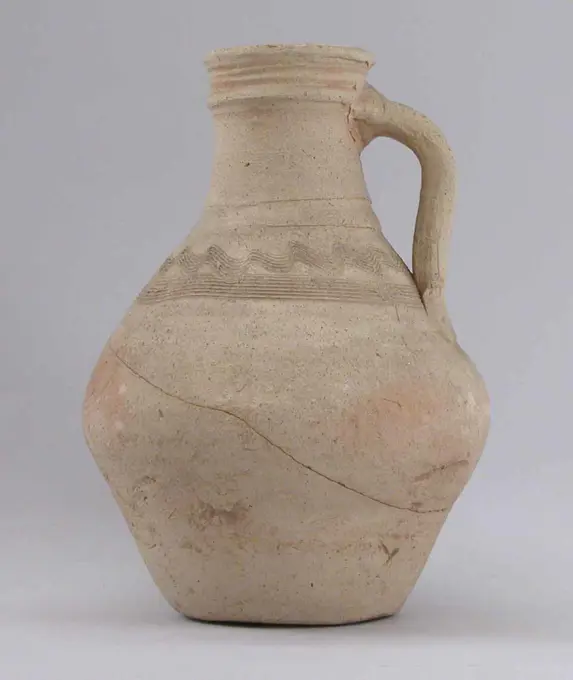
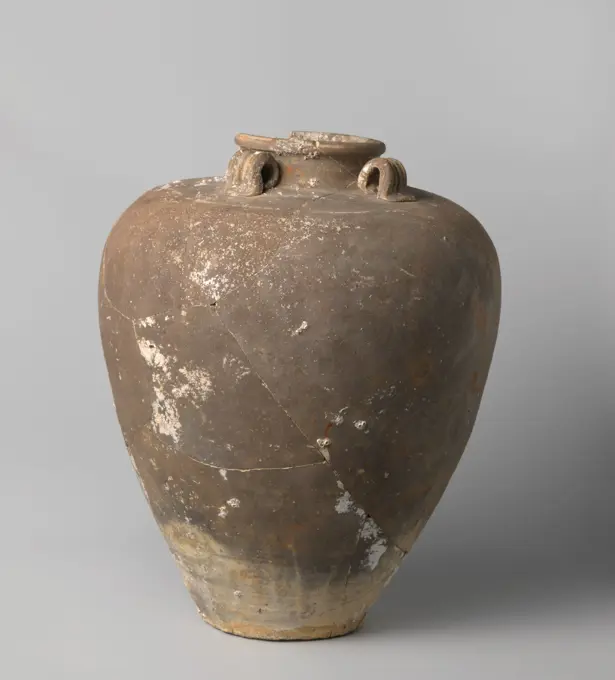
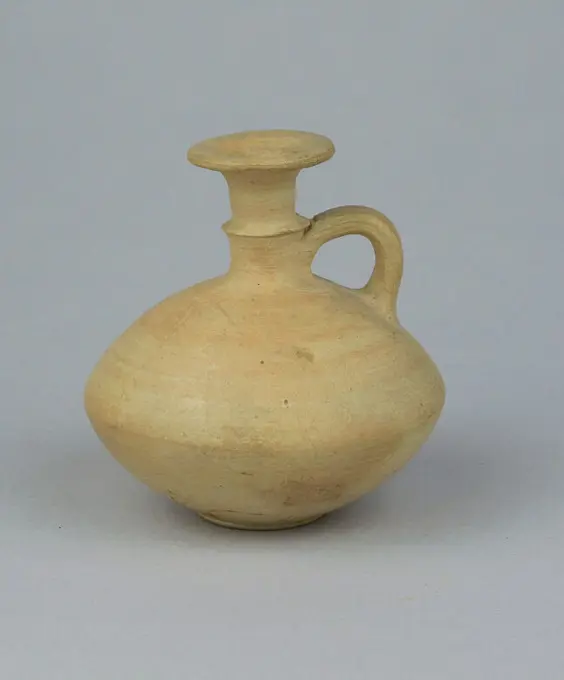
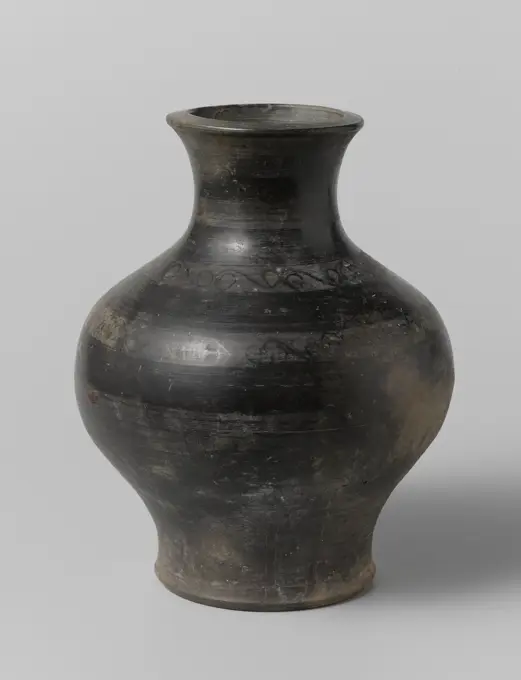
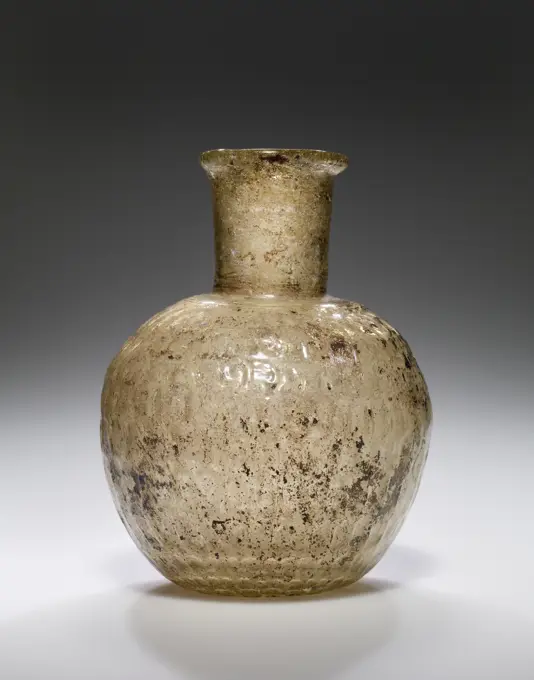
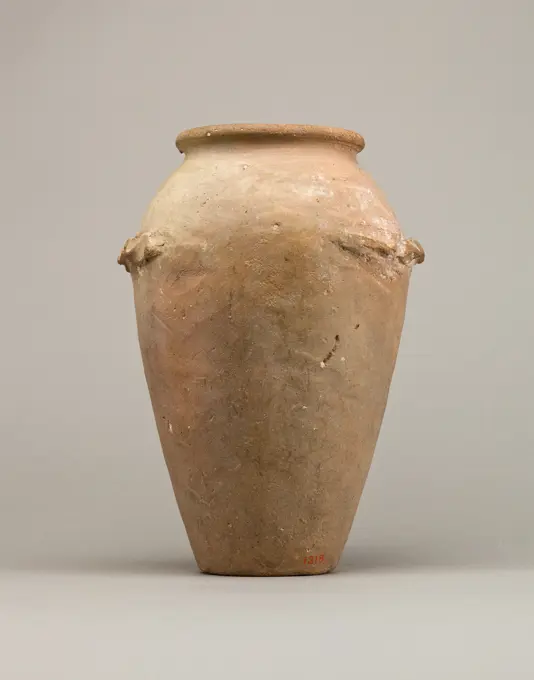
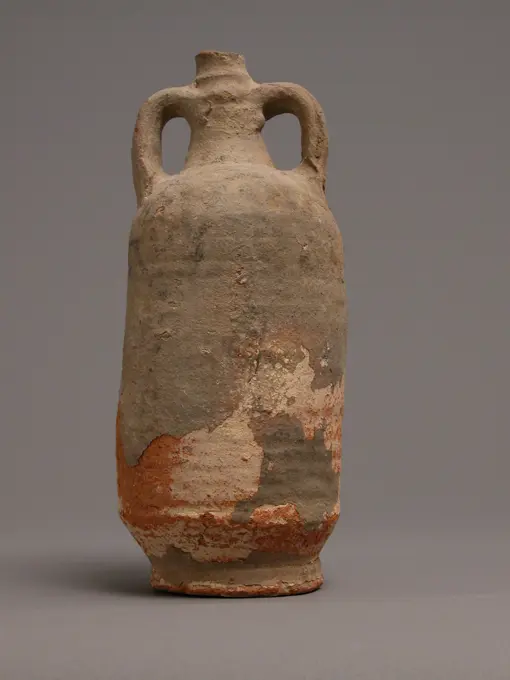
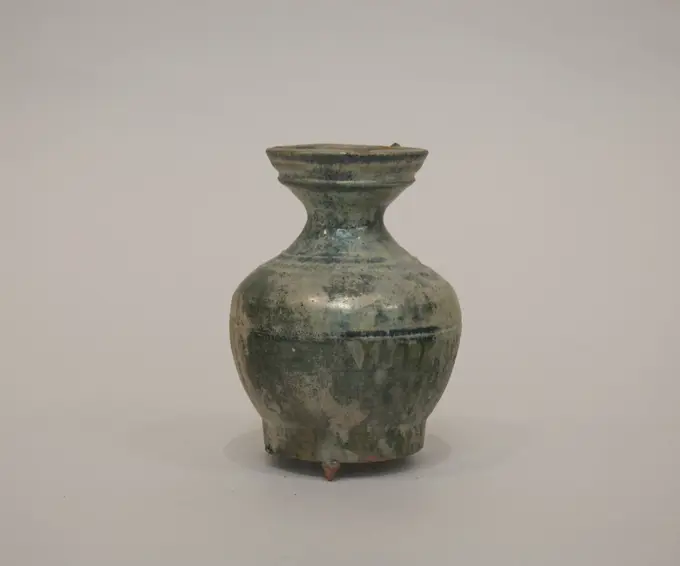
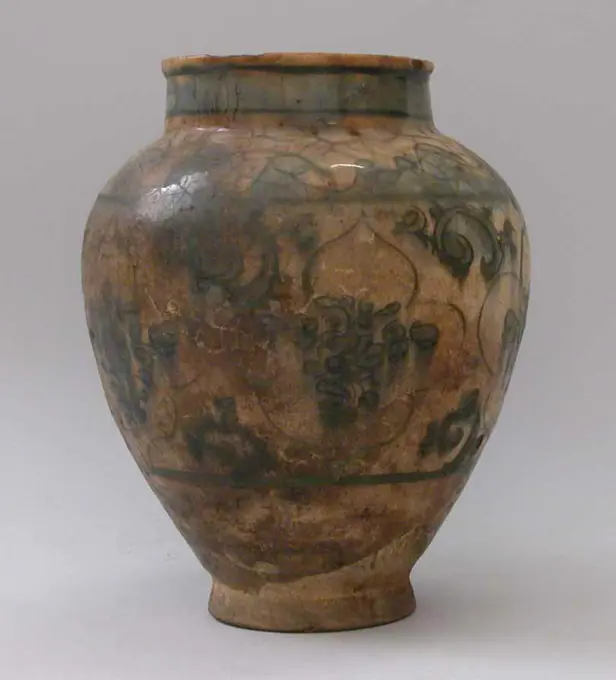
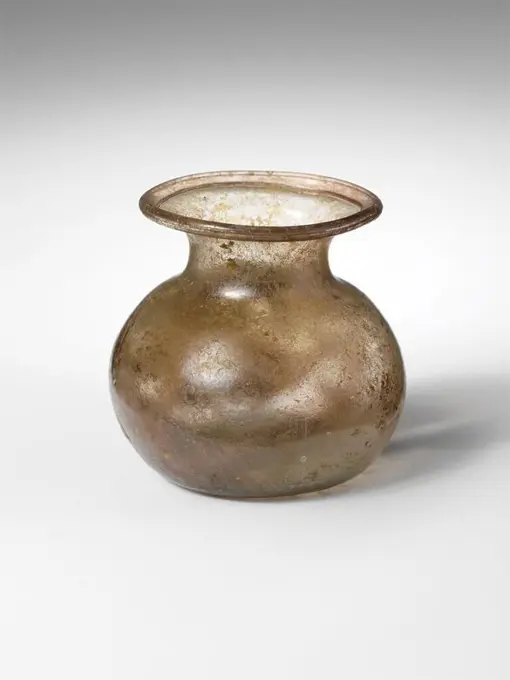
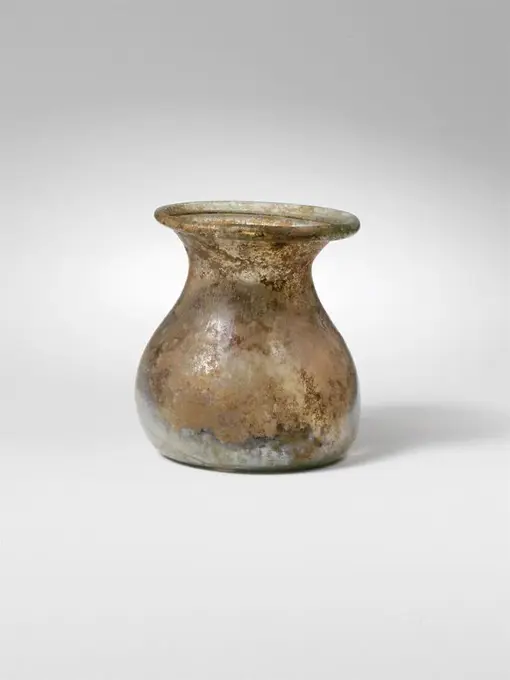
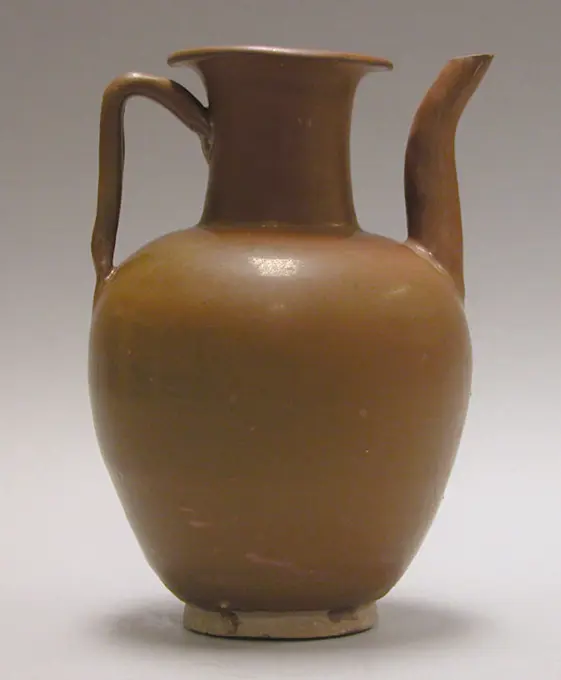
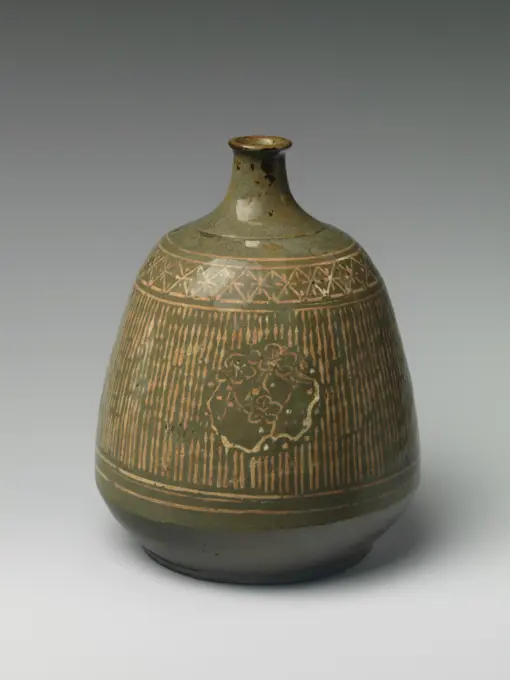
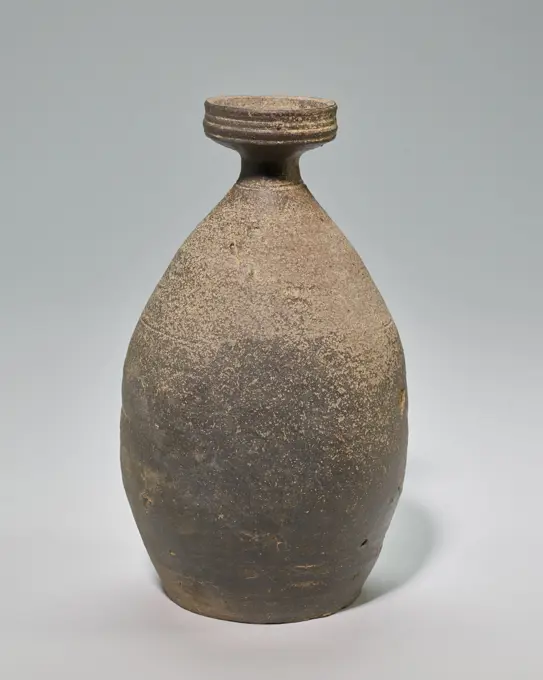
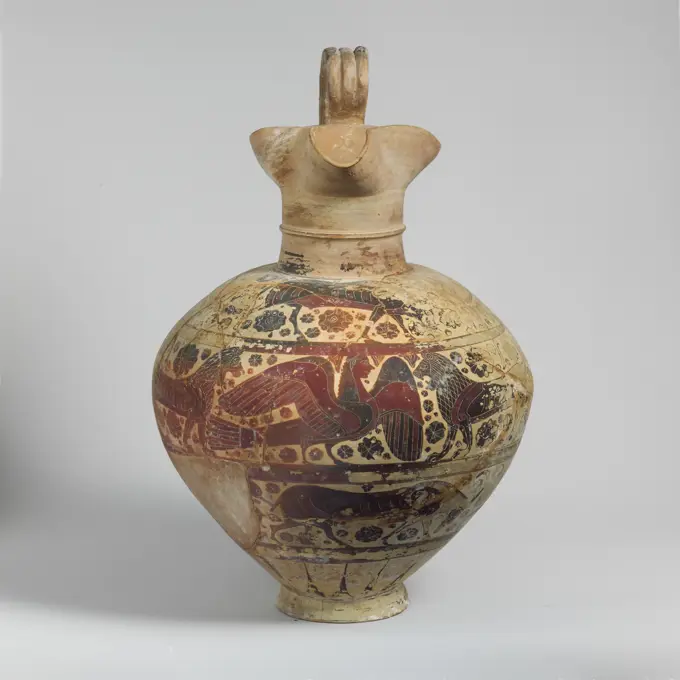
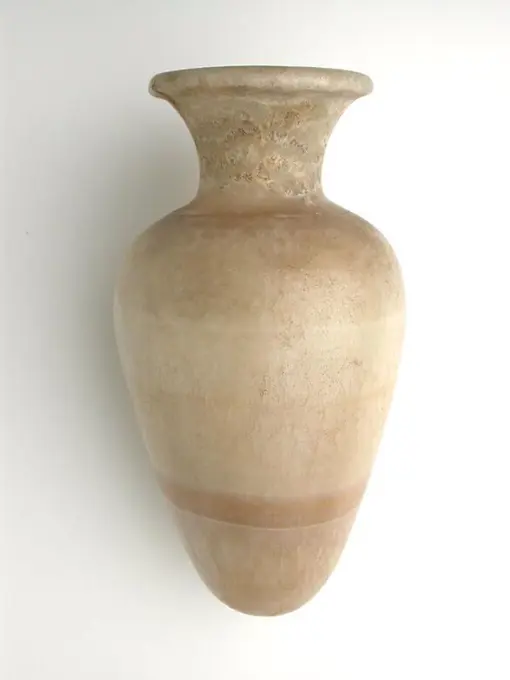
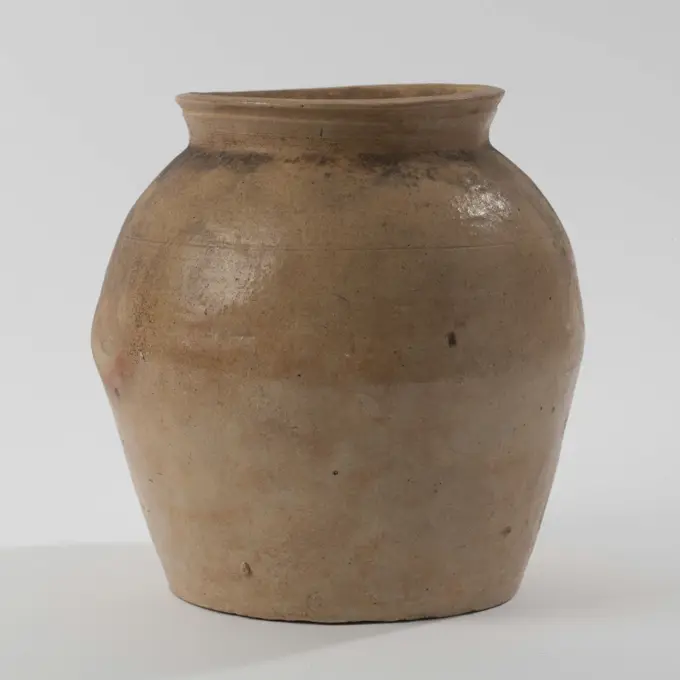
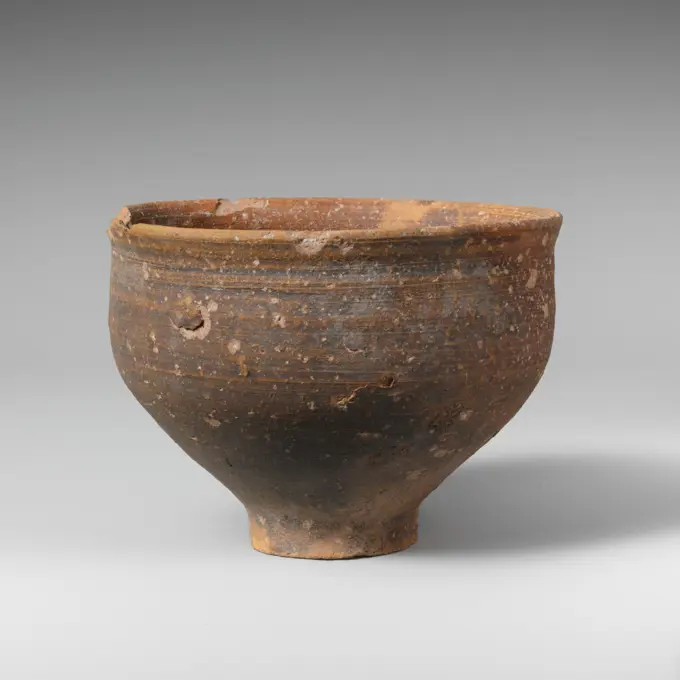
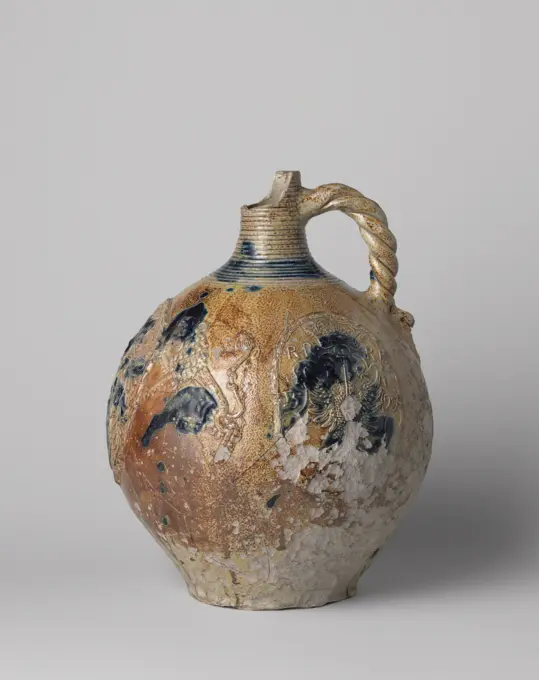
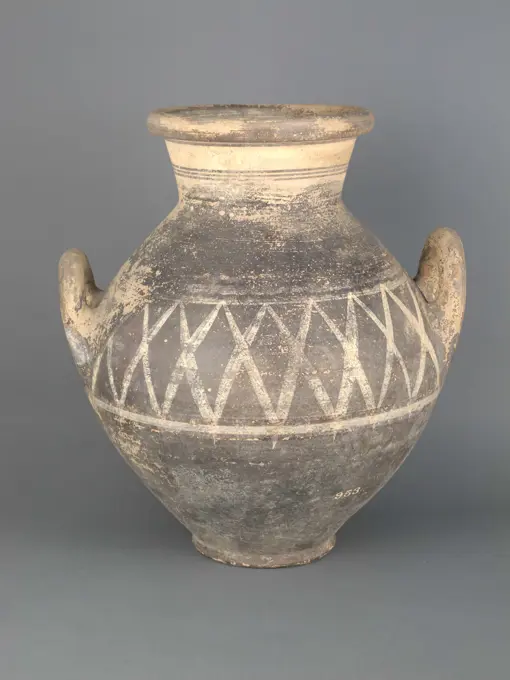
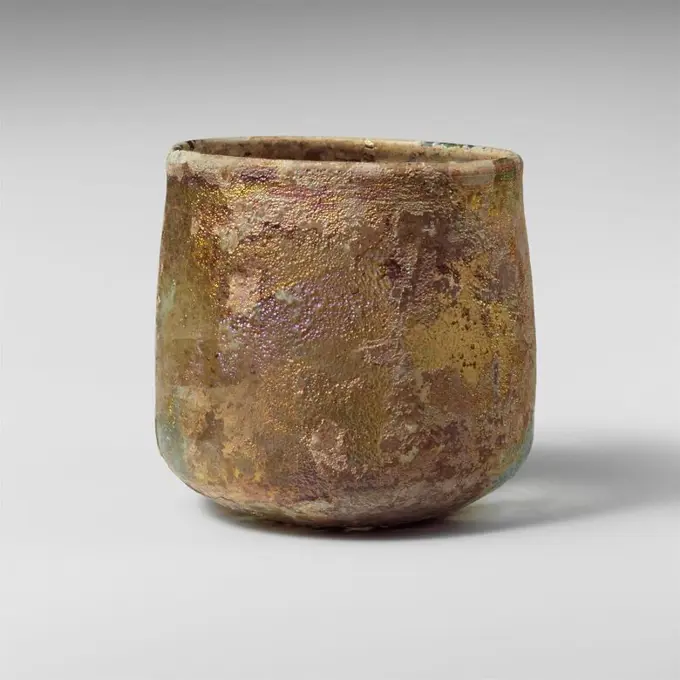
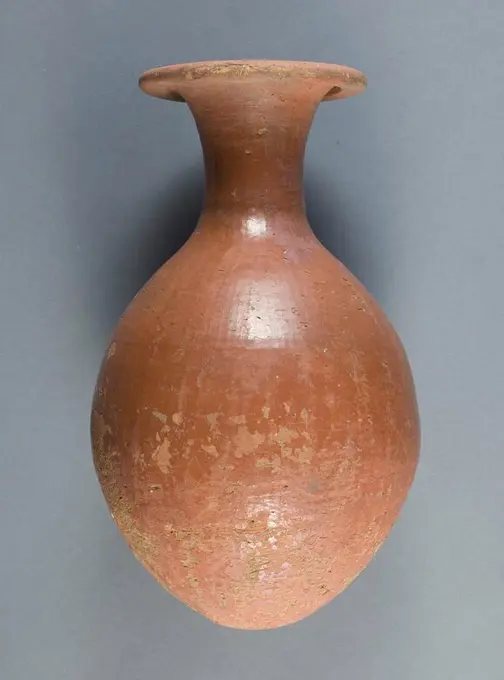
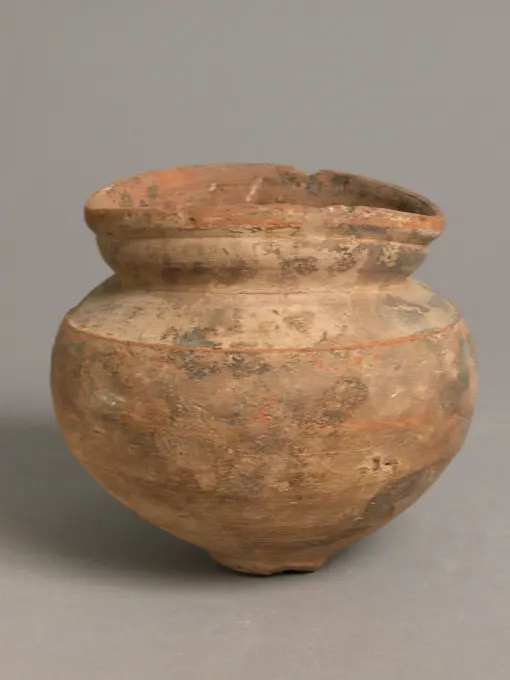
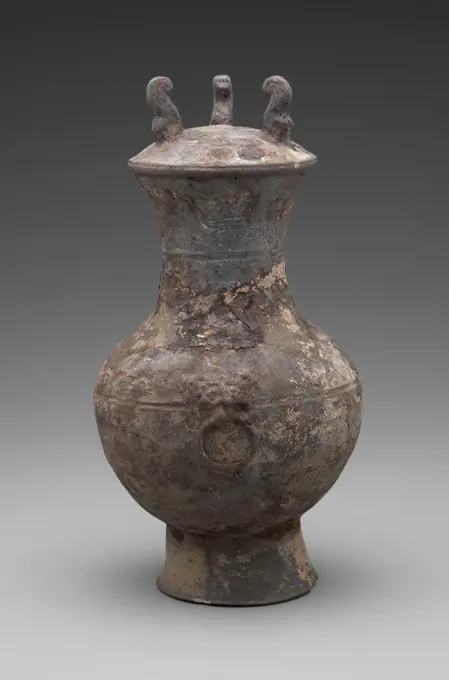
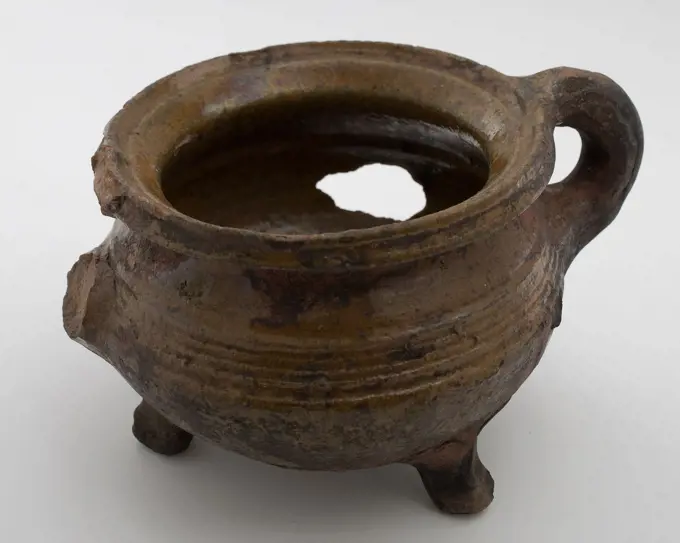
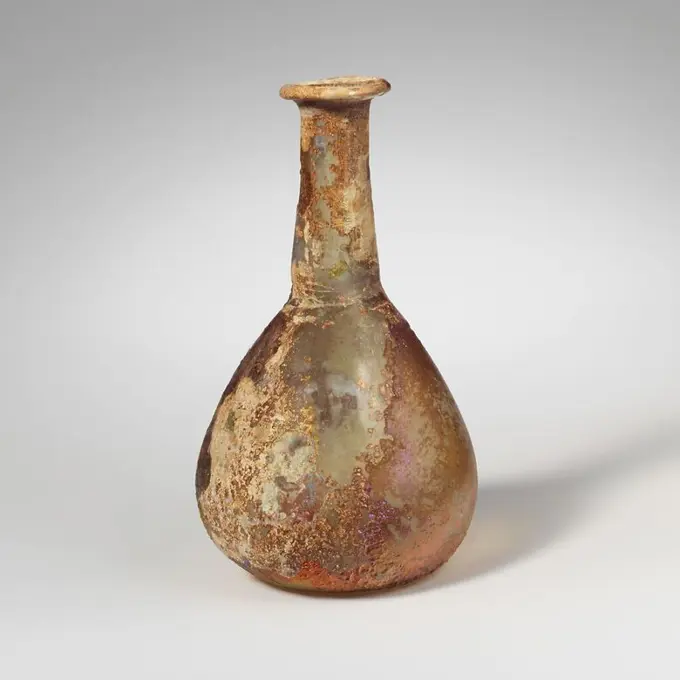
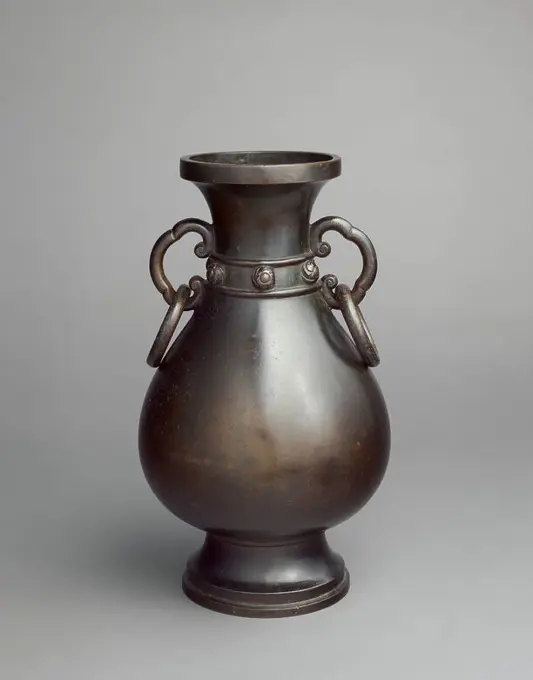
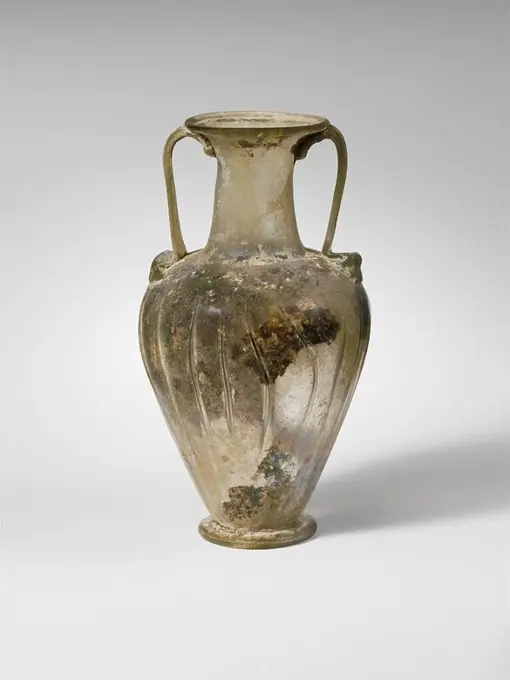
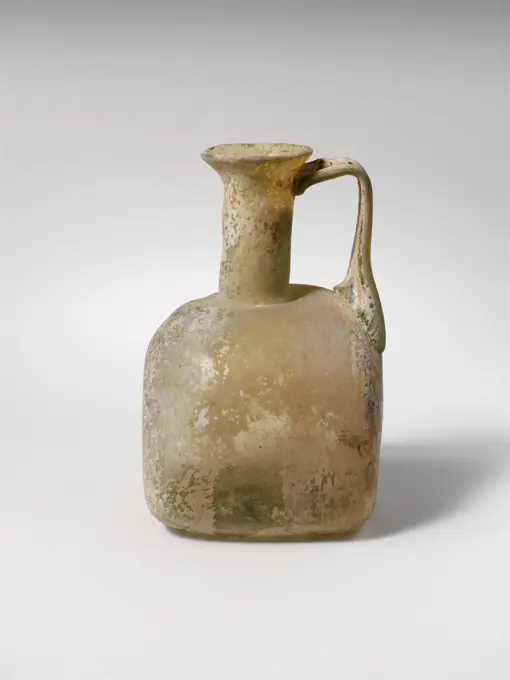
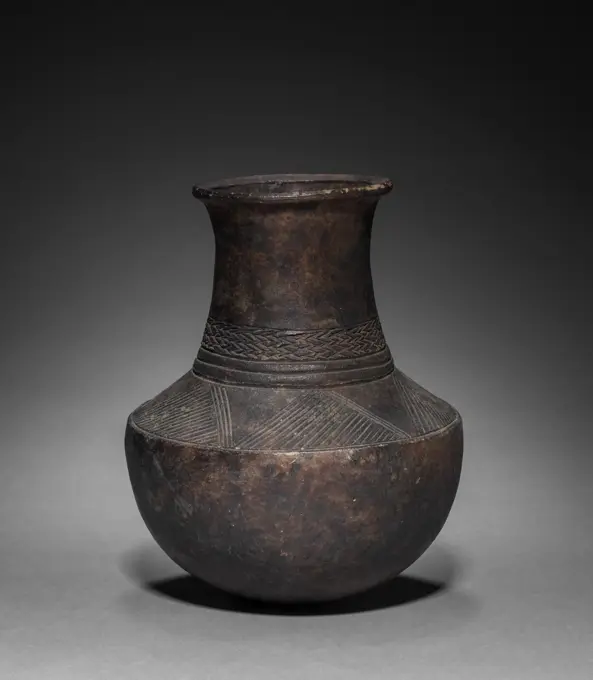
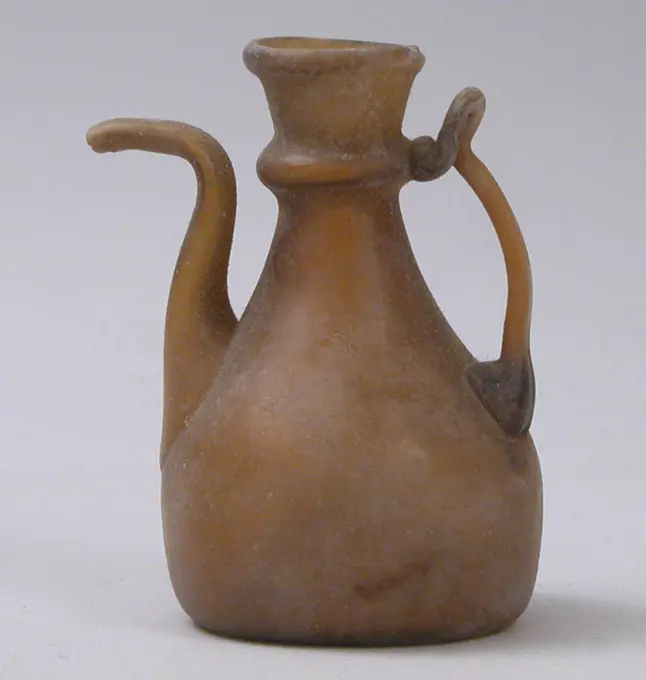
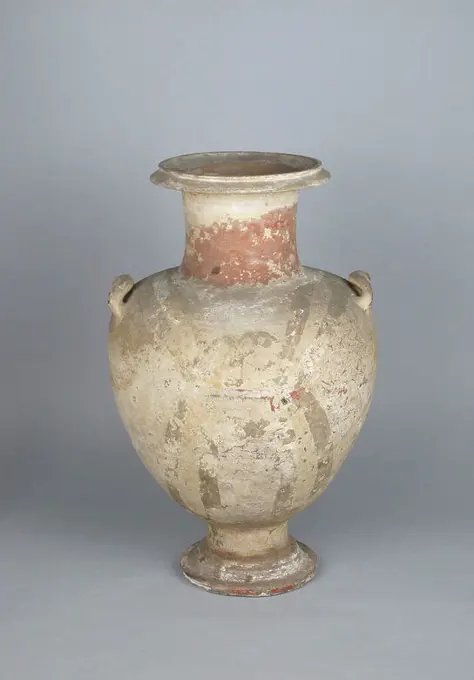
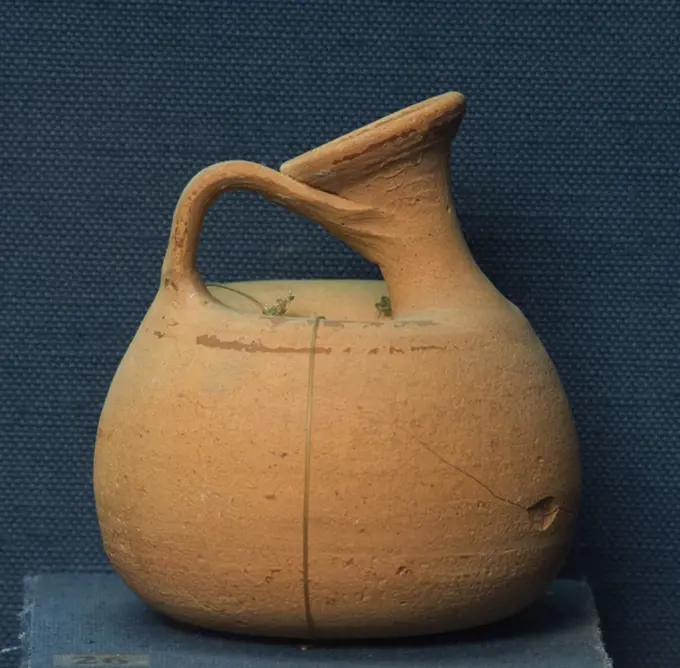
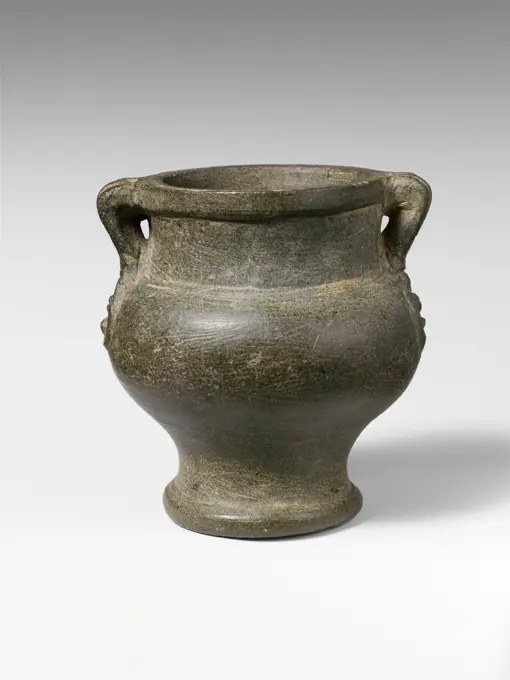
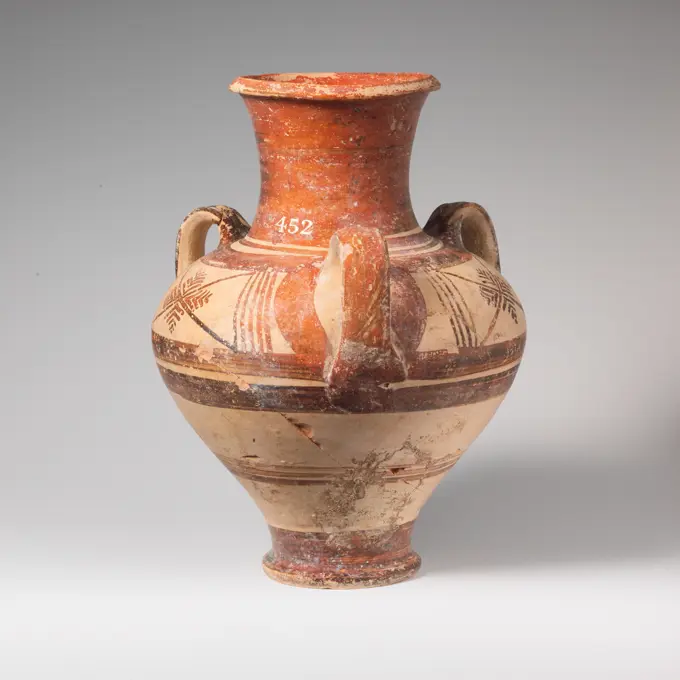
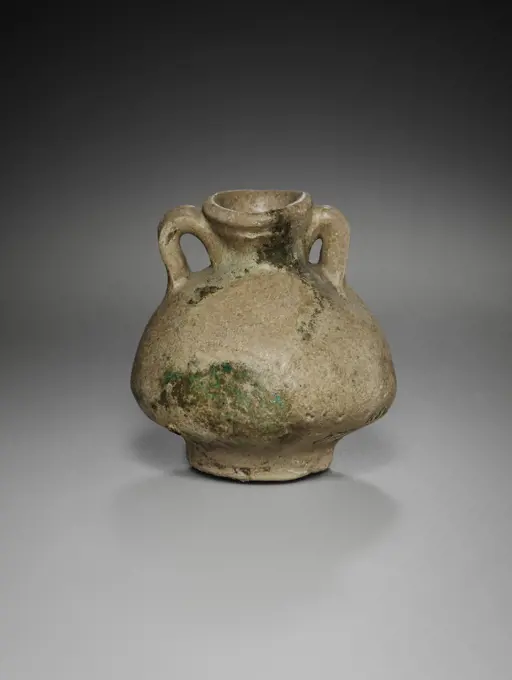
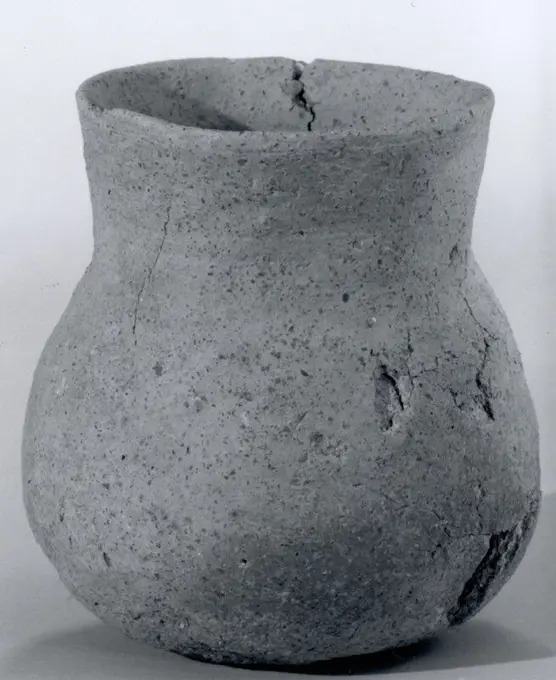
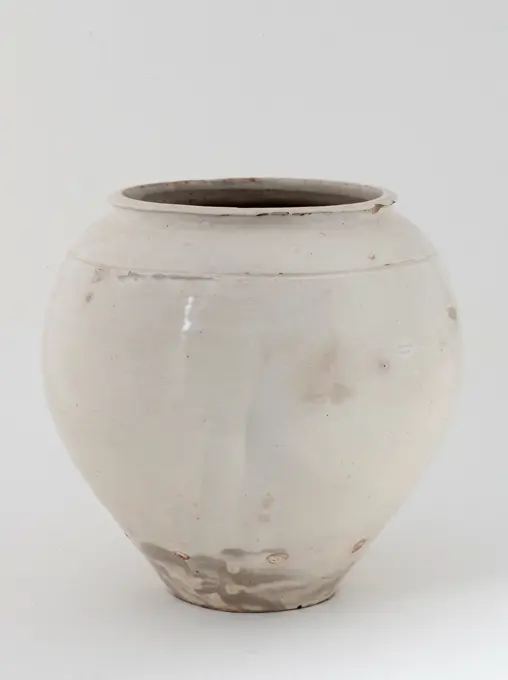
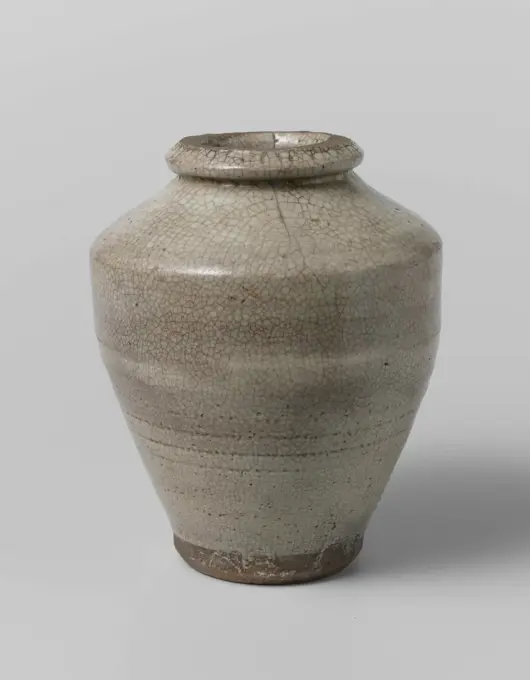
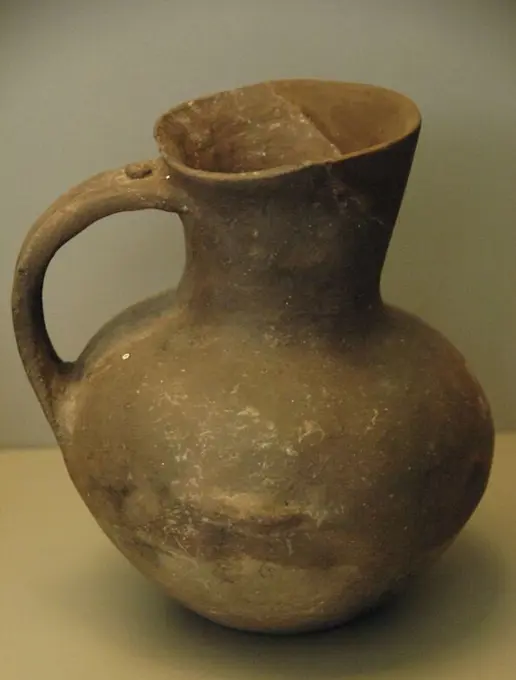
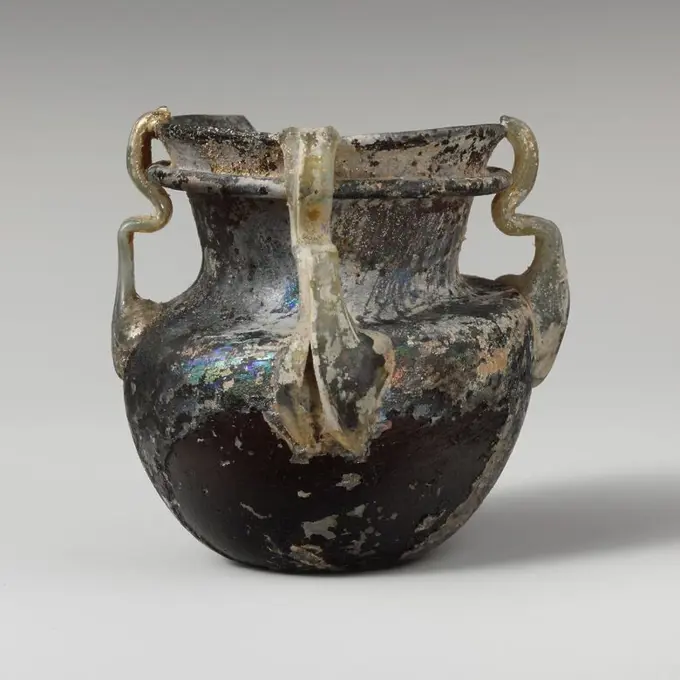
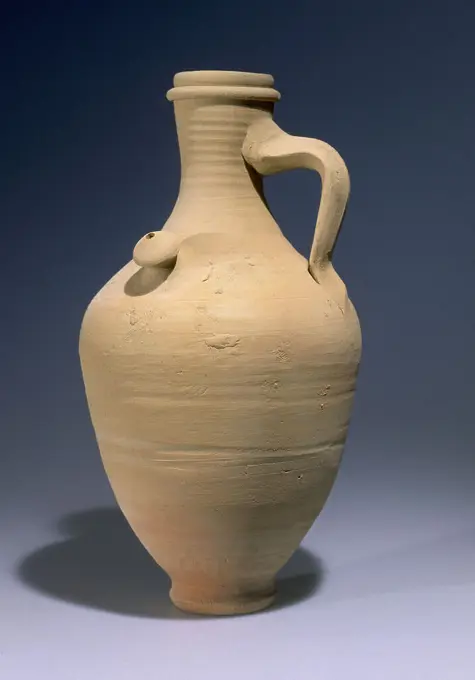
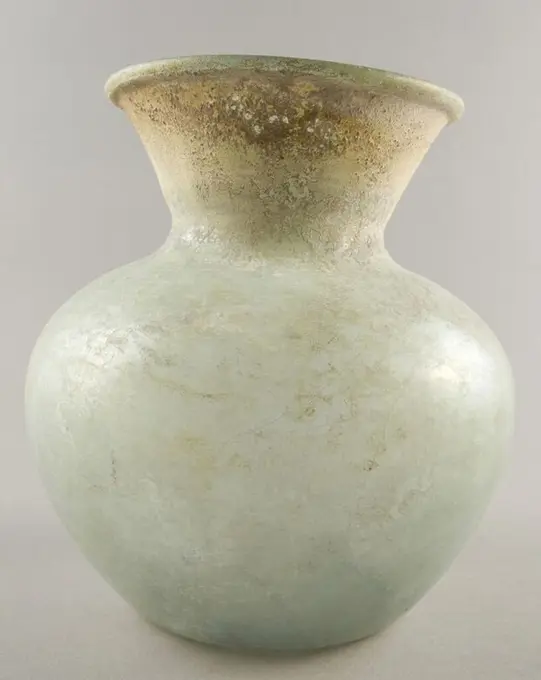
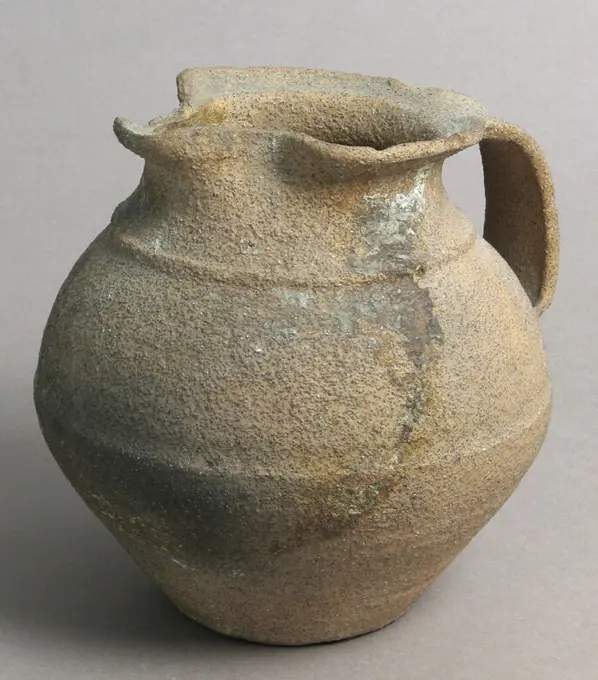
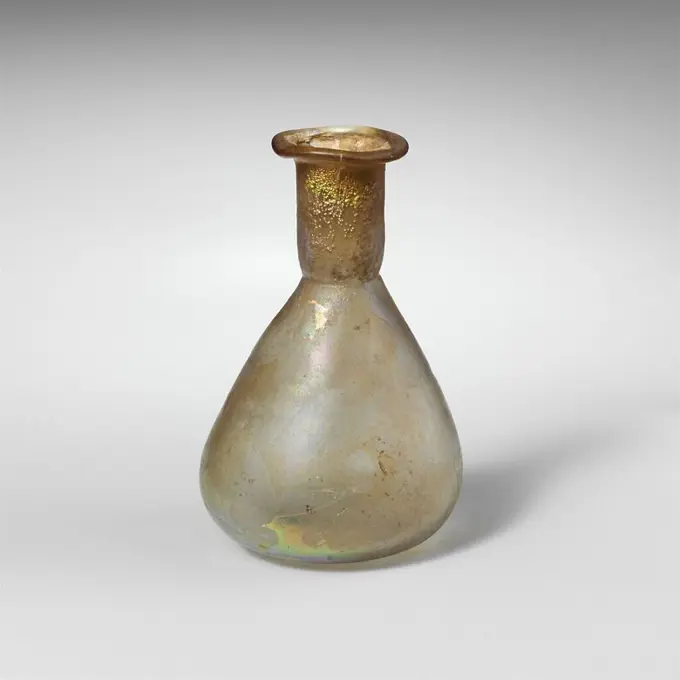
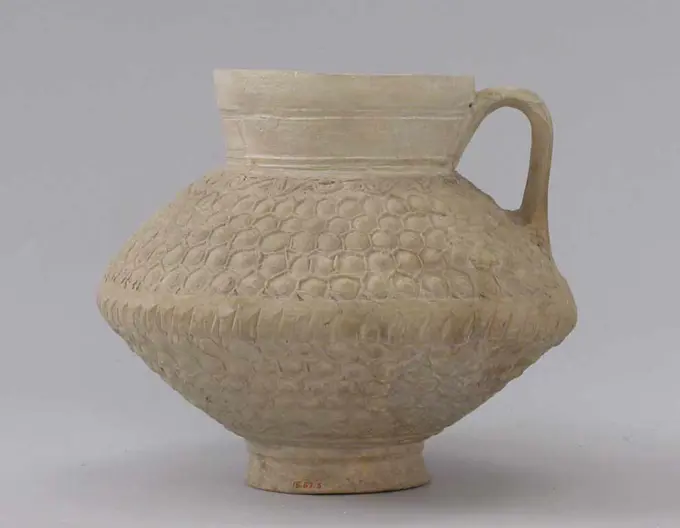
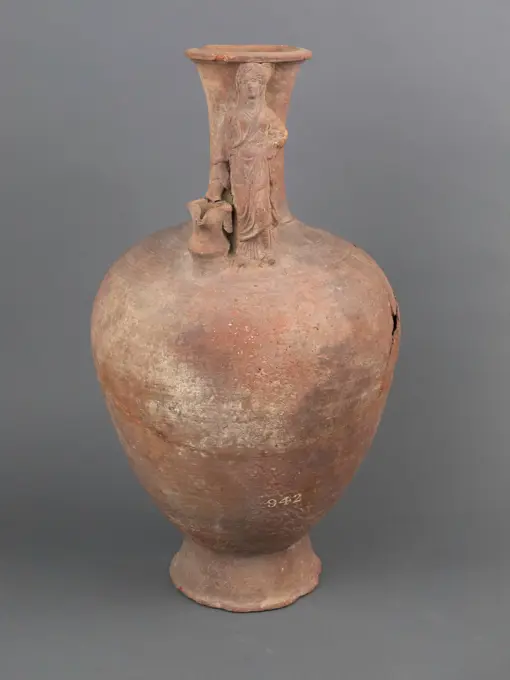
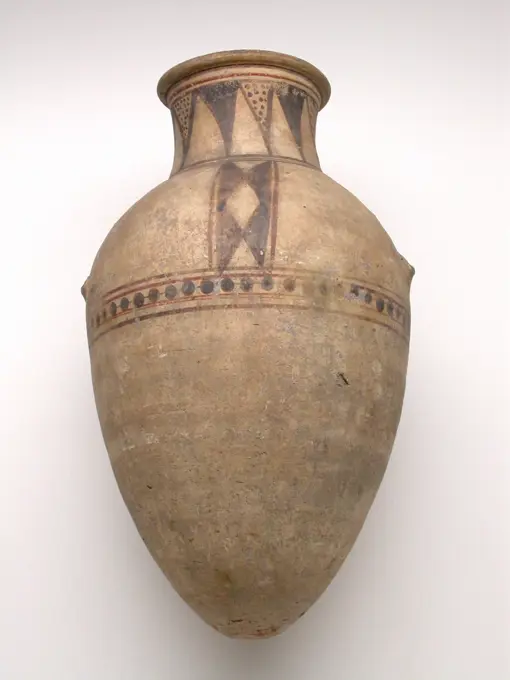
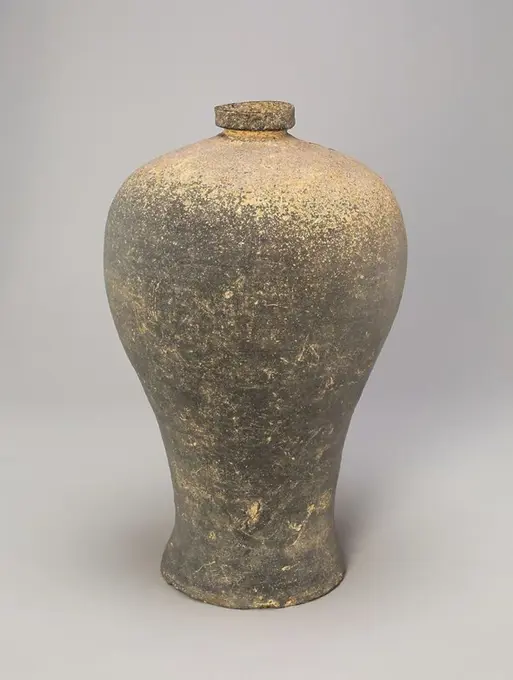
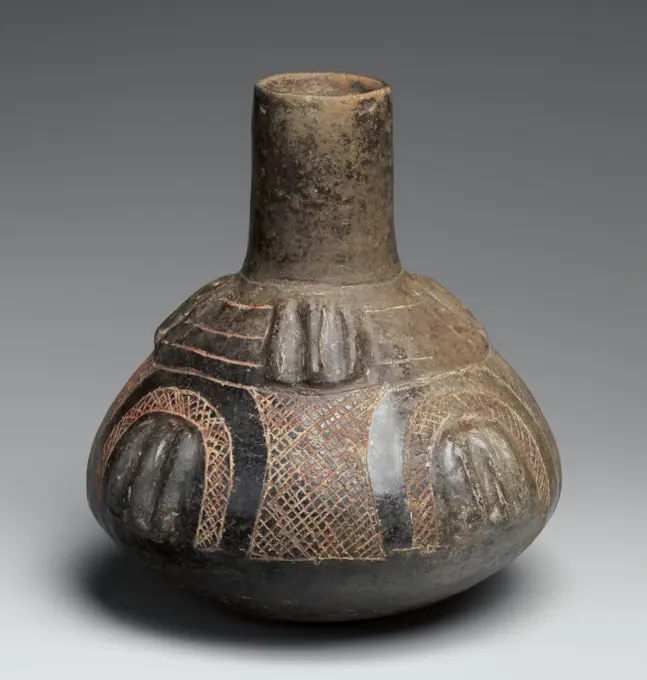
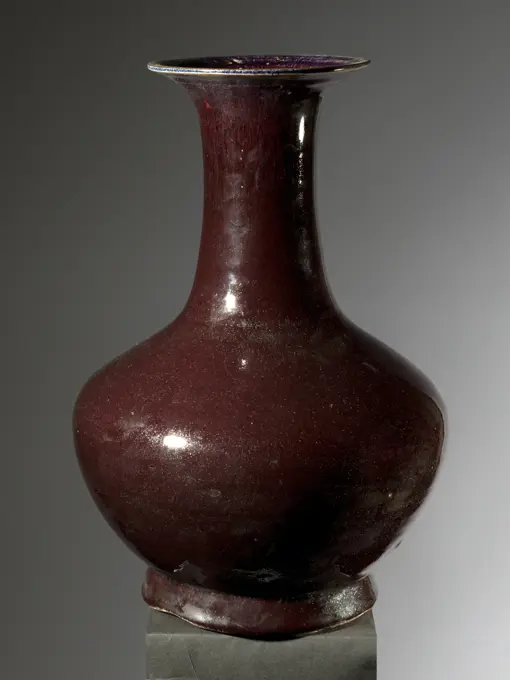
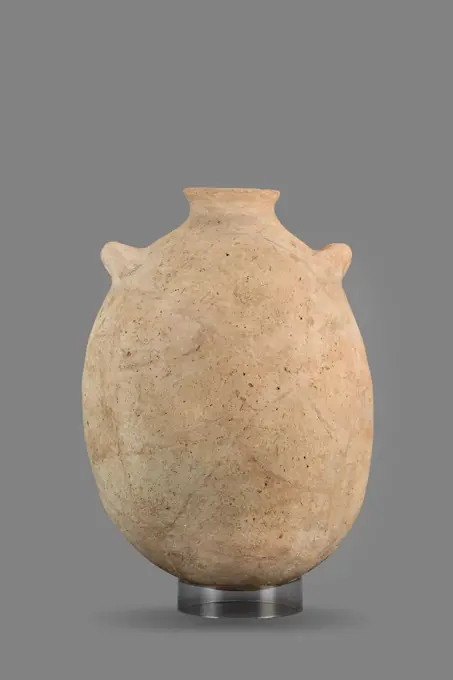
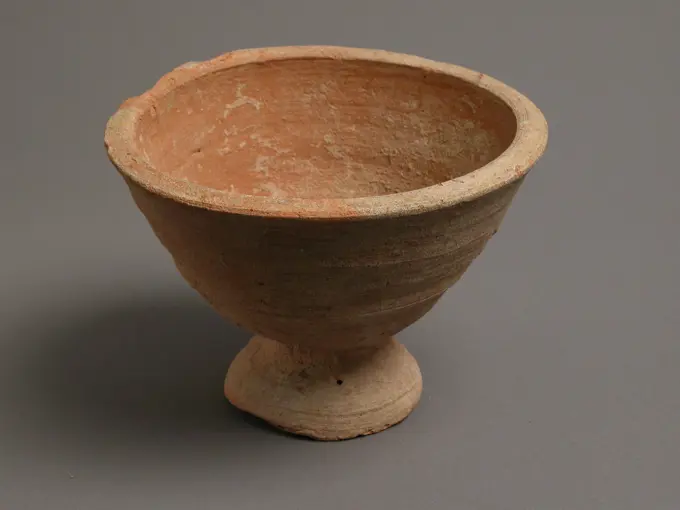
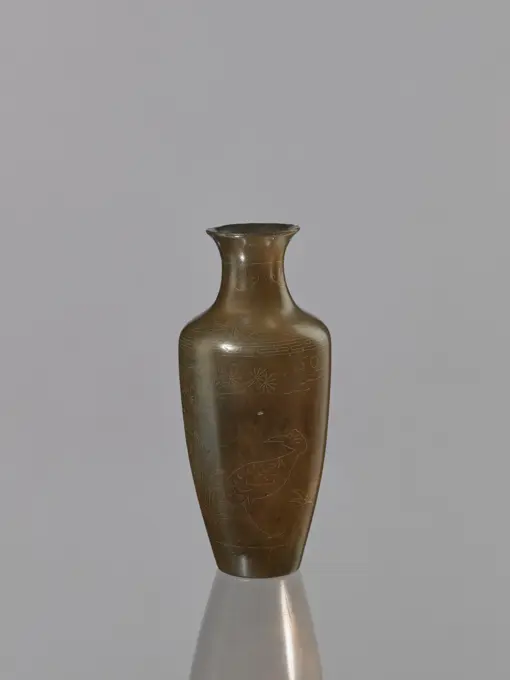
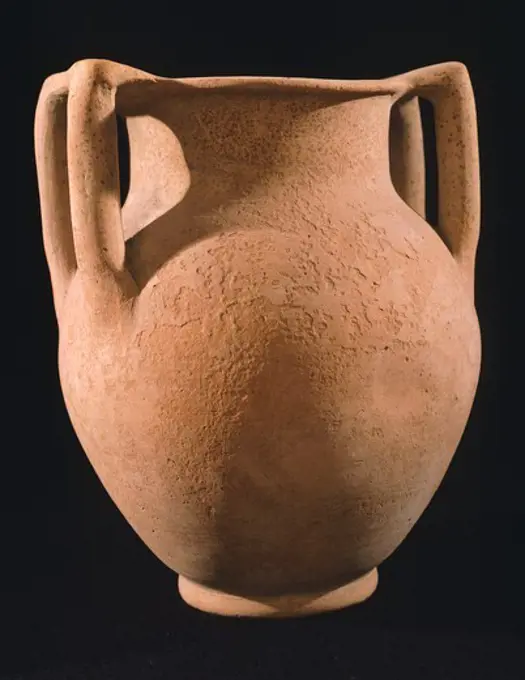
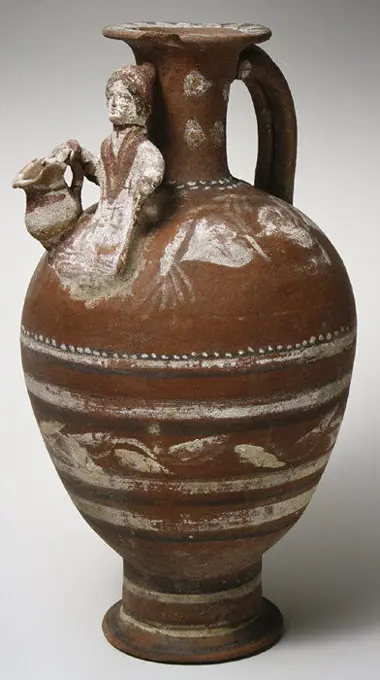
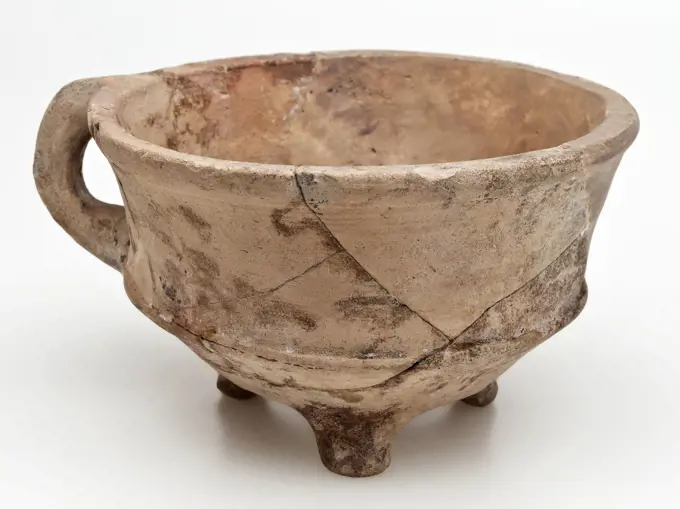
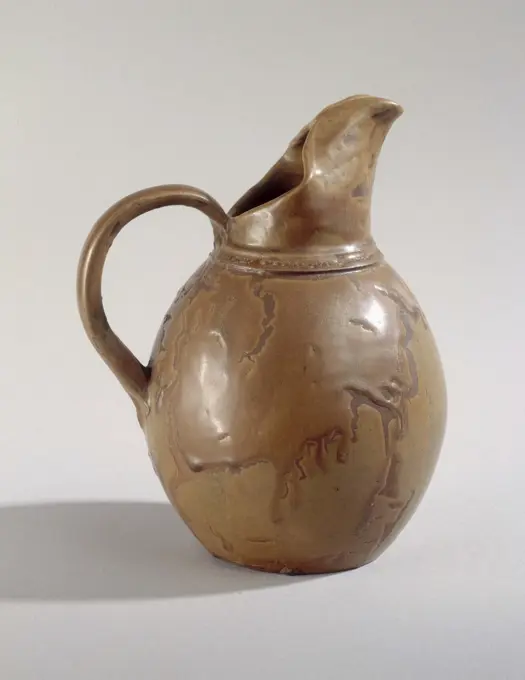
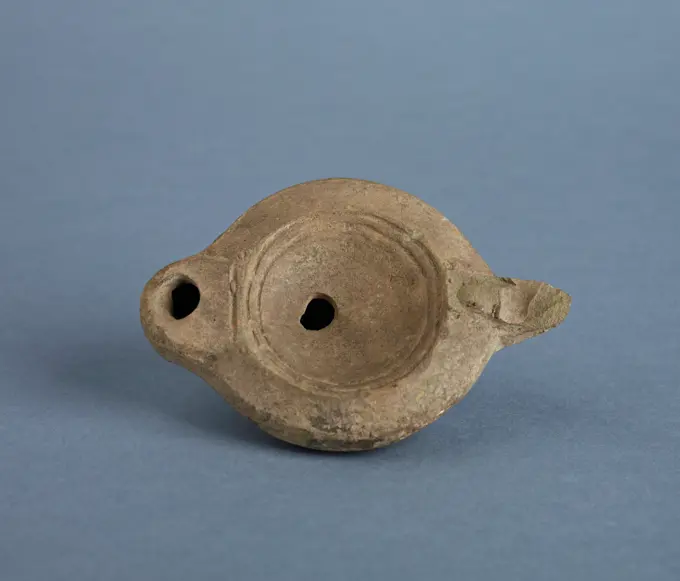
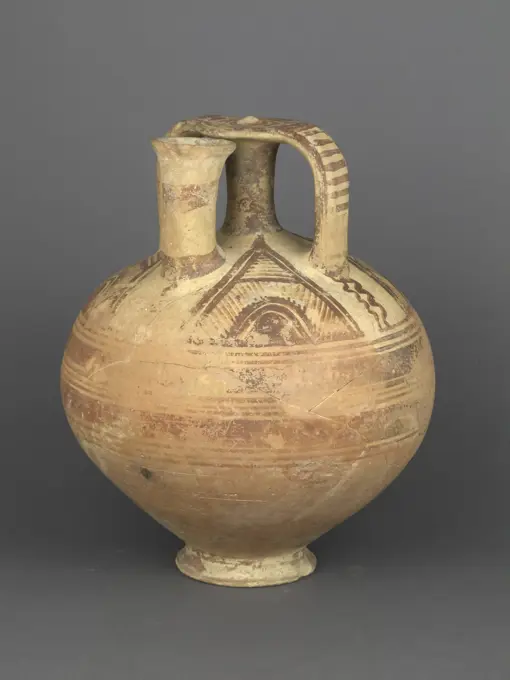
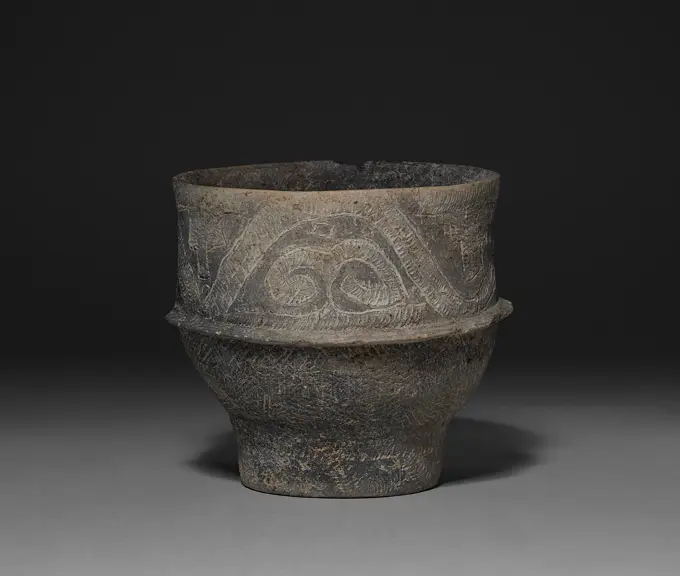
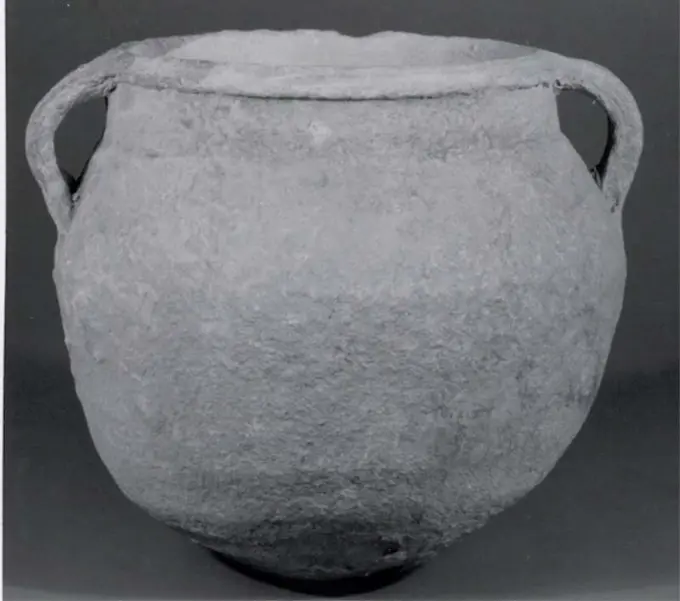
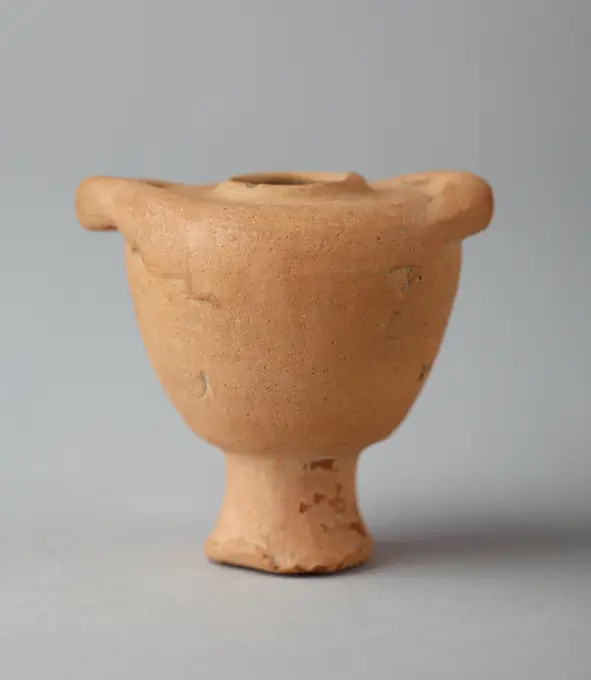
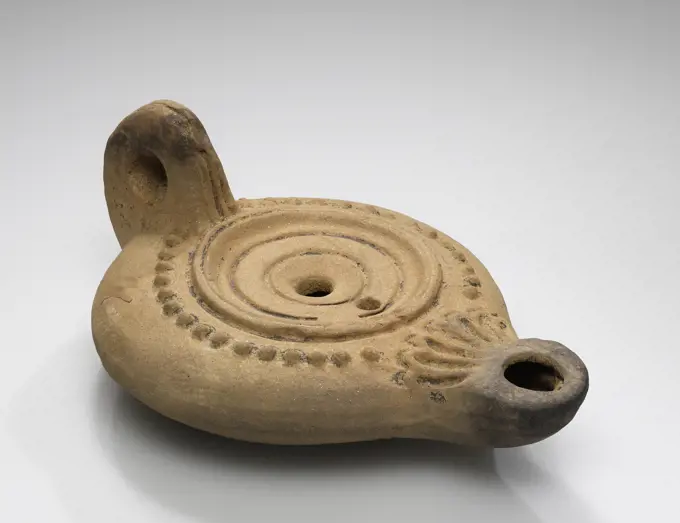
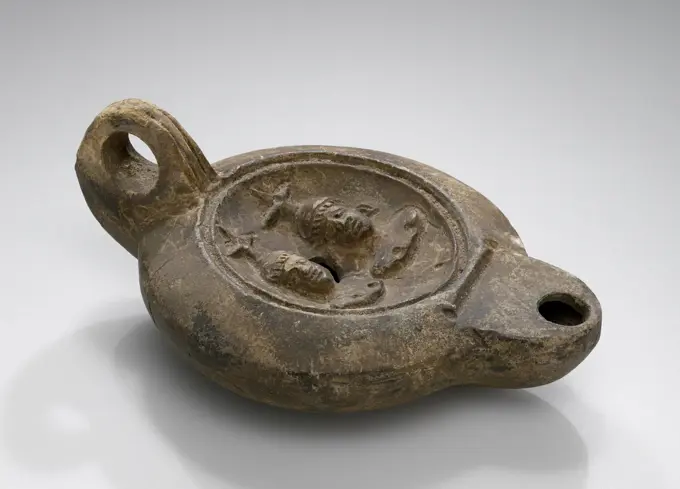
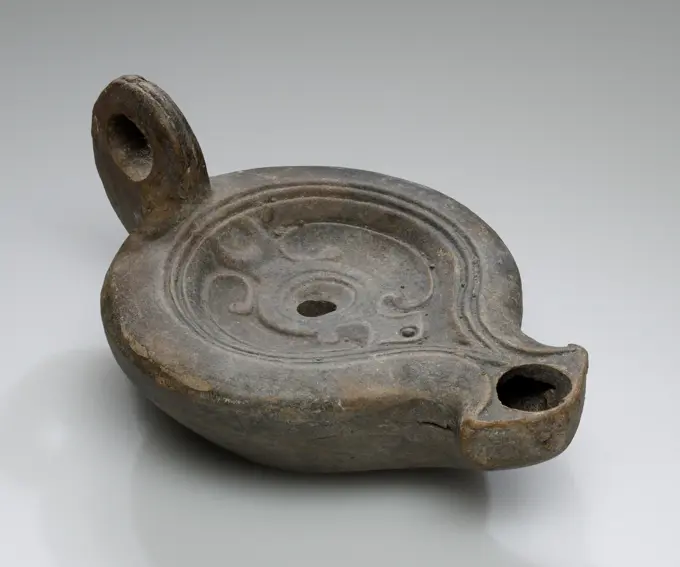
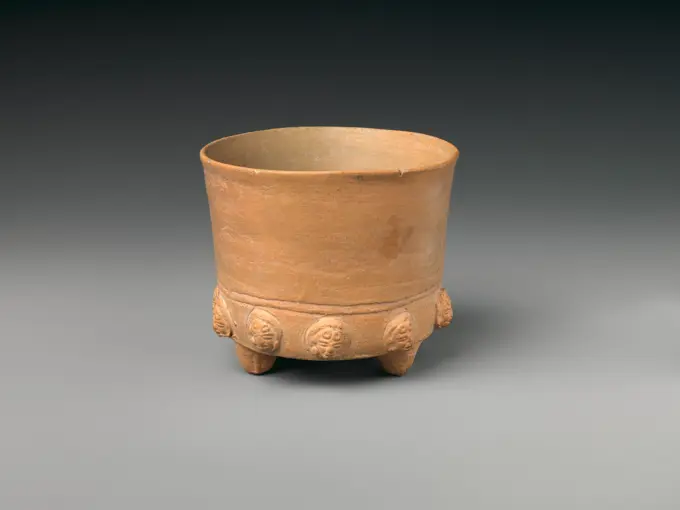
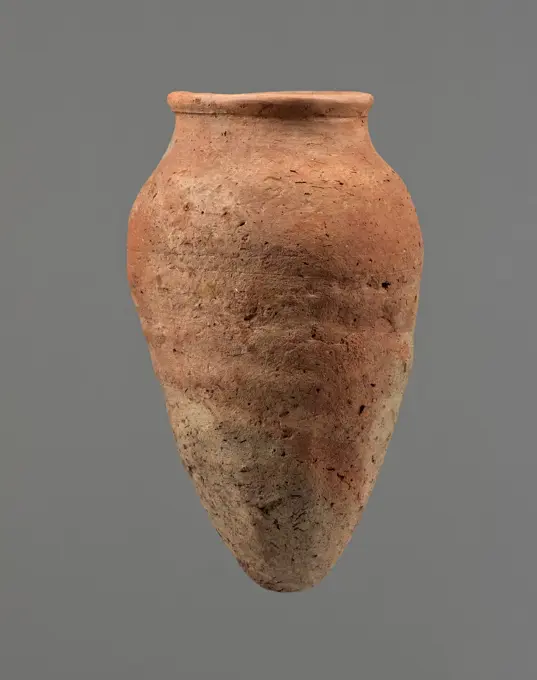
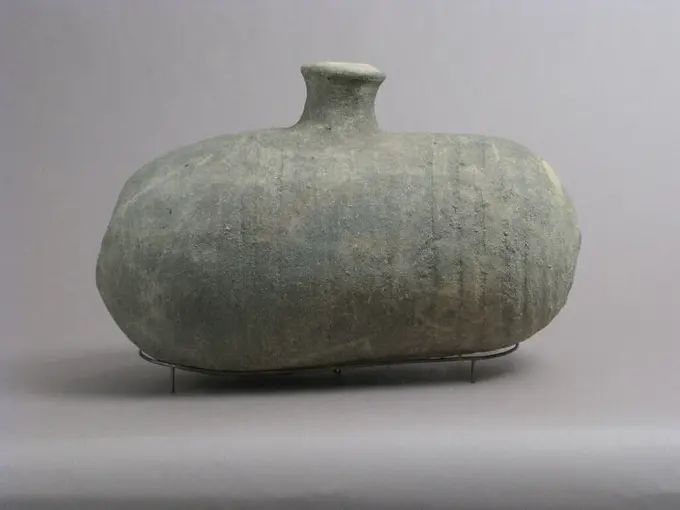
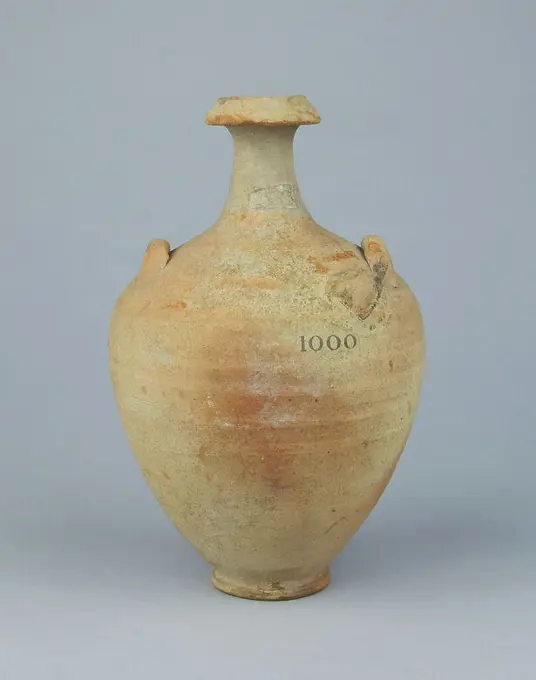
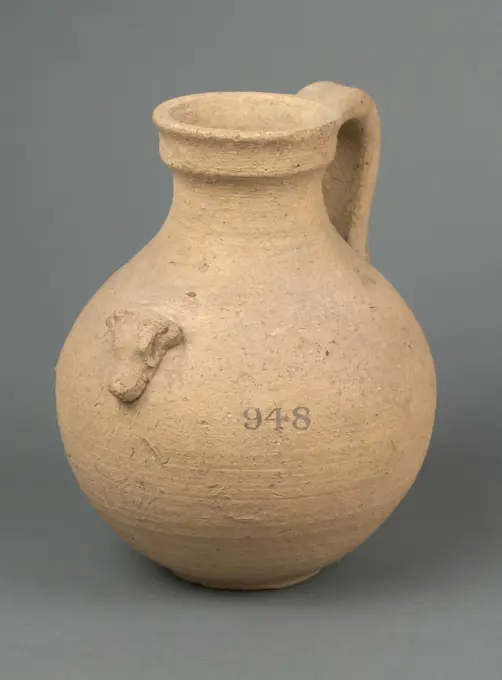
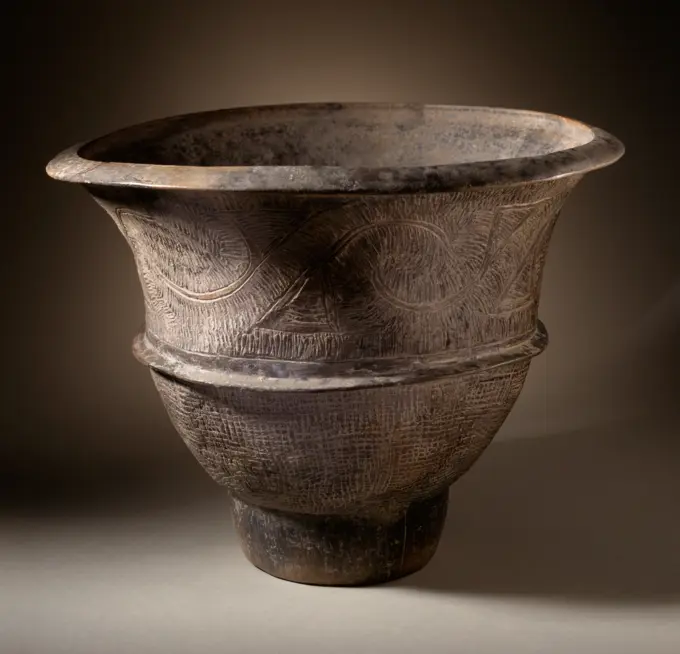
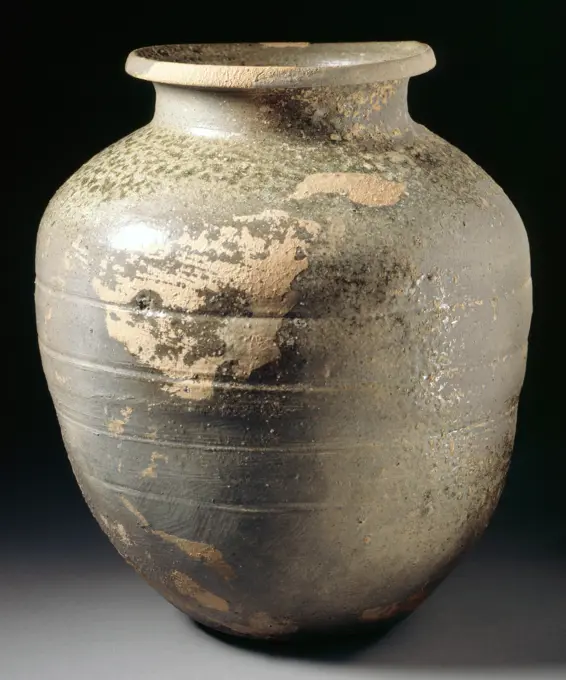
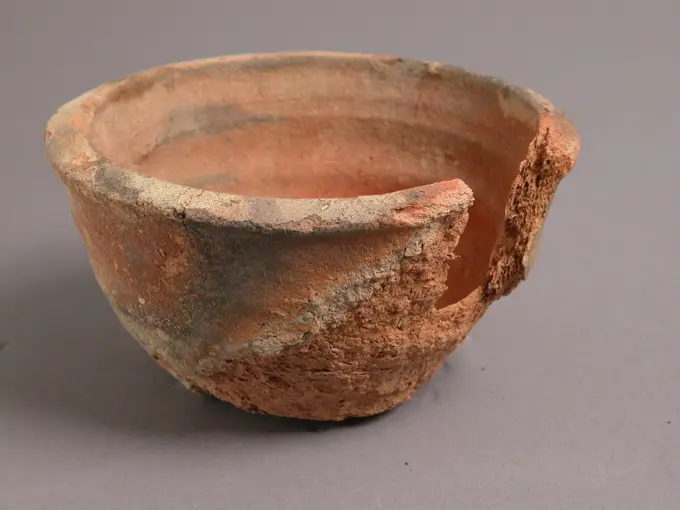
Terracotta jug. Culture: Cypriot. Dimensions: 11 1/4in. (28.6cm).Jug with bull's head and polychrome ornament. Museum: Metropolitan Museum of Art, New York, USA.Wine Jar (Hu) with Interlaced Dragons. China, Modern, about 1900-1950. Furnishings; Serviceware. Cast bronzeRibbed Amphora 580-640 Coptic. Ribbed Amphora 474926Ewer 11th century. Ewer 449880Coq heads, 450. Céladon covered sandstone. Cernuschi Museum, Asia Museum of Asia in the city of Paris.Martavaan from V.O.C. ship De 'Witte Leeuw', Anonymous, Before 1613  Martavaan from V.O.C. ship De 'Witte Leeuw', 95 present. southeast Asia stoneware. porcelain   Sint-HelenaJuglet. Culture: Cypriot. Dimensions: H. 2 7/8 in. (7.3 cm). Date: 600-400 B.C..Handle-ridge jug with angular body; unpainted clay. Museum: Metropolitan Museum of Art, New York, USA.Jar, anonymous, c. -206 - c. 220 Vase of earthenware with a baluster -shaped body and wide, flared neck. Partially polished. Two tires with curls on the shoulder. China earthenware polishing Vase of earthenware with a baluster -shaped body and wide, flared neck. Partially polished. Two tires with curls on the shoulder. China earthenware polishingFlask. UnknownWavy-handled jar ca. 3850-2960 B.C. Predynastic Period. Wavy-handled jar. ca. 3850-2960 B.C.. Pottery. Predynastic Period. From Egypt, Northern Upper Egypt, Abadiya, Cemetery B, Tomb B7, EEF excavations 1898-99Jug 4th-7th century Coptic. Jug 478433Vase China. Vase. China. Pottery. Han dynasty (206 B.C.-A.D. 220). CeramicsJar 18th century. Jar 446944Glass jar. Culture: Roman, Asia Minor. Dimensions: H.: 2 5/16 in. (5.9 cm). Date: 2nd-3rd century A.D..Translucent pale purple.Tubular rim, folded out, round, and in, and pressed flat into side of broad, flaring mouth; concave, cylindrical neck; squat, bulbous body; shallow kick in bottom, with trace of large pontil mark.Intact; pinprick and larger bubbles, with a few glassy inclusions; dulling and faint iridescent weathering on exterior, patches of soil encrustation, brown weathering, and brilliant iridescence on interior. Museum: Metropolitan Museum of Art, New York, USA.Pre-Columbian art. Pre-Incan. Negative Carchi culture. 850-1500 AD. Ceramic vessel. 19 x 20 cm (diameter). From Ecuador. Private collection.Pottery spout pot, brown-yellow with streaks of lace paint, Pingsdorf, pot pans kitchen utensils earthenware ceramics earthenware clay engobe, hand turned decorated baked Pottery spout yellow brown earthenware with reddish paint marks on the shoulder archeology indigenous pottery import store cooking store Soil discovery Cologne.Glass jar. Culture: Roman. Dimensions: H.: 2 1/8 in. (5.4 cm). Date: 2nd-3rd century A.D..Colorless with blue green tinge.Tubular rim folded out, over, and in; funnel-shaped mouth; short, concave neck; uneven, bulbous body; pushed-in bottom.Intact; pinprick bubbles and blowing striations; faint iridescence on exterior, patches of soil encrustation, weathering, and brilliant iridescence on interior. Museum: Metropolitan Museum of Art, New York, USA.Ewer 11th century China. Ewer 49208Bottle 18th century Japan. Bottle 48017Amphora ca. 3200-1600 B.C. Cypriot Incised horizontal and wavy lines.. Amphora. Cypriot. ca. 3200-1600 B.C.. Terracotta. Early-Middle Bronze Age. Vases(Bottle, jar), 5th-6th century, Unknown Korean, 8 3/4 x 4 7/8 in. (22.23 x 12.38 cm), Stoneware, Korea, 5th-6th centuryTerracotta oinochoe (jug) ca. 590-570 B.C. Attributed to the Painter of Munich 237 Three friezes with animals.. Terracotta oinochoe (jug) 246580Vessel. Egyptian. Date: 1550 BC-1069 BC. Dimensions: 11.6 × 6.1 × 6.1 cm (4 5/8 × 2 3/8 × 2 3/8 in.). Calcite. Origin: Egypt. Museum: The Chicago Art Institute, Chicago, USA. Author: Ancient Egyptian.Vase. Terre Civa. Vietnam. Paris, Muse Cernuschi. Vase Asian art, art of extreme orient, art of Vietnam, Vietnamese art, terracotta, dishesTerracotta bowl ca. 1500-1450 B.C. Minoan Monochrome fine dark-slipped ware bowl with narrow foot and no decoration.. Terracotta bowl. Minoan. ca. 1500-1450 B.C.. Terracotta; Monochrome fine dark-slipped ware. Late Minoan IB-IIA. VasesCan of red -baking earthenware, on the inner and partly the outside with glaze, with damaged edge, foot and ear, anonymous, 1500 - 1799   earthenware. glaze   earthenware. glazePottery pot on stand, baluster shape, used in the sugar industry, sugar bowl pot holder soil find ceramic earthenware glaze lead glaze, opening 7.0 hand turned glazed baked Pottery pot on stand. Baluster shape with round shoulder and narrow neck opening. Thick neck with back over the outside. Straight neck edge. Blurred turnings. Red shard and internal glazed sugar cones made here in archeology indigenous earthenware sugar confectionery sugar industryGlass jug 1st-2nd century A.D. Roman Translucent pale blue green, with same color handle.Tubular rim, folded out, round, and in, and pressed into top of mouth; short cylindrical neck with uneven tooled indents; straight sides to conical body; pushed-in bottom; strap handle applied as a pad on top of body, drawn out in a loop and trailed on to edge of rim and top of neck, with vertical loop above.Intact; some pinprick bubbles; dulling, faint iridescence, limy encrustation and weathering.. Glass jug 244658Jar ". Céladon covered sandstone. Epoque des Trois Royaumes (220-265). Paris, Cernuschi museum. Chinese art, Chinese ceramic, time three kingdoms, gres, jar, terracottaLarge pottery cooking jug on three legs, cylindrical neck, one ear, grape cooking pot tableware holder utensils earthenware ceramics earthenware glaze lead glaze, belly 19.3 bottom 12.0 hand turned set pinched glazed baked Cooking pot red earthenware inside and outside sparingly glazed thick round ear high upright neck thickened round edge - smooth belly inverted pouched three pinched legs large archeology Capelle aan den IJssel House in Capelle castle indigenous pottery food preparation kitchen cooking Soil discovery: House in Capelle Capelle aan den IJssel.Jug with coat of arms, anonymous, c. 1599 - c. 1610 Jug of stoneware on the standing surface with a spherical body and narrow, short neck. Part of the neck is missing. The getting c-shaped ear is attached to the neck and shoulder. A broad bond with lines of the neck runs from the neck to halfway through the shoulder. Covered with a brown engobe and cobalt blue. On the abdomen three times printed and imposed medallion in relief. The middle medallion, flanked by Leeuwen, shows a weapon and the date '1603'. On either side of this a medallion with the national weapon, the inscription 'R.R./K.K' and the date '1599'. Frechten. Cheek stoneware. glaze. engobe. cobalt (mineral) vitrification Jug of stoneware on the standing surface with a spherical body and narrow, short neck. Part of the neck is missing. The getting c-shaped ear is attached to the neck and shoulder. A broad bond with lines of the neck runs from the neck to halfway through the shoulder. Covered with a brown engobe and cobalt blAmphora 600-480 B.C. Cypriot Grooved body and two horned handles, light clay under dark slip.. Amphora. Cypriot. 600-480 B.C.. Terracotta. Cypro-Archaic II. VasesGlass beaker. Culture: Roman. Dimensions: Overall: 3 1/8in. (8cm)Diam.: 3 1/4 in. (8.3 cm). Date: 2nd-3rd century A.D..Colorless with pale blue green tinge.Thickened, rounded, vertical rim with inner lip; straight sides expanding slightly downwards, then turned in at sharp angle to bottom with pointed kick at center.Complete, but hole in side (from devitrification); pinprick bubbles and blowing striations; dulling, deep pitting, brilliant iridescence and whitish weathering. Museum: Metropolitan Museum of Art, New York, USA.Vessel. Egyptian. Date: 1600 BC-1425 BC. Dimensions: H. 22.25 cm (8 3/4 in.); diam. 14 cm ( 5 1/2 in.). Terra-cotta. Origin: Egypt. Museum: The Chicago Art Institute, Chicago, USA. Author: Ancient Egyptian.Jar 4th-7th century Coptic. Jar 477325Hu, 8th-3rd century B.C., Stoneware, 11 × 7 1/2 in. (27.9 × 19cm), China, Chinese, Eastern Zhou dynasty (770-221 B.C.E.), Containers -CeramicsCANTARO CON DOS ASAS Y CUELLO CORTO EN BARRO. Location: ALFARERIA. VALL DE UXO. Castellón. SPAIN.Pottery cooking pot, grape-model, red shard, glazed, two vertical sausages, on three legs, cooking pot crockery holder kitchenware earth discovery ceramic earthenware glaze lead glaze, hand-turned glazed baked Pottery cooking pot grape-model red shard inside and part shoulder covered with lead glaze with greenish spots two vertical sausage wheels three legs traces on the underside archeology indigenous pottery food prepare cooking cuisineGlass perfume bottle. Culture: Roman. Dimensions: 4 1/4in. (10.9cm)Other: 2 1/2in. (6.3cm)Diam. of rim: 15/16 in. (2.4 cm). Date: 1st-2nd century A.D..Colorless with blue green tinge.Rim folded out, over, and in; cylindrical neck, expanding downward with tooling marks around base; broad conical body with convex sides; slightly concave bottom.Intact; many bubbles; deep pitting and brilliant iridescent weathering. Museum: Metropolitan Museum of Art, New York, USA.Vase (one of a pair). Culture: China. Dimensions: H. 10 1/2 in. (26.7 cm); Diam. 6 in. (15.2 cm)Diam. of rim: 3 3/4 in. (9.5 cm)Diam. of foot: 4 1/8 in. (10.5 cm). Date: 15th century.These vases are stylistically consistent with Ming imperial ritual vessels and are likely to have been the products of the imperial workshops of the fifteenth century. Originally they would have served as flower vases on a ritual altar, where they would have been placed together with an incense burner and two candlesticks. Museum: Metropolitan Museum of Art, New York, USA.Glass jar with two handles (amphora). Culture: Roman. Dimensions: H.: 5 3/4 in. (14.6 cm)Diam.: 3 1/8 x 2 15/16 x 1 5/8 in. (7.9 x 7.5 x 4.1 cm). Date: 3rd century A.D..Colorless with pale yellow tinge; same color handle and ribs.Horizontal rim, folded round and in; flaring mouth; cylindrical neck, expanding downwards; rounded shoulder; piriform body, tapering downwards; outsplayed tubular foot rim, made by folding; deep kick in bottom; two thin strap handles, pressed onto shoulder, with thick projecting pads below, drawn out and up, curved in, and applied to underside of mouth and rim.On body, extending from shoulder almost to foot ring, eighteen irregular ribs, some vertical, some slanting, and other curved.Intact; few bubbles; dulling, slight pitting, creamy weathering, and iridescence on exterior, patches of thick black weathering and brilliant iridescence on interior. Museum: Metropolitan Museum of Art, New York, USA.Glass jug 1st-3rd century A.D. Roman Small, one-handled square jug.Colorless with yellowish tinge; handle in light green.Plain, rounded rim; flaring mouth; cylindrical neck, aslant to body; slightly pushed-in shoulder with large, sloping shoulders; square body with flat sides and rounded lower corners; flat bottom; two-ribbed handle attached to outer edge of shoulder, drawn up, turned in horizontally, and trailed on to top of neck.Intact; pinprick bubbles and some black impurities; dulling, slight pitting, and most of surfaces covered in creamy weathering and iridescence.. Glass jug 245271Water Jug, early 1900s. Africa, early 20th century. Terracotta; diameter of mouth with rim: 17.8 x 8.9 cm (7 x 3 1/2 in.).Ceramic Whistling Vessel 11th-16th century Carchi. Ceramic Whistling Vessel 314197Ewer 19th century. Ewer 446086Terracotta Hadra hydria (water jar). Culture: Greek, Egypt, Alexandria-Hadra. Dimensions: Other: 15 1/2 x , D.:9 3/4 in. (39.4 x 24.8 cm). Date: 3rd century B.C.. Museum: Metropolitan Museum of Art, New York, USA.Scythian Vase by anonymous artist, clay, 7th-6th century BC, Russia, Moscow, State History Museum, H 12Chlorite amphoriskos (small jar) ca. 1200-1100 B.C. Cypriot The circle and knobs in relief at the base of each handle imitate a metallic handle with rivets like those of a large bronze cauldron (74.51.5685) nearby.. Chlorite amphoriskos (small jar) 243902Lidded Funerary Urn (Hu) with Bird, Dogs, and Lotus Scrolls. China, Zhejiang Province, Longquan County, early Southern Song dynasty, about 1127-1200. Furnishings; Accessories. Longquan ware, wheel-thrown stoneware with incised, modeled, and applied decoration and green glazeEwer 9th-10th century. Ewer 449640Terracotta pithoid jar ca. 1300-1190 B.C. Mycenaean Jar with pear-shaped body, three handles, and geometric designs in panels.. Terracotta pithoid jar 240331Jar. Culture: Japan. Dimensions: H. 9 5/8 in. (24.4 cm); Diam. 11 1/8 in. (28.3 cm). Date: ca. 100-300. Museum: Metropolitan Museum of Art, New York, USA.Earthenware chamber pot with curved bottom, unglazed and narrow neck, pot holder sanitary earthenware ceramic pottery, belly 16.0 bottom 9.5 hand turned pottery Room pot red-brown earthenware unglazed vaulted bottom with soul round ear round belly long and narrow neck shallow cuff and finger impression on the site of the attachment of the ear archeology Capelle aan den IJssel House in Capelle castle indigenous pottery toilet disposal night sleeping room hygiene Soil discovery: cesspool 1420-1425 house in Capelle Capelle aan den IJssel 1963.Small two-handledvase, ca. 323 B.C.-A.D.256, Terracotta, 3 3/16 × 3 1/16 in. (8.1 × 7.7cm), Yale-French Excavations atDura-Europos, Excavated in Dura-Europos, Syria, Syrian,Dura-Europos, Greco-Roman orParthian, Containers -CeramicsJar ca. 3500-3300 B.C.. Jar 326500Jar ". Sandstone, white slip under transparent cover. Song / Yuan. Paris, Cernuschi museum.chine, Song dynasty (960-1279) / Yuan (1279-1368). Chinese art, Chinese ceramic, container, Song dynasty, Yuan dynasty, Song time, Yuan time, oval form, gres, jar, container, terracotta. Egg-shaped pot of stoneware, partially covered with a gray, cracked glaze. The edge and bottom are unglazed.Jug with coat of arms in medallions, anonymous, c. 1550 - c. 1599 Jug of stoneware on stand ring with a cylindrical body with round shoulder and wide, ribbed neck. The C-shaped ear is attached to the neck and shoulder. On the belly in relief three printed and imposed medallions with a different weapon in each. The middle medallion is flanked by lions and leaves. The shoulder and the lower part of the abdomen are divided into entered courses. Raeren. Rae stoneware. glaze vitrification Jug of stoneware on stand ring with a cylindrical body with round shoulder and wide, ribbed neck. The C-shaped ear is attached to the neck and shoulder. On the belly in relief three printed and imposed medallions with a different weapon in each. The middle medallion is flanked by lions and leaves. The shoulder and the lower part of the abdomen are divided into entered courses. Raeren. Rae stoneware. glaze vitrificationPrehistoric Art. Early Bronze Age. Handmade Jar of clay without decoration. Globular body, wide mouth and a handle. Dated in the third millennium B.C. National Archaeological Museum. Athens. Greece.Glass jar with four handles. Culture: Roman. Dimensions: Overall: 2 7/8in. (7.3cm). Date: 4th-5th century A.D..Translucent manganese purple; handles in translucent pale green.Rim slightly outsplayed, with rounded vertical lip; below hollow folded flange; funnel-shaped neck; uneven, slightly pushed-in shoulder; body with convex side, tapering downwards to small, pushed-in bottom with small pontil mark; four handles applied in large pads to top of side, drawn up vertically, turned in at a right angle, then folded upwards over flange to top of rim.Part of rim and top of one handle missing, with weathered edges, but body complete; some bubbles and blowing striations; dulling, deep pitting, patches of weathering, and brilliant iridescence on exterior, whitish weathering covering much of interior. Museum: Metropolitan Museum of Art, New York, USA.BOTIJA SIN VIDRIAR - CUELLO ALTO Y ANCHO Y UN ASA - ARTE POPULAR S XX. Location: ALFARERIA. LEBRIJA. Seville. SPAIN.Jar. Roman. Date: 101 AD-300 AD. Dimensions: 22.5 × 20.3 × 20.3 cm (8 7/8 × 8 × 8 in.). Glass, blown technique. Origin: Ancient Mediterranean. Museum: The Chicago Art Institute, Chicago, USA.Jug. Culture: French. Dimensions: Overall: 6 1/2 x 6 5/8 x 6 5/16 in. (16.5 x 16.9 x 16 cm). Date: 16th century. Museum: Metropolitan Museum of Art, New York, USA.Glass perfume bottle. Culture: Roman. Dimensions: Overall: 2 5/16in. (5.9cm)Diam.: 1 1/2 x 3/4 in. (3.8 x 1.9 cm). Date: 1st-2nd century A.D..Colorless with faint yellowish tinge.Uneven rim folded out, over, and in; cylindrical neck with tooling indent around base; conical body, rounded at base; flattened but slanting bottom.Traces of horizontal indent around middle of body.Intact; pinprick bubbles; pitting, dulling, and faint iridescence on exterior, and creamy weathering with iridescence on interior of neck. Museum: Metropolitan Museum of Art, New York, USA.Jar 12th century. Jar 446844Jug 480-400 B.C. Cypriot "Woman-and-pitcher" vase, the woman a fully moulded statuette; no decoration.. Jug. Cypriot. 480-400 B.C.. Terracotta. Cypro-Classical I. VasesAmphora 1550 BCE-1295 BCE Egypt. Ceramic, pigment . Ancient EgyptianAncient Aztec Pottery containers on display at the National Mexico museum in Zihuatanejo, MexicoBottle-Shaped Vase (Maebyong). Korea. Date: 1065-1135. Dimensions: H. 28.9 cm (11 3/8 in.); diam. 18.0 cm (7 1/16 in.). Stoneware with natural ash glaze. Origin: Korea. Museum: The Chicago Art Institute, Chicago, USA.Engraved Bottle Ancestral Caddoan 15th century The separate, but related, cultural groups kuown as Ancestral Caddoan-a regional variant of the Mississippian culture-flourished in the southeast of what is now the United States in the centuries prior to European contact. Although fine ceramics are kuown from the region as early as AD 800, the distinctive engraved vessels with swirling and cross-hatched designs (sometimes called Friendship Engraved) emerged after A.D. 1400. This fine water bottle features applique work over an incised ground with traces of red hematite. View more. Engraved Bottle. Ancestral Caddoan. 15th century. Clay. United States, Arkansas. Ceramics-VesselsVase. GRASS. Par musée musée malée. Asian art, container, vaseButla. nieznany warsztat północno mezopotamski, workshopClay vase, 14 cm high, Indigenous civilization of the Dominican Republic.Footed Cup 1st century B.C.-4th century A.D. Coptic. Footed Cup 477747Vase;  after 1900 (1900-00-00-1925-00-00);Multi-handled amphora dating from the Hellenistic period, Italiote pottery, Campania, Italy. Ancient Greek Civilization, 2nd Century BC.Terracotta jug ca. 400-323 B.C. Cypriot "Woman-and-pitcher" vase with ivy and olive wreaths, in white and white flowers on neck. Terracotta jug. Cypriot. ca. 400-323 B.C.. Terracotta. Cypro-Classical II. VasesPottery test, round model on three legs, standing ear, unglazed, fire test test heating floor finding ceramic earthenware, hand-turned baked Test of light red earthenware unglazed round model with one slightly pinched ear three-legged rings. Ledge on the transition from side wall to bottom archeology Valckensteyn Poortugaal Albrandswaard indigenous pottery fire kitchen charcoal fire source footstep hand warmer foot warmer Soil discovery: canal at kitchen castle Valckensteyn at Poortugaal now Albrandswaard 1961.Jean Carriès (1855-1894). "Pitcher". Enameled sandstone. Museum of Fine Arts of the City of Paris, Petit Palais. 24205-4 Ceramic, gres emaille, pitcherOil LampTerracotta stirrup jar ca. 1200-1050 B.C. Cypriot The stirrup jar is one of the most common Mycenaean shapes used to contain liquids such as oil or wine.. Terracotta stirrup jar. Cypriot. ca. 1200-1050 B.C.. Terracotta. Late Cypriot IIIB. VasesJar, early 3rd millennium BC. Thailand, Ban Chiang, Neolithic Period. Gray earthenware with incised decoration; diameter: 22.1 cm (8 11/16 in.); overall: 20.2 cm (7 15/16 in.).Cooking pot ca. 1st century A.D. Nabataean. Cooking pot 325902Small VesselLamp, Asia Minor; 1st - 4th century; Terracotta; 2.3 x 8.2 x 11.5 cm (7,8 x 3 1,4 x 4 1,2 in.)Flakon with a fitting unknownPitcher. American Pottery Manufacturing Co. (1832-1892); Jersey City, New Jersey. Date: 1832-1839. Dimensions: H. 19.1 cm (7 1/2 in.). Flint stoneware. Origin: Jersey City. Museum: The Chicago Art Institute, Chicago, USA.. Egg-shaped pot of stoneware, covered with a green glaze. The bottom is unglazed. The edge has been broken and has been restored with gold lacquer and paintwork painted with maple leaves, prunus blossoms and plovers with waves. Old label on the bottom with 'W511'. Seto.Lamp. UnknownLamp. UnknownTripod Vessel 5th century Teotihuacan. Tripod Vessel. Teotihuacan. 5th century. Ceramic. Mexico, Mesoamerica. Ceramics-ContainersVessel with a hieratic inscription;  around 2686- 2181 BC ; Old state (-2686-00-00--2181-00-00);Jug. Culture: Coptic. Dimensions: Overall: 9 7/16 x 14 15/16 x 7 3/4 in. (23.9 x 38 x 19.7 cm). Date: 4th-7th century. Museum: Metropolitan Museum of Art, New York, USA.Juglet. Culture: Cypriot. Dimensions: 6 3/4in. (17.2cm). Date: 480-400 B.C..Vase with narrow neck and very small handles on shoulder. Museum: Metropolitan Museum of Art, New York, USA.Jug 600-480 B.C. Cypriot Bull's head on front of shoulder.. Jug. Cypriot. 600-480 B.C.. Terracotta. Cypro-Archaic II. VasesJar with Spirals. Thailand, Middle Ban Chiang culture, circa 1000-300 B.C.. Furnishings; Serviceware. Burnished coil-built earthenware with incised decorationJar with Short Neck. Korea, Korean, Unified Silla dynasty, 668-935, 9th-early 10th century. Furnishings; Serviceware. Wheel-thrown stoneware with green glazeBowl 4th-7th century Coptic. Bowl 478489"Opening of the Mouth" vessel of Perneb Old Kingdom ca. 2381-2323 B.C. An essential rite performed during the funeral ceremonies was the "Opening of the Mouth." Thought to have evoked the rituals carried out at the birth of a child, this served to restore the senses of the newly deceased (resident in spirit within the mummified body or a statue), so that he or she could once again breathe, speak, eat, drink, see, and hear.This vessel is part of a set used for this ceremony. It would have held milk, or salt or fresh water (see also 14.7.30; 14.7.92; and 14.7.94).For a complete set of implements for this ritual, see 07.228.117a-h.Bottle, 1900-1920. Peru, 20th century. Pottery; overall: 10.5 x 13.1 cm (4 1/8 x 5 3/16 in.).