Ancient Terracotta Jugs

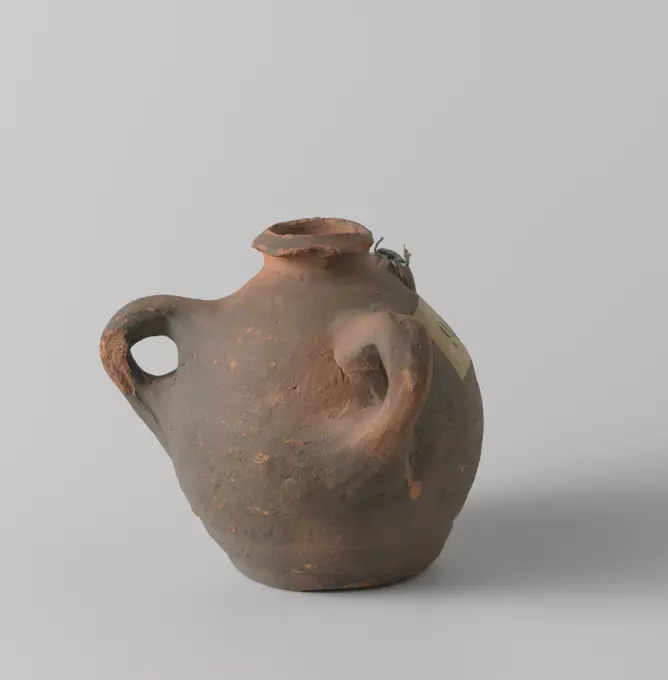
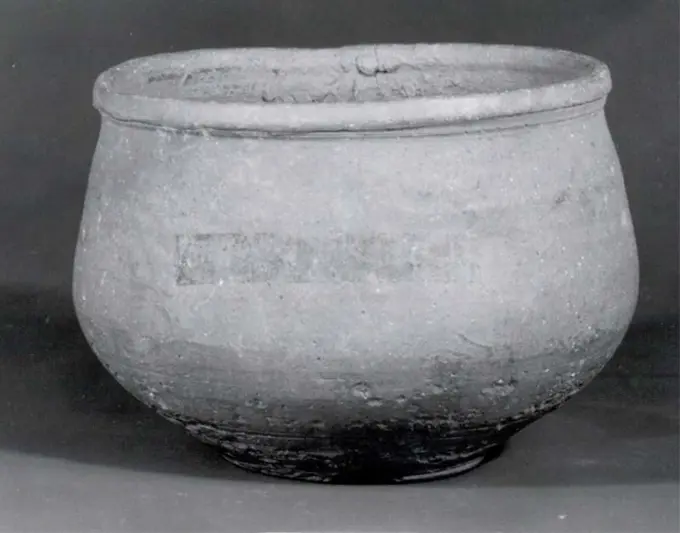
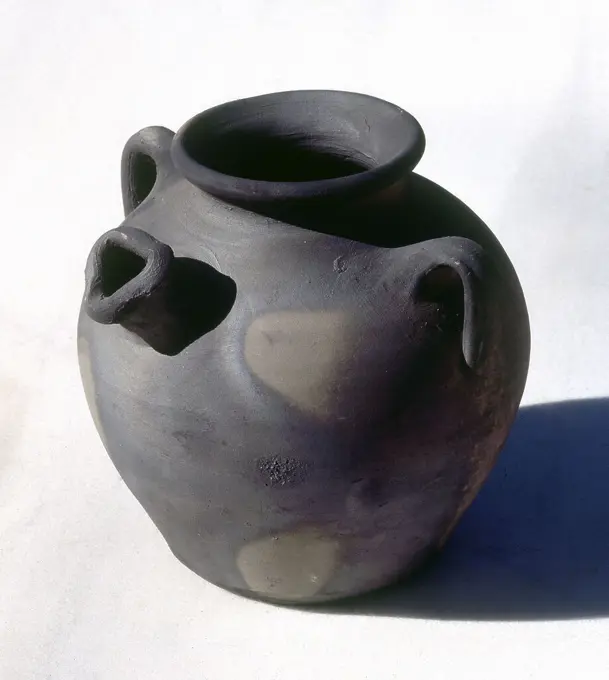
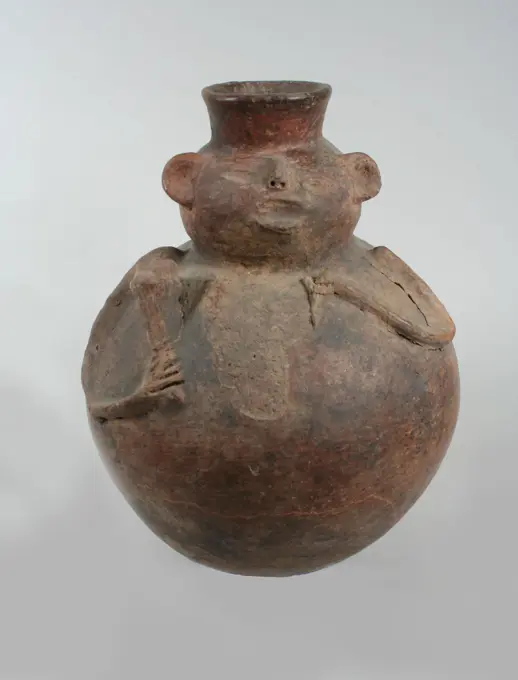
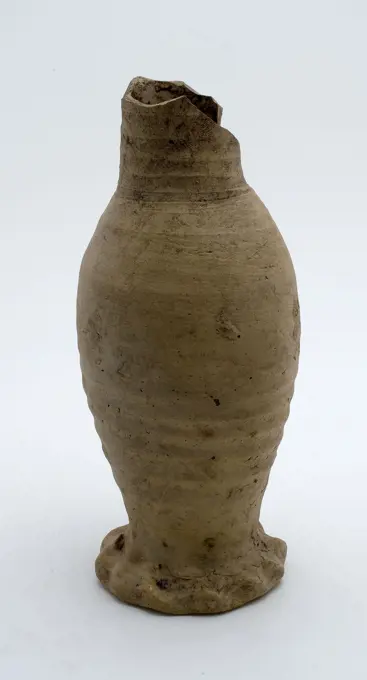
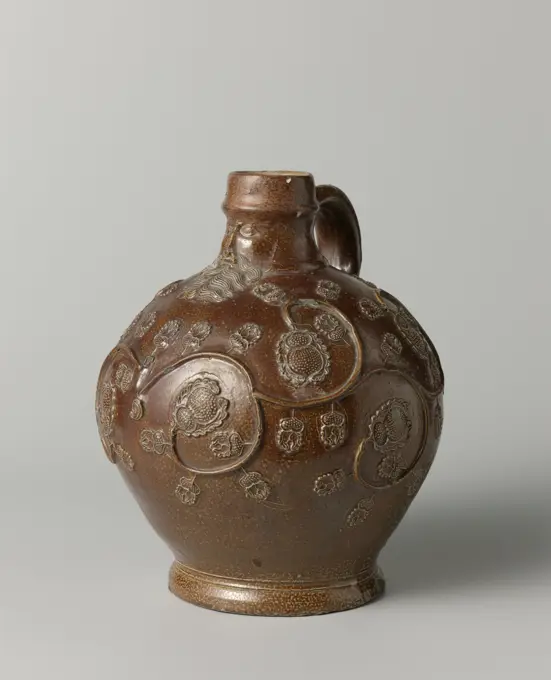
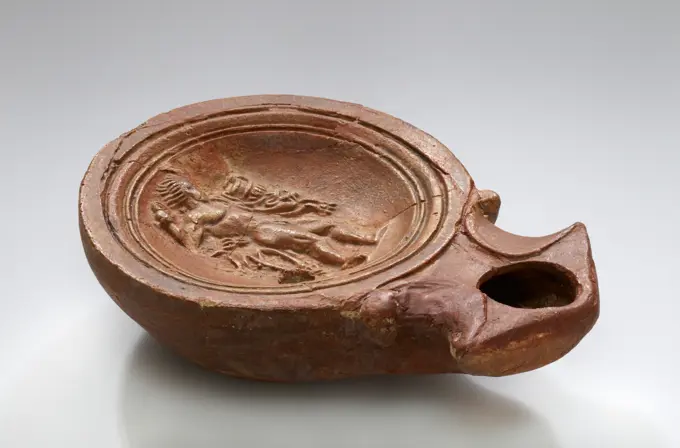
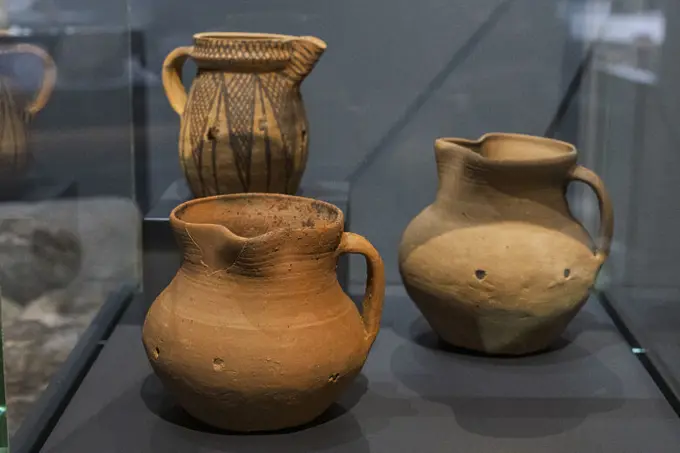
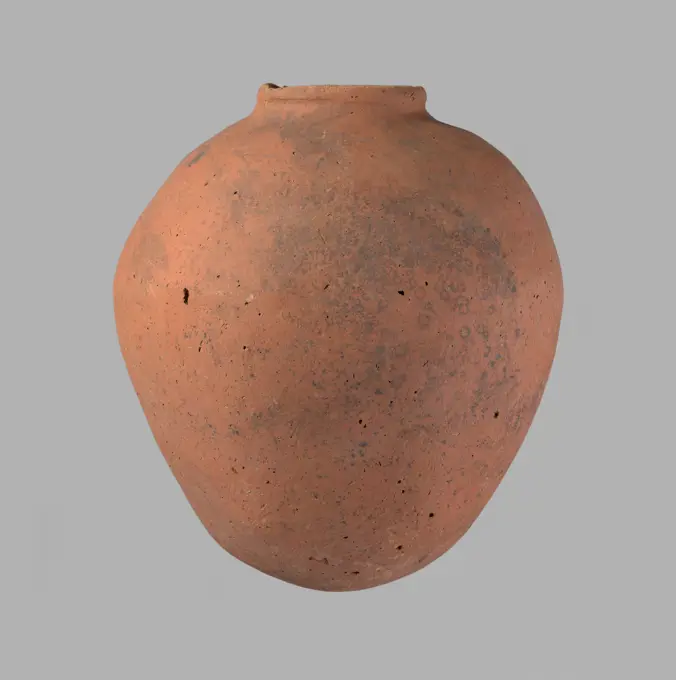
A selection of ancient pottery, including terracotta jugs and amphorae, showcasing historical craftsmanship from various cultures.
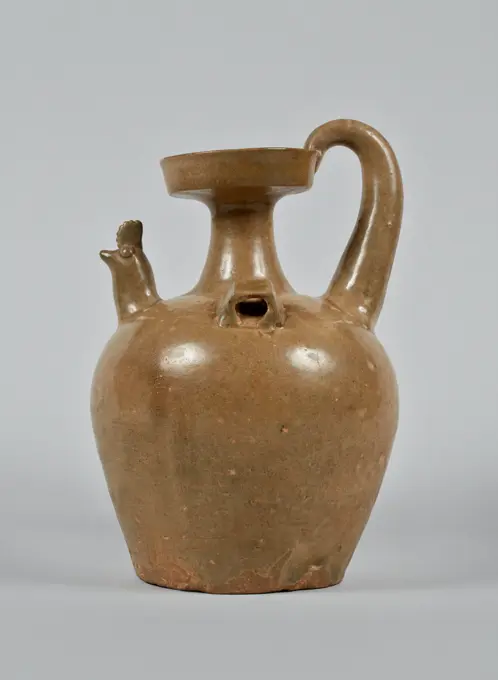
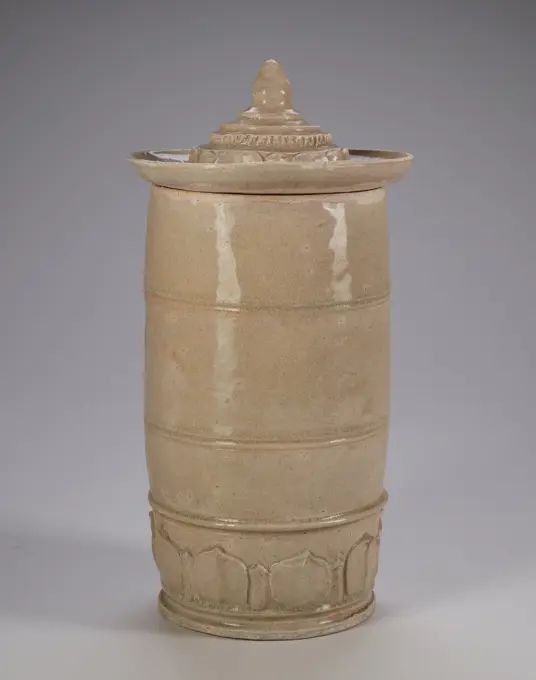
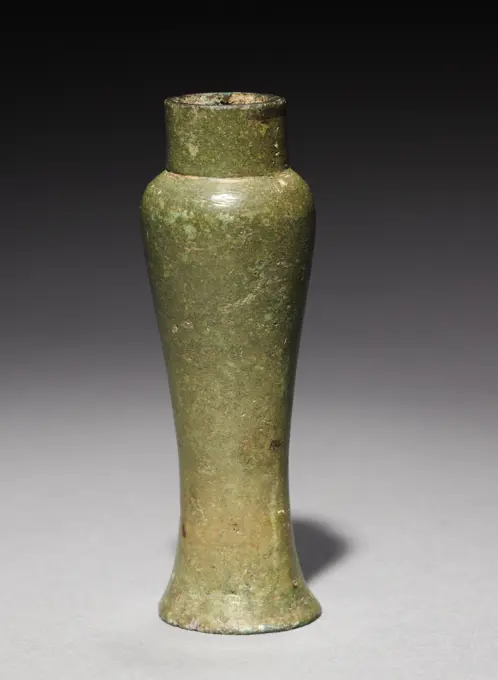
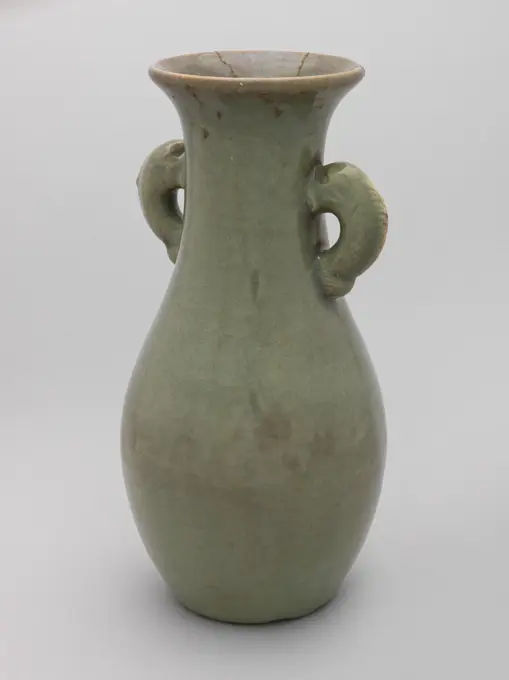
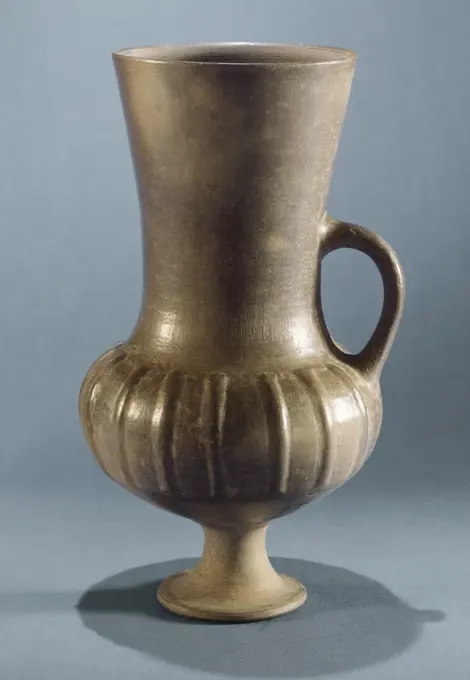
Coq heads, 450. Céladon covered sandstone. Cernuschi Museum, Asia Museum of Asia in the city of Paris.
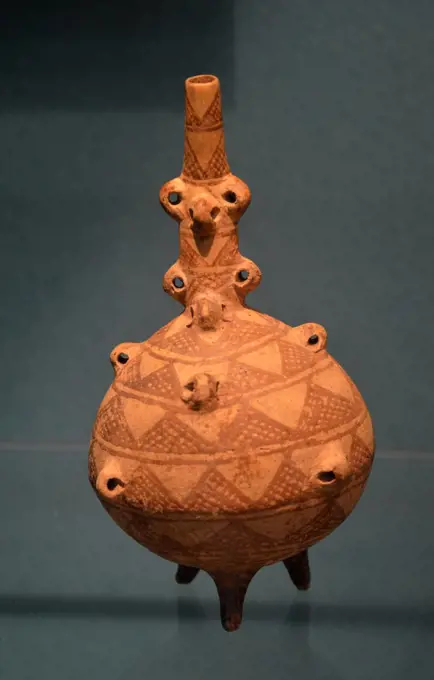
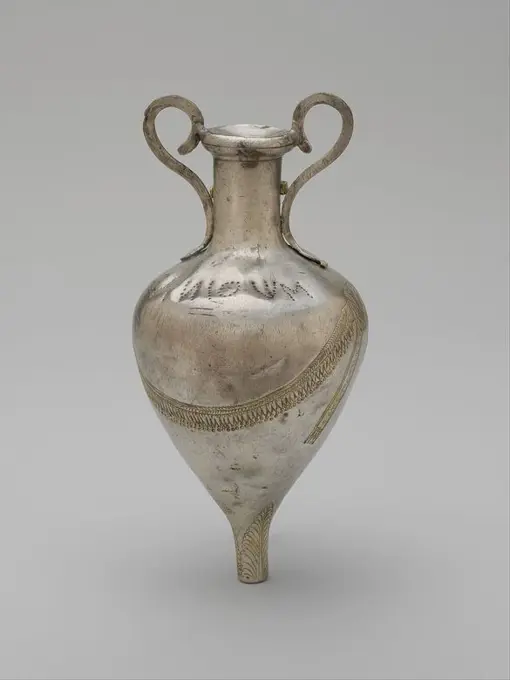
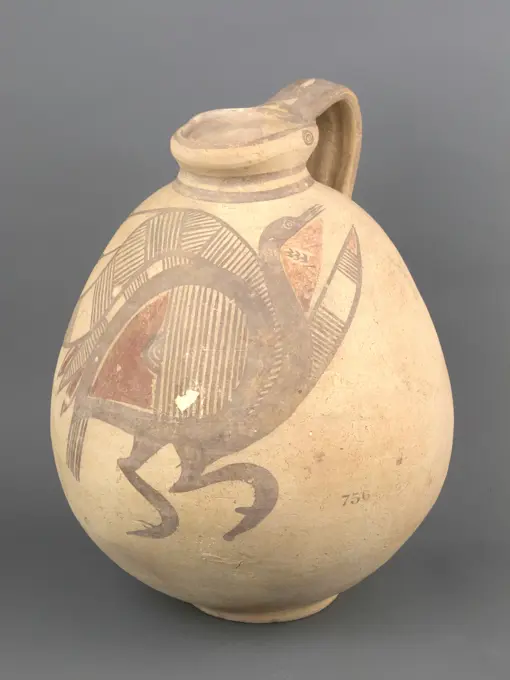
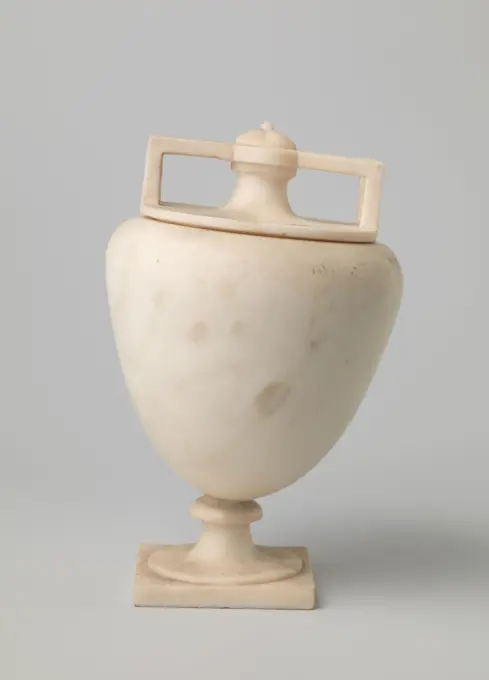
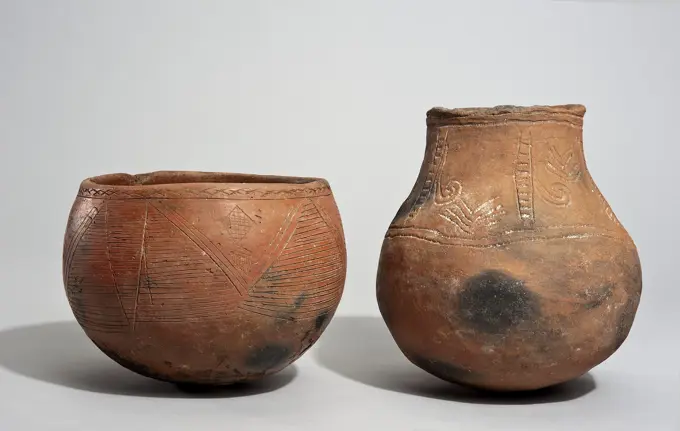
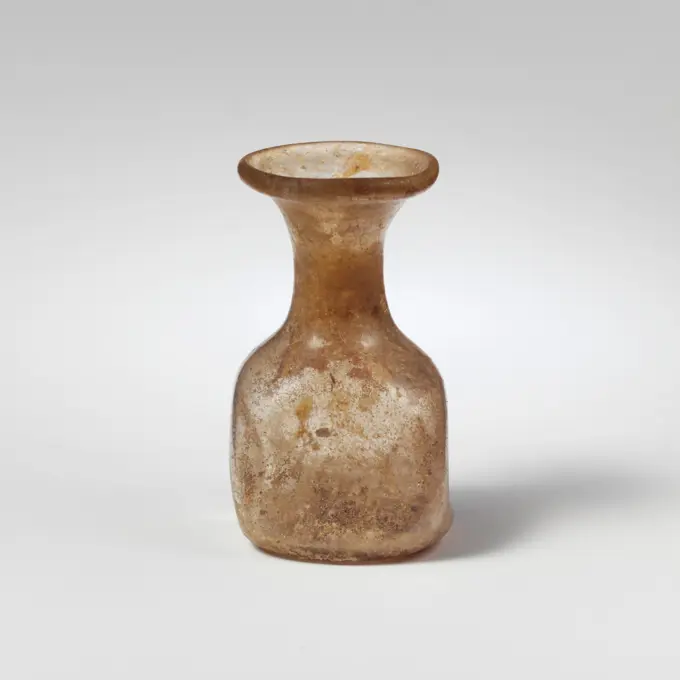
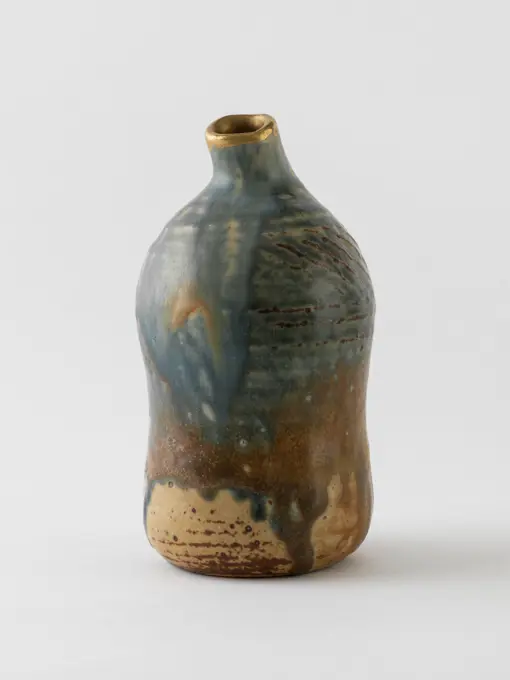
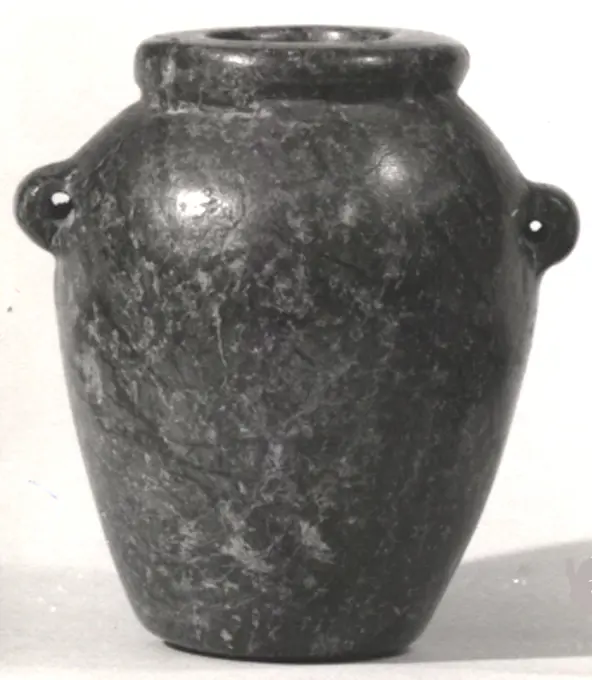
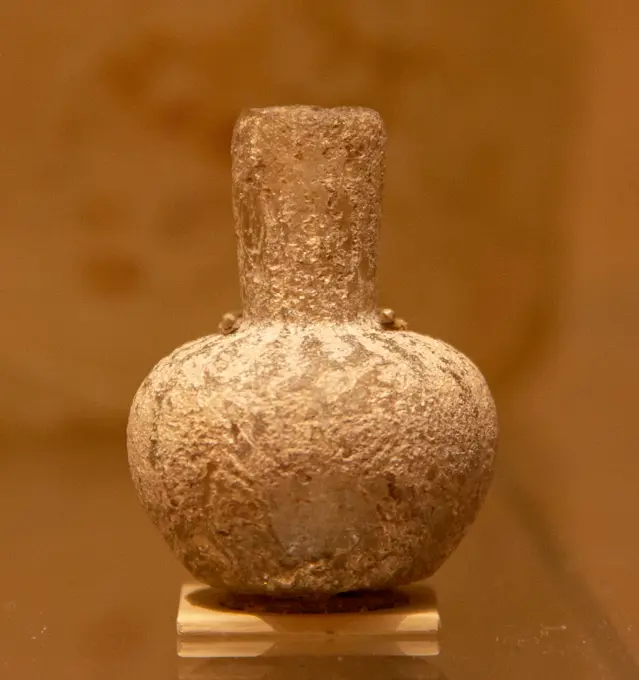
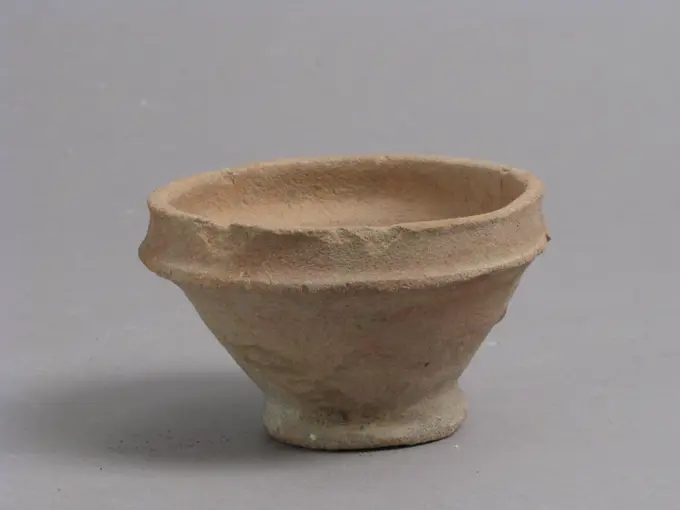
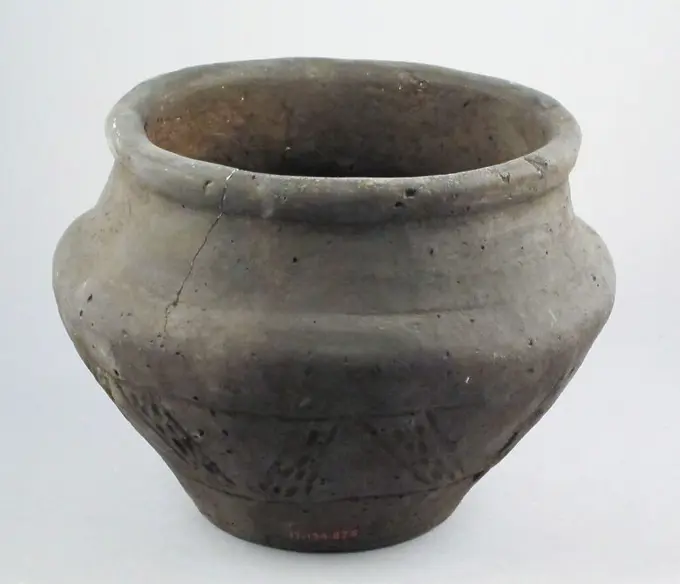
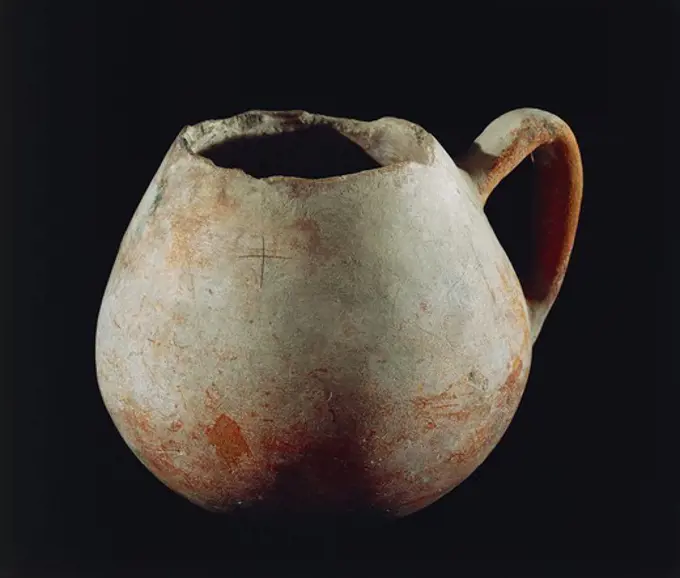
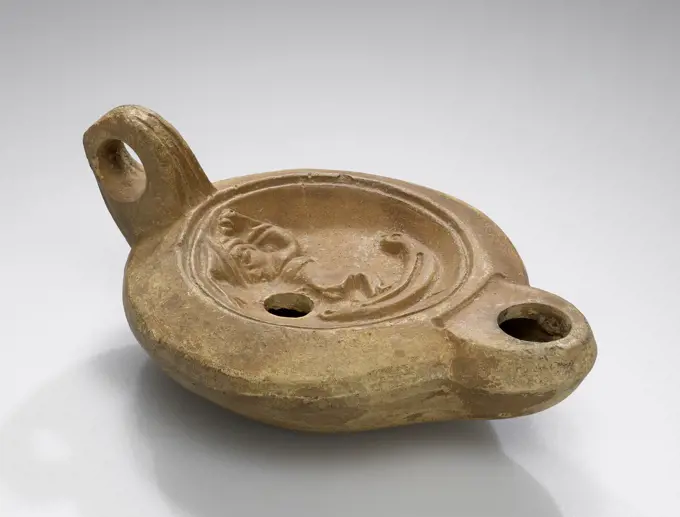
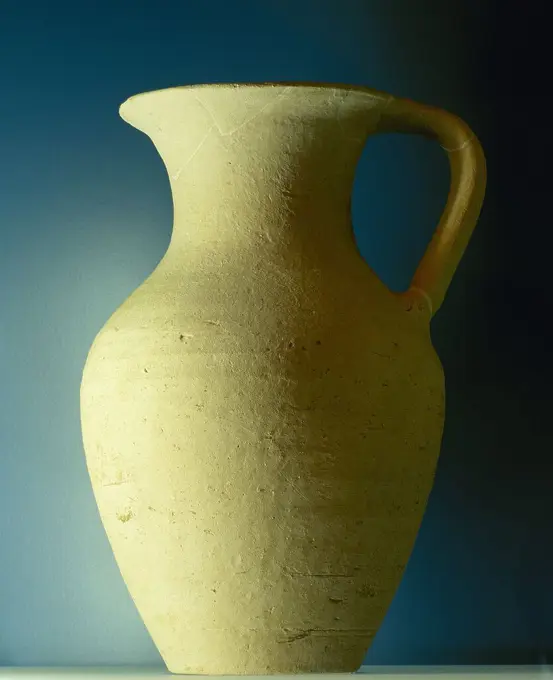
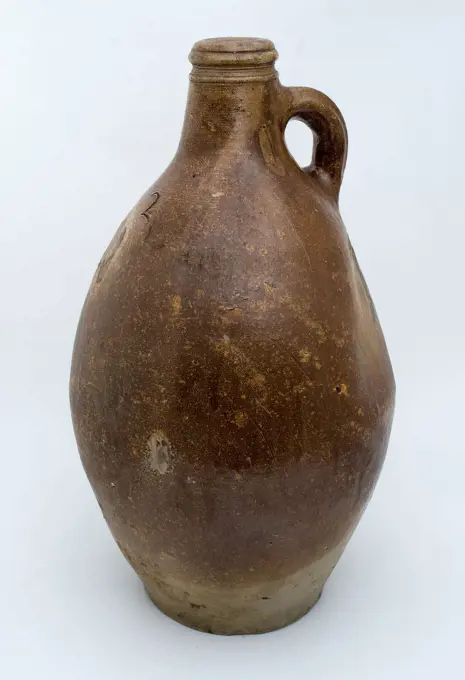
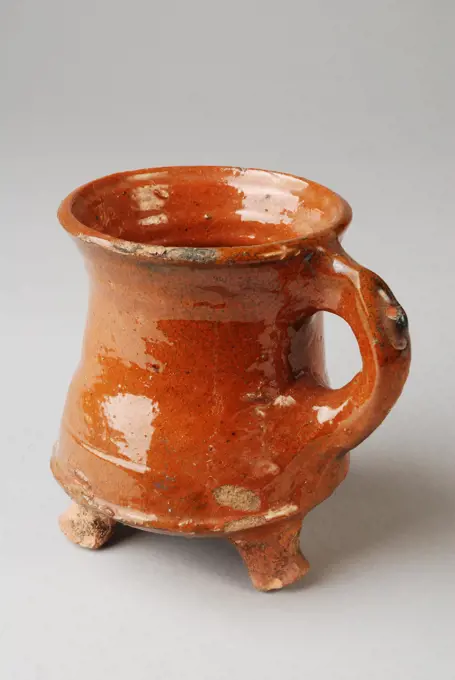
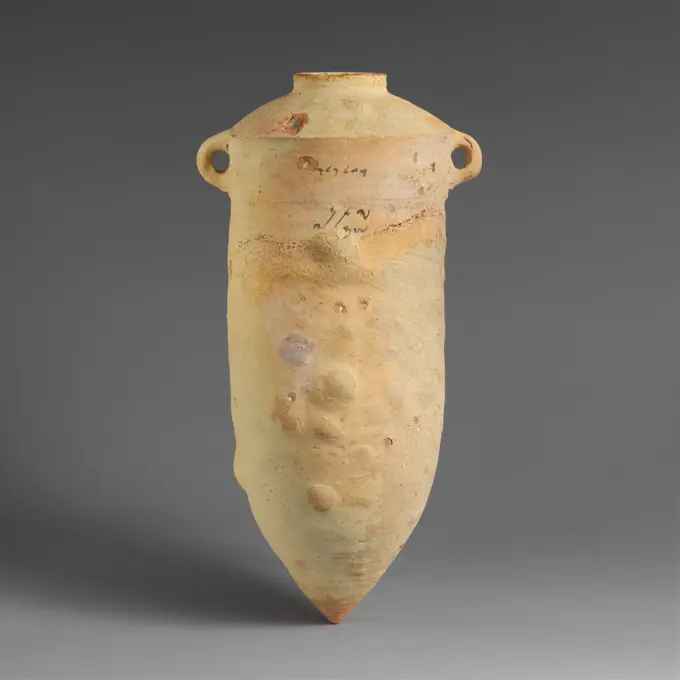
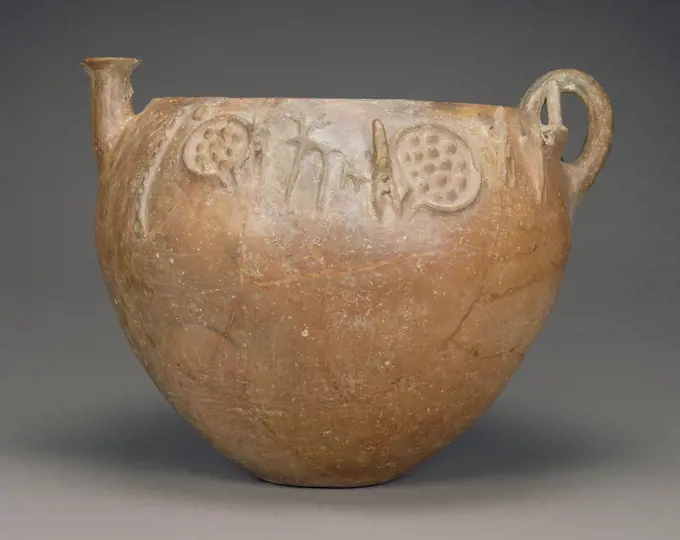
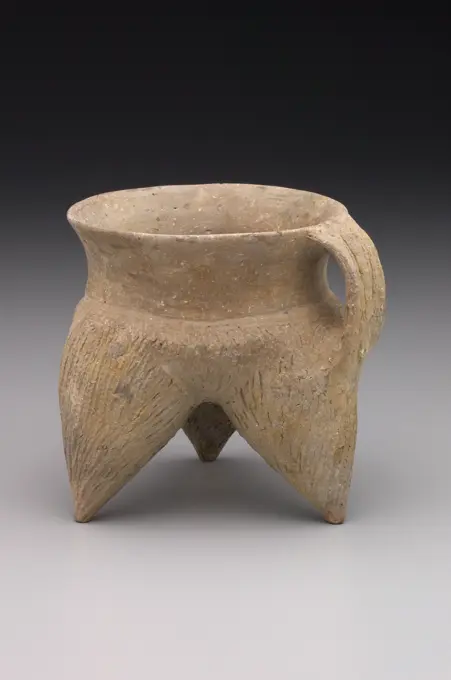
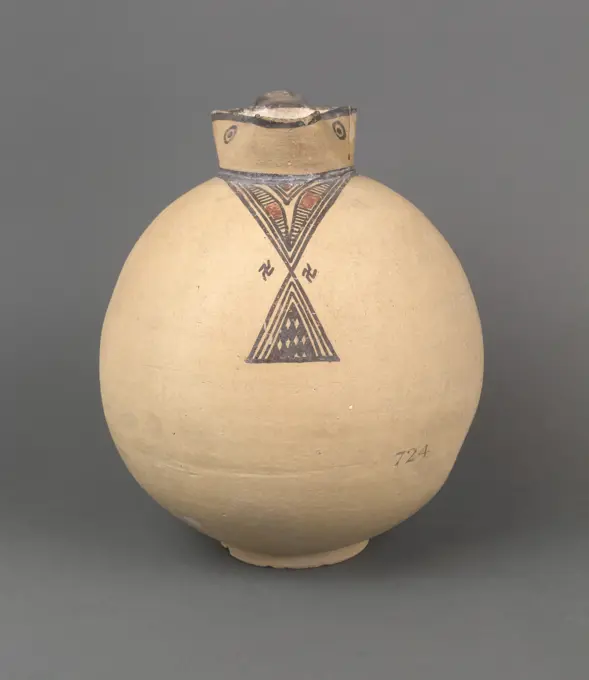
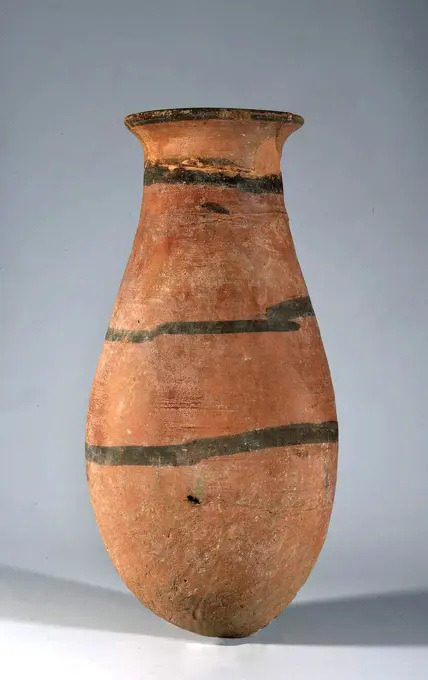
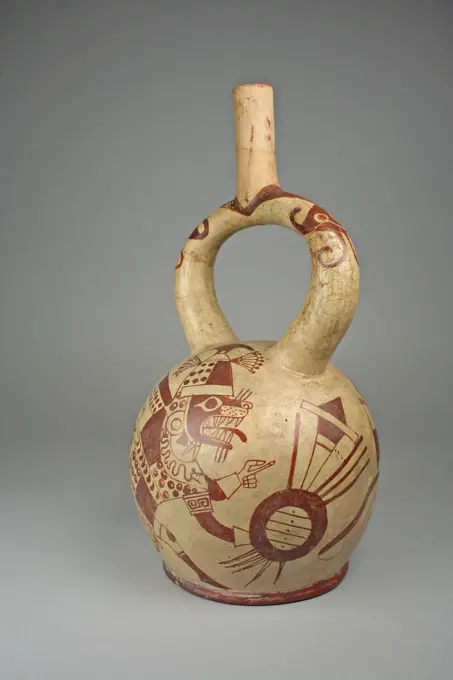
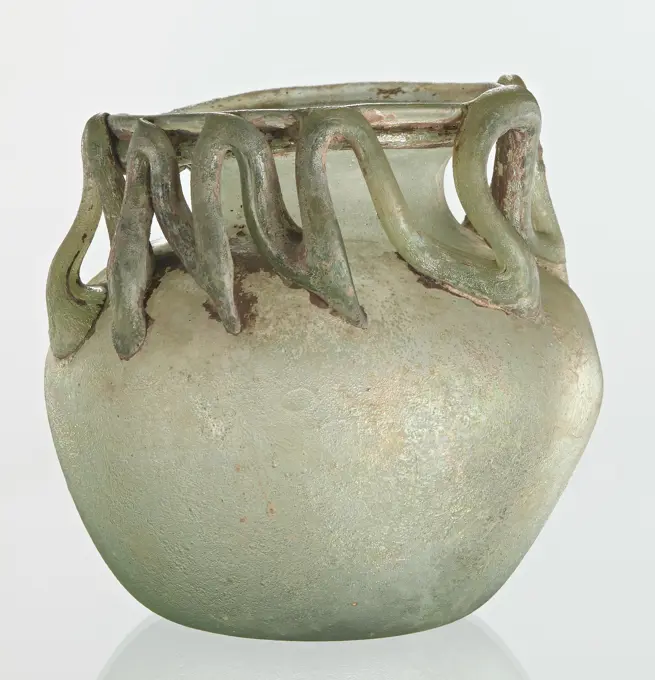
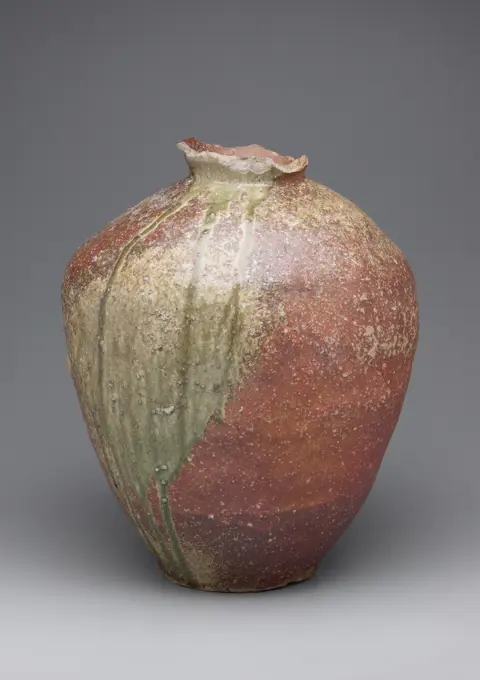
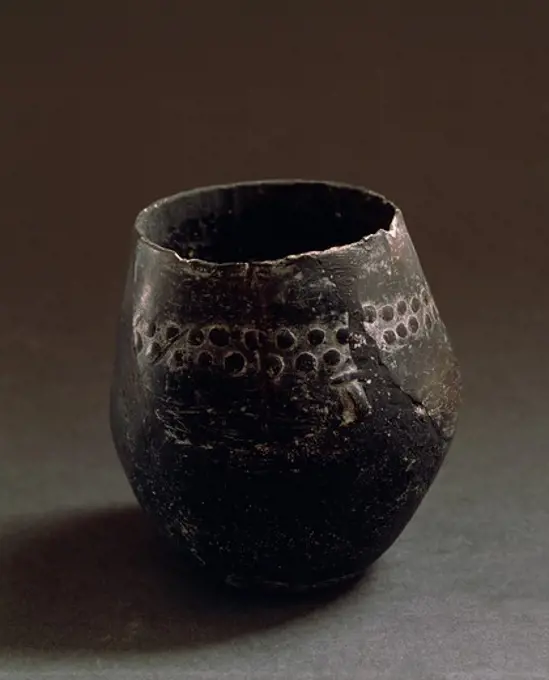
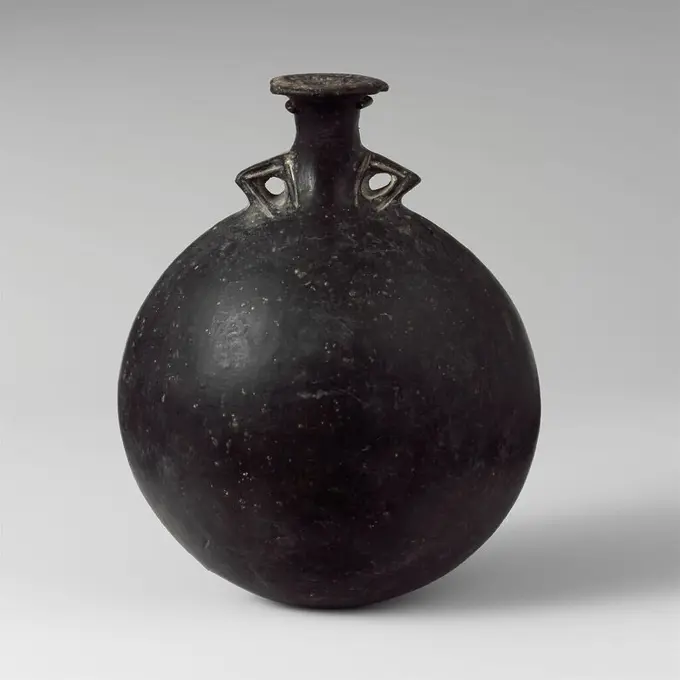
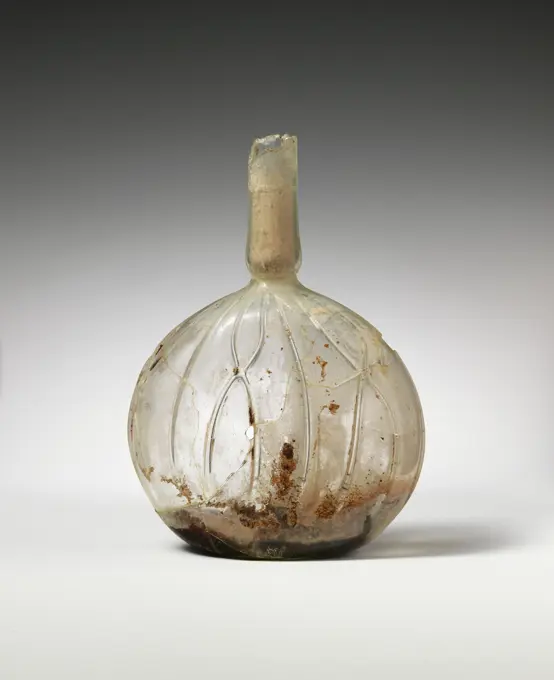
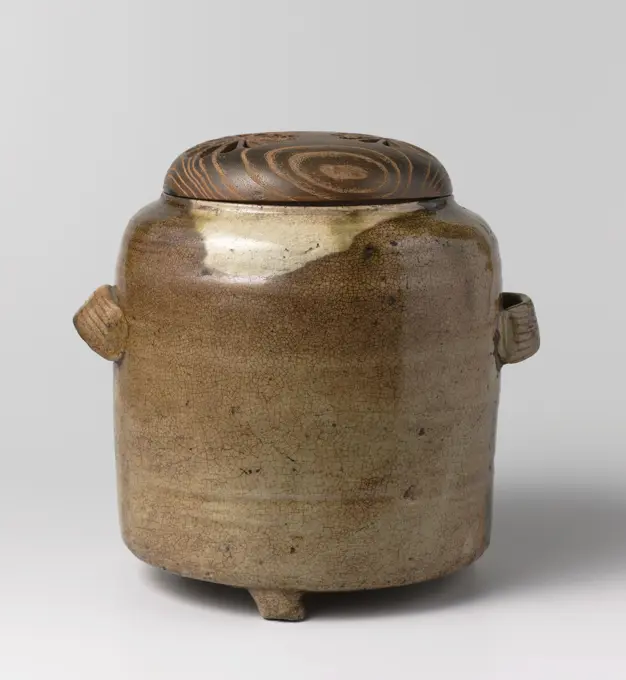
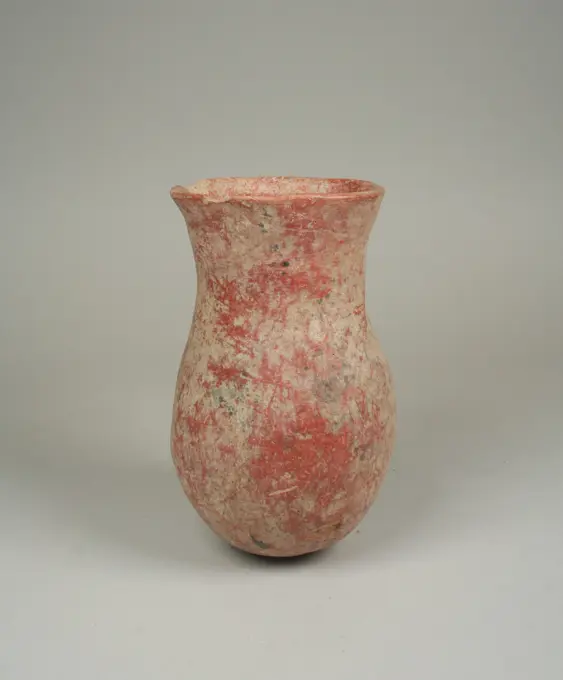
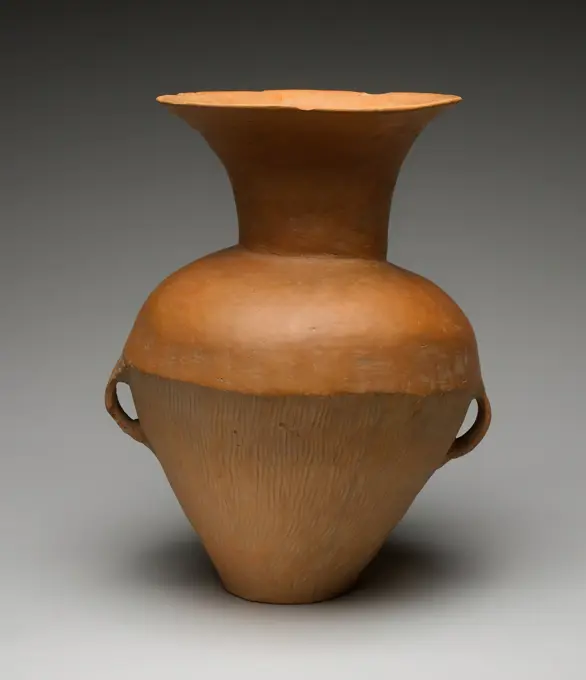
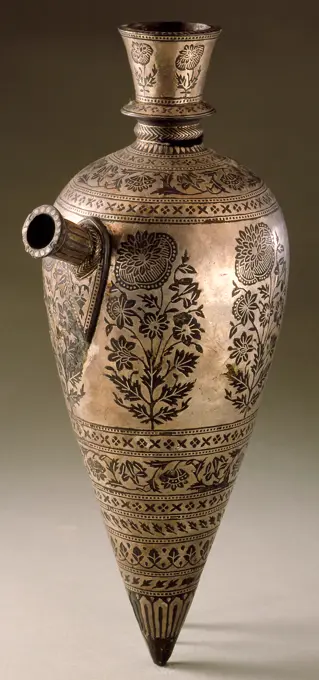
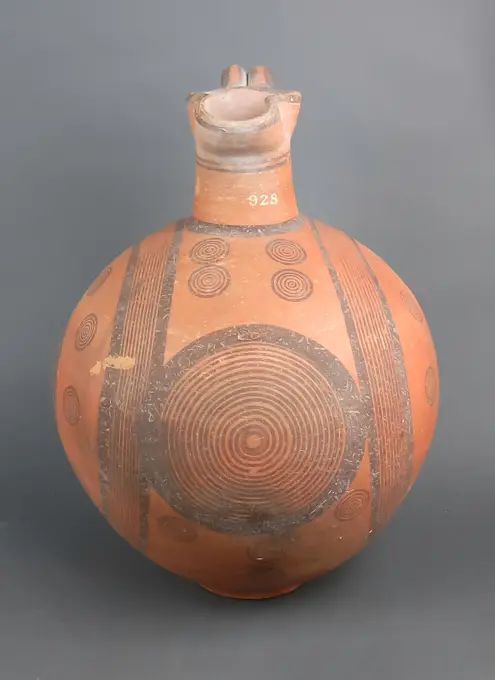
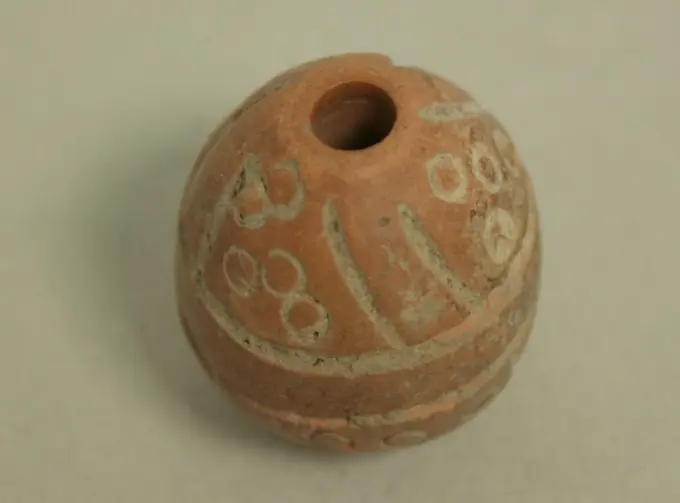
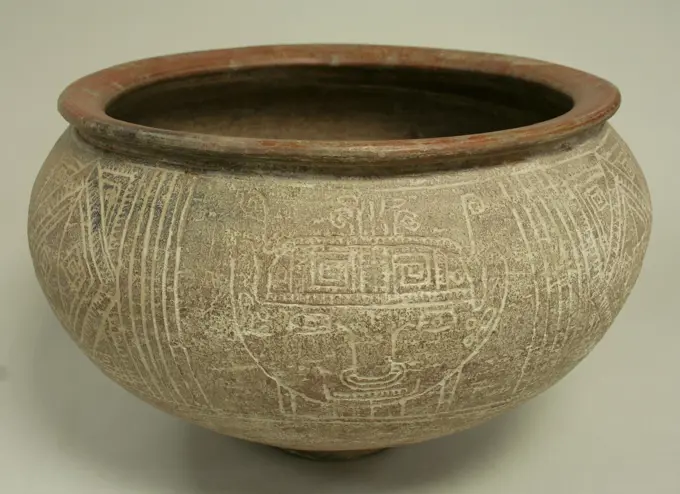
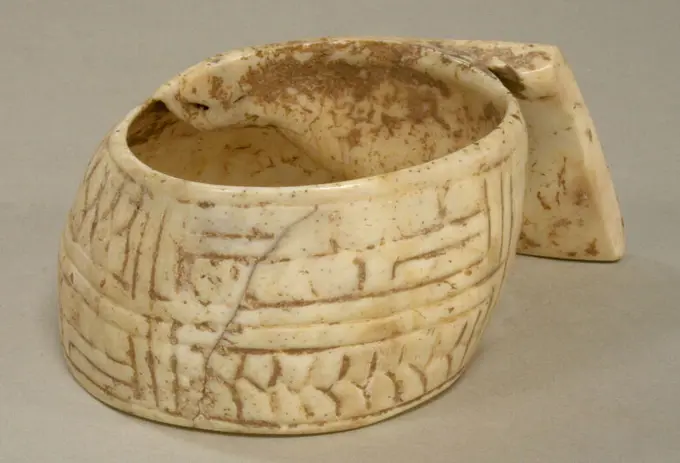
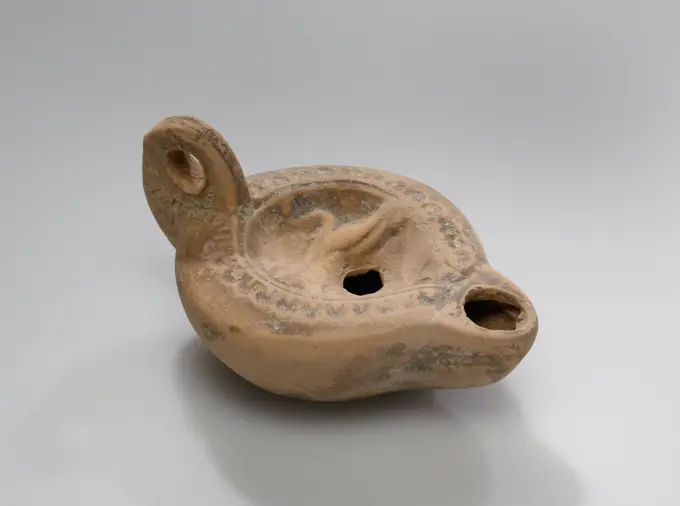
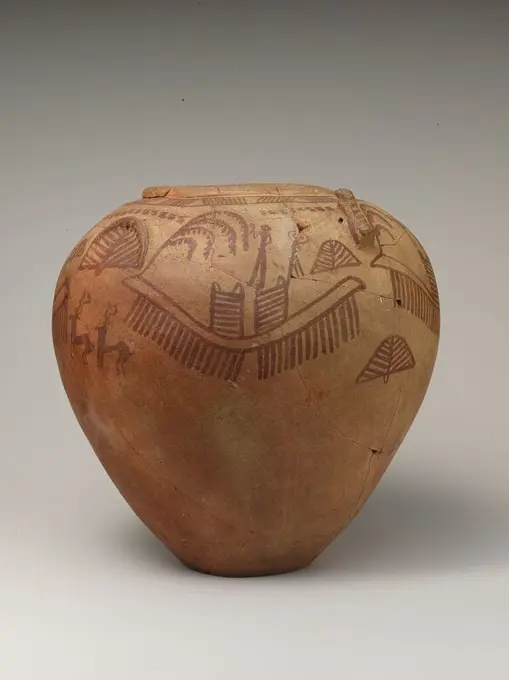
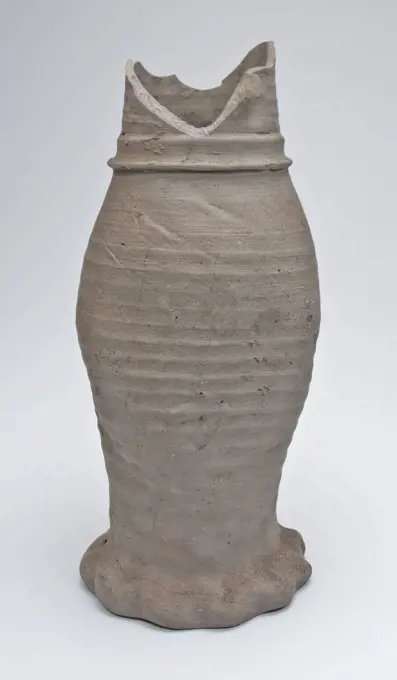
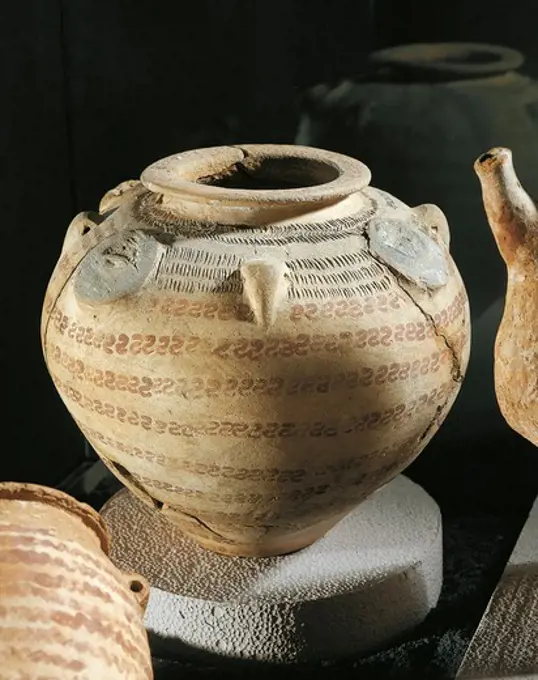
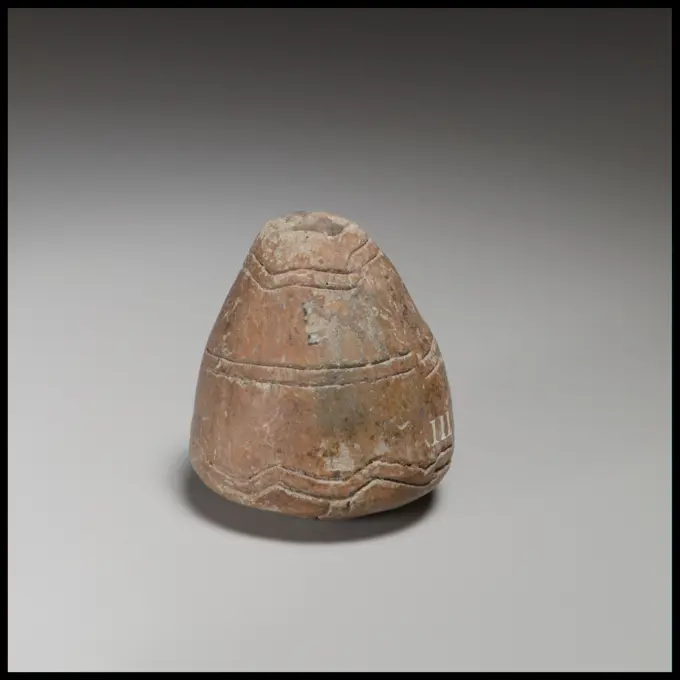
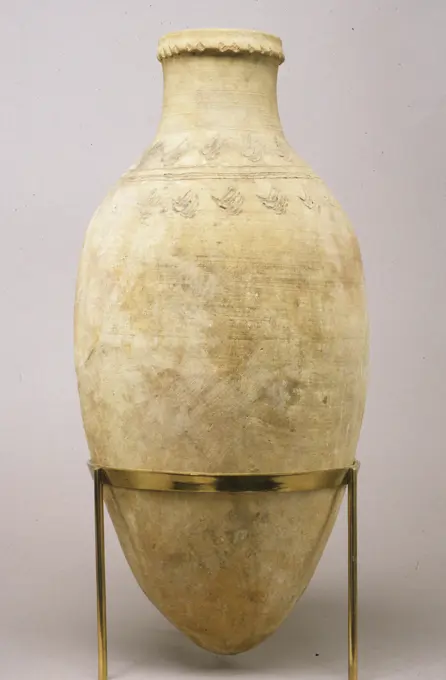
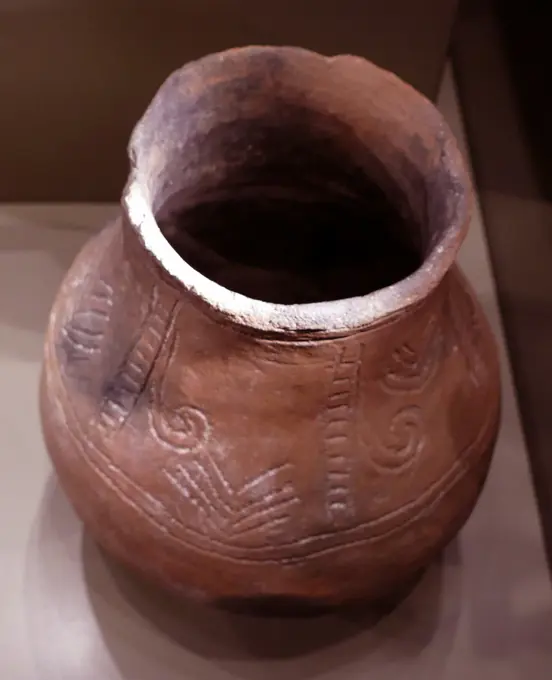
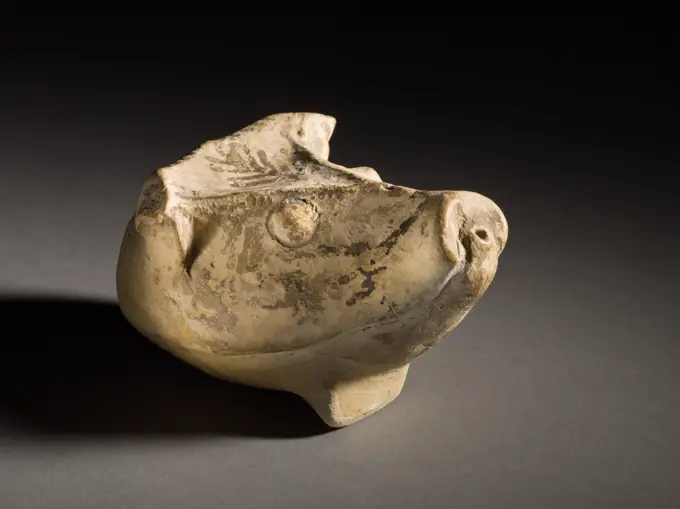
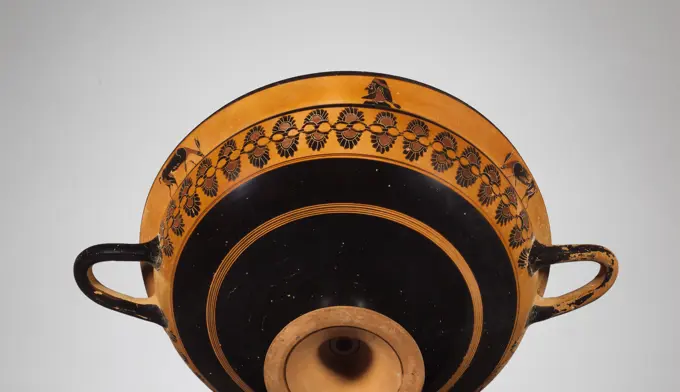
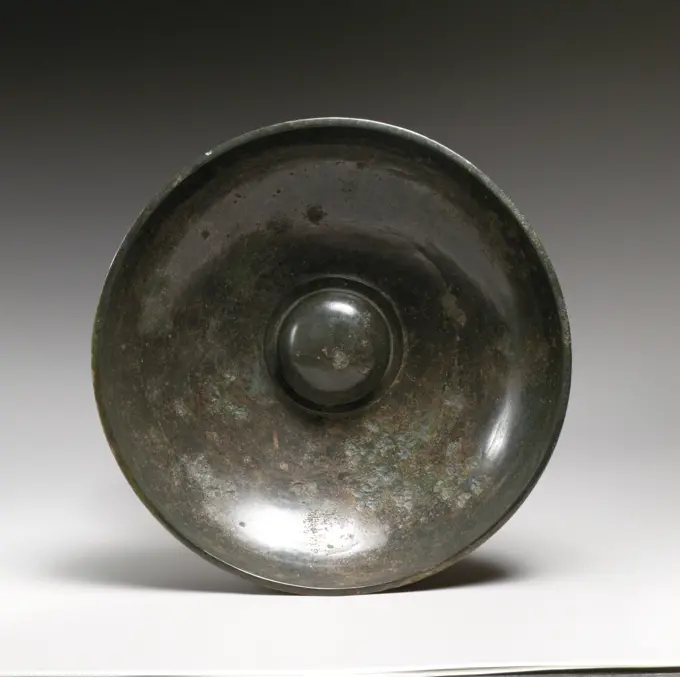
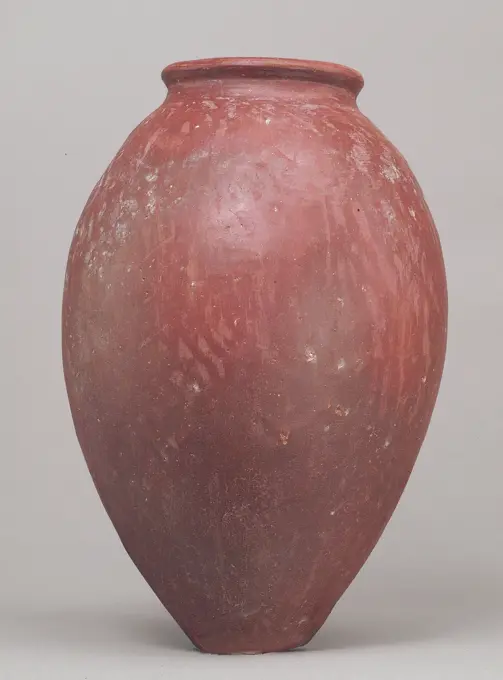
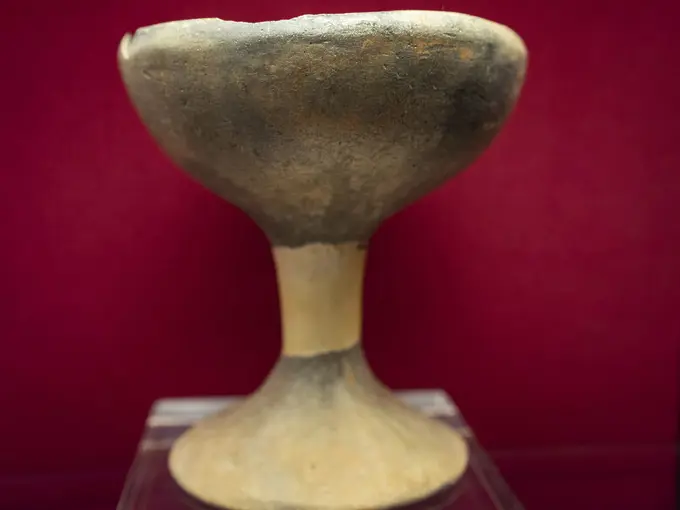
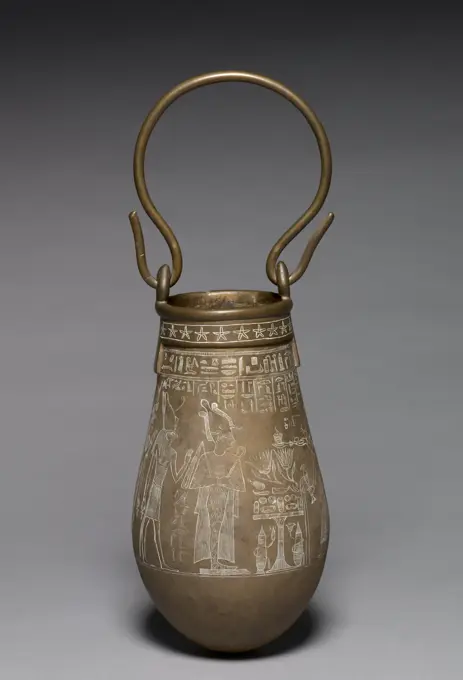
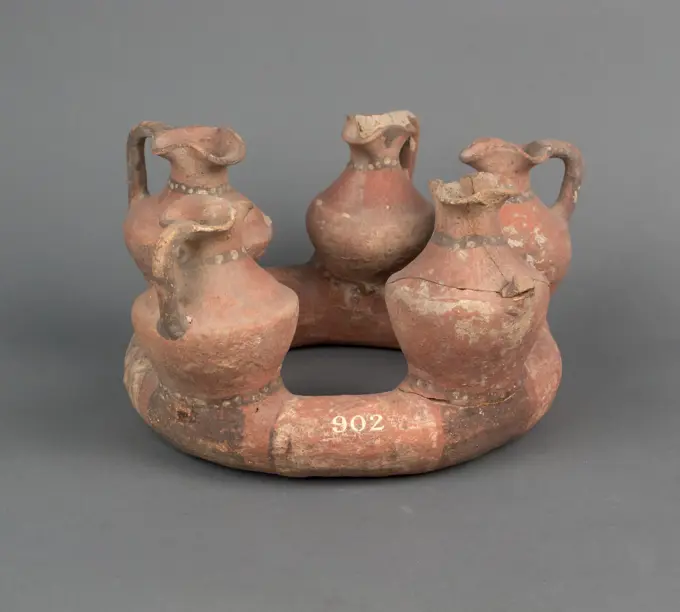
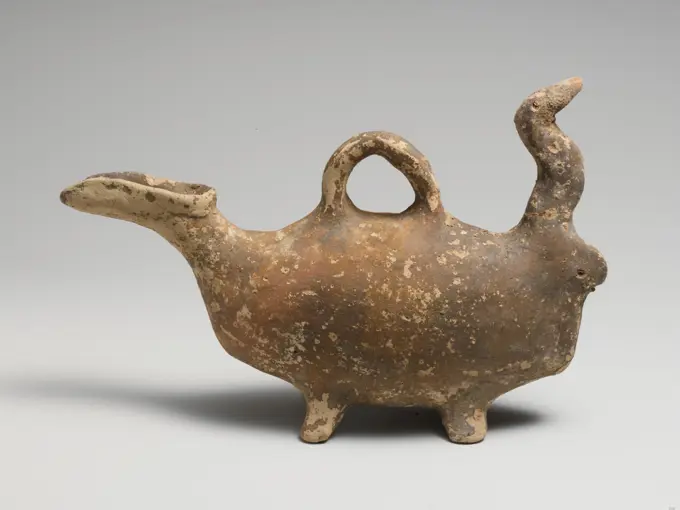
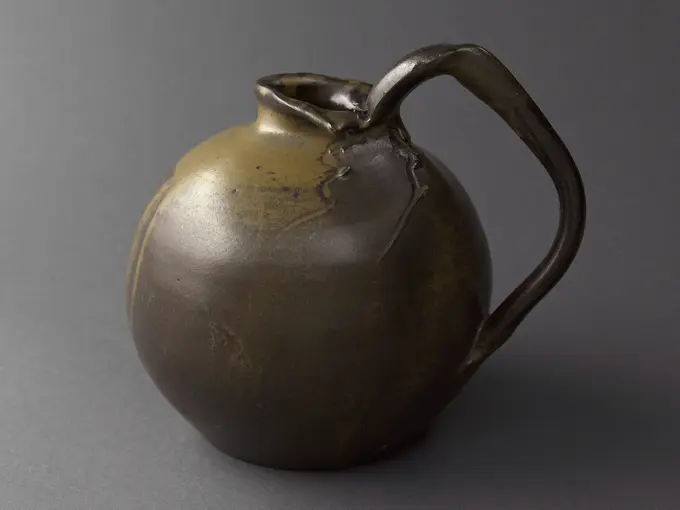
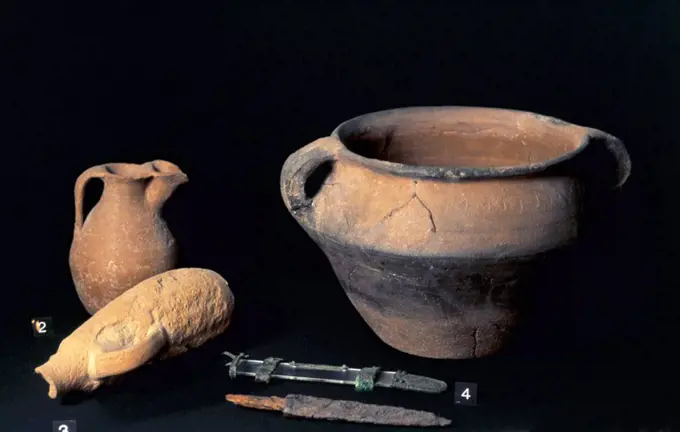
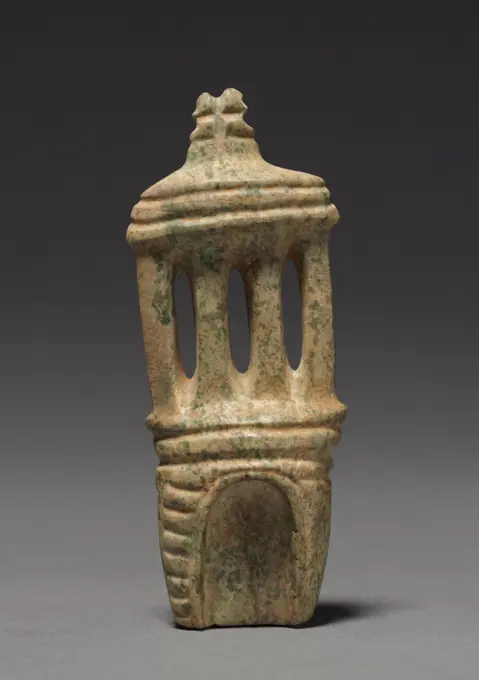
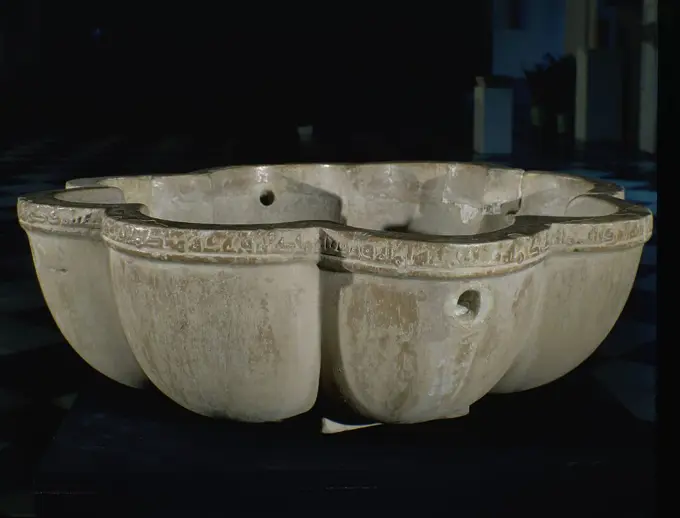
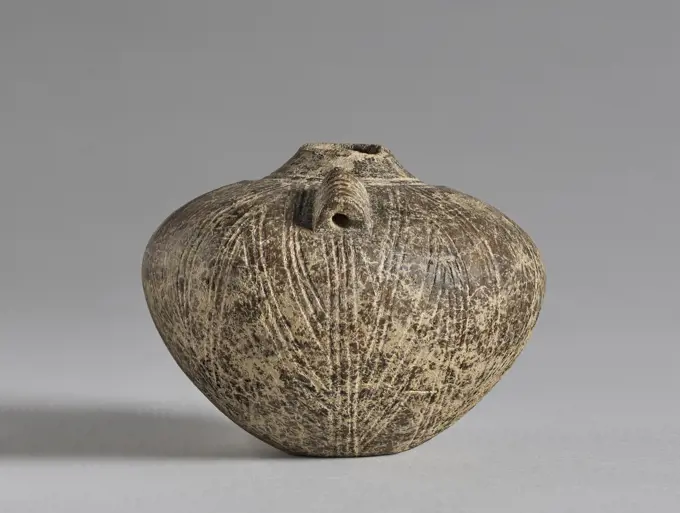
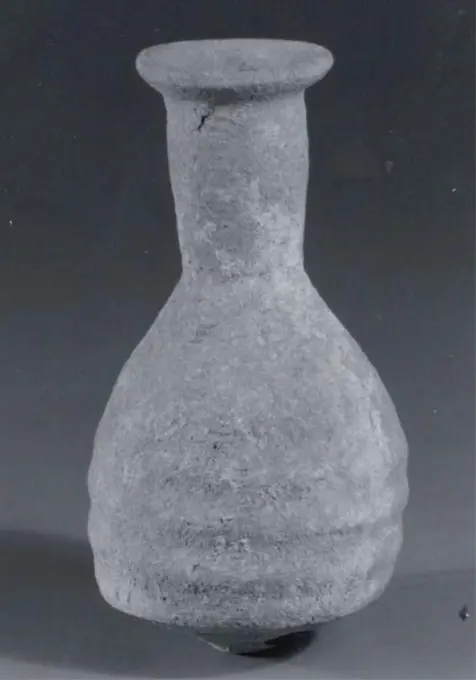
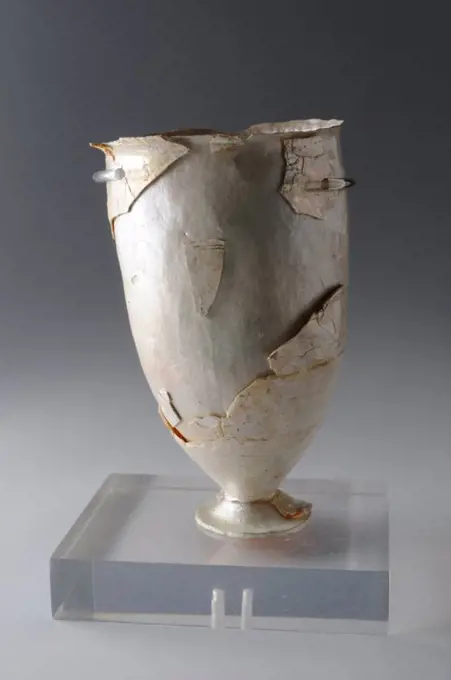
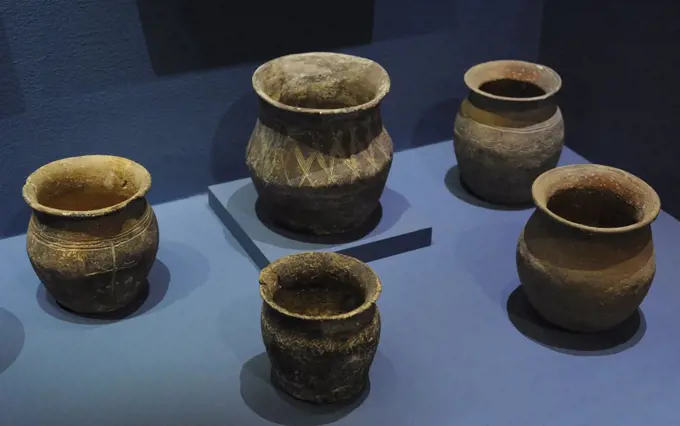
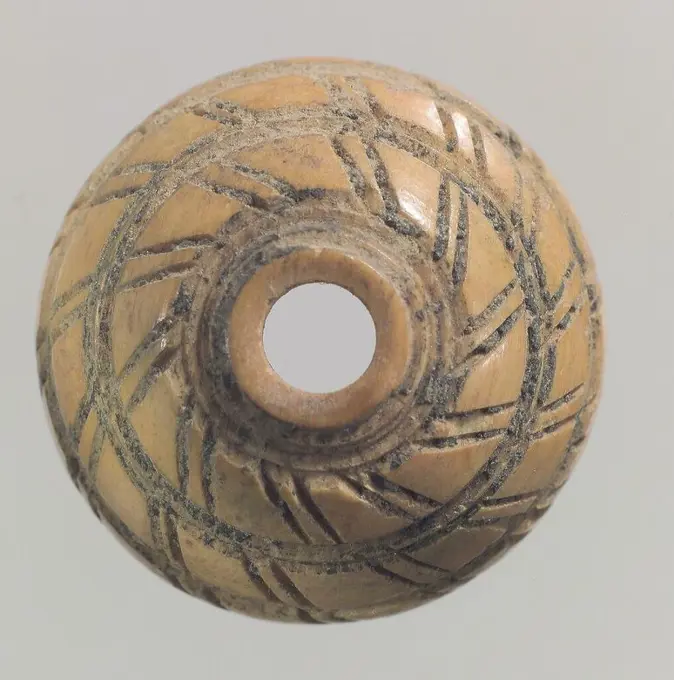
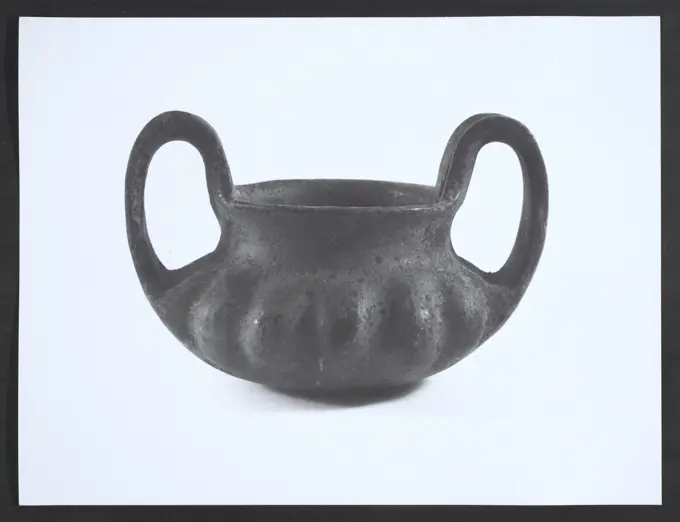
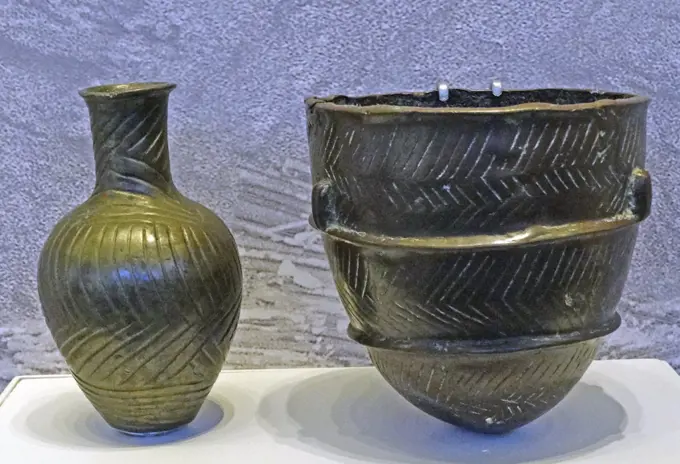
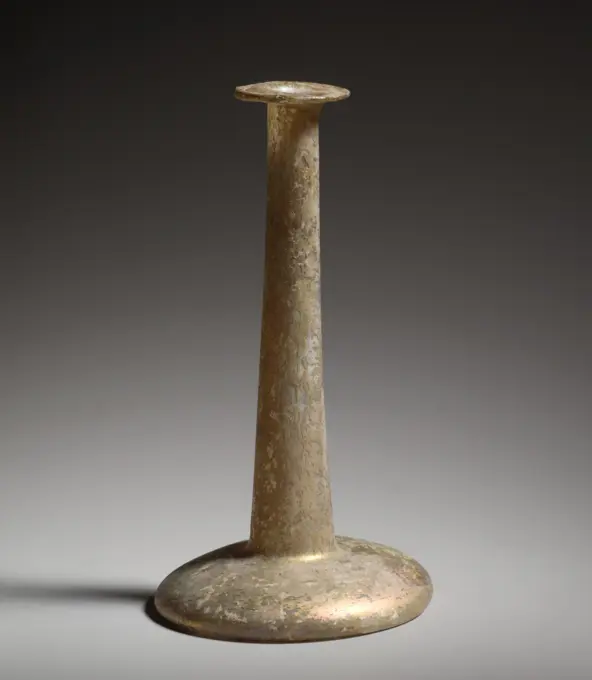
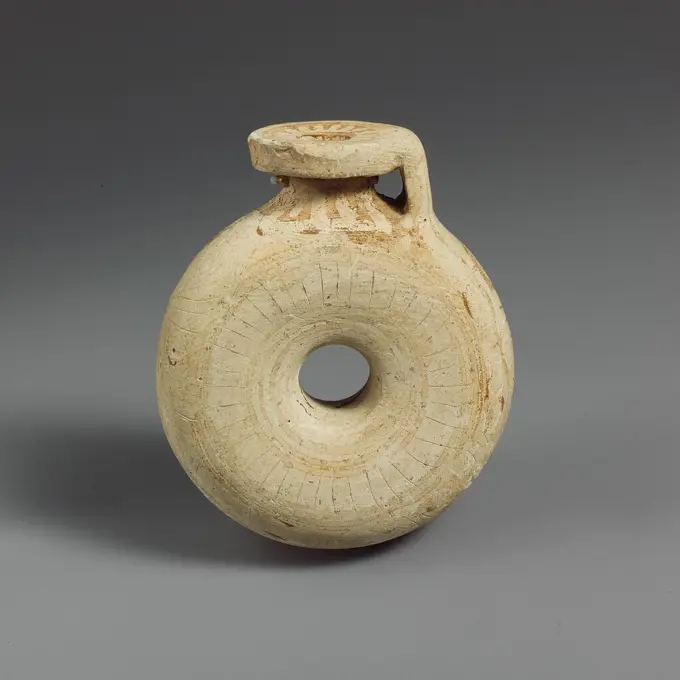
Terracotta ring aryballos (perfume vase). Culture: Greek, Corinthian. Dimensions: H. 2 3/8 in. (6 cm). Date: 6th century B.C..Ring aryballoi figure quite prominently in Corinthian pottery from the seventh through the sixth century B.C. They are rare in other Greek regions and were originally introduced from the East. This example may be an Etruscan imitation. Museum: Metropolitan Museum of Art, New York, USA.Bronze age red pottery from Cyprus, circa 1900-1600 BCSilver and gilt amphoriskos (scented oil flask). Culture: Apulian, possibly Tarentine. Dimensions: H. 6 1/16 in. (15.4 cm). Date: early 3rd century B.C..Several elegant vases of this type have been found in Southern Italy, and it is likely that this one was imported from there. Except for the solid handles and small collar-like mouth, it was raised from a single sheet of silver. A pair of gilded swags (or perhaps necklaces) emphasizes the widest part; gilded acanthus leaves ornament the base. The monogram D:M (R.M. in English) appears on the base, referring to the Etruscan owner. Museum: Metropolitan Museum of Art, New York, USA.Jug 750-600 B.C. Cypriot Bird running.. Jug. Cypriot. 750-600 B.C.. Terracotta. Cypro-Archaic I. VasesBottle 9th-10th century. Bottle 449441White marble vase with lid, anonymous, 1750 - 1800 Vase of white marble with lid. The foot is made of gray-white marble that is connected to the vase with a copper screw. Perhaps the foot was added to the vase later. Italy (possibly) marble (rock). copper (metal) Vase of white marble with lid. The foot is made of gray-white marble that is connected to the vase with a copper screw. Perhaps the foot was added to the vase later. Italy (possibly) marble (rock). copper (metal)Boka bowl, decorated vessel;  IV-VI century; Postmeroic period (301-00-00-600-00-00);Egyptian ceramics, transmission (provenance), rescue excavations, IV Qatract (Sudan)Lamp. UnknownGlass perfume bottle 2nd-3rd century A.D. Roman Small perfume bottleColorless with pale greenish tinge.Rounded, slightly thickened rim; flaring mouth; concave cylindrical neck; sloping shoulder with rounded corners; roughly squared body with deeply indented sides; pushed-in bottom with kick.Intact; pinprick bubbles; little weathering of exterior; patches of creamy weathering and iridescence on interior.. Glass perfume bottle 239776Jean Carries (1855-1894). Vase. Sandstone enamelled with gold enhancement. 1892. Museum of Fine Arts of the City of Paris, Petit Palais. Ceramic, email, gres, gold, pottery, vase, 19th 19th 19th 19th 19th 19th centuryVase. Culture: American. Designer: Designed by George W. Fenety (active ca. 1876-1932). Dimensions: H. 12 3/4 in. (32.4 cm). Manufacturer: Manufactured by Chelsea Keramic Art Works (1872-1889). Date: ca. 1876. Museum: Metropolitan Museum of Art, New York, USA.Jar ca. 3850-2960 B.C. Predynastic Period. Jar 564821Bottle 9th-10th century. Bottle. 9th-10th century. Glass, colorless; mold blown. Probably from Iran, Nishapur. GlassBowl 4th-7th century Coptic. Bowl. Coptic. 4th-7th century. Earthenware. Made in Kharga Oasis, Byzantine Egypt. CeramicsBowl. Culture: Roman. Dimensions: 4 7/8in. (12.4cm)Other: 6 7/16in. (16.3cm).Black bowl with stamped zigzag around body; hand-made; unglazed. Museum: Metropolitan Museum of Art, New York, USA.Prehistory, Italy, Bronze Age. Ceramic cup. From excavations in the surroundings of Erice, province of Trapani.Lamp, North Africa; 1st - 4th century; Terracotta; 3 x 7.2 x 10.2 cm (1 3,16 x 2 13,16 x 4 in.)Punic clay jug. 1st century BC. Coming from Ibiza. Ecomuseum in Cap de Cavalleria. Port of Sa Nitja. Menorca, Balearic Islands, Spain.Large stoneware jug with brown brindled salt glaze, marked: 2, jug soil find ceramic stoneware glaze salt glaze, hand turned fired glazed stoneware jug gray shard with salt glaze local dark brown profiled sausage ear with pointed tail traces on the underside. Heavy dent under the ear On the shoulder 2 (size of the jug) archeology import pottery serve drink store transport storehouse cellarSmall cooking jug on three legs, red pottery, high model, cooking pot crockery holder kitchen utensils earthenware ceramics earthenware glaze lead glaze, hand-turned glazed fried Small high cooking jug on three legs. Tapered side wall One ear Partly glazed internal unit. Slightly convex soil archeology Capelle aan den IJssel House in Capelle castle cooking serving serving food Soil discovery: house in Capelle Capelle aan den IJssel.Lekythos. Culture: Italic, Etruria. Dimensions: Diam.: 1 7/8 x 3 3/4 in. (4.8 x 9.5 cm). Date: 7th century B.C.. Museum: Metropolitan Museum of Art, New York, USA.Terracotta amphora with Phoenician inscription 6th-5th century B.C. Cypriot There is a painted inscription of three lines: at top, Baalpilles, probably the name of the owner; below, Yaton, inspector.Production of such Phoenician amphorae appears to have taken place on Cyprus, but finds at shipwrecks sites show that they were widely dispersed thoughout the eastern Mediterranean.. Terracotta amphora with Phoenician inscription 241854Bowl with Scenes of Daily Life; Cyprus; 2000 - 1900 B.C; Terracotta; 42.5 × 50 cm (16 3,4 × 19 11,16 in.)Food Vessel(Li)Oinochoe Cypriot Triangle-ornament and swastikas at front.. Oinochoe. Cypriot. Terracotta. Iron Age. VasesOnyx Bowl before 16th century Mexican. Onyx Bowl. Mexican. before 16th century. Onyx marble (tecalli). Mexico, Mesoamerica. Stone-ContainersJuglet and decanter, 6th. c. BC, Irone Age, Israel.REDOMA CALIFAL EN VERDE Y MANGANESO CON ANILLOS ENFILADOS - SIGLO X - OMEYA. Location: MUSEO ARQUEOLOGICO NACIONAL-COLECCION. MADRID. SPAIN.Drinking vessel ("istikan") ca. 9th-7th century B.C. Assyrian. Drinking vessel ("istikan") 325575JARRA DE BOCA ANCHA Y ASA PEQUEÑA- CERAMICA PARA AGUA. Location: ALFARERIA. VALDEVERDEJA. Toledo. SPAIN.Jar 8th-9th century. Jar 448983Naczynie. unknown, authorStirrup spout bottle with fox warrior figure 4th-6th century Moche. Stirrup spout bottle with fox warrior figure 308385Flakonik. warsztat wschodniJarPrehistory, Italy, Bronze Age. Ceramic bowl. From Apulia Region.Terracotta flask. Culture: Etruscan. Dimensions: 6 5/8in. (16.8cm)Other: 5 1/4in. (13.3cm). Date: 6th century B.C..Without decoration. Museum: Metropolitan Museum of Art, New York, USA.Bottle Fragment 4th century Coptic. Bottle Fragment 479093Charcoal burner with a wooden cover, anonymous, c. 1600 - c. 1699 Wooden lid made of charcoal burner from stoneware. Opened in the form of three chrysanthemums. A crack in the lid. Ki Seto. Japan stoneware. glaze. deksel: wood (plant material) vitrification Wooden lid made of charcoal burner from stoneware. Opened in the form of three chrysanthemums. A crack in the lid. Ki Seto. Japan stoneware. glaze. deksel: wood (plant material) vitrificationFire pot. Fire or stink pot of pottery with three ears.Bowl ca. 1st century A.D. Nabataean. Bowl 325884Sutra jar, 1127-1279, 13 1/2 × 6 7/8 × 6 7/8 in. (34.36 × 17.46 × 17.46 cm), Stoneware with translucent glaze, China, 12th-13th century, This cylindrical jar was manufactured in China during the 1100s but was meant for the Japanese market. It was made to store sutra scrolls, sacred Buddhist texts. At this time, the Buddhist idea of mofa (Latter Day of the Law) became prevalent, and Buddhists worried that the world was entering into a dark period when humankind would be incapable of following the Buddhas teachings. In order to preserve Buddhist texts after this dark period passed, they buried sutra scrolls in great mounds of earth. Most sutra containers were made of bronze. Ceramic examples like this one made in southeast China are extremely rare.VASIJA DE DOS ASAS Y PITORRO - S XX ARTE POPULAR. Location: ALFARERIA. LA BISBAL. GERONA. SPAIN.Vessel 12th-16th century () Middle Niger civilization. Vessel 315038Jar with Flared Mouth, c. 2000 BCE, 13 x 9 1/8 x 9 1/8 in. (33 x 23.2 x 23.18 cm), Earthenware with beaten decoration, China, 21st-20th century BCE, This large jar is typical of the orange clay used by the Qijia culture to make their thin walled, hand built vessels. Most Qjia wares are unadorned like this one and they are usually well proportioned, carefully finished vessels that are occasionally burnished.Hookah Base. India, Andhra Pradesh, Hyderabad or Karnataka, Bidar, early 19th century. Tools and Equipment; hookahs. Bidri ware (aftabi and tehnishan techniques)Lamp. UnknownOinochoe Cypriot Vertical circles.. Oinochoe. Cypriot. Terracotta. Hellenic. VasesSpindle Whorl A.D.1-500 Peruvian; north coast (). Spindle Whorl 308869Stoneware jug, Jug or jacobakan, neck-profiled edge, on squeeze foot, Jug or jacobakan jug crockery holder soil find ceramic stoneware glaze salt glaze, hand turned baked glazed Bottom-belly-shoulder-neck fragment of gray stoneware jug. Entirely with turning rings. Pinched foot. Collar on the transition from neck to belly. Gray glazed with occasionally some brown speckles Cylindrical jug with various shallow dents in abdomen archeology Rotterdam City Triangle Groenendaal underground pit indigenous earthenware import drinking pour serving Soil discovery: underground pit Rotterdam Groenendaal loose find found 1975.10.07.Incised Bowl with Ring Base 6th-11th century Manteño. Incised Bowl with Ring Base 314174Arm Band. Culture: Huastec. Dimensions: H. 2 3/8 x W. 5 5/8 x D. 4 7/16 in. (6.1 x 14.3 x 11.2 cm). Date: 10th-13th century. Museum: Metropolitan Museum of Art, New York, USA.Lamp. UnknownDecorated ware jar with boats and human figures and falcon-styled lugs. Dimensions: h. 25.5 x w. 25.5 cm (10 1/16 x 10 1/16 in.)diam (of rim): 13.2 cm (5 3/16 in.)diam (of opening): 11.2 cm (4 7/16 in.). Date: ca. 3450-3300 B.C.. Museum: Metropolitan Museum of Art, New York, USA.Trunk of Jug or jacobakan stoneware, on pinched foot, Jug or jacobakan jug crockery holder soil find ceramic stoneware glaze salt glaze, hand turned fired hull of stoneware Jug or jacobakan on pinched foot Gray Turning beads over the entire height Richel on the transition from neck to shoulder Cylindrical neck archeology Capelle aan den IJssel House in Capelle castle indigenous pottery import tableware tableware kitchenware drink Soil discovery: castle terrain ± 1395-1500 Capelle aan den IJssel 1963.Ancient Egyptian painted clay vase engraved and painted with parallel motifs, Predynastic Period, Naqa II Culture, Circa 3650-3300 B.C.Vase, 918-1392. Korea, Goryeo period (918-1392). Bronze; outer diameter: 2.4 cm (15/16 in.); overall: 8 cm (3 1/8 in.).Figure jar 3rd-2nd century B.C. Paracas. Figure jar 308347Gray stoneware jug, Jug or jacobakan, on pinch, Jug or jacobakan jug crockery holder soil find ceramic stoneware, hand-turned baked Gray stoneware jug, Jug or jacobakan on squeeze foot. Slim model Coarse twirls over the lower half of the jug archeology Rotterdam rail tunnel for indigenous pottery import serving serve serving table Soil discovery: railway tunnel or construction site Rotterdam.Jug (Bartmann jug) with floral scrolls and stars, anonymous, anonymous, c. 1540 - c. 1570 Jug (beard fancier) of stoneware on the standing surface with an egg -shaped body and narrow neck. A double C-shaped ear is attached to the neck and shoulder. Profiles on the neck. Covered with a brown Engobe. Printed and imposed flower vines on the belly. The neck with two tires with stars and on the base, continuously on the shoulder, a bearded man. Cologne/ Frechen. Cheek stoneware. glaze. engobe vitrification Jug (beard fancier) of stoneware on the standing surface with an egg -shaped body and narrow neck. A double C-shaped ear is attached to the neck and shoulder. Profiles on the neck. Covered with a brown Engobe. Printed and imposed flower vines on the belly. The neck with two tires with stars and on the base, continuously on the shoulder, a bearded man. Cologne/ Frechen. Cheek stoneware. glaze. engobe vitrificationLamp. UnknownTea caddy with a brown glaze, anonymous, c. 1550 - c. 1599 Cleanhic bus made of stoneware with an ivory lid, partly covered with a brown glaze. The lower part of the bus is unglazed. Old label on the outer wall with 'Bones Coll./ Pottery no. 626'; Two old labels on the inside with 'Seto/ 17th' and 'Toshiro (KO-SETO)/ Bones Coll No. 626/ Sale Catalog no. 201'. SETO. Seto stoneware. glaze. deksel: ivory vitrification Cleanhic bus made of stoneware with an ivory lid, partly covered with a brown glaze. The lower part of the bus is unglazed. Old label on the outer wall with 'Bones Coll./ Pottery no. 626'; Two old labels on the inside with 'Seto/ 17th' and 'Toshiro (KO-SETO)/ Bones Coll No. 626/ Sale Catalog no. 201'. SETO. Seto stoneware. glaze. deksel: ivory vitrificationConical-hemispherical spindle-whorl with slightly rounded base ca. 2000-1725 B.C. Cypriot Spindle whorls aided in the making of cloth for garments and bedding. They were placed in tombs, perhaps so that the deceased could continue to spin wool in the afterlife.. Conical-hemispherical spindle-whorl with slightly rounded base. Cypriot. ca. 2000-1725 B.C.. Terracotta; hand-made. Early Cypriot III-Middle Cypriot IIJar ca. 1640-1504 B.C. Second Intermediate Period-Early New Kingdom. Jar. ca. 1640-1504 B.C.. Pottery. Second Intermediate Period-Early New Kingdom. From Egypt, Upper Egypt, Thebes, Asasif, MMA excavations, 1915-16. Dynasty 17-18Sudanese clay bowl 2nd-4th Century AD. Polish National MuseumGlass quartz ceramic Egyptian jar from Babylon, circa 12-11 th century BCBoar Head. Western Iran, circa 800-330 B.C.. Sculpture. Buffware cream slip, brown/black painted decorationMarmite ". Terracotta. Han dynasty (206 BC-220 AD). Paris, Cernuschi museum. Chinese art, Chinese Ceramic, Han dynasty, Han, pot, terracottaVessel with Supernatural Figure andCentipedes.  Artist: UnknownTerracotta kylix: Siana cup (drinking cup) ca. 560 B.C. Greek, Attic Interior, roosterExterior, obverse and reverse, male head; at the handles, deer and panthersWhile the figural decoration is not comfortably placed, the palmette chain in the handle zone is well adapted to its position on the cup.. Terracotta kylix: Siana cup (drinking cup) 248724Bronze phiale (libation bowl) 7th century B.C. Phrygian The phiale came to the Greek world from the ancient Near East.. Bronze phiale (libation bowl) 255909Red polished ware jar ca. 3650-3300 B.C. Predynastic, Naqada II. Red polished ware jar. ca. 3650-3300 B.C.. Pottery. Predynastic, Naqada II. From Egypt, Southern Upper Egypt, Hierakonpolis (Nekhen), Fort Cemetery (Hk 27), Tomb 29, MMA excavations, 1934-35Argaric cup, house of the abbots, Ancient Bronze, Archeological Museum. Úbeda, Jaén province, Andalusia, Spain.Mugs from the Middle Ages. From German-made mugs were found in a natural harbour in Southern Norway. Norwegian Maritime Museum. Oslo. Norway.Decorated Situla, 305-30 BC. Egypt, Ptolemaic Dynasty. Bronze; diameter: 15.5 cm (6 1/8 in.); diameter of mouth: 10.2 cm (4 in.); overall: 28.3 cm (11 1/8 in.); with handle: 45.2 cm (17 13/16 in.).Ring-kernos 600-480 B.C. Cypriot Annular body on which are five miniature oinochoai.. Ring-kernos. Cypriot. 600-480 B.C.. Terracotta. Cypro-Archaic II. VasesVase (usual name). Céladon. Cernuschi Museum, Asia Museum of Asia in the city of Paris.Terracotta zoomorphic askos (vessel) ca. 2000-1800 B.C. Cypriot Fantastic vase with four feet, loop handle, spout, and serpent.. Terracotta zoomorphic askos (vessel). Cypriot. ca. 2000-1800 B.C.. Terracotta; Red polished ware. Early Cypriot III-Middle Cypriot I. VasesJean-Joseph Carriès (1855-1894). "Twisted handle pot". Ceramics in enameled sandstone, between 1875 and 1894. Numbered in black ink "1481". Museum of Fine Arts of the City of Paris, Petit Palais. Twisted handle Anse, ceramic, ceramic, emaille, enamed, ink, gres, handle, ink, black, number, number, pot, stoneware, twisted, twisted, blackARTE VISIGOTICO. ESPAÑA. CERAMICA visigoda y CUCHILLOS DE METAL del s. VI. Museo de Alcalá de Henares. Comunidad de Madrid.Architectural Model, 100 BC-AD 300. Mexico, Guerrero, Mezcala. Serpentine; overall: 12 x 4.7 x 2.6 cm (4 3/4 x 1 7/8 x 1 in.).incense burners for mortuary rites, Castro Urdiales, Museum of prehistory and archeology (MUPAC), Santander, Cantabria, Spain.Dish;  around 2686- 2181 BC ; Old PAPILA EN MARMOL DE AL-HAKAM II PROCEDENTE DE MEDINA AZAHARA - SIGLO X. Location: MUSEO ARQUEOLOGICO-ARTE HISPANOMUSULMAN. GRANADA. SPAIN.Ritual wine barrel, anonymous, c. -1700 - c. -800 Ritual wine barrel with handle. Decorative frame around neck body with stylized myth animals; Two monster heads on this list. China lead (metal). antimony Ritual wine barrel with handle. Decorative frame around neck body with stylized myth animals; Two monster heads on this list. China lead (metal). antimonyEwer 11th century This ceramic ewer was excavated at the site of Tepe Madrasa in Nishapur.Nishapur was a vital city in the early and middle Islamic periods, located along one of the main trajectories that connected Iran and West Asia Islamic lands with Central Asia and China. These itineraries are often referred by the term Silk routes but were in fact crucial to the movement of constellations of materials and objects, as well as people and ideas. The diverse population of Nishapur and its surroundings, from the better-researched elite groups of merchants, land-owning aristocracy, and literates, to the less-known artisans, farmers, miners, and servants, were instrumental in adapting global cultural trends to create their own distinctive visual languages. This is seen in the material remains of everyday life in medieval Nishapur - from pots and pans to lighting devices, inkwells, textiles and trimmings, jewelry, games and toys, talismanic devices, weapons, coins, and architectural fragmJARRA DE MESA SIN VIDRIAR DECORACION INCISA EN EL ASA - ARTE POPULAR S XX. Location: ALFARERIA. MOVEROS. Zamora. SPAIN.REDOMA MELADA CON DECORACION EN NEGRO - SIGLO XI-XII. Location: MUSEO ARQUEOLOGICO-COLECCION. Sevilla. Seville. SPAIN.Yarumela type IV vase in modeled terracotta, engraved, slipped and painted, height 14,9cm, width 14,5cm. Originating from the valley of Comayagua (Yarumela, La Paz, Honduras). Mayan Civilization, recent Classical period 550-950.Footed Goblet. Northern Iran, circa 1350-1000 B.C.. Furnishings; Serviceware. Gray burnished wareBottle with Vertical Lines; Cyclades, Greece; 2800 - 2700 B.C; Terracotta; 9.8 × 12.7 cm (3 7,8 × 5 in.)Unguentarium ca. 1st century A.D. Nabataean. Unguentarium 325895Glass "Carchesium" glass , colorless used for wine. Height 124 mm Diameter mouth 78 mm ( 3rd CE ) - Roman period , from the archaeological site of Complutum in Alcala de Henares (Madrid). SPAIN.Tin jug with lid, anonymous, 1475 - 1525 Tin jug. The stand ring is only separated from the abdomen by a profiled line. The belly runs into a slender, long neck, which rises slightly wider upwards. The lip edge is decorated with two profiled tires. The light vaulted lid has an elevated circle in the middle. The thumb rest is formed by two acorns and passes into the handle via a single hinge. On the inside there is a medallion with a cross () And text on the edge (). Amsterdam tin (metal) casting Tin jug. The stand ring is only separated from the abdomen by a profiled line. The belly runs into a slender, long neck, which rises slightly wider upwards. The lip edge is decorated with two profiled tires. The light vaulted lid has an elevated circle in the middle. The thumb rest is formed by two acorns and passes into the handle via a single hinge. On the inside there is a medallion with a cross () And text on the edge (). Amsterdam tin (metal) castingCANTARO DE CUELLO ESTRECHO Y UNA SOLA ASA - VIDRIADO CON FORMA DE BABERO. Location: ALFARERIA. SPAIN.Greece, Athens. Area of Kerameikos (Ceramicus). Its name derives from "potter's quarter". Northwest of the Acropolis. Old cemetery. Ruins. Button. Culture: Sasanian. Dimensions: Diam. 1.9 cm x D. 1.1 cm. Date: ca. 3rd-7th century A.D.. Museum: Metropolitan Museum of Art, New York, USA.Lazio Viterbo Viterbo Museo Civico84. Hutzel, Max 1960-1990 Views of paintings (Middle Ages through 18th c.), frescoes, a tabernacle, coffin, sculpture reliefs, portal fragments, busts, sculpture, tapestry found in the Pinacoteca, Second floor gallery and Second floor cloister sequences. Antiquities: Many views of Etruscan and Roman fragments, sculpture, sarcophagi, pottery, masks, jewelry and other objects found in the Storeroom sequence (inventory numbers on back of prints), and the Cloister, Second floor Cloister, Valle Giulia, Sala Romana and Sala Etrusca sequences. General Notes: There are eight separate numerical sequences for this location. The cloister as an architectural structure, rather than museum site, is documented in the record and file for S. Maria della Verita, Cloister, all views of which are stored in Medieval core collection. Five views from the Museo Civico Second floor cloister sequence are stored in Medieval. German-born photographer and scholar Max Hutzel (1911-Selection of objects from the En Gedi hoard. Found wrapped in a woven mat in a cave above Nahal Mishmar in the Judean Desert, over 6,500-5,500 years ago. It is thought that the objects belong to the En Gedi sanctuary about 12km away. Made from copper, ivory and stone.Glass perfume bottle 2nd-3rd century A.D. Roman Candlestick unguentarium.Colorless with greenish tinge.Uneven rim folded out and over, forming outer lip; cylindrical neck expanding downward; convex sides expanding sharply out and downward; pushed-in bottom with small central kick surrounded by traces of pontil mark.Intact; black impurity in rim; brilliant iridescent weathering covering most of surfaces.. Glass perfume bottle 239603