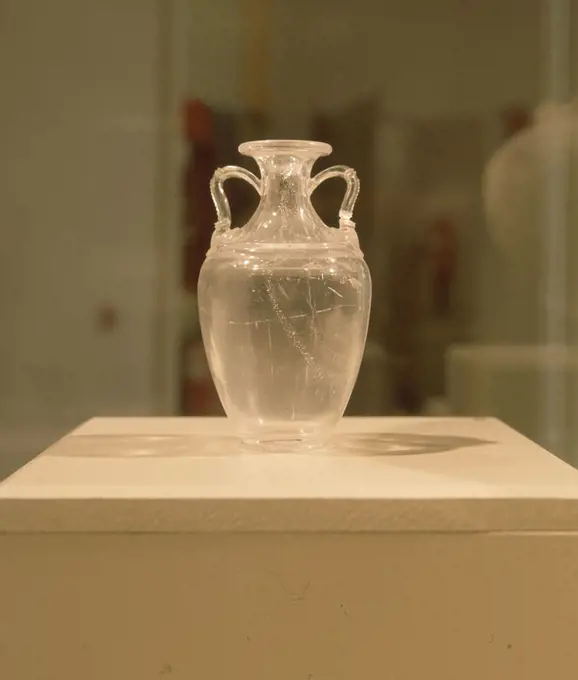
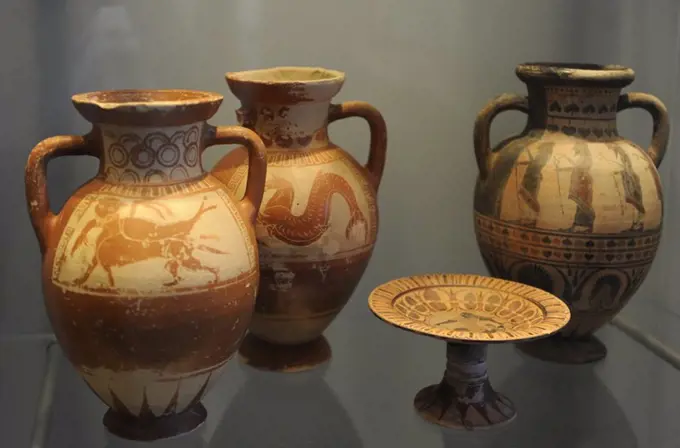
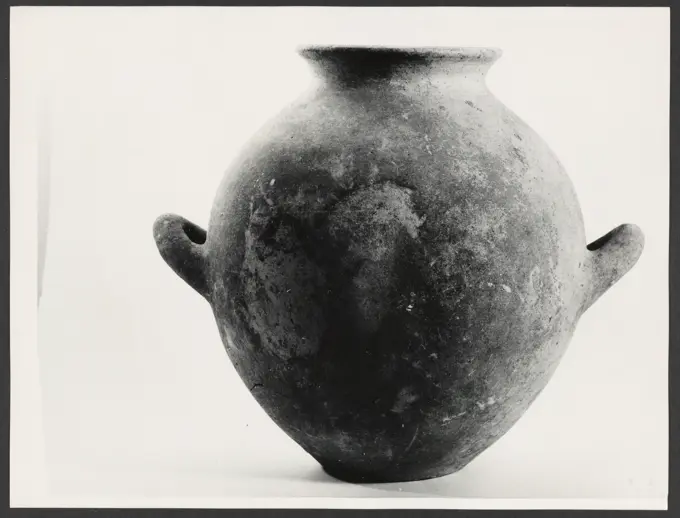
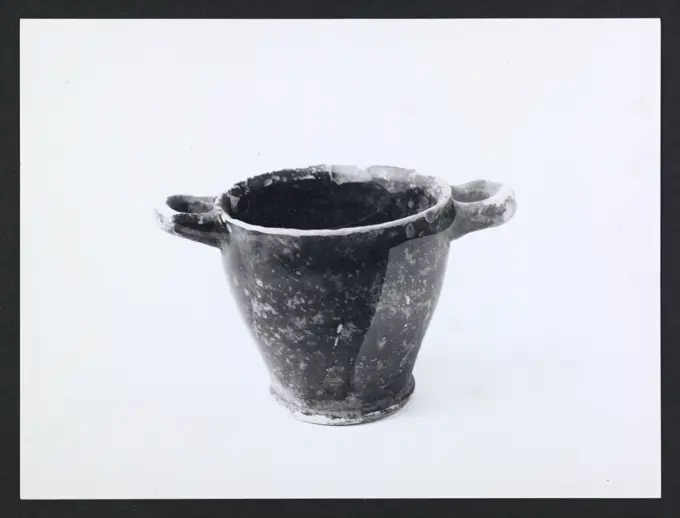
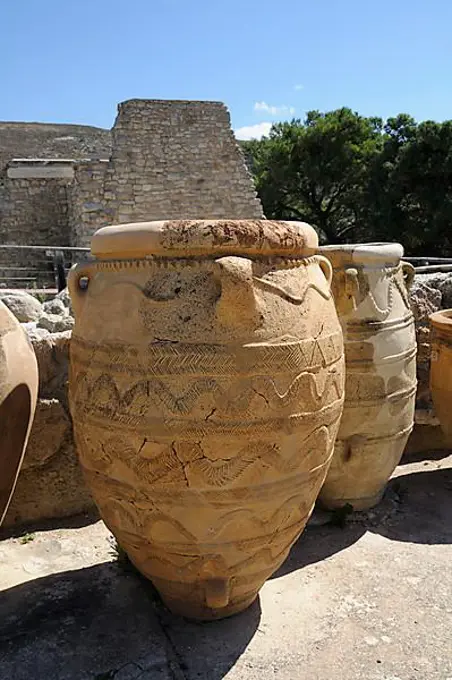
Ancient Terracotta Jugs

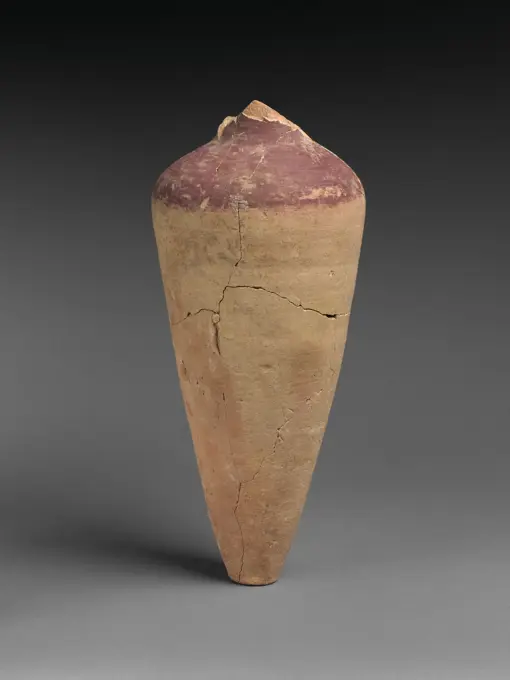
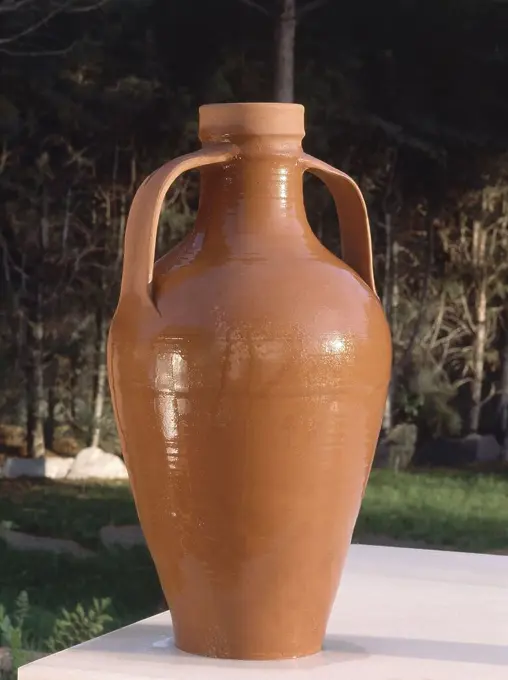
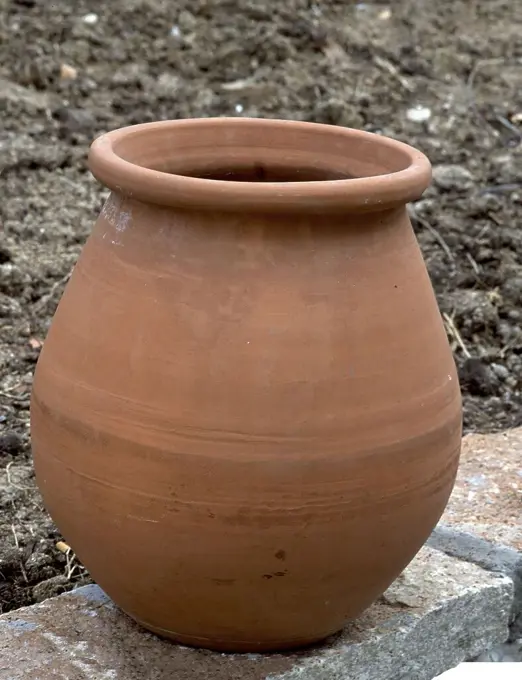
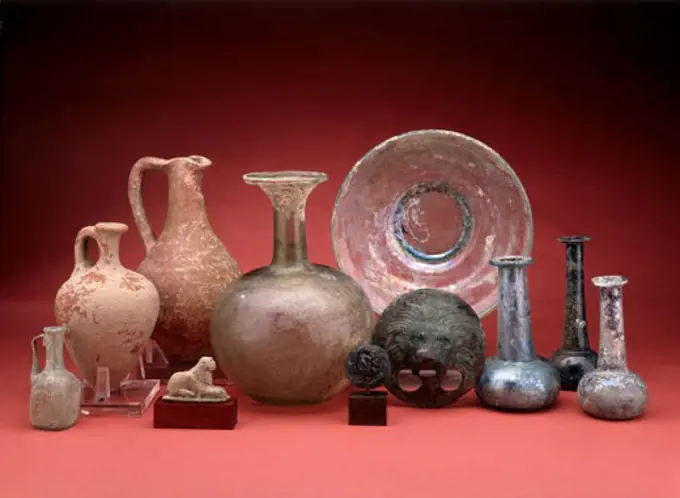
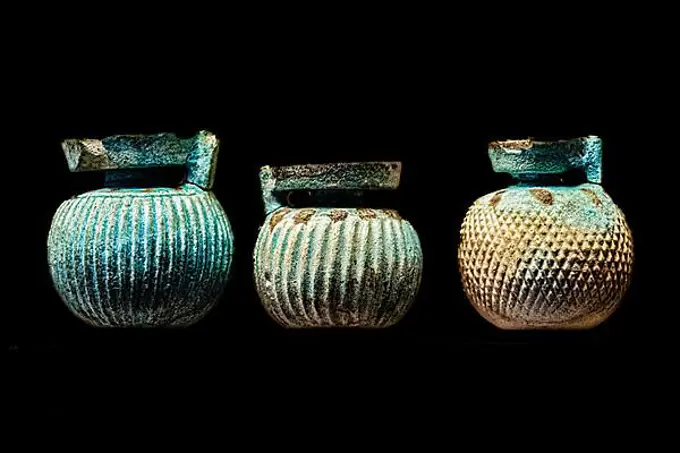
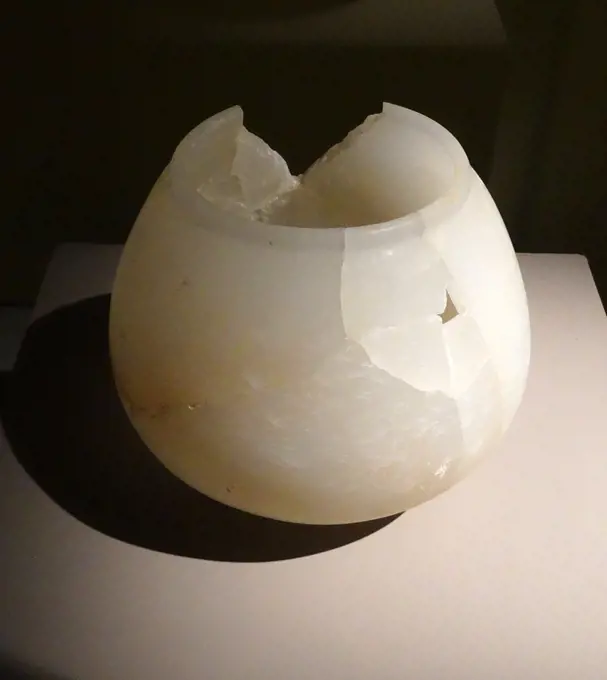
A selection of ancient pottery, including terracotta jugs and amphorae, showcasing historical craftsmanship from various cultures.
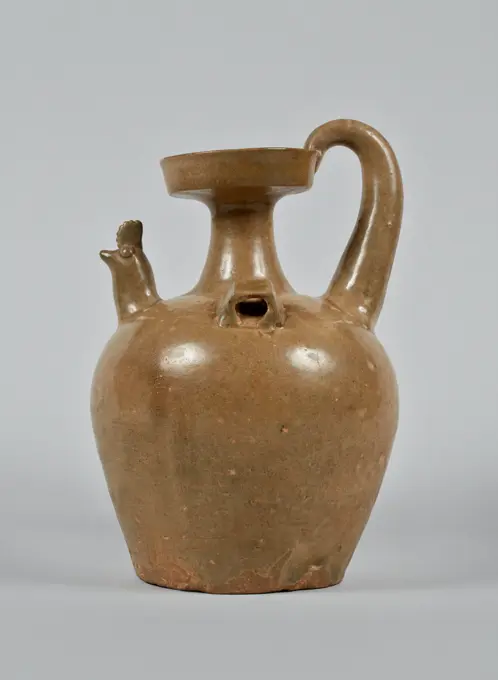
Coq heads, 450. Céladon covered sandstone. Cernuschi Museum, Asia Museum of Asia in the city of Paris.
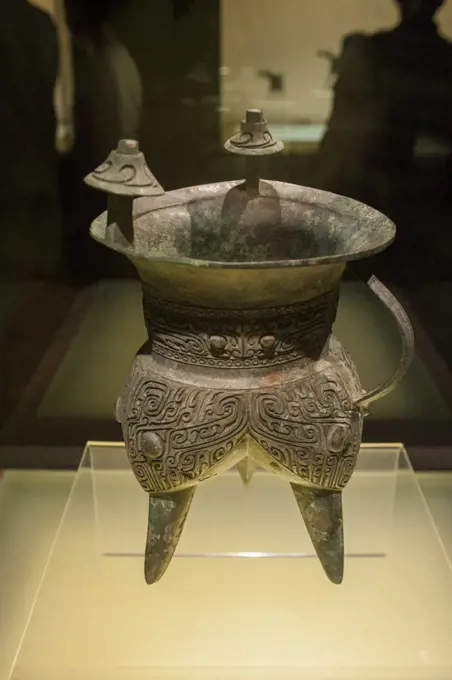
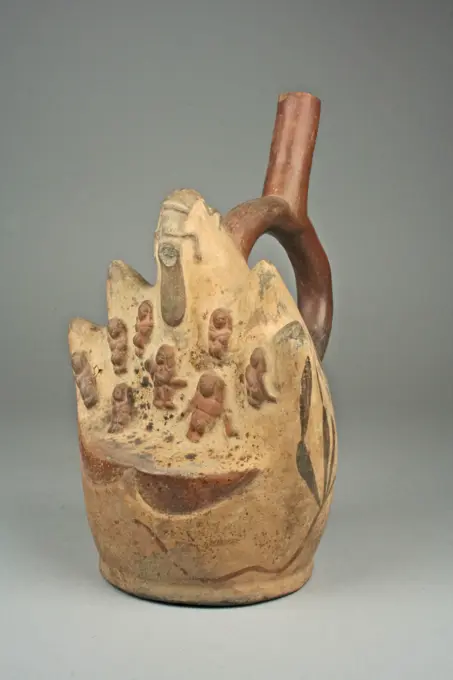
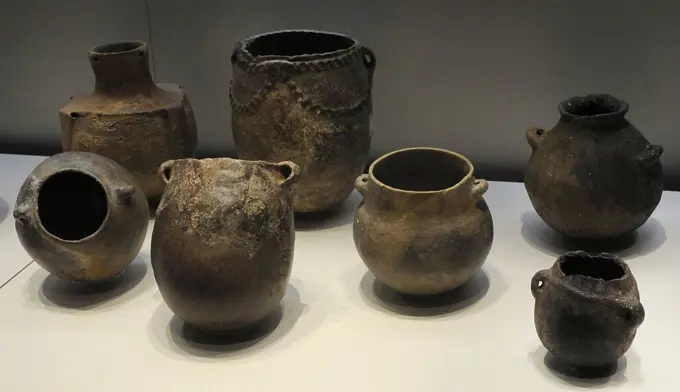
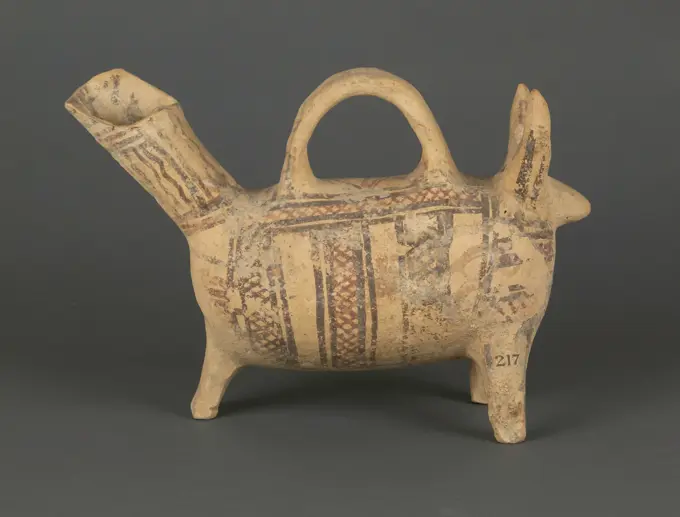
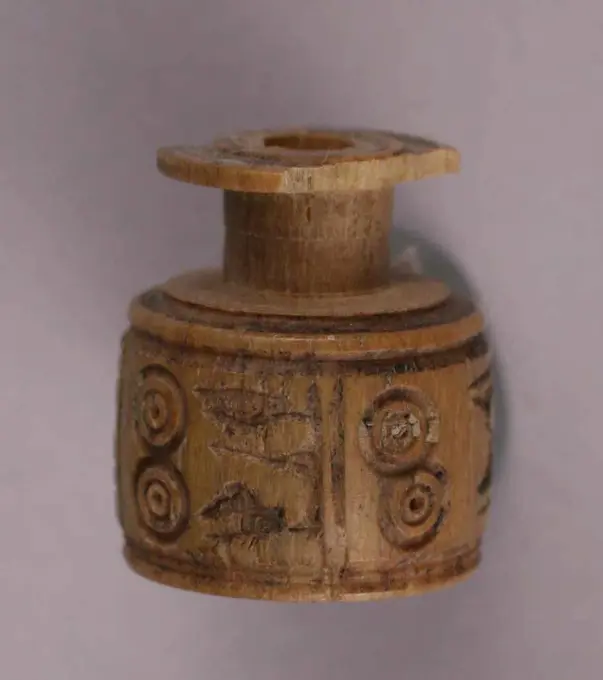
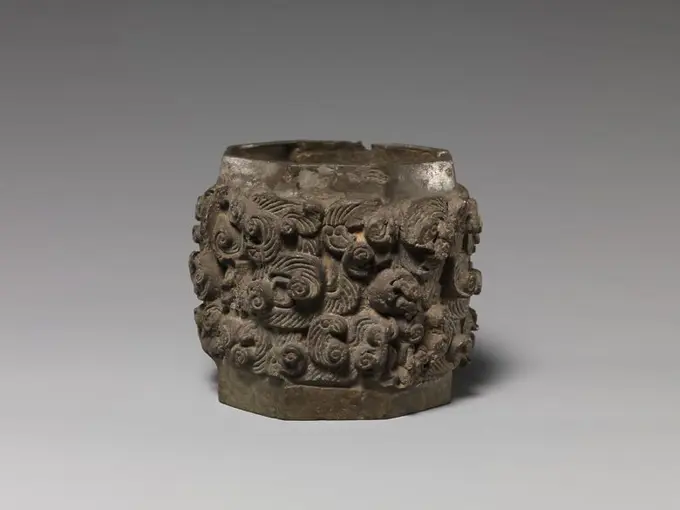
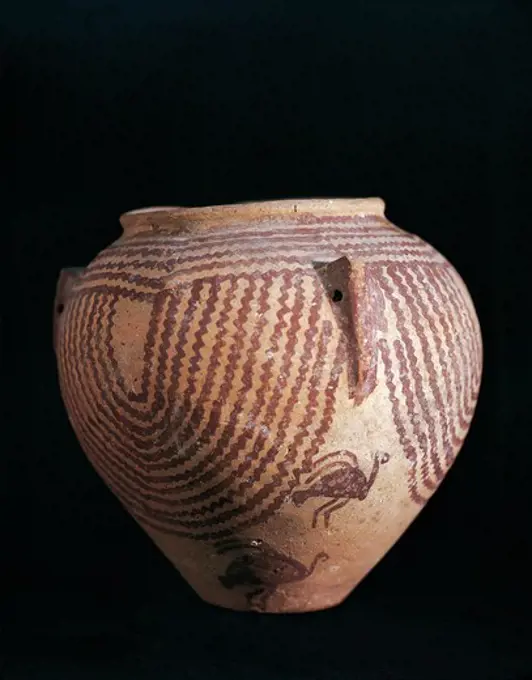
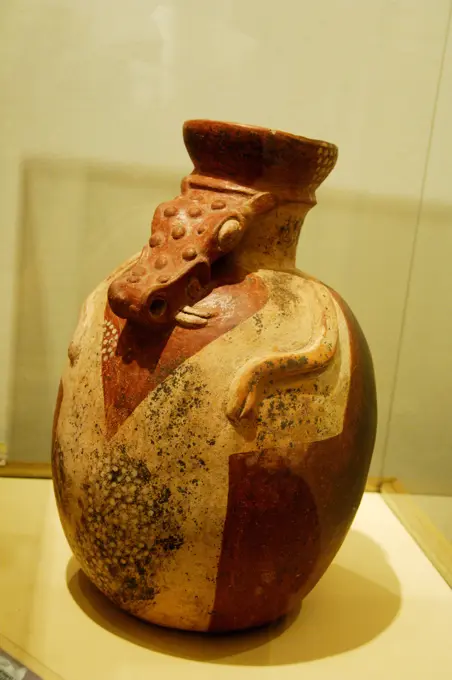
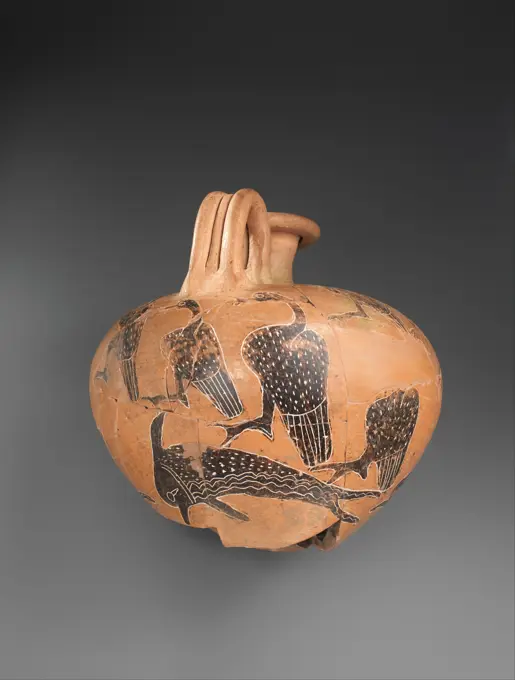
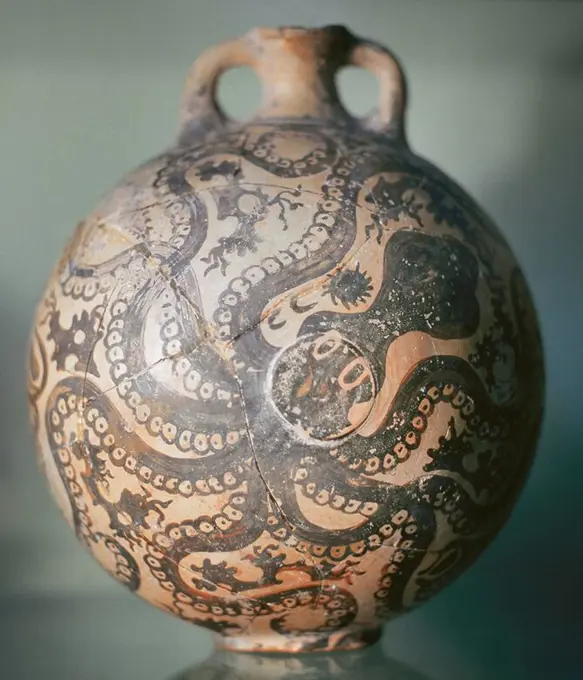
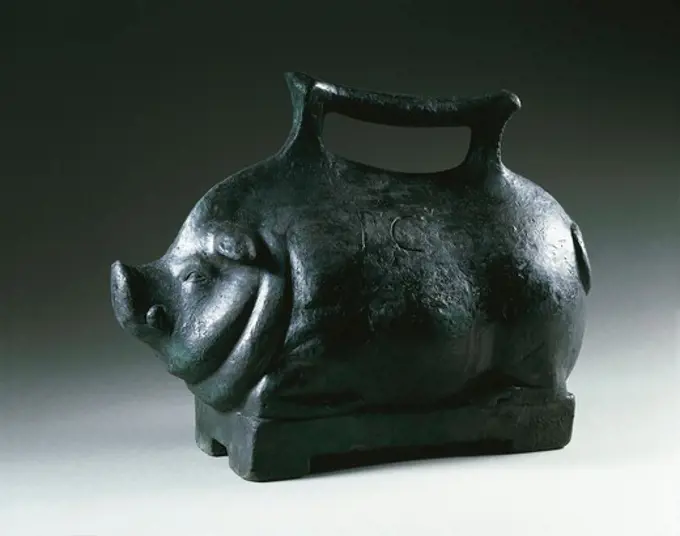
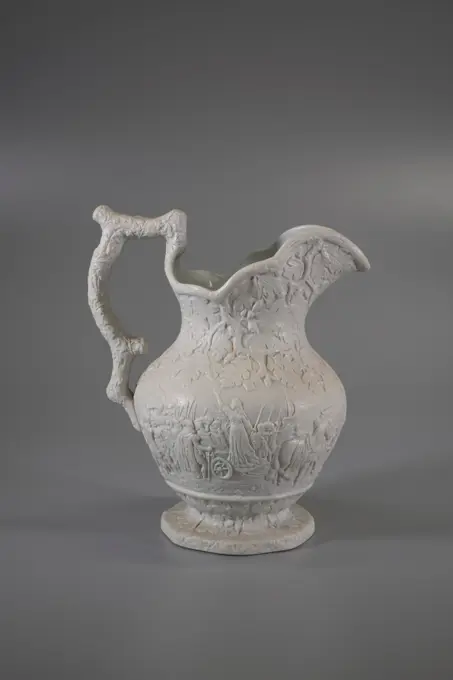
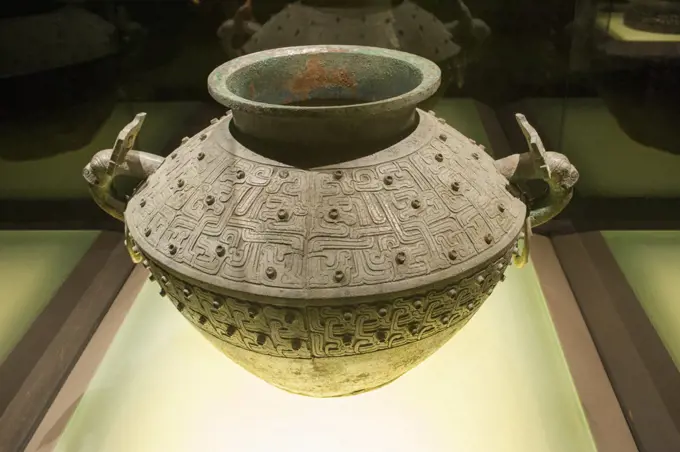
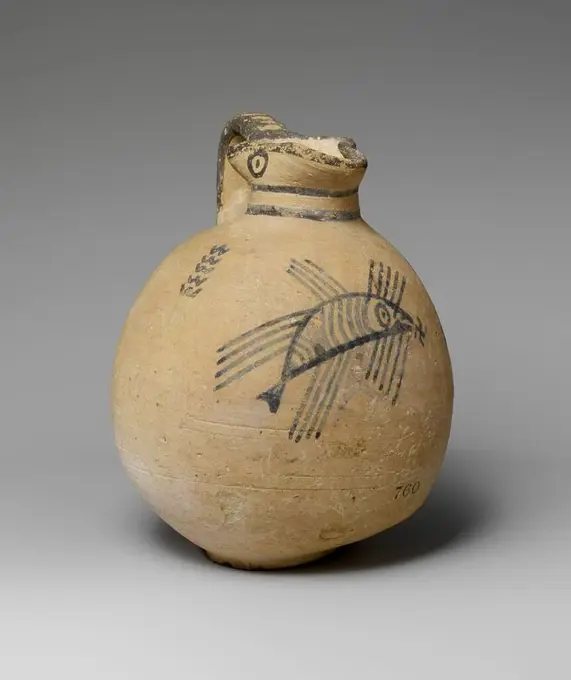
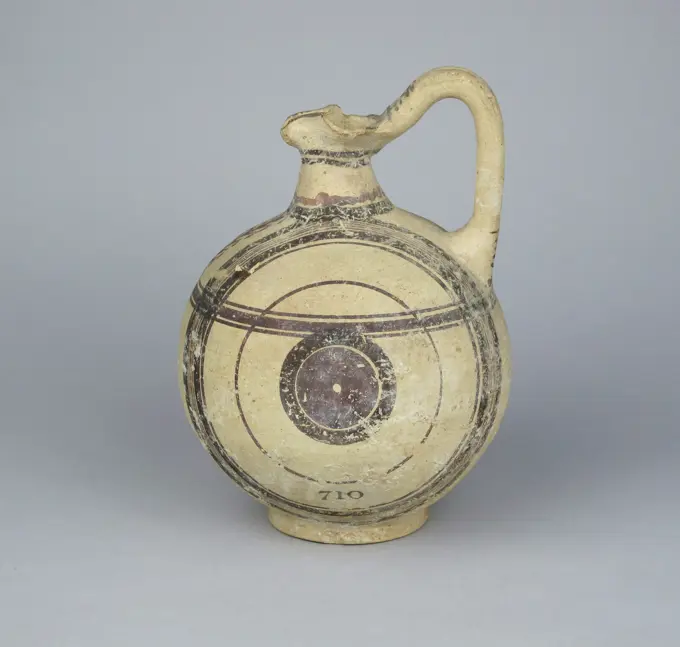
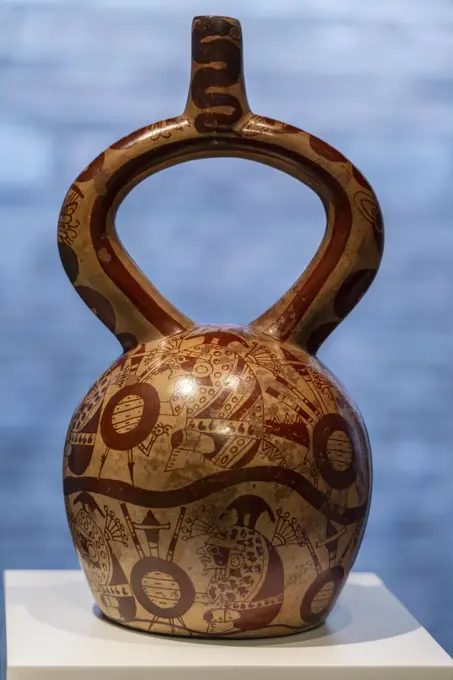
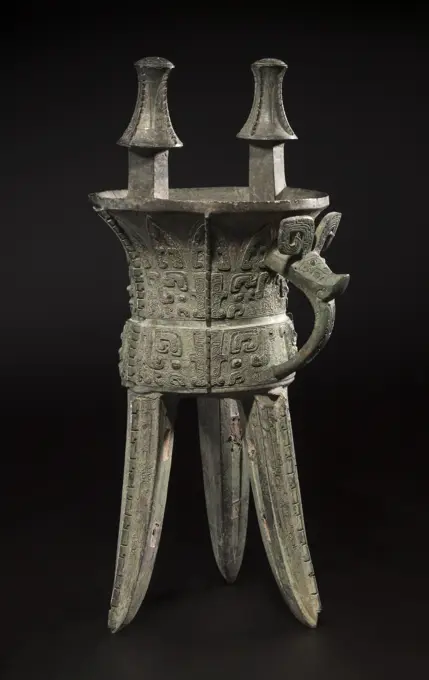
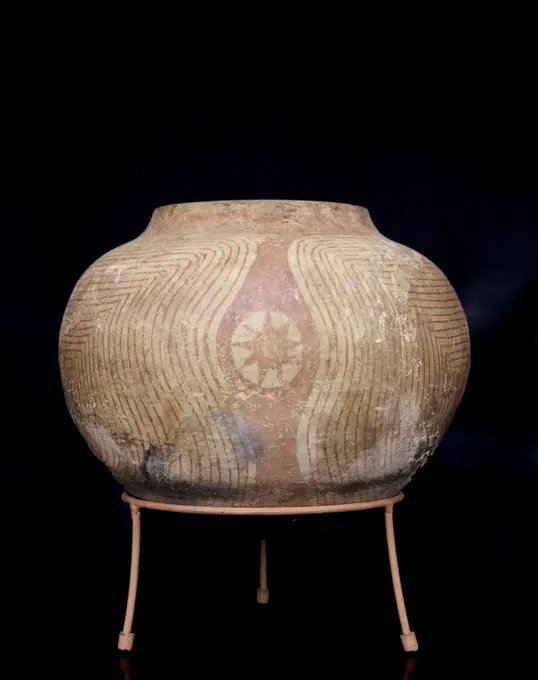
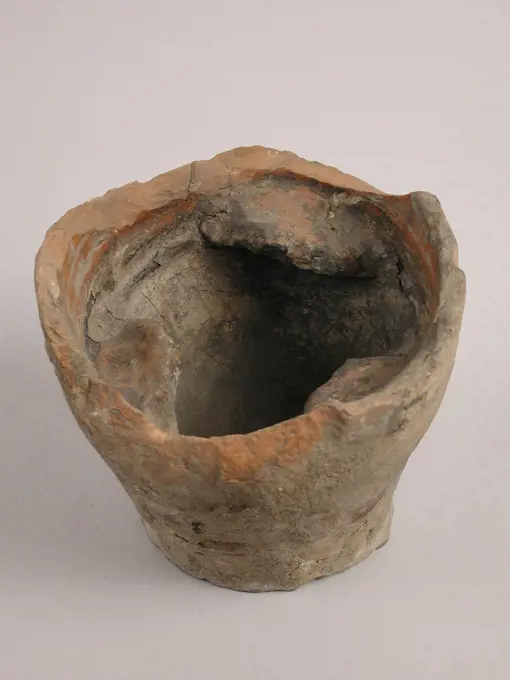
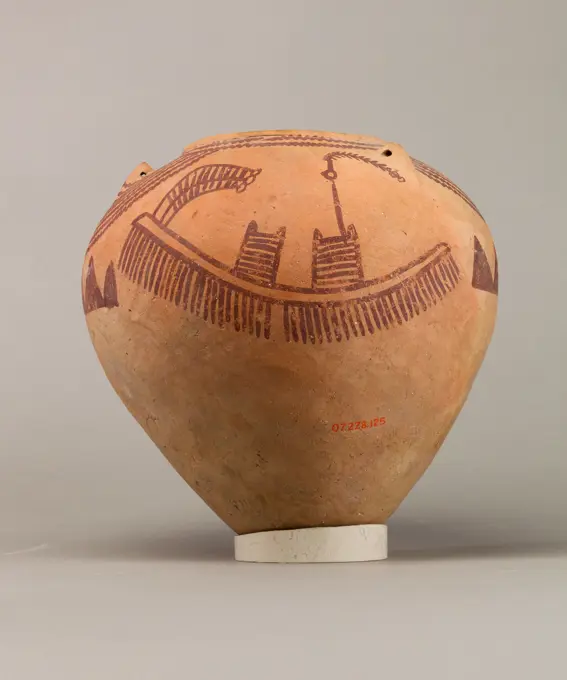
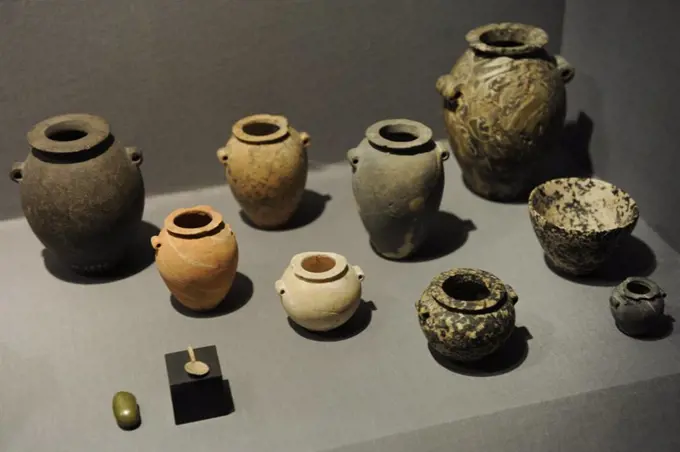
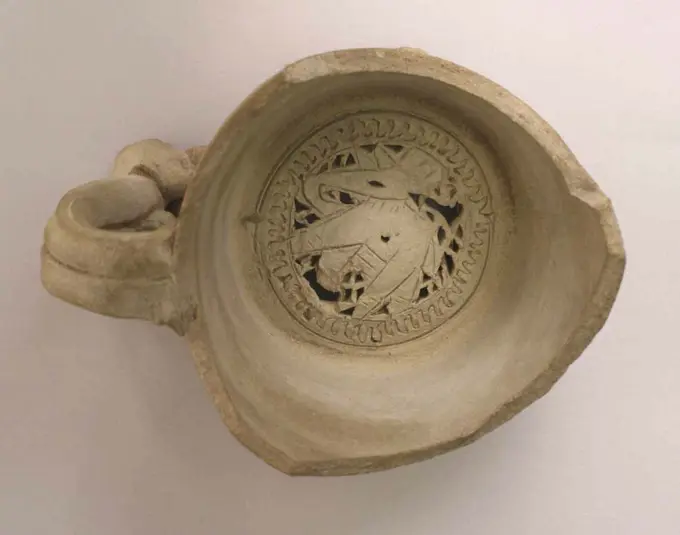
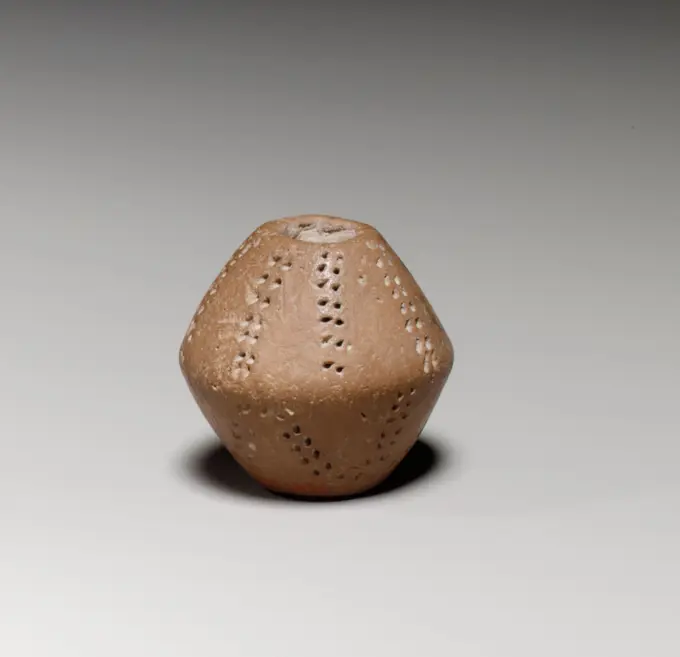
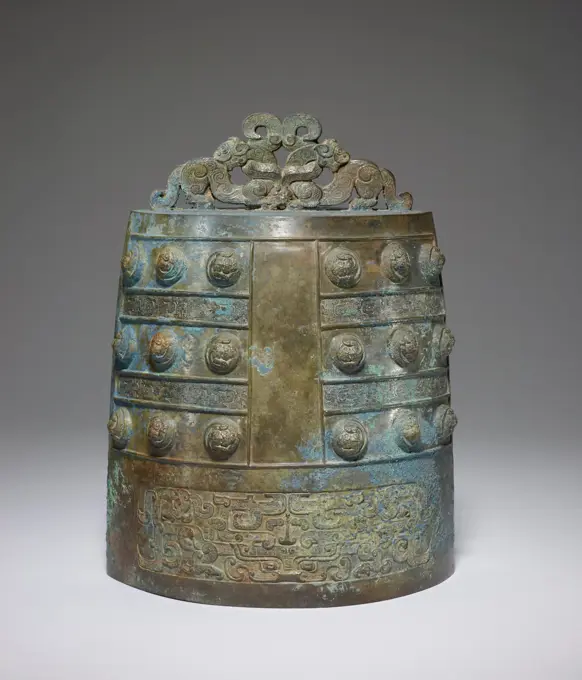
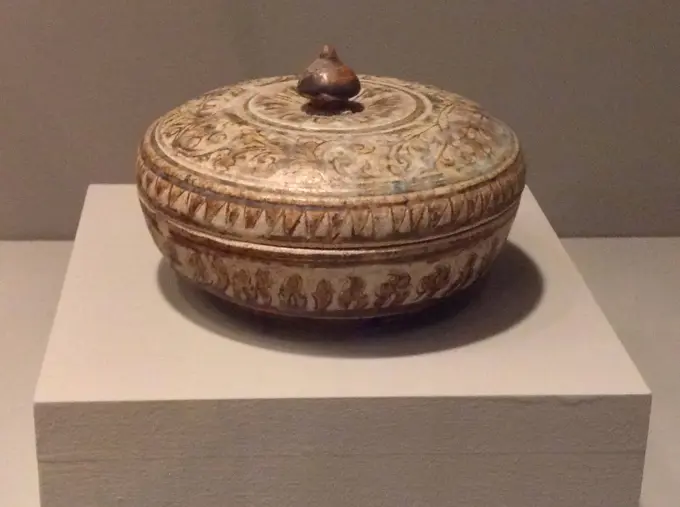
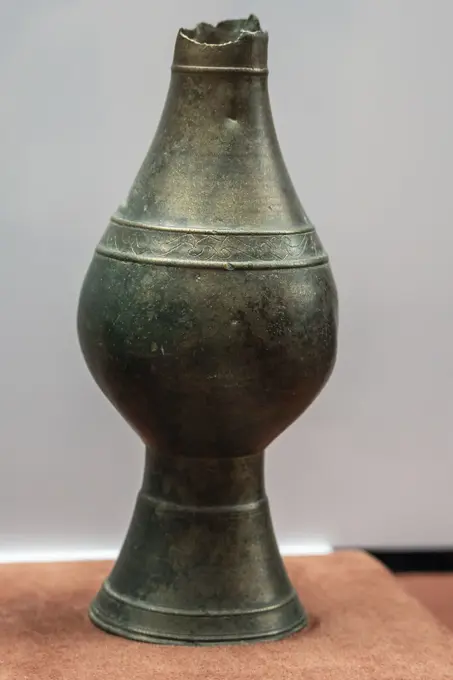
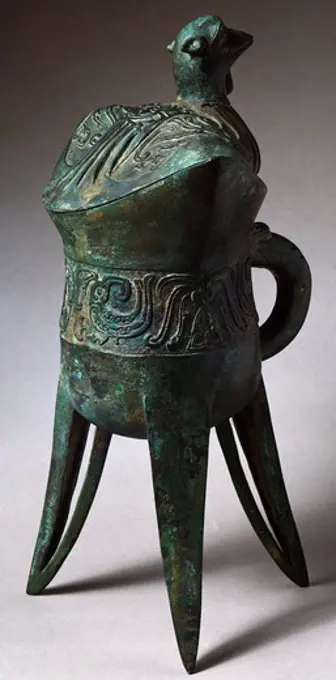
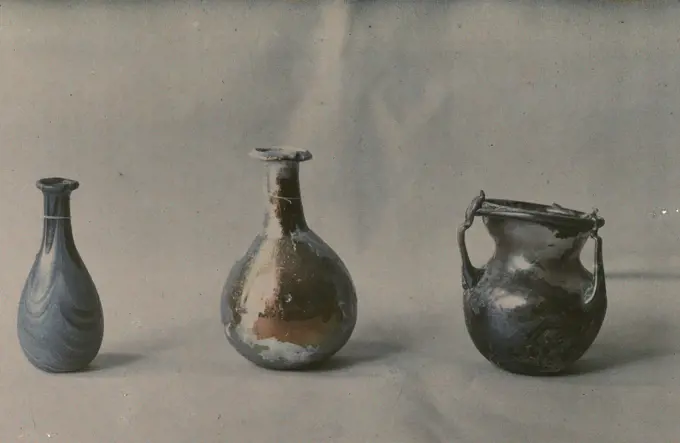
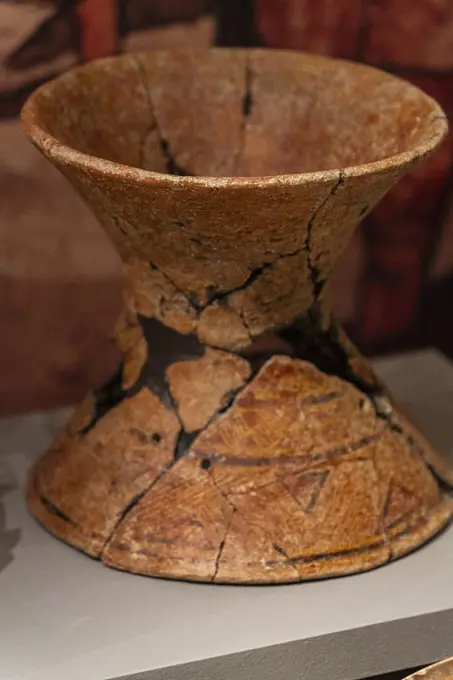
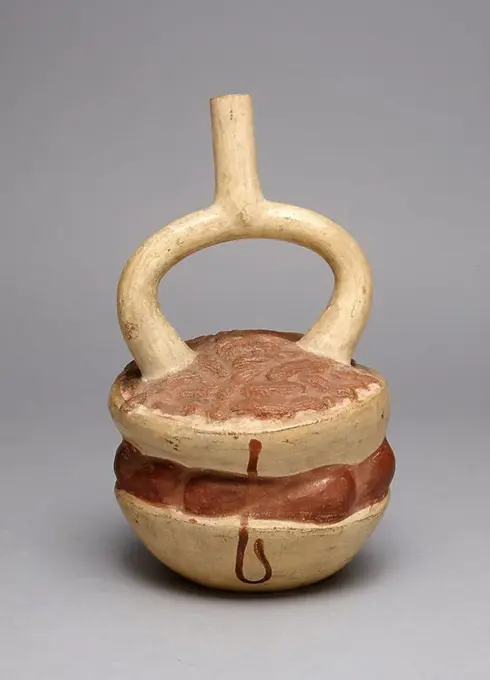
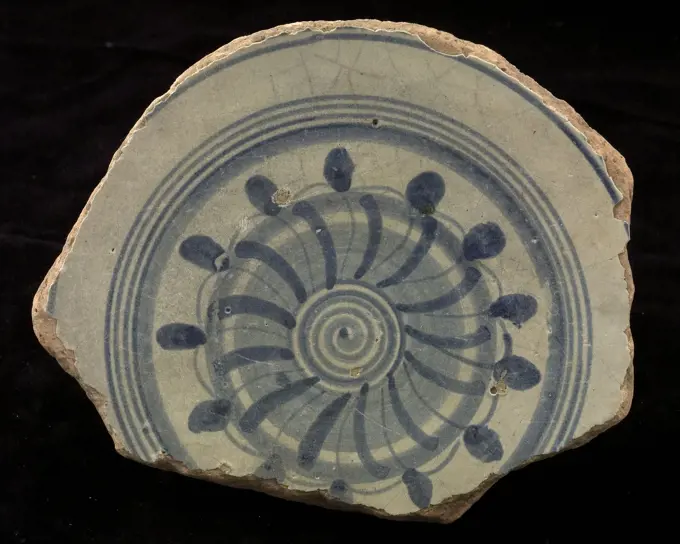
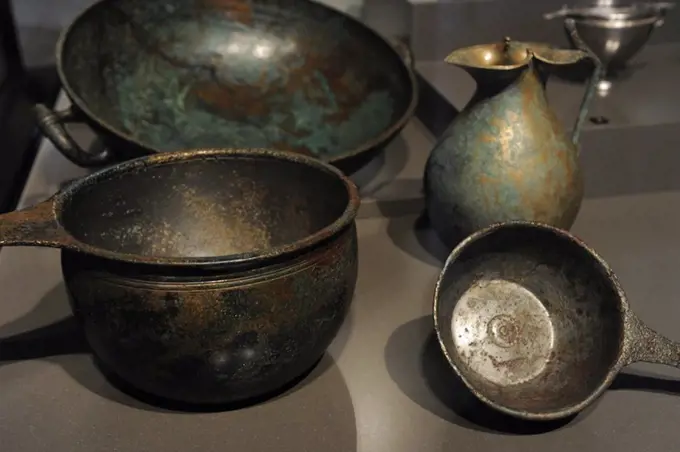
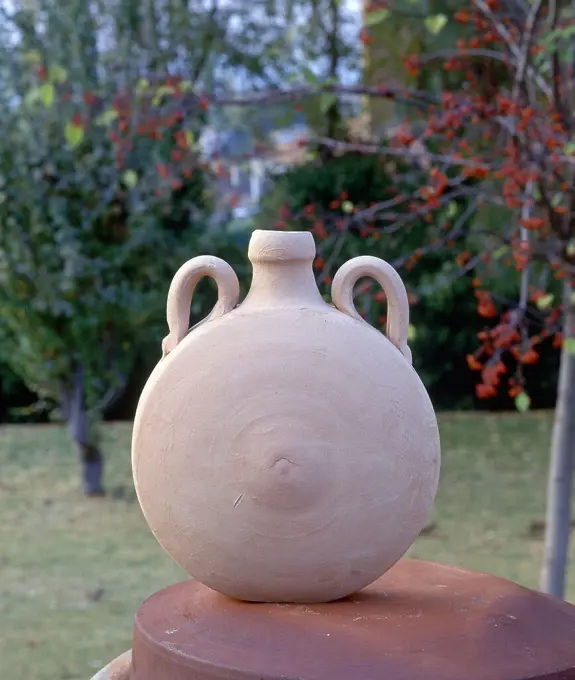
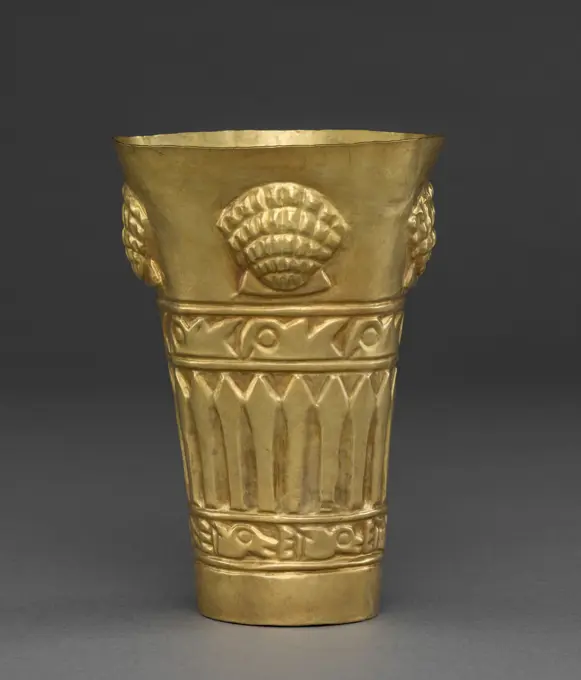
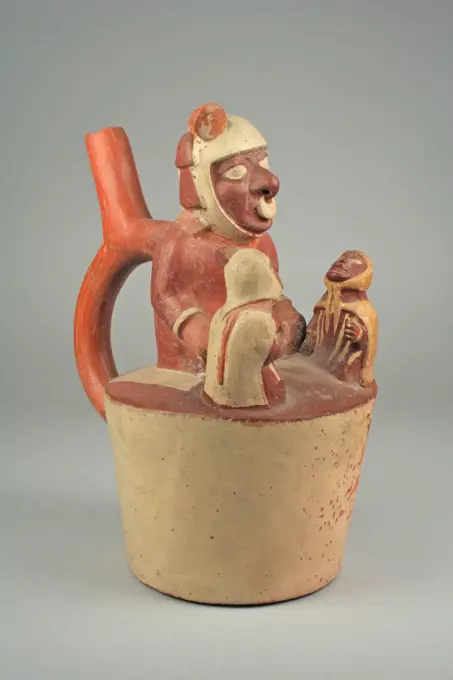
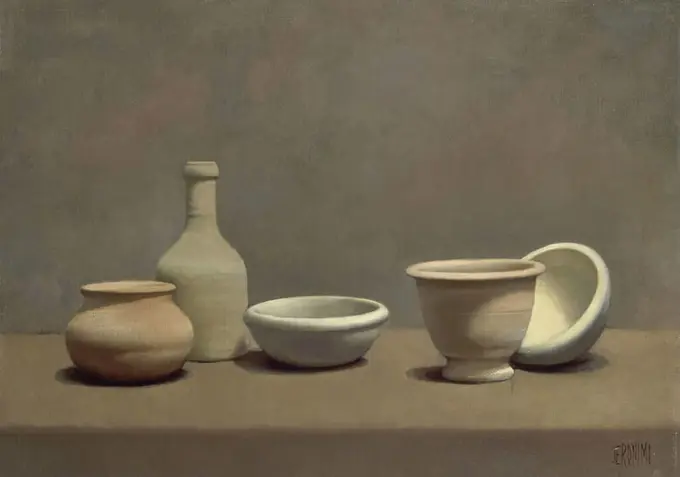
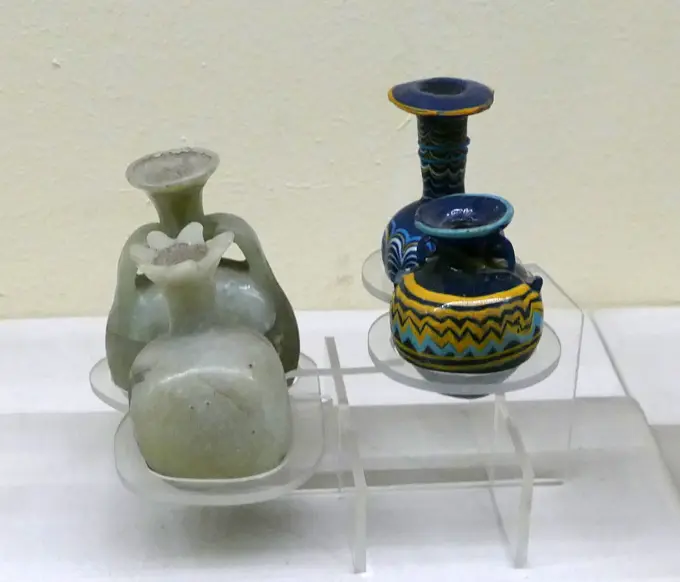
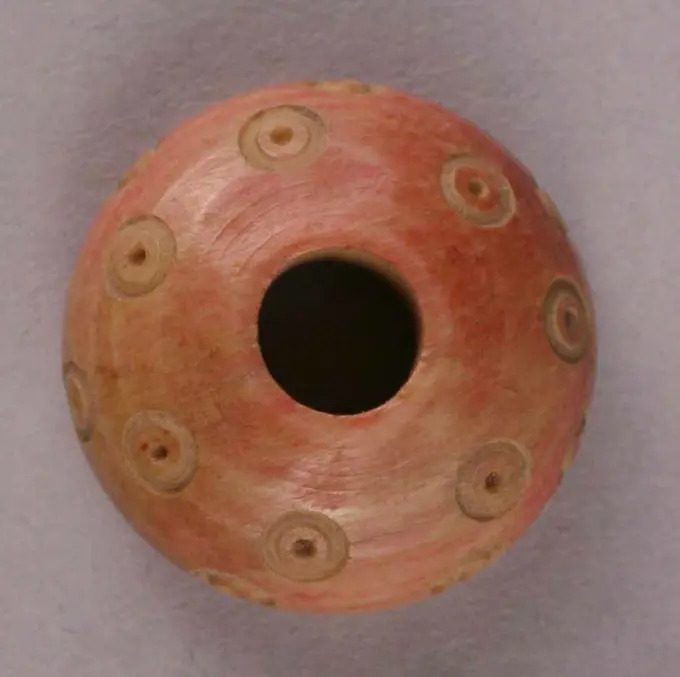
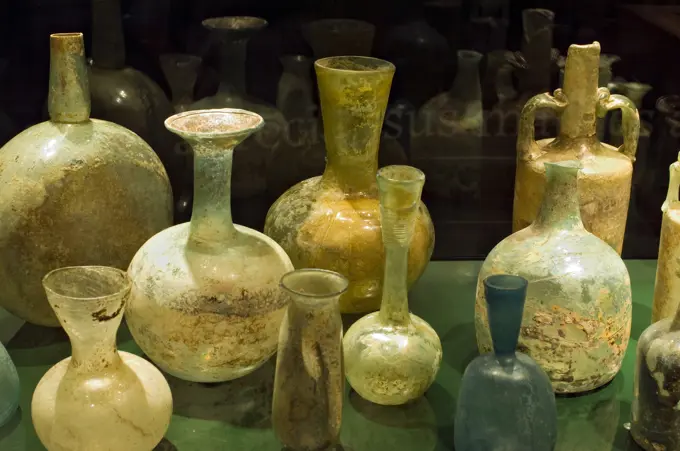
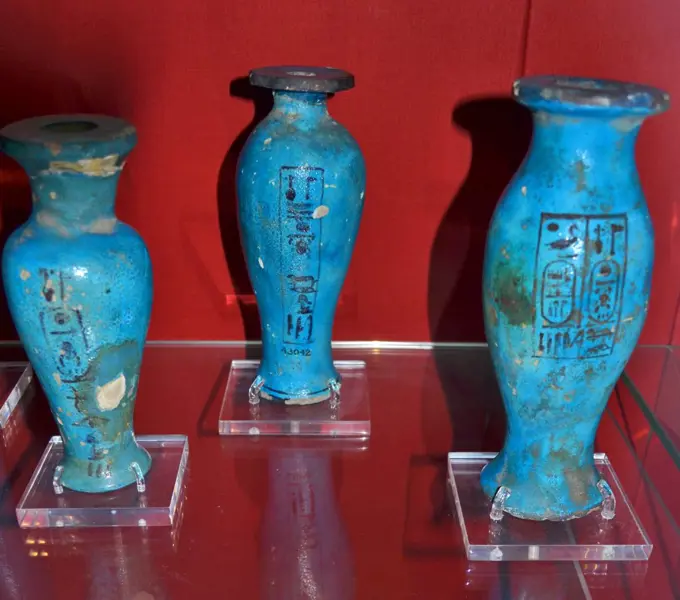
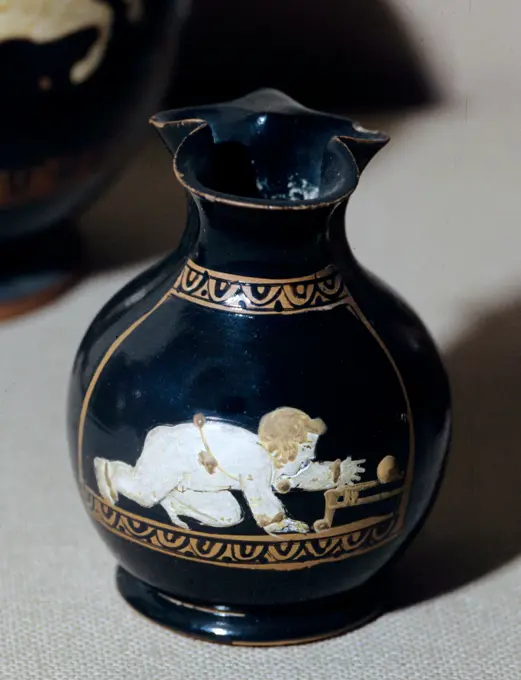
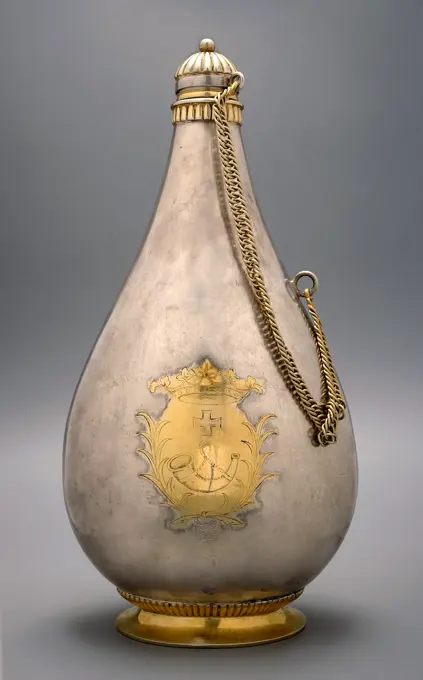
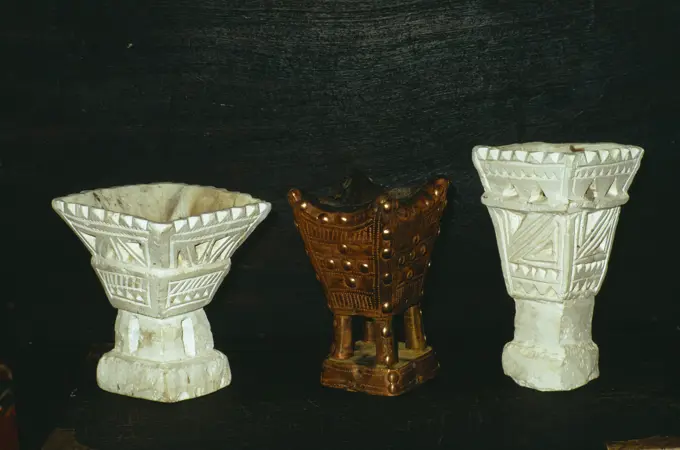
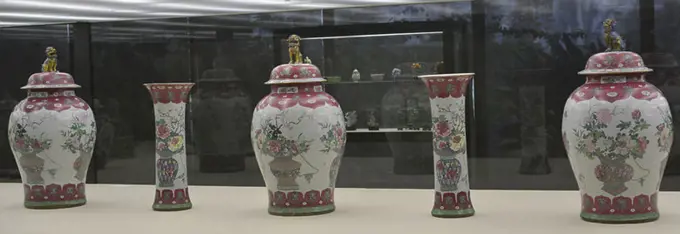
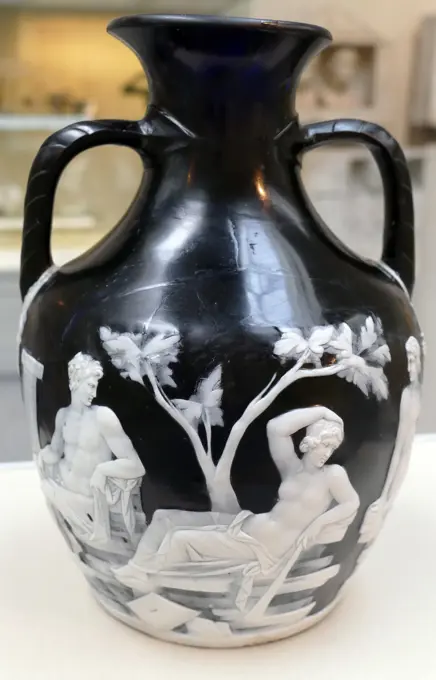
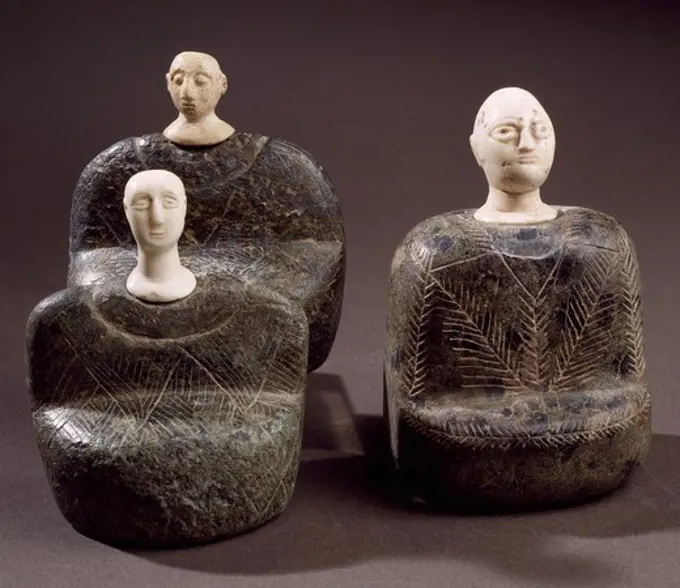
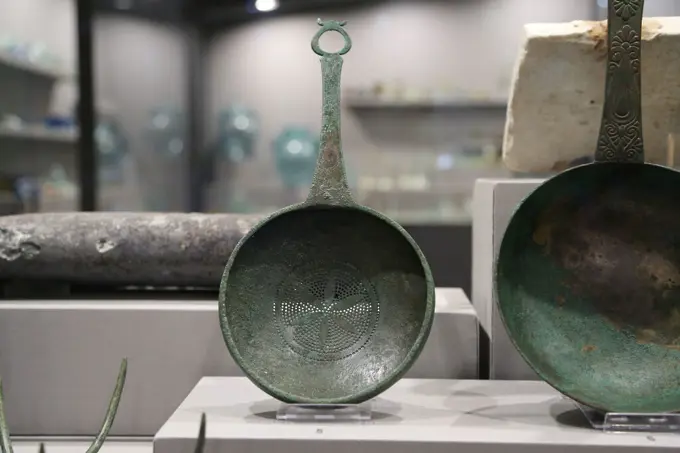
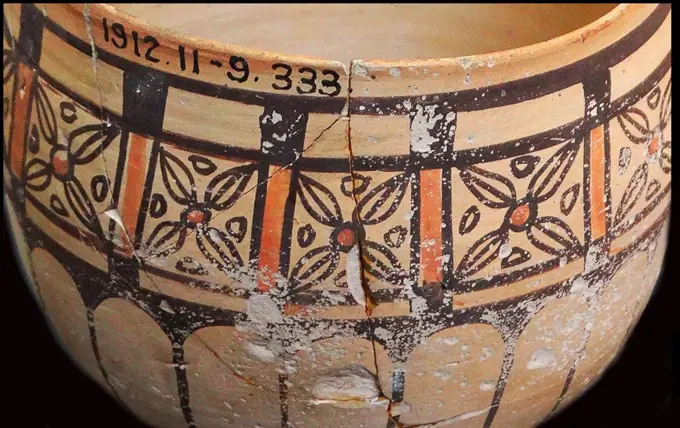
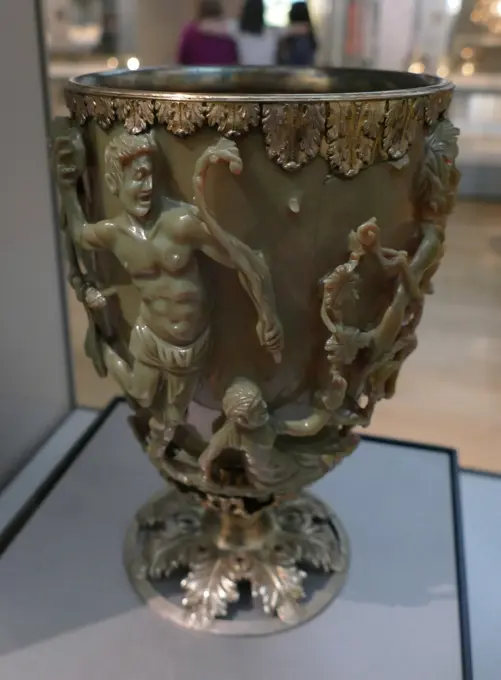
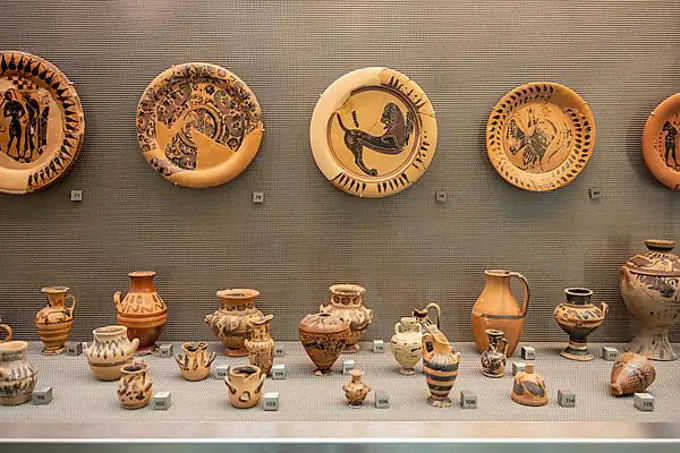
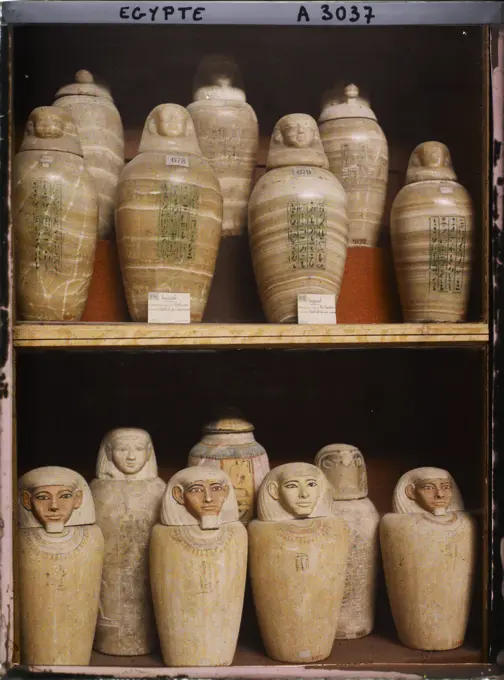
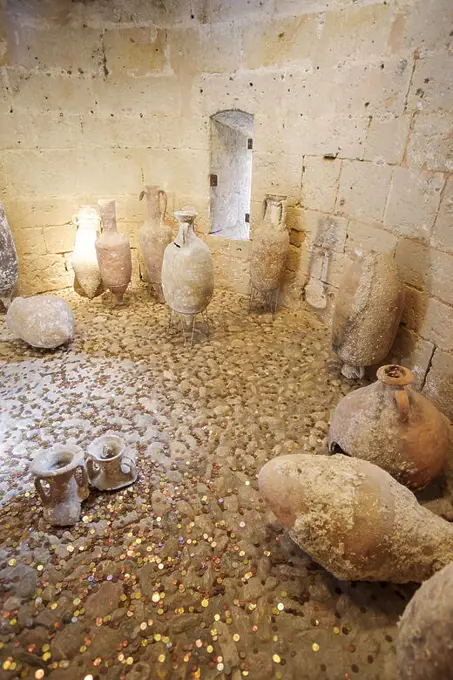
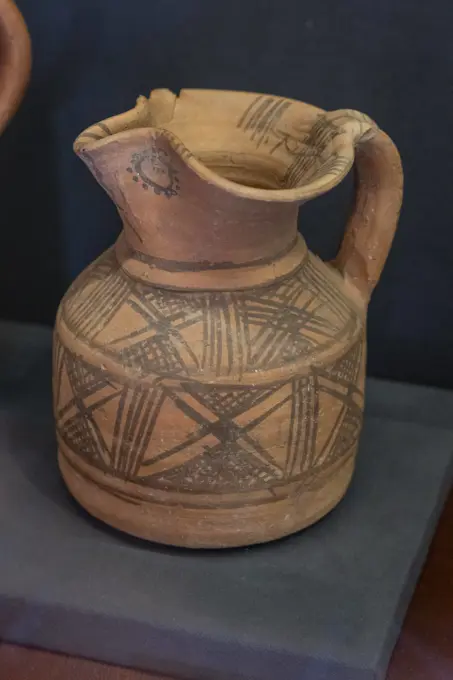
late -keltenic jug of late -kelbiberian jug copyright: xzoonar.com/toloxbalaguerx 22568765A wine vessel from the 16th to 13th Century BC in the bronze exhibit at the Shanghai Museum, a museum of ancient Chinese art, situated on the Peoples Square in the Huangpu District of Shanghai, China.Stirrup Spout Bottle with Painted Cactus Forms 3rd-5th century Moche. Stirrup Spout Bottle with Painted Cactus Forms 309379Neolithic. Kitchen containers. Ceramics. Bowl and pot. Casa Montero (Vicalvaro, Community of Madrid); Bottle and pots. Higueron Cave (Rincon de la Victoria, province of Malaga, Andalusia); Cooking pot. Los Murcielagos Cave (Zuheros, province of Cordoba, Andalusia); Pot with printed decoration. Tajos de Cacin (Alhama, province of Granada, Andalusia) and Pot, La Carihuela Cave (Pinar, province of Granada, Andalusia). National Archaeological Museum. Madrid. Spain.Askos in the form of an animal 1900-1600 B.C. Cypriot. Askos in the form of an animal. Cypriot. 1900-1600 B.C.. Terracotta. Middle Cypriot. VasesBead 9th-10th century This object was excavated at Nishapur.Nishapur was a vital city in the early and middle Islamic periods, located along one of the main trajectories that connected Iran and West Asia Islamic lands with Central Asia and China. These itineraries are often referred to by the term Silk routes’ but were in fact crucial to the movement of constellations of materials and objects, as well as people and ideas. The diverse population of Nishapur and its surroundings, from the better-researched elite groups of merchants, land-owning aristocracy, and literates, to the less-known artisans, farmers, miners, and servants, were instrumental in adapting global cultural trends to create their own distinctive visual languages. This is seen in the material remains of everyday life in medieval Nishapur - from pots and pans to lighting devices, inkwells, textiles and trimmings, jewelry, games and toys, talismanic devices, weapons, coins, and architectural fragments.Nishapur lost its poRing. Culture: China. Dimensions: H. 1 3/4 in. (4.4 cm); Diam. 1 7/8 in. (4.8 cm). Museum: Metropolitan Museum of Art, New York, USA.Decorated vaseCentral America, El Salvador, San Salvador, Joya de Ceren (Jewel of Ceren) Museum. Pottery alligator vase artifact. UNESCO World Heritage Site.Jug Decorated with Dolphins and Birds ca. 1750-1550 B.C. Middle Kingdom or Second Intermediate Period No exact parallel to this magnificent vessel has yet been found anywhere. The presence of dolphins and the freedom with which all the animals move around the vessel body have suggested influences from the Aegean to some scholars. The general shape and double handle, however, are Levantine, and a possible source location for the clay has been identified in southern Canaan, while the technique of decoration is similar to, but not the same as, the one used on the "Tell el-Jahudiyeh" pottery.Three dolphins move around the foot of the jug, with three large birds (possibly geese) above each of them; a smaller bird is tucked below the handle. Is this perhaps an image of the Levantine coast, with dolphins in the water and migratory geese coming to rest on the beach A Dynasty 13 date is suggested by other objects found in the same tomb shaft.. Jug Decorated with Dolphins and Birds 544822Terracotta jug. Cycladic, Early Cycladic III - Middle Cycladic I, ca. 2300-1900 B.C.Vases at Heraklion Archaeological Museum, interior, City of Heraklion, Crete, Greek Islands, Greece, EuropeCretan clay flask with marine style decoration (octopus). Neopalatial period (1500-1450 BC). Palaikastro Palace. Crete, Greece. Heraklion Archaeological Museum. Crete, Greece.Pig shaped bronze and lead weight on rectangular base, From PompeiiJug, Julius Caesar” pattern.   Maker: Charles Meigh, British, active ca. 1835-49A wine vessel from the 17th Century BC in the bronze exhibit at the Shanghai Museum, a museum of ancient Chinese art, situated on the Peoples Square in the Huangpu District of Shanghai, China.Terracotta jug. Culture: Cypriot. Dimensions: H. 7 7/16 in. (18.9 cm). Date: 750-600 B.C..Fish, swastika, and zigzag decorate this jug. Museum: Metropolitan Museum of Art, New York, USA.Terracotta jug 600-480 B.C. Cypriot Vertical circles and tree ornament.. Terracotta jug. Cypriot. 600-480 B.C.. Terracotta. Cypro-Archaic II. VasesSteigbügelvase aus Mochica mit anthropomorphen Hülsenfruchtdarstellungen Mochica stirrup-handle vase depicting anthropomorphic legumes, Mochica, northern coast of Peru, year 1 to year 800 AD, ceramic with fine-line painting, MuEC, Barcelona, Catalonia, Spain LicenseRF Copyright: xZoonar.com/TOLOxBALAGUERx 23171195China: Jia wine vessel, late Shang Dynasty (c. 1600 BCE - c. 1045 BCE). A jia is a type of container used to hold wine and also heat wine. It is also used ceremonially to pour wine in to the ground.Ban Chiang prehistoric pottery, Suan Pakkad Museum collection, Bangkok Thailand, Southeast Asia, AsiaHalf pottery pot from the lead white industry, three lobes on the inside, pot holder fragment soil found ceramic earthenware glaze lead glaze, hand turned hand shaped glazed baked Pottery pot on stand. On the inside three horizontal lobes intended to carry the lead lead. Red shard internal glazed Curved side wall archeology indigenous pottery lead white dye paint enamel lead white industryDecorated ware jar illustrating boats ca. 3850-2960 B.C. Predynastic Period. Decorated ware jar illustrating boats. ca. 3850-2960 B.C.. Pottery, paint. Predynastic Period. From EgyptVASIJA DE CRISTAL DE ROCA - S I - PROCEDE DEL AJUAR FUNERARIO DE LA CALLE ESCALZO. Location: MUSEO DE CADIZ-ARQUEOLOGIA. Cadiz. SPAIN.Etruscan Art. Italy. Production of tableware was established in Etruria, imitating the works of Greek potters. Some Etruscan ware was inspired by pottery imported form Greece, while other pots may have been made by Greek artisans settled in Etruria. Ny Carlsberg Glyptotek. Copenhagen. Denmark.Lazio Latina Sezze Antiquarium Comunale75. Hutzel, Max 1960-1990 German-born photographer and scholar Max Hutzel (1911-1988) photographed in Italy from the early 1960s until his death. The result of this project, referred to by Hutzel as Foto Arte Minore, is thorough documentation of art historical development in Italy up to the 18th century, including objects of the Etruscans and the Romans, as well as early Medieval, Romanesque, Gothic, Renaissance and Baroque monuments. Images are organized by geographic region in Italy, then by province, city, site complex and monument.CANTARO DE BARRO ROJO CON DOS ASAS Y CUELLO ALTO. Location: ALFARERIA. CACERES. SPAIN.Campania Napoli Naples S. Lorenzo Maggiore80. Hutzel, Max 1960-1990 Medieval: Sculpture, architecture, architectural sculpture (including Roman spolia) 13-14th century Chapter house; sarcophagi, gravestones; wall painting. Fragment of mosaic; sculptural fragments in the Sala Capitolare. Post-medieval: Architecture, architectural sculpture, ceiling painting fresco cycle; prints depicting Venice c. 1845 (4), sculpture; life-size creche figures dressed in original Neapolitan costume Church restored in 1882, 1926, 1944; excavations under the transept undertaken between 1958-1962, and in the cloister in 1976, have revealed remains of a Roman macellum (market), street, and the paleochristian basilica of the 6th c. AD. Antiquities: Pottery: black-glazed, archaic banded, domestic wares, bucchero; architectural terracottas, statuettes, lamps, sculpture fragments Object Notes: 3 color negatives with no prints at the end. General Notes: Most objects/paintings/frescoes unidentified. Three batches Cylindrical bottle, bottle holder soil found glass, free blown and shaped glass application Cylindrical bottle in clear green glass. Blow pipe pontil mark under high, raised bottom. Body cylindrical (with glued fractures and through hole on transition) to round shoulders and long rejuvenated neck with imposed all-round sharp glass thread and flattened lip archeology Rotterdam Spaansepolder packing Soil discovery: Spaansepolder 1958.ancient vase decorated clay pottery of ancient Egypt Copyright: xZoonar.com/YuryxZapx 13425564CANTIMPLORA ROMANA. Location: MUSEO DE NAVARRA. Pamplona. NAVARRA. SPAIN.Stone jars and bowls with a small spoon and a small grinding stone with may have been used with a cosmetic palette. Tombs from Gerzeh, Egypt. Predynastic Era. C. 3500-3300 BC. Ny Carlsberg Glyptotek. Copenhagen. Denmark.Gooleh Top 14th-15th century. Gooleh Top 455180Jar ca. 3100-2900 B.C.. Jar. ca. 3100-2900 B.C.. Ceramic, paint. Jemdet Nasr. Mesopotamia, NippurJar ca. 1295-1070 B.C. New Kingdom, Ramesside. Jar. ca. 1295-1070 B.C.. Red ware, paint. New Kingdom, Ramesside. From Egypt; Said to be from Middle Egypt, Tuna el-Gebel. Dynasty 19-20CANTARO DE BARRO ROJO CON 2 ASA Y CUELLO ALTO Y ANCHO-HUMEDECIDA. Location: ALFARERIA. ARROYO DE LA LUZ. CACERES. SPAIN.Small terracotta biconical spindle-whorl ca. 1600-1050 B.C. Cypriot Spindle whorls aided in the making of cloth for garments and bedding. They were placed in tombs, perhaps so that the deceased could continue to spin wool in the afterlife.. Small terracotta biconical spindle-whorl. Cypriot. ca. 1600-1050 B.C.. Terracotta; handmade. Late Cypriot Amulet Seal. Eastern Anatolia, 4th-3rd millenium B.C.. Jewelry and Adornments; amulets. StoneRitual bell, late 6th-early 5th century BCE, 12 1/2 x 9 1/2 in. (31.75 x 24.13 cm), Bronze, China, 6th-5th century BCE, This richly adorned bell was originally part of a graduated set. It is of the type po-cheng, one of two popular bell shapes encountered in Eastern Chou dynasty burials. Po-cheng bells have a flat bottom, slightly convex sides, a suspension device often in the form of stylized animals, cast on top, and emit a single tone. The second basic type of bell is called yung-cheng. Both types of bells have an elliptical cross-section--rather than round--and include thirty-six evenly spaced bosses (mei) cast into the body. The specific cross-sectional shape and bosses are crucial to the note and tonal qualities of the instrument. The bosses of this beautifully decorated bell are in the form of coiled snakes, and the suspension device is a pair of tigers, entwined with a snake. On the bottom register is an elaborate t'ao-t'ieh mask decorated with scale rows, pointed spirals, and Covered Box, 1st century BCE - 1st century CE, 3 1/2 x 5 1/16 x 5 1/16 in. (8.89 x 12.86 x 12.86 cm), Sawankalok ware Stoneware with incised decor and brown and white glaze, Thailand, 1st century BCE - 1st century CEBottles with Molded Design of Kawiil and God L. Guatemala or Honduras, Maya, 600-900 CE. Ceramics. Slip-painted ceramic with post-fire pigmentInca pottery, vase, vases, Archaeological Inca Museum of Quilmes, Calchaqui Valley, Argentina, South AmericaVASIJAS EN UN PUESTO DE CERAMICA AL AIRE LIBRE. Location: EXTERIOR. Xauen.Europe, Italy, Sardinia Porto Torres - Turris Libisonis Archaeological Park, National Archaeological Museum Antiquarium TurritanoHispano-Visigothic liturgical jar, urceollus, seventh century, peak of the castro, Quintanilla de arriba, Visigoth - early medieval, Valladolid Museum , Castile and Leon, Spain.Covered wine cup (chiieh, or chio), China. Chinese Civilisation, 19th century.Roman antique glass. Color. 1907reel-type support with painted decoration, pre-Iberian double tomb, 7th century BC, Cerro de los Vientos, Puente del Obispo, Iberian Museum of Jaén, Andalusia, Spain.Vessel in Form of Stacked Bowls of Fruits, Vegetables, and Peanuts. Moche; Chimbote, Santa Valley, north coast, Peru. Date: 250 AD-500 AD. Dimensions: H. 27.3 cm (10 3/4 in.). Ceramic and pigment. Origin: Santa Valley. Museum: The Chicago Art Institute, Chicago, USA.Protohistory. Latin peoples. Objects from tomb 238, La Rustica/Collatia Necropolis. Grave inhumation. Adult female. Daate: Phase III B2. National Roman Museum. Baths of Diocletian. Rome. Italy.Goldsmith's art, Syria, 14th century. Spherical engraved brass incense burner with openwork and inlaid with gold and silver. Diameter 13 cm.ESCALFADOR - S XX ARTE POPULAR. Location: ALFARERIA. LA BISBAL. GERONA. SPAIN.Lamp 13th-14th century. Lamp 450378TINAJA SIN VIDRIAR - ARTE POPULAR S XX. Location: ALFARERIA. LA BISBAL. SPAIN.Fragment majolica plate, blue on white, flower rosette in the middle, plate crockery holder soil find ceramic earthenware glaze, baked underside covered with lead glaze. Monochrome Strongly scraped earthenware with pretty red shard of archeology decorate foodGermanic Tribes. Tableware. Early Roman Imperial Period (1-375 AD). Roman import objects. From Lubsow Graves, Pomerania (now Poland). Neues Museum (New Museum). Berlin. Germany.Ancient Roman Glass Roman Art Roman glasses. Left: 1st century. Central and right: 3rd-4th centuries. Calouste Gulbenkian Museum. Lisbon, Portugal.Egyptian Terracotta Jar An egyptian traditional clay terracotta jar on the grass Copyright: xZoonar.com/AlainxdexMaximyx 10068450Glass one-handled bottle. Culture: Roman. Dimensions: H.: 5 1/8 in. (13 cm). Date: 1st-2nd century A.D..Translucent very pale green; handle in same color.Collared rim, folded out, down, round up, and out, forming horizontal lip; cylindrical neck with horizontal tooling indent around base; broad, slightly sloping shoulder; cylindrical body with slightly convex side; concave bottom; broad, reeded strap handle, applied to edge of shoulder, drawn up vertically, turned in and down, and trailed onto neck below fold in rim.Faint wheel-abraded horizontal bands on body.Intact; few bubbles, but many bubbles and black impurities in handle; dulling, brown limy encrustation, and faint iridescence on exterior, patches of iridescent weathering on interior.Greenish cylindrical jug with one handle; wheel-cut decoration on body. Museum: Metropolitan Museum of Art, New York, USA.CANTARO DE CARRETERO "CANTIR DE CARRETER" - S XX ARTE POPULAR -. Location: ALFARERIA. MARRATXI-PORTOL. MALLORCA. SPAIN.Beaker with Shells, 900-1100. Central Andes (Peru), Lambayeque (Sicán) people, 10th century-12th century. Gold, hammered; overall: 14.6 x 10.2 cm (5 3/4 x 4 in.). This beaker was created by an artist of the Lambayeque culture of Peru's north coast. Shells appear in the upper register representing spondylus, the red-orange thorny oyster greatly valued by pre-Hispanic Andean societies. If such beakers were used in lifethat is, not created exclusively for the lavish tombs in which they have been found in quantitiesthey may have figured in feasting events that were central to late pre-Hispanic political, social, and religious life.JARRA VIDRIADA-CERAMICA POPULAR. Location: ALFARERIA. BURGOS. SPAIN.Bottle with figures 3rd-5th century Moche. Bottle with figures. Moche. 3rd-5th century. Ceramic, pigment. Peru. Ceramics-ContainersBODEGON. Author: MUNIZ JERONIMO.Giant storage jar at the Minoan royal palace at Mallia. Artist: UnknownPerfume jars and plain bottles from a tomb at Tel El Amarna, capital city of the 18th Dynasty King Akhenaten, of Egypt. Circa 1336 BCSpindle Whorl 9th-10th century Spindle whorls aided in the making of thread by maintaining the momentum of the spindle. This semi-spherical spindle whorl made from pink-tinted bone was excavated at Nishapur. It is incised with two bands of dot-in-circles. Hundreds of spindle whorls were excavated at Nishapur, providing further evidence that the city possessed a thriving textile industry. Their incised designs exhibit a wide variety of motifs ranging from geometric forms to zoomorphic figures.. Spindle Whorl 449229A display of bottles and jugs for wine from the Roman period at the Museo de la Cultura del Vino (Wine Culture Museum) in Briones village in La Rioja region of northern Spain.Replica of an ancient jar with lid. Dated 8th CenturyFaience hes-vase of Amenhotep II 1426 B.C.Artifacts at the El Born Cultural and Memorial Centre archeological site and museum, Barcelona, Spain. McPMDF McP_MDF_Barcelona541 *** artifacts AT The El Born Cultural and Memorial Centre Archeological Site and museum, Barcelona, Spain McPMDF McP MDF Barcelona541 McPMDFGreek vase painting, baby crawling towards toy, 400 BC.Flash with a Suchekomnaty coat of arms; Dietrich, Michael (Fl. 1703-1748); before 1740 (1700-00-00-1740-00-00);Mączyński, Piotr (1695-1776), Suchekomnaty (coat of arms), Wierzejski, Tadeusz (1892-1974)-collection, gift (provenance), coats of armsEgyptian pottery of the Late Period (664ñ332BC)CONJUNTO VAJILLA DE MESA. ROMANO. (DEPOSITO: MUSEO ARQUEOLOGICO NACIONAL).Oil storage jar from the storerooms of the palace at Knossos; Crete; Greece 1700 BCA grenade on display. Canadian National Vimy Memorial (First World War Memorial) on the Vimy Ridge near the town of Arras.Szyjka i imadła amfory ze stemplem. Meniskos II (ca 255-ca 205 a.C.), potter's workshopSpherical faience aryballoi, 6th BC, oil or perfume container, Archaeological Museum in the former Order of St. John Hospital, 15th century, Old Town, Rhodes Town, Greece, EuropeAlabaster tripod pot from Aire Maya 600-900 AD Mayan; MexicoQatar, Doha, Traditional incense burners in Doha Museum.Chimney garniture. Three jars and two vases. Mid-18th century. Qianlong Reign (1736-1795). Qing Dynasty. China. Porcelain and ruby-pink enamel. "Famille Rose" enamelled porcelain. Calouste Gulbenkian Museum. Lisbon, Portugal.The Portland Vase, a Roman cameo glass vase, which is dated to between AD 1 and AD 25, served as an inspiration to many glass and porcelain makers from about the beginning of the 18th century onwards. It is first recorded in Rome in 1600-1601, and since 1810 has been in the British Museum in London.Idols in chlorite and limestone, ca 2000 BC, from Bactria, Afghanistan. Afghan Civilisation, 3rd-2nd millennium BC.Roman art. Bronze banqueting ware. National Roman Museum. Palazzo Altemps. Rome. Italy.Fine ware cup with painted with geometric motifs. Meroe (an ancient city on the east bank of the Nile, near Shendi, Sudan). Meroe was the southern capital of the Napata/Meroitic Kingdom, that spanned the period c. 800 BCE ó c. 350 CEClose-up of an Apothecary jar, Urbania, ItalyMUSEO - MEZCLADORES- MORTEROS. Location: FABRICA DE TURRON. Jijona. Alicante. SPAIN.BEBEDERO DE PALOMAS - BARRO COCIDO SIN VIDRIAR - ARTE POPULAR. Location: ALFARERIA. JAEN. SPAIN.alfareria, Sa granja, casa museo, municipio de Esporlas,Majorca, Balearic Islands, Spainbamboo snuff box, tagalog culture, Pampanga, Luzon, 19th century, brown bamboo, Anthropology National Museum, Madrid, Spain.The Lycurgus Cup; 4th-century, Roman glass cage cup. Made of a dichroic glass, which shows a different colour depending on whether or not light is passing through it; red when lit from behind and green when lit from in front. It is the only complete Roman glass object made from this type of glass. The cup is also a very rare example of a complete Roman cage-cup, or diatretum. It named after King LycurgusGreek antique pottery, plates and vases, Acropolis Museum, Athens, Greece, EuropeCairo, Egypt, Africa Canopes Vases , 1914 - Egypt - Auguste Léon - (January -February) (French - Le Caire , Egypte , Afrique Vases canopes). Museum, vase, object of worship, Egyptian polytheism, antiquity, funeral furniture, Religion , Art, Egypt, Cairo, Museum, Canopes Vasesmuseum, Bellver Castle -14th century-, Palma de Mallorca, Mallorca, Spain.Minoan pottery, Palace of Minos, Knossos, Crete, Greece, Europemorteros de epoca talaiotica, años 1500 - 123 a.C. , Museu Municipal de Ciutadella,. Bastió de sa Font, Ciutadella, Menorca,balearic islands, Spain.