Ancient Terracotta Jugs

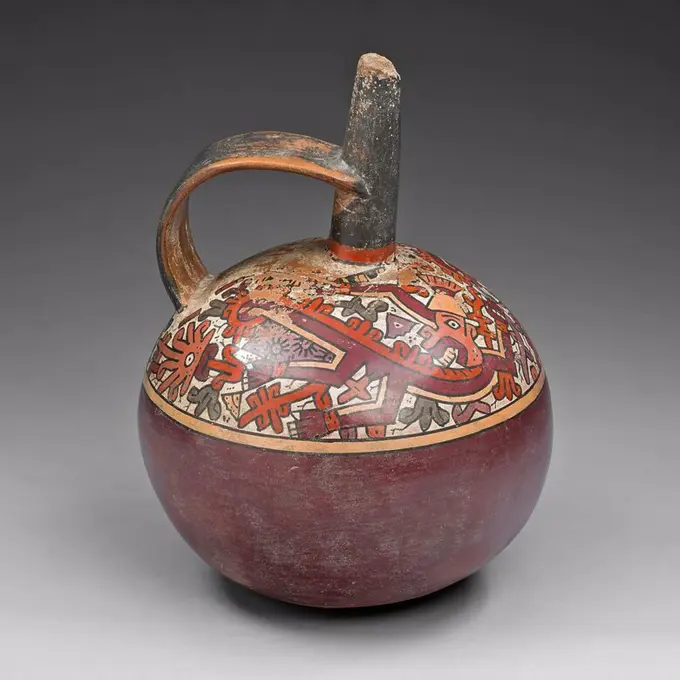
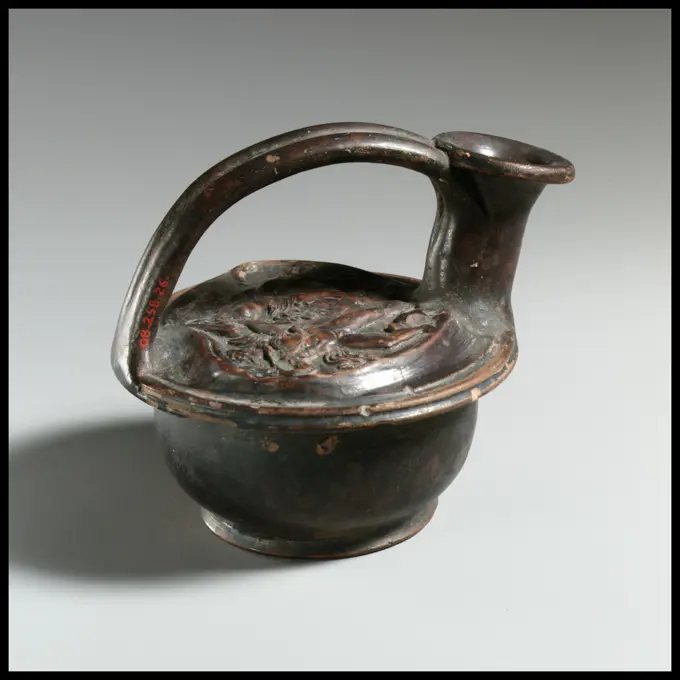
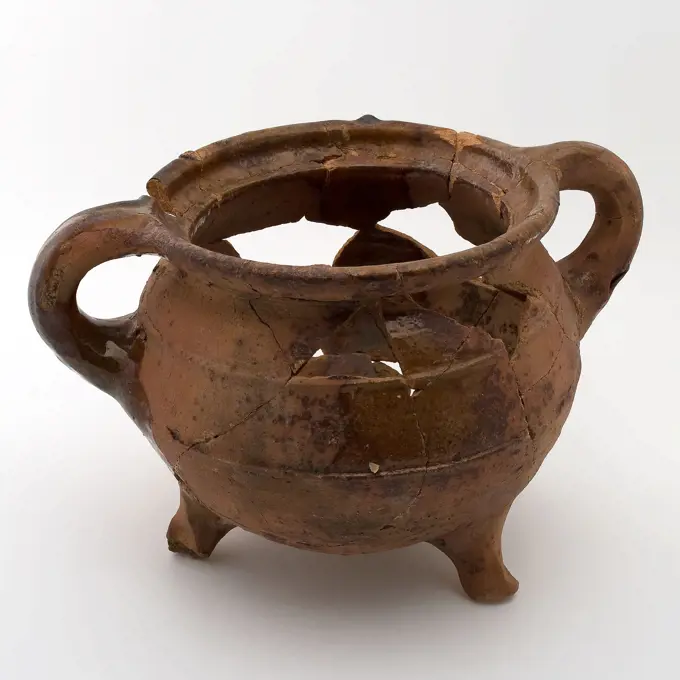
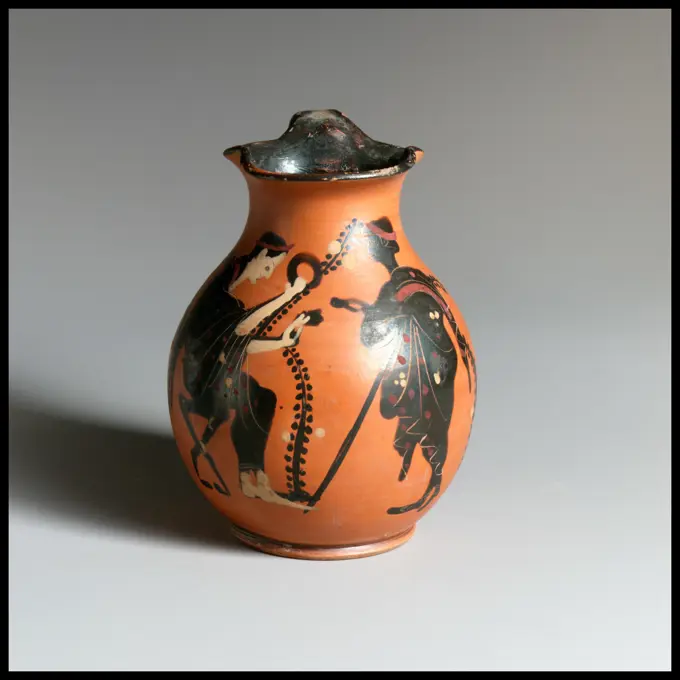
A range of terracotta jugs from various ancient cultures, featuring intricate designs and varying ages, reflecting historical pottery craftsmanship.
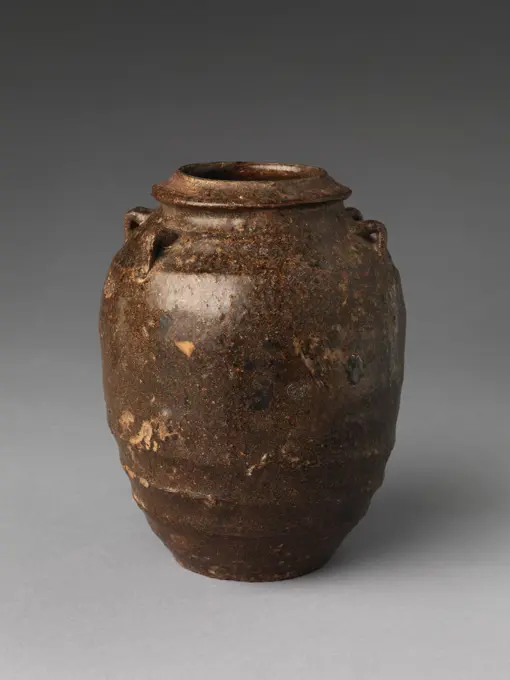
Jar 18th century Japan. Jar. Japan. 18th century. Clay covered with mottled glaze (Seto ware). Edo period (1615-1868). Ceramics
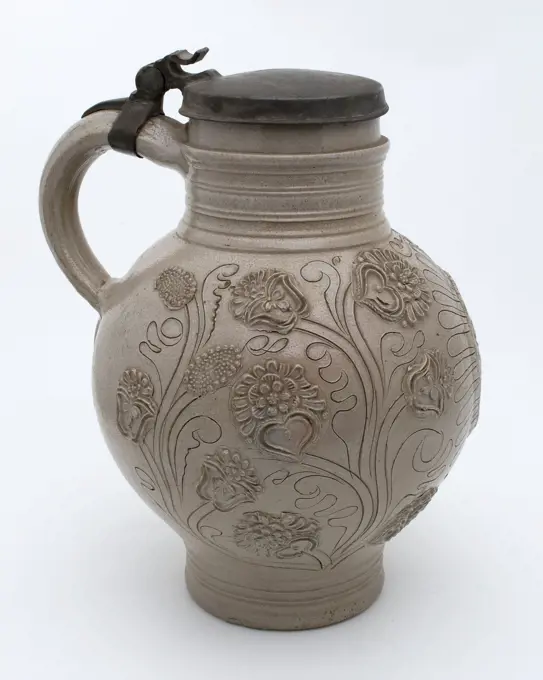
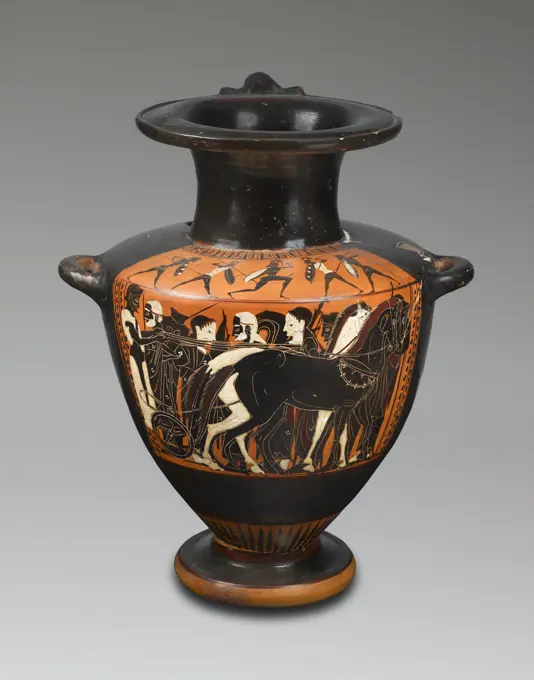
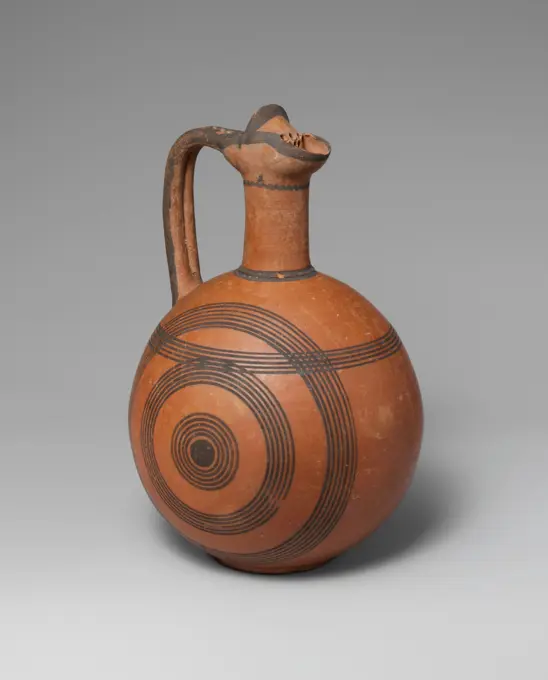
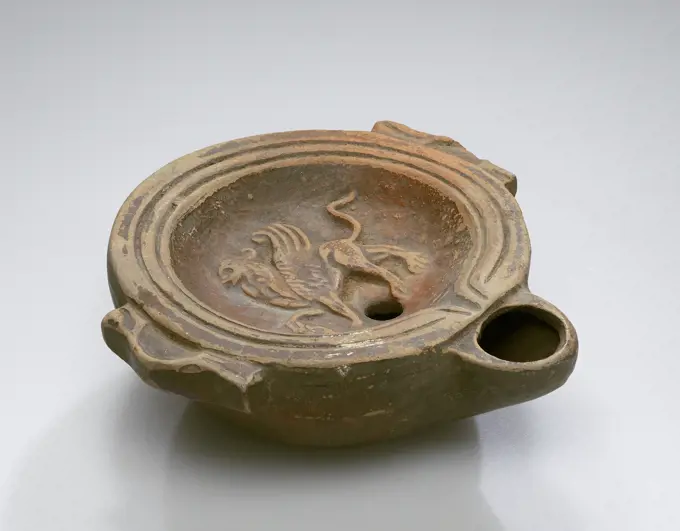
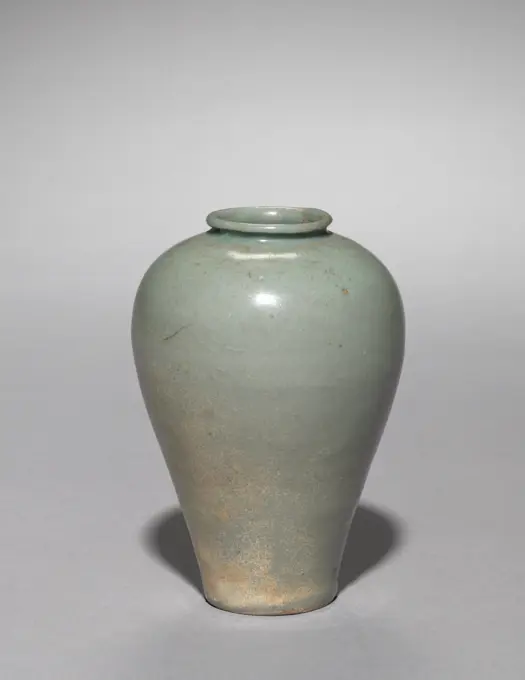
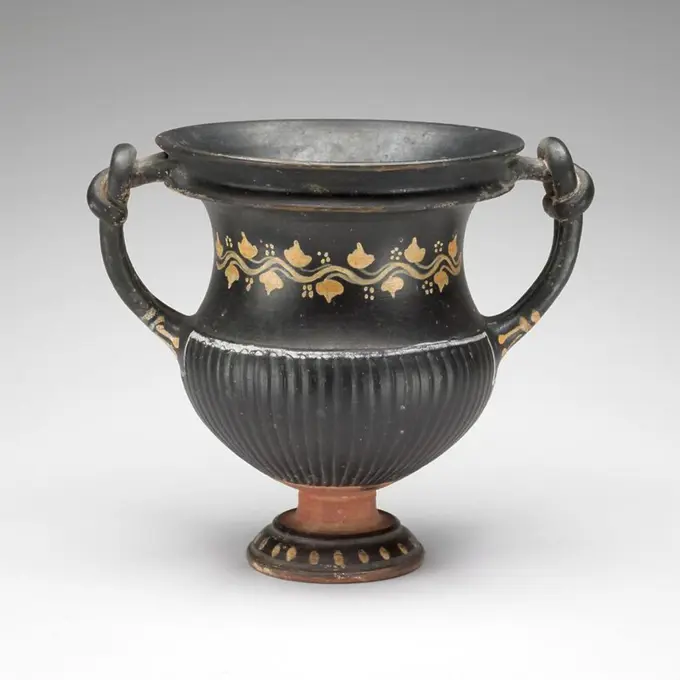
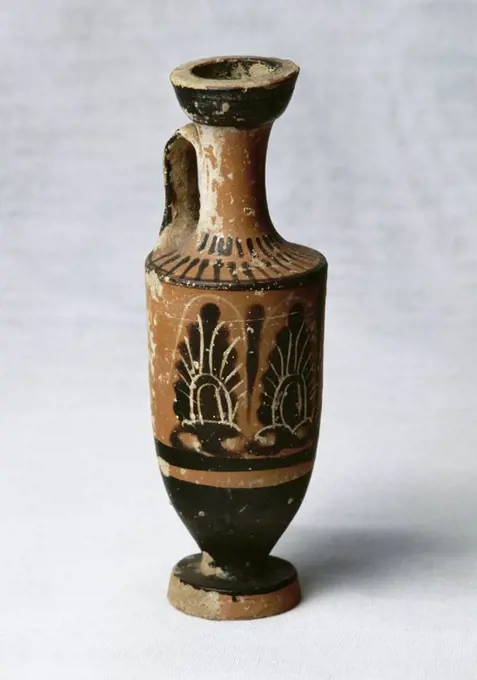
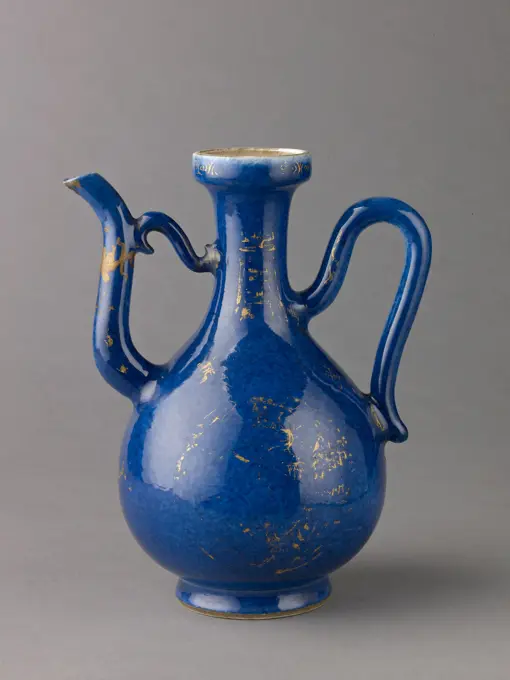
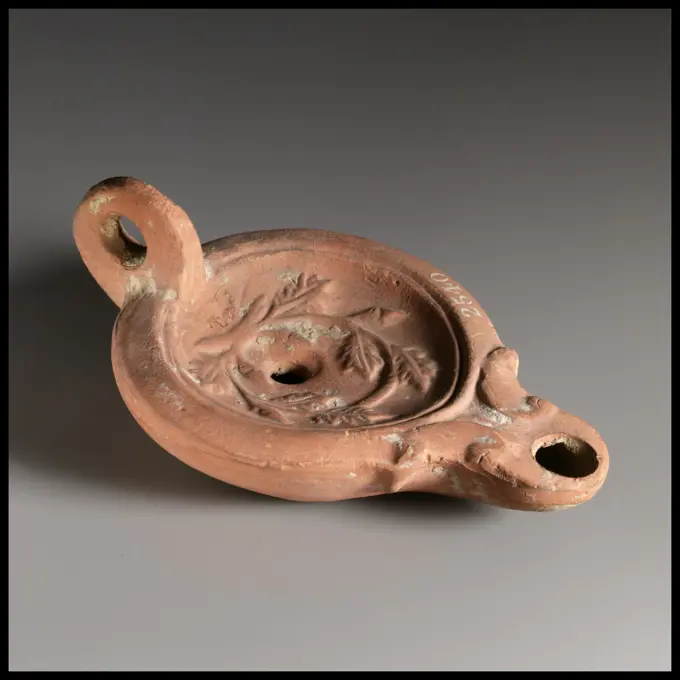
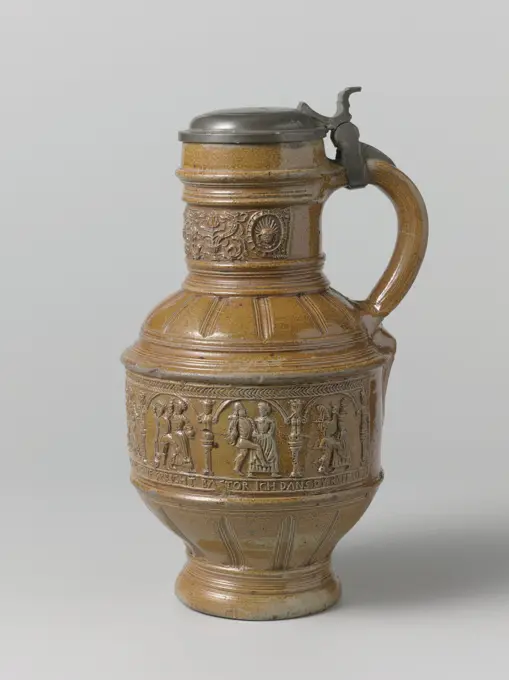
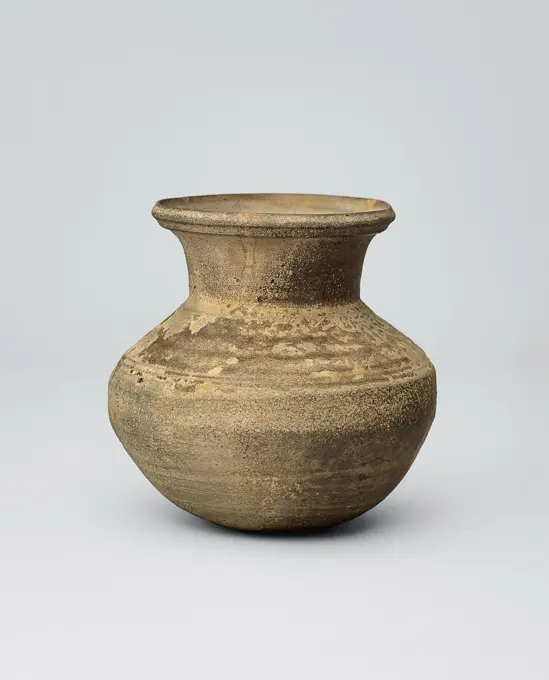
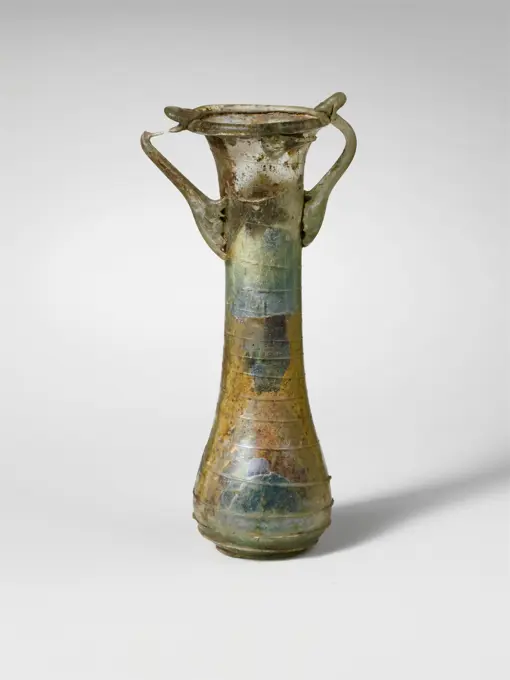
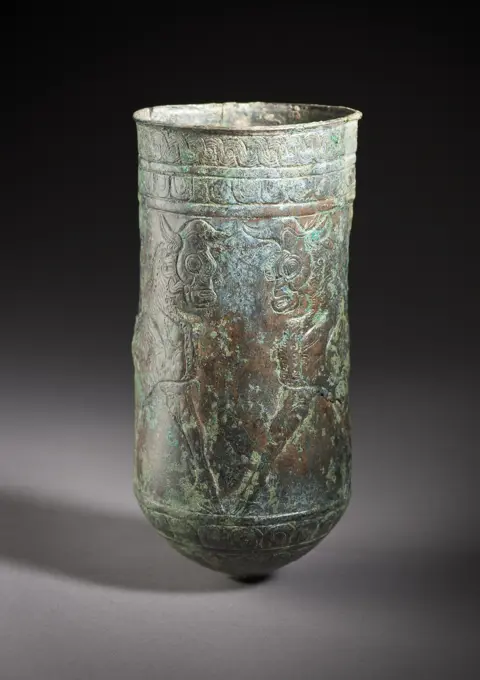
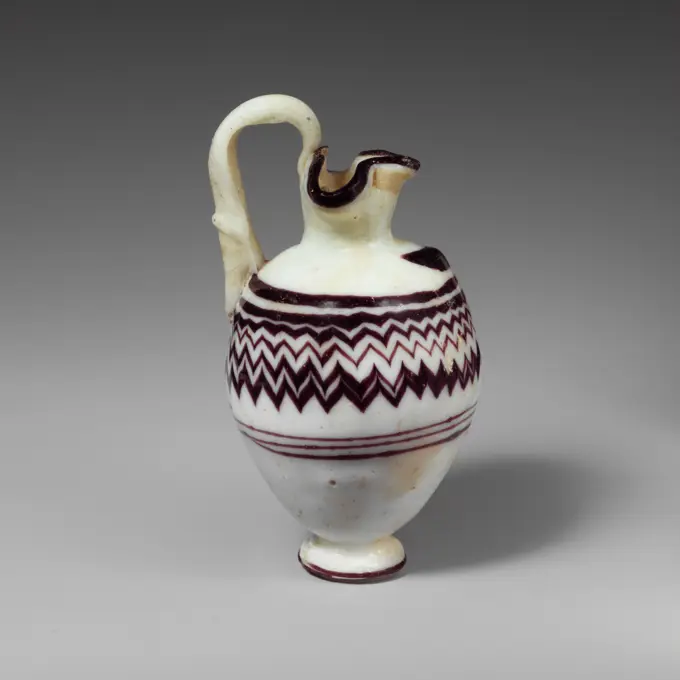
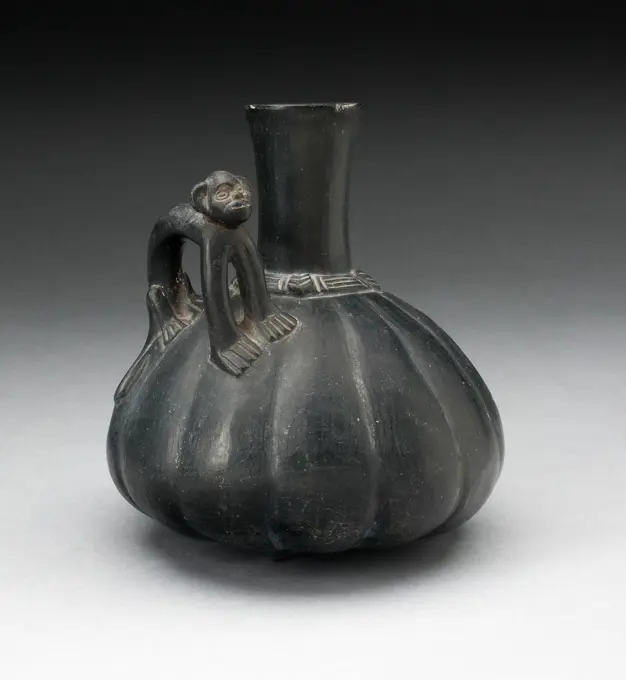
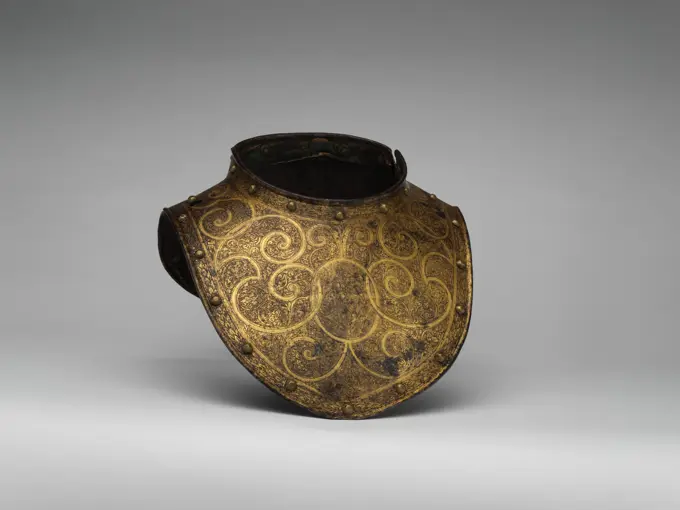
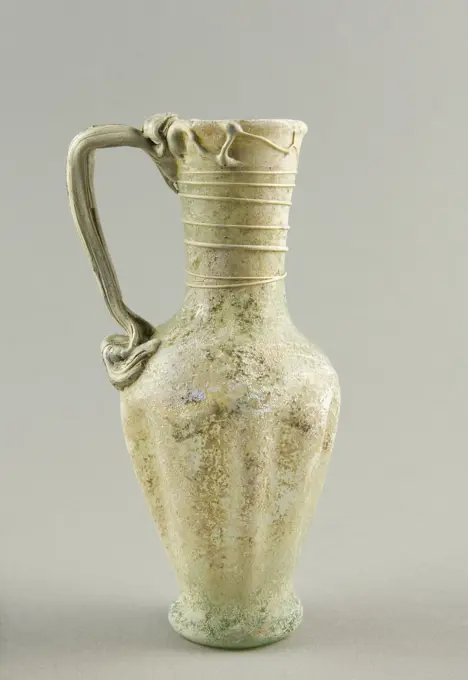
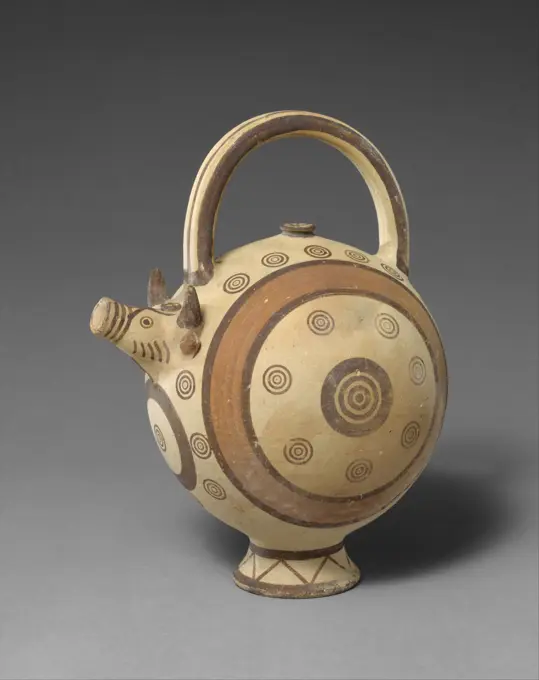
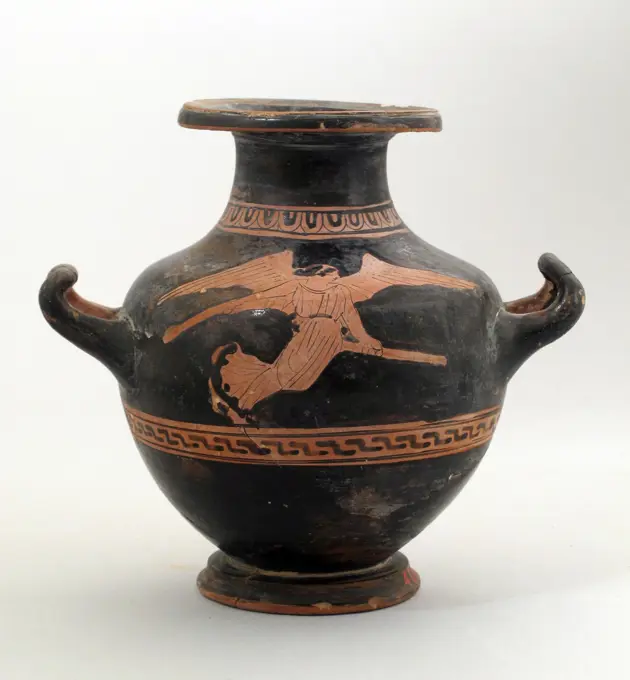
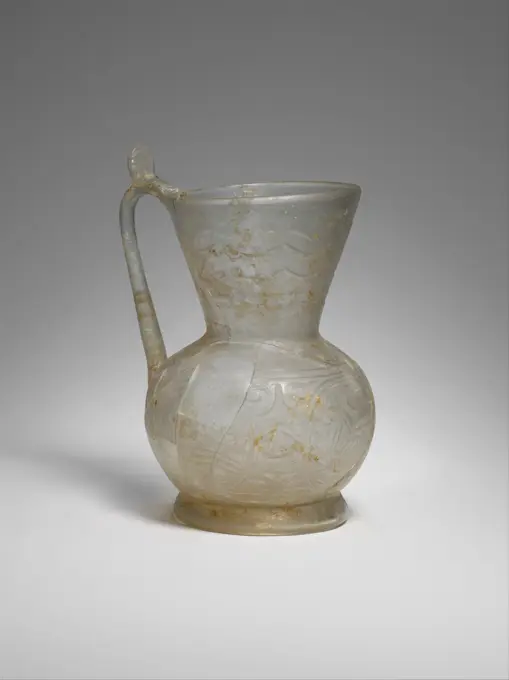
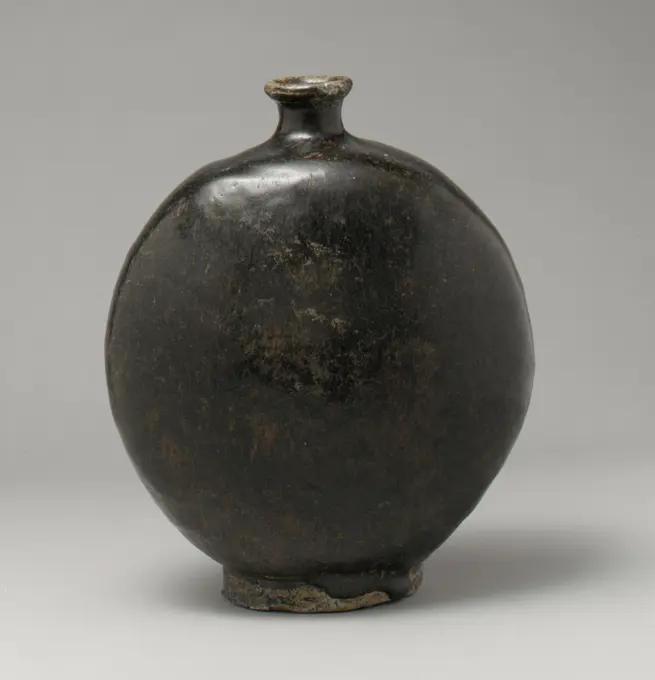
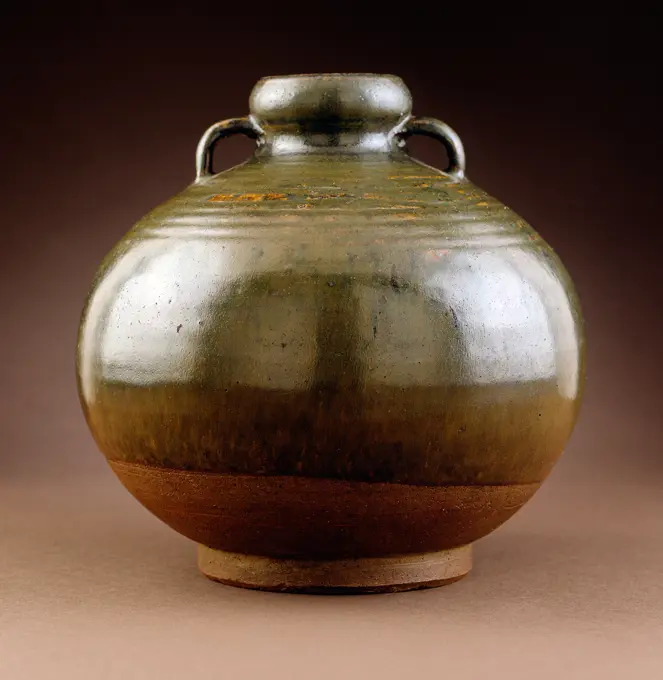
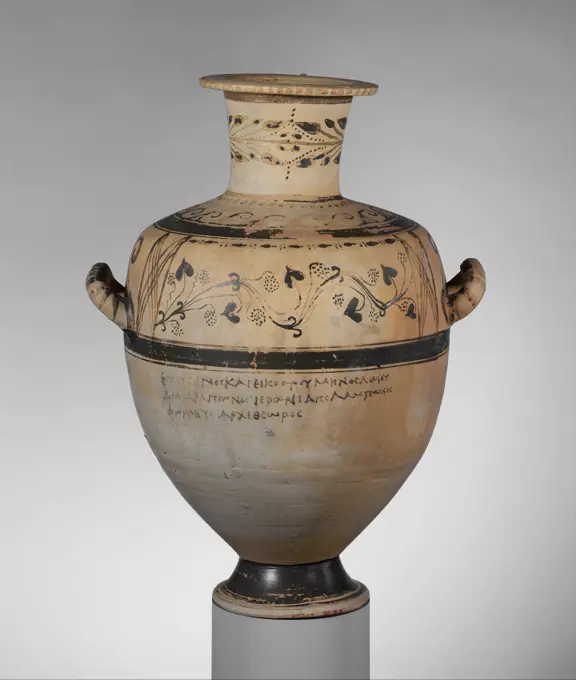
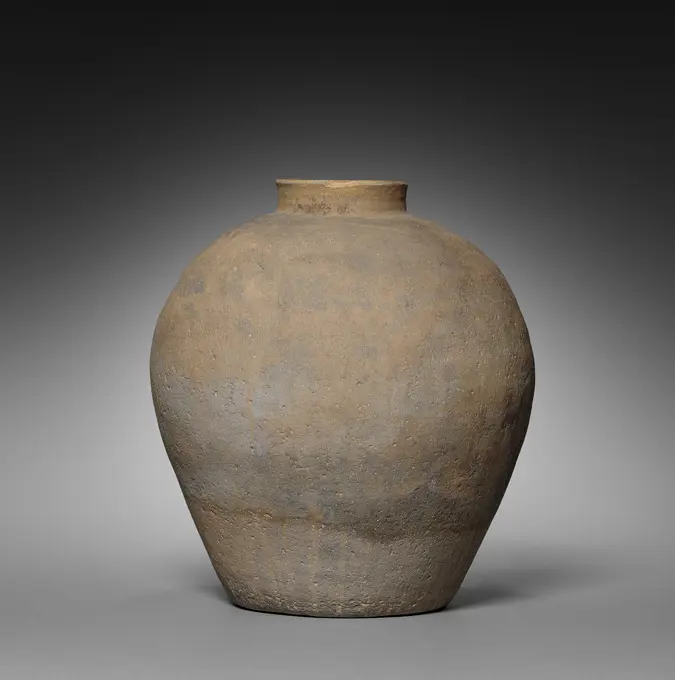
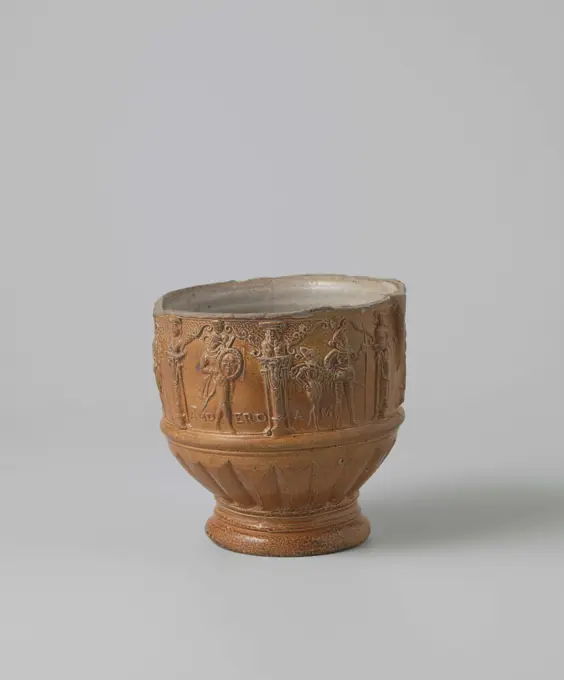
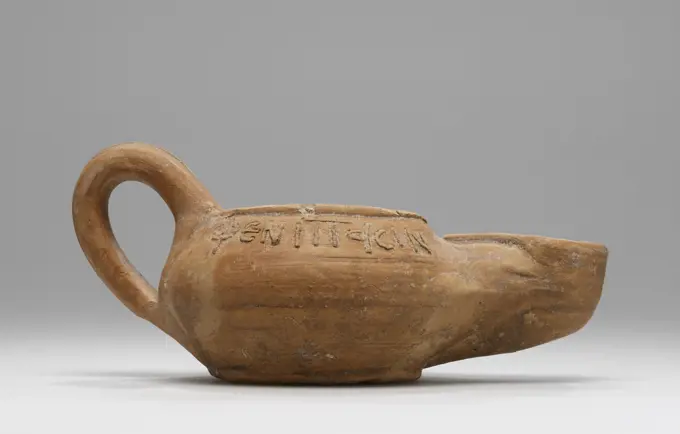
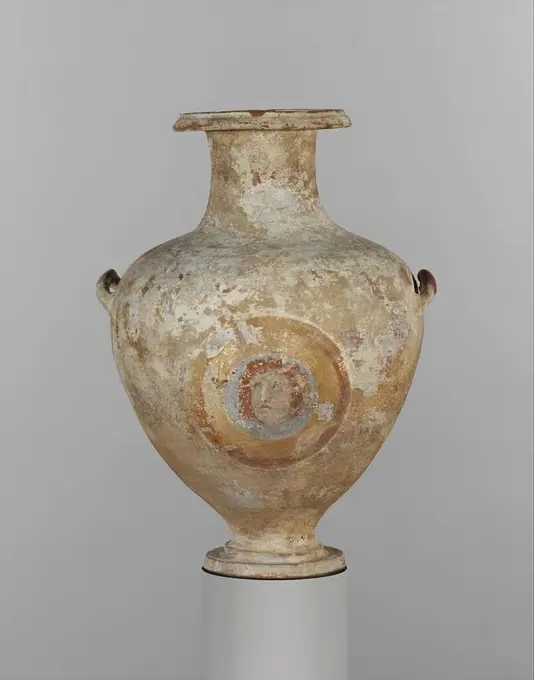
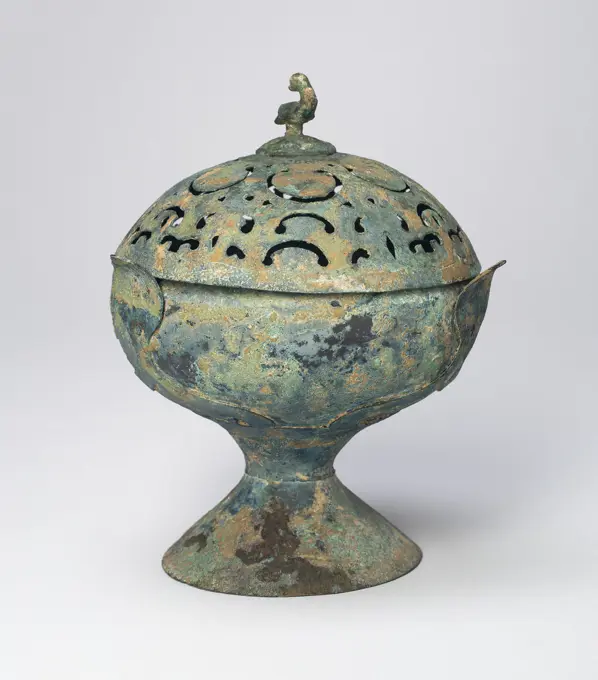
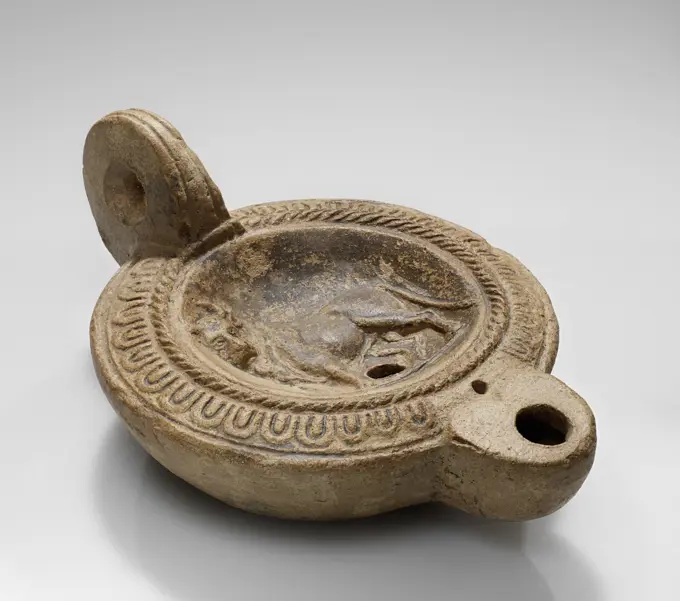
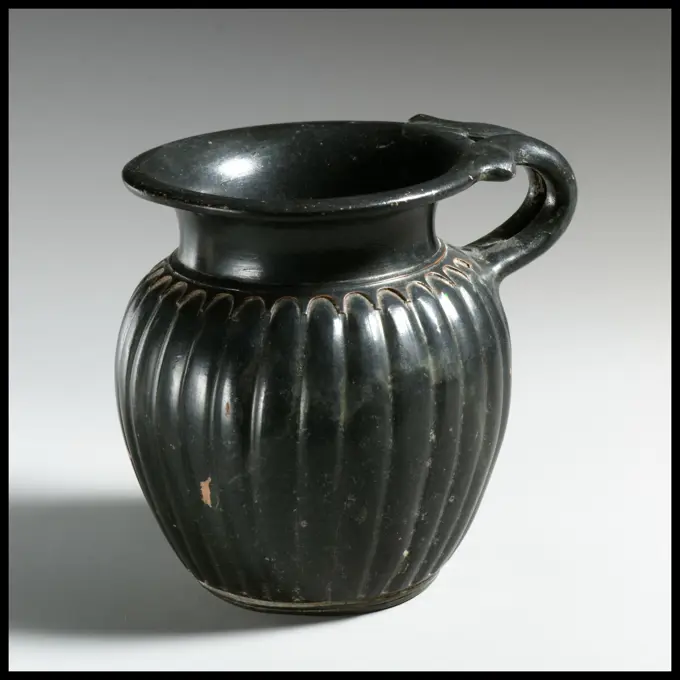
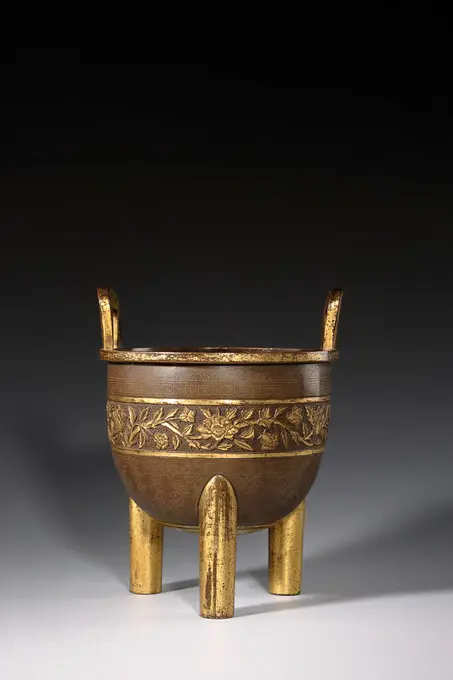
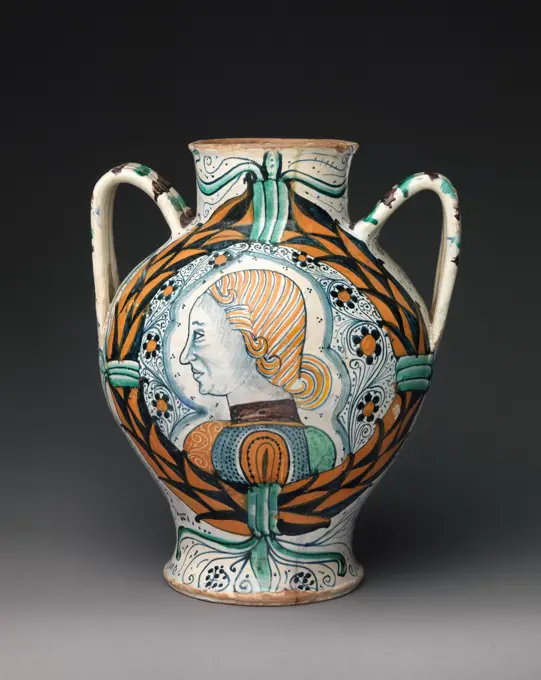
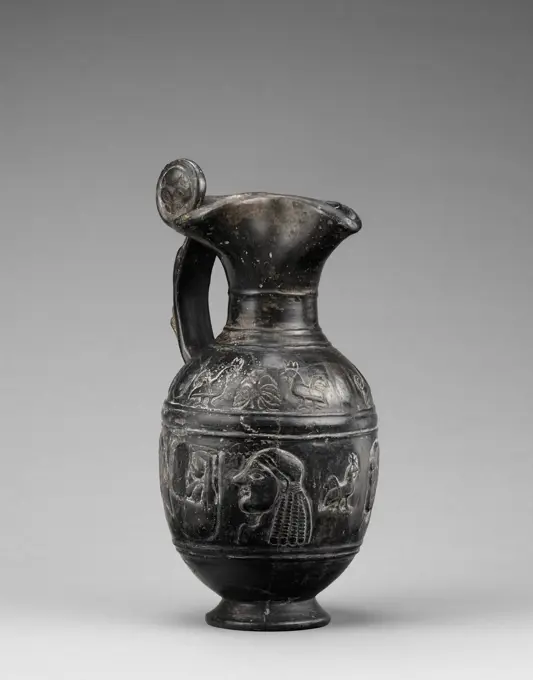
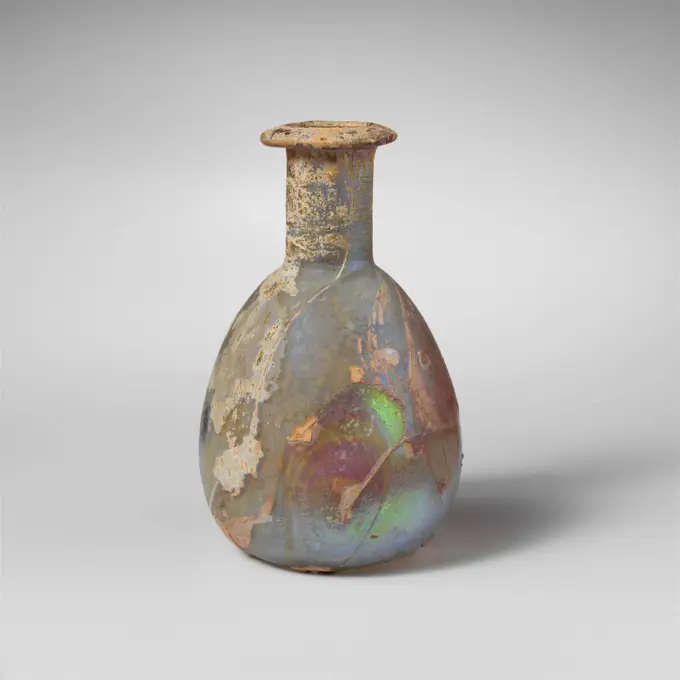
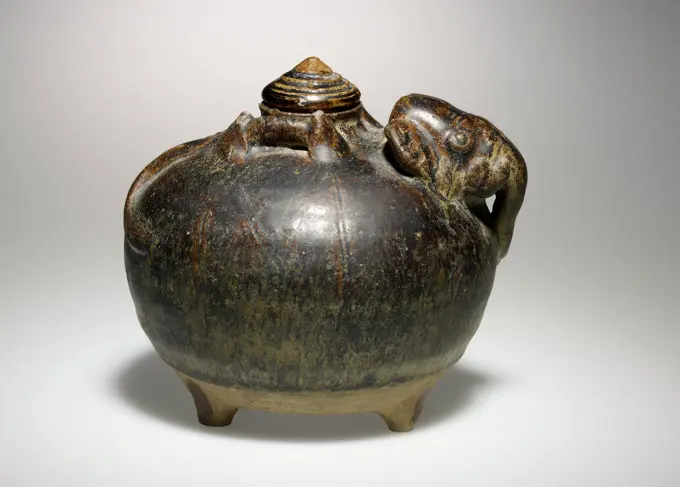
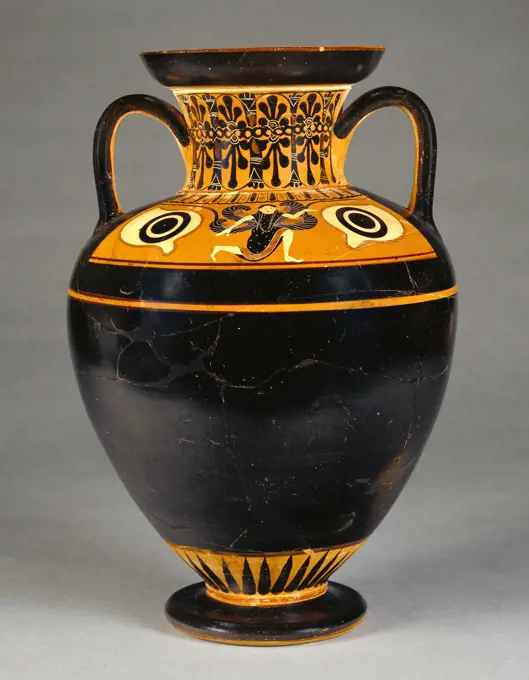
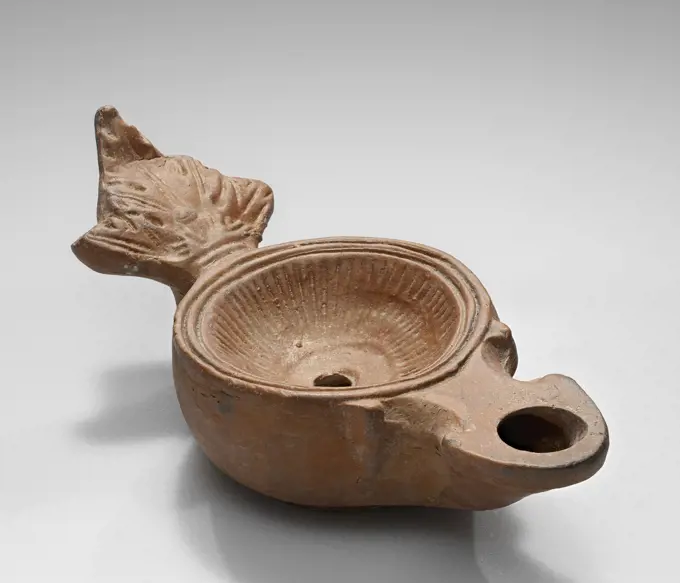
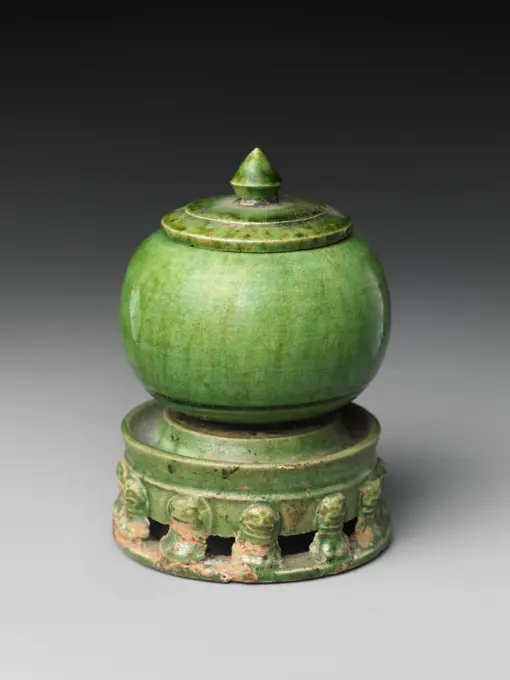
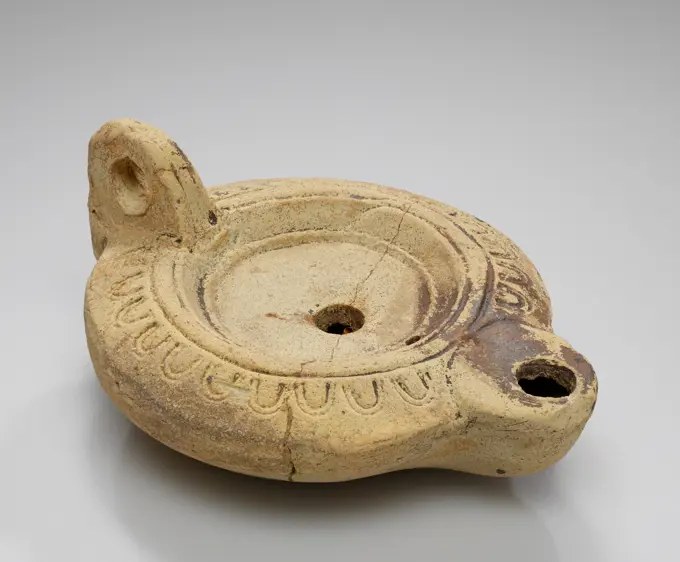
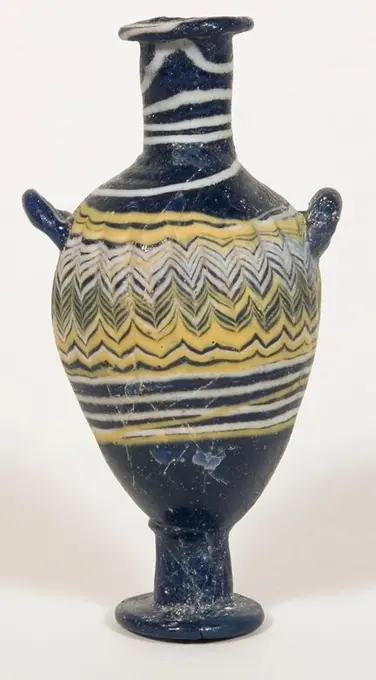
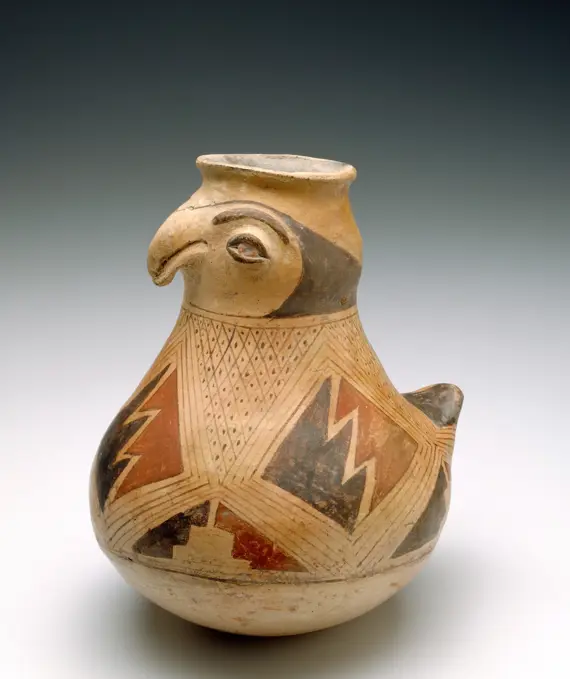
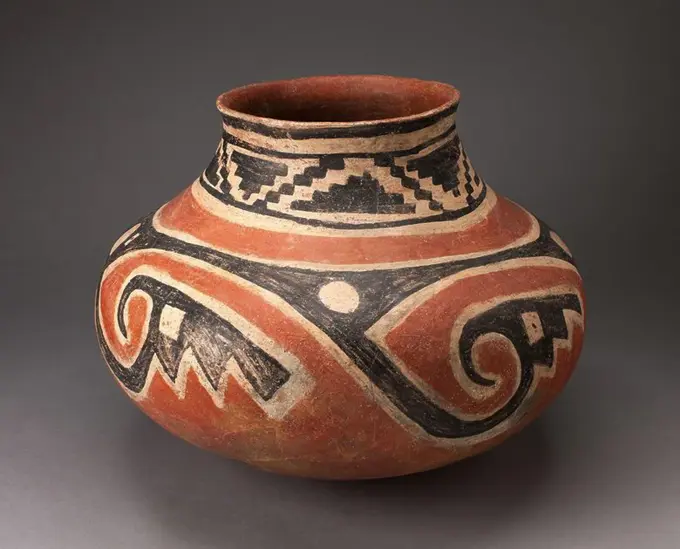
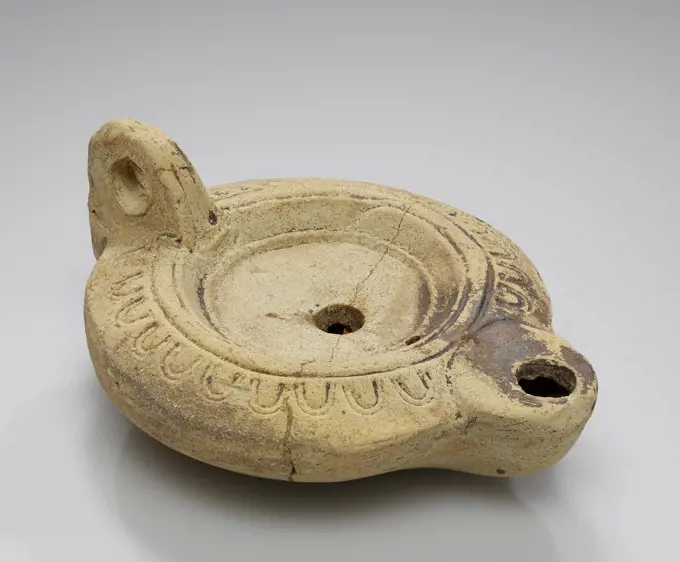
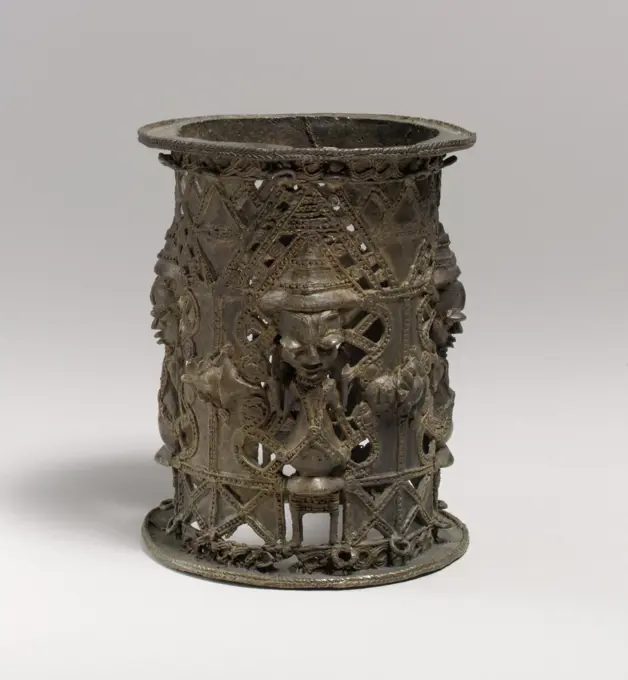
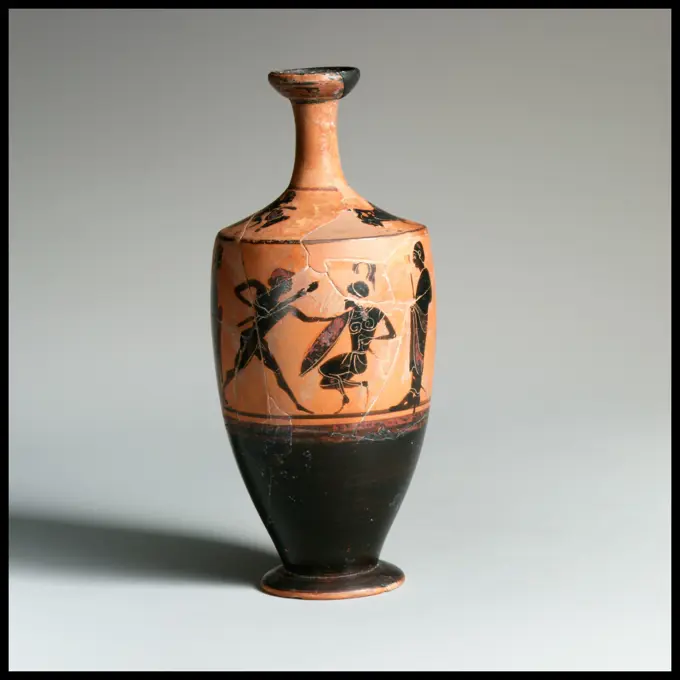
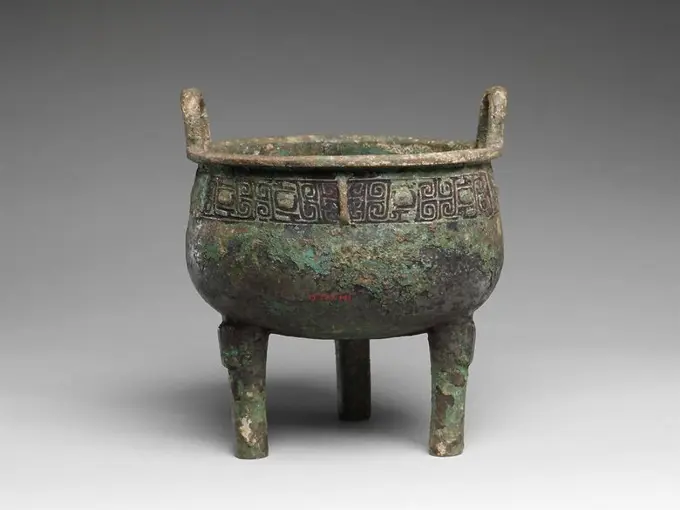
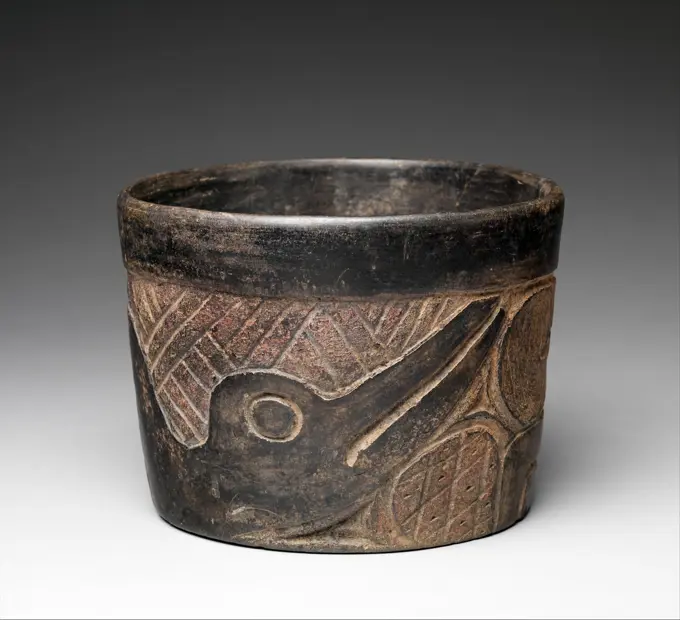
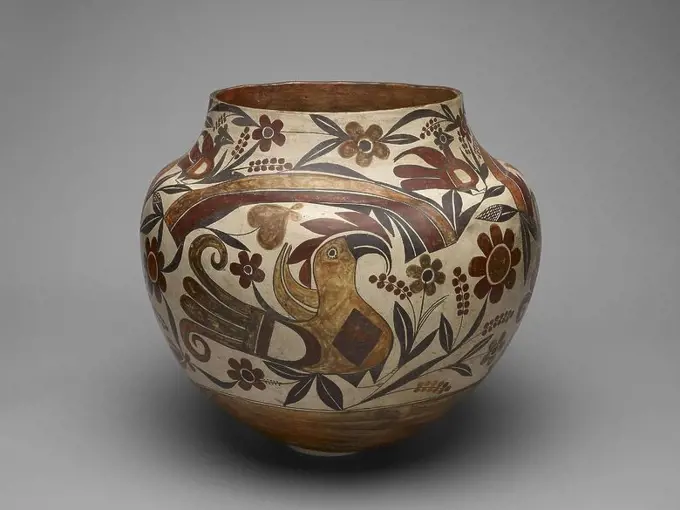
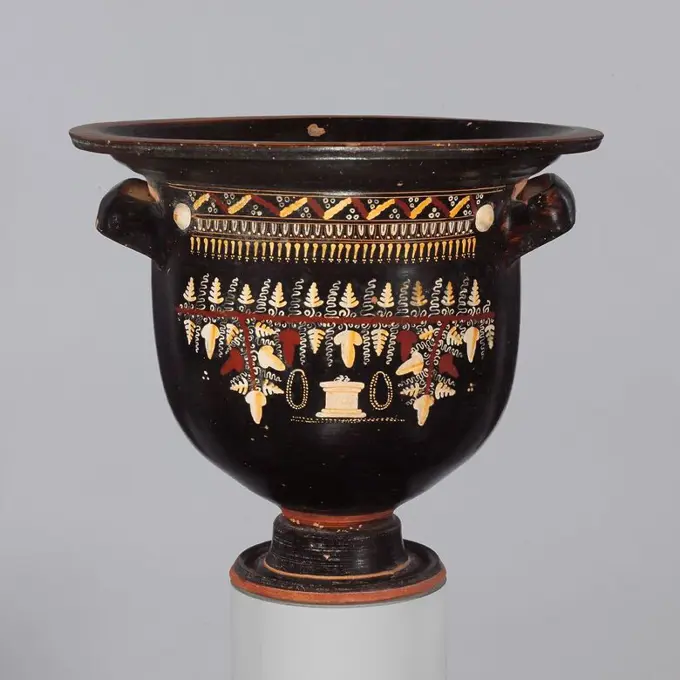
Oinochoe; Eastern Mediterranean; 6th - 4th century B.C; Glass; 8 cm (3 1,8 in.)Stoneware bullet tomb with pewter lid, appliqué and sgraffito, portrait medallion, gray glazed, bullet belly jug crockery holder soil find tin ceramics stoneware glaze salt glaze metal, hand-turned baked glazed sgraffito Stoneware bulletbayer gray shard with salt glaze profiled sausage ear with short pointy tail With tin lid. Ball round jug be used on stand foot with cylindrical neck Marked mark inside lid: crowned turdorroos with initials IF initials not sure archeology indigenous pottery import serve serve serve beer wine prince Friso Collection .O van Kerkwijk.ancient oriental metal teapot on dark background. antique bronze tableware. ancient metal utensilsHydria czarnofigurowa z przedstawieniem rodziny żegnającej wojownika. unknown, authorTerracotta jug ca. 750-600 B.C. Cypriot Horizontal and vertical circles; strainer in mouth.Cypriot strainer vases probably were influenced by Phoenician examples. They may have been used to strain herb-infused liquids, thus leaving the herbs in the jug.. Terracotta jug. Cypriot. ca. 750-600 B.C.. Terracotta. Cypro-Archaic I. VasesLamp, Asia Minor; 1st - 4th century; Terracotta; 3.1 x 9.2 x 9 cm (1 1,4 x 3 5,8 x 3 9,16 in.)Miniature Jar, 1100s. Korea, Goryeo period (918-1392). Celadon; overall: 11.4 cm (4 1/2 in.).Kantharos (Drinking Cup). Greek; Apulia, Italy. Date: 300 BC-275 BC. Dimensions: 15.4 × 18 × 13.3 cm (6 1/8 × 7 1/8 × 5 1/4in.). Terra-cotta, Late Gnathia ware. Origin: Apulia. Museum: The Chicago Art Institute, Chicago, USA. Author: ANCIENT GREEK.Wine Jug. Italian; Venice. Date: 1535-1545. Dimensions: H. 25.4 cm (10 in.). Parcel-gilt silver. Origin: Italy. Museum: The Chicago Art Institute, Chicago, USA.Lekythos decorated with palmettes. From Magna Graecia. Parfum Museum. Barcelona. Catalonia. Spain.Lamp. UnknownLamp. UnknownEwer 1662-1722 Chinese. Ewer 460715Terracotta oil lamp 1st century B.C.-1st century A.D. Roman Loeschcke Type 5. Mold-made, with ring handle. Discus: an oak wreath in high relief; a single filling hole towards back and with a band of two raised lines and a groove at edge of discus. A plain, narrow, almost horizontal shoulder. Volutes flanking nozzle. Incised ring base, and a flat base.Intact, but patches of limy accretion especially on base.. Terracotta oil lamp 241608Jug with a dancing couple, anonymous, c. 1597 - c. 1605 Jug of stoneware on high foot with a cylindrical body, round shoulder and wide neck. Profiles on the neck, the body and the foot. Covered with a brown Engobe. On the belly in relief a printed and laid bond with a farm dance. The musicians are depicted on the left with the dancing pair next to it. In the second box from the left the date '1597'. Under the band the inscription 'Gerhet dv MVS Daper Blasen So BVren as Weren Si Rasen FRS VF Spricht Bastor Ich Dans Dy Kapmhkop' and in the second box the date '1597'. The lower part of the abdomen runs slanted to the foot and, like the shoulder, has entered courses. On the neck a band in relief with vases with flower vines interrupted by masks in medallions. Raeren. Rae Stoneware. Glaze. Engobe. frame: tin (metal) vitrification  Amsterdam Jug of stoneware on high foot with a cylindrical body, round shoulder and wide neck. Profiles on the neck, the body and the foot. Covered with a brown EJar, 3rd-7th century, Unknown Japanese, 6 5/8 × 6 7/16 × 6 3/8 in. (16.83 × 16.35 × 16.19 cm), Sue ware; stoneware with flaking ash glaze, Japan, 3rd-7th century, Sue ware such as this jar was shaped on a wheel and fired in kilns reaching above 1800°F. Because they are easily damaged by heat, Sue-ware vessels were primarily intended for storage or decoration rather than cooking.Glass cosmetic flask (kohl tube) 4th century A.D. Roman, Syrian Colorless with light green tinge; handles and trail in same color.Rim folded out, over, and in; neck flaring upwards, then joining imperceptibly with slender, slightly bulbous body; flattened and slightly concave bottom; two rod handles applied in claw pads to neck, drawn up and out, and then turned in and pressed onto upper edge of rim with upward pinched projections.Single fine trail applied as a large pad below rim, drawn down and wound in a spiral eighteen times around neck, body, and outer edge of bottom.Broken at top, with losses to rim, neck, one handle, and trail; many bubbles, some large and elongated; dulling, slight pitting, thick brown weathering, and brilliant iridescence.. Glass cosmetic flask (kohl tube) 245337Jar. Western Iran, circa 1000-650 B.C.. Furnishings; Serviceware. BronzeGlass oinochoe (perfume jug) late 6th-5th century B.C. Greek, Eastern Mediterranean Opaque white, with handle and foot in same color but with some purple streaks; trails in translucent purple.Applied broad trefoil rim-disk, with edge of mouth projecting above inside of rim-disk; short, slightly-square shaped, concave neck; broad sloping shoulder; large ovoid body; applied outsplayed foot with uneven slightly convex bottom; handle attached as a large flattened pad to top of body over trail decoration, drawn up and slightly out, then turned in, arching well above rim-disk, then down and pressed on to back of neck below rim.One trail attached at edge of rim-disk; a second thick trail wound horizontally twice around shoulder and top of body, then tooled into a close-set zigzag pattern around upper half of body; below this, a third, fine trail wound horizontally three times around body; finally, a fourth unmarvered trail wound around edge of foot.Intact; some dulling and pitting, and patcheHandled Brownware Jug with Bird Impressed on Side Made 1000-1400 North Coast. Ceramic and pigment . ChimúGourd-Shaped Blackware Jar with Standing Puma on Shoulder 200 BCE-200 CE Northern Peru. Ceramic and pigment . SalinarGorget ca. 1600 French The medallion on the front encloses a figure of Mars, god of war; on the back is the figure of Minerva, goddess of wisdom.. Gorget. French. ca. 1600. Steel, gold. Armor Parts-ColletinsGlass beaker signed by Jason. Culture: Roman, Syro-Palestinian. Dimensions: Height: 3 9/16 in. (9.1 cm)Diameter: 2 9/16 × 2 1/2 in. (6.5 × 6.4 cm). Date: mid-1st century A.D..Translucent blue green.Outsplayed knocked-off rim with indent below; body with convex sides, tapering downwards; thick flat bottom, recessed within rounded edge.Three-part mold with two vertical sections joined to cup-shaped bottom section, forming decoration in relief on sides and bottom; two horizontal ridges above central frieze containing two Greek inscriptions, each in two lines and divided vertically by a stylized palm frond; below frieze, three more horizontal ridges; near bottom on cup section of mold, two more horizontal ridges; on bottom, raised circle surrounding central depression with small boss.Intact except for one chip in rim; blowing striations and many pinprick bubbles; dulling, pitting, and brilliant iridescent weathering on exterior, and creamy brown weathering and soil encrustation on intLamp. UnknownApothecary jar (albarello) Italian, Faenza ca. 1480-90 View more. Apothecary jar (albarello). Italian, Faenza. ca. 1480-90. Maiolica (tin-glazed earthenware). Ceramics-PotteryJar with Strap Handle Depicting Abstract Figure, Possibly a Monkey, with Plants. Nazca or Tiwanaku-Wari; South coast, Peru. Date: 600 AD-1000. Dimensions: 18.3 x 13.7 cm (7 3/16 x 5 3/8 in.). Ceramic and pigment. Origin: Peru, southern. Museum: The Chicago Art Institute, Chicago, USA.Terracotta askos (flask with a spout and handle over the top) 4th century B.C. Greek, South Italian, Campanian On the top, a Greek fighting an Amazon. Terracotta askos (flask with a spout and handle over the top) 248098Pottery grape on three legs, two ears, decorated with two ribs over the shoulder, grape cooking pot tableware holder kitchenware earthenware ceramics earthenware glaze lead glaze, hand-turned glazed baked Pottery grape on three legs. Ball round light stocked model with large neck opening. Outstanding neck edge with lid slot. Red shard very sparingly glazed Decorated with two ribs around the shoulder Misbaksel: through small hole in the bottom glaze has flowed during baking. The pot is probably always leak archeology Geervliet Bernisse indigenous pottery food preparation cooking kitchen pottery craft Soil discovery: Geervliet pit 1 top layer demolition Trouw.Oinochoe ca. 500 B.C. Attributed to the Class of the Red-Bodied Oinochoai III Woman and youth.. Oinochoe. Greek, Attic. ca. 500 B.C.. Terracotta; black-figure. Archaic. VasesPitcher 101 CE-200 CE Syria. Glass, blown technique . Ancient RomanTerracotta trick vase ca. 750-600 B.C. Cypriot One of the most winning pieces in the Cesnola Collection, the vase is in the form of a bull. It was filled through the hollow foot and emptied through the hole in the bull's mouth, which is a spout modified into a head. Trick vases of this kind first appear in Cypro-Geometric pottery.. Terracotta trick vase 240171Hydria, miniature late 5th century B.C. Greek, Attic Nike with two torches.. Hydria, miniature. Greek, Attic. late 5th century B.C.. Terracotta; red-figure. Classical. VasesEwer with Birds and Animals 10th century This ewer decorated with quadrupeds and birds in roundels, probably made in Nishapur, is one of the best examples of glass vessels with wheel-cut designs. The two roundels on either side of the handle show long-tailed birds, and the third bears a crouching lion. While this was the only glass vessel found at Nishapur with a pattern of roundels around its body, the decoration type is known from other examples of Sasanian and Islamic metalwork, textiles, ceramics, and glass. Broken when excavated, it has been reassembled from approximately twenty pieces and its surface retains slight traces of iridescence.. Ewer with Birds and Animals 449633Flask-shaped bottle late 15th-early 16th century Korea This type of iron-glazed bottle was produced at the same kilns at which buncheong ware was created.. Flask-shaped bottle. Korea. late 15th-early 16th century. Stoneware with iron-black glaze. Joseon dynasty (1392-1910). CeramicsSquat lekythos. Culture: Greek, Attic. Dimensions: Diameter: 2 1/8 × 1 5/16 × 1 9/16 in. (5.4 × 3.3 × 4 cm)Height: 4 5/16 in. (11 cm). Date: 4th century B.C.. Museum: Metropolitan Museum of Art, New York, USA.Glass double head-shaped flask 3rd century A.D. Roman Translucent purple.Rim folded out, round, and in; flaring mouth; cylindrical neck, tapering downwards, with shallow irregular indents; plastic body; uneven, squarish bottom with rounded edges. Mold seams visible at sides of head, extending to base of neck.Body in the shape of two heads, back to back, with similar features; hair in vertical strands across forehead and longer flowing locks to either side of face, extending to neck; prominent forehead, indistinct sunken eyes, broad nose, plump round cheeks, large mouth, and rounded chin; below chin, collar-like strap.Intact, but internal crack across one face; dulling, pitting, creamy brown weathering, and brilliant iridescence.. Glass double head-shaped flask 245744Terracotta mug. Culture: Greek, South Italian, Apulian. Dimensions: H. 4 3/16 in. (10.6 cm). Date: 4th century B.C..Ribbed with handle. Museum: Metropolitan Museum of Art, New York, USA.Lekythos. 7th c. BC. Archaic Greek art. Ceramics. SPAIN. MADRID (AUTONOMOUS COMMUNITY). Madrid. National Museum of Archaeology. Proc: GREECE. ATTICA.Globular Bottle with Two Shoulder Lugs. Thailand, Sawankhalok, circa 1400-1600. Furnishings; Accessories. Wheel-thrown stoneware with incised and applied decoration and dark green glazeTerracotta Hadra hydria (water jar) 226-225 B.C. Greek, Ptolemaic, Cretan The inscription on the front gives the name of the deceased whose cremated bones were placed inside it. He was Hieronides of Phocaea, who died while leading an embassy to the royal court of Ptolemy III Euergetes (246-221 B.C.).. Terracotta Hadra hydria (water jar) 245543Lamp. UnknownJar, 5 3/16 x 5 5/16 in. (13.18 x 13.49 cm), Glazed pottery, GuatemalaBurial Urn with Cover, AD 300s-500s. Korea, Three Kingdoms period (57 BC-668 AD). Earthenware with impressed design; diameter: 42.8 cm (16 7/8 in.); overall: 56.8 cm (22 3/8 in.). Produced in closed kilns built on hillsides during the Three Kingdoms period, this lidded jar once contained the cremated remains of the dead. This type of burial jar became widespread after the introduction of Buddhism, as cremation became a common practice in Korea.Glass perfume bottle 1st-2nd century A.D. Roman Colorless with pale blue green tinge.Rounded rim, flattened on upper surface; flaring mouth; cylindrical neck, tapering downwards, with deep tooled indent around base; elongated ovoid body; small, round bottom.Intact; many pinprick bubbles; dulling, slight pitting, and patches of iridescent weathering on exterior, soil encrustation and creamy brown weathering on interior.. Glass perfume bottle 244682Vessel with Youths and Their Dogs; Attributed to the Kleophrades Painter (Greek (Attic), active 505 - 475 B.C.); Athens, Greece; about 490 B.C; Terracotta; 40.6 × 38.4 × 31 cm (16 × 15 1,8 × 12 3,16 in.)Lamp. UnknownCan. Can be from stoneware. Decorated with a wide border and divided into courses by Cariatiways, in which soldier figures.Lamp, Asia Minor; 1st - 4th century; Terracotta; 3.2 x 6.6 x 11.5 cm (1 1,4 x 2 5,8 x 4 1,2 in.)Terracotta Hadra hydria (water jar). Culture: Greek, Ptolemaic, Egyptian. Dimensions: H. 15 15/16 in. (40.5 cm)diameter 10 15/16 in. (27.8 cm). Date: 3rd century B.C..On the body of the vase is a representation of a shield decorated with the head of the gorgon Medusa. The white slip and polychrome painting were probably added when the hydria was re-used as a cinerary urn, with the shield serving to protect the remains of the deceased. Unlike the other Hadra hydria displayed here, this vase was probably of local manufacture. Museum: Metropolitan Museum of Art, New York, USA.Coverpot, Anonymous, 1200 - 1499  Sawankhalok stoneware. earthenware. vitrification  Sawankhalok stoneware. earthenware. vitrificationKoro, 1736-95. China, Qing dynasty (1644-1912), Qianlong reign (1735-1795). Jade; overall: 17.6 cm (6 15/16 in.).Incense Burner (Xunlu or Xianglu) Artist's working dates 25 CE-220 CE China. Bronze .Ewer. Culture: Italian, Venice. Dimensions: H. 8 in. (20.3 cm.); W. 7 1/4 in. (18.4 cm.); D. 5 1/2 in. (14.0 cm.). Date: late 15th-early 16th century. Museum: Metropolitan Museum of Art, New York, USA.Terracotta beak-spouted jug. Culture: Late Villanovan. Dimensions: H.: 12 1/2 in. (31.8 cm). Date: ca. 750-690 B.C..The distinctive beak-spout of this jug indicates that it is a local imitation of a type imported to Italy from the Eastern Mediterranean with increasing frequency into the seventh century B.C. This particular type, with split handle and modeled ribs, was especially popular in Bisenzio, during the transition between Villanovan and Early Etruscan culture. Museum: Metropolitan Museum of Art, New York, USA.Lamp. UnknownRitual barrel, anonymous, c. -300 - c. -200 Vat (hu) of bronze, with chain. China bronze (metal) Vat (hu) of bronze, with chain. China bronze (metal)Terracotta mug 4th century B.C. Greek, South Italian, Apulian Ribbed with handle.. Terracotta mug 255793Bottle with Christian Symbols. Syria-Palestine, 5th to early 7th century. Furnishings; Accessories. Mold-blown glassLamp. UnknownDing-type censer with three tall column-shaped legs with two handles. unknown, craftsmanBasin. Dimensions: H. 6 1/2"DIam. 11 1/2". Date: 14th century. Museum: Metropolitan Museum of Art, New York, USA.Two-handled pharmacy or storage jar with arms of the Orsini family and profile head of a man ca. 1460-80 Italian, probably Deruta The arms of the Orsini, a powerful Roman family, appear on one side of this jar, while the profile of a young man is delicately painted on the other. Numbers scratched into the underside note its weight when emptyuseful information when measuring goods.. Two-handled pharmacy or storage jar with arms of the Orsini family and profile head of a man 199733Trefoil Oinochoe. UnknownArmorial Jar. UnknownVase China This vase is one of four, each with a subtly different shape, included in a set of eight accoutrements designed for display on a writing table. Such sets are thought to have been made as gifts for officials working at court.. Vase 52049Glass perfume bottle 1st century A.D. Roman Translucent pale blue green.Rim folded out, over, and in, with beveled upper surface; short cylindrical neck, with tooling marks around base; ovoid body; slightly concave bottom.Complete, but with cracks in neck; pinprick bubbles and blowing striations; deep pitting, brilliant iridescence, and patches of creamy weathering.. Glass perfume bottle 244643Lime jar with elephant motif, 1st century BCE - 1st century CE, 5 1/2 x 5 7/8 x 5 7/16 in. (13.97 x 14.92 x 13.81 cm), Glazed ceramic, Thailand, 1st century BCE - 1st century CEKrater czarnofigurowy kolumienkowy z przedstawieniem delfinów wyskakujących ponad sfalowaną powierzchnię wody. nieznany warsztat attycki, authorStorage Jar with Medusa; Attributed to Class of Neck Amphorae with Shoulder Pictures; Athens, Greece; about 530 - 520 B.C; Terracotta; 37.1 × 25.1 cm (14 5,8 × 9 7,8 in.)Vessel (Ding) China. Vessel (Ding). China. Bronze. late Shang or early Western Zhou (ca. 1600-771 B.C.). MetalworkLamp, South Anatolia, Anatolia; 1st century B.C. - 4th century A.D; Terracotta; 3.4 x 5.6 x 12 cm (1 5,16 x 2 3,16 x 4 3,4 in.)Miniature covered jar and inkstone” early 8th century China. Miniature covered jar and inkstone” 50973Lamp. UnknownBottle. Eastern Mediterranean or Italian. Date: 350 BC-250 BC. Dimensions: 10.5 × 5.4 × 4.3 cm (4 1/8 × 2 1/8 × 1 11/16 in.). Glass, core-formed technique. Origin: Eastern Mediterranean Region. Museum: The Chicago Art Institute, Chicago, USA. Author: Ancient Eastern Mediterranean.Wine Container (Pou) China. Wine Container (Pou) 61059Terracotta lid. Culture: Etruscan. Dimensions: H.: 4 3/4 in. (12.1 cm). Date: ca. 550 B.C..Cover of a vase in shape of a bearded head. Museum: Metropolitan Museum of Art, New York, USA.Alabaster one-handled jug ca. 1600-1050 B.C. Cypriot The jug has a globular belly and a disk-shaped foot. The upper end of the handle extends in low relief around the top of the neck. The lower end of the handle terminates in a short projection.. Alabaster one-handled jug 243987Bird Effigy Pot, c. 1000-1300, 7 5/8 x 5 7/8 x 5 7/8 in. (19.4 x 14.9 x 14.9 cm), Clay, pigments, Mexico, 12th-13th centuryDeep Vessel with Handles 3500-2500 BC Japan. Deep Vessel with Handles. Japan. 3500-2500 BC. Earthenware with carved and incised decoration. Middle Jmon period (ca. 3500-2500 B.C.). CeramicsTerracotta spindle bottle. Culture: Cypriot. Dimensions: H. 11 15/16 in. (30.3 cm). Date: 1600-1050 B.C..inscribed on the bottom. Museum: Metropolitan Museum of Art, New York, USA.Jar. Cibola, Four Mile Polychrome, White Mountain Red Ware; Cibola region, east-central Arizona, United States. Date: 1300-1400. Dimensions: 35.6 × 38.1 cm (14 × 15 in.). Ceramic and pigment. Origin: Arizona. Museum: The Chicago Art Institute, Chicago, USA.Lamp, North Africa; 1st - 4th century; Terracotta; 2.3 x 8 x 10.5 cm (7,8 x 3 1,8 x 4 1,8 in.)Bracelet 15th-19th century Yoruba peoples, Ijebu group As early as the fifteenth century, the Yoruba kingdom of Ijebu was a major brass-casting center that cast metalworks for a wide range of courtly and religious contexts. Bracelets like this one were created for elites such as rulers and priests as well as members of the Osugbo society. Male and female Osugbo officials were charged with a judiciary role and regulated chiefly succession. While many such items of worldly finery accompanied their owners to the grave, others were cherished heirlooms passed down to successive generations.The style of representation evident in the ornamentation of this especially elaborate armlet is characteristic of the Ijebu sculptural style, which employs sinuous line and open space to create delicate patterns of exceptional complexity. Four figures dressed in conical hats, crossed bandoliers, and wrappers are arrayed evenly across the surface. Their bulging foreheads display twin crescent marks, indicaTerracotta oil lamp. Culture: Roman. Dimensions: Overall: 1 7/8 x 3 3/4 in. (4.8 x 9.5 cm). Date: 2nd century A.D..Loeschcke Type 8. Ring handle. Mold-made. Discus: oak wreath. Shoulder: ovules. Museum: Metropolitan Museum of Art, New York, USA.Mug 4th century B.C. Attributed to the Xenon Group. Mug 255328Vase 1882-90 Ott and Brewer. Vase 19067Terracotta hemispherical cup. Culture: Minoan. Dimensions: H. 2 13/16 in. (7.2 cm)Diameter 4 3/4 in. (12.1 cm). Date: ca. 1525-1450 B.C..Leaf decoration and bands. Museum: Metropolitan Museum of Art, New York, USA.Bell. Northeastern Thailand, Ban Chiang culture, 300 B.C.-A.D. 150. Tools and Equipment; musical instruments. Copper alloyJug 'Bartmann jug' with the coat of arms of England, anonymous, c. 1550 - c. 1570 Jug of stoneware on stand ring with a spherical body and narrow neck. The C-shaped ear is attached to the neck and shoulder. Two profiles and a bearded man on the neck; The beard continues over the body. On the belly in relief three times a medallion with the printed and imposed weapon of England (Tudor). Raeren. Rae stoneware. glaze vitrification Jug of stoneware on stand ring with a spherical body and narrow neck. The C-shaped ear is attached to the neck and shoulder. Two profiles and a bearded man on the neck; The beard continues over the body. On the belly in relief three times a medallion with the printed and imposed weapon of England (Tudor). Raeren. Rae stoneware. glaze vitrificationSquat Jar with Dots. Cambodia, Khmer, circa 1000-1200. Furnishings; Serviceware. Wheel-thrown stoneware with applied and incised decoration and brown glazeTerracotta lekythos (oil flask) ca. 500 B.C. Greek, Attic Herakles fighting Kyknos; on the shoulder, Herakles and the Lion. Terracotta lekythos (oil flask). Greek, Attic. ca. 500 B.C.. Terracotta; black-figure. Archaic. VasesTerracotta amphora (jar) 2nd half of 1st century A.D. Roman Red glazed vase with two handles and incised lines on shoulder; terra sigillata.. Terracotta amphora (jar). Roman. 2nd half of 1st century A.D.. Terracotta; Eastern Sigillata A ware. Early Imperial. VasesWine Cup (Zhi) 13th century B.C. China. Wine Cup (Zhi) 53951Vessel (Ding). Culture: China. Dimensions: H. 8 1/8 in. (20.6 cm); W. 7 in. (17.8 cm). Museum: Metropolitan Museum of Art, New York, USA.Greek civilization, Helladic period, 11th-8th century b.C. Matt-painted pitcher decorated with geometric patterns, early Iron Age. From the tumuli necropolis of Dion.Relief-Carved Bowl 12th-9th century B.C. Olmec A potter built this slightly outflaring blackware bowl using the coil technique and painted the surface with a dark slip composed of minerals dissolved in water. Either when leather hard or after firing, an artist created an intricate design around the body of the vessel featuring a long-beaked bird and scroll motifs distinguished from gouged surfaces incised with crosshatching and circular patterns. The bird is stylized simply with a single incised surface representing the eye as it looks upward. Avian imagery in Olmec art served to harness the powers of raptors or waterbirds and transfer it to powerful objects. The contrast in surface texture lends the vessel special appeal and almost gives a sense of the bird in a specific place or context. Olmec ceramic vesselsranging from elegant, simple forms with well-finished surfaces to sculpted naturalistic effigies to those with complex carved or incised imageryhave survived in large numbers bBowl. Iran (), Modern. Furnishings; Serviceware. CeramicPolychrome Jar with Rainbow, Macaw, and Floral Motifs. Acoma; Acoma Pueblo, New Mexico, United States. Date: 1880-1889. Dimensions: 42.6 × 46.7 cm (16 3/4 × 18 3/8 in.). Ceramic and pigment. Origin: New Mexico. Museum: The Chicago Art Institute, Chicago, USA.. Pear-shaped brown jug of pottery with a pewter lid. Only decorated with line ornament.Terracotta bell-krater (mixing bowl). Culture: Greek, South Italian, Apulian, Gnathian. Dimensions: H. 10 7/8 in. (27.6 cm). Date: ca. 350-300 B.C..Altar and wreaths below a grapevineThe motifs depicted here are more than purely decorative. The pendants reflect a contemporary predilection for embellishing vases with necklaces. This tradition continued even into Roman painting--note the Black Bedroom from Boscotrecase. The grapevine here alludes to Dionysos, god of wine, while the altar may indicate his connection with the theater. Museum: Metropolitan Museum of Art, New York, USA.