Ancient Terracotta Jugs

A range of terracotta jugs from various ancient cultures, featuring intricate designs and varying ages, reflecting historical pottery craftsmanship.
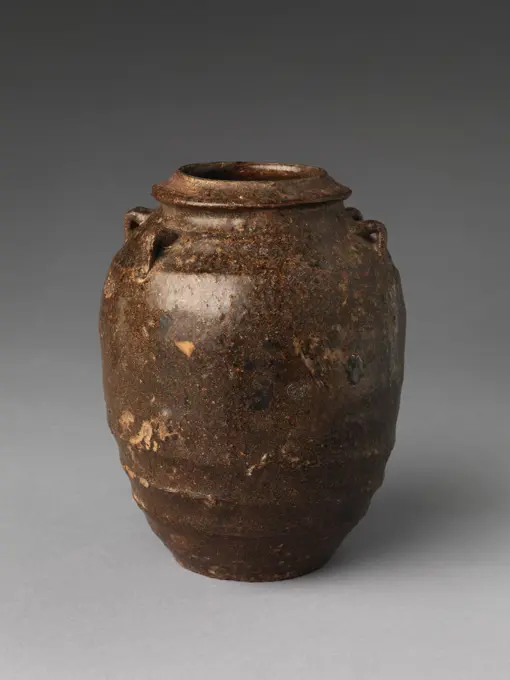
Jar 18th century Japan. Jar. Japan. 18th century. Clay covered with mottled glaze (Seto ware). Edo period (1615-1868). Ceramics
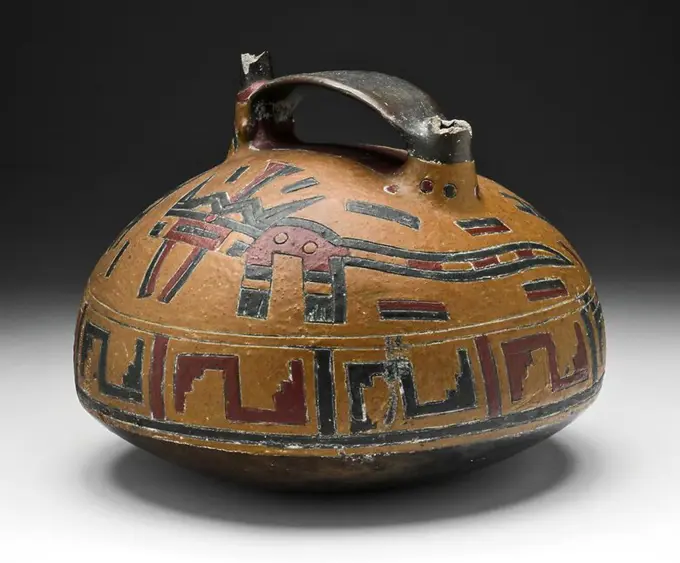
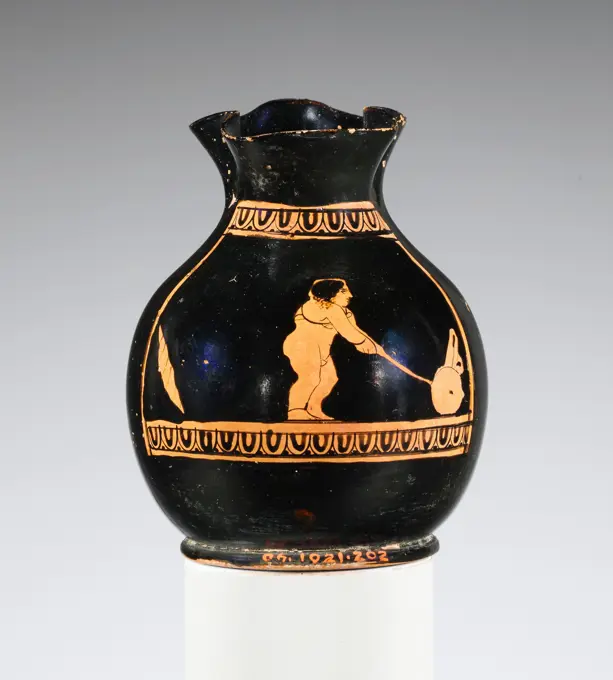
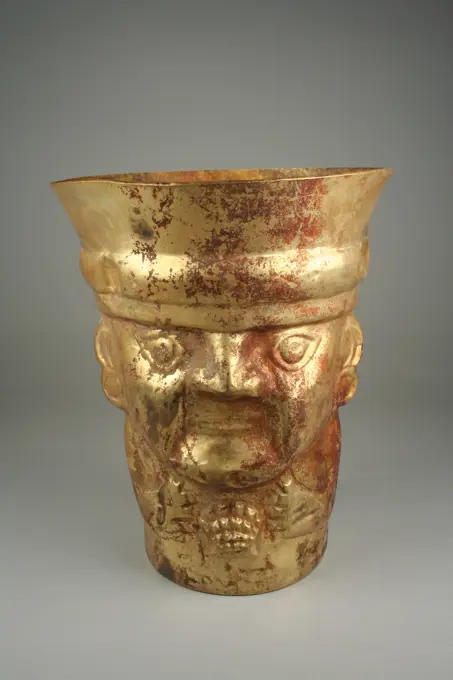
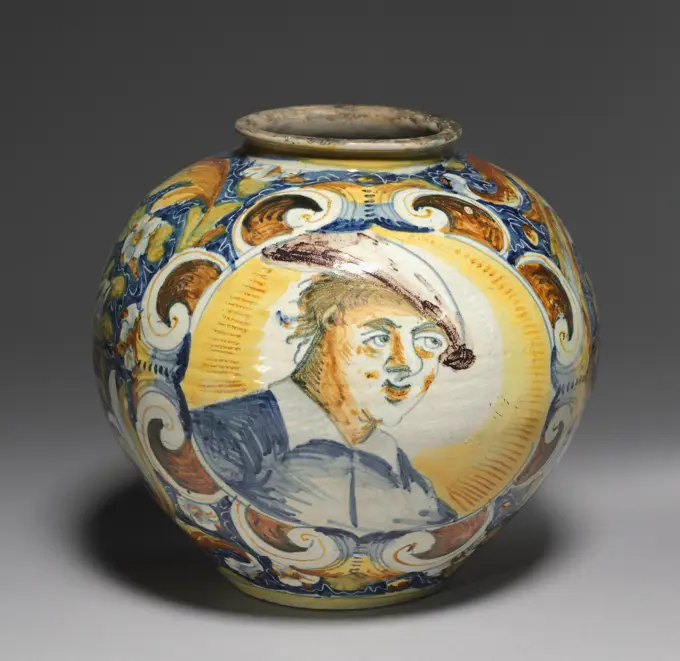
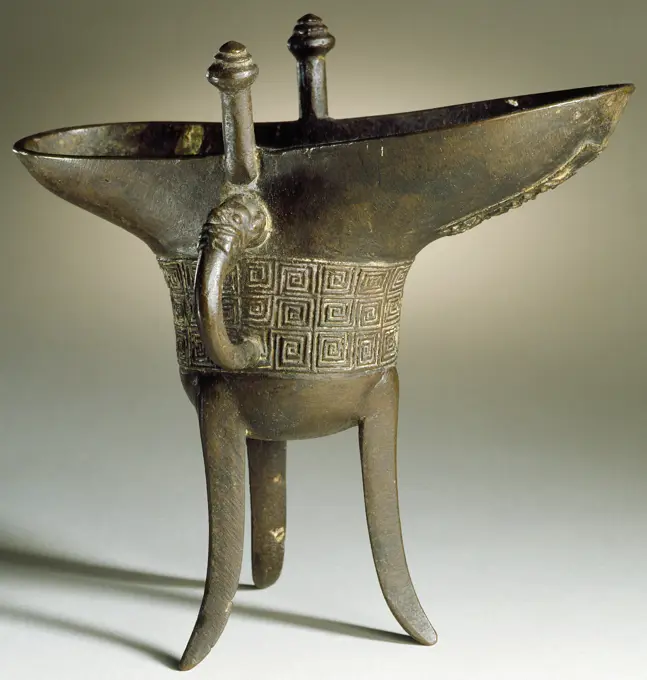
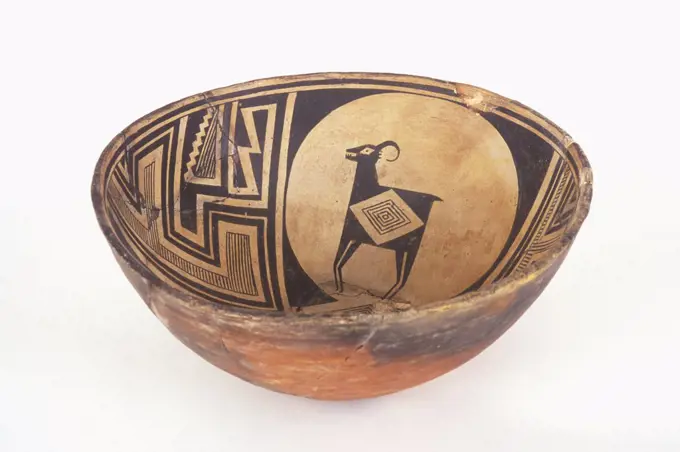
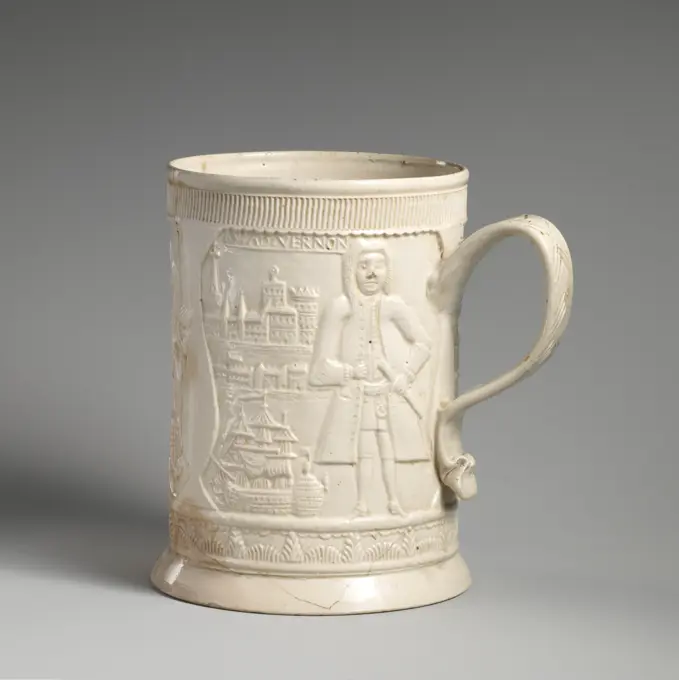
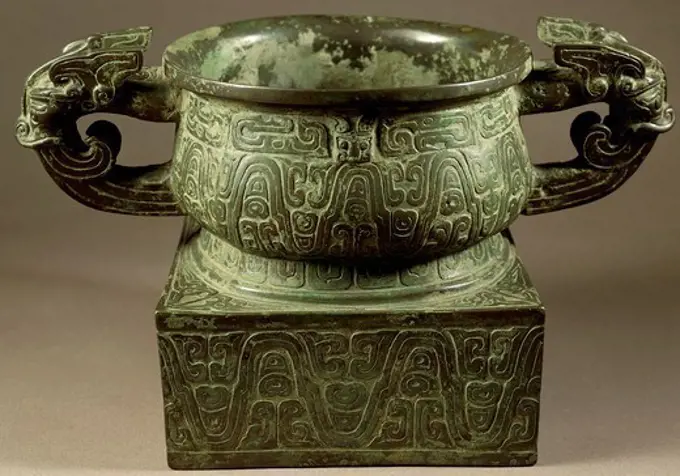
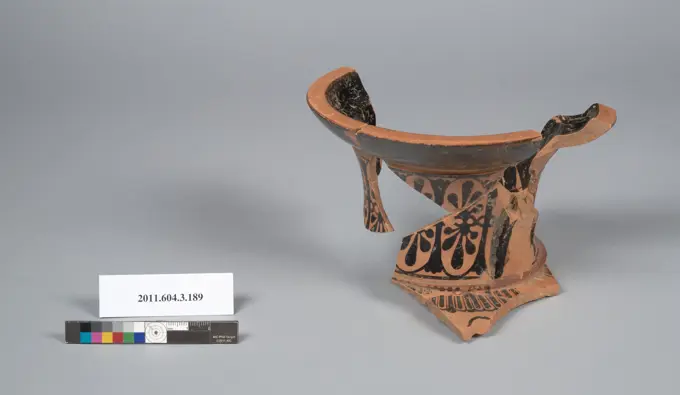
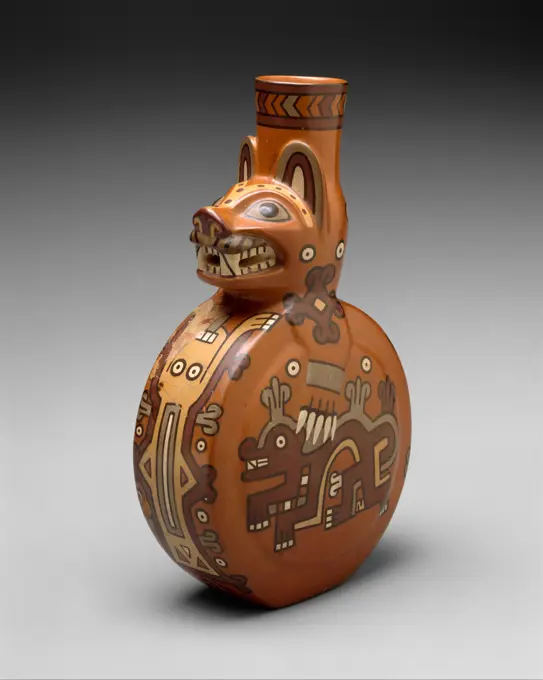
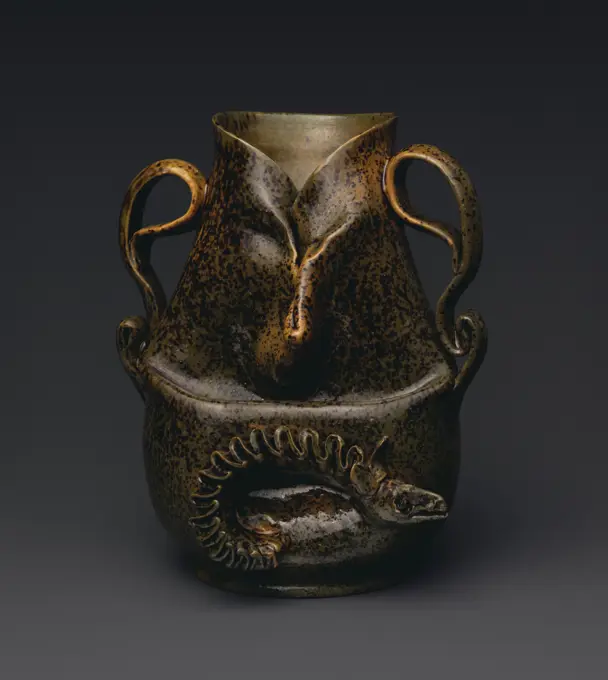
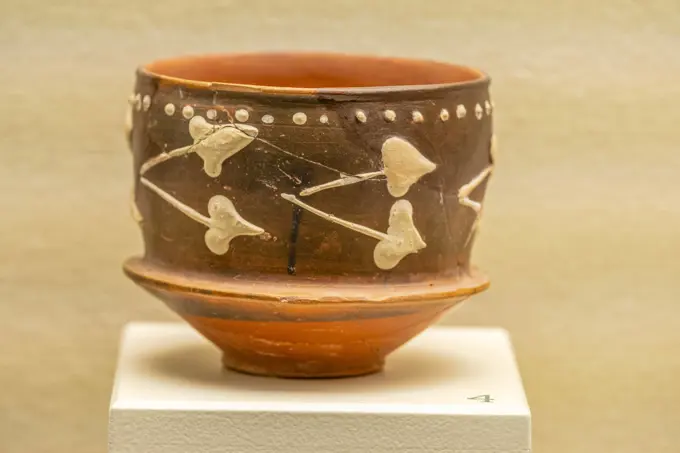
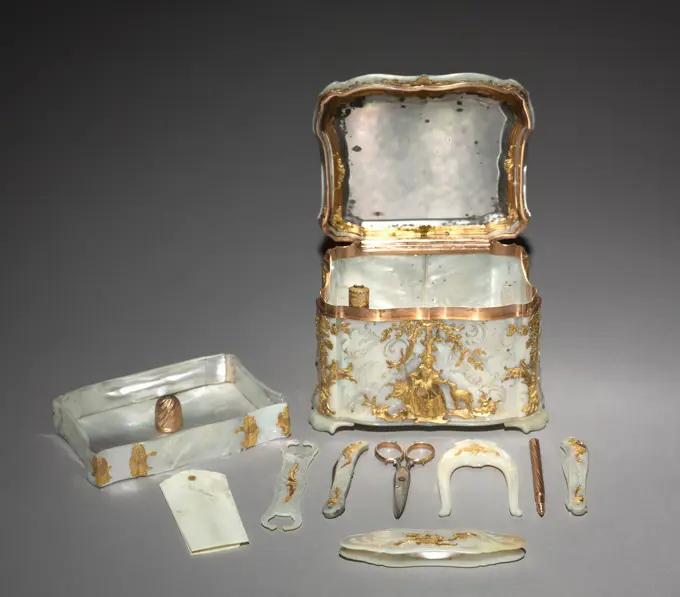
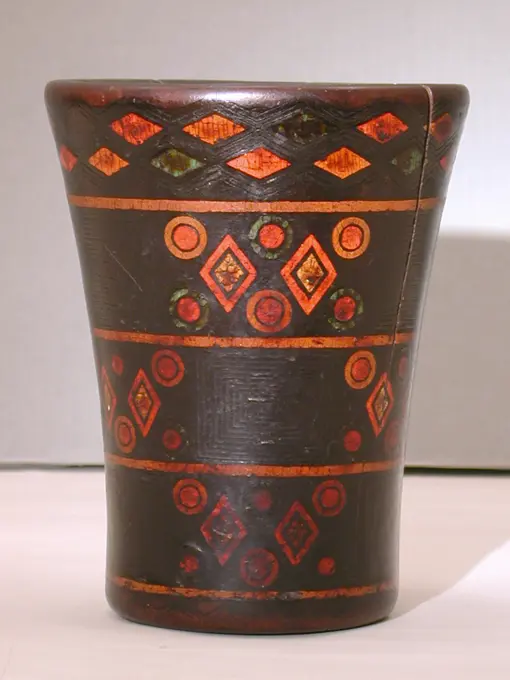
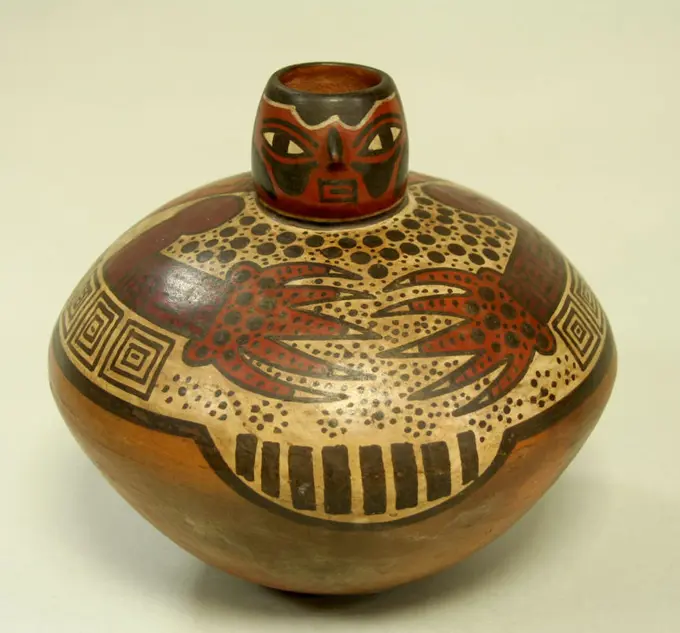
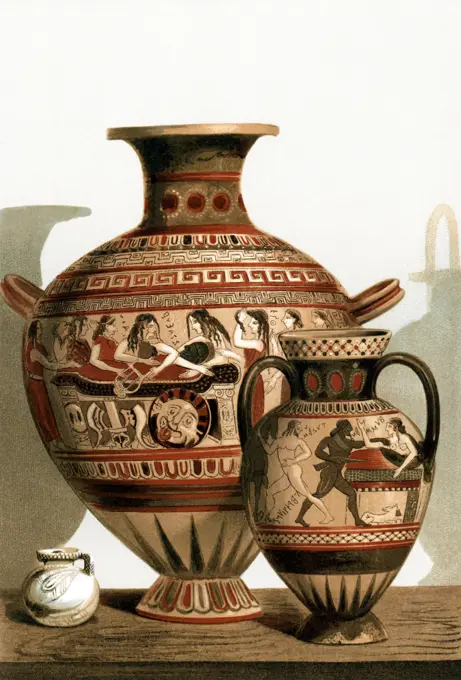
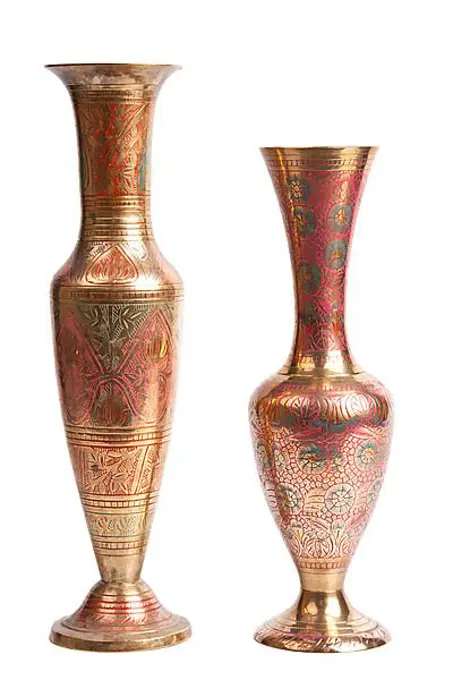
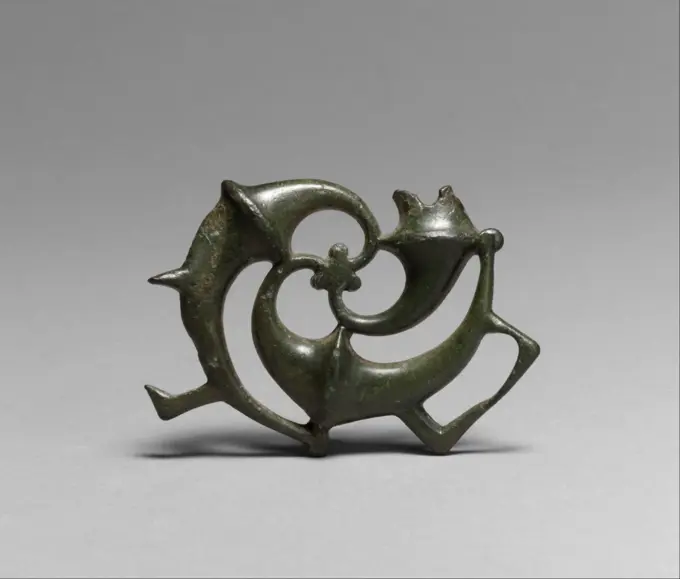
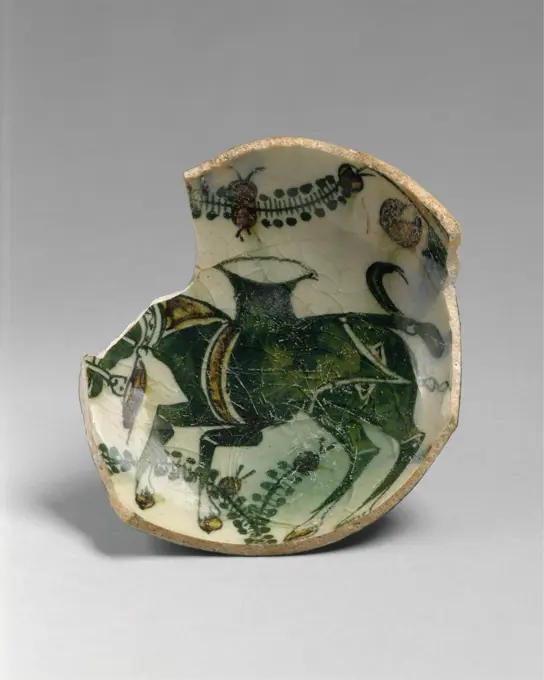
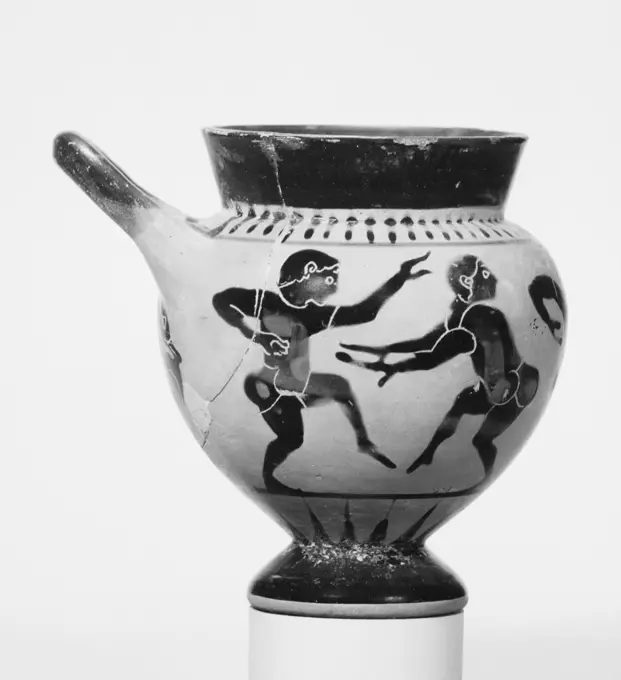
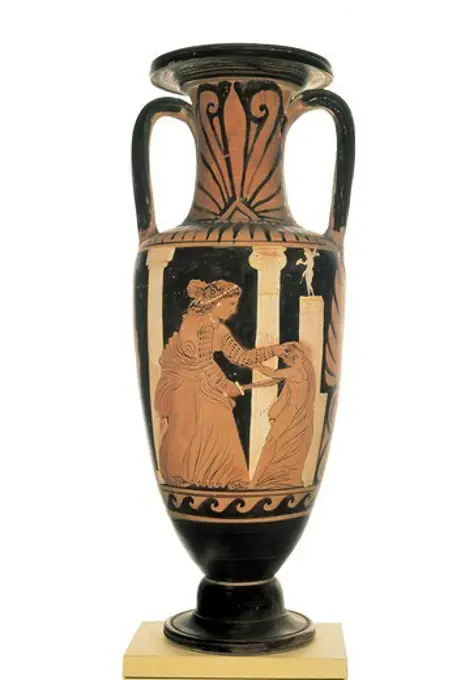
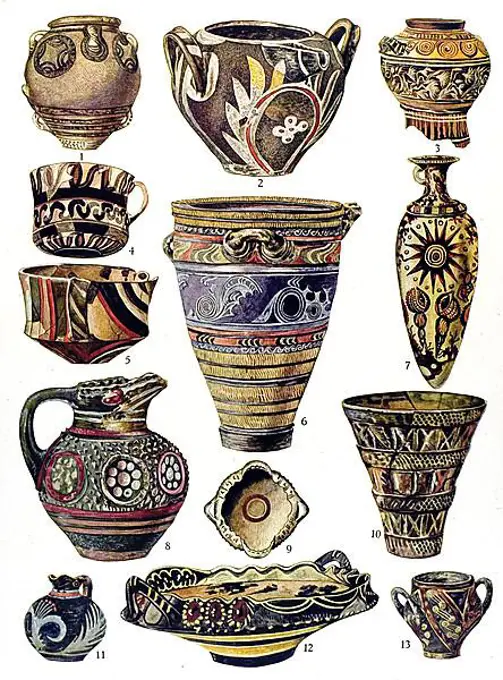
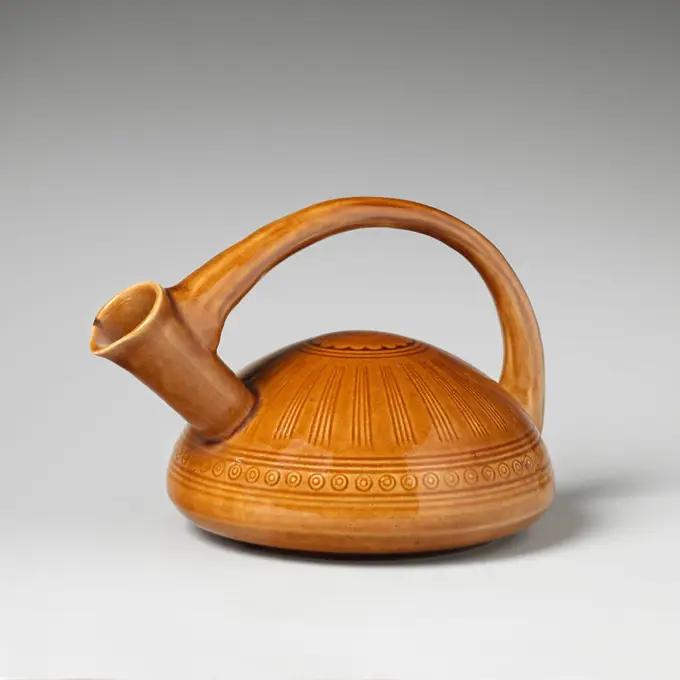
Pitcher. Culture: British. Designer: Christopher Dresser (British, Glasgow, Scotland 1834-1904 Mulhouse). Dimensions: Overall (confirmed): 4 15/16 × 7 1/2 × 5 5/8 in. (12.5 × 19.1 × 14.3 cm). Manufactory: Linthorpe Pottery Works (British, 1879-1889). Date: ca. 1880.This pitcher is an example of the Peruvian-inspired ceramics designed by Christopher Dresser for Linthorpe. A related pitcher (2016.178.6) is also in the Museum's collection. Museum: Metropolitan Museum of Art, New York, USA.Column Capital from the Chapterhouse of the Cistercian Monastery in Jędrzejów unknownTripod Vessel Depicting Monkey Hunters and Traders 850 CE-950 CE Honduras. Ceramic and pigment . MayaCERAMICA GRIEGA DE FIGURAS NEGRAS PROCEDENTE DE LA NECROPOLIS DE AMPURIAS - S IV AC. Location: ARCHAEOLOGICAL MUSEUM. GERONA. SPAIN.Terracotta oil lamp. Culture: Roman. Dimensions: Overall: 1 1/4 x 3 5/8 in. (3.2 x 9.2 cm).On discus in high relief: naked male figure (Dionysus ) lying full length on an ornate couch, with right arm raised behind his head and left arm dropping down over edge of the couch; at sides of the couch, below his feet a helmet () and below his head a cloak (); above these, two small goats, facing inward; at top, behind figure a pedum and rectangular object. Narrow continuous shoulder decorated with close-set diagonal lines. Volutes flanking large nozzle. Raised base ring with incised Greek letters at center: AT. Museum: Metropolitan Museum of Art, New York, USA.Two Beakers, Faces and Frogs. Culture: Lambayeque (Sicán). Dimensions: H. 6 1/2 in. (16.51 cm). Date: 9th-11th century. Museum: Metropolitan Museum of Art, New York, USA.Vessel with Abstract Feline and Falcon-Head Spout. Paracas; Ocucaje area, Ica Valley, south coast, Peru. Date: 650 BC-150 BC. Dimensions: 13.7 × 20 cm (6 3/8 × 7 7/8 in.). Ceramic with resinous postfire paint. Origin: Ocucaje. Museum: The Chicago Art Institute, Chicago, USA.Terracotta oinochoe: chous (jug) ca. 420 B.C. Greek, Attic Boy pushing a toy cartNew wine was drunk by all participants, including children, in the Anthesteria, a winter festival of Dionysos. Miniature wine jugs like this, made especially for the children, often show toys and games.. Terracotta oinochoe: chous (jug). Greek, Attic. ca. 420 B.C.. Terracotta; red-figure. Classical. VasesHand Drum. Papua New Guinea, East Sepik Province, Eastern Iatmul People, circa 1909. Tools and Equipment; musical instruments. Wood, fiber, shell, animal hide, and pigmentBeaker, Figure with Shell 9th-11th century Lambayeque (Sicán) Gold beakers, both plain and ornamented with embossed designs, were markers of status and authority on Perus north coast in the centuries before the rise of the Inca Empire. This vessel was sculpted in the shape of the torso and head of an individual wearing a cap and holding a shell. One side of the beaker features the embossed face and hands, while the other side is rendered as the back of the individuals head. The figure wears round ear ornaments, and the hair, on the back of the vessel, is rendered in two layers; the longer layer is decorated at the bottom with a row of disks. Two wide bands with a chevron pattern hang down from the cap over the hair, meeting in a central medallion of two concentric circles surrounded by seven smaller ones. The shell depicted between the hands of the figure is most likely Spondylus, a bivalve found in the warm tropical waters north of the Santa Elena Peninsula in Ecuador. Often called Storage Jar (Vaso a Palla), c. 1560-80. Circle of Domenego da Venezia (Italian). Tin-glazed earthenware (maiolica); average: 25.4 cm (10 in.).Small Ritual Wine Warmer (Jue) with Scrollwork. China, Chinese, Qing dynasty, Qianlong period, dated 1739. Tools and Equipment. Cast bronzeMimbres black on white bowl, from Gila area of New Mexico,  Museum of Northern Arizona, Flagstaff, ArizonaBox with pommel scrolls 14th century China The decoration covering the surface of this box is sometimes known as a pommel-scroll design because it resembles the shape of swords pommel. A flowering plum tree and crescent moon made of ivory, gold leaf, lacquer, and glass, are inlaid into the interior of the cover. The motif may allude to any number of earlier poems that evoke the shadows of plum blossoms by moonlight in a night filled with their scent.. Box with pommel scrolls 40174Mug with Admiral Edward Vernon (1684-1757) and the capture of Porto Bello ca. 1739 British, Staffordshire The molded decoration on this mug commemorates the British naval victory by Admiral Edward Vernon over the Spanish fleet at Porto Bello in 1739.. Mug with Admiral Edward Vernon (1684-1757) and the capture of Porto Bello. British, Staffordshire. ca. 1739. Salt-glazed stoneware. Ceramics-PotteryBronze vessel, China. Chinese Civilisation, Zhou Dynasty, 9th century BC.Two-handled Cup with Relief Decoration. UnknownEgypt, Thebes, Glass paste cup of Thutmose II (circa 1493-1479), eighteenth dynastyEwer probably 18th-19th century. Ewer 443135Lazio Viterbo Viterbo Museo Civico99. Hutzel, Max 1960-1990 Views of paintings (Middle Ages through 18th c.), frescoes, a tabernacle, coffin, sculpture reliefs, portal fragments, busts, sculpture, tapestry found in the Pinacoteca, Second floor gallery and Second floor cloister sequences. Antiquities: Many views of Etruscan and Roman fragments, sculpture, sarcophagi, pottery, masks, jewelry and other objects found in the Storeroom sequence (inventory numbers on back of prints), and the Cloister, Second floor Cloister, Valle Giulia, Sala Romana and Sala Etrusca sequences. General Notes: There are eight separate numerical sequences for this location. The cloister as an architectural structure, rather than museum site, is documented in the record and file for S. Maria della Verita, Cloister, all views of which are stored in Medieval core collection. Five views from the Museo Civico Second floor cloister sequence are stored in Medieval. German-born photographer and scholar Max Hutzel (1911-Terracotta fragment of a neck-amphora (jar) 510 B.C. Greek, Attic Part of the echinus mouth of a neck-amphora; the top is unglazed; on the neck, a palmette-lotus chain and part of the triple reeded handle; at the juncture of the neck and shoulder, a ring; below, on the shoulder, a band of tongues; below the tongues, a tendril. Terracotta fragment of a neck-amphora (jar). Greek, Attic. 510 B.C.. Terracotta; black-figure. Archaic. VasesAmphora   Greek Art (c. 1000-900 B.C.)  Musee du Louvre, Paris  Feline Bottle 8th-10th century Wari The impressive polychrome bottle has a modeled feline head at the neck and a flattened canteenlike chamber. The front legs of the feline are worked in low relief on both sides of the flask, the powerful paws with pointed claws touching fanged animals in profile painted on the sides of the chamber in raised roundels. On the narrow rim of the bottle are two stylized figures with round, staring eyes, their tongues sticking out of toothy mouths. A chevron band encircles the spout.Images on Wari ceramics from the south coast, painted in brown, ocher, gray, and white (outlined in black) on red, depict recognizable animals and humans as well as enigmatic composite beings. They are all part of complex narratives, the meanings of which are at present not understood.. Feline Bottle 317793Red-Polished Ware Jug. UnknownPitcher 1896 George E. Ohr George Ohr of Biloxi, Mississippi, was arguably Americas quintessential art potter. He built his own kiln, dug his clay, threw his vessels with extreme proficiency on the potters wheel to wafer thinness, altered those shapes, and then covered them with his own novel glazes. In form and decoration they are essentially Abstract Expressionist objects—almost 50 years before that movement was founded. In fact, deemed ultimately very modern in this century, they had great appeal to such modern artists as Jasper Johns and Andy Warhol, who formed collections of them. Ohrs work is extraordinarily idiosyncratic and he practiced his own mantra of "no two alike," as exemplified by these works. Ohr was a colorful character, and his quirky pottery became one of the added tourist attractions on Mississippis gulf coast. Self-proclaimed the "Greatest Art Potter on Earth," he was well ahead of his time, and the vases that he deemed "worth their weight in gold" would not coGreek Black-figured volute-krater (bowl for mixing wine and water): Herakles and Kyknos Made in Athens about 540-510 BC; signed by Nikosthenes as potterKeltiberische Vase Celtiberian vase, Museum of Romanization, Calahorra, La Rioja, Spain, Europe Copyright: xZoonar.com/BartomeuxBalaguerxRotgerx 22945790Sewing Box with Implements (Nécessaire), c. 1765. Austria, Vienna(), 18th century. Gold and mother-of-pearl; overall: 9.3 x 12.1 x 9.6 cm (3 11/16 x 4 3/4 x 3 3/4 in.).Jar in the Form of an Abstract Human Head with Face Painting Made 180 BCE-500 CE Peru. Ceramic and pigment . NazcaPilgrim's rounded flask in dark stoneware and rounded Tzu stoneware bowl, China. Chinese Civilisation, late Tang Dynasty or Five Dynasties, 10th century.Kero 16th century Quechua. Kero 31684035mm originalNaczynie na pędzle. unknown, craftsmanJar 1st-6th century Nasca. Jar 310544The painted vases represented here are Corinthian vases (earthenware), from Corinth in central Greece.Two stamped brass vases isolated on white backgroundHarness Decoration 100-300 Celtic or Roman With their sinuous, asymmetrical designs and swirling arrangements of commas, circles, and fan shapes, this varied group of objects conveys the pervasiveness of a Celtic aesthetic in the western provinces during the first centuries A.D.. Harness Decoration 468261Fragment of a Bowl 12th-13th century. Fragment of a Bowl 445989Terracotta one-handled drinking cup 3rd quarter of the 6th century B.C. Attributed to the Inscription Painter Five dancing youths. Terracotta one-handled drinking cup. Greek, Chalcidian. 3rd quarter of the 6th century B.C.. Terracotta; black-figure. Archaic. VasesRed-figure amphora with neck. ca.  330 BC. Red-figure representation. Greek art. Ceramics. FRANCE. ëLE-DE-FRANCE. Paris. Louvre Museum. Proc: ITALY. CAMPANIA.Historic illustration, Aegean ornaments, Aegean ceramics