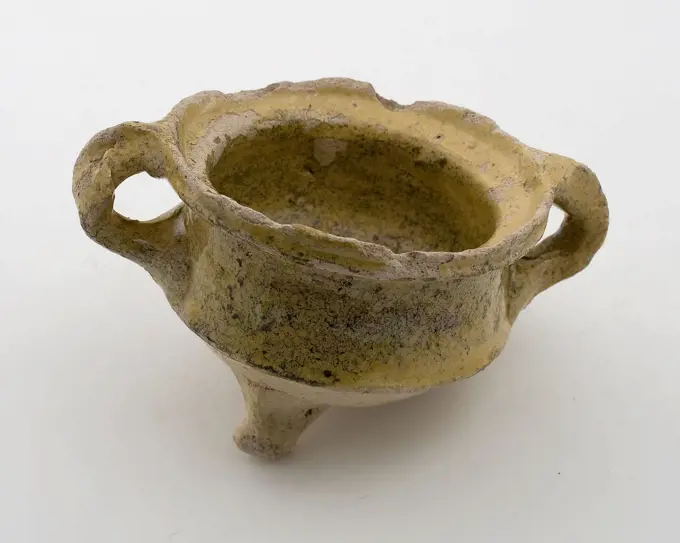
Ancient Terracotta Jugs

A collection of historical terracotta jugs, showcasing various shapes and designs from ancient cultures. The pieces feature intricate patterns and surfaces, reflecting their archaeological significanc
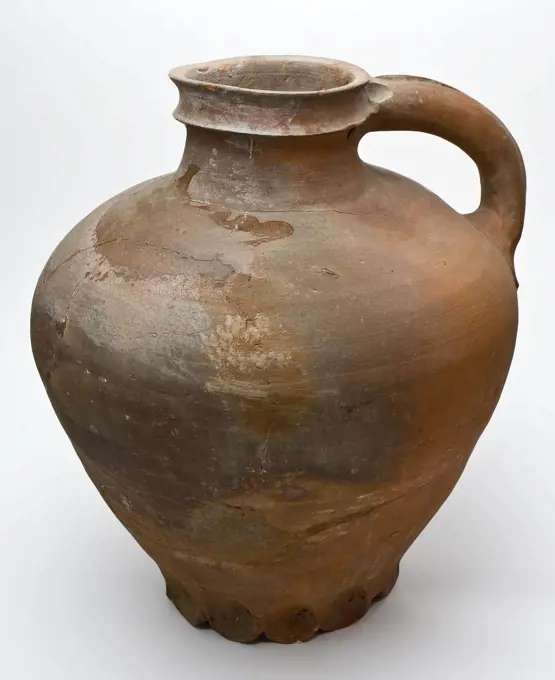
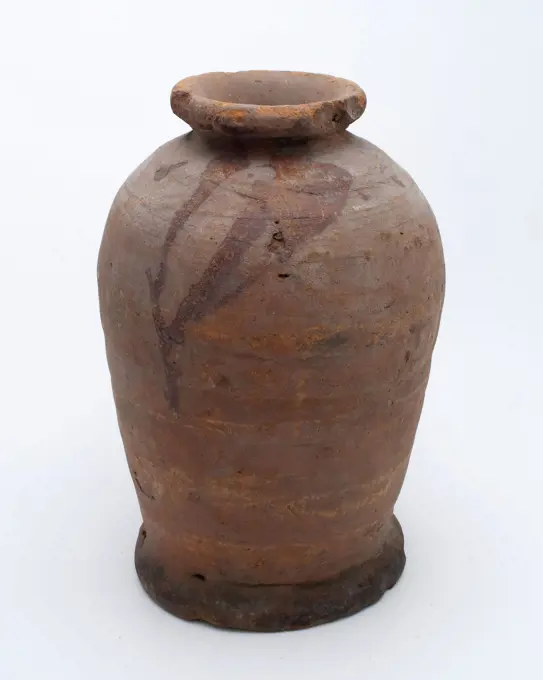
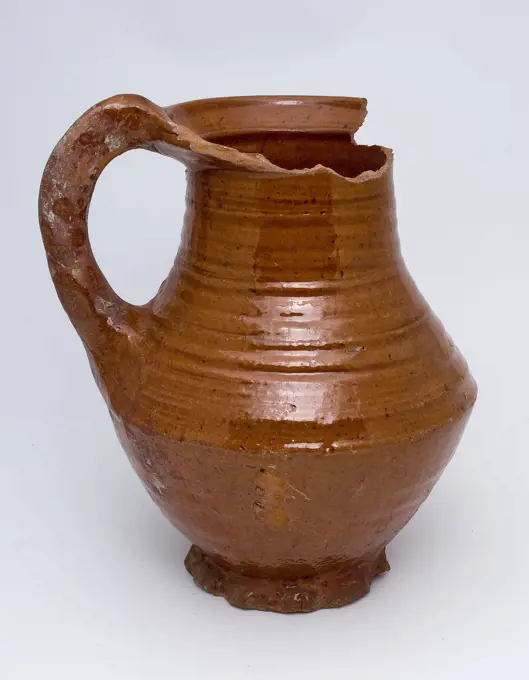
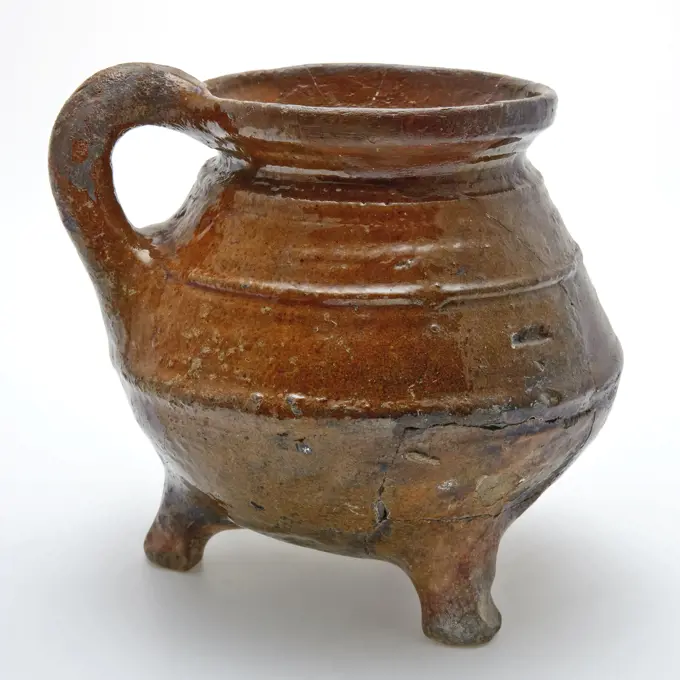
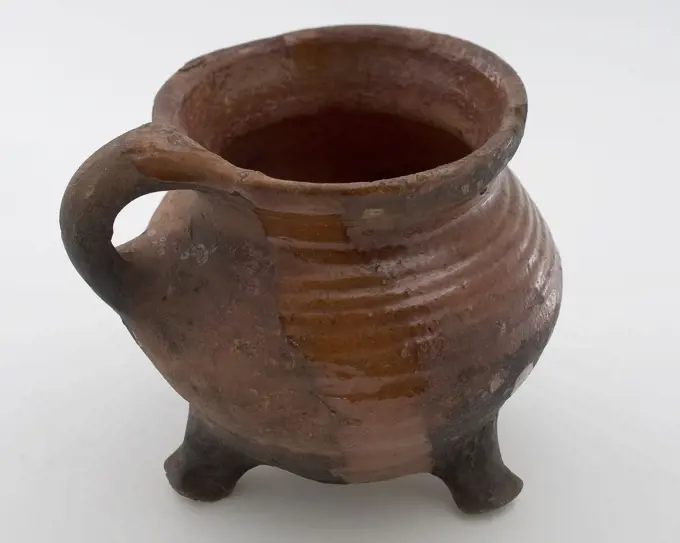
Pottery water jug on circle of stand fins, red shard, some glaze on the shoulder, water jug crockery holder soil find ceramic earthenware glaze lead glaze, hand turned glazed fried jug of red earthenware cuff shaped upper edge with thick round ear with groove and three pinched lobes twelve pinched toes of which two in plaster sparing glaze on shoulder and some sweeping on belly foot and toes. Eir-shaped model archeology Valckensteyn Poortugaal Albrandswaard indigenous pottery water washing food preparation stock packaging kitchen Soil discovery: under the bridge pole at bridge castle Valckensteyn at Poortugaal now Albrandswaard 1962.
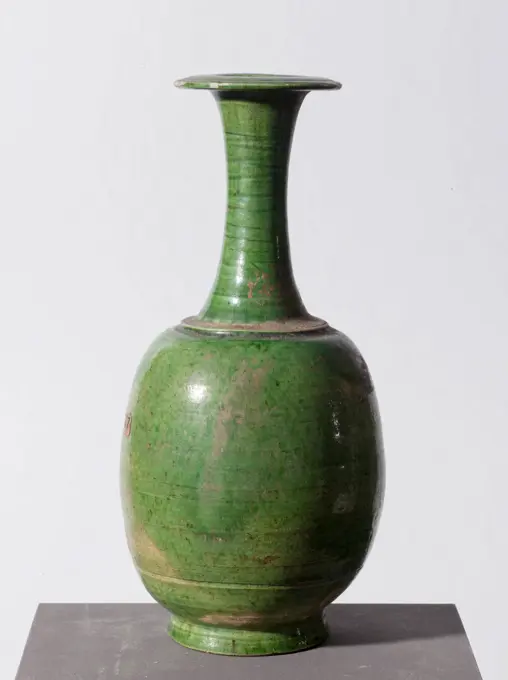
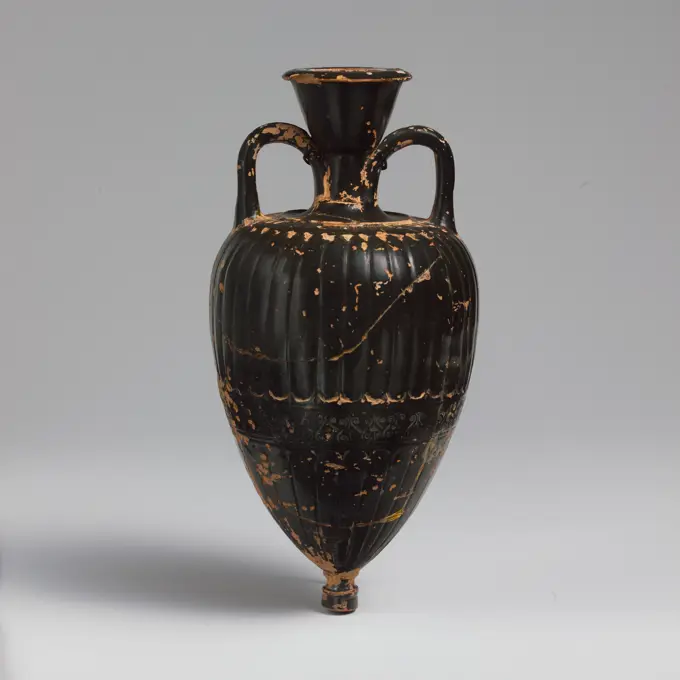
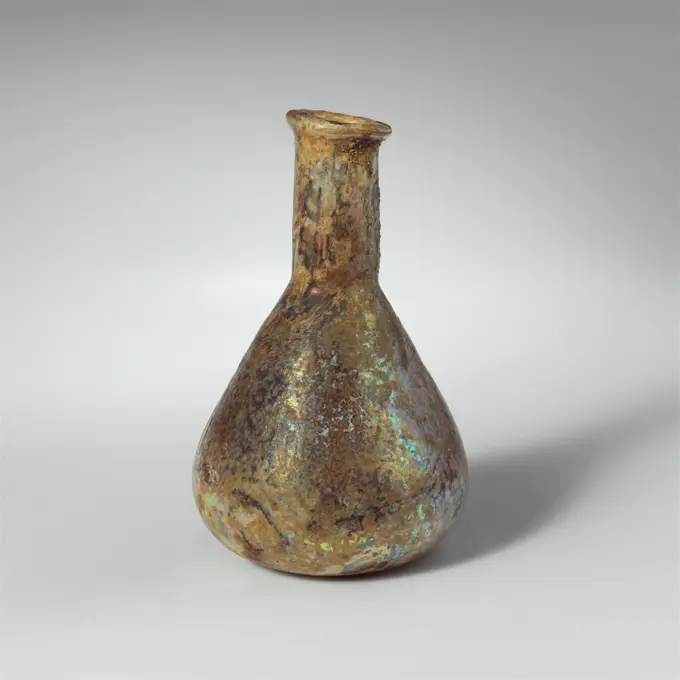
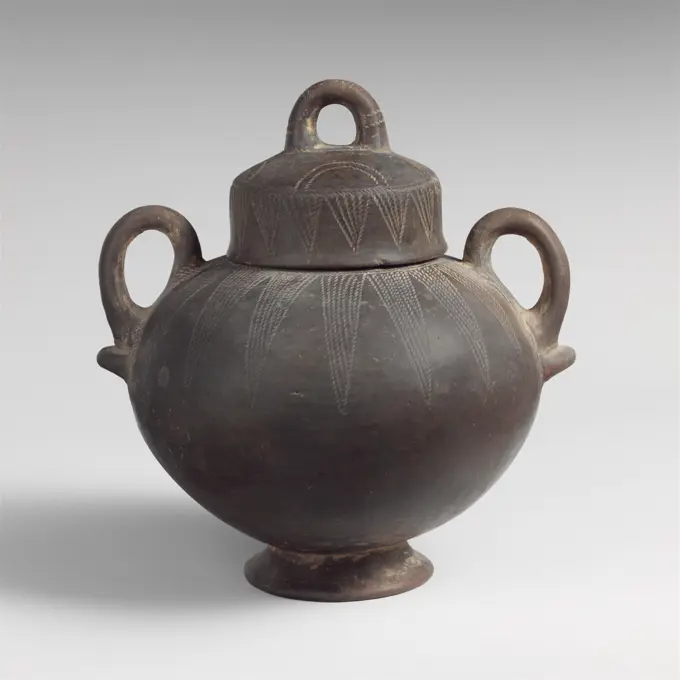
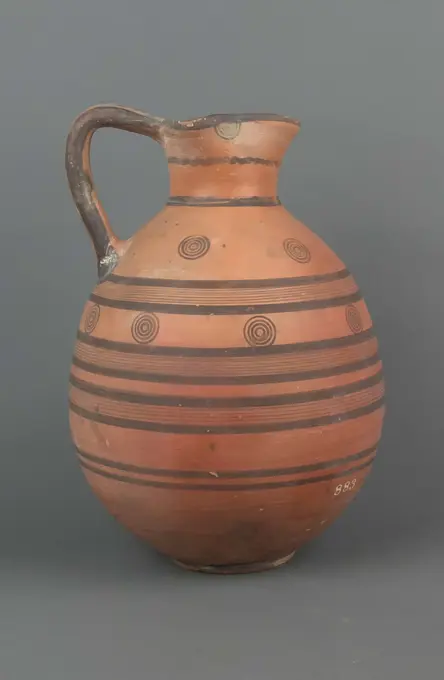
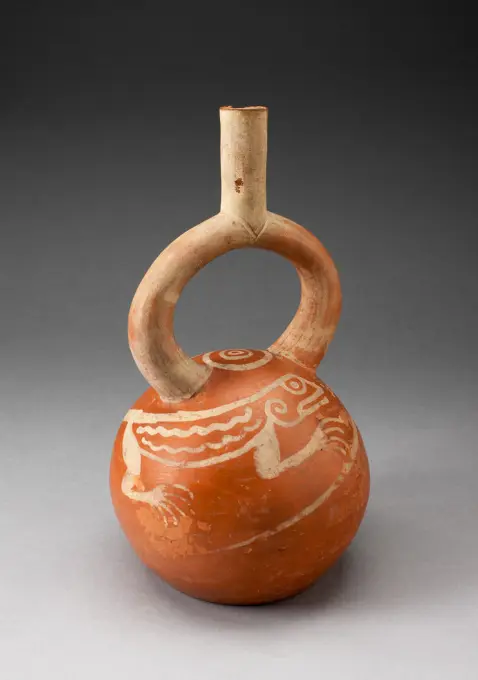
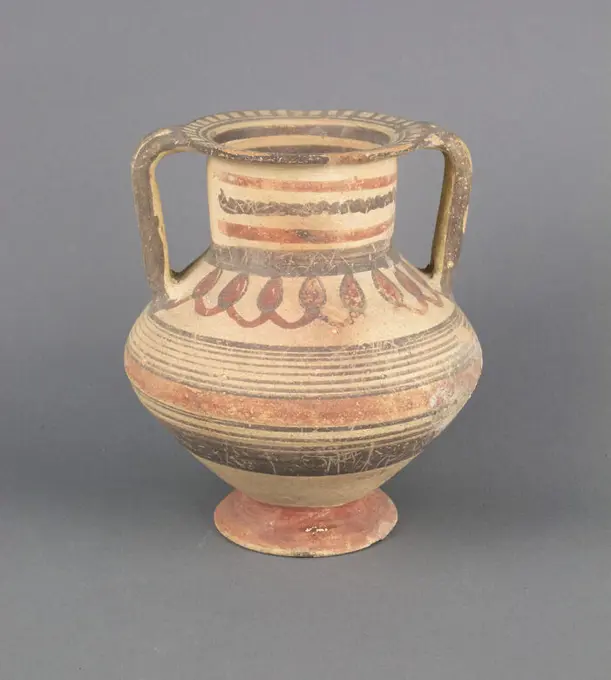
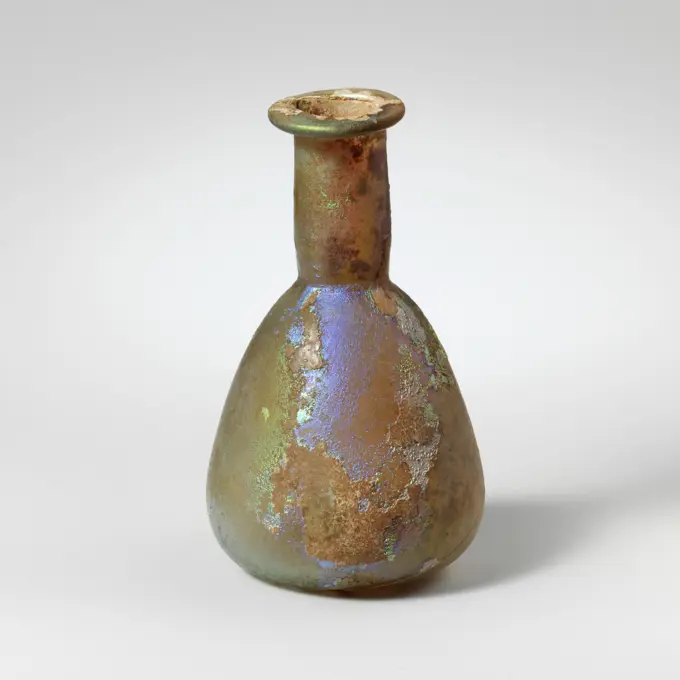
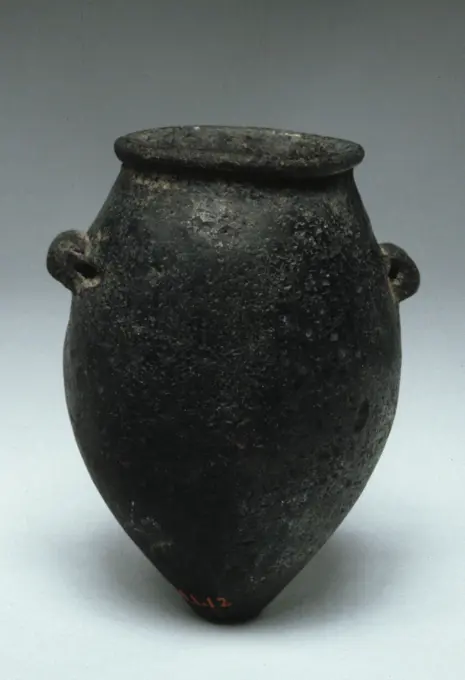
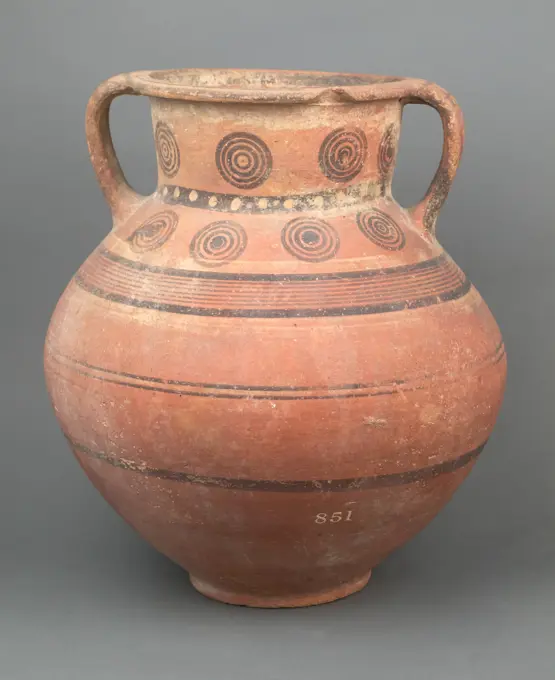
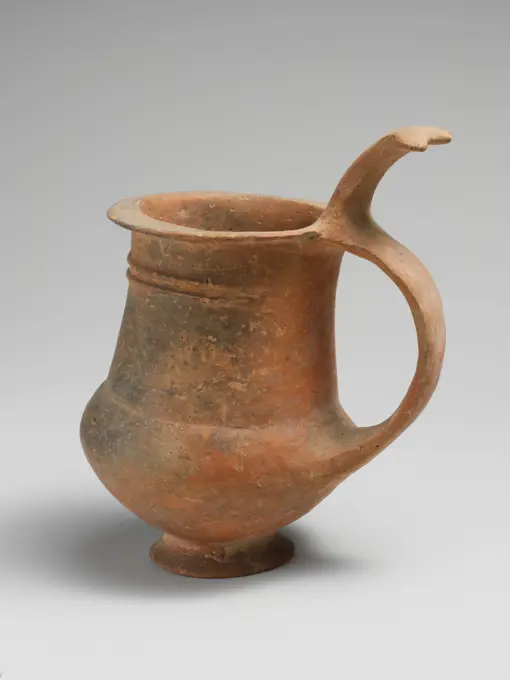
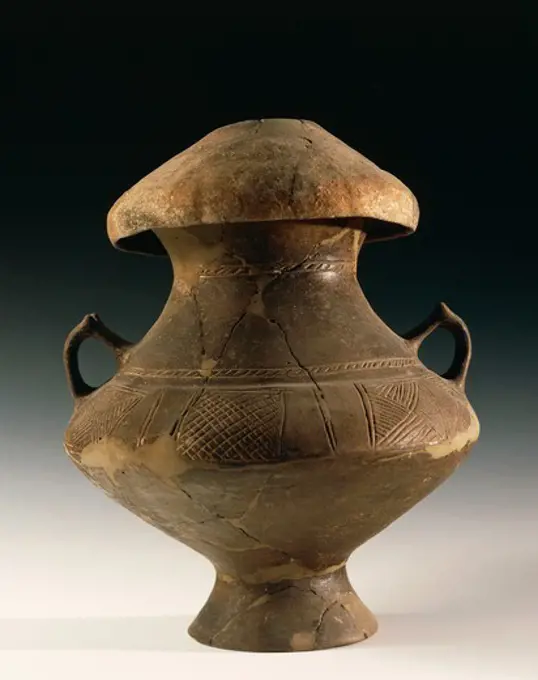
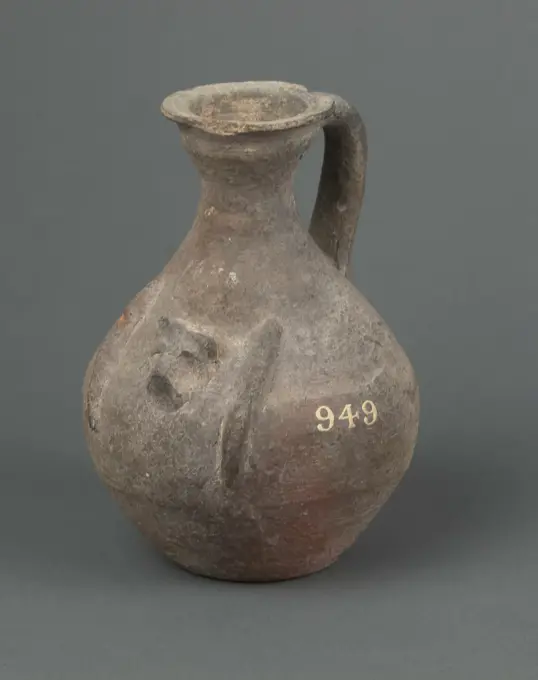
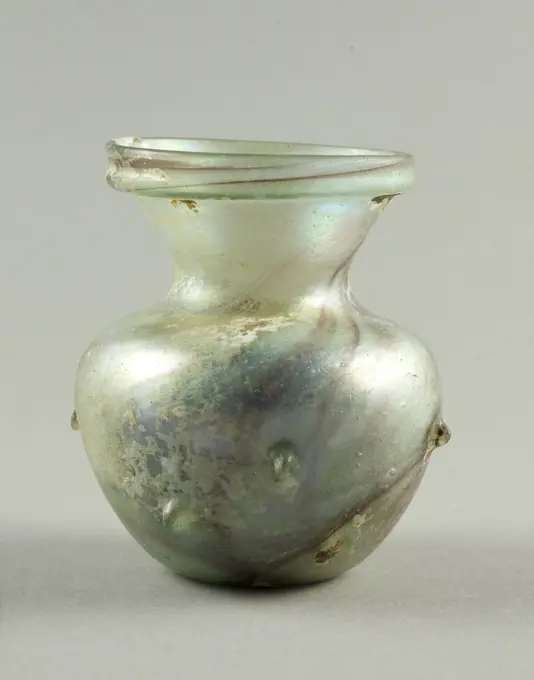
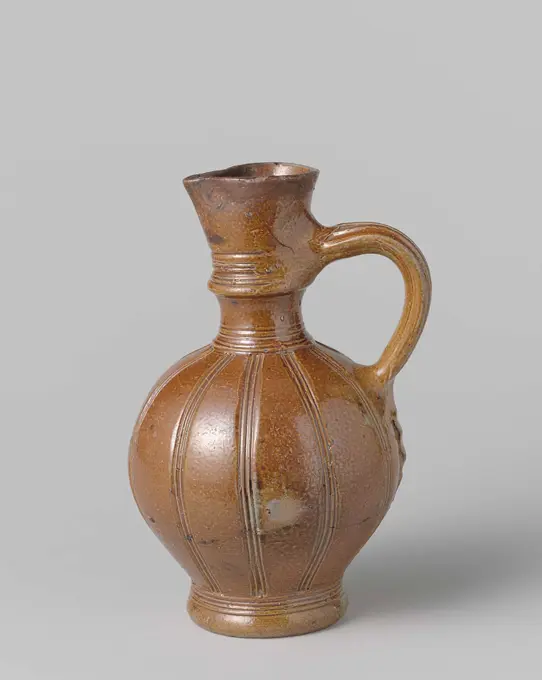
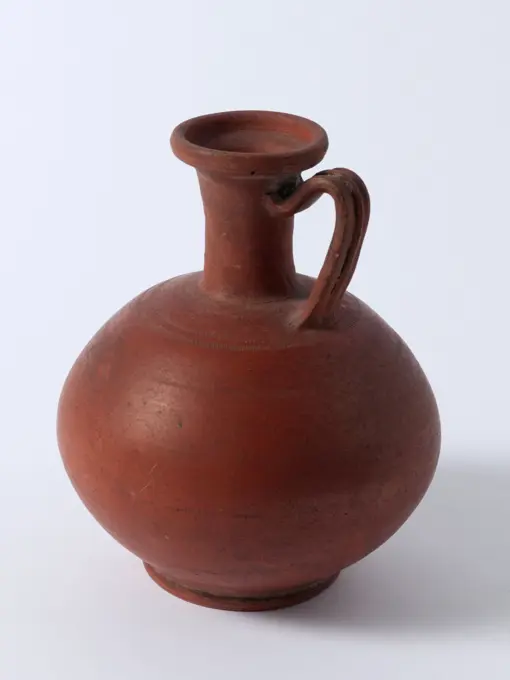
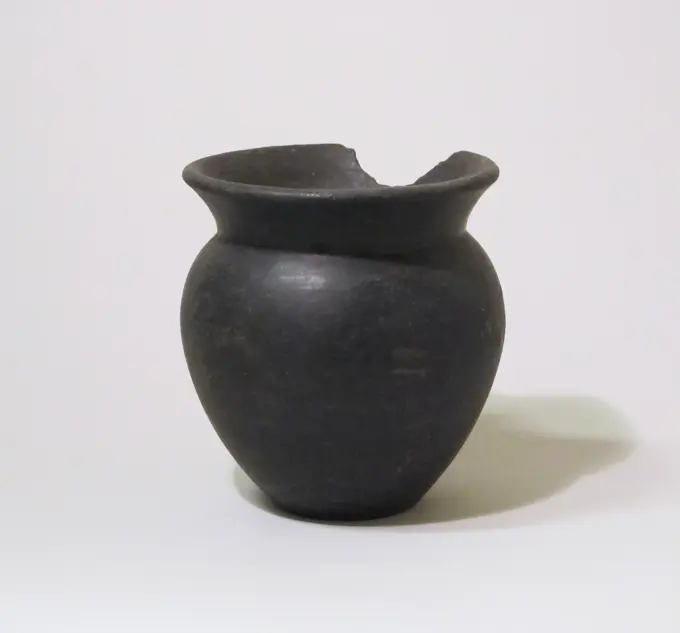
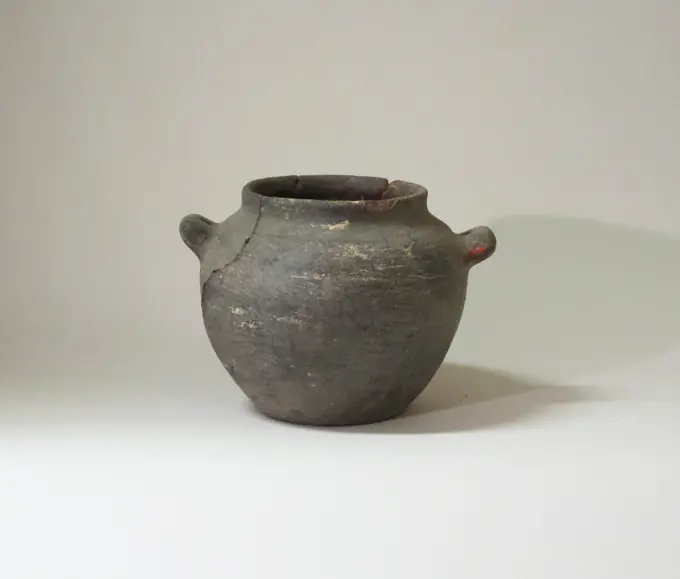
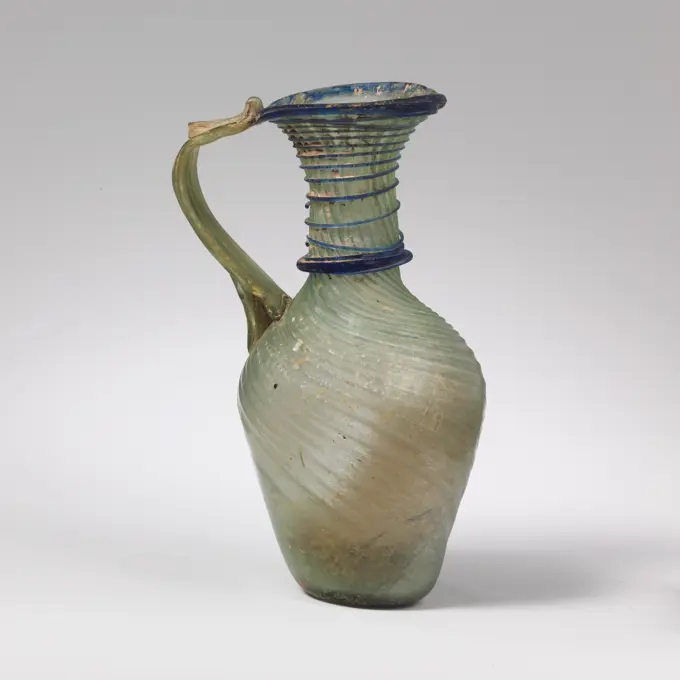
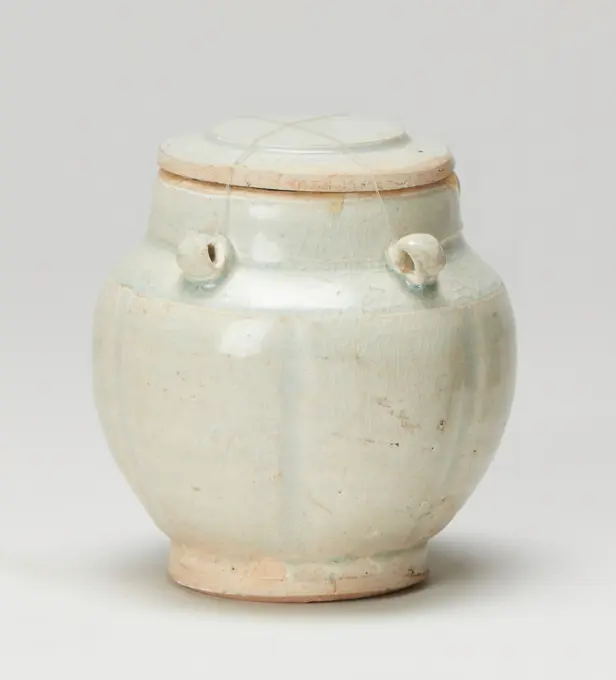
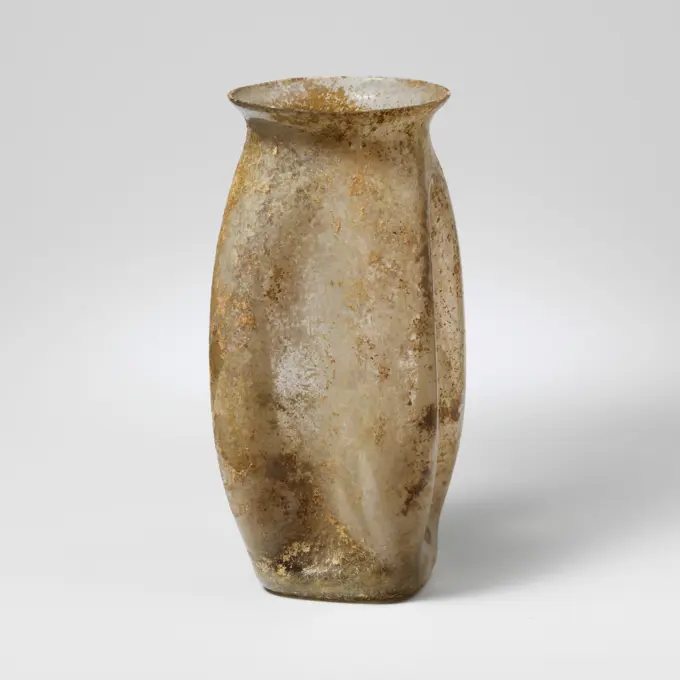
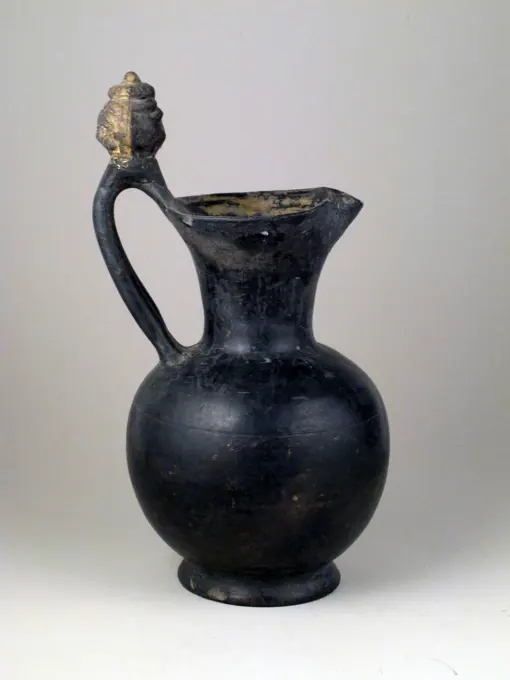
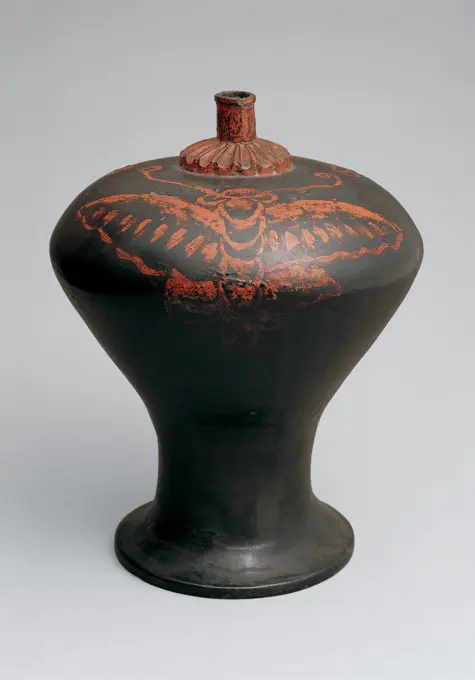
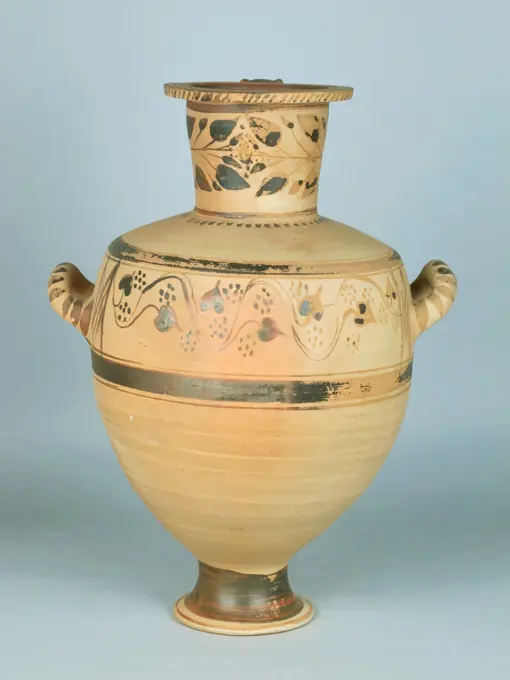
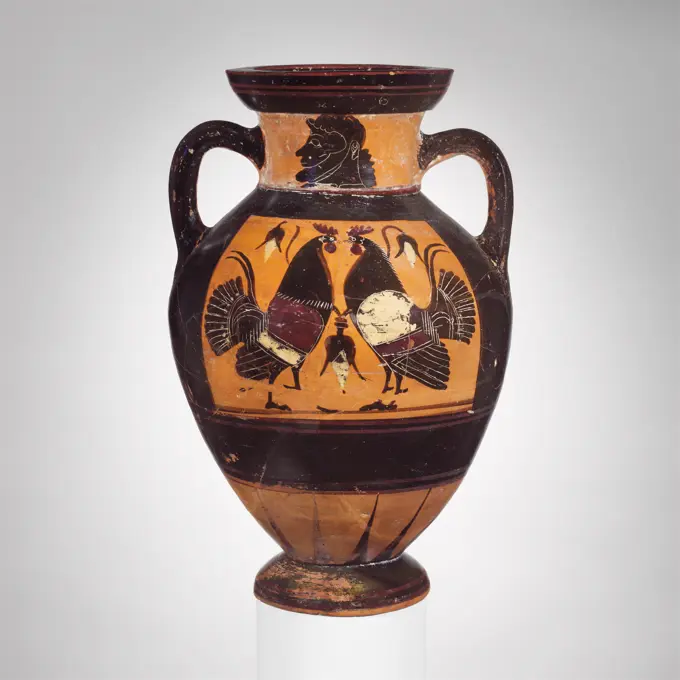
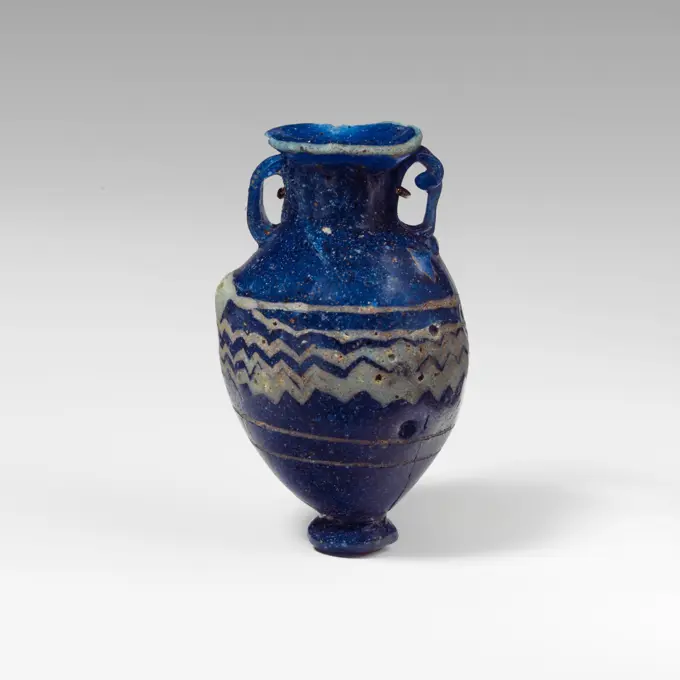
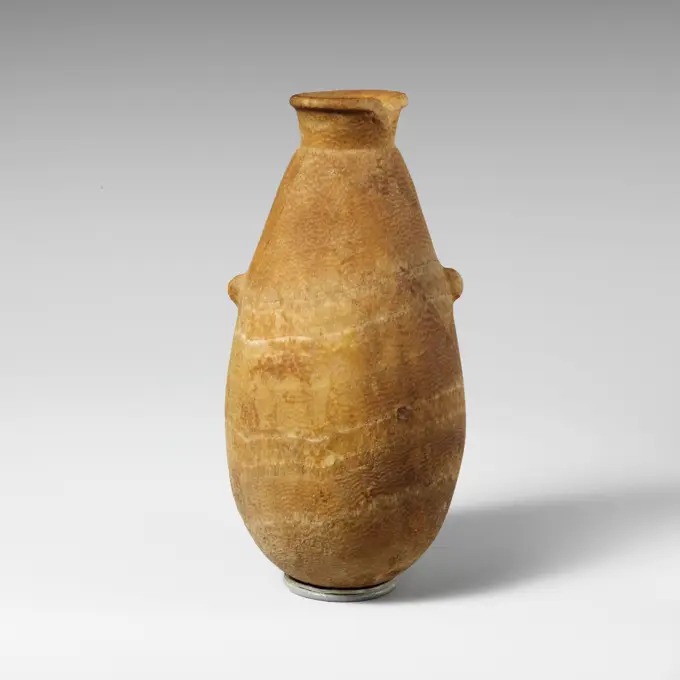
Alabaster alabastron (perfume vase) 6th-5th century B.C. Cypriot The pear-shaped alabastron has small lugs, one placed higher than the other. The neck is narrow, the lip convex.. Alabaster alabastron (perfume vase) 243972Terracotta amphoriskos (oil flask) 4th century B.C. Greek, Attic Ribbed with incised pattern on body and shoulder.. Terracotta amphoriskos (oil flask) 246736Jug or Pitcher, 1350-1186 BC. Egypt, New Kingdom, late Dynasty 18 (1540-1296 BC) to Dynasty 19 (1295-1186 BC). Bronze; diameter: 9.6 cm (3 3/4 in.); diameter of mouth: 6.1 cm (2 3/8 in.); overall: 9.2 cm (3 5/8 in.).Spherical Pyxis and Lid. UnknownGlass perfume bottle 1st-2nd century A.D. Roman Colorless with faint bluish tinge.Slanting rim folded out, over, and in, flattened on top, with irregular opening to mouth; cylindrical neck with tooling marks around base; conical body, rounded at base; slightly concave bottom.Complete except for hole in side; pinprick bubbles; deep pitting and brilliant iridescent weathering.. Glass perfume bottle 244674Bowl, 900-1100. Peru, South Coast, 10th-11th century. Pottery; overall: 8.1 x 12.3 cm (3 3/16 x 4 13/16 in.).Terracotta stamnoid cinerary urn with lid ca. 650-600 B.C. Etruscan Two-handled with cover, both decorated with incised design of rays.. Terracotta stamnoid cinerary urn with lid 246233Pottery pot on stand, baluster shape, used in the sugar industry, sugar pot pot holder soil find ceramic earthenware glaze lead glaze, hand-turned glazed earthenware pot on stand. Baluster shape with round shoulder and narrow neck opening Rotation over the shoulder Red internal glazed chamfer Thick and round neckline with necking. Here sugar cones were made archeology indigenous earthenware sugar confectionery sugar industryGlass perfume bottle. Culture: Roman. Dimensions: 2 9/16in. (6.5cm)Other: 1 15/16 in. (5 cm)Diam. of rim: 13/16 in. (2.1 cm). Date: 1st-early 2nd century A.D..Colorless with bluish tinge.Rim folded out, over, and in, with beveled upper surface; cylindrical neck, with slight tooling marks around base; squat, globular body; slightly concave bottom. Fairly heavy, thick glass.Single horizontal cut groove around upper part of body.Intact; some pinprick bubbles; dulling and iridescent weathering. Museum: Metropolitan Museum of Art, New York, USA.Juglet 750-600 B.C. Cypriot Horizontal bands and concentric circles.. Juglet. Cypriot. 750-600 B.C.. Terracotta. Cypro-Archaic I. VasesStirrup Spout Vessel with Fineline Lizard Motifs Made 100 BCE-500 CE North Coast. Ceramic and pigment . MocheAmphora. Culture: Cypriot. Dimensions: 7 3/4in. (19.7cm). Date: 600-480 B.C..Krater with bands, wavy lines, and lotus bud ornament. Museum: Metropolitan Museum of Art, New York, USA.Vessel, 2nd-4th century, 8 5/8 x 5 7/8 x 5 3/8 in. (21.9 x 14.9 x 13.7 cm), Polychromed earthenware, Peru, 2nd-4th centuryPottery jug, jug with pinched foot, standing ear, rotating, jug crockery holder soil find ceramic earthenware glaze lead glaze, hand turned glazed baked Pottery jug red shard entirely covered with lead glaze sausage ear profiled turnings around neck and shoulder pinched foot. Standing sausage by slightly crooked attached Double conical in shape with smooth transition to the neck. Outstanding upper edge archeology indigenous pottery serving serve drinking tableLamp. UnknownAmphora by the Painter of Amsterdam, orientalizing pottery. Etruscan civilization, 7th Century BC.MUSEO-JARRA PINTADA EN BLANCO- CALIFAL S X-XI. Location: MEDINA AZAHARA MADINAT AL-ZAHRA MUSEO CERAMICA. PROVINCIA. CORDOBA. SPAIN.Glass perfume bottle 1st century A.D. Roman Colorless with pale blue green tinge.Lopsided rim folded out, over, and in, and pressed flat; cylindrical neck, with tooling marks around base; conical body with convex sides; flat bottom.Complete, but large crack from rimto bottom; pinprick bubbles; dulling, pitting, and brilliant iridescent weathering.. Glass perfume bottle 239787Geometric Pitcher: Swans, c. 740-730 BC. Attributed to Swan Painter (Greek, Attic, Late Geometric Ib-IIa). Ceramic; overall: 36.2 cm (14 1/4 in.).Amphoriskos, 2nd-1st Century BC. Greece, late Hellenistic period. Silver; overall: 11.7 cm (4 5/8 in.).Jar. Culture: Coptic. Dimensions: Overall: 4 3/8 x 4 3/4 in. (11.1 x 12.1 cm). Date: 4th-7th century. Museum: Metropolitan Museum of Art, New York, USA.. Large bearded manner with pewter lid. A frieze has been printed on the egg-shaped belly in which animal figures and medallions with human heads. Below and above men's busts in medallions between Acanthus leaves. For a somewhat Groteske Baardman on the neck. The jug is made in Cologne or in frechen to keuels example.Jar ca. 3850-2960 B.C. Predynastic Period. Jar. ca. 3850-2960 B.C.. Pottery; black polished ware. Predynastic Period. From Egypt, Southern Upper Egypt, Hierakonpolis (Nekhen), MMA excavationsSake Bottle (Tokkuri) late 16th-early 17th century Japan. Sake Bottle (Tokkuri) 670989Lamp, Sardinia, South Italy; 5th century B.C; Terracotta; 5 x 8.2 x 13.6 cm (1 15,16 x 3 1,4 x 5 3,8 in.)Cooking jug, grape-model of red earthenware on three legs, sausage ear, glazed, ridges around the shoulder, grape cooking pot crockery holder kitchen utensils earthenware ceramics earthenware glaze lead glaze, hand turned glazed baked Pottery cooking grape model with one standing sausage ear Three legs. Red shard entirely glazed. Pouch-shaped body with outstanding funnel-shaped upper edge On the shoulder decorated with three ribs ridges around the shoulder archeology inn The Heart Geervliet Bernisse indigenous pottery cooking kitchen preparing food Soil discovery: Geervliet Dorpsplein 1 demolition Trouw put 5 city inn 't Hart 1985.Steam pot, ears and lid ". Terracotta. Vietnam-Xe-Xive s. Paris, Cernuschi museum. 72185-8 Lid, Vietnamese object, ear, steam jarEarthenware cooking jug, grape model, red shard with lead glaze, vertical sausage ear, on three legs, cooking pot crockery holder utensils earthenware ceramics earthenware glaze lead glaze, hand-turned glazed fried Small cooking jug grape-model red shard with local lead glaze sausage ear three legs black scorched archeology indigenous earthenware food prepare cooking eat cuisineRitual Wine Storage Jar (Hu) with Masks and Dragons. China, Late Shang dynasty, early Anyang phase, about 1300-1200 B.C.. Furnishings; Serviceware. Cast bronzePrehistoric Art. Spain. Beaker culture (2500-1800 BC). Late Neolithic or Chalcolithic running into the early Bronze Age. It comes from Mallen. Museum of Zaragoza. Aragon.Hittite Vessel with Four Scenes Molded and Carved in Relief, 1400-1200 BC. Eastern Turkey, Hittite, 15th-13th century BC. Burnished earthenware; diameter: 51 cm (20 1/16 in.); overall: 61 cm (24 in.). The Hittites were a powerful people who vied with the Egyptians for control of the Near East. At times, however, alliances in the form of royal marriages were forged between the two rivals. The scene on the front of this vase shows a seated god or king holding a drinking vase in the form of a stag. Near him is a large-handled vessel in a ring stand, which illustrates how large jars such as this one were used. The standing figure is a priest pouring a liquid offering. The scene on the back of this vase shows a bow hunter using a doe with a tether as a decoy to attract a stag. Some of the hunter's arrows have already pierced the stag's hide.(Stem Cup with Cover), 5th-6th century, Unknown Korean, 3 3/4 x 4 5/8 x 4 5/8 in. (9.53 x 11.75 x 11.75 cm) (cup (at rim)), Stoneware with deposits of natural ash glaze and combed decor, Korea, 5th-6th centuryTerracotta oinochoe (jug) late 8th century B.C.-early 7th century B.C. Greek, Cumaean The shape is best paralleled on vases from Cumae. The decoration seems to represent a local adaptation of Corinthian motifs.. Terracotta oinochoe (jug) 248587Vase; ochre glassJar 101 CE-300 CE Syria. Glass, blown technique . Ancient RomanJar ca. 6th-8th century A.D. Sasanian or Islamic. Jar 323044Lekythos. Culture: Greek, Attic. Dimensions: Overall: 5 1/16 in. (12.8 cm)Diameter: 2 3/8 × 1 3/16 × 1 11/16 in. (6.1 × 3.1 × 4.2 cm). Date: ca. 500-490 B.C.. Museum: Metropolitan Museum of Art, New York, USA.AMPOLLAS FENICIAS-BOTELLAS-S VII/VI A C-NECROPOLIS PUIG MOLINS. Location: MUSEO ARQUEOLOGICO / MUSEO DE PUIG DES MOLINS. IBIZA. SPANIEN.Amphora Cypriot Amphora with multiple handles and geometric decoration.. Amphora. Cypriot. Terracotta. Hellenic. VasesIraq, Tell Hassan site, vase with geometrical patterns, end of the Halaf period, baked clayTerracotta juglet 850-750 B.C. Cypriot This vase is noteworthy for its particularly graceful shape and fine fabric.. Terracotta juglet 240266Jug 2nd millennium B.C.. Jug 324166Jar. Sandstone. China, period of the three kingdoms. Paris, Cernuschi museum. 72687-4 Asian art, ancient ceramic, gres, Chinese history, IIIEM IIIe III 3rd 3rd century, jar, Chinese object, Chinese pottie, container, terracotta, three 3 kingdomsCANTARO U OLLA DE BOCA ANCHA DESDE DONDE SALEN LAS DOS ASAS - SIN VIDRIAR. Location: ALFARERIA. NIÑODAGUIA. Orense. SPAIN.Terracotta jug. Culture: Roman. Dimensions: 6 1/4in. (15.8cm). Date: 2nd half of the 1st century A.D..Red-glazed jug with incised body and one handle. Museum: Metropolitan Museum of Art, New York, USA.Standard Mount, 9th-5th century BCE, 6 1/4 x 2 1/4 x 2 1/4 in. (15.88 x 5.7 x 5.7 cm), Bronze, Persia (Iran), 9th-5th century BCEJug with the coat of arms of the William of Orange, Anno Knütgen (attributed to workshop of), 1574 Jug of stoneware on stand ring with a spherical body and narrow neck. The C-shaped ear is attached to the neck and shoulder. Profiles on the neck and foot. The jug is decorated with hiring. On the neck and shoulder in relief the weapon of Orange, worn by an angel and with the Daum '1574'. Below a horny hunter. Over the shoulder two printed and imposed ties with protacks and profil in medallions, surrounded by human figures, flower vines and grotesken. Under the tires a leaf motif or a winged angel's head and above it a dog flanked by medallions with a portrait. Attached to the ear a pewter frame with lid. Siegburg. Siegburg Stoneware. Glaze. frame: tin (metal) vitrification Jug of stoneware on stand ring with a spherical body and narrow neck. The C-shaped ear is attached to the neck and shoulder. Profiles on the neck and foot. The jug is decorated with hiring. On the neck and shoulder in Amphoriskos 750-600 B.C. Cypriot Miniature krater with horizontal bands and concentric circles.. Amphoriskos. Cypriot. 750-600 B.C.. Terracotta. Cypro-Archaic I. VasesVase. Roman. Date: 201 AD-400 AD. Dimensions: 7.6 × 3.5 × 3.5 cm (3 × 1 3/8 × 1 3/8 in.). Glass, blown technique. Origin: Italy. Museum: The Chicago Art Institute, Chicago, USA. Author: ANCIENT ROMAN.Jug with maskes, flowers and chip carving, anonymous, c. 1590 - c. 1650 Jug of stoneware on stand ring with a spherical body and narrow neck. The C-shaped ear is attached to the neck and abdomen. Profiles on the neck and foot. Covered with a (worn) brown glaze. On the belly standing and hanging leaf shapes in a notch cut surrounded by a stamped band. The neck is divided into two tires: one with printed and imposed masks in relief, the other with stamped flowers. Frechten. Cheek stoneware. glaze vitrification Jug of stoneware on stand ring with a spherical body and narrow neck. The C-shaped ear is attached to the neck and abdomen. Profiles on the neck and foot. Covered with a (worn) brown glaze. On the belly standing and hanging leaf shapes in a notch cut surrounded by a stamped band. The neck is divided into two tires: one with printed and imposed masks in relief, the other with stamped flowers. Frechten. Cheek stoneware. glaze vitrificationEarthenware cooking pot, red shard with lead glaze, two sausages pierced at the top, on three legs, cooking pot crockery holder kitchenware earth discovery ceramics earthenware glaze lead glaze, hand-turned glazed baked Pottery cooking pot red shard with lead glaze two at the top pinched sausages three legs bottom unglazed archeology indigenous earthenware food prepare cooking food kitchenAmphora 750-480 B.C. Cypriot Bands, concentric circles, and a row of white dots at base of neck.. Amphora. Cypriot. 750-480 B.C.. Terracotta. Cypro-Archaic I. VasesCooking pot. The pot, which is poured into its entirety, has a casting seam in the middle between the ears. The hull is round, but somewhat flat at the bottom. The transition from hull to neck is fluid. The lip edge has a relatively sharp edge at the top and is vertically and somewhat ball outwards. The pot stands on three legs, which are triangular in diameter, and ending in feet. The two sharp-angle non-extended ears are poured to hull and lip edge.Jar 12th century. Jar 446842Cup 4th-6th century Korea. Cup 57516Terracotta tankard late 9th century B.C. Greek, Attic From the Hymettos deposit (see 30.118.1). Terracotta tankard. Greek, Attic. late 9th century B.C.. Terracotta. Geometric. VasesTerracotta tankard ca. 1600-1200 B.C. Cypriot Wide-mouthed tankard with horned handle and two bands in relief on neck.. Terracotta tankard. Cypriot. ca. 1600-1200 B.C.. Terracotta; Base-Ring Ware. Late Cypriot I-II. VasesItalic civilizations, Paleo-Venetians, 8th century b.C. Biconical ossuary. From Este, tomb 54 Benvenuti.Jug 600-400 B.C. Cypriot Bull's head on front of shoulder.. Jug. Cypriot. 600-400 B.C.. Terracotta. Cypro-Archaic II-Cypro-Classical I. VasesFlask 301 CE-400 CE Syria. Glass, blown technique . Ancient RomanBowl with flutes from shoulder to rosette at base and with inscribed weight. Dimensions: H. 10.5 x Diam. 12 cm at mouth, 13 at body (4 1/8 x 4 3/4 and 5 1/8 in). Date: 4th century B.C..The heavy silver vessels 18.2.13-18.2.17 are in created in a decorative style widespread in the Greek world, and can be dated to the fourth century BC. They. are said to have been found together in the Egyptian Delta. Several of the vessels have small Demotic designations scored into the rim recording the weight of the silver, which correlated with the vessel's value. The larger weight unit was a deben (about 91 grams at this time) and this was divided into 10 kites.18.2.14 has an inscription reading "-deben and also 4 kite. The vessel weighs 328.9 grams. Museum: Metropolitan Museum of Art, New York, USA.Glass Vessel ca. 1295-1070 B.C. New Kingdom, Ramesside Egyptian glassmaking, which had reached a high level of virtuosity in late Dynasty 18, continued to be practiced in the Ramesside Period; however, the quality, as well as quantity, of it production dropped off sharply in Dynasty 20. The "feathered" decoration of this vessel was achieved by winding thin colored glass rods around it and pressing them onto the surface of the vessel while it was still soft, and then drawing the rods up or down with a metal instrument.. Glass Vessel 549375Pottery cooking jug, grape-model, red shard, sparingly glazed, sausage ear, on three legs, cooking jug be found in the earthenware ceramic earthenware glaze lead glazing, hand-turned baked glazed earthenware cooking jug grape-model red sharpened sparingly glazed vertical set sausage ear three legs outside wall partially blackened. Turning around the shoulder archeology Rotterdam Stadscentrum Stadsdriehoek Hoogstraat indigenous earthenware food preparation cooking food kitchen Soil discovery: When renovating house on the Hoogstraat (very deep in the ground).Glass beaker signed by Jason mid-1st century A.D. Roman, Syro-Palestinian Translucent green.Outsplayed knocked-off rim with indent below; body with convex sides, tapering downwards; flat bottom, recessed within rounded edge.Three-part mold with two vertical sections joined to cup-shaped bottom section, forming decoration in relief on sides and bottom; two horizontal ridges above central frieze containing two Greek inscriptions, each in two lines and divided vertically by a stylized palm frond; below frieze, three more horizontal ridges; near bottom on cup section of mold, two more horizontal ridges; on bottom, raised circle surrounding central depression with small boss.Intact except for one small chip in rim; blowing striations, some pinprick and a few larger bubbles; dulling, pitting, and brilliant iridescent weathering on exterior, and thick creamy brown weathering with soil encrustation on sides of interior.The inscriptions read "Jason made (me/it)" on one side and "May the buyer bOinochoe mid 6th century B.C. Etruscan Trefoil lip, upper half of human figure in relief on handle.. Oinochoe. Etruscan. mid 6th century B.C.. Terracotta; bucchero. Archaic. VasesJug of stoneware. Spherical jar of stoneware, on a foot and with a C-shaped ear. The high, cylindrical neck is wide and has a squeezed spout. The belly is decorated with vertical grooved tires and neck with ridges.JARRO. Nº INV. P.85/L12/M12/678. (ALTURA MAXIMA 25 CM. DIAMETRO BASE 8 CM) MUSULMAN. (EXPOSICION :ARTE ISLAMICO ESPAÑOL)(DEPOSITO: MUSEO ALCAZABA ALMERIA ).Jug. Terracotta. Late Antiquity. Paris, Carnavalet museum. 50210-9 Late antique, jug, terracotta, ancientFocolare bowl second half of 6th century B.C. Etruscan Undecorated.. Focolare bowl. Etruscan. second half of 6th century B.C.. Terracotta; bucchero. Archaic. VasesVase late 4th century-early 3rd century B.C. Etruscan Gray with two perforated handles, without decoration.. Vase. Etruscan. late 4th century-early 3rd century B.C.. Terracotta; bucchero grigio. VasesGlass jug 4th-6th century A.D. Roman, Syrian Translucent blue green; handle in same color; trails in translucent cobalt blue.Plain rim, with downward flange on one side; flaring mouth; cylindrical neck, expanding slightly downwards; slanting, rounded shoulder; funnel-shaped body; thick bottom with kick and small, central pontil scar; reeded strap handle attached unevenly to shoulder, drawn up and outwards in a curve, then attached to edge of rim and trailed back on itself.Narrow ribs extend in a tight spiral down from left to right from rim to lower body, in low relief at top but fading from shoulder downwards; a thick trail wound once round outer edge of rim; another thick trail applied on lower neck, wound round overlapping itself twice, then drawn in a spiral up neck and across underside of mouth ending as a fine line over trail on rim.Intact, except for part of trail on neck; many bubbles, some elongated, and a few black impurities; shallow vertical tooling indent in side of body; Bottle 480-310 B.C. Cypriot Vase with narrow neck at base of which is a moulded ridge.. Bottle. Cypriot. 480-310 B.C.. Terracotta. Cypro-Classical I or II. VasesTerracotta squat lekythos (oil flask). Culture: Greek, South Italian, Campanian, Teano. Dimensions: H. 3 7/8 in. (9.8 cm). Date: ca. 330-300 B.C..Decorated with ivy vine. Museum: Metropolitan Museum of Art, New York, USA.. Can be decorated from quartz fritgoed with floral drinks in red-brown luster on surface of blue glaze.Covered Jar, 618-907, 3 7/8in. (9.8cm), Qingbai ware Glazed porcelain, China, 7th-10th centuryGlass beaker 2nd-3rd century A.D. Roman ColorlessKnocked-off, uneven, flaring rim; concave neck; four-sided body with rounded, convex corners and slightly bulging pad at base; concave bottom.Four deep vertical indents in sides.Intact; many pinprick bubbles; dulling, pitting, patches of iridescent weathering and soil encrustation.. Glass beaker 239856Oinochoe 2nd and 3rd quarters of the 6th century B.C. Etruscan Ring-base and one handle surmounted by a head with two faces.. Oinochoe. Etruscan. 2nd and 3rd quarters of the 6th century B.C.. Terracotta; bucchero. Archaic. VasesGlass jar late 3rd-4th century A.D. Roman Translucent pale yellowish green, with purple streaks.Plain, rounded rim; flaring neck; conical body, rounded at base; flat bottom, with kick at center. Thick, heavy glass.Single horizontal trail wound unevenly three times around upper body, then spiral up to end below rim; on body, spiral pattern of pre-inflated molded ribsIntact; pinprick and several large bubbles; little exterior weathering; soil encrustion with weathering and iridescence on interior.. Glass jar. Roman. late 3rd-4th century A.D.. Glass; pre-molded, blown, and trailed. Late Imperial. GlassPIEZA DE CERAMICA GUANCHE HALLADA EN AGÜINES DECORADA CON REPRESENTACIONES DEL SOL Y LA LUNA. Location: MUSEO CANARIO. LAS PALMAS. GRAN CANARIA. SPAIN.Storage Jar (lei), 16th-10th century BCE, 4 1/4 x 7 5/8 x 6 11/16 in. (10.8 x 19.37 x 16.99 cm), Ceramic, pigment, China, 16th-10th century BCESake Vessel (Heishi) with Butterflies 15th century Japan Ritual sake bottles, made in pairs, were used in Shinto shrines to offer sake to the deities. Most of these sake vessels are Negoro lacquers. This heishi is black lacquer with butterflies painted in red lacquer. The pattern suggests that the sake vessel might have been used in a Bugaku music and dance performance, where butterflies are common motifs.. Sake Vessel (Heishi) with Butterflies 53234Jar ca. 100-300 Japan. Jar 49262Vase, Glazed earthenware, Vase with spout. Red-buff colored clay body, thrown. Globular body with folded vertical spout, incised line demarcates shoulder, turned-down flat ruffled rim with jagged edges; low flat foot. Around back of body is applied ribbon-like ruffled 'apron.' Exterior covered with variegated dark brown glaze mottled with darker splotches. Areas of exterior, particularly the lower half of body, have a dark film fired over the glaze. Interior covered with black glaze. Bottom partially glazed., Biloxi, Mississippi, USA, ca. 1893-1909, ceramics, Decorative Arts, VaseBasket Amphoriskos; Eastern Mediterranean; 1st century; Glass; 10.5 cm (4 1,8 in.)Terracotta Hadra hydria (water jar) 3rd century B.C. Greek, Egypt, Alexandria-Hadra. Terracotta Hadra hydria (water jar). Greek, Egypt, Alexandria-Hadra. 3rd century B.C.. Terracotta. Hellenistic. VasesFlask. Roman; Levant or Syria. Date: 249 AD-350 AD. Dimensions: 19.7 x 9.2 x 9.2 cm (7 3/4 x 3 5/8 x 3 5/8 in.). Glass, blown technique. Origin: Syria. Museum: The Chicago Art Institute, Chicago, USA. Author: ANCIENT ROMAN.Aryballos with warriors' performances;  590-580 BC (-590-00-00--580-00-00);Vessel 3800 BCE-3300 BCE Egypt. Ceramic and pigment . Ancient EgyptianBronze oinochoe (jug). Culture: Etruscan. Dimensions: H. 9 3/4 in. (24.8 cm). Date: ca. 550 B.C..Beaked trefoil mouth. The handle attachment terminates in stylized animal heads with an elegant palmette at the base. Museum: Metropolitan Museum of Art, New York, USA.Terracotta neck-amphora (jar) ca. 570-560 B.C. Attributed to the Painter of London B 76 On the body, obverse, two warriors in combatReverse, two roosters facingOn the neck, obverse and reverse, head of a manThe aggressiveness of roosters was well familiar to the ancient Greeks. The subjects on each side of this vase may be considered complementary.. Terracotta neck-amphora (jar) 254874 : Attributed to the Painter of London B 76, Terracotta neck-amphora (jar), ca. 570560 B.C., Terracotta, H. 13 9/16 in. (34.4 cm); diameter of mouth 5 11/16 in. (14.4 cm); diameter of foot 4 9/16 in. (11.5 cm). The Metropolitan Museum of Art, New York. Fletcher Fund, 1956 (56.171.16)Glass amphoriskos (perfume bottle) late 6th-5th century B.C. Greek, Eastern Mediterranean Translucent cobalt blue, with handles and base-knob in same color; trails in opaque pale turquoise blue.Broad inward-sloping rim-disk; cylindrical neck; sloping shoulder; ovoid body, tapering downwards; applied circular base-knob with rounded edge and tooling indent on flat bottom; two strap handles applied to top of shoulder and drawn up, forming oval rings, with trail extending across shoulder from bottom of one handle.One trail attached at edge of rim-disk; another applied to top of body in a large pad and wound horizontally and then tooled into a close-set zigzag pattern around middle of body, formed by uneven and shallow vertical tooling indents; below this, a third narrow trail wound horizontally around lower part of body.Broken and repaired, with one hole in side and chip in rim-disk; slight dulling and pitting.. Glass amphoriskos (perfume bottle) 245488Ewer 7th-8th century. Ewer 448981Krater 750-600 B.C. Cypriot Krater with bands, wavy lines, chequered triangles and lotus.. Krater. Cypriot. 750-600 B.C.. Terracotta. Cypro-Archaic I. Vasesvasija pintada para guardar alimentos, Necrópolis de Carratiermes, siglo I d. C. museo del Yacimiento arqueológico de Tiermes, Soria, comunidad autóno...Dish;  around 2686- 2181 BC ; Old PAMesopotamian Ceramic, c3100BC-500BC. Artist: Unknown.Terracotta oinochoe (jug). Culture: Etruscan. Dimensions: H.: 8 11/16 in. (22.1 cm). Date: 6th century B.C..The trefoil oinochoe, with three-lobed mouth, is a basic shape in both Etruscan and Greek pottery. This example, with its virtuosic carination, is an Etruscan variant. The neck resembles those of some Nicosthenic neck-amphorae. Museum: Metropolitan Museum of Art, New York, USA.Vase ". Terracotta with green glaze. China, Tang dynasty (618-907). Paris, Cernuschi museum. Chinese art, container, tang dynasty, elongated shape, green glacide, bottleneck, container, terracotta, vaseGlobular Beaker. Culture: Frankish. Dimensions: Overall: 3 3/8 x 3 7/16 in. (8.5 x 8.7 cm). Date: 5th-7th century. Museum: Metropolitan Museum of Art, New York, USA.Pottery cooking pot, toys, white shard with lead glaze, two bandors, on three legs, cooking pot tableware holder kitchenware toy relaxing device earth discovery ceramics earthenware glaze lead glaze, hand turned glazed baked Pottery cooking pot toy white shard with lead glaze two top pinched bandors three legs underside unglazed archeology indigenous pottery food drink play child cooking kitchen