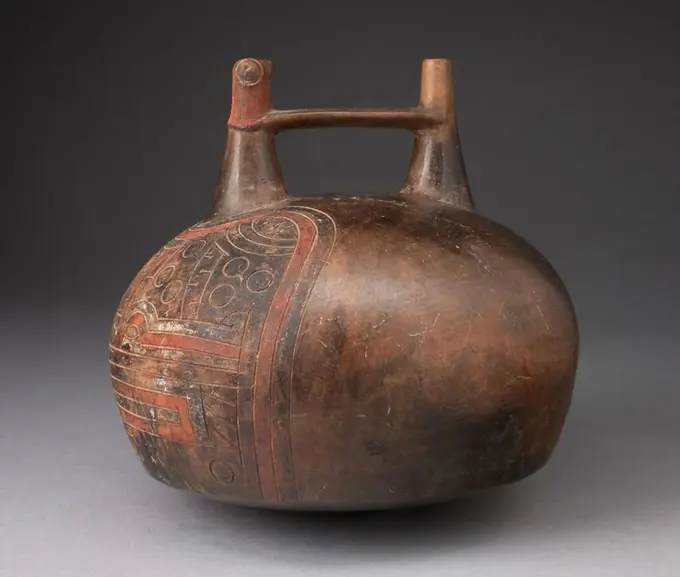
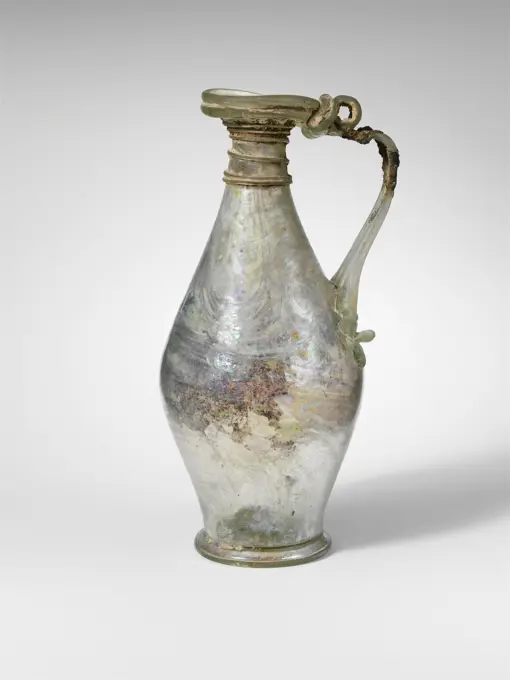
Ancient Terracotta Jugs

A collection of historical terracotta jugs, showcasing various shapes and designs from ancient cultures. The pieces feature intricate patterns and surfaces, reflecting their archaeological significanc
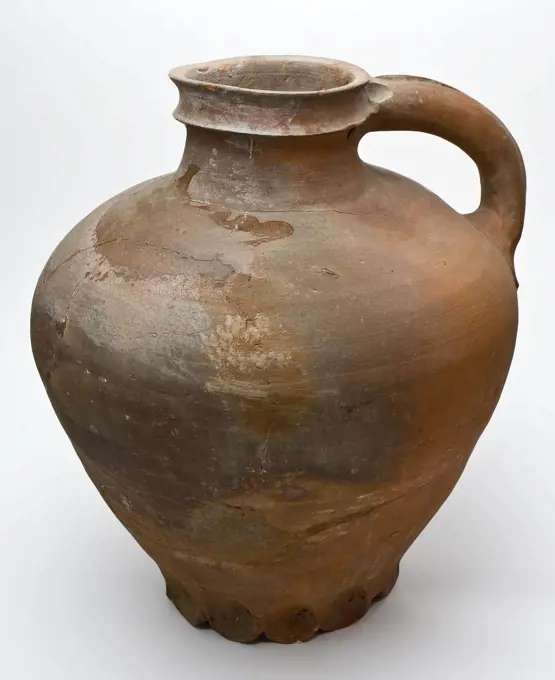
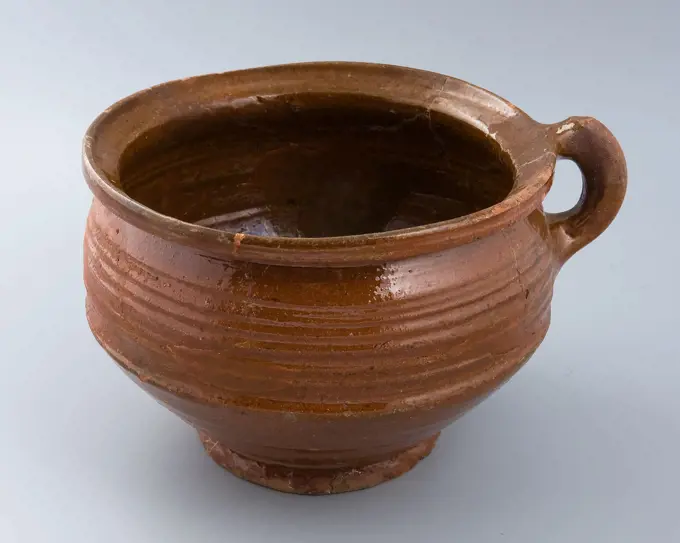
Pottery water jug on circle of stand fins, red shard, some glaze on the shoulder, water jug crockery holder soil find ceramic earthenware glaze lead glaze, hand turned glazed fried jug of red earthenware cuff shaped upper edge with thick round ear with groove and three pinched lobes twelve pinched toes of which two in plaster sparing glaze on shoulder and some sweeping on belly foot and toes. Eir-shaped model archeology Valckensteyn Poortugaal Albrandswaard indigenous pottery water washing food preparation stock packaging kitchen Soil discovery: under the bridge pole at bridge castle Valckensteyn at Poortugaal now Albrandswaard 1962.
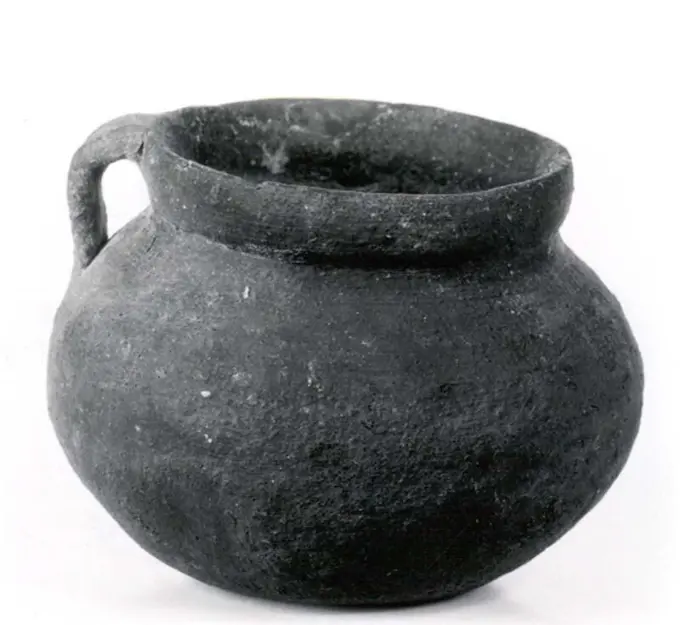
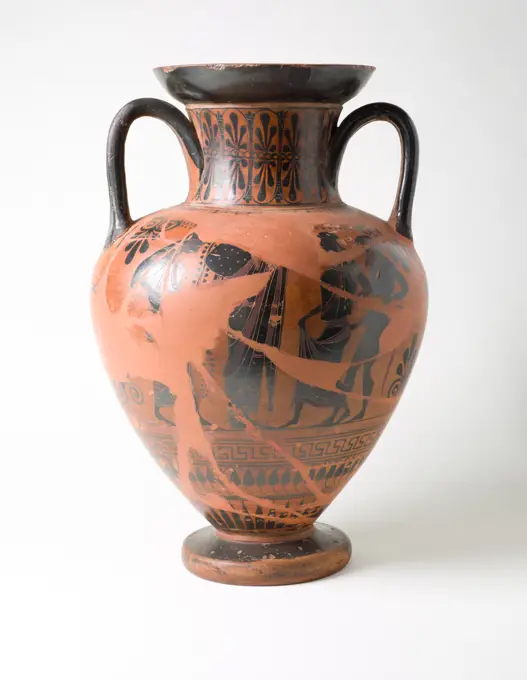
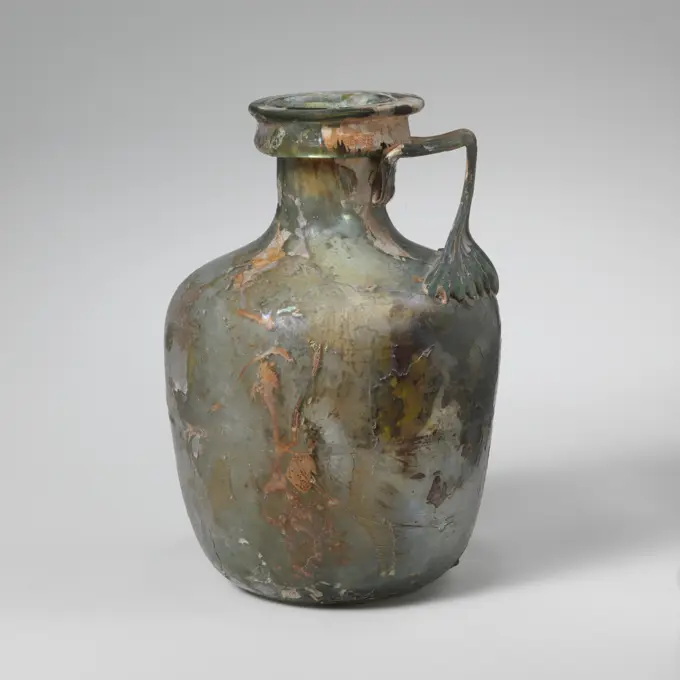
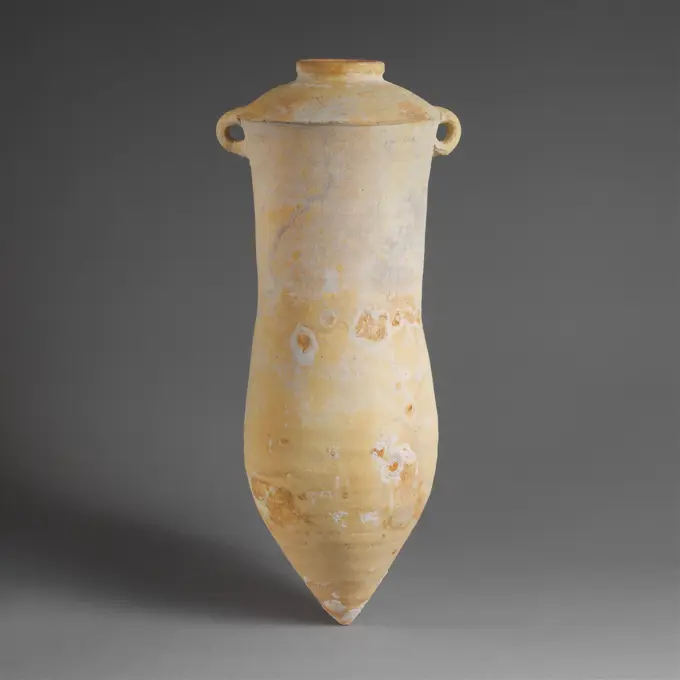
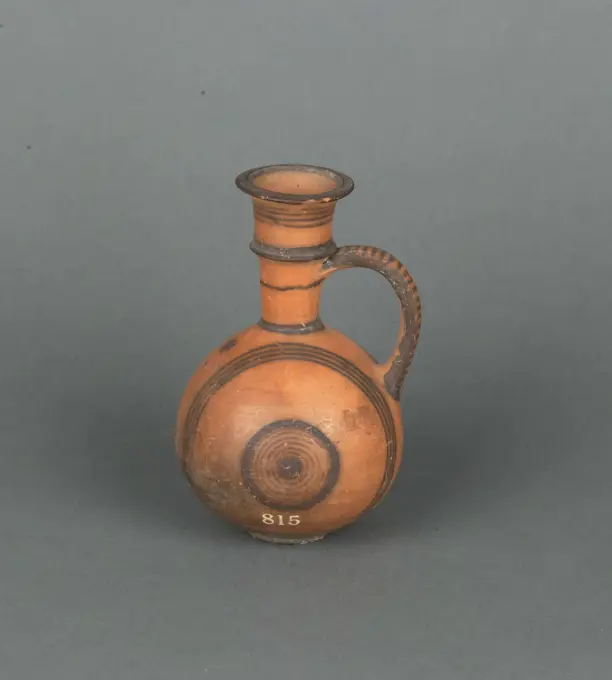
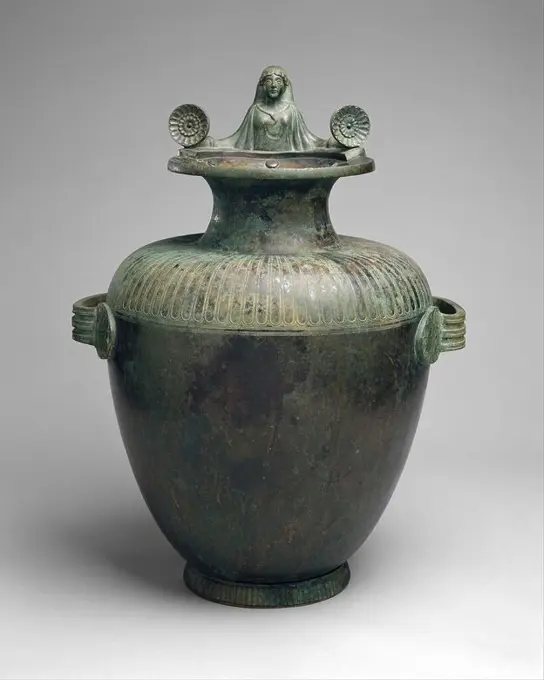
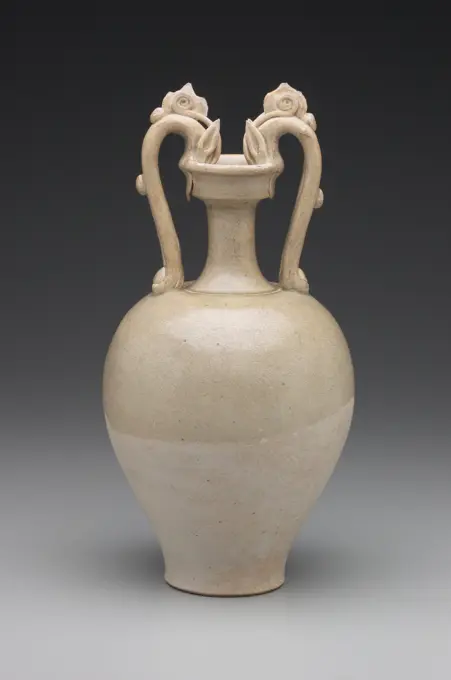
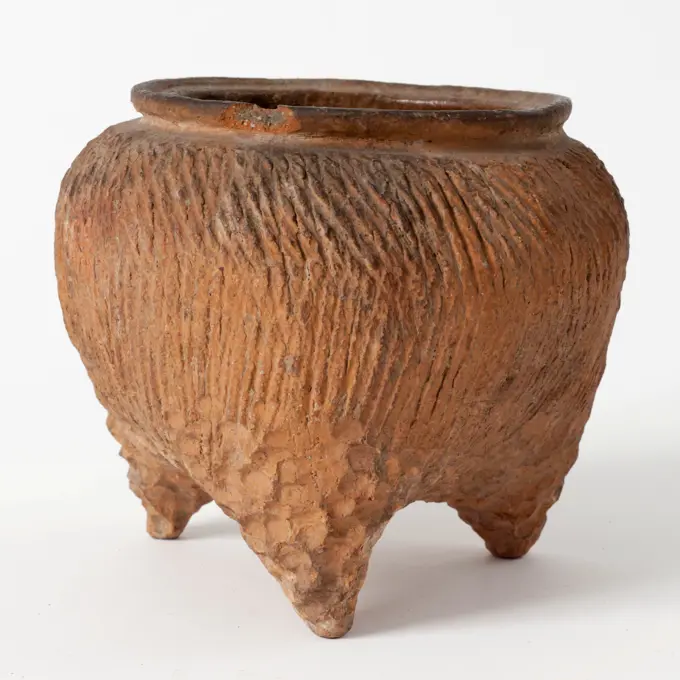
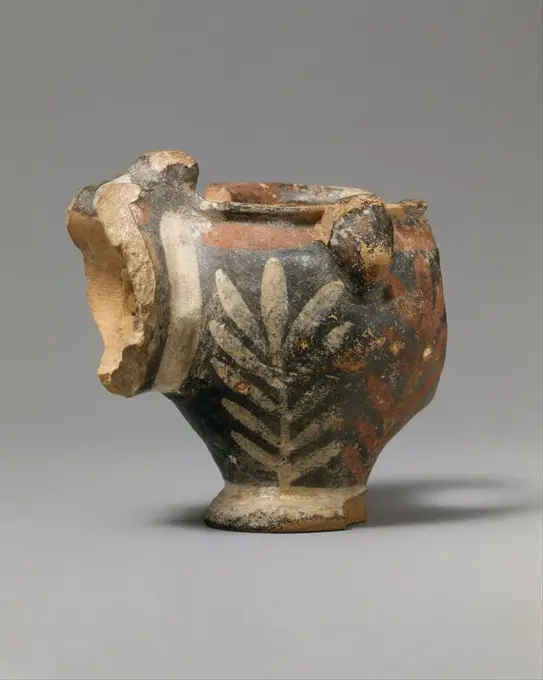
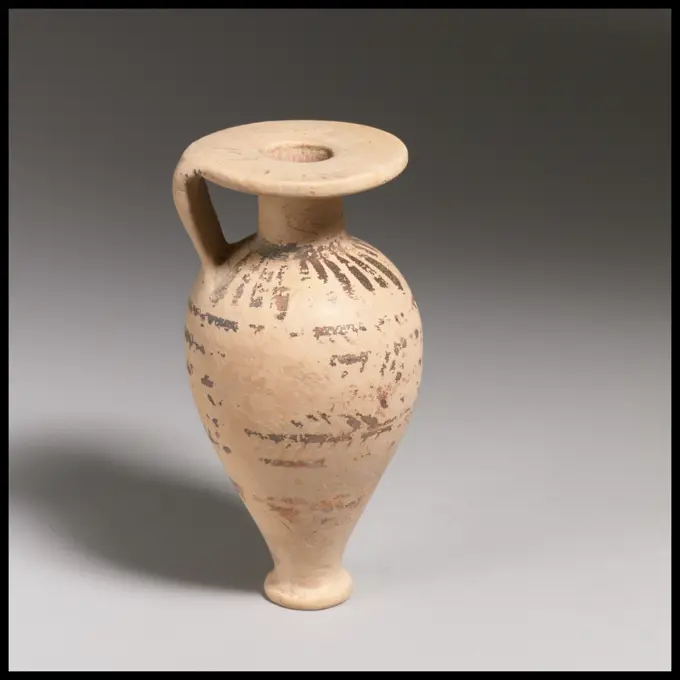
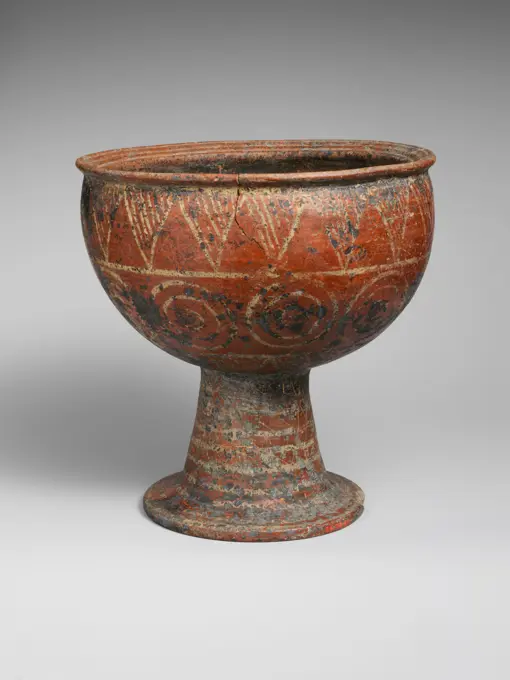
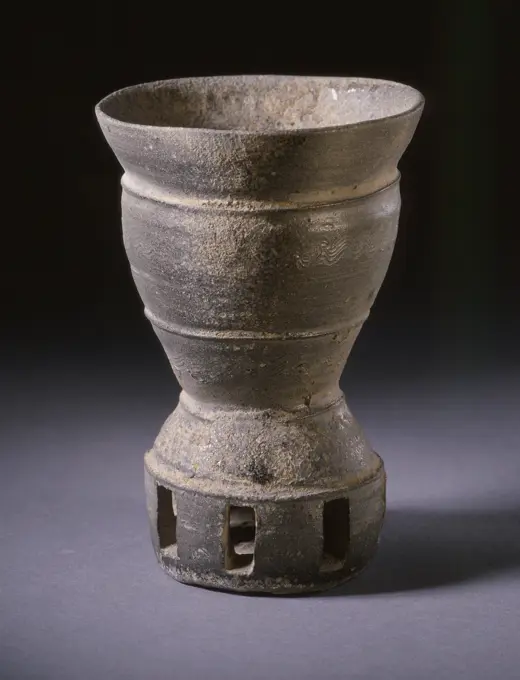
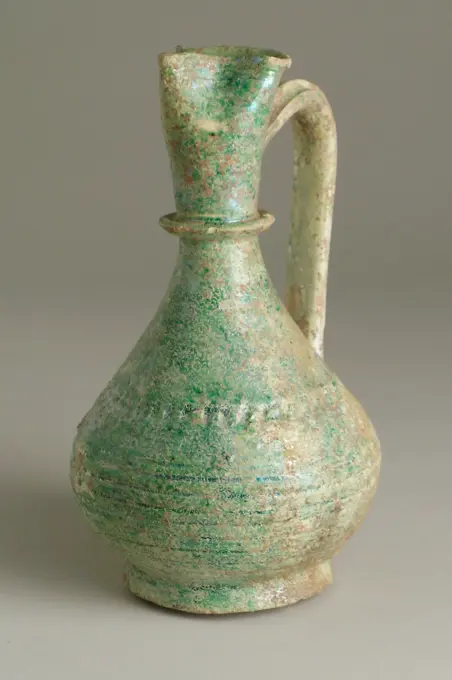
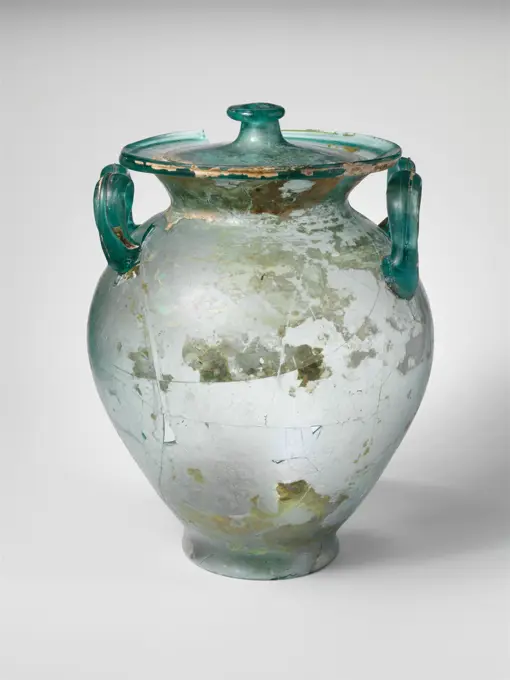
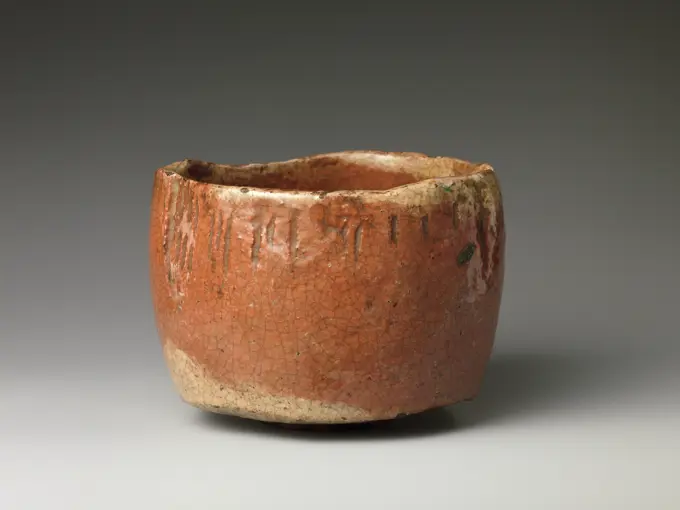
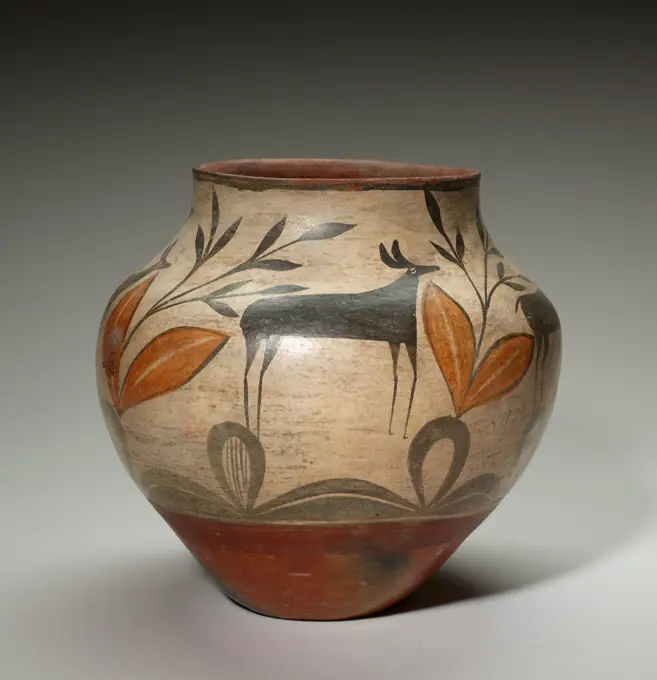
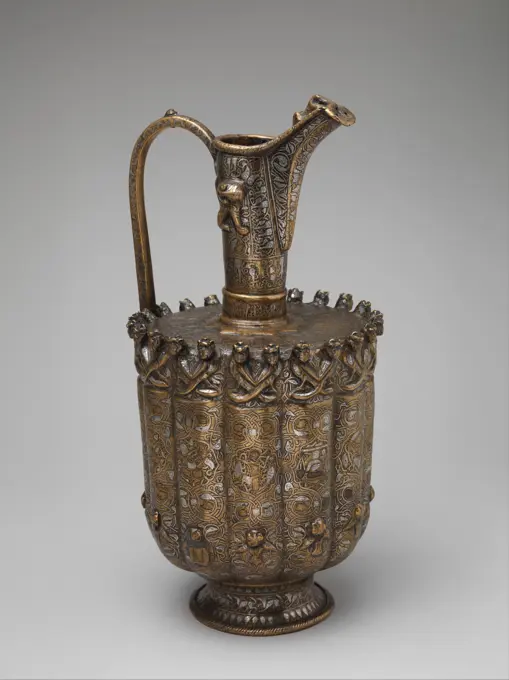
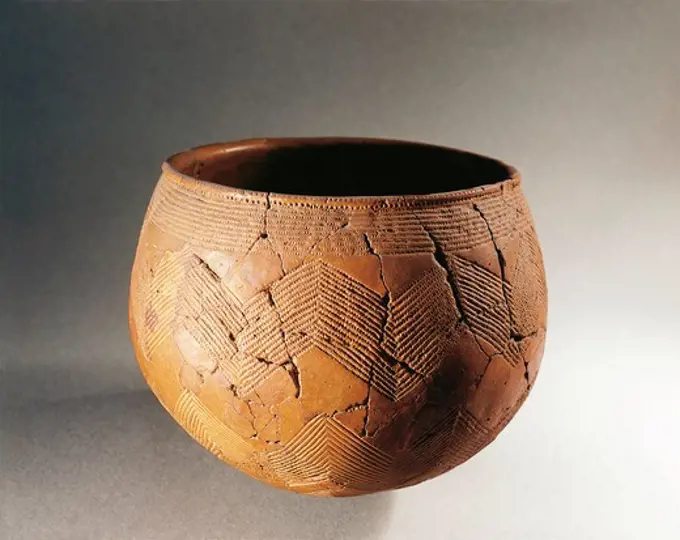
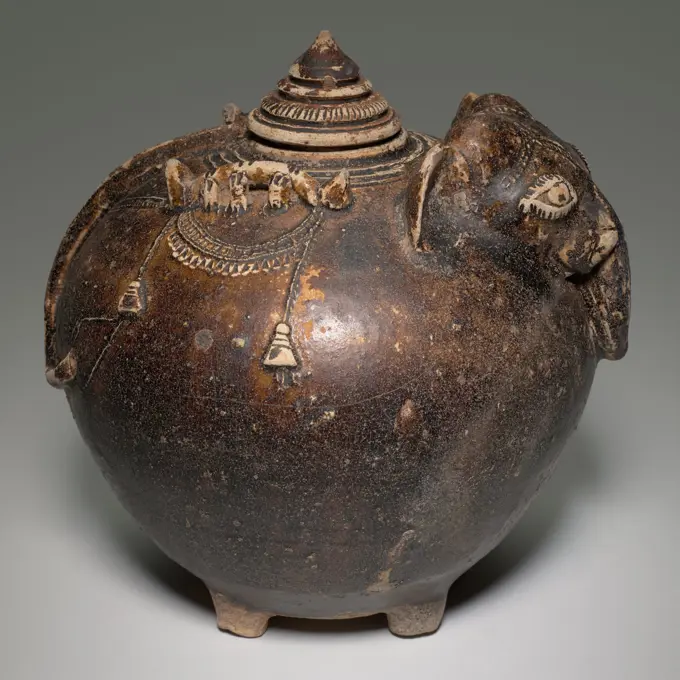
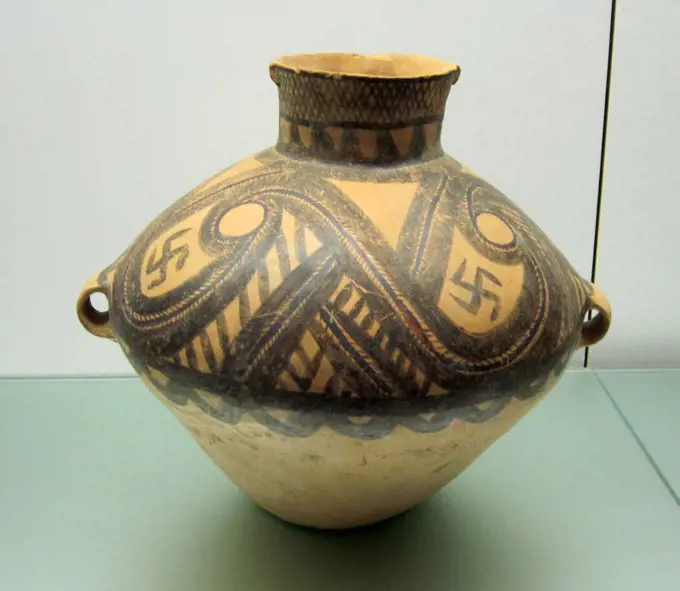
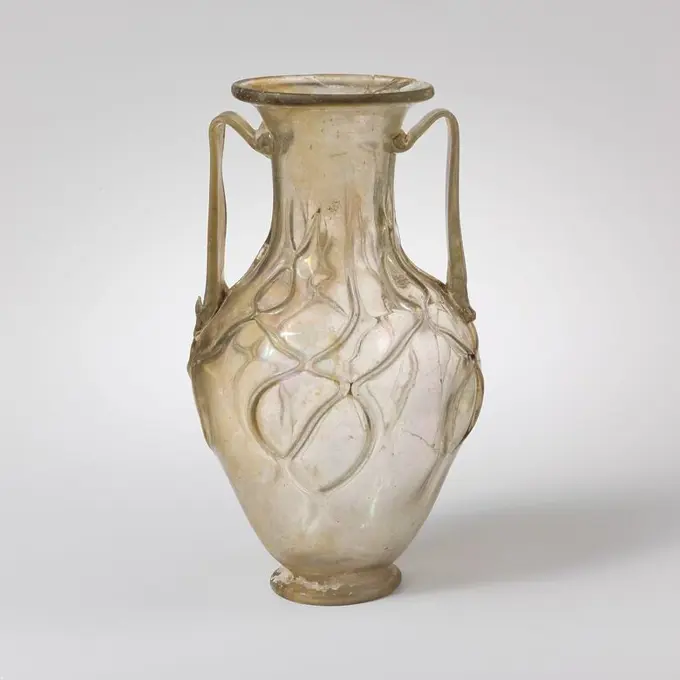
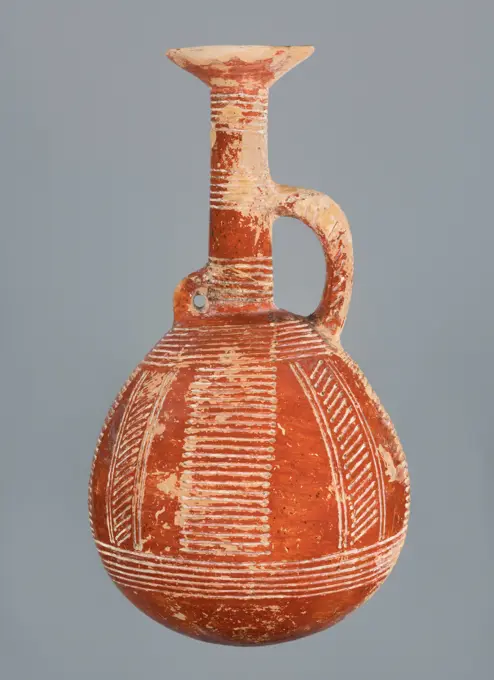
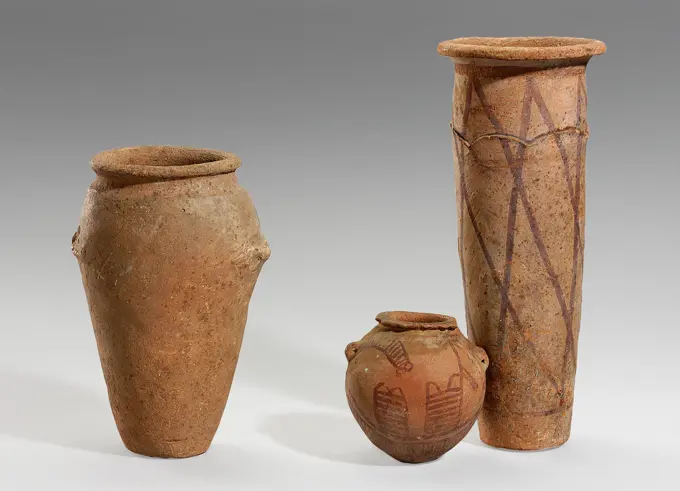
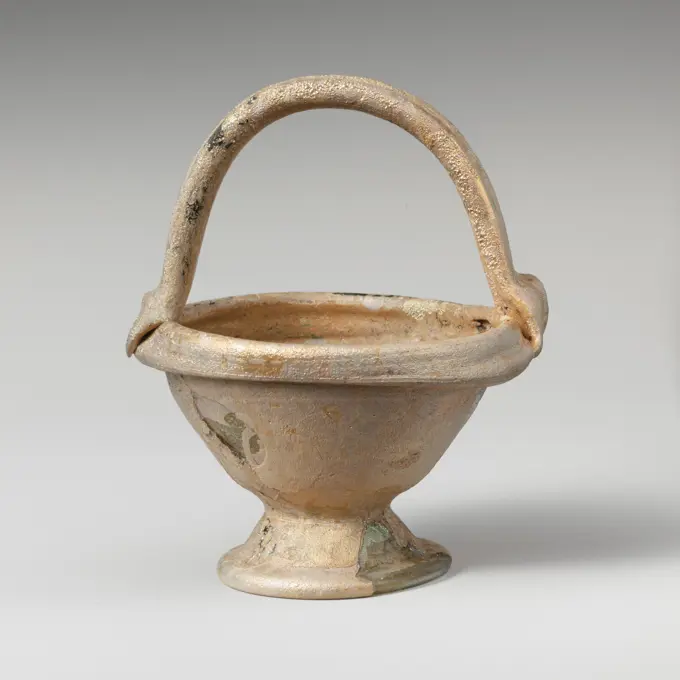
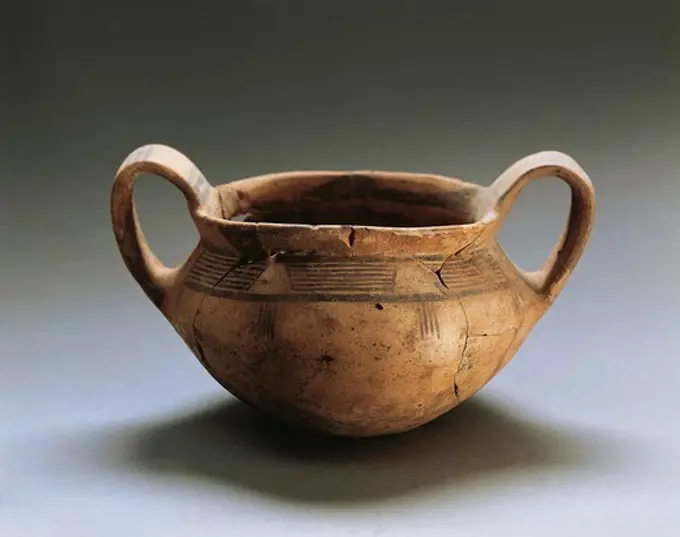
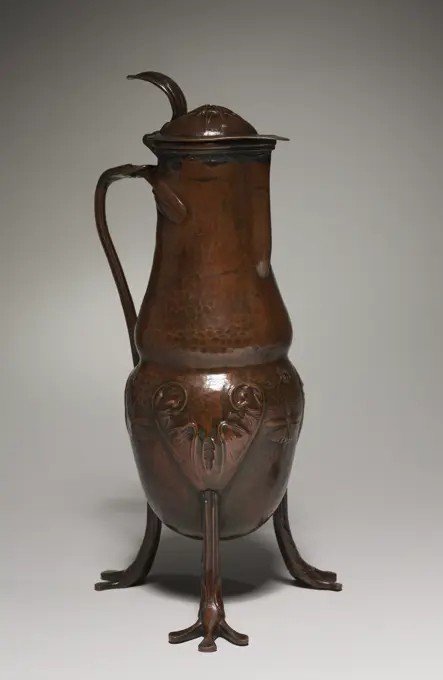
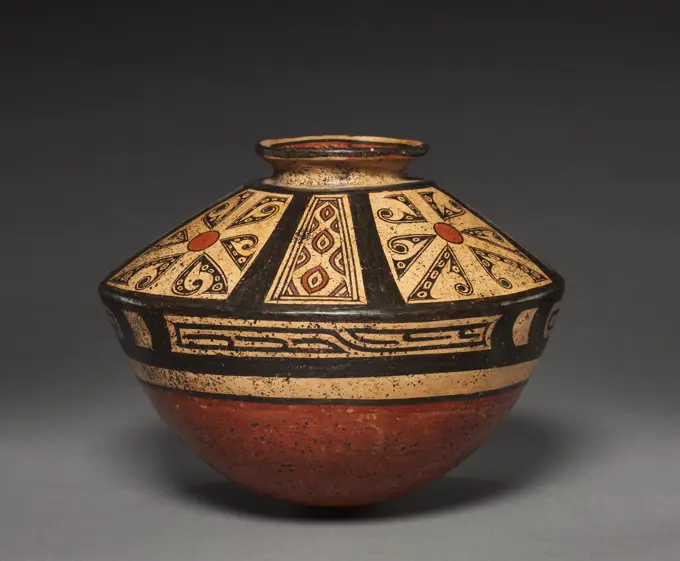
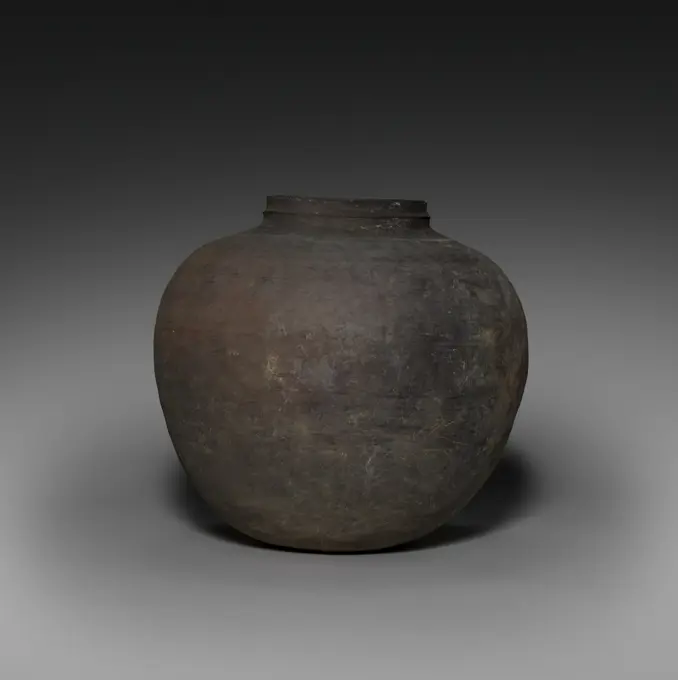
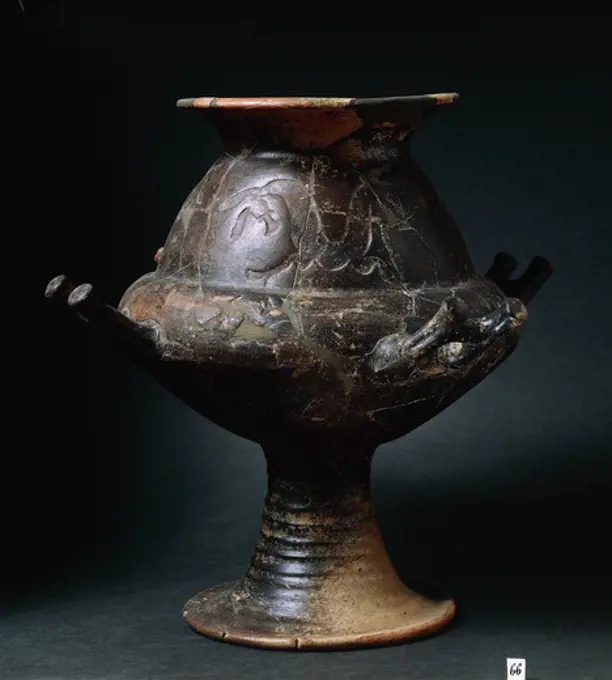
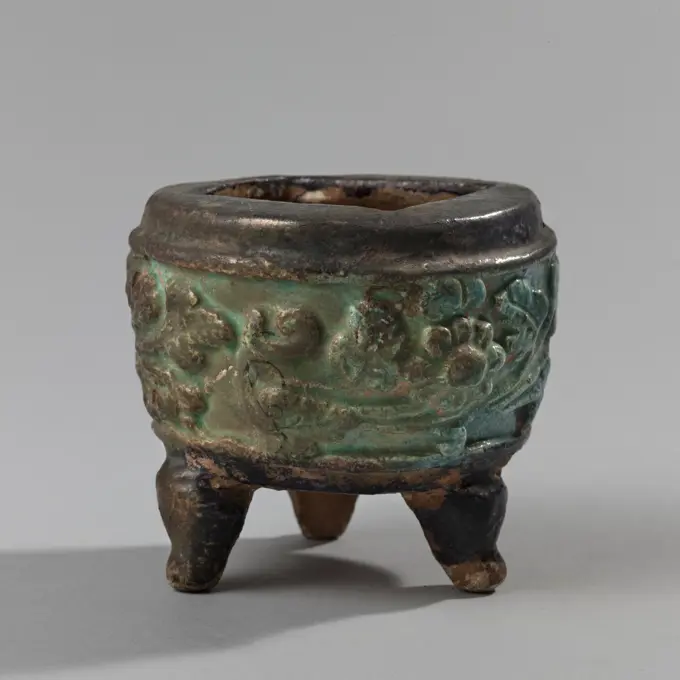
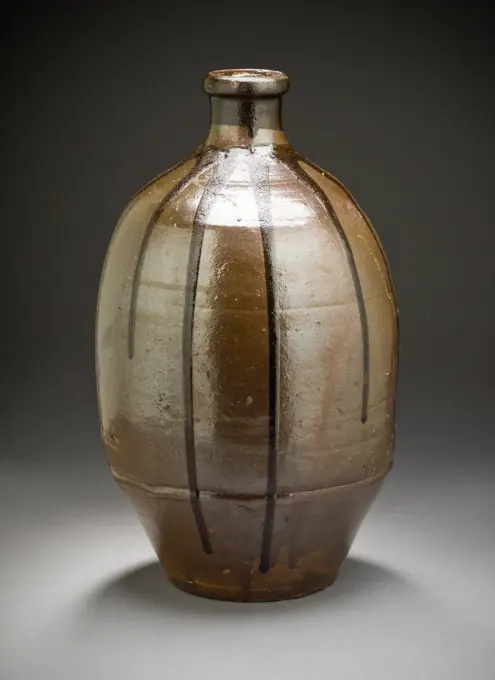
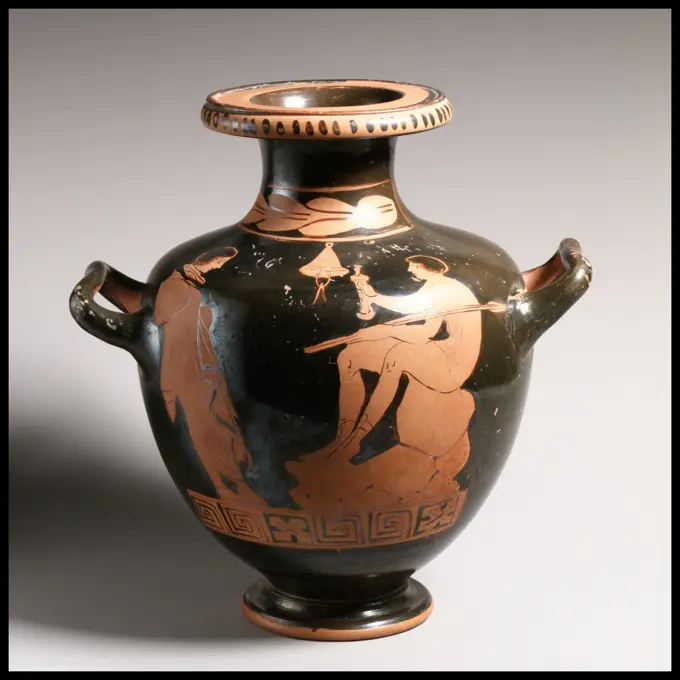
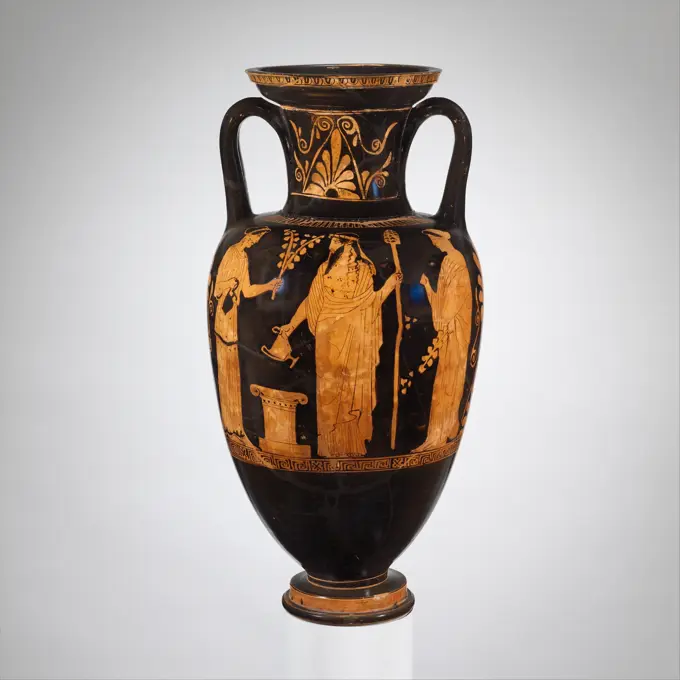
ceramic flask, Visigoth - early medieval, Valladolid Museum , Castile and Leon, Spain.Attic Black Figure Neck-Amphora with (A) Dionysos with Maenads and a Satyr and (B) Woman and Warriors. Greece, Athens, circa 510 B.C.. Furnishings; Serviceware. Ceramic. Sakefles from stoneware with a horizontal ribbed belly and narrow, short neck, covered with a creamy glaze with dark green spots. The bottom is unglazed.MORTERO DE CERAMICA. Location: INTERIOR. TERUEL. SPAIN.Jug. Culture: French. Dimensions: Overall: 7 1/8 x 4 13/16 in. (18.1 x 12.3 cm). Date: 15th century. Museum: Metropolitan Museum of Art, New York, USA.Glass jug mid-1st-2nd century A.D. Roman Translucent blue green; handle in same color.Collar rim folded out, down, up, and out, with horizontal outer lip; short cylindrical neck, curving out at base to join sloping shoulder; cylindrical body, with sides tapering downwards; concave bottom; reeded strap handle applied to top of body and outer edge of shoulder in broad pad, drawn up and out, then turned in horizontally at acute angle, trailed on to top of neck and bottom edge of rim, and tooled into flat pad.Three horizontal bands of wheel-cut decoration on body: upper and lower bands each comprising two fine parallel lines; central band of two fine lines flanking a broader groove.Intact; many bubbles and blowing striations; dulling, pitting, and iridescence with patches of creamy weathering.Myres mistakenly classified this bottle as mold blown.. Glass jug 239720CANTARO U OLLA DE BOCA ANCHA DE DONDE SALEN LAS 2 ASAS - SIN VIDRIAR. Location: ALFARERIA. NIÑODAGUIA. Orense. SPAIN.Terracotta pelike (jar). Culture: Greek, South Italian, Apulian. Dimensions: H. 11 3/8 in. (28.9 cm). Date: ca. 350-300 B.C..On the shoulder, obverse, kneeling Eros with mirror and aryballos (oil flask)Reverse, head of a womanEros is probaby to be understood as the attendant of the woman, who would be Aphrodite or possibly Helen in a mythological context. Here, without an additional attribute, she may be an ordinary mortal. Her hair is in a kekryphalos, a kind of headband that leaves a ponytail at the back. Museum: Metropolitan Museum of Art, New York, USA.Terracotta pyxis (cosmetic box) ca. 550 B.C. Greek, Corinthian The handles are formed from three female busts. Their names are inscribed: Himero, Charita, and Iopa.. Terracotta pyxis (cosmetic box) 239949Terracotta amphora with Phoenician inscription 4th century B.C. Cypriot The painted inscription reads Baalazor, probably the name of the owner.. Terracotta amphora with Phoenician inscription 241853Jug ca. 1050-900 B.C. Cypriot One handle, globular body, circles, and star at front and back.. Jug. Cypriot. ca. 1050-900 B.C.. Terracotta. Iron Age. VasesBronze hydria (water jar). Culture: Greek, Argive. Dimensions: H. with handle 20 1/4 in. (51.41 cm). Date: mid-5th century B.C..Inscribed on top of the mouth "one of the prizes from Argive Hera"This hydria, like Greek art in all its forms, is marked by clearly defined parts organized into a harmonious well-proportioned whole. The plain body swells gently to the shoulder zone, which turns inward with a soft, cushionlike curve. The shoulder is decorated with a simple shallow tongue pattern that echoes the vertical ribbing on the foot. The neck shoots up from the shoulder to a flaring mouth from which the bust of a woman seems to emerge. The figure belongs to the vertical handle of the hydria. She wears a peplos. Her serene face is framed by carefully detailed hair. Rotelles with a rosette pattern give a semblance of outstretched hands. We know from the inscription on the mouth that this hydria was a prize awarded at games for the goddess Hera at her sanctuary in Argos in the PeloponnisTerracotta amphora (two-handled jar) ca. A.D. 100-225 Roman, Syrian Probably made at Dura-Europos.. Terracotta amphora (two-handled jar) 249062VesselCERAMICA PUNICA- ANFORA PINTADA S. IV AC. Location: MUSEO ARQUEOLOGICO / MUSEO DE PUIG DES MOLINS. IBIZA. SPAIN.Fragment of part of foot, soil, trunk and starter of calyx of roemer, roemer wineglass drinking glass drinking utensils tableware holder soil find glass forest glass, handblown glass application Fragment of part foot bottom stem and starter of chalice of roemer in clear green glass (forest glass). Foot from wound glass wire of which five windings remain Pontil mark underneath. On hollow, open trunk two rows of four small bramble buds. Small chalice fragments that bulge woadly (first almost horizontally), suggesting cup shaped chalice archeology Rotterdam rail tunnel drinking Soil discovery: rail tunnel Rotterdam.Glass beaker late 2nd-3rd century A.D. Roman Colorless, with same color trail and foot ring.Knocked-off rim; slightly bulging collar below rim; side tapering downward; applied coil foot ring; kick in bottom.Thick trail wound six times in a spiral down body and tooled to form irregular lozenge or network pattern.Intact, except for very chips and crack in rim; pinprick bubbles; dulling, severe pitting, iridescence, and creamy weathering.. Glass beaker 245332Water Jar with a Woman; Greece; 460 B.C; Bronze; 47 × 33 × 28.2 cm (18 1,2 × 13 × 11 1,8 in.)Vase with DragonHandlesCANTARO DE CERAMICA.Ram-shaped vessel ca. 1st century B.C.-2nd century A.D. Parthian. Ram-shaped vessel 325707Amforka. warsztat rzymski, workshopGourd-Shaped Vessel 600 BCE-400 BCE México. Ceramic and pigment . TlatilcoVase Tripode Li ". Terracotta. Neolithic period (around 8000 BC). Paris, Cernuschi museum. Chinese art, Chinese ceramic, container, neolithic period, container, terracotta, tripod li, three feet, vaseJar 10th century. Jar 452960Kamares jar. Dimensions: H. 7 × W. 6.5 × D. 6.4 cm (2 3/4 × 2 9/16 × 2 1/2 in.). Dynasty: Dynasty 12-13. Date: ca. 1981-1640 B.C..This pot, made in Minoan Crete or perhaps imitated in Egypt, originally consisted of three joined vessels with a loop handle. Its designation derives from a Cretan cave sanctuary of that name where examples were first found. Museum: Metropolitan Museum of Art, New York, USA.TARRO DE MIEL Y CANTARILLO DE AGUARDIENTE VIDRIADOS - ARTE POPULAR. Location: MUSEO DEL PUEBLO ESPAÑOL. MADRID. SPAIN.Ceramic jug with geometric decoration from Pomarico, Basilicata Region, Italy, Italic civilizationsTan Stoneware Jug. Dated: probably 1939. Dimensions: overall: 38.1 x 45.7 cm (15 x 18 in.) Original IAD Object: 11" High 4 7/8" Dia(base). Medium: watercolor, graphite, and colored pencil on paperboard. Museum: National Gallery of Art, Washington DC. Author: George Loughridge.Lekythos 7th century B.C. Italic, Etruria. Lekythos 246115Terracotta amphoriskos (oil flask). Culture: Greek, Attic. Dimensions: H. 6 3/16 in. (15.7 cm). Date: 4th century B.C..Black-glazed flask with stamped patterns. Museum: Metropolitan Museum of Art, New York, USA.Terracotta footed bowl Etruscan ca. 650-625 BCE Pendant triangles and compass-drawn concentric circlesEwer 12th century. Ewer 450947Old winy bottle on the white backgroundWater Jar, c. 1875-1920, 11 x 12 in. (27.94 x 30.48 cm), Clay, pigment, United States, 19th centuryCup with Bell. Korea, Korean, Three Kingdoms period, Old Silla kingdom (57 B.C.-A.D. 668), 5th-7th century. Furnishings; Serviceware. Wheel-thrown stoneware with impressed, combed, and cut decoration and ash and lead glazesEwer. Spain, 10th-11th century. Ceramics. Earthenware, glazedCooking pot ca. 3rd-7th century A.D. Sasanian. Cooking pot 323000Pottery chamber pot on stand ring, slightly pinched band ear, rotating on shoulder, pot holder sanitary soil find ceramic earthenware glaze lead glaze, hand-turned glazed baked Dark brown entirely glazed. Double conical in shape. Narrow foot and wide neck opening Large pot with upright banding wide opening with outstanding edge rings on shoulder Standring. Restoration is repainted archeology underground pit Rotterdam City Triangle Groenendaal indigenous pottery sleeping night room hygiene disposal Soil discovery: underground pit Groenendaal cesspit at 190 meters. Found 1975-10-03.Glass cinerary urn with lid mid-1st-2nd century A.D. Roman Urn: Translucent blue green; handles in same color.Everted rim, folded down, round, up, and in, and flattened in to mouth, forming a solid, angular collar; flaring mouth; narrow, concave neck; large, piriform body; splayed hollow foot; concave bottom; two vertical, arched M-shaped handles, attached on opposite sides of upper body, each made of a thick trail, applied as a large circular pad, drawn across body from left to right, and trailed off back along top of handle.Broken and repaired, with holes in rim, body, and foot; pinprick bubbles and a few glassy inclusions; dulling, some pitting, patches of thick iridescent weathering, and small areas of soil encrustation.Lid: Translucent blue green.Thin, plain, horizontal rim; concentric ridge near rim on exterior; shallow dome-shaped side; hollow stem, tapering upwards to flattened, oval knob with thick, downturned lip; small, tooled indent in center of knob on top.Complete, but soJar (hu). China. Date: 475 BC-221 BC. Dimensions: H. 44.7 × diam. 30.6 cm (17 5/8 × 12 in.). Bronze inlaid with copper. Origin: China. Museum: The Chicago Art Institute, Chicago, USA.Ewer 12th-13th century. Ewer 451880Vase ". Bronze. China, Han. Paris dynasty, Cernuschi museum. 72773-1 Anse, Chinese art, bronze, han dynasty, vaseLarge earthenware storage jar with slightly flattened bottom, upright neck edge, storage jar pot holder soil found ceramic earthenware, cm hand-turned baked Black pot on slightly convex bottom. Egg-shaped pot with narrow neck opening Upright neck edge with collar along the outer edge. Black waised earthenware Vague spinning glasses Along the outside archeology Poortugaal Albrandswaard pottery store store stock Grondvondst Poortugaal.Teabowl 17th century Attributed to Hon'ami Kōetsu Japanese. Teabowl 63111Beaker 'trichterhalsbecher' with the Annunciation, the Crucifixion and the Resurrection, anonymous, c. 1500 - c. 1599 Cup (funnel neck cup) of stoneware on wavy foot with a spherical body and funnel -shaped neck. The C-shaped ear is attached to the shoulder and abdomen. On the abdomen in relief three printed and imposed medallions with a Biblical performance: the annunciation, the crucifixion and the resurrection. Tires on the body and the neck. Siegburg. Siegburg stoneware. glaze vitrification Cup (funnel neck cup) of stoneware on wavy foot with a spherical body and funnel -shaped neck. The C-shaped ear is attached to the shoulder and abdomen. On the abdomen in relief three printed and imposed medallions with a Biblical performance: the annunciation, the crucifixion and the resurrection. Tires on the body and the neck. Siegburg. Siegburg stoneware. glaze vitrificationVessel, 1880-1900, 10 7/16 × 11 1/16 × 11 1/16 in. (26.51 × 28.1 × 28.1 cm), Ceramic, pigments, United States, 19th-20th centuryVesselEwer ca. 1180-1210 This ewer comes from a group of silver-inlaid brass vessels of similar shape and size decorated with a variety of imagery. While most of the examples have fluted sides and repoussé lions on their neck, the crowned harpies on the shoulder of this piece and the astrological imagery on its body heighten the auspiciousness of its ornament. Set in medallions of twisting vines terminating in rabbits heads, each zodiac sign appears with its ruling planet, enhancing its cosmic message.. Ewer 450513Sweden, Smaland, Hanger, Pot with engravings of the combat axe cultureLime Jar in the Form of an Elephant, 11th-12th century, 7 3/8 x 7 3/8 in. (18.73 x 18.73 cm), Khmer ware Stoneware with molded decor under brown glaze, Thailand, 11th-12th century, By the early 1000s, much of Thailand had been consolidated under Khmer rule (802-1437 CE). A highway linking the Khorat Plateausite of Ban Chiang ceramic production, an example of which is in the case at far leftto Angkor (in present-day Cambodia) increased regional trade and the distribution of distinctive chocolate-glazed ceramics in animal forms. This regally attired elephant resembles those used in Khmer royal processions. Such a ceramic container likely stored lime, an ingredient used in the preparation of betel, a mild stimulant popular throughout Southeast Asia.Neolithic pottery vessel, decorated with swastikas, Art Museum, Hong Kong, 2010.Jug with an incised decoration, anonymous, c. 1580 - c. 1600 Jug of stoneware on stand ring with a pear -shaped body and narrow neck. The C-shaped ear is attached to the neck and shoulder. Covered with a brown Engobe. On the shoulder and neck three tires, separated by profiles, with an entry decoration that is reminiscent of karf -cut. Attached to the ear a pewter frame with lid. Marked on the inside with a crown and the letters 'i.t.'. Raeren. Rae Stoneware. Glaze. Engobe. frame: tin (metal) vitrification Jug of stoneware on stand ring with a pear -shaped body and narrow neck. The C-shaped ear is attached to the neck and shoulder. Covered with a brown Engobe. On the shoulder and neck three tires, separated by profiles, with an entry decoration that is reminiscent of karf -cut. Attached to the ear a pewter frame with lid. Marked on the inside with a crown and the letters 'i.t.'. Raeren. Rae Stoneware. Glaze. Engobe. frame: tin (metal) vitrificationGlass jar with two handles (amphora). Culture: Roman. Dimensions: H.: 5 15/16 in. (15.1 cm). Date: 3rd century A.D..Colorless with yellowish tinge; handles and trails in same color .Everted, beveled rim; flaring mouth; broad, cylindrical neck, tapering slightly downwards; sloping shoulder; side tapering downwards; tubular, outsplayed base ring, made by folding; pushed-in bottom; two strap handles applied to top of neck, drawn out and up, then turned sharply downwards vertically, and trailed off on shoulder over trail decoration.Irregular pattern of pairs of vertical trails, extending from neck to lower body, pinched together at intervals.Broken and repaired, with one chip in rim and two small holes in neck; a few bubbles and glassy inclusions; slight dulling and weathering, and faint iridescence covering most of surfaces.The decoration was applied with molten threads of glass which fused with and were partially absorbed by the body of the amphora. Museum: Metropolitan Museum of ArVase (usual name). Sandstone, Céladon. Cernuschi Museum, Asia Museum of Asia in the city of Paris.Dzban o gruszkowatym brzuścu i dekoracji rytej. unknown, authorCASTAÑERA - PUCHERO DE 2 ASA CON AGUJEROS PARA QUE PASE EL CALOR. Location: ALFARERIA. JIMENEZ DE JAMUZ. LEON. SPAIN.Naczynie o kulistym brzuścu. nieznany warsztat północno mezopotamski, workshopJARRA SEMIVIDRIADA - CERAMICA PARA AGUA. Location: ALFARERIA. VALL DE UXO. Castellón. SPAIN.A vessel with wavy ear, painted vessel, a cylindrical vessel with a cartoon decoration;  approx. 3500-3050 BC ; Predominating period, Nagada II/III (-3505-00-00--3045-00-00), 2. PO. 4,000 BC ; Predominating period, Nagada II (-3500-00-00--3001-00-00), approx. 3200-OK. 3050 BC; Predominating period, Nagada III (-3205-00-00--3045-00-00);Louvre (Paris) - collection, scenes.gal.eg., Egyptian ceramics, painted ceramics, painted decorations, rice decorations, painted dishes, oils for oils and ointments, wavy handlesJuglet Cypriot 750-600 BCE Vase with modeled rings on neck; fine salmon-colored clay. View more. Juglet. Cypriot. 750-600 BCE. Terracotta. Cypro-Archaic I. VasesEwer 8th-9th century. Ewer 449744Ceramic Vase 40 B.C.Glass bowl with basket handle 4th century A.D. Roman, Syrian Colorless with green tinge; handle probably in same color.Rim folded out and down, forming projecting collar around top of side, and an inverted lip on inside; funnel-shaped side; high, splayed foot ring, made by folding; small, flat, circular bottom; rod handle applied to rim, drawn up in a large loop and trailed onto opposite side of vessel.Intact, but heavily weathered with one small hole in rim; many pinprick bubbles; pitting and brilliant iridescent weathering covering most of surfaces.. Glass bowl with basket handle 256754Indigenous decorated cup, terracotta from the necropolis in Macchiabate, near Francavilla Marittima, Calabria, Italy. Ancient Greek civilization, Magna Graecia, 8th Century BC.Bottle 9th-10th century. Bottle 449578Bowl 4th-7th century Coptic. Bowl 478871Covered Jug, c. 1900. Francois Bocquet (Swiss, 1874-1955). Copper repousee; diameter: 11 cm (4 5/16 in.); overall: 32.3 x 14.6 cm (12 11/16 x 5 3/4 in.).Glass perfume bottle. Culture: Roman. Dimensions: 2 7/16in. (6.2cm)Other: 1 5/8in. (4.1cm)Diam. of rim: 11/16 in. (1.8 cm). Date: 1st century A.D..Translucent pale blue.Plain, knocked-off rim; small, flaring mouth; cylindrical neck; globular body; flattened bottom.Broken around rim and neck, and repaired; patches of dulling, deep pitting, and iridescent weathering. Museum: Metropolitan Museum of Art, New York, USA.Lamp. UnknownJar with Flared Lip, c. 3000 BCE, 6 1/2 x 7 11/16 in. (16.51 x 19.53 cm), Earthenware, Thailand, 31st-30th century BCEBowl. Culture: Coptic. Dimensions: Overall: 1 9/16 x 3 in. (3.9 x 7.6 cm). Date: 4th-7th century. Museum: Metropolitan Museum of Art, New York, USA.VASIJA DE CERAMICA. Location: CATEDRAL MUSEO DIOCESANO. Orense. SPAIN.Pottery flowerpot on stand foot, one hole, unglazed, pot holder pottery earthenware ceramic pottery, hand-turned, pierced baked Flower pot of light red earthenware one hole in bottom rotations. Tapered from shape downwards narrowing Stand base Thickened upper edge archeology Valckensteyn Poortugaal Albrandswaard indigenous pottery flower plant herb garden gardener gardener kitchen Soil discovery: canal at kitchen castle Valckensteyn at Poortugaal now Albrandswaard 1961.Engraved brass and silver ewer. Near East Civilisation, 14th century.Vessel: Turtle, 1000-1300. Panama, Parita style, 11th-14th century. Ceramic, slip; overall: 22.9 x 29.2 cm (9 x 11 1/2 in.).Terracotta bowl. Culture: Roman. Dimensions: H. 2 11/16 in. (6.8 cm)diameter 3 11/16 in. (9.4 cm). Date: ca. A.D. 1-300.Orange glazed bowl with barbotine design of raised ribs. Museum: Metropolitan Museum of Art, New York, USA.Vessel with Knobbed Lid, 200s-300s. Korea, Kaya Kingdom (42-562). Stoneware; overall: 34.6 x 29.5 cm (13 5/8 x 11 5/8 in.). This storage vessel is distinguished by its robust, subtly proportioned form and its body color. The purplish-brown surface "skin" is enlivened by a series of smoky black swirling marks that occurred during the firing in the wood kiln. This shape began as a series of clay coils that were pinched and then paddled; however, it spent more time on a potter's wheel to thin and finish its outer surface. The lid received similar, understated attention to detailing and finish.Italic civilizations, 7th-6th century b.C. Biconical vase.Covered Box with Floral Scrolls. Thailand, Sawankhalok, circa 16th century. Furnishings; Accessories. Wheel-thrown stoneware with incised decoration and brown and cream glazeTripod burn-brurge. Turquoise -free terracotta. Paris, Cernuschi museum. 78844-16 Asian art, burn-brurge, old ceramic, covered, email, glacide, refinement, terracotta, terracotta emailleePUCHERO CON DOS ASAS PARCIALMENTE VIDRIADO-CERAMICA POPULAR S XX. Location: ALFARERIA. CONSUEGRA. Toledo. SPAIN.Bowl. Culture: Coptic. Dimensions: Overall: 2 1/2 x 4 1/4 in. (6.3 x 10.8 cm). Date: 4th-7th century. Museum: Metropolitan Museum of Art, New York, USA.Square Sake Bottle with Eight Views of Ōmi Design. Japan, early to mid-19th century. Ceramics. Tanba ware; stoneware with ash glaze and pressed designFire Pot, anonymous, 1550 - 1700 fire pot Fire or stink pot of earthenware with three ears. Netherlands earthenware. glaze   FlushingJug;  1600-1450 BC (-1650-00-00--1475-00-00);Lazio Viterbo Viterbo Museo Civico71. Hutzel, Max 1960-1990 Views of paintings (Middle Ages through 18th c.), frescoes, a tabernacle, coffin, sculpture reliefs, portal fragments, busts, sculpture, tapestry found in the Pinacoteca, Second floor gallery and Second floor cloister sequences. Antiquities: Many views of Etruscan and Roman fragments, sculpture, sarcophagi, pottery, masks, jewelry and other objects found in the Storeroom sequence (inventory numbers on back of prints), and the Cloister, Second floor Cloister, Valle Giulia, Sala Romana and Sala Etrusca sequences. General Notes: There are eight separate numerical sequences for this location. The cloister as an architectural structure, rather than museum site, is documented in the record and file for S. Maria della Verita, Cloister, all views of which are stored in Medieval core collection. Five views from the Museo Civico Second floor cloister sequence are stored in Medieval. German-born photographer and scholar Max Hutzel (1911-Hydria ca. 400-375 B.C. Attributed to the Workshop of the Creusa Painter. Hydria 250778 : Attributed to the Workshop of the Creusa Painter, Hydria, ca. 400375 B.C., Terracotta, 9 1/16in. (23cm). The Metropolitan Museum of Art, New York. Rogers Fund, 1919 (19.192.45)Jar 618 CE-906 CE China. Earthenware with green glaze .Terracotta neck-amphora (jar) ca. 460-450 B.C. Attributed to the Niobid Painter Obverse, Dionysos and maenads at altar;Reverse, libation scene: king and womenThe Niobid Painter takes advantage of the large shape to depict solemn, imposing offering scenes. On the obverse, Dionysos, god of wine, stands at an altar with a kantharos (drinking cup with high handles) as the maenad opposite him holds an oinochoe (jug); interestingly, the vase is glazed black to be more visible. On the reverse, a man whose status is indicated by his scepter and fillet holds a phiale (libation bowl) that is being filled by a woman pouring from an oinochoe (jug).. Terracotta neck-amphora (jar) 246857Water or Wine Jug. Dated: c. 1939. Dimensions: overall: 54.3 x 45.3 cm (21 3/8 x 17 13/16 in.) Original IAD Object: 15" High (approx). Medium: watercolor, graphite and colored pencil on paperboard. Museum: National Gallery of Art, Washington DC. Author: Nicholas Amantea.Vase, 1736-1795. China, Qing dynasty (1644-1911), Qianlong reign (1735-1795). Porcelain; overall: 34.4 cm (13 9/16 in.).Italy, Veneto, Cinerary urn with decoration of coloured stripesEwer dated A.D. 1707 An inscription in Greek records that this ewer was made for Thomas Cantacuzene, protspatharios (chief guardsman) in 1707. He would have been part of the class of Greek aristocrats known as Phanariots who remained powerful in Istanbul society during the Ottoman period.. Ewer 444985Double Spout Vessel with Incised and Painted Abstract Feline Head. Paracas; South coast, Peru. Date: 650 BC-150 BC. Dimensions: 16.5 x 17.8 cm (6 1/2 x 7 in.). Ceramic and pigment. Origin: South Coast. Museum: The Chicago Art Institute, Chicago, USA.Glass jug 3rd-4th century A.D. Roman Colorless with light green tinge; same color handle and trails.Plain, rounded rim; flaring mouth; short cylindrical neck, expanding downwards and joining imperceptibly with biconical body; outsplayed tubular foot rim, made by folding; deep kick in bottom, with large jagged pontil scar; four-ribbed strap handle, applied to body just above greatest diameter, with claws extending downwards, the two outer ones being larger and each tooled to have a pinched, horizontal projection; handle drawn out and up, curved in, and folded onto underside of mouth and edge of rim, with one hollow roll, on top of trail.A thicker trail wound slightly more than once around underside of mouth; another thinner trail wound six times in a spiral around neck.Body intact, but top of handle broken and repaired below hollow roll (with alien piece of glass); bubbles and blowing striations; some soil encrustation, especially around neck, slight dulling, whitish weathering, and briFragment of a jug or 'Jacobakan', anonymous, c. 1450 - c. 1599 Fragment of a ribbed, narrow Kan (Jacobakan) of stoneware on corrugated foot with an egg -shaped body and long neck. Rand is missing. The belly has been squeezed. The C-shaped ear is attached to the neck. The jug is decorated with turning virgins and a profile on the shoulder. The upper part of the abdomen has been smoothed. Germany stoneware Fragment of a ribbed, narrow Kan (Jacobakan) of stoneware on corrugated foot with an egg -shaped body and long neck. Rand is missing. The belly has been squeezed. The C-shaped ear is attached to the neck. The jug is decorated with turning virgins and a profile on the shoulder. The upper part of the abdomen has been smoothed. Germany stonewareGlass stemmed cup. Culture: Roman, Palestinian. Dimensions: H.: 3 3/4 in. (9.5 cm). Date: 4th-5th century A.D. or later.Translucent pale blue green; trails in translucent cobalt blue.Thickened, vertical rim, with slightly inverted lip; elongated inverted bell-shaped body, curving in at base; hollow stem; hollow, low conical foot, with tubular edge made by folding; deep kick in bottom with central pontil scar.One trail applied as a thick, elongated pad immediately below rim and wound in a spiral almost nine time around upper side of body; a second trail applied as a circular pad to side and wound round body in a spiral four times, then tooled and pinched into a wavy pattern of six upward and hanging loops (sometimes called the "spectacle" pattern).Intact; few bubbles; pitting, creamy brown weathering, and iridescence. Museum: Metropolitan Museum of Art, New York, USA.Italy, Sicily, Necropolis of Fusco, Attic krater (vase used to mix wine and water) depicting people talking outside a templeCERAMICA IRANI-JARRO DE BARRO DE SIENA. Location: MUSEO ARQUEOLOGICO NACIONAL-COLECCION. MADRID. SPAIN.