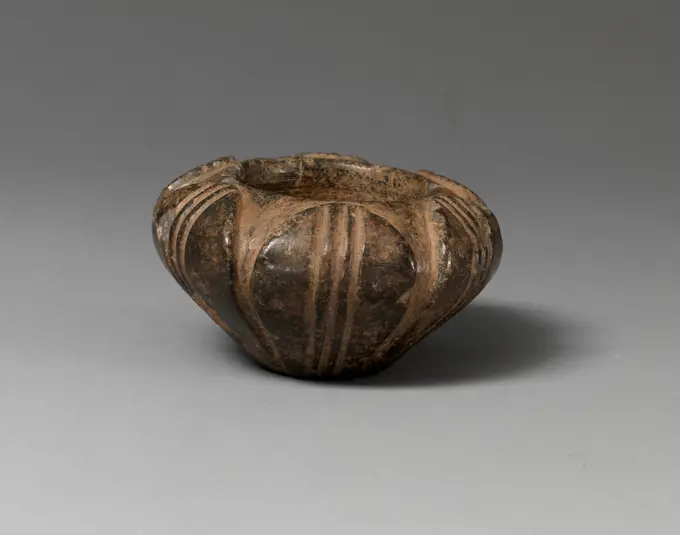
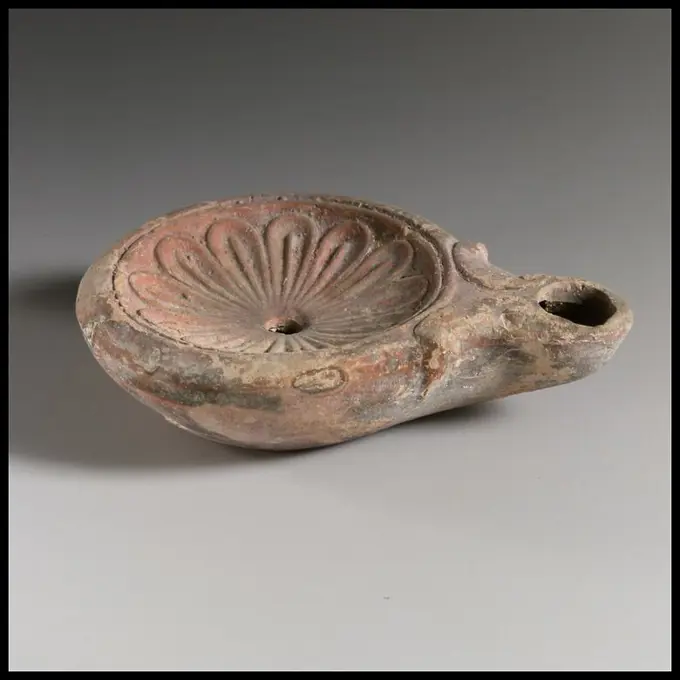
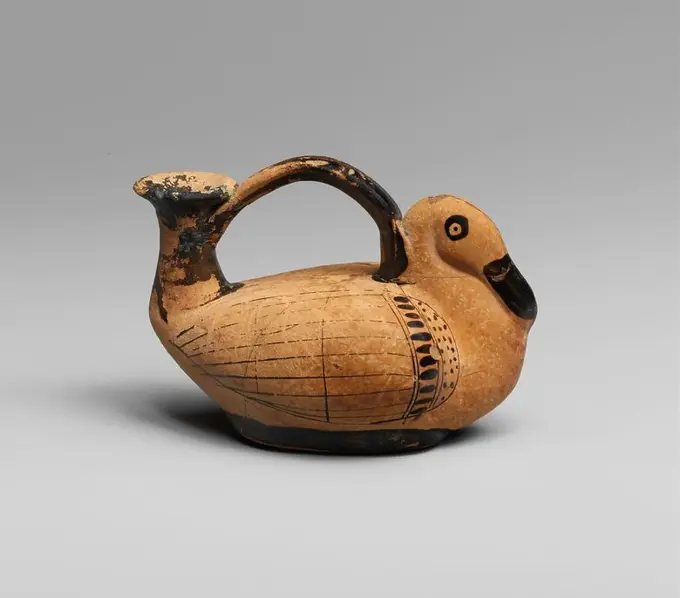
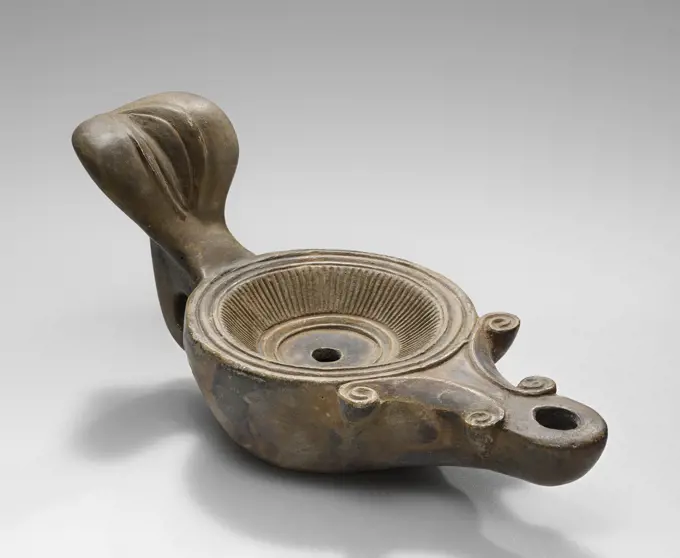
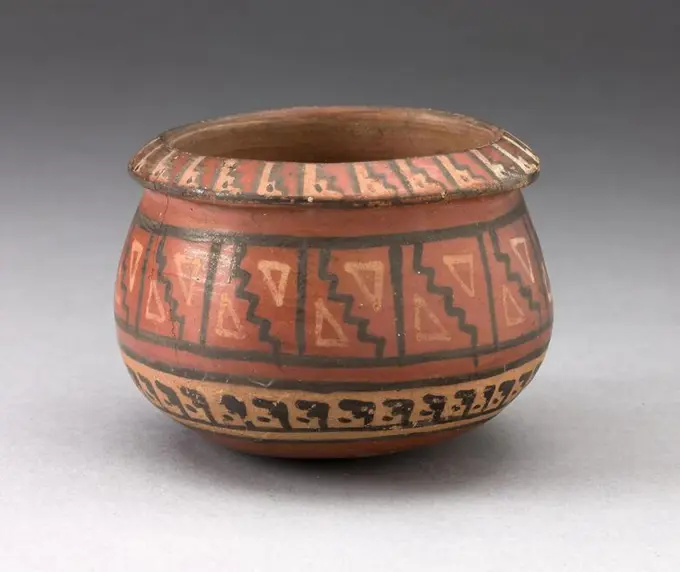
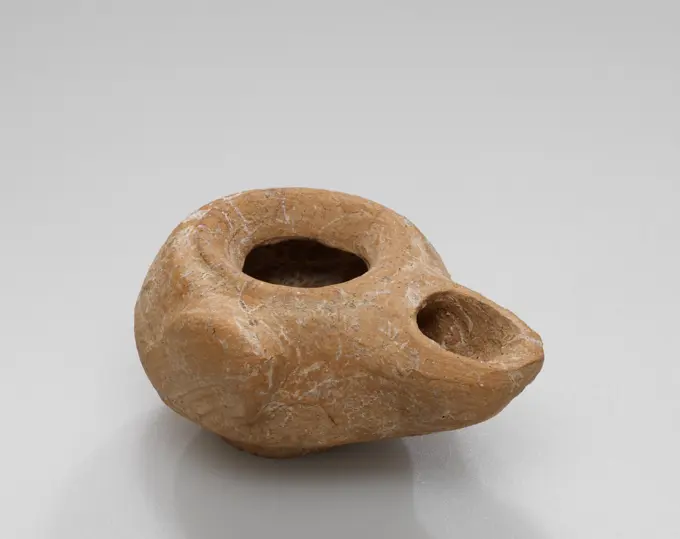
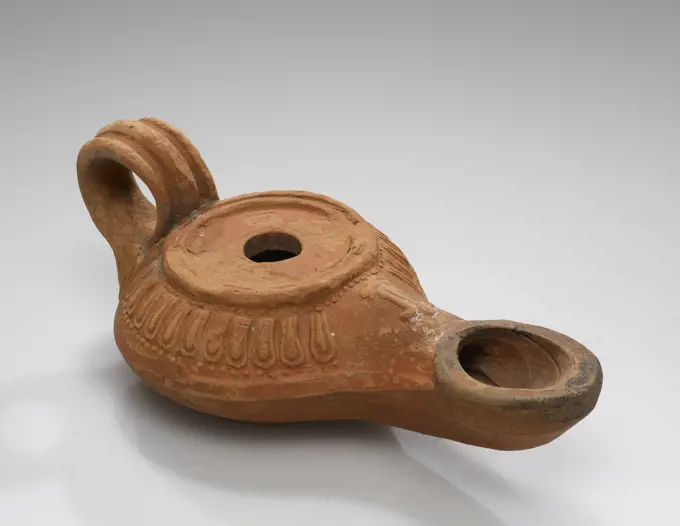
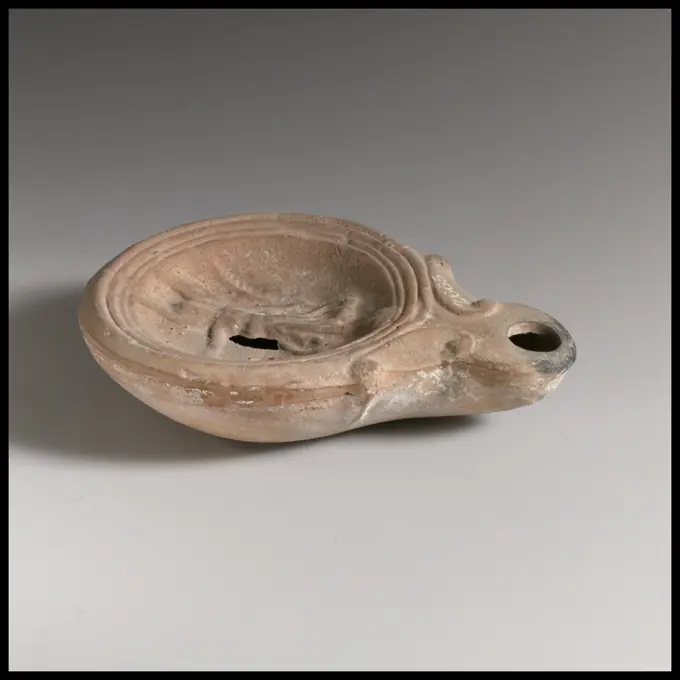
Ancient Terracotta Lamps

A variety of ancient terracotta lamps from different cultures, showcasing intricate designs and historical significance.
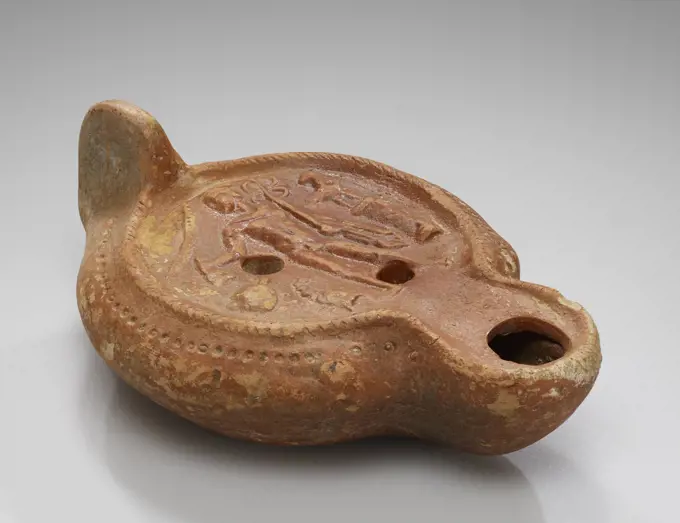
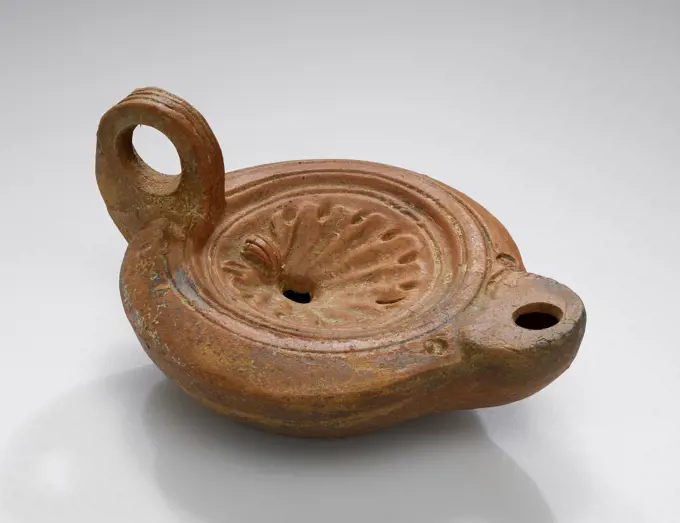
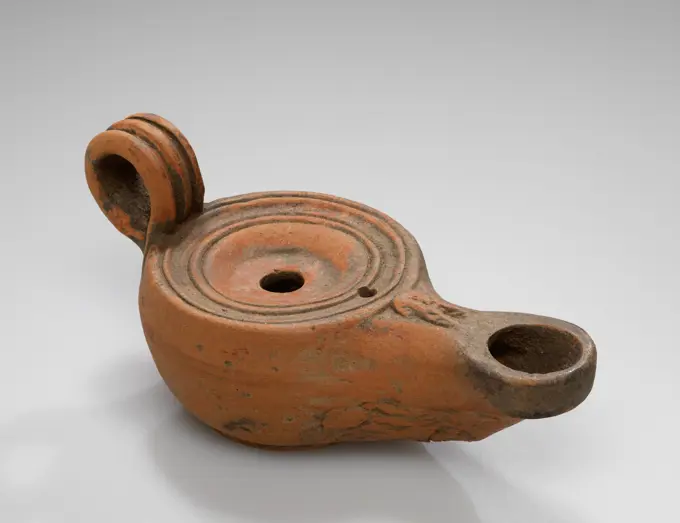
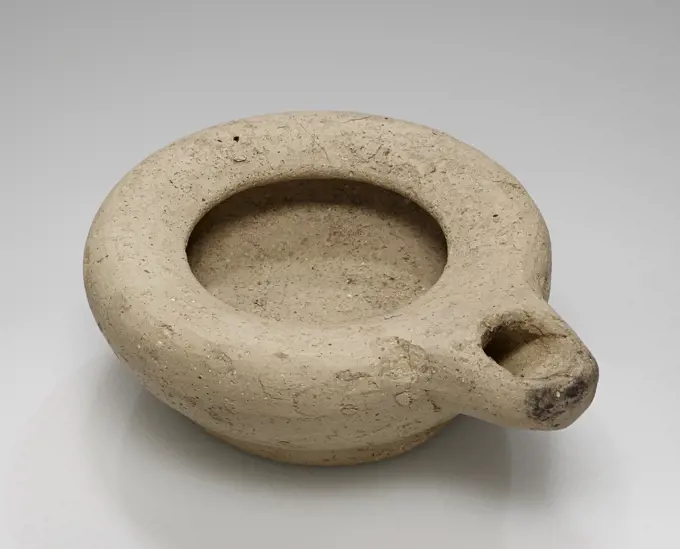
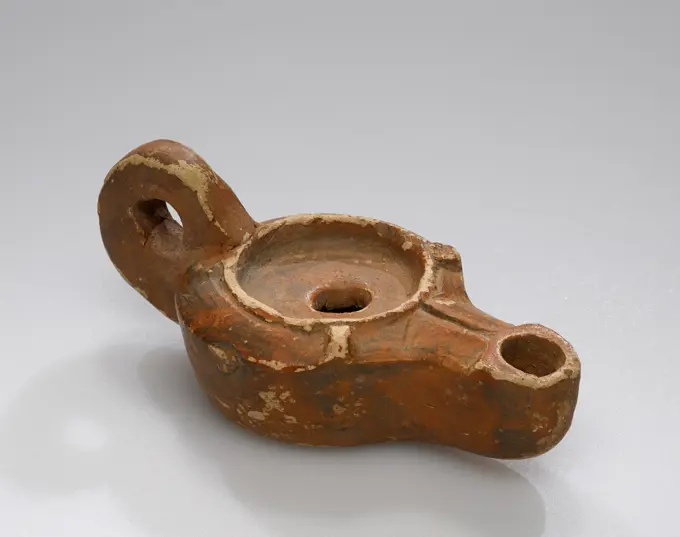
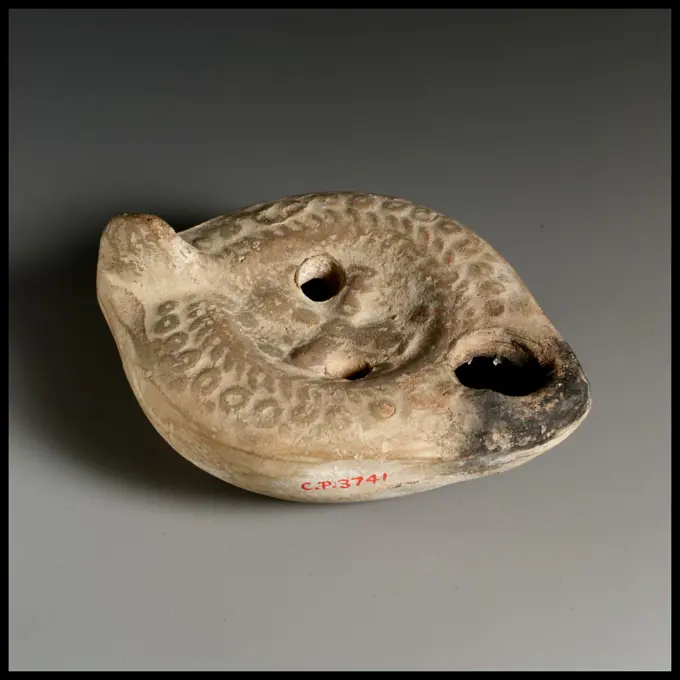
Lamp, North Africa; 1st - 4th century; Terracotta; 3 x 8.7 x 13.5 cm (1 3,16 x 3 7,16 x 5 5,16 in.)
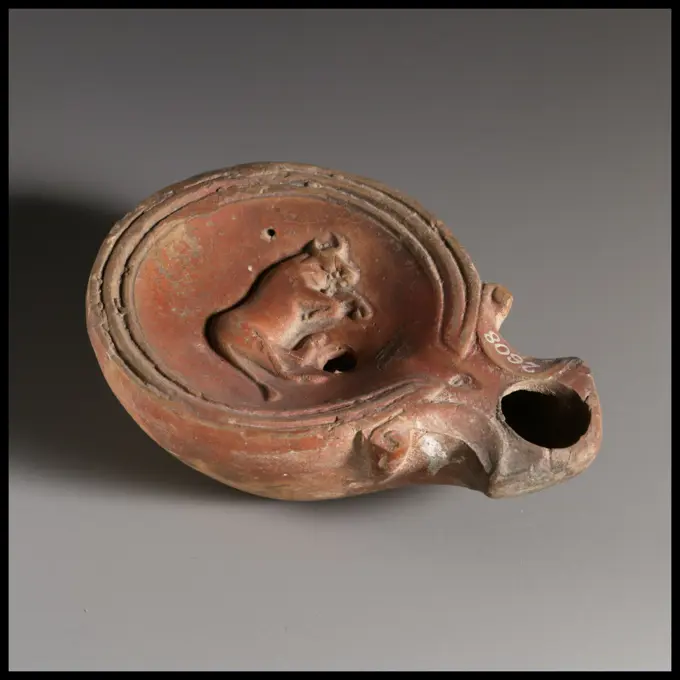
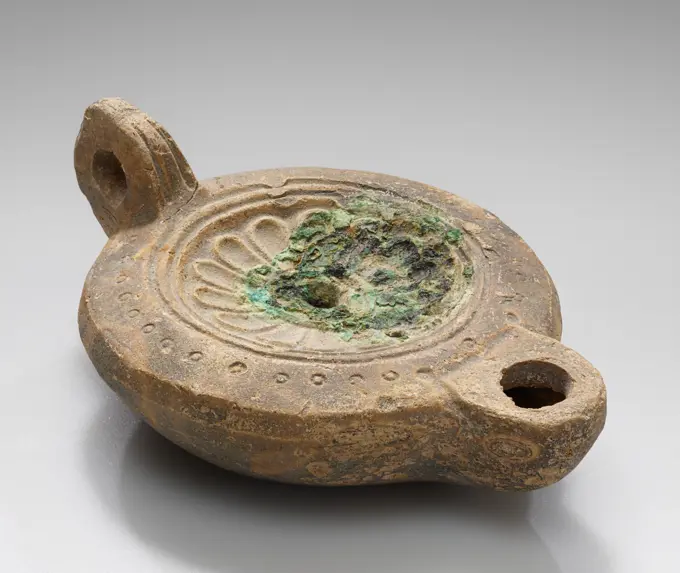
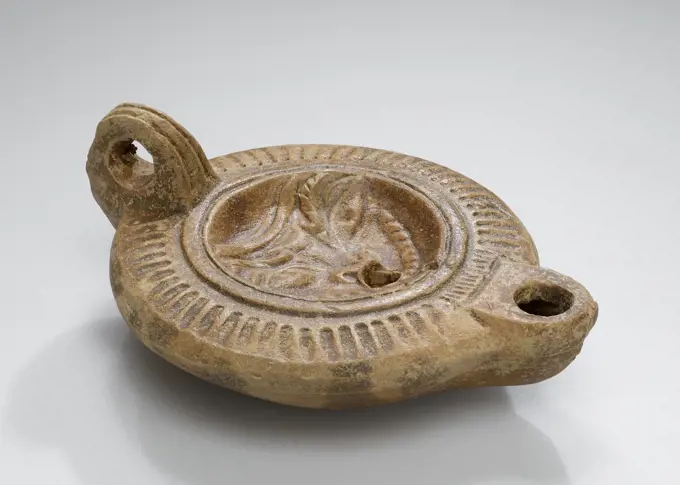
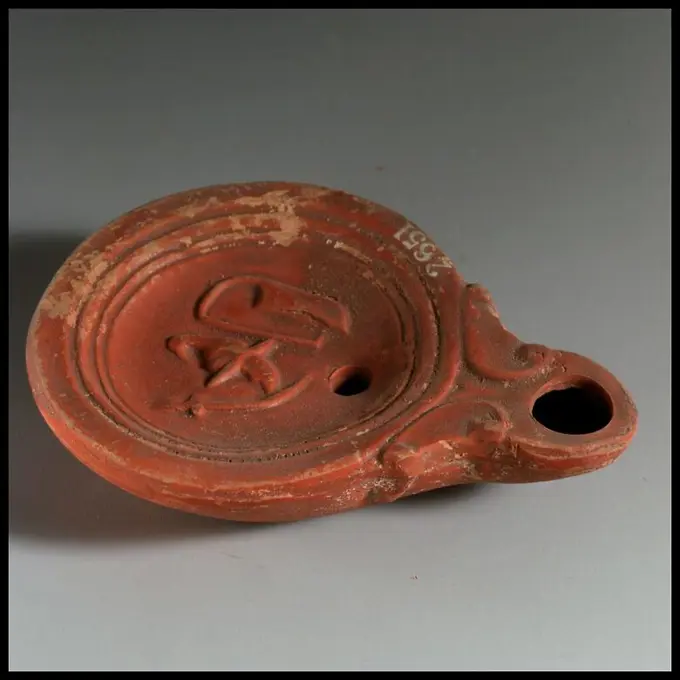
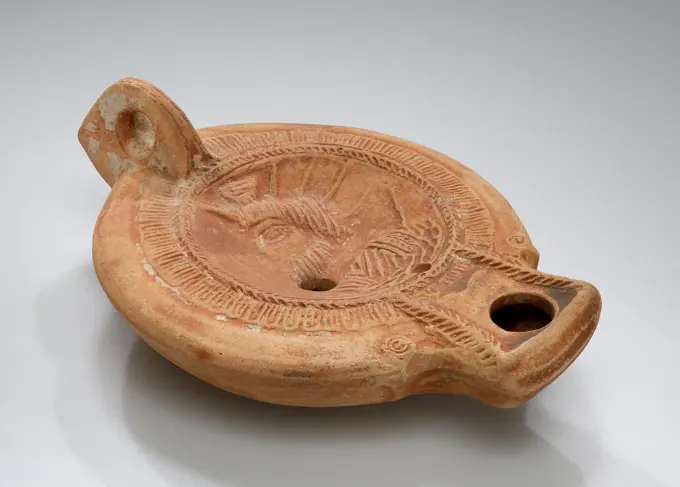
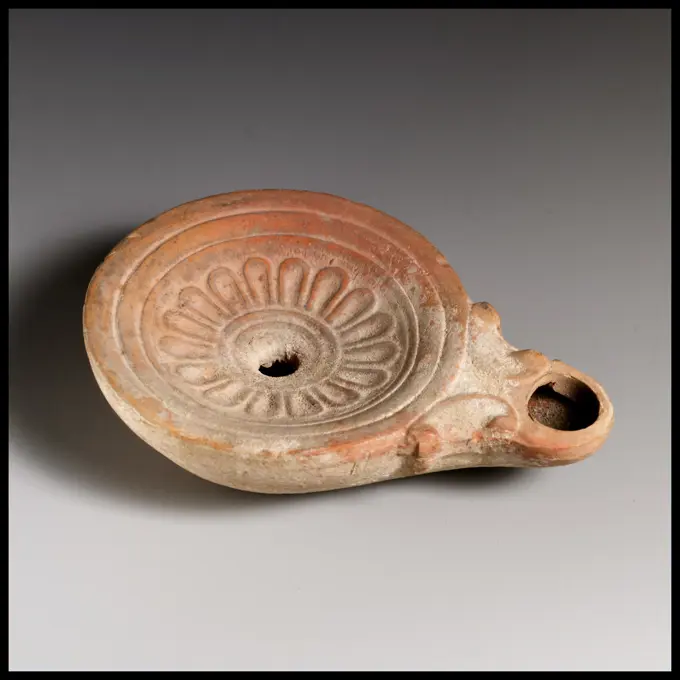
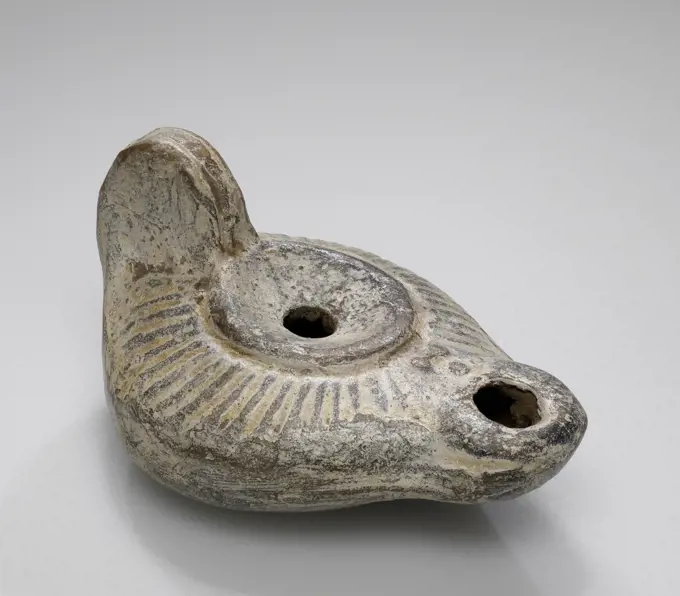
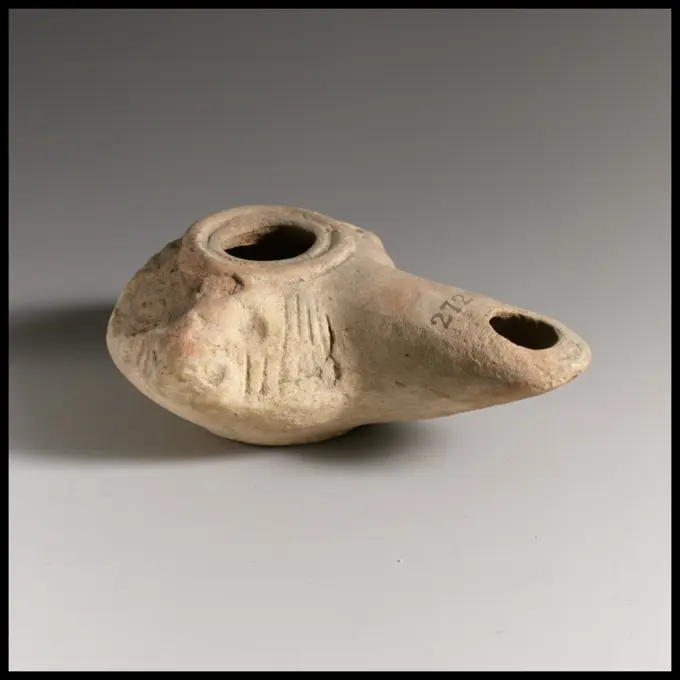
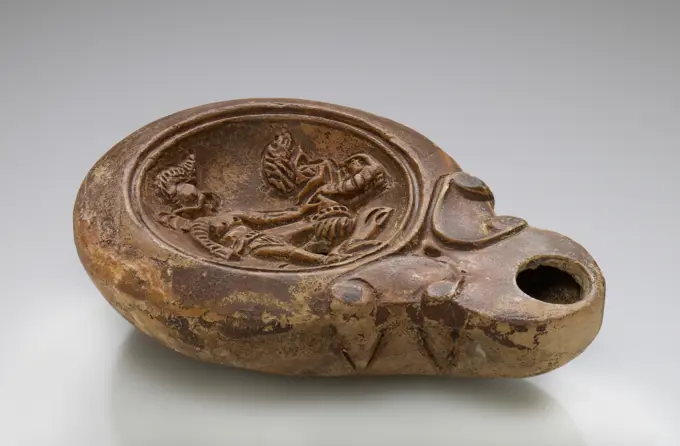
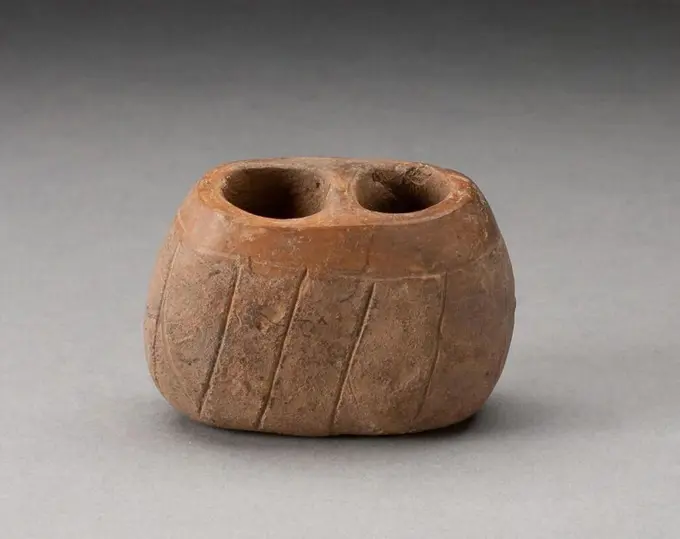
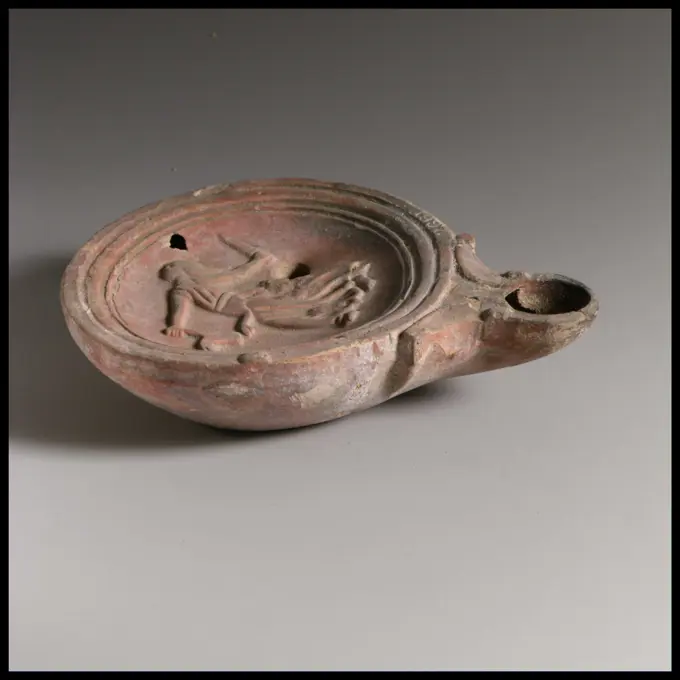
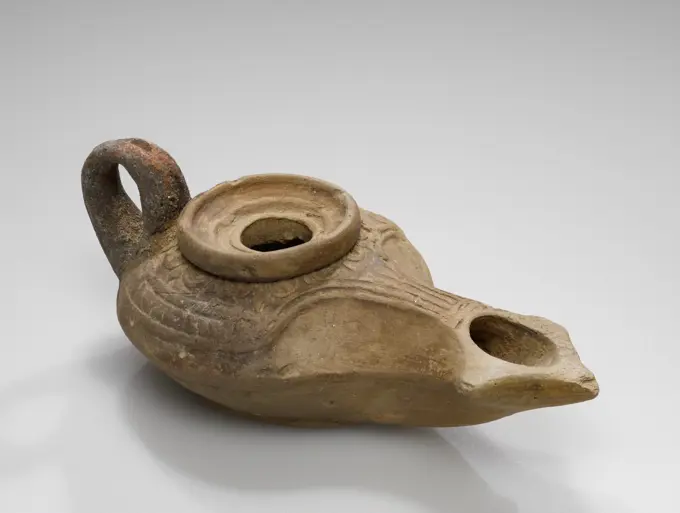
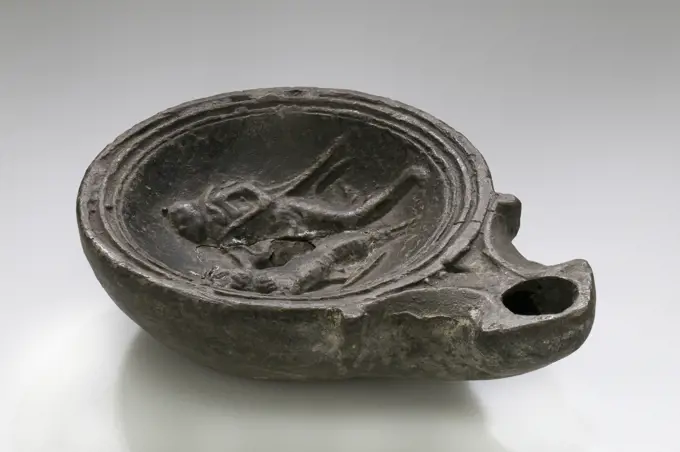
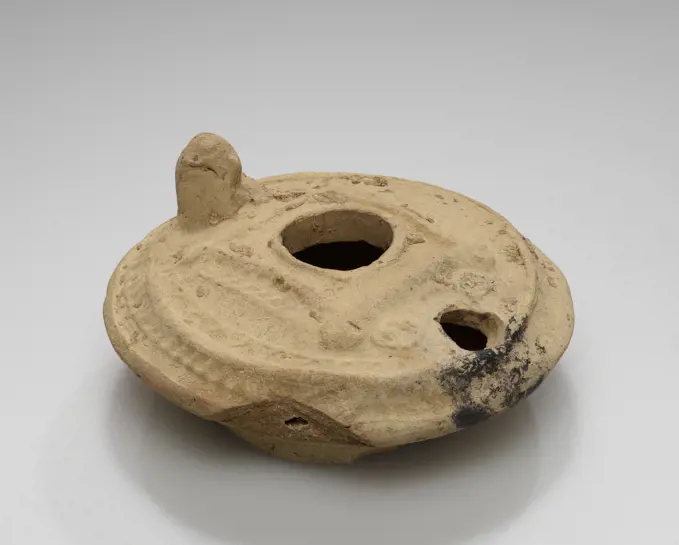
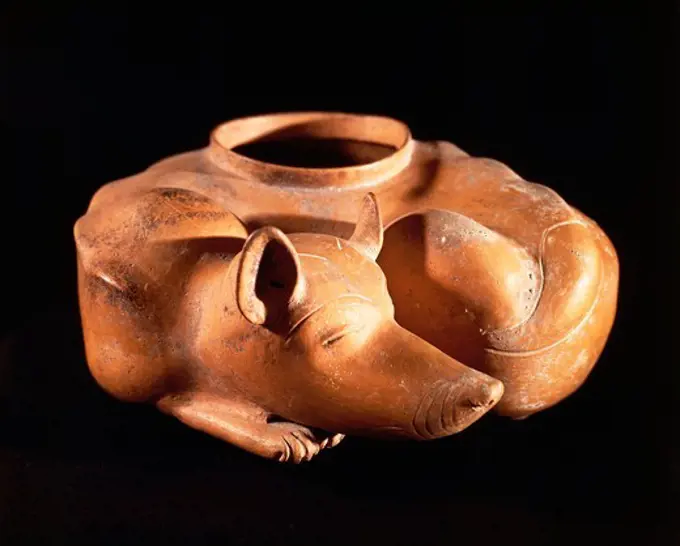
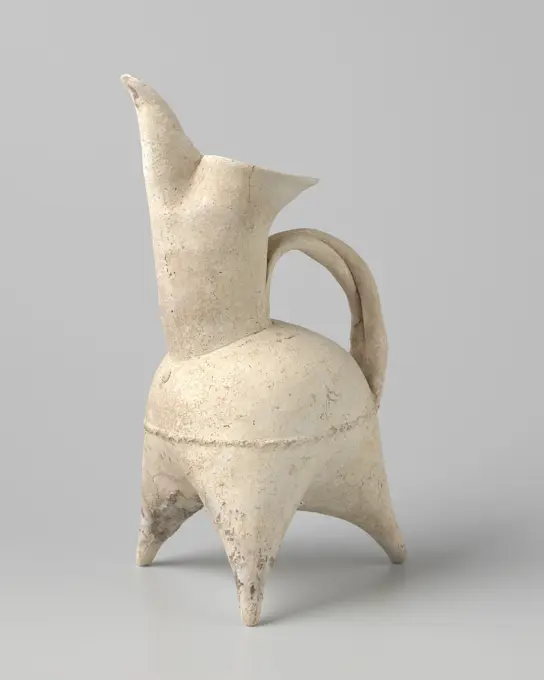
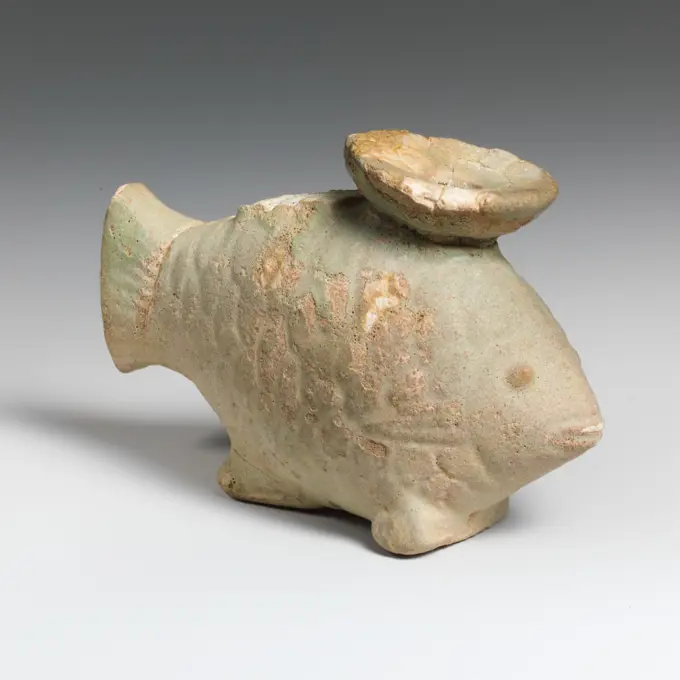
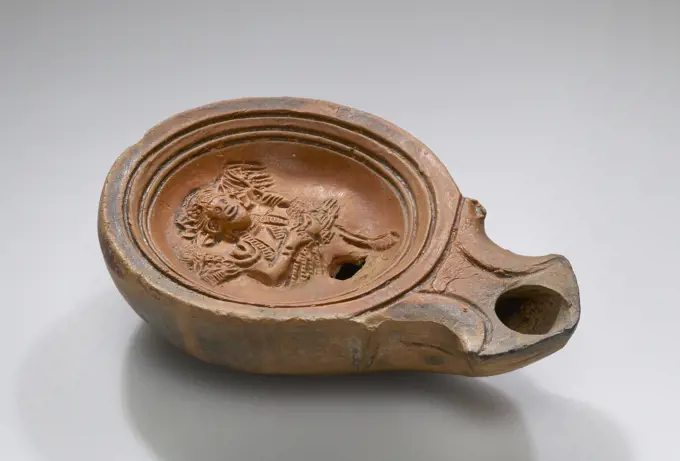
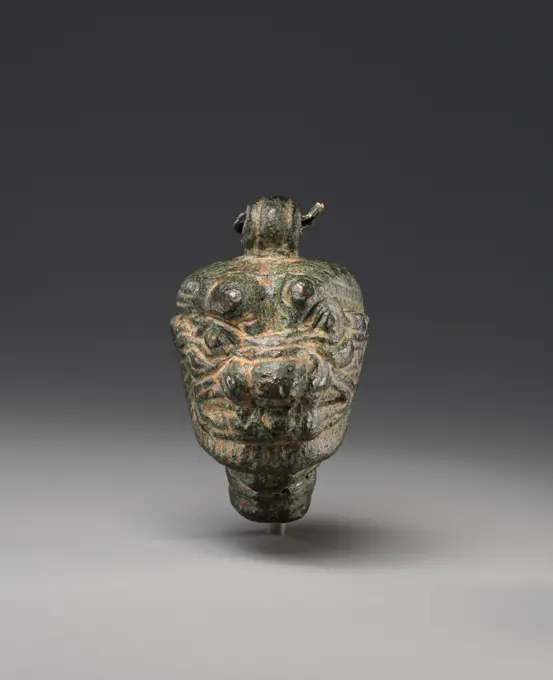
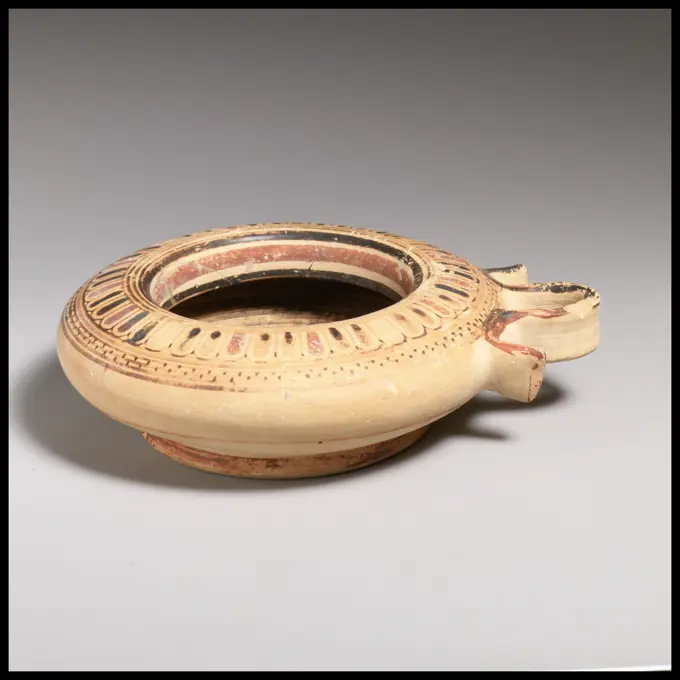
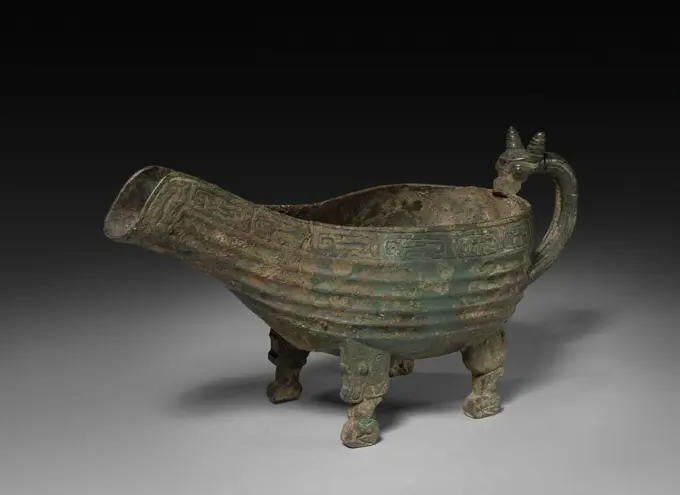
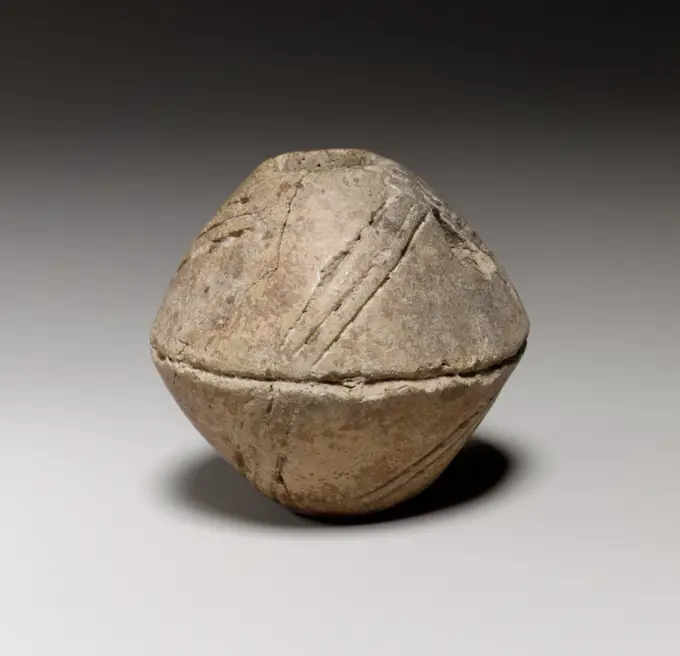
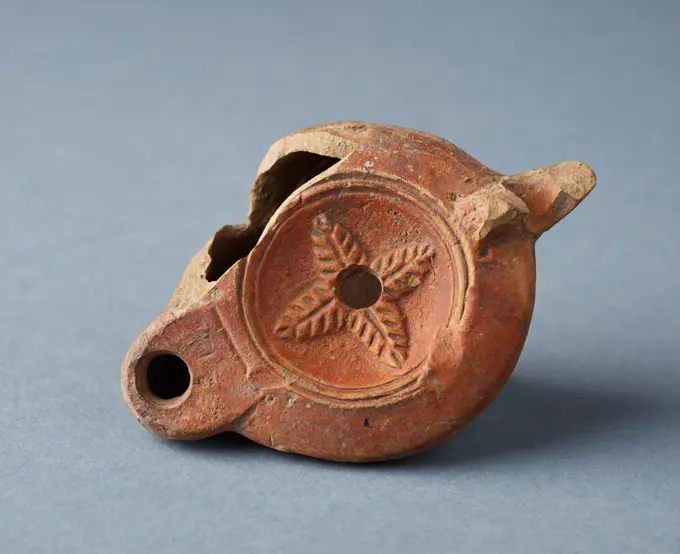
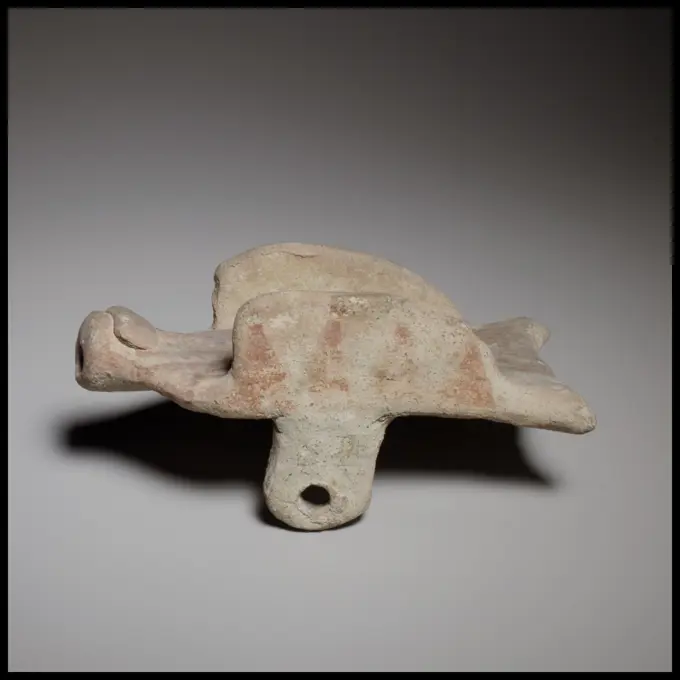
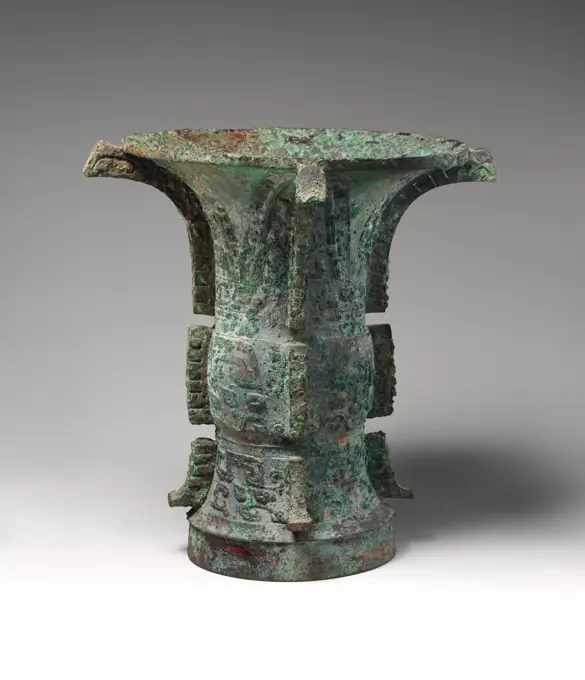
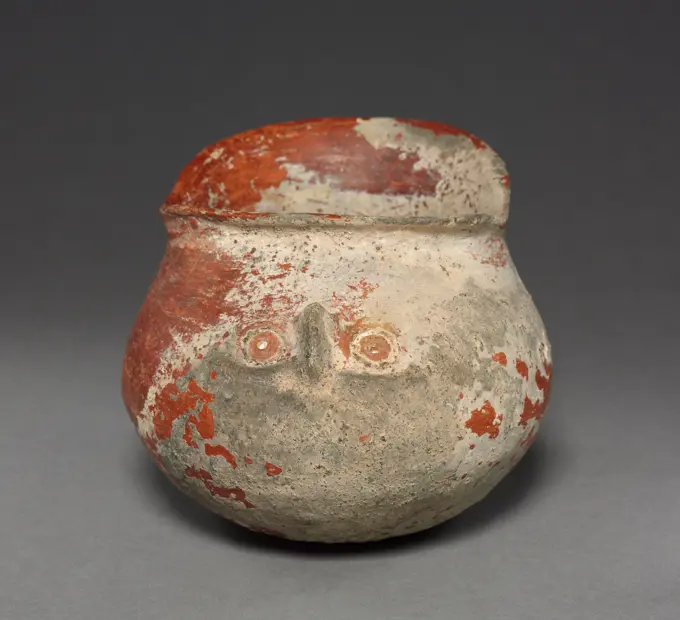
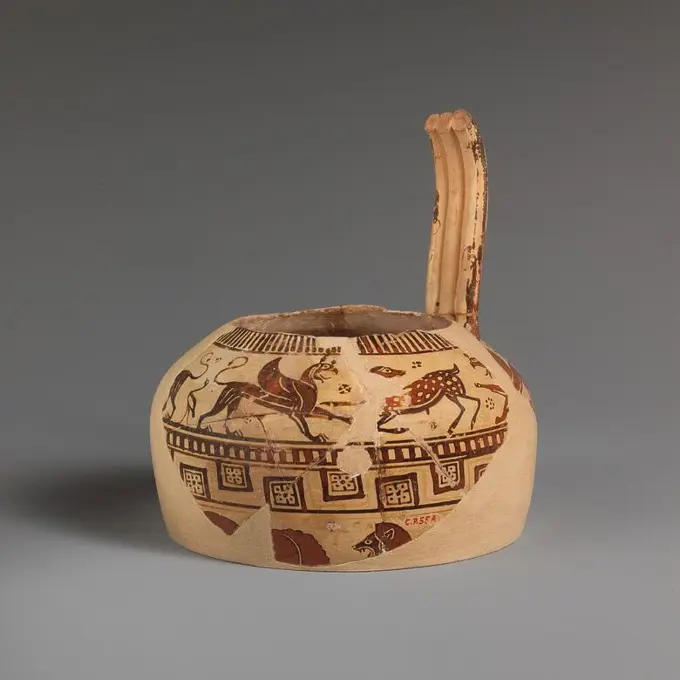
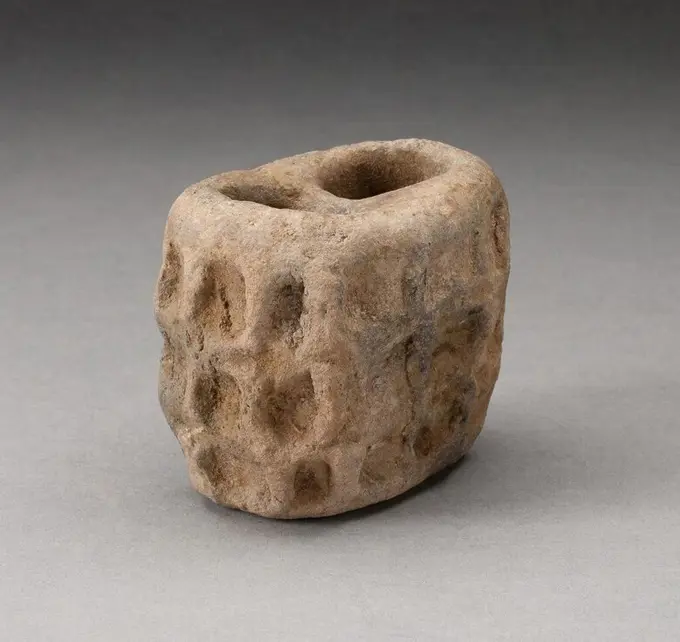
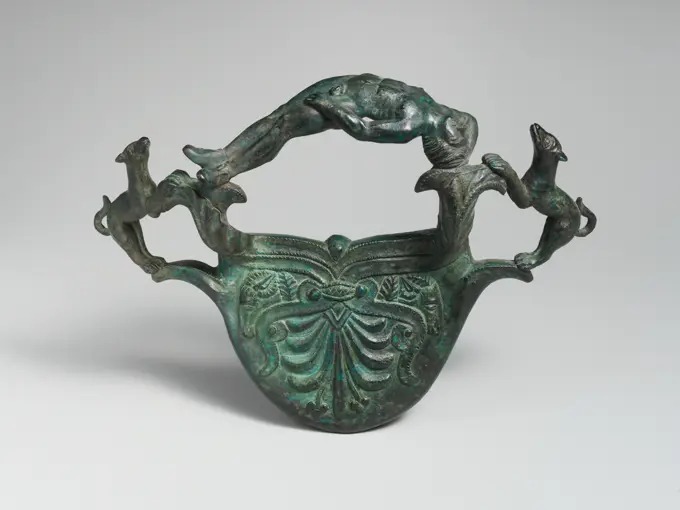
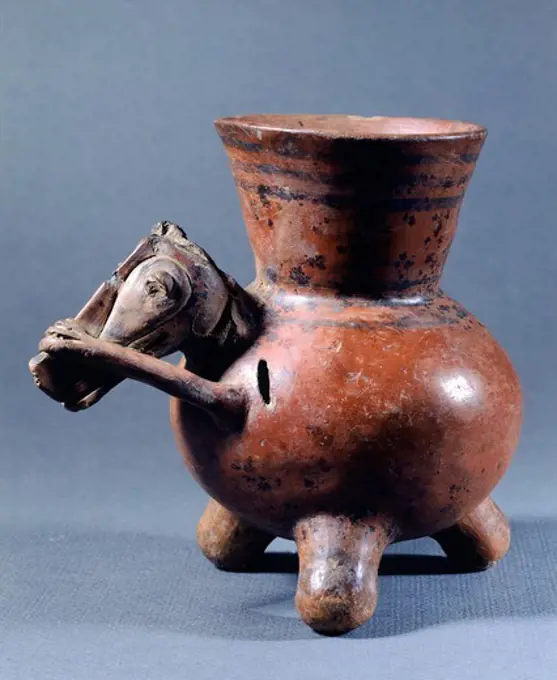
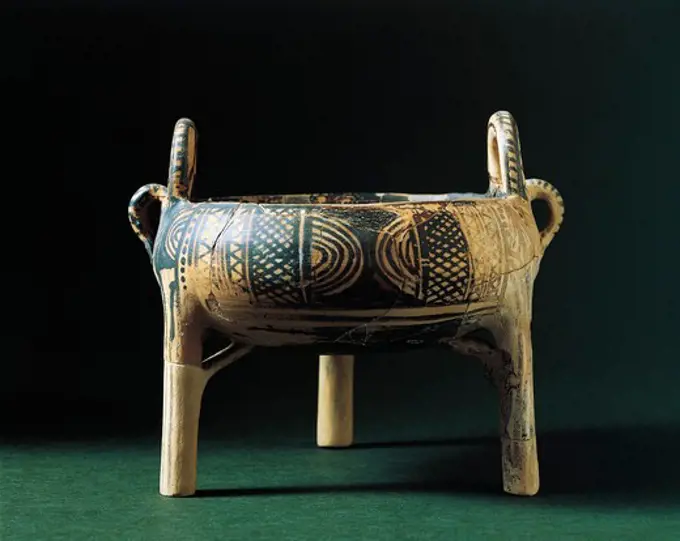
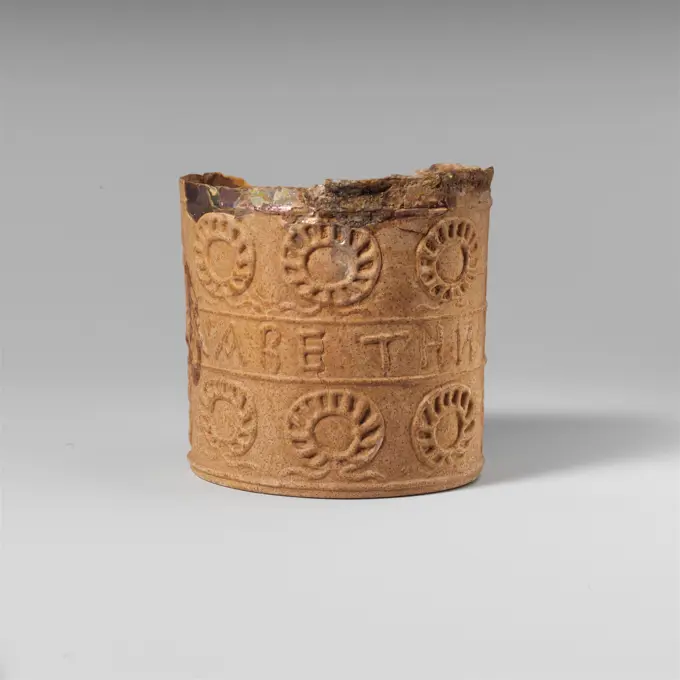
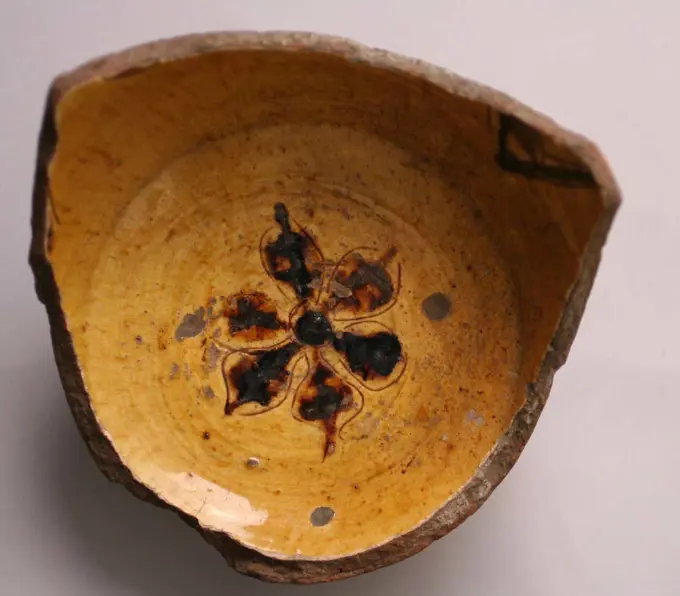
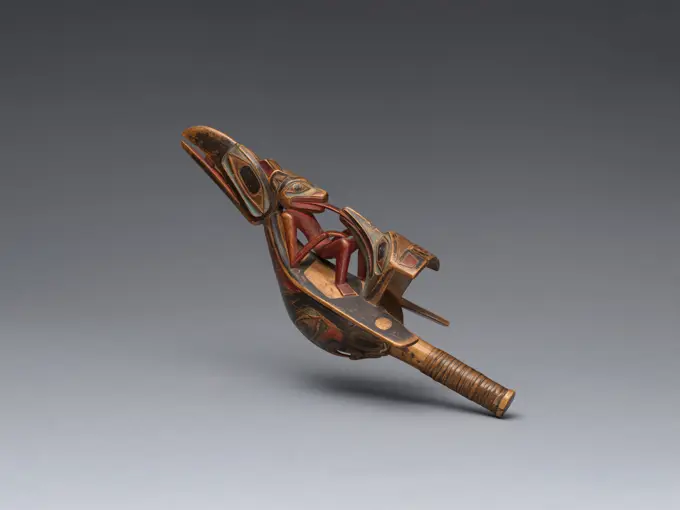
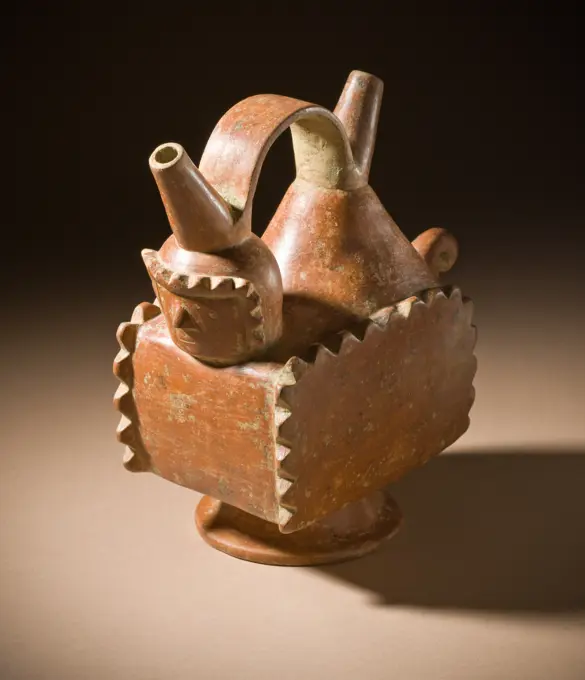
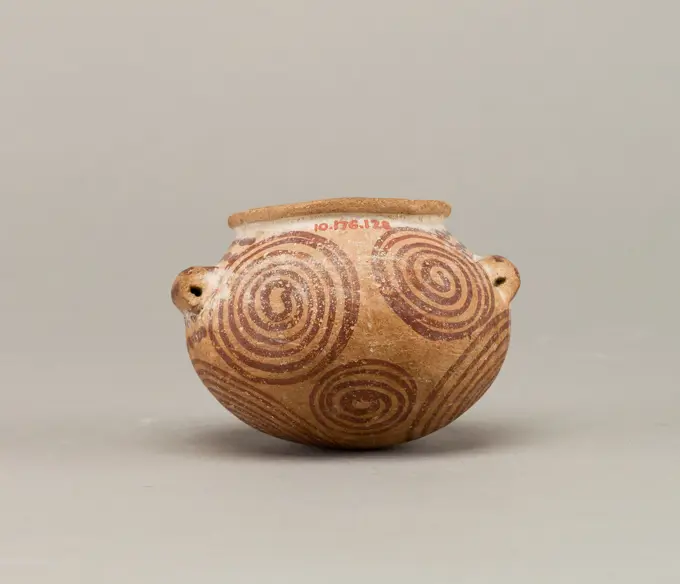
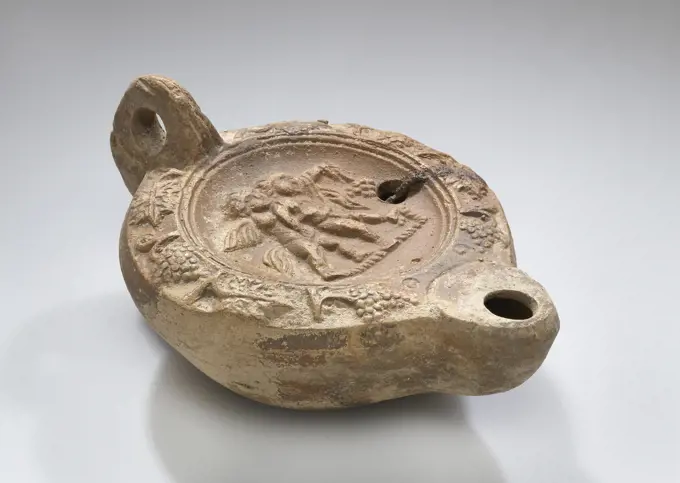
Lamp. UnknownLamp; Anatolia; 1st - 4th century; Terracotta; 2.6 x 6.7 x 8.9 cm (1 x 2 5,8 x 3 1,2 in.)Lamp, North Africa; 1st - 4th century; Terracotta; 3 x 8.7 x 13.5 cm (1 3,16 x 3 7,16 x 5 5,16 in.)Lamp. UnknownLamp. UnknownLamp, North Africa, Tunisia; 1st - 4th century; Terracotta; 3.5 × 8.8 × 12.2 cm (1 3,8 × 3 7,16 × 4 13,16 in.)Lamp. UnknownLamp. UnknownLamp. UnknownTerracotta oil lamp. Culture: Roman. Dimensions: Overall: 1 x 3 3/4 in. (2.5 x 9.5 cm). Date: 1st century B.C.-1st century A.D..vessberg Type 10. Mold-made. Discus: monkey and grapes. Museum: Metropolitan Museum of Art, New York, USA.Terracotta oil lamp late 1st century B.C.-early 1st century A.D. Roman, Cypriot Loeschcke Type 1A. Mold-made. Discus: bull in high relief, facing right, with head bowed and front legs bent; a single filling hole at center below bull, and a band of lines and grooves around edge. Volutes flanking angular nozzle, with large wick hole; small vertical channel between discus and nozzle. Raised base ring, and small, flat base.Intact.. Terracotta oil lamp 241567Terracotta oil lamp. Culture: Roman. Dimensions: Overall: 1 3/8 x 3 1/8 in. (3.5 x 7.9 cm). Date: 1st half of 3rd century A.D..Loeschcke Type 8. Unpierced handle. Mold-made. Discus: rosette encircled by impressed herring-bone wreath. On shoulder: herring-bone wreath. On base, in Greek letters: PMIA/[NO. Museum: Metropolitan Museum of Art, New York, USA.Terracotta oil lamp 1st half of 3rd century A.D. Roman Loeschcke Type 8. Unpierced handle. Mold-made. Discus: rosette encircled by impressed herring-bone wreath. On shoulder: herring-bone wreath. On base, in Greek letters: PMIA/[NO.. Terracotta oil lamp. Roman. 1st half of 3rd century A.D.. Terracotta, mold-made. Late Imperial. TerracottasLamp. UnknownLamp, South Italy; 5th century B.C; Terracotta; 3.2 x 8.2 x 10.2 cm (1 1,4 x 3 1,4 x 4 in.)Terracotta oil lamp ca. A.D. 70-100 Roman Loeschcke Type 1B. Mold-made. Discus: winged Eros carrying alabastron in right hand and shell in left. Single, large filling hole at right, with a band of lines and grooves towards edge. Volutes flanking angular nozzle. Incised base ring, and slightly convex base.Intact.. Terracotta oil lamp. Roman. ca. A.D. 70-100. Terracotta. Early Imperial, Flavian. TerracottasLamp, North Africa; 1st - 4th century; Terracotta; 2.1 x 7.5 x 9.8 cm (13,16 x 2 15,16 x 3 7,8 in.)Terracotta oil lamp. Culture: Roman, Cypriot. Dimensions: H. 7/8 in. (2.2 cm); length 3 7/16 in. (8.7 cm). Date: ca. A.D. 40-100.Loeschcke Type 4. Mold-made. Discus: an array of gladiator's weapons, comprising a curved sword, crested helmet with cheek pieces, and shield; a single filling hole towards bottom, and a band of lines and grooves towards edge. Incised base ring, and an uneven hollow base.Intact. Museum: Metropolitan Museum of Art, New York, USA.Lamp. UnknownTerracotta oil lamp ca. A.D. 40-100 Roman, Cypriot Loeschcke Type 4. Mold-made. Discus: radiating petals around two raised circles with a central filling hole; two incised concentric lines towards edge. Volutes flanking nozzle. Within impressed base ring, slightly raised, flat base, with raised, molded letters: N at center, and I near edge below nozzle.. Terracotta oil lamp. Roman, Cypriot. ca. A.D. 40-100. Terracotta. Early Imperial. TerracottasLamp, Asia Minor; 1st - 4th century; Terracotta; 1.9 x 5.2 x 8 cm (3,4 x 2 1,16 x 3 1,8 in.)Terracotta oil lamp. Culture: Roman. Dimensions: Overall: 1 1/2 x 3 1/2 in. (3.8 x 8.9 cm). Date: 2nd century A.D..Mold-made, with ring handle. Discus: small, plain, concave disk, with a single central filling hole and surrounded by a raised circle flanked by two grooves. On sloping convex shoulder: radiating long tongues, and between discus and nozzle, a head in high profile. Body curves in and joins a projecting, vertical pedestal.Handle broken and mostly missing; pedestal also broken off, revealing the flat bottom of the lamp. Museum: Metropolitan Museum of Art, New York, USA.Terracotta oil lamp 1st century B.C.-1st century A.D. Greek or Roman Wheel-made (). Carinated, deep body. Large, central filling hole, surrounded by a raised ring. Sharply sloping shoulder, decorated with radiating lines; at left, projecting knob in the form of an animal head (), and at right, by a four-petalled rosette. Raised base ring, and slightly concave base.Complete, but a large surface chip on left side of shoulder, including part of a projecting knob.. Terracotta oil lamp 241536Lamp. UnknownTerracotta oil lamp. Culture: Roman, Cypriot. Dimensions: Overall: 1 5/8 x 3 7/8 in. (4.1 x 9.8 cm). Date: ca. A.D. 175-250.Broneer Type 17C. On discus, bare-headed gladiator with shield and curved sword standing to right, facing left, over fallen opponent lying face down from left to right; in field to right, helmet. Museum: Metropolitan Museum of Art, New York, USA.Lamp. UnknownTerracotta lamp: on discus, two dolphins. Culture: Roman. Dimensions: Overall: 7/8 x 3 1/2 in. (2.2 x 8.9 cm). Date: 1st century B.C.-1st century A.D.. Museum: Metropolitan Museum of Art, New York, USA.Terracotta oil lamp. Culture: Roman. Dimensions: Overall: 1 3/8 x 3 1/8 in. (3.5 x 7.9 cm). Date: 1st half of 3rd century A.D..Loeschcke Type 8. Unpierced handle. Mold-made. Discus: oak wreath around central filling hole; second filling hole near edge behind nozzle. On shoulder: herring-bone wreath. On concave base near edge, in small Greek letters: PMIAN.Broken and partially repaired with cracks across discus, most of nozzle missing, and large hole in front of bowl. Museum: Metropolitan Museum of Art, New York, USA.Terracotta oil lamp. Culture: Roman, Cypriot. Dimensions: Overall: 1 1/8 x 4 in. (2.9 x 10.2 cm).Loeschcke Type 1A, with broad, ornate nozzle channel. Mold-made. Discus: crane facing left, with reeds and ground line; below crane's neck, a single filling hole, with a broad band of lines and grooves towards edge. Volutes flanking nozzle. Within incised base ring, uneven base, with impressed letters across center: FAVSTI, and small, impressed dots above and below. Intact. Museum: Metropolitan Museum of Art, New York, USA.Terracotta oil lamp. Culture: Roman. Dimensions: Overall: 1 5/8 x 4 in. (4.1 x 10.2 cm). Date: 1st century B.C.-1st century A.D..Loeschcke Type 4. Mold-made, with ring handle. Plain, deeply concave discus; a single filling hole at center and with a raised circle at edge of discus. On sloping shoulder, a pattern of impressed leaves. Volutes flanking nozzle. Impressed ring base, and a slightly uneven base, with an impressed O at center.Intact. Museum: Metropolitan Museum of Art, New York, USA.Double-Chambered Vessel. Teotihuacan; Teotihuacan, Mexico. Date: 100 AD-700 AD. Dimensions: H. 7.3 cm (2 7/8 in.). Ceramic. Origin: Mexico. Museum: The Chicago Art Institute, Chicago, USA.Lamp. UnknownLamp, Turkey; 1st century; Bronze; 2.2 × 2.8 × 6.7 cm (7,8 × 1 1,8 × 2 5,8 in.)Terracotta oil lamp. Culture: Roman, Cypriot. Dimensions: Overall: 1 5/8 x 3 1/2 in. (4.1 x 8.9 cm).Ring handle. Mold-made. Palin discus decorated with a single raised circle around slightly off-center filling hole, and groove and raised circle around edge. Undecorated shoulder. Incised base ring; flat base with impressed, foot-shaped () marker's mark at center. Red slip. Museum: Metropolitan Museum of Art, New York, USA.Terracotta oil lamp ca. A.D. 40-100 Roman Loeschcke Type 4. Mold-made. Discus: maenad moving to left with head thrown back, wearing an animal-skin girdle, holding knife or dagger in right hand behind her, and dismembered object in outstretched left hand; a single, filling hole at right; broad band of lines and grooves towards edge. Volutes flanking nozzle; large wick hole. Incised base ring, and uneven base.Complete, except for one small hole at top of discus, another in right side of body near nozzle, and a third on base.. Terracotta oil lamp 241498Lamp. UnknownLamp. UnknownLamp. UnknownTerracotta oil lamp 5th century A.D. Roman, Cypriot Vessberg Type 18. Unpierced handle. Mold-made. Discus: cross, decorated with circles, with similar circles between the arms. Two filling holes. Shoulder: herring-bone wreath surrounded by a row of hollow circles. Concave base with indistinct raised letters around edge.. Terracotta oil lamp. Roman, Cypriot. 5th century A.D.. Terracotta. Late Imperial. TerracottasLamp, Anatolia; 1st - 4th century; Terracotta; 3.7 x 7.6 x 10.5 cm (1 7,16 x 3 x 4 1,8 in.)Lamp. UnknownLamp, Asia Minor; 5th - 6th century; Terracotta; 3.2 × 8.2 × 8.2 cm (1 1,4 × 3 1,4 × 3 1,4 in.)Ceramic figure of sleeping dog from MexicoSerpentine blossom bowl ca. 1600-1450 B.C. Minoan High shouldered blossom bowl carved with ribs and grooves.. Serpentine blossom bowl 252358 Minoan, Serpentine blossom bowl, ca. 16001450 B.C., Serpentine, H.: 2 1/2 in. (6.3 cm) Diam.: 4 3/8 in. (11.1 cm). The Metropolitan Museum of Art, New York. Bequest of Richard B. Seager, 1926 (26.31.436)Lamp. Culture: Roman. Dimensions: Length: 3 15/16 in. (10 cm)Height: 1 1/16 in. (2.7 cm). Date: 2nd century A.D.. Museum: Metropolitan Museum of Art, New York, USA.Terracotta vase in the form of a siren ca. 550-500 B.C. East Greek, Rhodian Aryballos in the form of a siren.. Terracotta vase in the form of a siren 252625 East Greek, Rhodian, Terracotta vase in the form of a siren, ca. 550500 B.C., Terracotta, H. 3 3/4 in. (9.5 cm) length 4 3/4 in. (12 cm). The Metropolitan Museum of Art, New York. Gift of The American Society for the Excavation of Sardis, 1926 (26.199.54)Terracotta askos in the form of a duck. Culture: Greek, Attic. Dimensions: H. 3 1/16 in. (7.8 cm). Date: late 5th century B.C..Askos in the form of a duck. Museum: Metropolitan Museum of Art, New York, USA.Lamp, Asia Minor; 1st century B.C. - 1st century A.D; Terracotta; 3.5 x 7 x 11.5 cm (1 3,8 x 2 3,4 x 4 1,2 in.)Lamp, Italy, Europe; 1st century B.C. - 4th century A.D; Terracotta; 3.5 x 7 x 16 cm (1 3,8 x 2 3,4 x 6 5,16 in.)Vessel on a Pillow-Shaped Support. Northern Iran, no date. Furnishings; Serviceware. Reddish brown burnished wareTrumpetLamp. UnknownSchenkkan, Anonymous, -3000 --2001 Dawenkou culture. Shandong stoneware. earthenware. vitrification Dawenkou culture. Shandong stoneware. earthenware. vitrificationWeight in the shape of a duck ca. late 3rd-early 2nd millennium B.C.. Weight in the shape of a duck. ca. late 3rd-early 2nd millennium B.C.. Stone, black. MesopotamiaVase fragment East Greek/Sardis, Lydian. Vase fragment 252725 East Greek/Sardis, Lydian, Vase fragment, Terracotta, Overall: 4 3/8 x 2in. (11.1 x 5.1cm). The Metropolitan Museum of Art, New York. Gift of The American Society for the Excavation of Sardis, 1926 (26.199.158)Lamp. UnknownFaience aryballos (oil flask) in the form of a fish 6th century B.C. East Greek The fish has been identified as a native Egyptian species, tilapia nilotica.. Faience aryballos (oil flask) in the form of a fish. East Greek. 6th century B.C.. Faience. Archaic. Miscellaneous-FaienceTerracotta oil lamp. Culture: Roman. Dimensions: 1 1/8 x 3 7/8 in. (2.9 x 9.8 cm). Date: A.D. 1-50.On discus, winged Victory with inscribed shield. On the base is incised the name of the lampmaker: FAVSTI; he had workshops in Italy, Egypt, and Petra, as well as in Cyprus. Museum: Metropolitan Museum of Art, New York, USA.Terracotta oil lamp 3rd century A.D. Roman Mold-made, with pierced handle. Small, slightly concave discus with a large central filling hole; a broad, horizontal shoulder, flanked by two raised circles, and decorated in relief with a wreath of leaves and berries. Volutes flanking slightly angular nozzle, with two small parallel lines across top of nozzle between volutes. Raised base ring, and flat base.Complete, except for one large hole in base.. Terracotta oil lamp 241502Terracotta oil lamp. Culture: Roman. Dimensions: H.: 1 1/4 x 3 5/16 in. (3.2 x 8.4 cm). Date: 5th century A.D..On the discus is the Christian chi-rho monogram. The shape and decoration of this lamp, made somewhere in the Greek East, are related to and probably copied from those of African red-slip ware lamps. Museum: Metropolitan Museum of Art, New York, USA.Pitcher in the Form of an Open Mouthed Animal with Geometric Incising on Back Made 1000-1400 North Coast. Ceramic and pigment . ChimúLamp, Anatolia; 1st - 4th century; Terracotta; 2.5 x 7.1 x 10.2 cm (1 x 2 13,16 x 4 in.)Oil lamp. unknown, craftsmanPendant with the head of Pazuzu ca. 8th-7th century B.C. Assyrian Although small, this head and neck cast in bronze is immediately recognizable as a ferocious demonic creature from ancient Mesopotamia. The bulging eyes, bulbous forehead protrusions, and short beard that rings the snarling open mouth, atop an incongruously thin neck, are unmistakable features of Pazuzu, the king of evil wind demons. Pazuzu was associated with the cold winds that blew into present-day Iraq from the Zagros Mountains on the border with Iran, which were thought to bring illness. While not a benevolent figure on his own, he could be used to deflect the dangerous attentions of Lamashtu, a powerful and violent demon. A plaque displayed in the museum was used as an amulet against Lamashtu, and depicts her as a demon combining human and animal features (1984.348). When wearing a pendant like this head threaded on a necklace, the orientation of the suspension loop would ensure that the demons gaze was directed oMiniature Bowl with Geometric Textile-Like Pattern. Inca; South coast or southern highlands, Peru. Date: 1450-1532. Dimensions: 6 x 8.3 cm (2 3/8 x 3 1/4 in.). Ceramic and pigment. Origin: Peru, southern. Museum: The Chicago Art Institute, Chicago, USA.Lamp. UnknownLamp, Central Anatolia, Anatolia; 1st century B.C; Terracotta; 3.4 × 6.2 × 12.6 cm (1 5,16 × 2 7,16 × 4 15,16 in.)Terracotta oil lamp ca. A.D. 40-100 Roman Loeschcke Type 4. Mold-made. Discus: winged Nike (Victory) standing on globe, facing forward, with wreath in outstretched right hand, and long palm in lowered left hand; a single filling hole at lower left; band of lines and grooves at edge. Volutes flanking nozzle. Incised base ring, and flat base.Complete, except for one hole on discus down proper right side of Nike.. Terracotta oil lamp 241488Terracotta kothon (perfume vase) 2nd half of the 6th century B.C. Greek, Corinthian The kothon--also known as a plemochoe or exaleiptron-- was designed to prevent its contents from spilling. It was produced in Corinth through the sixth and fifth centuries B.C., and was widely exported. Find contexts on the site of Corinth indicate that the shape was not common in burials but rather in temple dedications.. Terracotta kothon (perfume vase). Greek, Corinthian. 2nd half of the 6th century B.C.. Terracotta. Late Corinthian. VasesGodt. Tire cooked. Provenance: Vietnam. Par musée musée malée. 78819-17 Archeological object, terracottaFragment earthenware dish with sgraffito and sludge technology, dish crockery holder soil find ceramic earthenware clay engobe glaze lead glaze, hand-turned glazed sgraffito fried lemonade Fragment of dish with two pinched stand fins. Red earthenware front with yellow sludge with incised decoration and glaze. Reverse unglazed and rotted Dish is deformed archeology Rotterdam railway tunnel indigenous pottery pottery craft serving Soil discovery: rail tunnel Rotterdam.Yi: Libation Vessel, c. 900-600 BC. China, Zhou dynasty (c. 1046-256 BC). Bronze; overall: 21.9 cm (8 5/8 in.).Terracotta biconical spindle-whorl ca. 1600-1200 B.C. Cypriot Spindle whorls aided in the making of cloth for garments and bedding. They were placed in tombs, perhaps so that the deceased could continue to spin wool in the afterlife.. Terracotta biconical spindle-whorl. Cypriot. ca. 1600-1200 B.C.. Terracotta; handmade. Possibly Late Cypriot I-IIOil LampModel of a cart 6th century B.C. Cypriot The cart has upright sides; its wheels are missing. It has a flaring tubular socket for a pole, and pierced flanges for attachment of the axle.. Model of a cart 241351Spindle Whorl, 700s - 900s. Iran, early Islamic period, 8th - 10th century. Bone, incised; overall: 0.5 x 2.8 x 2.8 cm (3/16 x 1 1/8 x 1 1/8 in.).Lamp. UnknownRitual wine container (zun) late 11th century B.C. China This elaborate set of wine vessels provides an idea of the splendor of Shang and early Zhou ritual ceremonies. The set is said to have come from a tomb uncovered in 1901; shortly thereafter, it entered the collection of Duan Fang, a senior Manchu official and one of the preeminent antiquarians of the late Qing period. The pieces vary in style and execution. Although eleven of the vessels are inscribed, only one grouping shares identical inscriptions: the two wine containers, or you (nos. 2, 3) and the tall wine container, or zun (no. 4). A second grouping has largely comparable inscriptions: the spouted water vessel, or he (no. 5) and one cup, or zhi (no. 11).A partial reconstruction of the sets arrangement in the tomb may be established from corrosion outlines on the three principal vessels—the two wine containers, or you, and the central tall wine container, or zun—that were etched onto the surface of the altar table. The diagHead Effigy Bowl, 100 BC - 300. Mexico, Region of Tilantongo, District of Tlaxiaco, Nayarit style. Pottery with burnished red slip; overall: 13.3 x 15.9 x 19.2 cm (5 1/4 x 6 1/4 x 7 9/16 in.).Fragment of a terracotta oinochoe (jug). Culture: East Greek, Milesian, Fikellura. Dimensions: H. of a 5 3/4 in. (14.6 cm); length of b 3 1/2 in. (8.9 cm). Date: ca. 560-550 B.C..On the shoulder, deer attacked by sphinxes and griffins, water birdsOn the body, bull attacked by lionThis fine fragment represents an early phase in the development of Fikellura pottery. In the animal groups as well as the drawing, there is a vitality that later subsides. The name Fikellura derives from a site on the island of Rhodes to which this fabric has been attributed. It is now established that the center of production was Miletus. Museum: Metropolitan Museum of Art, New York, USA.Terracotta oil lamp. Culture: Roman. Dimensions: Overall: 1 1/4 x 2 7/8 in. (3.2 x 7.3 cm).Vessberg Type 18. Unpierced handle. Mold-made. Discus: uncertain; around edge, herring-bone wreath (). Shoulder: uncertain. On base, circle of raised Greek letters. Hole in discus and part of front top of nozzle missing. Museum: Metropolitan Museum of Art, New York, USA.Canopa (Votive Container) in the Shape of aCamelid.  Artist: UnknownDouble-Chambered Vessel. Teotihuacan; Teotihuacan, Mexico. Date: 100 AD-700 AD. Dimensions: H. 7 cm (2 3/4 in.). Ceramic. Origin: Mexico. Museum: The Chicago Art Institute, Chicago, USA.Bronze handle with dogs flanking a reclining youth 4th century B.C. Etruscan This magnificent handle may well represent the sleeping Endymion, the beloved hunter of Artemis, who was granted immortality and eternal youth but also perpetual sleep. The subject is especially appropriate, since such handles are often associated with large bronze vessels that served as cremation urns. Closely parallel to this handle is a pair--one now in the Boston Museum of Fine Arts and the other in the Antikenmuseum, Berlin--that comes from Città della Pieve, north of Orvieto (ancient Volsinii).. Bronze handle with dogs flanking a reclining youth 252965 Etruscan, Bronze handle with dogs flanking a reclining youth, 4th century B.C., Bronze, H.: 7 x 9 9/16 in. (17.8 x 24.3 cm). The Metropolitan Museum of Art, New York. Fletcher Fund, 1928 (28.57.13)Terracotta tripod vase showing the head of Tlacuache, artefact from Mexico. Mixtec Civilization, post-classical period 900-1521.Greek civilization, Protogeometric tripod, From Kerameikos necropolis in Athens, GreeceSpindle Whorl 10th-early 16th century Mexican. Spindle Whorl 307551Kalathos 1050-950 B.C. Cypriot Two handles and geometric ornament on under side.. Kalathos. Cypriot. 1050-950 B.C.. Terracotta. Cypro-Geometric I. VasesGlass beaker with inscription 1st half of 1st century A.D. Roman, Syrian Translucent pale yellow green.Outsplayed unworked rim; cylindrical body with vertical sides; uneven, flat bottom. Two vertical mold seams run down sides from rim to edge of bottom through palm fronds, with a separate disk-shaped base section.On body, three friezes separated and bordered by single horizontal ridges, and divided vertically by two palm fronds: the central narrower frieze contains an inscription in Greek capitals that reads ΛΑΒΕ ΤΗИ // ΝΕΙΚΗΝ; the upper and lower friezes each contain six stylized wreaths, comprising two concentric circles joined by radial lines, and with wavy lines below indicating ribbons. The inscription translates as "Take the victory!" On bottom, projecting rounded ring and central dot.Broken and repaired around rim, with part of rim and upper body missing; pinprick and larger bubbles; most of surfaces covered with thick creamy brown weathering, with patches of brilliant iridescenFragment of a Bowl 14th-15th century. Fragment of a Bowl 445394Raven rattle ca. 1850 Attributed to Albert Edward Edenshaw Raven rattles, carried in dances by men of high rank, traditionally feature a raven, a secondary ravens face, and a human figure reclining on the ravens back. Here, the human figure has a bears or wolfs head and, on the underside, a tiny frog sits at the bottom of the face on the ravens breast. This inventive design is attributed to Albert Edward Edenshaw, uncle of the renowned Haida artist Charles Edenshaw.. Raven rattle. Attributed to Albert Edward Edenshaw (Haida, 1812-1894). Haida, Native American. ca. 1850. Wood, pigment, glass beads and vegetal fiber. Made in British Columbia, CanadaDouble Spout and Strap Handle Vessel wih Mythological Figure. Colombia, Valle del Cauca, Calima, Calima Yotoco, 100-800 CE. Ceramics. CeramicTerracotta oil lamp. Culture: Roman, Cypriot. Dimensions: Overall: 1 3/8 x 3 1/8 in. (3.5 x 7.9 cm). Date: 4th-5th century A.D..Vessberg Type 18. Unpierced handle. Mold-made. Discus: running bull facing left and wearing ornate collar, flanked to either side by herring-bone wreath. Above bull: indistinct letters; below bull: indistinct letters. Two large filling holes. On shoulder, vine tendril with stylized bunches of grapes. On slightly concave base, in relief Greek letters: EYTYXHTOC. Museum: Metropolitan Museum of Art, New York, USA.Terracotta oil lamp ca. A.D. 70-120 Roman, Cnidian Loeschcke Type 4. Mold-made. Discus: in high relief, a biga (two-horse chariot), facing right, with driver holding a whip over the horses' back, and their front legs raised; the chariot's wheel decorated like a rosette; a ground line below; a single filling hole below the horses, with a band of raised lines and grooves towards the edge. Shortened, stylized volutes flanking nozzle, with large wick hole. Within impressed base ring, a flat base with the incised marker's mark: ROMANE/SIS (both S retrograde), and a hollow O below.One large hole in right side of shoulder.. Terracotta oil lamp. Roman, Cnidian. ca. A.D. 70-120. Terracotta; mold-made. Mid Imperial. TerracottasFibula 9th-8th century B.C. Italic, Villanovan. Fibula 255993Squat decorated ware jar depicting spirals ca. 3850-2960 B.C. Predynastic Period. Squat decorated ware jar depicting spirals. ca. 3850-2960 B.C.. Pottery, paint. Predynastic Period. From EgyptNew Mexico. Aztec Ruins National Monument, New Mexico.Bowl. Culture: Paracas. Dimensions: Overall: 3 3/4 in. (9.53 cm)Other: 7 in. (17.78 cm). Date: 6th-3rd century B.C.. Museum: Metropolitan Museum of Art, New York, USA.Globular bowl, 3rd century BCE - 4th century CE, 4 1/4 x 4 1/4 in. (10.8 x 10.8 cm), Polychromed earthenware, Mexico, 3rd century BCE - 4th century CELamp; Roman Empire; 3rd century; Terracotta; 4.8 x 8.3 x 11.9 cm (1 7,8 x 3 1,4 x 4 11,16 in.)