Ancient Terracotta Lamps

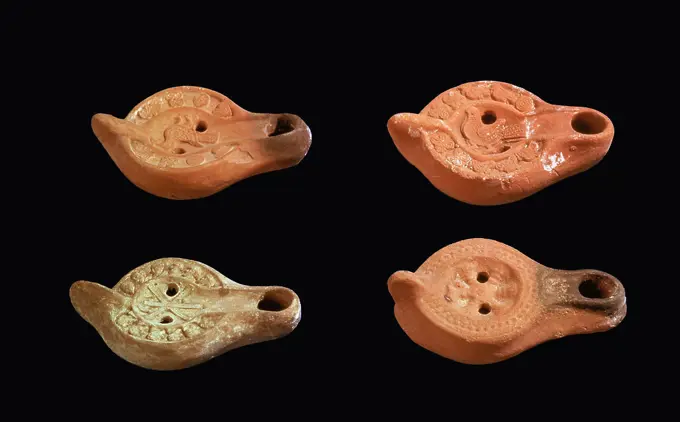
A variety of ancient terracotta lamps from different cultures, showcasing intricate designs and historical significance.
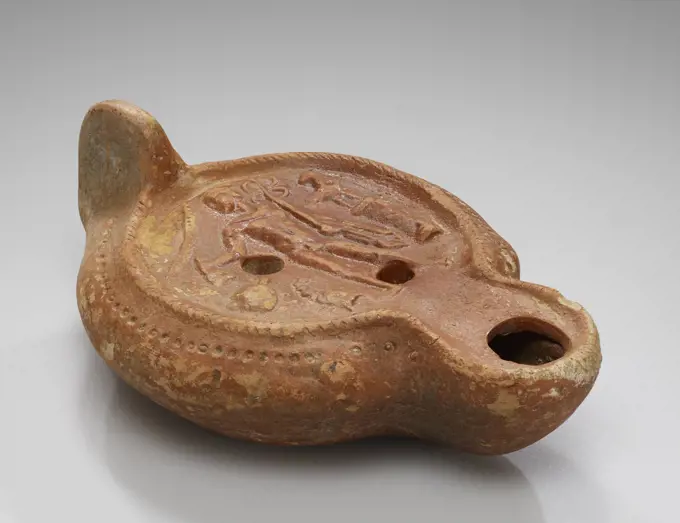
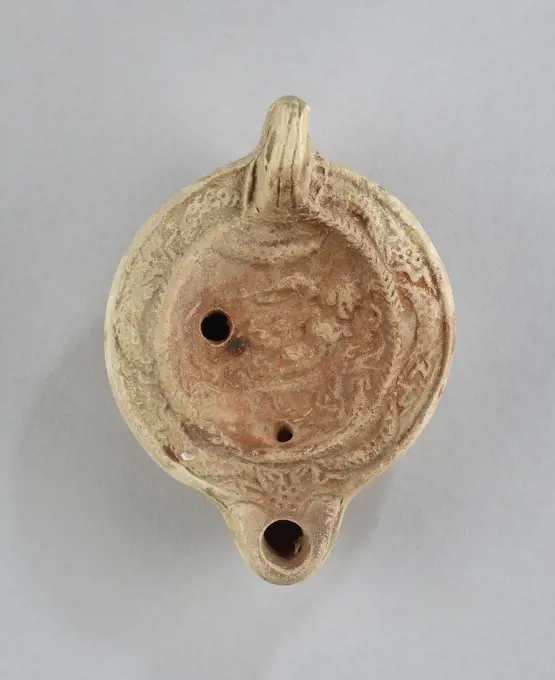
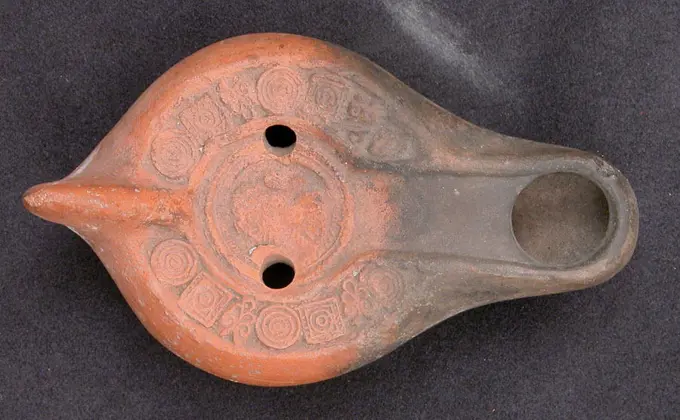
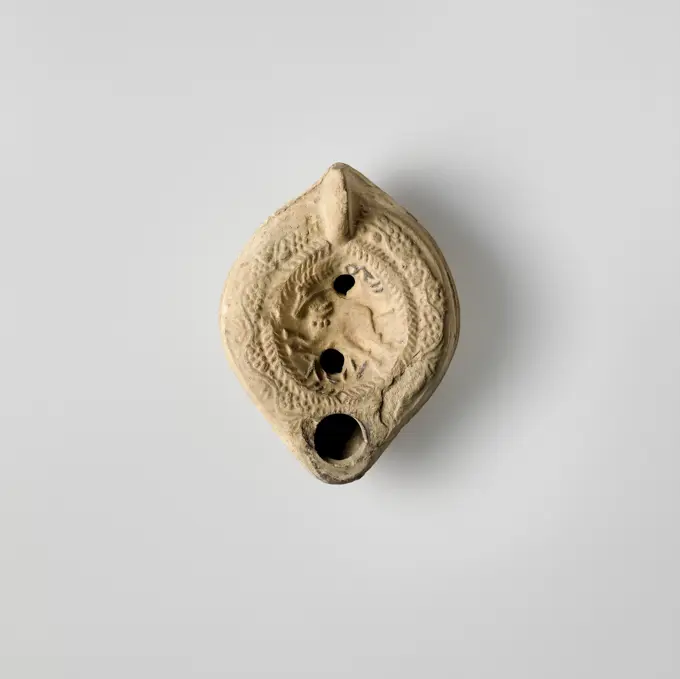
Lamp, North Africa; 1st - 4th century; Terracotta; 3 x 8.7 x 13.5 cm (1 3,16 x 3 7,16 x 5 5,16 in.)
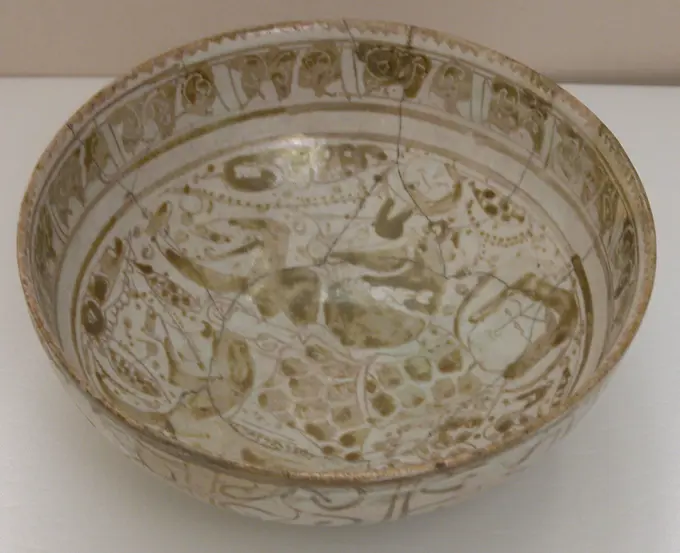
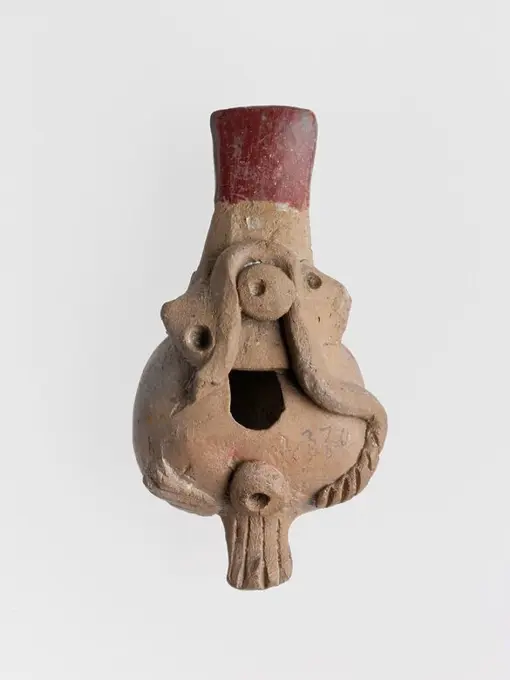
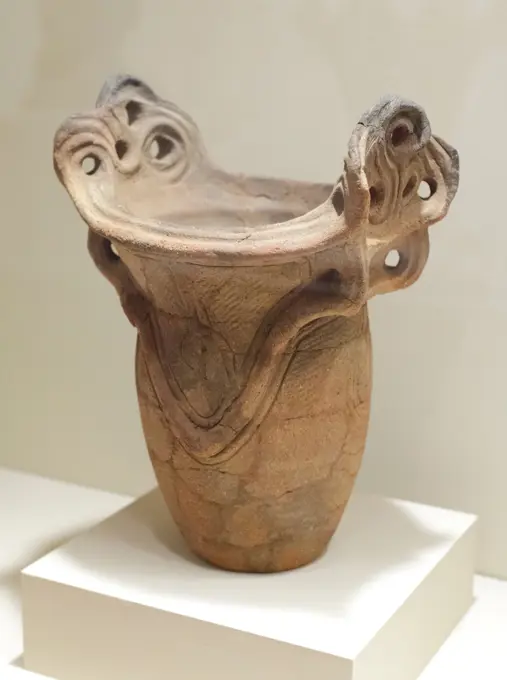
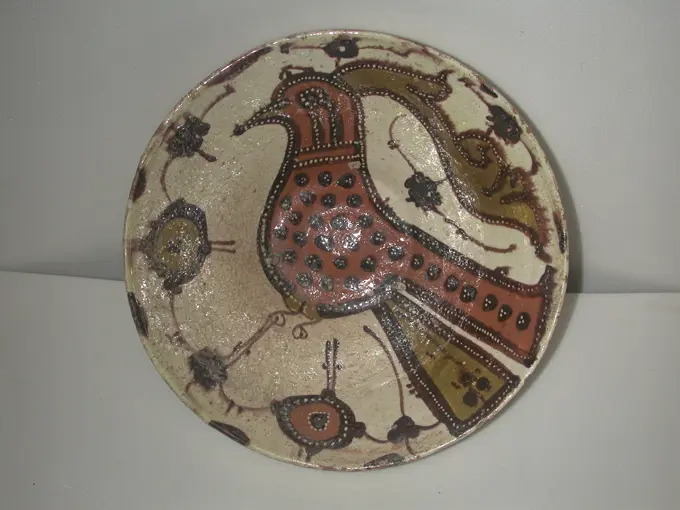
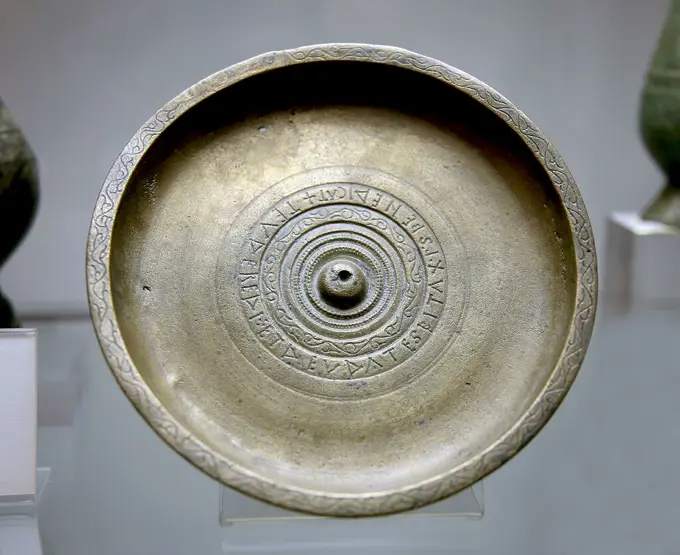
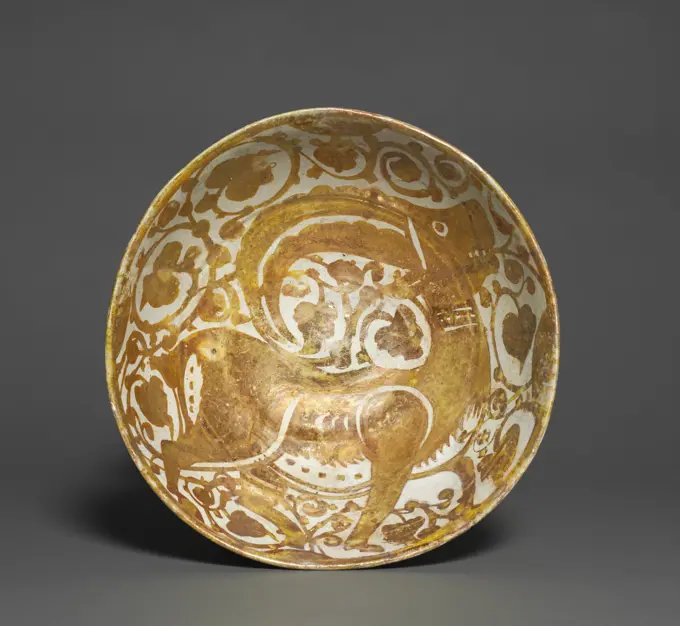
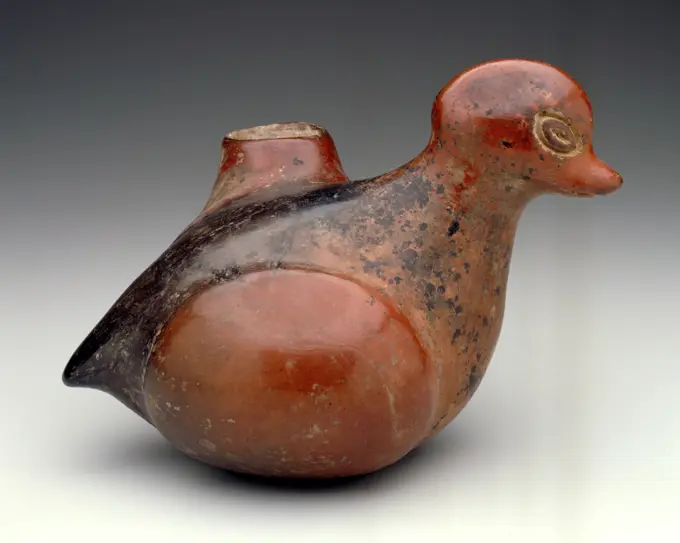
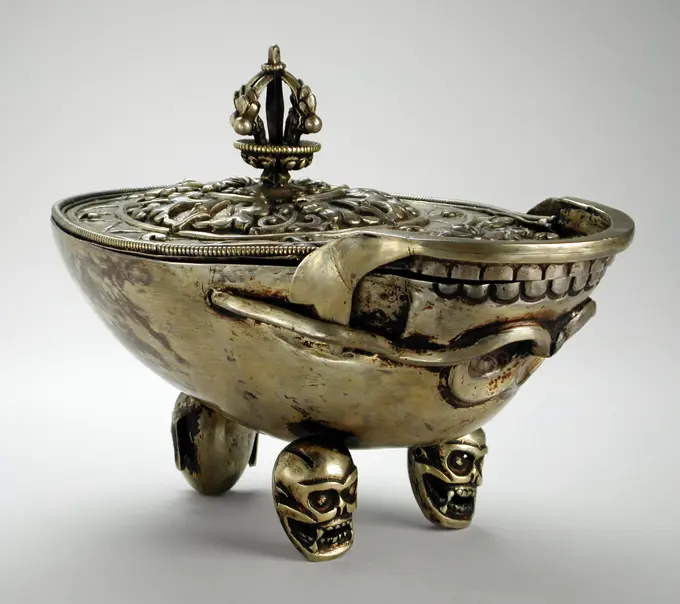
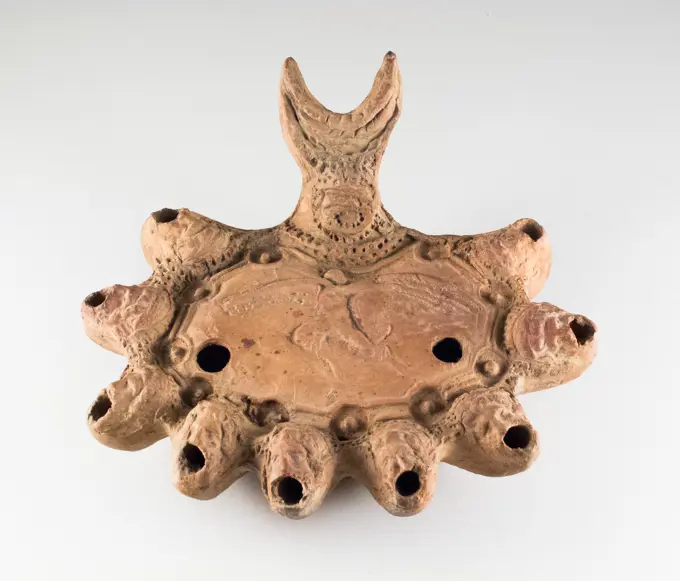
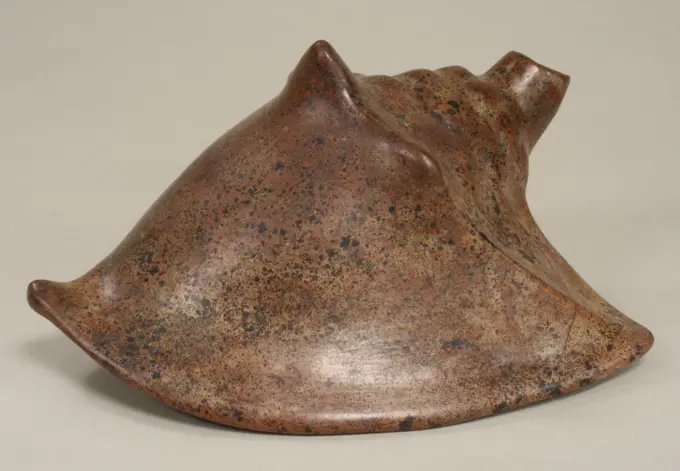
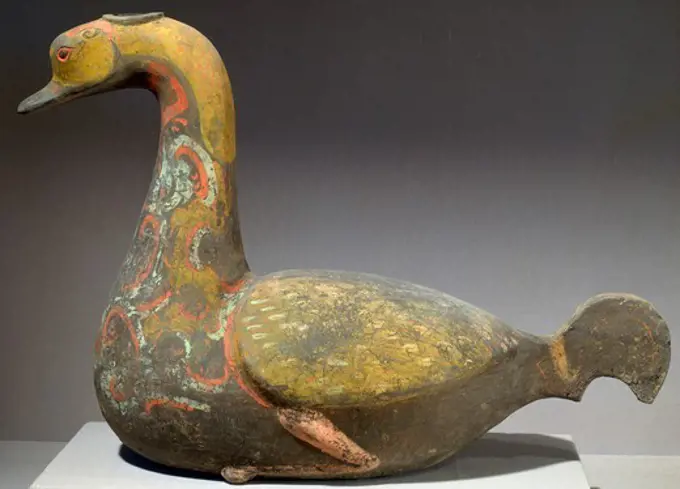
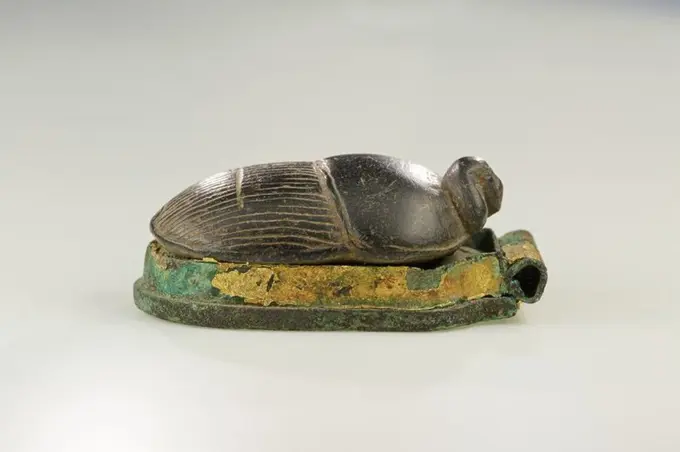
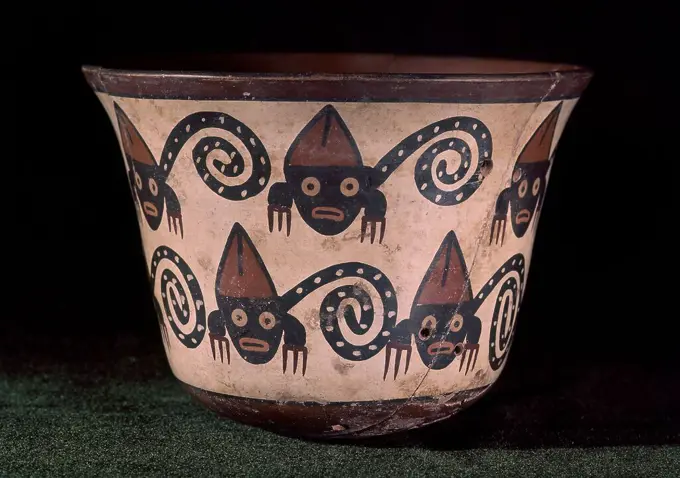
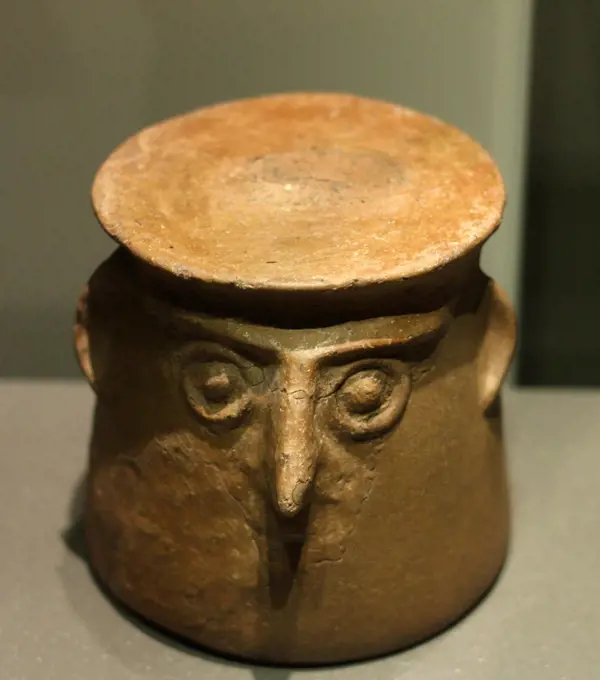
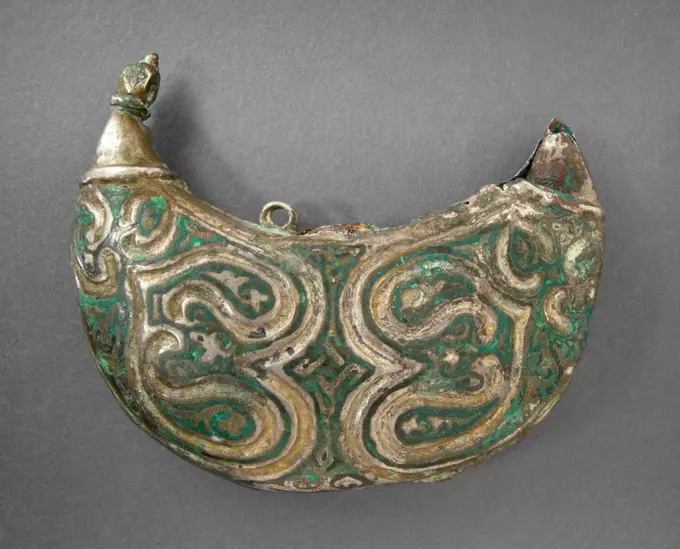
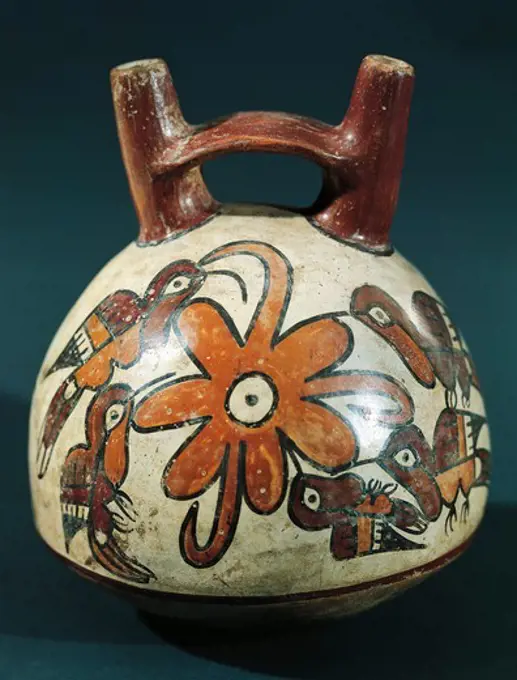
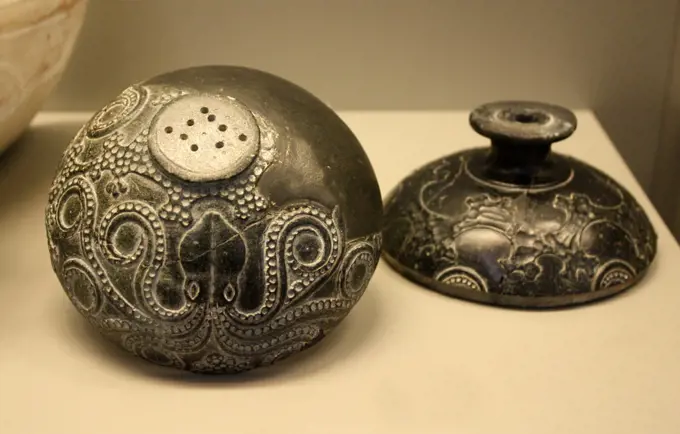
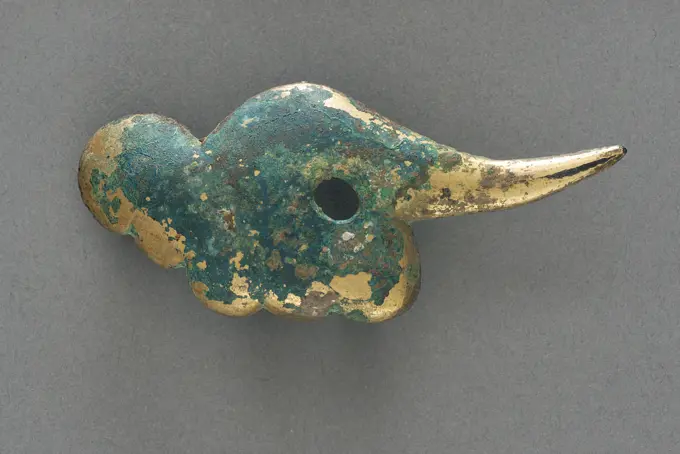
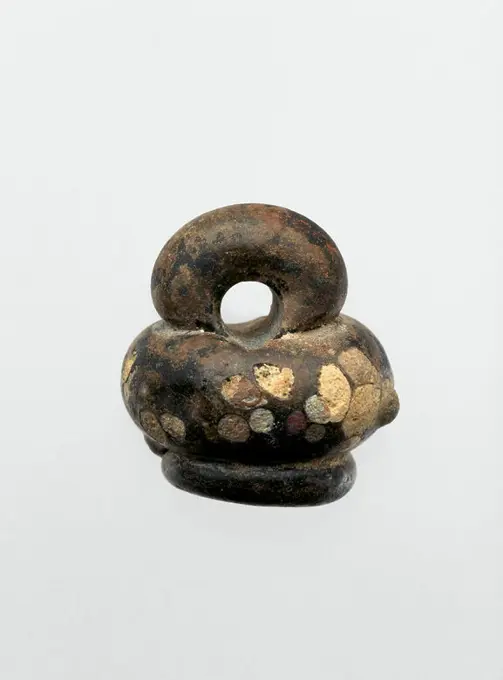
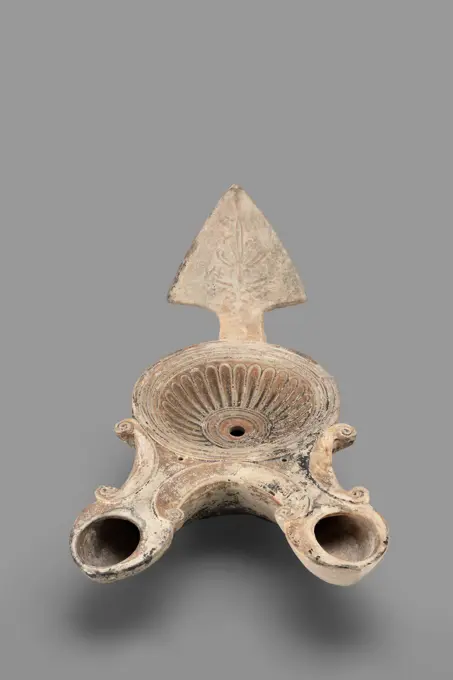
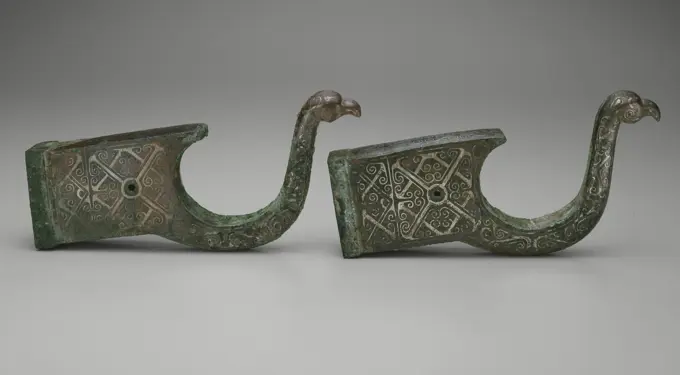
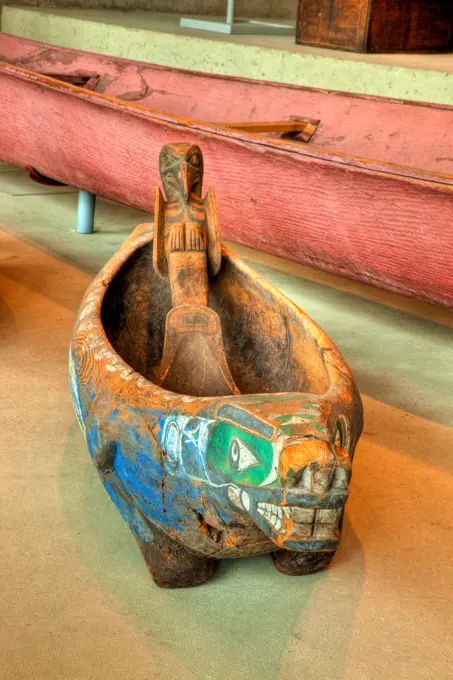
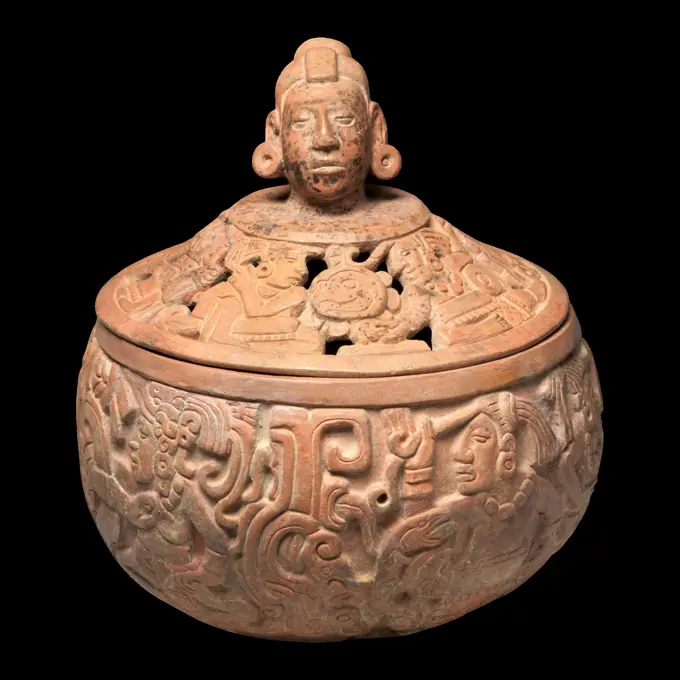
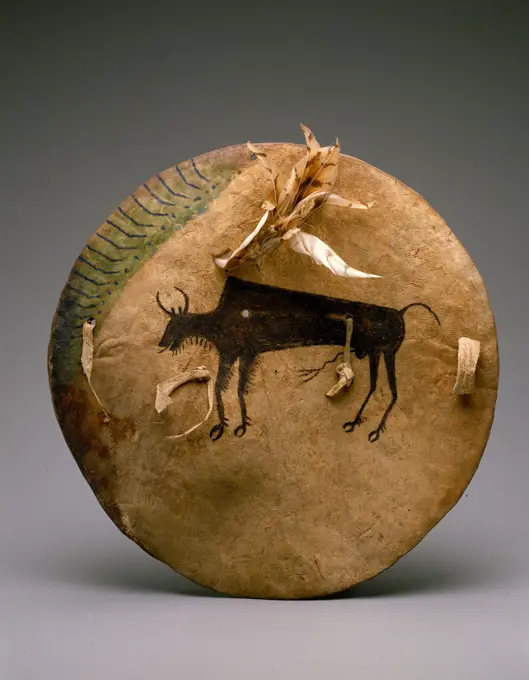
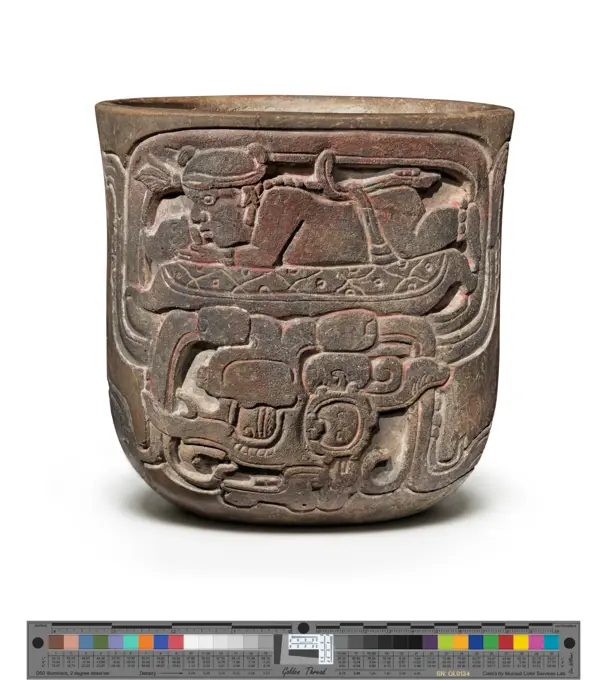
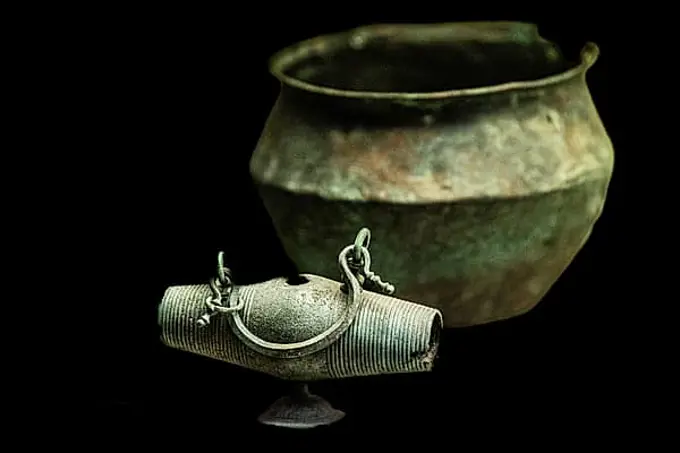
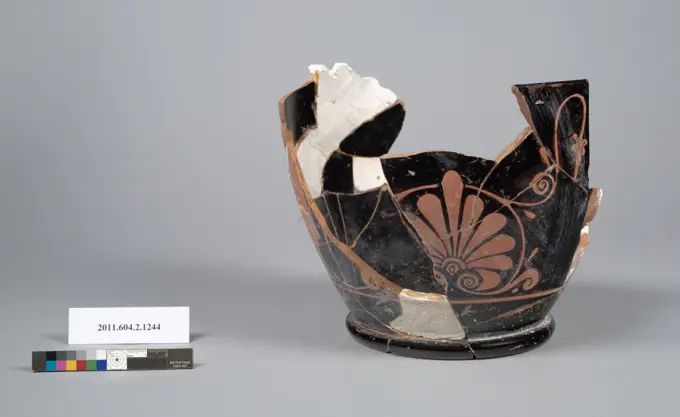
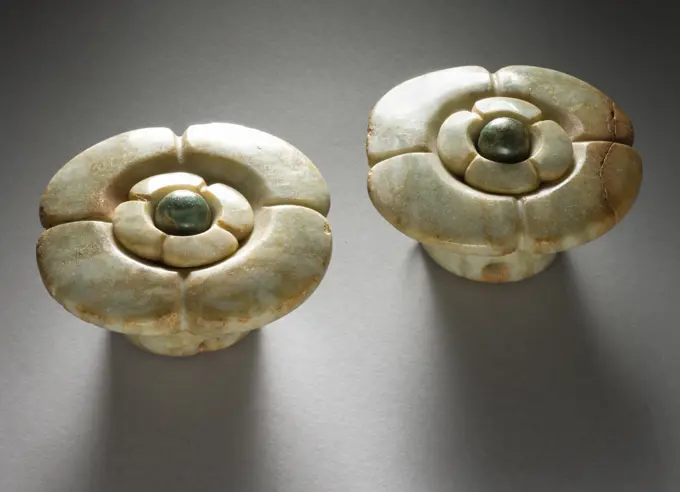
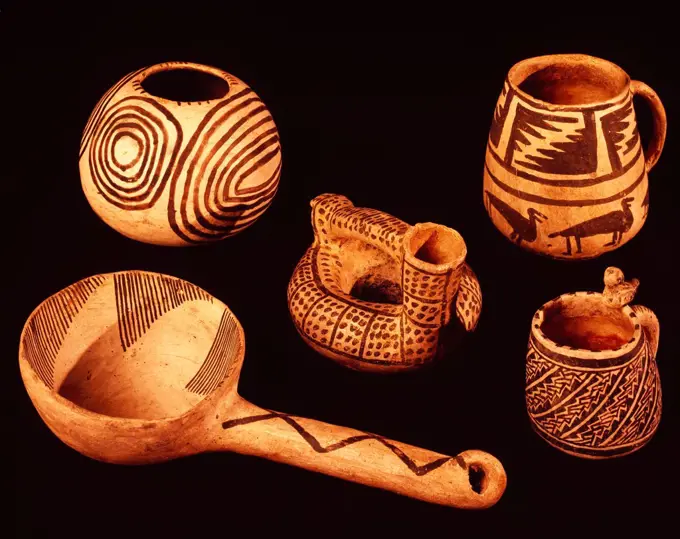
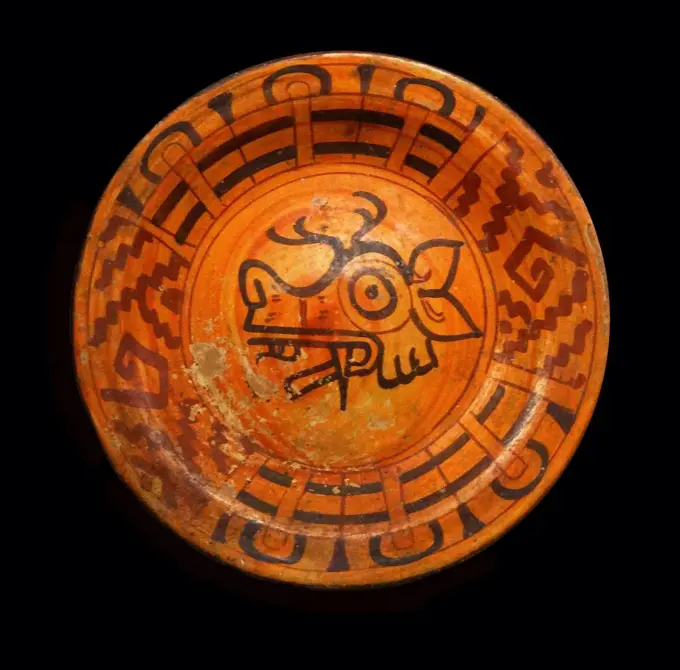
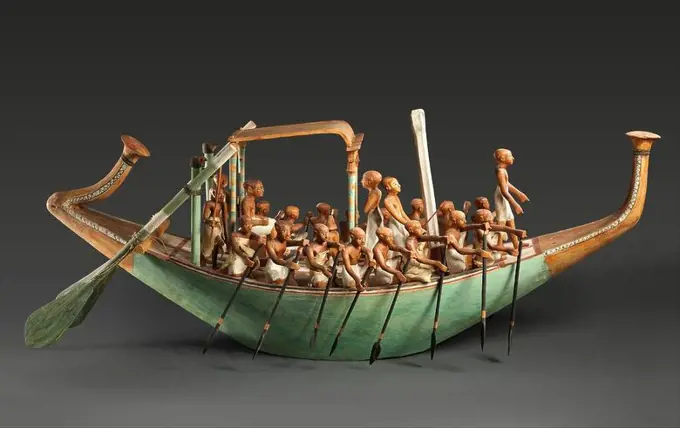
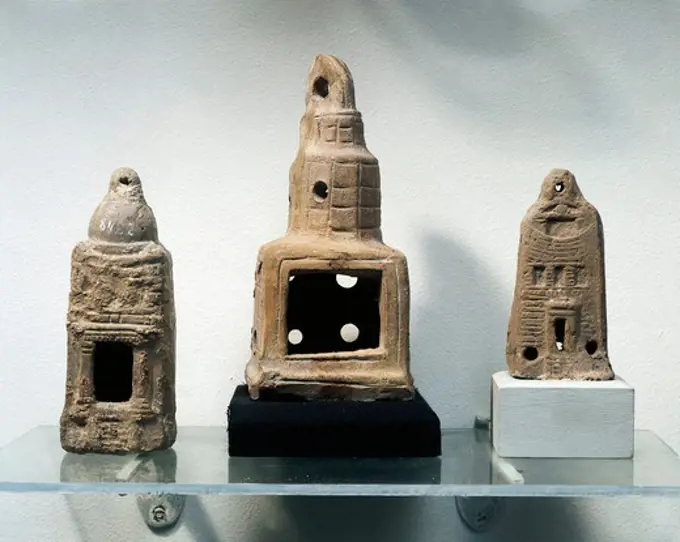
Terracotta oil lamp Greek Mold-made. Almost triangular body. Large central filling hole, slightly irregular surrounded by a narrow rim. Convex-curving shoulder, decorated in relief with matching ivy-leaf tendrils to either side and small, upturned knobs at sides. Broad, long nozzle, decorated with a Silenus mask at back and with a large round wick hole. Undefined, flat base.Intact.. Terracotta oil lamp. Greek. Terracotta. Hellenistic. TerracottasBowl 12th-13th century. Bowl 450951Bronze lamp with tragic mask, From Volubilis (Morocco)Pottery Whistle. Culture: Mexican. Dimensions: L. 91 mm.; W. 47 mm.; D. 36 mm.; Wt. 47 g.. Date: ca. 900-1521. Museum: Metropolitan Museum of Art, New York, USA.Censer with HumanFigure.   Maker: UnknownAlabaster pendant in the form of a bird. Culture: Minoan. Dimensions: H. 4.92 cm; L. 6.35 cm. Date: ca. 2900-2200 B.C..With hole through back. Museum: Metropolitan Museum of Art, New York, USA.Deep bowl with two projections, 2500-1500 BCE, Unknown Japanese, 13 1/4 x 10 in. (33.66 x 25.4 cm), Earthenware, Japan, 25th-15th century BCEBowl with Bird and Flowers 10th century This earthenware bowl is one of the finest examples of the "Sari" type, named after the Iranian town near the Caspian Sea where the wares were once thought to have been made. The highly stylized, brightly colored bird and the band of thin lines around the bowl are characteristic of the group.. Bowl with Bird and Flowers 451477Liturgical patera (6th century AD). Decorated bronze with border and inscriptions. Visigothic art. Archaeology Museum of Catalonia.Luster Bowl with Ibex, 1000s. Egypt, Fustat (Old Cairo), Fatimid period (909-1171). Earthenware with luster-painted design; overall: 9.6 x 24.7 cm (3 3/4 x 9 3/4 in.).Jar in duck form, 3rd-6th century, 8 1/2in. (21.6cm), Ceramic, Mexico, 3rd-6th centuryStand. Egypt, Roman Period (30 BCE - 395 CE) or later. Furnishings; Accessories. BronzeLUCERNAS PALEOCRISTIANAS CON RELIEVES DEL CRIMON Y PALOMAS. Location: MUSEO ARQUEOLOGICO DE CATALUÑA. Barcelona. SPAIN.Skullcup with Lid. Eastern Tibet, Kham region, Derge() or China, 18th century. Furnishings; Serviceware. Gilt silverVASO MOCHICA - PERU. Location: MUSEO DE AMERICA-COLECCION. MADRID. SPAIN.Lamp with nine nozzles 2nd century A.D. Roman. Lamp with nine nozzles. Roman. 2nd century A.D.. Terracotta. Mid Imperial. TerracottasLamp, North Africa; 1st - 4th century; Terracotta; 3 x 7.6 x 10.5 cm (1 3,16 x 3 x 4 1,8 in.)Bowl 300-100 B.C. Paracas. Bowl 308488Animal Face Appliqué, 1766-1122 BCE, 1 1/4 x 2 1/16 x 3/16 in. (3.18 x 5.24 x 0.48 cm), Calcified tan jade, traces of red pigment, China, 18th-12th century BCERoman civilization, terracotta lamp votive for gladiatorMirror with Serpentine Interlaces and Angular Meanders, 200s BC. China, Eastern Zhou dynasty (771-256 BC), Warring States period (475-221 BC). Bronze; diameter: 17 cm (6 11/16 in.); overall: 0.9 cm (3/8 in.); rim: 0.7 cm (1/4 in.).Shell Vessel 2nd century B.C.-A.D. 3rd century Colima. Shell Vessel 312160Foot Jar 3rd century B.C. Paracas. Foot Jar 307614Closing weight of 2 Amsterdam pounds, Anonymous, c. 1751 The object consists of fifteen parts: seven weights and an addition in lead (to replace the eighth weight and the valve), the bin and the lid (which form the house), a hinge, a closing bracket, two handling, the handle. The center point can be seen at the container, the lid and seven weights. Baking and lid have grooved rings and a punched decoration, including French lilies, rosettes and stars. Hinge, closing bracket and handle rates are sounded. Dragon heads can be recognized in the handle decorated with a button. The following characters have been taken on the lid: the crowned city coat of arms of Amsterdam with the letters MB, a rooster, the number 2 (pound), the letters FKL. In the bottom of the container the number I (pound) and the crowned city coat of arms of Amsterdam with MB and the letters FKL. In the bottom of the first weight the number 16 (lead), the crowned city coat of arms of Amsterdam with MB, the letters FKL, iPendant of a Bird (Rooster), 8th-7th centuries BC. Northern Greece, Macedonian, Geometric period (900-700 BC). Bronze; overall: 5 x 9 cm (1 15/16 x 3 9/16 in.).Terracotta Head Fragment 5th century B.C.-A.D. 6th century Guangala. Terracotta Head Fragment 314200Plate ca. 1050-900 B.C. Cypriot. Plate. Cypriot. ca. 1050-900 B.C.. Terracotta. Iron Age. VasesPendant. Northwestern Iran, Iron Age I-II, about 1350-800 B.C.. Jewelry and Adornments; pendants. Bronze, castHawk Head 650 BCE-550 BCE Greece. These precious bronzes objects are votives, or devotional gifts, made for gods. They come in many forms. Some are miniature sculptures of animals, mostly depicting horses, deer, and birds. Others are items of personal adornment, including beads and brooches. Quite a few seem once to have been attached to something else. This assemblage is characteristic of the thousands of votives that were hung from sacred trees or placed in sanctuaries around Greece. Once a shrine was full, the votives were gathered together and ceremonially buried to make room for more offerings. This comes from Thessaly in north-eastern Greece.. Bronze . Ancient Greekzoomorphic figure (vessel), Chalcolithic, fifth millennium BC, Bulgarian National Archaeological Museum, Sofia, Republic of Bulgaria, Europe.Chess Piece, Rook 8th-10th century The dot-in-circle motif recalls designs presumed to be of magical significance, most likely an abstract eye to ward off the evil-eye, which serves an apotropaic function. Easily reproduced with a tool and visible in many cultures and times, this symbol may have lost its meaning, and become simply a decorative pattern, or may have one that we have not yet discovered.. Chess Piece, Rook 446070Bowl 10th-11th century View more. Bowl. 10th-11th century. Earthenware; white slip, decoration in brown, black and red, glazed. Excavated in Iran, Nishapur. CeramicsTerracotta oil lamp. Culture: Roman, Cypriot. Dimensions: Overall: 1 1/4 in., 2.9 cm (3.2 x 2.9 cm). Date: 4th-5th century A.D..Vessberg Type 18. Unpierced handle. Mold-made. Discus: running bull facing left and wearing ornate collar, flanked to either side by herring-bone wreath. Two filling holes. On shoulder, stylized vine tendril with bunches of grapes. On concave base, star design with indistinct letters ()between rays. Buff clay. Museum: Metropolitan Museum of Art, New York, USA.Vessel with Glyphic Text. Guatemala or Belize, Northern Petén, Maya, 550-700 CE. Ceramics. Slip-painted ceramicLamp 5th-6th century Small earthenware lamps, made from double molds, were the most commonly used source of light in daily Coptic life. A wick produced from plant fiber or linen fabric was placed in a reservoir filled with oil, generally castor or sesame oil, and illuminated. The disc of this red earthenware lamp depicts the bust of a woman in a medallion formed by a palm; the image is surrounded by a broad rim decorated with ornamental squares, concentric circles, and palmettes.. Lamp. 5th-6th century. Earthenware; molded. Attributed to Egypt. CeramicsLamp 2nd-6th century. Lamp 444798Shaft-hole Axehead. Iran, Luristan, circa 2600-2350 B.C.. Arms and Armor; axes. Bronze, castCovered Jar (Hu), AD 25-220. China, Eastern Han dynasty (AD 25-220). Earthenware with lead glaze; overall: 47 cm (18 1/2 in.).Pendant. Northwestern Iran, Iron Age I-II, about 1350-800 B.C.. Jewelry and Adornments; pendants. Bronze, castLamp;  IV-V century (301-00-00-500-00-00);Vuurtest, anonymous, c. 1676 Earthage test of earthenware with light yellow shard and brown -bleached lead glaze. The fire test stands on three legs and is round in shape at the bottom, towards the top edge the shape becomes square. Netherlands earthenware. lead glaze Earthage test of earthenware with light yellow shard and brown -bleached lead glaze. The fire test stands on three legs and is round in shape at the bottom, towards the top edge the shape becomes square. Netherlands earthenware. lead glazeCeltic bronze & iron Helmet, Canosa, Apulia, Italy, 6th - 3rd century BC. Artist: UnknownBukłak z dekoracją rytą. warsztat cypryjskiGoose-shaped pot, painted terracotta, China. Chinese Civilisation, Western Han Dynasty, 3rd century BC-1st century AD.Heart Scarab with a Human Head. Dimensions: L. 6.5 × W. 3.9 × H. 2.5 cm (2 9/16 × 1 9/16 × 1 in.). Date: 1550-1070 B.C..Heart scarabs were very popular amulets. Positioned on the chest of the mummy, they usually take the shape of a large scarab beetle (which was a symbol of regeneration). Occasionally, the beetle's head is replaced with that of a human. For the ancient Egyptians the heart was not only the center of life, but also of thinking, memory, and moral values. In the final judgement the heart was thought to be weighed against maat - the principle of order and justice. Only if the deceased had lived a righteous life was he allowed to live on in the afterlife. Understandably, the Egyptians feared a negative outcome and special amulets were used to ensure a positive judgment. The flat underside of a heart scarab is usually inscribed with chapter 30B of the Book of the Dead, the so-called heart scarab spell that magically "prevents the heart from creating opposition" and in which VASO DE CERAMICA - CULTURA NAZCA - ARTE PERUANO PRECOLOMBINO - 100 AC-700 DC. Location: MUSEO DE AMERICA-COLECCION. MADRID. SPAIN.Horse Head. China, Six Dynasties period, 317-581. Sculpture. Molded earthenware with painted decorationLids with anthropomorphic faces or band handles. Ceramic 2600-1700 BC.Silver Pendant. Afghanistan, 11th century. Jewelry and Adornments; pendants. Fabricated from sheet, decorated with repoussé, gilding and niello inlayPig still bank, 20th century, 2 3/16 x 2 x 3 9/16 in. (5.56 x 5.08 x 9.05 cm), Ceramic, 20th centuryKylix Fragments ca. 490-480 B.C. Attributed to the Colmar Painter. Kylix Fragments. Greek, Attic. ca. 490-480 B.C.. Terracotta; red-figure. Late Archaic. VasesIncised Painted Bowl with Felines 7th-5th century B.C. Paracas. Incised Painted Bowl with Felines 308621Peru, Pre-Inca civilization, Nazca culture, Double spout and bridge vessel with painted hummingbirds around flowerPaperweight. Culture: Russia. Dimensions: H. 3 1/4 in. (8.3 cm); W. 2 1/8 in. (5.4 cm). Date: 1899. Museum: Metropolitan Museum of Art, New York, USA.Anthropomorphic JarSteatite and serpentine two-piece vase with pierced base and relief octopus representation within a marines cape. Differences in manufacturing techniques attest the hands of two artisans from Mycenaean Greece or Minoan Crete.Fitting in the Form of a Cloud. China, Tang dynasty, 618-906. Sculpture. Cast bronze with gilding and iron pinCovered Box. Southeast China, Fujian, 16th century. Furnishings; Accessories. Stoneware with green and brown lead glazeCapital with Acanthus Leaves ca. 6th century Overlapping acanthus leaves lend an air of delicacy to this capital, carved from a block of limestone that weighs more than four hundred pounds. Its shape and lush foliage decoration had become traditional by the sixth century in the eastern Mediterranean. The bowl-shaped form and flatter vegetal patterns used on the capital on the nearby pedestal represent a different style that would become popular in Byzantium.. Capital with Acanthus Leaves 453854Anthropomorph, c. 1500-1000 BC. India, Bronze Age. Copper; overall: 23.5 x 36.5 x 0.5 cm (9 1/4 x 14 3/8 x 3/16 in.).Console, executed in Lodewijk-XIV style, Anonymous, c. 1400 - c. 1950 A pine console, executed in Lodewijk-XIV style. Netherlands wood (plant material). pine (wood). paint (coating) A pine console, executed in Lodewijk-XIV style. Netherlands wood (plant material). pine (wood). paint (coating)Glass pendant in the form of a miniature jar. Culture: Roman. Dimensions: Height: 11/16 x 5/8 in. (1.8 x 1.7 cm). Date: late 3rd-4th century A.D..Uncertain color, appearing black, with same color pad base and loop handle; applied blobs in opaque yellow, white, and (possibly) light blue.Large rounded loop at top for suspension; squat globular body; pad base with rounded edge and flat bottom.Body decorated with small marvered blobs of varying sizes and one unmarvered blue blob.Intact; dulling, pitting, and patchy black weathering. Museum: Metropolitan Museum of Art, New York, USA.Mayan zoomorphic Pot, from Uxmal, Yucatan, Mexico. Post classic (900-1250 AD) Ceramic.Marble sundial decorated with feline paws, and vegetable motif in relief, from House of the Golden Cupids, PompeiSlippers 1820-40 French. Slippers 98265Two -liter lamp decorated with rosette motif;  End of the first century (91-00-00-100-00-00);Bow Support for a Crossbow 399 BCE-300 BCE China. Bronze inlaid with strand silver .Sanxingdui-Museum, Xinping, Chengdu, Sichuan, China, AsiaGourd Box with CoverMuseum of Anthropology Vancouver British Columbia CanadaPair of bronze handles with satyrs early 5th century B.C. Etruscan The handles were once attached to a large bronze column-krater (bowl for mixing wine and water). Traces of solder on the tops suggest the possibility of additional elements now missing. Each satyr stands erect, with a hand brought to the head in a salute-like gesture called the aposkopein, a Greek word that defines a "glancing into the distance" and is a characteristic gesture of satyrs.. Pair of bronze handles with satyrs 255956Bedeckte Schale der alten Maya aus Rio Blanco - 6. bis 9. Bedeckte Schale der alten Maya aus Rio Blanco - 6. bis 9. Copyright: xZoonar.com/GallóxGusztávx 22565941Bowl 19th century. Bowl 443158Helmets and masks, Japan. Japanese Civilisation, 17th century.Shield, c. 1870, Attributed to Humped-Wolf; Artist: Full-Mouth Buffalo, Apsáalooke (Crow), 22 1/4 x 21 x 21 in. (56.5 x 53.3 x 53.3 cm), Hide, feathers, pigment Shield:bison hide, deer hide, owl feathers, pigment Cover: buckskin with stitched edging and drawings, United States, 19th century, Shields were used in battle by Plains men for protection. This protection was primarily supplied by the power of the images appearing on its surface, which came to the owner through a visionary experience. Before creating this shield, Humped-Wolf received a vision of a bull buffalo preparing himself for battle. The green band on its upper left section symbolizes Spring, the time for warfare. The black zig-zag lines drawn over the green band represent the paths of bullets deflected by the shield.Bowl 10th-11th centuryTerracotta oil lamp 4th-5th century A.D. Roman, Cypriot Vessberg Type 18. Unpierced handle. Mold-made. Discus: victorious racehorse running left and wearing ornate collar, with palm branch above head, flanked to either side by herringbone wreath. Above horse: indistinct letters; below horse: indistinct letters. Two large filling holes above and below horse. On shoulder, vine tendril with stylized bunches of grapes. On undefined, slightly concave base, in relief Greek letters: EYTYXHTOC.Intact, except for slight surface losses at right. Sooting around nozzle. Pale buff clay.. Terracotta oil lamp. Roman, Cypriot. 4th-5th century A.D.. Terracotta. Late Imperial. TerracottasVessel with Water Lily Serpent and Dwarf. Mexico, Yucatán, Chocholá or vicinity, Maya, 700-900 CE. Ceramics. Slip-painted ceramic with post-fire pigmentAnointing vessel from the Roman period, Museo Archeologico Concordiese with finds from the Roman period, medieval old town, Portogruaro, Veneto, Friuli, Italy, Portogruaro, Veneto, Italy, EuropeHorse Bit. Iran, circa 1000-650 B.C.. Tools and Equipment; horse trappings. BronzeTerracotta fragment of a skyphos (deep drinking cup) mid-5th century B.C. Greek, Attic Obverse, legs and drapery of a youth to right; part of a draped youth with a knobby stick; Reverse, lower drapery and feet of a youth to right; lower drapery and feet of a youth with a knobby stick; in between the obverse and reverse, large circumscribed palmettes with tendrils and lotus buds; the outer edge of the foot is glazed; the resting surface of the foot is unglazed; the inner wall of the foot is glazed; the underside of the foot has miltos. Terracotta fragment of a skyphos (deep drinking cup). Greek, Attic. mid-5th century B.C.. Terracotta; red-figure. Classical. VasesThymiaterion Green-GlazedAltarPrestige Chair, 1800s. Equatorial Africa, Cameroon. Wood and paint; overall: 80.7 x 53.3 x 44.5 cm (31 3/4 x 21 x 17 1/2 in.).VASIJA CON FORMA DE PEZ - CERAMICA - CULTURA CHIMU (1100-1400 DC) - PERU - Nº INVENTARIO 10260. Location: MUSEO DE AMERICA-COLECCION. MADRID. SPAIN.Flower-Shaped Earflares. Guatemala or Mexico, Maya, 550-850 CE. Stone. JadeiteEngland, London, The City, Museum of London, Exhibit of Roman Medical and Cosmetic InstrumentsAncestral Pueblo pottery, Mancos Pueblo II Black-on-White Ladle, Mancos Black on White Seed Jar with concentric circles, Black-on-White polka-dot ring-style jar, Black-on-White mug with four-legged birds and Mesa Verde Black-on-White Bird Effigy Child's Mug, all on display at Edge of the Cedars Museum, Blanding, Utah.  Pottery owned by the Utah Navajo Development Council / Utah Navajo Trust Fund.  Contact Fred Hirschmann prior to any publication.Arkeologi Museoa, museo aqueologico, Bilbao, Bizkaia, Pais Vasco, Spain.Model of Mill China. Model of Mill 44430Mixtec pottery plate with deer glyph, Cholula, AD 1300-1521Model Paddling Boat. Dimensions: L. 132.5 cm (52 3/16 in.), with rudder 138.5 (54 1/2 in.); H. 53 cm (20 7/8 in.); W. 38 cm (14 15/16 in.). Dynasty: Dynasty 12. Reign: reign of Amenemhat I, early. Date: ca. 1981-1975 B.C..The green color of the hull of this boat, its vertical prow, backward-curving stern and double steering oars imitate elements of vessels made from papyrus stalks. Even the lashings of the leather sheaths that covered prow and stern of such boats are rendered. Boats of this particular type appear in representations of the "pilgrimage to Abydos" that was part of the Egyptian funerary ritual from the Middle Kingdom onwards. The ritual character of this boat trip is clearly demonstrated by the fact that not the living Meketre but a statue sits under the baldaquin accompanied by a companion (possibly his son) and a large libation vessel. The basic idea of a trip to the major cult center of the god Osiris at Abydos, where the god's death and resurrection were celebrated, iTerracotta lamps in shape of lighthouses designed for Ptolemy II (285-247 b.c..)