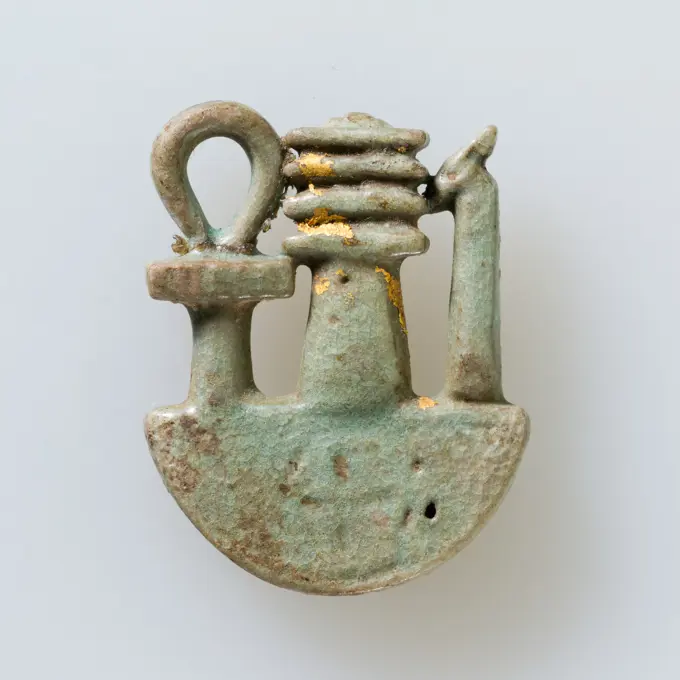
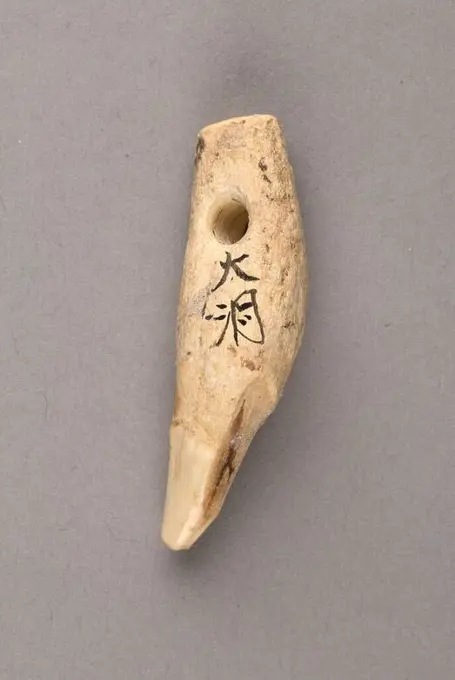
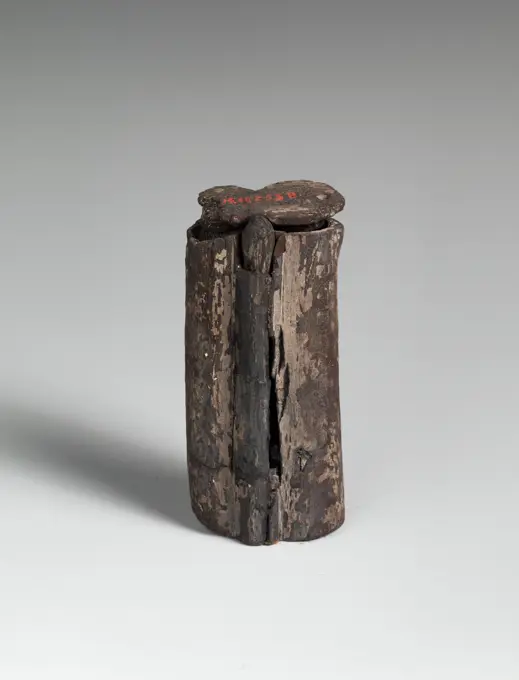
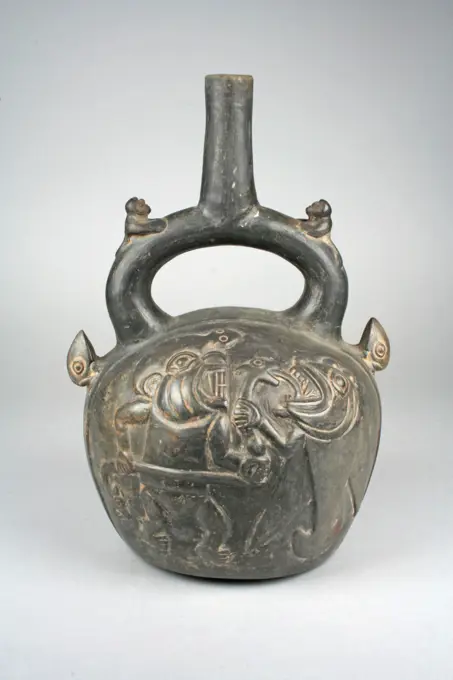
Ancient Terracotta Lamps

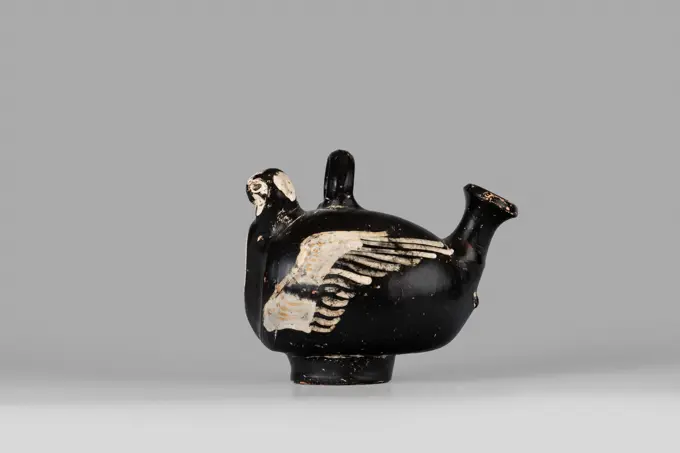
A variety of ancient terracotta lamps from different periods, showcasing unique designs and details, with historical significance.

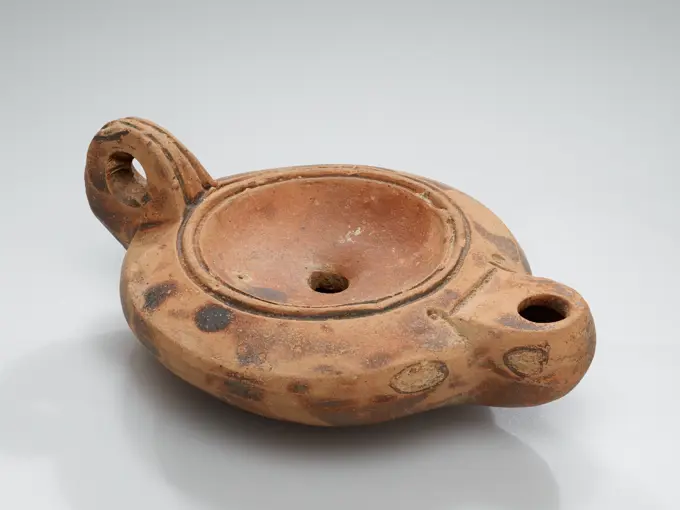
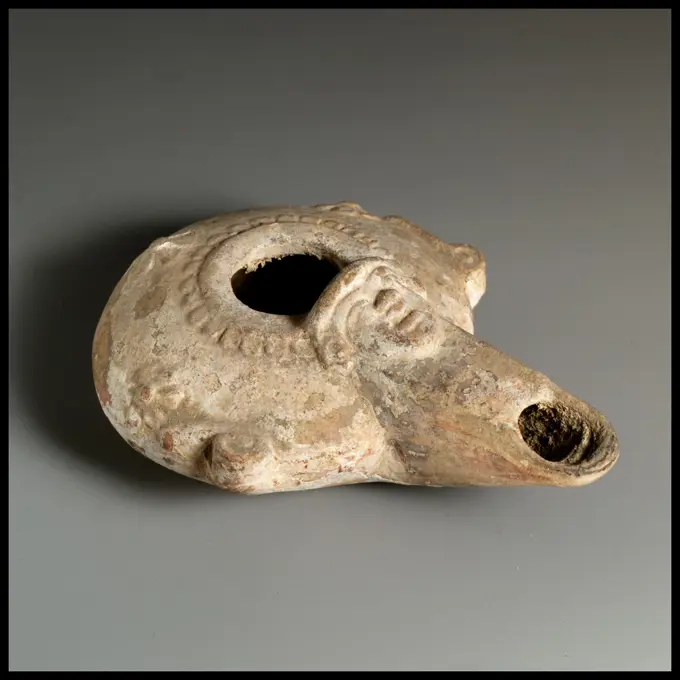
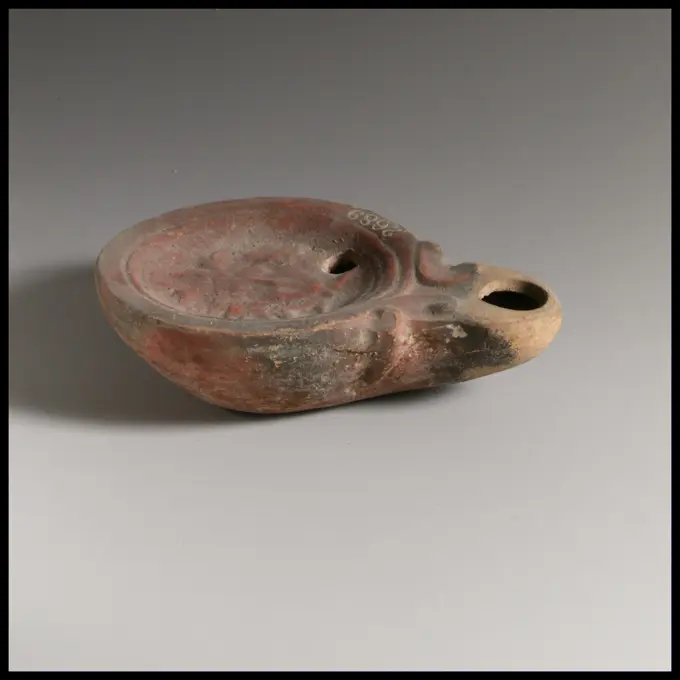
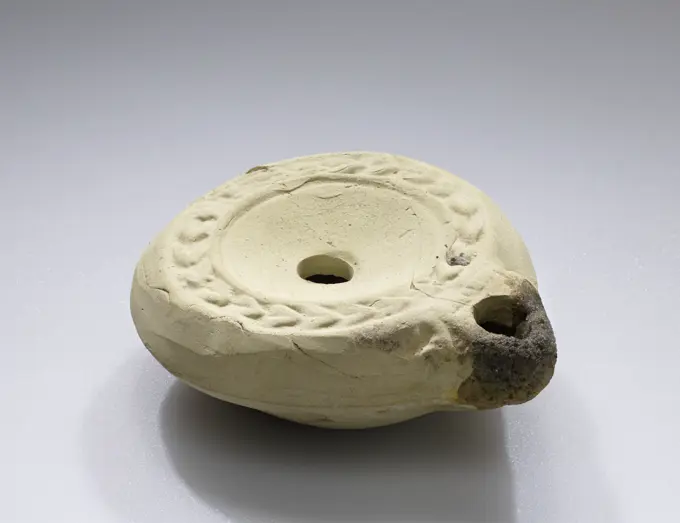
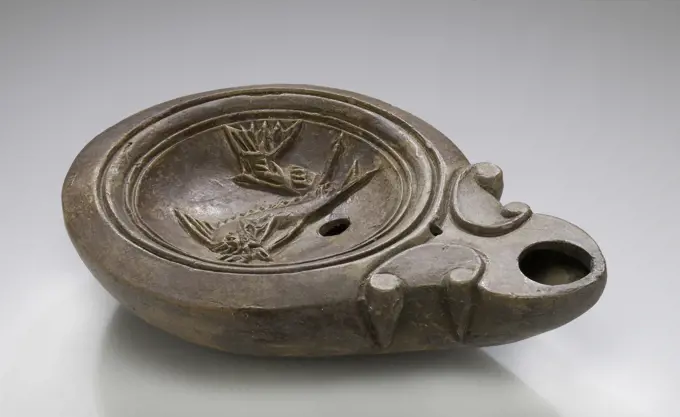
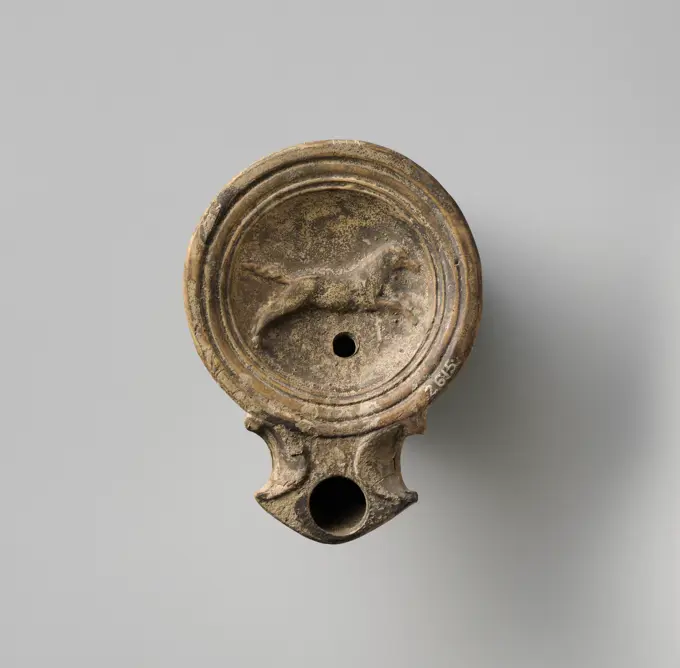
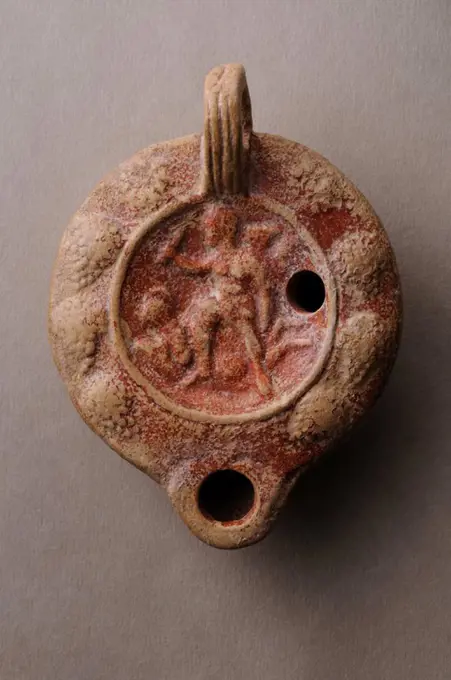
Lamp, North Africa; 1st century B.C. - 4th century A.D; Terracotta; 2.6 × 7.1 × 11 cm (1 × 2 13,16 × 4 5,16 in.)
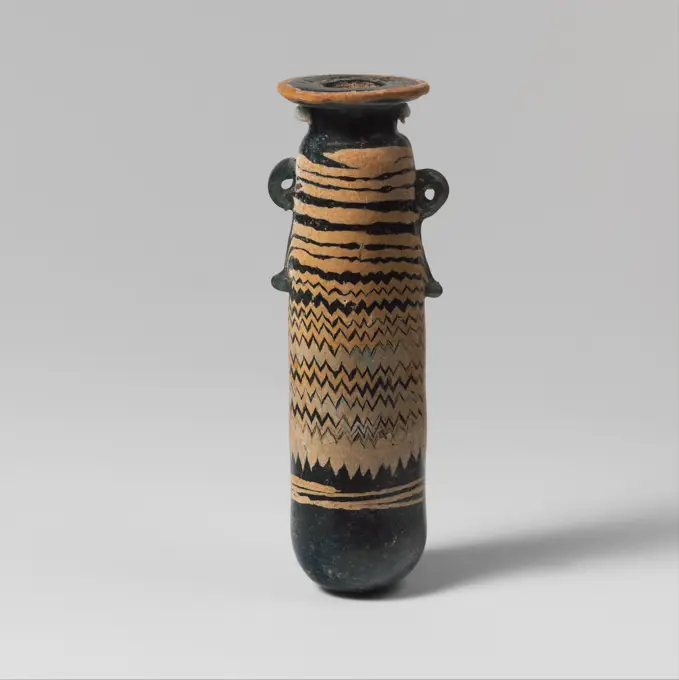
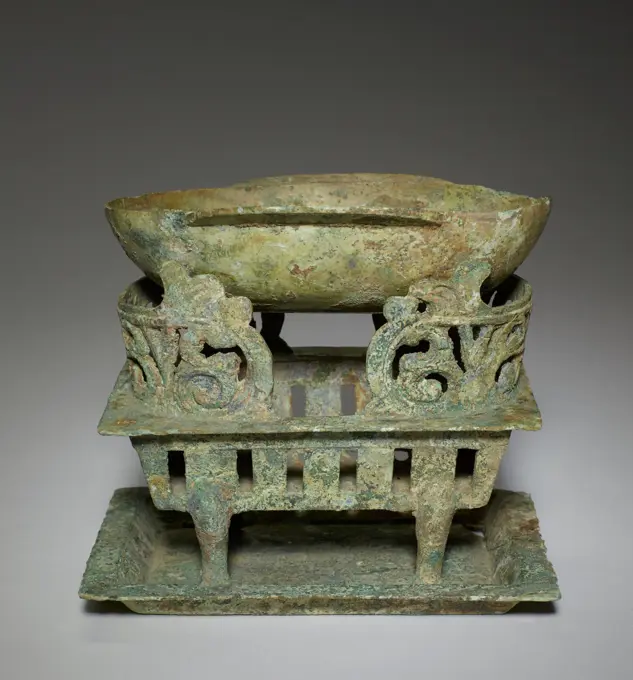
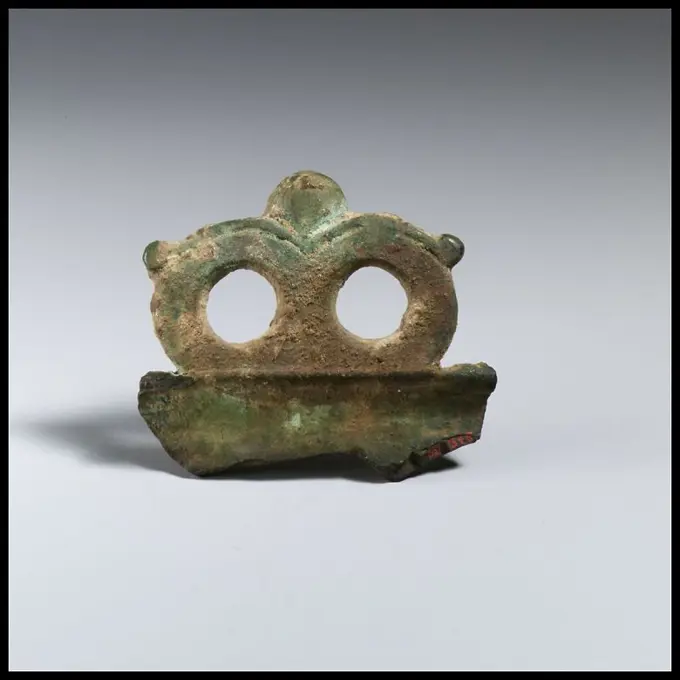
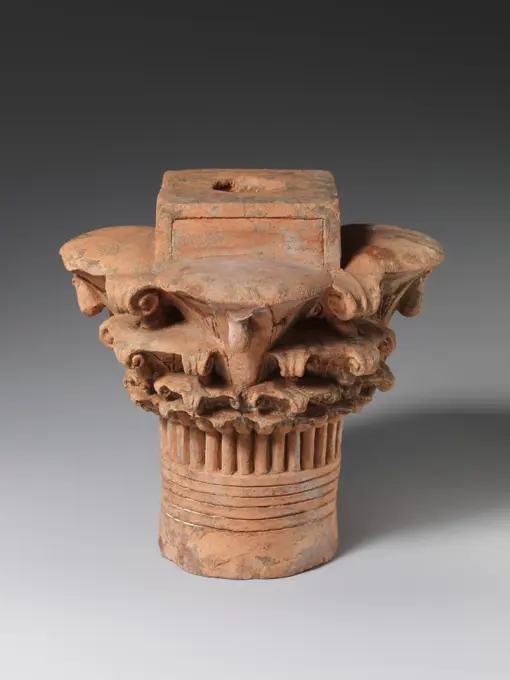
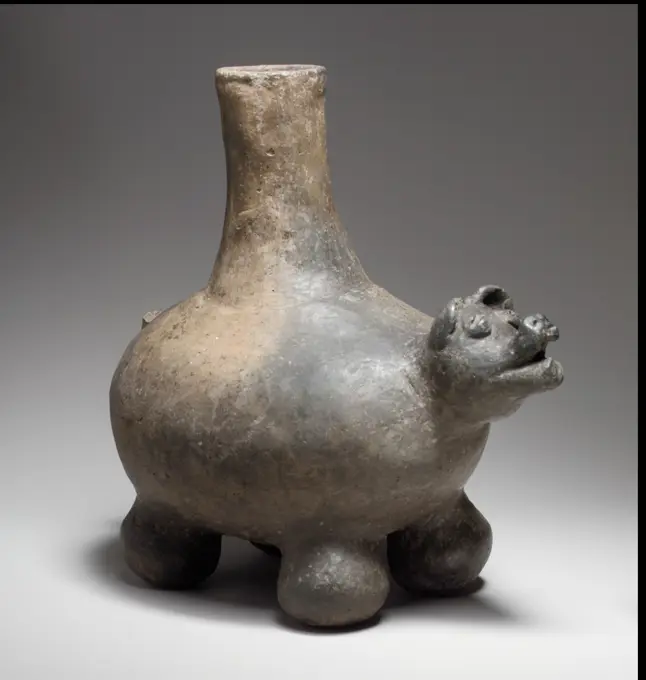
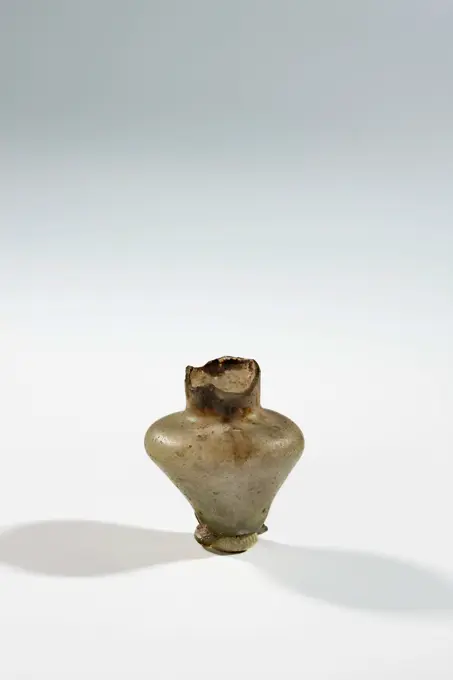
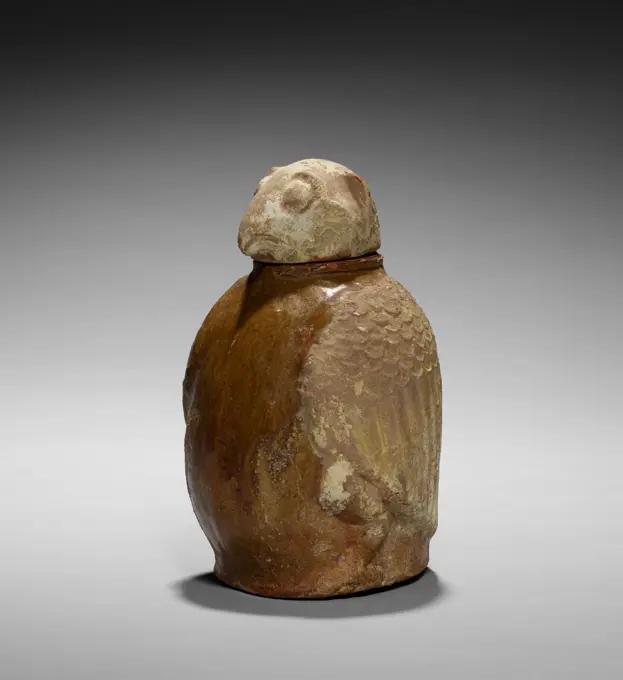
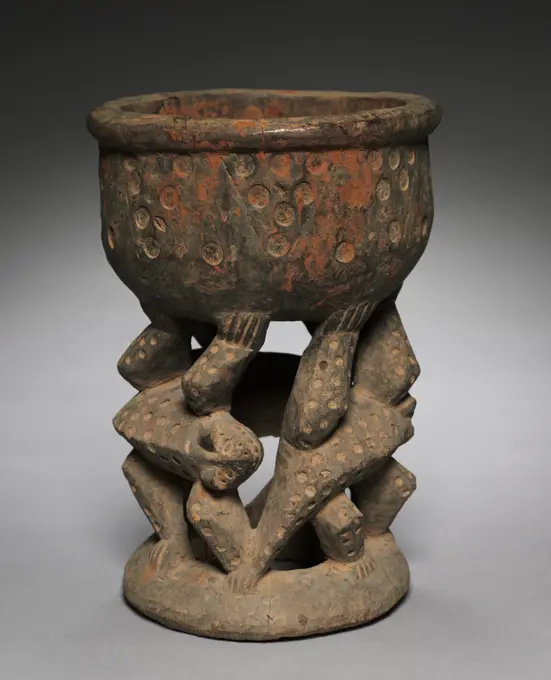
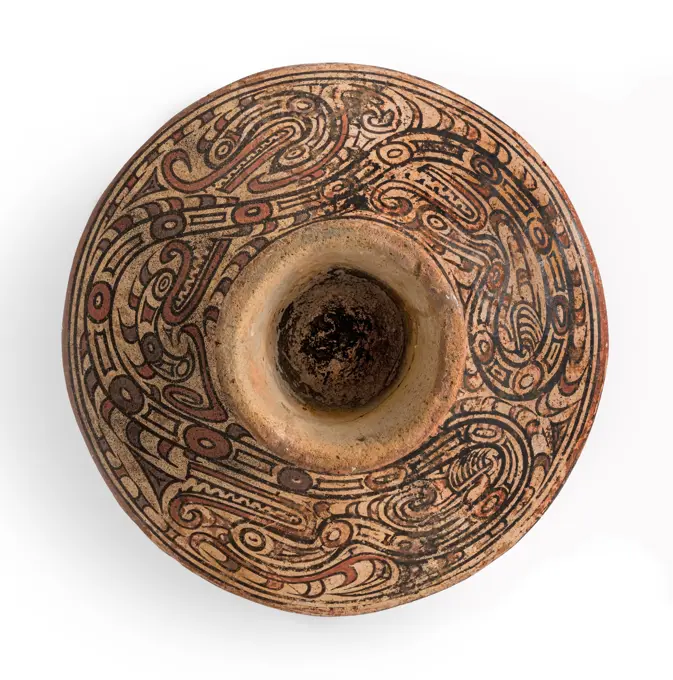
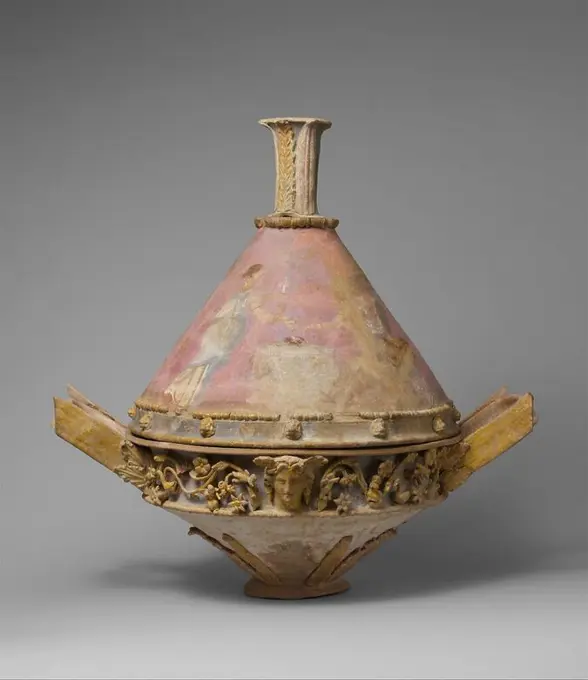
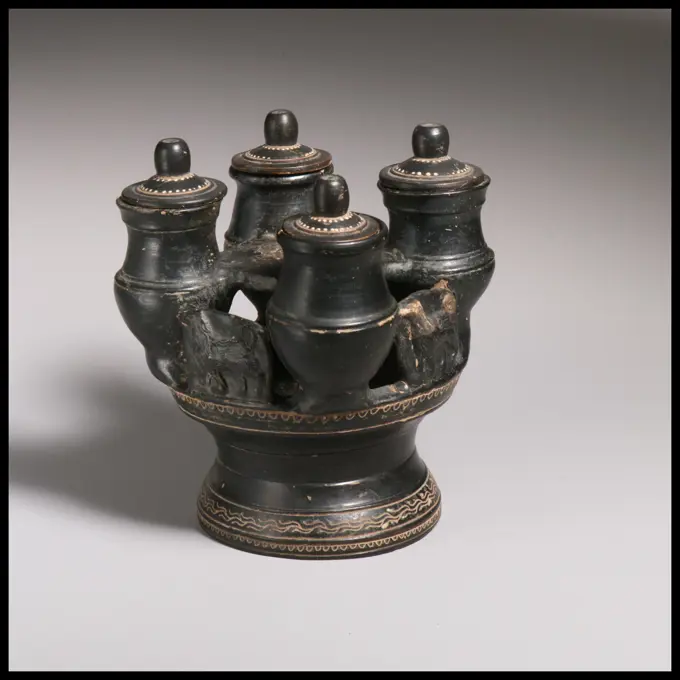
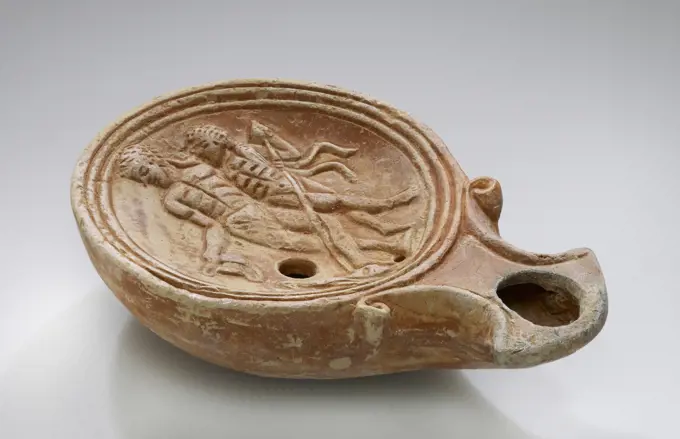
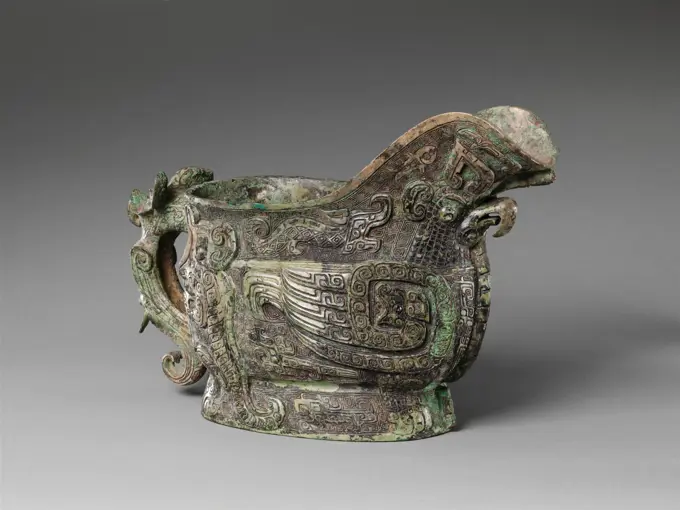
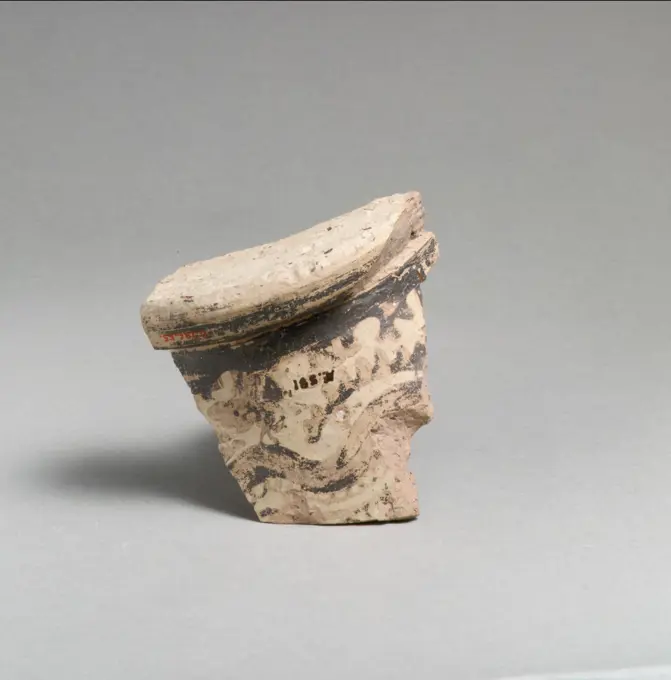
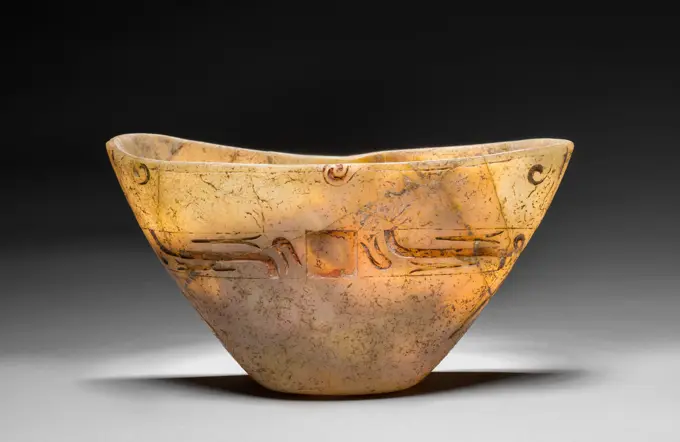
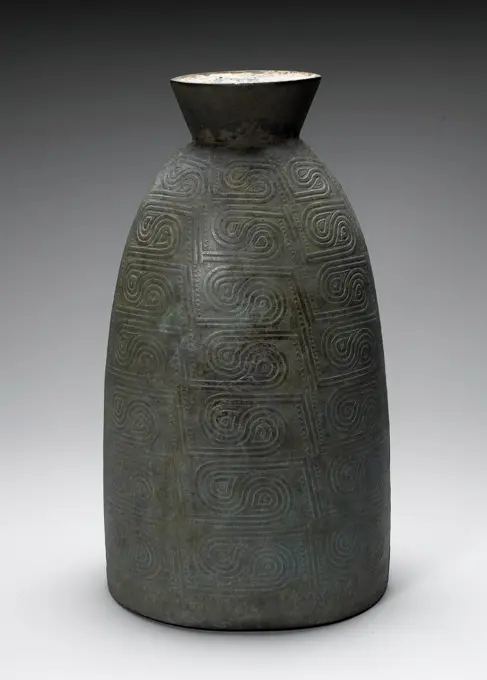
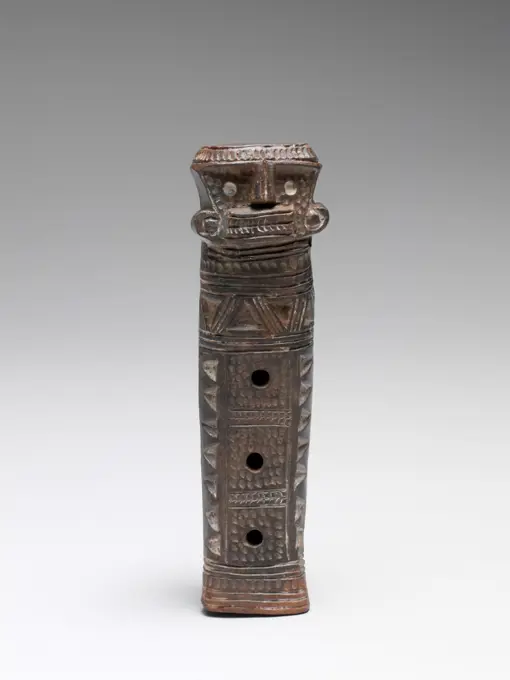
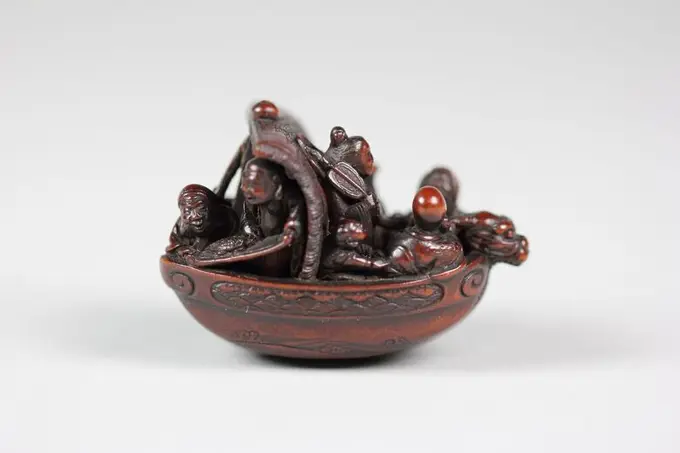
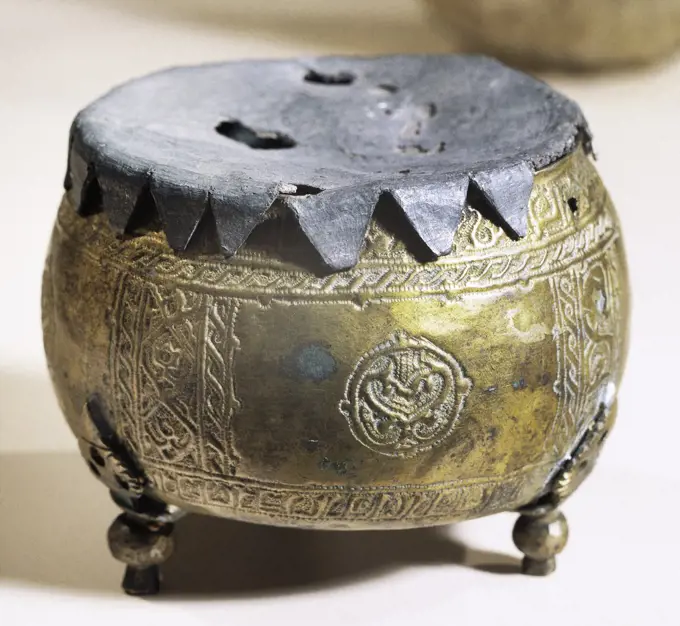
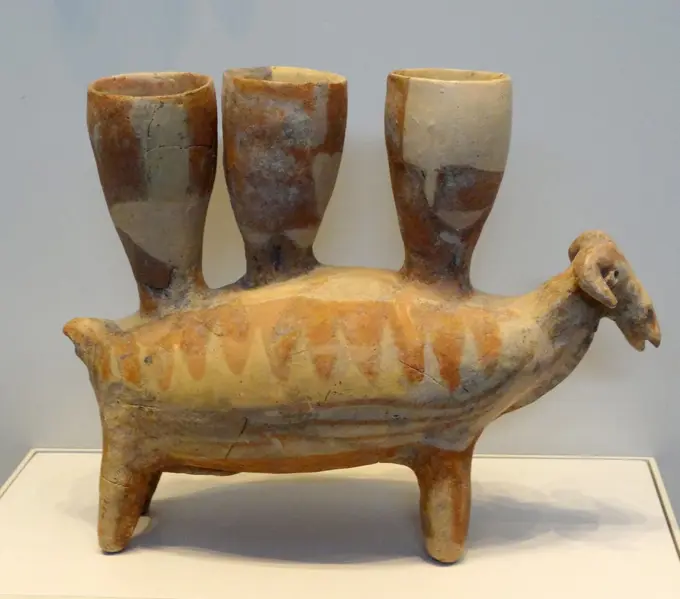
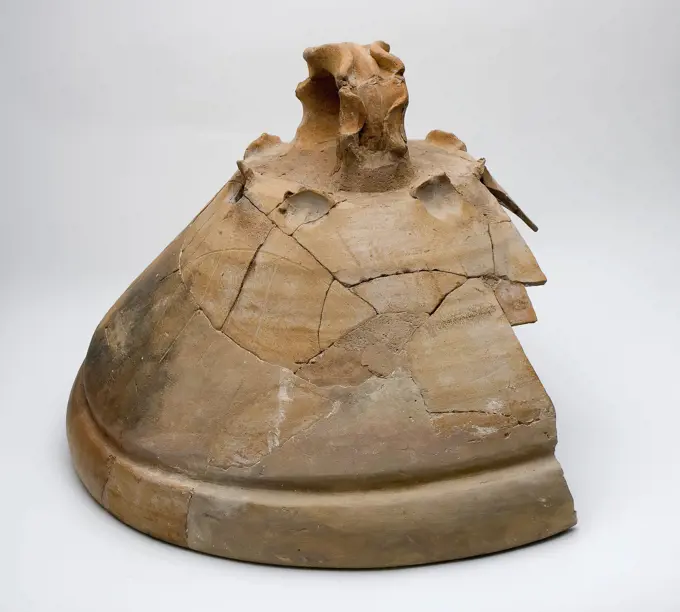
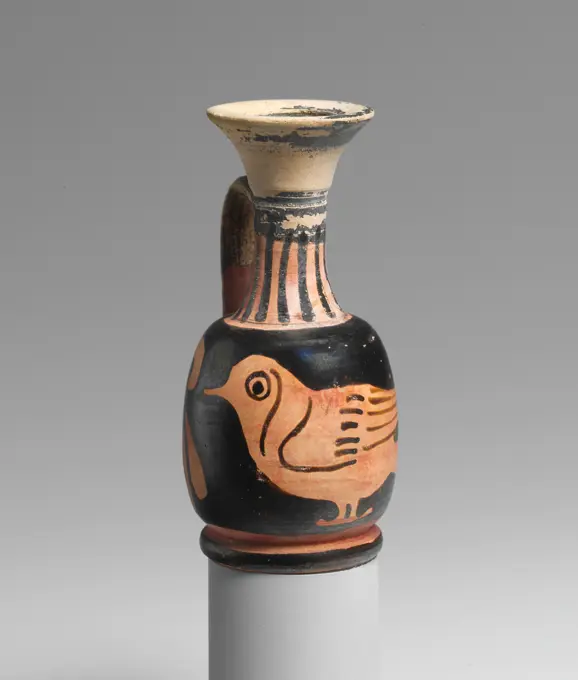
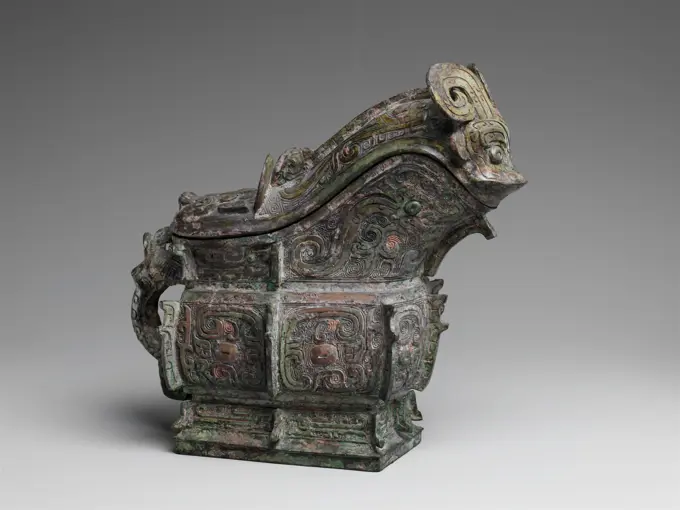
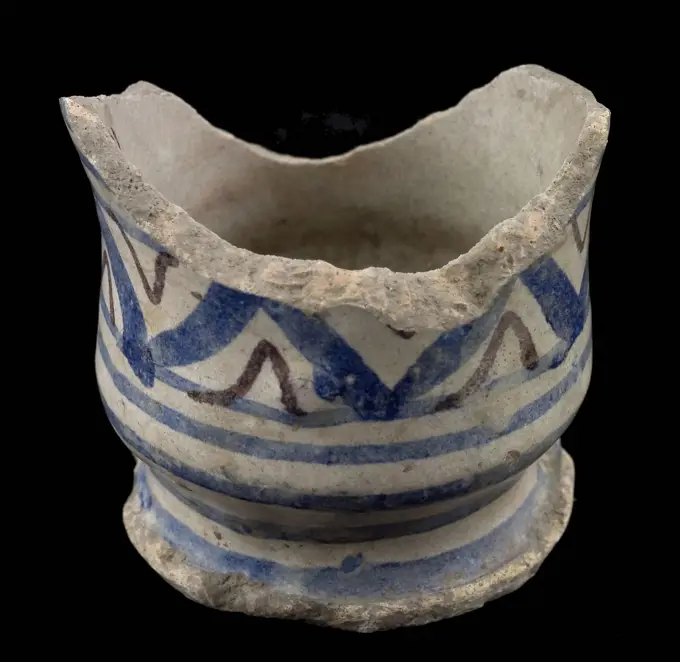
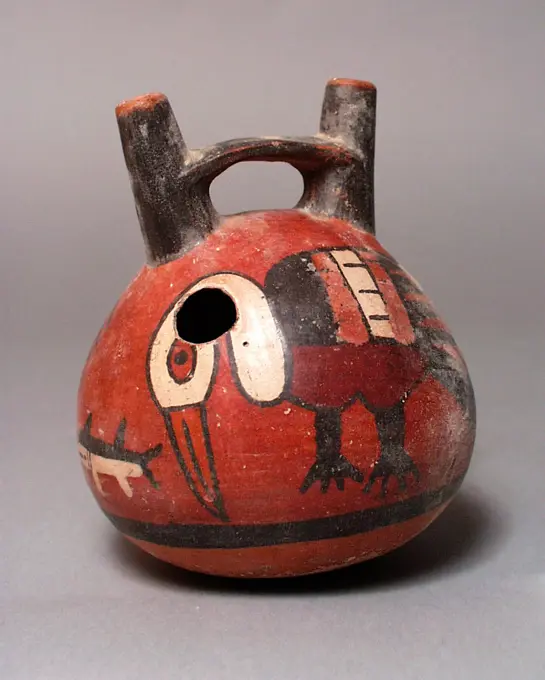
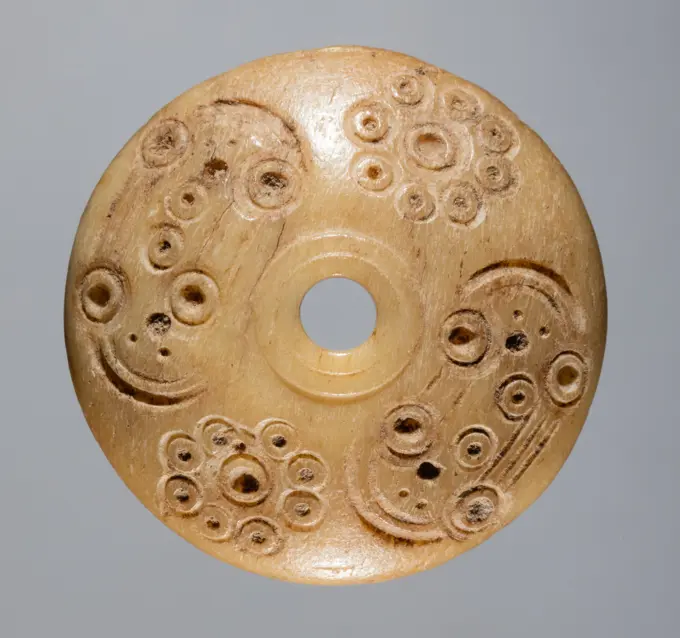
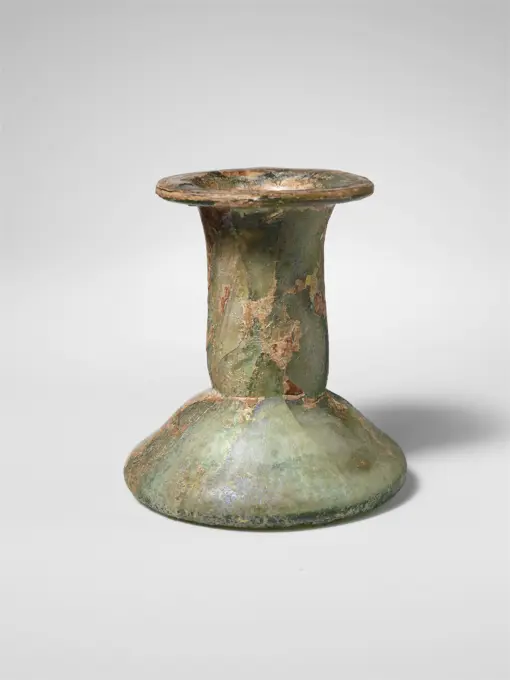
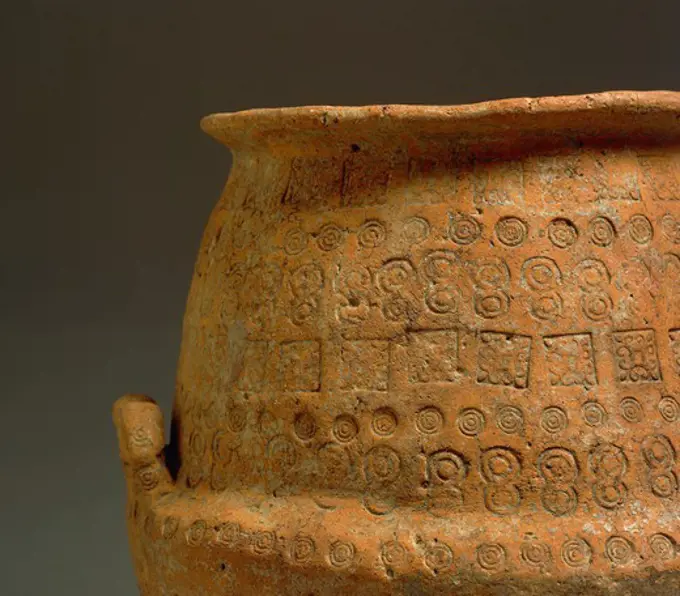
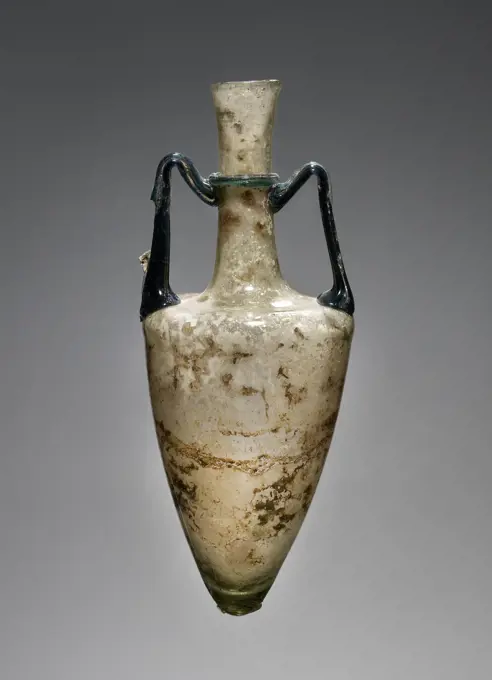
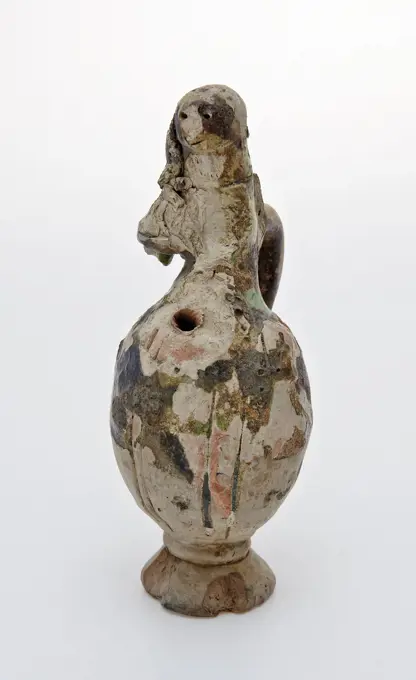
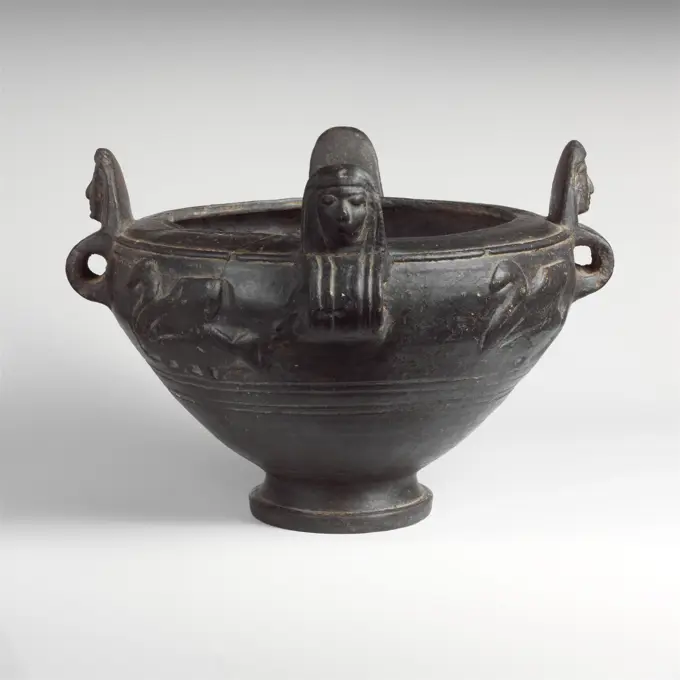
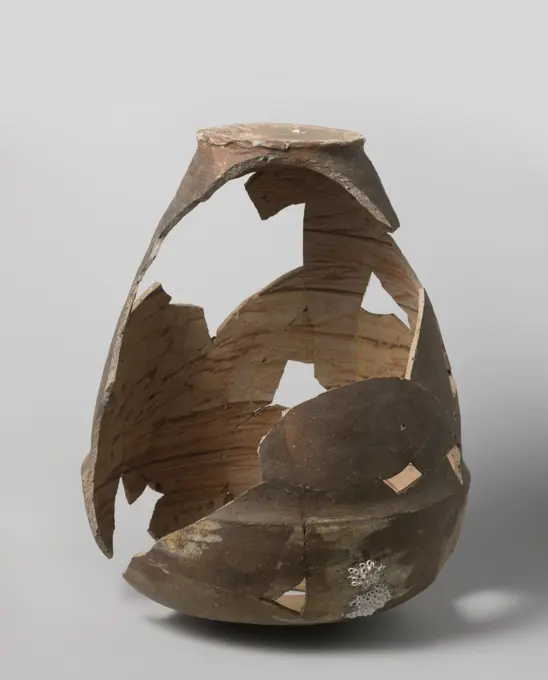
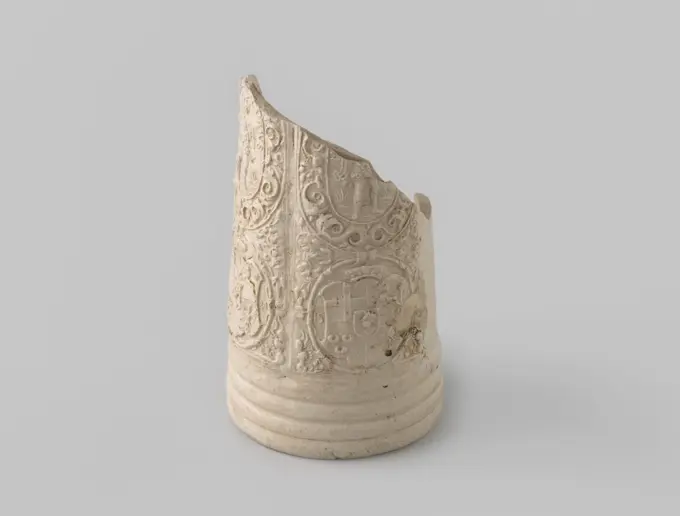
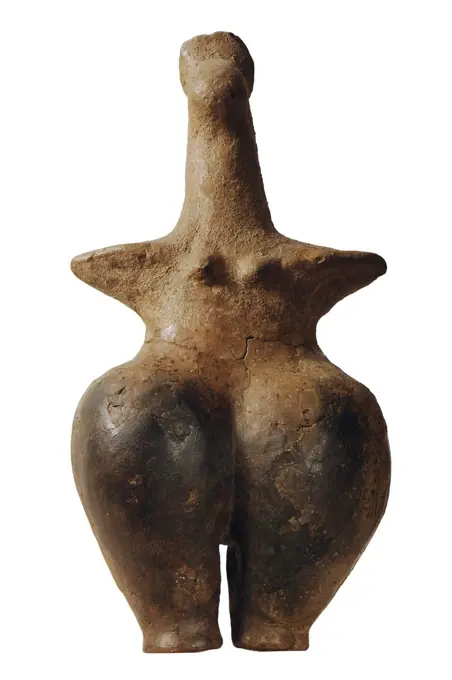
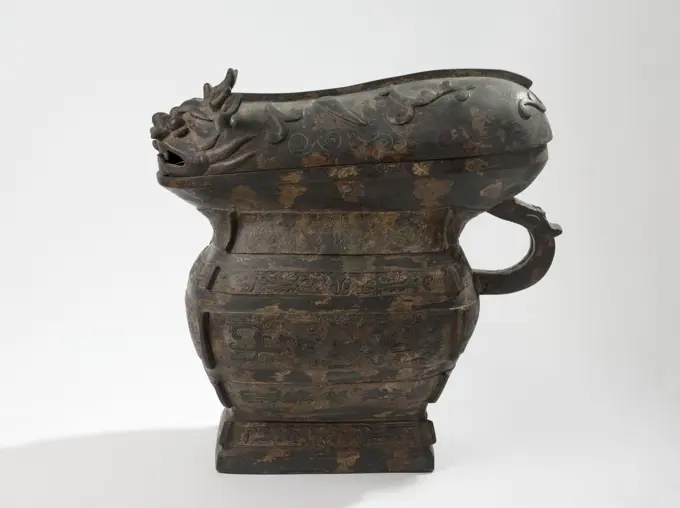
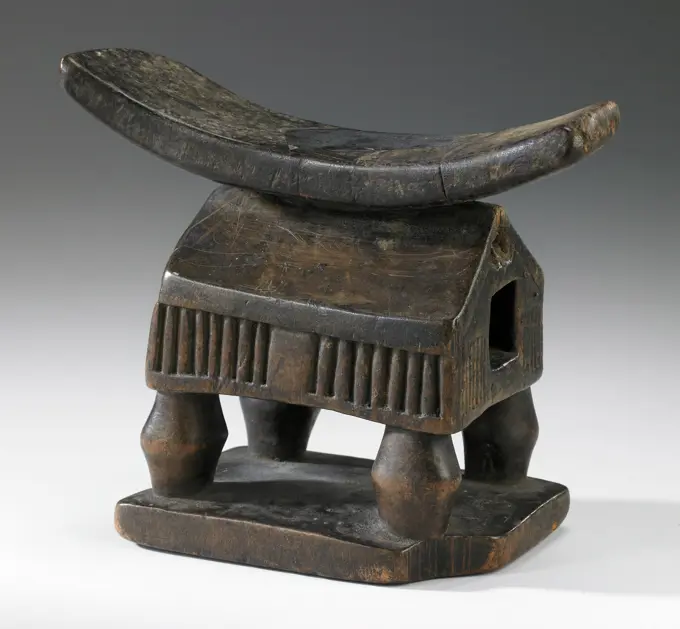
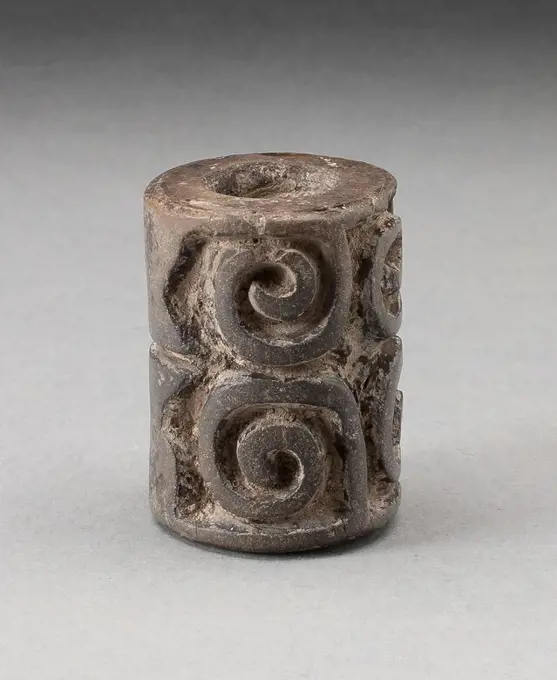
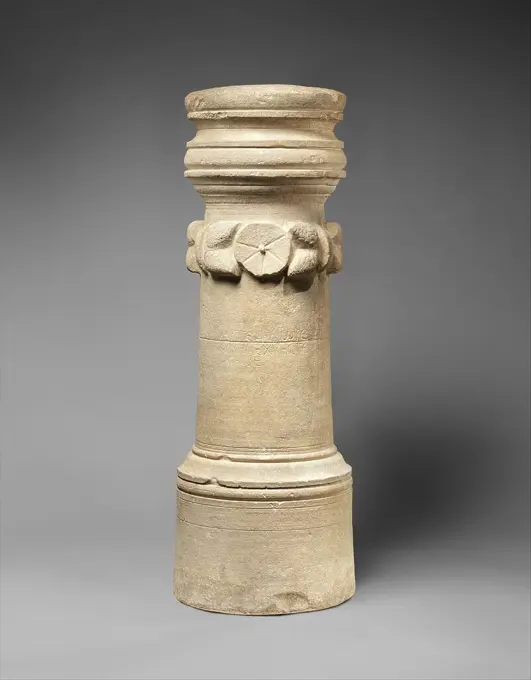
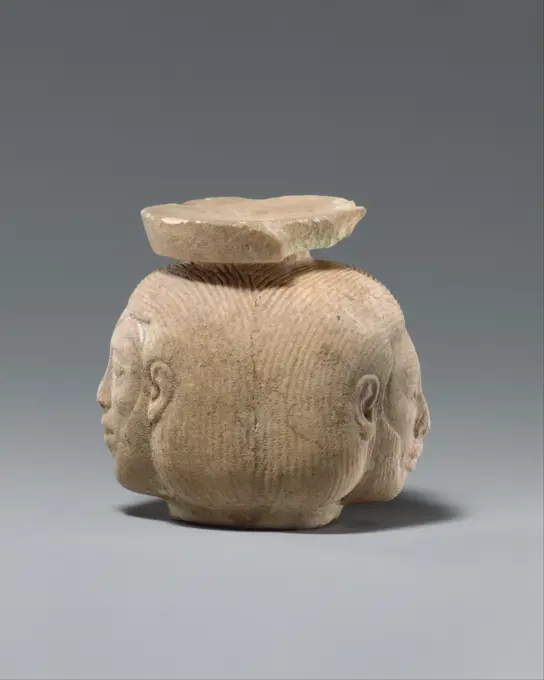
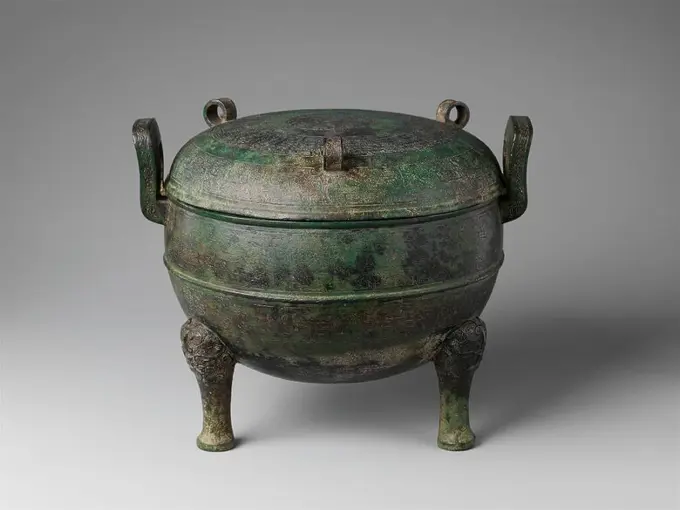
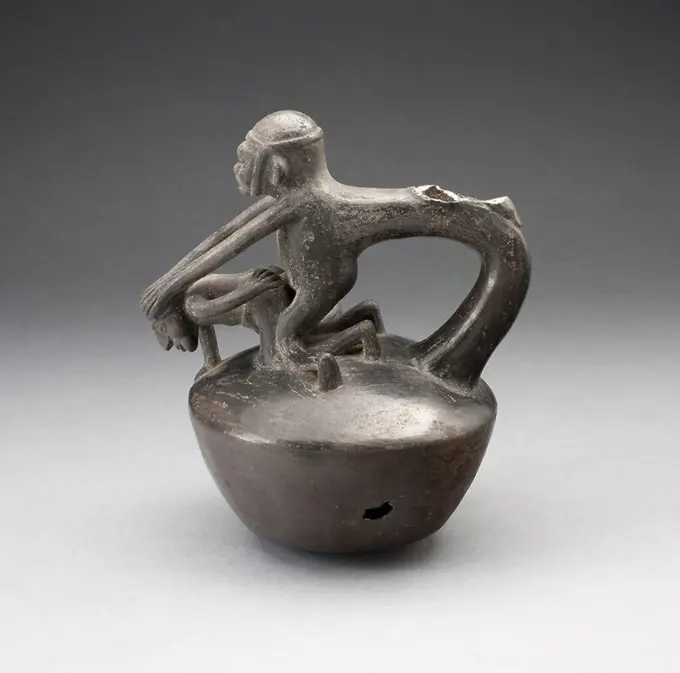
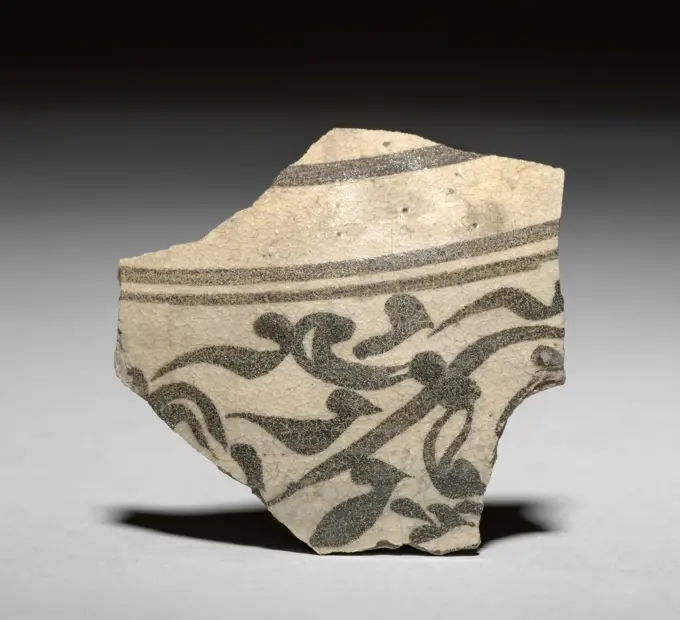
Pottery Fragment, 1400s. Siam, Sawankhalok ware, 15th century. Stoneware; overall: 7 x 6.5 x 0.4 cm (2 3/4 x 2 9/16 x 3/16 in.).Terracotta tondo from a bowl 4th century B.C. Greek, South Italian, Campanian Depicted on the tondo are a crab and a frog.. Terracotta tondo from a bowl. Greek, South Italian, Campanian. 4th century B.C.. Terracotta; black-glaze. Late Classical. VasesAnonymous, Cong type tube (common name). Gray jade. Cernuschi Museum, Asia Museum of Asia in the city of Paris.Spain, Ibiza, Ritual zoomorphic askos (vessels) with ochre decorationsVASIJA DOBLE CON EXTERIOR CALADO. Nº INV 12739. (ALTURA 10 CM. DIAMETRO BASE 10,6 CM) MUSULMAN. (EXPOSICION :ARTE ISLAMICO ESPAÑOL)(DEPOSITO: MUSEO ARQUEOLOGICO DE CORDOBA ).Glass alabastron (perfume bottle) late 6th-5th century B.C. Greek, Eastern Mediterranean Translucent light blue with greenish tinge, with handles in same color; trails in opaque yellow and opaque turquoise blue.Broad flat rim-disk, with radiating tooling marks on upper surface; short cylindrical neck, tapering downwards; narrow uneven shoulder; straight-sided body with upward taper; convex bottom; below shoulder, two vertical ring handles with long knobbed tails applied over trail decoration.One yellow trail attached at edge of rim-disk; another applied at top of body and wound down in spiral seven times, then tooled into a close-set zigzag pattern around the central part of body; a turquoise blue trail added to zigzag, mingling with yellow trail, midway down body; below this, a third yellow trail wound three times horizontally around lower body.Complete, except for gash on one side of body; dulling, faint iridescence, and creamy iridescent weathering, mainly on trails.. Glass alabastrKohl jar ca. 1981-1640 B.C. Middle Kingdom. Kohl jar 556895Prehistory, Poland, Bronze Age. Lusatian culture. Zoomorphic ceramic vase.Lamp. UnknownSpherical spindle-whorl ca. 2000-1800 B.C. Cypriot Spindle whorls aided in the making of cloth for garments and bedding. They were placed in tombs, perhaps so that the deceased could continue to spin wool in the afterlife.. Spherical spindle-whorl 240508Brazier, 1st-2nd century, 5 1/8 x 3 7/8 x 6 7/8in. (13 x 9.8 x 17.5cm), Bronze, China, 1st-2nd centuryHandle attachment for a pail. Dimensions: H. 4.60 cm.. Museum: Metropolitan Museum of Art, New York, USA.Model quatrefoil 4-story lily capital 400-30 B.C. Ptolemaic Period Small Late Period and Ptolemaic reliefs or sculptures that depict a subject in a partial or unfinished way but are themselves finished objects constitute a special class of object. Guidelines like those for artists are often prominently exhibited as part of the object, although, in fact, many instances can be noted where the object simply could not serve as a suitable model for a traditional formal Egyptian representation. Personifications of kingship, figures that may represent the now emerging demigods Imhotep and Amenhotep Son of Hapu, and popular gods like Harpokrates or Isis, are heavily represented within the corpus. Taken together, the figures represented and the other features indicate the reliefs and sculptures of this class, sometimes called by Egyptologists "sculptors models / votives," were the material of a donation practice, perhaps connected with the prolific temple building of these centuries. UnfortunaTerracotta oil lamp Greek Mold-made. Large central filling hole, surrounded by a raised band and a row of out-turned tongues; convex sloping shoulder decorated at sides and back with three raised rosettes; at front between filling hole and long, straight nozzle, a satyr head in high relief, and two projecting volutes at edge of sides; squat, carinated body. Raised, flat base.Intact, with some encrustation.. Terracotta oil lamp. Greek. Terracotta. Hellenistic. TerracottasDog Bottle 11th-14th century Mississippian. Dog Bottle 318285Small bottle. unknown, craftsmanOwl-shaped Jar, 206 BC-AD 9. China, Henan province, Western Han dynasty (206 BC-AD 9). Amber-brown glazed low-fired pottery; overall: 19 x 11.7 x 13.6 cm (7 1/2 x 4 5/8 x 5 3/8 in.).Stand or Bowl, early 1900s. Equatorial Africa, Cameroon. Wood and organic materials; overall: 33 cm (13 in.).Tripod Vessel with a Blowgunner Scene 300 CE-500 CE México. Ceramic, stucco, and pigment . TeotihuacanPedestal Plate with Front-Facing Shaman and Serpent-Saurians on Underside. Panama, Macaracas Style, Panama, 800-1000 CE. Ceramics. Slip-painted ceramicTerracotta oil lamp ca. A.D. 40-100 Roman Loeschcke Type 4. Mold-made. Discus: head of Medusa; a single filling hole at bottom right edge, surrounded by a single groove. Volutes flanking large nozzle. Incised base ring, and uneven base.Intact.. Terracotta oil lamp 241489Terracotta lekanis (dish) with lid and finial. Culture: Greek, Sicilian, Centuripe. Dimensions: Overall: 24 1/4 x 24 1/2in. (61.6 x 62.2cm). Date: 2nd half of 3rd century B.C..This elaborate vase belongs to a small class of vessels from Centuripe, a small town in eastern Sicily, where they were apparently made. Characteristically, sumptuous, gilt, high-relief decoration, imitating fine metalwork, is combined with bright tempera paintings. The front and sides of the lid depict a complex scene with several female figures around an altar. One figure holds a tambourine. In the handle-zone, a Medusa head is flanked by Erotes amidst a floral scroll. The finial and base are decorated with shafts of wheat and leaves. Museum: Metropolitan Museum of Art, New York, USA.mold forbowl. Potter: Eppillius of Lezoux, Roman, ca. 100-150VASIJA QUE REPRESENTA UN PEZ RAYA - CERAMICA - CULTURA MOCHICA 100 AC-700 DC - PERU. Location: MUSEO DE AMERICA-COLECCION. MADRID. SPAIN.Terracotta kernos (vase for multiple offerings) ca. 330-300 B.C. Greek, South Italian, Campanian The small cups were used to hold votive offerings such as poppy seeds, wheat or barley.. Terracotta kernos (vase for multiple offerings) 248202Kapitel kompozytowy papirusowy. unknown, authorLamp, Anatolia; 1st - 4th century; Terracotta; 3 x 8 x 11.9 cm (1 3,16 x 3 1,8 x 4 11,16 in.)Lamp. UnknownImpasto Chalice fragment. UnknownCERAMICA POPULAR DE BARCELONA.Bell (Niuzhong) 5th century B.C. China. Bell (Niuzhong) 39762Stirrup Spout Bottle with Painted Cactus Forms. Culture: Moche. Dimensions: H. 8 7/8 x W. 5 1/4 in. (22.5 x 13.3 cm). Date: 3rd-5th century. Museum: Metropolitan Museum of Art, New York, USA.Statuette of a Female Figure, perhaps a Goddess. UnknownGuttus gnathia w kształcie ptaka. unknown, authorTerracotta loom weight 6th century B.C. or later Lydian Loom weight with hole.. Terracotta loom weight 252657 Lydian, Terracotta loom weight, 6th century B.C. or later, Terracotta, Length: 2 5/8 in. (6.6 cm). The Metropolitan Museum of Art, New York. Gift of The American Society for the Excavation of Sardis, 1926 (26.199.87)Spouted Wine Vessel (Gong) 13th century B.C. China (Henan Province, possibly Anyang) Every surface of this vessel is animated with fantastic creatures: an owl-like bird with coiled serpent wings dominates the body while another bird forms the handle. Felines, dragons, and fish fill the spaces in between. Listen to experts illuminate this artwork's story Listen Play or pause #7360. Spouted Ritual Wine Vessel (Guang) Supported by Bloomberg Philanthropies We're sorry, the transcript for this audio track is not available at this time. We are working to make it available as soon as possible.. Spouted Wine Vessel (Gong). China (Henan Province, possibly Anyang). 13th century B.C.. Bronze. Shang dynasty (ca. 1600-1046 B.C.). MetalworkTerracotta guttus (flask with handle and spout). Culture: Greek, South Italian, Campanian. Dimensions: 2 7/8in. (7.3cm). Date: 4th century B.C..In Greek art, a lion's head is the typical form of spout, whether for the waterspouts of a monumental building or the mouth of a small utensil. Museum: Metropolitan Museum of Art, New York, USA.Terracotta base of cup with marine design ca. 1525-1450 B.C. Minoan From Phylakopi, MelosFragment of base of cup, floral () design.. Terracotta base of cup with marine design 248556Fragment of mold forbowlCarved Bowl, 1200-300 BC. Mesoamerica, reportedly the Tepecoacuilco River Valley, Guerrero, Olmec style (1200-300 BC), Formative Period. Stone (travertine); overall: 13.3 x 23.5 x 10.2 cm (5 1/4 x 9 1/4 x 4 in.).Painted Jar 1st-6th century Nasca. Painted Jar 309720Ceremonial Bell, 3rd-2nd century BCE, 23 5/16 x 12 15/16 x 11 1/4 in. (59.21 x 32.86 x 28.58 cm), Bronze, Vietnam, 3rd-2nd century BCE, The attenuated form, repeated double-spiral decoration, and lines with sawtooth markings are motifs unique to Don Song culture (400 BCE-200 CE), a pan-Southeast Asian civilization inhabiting regions of Vietnam, Cambodia, Thailand, Yunnan province in China, and Indonesia. In the first millennium BCE, Don Song production of magnificent large bronzes increased. This bell was cast using the piece-mold process developed by neighboring Chinese bronze-founders. Perhaps influenced by Chinese customs, where cast bronze bells were buried with society elites, musical vessels are associated with Dong Song burial rituals and often found in tombs. Decorated bronzes were also used in trade.Flute 1300-1500 Tairona People; Bellavista style. Flute. Tairona People; Bellavista style. 1300-1500. Ceramic. Pre-Columbian. Sierra Nevada de Santa Marta, Colombia. Aerophone-Whistle Flute-recorderNetsuke of Pleasure Boat (Takarabune). Culture: Japan. Dimensions: H. 1 1/2 in. (3.8 cm); W. 2 1/8 in. (5.4 cm). Date: 19th century. Museum: Metropolitan Museum of Art, New York, USA.Distiller. UnknownAl Andalus. Islamic goldsmith. Brass goblet. Hammering. Size: 6 x 10,2 cm. Inscriptions written in kufic script. First half of 11th century. Diocesan Museum, La Seu d'Urgell, province of Lleida, Catalonia, Spain.Vessel in the shape of a ram carrying cornets. From Gilgat, Negev, over 6,500-5,500 years ago, made from pottery.Fragment of red earthenware fire dome with smoking hole, kneaded ear, firecock fireware fragment soil found ceramic earthenware, hand turned hand shaped decorated baked Fragment of earthenware fire dome with smoking hole. Red shard. Pinched ear lying at the top. Wreath of pinched toes arranged on the shoulder as an ornament Deep ledge along the side wall at the bottom Ingekraste decoration consisting of gentle arch with vertical lines underneath archeology Blicksteyn Heenvliet Bernisse indigenous earthenware as extinguish fire prevention hearth heating Soil discovery Heenvliet Blicksteyn 1968.Lamp, Anatolia; 1st - 4th century; Terracotta; 3.1 x 9 x 12.5 cm (1 1,4 x 3 9,16 x 4 15,16 in.)Terracotta lekythos (oil flask) with a bird 4th century B.C. Greek, South Italian, Apulian On belly, a bird.. Terracotta lekythos (oil flask) with a bird 254396Spouted Wine Vessel (Gong) mid-10th century B.C. China A composite character is cast on the interior of the vessel and on the inside of the lid: Fu” (name, in the center) and mian” (designation of rank, on either side).. Spouted Wine Vessel (Gong). China. mid-10th century B.C.. Bronze. early Western Zhou dynasty (1046-771 B.C.). MetalworkAryballos (perfume jar) in the form of hedgehog Late Period 6th century BC View more. Aryballos (perfume jar) in the form of hedgehog. 6th century BC. Faience. Late Period. From Egypt. Dynasty 26Bed Figure. Culture: Michoacan. Dimensions: L. 3 in. (7.6 cm). Date: 3rd century B.C.-A.D. 4th century.This figure features a modelled human figure complete with appliqued facial features, coiffure, and ear spools lying stretched out on a flat surface supported on four legs at the corners, hence the name bed figures. The figure appears to be strapped to the bed with a wide decorated band across the midsection. Across the top and bottom ends of the bed are arches. The bed has modelled decoration and remains of red and white pigment. Museum: Metropolitan Museum of Art, New York, USA.Oil lamp. unknown, craftsmanFragment majolica albarello, ointment jar, polychrome decoration on white background, albarello holder earthenware pottery earthenware glaze tin glaze lead glaze, hand turned baked glazed ornamented baked Foot fragment of albarello necking above the foot Orange shard glazed except the bottom of the bottom Polychrome decoration consisting of zigzag pattern in blue and purple in the middle blue bands archeology Rotterdam health care pottery packing ointment medicine drug pharmacy craft Botemvondst Rotterdam 1940.Double Spouted Water JarSpheroconical Vessel 9th-10th century. Spheroconical Vessel 449914Pair of Jars. China. Date: 850 BC-750 BC. Dimensions: 50.3 × 36 cm (19 7/8 × 14 3/16 in.). Bronze. Origin: China. Museum: The Chicago Art Institute, Chicago, USA.Spindle Whorl, 700s - 900s. Iran, early Islamic period, 8th - 10th century. Bone, incised; overall: 0.7 x 2.5 x 2.5 cm (1/4 x 1 x 1 in.).Glass perfume bottle 2nd-3rd century A.D. Roman Spindle-shaped unguentarium.Translucent pale blue green.Horizontal rounded rim with slight vertical lip on top edge; broad mouth; cylindrical neck with tooled indent around base; low, conical body with thick rounded edge at base; pushed-in bottom with central pontil mark.Intact, but crack running from rim to lower body; many bubbles and blowing striations; pitting, dulling, and brilliant iridescence with patches of brown enamel-like weathering.. Glass perfume bottle 244715Pouch of crochet green and salmon-colored silk and silver thread, to which three brushes. Pouch in a globe shape of crochet green and salmon-colored silk and silver thread. The pattern consists at the bottom of the pouch from four salmon-colored hearts that are turned to each other with the points, upstairs two courses of abstract green, or salmon-colored motifs. Due to the uniformly distributed openings along the top, a braided cord of silk and silver thread is strung, with which the pouch can be closed. Three crocheted spheres and a clock with flap-shaped brush, also crocheted. The pouch is unfinished.Prehistory, Italy, Iron Age. Villanovan culture. Ossuary with geometric decoration. Detail.Glass perfume bottle. Culture: Roman. Dimensions: Overall: 6 3/4 x 3 5/8 x 1 5/8 in. (17.1 x 9.2 x 4.1 cm). Date: 2nd-3rd century A.D..Candlestick unguentarium.Colorless with greenish tinge.Rounded rim, pressed into sides of flaring mouth; tall cylindrical neck, flaring downward; sides of wide, flat body expanding sharply outward; broad, pushed-in bottom. Two concentric, wheel-cut () lines on body immediately below neck. Intact; pinprick and elongated bubbles; deep pitting and brilliant iridescence with patches of cramy brown weathering. Museum: Metropolitan Museum of Art, New York, USA.Vessel 270 B.C.-A.D. 320 Meroitic Period. Vessel. 270 B.C.-A.D. 320. Glass. Meroitic Period. From Nubia (Sudan), Lower Nubia, Faras, Cemetery 1, Grave 1028, University of Oxford Excavations in Nubia 1910-1912Pointed Amphoriskos; Eastern Mediterranean; 3rd - 4th century; Glass; 18.5 x 7.5 cm (7 5,16 x 2 15,16 in.)Ankh, djed, was on neb basket 664-30 B.C. Late Period-Ptolemaic Period The ankh (life), djed (stability), and was (dominion) symbols depicted here on the sign for a heb bowl constitute a powerful combination of wishes that, before the first millennium, were offered by the king to a god or by a god to a king. Large complex inscribed examples of overlaid faience ankh, djed, and was elements from the time of the 25th and early 26th dynasty indicate the symbol is being associated with the Egyptian New Year, and one bears the name off Mentuemhat, the greatest official in the land.Other elaborately carved faience examples may be uninscribed, and this one, though quite simple, was covered in gold. The date of these is uncertain, but they may belong to a continued function of the symbol as a New Year's offering, perhaps presented to a god in a temple. The festival association is strengthened by the fact that the bowl beneath the tall signs is not the standard neb basket but the heb bowl, whichFigurka świni. unknown, authorArrowheads, needles, hooks and harpoons. Culture: Japan. Dimensions: W. 1/2 in. (1.3 cm); L. 1 3/4 in. (4.4 cm). Museum: Metropolitan Museum of Art, New York, USA.Kohl Tube and Stick ca. 1635-1458 B.C. Second Intermediate Period-Early New Kingdom. Kohl Tube and Stick 546904Globe Bank' still bank, 1875, Enterprise Manufacturing Company, Philadelphia, 1875-1888, 5 1/2 x 3 3/8 x 3 3/8 in. (13.97 x 8.57 x 8.57 cm), Iron, pigment, paper, United States, 19th centuryBottle, Fighting Figures 12th-15th century Chimú. Bottle, Fighting Figures 308404Anatolian marbleidolJar ca. 6th-8th century A.D. Sasanian or Islamic. Jar 322994Ritual pottery from the Three Kingdoms period from Silla. Dated 5th CenturyTerracotta oil lamp ca. A.D. 45-90 Roman Loeschcke Type 1B. Mold-made. Discus: horse galloping to right; single filling hole below, with a broad band of lines and grooves at edge. Volutes flanking angular nozzle. Raised base ring, and flat base.Intact.. Terracotta oil lamp. Roman. ca. A.D. 45-90. Terracotta. Early Imperial. TerracottasSlender jug from Saintonge, beer jug jug crockery holder ground find ceramic earthenware glaze leadglaze, foot 4.3 hand turned hand shaped glazed fried Egg shaped on standing foot the neck formed by female head Two ears are missing on the shoulder some holes deliberately made. Partially glazed with green lead glaze Red shard archeology Rotterdam Hillegersberg Hillegersberg Noord Freericksplaats Bergse Dorpsstraat drink Soil discovery: Soil found at the Freericksplaats building site - Bergse Dorpsstraat.Helmet probably 15th century Iranian The inscription around the rim is very worn but reads in part: "He may protect." The helmet is engraved with the mark of the Ottoman arsenal, indicating that it was captured in battle or taken as booty.. Helmet. Iranian. probably 15th century. Steel, iron, gold, silver. HelmetsTerracotta bowl with lid late 6th century B.C. Etruscan Cover surmounted by cocks; decorated with swans in relief, handles ending in human heads.. Terracotta bowl with lid. Etruscan. late 6th century B.C.. Terracotta; bucchero pesante. Archaic. VasesVase. Egypt, 305 BCE - 641 CE. Furnishings; Accessories. TerracottaMartavaan from V.O.C. ship De 'Witte Leeuw', Anonymous, Before 1613  Martavaan from V.O.C. ship De 'Witte Leeuw', 50 present. With loose shard. southeast Asia stoneware. porcelain   Sint-HelenaFragment of a tankard (schnelle) with a coat of arms and Mercury, anonymous, c. 1550 - c. 1599 fragment Fragment of a jug (schnelle) of stoneware. Profiles above the foot. On the shard in relief a printed and imposed elongated courses containing a medallion with a weapon and a medallion with Mercury, 'Marcvrivs', surrounded by rolling and leaf vines. Siegburg. Siegburg stoneware vitrificationBracelet. Culture: Yoruba peoples, Ijebu group. Dimensions: Length 4-3/4 in.. Date: 18th century (). Museum: Metropolitan Museum of Art, New York, USA.Female idol. Abstract and stylized is the idol of the amlash type whose over-dimensional thighs are particularly obvious. Breasts characterize it as a female. It has influences of the mesopotamic high cultures in the south and the steppe art of the north. Through the crown as a deity, the figure itself was probably a consecration, as they were donated in sanctuaries and graves. Since the Stone Age, female idols are known with leaching body proportions that represent fertility symbols and embodiments of damen goddesses and thus creation and origin.Utensil. unknown, craftsmanKouang vase. Bronze. China. Paris, Cernuschi museum. 70003-28 Fantastic animal, Asian art, Chinese art, extreme-East art, bronze, detail, close-up, kouang, vase, wine vase, ritual vase, zoomorphic zoomorphicDisc oil- Lamp decorated with gladiatorial fight scene and bunch of grapes. 10 cms x 7.8 cms ( 2nd - 3rd CE ) - Roman period , from the archaeological site of Complutum in Alcala de Henares ( Madrid ). SPAIN.zoomorphic feline tetrápode jug with black slip, Protoclassic, Santa María Nebaj, Museo de antropologia, departamento de El Quiché, Guatemala, Central...Headrest, c. 1880, 5 15/16 x 6 5/16 x 3 1/4 in. (15.1 x 16 x 8.3 cm), Wood, Democratic Republic of the Congo, 19th century, Among all African cultures, the Yaka are specifically known for their unique headrest designs. They include a variety of shapes and designs as well as carvings of animals, humans, and structures. The house motif depicted on this headrest is representative of the domestic unit in Yaka society, which is vital to bringing people together and building community. The images used on headrests are often inspired by dreams, which are highly valued by the Yaka and are connected to the spiritual power of their headrests.Roller Seal. Olmec; Veracruz or Tabasco, Gulf Coast, Mexico. Date: 800 BC-400 BC. Dimensions: 7.6 x 5.4 cm (3 x 2 1/8 in.). Ceramic and pigment. Origin: Mexico. Museum: The Chicago Art Institute, Chicago, USA.Askos (naczynie ceramiczne) z figurką Nike. unknown, authorLimestone funerary cippus (tomb marker) of Artemidoros. Culture: Roman, Cypriot. Dimensions: H. 42 1/2 (108 cm); Diam. 14 1/2in. (36.8cm). Date: 2nd-3rd century A.D..Pillar-like tomb markers were very popular on Cyprus during the Roman period. They usually bear very simple, formulaic inscriptions that address the deceased directly. Here the Greek reads: "Good Artemidoros Kynegos, farewell." The addition of a decorative wreath such as the one seen here is rare; another example is displayed in the Cypriot Galleries on the second floor of the Museum. This cippus is recorded by L. di Cesnola as having been found in a tomb at Idalion with other inscribed markers and numerous glass objects. Museum: Metropolitan Museum of Art, New York, USA.Abstract Bird. Japan, 19th century. Costumes; Accessories. Cryptomeria or cedar wood with inlaysFaience aryballos (perfume vase) in the form of two heads 4th quarter of the 6th century B.C. East Greek This perfume vase formed of two heads with Egyptianizing wiglike hair was probably made at Naukratis, a Greek trading station in the Nile Delta.. Faience aryballos (perfume vase) in the form of two heads 255453Ritual Tripod Cauldron with Cover (Ding). Culture: China. Dimensions: H. 7 1/2 in. (19.1 cm); Diam. 7 in. (17.8 cm). Date: 5th-4th century B.C.. Museum: Metropolitan Museum of Art, New York, USA.Single Spout Jar in the Form of a Feline 7th-5th century B.C. Paracas. Single Spout Jar in the Form of a Feline 308591InkwellRim fragment of a large terracotta vessel. Culture: Etruscan. Dimensions: H. 8 11/16 in. (22 cm). Date: 3rd century B.C..Like so much of black-glaze pottery, this piece imitates a metal prototype. Metal vessels with handles modeled in the form of sleeping youths were sometimes used as cinerary urns. See, for example, the bronze handle 28.57.13 in this case. Museum: Metropolitan Museum of Art, New York, USA.Stirrup Spout Vessel Depicting Erotic Scene. Chimú; North coast, Peru. Date: 1100-1470. Dimensions: H. 16.2 cm (6 3/8 in.). Ceramic. Origin: North Coast. Museum: The Chicago Art Institute, Chicago, USA.Tripod Ewer, c. 2000-1500 BCE, 16 1/2 x 7 x 7 in. (41.91 x 17.78 x 17.78 cm), Earthenware with incised decor, China, 21st-15th century BCE, The Bronze Age succeeded the Neolithic or Stone Age during the second millenium BCE in the Yellow River region of north China. The Erlitou culture with its site near Luoyang in Henan province dating between 2000 and 1500 BCE, has yielded the earliest bronze vessels in China as well as pottery vessels modeled on bronze prototypes. The overall design of this elegant, thin walled, pouring vessel, including its pointed hollow tripod legs, wide, flat handle with incised surface decoration, and domed cover with cut-out spout is typical of ceramics excavated at Erlitou sites in the middle region of the Yellow River. While metal prototypes for such a work are presumed, no exact bronze prototype has yet been excavated.Ishizara Plate with Kitchenware and Character for Sake. Culture: Japan. Dimensions: H. 2 3/8 in. (6 cm); Diam. 10 5/8 in. (27 cm). Date: late 18th-early 19th century. Museum: Metropolitan Museum of Art, New York, USA.