Ancient Terracotta Lamps

A variety of ancient terracotta lamps from different periods, showcasing unique designs and details, with historical significance.

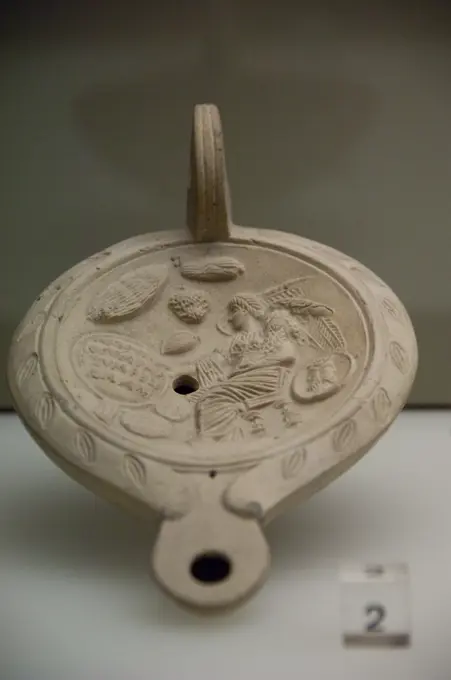
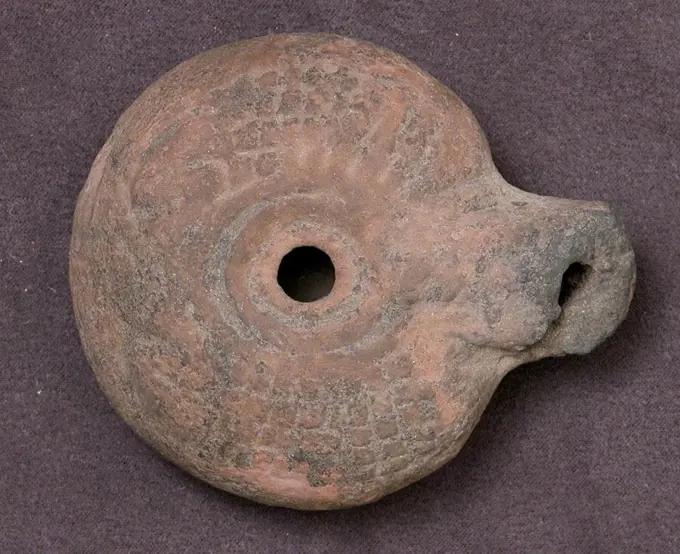
Lamp, North Africa; 1st century B.C. - 4th century A.D; Terracotta; 2.6 × 7.1 × 11 cm (1 × 2 13,16 × 4 5,16 in.)
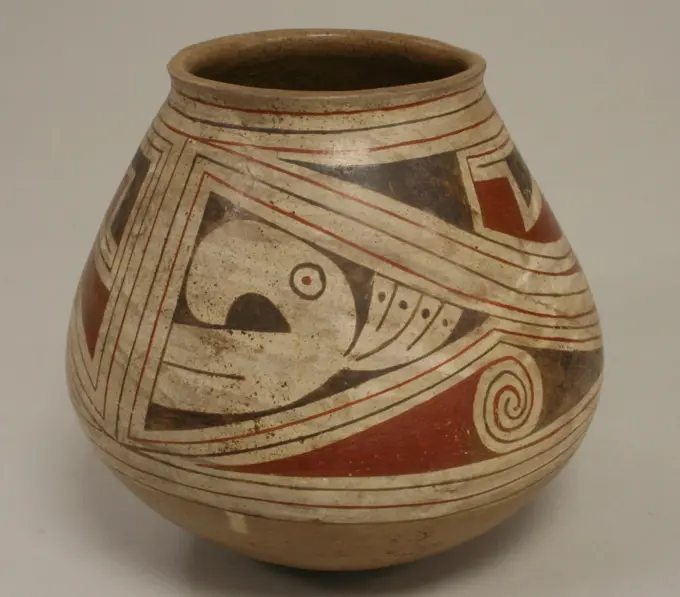
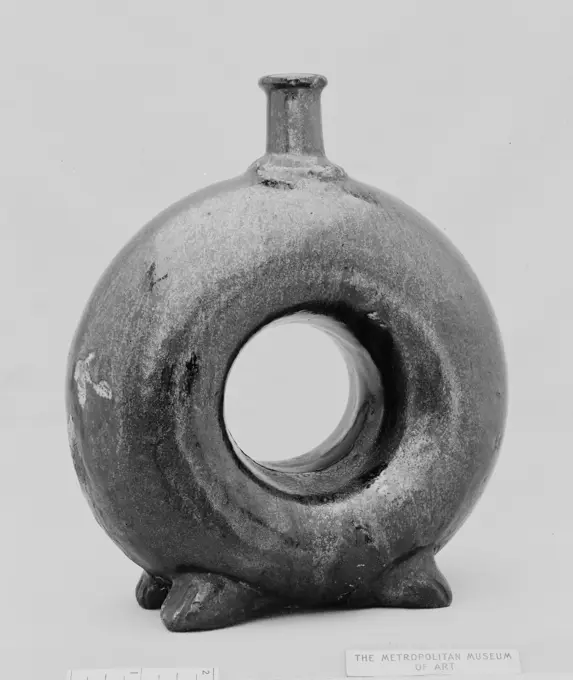
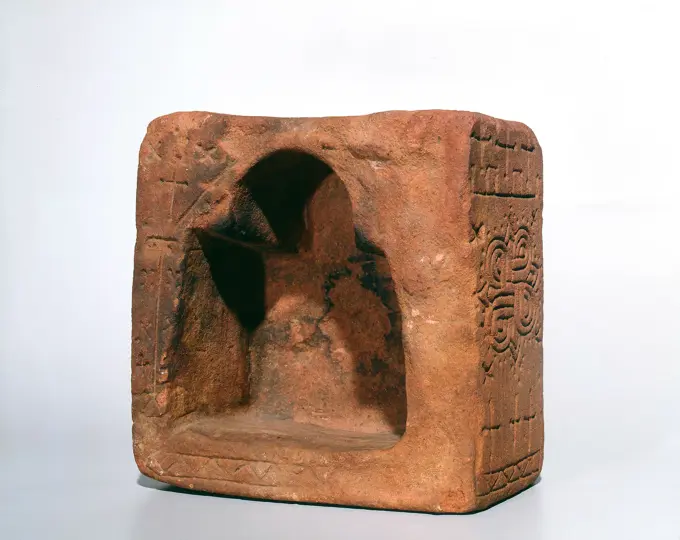
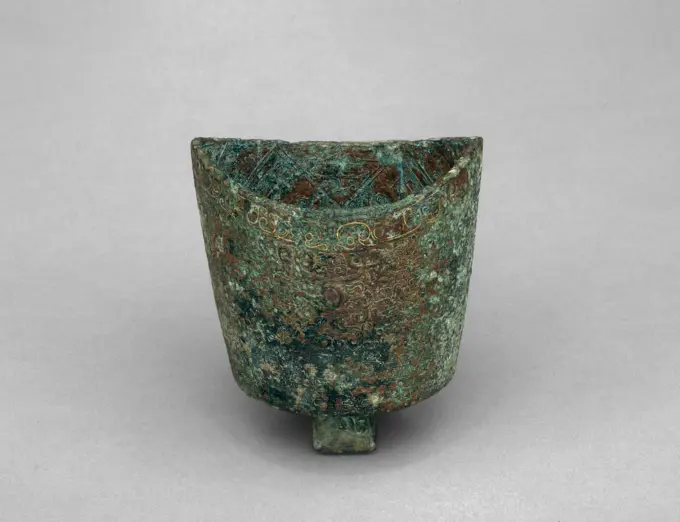
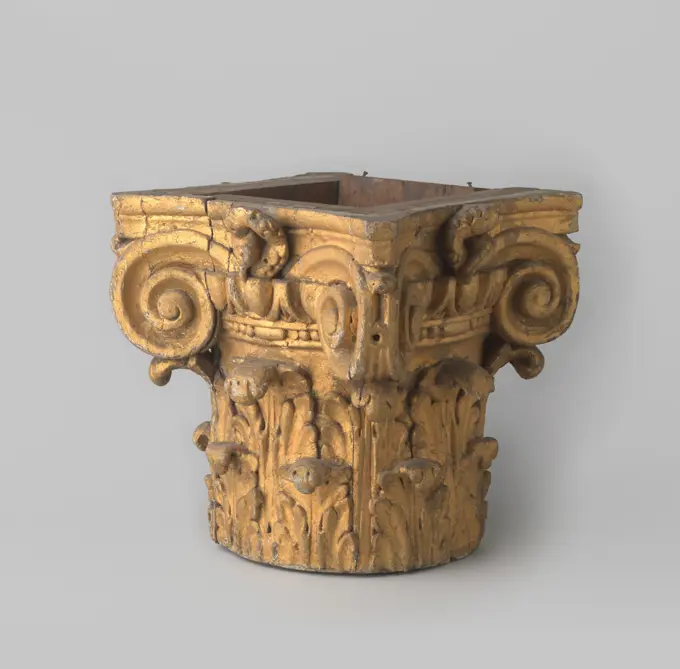
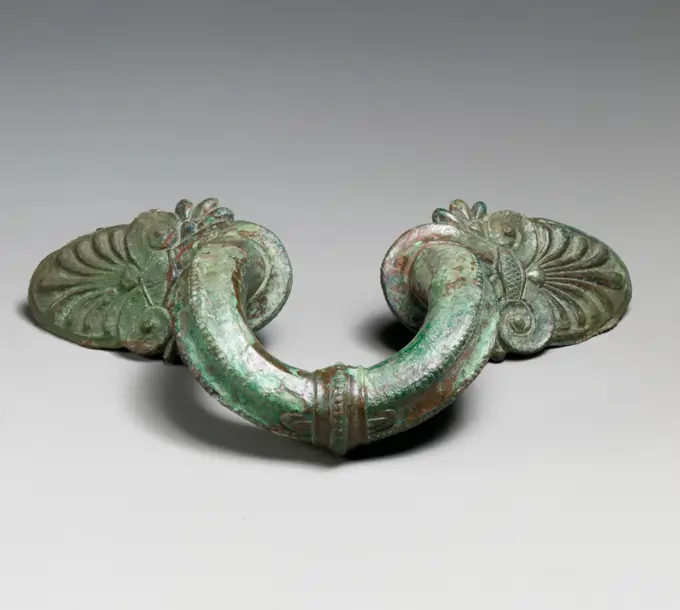
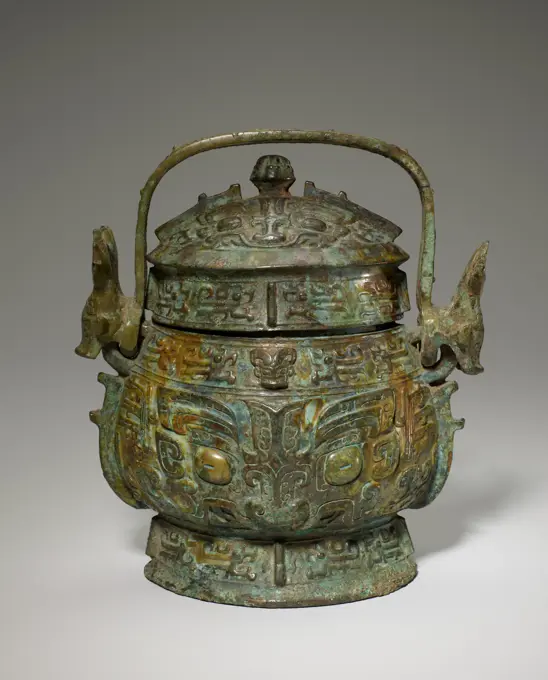
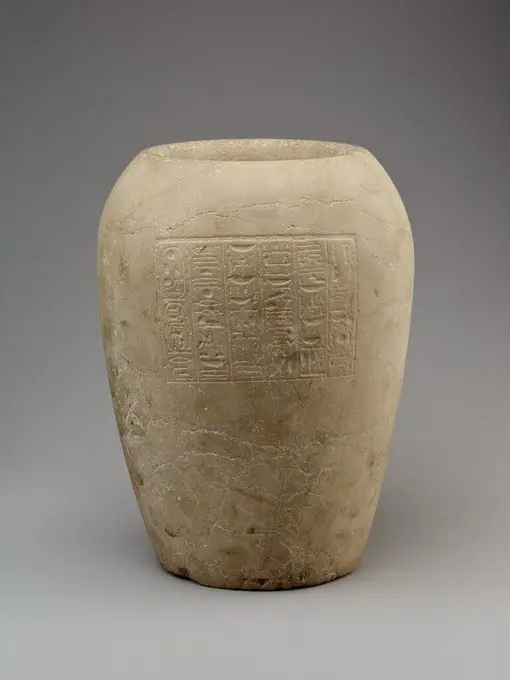
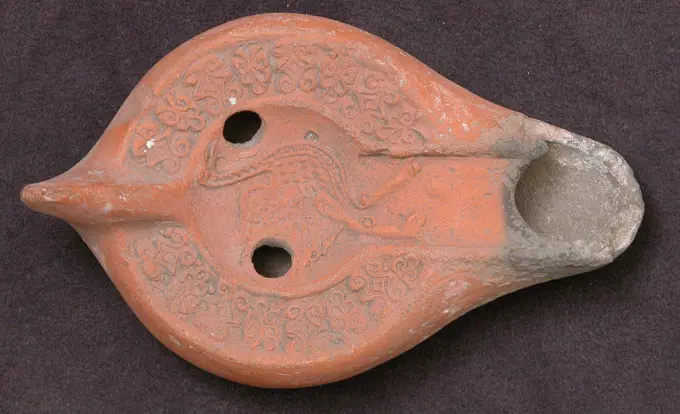
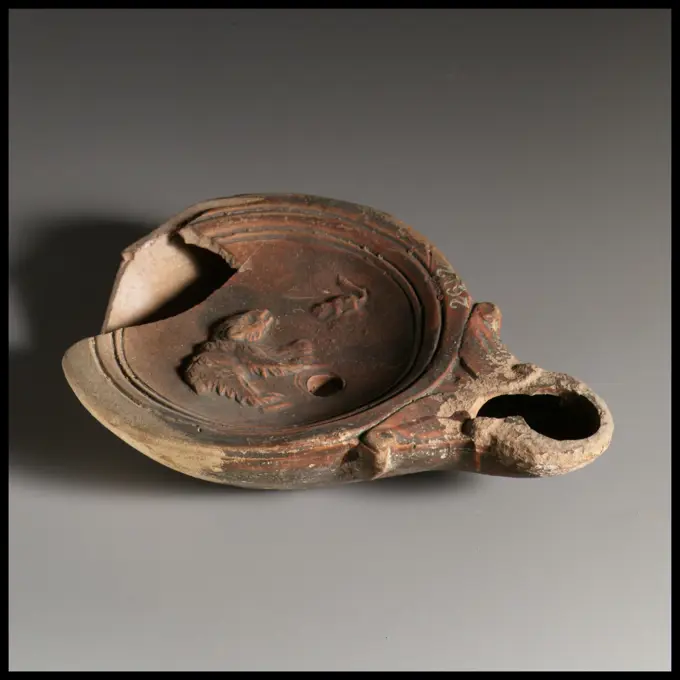
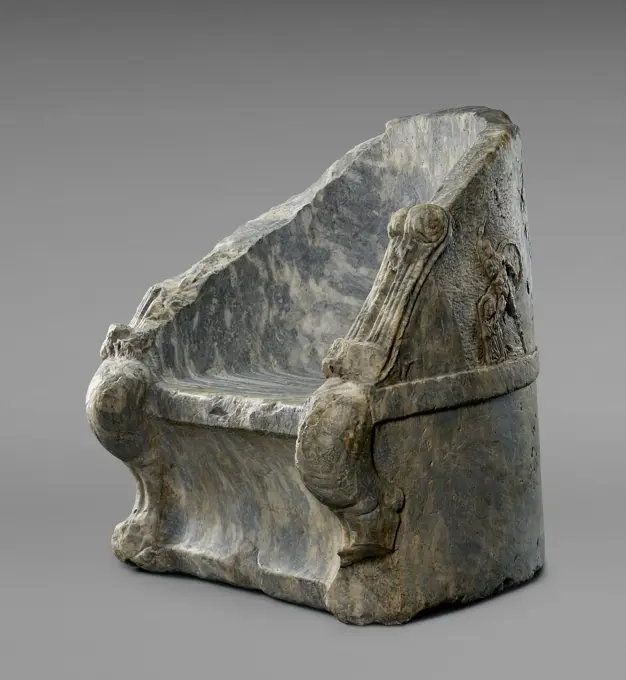
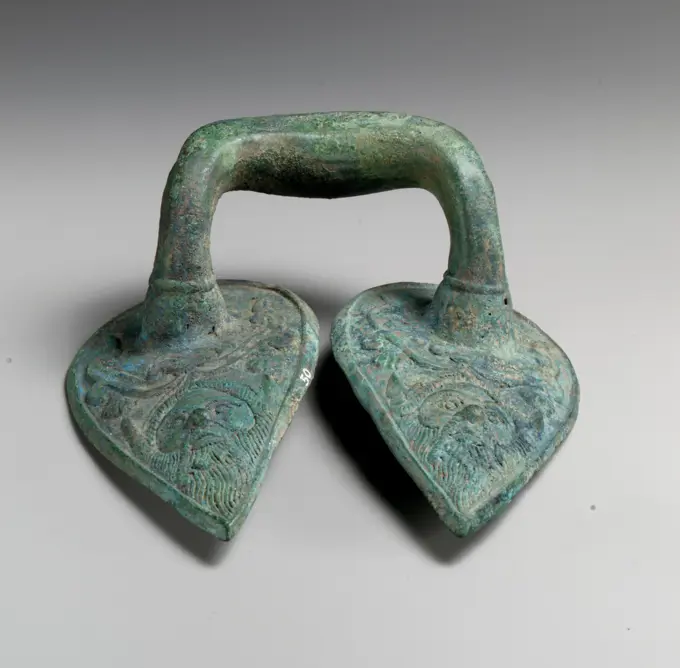
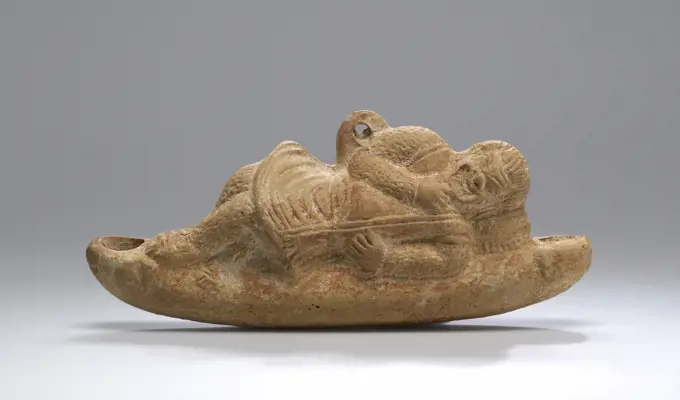
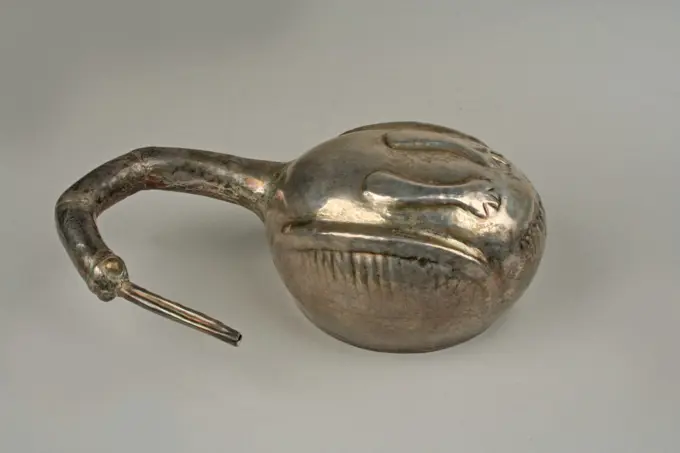
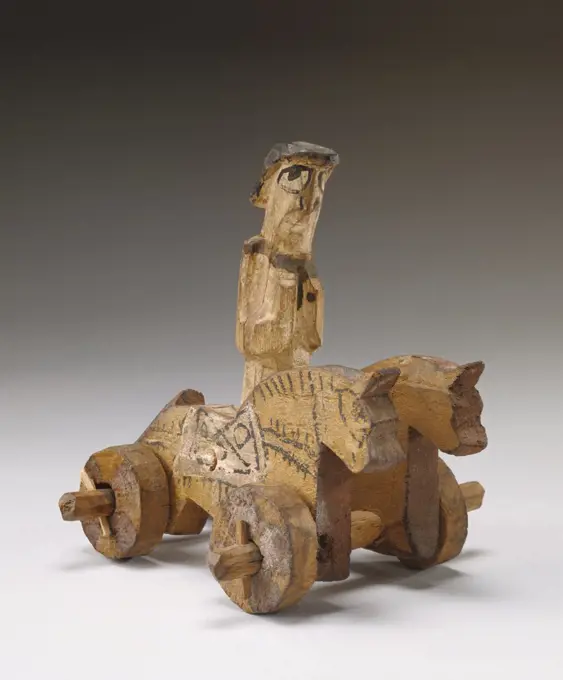
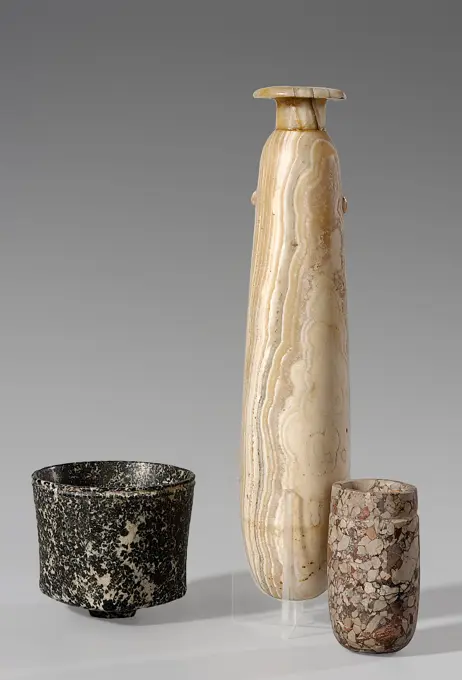
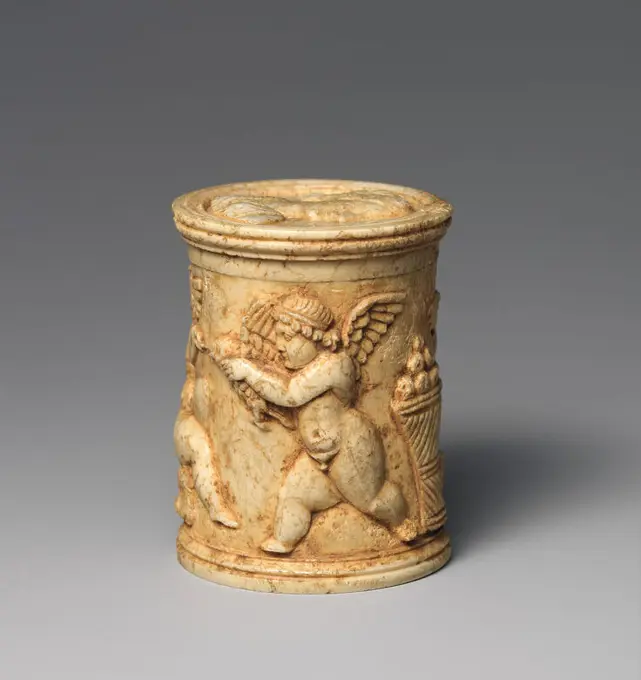
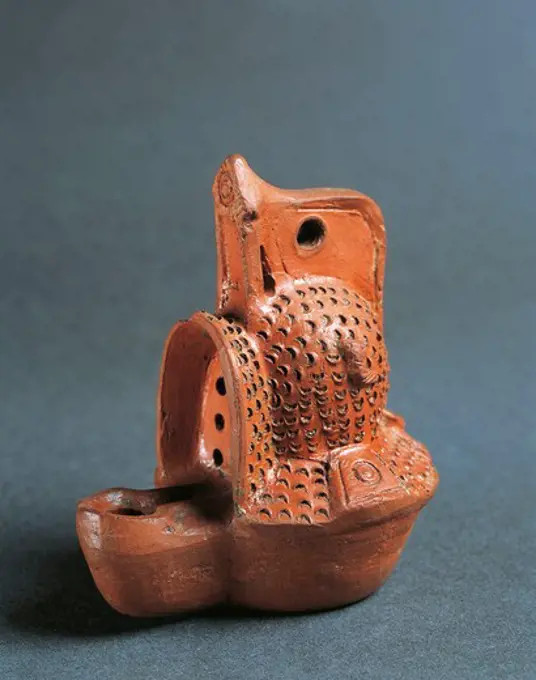
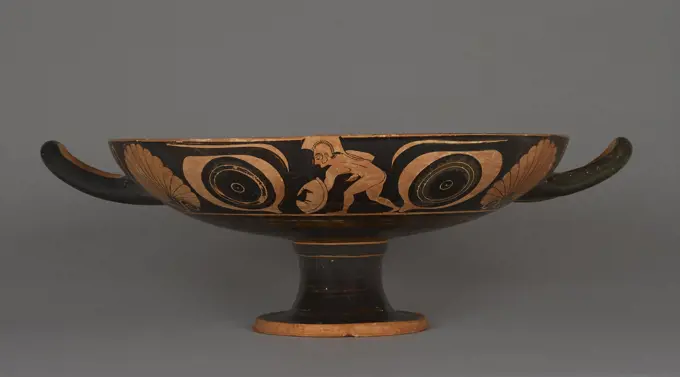
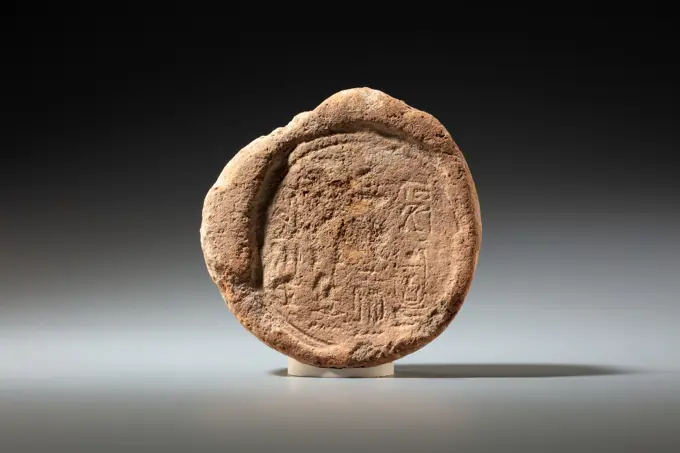
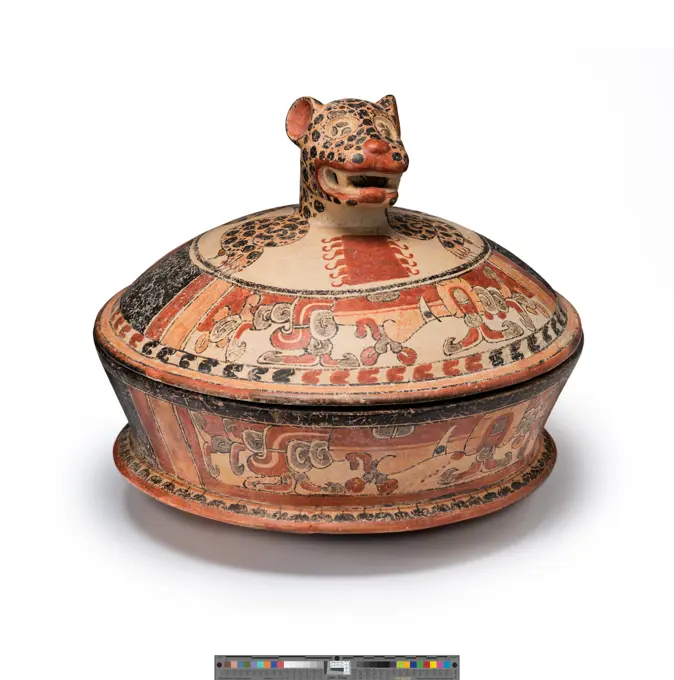
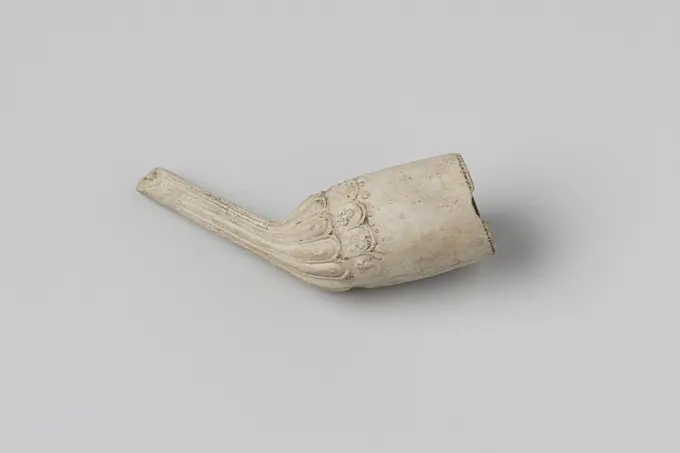
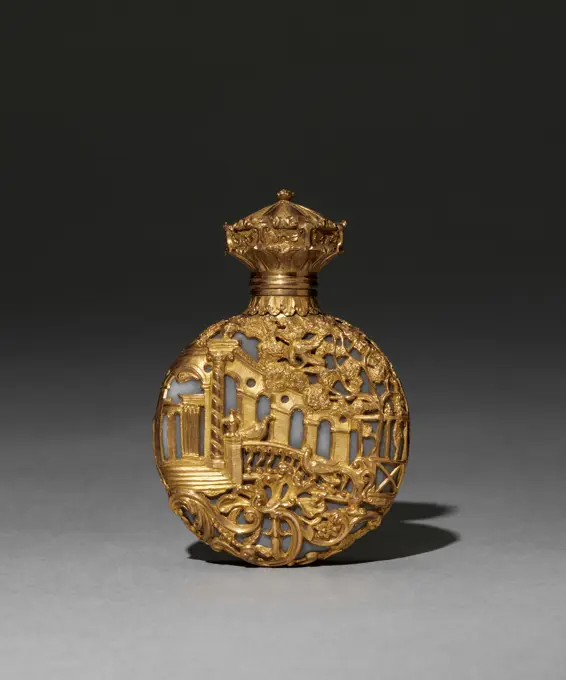
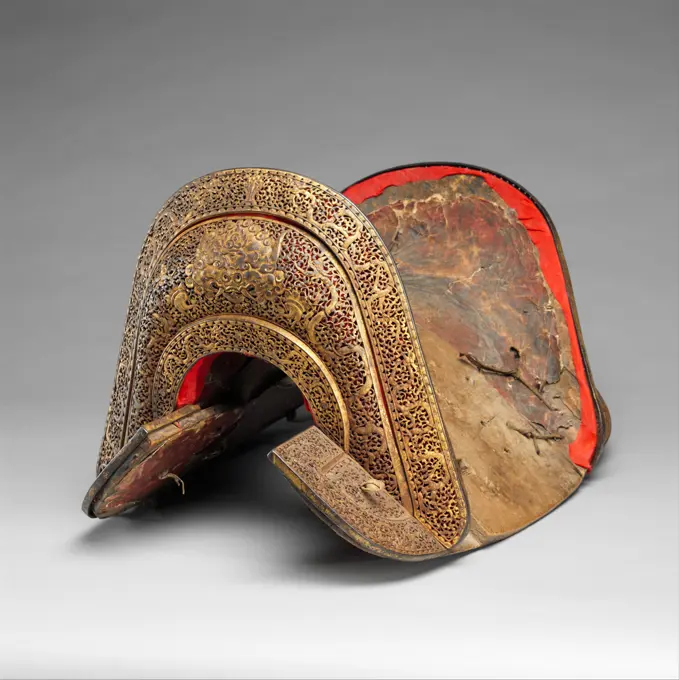
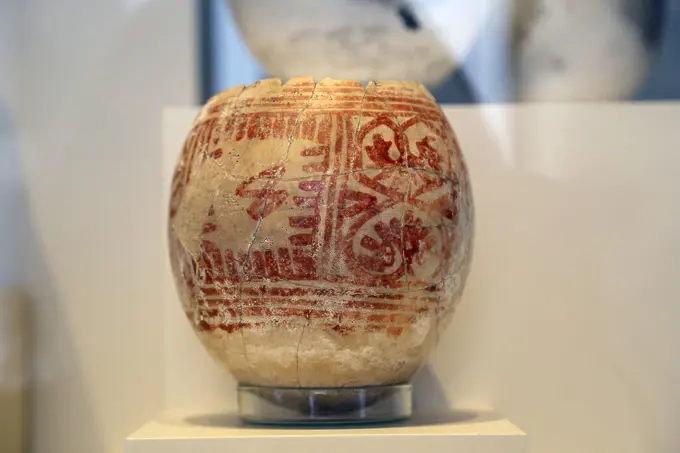
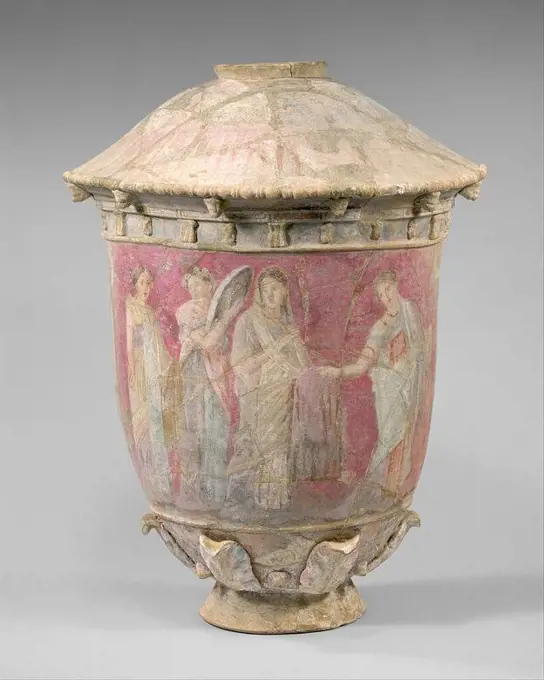
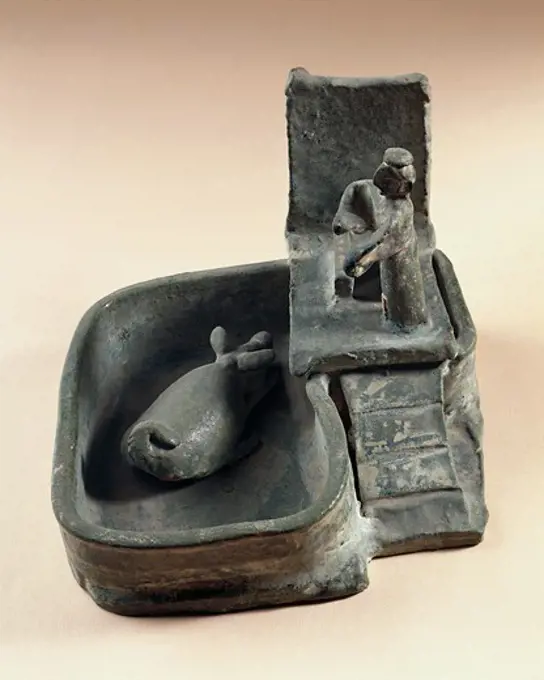
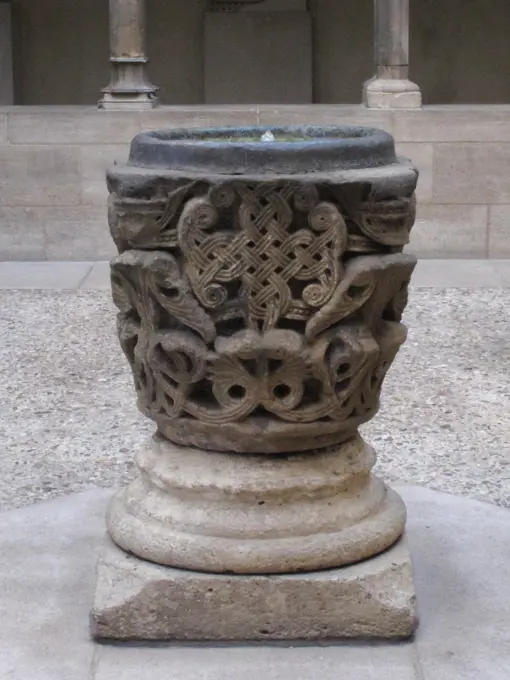
Mortar(Pepene)Ceramic Painted Vessel 6th century Casas Grandes. Ceramic Painted Vessel 312814Germany, Cologne. Roman Germanic Museum (aka Romisch-Germanisches). Roman artifact display, pottery whistle.Ring Bottle 18th century Japan. Ring Bottle. Japan. 18th century. Paste covered with a glaze (Satsuma ware). Edo period (1615-1868). CeramicsBox with GeometricDesignsBlok z niszą na lampę olejową. warsztat nubijski, workshopLimestone inscribed disk. Culture: Cypriot. Dimensions: Other: Diameter.:7 x 1 1/16 in. (17.8 x 2.7 cm). Museum: Metropolitan Museum of Art, New York, USA.Female Figurine Holding Jar. Eastern Mediterranean, no date. Sculpture. CeramicSpain, Madrid, three ceramic bell-shaped vase from CiempozuelosAltar. Greek; Thessaly. Date: 800 BC-600 BC. Dimensions: 7.8 × 4.8 × 4.4 cm (3 1/8 × 1 7/8 × 1 3/4 in.). Bronze. Origin: Greece. Museum: The Chicago Art Institute, Chicago, USA. Author: ANCIENT GREEK.Pair of bronze ankle guards 5th century B.C. Greek The ankle guard is an exceptional piece of equipment, intended to protect the leg below the greave.. Pair of bronze ankle guards 255542Helmet. Greek, Macedon. Date: 400 BC-301 BC. Dimensions: 35.6 × 19.4 × 30.5 cm (14 × 7 5/8 × 12 in.). Bronze. Origin: Macedonia. Museum: The Chicago Art Institute, Chicago, USA. Author: ANCIENT GREEK.Bell (Duo) 400 BCE-301 BCE China. Bronze inlaid with gold .Stone Temple Model 1st-8th century Mezcala. Stone Temple Model 317487Ritual Wine Cup (Gu) with Dragon. China, probably Henan Province, Late Shang dynasty, early Anyang phase, about 1300-1200 B.C.. Furnishings; Serviceware. Cast bronzeCapital, gilded, anonymous, c. 1650 Wooden sculpted and gilded composite capital. Netherlands wood (plant material) gilding Wooden sculpted and gilded composite capital. Netherlands wood (plant material) gildingBurial Urn with Cover (lid), AD 300s-500s. Korea, Three Kingdoms period (57 BC-668 AD). Earthenware with impressed design; diameter: 42.8 cm (16 7/8 in.); overall: 56.8 cm (22 3/8 in.). Produced in closed kilns built on hillsides during the Three Kingdoms period, this lidded jar once contained the cremated remains of the dead. This type of burial jar became widespread after the introduction of Buddhism, as cremation became a common practice in Korea.Aryballos (perfume jar) in the shape of a hedgehog 6th century BC Late Period. Aryballos (perfume jar) in the shape of a hedgehog 573253Bronze handle 5th century B.C. Greek This would have been one of the horizontal handles of a hydria (water jar).. Bronze handle 255263 Greek, Bronze handle, 5th century B.C., Bronze, Other: 6 9/16 in. (16.7 cm). The Metropolitan Museum of Art, New York. Rogers Fund, 1968 (68.11.2)You wine vessel, 11th-10th century BCE, 8 1/16 × 7 1/2 × 4 3/4 in., 5.7 lb. (20.4 × 19.1 × 12 cm, 2.6 kg)4 × 3 1/16 in. (10.16 × 7.78 cm) (object part, mouth-a)4 9/16 × 3 5/8 in. (11.59 × 9.21 cm) (object part, mouth-b)5 3/16 × 4 in. (13.18 × 10.16 cm) (object part, foot), Bronze, China, 11th-10th century BCE, The you was a ritual wine vessel in use from the Shang dynasty (c.1600-1046 BCE) to the mid-Western Zhou dynasty in the 800s BCE. It evolved from its early forman oval base and a broad body that swelled at the center and tapered to a wide neckinto various body shapes, including cylindrical and four-sided ones. By the late Shang, animal or bird-form you emerged. This you is very close to its basic form of the Shang but shorter and stouter. The body and the domed lid, interrupted only by two unsegmented flanges at the ends of the oval, constitute two large fields for the principal decoration: the taotie (composite animal) masks, executed in rather high, rounded relief on a bare gJar (common name). Decor painted with iron oxide on white slip at all under a transparent cover. Cernuschi Museum, Asia Museum of Asia in the city of Paris.Spheroconical Vessel 11th-12th century. Spheroconical Vessel 443103Libation bowl of Montuemhat from Upper Egypt, Thebes, South Karnak, Temple of Mut. Dated 26th DynastyTerracotta lantern. Culture: Roman, Egyptian. Dimensions: H.: 5 1/2 in. (14 cm). Date: ca. 2nd century A.D..Surmounted by female bust; ring for suspension. Museum: Metropolitan Museum of Art, New York, USA.Canopic Jar Inscribed for King Nesibanebdjedet (Smendes). Dimensions: H. 29 cm (11 7/16 in.); Diam. 21.8 cm (8 9/16 in.); Depth 24.4 cm (9 5/8 in.); Circ. 68.2 cm (26 7/8 in.); Diam. of mouth: 12 cm (4 3/4 in.); Diam. of base 14 cm (5 1/2 in.). Dynasty: Dynasty 21. Reign: reign of Smendes. Date: ca. 1070-1044 B.C..One of only a handful of objects bearing the name of the first king of Dynasty 21, Nesibanebdjedet (Smendes), this canopic jar is inscribed for Qebehsenuef, embodiment and protector of the liver. The lid, now missing, would most likely have been in the shape of a falcon, the animal associated with this deity. Museum: Metropolitan Museum of Art, New York, USA.Lamp 5th-6th century Small earthenware lamps, made from double molds, were the most commonly used source of light in daily Coptic life. A wick produced from plant fiber or linen fabric was placed in a reservoir filled with oil, generally castor or sesame oil, and illuminated. This red earthenware lamp displays the image of an ostrich, enclosed by a border of palmettes and scrolls.. Lamp. 5th-6th century. Earthenware; molded. Attributed to Egypt. CeramicsTerracotta oil lamp 1st century B.C.-1st century A.D. Roman Loeschcke Type 4. Mold-made. Large, shallow discus: in high relief, a bear, standing on all four legs, facing right, and in front of him a small animal with a long tail, facing left; a single filling hole at center below front paws of bear; band of lines and grooves around edge. Volutes flanking nozzle, with large wick hole. Incised base ring, and a slightly concave base.Broken and repaired, with large hole in the back of discus and top of body, and a smaller hole in top of nozzle behind wick hole.. Terracotta oil lamp 241561Throne. UnknownCylinder Vessel with Hummingbird-Human and Seated MaleBronze handle of a vessel with Silenos mask 450-400 B.C. Etruscan From a vase; with garlands.. Bronze handle of a vessel with Silenos mask 248320Lamp with a Reclining Comic Actor; Roman Empire; 2nd century; Terracotta and pigment; 7 × 16.3 cm (2 3,4 × 6 7,16 in.)Face Mask Ornament 6th-7th century Moche (Loma Negra). Face Mask Ornament 314545Silver Bird Vessel A.D. 900-1470 Peru (). Silver Bird Vessel 312947Single Spout and Bridge Vessel Depicting Dancing Figures. Tiwanaku-Wari; South coast, Bolivia. Date: 700 AD-1000. Dimensions: 13 × 10.2 cm (5 1/8 × 4 in.). Ceramic and pigment. Origin: Bolivia. Museum: The Chicago Art Institute, Chicago, USA.Toy in the Shape of a Rider and Two Horses on Wheels; Unknown; Egypt, Africa; 4th century; Wood; Object: H: 14.2 cm (5 9/16 in.)Stone vessel, alabastron, vessel;  332-30 BC ; Ptolemean period (-332-00-00--30-00-00), 664-332 BC ; Half period (-664-00-00--332-00-00), 664-525 BC; Half period, 26 dynasty (0-00-00-0-00-00);Deposit of the University of Warsaw from 1937-1939, Królewiec, scenes.gal.eg., Stone vessels, oils for oils and ointments, ritual vessels, Polish-French excavations in Edfu (Egypt)Ivory pyxis (box with lid). Culture: Roman. Dimensions: H.: 2 in. (5.1 cm)Diam.: 1 9/16 in. (4 cm). Date: 1st century A.D..The box is decorated with playful cupids, and the lid with a portrait bust of a woman. Museum: Metropolitan Museum of Art, New York, USA.Bowl Incised with Trophy Head Figures 3rd century B.C. Paracas. Bowl Incised with Trophy Head Figures 308499Miniature Drum with Four Frogs. Culture: Vietnam. Dimensions: H. 4 in. (10.2 cm). Date: ca. 500 B.C.-A.D. 300.Ranging in height from a few inches to over six feet, up to four feet in diameter, and often of considerable weight, drums are the most widely dispersed products of the Dongson culture of northern Vietnam. Examples produced in Vietnam, in addition to works made locally, have been found in south China and throughout mainland and island Southeast Asia. The function of these drums, often found in burials, remains unclear. They may have been used in warfare, as political regalia, or as part of funerary and other ceremonial rites. Museum: Metropolitan Museum of Art, New York, USA.Architectural Ornament in the Form of a Serpent Rattle. Mexico, Basin of Mexico, Teotihuacan, Teotihuacan, 450-650 CE. Stone. BasaltFragment Tobak Pipe, Unknown, 1780 - 1800 Fragment tobacco pipe with a crown and the letters I v s and n. Of the excavations on the Hofstede Arentsburg 1827-1831 under the supervision of Professor Reuvens. Schoonhoven (Possible) pipe clay Fragment tobacco pipe with a crown and the letters I v s and n. Of the excavations on the Hofstede Arentsburg 1827-1831 under the supervision of Professor Reuvens. Schoonhoven (Possible) pipe clayFictile votive lampAttic Bilingual Eye Cup; Possibly Pheidippos; Athens, Greece; about 510 B.C; Terracotta; 13.2 × 31.7 cm (5 3,16 × 12 1,2 in.)Funerary Cone of the Steward Bak ca. 1504-1492 B.C. New Kingdom This impression is the reverse of 30.6.25.. Funerary Cone of the Steward Bak. ca. 1504-1492 B.C.. Pottery. New Kingdom. From Egypt, Upper Egypt, Thebes. Dynasty 18Stone votive relief of an ear with earring 4th-3rd century B.C. Cypriot The lower part of the small plaque comes to a point. On the red surface appears a right ear wearing a rosette-shaped earring with a pendant.. Stone votive relief of an ear with earring. Cypriot. 4th-3rd century B.C.. Limestone. Late Classical-Hellenistic. Miscellaneous-StoneFragment węgara. warsztat nubijski, workshopDouble-Bat Bowl, c. 900-1550 (Thermoluminescence date, 810-1310). Colombia, Tairona. Earthenware; overall: 13.1 x 32 x 27.3 cm (5 3/16 x 12 5/8 x 10 3/4 in.).Neolithic. Greece. IV millennium BC. Globular glass. Decorated in red and brown. From Dimini, Greece. National Archaeological Museum of Athens. Greece.Phytomorphic VesselPilgrimFlaskBracelet: Openwork 15th-19th century Yoruba peoples. Bracelet: Openwork 314040Lid of multi-colored padded faience. Lid in the form of a pumpkin. HORSEND AT A TERRINE AND SNATION.Funnel 18th century British. Funnel. British. 18th century. Pewter. Metalwork-PewterTwo Flat Stamps 1st-7th century Atlantic Watershed Ceramic stamps are found in Costa Rican burials, suggesting that their importance extended beyond utilitarian. Much speculation has been made with regard to the material that these stamps were intended to imprint, including paper, textiles, and the human body. The curved shape of the printing surface supports the function of body painting most strongly. This theory is reinforced by the presence of stamp motifs on Costa Rican ceramic figure sculpture. The designs of the stamps can be divided into two categories, those that mimic the geometricity of textile structure and those that do not. The frog stamp, with the angular lines of an amphibian, falls into the category of textile imagery, whereas the more fluid depiction of the serpent is derived from a more naturalistic source.. Two Flat Stamps 698256Lidded Vessel with Supernatural Jaguar. Guatemala or Mexico, Petén or Campeche, Maya, 250-500 CE. Ceramics. Slip-painted ceramic with post-fire pigmentFragment tabakspijp.Fragment tobacco pipe with floral fashed motif and flowers. Of the excavations at the Hofstede Arentsburg 1827-1831 under the supervision of professor Reuvens.Scent Bottle, 1800s. Germany (), 19th century. Blue-gray opaline glass mounted in gold; overall: 8.1 x 5.6 x 2.7 cm (3 3/16 x 2 3/16 x 1 1/16 in.).Ocarina 5th-3rd century B.C. Paracas. Ocarina 308419Jar ca. 3rd-7th century A.D. Sasanian. Jar 322927Bell idol. Terracotta figurine, 7th century BC (Late Geometric period). Theban workshop (Oinochoe type)Double Body Lion unknownClay model of a stable, artefact from Tell Munbaqa, Syria. Assyrian civilisation, 14th-12th Century BC.Saddle (gser sga) 15th-17th century Tibetan This saddle is remarkable for the quality and extent of its pierced and chiseled decoration, particularly the figural masks worked in low relief in the center of the pommel and cantle plates. These masks are more artistically accomplished and on a larger scale than virtually any other known examples of low-relief ironwork from Tibet or China. The chiseling of the scrollwork is equal to that found on other high-quality Tibetan iron objects, such as cup cases and the fittings for doors of large temples or monasteries, and it compares closely to the pierced ironwork found on the best Tibetan saddles and bridles.. Saddle (gser sga) 25119Rolelr Stamp 5th-6th century Atlantic Watershed. Rolelr Stamp 313060Lamp ca. 600. Lamp 446619Bowl and its lid. Sandstone. Cernuschi Museum, Asia Museum of Asia in the city of Paris.Punic culture. Egg from grave 609. 6th-5th century BC. Spain. National Archaeological Museum, Madrid. Spain.Button or Bead 9th-10th century The dot-in-circle motif recalls designs presumed to be of magical significance, most likely an abstract eye to ward off the evil-eye, which serves an apotropaic function. Easily reproduced with a tool and visible in many cultures and times, this symbol may have lost its meaning, and become simply a decorative pattern, or may have one that we have not yet discovered.. Button or Bead 449275Vessel on four legs;  around 1985-m 1650 BC ; Pahu, 12-13 dynasty (0-00-00-0-00-00);Deposit of the University of Warsaw from 1937-1939, scenes.gal.eg., Egyptian ceramics, rice decorations, feet, plastic vessels, Polish-French excavations in Edfu (Egypt)Stirrup Spout Bottle with Suckling Puma 12th-15th century Chimú. Stirrup Spout Bottle with Suckling Puma. Chimú. 12th-15th century. Ceramic. Peru. Ceramics-ContainersCzerwonofigurowy kyliks ze sceną homoerotyczną w medalionie. unknown, authorLazio Viterbo Viterbo Museo Civico27. Hutzel, Max 1960-1990 Views of paintings (Middle Ages through 18th c.), frescoes, a tabernacle, coffin, sculpture reliefs, portal fragments, busts, sculpture, tapestry found in the Pinacoteca, Second floor gallery and Second floor cloister sequences. Antiquities: Many views of Etruscan and Roman fragments, sculpture, sarcophagi, pottery, masks, jewelry and other objects found in the Storeroom sequence (inventory numbers on back of prints), and the Cloister, Second floor Cloister, Valle Giulia, Sala Romana and Sala Etrusca sequences. General Notes: There are eight separate numerical sequences for this location. The cloister as an architectural structure, rather than museum site, is documented in the record and file for S. Maria della Verita, Cloister, all views of which are stored in Medieval core collection. Five views from the Museo Civico Second floor cloister sequence are stored in Medieval. German-born photographer and scholar Max Hutzel (1911-Mayan decorated vase from Peten, Guatemala. 550-800 ADPart of a large ivory stacking box with openwork panels. Part of a large ivory stacking box with openwork panels.Terracotta vase. Culture: Greek, Sicilian, Centuripe. Dimensions: H. 15 1/2 in. (39.4 cm). Date: 3rd-2nd century B.C..Four womenA fundamental feature of Greek ceramics and their offshoots is that they could be used. By contrast, this vase, with its lid fixed onto the body, serves a purely symbolic function. It belongs to a class of pieces associated with the site of Centuripe in Sicily. They are characterized by elaborate and delicate applied decoration and by refined polychromy executed after firing. The scene shows a bride surrounded by attendants. The vase was made for the tomb. Museum: Metropolitan Museum of Art, New York, USA.Square Amulet. Eastern Anatolia, 4th-3rd millemium, B.C.. Jewelry and Adornments; amulets. StoneTablita (Dance Headdress), early 1900s. America, Native North American, Southwest, Pueblo, Rio Grande, Post-Contact. Cardboard, string, paint, leather;Bowl 9th-10th century. Bowl 449763Bowl. unknown, craftsmanPigpen, glazed terracotta model from a funerary collection, China. Chinese Civilisation, Eastern Han Dynasty, 1st-3rd century.Plate decorated with a boar from Rhodes. Dated 600 BCFont late 11th century French. Font. French. late 11th century. stone, iron. Made in Auvergne or Guyenne, France. Sculpture-ArchitecturalModel Boat, 2040-1648 BC. Egypt, Late Dynasty 11 to Early Dynasty 12. Gessoed and painted sycamore fig; overall: 17.2 cm (6 3/4 in.); average: 10.4 cm (4 1/8 in.).