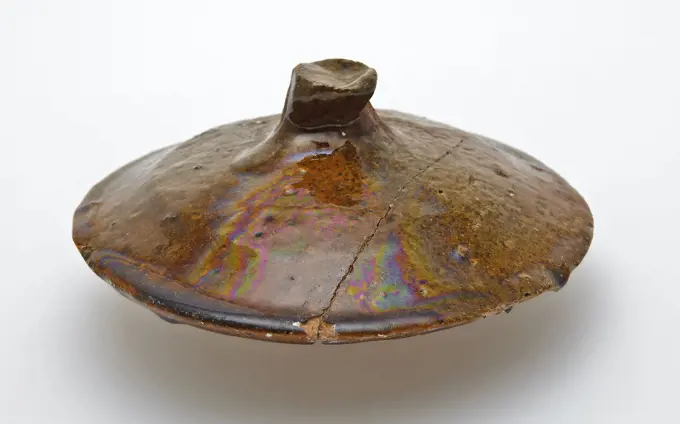
Ancient Terracotta Lamps

Collection of historical terracotta oil lamps from the Roman era. Varied designs with intricate reliefs, showcasing cultural artistry in muted earthy tones.
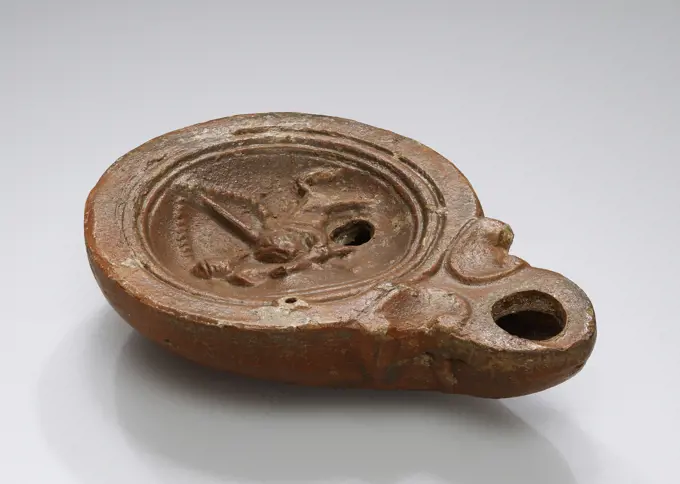
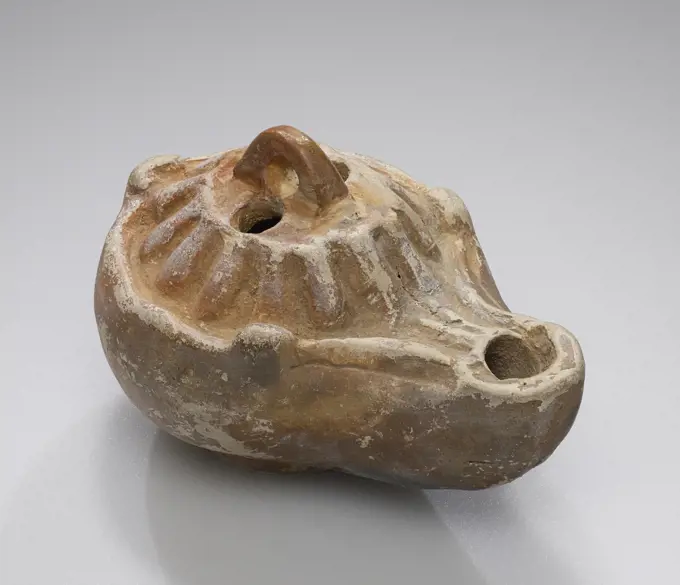
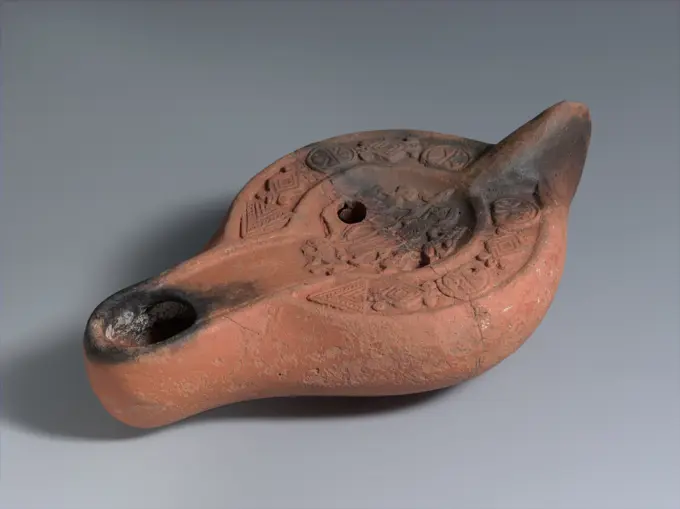
Lamp, North Africa; 1st - 4th century; Terracotta; 2.2 x 6.8 x 9.5 cm (7,8 x 2 11,16 x 3 3,4 in.)
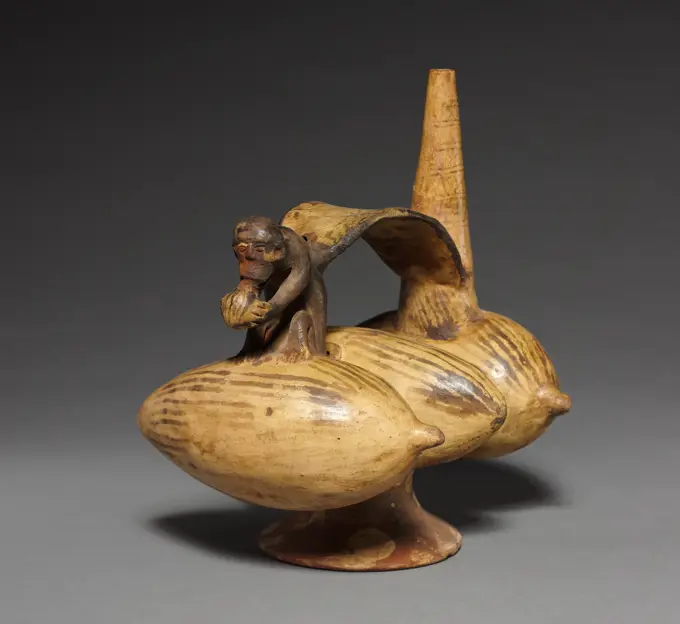
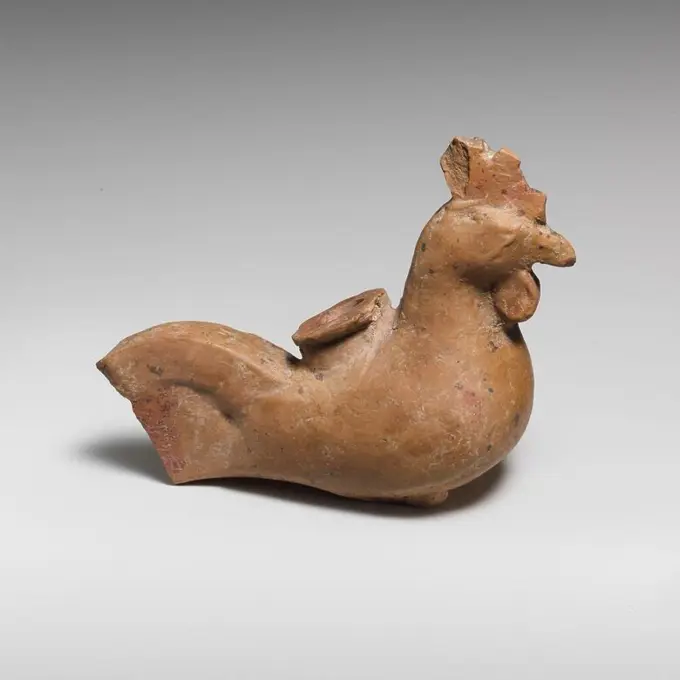
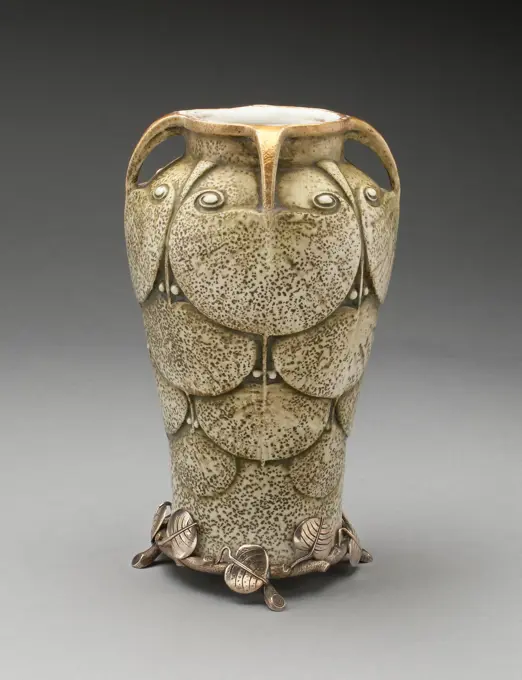
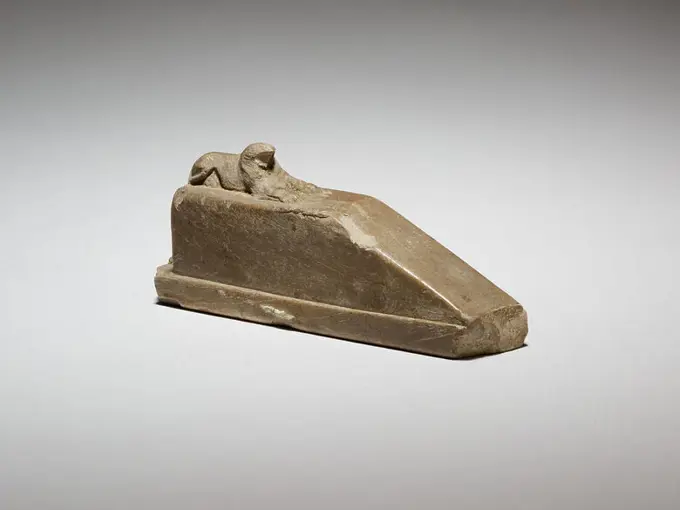
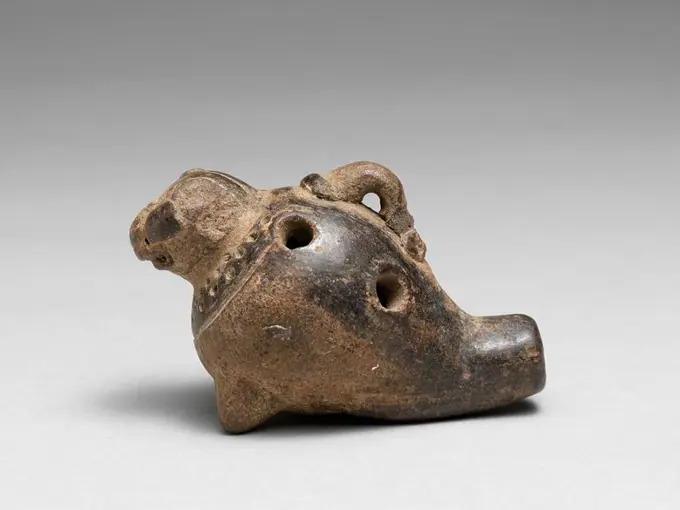
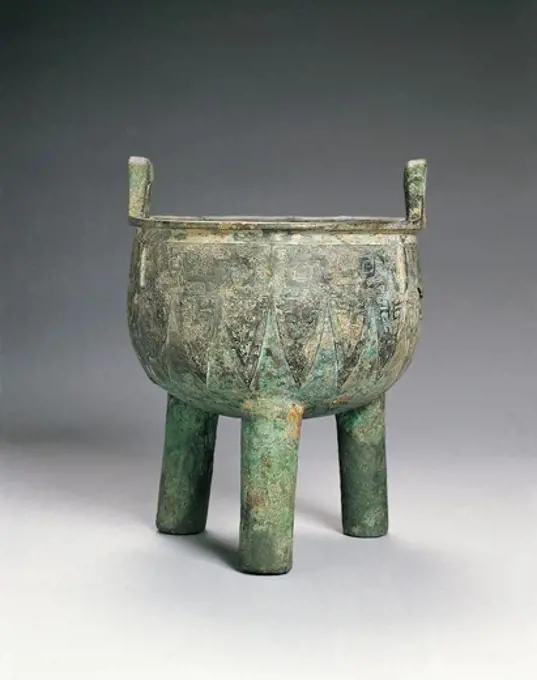
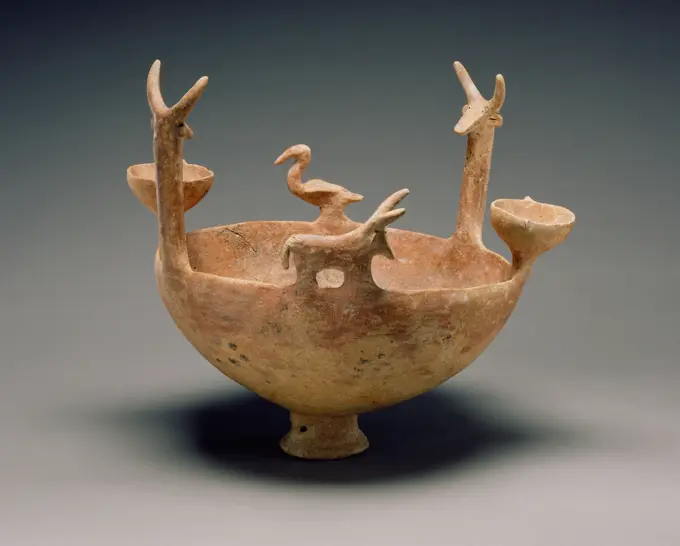
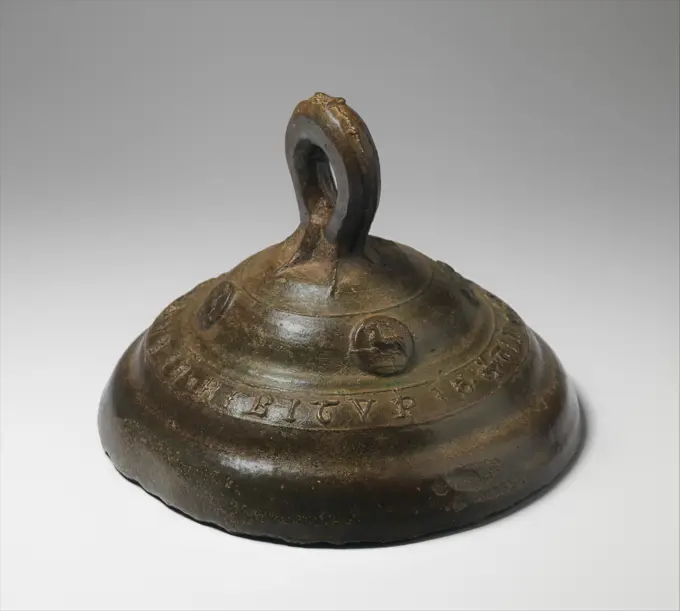
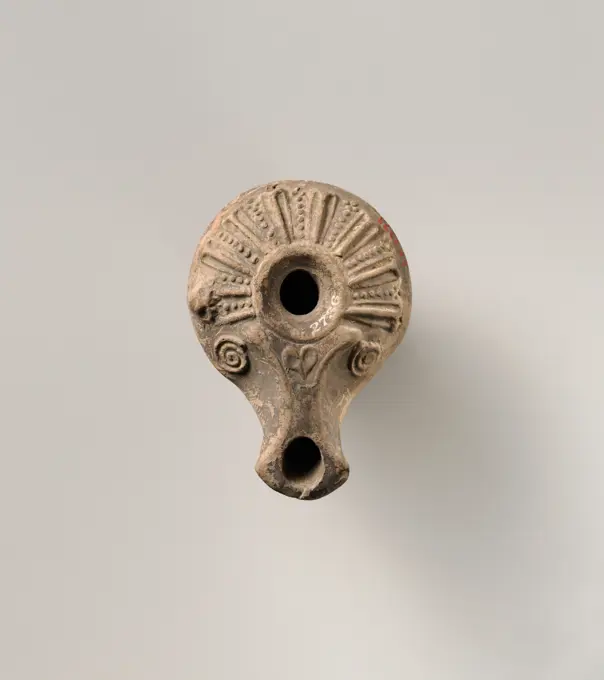
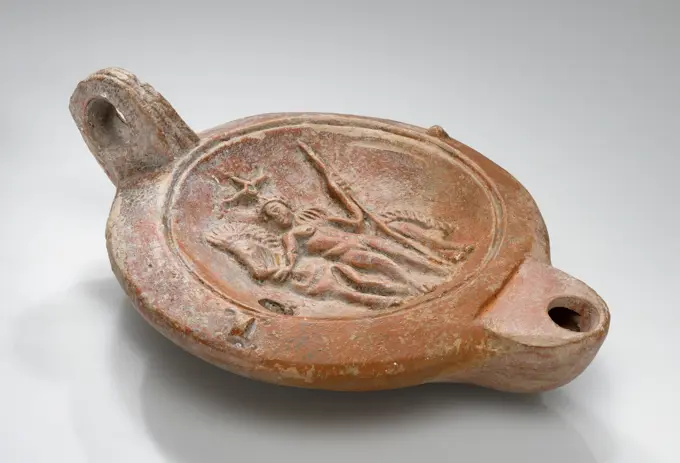
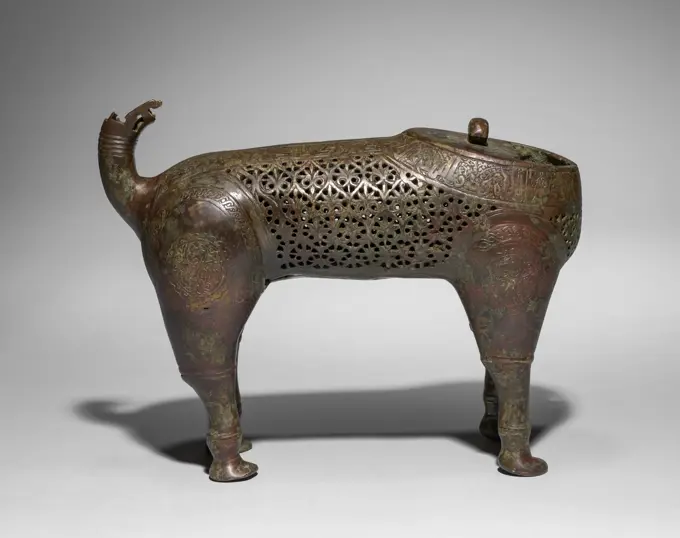
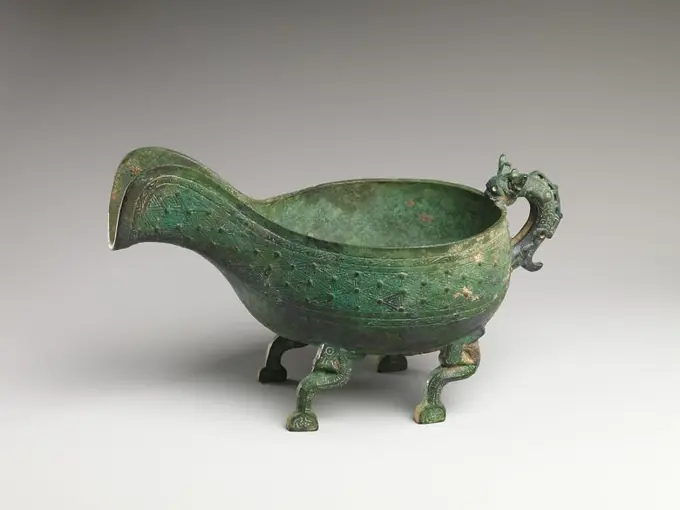
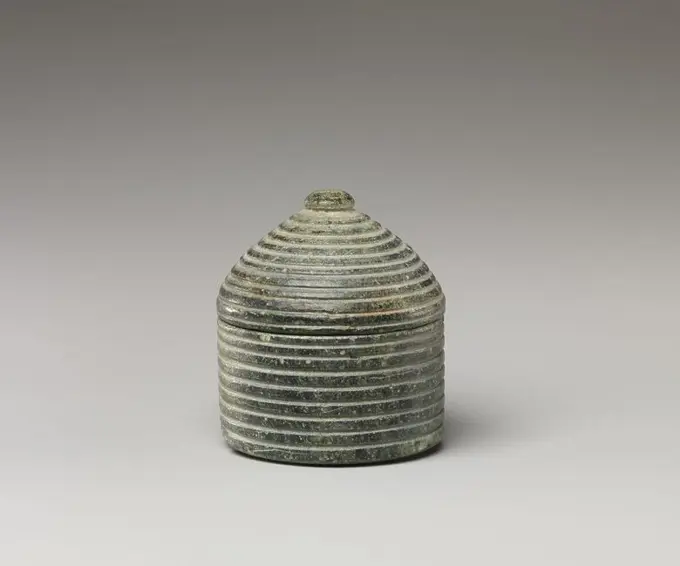
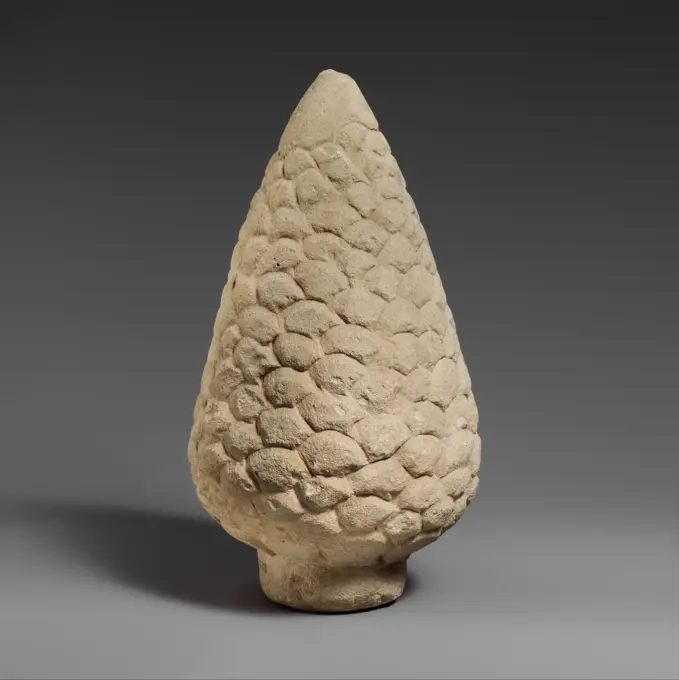
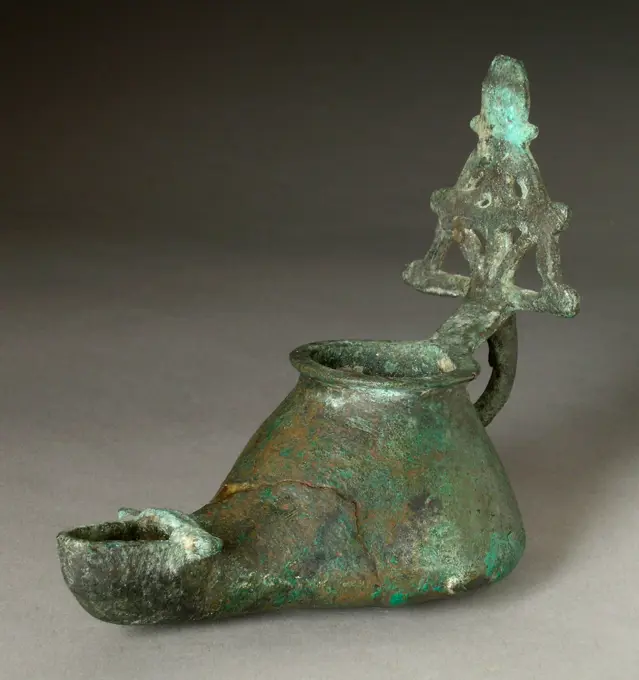
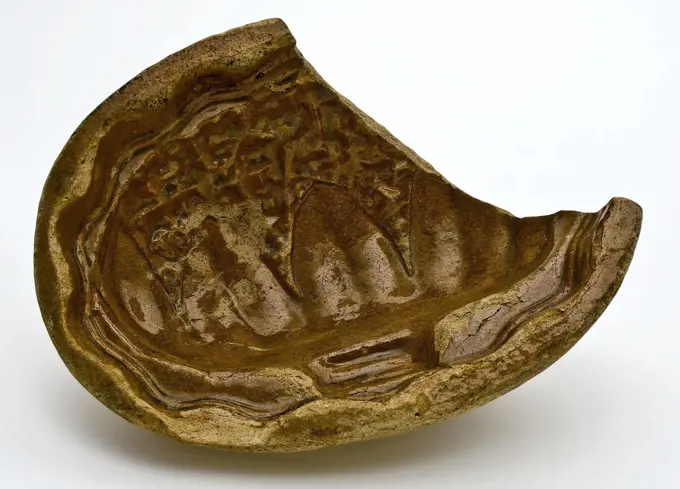
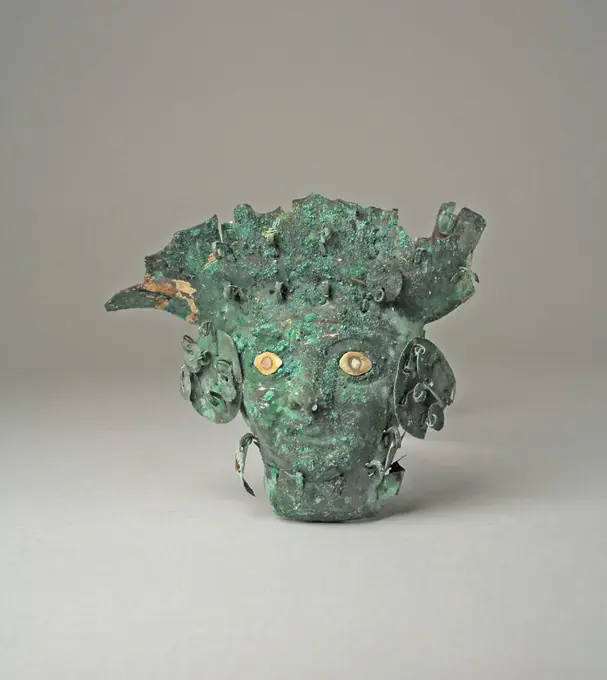
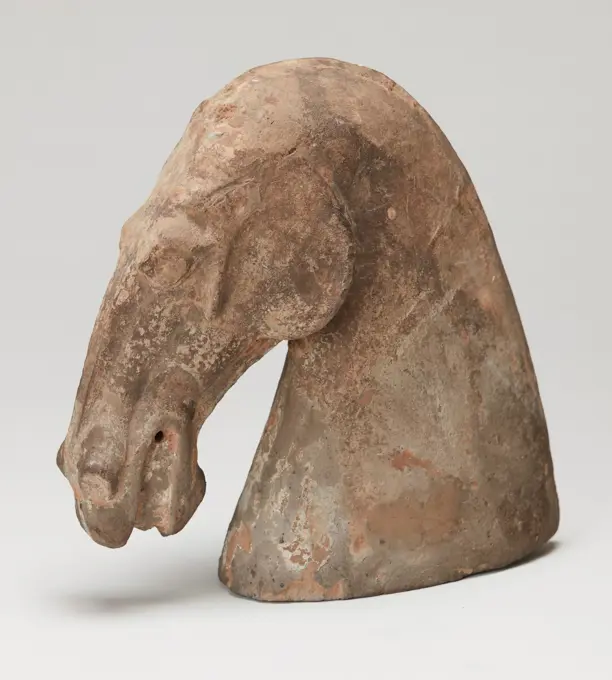
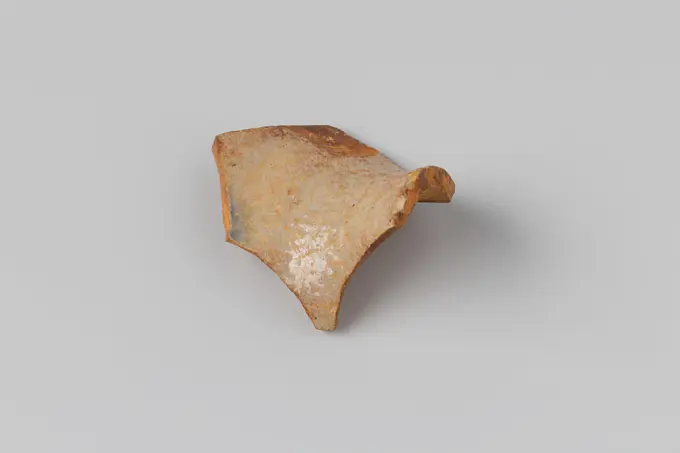
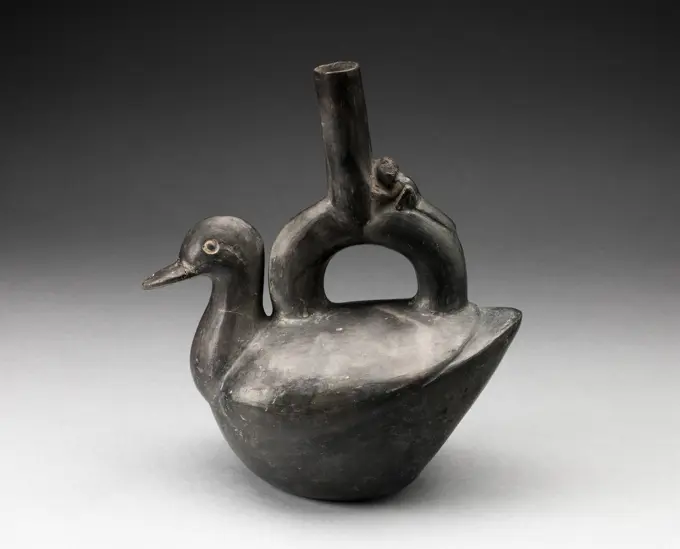
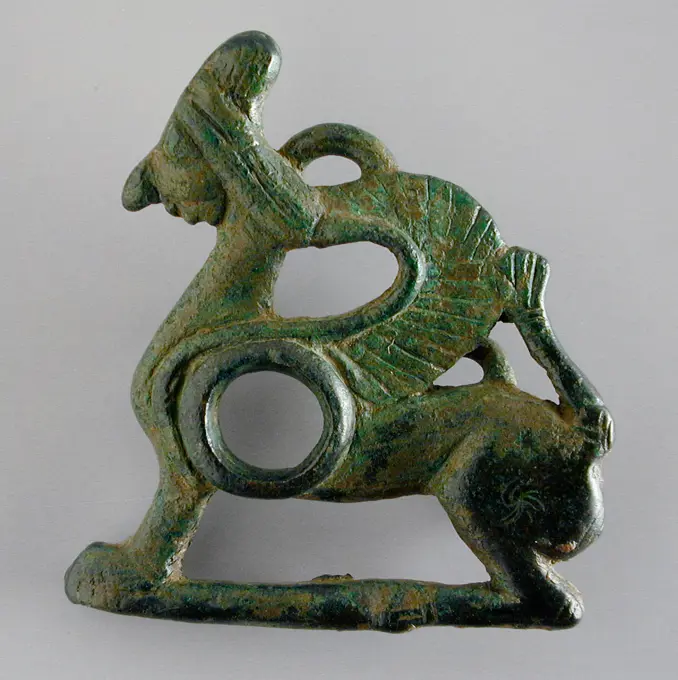
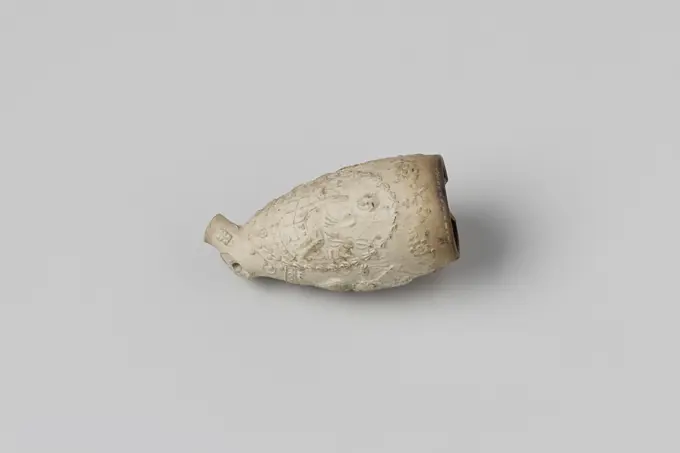
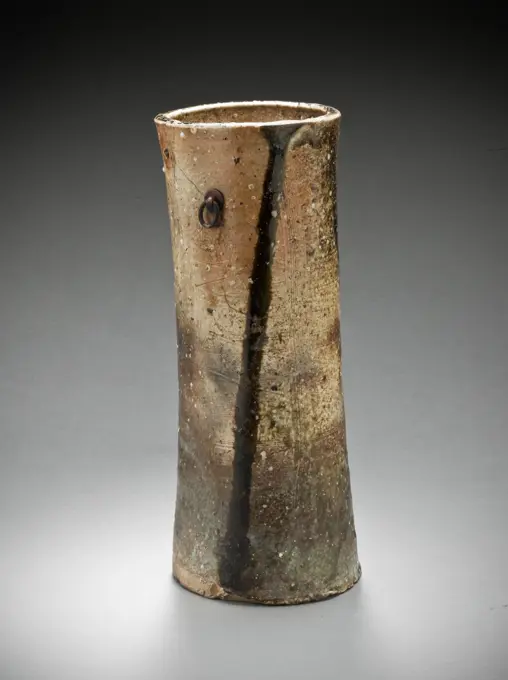
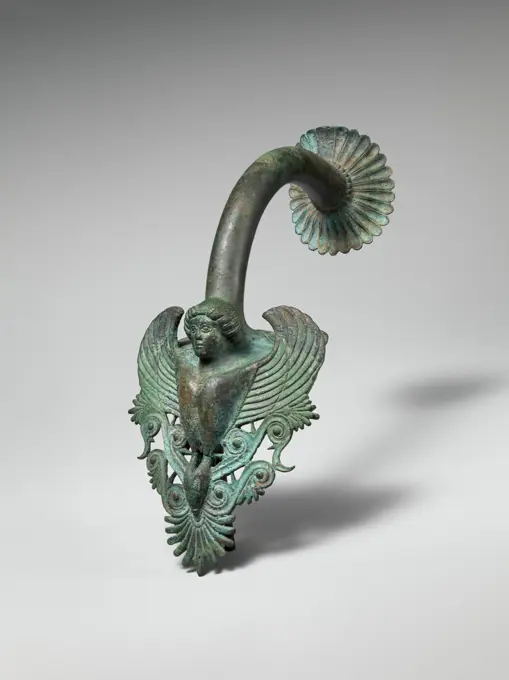
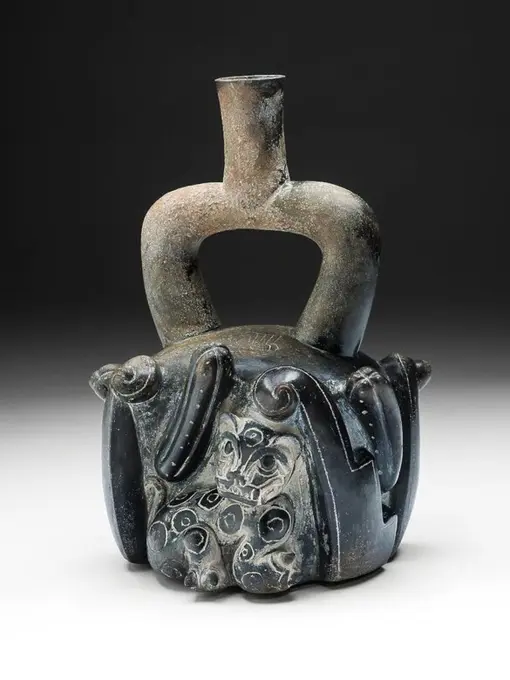
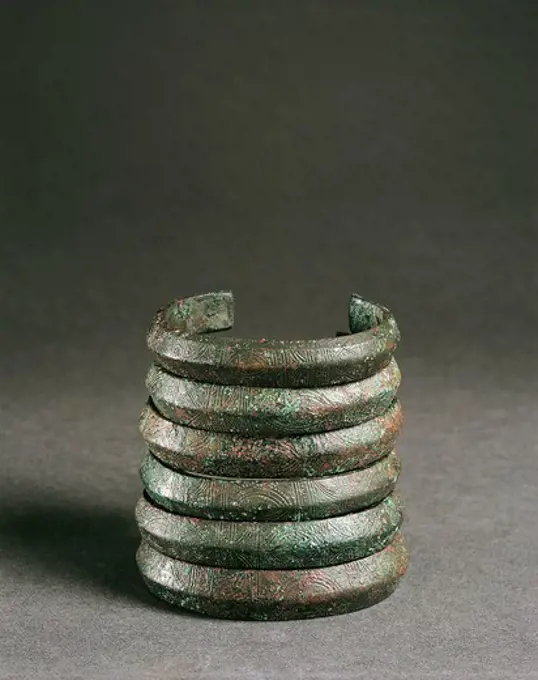
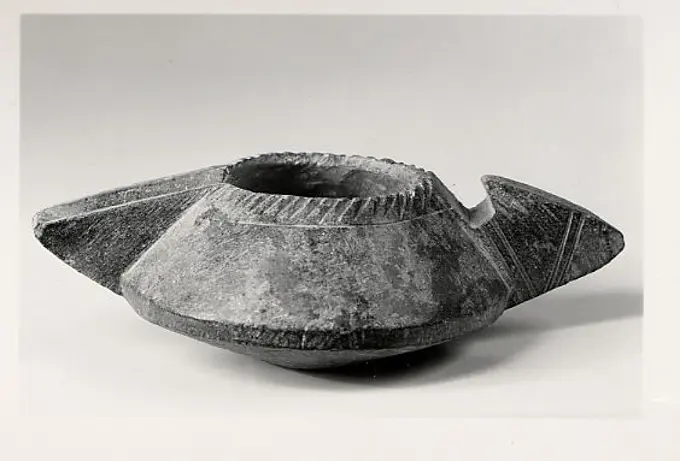
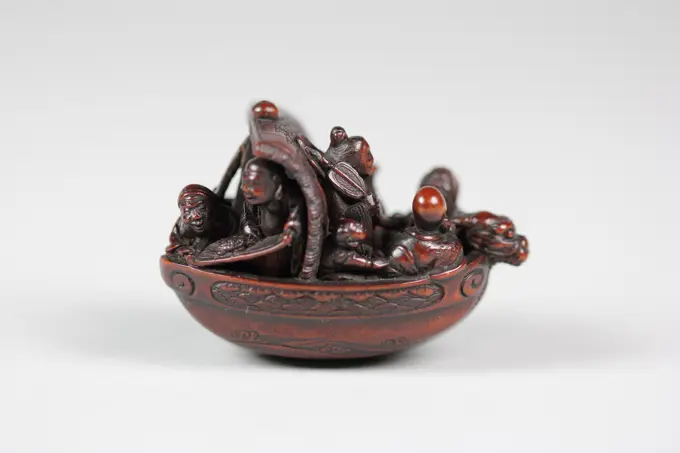
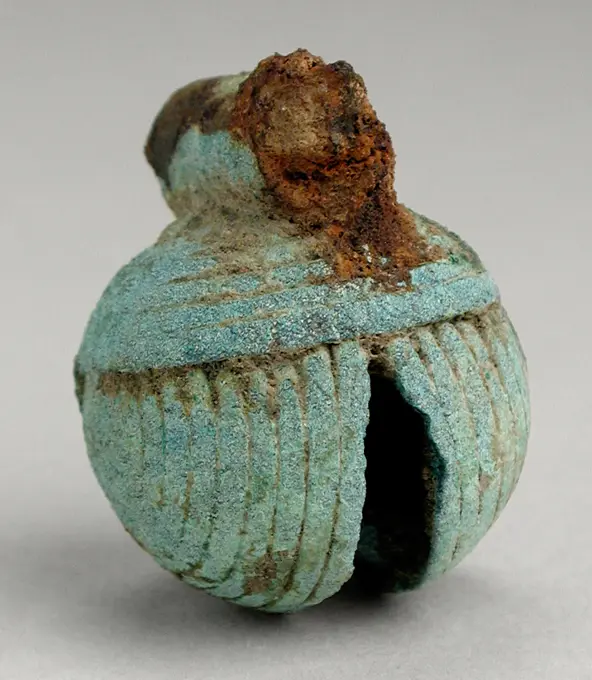
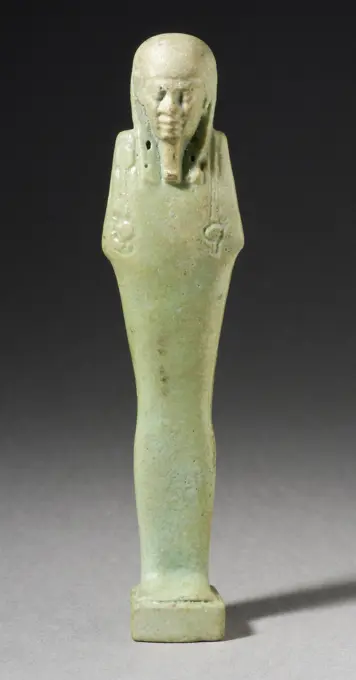
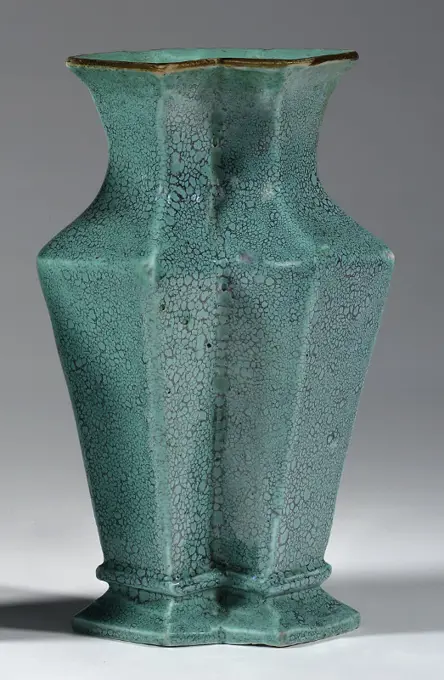
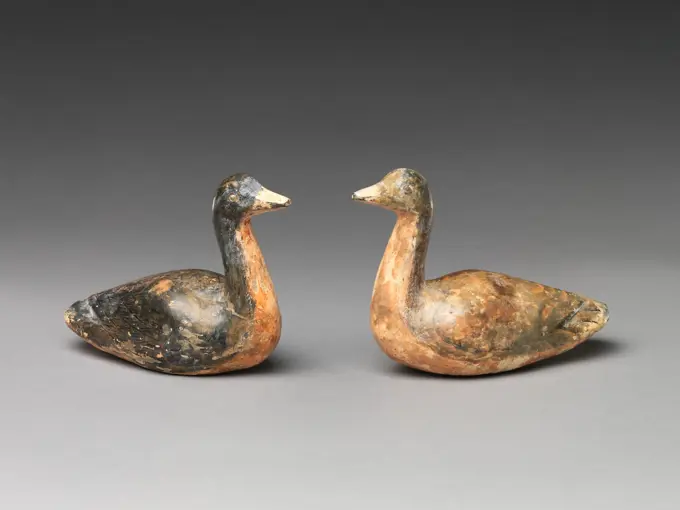
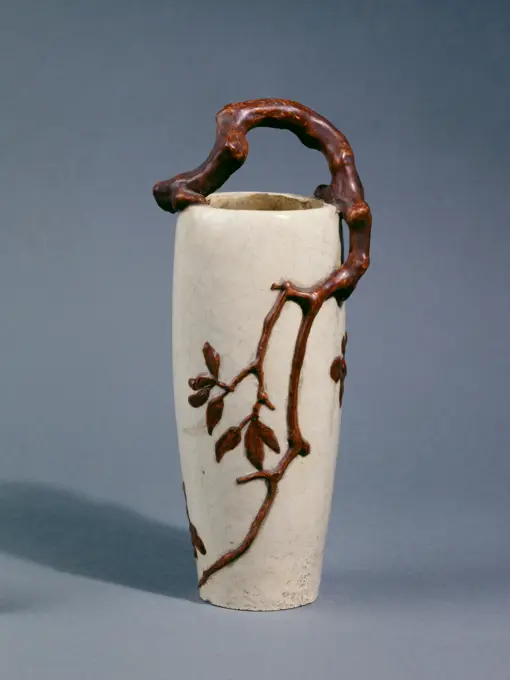
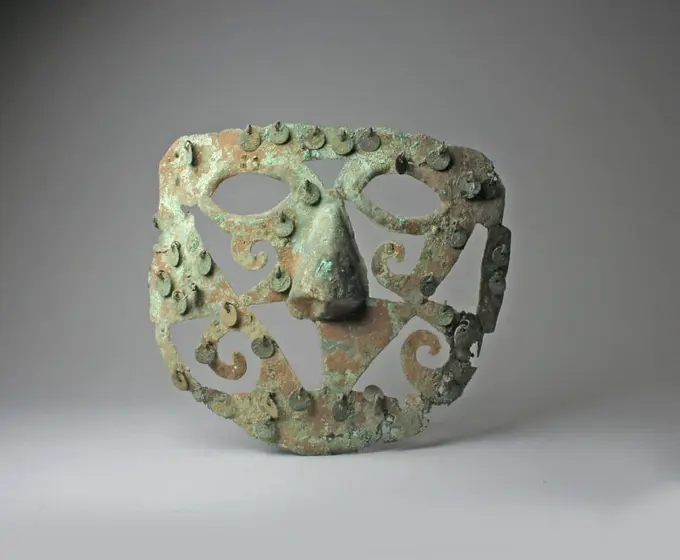
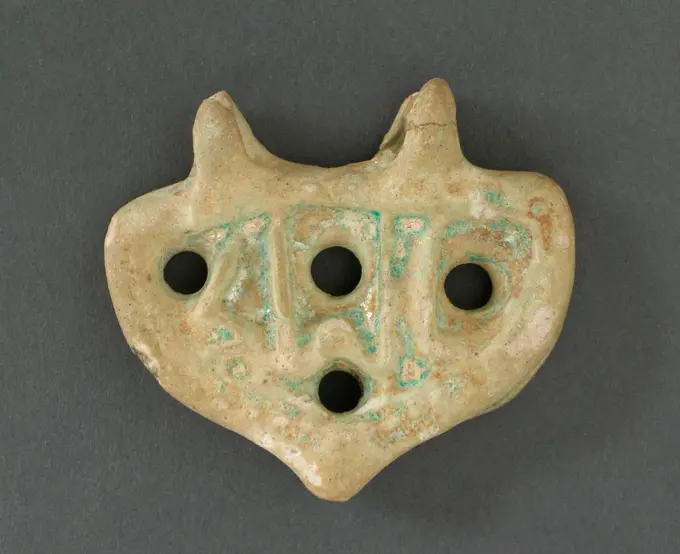
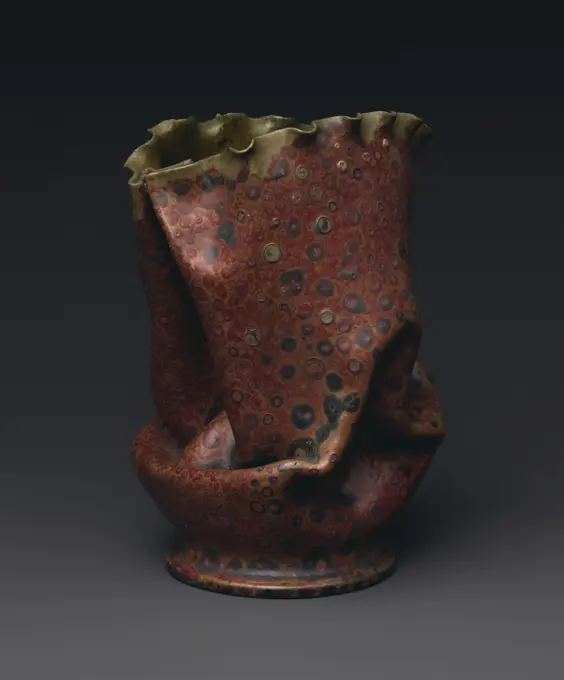
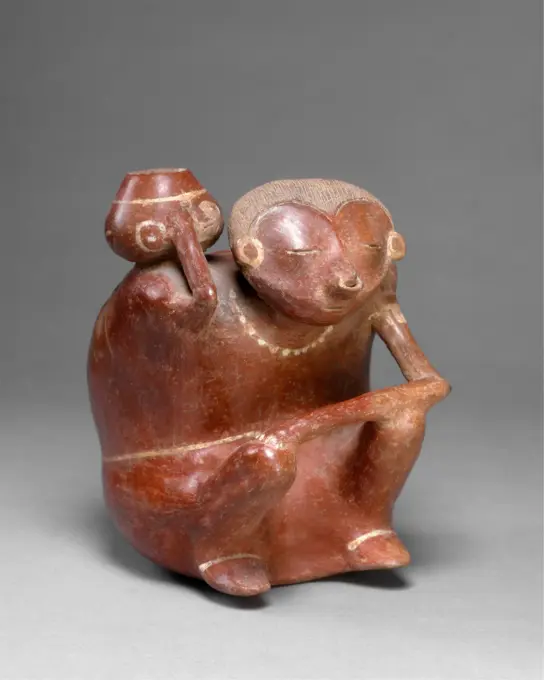
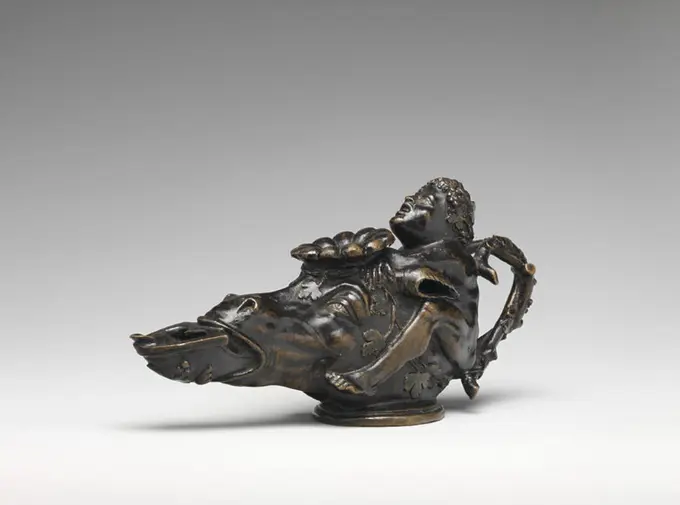
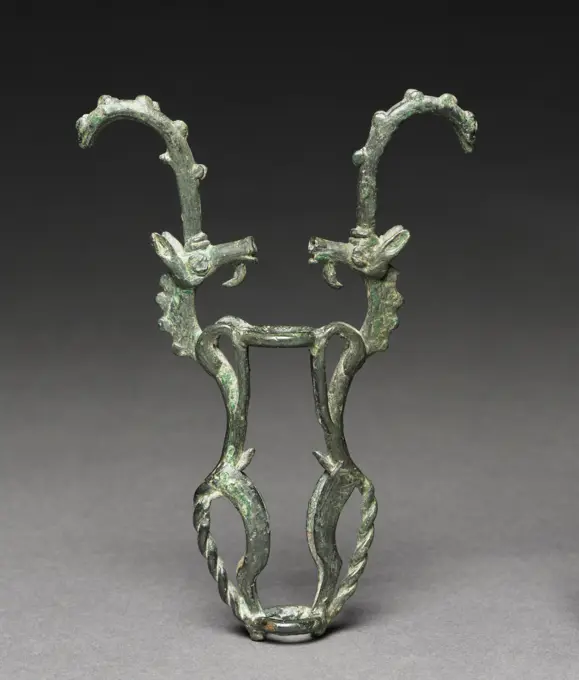
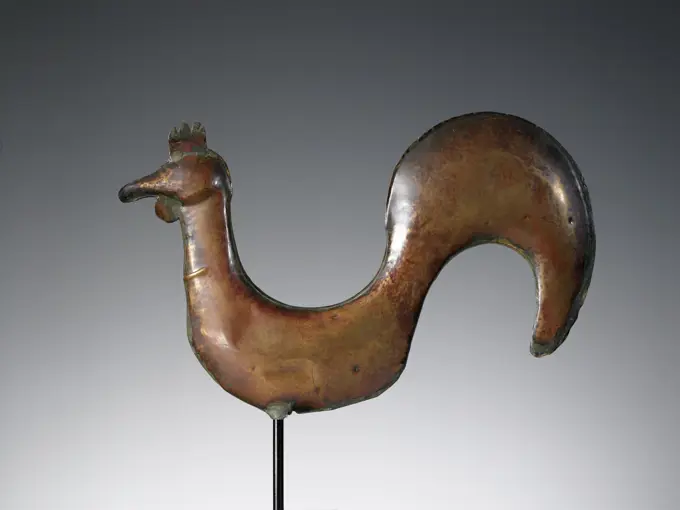
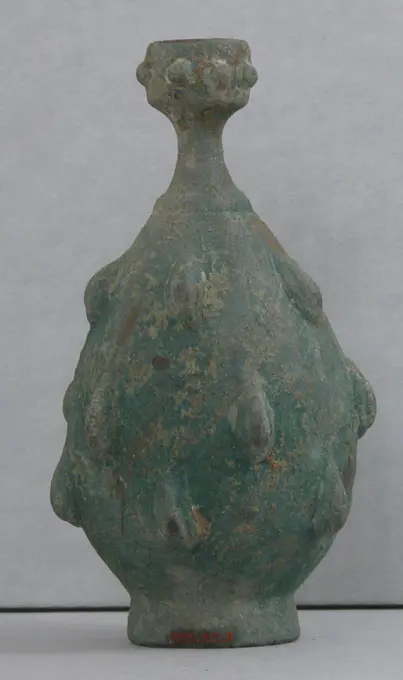
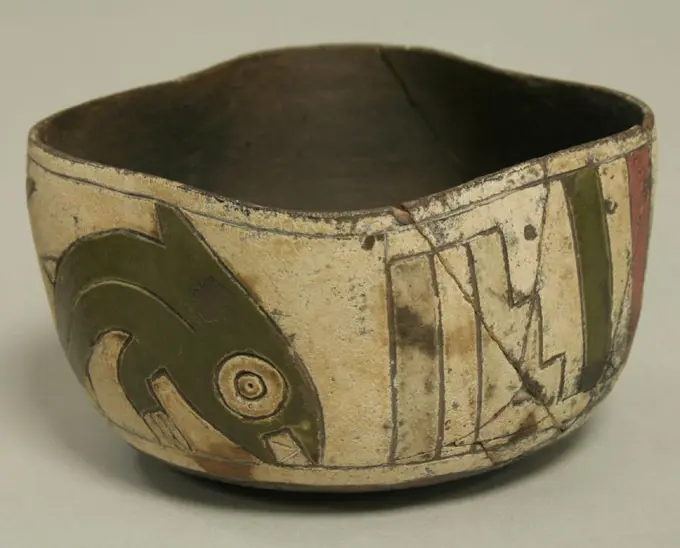
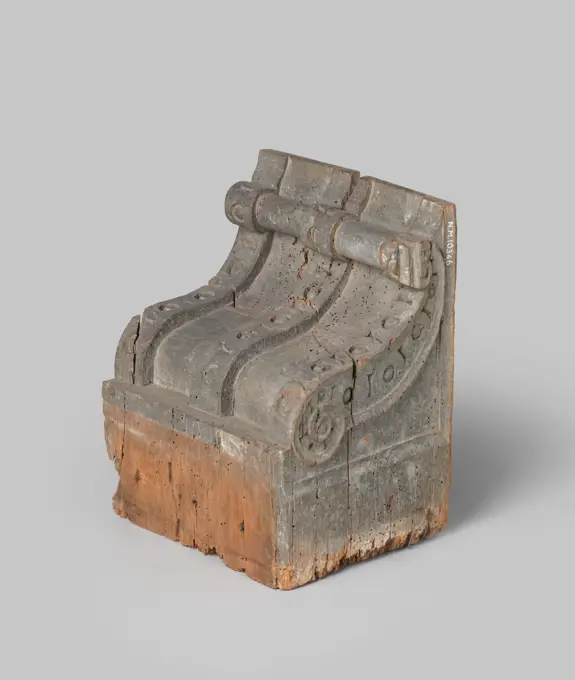
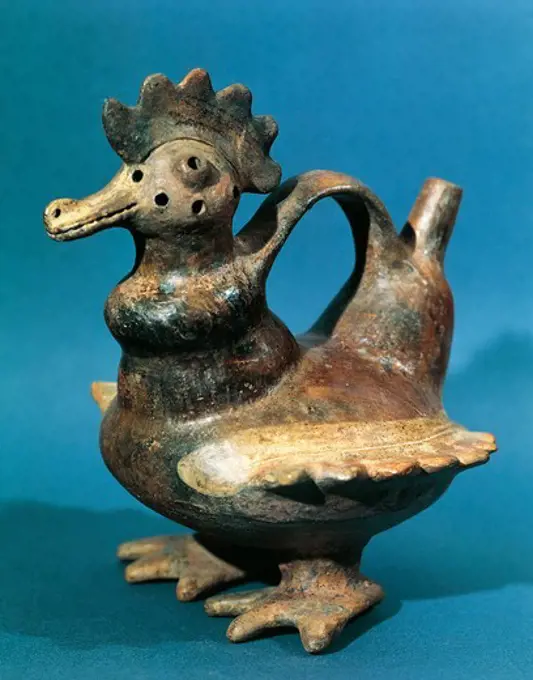
Lamp, Cologne, Germany; 2nd century; Terracotta; 4.6 x 5.5 x 8 cm (1 13,16 x 2 3,16 x 3 1,8 in.)Pendant, 1-900. Mexico, Central Highlands. Jade; overall: 7 x 6.5 cm (2 3/4 x 2 9/16 in.).Stirrup Jar with Monkey and Three Fruits, 1000 or later. Peru, North Coast. Red earthenware decorated with cream-colored slip and brown pigment; overall: 20.4 x 19 x 14.6 cm (8 1/16 x 7 1/2 x 5 3/4 in.).Marble palette ca. 3000-2800 B.C. Cycladic The palette is an established shape in the repertoire of Cycladic marble utensils. Recurrent traces of red pigment, as here, suggest that palettes were used to prepare colors for application to statuettes and perhaps also to human beings.. Marble palette 256853Bell: Face 15th-19th century Lower Niger Bronze Industry. Bell: Face. Lower Niger Bronze Industry. 15th-19th century. Bronze. Nigeria, Lower Niger River region. Metal-Musical InstrumentsRitual wine vessel (jia), 1046-771 BCE, 13 7/8 × 10 5/16 × 8 3/4 in. (35.3 × 26.2 × 22.23 cm), Bronze, China, 11th-8th century BCE, This three-legged bronze vessel, known as a jia, was used for holding wine in ritual ceremonies during the Western Zhou Dynasty in China (1046-771 BCE). A seven-character inscription beneath the cow head-shaped handle reads, 'Duke of Quan made this precious sacrificial vessel for the late father.' Jia were among the earliest Chinese bronze vessels cast during the Erlitou period (c. 2000-1600 BCE). Archaeological excavations found more wine vessels than food vessels, suggesting that people of the early Bronze Age paid more attention to the role of wine in ritual ceremonies. Some excavated jia show smoke marks on the exterior bottom and have interior encrustation, suggesting that the vessel was used to heat wine over a fire.Pottery Whistle. Culture: Mexican (Veracruz). Dimensions: Overall: H. 7.4 x W. 5.5 x D. 7.6cm, 80 g. (2 15/16 x 2 3/16 x 3in., 0.2lb.). Date: 300-1200. Museum: Metropolitan Museum of Art, New York, USA.Vase fragment Minoan. Vase fragment. Minoan. Terracotta. Early Minoan II. VasesGlass pendant in the form of a miniature jar. Culture: Roman. Dimensions: Other: 13/16 x 11/16 in. (2.1 x 1.7 cm). Date: late 3rd-4th century A.D..Uncertain color, appearing black, with same color loop handle; applied blobs in opaque yellow, white, and light blue.Large rounded loop at top for suspension; squat globular body; oval pad base with rounded edge and flat bottom.Body decorated with small marvered blobs of varying sizes and colors.Intact; dulling, pitting, black weathering, and faint iridescence. Museum: Metropolitan Museum of Art, New York, USA.Vase. Brown-red covered sandstone. Cernuschi Museum, Asia Museum of Asia in the city of Paris.Terracotta vase in the form of a rooster. Culture: East Greek, Rhodian. Dimensions: H. 3 3/8 in. (8.5 cm). Date: late 6th century B.C..Aryballos in the form of a rooster. Museum: Metropolitan Museum of Art, New York, USA.Vessel with feline effigy handles. Culture: Condorhuasi-Alamito. Dimensions: H. 8 × W. 9 × Diam. 5 in. (20.3 × 22.9 × 12.7 cm). Date: 500 B.C.-A.D. 500.This beaker flares slightly at the rim and features two zoomorphic feline heads as opposing handles. The faces of the felines are lightly incised, indicating the mouths and nostrils.The Condorhuasi-Alamito peoples were llama pastoralists in the area that is now the Catamarca province of Argentina. They were skilled artisans in a variety of media, including ceramic, metal, and stone. Archaeological evidence suggests that the Condorhuasi-Alamito peoples maintained extensive long-distance contacts with other regions, including the important site of Tiwanaku, near Lake Titicaca in what is now Bolivia. Museum: Metropolitan Museum of Art, New York, USA.Two Heads of Sea Monsters. UnknownLamp;  400 - 500 CE (400-00-00-400-00-00);Daszewski, Wiktor A. (1936-), Daszewski, Wiktor A. (1936-)-collection, gift (provenance)Vase 1895-1905 Austria. Glazed porcelain and silver . Ernst WahlissLamp in the Form of a Reclining Comic Actor. UnknownFalcon-headed sphinx recumbent on a pedestal with a ramp, and a feline() behind, possibly a gnomon for a shadow clock or instrument. Dimensions: L. 6.9 × W. 1.6 × H. 3 cm (2 11/16 × 5/8 × 1 3/16 in.). Date: 664-30 B.C..It has been suggested that this unusual piece is a gnomon, the element that casts a shadow in an instrument for measuring time by shadows. Ivory seems an unusual choice, but part of a shadow instrument preserved from Tanis and in the British Museum is also of ivory.Possibly the sphinx with a falcon head might allude to Re, and the cat to his daughter the Eye of the Sun, their separation and coming together again being certainly associated with the large regular events like the inundation that structures the Egyptian year and life. Museum: Metropolitan Museum of Art, New York, USA.Marble fragment of an Ionic column capital from the Temple of Artemis at Sardis ca. 300 B.C.-early 2nd century A.D. Greek or Roman This fragment of egg and dart decoration is from the crowning element of an an Ionic column capital from the Temple of Artemis at Sardis. Identical ornamentation can be seen on the Museum's Sardis column (26.59.1) displayed nearby.. Marble fragment of an Ionic column capital from the Temple of Artemis at Sardis. Greek or Roman. ca. 300 B.C.-early 2nd century A.D.. Marble. Hellenistic or Imperial. Stone SculpturePottery Whistle. Culture: Costa Rican. Dimensions: L.: 7.7 cm (3-1/16 in.); W.: 4 cm (1-9/16 in.); H.: 43 mm.; Wt.: 50 g.. Date: date uncertain. Museum: Metropolitan Museum of Art, New York, USA.Bronze tripod, Shang dynastyLamp, Asia Minor; 1st century B.C. - 4th century A.D; Terracotta; 7.2 × 7.6 × 9.3 cm (2 13,16 × 3 × 3 11,16 in.)Red-Polished Ware Bowl with Modeled Figures. UnknownRefectory Bell 13th century German The bell is inscribed in Latin TINNIO PRANSVRIS CENATVRIS BIBITVRIS (I ring for breakfast, dinner, and drinks”). Smaller than the taller and more familiar church bell, this rare refectory bell evokes the sounds of life in the medieval cloister. In addition to the inscription, the bell is decorated with roundels depicting two angels, a winged lion and the Agnus Dei, or Lamb of God. The shape is without precedent in surviving bells, but it can be seen in a mid-thirteenth-century manuscript depicting bell ringing and other music making.. Refectory Bell 640179Terracotta oil lamp 1st century B.C.-1st century A.D. Greek or Roman Mold-made. Central filling hole within a small, concave discus, surrounded by a circular band. Broad sloping shoulder, decorated with a pattern of radiating ridges (elongated leaves) interspersed with lines of dots; a raised knob on left edge; two spirals flanking sides of nozzle, with heart-shaped leaf on top and angular sides to wick hole. Raised base ring, and slightly concave base.Intact.. Terracotta oil lamp. Greek or Roman. 1st century B.C.-1st century A.D.. Terracotta. Hellenistic or Early Imperial. TerracottasLamp. UnknownFeline Incense Burner, 1150-1200. Iran, Khurasan, Seljuq period of Iran (1037-1194). Copper alloy, cast, engraved, chased, and pierced; overall: 35.5 x 11 cm (14 x 4 5/16 in.); head: 17.8 x 9.5 x 12.5 cm (7 x 3 3/4 x 4 15/16 in.). In Iran during the 1000s and 1100s, vessels in the shape of animals gained popularity, especially as incense burners. Felines were favored in Persian art and this piece may represent a caracal, a type of lynx. The head of the creature was cast separately and is removable to fill its body with hot coals and incense. Quranic verses on the neck and spine remind worshippers to set work aside, attend prayer, and then disperse to seek Gods bounty. The diffusion of perfumed smoke through the burners pierced palmette design may have served as a sensorial reminder of this teaching.Faience Wedjat-eye amulet. Culture: Egyptian. Dimensions: H.: 1 1/4 in. (3.1 cm). Date: 664-30 B.C..In relief. Museum: Metropolitan Museum of Art, New York, USA.Spouted Water Vessel (Yi). Culture: China. Dimensions: H. 5 7/8 in. (14.9 cm); W. 10 3/8 in. (26.4 cm). Date: 7th-6th century B.C.. Museum: Metropolitan Museum of Art, New York, USA.Chariot Pole Ornament with Ram's Head 4th century B.C. Northwest China. Chariot Pole Ornament with Ram's Head 59484Standing female figurine (cruciform) 4th century B.C.() Cypriot The figurine is mold-made and solid. The back is handmade and flattened, except for the headdress. The figure is preserved from the head to the waist.. Standing female figurine (cruciform) 241085Reliquary. Culture: Pakistan (ancient region of Gandhara). Dimensions: (a): Reliquary: H. 1 1/4 in. (3.2 cm); Diam. 1 5/16 in. (4.9 cm)b): Lid: H. 1 1/16 in. (2.7 cm); Diam. 1 15/16 in. (4.9 cm). Date: ca. 2nd-3rd century. Museum: Metropolitan Museum of Art, New York, USA.Limestone pinecone from a funerary cippus ca. 30 B.C.-A.D.300 Roman, Cypriot The large pinecone is circular at its base, for insertion into a funerary cippus. There is an irregular scale pattern on the pinecone.. Limestone pinecone from a funerary cippus 242328Lamp with Figural Handle. Egypt, Roman Period (30 BCE - 395 CE) or later. Furnishings; Lighting. BronzeBase with floral decoration. Base with floral decoration 251417 Base with floral decoration, Bronze, Diam.: 4 1/8 in. (10.5 cm) H.: 2 5/8 in. (6.7 cm). The Metropolitan Museum of Art, New York. Rogers Fund, 1923 (23.160.84)Wine Cup with Charcoal Warmer, 1st-2nd century, 1 1/2 x 4 1/2 x 6 1/4 in. (3.81 x 11.43 x 15.88 cm), Bronze, China, 1st-2nd centuryFragment of earthenware pudding mold, pudding mold shape kitchen utensils earthenware ceramics earthenware glaze lead glaze, w 10.5 pp 4.5 in form made glazed baked Earthenware pudding mold Internally glazed Light brown colored pink brown shard. Thick-walled archeology Rotterdam Kralingen-Crooswijk Struisenburg Buizengat indigenous earthenware food preparation nutrition pudding Soil finding landfill of municipal waste at the construction site: Buizengat 1983.Face Mask Ornament. Culture: Moche (Loma Negra). Dimensions: Height 3-11/16 in. (9.5 cm). Date: 390-450. Museum: Metropolitan Museum of Art, New York, USA.MaskTerracotta oil lamp 2nd century A.D. Roman Vessberg Type 13. Mold-made. Deep discus, with a single filling hole at center, surrounded by concentric circles and, towards edge, a band of close-set radiating lines. Sloping shoulder: small ovules around inner edge. Round nozzle with large wick hole; impressed circle at each side of back of nozzle. Incised base ring, and broad, flat base; elongated footprint stamp at center.Intact.. Terracotta oil lamp. Roman. 2nd century A.D.. Terracotta. Mid Imperial. TerracottasNeolithic woman sitting on chair, Karanovo VI Culture.Horse Head, 618-906, 7in. (17.8cm), Stoneware, China, 7th-10th centuryBrush Washer, 18th century, 4 1/4 x 8 3/4 x 8 3/4 in. (10.8 x 22.23 x 22.23 cm), Jade, China, 18th century, This brush washer has the form of a hollowed lotus flower surrounded by lotus cupules and half-opened lotus blossoms; incising adds detail to the outer surfaces of the lotus petals. The rim of the vessel is irregularly shaped. The carving of the vessel is simple and rough.Shard of a can from the wreck of the East India Hollandia.Stoneware, Rhenish, Westerwald, Jug; Fragm or Neck, SIM. NG 1980-27H2615.Standing male figurine. Culture: Cypriot. Dimensions: H. 9 1/8 in. (23.2 cm). Date: ca. 600-480 B.C..The lower part of the solid cylindrical body is missing. His arms are stretched along his body and fused with his torso. Museum: Metropolitan Museum of Art, New York, USA.Single Spout Blackware Vessel in the Form of a Duck Made 1000-1400 North Coast. Ceramic and pigment . ChimúCheekpiece from a Horse Bit. Iran, Luristan, Luristan bronzes, circa 1000-650 B.C.. Tools and Equipment; horse trappings. Bronze, castStatuette of a swan  Roman. Statuette of a swan  256658Fragment pijpenkop.Fragment pipe head with a coat of arms, a sword-bearing lion and two ovals with the Gods Neptune and Jupiter () Depicted, enclosed by flower branches. Of the excavations at the Hofstede Arentsburg 1827-1831 under the supervision of professor Reuvens.Hanging Flower Vessel. Japan, Momoyama period, 1573-1615. Ceramics. Iga ware; stoneware with naturally occuring ash glazeTerracotta female figure Helladic, Mycenaean ca. 1300-1200 BCE Statuette of a woman. View more. Terracotta female figure. Helladic, Mycenaean. ca. 1300-1200 BCE. Terracotta. Late Helladic IIIB. TerracottasJean Pointu (1843-1925). "Pitcher". Enameled sandstone. Museum of Fine Arts of the City of Paris, Petit Palais. 33104-4 Gre enamel, pitcher, dishesLamp with Christ Trampling the Beasts 5th century Small earthenware lamps, made from double molds, were the most commonly used source of light in North Africa during the early Byzantine period. A wick produced from plant fiber or linen fabric was placed in a reservoir filled with oil, generally castor or sesame oil, and illuminated. The disc of this lamp depicts the standing figure of Christ holding a cross-staff and treading underfoot the lion, the dragon, the asp, and the basilisk. He is nimbed and flanked by flying angels. The image is enclosed by a broad rim decorated with circles enclosing the christogram (monogram for Christs name), foliated lozenges, and chevrons. Religious images used as decoration were thought to offer protection for the lamps owner.. Lamp with Christ Trampling the Beasts. 5th century. Earthenware; molded. Probably made in Tunesia. CeramicsAbruzzo, L'Aquila, S. Giuliano (L'Aquila environs), Museo, Italy, 20th century, photo, photography, EuropeLamp, Asia Minor; 1st - 4th century; Terracotta; 3 x 5.2 x 8 cm (1 3,16 x 2 1,16 x 3 1,8 in.)Bottle, Animal Head on Neck. Culture: Mississippian. Dimensions: Height 7-1/4 in.. Date: 11th-14th century. Museum: Metropolitan Museum of Art, New York, USA.Terracotta vase in the form of a ram 4th century B.C. Greek, South Italian, Campanian This vase may have served as a baby-feeder.. Terracotta vase in the form of a ram 255299Bronze handle of a hydria (water jar) ca. 460-450 B.C. Greek The attachment at the bottom of the vertical handle is in the form of a siren. Part woman, part bird of prey, sirens were not only guardians of tombs but also creatures notorious for their seductive songs. The figure here is executed with the utmost refinement and appears delicately enmeshed in the surrounding spiral ornaments.. Bronze handle of a hydria (water jar). Greek. ca. 460-450 B.C.. Bronze. Classical. BronzesStirrup-Spout Vessel with Feline and Cactus. Chavín; North coast, Peru. Date: 900 BC-200 BC. Dimensions: Appro×. 26.7 × 17.8 cm (10 1/2 × 7 in.). Ceramic. Origin: North Coast. Museum: The Chicago Art Institute, Chicago, USA.Oil lamp. unknown, craftsmanOil LampRitual Flaying Knife (Kartrika) 1601-1800 Tibet. The flaying knife (kartrika) is one of the most prominent weapons used by Tantric Buddhismís angry deities, both male and female, especially the Mahakala and the Vajrayogini class of deities. They typically brandish a flaying knife in one hand and a skullcup (kapala) in the other. The blade, which is surmounted by the flayed mantle of a stylized lion, terminates in a sharp point or curved hook, and combines the flaying implements of a cutting-knife and scraping blade with the piercing activity of a dagger or pulling-hook. The handle usually consists of a half vajra, or thunderbolt, as here, and is a quintessential symbol of Vajrayana Buddhism. In visual images and in the literature, the kartrika is used as a blade to skin the hides of demons, animals, and humans. Conceptually, its purpose is to cut up disbelievers, and to kill ignorance.. Gilt iron .Vessel in the Form of the Head of a Llama 100 BCE-500 CE Santa Valley. Ceramic and pigment . MocheItaly, Liguria region, Armlet decorated with geometric patterns from Buco del DiavoloLamp 9th-11th century The carving of utensils and other objects from soft stones is an extremely ancient art in the Near East. Steatite and other related talcs (the English word is of Persian origin) are easy to carve, relatively strong and non-brittle and are impervious to fire. Many of medieval Nishapur's stone utensils were, despite a lowly material and a utilitarian function, of very high artistic merit. They often have powerfully sculptural forms, and their silhouettes, from various angles, take the form of beautiful two-dimensional patterns. Some pieces were at least partially colored with pigment.. Lamp 449812Netsuke of Pleasure Boat (Takarabune) 19th century Japan. Netsuke of Pleasure Boat (Takarabune) 59077Bell. Northeastern Thailand, Ban Chiang culture, 300 B.C.-A.D. 150. Tools and Equipment; musical instruments. Copper alloyShabti. Egypt, Late Period, 26th Dynasty - Ptolemaic Period (664 - 304 BCE). Sculpture. Faience, pale green glazeStove with Figures and Geometric Designs. China. Date: 25 AD-220 AD. Dimensions: 9.4 × 19.0 × 27.5 cm (3 11/16 × 7 1/2 × 10 13/16 in.). Earthenware with lead green glaze. Origin: China. Museum: The Chicago Art Institute, Chicago, USA.Small angular vase. unknown, craftsmanCosmetic spoon with duck-head handle ca. 1550-1295 B.C. New Kingdom. Cosmetic spoon with duck-head handle 544050Bronze strainer 5th century B.C. Etruscan Strainers, like ladles, were standard equipment for symposia (drinking parties). The handles of both usually end in the head of a duck or swan.. Bronze strainer 251195 Etruscan, Bronze strainer, 5th century B.C., Bronze, H.: 9 3/4 x 4 5/16 x 1 1/2 in. (24.8 x 11 x 3.8 cm). The Metropolitan Museum of Art, New York. Rogers Fund, 1922 (22.139.17)Pair of Ducks ca. 2nd century BC China Intended for use as burial goods, this charming pair of ducks also illustrates the early use of lacquer as a pigment.. Pair of Ducks. China. ca. 2nd century BC. Earthenware painted with colored lacquer. Western Han dynasty (206 B.C.-24 A.D.). LacquerEdmond Lachenal (1855-1948). Vase. Enamelled sandstone, reported decor. Museum of Fine Arts of the City of Paris, Petit Palais. Anse, Decor, Email, Emaille, Gres, object of decoration, vaseFragment of foot, bottom, roemer's shaft, roemer wineglass drinking glass drinking utensils tableware holder soil find glass h 4,5 stem, foot, free blown and formed glass application Fragment of foot bottom shank and starter of chalice of roemer in clear green glass. Foot made from one glass wire wound around eleven times. Pontil mark under raised bottom Cylindrical shaft with two rows of five mandrel pushbuttons each (one broken off). Remainder of imposed all-round smooth glass wire at transition to onset of convex chalice archeology Dordrecht wine serving drinks Soil discovery: Dordrecht.Excerpt (foot) with red shard, in sgraffito drawing a head of a camel, on the back of which a naked putto () Holds on its neck, in the background vertical dotted lines and leftovers of ocher-colored glaze, anonymous, 1200 - 1899  Italy earthenware  Italy earthenwareFace Mask Ornament. Culture: Moche (Loma Negra). Dimensions: H. 6 5/16 x W. 7 1/2 in. (16 x 19 cm). Date: 390-450. Museum: Metropolitan Museum of Art, New York, USA.Figurine. Culture: Parthian. Dimensions: H. 6 3/4 x W. 2 1/16 x D. 4 9/16 in. (17.1 x 5.3 x 11.5 cm). Date: ca. 150 B.C.. Museum: Metropolitan Museum of Art, New York, USA.Lid or Amulet. Syria, late 11th-12th century. Ceramics. Fritware, molded and glazedVase ca. 1897-1900 George E. Ohr George Ohr of Biloxi, Mississippi, was arguably Americas quintessential art potter. He built his own kiln, dug his clay, threw his vessels with extreme proficiency on the potters wheel to wafer thinness, altered those shapes, and then covered them with his own novel glazes. In form and decoration they are essentially Abstract Expressionist objects—almost 50 years before that movement was founded. In fact, deemed ultimately very modern in this century, they had great appeal to such modern artists as Jasper Johns and Andy Warhol, who formed collections of them. Ohrs work is extraordinarily idiosyncratic and he practiced his own mantra of "no two alike," as exemplified by these works. Ohr was a colorful character, and his quirky pottery became one of the added tourist attractions on Mississippis gulf coast. Self-proclaimed the "Greatest Art Potter on Earth," he was well ahead of his time, and the vases that he deemed "worth their weight in gold" would Finial (Bird Head). Western Inner Mongolia, 5th-3rd century B.C.. Architecture; Architectural Elements. BronzeHunchback with Vessel 1st-3rd century Lagunillas. Hunchback with Vessel 318989Oculate Being Mask, 300 BC-AD 1 (Thermoluminescence date, 835 BC-AD 185). Peru, South Coast, Paracas (Cavernas) style (700 BC-AD1), 300 B.C. to A.D. 1. Ceramic, resin-based paint; overall: 23.6 x 22.5 x 13.2 cm (9 5/16 x 8 7/8 x 5 3/16 in.).Oil lamp. Artist: Manner of Andrea Briosco, called Riccio (Italian, Trent 1470-1532 Padua). Culture: Italian, Padua. Dimensions: L. 6-3/4 in. (17.1 cm.). Date: 1515-30. Museum: Metropolitan Museum of Art, New York, USA.Ibex Standard Finial, c. 700-600 BC. Luristan, Iran, c. 700-600 BC. Bronze; overall: 13.5 x 9.7 x 1.9 cm (5 5/16 x 3 13/16 x 3/4 in.).BellSidelock (one of a pair), 1980-1801 BC. Egypt, Middle Kingdom, Dynasty 12. Electrum () over a clay-bulked resinous core; overall: 2.2 cm (7/8 in.).Rooster weathervane, 1871, Pekeiester A. Hazebrouck, 21 1/2 x 33 3/16 x 4 5/8 in. (54.61 x 84.3 x 11.75 cm), Copper, brass, France, 19th centuryFlask 8th-9th century The pear-shaped body, narrow neck, and wide rim are characteristic of metal vessels of late Sasanian and early Islamic Iran. The prunted decoration of drop-shaped bosses and the small protrusions around the opening link this flask to a group of similar objects produced in eastern Iran and farther east between the eighth and the twelfth century.. Flask 452775Greyware Bowl with Incised Fish 3rd century B.C. Paracas. Greyware Bowl with Incised Fish 307616Architectural ModelAmulet of a Two-headed Creature. Egypt, Old Kingdom - New Kingdom (2687 - 1081 BCE). Jewelry and Adornments; amulets. CalciteBowl, foot. Dimensions: H. 14.91 cm.. Museum: Metropolitan Museum of Art, New York, USA.Terracotta oil lamp ca. A.D. 70-120 Roman, Cnidian Mold-made. Discus: a nude woman, standing facing front, with arms raised behind her head, flanked by a large vase on the left and a bird on a pedestal on the right; a ground line below the woman and pedestal; a single filling hole at bottom left, between the woman's legs and the vase; a narrow band of lines and grooves around edge of discus; a plain, slightly sloping shoulder. Stylized volutes flaring broad nozzle. Within base ring outlined by two incised circles, a flat base.Intact.. Terracotta oil lamp. Roman, Cnidian. ca. A.D. 70-120. Terracotta; mold-made. Mid Imperial. TerracottasRyton czerwonofigurowy w kształcie głowy dzika. Grupa Stoke-on-trents (ca 300 r. p.n.e.)Key piece of oak in console form, decorated with three tires with pearls and notches., Anonymous, 1500 - 1600 Key piece made of oak in console form, decorated with three tires with pearls and notches. Northern Netherlands (possibly)Netherlands (possibly) wood (plant material). oak (wood) Key piece made of oak in console form, decorated with three tires with pearls and notches. Northern Netherlands (possibly)Netherlands (possibly) wood (plant material). oak (wood)Zoomopomorphic polychrome terracotta vessel in rooster shape, Vicus culture, circa 100 B.C.Earthenware lid with knob as handle, top glazed, lid closure soil found ceramic earthenware glaze lead glaze, hand-turned glazed baked earthenware lid with knob. Inserting hollow lid. Red shard glazed at the top Outer curb is cut off at an angle. Thick enamel layer with here and there drops along the edge archeology inn The Heart Geervliet Bernisse indigenous pottery cooking kitchen nutrition food preparation close close Soil discovery: Geervliet Dorpsplein 1 demolition Trouw put 5 city inn 't Hart 1985.Lazio Roma Rome SS. Giovanni e Paolo, Museum18. Hutzel, Max 1960-1990 Medieval: Ceramic fragments, sculptural fragments, fresco fragments, inscribed tomb markers. Houses one of the best collections of Malagan medieval ceramics for casting wall monuments, copies of which are housed in campanile. Specific Location: Museum Antiquities: Ceramic fragments, sculptural fragments, architectural fragments Object Notes: Basilica has separate record and is filed separately. German-born photographer and scholar Max Hutzel (1911-1988) photographed in Italy from the early 1960s until his death. The result of this project, referred to by Hutzel as Foto Arte Minore, is thorough documentation of art historical development in Italy up to the 18th century, including objects of the Etruscans and the Romans, as well as early Medieval, Romanesque, Gothic, Renaissance and Baroque monuments. Images are organized by geographic region in Italy, then by province, city, site complex and monument.Parade Saddle ca. 1450 German or Tyrolean About twenty similarly decorated saddles exist, dating from the late fourteenth to the mid-fifteenth century. The shape, with its low, splayed cantle (rear of the seat), was characteristic of eastern European saddles, but the exact place of origin and original purpose of these examples of elaborately carved bone are unknown. Their decoration typically includes, as on the two examples diplayed here, Saint George and the dragon, unicorns, other mythical beasts, and pairs of lovers, often accompanied by romantic expressions in German script. The carving and inconography are reminiscent of Minnekästen, carved boxes that were given as lover's tokens.. Parade Saddle 21991Biconical ossuary, from a tomb in Lozzo Atesino, Veneto, Italy. Paleoveneti Civilization, 9th Century BC.