Ancient Terracotta Lamps

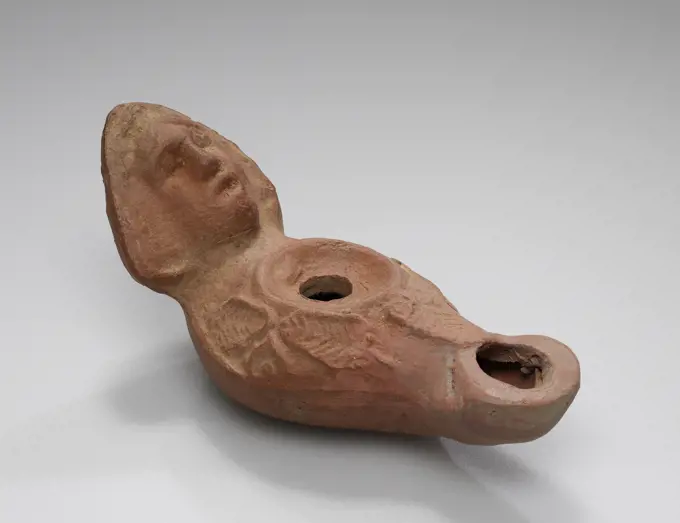
Collection of historical terracotta oil lamps from the Roman era. Varied designs with intricate reliefs, showcasing cultural artistry in muted earthy tones.
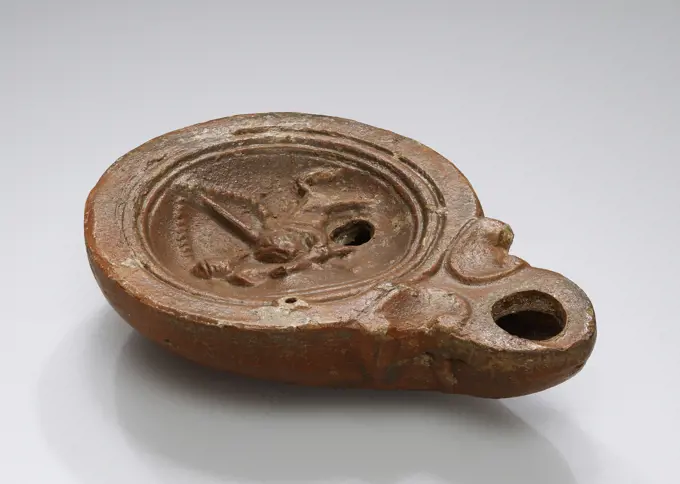
Lamp, North Africa; 1st - 4th century; Terracotta; 2.2 x 6.8 x 9.5 cm (7,8 x 2 11,16 x 3 3,4 in.)
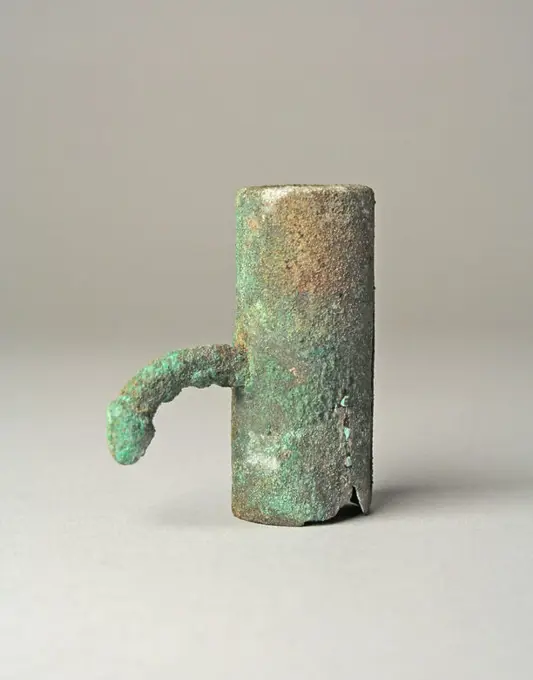
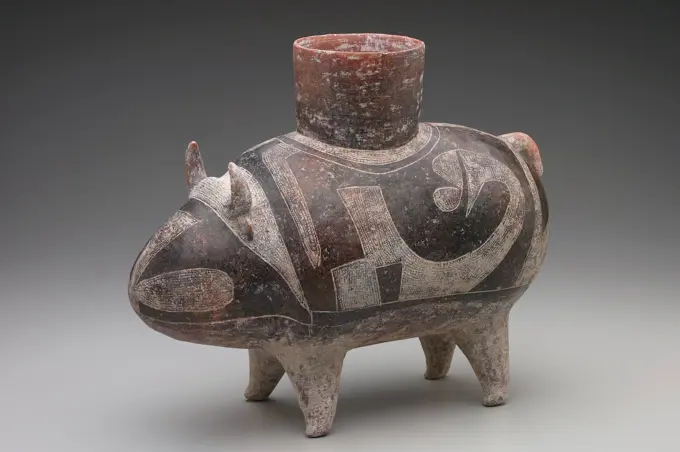
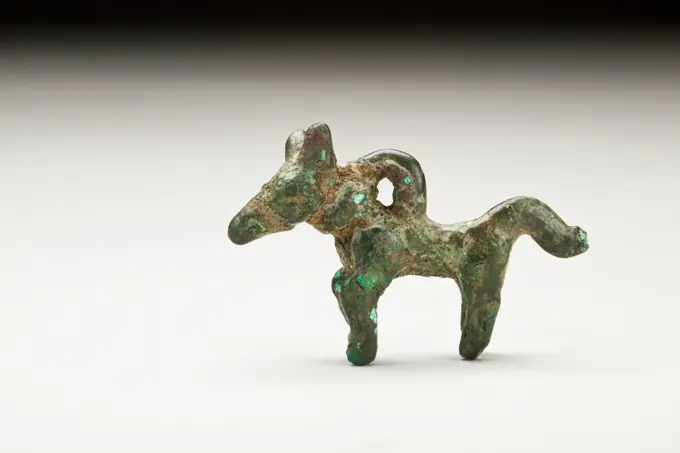
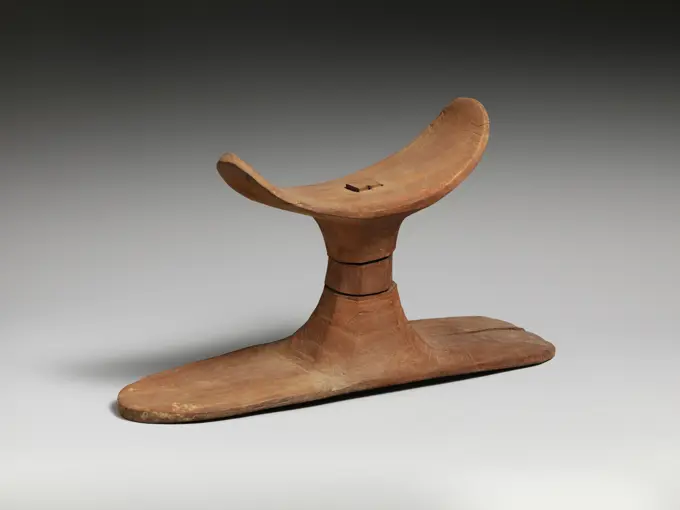
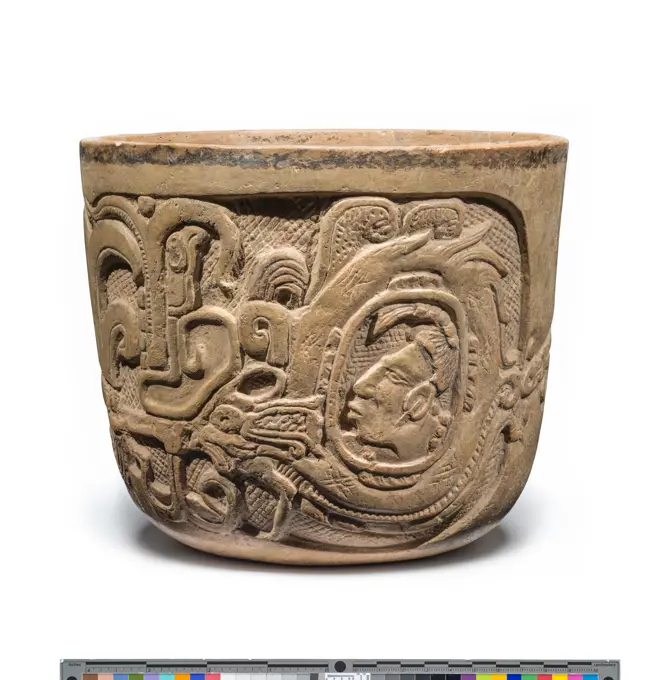
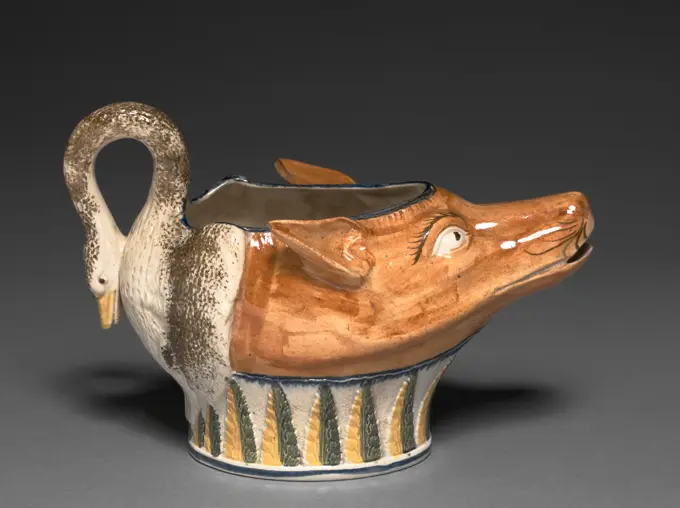
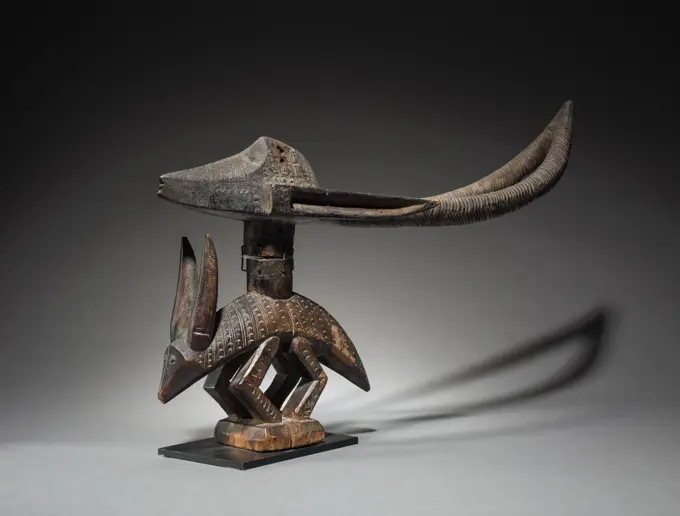
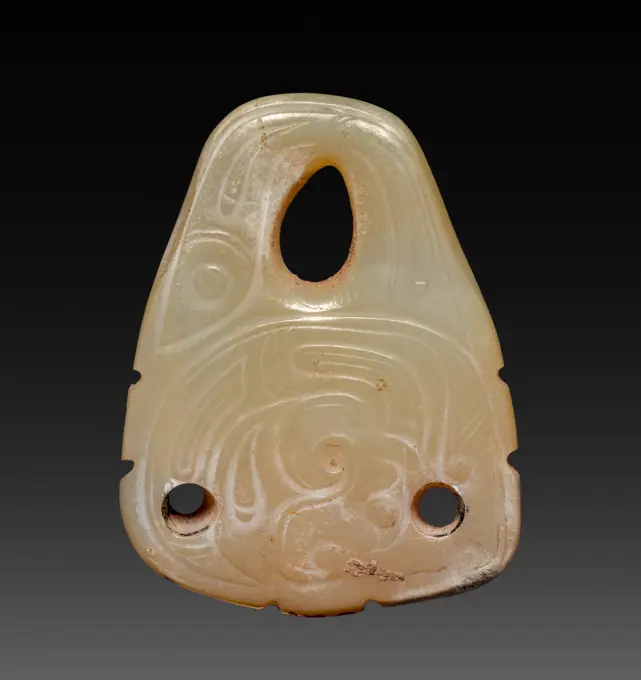
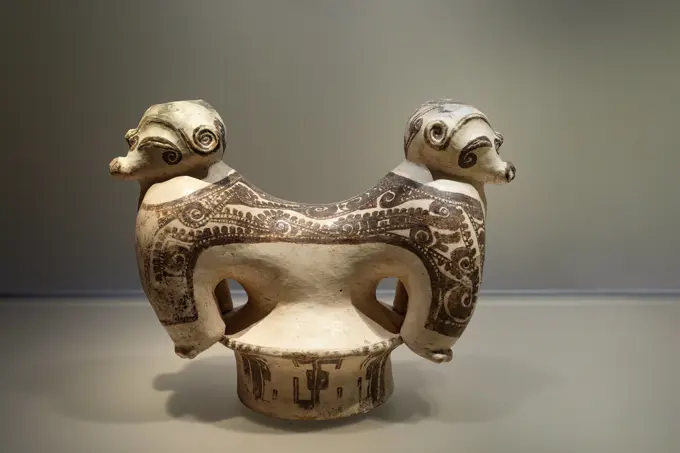
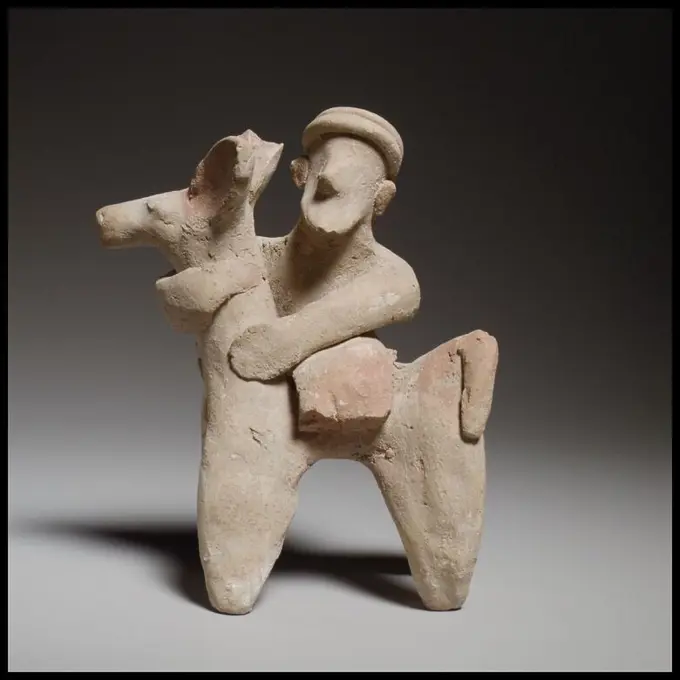
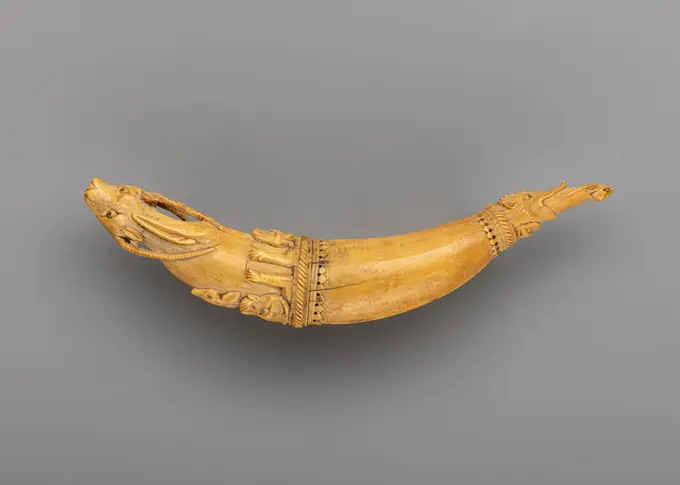
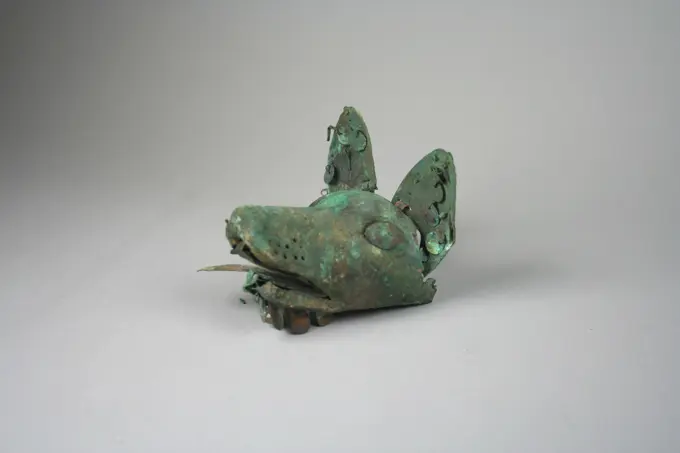
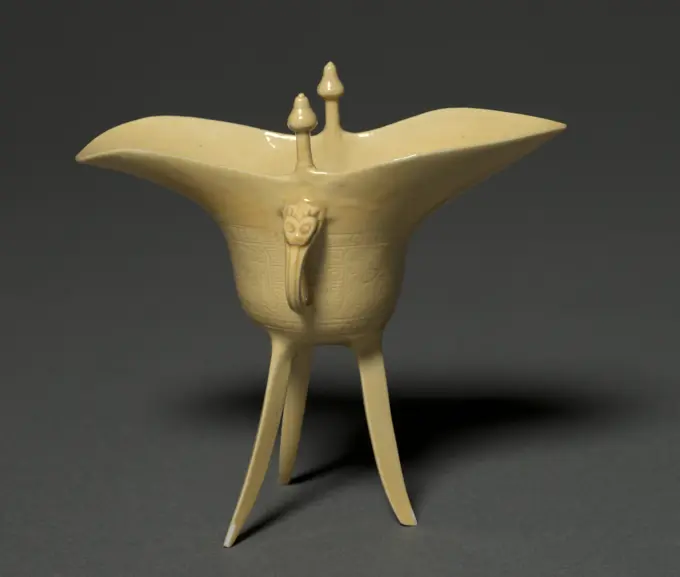
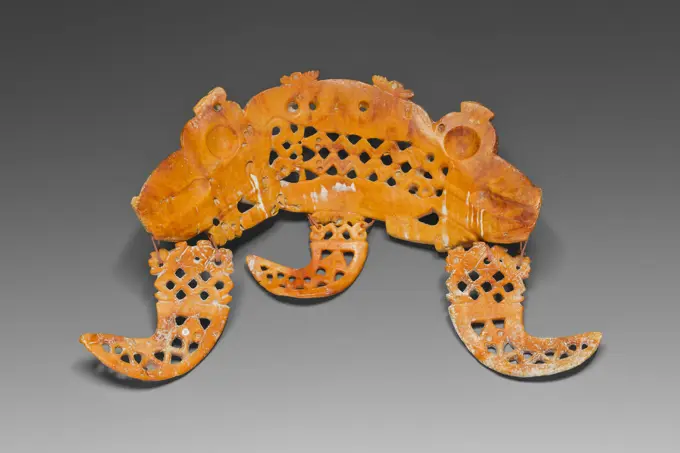
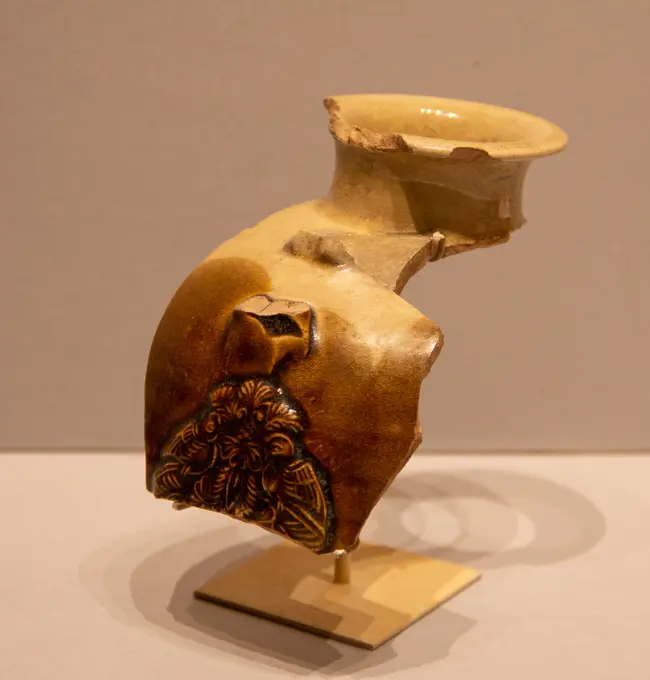
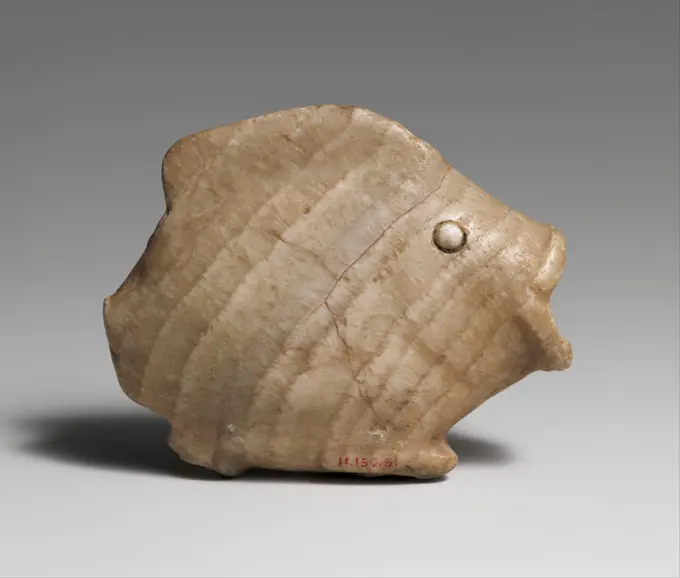
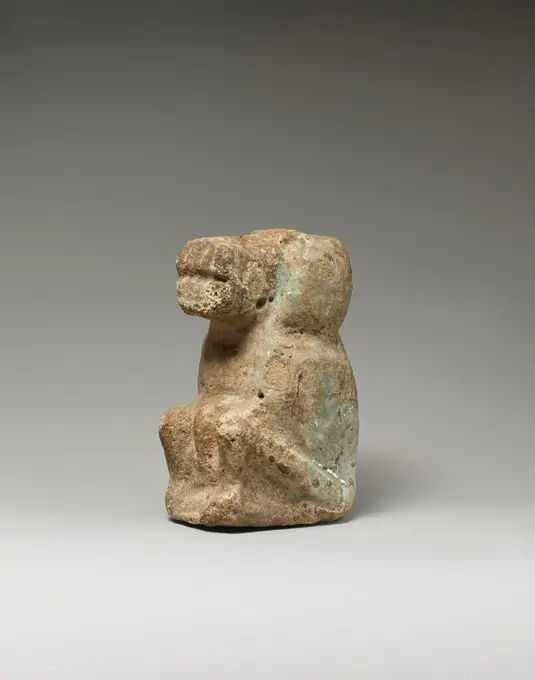
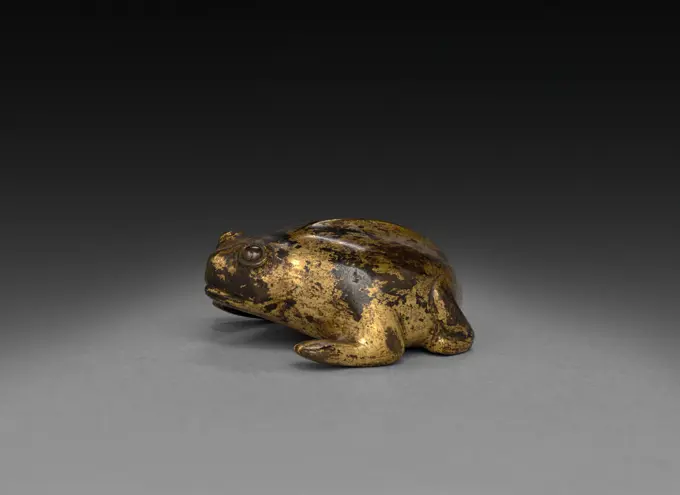
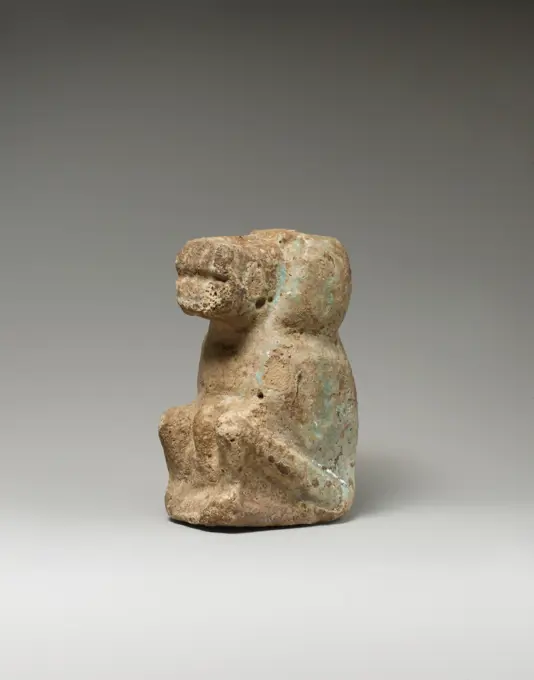
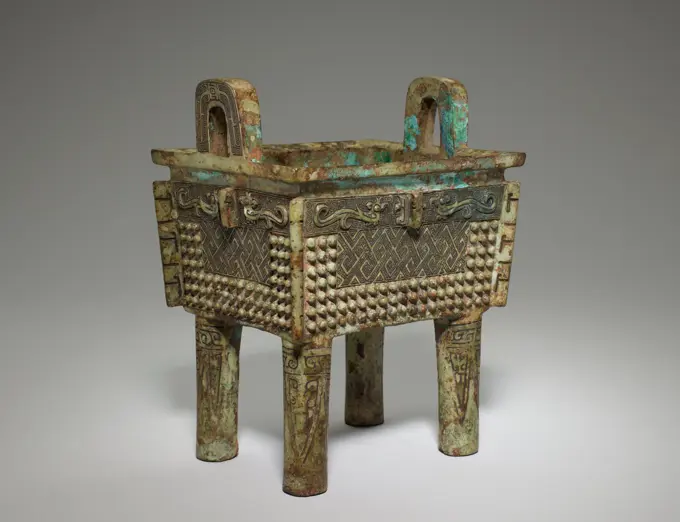
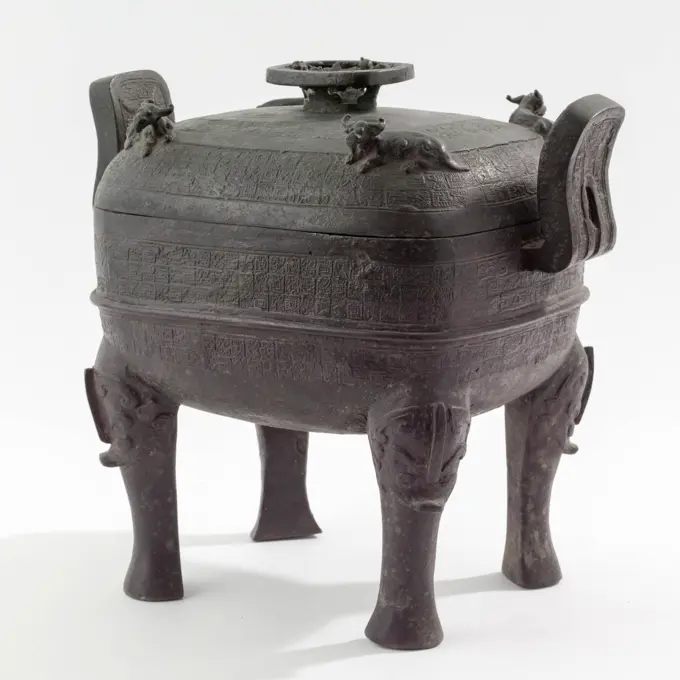
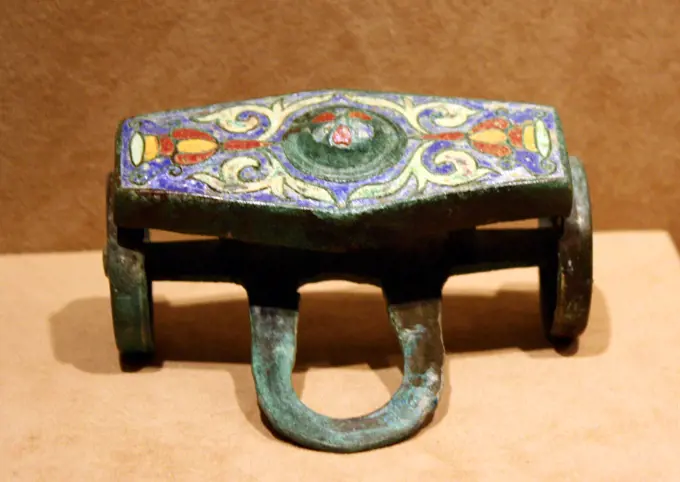
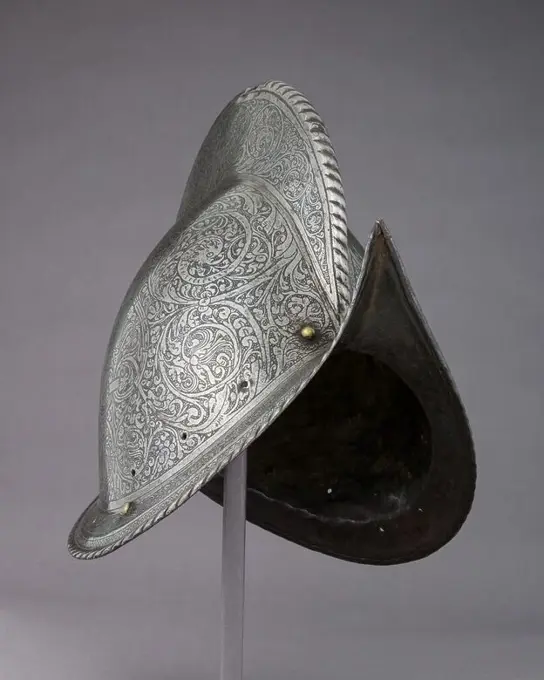
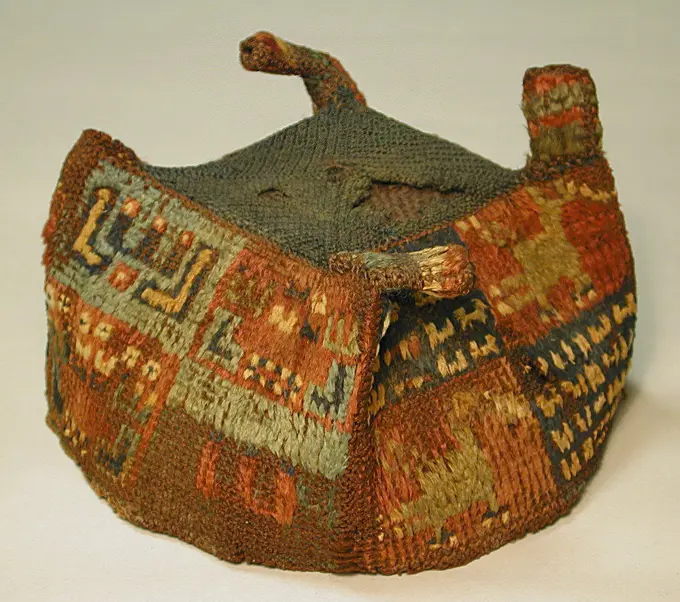
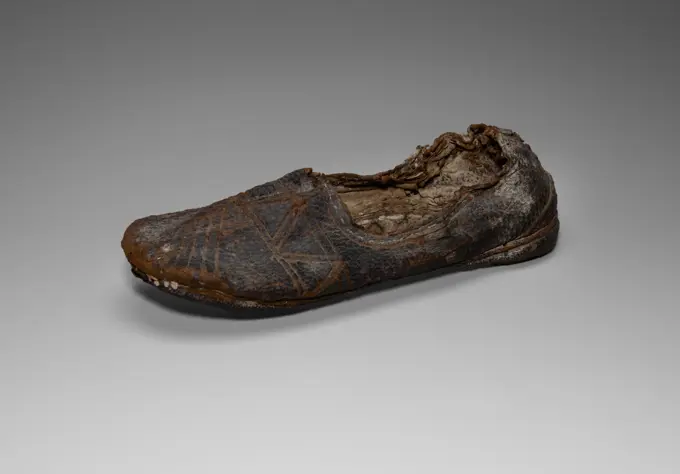
Mold 1100-1199 China. Yaozhou ware; stoneware, carved and biscuit-fired .Spear Thrower End Piece: Phallus. Culture: Moche (Loma Negra). Dimensions: H. 2 x W. 1 3/4 in. (5.1 x 4.5 cm). Date: 390-450. Museum: Metropolitan Museum of Art, New York, USA.Small footed bowl, 2nd century, 1 7/8 x 2 13/16 x 2 13/16 in. (4.8 x 7.1 x 7.1 cm), Glazed pottery, Mexico, 2nd centuryLion Bowl. Northern Syria, 9th-8th century B.C.. Furnishings; Serviceware. Steatite, carvedCeremonial vessel in the form of a Water Buffalo, 1000-300 BCE, Unknown, 13 x 15 1/4 x 7 1/4 in. (33 x 38.7 x 18.4 cm), Earthenware with impressed designs, Thailand, 10th-3rd century BCE, Among the first domesticated animals in Thailand, the water buffalo was instrumental to the plowing of rice fields and also a likely symbol of abundance for the afterlife. These three vessels, including an exceptionally large one in the form of a water buffalo, were found as a group in graves, where they had been smashed as offerings over the bodies of the deceased. Now reconstructed, they present important developments from the earlier ceramics seen at left, with their use of multiple colors on a single vessel, incised and rope-marked patterns for surface texture, and inventive forms gracefully standing on several feet.Pendant. Iran, Luristan, circa 1000-650 B.C.. Jewelry and Adornments; pendants. Bronze, castCANDIL EN BRONCE-NAZARI S XIV. Location: INSTITUTO VALENCIA DE DON JUAN-COLECCION. MADRID. SPAIN.Fox Effigy Bottle 7th-4th century B.C. Paracas. Fox Effigy Bottle. Paracas. 7th-4th century B.C.. Ceramic, slip. Peru. Ceramics-ContainersHorse and rider ca. 600-480 B.C. Cypriot The figurine is handmade and solid. The rider has stumpy legs, a prominent nose and beard, and small ears. He wears a conical headdress with the crest bent forward.. Horse and rider 241328Fragment of a tankard (schnelle) with the Conversion of Paul, Peter Knütgen, c. 1560 - c. 1580 Fragment of a jug (schnelle) of stoneware with cylindrical, tapered body. Top and ear are missing. Profiles above the foot. On the body in relief three times a printed and imposed, elongated box containing representations of the conversion of Paul. The left box with the inscription 'Saul gave the letter', the middle one with 'Saul, Saul, was ...' and 'Her was Wilstv das ich dvn Sol', the right course with 'Sol Was Bint'. Under each performance the brand 'P.K'. Siegburg. Siegburg stoneware. glaze vitrification Fragment of a jug (schnelle) of stoneware with cylindrical, tapered body. Top and ear are missing. Profiles above the foot. On the body in relief three times a printed and imposed, elongated box containing representations of the conversion of Paul. The left box with the inscription 'Saul gave the letter', the middle one with 'Saul, Saul, was ...' and 'Her was Wilstv das ich dvn Sol', theWooden Moveable Type, probably 1800s. China, Nigur, 19th century . Wood; overall: 2 x 1.4 x 1.6 cm (13/16 x 9/16 x 5/8 in.).Lamp, Asia Minor; 1st - 4th century; Terracotta; 2.2 x 4.1 x 9.4 cm (7,8 x 1 5,8 x 3 11,16 in.)Headrest ca. 1570-1492 B.C. Second Intermediate Period-Early New Kingdom. Headrest 552345Burnt-Parfum (common name). Sandstone, molding, celadon, molded decor. Cernuschi Museum, Asia Museum of Asia in the city of Paris.Lazio Roma Rome SS. Giovanni e Paolo, Museum35. Hutzel, Max 1960-1990 Medieval: Ceramic fragments, sculptural fragments, fresco fragments, inscribed tomb markers. Houses one of the best collections of Malagan medieval ceramics for casting wall monuments, copies of which are housed in campanile. Specific Location: Museum Antiquities: Ceramic fragments, sculptural fragments, architectural fragments Object Notes: Basilica has separate record and is filed separately. German-born photographer and scholar Max Hutzel (1911-1988) photographed in Italy from the early 1960s until his death. The result of this project, referred to by Hutzel as Foto Arte Minore, is thorough documentation of art historical development in Italy up to the 18th century, including objects of the Etruscans and the Romans, as well as early Medieval, Romanesque, Gothic, Renaissance and Baroque monuments. Images are organized by geographic region in Italy, then by province, city, site complex and monument.Bowl with male Figure and Water Lily Serpent. Mexico, Yucatán, Chocholá or vicinity, Maya, 700-900 CE. Ceramics. Slip-painted ceramicHare. China, Tang dynasty, 618-906. Sculpture. Abraded jadeLion Rhyton. UnknownMouse Shaped Lamp. Roman Period (30 BCE - 395 CE) or later. Furnishings; Lighting. BronzeCup in the form of a shoe. Culture: German. Dimensions: Overall: 5 3/8 × 8 1/8 in. (13.7 × 20.6 cm). Date: late 16th century.Worlds apart from the rock crystal bird (see 17.190.534a, b), this unlikely vessel--called a blackjack--is similarly worked from a natural material: soft, pliable leather. The form was cut, sewn, and molded together, and then temporarily filled with molten pitch or resin to render it watertight. Elevating the lowly base material are silver mounts: the tiny bell would tinkle as the cup was used; the two figures on the lid struggle under the weight of an armorial shield bearing a triskelion, or triple-spiral motif. Leather shoe cups are traditionally associated with craft guilds (such as the shoemakers'), whose members passed them around as each drank allegiance to the guild.Elizabeth Cleland, 2017. Museum: Metropolitan Museum of Art, New York, USA.Fox and Swan Creamer, c. 1800. England, Staffordshire, 18th century. Earthenware (Pratt ware); overall: 12.1 cm (4 3/4 in.).Stone Temple Model. Culture: Mezcala. Dimensions: Height 3-1/4 in.. Date: 1st-8th century. Museum: Metropolitan Museum of Art, New York, USA.Covered Lime Pot in the Form of a Rabbit second half of the 12th century Cambodia. Covered Lime Pot in the Form of a Rabbit 37436Ceramic Tripod Vessel. Culture: Mexican. Dimensions: Height 10-1/2 in. (26.7 cm). Date: 9th-12th century. Museum: Metropolitan Museum of Art, New York, USA.Bottle in the Shape of a Bird 1 CE-150 CE Mediterranean Region. Glass, blown technique . Ancient MediterraneanPair of bronze amphora (jar) handles. Culture: Etruscan. Dimensions: Overall: 8 1/16in. (20.5cm). Date: 5th century B.C..These elegant handles were once attached to the sides of a large bronze amphora with two rivets at the rim and one on the satyr-head escutcheon. A bird, perhaps a dove or a duck, surmounts the curving volute at the top of each handle. Museum: Metropolitan Museum of Art, New York, USA.Double-Headed Headdress (N'gonzon Koun), 1900s. Africa, West Africa, Mali, Bamana blacksmith. Wood and iron; overall: 33.7 x 48.3 x 13.8 cm (13 1/4 x 19 x 5 7/16 in.).Cosmetic dish in the shape of a dog ca. 1550-1295 B.C. New Kingdom This spoon, intended for use as a cosmetic holder, is also a very skilled representation of a dog at rest. The artist, working with a very thin piece of bone, has managed to create the illusion of a sculpture in the round. The spoon side clearly represents the dog's left side, while the back of the spoon is the animal's right side. Another cosmetic spoon in the collection (44.4.55) represents a mouse in a similar fashion.. Cosmetic dish in the shape of a dog. ca. 1550-1295 B.C.. Bone. New Kingdom. From Egypt. Dynasty 18Oil LampPadlock, c. 1400 - c. 1950 A ball -shaped padlock. A hole bumped into the back.  iron (metal) A ball -shaped padlock. A hole bumped into the back.  iron (metal)Bracelet. Western Iran, circa 1000-650 B.C.. Jewelry and Adornments; bracelets. Bronze, castPendant with Coiled Dragon and Fish, 10th-9th Century BC. China, Western Zhou dynasty (c. 1046-771 BC). Jade; overall: 3.2 cm (1 1/4 in.).Pre-Columbian artifact - statuette in the Museo del Oro - Gold Museum located in Bogota, Colombia. Pre-Columbian artifact - statuette in the Museo del Oro. Golden artifact from South American natives civilization. Famous Gold Museum, Bogota, Colombia. Copyright: xZoonar.com/www.artushfoto.eux 21638080TRIPLE CANDIL CON DECORACION INCISA Y ASA A MODO DE BOTIJO. Location: ALFARERIA. Órjiva. GRANADA. SPAIN.Terracotta statuette of a donkey and rider. Culture: Cypriot. Dimensions: H. 4 7/16 in. (11.3 cm). Date: ca. 600-480 B.C..The male rider sits sidesaddle on his mount. Horses would have been owned only by individuals with the greatest wealth and social status. The many preserved statuettes make clear that donkeys were commonly used for the transport of people and goods. Museum: Metropolitan Museum of Art, New York, USA.Mosquito Mask before 1843 Tlingit. Mosquito Mask 318766Priming Flask 17th-18th century Indian. Priming Flask. Indian. 17th-18th century. Ivory. Firearms Accessories-Flasks & PrimersAnimal Ornament 6th-7th century Moche (Loma Negra). Animal Ornament 314532Libation Cup in the form of a Jue, 1662-1722. China, Jiangxi province, Jingdezhen, Qing dynasty (1644-1911), Kangxi period (1662-1722). Porcelain with incised and applied decoration and yellow glaze; overall: 13.4 x 14.2 cm (5 1/4 x 5 9/16 in.).Pendant in the Form of a Mythical Double-Headed Creature 200 BCE-200 CE Western Mexico. Spondylus shell . ColimaFragment of an Imported Chinese Ewer 9th century. Fragment of an Imported Chinese Ewer. 9th century. Earthenware; molded and glazed. Made in China. Excavated in Iran, Nishapur. CeramicsItaly, Marche, Novilara, Picene helmetVase fragment East Greek/Sardis, Lydian. Vase fragment 252747 East Greek/Sardis, Lydian, Vase fragment, Terracotta, Overall: 2 15/16 x 2 5/8in. (7.5 x 6.7cm). The Metropolitan Museum of Art, New York. Gift of The American Society for the Excavation of Sardis, 1926 (26.199.180)Ointment vase in the shape of a bolti fish ca. 1900-1500 B.C. Middle Kingdom-early New Kingdom. Ointment vase in the shape of a bolti fish 544041Spotted Feline Bottle. Culture: Moche. Dimensions: H. 8 13/16 x W. 8 1/4 in. (22.4 x 20.9 cm). Date: 4th-7th century. Museum: Metropolitan Museum of Art, New York, USA.Monkey-shaped spout-and-bridge bottle Topará artist(s) 200 BCE-100 CE For several centuries around the time of the beginning of the Common Era, artists on Perus South Coast developed a striking style of ceramics featuring a colorful palette achieved with post-fire paints, known as Paracas (see, for example, MMA 1979.206.1148). Around 200 B.C., however, potters from the northern part of the Ica Region distinguished themselves from their Paracas counterparts by crafting elegant, highly burnished, monochromatic bottles in a style known as Topará. Red or cream slips—liquid suspensions of clay and pigments—were used to cover the entire vessel, and the smooth surfaces were carefully burnished to produce a uniform shine. Many Topará bottles were shaped in the form of gourds (MMA 63.232.55), others in the shape of animals. This monkey bottle was created by attaching joining two hollow globular forms for the head and body, with a small spout and flat, horizontal handle connecting the two. ThisTraditional samba apito whistle isolated on a white background. Traditional samba apito whistle isolated on whiteBaboon. Dimensions: H. 7.9 x W. 3.7 x D. 5.2 cm (3 1/8 x 1 7/16 x 2 1/16 in.). Date: ca. 3100-2649 B.C.. Museum: Metropolitan Museum of Art, New York, USA.Frog, AD 386-534. China, Six Dynasties period (317-581), Northern Wei dynasty (386-534). Gilt bronze; overall: 5 cm (1 15/16 in.).Baboon ca. 3100-2649 B.C. Early Dynastic Period. Baboon. ca. 3100-2649 B.C.. Faience. Early Dynastic Period. From Egypt, Northern Upper Egypt, Abydos, Osiris temple, Chamber M69, Egypt Exploration Fund excavations, 1902-03Fangding food vessel, 11th century BCE, 8 9/16 × 6 5/8 × 5 1/4 in., 6.8 lb. (21.7 × 16.9 × 13.4 cm, 3.1 kg), Bronze, China, 11th century BCE, This fangding, or 'squared ding,' shows an interesting development in ding design. Although it is still a raised boxlike vessel on four columnar legs, the decoration shows a tendency toward the abstract, which may have been influenced by contemporary textile design. The principal surface displays a rectangular field of interlocked Ts on a ground of squared spirals framed on three sides by rows of spikes. Long-tailed birds flank the short flanges forming the central ridge of a rudimentary taotie mask. Notably, all the linear patterns on this small vessel have been filled with a black carbon-based substance, to give added emphasis to the graphic designs. Though not widespread, this technique can be found in other late Shang and early Western Zhou bronzes.Foot Jar 2nd-1st century B.C. Paracas. Foot Jar 308477Jar Coptic 4th-early 5th centuryVase. Bronze. Chine. Par musée musée malée. Anse, Chinese art, bronze, lid, feet, head, vase, animalDuck Head Finial, c. 1400-1300 BC. Possibly Hungary, Bronze Age, c. 2500-800 BC. Bronze, cast; overall: 5 x 2.1 x 5 cm (1 15/16 x 13/16 x 1 15/16 in.).Millefiore enameling was widely popular in Gaul, where it was often used to decorate disk brooches and vessels. In this technique the artist fuses together glass rode of different colours. Roman, made 100-300, probably in Gaul.Morion. Culture: Italian. Dimensions: H. 11 1/2 in. (29.2 cm); W. 8 3/4 in. (22.2 cm); D. 12 1/2 in. (31.8 cm); Wt. 4 lb. 4.6 oz. (1944.8 g). Date: ca. 1575. Museum: Metropolitan Museum of Art, New York, USA.Fibula Fragment. UnknownGlass bracelet ca. 4th century A.D. Roman Colorless with yellowish green tinge.Circular band; round in section; flattened into square section at seam where ends of rod have been pressed together with irregular tooling marks.Rod twisted to form spiral pattern.Intact; dulling and creamy white weathering.. Glass bracelet 239934Four-Cornered Hat 7th-9th century Wari Finely woven, brightly colored hats, customarily featuring a square crown, four sides, and four pointed tips, are most frequently associated with two ancient cultures of the Andes: the Wari and the Tiwanaku. The Wari Empire dominated the south-central highlands and the west coastal regions of what is now Peru from 500-1000 A.D. The Tiwanaku occupied the altiplano (high plain) directly south of Wari-populated areas around the same time, including territory now part of the modern country of Bolivia. The cultures not only developed and flourished as contemporaries, but also occupied adjacent lands for nearly four centuries. A Wari ceremonial center called Cerro Baúl was located a mere five miles from Tiwanaku-settled fields in the Moquegua Valley of Peru. The two cultures likely encountered each other at Cerro Baúl and elsewhere, but the nature of these interactions remains largely unknown. Four-cornered hats from both the Wari and the Tiwanaku were Lamp. UnknownChilds shoeBack Skirt/ Sitting Pad (negbe), before 1929. Africa, Central Africa, Democratic Republic of the Congo, Mangbetu, 20th century. Plant fibers and dye; overall: 24.1 x 30.5 x 7.6 cm (9 1/2 x 12 x 3 in.).