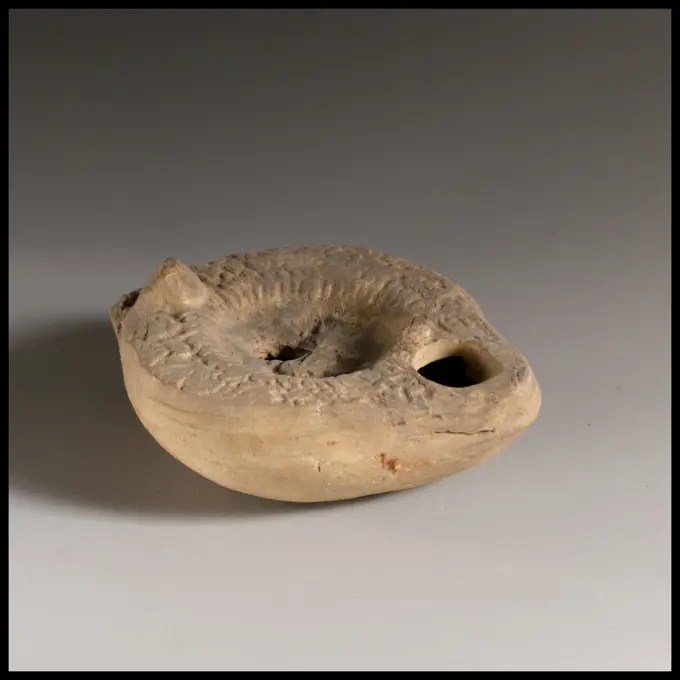
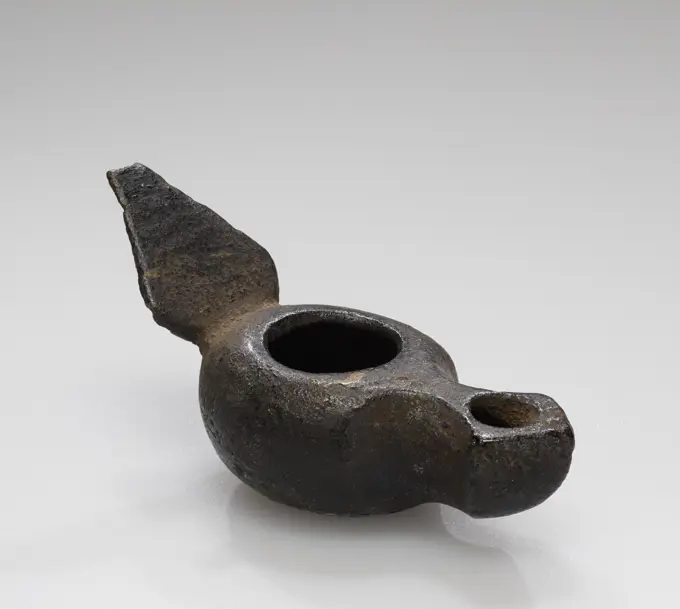
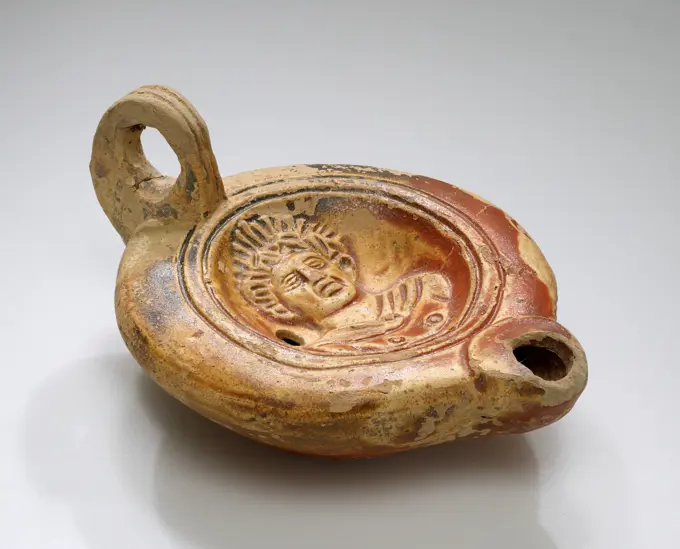
Ancient Terracotta Oil Lamps

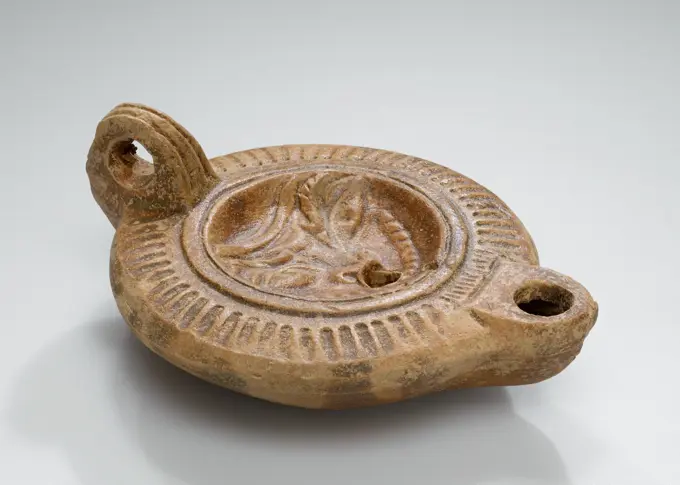
Collection of Roman and Cypriot terracotta oil lamps featuring intricate designs and historical significance from the 1st to 5th centuries.
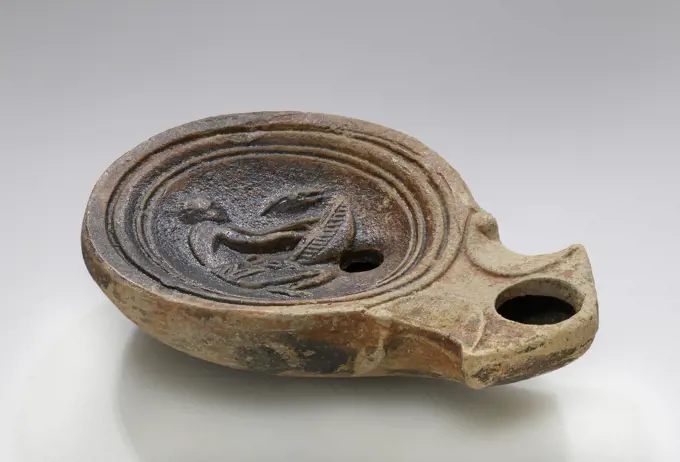
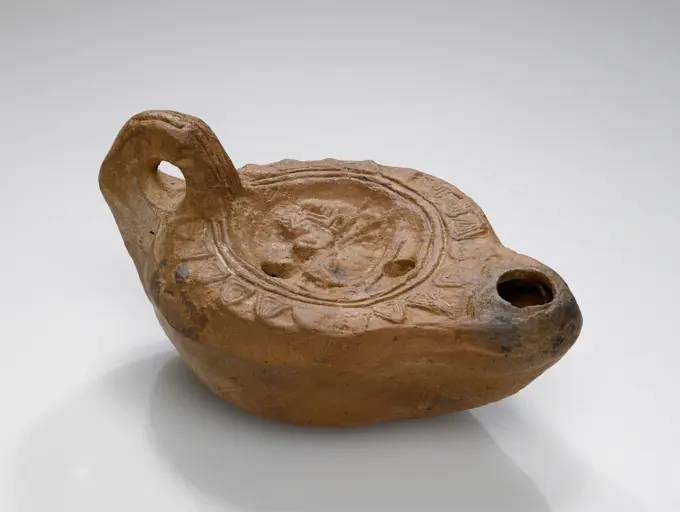
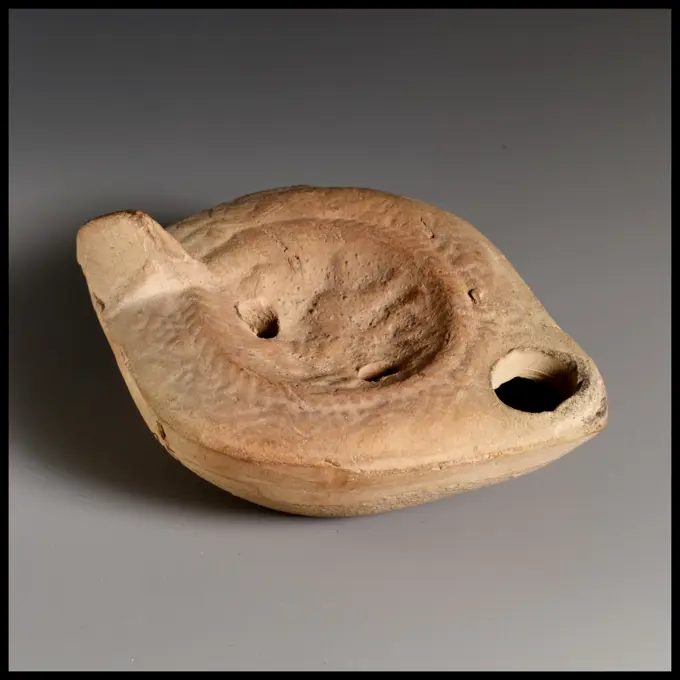
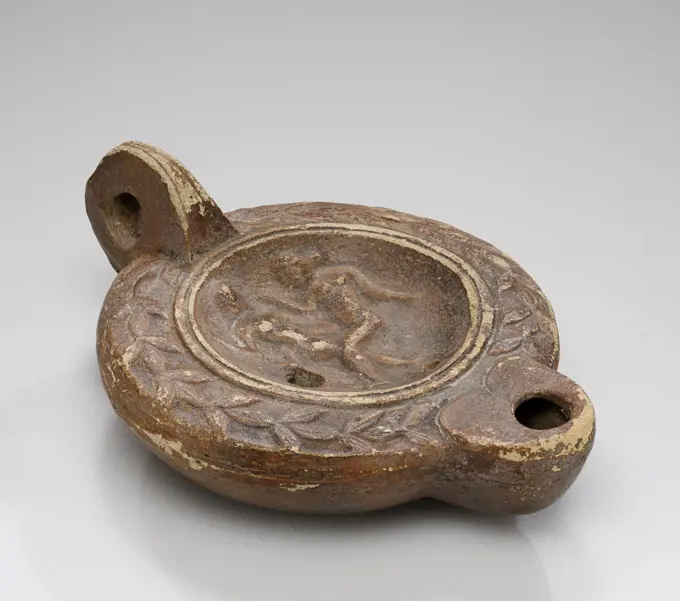
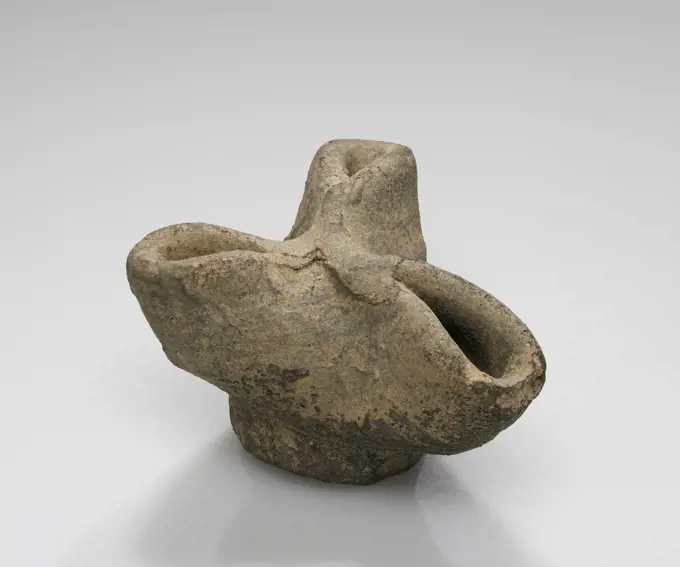
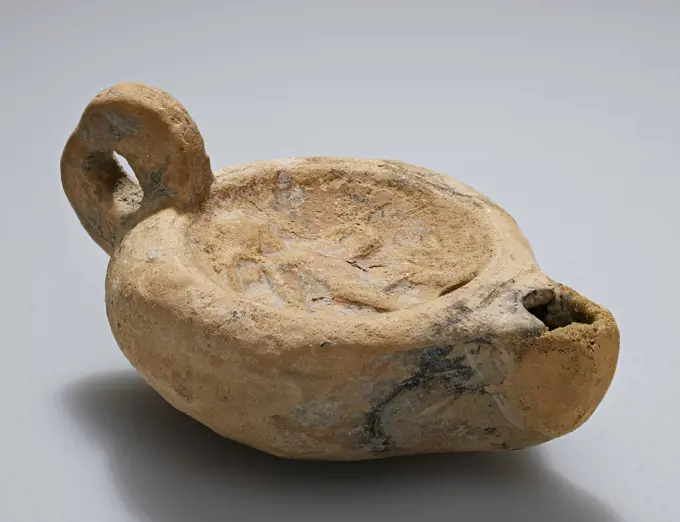
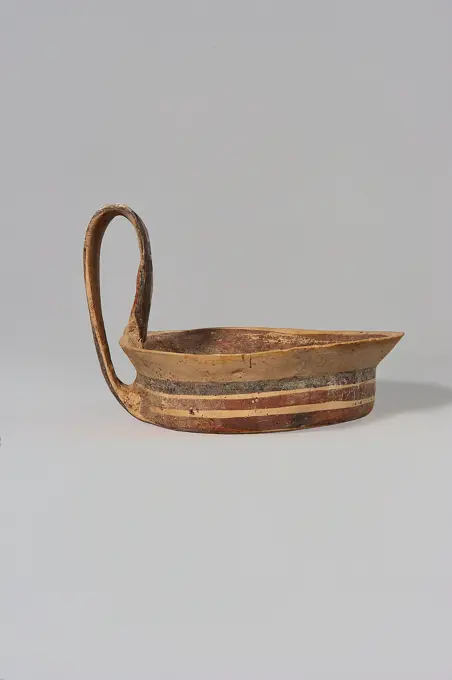
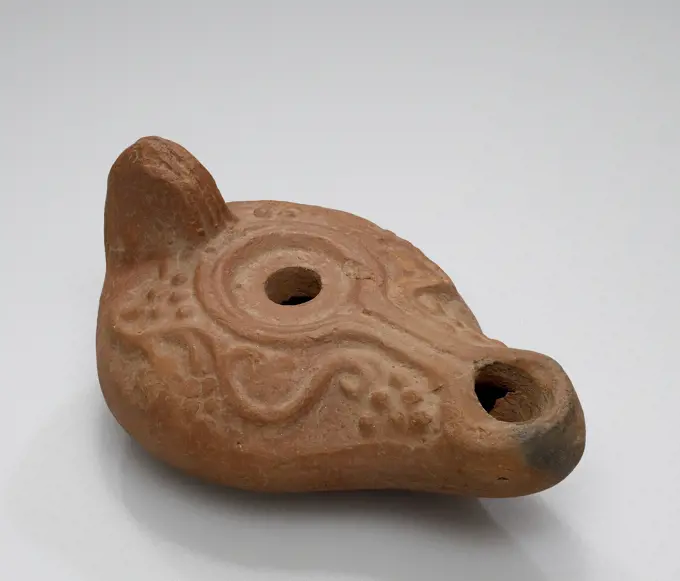
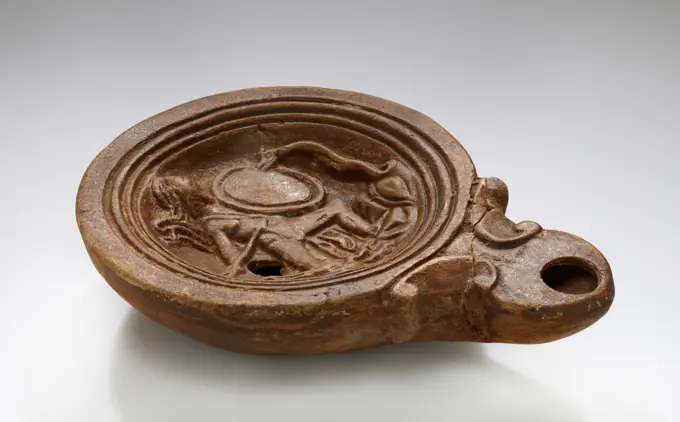
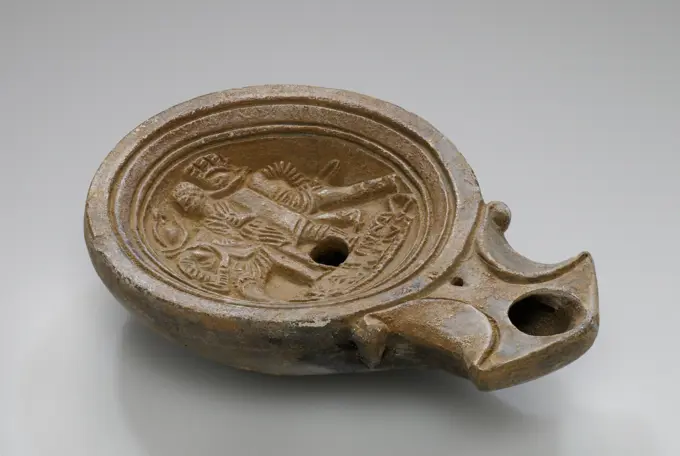
Lamp, North Africa; 1st - 4th century; Terracotta; 2.2 x 6.7 x 9.2 cm (7,8 x 2 5,8 x 3 5,8 in.)
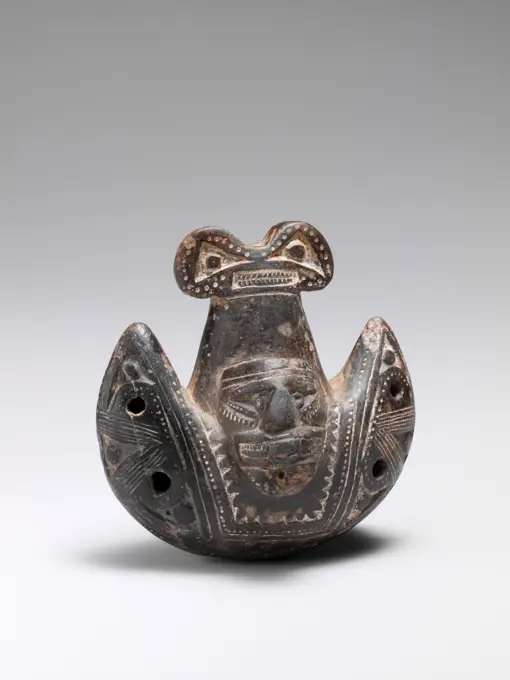
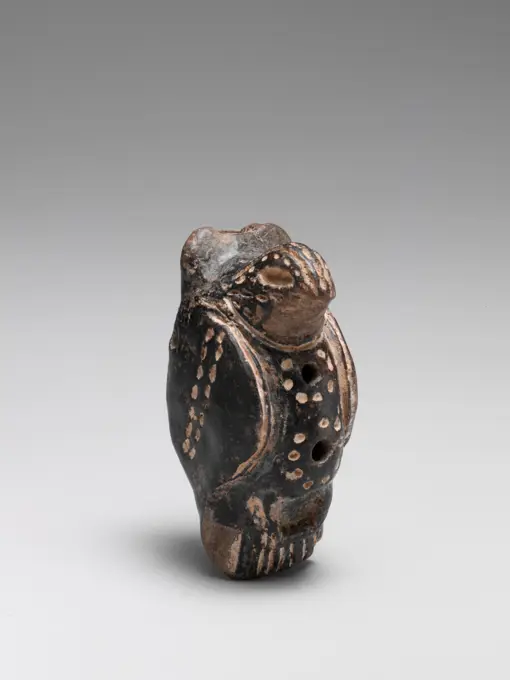
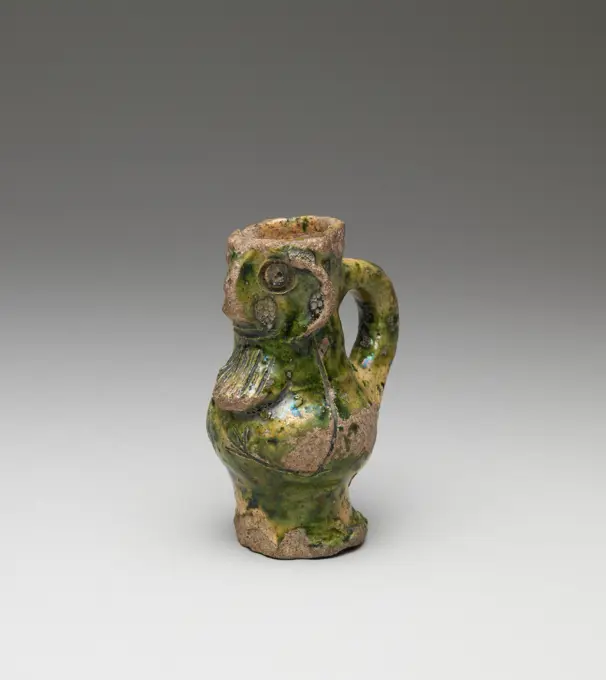
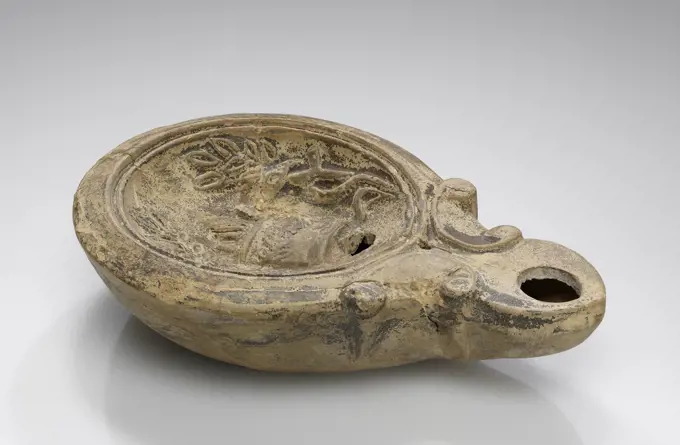
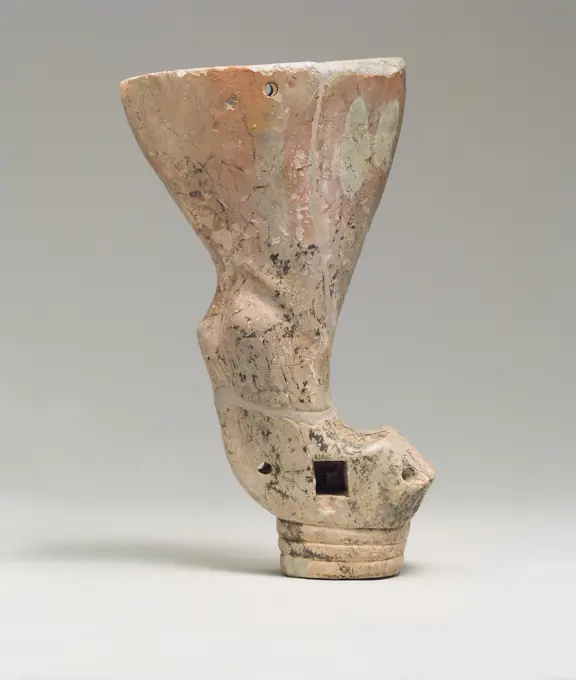
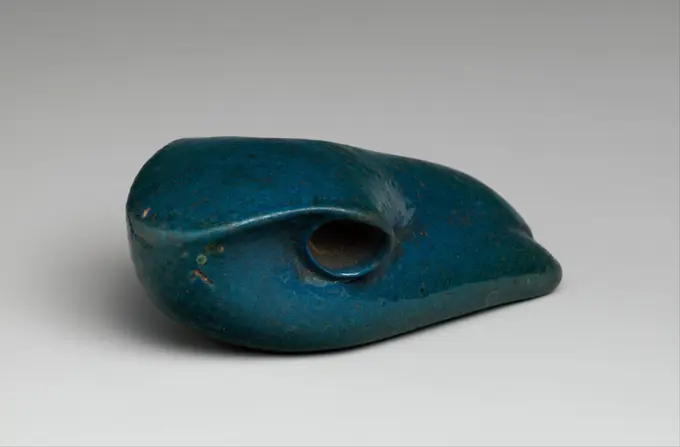
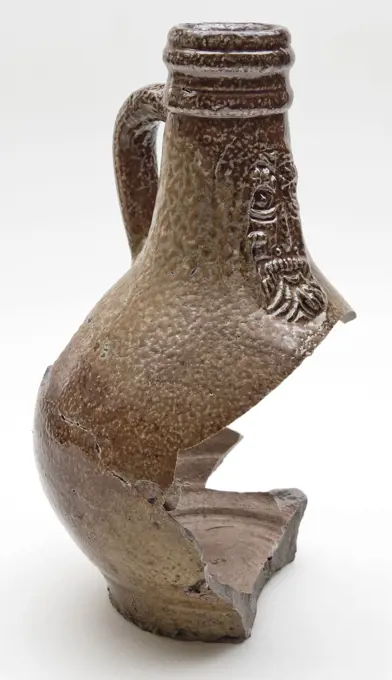
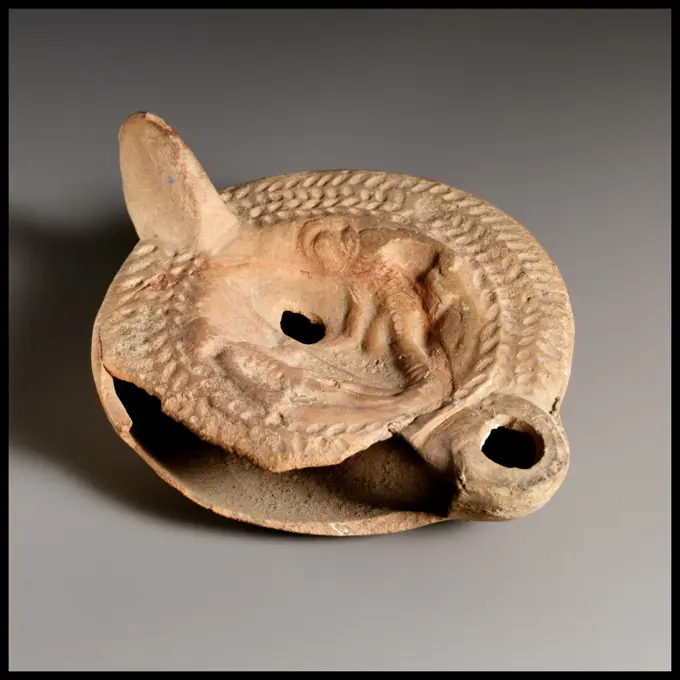
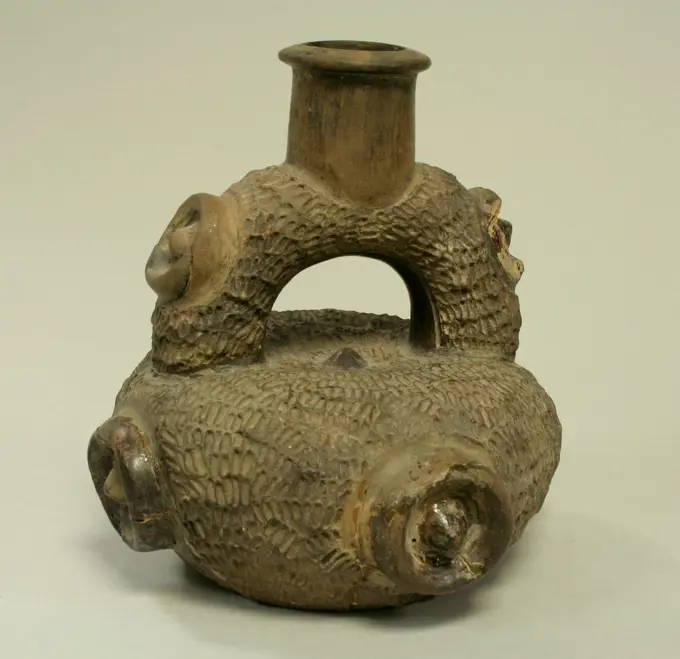
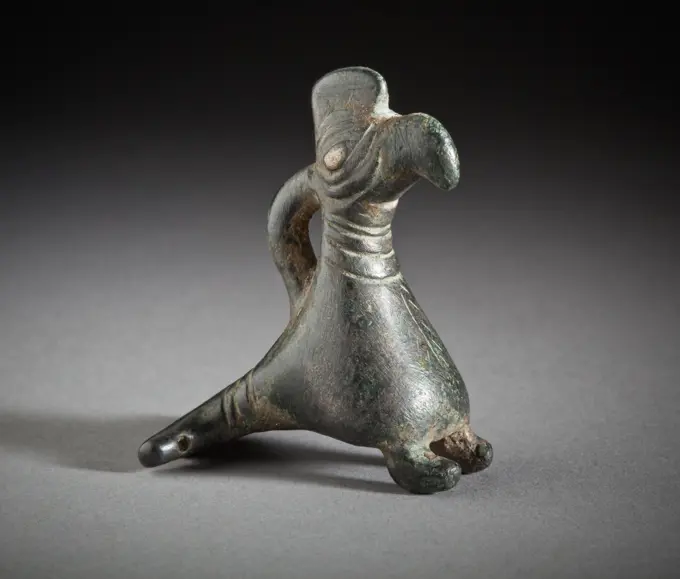
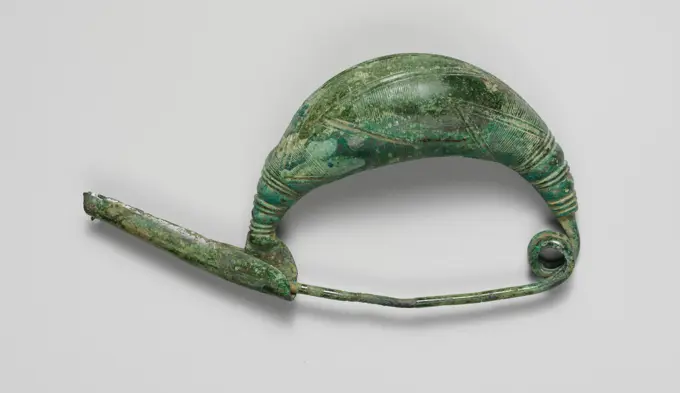
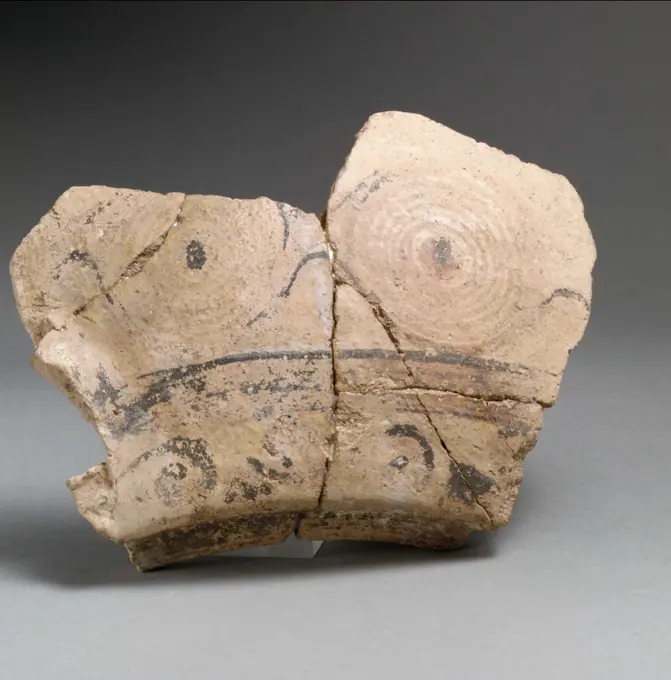
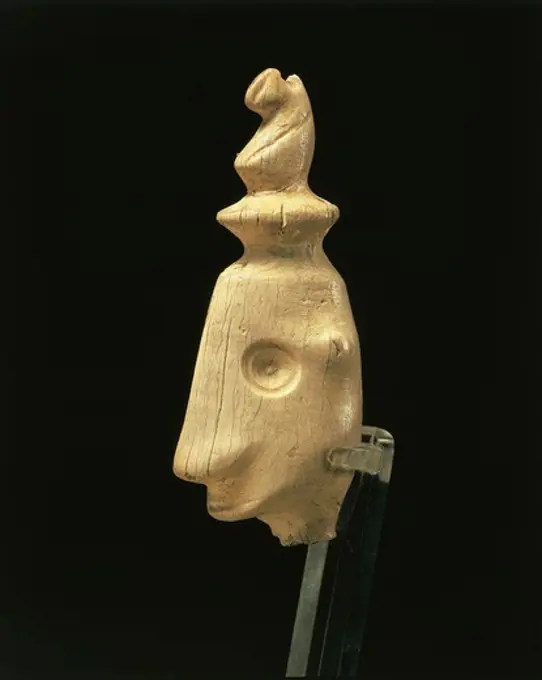
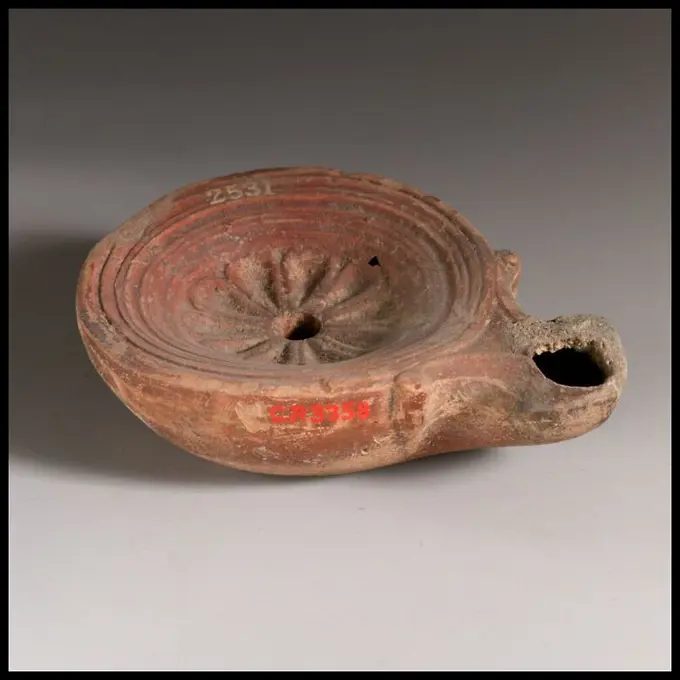
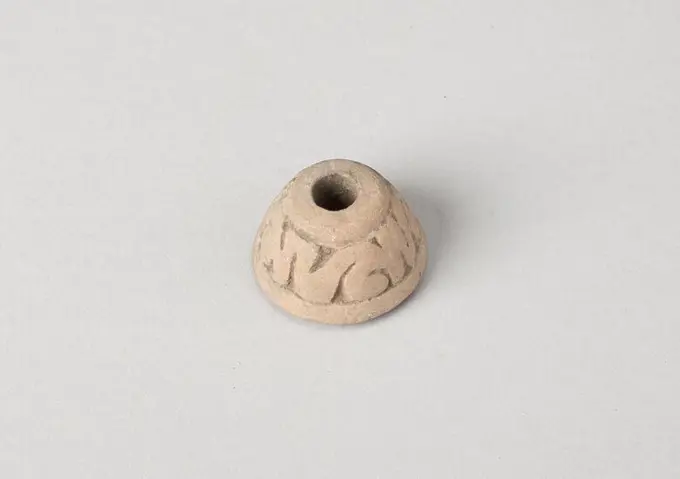
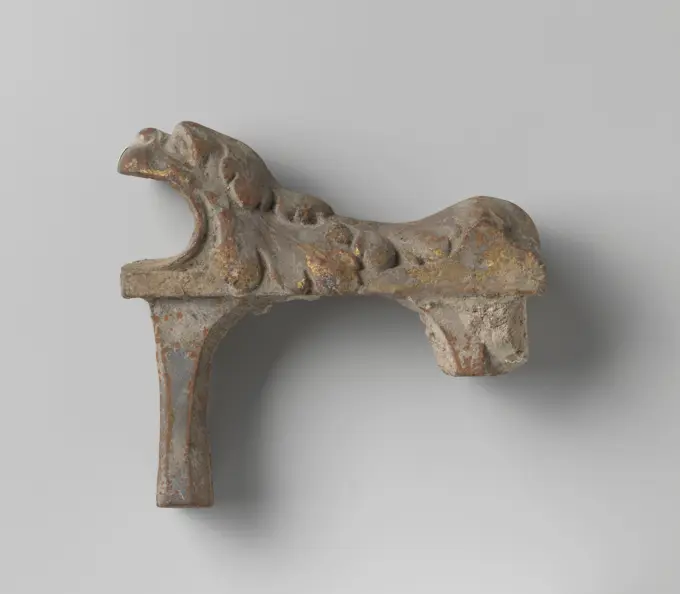
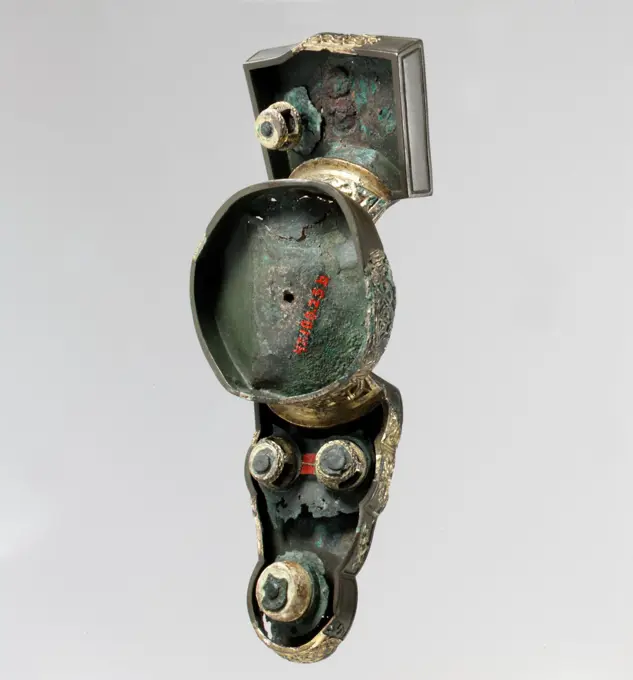
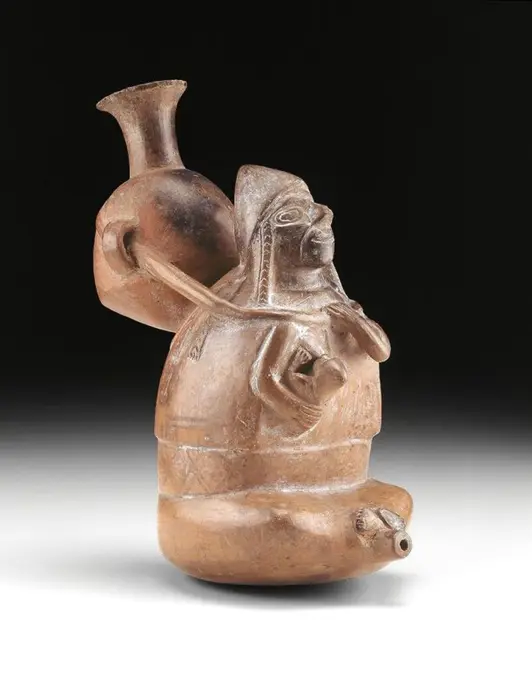
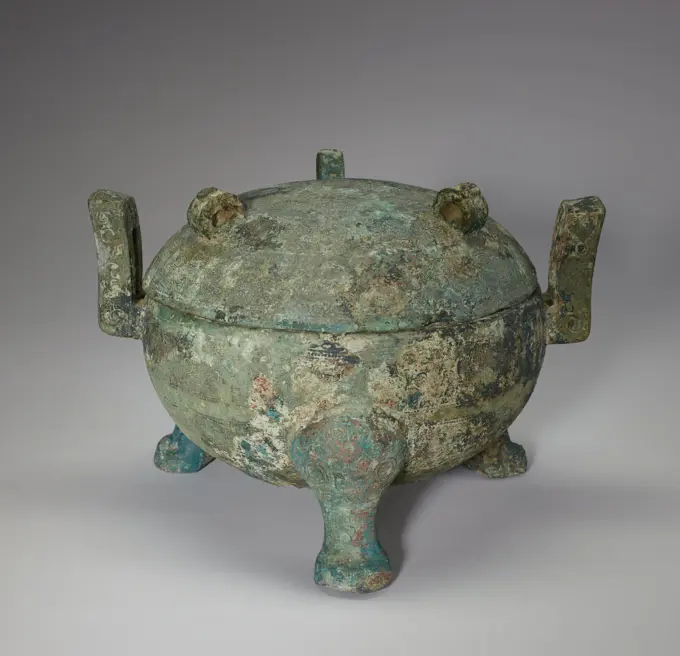
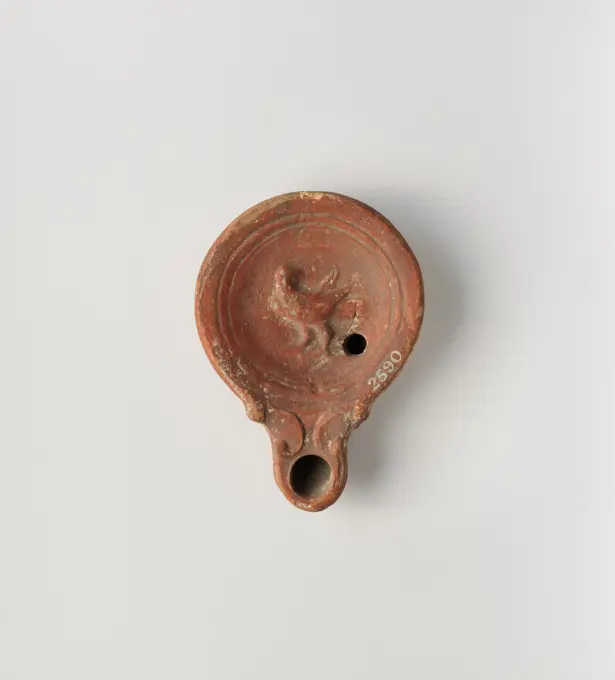
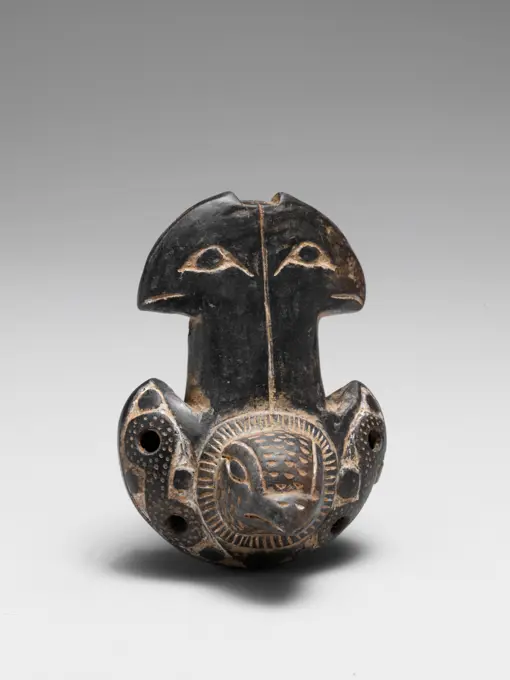
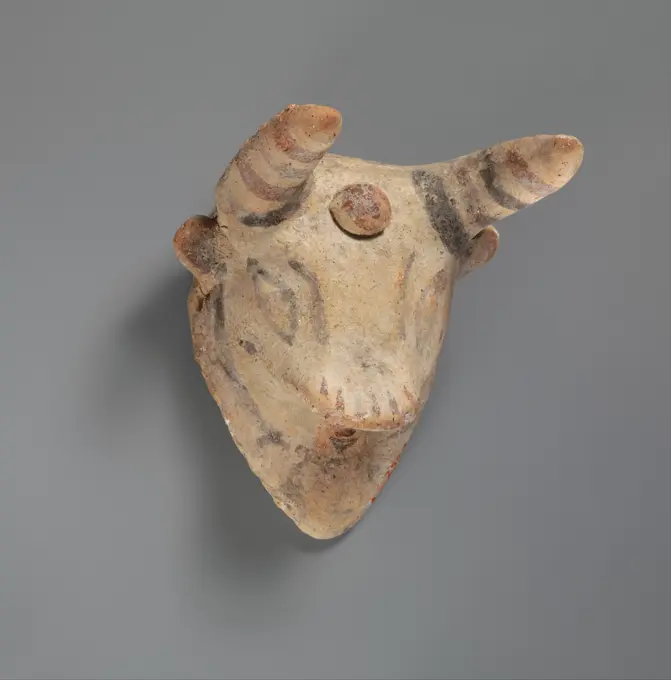
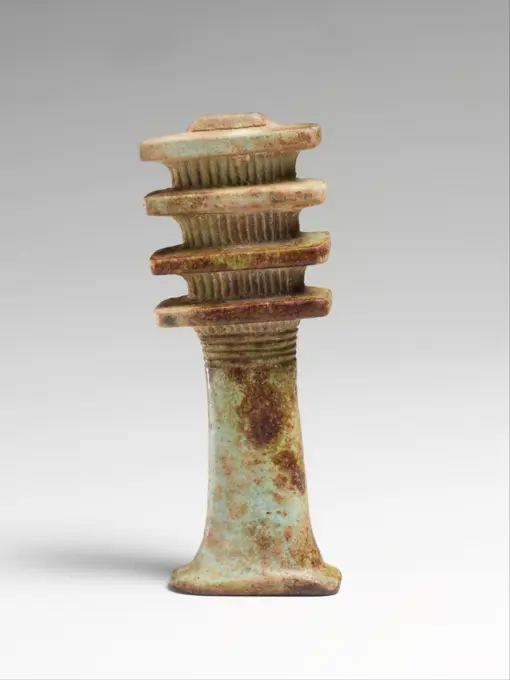
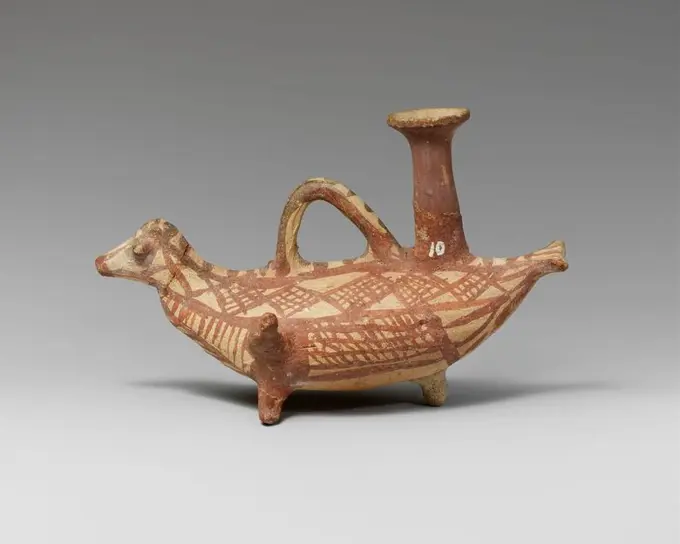
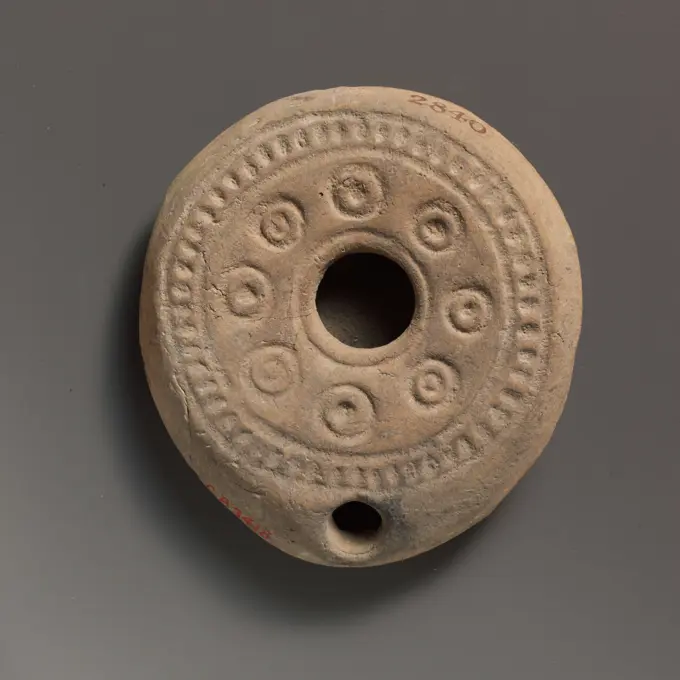
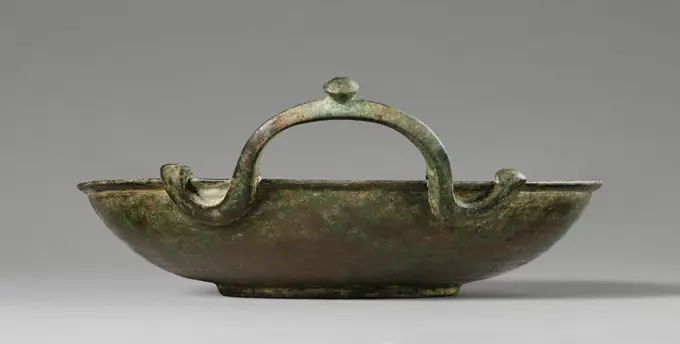
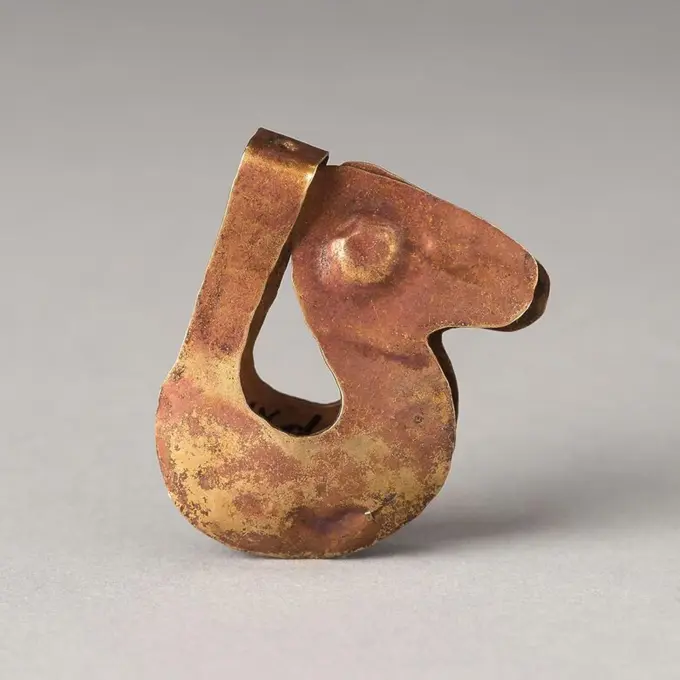
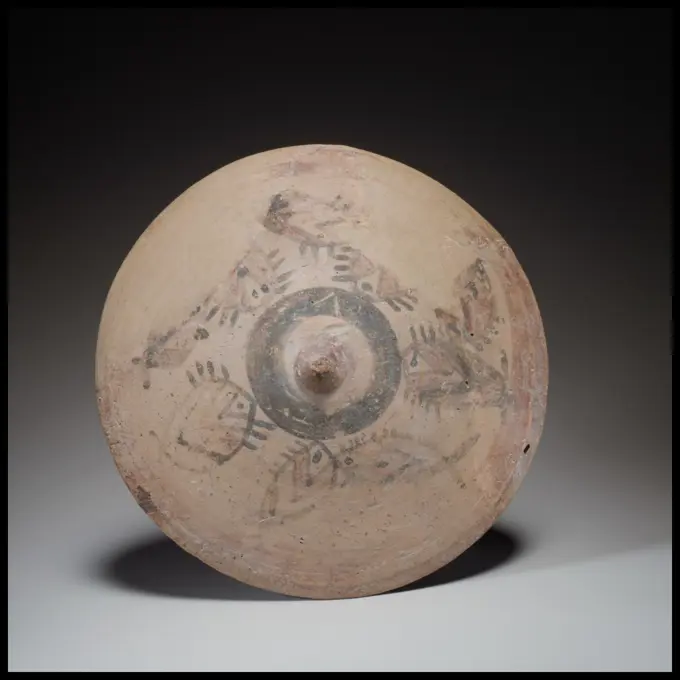
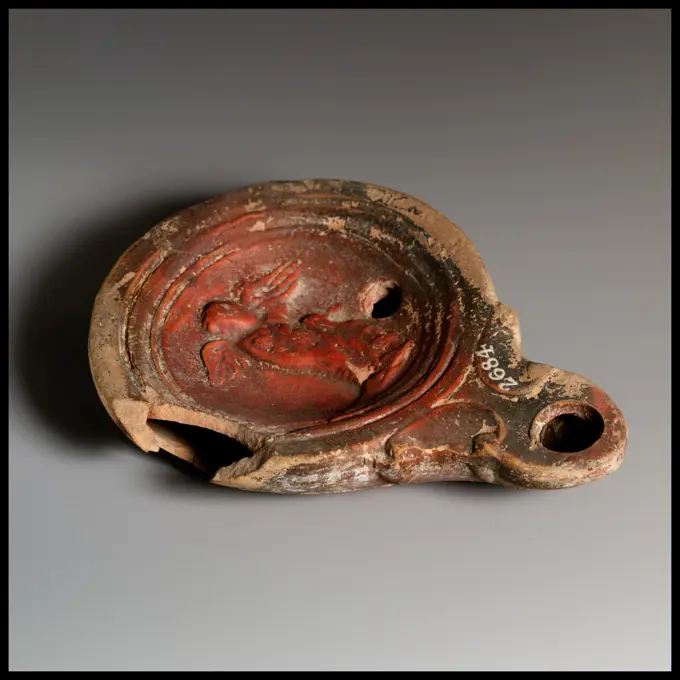
Lamp, North Africa; 1st - 4th century; Terracotta; 2.2 x 6.7 x 9.2 cm (7,8 x 2 5,8 x 3 5,8 in.)Terracotta oil lamp. Culture: Roman, Cypriot. Dimensions: Overall: 1 3/16 x 3 1/2 in. (3 x 8.9 cm). Date: 1st century B.C.-1st century A.D.. Museum: Metropolitan Museum of Art, New York, USA.Terracotta oil lamp. Culture: Roman, Cypriot. Dimensions: Overall: 1 1/16 x 3 5/8 in. (2.7 x 9.2 cm). Date: 1st century B.C.-1st century A.D.. Museum: Metropolitan Museum of Art, New York, USA.Lamp. UnknownTerracotta oil lamp 4th-5th century A.D. Roman, Cypriot Vessberg Type 18. Unpierced handle. Mold-made. Discus: victorious racehorse running left and wearing ornate collar, flanked to either side by herringbone wreath; two filing holes at top and bottom left. Above horse: indistinct letters (); below horse: indistinct letters. On shoulder, stylized vine tendril with bunches of grapes. Rounded nozzle with large wick hole. On undefined, slightly concave base, indistinct Greek letters in relief: EYTYXHTOC ().Intact. Buff clay. Two halves of mold slightly misaligned at front.. Terracotta oil lamp. Roman, Cypriot. 4th-5th century A.D.. Terracotta. Late Imperial. TerracottasOcarina 1300-1500 Tairona People; Gayraca style. Ocarina. Tairona People; Gayraca style. 1300-1500. Ceramic. Pre-Columbian. Sierra Nevada de Santa Marta, Colombia. Aerophone-Whistle Flute-vessel fluteLamp. UnknownLamp, Anatolia; 1st century B.C. - 4th century A.D; Terracotta; 2.4 x 8 x 11.6 cm (15,16 x 3 1,8 x 4 9,16 in.)Lamp, Punic (), North Africa; 5th century B.C; Terracotta; 4 × 6.3 × 6.5 cm (1 9,16 × 2 1,2 × 2 9,16 in.)Lamp; Italy; mid-1st century; Terracotta; 3.3 × 8 × 12.3 cm (1 5,16 × 3 1,8 × 4 13,16 in.)Flute 1300-1500 Tairona People; La Aguja Style. Flute. Tairona People; La Aguja Style. 1300-1500. Ceramic. Pre-Columbian. Sierra Nevada de Santa Marta, Colombia. Aerophone-Whistle Flute-recorderTerracotta oil lamp. Culture: Roman. Dimensions: Overall: 7/8 x 2 3/4 in. (2.2 x 7 cm). Date: 2nd century A.D..Loeschcke Type 8. Mold-made. Discus: rosette with eight petals, radiatig from a central filling hole. On shoulder, an oak wreath. Museum: Metropolitan Museum of Art, New York, USA.Oil LampTerracotta oil lamp. Culture: Roman, Cypriot. Dimensions: Overall: 1 3/8 x 3 3/8 in. (3.5 x 8.6 cm). Date: late 3rd century A.D..Loeschcke Type 8. Unpierced handle. Mold-made. Discus; rosette with hollow, radiating petals around central filling hole; a second filling hole towards nozzle. On shoulder: two rows of impressed dots encircled by a herring-bone wreath. Deep concave base crudely-inscribed in Greek letters: CYXI/WNOC. Museum: Metropolitan Museum of Art, New York, USA.Terracotta oil lamp. Culture: Roman, Cypriot. Dimensions: Overall: 7/8 x 3 9/16 in. (2.2 x 9.1 cm). Date: ca. A.D. 40-100.Loeschcke Type 4. Mold-made. Discus: winged Eros walking. Museum: Metropolitan Museum of Art, New York, USA.Double-End Snake Bottle. Culture: Paracas. Dimensions: Overall: 3 5/8 x 5 1/4 in. (9.21 x 13.34 cm)Other: 5 1/4 in. (13.34 cm). Date: 3rd-2nd century B.C.. Museum: Metropolitan Museum of Art, New York, USA.Flute. Culture: Tairona People; La Aguja Style. Dimensions: L. 5.7 cm (2-1/4 in.); D. 3.1 cm (1-3/16 in.). Date: 1300-1500. Museum: Metropolitan Museum of Art, New York, USA.Glass perfume bottle. Culture: Roman. Dimensions: 5 1/4 x 1 1/8in. (13.4 x 2.8cm)Diameter: 3/4 in. (1.9 cm). Date: 2nd-3rd century A.D..Colorless with blue green tinge.Rim folded out, round, and in, forming slight constriction to neck; tall, cylindrical neck with slightly concave sides and tooling marks around base; small rounded shoulder; four indented rectangular sides to body; square, pushed-in bottom.Intact; bubbles and blowing striations; thicj creamy weathering, with patches of iridescence and dulling. Museum: Metropolitan Museum of Art, New York, USA.Face Jug 14th century British What clearer indication could there be that the English potters enjoyed their work than the comical faces that enliven these jugs Such pieces have been excavated across Britain—in East Anglia, London, and Lincoln—but were also sent in large numbers to Norway.. Face Jug 479662Lamp, North Africa; 1st - 4th century; Terracotta; 3.1 x 8 x 11.3 cm (1 1,4 x 3 1,8 x 4 7,16 in.)Furniture support: lion's leg ca. 18th century B.C. Old Assyrian Trading Colony This piece is one of several furniture elements, carved in the form of lion legs, probably found at the site of a palace at Acemhöyük in central Anatolia. The massive size of the upper part of the leg suggests this represents the animals rear leg. Extended claws are visible in the form of inverted triangles, with one hooked claw in side view. Like the other pieces of this type in the Metropolitan Museums collection (36.70.5, 36.70.7), this leg sits on a base with horizontal grooves. The reddish staining of this piece indicates that iron oxides are present on the surface, although it is not known whether this was a deliberate decorative treatment, or a result of contact with the soil in which the piece was buried. The legs were most likely carved out of hippopotamus incisors, as the ends of the pulp cavities are preserved in the upper parts. Dowel holes on the flanks allowed for attachment to an upper elemFOREIGN OLDTerracotta oil lamp. Culture: Roman. Dimensions: Overall: 1 1/4 x 4 1/8 in. (3.2 x 10.5 cm). Date: ca. A.D. 40-100.Loeschcke Type 1A. Mold-made. Deep concave discus: a hunting dog, facing right, attacking a boar, of which only the front half is shown at right, facing left; raised ground line below dog and another line extending from center below boar at right; a single, small filling hole above figures at back, with a band of lines and grooves at edge. Volutes flanking angular nozzle, with a large wick hole. Broad, raised base ring, and flat base.Intact. Museum: Metropolitan Museum of Art, New York, USA.Lamp. UnknownTerracotta oil lamp. Culture: Roman, Cypriot. Dimensions: Overall: 1 x 3 7/8 in. (2.5 x 9.8 cm). Date: ca. A.D. 40-100.Loeschcke Type 4. Mold-made. Discus: hirsute boar in relief running to right, with a band of concentric lines and grooves towards edge. Single filling hole towards nozzle. Volutes flanking nozzle. Within raised base ring, flat base, with the raised letter Y at edge.Intact. Museum: Metropolitan Museum of Art, New York, USA.Cobra Head ca. 1400-1300 B.C. New Kingdom This head of a cobra is made out of Egyptian faience, a glazed non-clay ceramic material. The eyes of the bulky head must originally have been inlaid, possibly with semi-precious stones, which would have given the head a very lively look. A broad groove on the bottom of the piece shows that it was originally slid into position. The cobra head was probably originally part of a frieze of protective uraei that belonged to a piece of wooden furniture. Such a construction is known from furniture of Tutankhamun. The cobra head might have belonged to the burial equipment of another king of this period.. Cobra Head 544121Terracotta oil lamp 3rd century A.D. Roman Vessberg Type 18. Unpierced handle. Mold-made. Discus: horse facing left with one foreleg raised, wearing harness on body; around edge of discus, narrow wreath. Two filling holes above horse's back and between forelegs. On horizontal shoulder, stylized vines with many grapes. Undefined, concave base. Body complete, but most of handle missing.. Terracotta oil lamp. Roman. 3rd century A.D.. Terracotta. Late Imperial. TerracottasStoneware beard jug, brown speckled glaze, on stand, beard masonry vessel holder soil find ceramic stoneware glaze salt glaze, hand-turned glazed baked stoneware beard brown and gray mottled glazed embossed applied male face with beard on the neck Profile rings around the neck and one ring above the bottom. Worstoor. Stand with soul and traces of archaeology Rotterdam Heliport site of indigenous earthenware import packaging store transport drink serving table Soil discovery: Heliport site Rotterdam June 1978.Terracotta oil lamp 2nd century A.D. Roman Loeschcke Type 8. Mold-made. Discus: at right, gladiator, and, on left, woman. Raised ring-and-dot pattern between discus and nozzle (stylized volutes). On base, in Greek letters: ZWIΛ/Y. Red-buff clay.. Terracotta oil lamp 241811Lamp. UnknownLamp. UnknownTerracotta oil lamp late 2nd to 3rd century A.D. Roman, Cypriot Loeschcke Type 8. Unpierced handle. Mold-made. Discus: two gladiators: at left, one standing, facing right, holding a sword at his side in his right hand and a long trident in his left; at right, the other falling backwards, facing left, wearing a large helmet, holding a short sword in his right hand before him and his shield beneath in his left. On shoulder: double herring-bone wreath. On concave base with base ring, in large incised Greek letters: PMI/ANO. Broken along left side with edge of shoulder missing and a large hole in bowl.. Terracotta oil lamp. Roman, Cypriot. late 2nd to 3rd century A.D.. Terracotta, mold-made. Late Imperial. TerracottasTerracotta oil lamp Roman, Cypriot Mold-made. Discus: two concentric raised lines around central filling hole within a narrow, sloping band containing close-set radiating lines, with a band of concentric lines and grooves towards edge. On sloping shoulder, pattern of impressed circles and dots. Within incised base ring, broad, flat base, with the impressed letter I at center. Intact.. Terracotta oil lamp 241738Stirrup Spout Bottle 12th-5th century B.C. Cupisnique. Stirrup Spout Bottle 314691Pendant. Iran, Luristan, circa 1000-650 B.C.. Jewelry and Adornments; pendants. Bronze, castBracelet. Western Iran, circa 1000-650 B.C.. Jewelry and Adornments; bracelets. Bronze, castTerracotta oil lamp. Culture: Greek. Dimensions: Overall: 1 3/8 x 3 5/8 in. (3.5 x 9.2 cm).Large central filling hole, surrounded by a raised band and a row of out-turned tongues; convex sloping shoulder decorated at sides and back with three raised rosettes; at front between filling hole and long, straight nozzle, a satyr head in high relief, and two projecting volutes at edge of sides; squat, carinated body. Raised, flat base.Intact, with some encrustation. Museum: Metropolitan Museum of Art, New York, USA.Glass perfume bottle. Culture: Roman. Dimensions: Overall: 3 7/8 in. (9.8 cm)Diam.: 1 1/4 x 1 1/8 in. (3.2 x 2.9 cm). Date: 1st-2nd century A.D..Translucent pale blue.Rounded rim, folded down and over; broad, flaring mouth; cylindrical neck, expanding downwards, with tooling marks around base; conical body; thick, pushed-in bottom with central pontil scar.Intact; pinprick and some large bubbles and a few black impurities; dulling, limy encrustation and faint weathering, with some soil encrustation on interior. Museum: Metropolitan Museum of Art, New York, USA.Lamp. UnknownLamp; Italy; late 1st - early 2nd century; Terracotta; 3.8 × 5.2 × 7.8 cm (1 1,2 × 2 1,16 × 3 1,16 in.)Lamp. UnknownHead Effigy Bowl, 100 BC - 300. Mexico, Region of Tilantongo, District of Tlaxiaco, Nayarit style. Pottery; overall: 12.7 x 15.9 x 20.1 cm (5 x 6 1/4 x 7 15/16 in.).Bronze lamp 2nd-1st century B.C. Greek With ring handle and short foot.. Bronze lamp 246793Powder Flask, c. 1570. Germany, 16th century. Staghorn (two branches) carved with relief scene of Judith and Holofernes; mounts missing; overall: 15.9 x 12.1 cm (6 1/4 x 4 3/4 in.).Lamp in form of Negros headBronze sanguisuga-type fibula (safety pin) 7th century B.C. Etruscan Decorated with finely engraved geometric ornaments and rows of small punch marks.. Bronze sanguisuga-type fibula (safety pin). Etruscan. 7th century B.C.. Bronze. BronzesMarble vase with high foot and four lug handles. Culture: Cycladic. Dimensions: H. 9 1/4 in. (23.5 cm)diameter 7 in. (17.8 cm). Date: ca. 2800-2700 B.C..Of particular note in this example is that the lug has been reworked. Museum: Metropolitan Museum of Art, New York, USA.Vase fragments ca. 1600-1450 B.C. Minoan. Vase fragments 247734Utensil Leg. Central Europe, La Tene period, circa 500-100 B.C.. Furnishings; Serviceware. Bronze, castOk, baked;  XVII century (1601-00-00-1700-00-00);Vessel with Figure Seated Inside a Structure 850 BCE-750 BCE North Coast. Ceramic and pigment . ChavínLamp. UnknownPrehistory, Palestine, 4th millennium b.C. Ivory head with ceremonial headdress. From Be'er Sheva'.Ceremonial Mace (Club) Head: Bird (Male Curassow), 300 BC - AD 600. Costa Rica, Southern Nicoya region, 4th century BC - AD 7th century. Stone;Lamp. Culture: Roman. Dimensions: Length: 3 3/8 in. (8.6 cm)Height: 15/16 in. (2.4 cm). Date: 1st century B.C.-1st century A.D.. Museum: Metropolitan Museum of Art, New York, USA.Fibula, fragment. Fibula, fragment 243871Parrot (cornice element) (common name), 0100. Gray shale. Cernuschi Museum, Asia Museum of Asia in the city of Paris.Ear Ornament or Spindle Whorl with Modeled Design. Aztec (Mexica); Valley of Mexico, Mexico. Date: 1450-1521. Dimensions: 1.6 x 2.5 cm (5/8 x 1 in.). Ceramic. Origin: Valley of Mexico. Museum: The Chicago Art Institute, Chicago, USA.Square Handle Spout Vessel with Image of a Man Attacked by a Bird Made 100 BCE-500 CE North Coast. Ceramic and pigment . MocheWall support for Paintings Tang, 1885 - 1899  Wall support for painting tongs. Casted in two halves in the form of an open lion's pussy, ending in oak leaves on a profiled plinth, with supported supports of uneven length. Traces of gilding are still present on the object.  cast iron castingLamp. UnknownBow Brooch with Disk early 700s Vendel Originally, these pieces were joined as one: the disk formed the bottom of a round box that was affixed to the arc of the large brooch. Ornately patterned gold, now only fragmentary, once covered the entire piece, even parts of the brooch that were never visible.. Bow Brooch with Disk 468187Czerpak daunijski (kyathos). unknown, authorWhistle Kuba ca. 1902 Sub-Saharan whistles draw attention to special events like the arrival of a king and convey messages or signal during hunts. In ensembles, each whistle may sound at a specific time to form a melody. Whistles are crafted in traditional forms. Though the whistle's carved images are inverted when played, the depictions may add to its prestige.Ritual Vessel Representing a Woman Carrying a Vessel (Aryballos) and Nursing a Child. Chimú-Inca; Lambayeque Valley, north coast, Peru. Date: 1200-1450. Dimensions: 23.9 × 18.4 cm (9 3/8 × 7 1/4 in.). Ceramic and pigment. Origin: North Coast. Museum: The Chicago Art Institute, USA.Pipe in the Form of an Owl, 100-600. America, North American Indian, Copena Culture (Tennessee area) or modern reproduction, Middle Woodland Period (100-600) or 20th century. Stone; overall: 9.6 x 5 x 17.7 cm (3 3/4 x 1 15/16 x 6 15/16 in.).Covered Ting (Ritual Food Vessel), late 5th-4th century BCE, 7 9/16 × 10 3/4 × 9 3/8 in., 11 lb. (19.21 × 27.31 × 23.81 cm, 5 kg), Chin-tsun style Bronze, China, 5th-4th century BCELamp, Anatolia; 1st - 4th century; Terracotta; 2.2 x 5.5 x 8 cm (7,8 x 2 3,16 x 3 1,8 in.)Terracotta bridge-spouted jar. Culture: Minoan. Dimensions: H. 6 7/8 in. (17.5 cm.)Diameter 7 3/8 in. (18.8 cm.). Date: ca. 1600-1450 B.C..Tubular spout and three handles, with bands and spirals, dark on light ware. Museum: Metropolitan Museum of Art, New York, USA.Bronze shovel with a handle terminating in a ram's head 1st-2nd century A.D. Roman Shovel ending in ram's head... Bronze shovel with a handle terminating in a ram's head. Roman. 1st-2nd century A.D.. Bronze. Imperial. BronzesTerracotta oil lamp 1st century B.C.-1st century A.D. Roman Loeschcke Type 4. Mold-made. Discus: bird facing left but with head turned back to right; a single filling hole at bottom right; band of lines and grooves towards edge. Volutes flanking nozzle. Slightly raised base ring, and pushed-in base.Intact.. Terracotta oil lamp. Roman. 1st century B.C.-1st century A.D.. Terracotta. Early Imperial. TerracottasOcarina 1300-1500 Tairona People; La Aguja Style Although numerous types of instruments survive from pre-conquest South and Central America, little is known of how they were used. Whistles, trumpets, and rattles in animal or human form probably had ceremonial functions or served as playthings. Smaller whistles in animal shapes, perhaps worn suspended from the neck, frequently have fingerholes that allow variation of pitch.Flutes and bells are all that remain of many musical traditions of the Tairona people of the Sierra Nevada de Santa Marta region, Colombia. The importance of these metal, terracotta, and blackware instruments is evident in their carefully detailed incising and punctuation. The symbolic meanings of the effigies are obscure, and the relationship between the forms and their musical functions is unclear. It is believed that musical effigies served as talismans and were played to link the mortal and immortal realms.. Ocarina. Tairona People; La Aguja Style. 1300-1500. CeraTerracotta loom weight. Culture: Lydian. Dimensions: length 3 in. (7.6 cm). Date: 6th century B.C. or later.The finds at Sardis include many objects connected with specific crafts. The number of loomweights indicate that weaving must have been particularly important. Museum: Metropolitan Museum of Art, New York, USA.Lamp. UnknownJug or Flask. circa 3000-2400 B.C.. Furnishings; Serviceware. CeramicTerracotta bull's mask ca. 600-480 B.C. Cypriot As the surrounding objects indicate, bulls' masks figured prominently in the rituals of ancient Cyprus. An example like this one would have been dedicated at a sanctuary.. Terracotta bull's mask 241362Fitting in the Shape of a Bird. Culture: China. Dimensions: H. 2 5/8 in. (6.7 cm); L. 5 1/8 in. (13 cm). Date: 11th-10th century B.C.. Museum: Metropolitan Museum of Art, New York, USA.Faience djed-pillar amulet 664-30 B.C. Egyptian Symbolic objects used for amulets include a menat-pendant, the djed-sign, and a papyrus capital, all common in Egyptian architecture. A pectoral used on mummies, a bunch of grapes or other clusters of fruit, and an inscribed bead are also represented.. Faience djed-pillar amulet. Egyptian. 664-30 B.C.. Clay, glazed. Late Dynastic-Hellenistic. Gold and SilverTerracotta askos (flask with a spout and handle over the top) in the form of a bird. Culture: Cypriot. Dimensions: H. 4 7/16 in. (11.3 cm). Date: 1200-1050 B.C..Three feet, with tubular spout and geometric ornament. Museum: Metropolitan Museum of Art, New York, USA.Lamp. UnknownBell ca. 7th-5th century B.C.. Bell 326607Terracotta oil lamp late 5th-6th century A.D. Roman Vessberg Type 20. Mold-made. Shallow, lentoid shape, with impressed decoration. Large, oval central filling hole, surrounded by a circular groove and broad band containing eight impressed circles with raised rings; towards the edge, a narrow band of impressed dots flanked on either side by a circular groove. The wick hole is placed outside the decorated area. On the uneven base, a disk pattern, poorly executed, comprising a central impressed triangle surrounded by dots, a circular groove, and another band of dots, with an impressed lines flanked by dots extending to front and back.Intact.. Terracotta oil lamp 241598Bowl. UnknownMask (Nyanga) Bobo. Mask (Nyanga), early 19th century. Wood, metal, height: 20 1/2 in. (52.1 cm).  Becoming Again Masquerade is a moment for playa chance to invent and experiment, even within established social needs and existing mask genres. These two pairs of related works demonstrate artistic innovation in existing masquerade genres over time. The two Bobo works share a basic forma domed helmet with an extended vertical face, close-set eyes, and ridged hornstypical of Bobo mask style. The archaic features, weathered surface, and evidence of local repairs suggest that the nineteenth-century mask (far left) was a work of considerable local importance. It may represent an intellectual and visual predecessor of the twentieth-century version. The Senufo kponyugu masks are both horizontal composite animal forms with long, projecting horns, a large, gaping mouth, and fearsome accoutrements such as sharp teeth and claws. Such details relate to Senufo cosmology, legends, and beliefs aboutMonkey playing the lyre and carrying a dish on its head 332-30 B.C. Ptolemaic Period Monkeys performing human activities are a frequent theme. This particular example where the monkey-musician bears a dish on its head is unusual. The dish is slightly spouted, suggesting it was meant for contents that could be poured.. Monkey playing the lyre and carrying a dish on its head 551363Lamp. Gabinia DarilliusTweezers in the Shape of a Bird. Probably Chimú; North coast, Peru. Date: 1000-1400. Dimensions: L. 4.8 cm (1 7/8 in.). Gold. Origin: Peru. Museum: The Chicago Art Institute, Chicago, USA.Votive shield ca. 600-480 B.C. Cypriot During the Cypro-Archaic period, clay models of shields were placed in sancutaries and tombs. This example is unique because it is decorated with fish.. Votive shield 244754Raven Rattle. Culture: Haida. Dimensions: H. 8 5/8 x W. 5 in. (22.1 x 12.7 cm). Date: ca. 1840. Museum: Metropolitan Museum of Art, New York, USA.Lampetkan, fragment, anonymous, c. 1590 - c. 1596 fragment Lampetkan, fragment consisting of the top of the jug. Identical to NM-7710.  tin (metal) casting  Nova Zembla. Saving HuysVase fragment East Greek/Sardis, Lydian. Vase fragment 252799 East Greek/Sardis, Lydian, Vase fragment, Terracotta, Overall: 5 1/4 x 2 1/4in. (13.3 x 5.7cm). The Metropolitan Museum of Art, New York. Gift of The American Society for the Excavation of Sardis, 1926 (26.199.232)Terracotta oil lamp ca. A.D. 40-100 Roman, Cypriot Loeschcke Type 4. Mold-made. Discus: standing Eros, draped, with wings spread, holding an object (quiver) by his left side; ground line below; single filling hole in front of him to lower right, with a band of lines and grooves towards edge. Volutes flanking nozzle. Incised base ring, and concave base.Large hole in left side of shoulder and body; cracked and repaired.. Terracotta oil lamp. Roman, Cypriot. ca. A.D. 40-100. Terracotta. Early Imperial. TerracottasJar ca. 2600-2500 B.C. Sumerian. Jar. Sumerian. ca. 2600-2500 B.C.. Gypsum alabaster. Early Dynastic IIIa. Mesopotamia, NippurDish or bowl fragment with ornamental borders, anonymous, c. 1600 - c. 1699 Fragment of a quadruple-fritry dish with a cream-colored enamel. Decorated with decorative tires with geometric patterns and curls in blue and luster. Manises earthenware. glaze. luster (textile) painting / vitrification Fragment of a quadruple-fritry dish with a cream-colored enamel. Decorated with decorative tires with geometric patterns and curls in blue and luster. Manises earthenware. glaze. luster (textile) painting / vitrificationDouble Spout and Bridge Bottle with Snake 5th-3rd century B.C. Paracas This double spout bridge bottle is decorated using low-relief incised lines which outline a two-headed snake whose body wraps around the entire vessel. A mustard yellow background highlights the design. Two snake heads are on opposing ends of the snake body: one head appears on the top of the vessel adjacent to the double spout and bridge, tongue extended. The other head, parallel to the body, entwines the width of the vessel. Geometric designs in alternating red, green, and grey colors highlight the snake on top of the vessel. Linear serpentine figures are a common motif in Paracas art and appear on textiles and ceramics such as 64.228.189 and 33.149.23 from the MMAs collection. Pattern and color were highly esteemed in the visual arts of Paracas society, which thrived on the south coast of Peru between 700 B.C.-A.D. 1. This vessels emphasis on a central animal figure, geometric patterns, and color palette are alTerracotta lekythos (oil flask) with an owl. Culture: Greek, South Italian, Apulian. Dimensions: H. 4 7/8 in. (12.4 cm). Date: 4th century B.C..With an owl. Museum: Metropolitan Museum of Art, New York, USA.Blackware Vessel in the Form of a Llama Made 1200-1450 North Coast. Ceramic . ChimúAmulet. Dimensions: length 5.11 cm.. Museum: Metropolitan Museum of Art, New York, USA.Incense Box 14th-15th century Korea. Incense Box 57378Finial Support. Iran, Luristan, Luristan bronzes, circa 1000-650 B.C.. Architecture; Architectural Elements. Bronze, cast