Ancient Terracotta Oil Lamps

Collection of Roman and Cypriot terracotta oil lamps featuring intricate designs and historical significance from the 1st to 5th centuries.
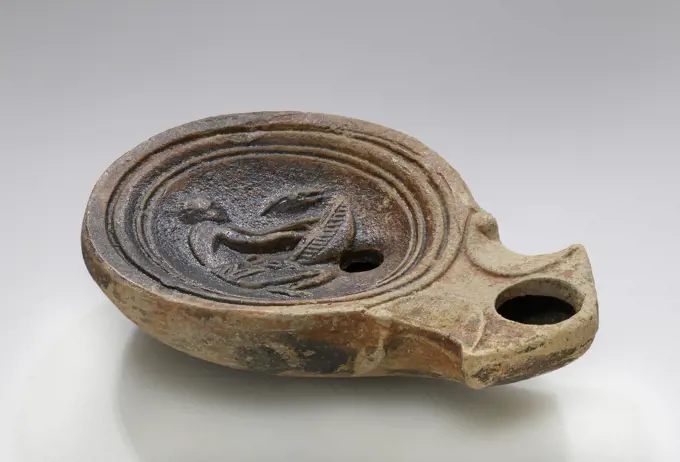
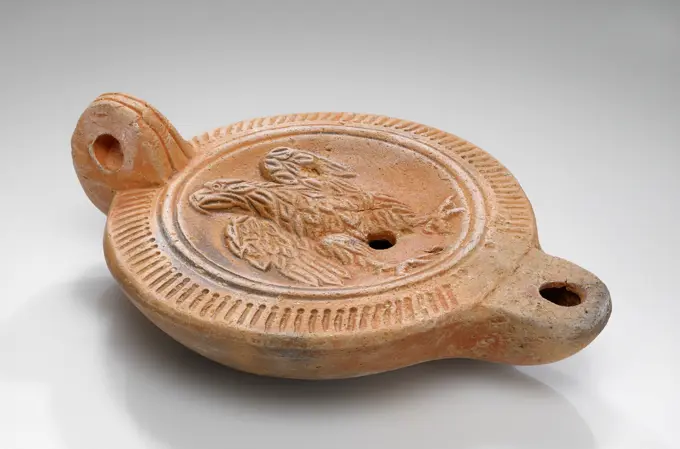
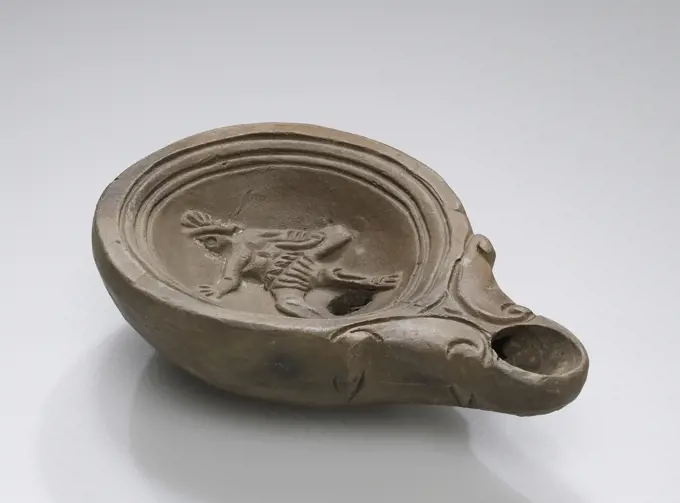
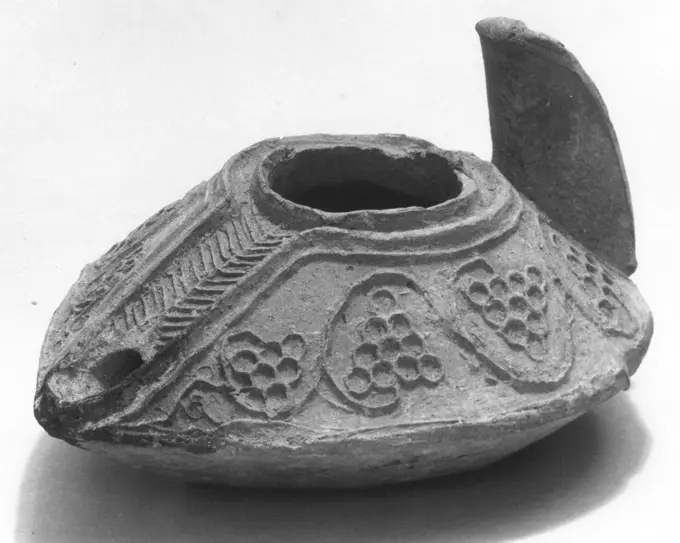
Lamp, North Africa; 1st - 4th century; Terracotta; 2.2 x 6.7 x 9.2 cm (7,8 x 2 5,8 x 3 5,8 in.)
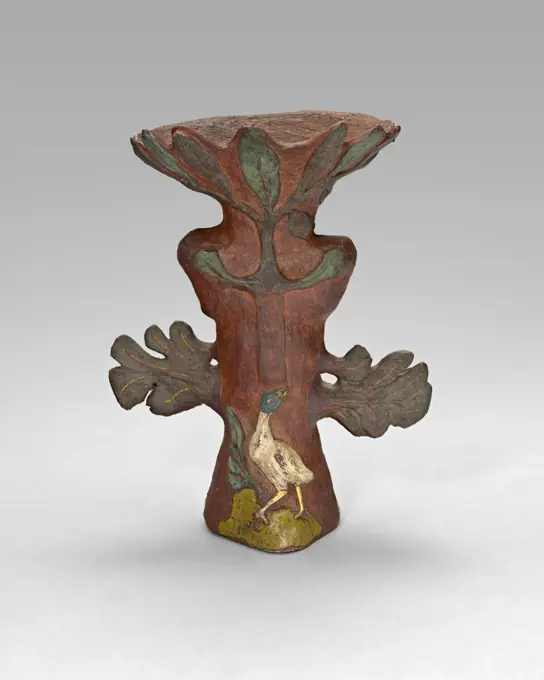
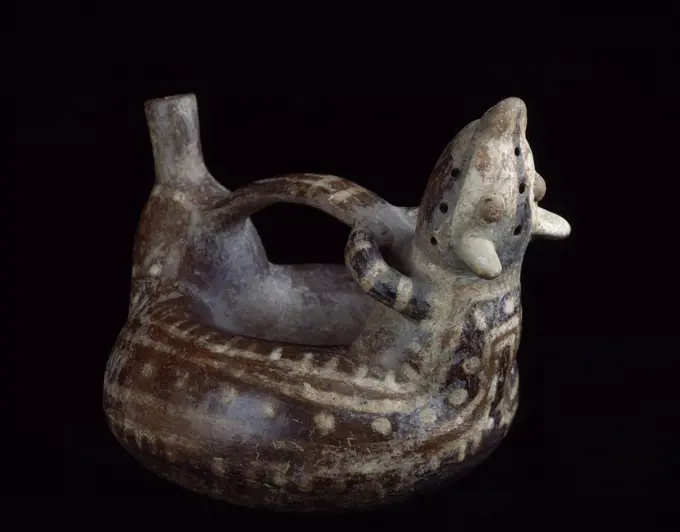
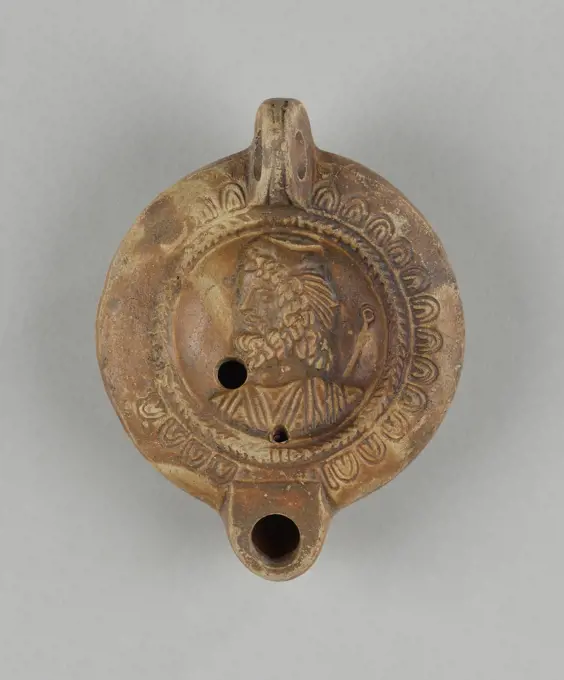
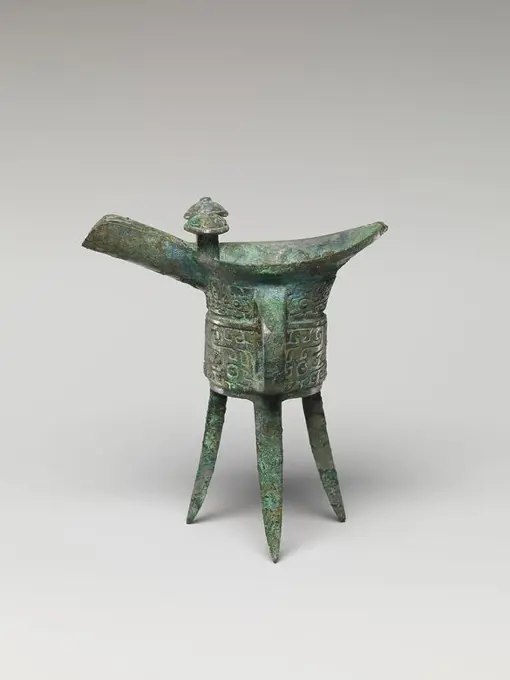
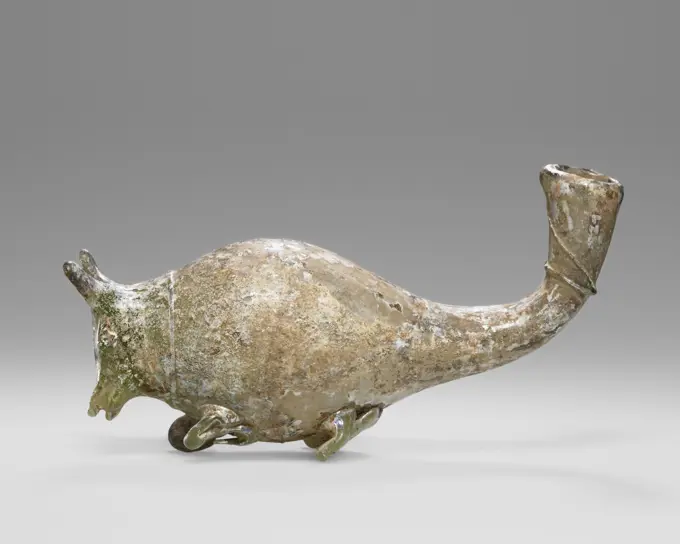
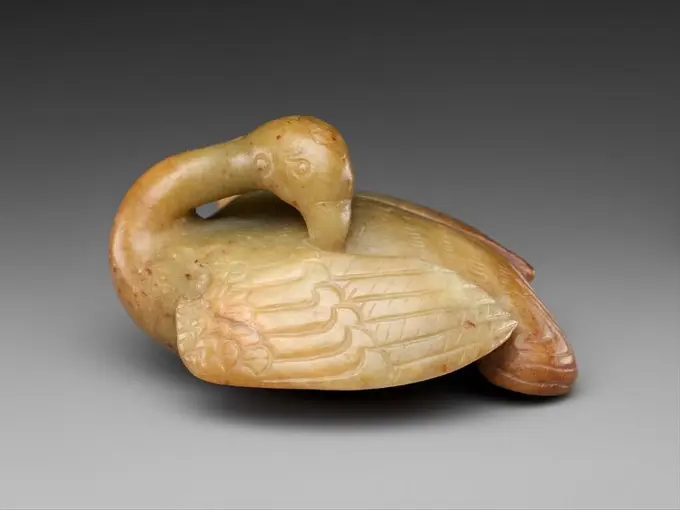
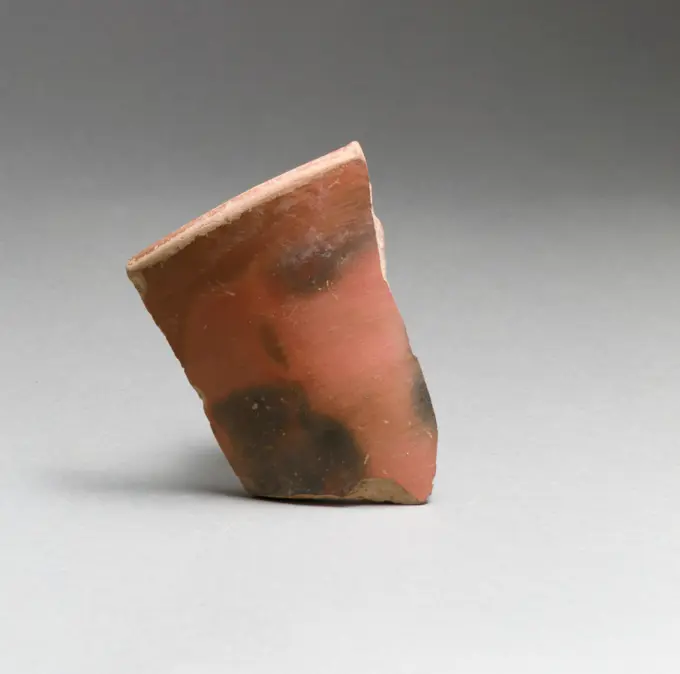
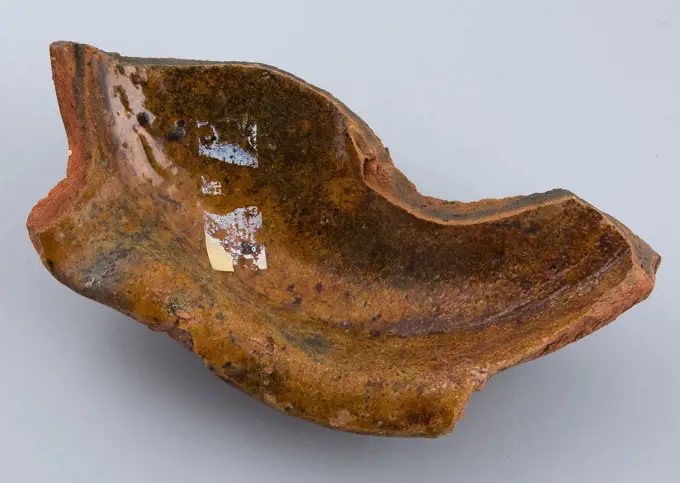
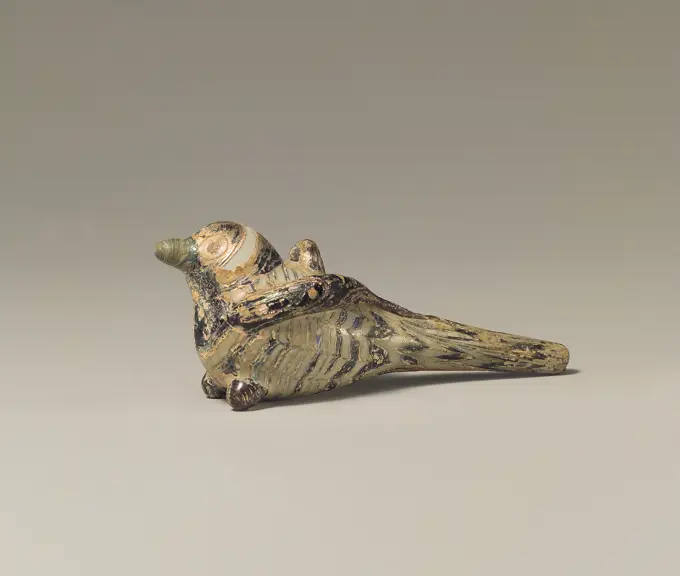
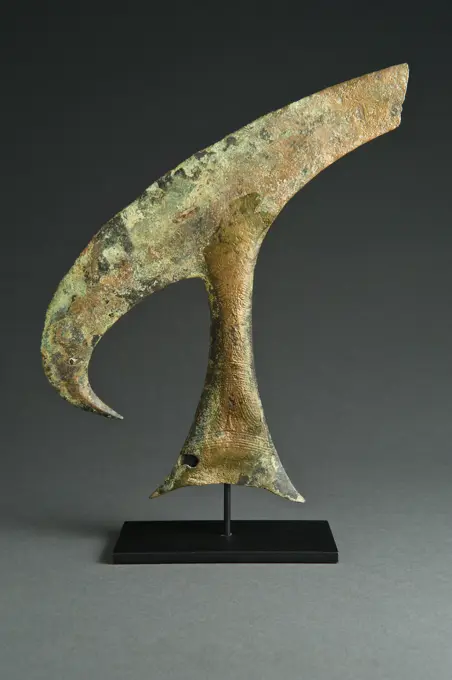
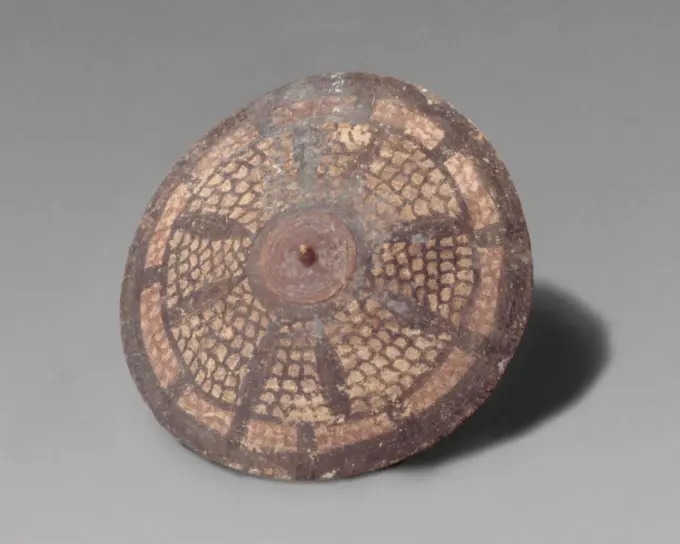
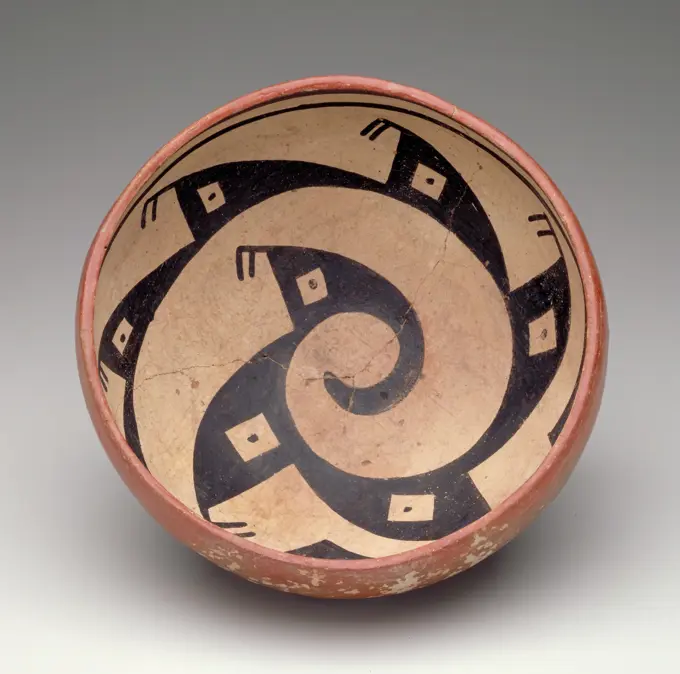
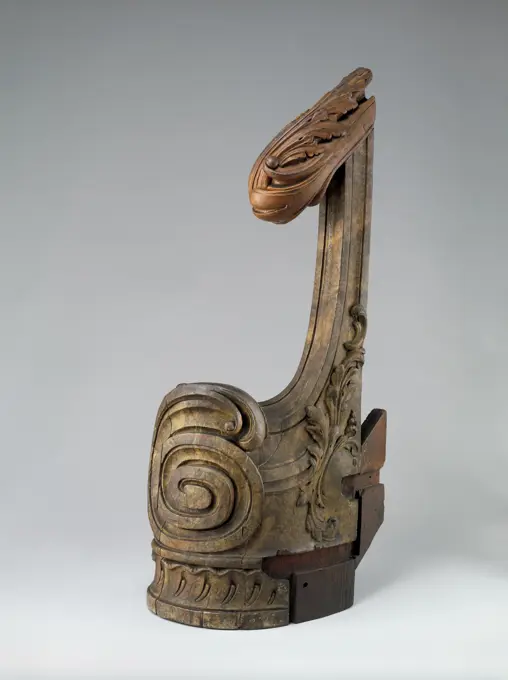
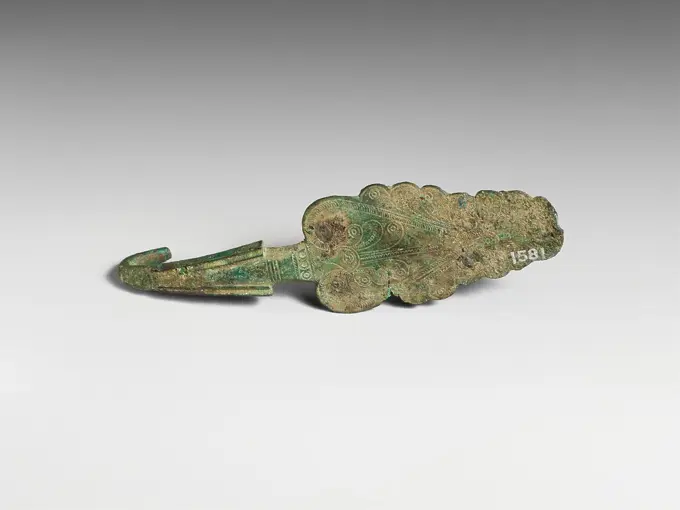
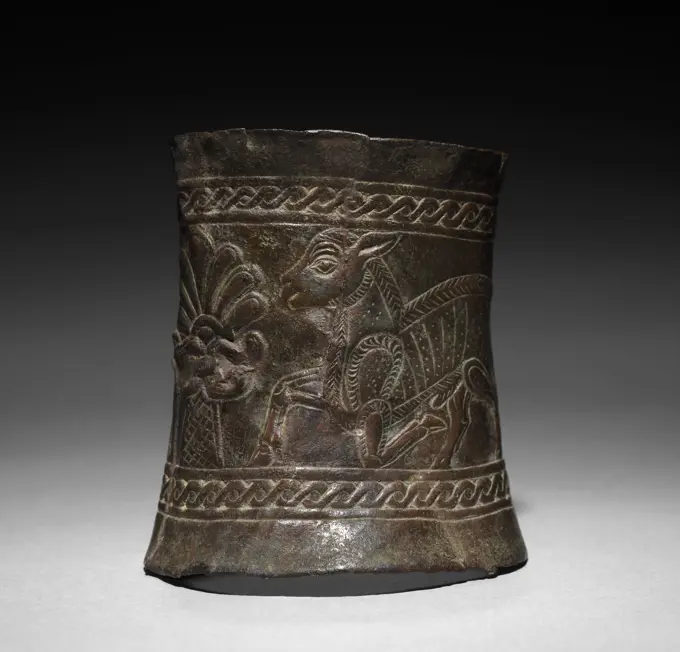
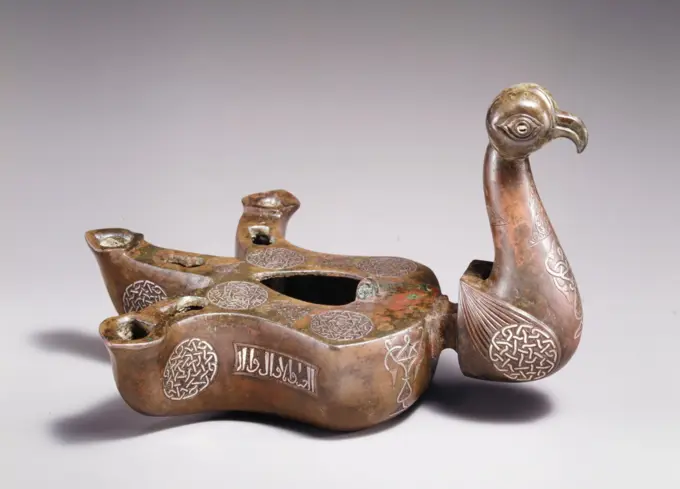
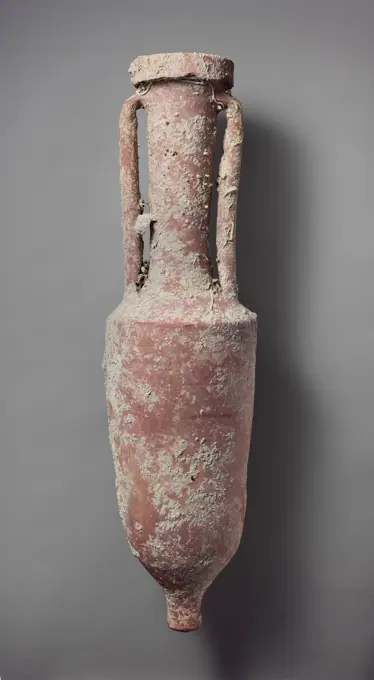
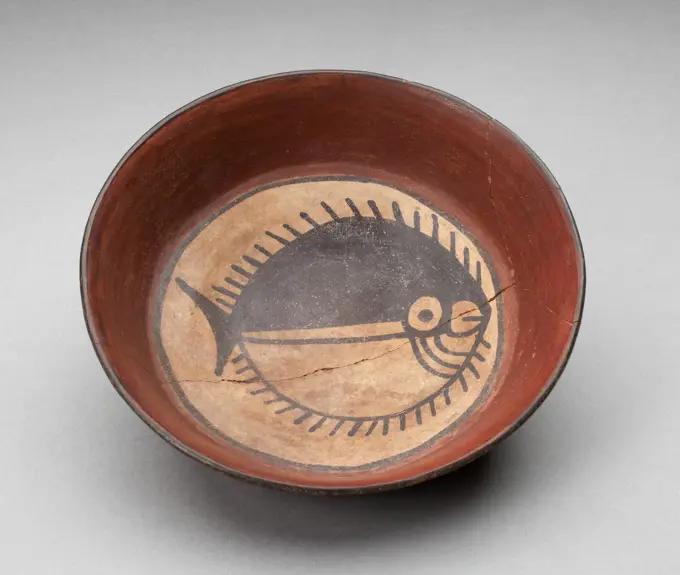
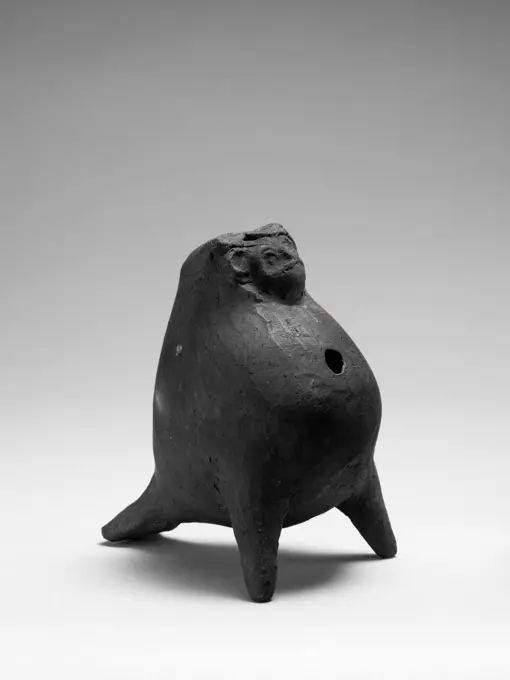
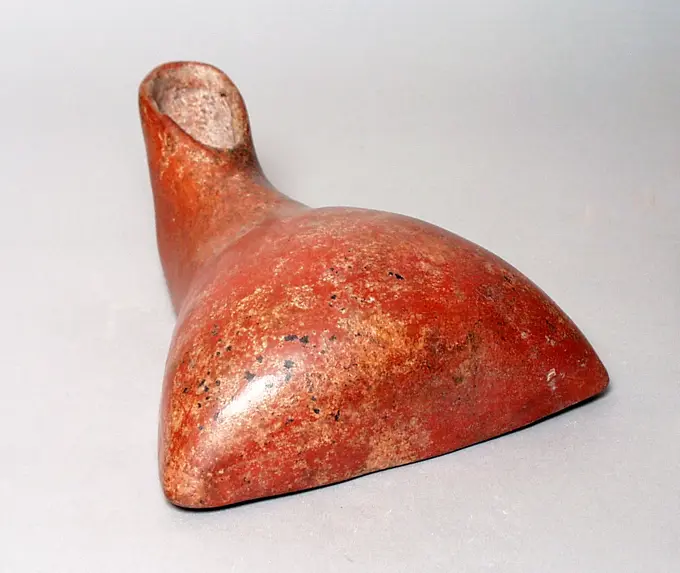
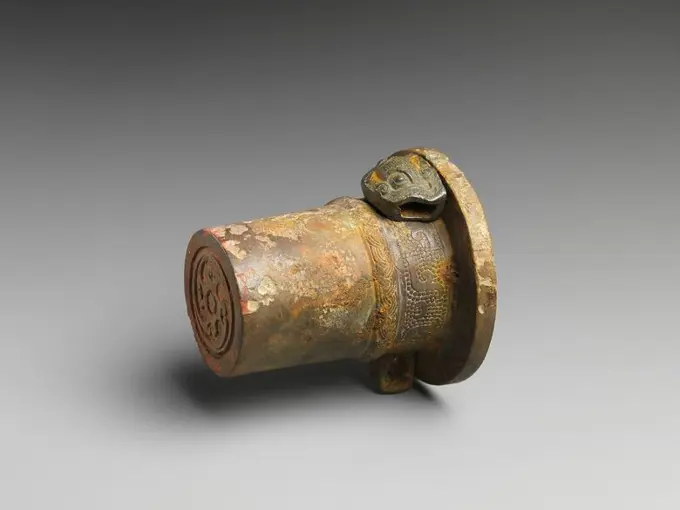
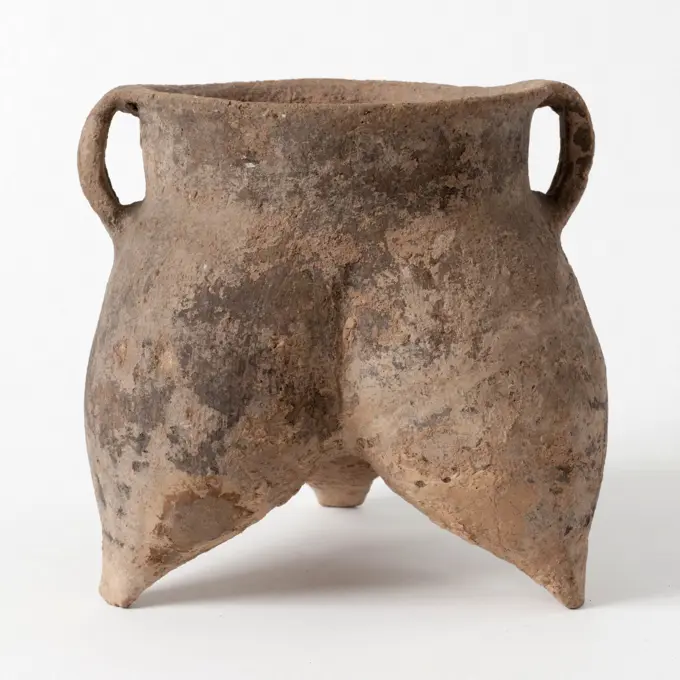
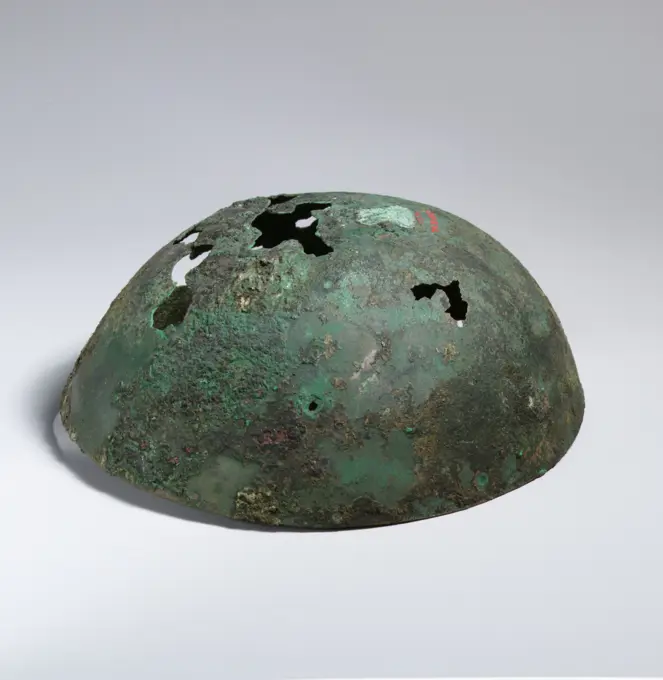
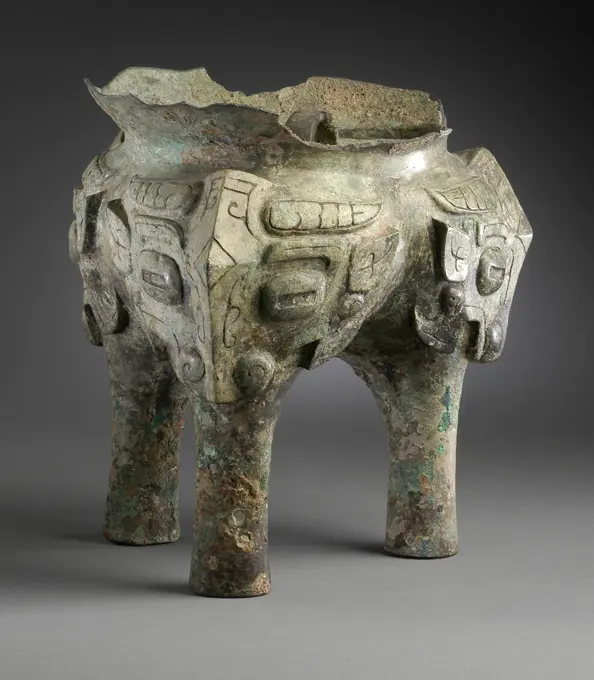
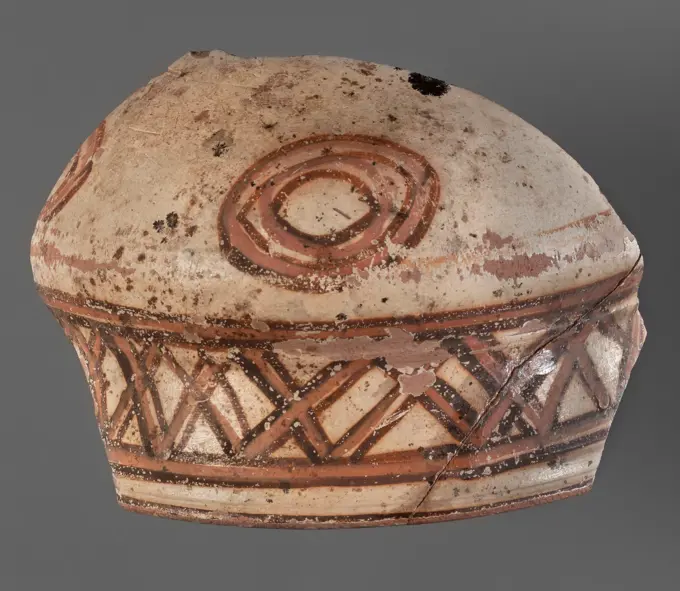
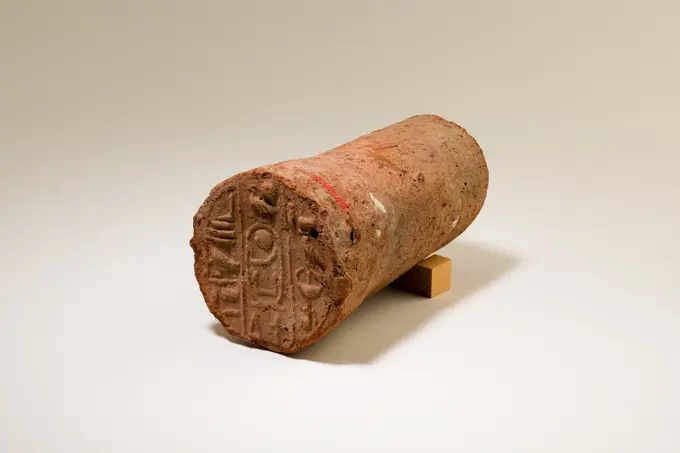
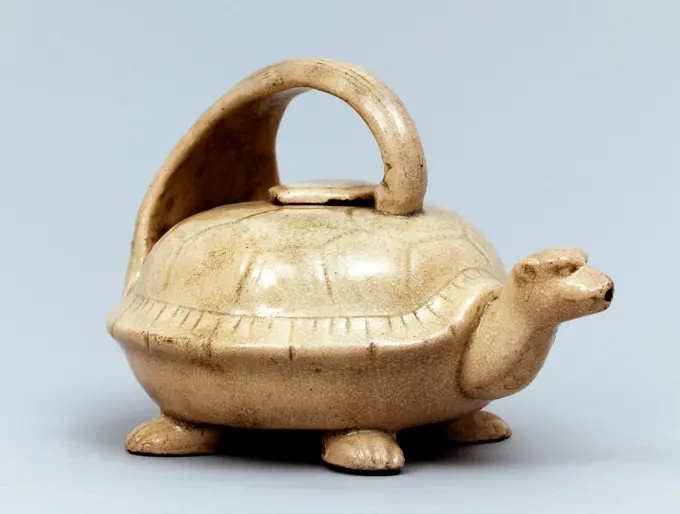
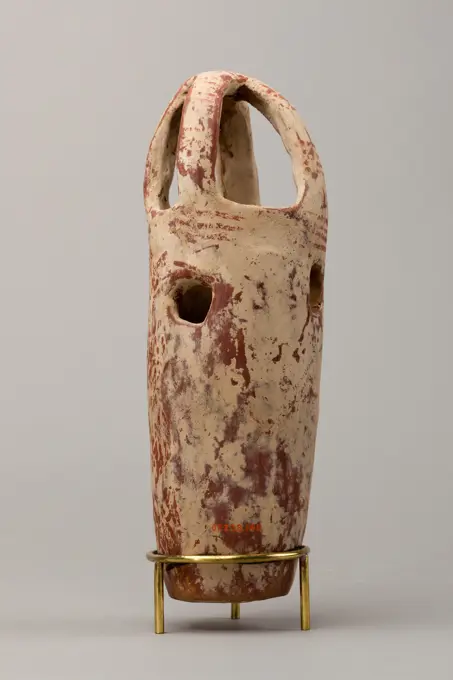
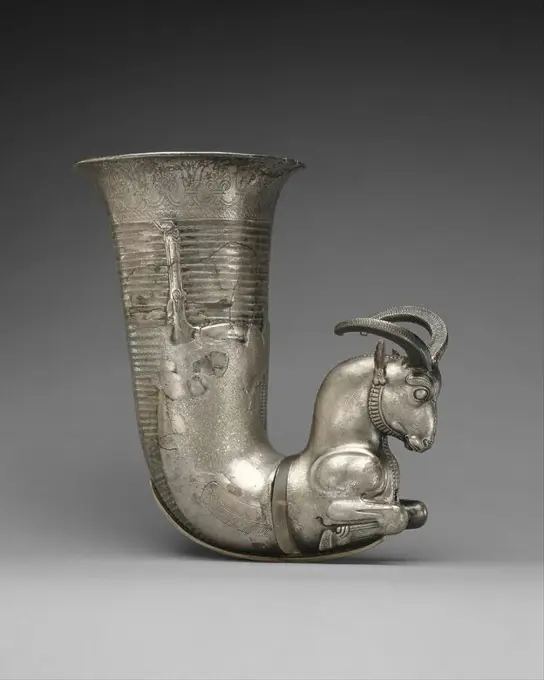
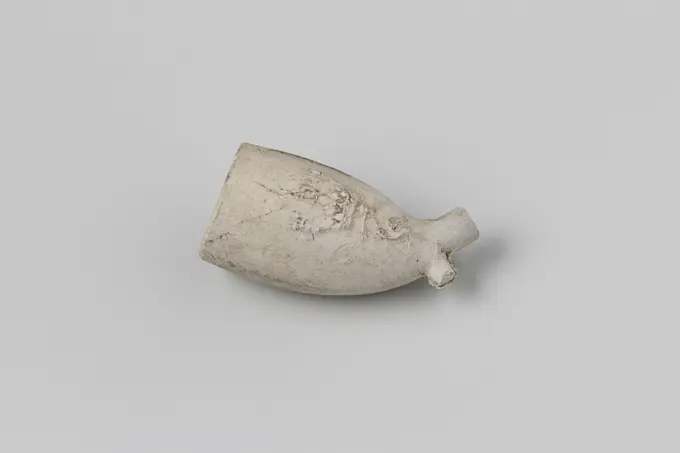
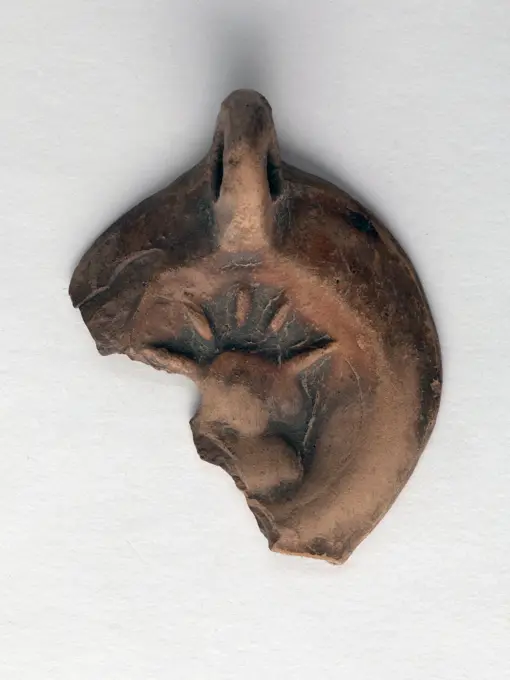
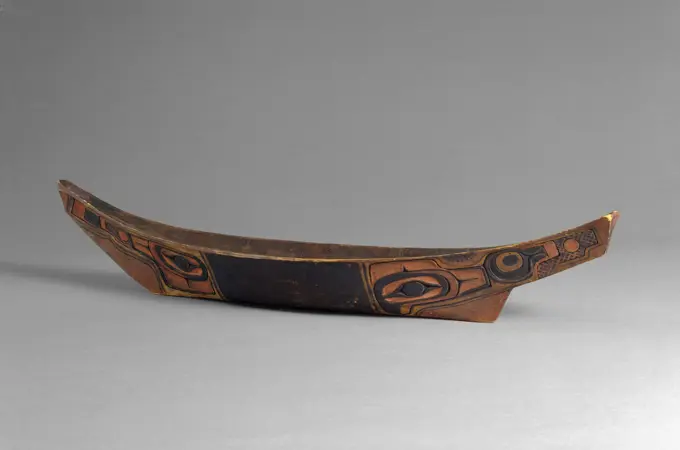
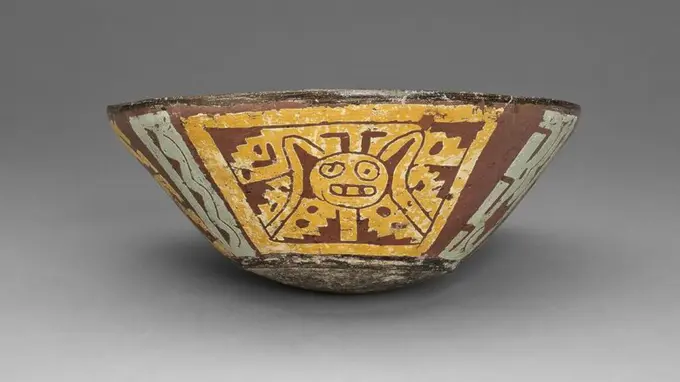
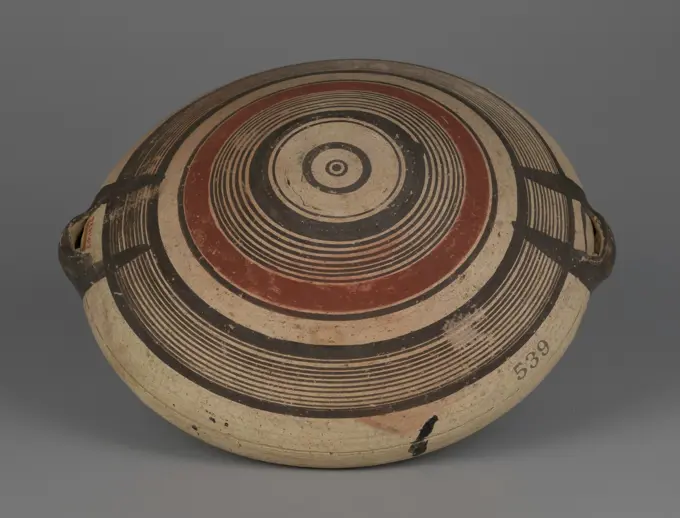
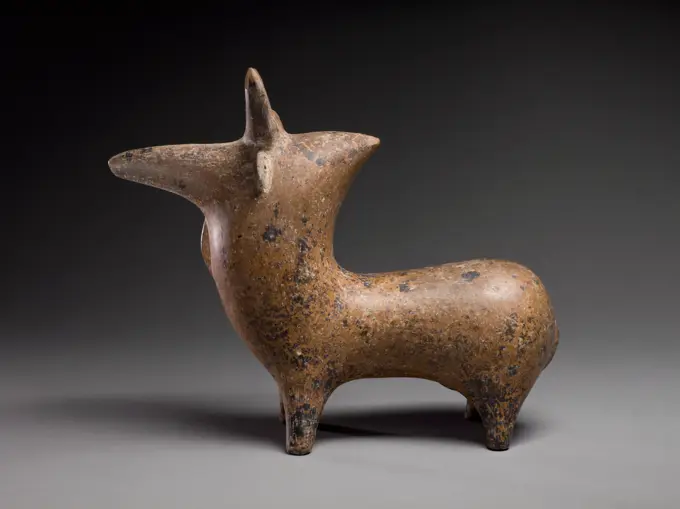
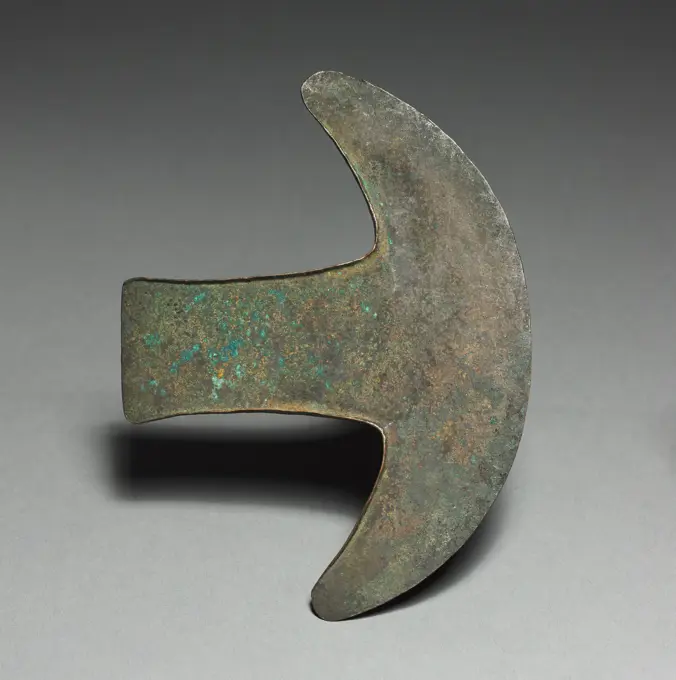
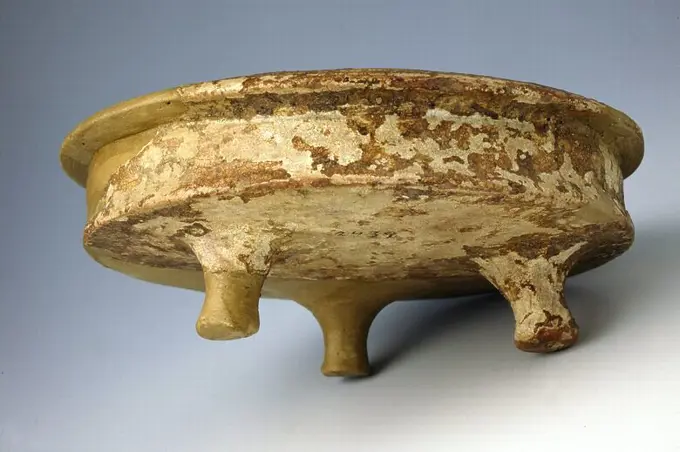
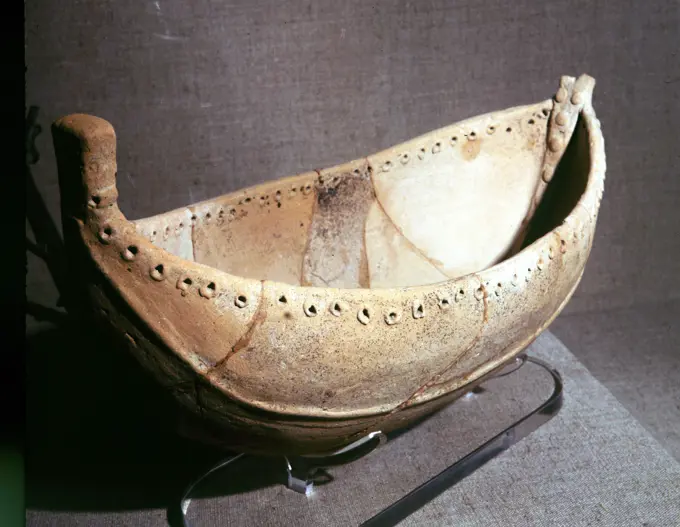
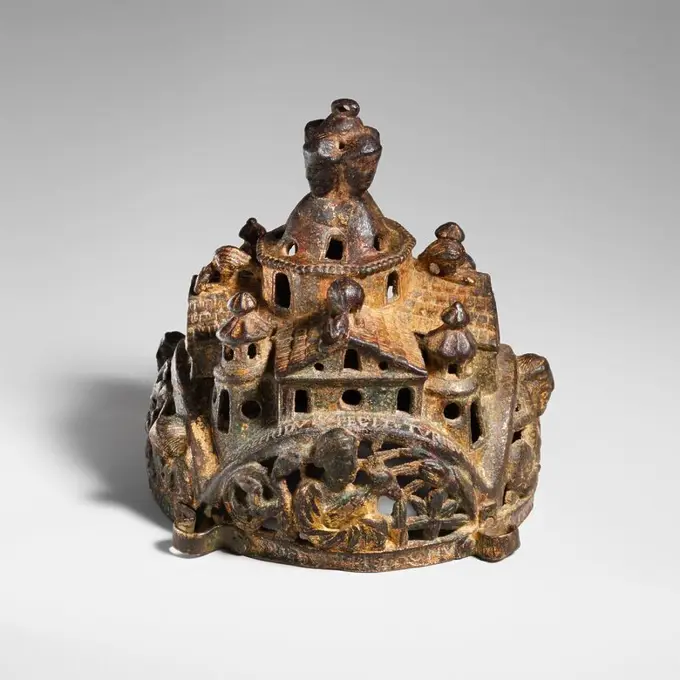
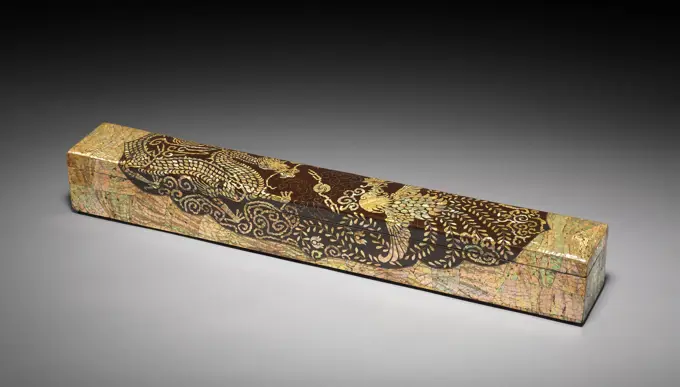
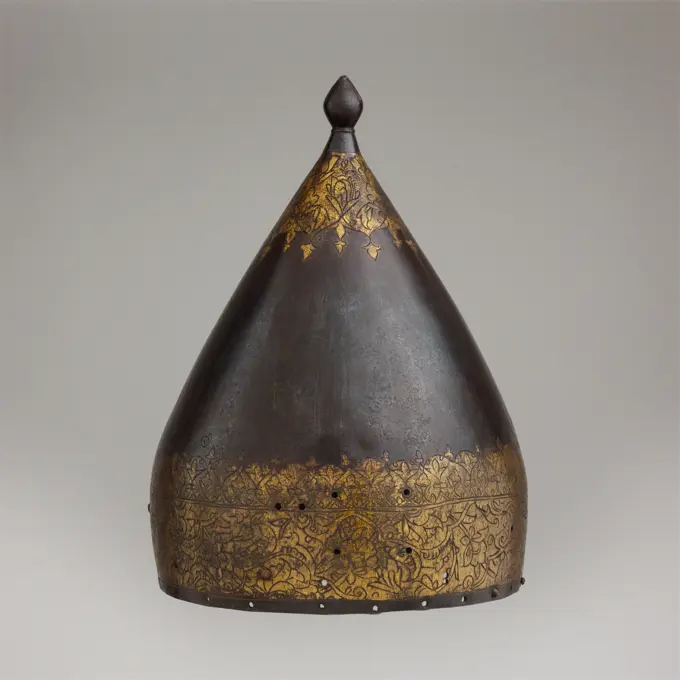
Helmet second half 16th century Turkish This example was originally fitted with a brim and a sliding nasal bar, cheek pieces, and a nape defense. A complete helmet of this type is also in the Metropolitan Museum's collection (acc. no. 36.25.126). The decoration around the rim consists of lotus blossoms and split leaf palmettes on intertwining stems. Similar foliate ornament is found on Ottoman textiles, ceramics, and metalwork of the period.. Helmet 32053Five Burner Lamp, 1-200. Parthian, 1st-2nd Century. Terracotta; overall: 12.4 x 11.2 cm (4 7/8 x 4 7/16 in.).Lamp. UnknownVase in the Form of a Tropical Plant with Bird and Deity 1887-1888 . Stoneware painted with slip and gold . Paul GauguinVessel in the Form of a SharkCircular Vessel With A Zoomorphic Figure And Bridge Handle, Peru, Vicus C.200-500 A.D. Pre-Columbian Ceramic Collection of The Museum of Contemporary Art, Jacksonville, Florida Lamp, Asia Minor; 1st - 4th century; Terracotta; 7.6 x 1.4 x 8.8 cm (3 x 9,16 x 3 7,16 in.)Head of a Nar, Anonymous, c. 1600 - c. 1699 Head of a jar of green colored lead glaze pottery. Holland earthenware. lead glaze Head of a jar of green colored lead glaze pottery. Holland earthenware. lead glazeHungary, Budapest, Magyar Nemzeti Muzeum, Square vase made of clay with engraving of female figure from.Olive lamp; unknown workshop; II century AD  (101-00-00-400-00-00);Terracotta lamp 1st half of 1st century A.D. Roman Palmette and conventional decoration.. Terracotta lamp 247451Wine Vessel (Jue). Culture: China. Dimensions: H. 4 5/8 in. (11.7 cm); W. 2 5/8 in. (6.7 cm); L. at spout 4 1/16 in. (10.3 cm). Date: late 14th century B.C.. Museum: Metropolitan Museum of Art, New York, USA.Pottery jug with simple designs painted on a red background, from Kalymnos, Greece.Mouse Flask. UnknownFragment sign from V.O.C. ship De 'Witte Leeuw', Anonymous, Before 1613 plate (dishes) Fragment sign from V.O.C. ship De 'Witte Leeuw', 45 present. Shatou porcelain   Sint-HelenaSwan. Culture: China. Dimensions: H. 1 3/4 in. (4.4 cm); W. 2 1/2 in. (6.4 cm); L. 3 1/8 in. (7.9 cm). Date: 12th-14th century. Museum: Metropolitan Museum of Art, New York, USA.Terracotta rim fragment from a straight-sided open vase ca. 2900-2300 B.C. Minoan From Vasiliki, CreteRim fragment from a straight-sided open vase.. Terracotta rim fragment from a straight-sided open vase 247743Bead in the Form of a Shell, 2040-1648 BC. Egypt, Middle Kingdom. Gold; overall: 1.5 cm (9/16 in.).Appliqué for a funeral couch. UnknownLamp, Anatolia; 1st - 4th century; Terracotta; 2.5 x 6.1 x 9.2 cm (1 x 2 3,8 x 3 5,8 in.)Fragment of pottery saucepan, misbaksel, saucepan pan holder kitchen utensils earthenware ceramics earthenware glaze lead glaze, hand-turned glazed baked rim-bottom fragment Flat. Wide top edge with pouring lip. Red shard Internally glazed. Misbaksel: pan is deformed the bottom shows bulging glaze sintered remnants of oddly baked pottery archeology underground pit Rotterdam City center Stadsdriehoek Groenendaal indigenous pottery food preparation kitchen pottery craft Soil discovery: underground pit Groenendaal 1975-10-05.Bird-Shaped Pendant with Marvered Body 13th century The exact function of these glass birds is not known. The loop on the backs of some of them suggest that they may have been suspended and the rattling rods found inside indicate that they were perhaps chimes or toys. Many of these birds are decorated with marvered trails, usually white on a manganese-purple ground.. Bird-Shaped Pendant with Marvered Body. 13th century. Glass, reddish-purple; blown, applied marvered opaque white decoration, applied reddish-purple, opaque turquise, and opaque red decoration. Attributed to Syria. GlassLekythos. Culture: Greek, Attic. Dimensions: Height: 12 3/4 in. (32.5 cm)Diameter: 3 7/8 × 2 3/16 × 2 5/8 in. (9.8 × 5.5 × 6.7 cm). Date: ca. 420 B.C.. Museum: Metropolitan Museum of Art, New York, USA.CeremonialAxeCovered Tripod(Ding), 8th-3rd century B.C., Stoneware with slip and traces of tin foil, 10 1/16 × 8 1/2 in. (25.5 × 21.6cm), China, Chinese, Eastern Zhou dynasty (770-221 B.C.E.), Containers -CeramicsHandle of a bowl Cypriot. Handle of a bowl 244338Temple 1st-8th century Mezcala. Temple 317522Headrest, 1900s. Southern Africa, Mozambique, Shona, 20th century. Wood and colorant; overall: 13.1 x 6.3 x 16.3 cm (5 3/16 x 2 1/2 x 6 7/16 in.).Zoomorphic vessel depicting a guinea pig. Ceramic. Chimu culture. Late Intermediate Horizon (1000-1470 AD). Peru. Museum of the Americas. Madrid, Spain.Vase fragment East Greek/Sardis, Lydian Rim fragment with basket pattern.. Vase fragment 252679 East Greek/Sardis, Lydian, Vase fragment, Terracotta, Overall: 4 9/16in. (11.5cm). The Metropolitan Museum of Art, New York. Gift of The American Society for the Excavation of Sardis, 1926 (26.199.111)Sheep's Head. Turkey or northwestern Iran, 19th century. Metal. Brass, pierced, encised, gilded.Terracotta shield ca. 600-480 B.C. Cypriot The shield is decorated with a scale pattern and has a painted projection in the center. During the Archaic period, clay models of shields were offered in sanctuaries and tombs. This practice speaks for the rarity of bronze, out of which an actual shield would have been made.. Terracotta shield. Cypriot. ca. 600-480 B.C.. Terracotta; wheel-made. Cypro-Archaic II. VasesBowl, 1250-1450, 4 1/4 x 8 1/2 in. (10.8 x 21.59 cm), Ceramic, pigment, United States, 13th-15th centuryPilgrim flask ca. 3rd century B.C.-A.D. 3rd century Parthian. Pilgrim flask 325072Newel post 18th century French. Newel post 189361 French, Newel post, 18th century, Carved, painted and marbled wood, Overall (confirmed): 52 1/2 x 23 x 15 in. (133.4 x 58.4 x 38.1 cm); Overall (historic dimension, superceded): 52 3/4 in. (134 cm). The Metropolitan Museum of Art, New York. Gift of J. Pierpont Morgan, 1906 (07.225.81)Lamp 7th-8th century The shallow open lamps previously used in the Middle East were replaced by deeper pinched bowls, imported from Greece in Hellenistic times. However, the low-relief decoration and green or honey-colored glazes are characteristic of the Roman pottery tradition. These lamps burned olive oil through a fiber wick.. Lamp. 7th-8th century. Earthenware; molded. Attributed to Syria. CeramicsBronze hook from a belt. Culture: Italic, Samnite. Dimensions: length 4 1/2in. (11.4cm). Date: late 5th-early 4th century B.C..Wide bronze belts with several clasps, often in the shape of palmettes, are well known from finds, especially in the regions of Apulia, Lucania, and Daunia, and from representations in Campanian and Lucanian painting. The term Samnite applies to one of the indigenous peoples of Southern Italy whose language was Oscan--thus, for instance, the Oscan warriors on Apulian vases. The belts are connected with warriors and often occur in graves with other military equipment. Museum: Metropolitan Museum of Art, New York, USA.Lamp. Culture: Roman. Dimensions: Overall: 7/8 x 3 1/4 in. (2.2 x 8.3 cm). Date: 2nd century A.D..Discus: Europa with veil over her head, seated on bull facing left. Shoulder undecorated. Museum: Metropolitan Museum of Art, New York, USA.Decorated Cylinder, c. 1000-800 BC. Iran, Mannaean, Ziwiye, 10th-9th century BC. Bronze, repoussé and incised; overall: 7.1 x 6.4 x 5.7 cm (2 13/16 x 2 1/2 x 2 1/4 in.).Bird-shaped oil lamp late 12th-early 13th century The birdheaded handle of this lamp was cast separately from its threespouted body. Oil was poured into the lamp through the large opening, once covered with a lid, as indicated by the surviving hinge. A tab on the base and keyholes on the body demonstrate that the lamp could either rest on a stand or hang from a chain. The inscription conveys good wishes, and the absence of a dedication suggests that the piece was made for the market rather than as a private commission.. Bird-shaped oil lamp 454047Large Skyphos. Perhaps attributable to the Phantom Group (Faliscan, active 350 - 300 B.C.)Bell. Western Iran, circa 1000-650 B.C.. Tools and Equipment; musical instruments. Bronze, castBronze statuette of a sheep. Culture: Greek. Dimensions: H. 4.2 cmL. 6.1 cm. Date: 6th-5th century B.C..Statuette of a recumbent sheep with head turned to the right. Museum: Metropolitan Museum of Art, New York, USA.Spindle Whorl, 700s - 900s. Iran, early Islamic period, 8th - 10th century. Bone, incised; overall: 1 x 2 x 2 cm (3/8 x 13/16 x 13/16 in.).Lamp. Eastern Mediterranean, Coptic Period (500-1000 CE) or modern. Furnishings; Lighting. BronzeTerracotta wine amphora ca. 100 B.C. Roman The amphora comes from a shipwrecked cargo vessel (Grand Congloué B) that was explored by Capt. Cousteau and Prof. Benoît in 1952-3. The ships hold contained some 1,200-1,500 Roman wine amphorae made at or near Cosa in Etruria. The cargo was evidently destined for markets in Gaul, where Celtic chieftains had developed a taste for wine and tableware supplied by Roman merchants.. Terracotta wine amphora 254781 Roman, Terracotta wine amphora, ca. 100 B.C., Terracotta, H. 40 1/2 in. (102.9 cm). The Metropolitan Museum of Art, New York. Gift of Captain Jacques-Yves Cousteau, 1953 (53.70)Plate Depicting Round Black-and-White Fish in Interior Made 180 BCE-500 CE Peruvian South Coast. Ceramic and pigment . NazcaAltar 800 BCE-600 BCE Greece. These precious bronze objects are votives, or devotional gifts, which were offered to the gods. They come in many forms. Some are miniature sculptures of animals, primarily horses, deer, and birds. Others are items of personal adornment, including beads and brooches. Many seem once to have been attached to something else. This assemblage is characteristic of the thousands of votives that were hung from sacred trees or placed in sanctuaries around Greece. Once a shrine was full, the votives were ceremonially buried to make room for more offerings.. Bronze . Ancient GreekPottery Whistle before 1889 Mexican. Pottery Whistle. Mexican. before 1889. Clay. Oaxaca, Mexico. Aerophone-Whistle Flute-whistleTerracotta saucer-shaped lamp. Dimensions: Length: 4 in. (10.2 cm)Height: 1 1/8 in. (2.9 cm). Museum: Metropolitan Museum of Art, New York, USA.VesselWall support for Paintings Tang, 1885 - 1899  Wall support for painting tongs. Casted in two halves in the form of an open lion's pussy, ending in oak leaves on a profiled plinth, with supported supports of uneven length. Traces of gilding are still present on the object.  cast iron castingStirrup Spout Bottle with Three Sections. Culture: Moche. Dimensions: Overall: 9 1/4 in. (23.5 cm)Other: 4 3/4 in. (12.07 cm). Date: 5th-7th century. Museum: Metropolitan Museum of Art, New York, USA.Chariot Axle Cap with Pin. Culture: China. Dimensions: a. H. 2 3/4 in. (7 cm); Diam. 2 11/16 in. (6.8 cm)b. L. 2 13/16 in. (7.1 cm). Museum: Metropolitan Museum of Art, New York, USA.Defense of wild boar and pommel. Ziwiyé, Iran. End of the 7th century BC. Paris, Cernuschi museum. 35407-16 Defense, ivory, sculpt pommel, boarTripode li ". Terracotta. Neolithic period (around 8000 BC). Paris, Cernuschi museum. Anse, Chinese art, Chinese Ceramic, container, Neolithic period, container, terracotta, tripod, three feetFragments of aVesselCat mummyBowl. Bowl 243875Figurine of Chthonic ErosFragment of a Ritual Grain Steamer (Yan) with Masks. China, Late Shang dynasty, late Anyang phase, or early Western Zhou dynasty, about 1100-950 B.C.. Jewelry and Adornments; masks. Cast bronzeBronze cuirass (body armor) 4th century B.C. Greek, Apulian The cuirass was the major element of a Greek warrior's panoply. This one is considerably later than most of the objects in this gallery, as indicated by its articulation. It also illustrates how much body armor has in common with sculpture. The front and back plates of a cuirass typically provide sensitive renderings of the male torso. Listen to experts illuminate this artwork's story Listen Play or pause #1057. Bronze cuirass (body armor) Supported by Bloomberg Philanthropies We're sorry, the transcript for this audio track is not available at this time. We are working to make it available as soon as possible.. Bronze cuirass (body armor). Greek, Apulian. 4th century B.C.. Bronze. Classical. BronzesVase fragment East Greek/Sardis, Lydian Dark circles on white ground.. Vase fragment 252697 East Greek/Sardis, Lydian, Vase fragment, Terracotta, Overall: 2 3/8 x 2 1/16in. (6 x 5.3cm). The Metropolitan Museum of Art, New York. Gift of The American Society for the Excavation of Sardis, 1926 (26.199.129)Ceramic Tripod Vessel 9th-12th century Mexican. Ceramic Tripod Vessel 315034Fragment of a chimney Frisian with a child's leg. See also BK-NM-11304-1.Fragment of the bowl; Unknown Nubian workshop; 2. PO. VII-3. In. 10th century (651-00-00-975-00-00);Nubian ceramics, geometric decorations, painted decorations, bowls, nubian vessels, nubian dishes paintedFunerary Cone of the Wab-Priest Amenemhab ca. 1525-1504 B.C. New Kingdom. Funerary Cone of the Wab-Priest Amenemhab 559218Turtle -shaped teapot. Sandstone. Paris, Cernuschi museum. 55867-1 Gres, theiere, turtlePower Figure, 20th century, 14 x 8 x 7 1/2 in. (35.56 x 20.32 x 19.05 cm), Wood, gourd, snakeskin, shells, seeds, antelope horn, Democratic Republic of the Congo, 20th century, This sculptural figure on a calabash gourd and its shells, horn and seed pods constitute a microcosmic world of power associated with divination and secret societies dealing with healing and social justice.DrumCenser with floral design in red paint on white background ca. 3850-2960 B.C. Predynastic Period. Censer with floral design in red paint on white background. ca. 3850-2960 B.C.. Pottery, paint. Predynastic Period. From EgyptRhyton terminating in the forepart of a ram. Culture: Achaemenid. Dimensions: 7.87 x 4.72 x 4.84 in. (19.99 x 11.99 x 12.29 cm). Date: ca. 5th century B.C.. Museum: Metropolitan Museum of Art, New York, USA.Trumpet 100-800 Moche. Trumpet 501851Pearls. Glare, China, Iv-Iie s. to. J.-C. Par musée musée malée. Beauty, jewel, Asian civilization, Chinese civilization, pearl, glass, veroteriePottery bottle, black paste, 22x15 cm, originating from the Northern Coast of Peru. Pre-Inca Civilization, Chimu, 13th-14th Century.Fragmentary Palette. Northeastern Afghanistan, 1st millennium B.C.. Tools and Equipment; palettes. BronzeFragment from the neck of a terracotta amphora (jar) 850-750 B.C. Cypriot Panel with quadrupedThe animal has been identified as a lion, which would have been known to the Cypriot artist only through representations, many of them undoubtedly Near Eastern. It is interesting that the body bears the same lozenge pattern as one of the figures on the amphora fragment 74.51.5861.. Fragment from the neck of a terracotta amphora (jar) 244737Seventy deben weight ca. 1850-1640 B.C. Middle Kingdom. Seventy deben weight 546696FIGURILLA - BARRO ROJIZO - SIGLOS X-VIII AC -DIOSA MADRE DE LA FERTILIDAD -ESTILO DE AMLASH - FOTOGRAFIA EN BLANCO Y NEGRO - AÑOS 60. Location: MUSEO ARQUEOLOGICO NACIONAL-COLECCION. MADRID. SPAIN.Spheroconical Vessel 10th-12th century. Spheroconical Vessel 452732Fragment pipe head.fragment blowjob with a crown and a bird (stork) And the letters h d h pictured. Of the excavations at the Hofstede Arentsburg 1827-1831 under the supervision of professor Reuvens.Plate Spanish late 15th-early 16th centuryOil lamp. Radied head (Apollo, Helios). Terracotta. High Empire. Paris, Carnavalet museum. 50208-8 Greek divinity, High Empire, oil lamp, terracotta, head radieeExcerpt (foot) with red shard, on the inside in sgraffito technology lines of which three divided into courses, anonymous, 1200 - 1899  Italy earthenware  Italy earthenwareCanoe Model 1860-70 Tlingit. Canoe Model. Tlingit. 1860-70. Wood, pigment. United States, Alaska. Wood-SculptureBowl with Emblematic Designs. Jalisco; Jalisco, Mexico. Date: 600 AD-900 AD. Dimensions: Diam. 20.3 cm (8 in.). Ceramic and pigment. Origin: Mexico. Museum: The Chicago Art Institute, Chicago, USA.Plate 750-600 B.C. Cypriot Two handles and geometric ornament in black and red.. Plate. Cypriot. 750-600 B.C.. Terracotta. Cypro-Archaic I. VasesCover for a carriage axle, anonymous, -1100 - -800 The fragment has a rectangular top plate with two rounded points and rising edges. The tubular part has an egg-shaped average. Decoration with a taotion. China bronze (metal) The fragment has a rectangular top plate with two rounded points and rising edges. The tubular part has an egg-shaped average. Decoration with a taotion. China bronze (metal)Zoomorphic Vessel (Bull). Northern Iran, probably from Marlik region, circa 1350-1000 B.C.. Furnishings; Serviceware. Red burnished warePahu Hula 19th century Hawaiian. Pahu Hula 501417Roof Boss with an Angel Supporting an Escutcheon, anonymous, c. 1490 - c. 1500 Against a flat background in the form of an irregular hint of the heptolother, an angel is placed with curly hair, spread wings and raised knees. He holds a coat of arms in bid hands and is dressed in Albe and Amict. In the hair he wears a diadem with gem. Northern Netherlands oak (wood) Against a flat background in the form of an irregular hint of the heptolother, an angel is placed with curly hair, spread wings and raised knees. He holds a coat of arms in bid hands and is dressed in Albe and Amict. In the hair he wears a diadem with gem. Northern Netherlands oak (wood)Axe-shaped Implement, 1200-1519. Mexico, Oaxaca, Mixtec. Cast and hammered copper; overall: 11 x 15 x 0.4 cm (4 5/16 x 5 7/8 x 3/16 in.).SherdPottery Whistle ca. 800-1500 () possibly Costa Rican. Pottery Whistle 502729TRIPODE. Nº INV. 2439. ALTURA 5,2 CM. MUSULMAN. (EXPOSICION :ARTE ISLAMICO ESPAÑOL)(DEPOSITO: MUSEO DE MALLORCA).Terracotta model of a boat, 1450 BC Kazafani, Cyprus, Bronze Age.AlabastronRazor Fragment. UnknownCover of a Censer. Artist: Godefridus. Culture: South Netherlandish. Dimensions: Overall: 4 1/8 x 4 1/8 in. (10.5 x 10.5 cm). Date: mid-12th century.The artist who produced this censer proudly inscribed his name, "Godefridus," over one of the arches. The censer bears witness to the technical, artistic, and symbolic sophistication lavished on objects, regardless of size, produced for the service of the medieval church. The architectural form may symbolize the heavenly city of Jerusalem, while the lunettes circling the base depict Old Testament events thought to foretell Christ's sacrifice. Such complicated imagery was standard in art produced in the Valley of the Meuse, an area now part of modern Belgium, in the 12th century. Museum: Metropolitan Museum of Art, New York, USA.Scroll Box with Dragon and Phoenix Design, 1700s-1800s. Korea, Joseon dynasty (1392-1910). Lacquered wood inlaid with mother-of-pearl and twisted brass and copper wire; overall: 11.5 x 11.6 x 87 cm (4 1/2 x 4 9/16 x 34 1/4 in.).