Ancient Terracotta Oil Lamps

Collection of Roman and Cypriot terracotta oil lamps featuring intricate designs and historical significance from the 1st to 5th centuries.
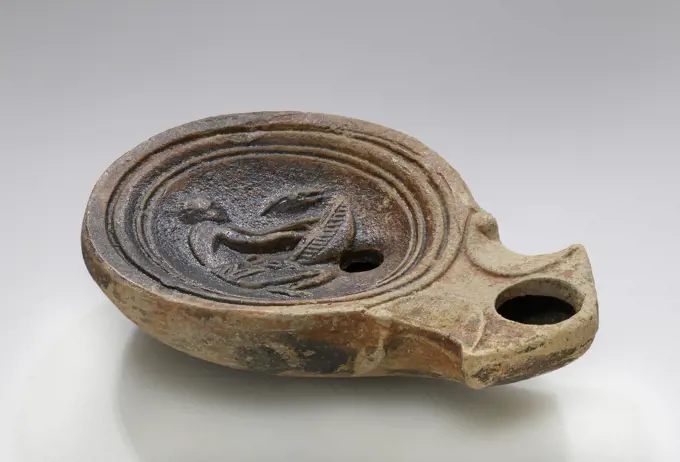
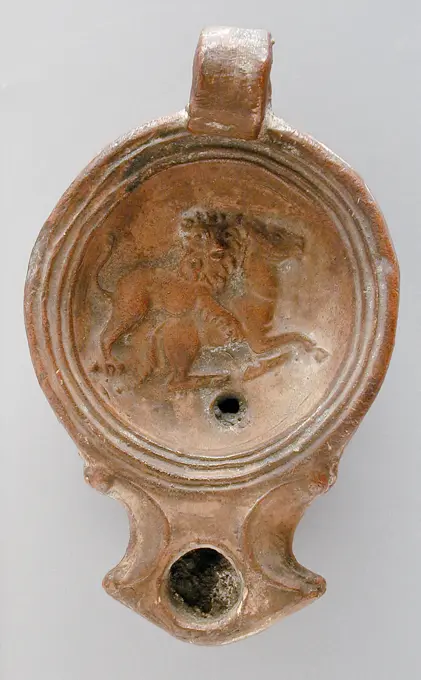
Lamp, North Africa; 1st - 4th century; Terracotta; 2.2 x 6.7 x 9.2 cm (7,8 x 2 5,8 x 3 5,8 in.)
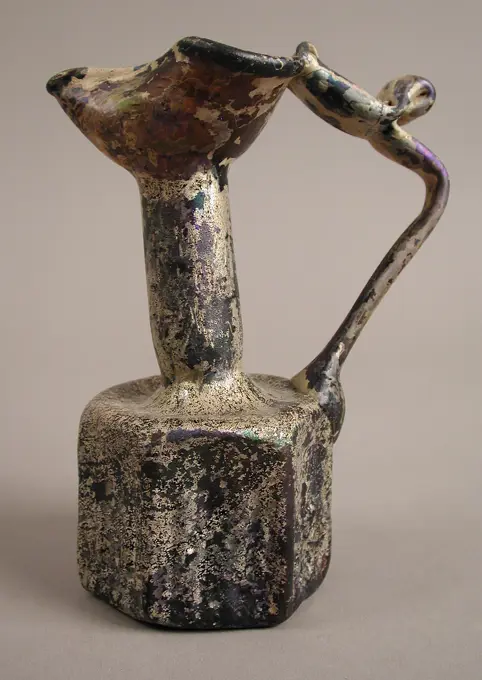
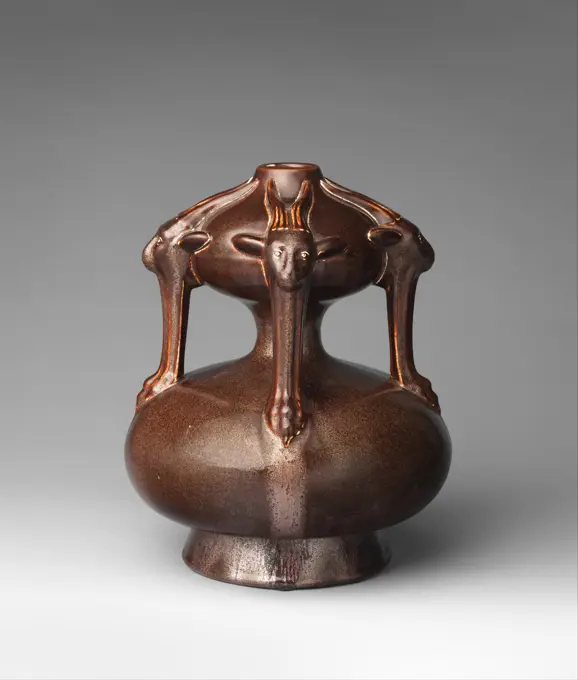
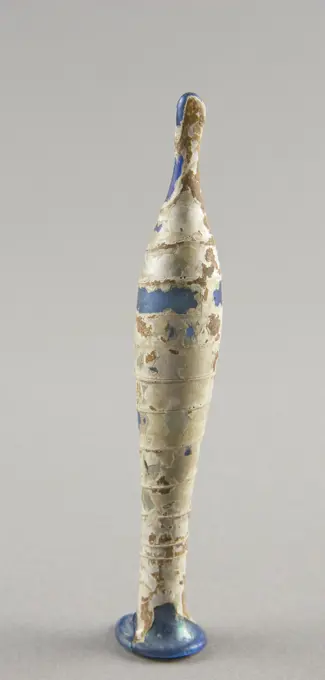
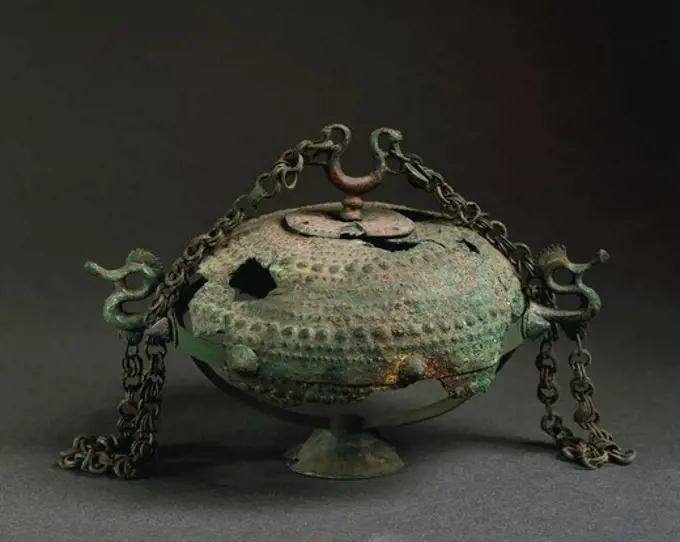
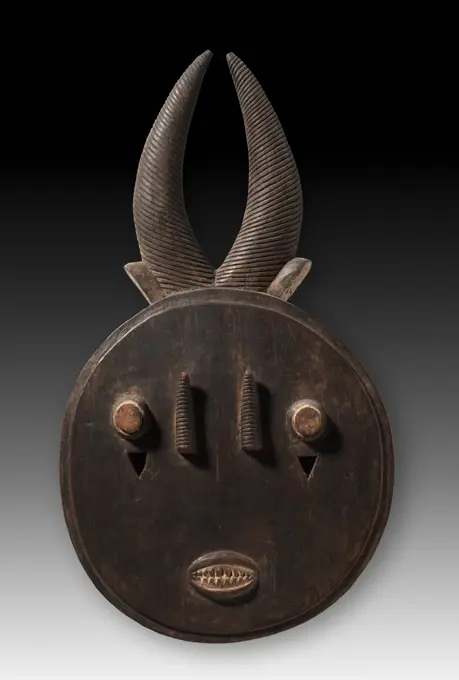
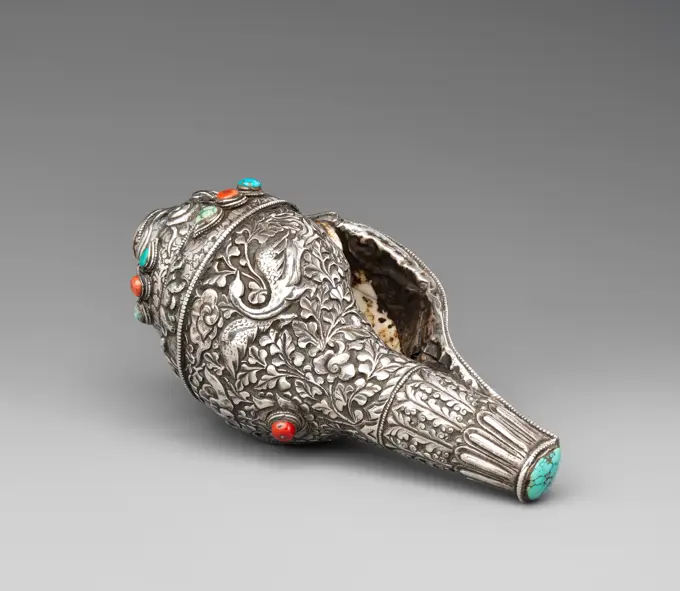
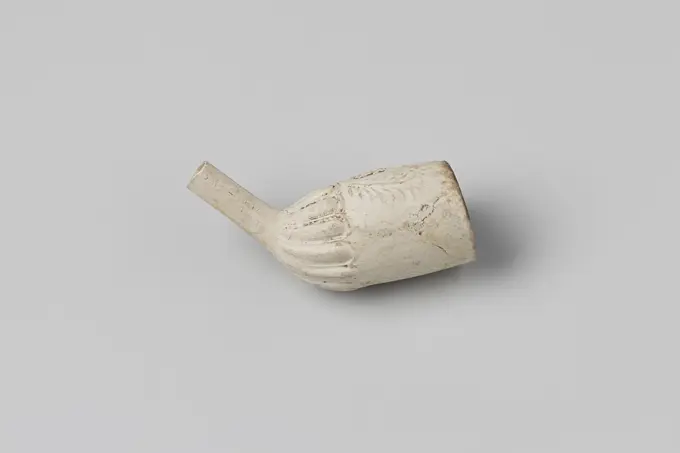
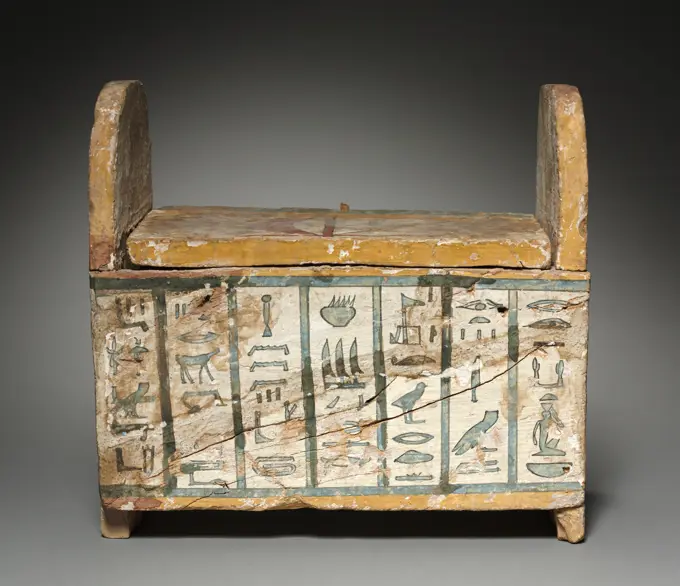
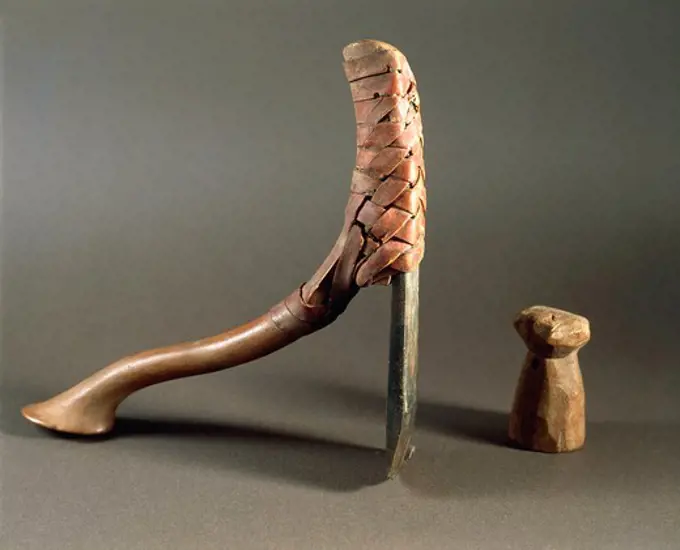
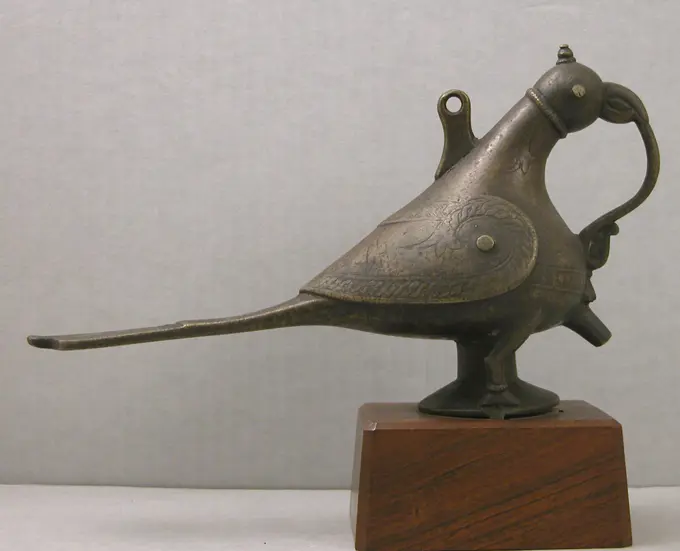
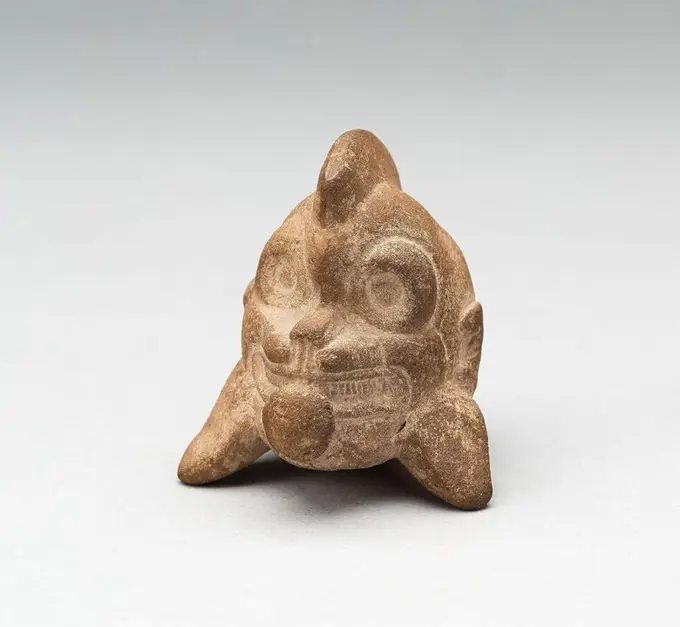
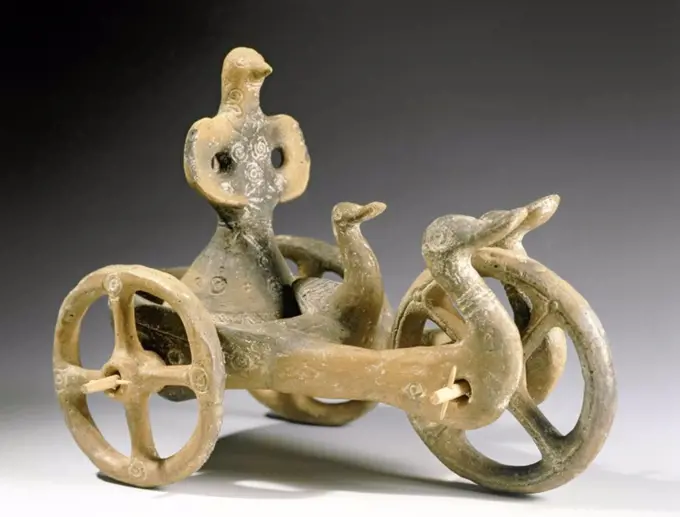
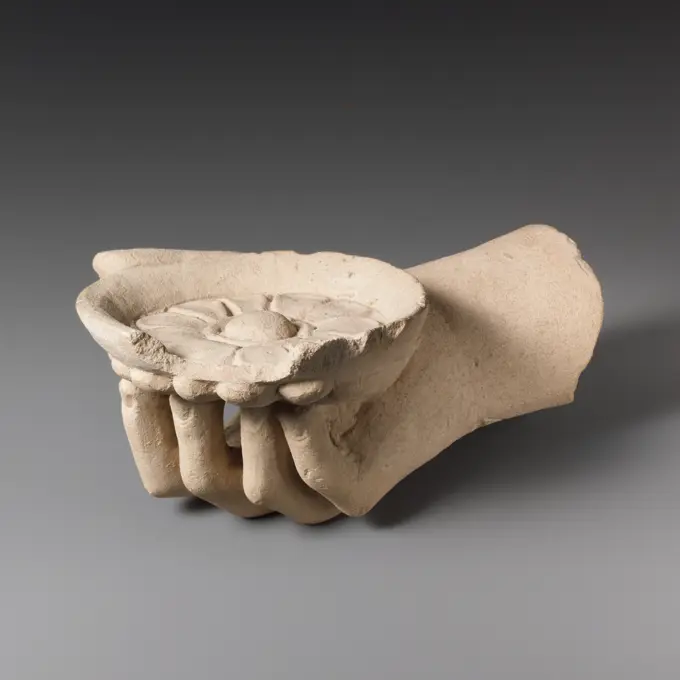
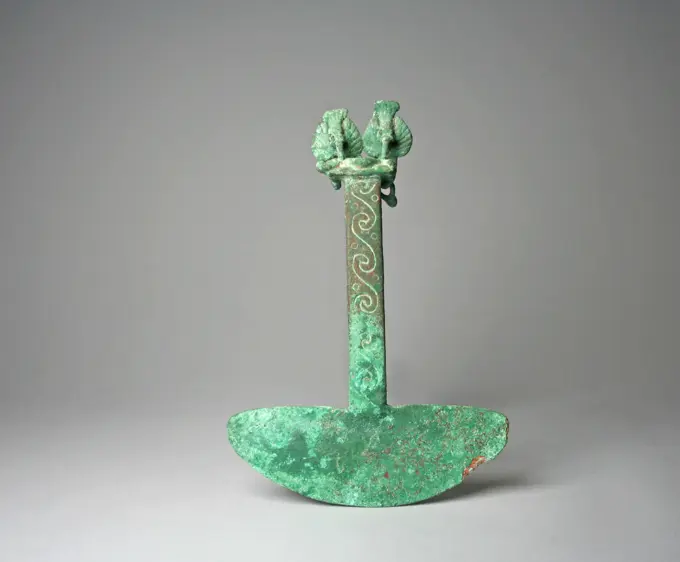
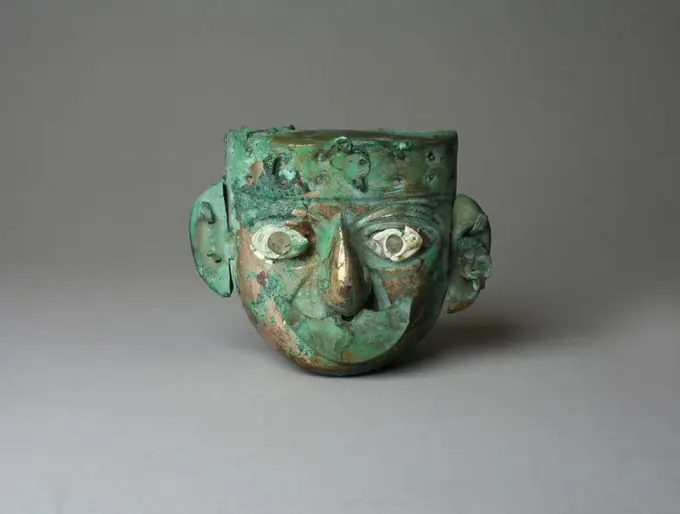
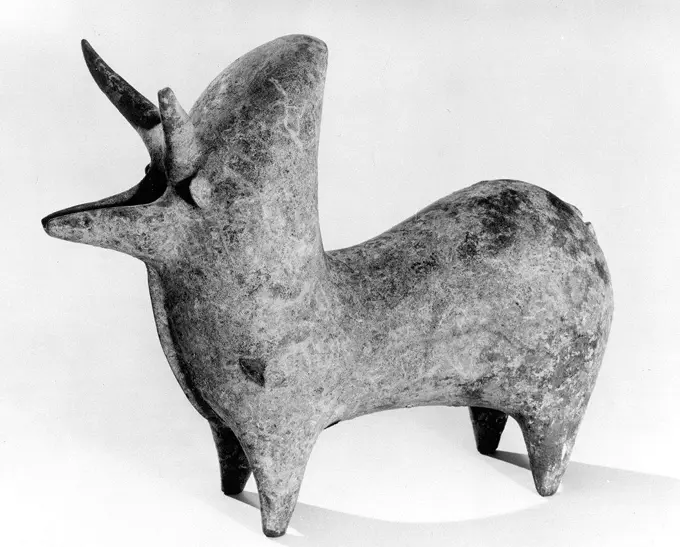
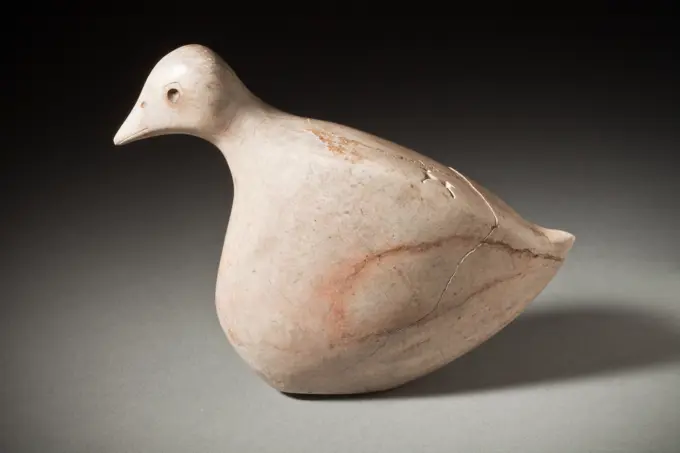
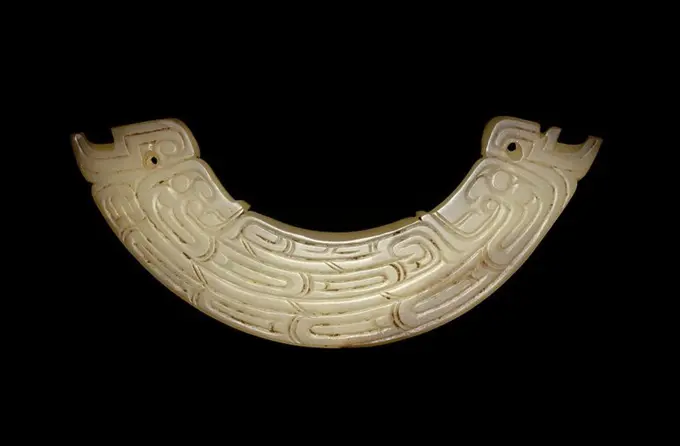
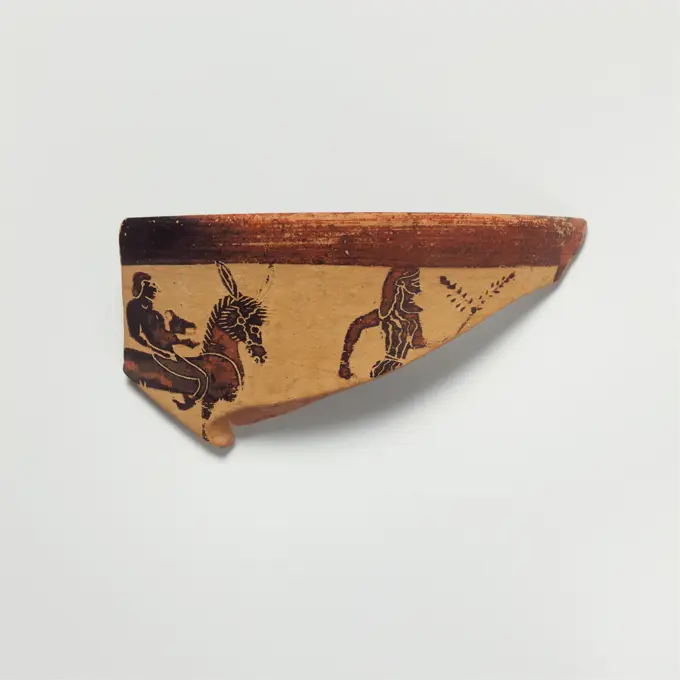
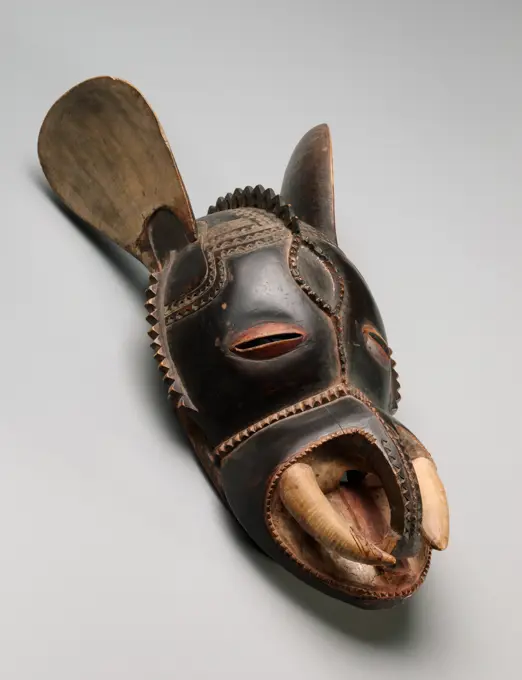
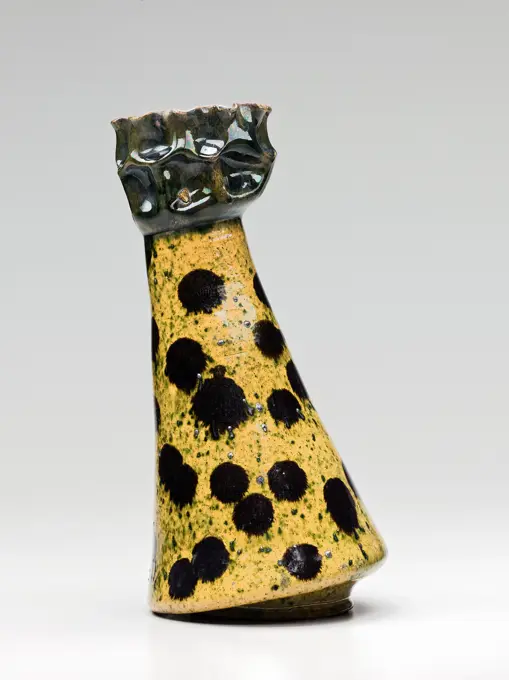
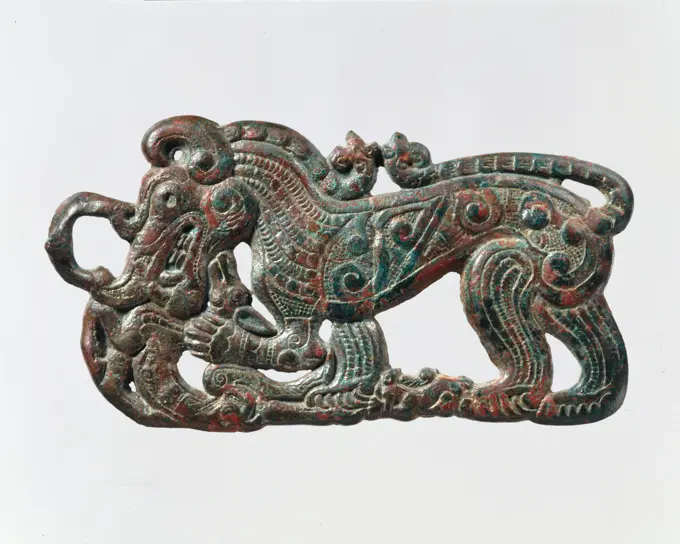
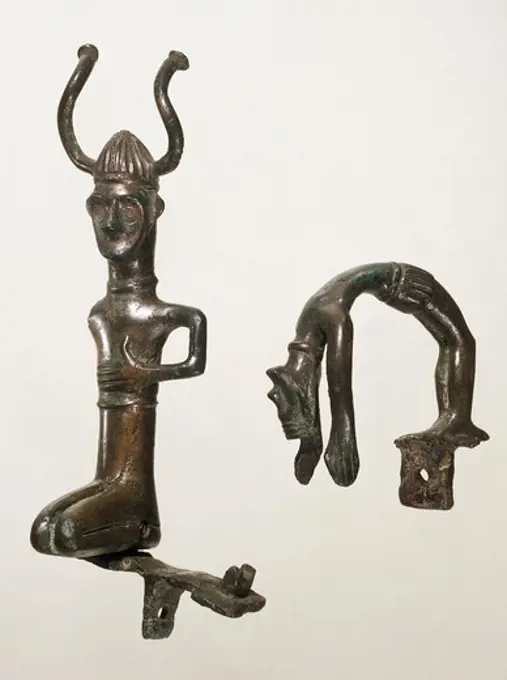
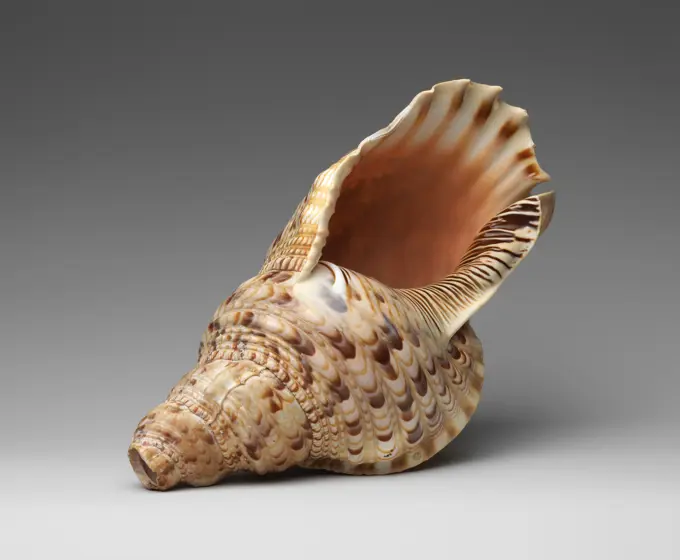
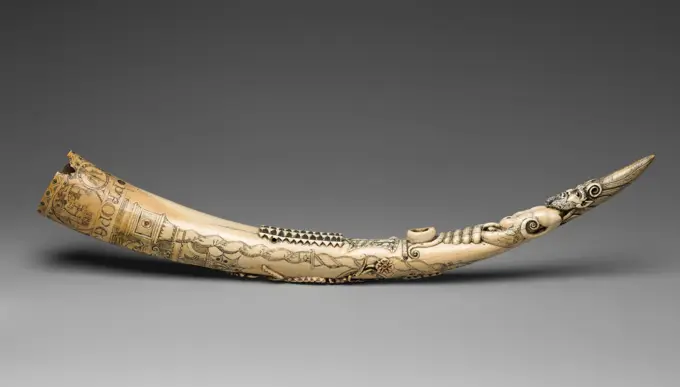
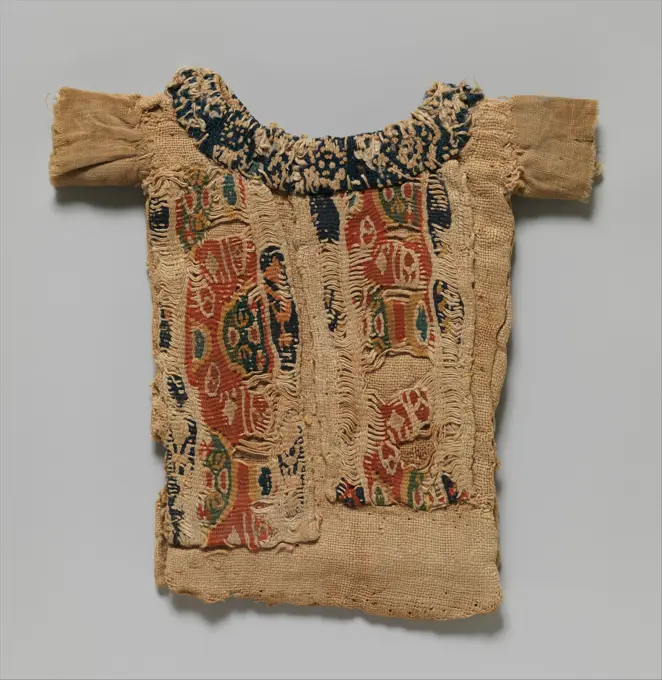
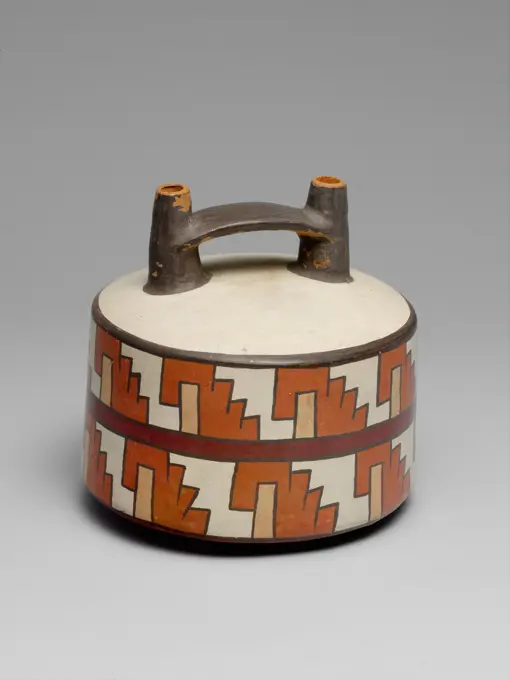
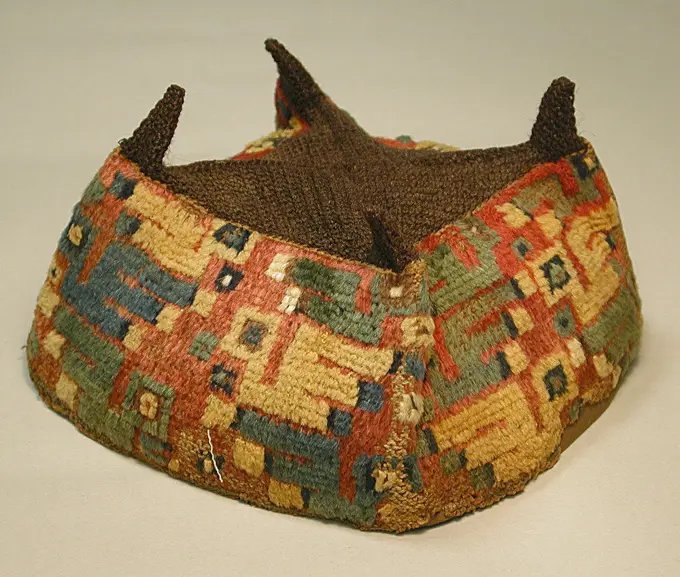
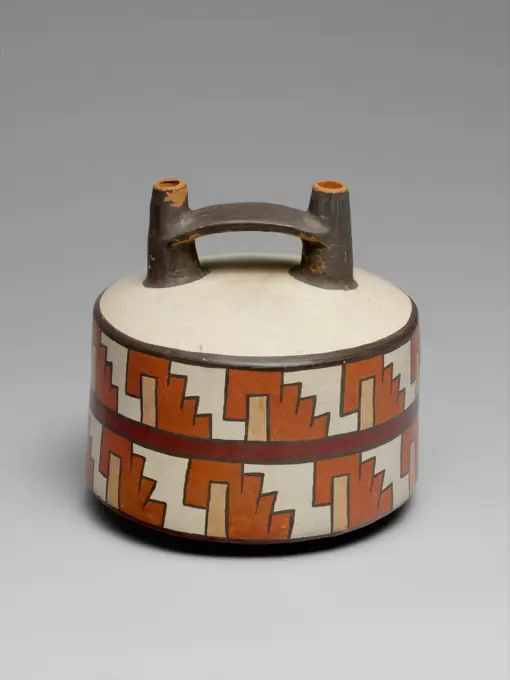
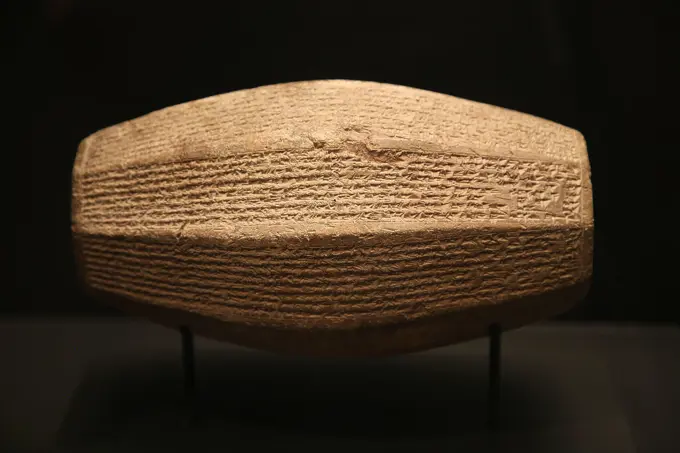
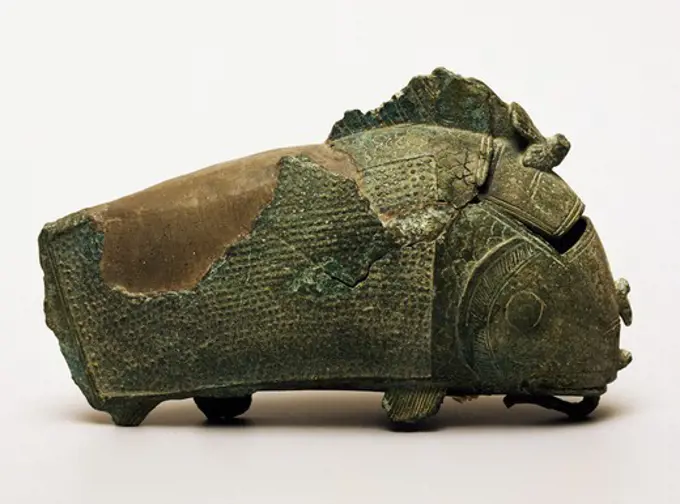
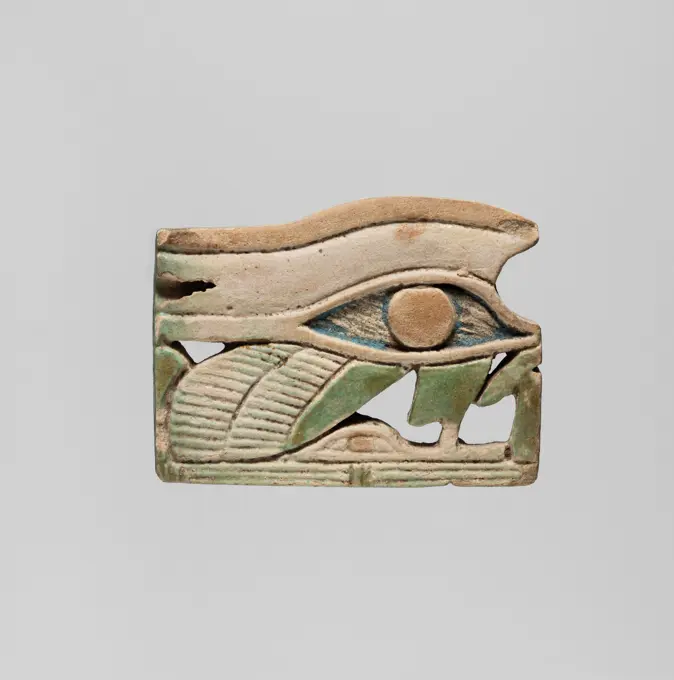
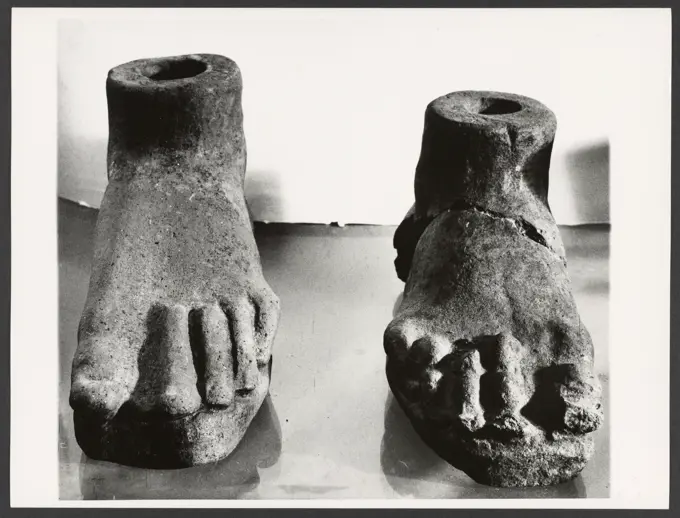
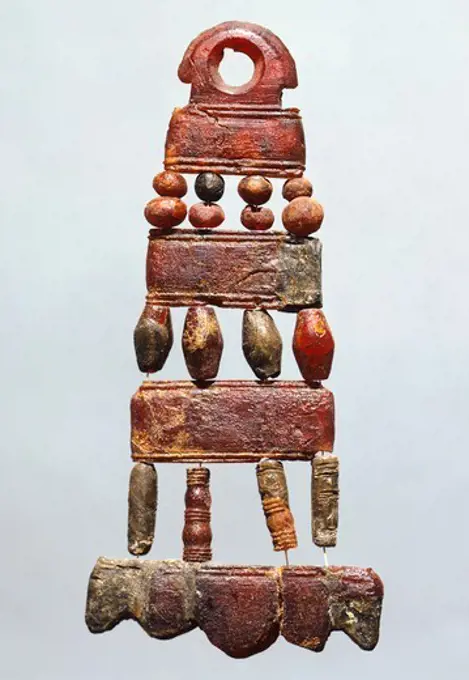
Double Spout and Bridge Bottle with Face 1st-4th century Nasca. Double Spout and Bridge Bottle with Face 309132Ceremonial Ballgame Yoke Made 700 CE-800 CE Veracruz. Serpentine . Veracruz, ClassicJug 6th-7th century Jewish. Jug 467077Pillow in the Form of a Recumbent Tiger, 12th-13th century, 4 3/8 x 12 7/8 x 6 1/2 in. (11.11 x 32.7 x 16.51 cm), Slip-covered stoneware with painted and incised lotus decor under clear glaze, China, 12th-13th centuryRooster weathervane, c. 1860, 39 x 27 in. (99.06 x 68.58 cm), Iron, United States, 19th century, For townspeople of the 1700s and 1800s in America, reading the weather was simply a matter of looking up. Weathervanes graced the roofs of meeting halls and churches in the town center. Farmers and others who lived outside of town often made their own weathervanes. Early examples like this highly stylized rooster from Bucks County, Pennsylvania, were usually two-dimensional and hand cut from wood or sheet metal.Stool, 19th century, 10 5/8 x 7 3/16 x 8 in. (26.99 x 18.26 x 20.32 cm), Wood, brass tacks, Angola, 19th centuryKomfoor, anonymous, c. 1675 - c. 1699 Komfoor of earthenware with light yellow shard and brown -bleached lead glaze. The grain is on three legs, and originally had two ears and three supports on the upper edge. Netherlands earthenware. lead glaze Komfoor of earthenware with light yellow shard and brown -bleached lead glaze. The grain is on three legs, and originally had two ears and three supports on the upper edge. Netherlands earthenware. lead glazeVase with goat masks ca. 1894 Christopher Dresser British, Scottish Determined that pottery vessels should be regarded as true works of art, avant-garde ceramicists in France in the last decades of the nineteenth century transformed their craft into an intellectual and emotional endeavor. The pioneers of this revival were Jean Carriès, Ernest Chaplet, Théodore Deck, and Auguste Delaherche. These revolutionary artist-potters embraced artisanal traditions while pursuing lost techniques through exhaustive experimentation. Reacting to what they viewed as an excessive and improper use of ornament, they celebrated the simplicity and sincerity of their medium, following the tenets of the Art Nouveau style taking place in Europe. Based on the principles of the British Arts and Crafts movement, Art Nouveau artists sought to reform the decorative arts by emphasizing uniqueness and a return to craftsmanship. Artist-potters found inspiration in Asian ceramics, particularly Japanese stoneware (a haMortar and pestle with cover for medicine figure, Wood, plant fibers, LiberiaBottle 1 CE-200 CE Mediterranean Region. Initially affordable only among the wealthy, glass was used in ancient Rome as containers for oils, perfume, and tablewares. The variety of glass-making techniques reveals the changing tastes and fashions over the centuries. During the 1st century CE, cast glass was a novel form that was a luxury for the Roman household, but by the end of the century, the innovation of blown glass allowed for less labor-intensive and less expensive production, which meant people of lesser means could afford it. Blown glass became so popular it nearly supplanted ceramic and even bronze wares in the home.. Glass, blown technique . Ancient MediterraneanAmphoriskos (Container for Oil) 200 BCE-50 BCE Eastern Mediterranean Region. Glass, core-formed technique . Ancient Eastern MediterraneanItalic civilizations, Piceni. Censer. From the necropolis of Novilara, province of Pesaro-Urbino.Mask (Kple Kple or Kouassi Gbe), late 1800s-early 1900s. Africa, West Africa, Côte dIvoire, Baule-style carver. Wood, resin, and paint; overall: 40.7 cm (16 in.). This kple kple mask belongs to the first of four pairs of masks that entertain as part of a performance sequence in the goli dance. The male in each pair dances first. The masks are worn by young boys in a rapid stamping dance. The masqueraders alternate with each other and watch their partners perform. The head of the male kple kple is painted red, whereas the female, like this example, is colored black.Ritual Conch Shell Trumpet (Dung-Dkar) Tibet 19th Century View more. Ritual Conch Shell Trumpet (Dung-Dkar). Tibet. 19th Century. Conch shell, silver, turquoise and coral. Musical instrumentsFragment tabakspijp.Fragment tobacco pipe with floral fashed motif and a coat of arms with lion, enclosed by flower branches, depicted. Of the excavations at the Hofstede Arentsburg 1827-1831 under the supervision of professor Reuvens.Shell; Unknown; Atalante (), Greece, Europe; about 425 B.C.; Marble with polychromy; Object: H: 20.2 x W: 24.5 x D: 4.7 cm (7 15/16 x 9 5/8 x 1 7/8 in.)Covered Box for Shawabtys of Ditamenpaankh, 715-656 BC. Egypt, Late Period, Dynasty 25. Painted wood; overall: 29.7 x 15.4 cm (11 11/16 x 6 1/16 in.). High demand for shawabtys in the Late Period, a time when as many as 400 or more shawabtys were placed in the tomb with the deceased, gave rise to a specialized container for storing them: the shawabty box. This example is inscribed for the lady of the house, Ditamenpaankh, and was probably one of a pair originally made for her. The single-masted boat on the boxs lid is perhaps an allusion to the pilgrimage of the deceased to the holy city of Abydos, the cult city of Osiris, king of the dead. The shawabtys inside are crude, mass-produced examples cast in an open mold. Made of terracotta, their blue paint imitates more costly shawabtys made of faience. As for the shawabty spell, it has been removed from its traditional location on the shawabtys front and relocated onto the sides of box, where it needed only to be written once, thus expInkstand/ Pen Tray/ Pen Holder, 1840-60. Carved by William Gibbs Rogers. Social History - Pinto Collection - Purchased from Edward H Pinto, 1965.. This ink stand was carved by William Gibbs Rogers (1792-1875) for the Great Exhibition of 1851. He has used lime wood, which is soft and easy to carve. Rogers was one of the most prominent wood carvers in Victorian England. His work can be seen in a number of churches and public buildings including St. Paul's Cathedral and the House of Lords. .Sow Amulet. Dimensions: h. 3cm (1 3/16 in); l. 3.5 cm (1 3/8 in). Dynasty: Dynasty 26-29. Date: 664-380 B.C.. Museum: Metropolitan Museum of Art, New York, USA.Mace head with reclining bulls ca. 3100-2700 B.C.. Mace head with reclining bulls 327390Ornament in the Shape of a Pigeon on a Rock. Culture: Japan. Dimensions: H. 4 1/2 in. (11.4 cm). Date: 1750. Museum: Metropolitan Museum of Art, New York, USA.Italy, Biella's, Dove shaped perfume vials from necropolisAxe with a straight cut bronze blade and a wooden handle, eighteenth dynasty, wooden sleekerElement of a Lamp 18th-19th century. Element of a Lamp 447421Whistle in the Form of the Head of a Jaguar. Possibly Jaina-style; Possibly Campeche, Mexico. Date: 250 AD-900 AD. Dimensions: . Ceramic and pigment. Origin: Campeche. Museum: The Chicago Art Institute, Chicago, USA. Author: Maya.Votive object in shape of chariot with swans and idols, Clay, bronze Age, from Duljaja, Serbia. Museum: NATIONAL MUSEUM, BELGRADO, YUGOSLAVIA.Lamp. Eastern Mediterranean, Late 2nd century A.D.. Furnishings; Lighting. TerracottaAnefo photo collection. Degree of iron age at Haps under Cuyck. One of the specialists at work. November 10, 1967. CuijkLimestone hand holding a phiale (libation bowl) 5th-4th century B.C. Cypriot Votaries or worshippers appear frequently in Cypriot sculpture. This fragment would have belonged to a male figure extending a phiale in his right hand.. Limestone hand holding a phiale (libation bowl). Cypriot. 5th-4th century B.C.. Limestone. Classical. Stone SculptureCeremonial Knife (Tumi) 12th-15th century Chimú. Ceremonial Knife (Tumi) 315226Ivory arrow straightener in the form of a bear with engraved pictographs. Artist: UnknownVessel. Iraq or Syria, 1000-1250. Ceramics. Earthenware, carved and glazedFace Mask Ornament. Culture: Moche (Loma Negra). Dimensions: H x W: 2 3/8 x 3 1/8in. (6 x 8cm). Date: 390-450. Museum: Metropolitan Museum of Art, New York, USA.Shurayba Shurayba, jug with sgraffito decoration on black manganese bands, 12th-13th century AD, Shaltish Saltés,islamic period, Huelva Museum, Huelva, Andalusia, Spain Copyright: xZoonar.com/BartomeuxBalaguerxRotgerx 21720696Spouted vessel in the form of a zebu ca. early 1st millennium B.C. Iran. Spouted vessel in the form of a zebu 327355Limestone statuette of a bird ca. 600-480 B.C. Cypriot On Cyprus, birds were frequently associated with the cult of Aphrodite.. Limestone statuette of a bird 242382Wine Container. China. Date: 1600 BC-1050 BC. Dimensions: 45.0 × 24.8 cm (17 3/4 × 9 3/4 in.). Bronze. Origin: China. Museum: The Chicago Art Institute, FLORENCIA, USA.Bird Stamp Seal.. Turkey, 3rd Millenium B.C.. Tools and Equipment; seals. StoneFragment of a Mosaic Glass Vessel. Unknown 1st century B.C.-1st century A.D. Dark blue with yellow ribbon.Ancient China: Food vessel (Fang Ding), Western Zhou Dynasty, 1027 - 771 BC. Bronze.Corinthian cup, Ceramic wheel, 6th century BC., Huelva Museum, Huelva, Andalusia, Spain.Arc-shaped pendant (huang). China. Date: 900 BC-700 BC. Dimensions: 2.4 × 10.9 × 0.6 cm (4 5/16 × 15/16 × 1/4 in.). Jade. Origin: China. Museum: The Chicago Art Institute, Chicago, USA.Statuette of an Erotic Figure. UnknownFragment of a terracotta kantharos (drinking cup with high handles) early 5th century B.C. Greek, Boeotian Return of Hephaistos.. Fragment of a terracotta kantharos (drinking cup with high handles) 255082 Greek, Boeotian, Fragment of a terracotta kantharos (drinking cup with high handles), early 5th century B.C., Terracotta, greatest length 4 3/8 in. (11.1 cm); estimated diameter of lip 6 5/16 in. (16 cm). The Metropolitan Museum of Art, New York. Gift of Nicolas Koutoulakis, 1960 (60.92.2)Hat. Wari; Peru, Probably central or south coast. Date: 600 AD-900 AD. Dimensions: 11.4 x 16.5 cm (4 1/2 x 6 1/2 in.). Wool (camelid), square knotted ground with interworked yarns forming cut pile; tassels. Origin: Peru. Museum: The Chicago Art Institute, Chicago, USA.Face Mask, early 1900s. Africa, West Africa, Côte d'Ivoire, possibly Yaure-style carver. Wood, paint, and colorant; overall: 31.7 cm (12 1/2 in.).Vase 1897-1900 George E. Ohr In many ways George Edgar Ohr was the quintessential Arts and Crafts potter, combining artistic vision with extraordinary skill with his hands. Working in the seaside resort town of Biloxi, Mississippi, he dug the clay, processed and prepared it, threw the shape on the wheel, altered the piece according to his vision, mixed and applied his own glazes, fired the kiln, created his own style of advertising, and took his wares on the road. Ohrs personal mantra was "no two alike," and he was as eccentric as his work was individualistic, with its manipulated forms on ultra-thin thrown vessels, crimping, ruffling, off-centering, and twisting, to create unprecedented forms for the 1890s. To these forms, he applied his own completely new and unusual glazes, applied by sponging, splashing, and spattering, resulting in works that in many ways anticipated the abstract art movements that would find form decades later.This vase epitomizes Ohrs iconoclastic sensibilitieBelt Plaque in the Shape of a Standing Wolf 4th century B.C. Northwest China. Belt Plaque in the Shape of a Standing Wolf. Northwest China. 4th century B.C.. Tinned bronze. MetalworkPrehistory, Denmark, Bronze Age. Two out of the seven figures which ornamented a votive ship: man with helmet; bent man. From Grevensaenge.Conch Shell Trumpet late 19th century Melanesian. Conch Shell Trumpet. Melanesian. late 19th century. Conch shell. Vanuatu. Aerophone-Lip Vibrated-trumpet / tromboneHorn 19th century Probably Mende people This decorative side-blown horn is a nineteenth-century imitation of Afro-Portuguese-style horns. The coat of arms and insignia decorating the side are those of Isabella and Sigismonodo Malataesta, Italian nobles. This horn continues a fifteenth-and sixteenth-century tradition but adds various later Eurpean decorative elements. Certain features, such as the figure at the tip and the ridged area below the mouthpiece, suggest that it may in part be the work of the Mende people of Sierra Leone.. Horn. Probably Mende people. 19th century. Ivory. Probably Sierra Leone. Aerophone-Lip Vibrated-hornAnonymous, reduced housing model: right rear base, between 0 and 400. Terracotta. Cernuschi Museum, Asia Museum of Asia in the city of Paris.Doll's Tunic 6th-8th century Tunics were the standard dress of the Mediterranean world. They were embellished, usually with woven, ornamented medallions and bands (clavi). This colorful miniature tunic was made for a doll.. Doll's Tunic 444106Double Spout Bottle 2nd-4th century Nasca Nazca potters were the first to master the technique of polychrome slip painting. Slips were made of clay particles and mineral pigments suspended in water; they were applied onto the surface of the vessels before the firing process, when the clay was still moist. Whereas solid areas of colored slip may have been applied with smooth cotton fiber, intricate designs and delicate outlines were made with fine brushes. Nazca geometric decorative designs include steps, step frets, stepped pyramids, checkerboards, stars, and zigzag lines, among others. These two vessels are decorated with two rows of stylized step motifs. Kaolin was used as a white pigment; reds and yellows were obtained with iron oxides and black areas were probably made with manganese minerals. The surface of the vessels was burnished with a smooth stone or bone before the clay was completely dry. Repeated step motifs were used in the decoration of Andean ceramics from the CupisniquSpear Thrower End Piece: Phallus 6th-7th century Moche (Loma Negra). Spear Thrower End Piece: Phallus 313481Tab from Mummy Band, 945-715 BC. Egypt, Third Intermediate Period, Dynasty 22, reign of Osorkon I. Stained leather; overall: 3.2 cm (1 1/4 in.).Four-Cornered Hat 7th-9th century Wari Finely woven, brightly colored hats, customarily featuring a square crown, four sides, and four pointed tips, are most frequently associated with two ancient cultures of the Andes: the Wari and the Tiwanaku. The Wari Empire dominated the south-central highlands and the west coastal regions of what is now Peru from 500-1000 A.D. The Tiwanaku occupied the altiplano (high plain) directly south of Wari-populated areas around the same time, including territory now part of the modern country of Bolivia. The cultures not only developed and flourished as contemporaries, but also occupied adjacent lands for nearly four centuries. A Wari ceremonial center called Cerro Baúl was located a mere five miles from Tiwanaku-settled fields in the Moquegua Valley of Peru. The two cultures likely encountered each other at Cerro Baúl and elsewhere, but the nature of these interactions remains largely unknown. Four-cornered hats from both the Wari and the Tiwanaku were Pair of Spouted Bottles 2nd-4th century Nasca Nazca potters were the first to master the technique of polychrome slip painting. Slips were made of clay particles and mineral pigments suspended in water; they were applied onto the surface of the vessels before the firing process, when the clay was still moist. Whereas solid areas of colored slip may have been applied with smooth cotton fiber, intricate designs and delicate outlines were made with fine brushes. Nazca geometric decorative designs include steps, step frets, stepped pyramids, checkerboards, stars, and zigzag lines, among others. These two vessels are decorated with two rows of stylized step motifs. Kaolin was used as a white pigment; reds and yellows were obtained with iron oxides and black areas were probably made with manganese minerals. The surface of the vessels was burnished with a smooth stone or bone before the clay was completely dry. Repeated step motifs were used in the decoration of Andean ceramics from the CupisBasket, 19th-20th century, 2 3/4 x 4 3/4 x 4 3/4 in. (7.0 x 12.1 x 12.1 cm), Natural plant fibers, United States, 19th-20th centuryClay barrel cylinder, inscription of Sargon II. Neo-Assyrian. 650 BC. Khorsabad, Iraq. Cuneiform script, Akkadian language. British Museum. London.Bronze vessel in the shape of fish, Viet Nam. Vietnamese Civilisation, Dong Son culture, early 1st millennium BC.Pendant Necklace. UnknownAmulet - oko udżat, z nogą i skrzydłem sokoła. unknown, authorCERAMICA POPULAR ARGENTINA. Location: MUSEO DE AMERICA-COLECCION. MADRID. SPAIN.Lazio Roma Velletri Museo Civico di Velletri18. Hutzel, Max 1960-1990 Medieval: Marble tondo of the depositon, early christian sarcophagus. Antiquities: Roman;statue of Athena, male and female sculpture fragments- heads, torsos, marble cinerary urn; cippi with inscriptions inscriptions, altars, sarcofagi, sarcofagus with scenes of the feats of Herakles. Etruscan; votive objects, heads, legs feet, eyes, uterus, intestine , animals; bronze objects Architectural sculpture and fragments; relief of procession pottery fragments, lamps; brickstamps. Object Notes: The Museo Civico is housed in the Palazzo Comunale. There are two Hutzel photo campaign notes, one undated and the other November 9, 1985. German-born photographer and scholar Max Hutzel (1911-1988) photographed in Italy from the early 1960s until his death. The result of this project, referred to by Hutzel as Foto Arte Minore, is thorough documentation of art historical development in Italy up to the 18th century, including objects Amber pendant, from Santa Lucia di Tolmino, Slovenia. Paleoveneti Civilization, 7th Century BC.