Ancient Terracotta Oil Lamps

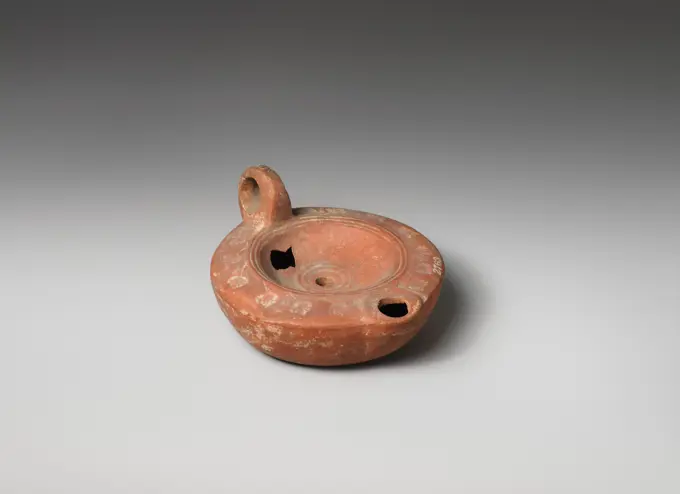
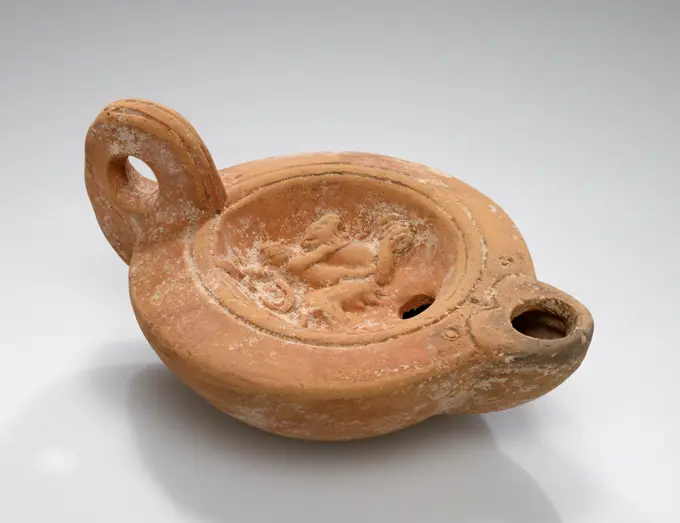
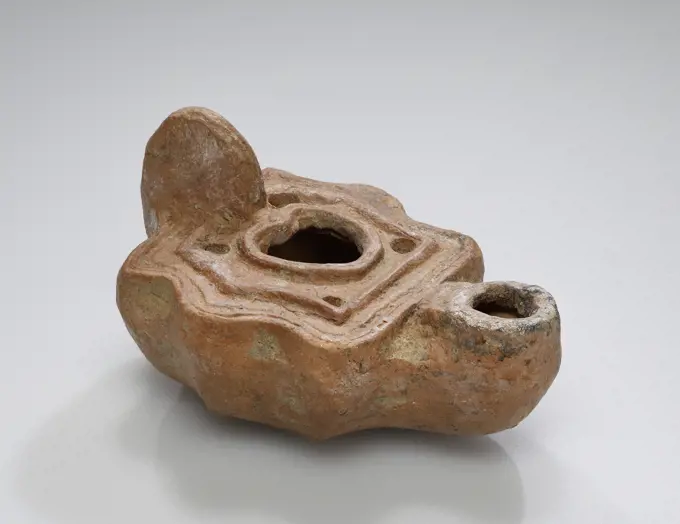
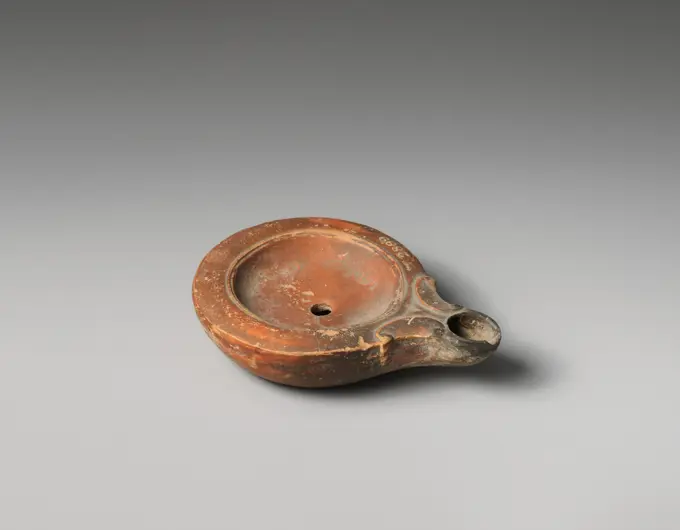
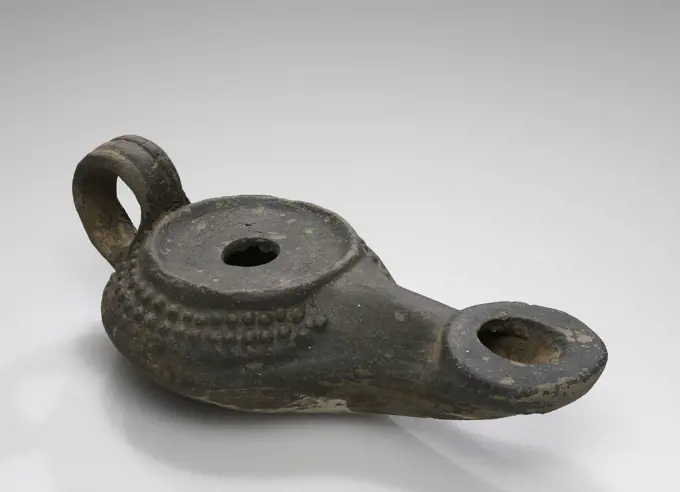
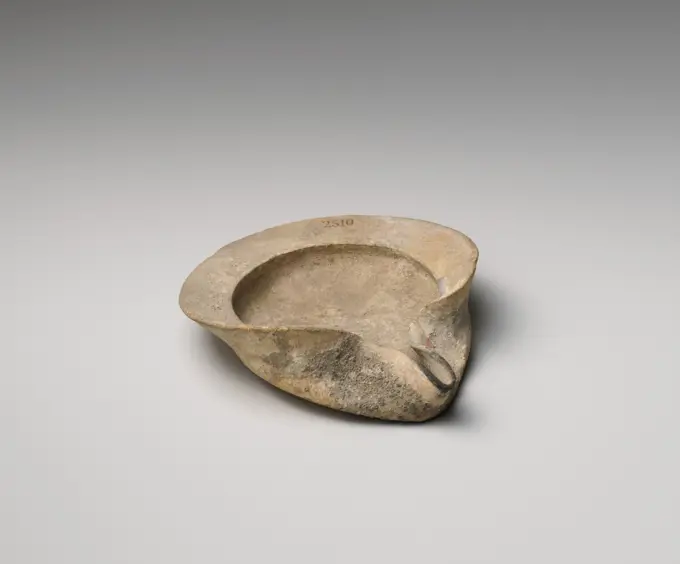
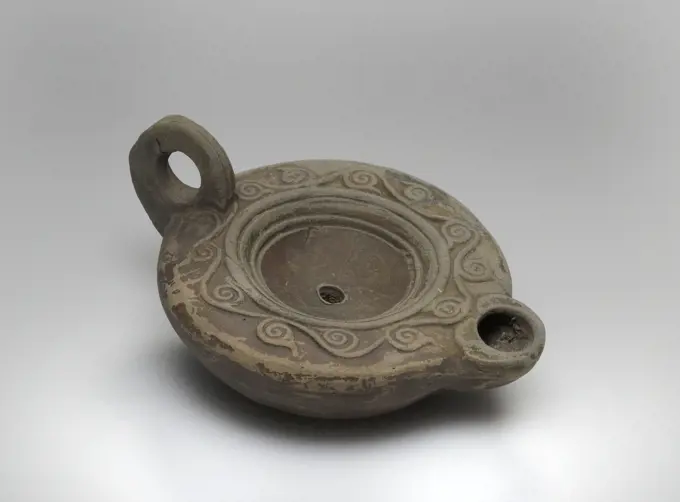
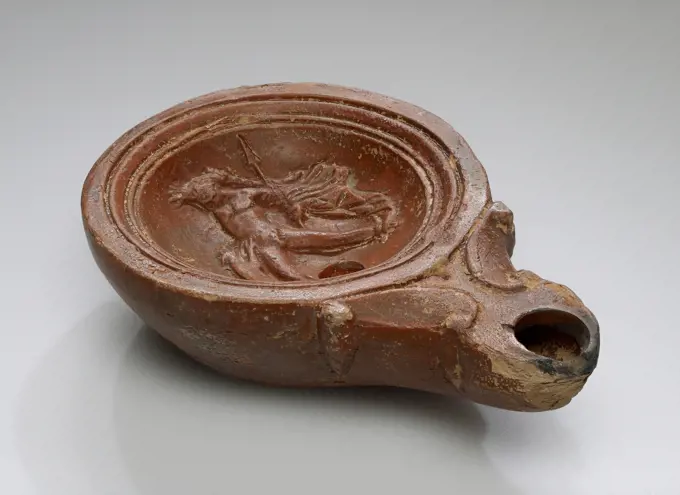
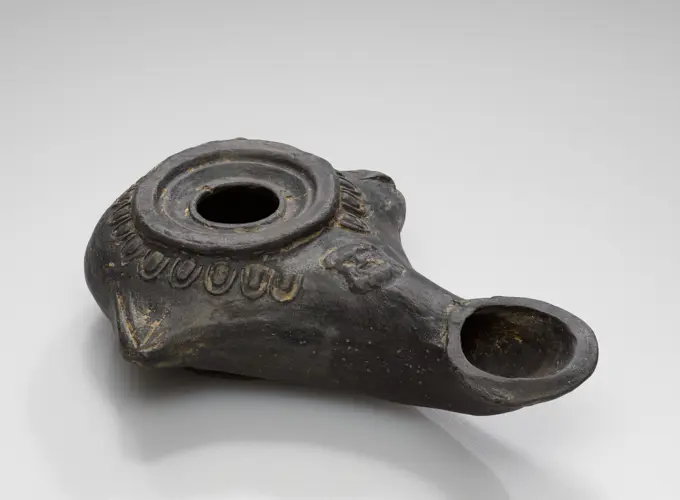
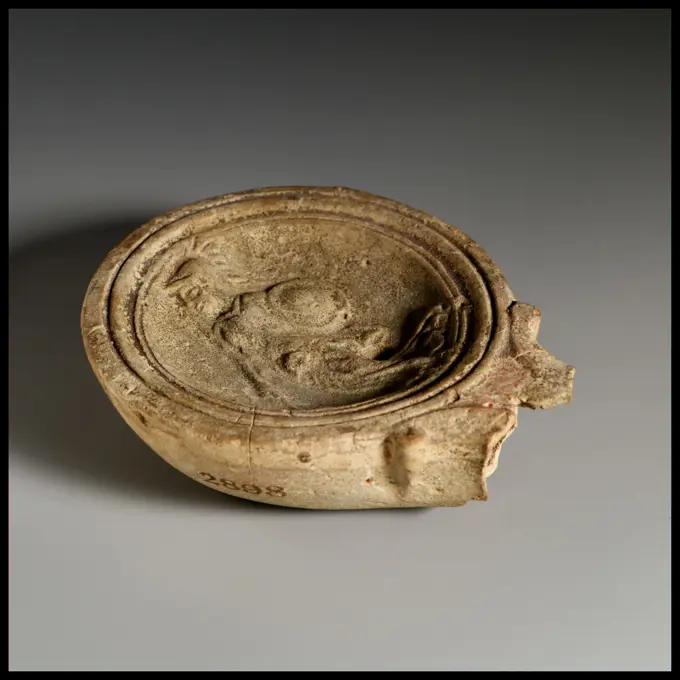
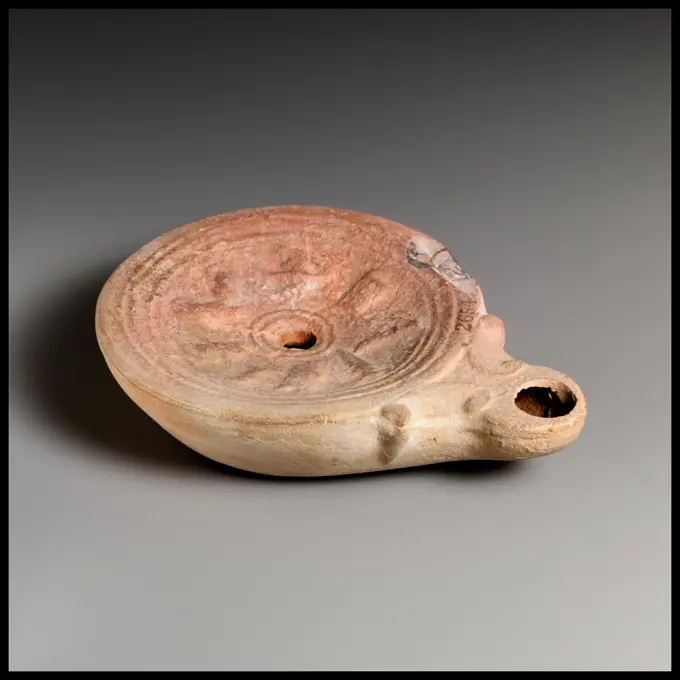
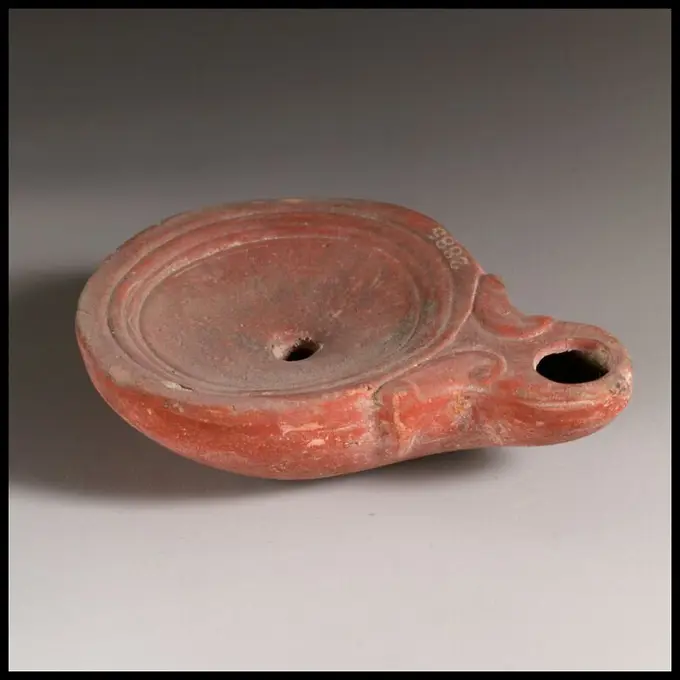
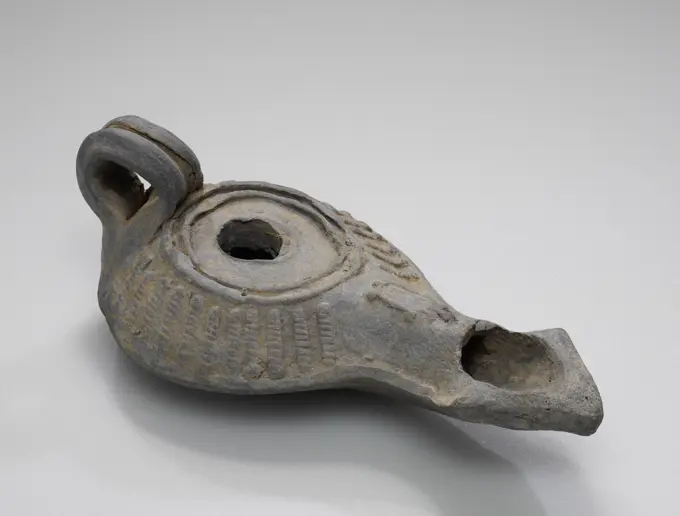
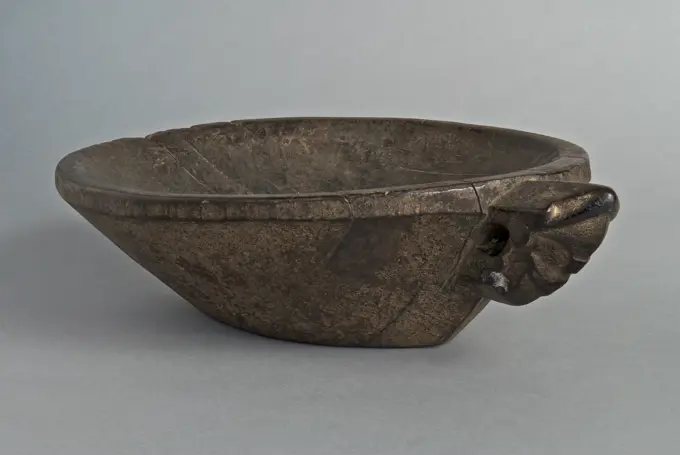
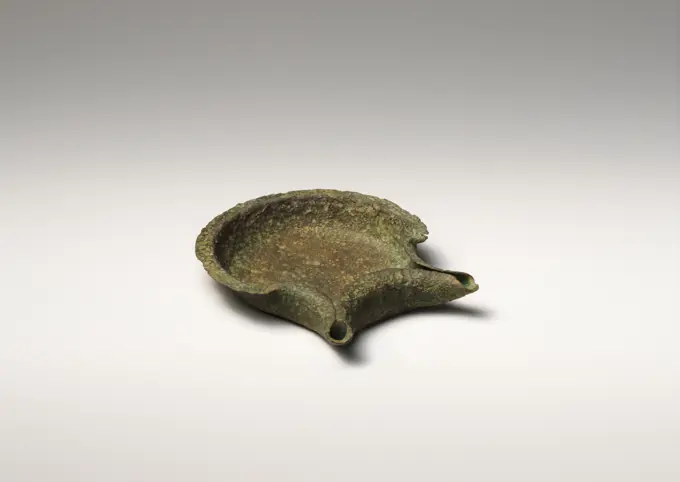
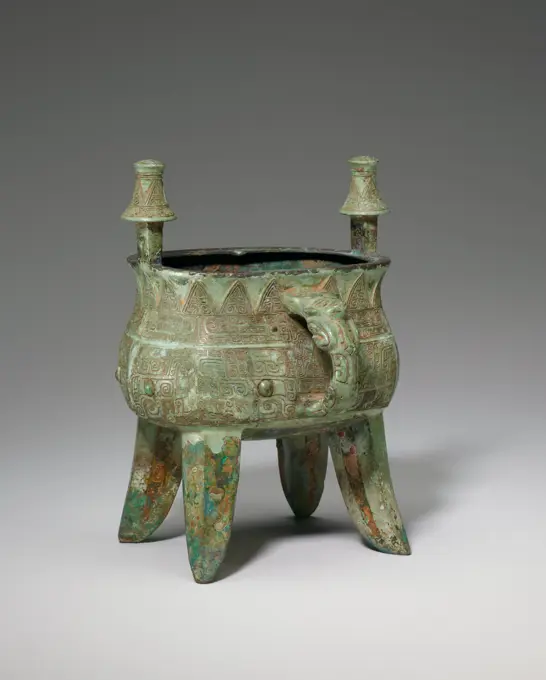
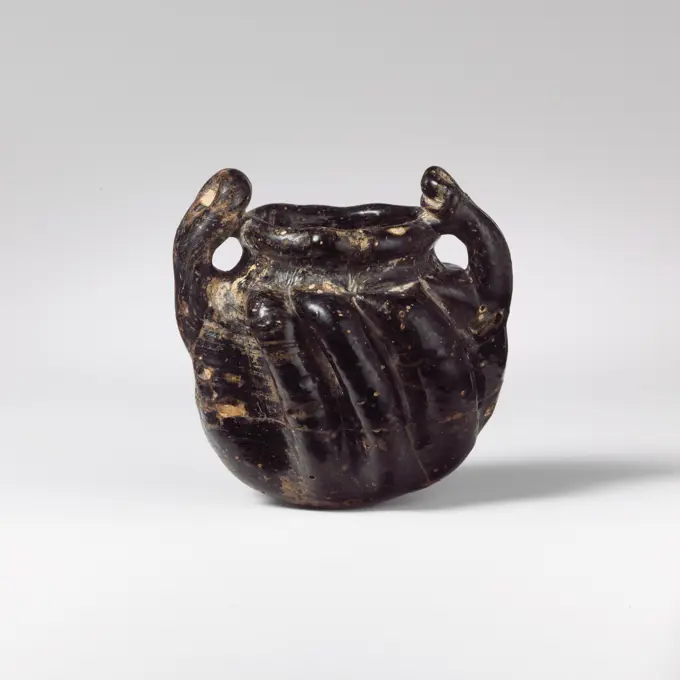
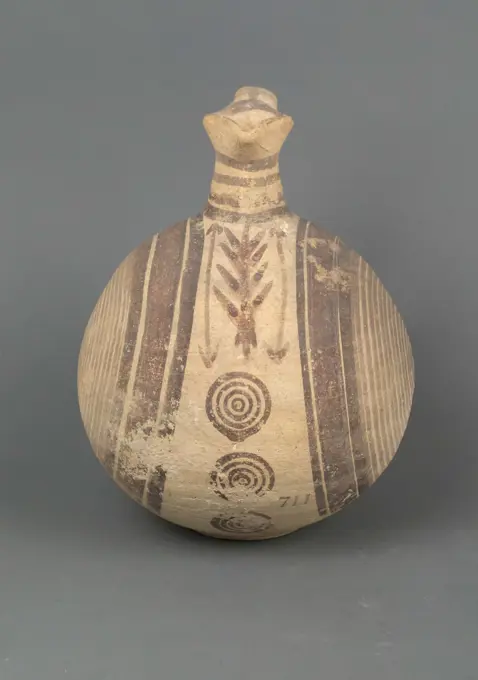
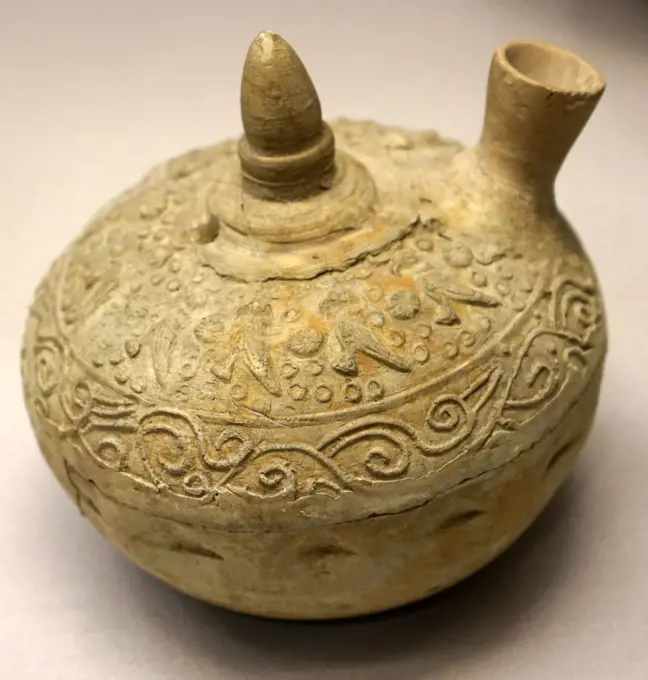
Various ancient terracotta oil lamps featuring unique designs and intricate patterns, showcasing historical craftsmanship from different eras.
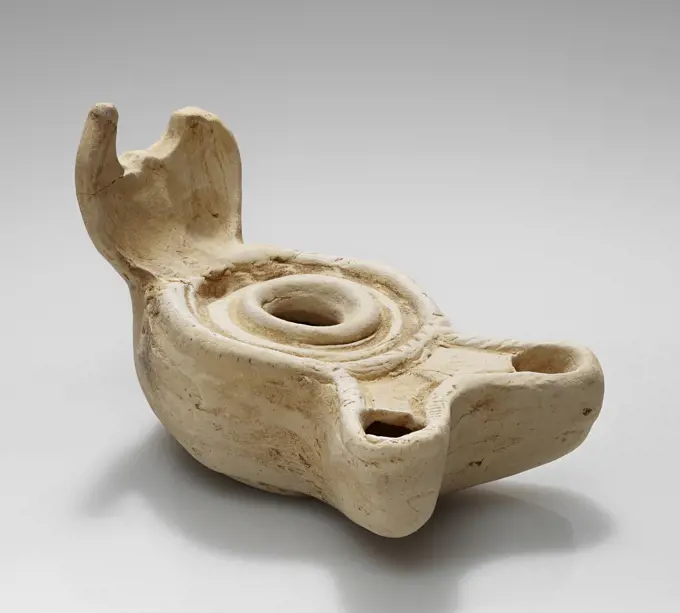
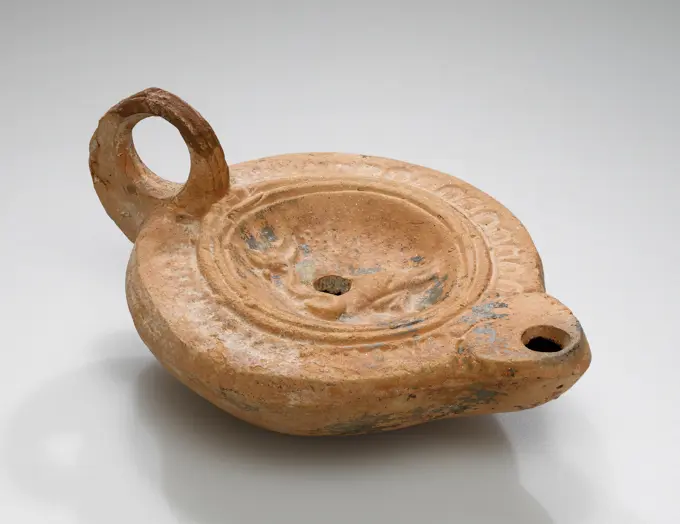
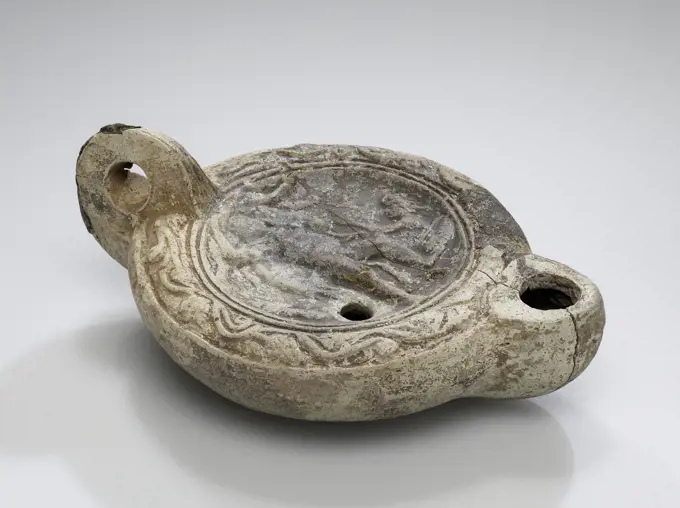
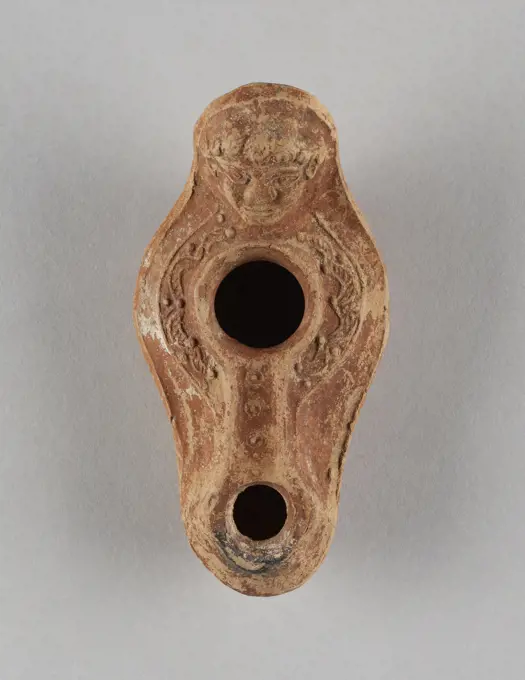
Lamp, Cologne, Germany, Europe; 2nd - 3rd century; Terracotta; 3.5 x 5.2 x 9.5 cm (1 3,8 x 2 1,16 x 3 3,4 in.)
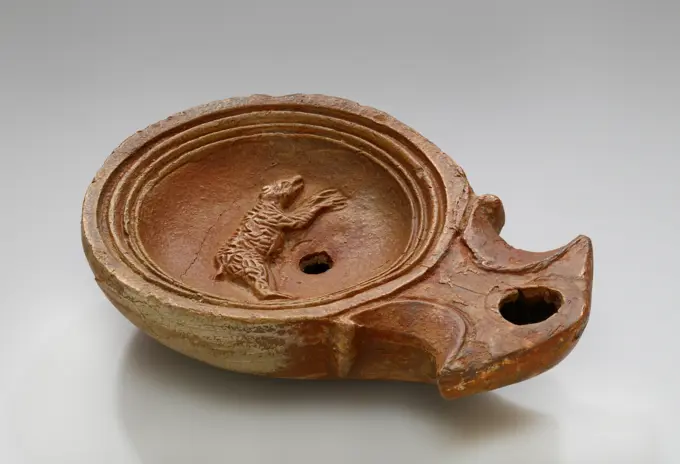
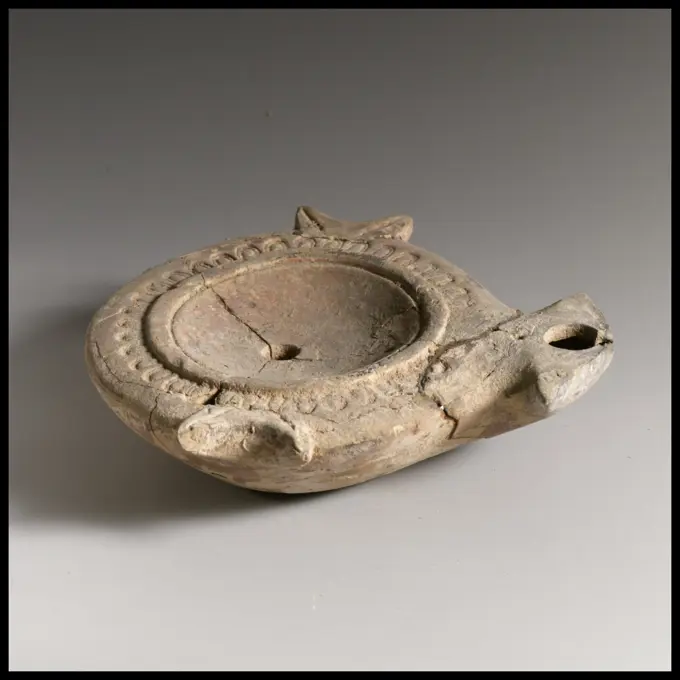
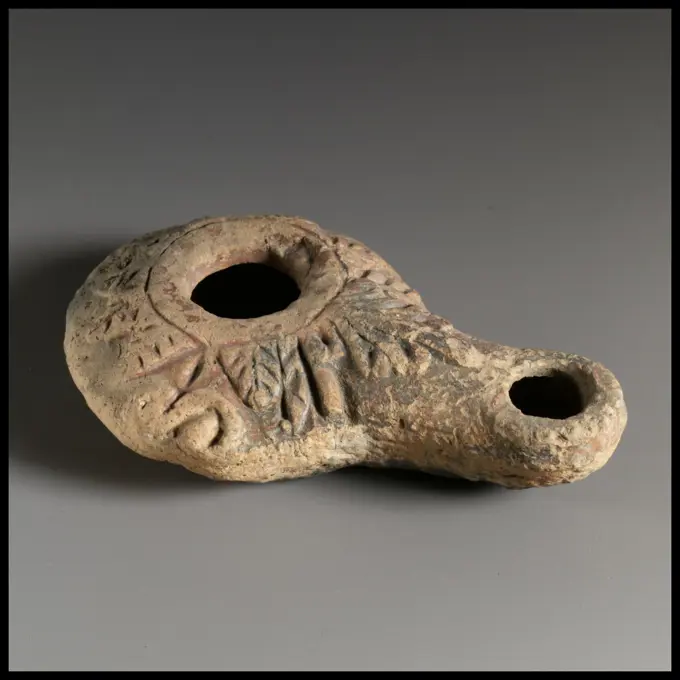
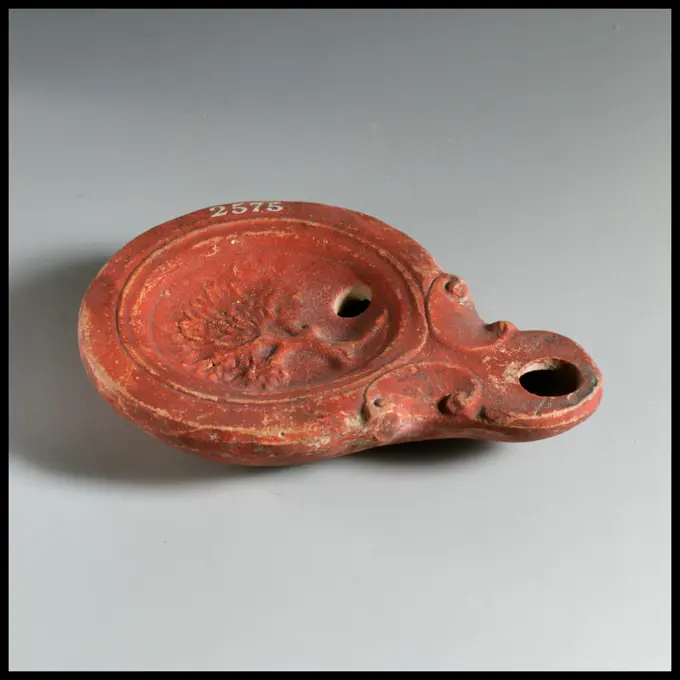
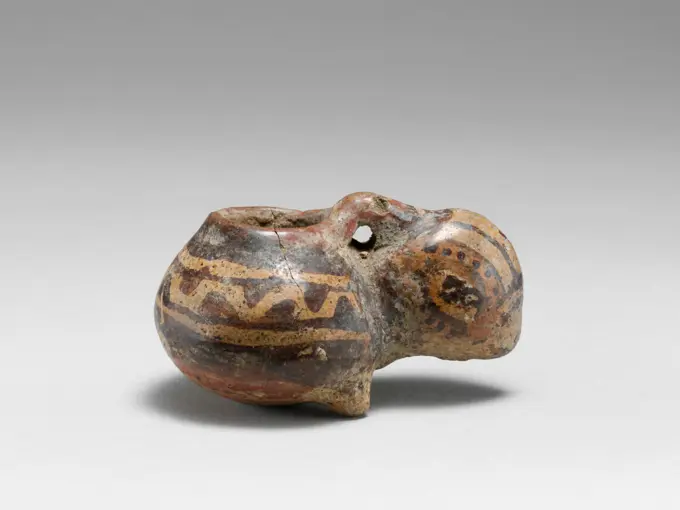
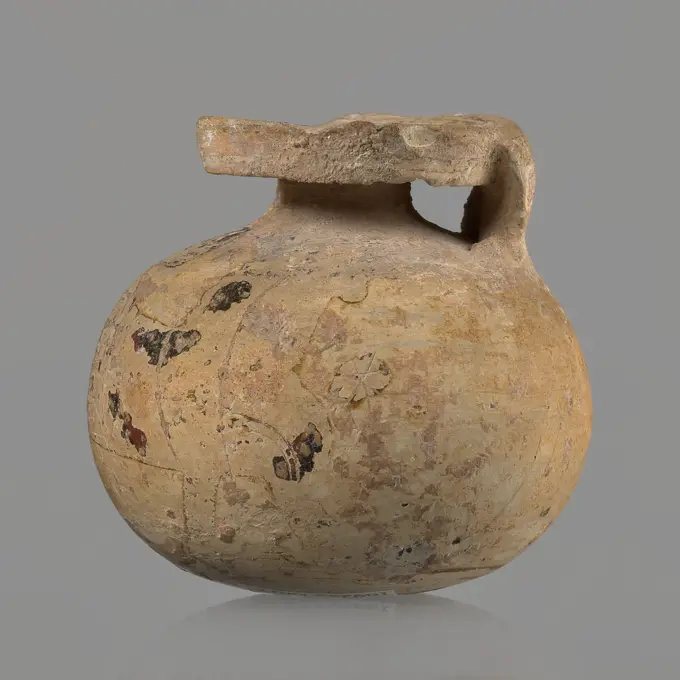
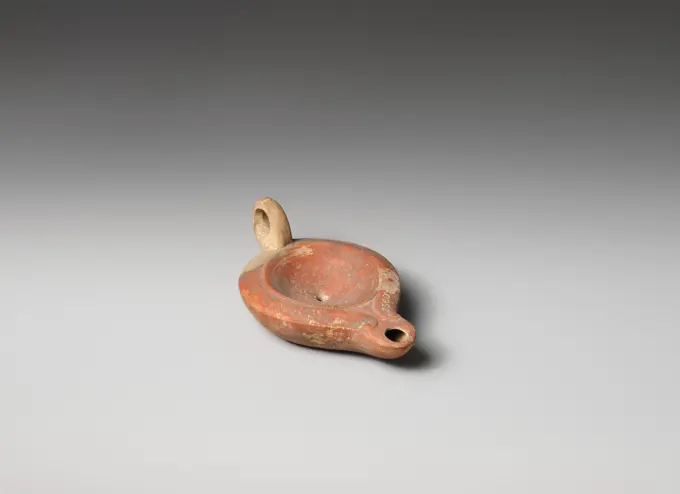
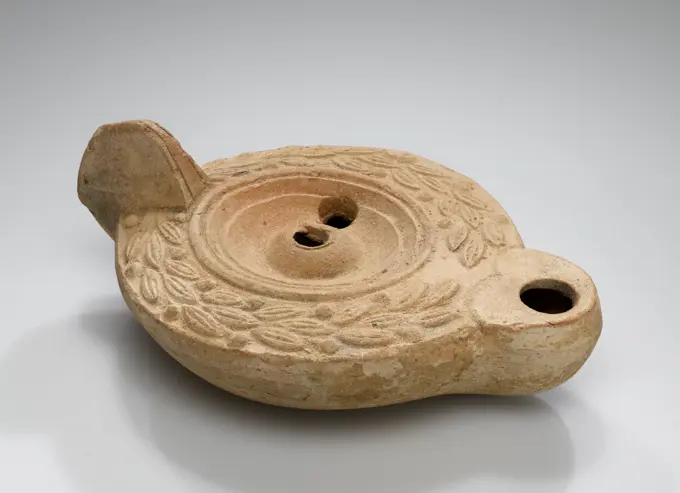
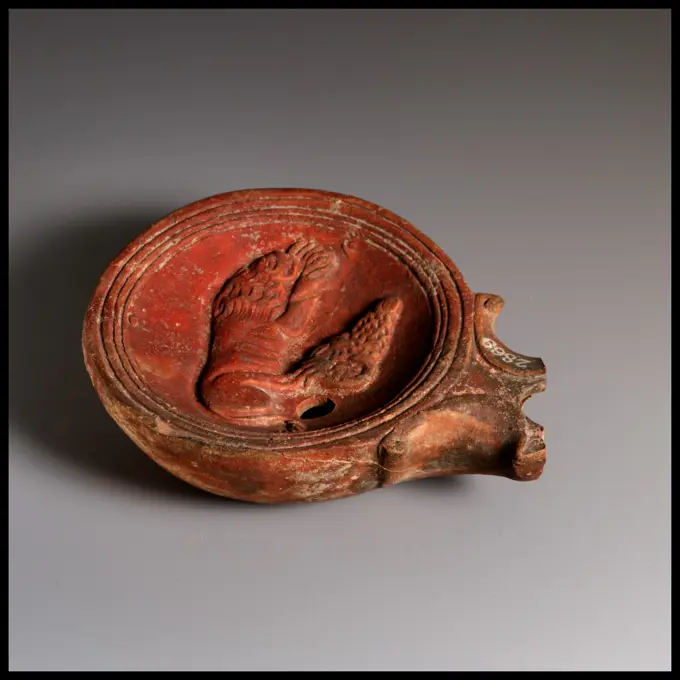
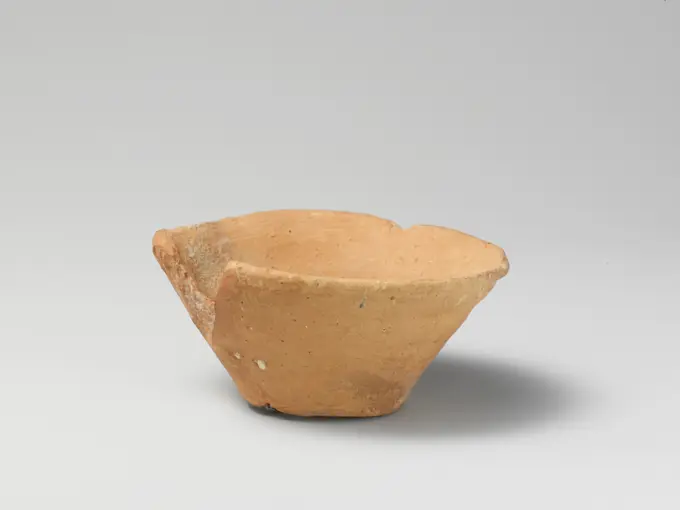
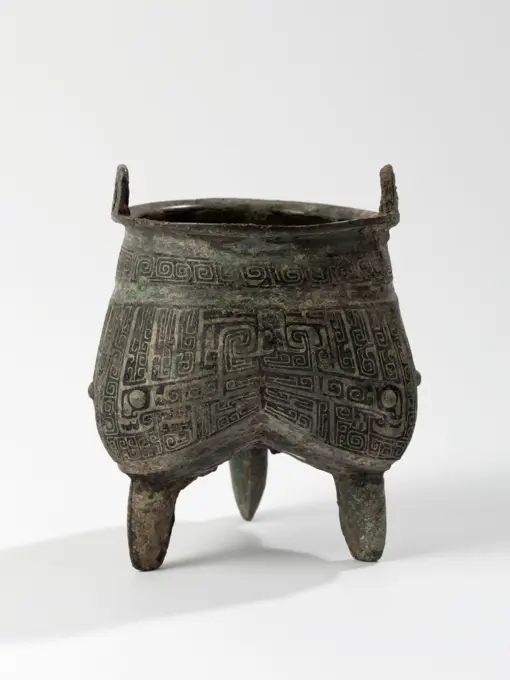
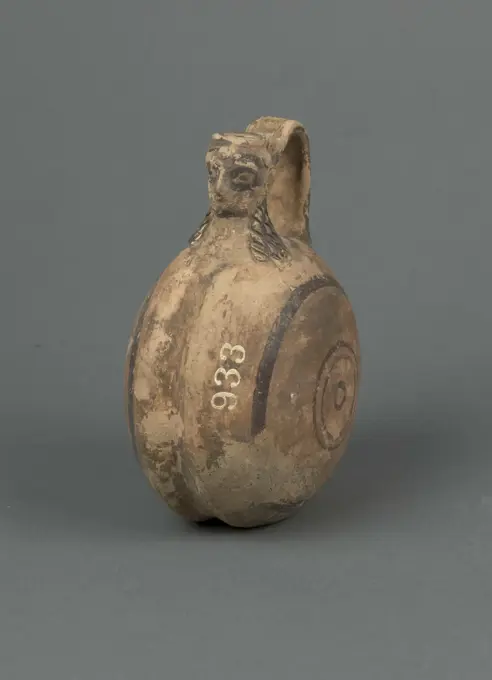
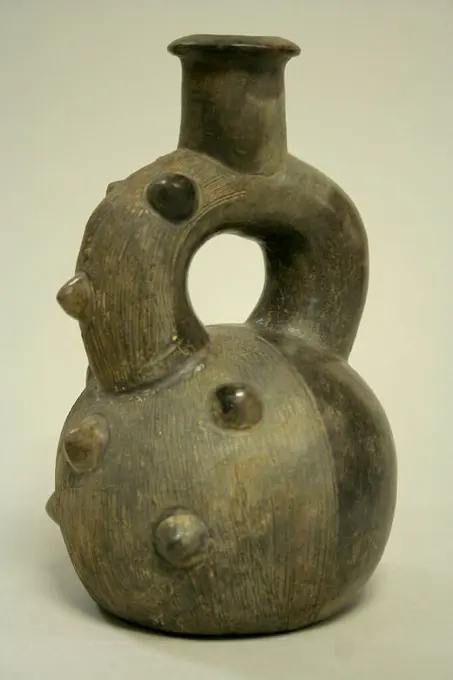
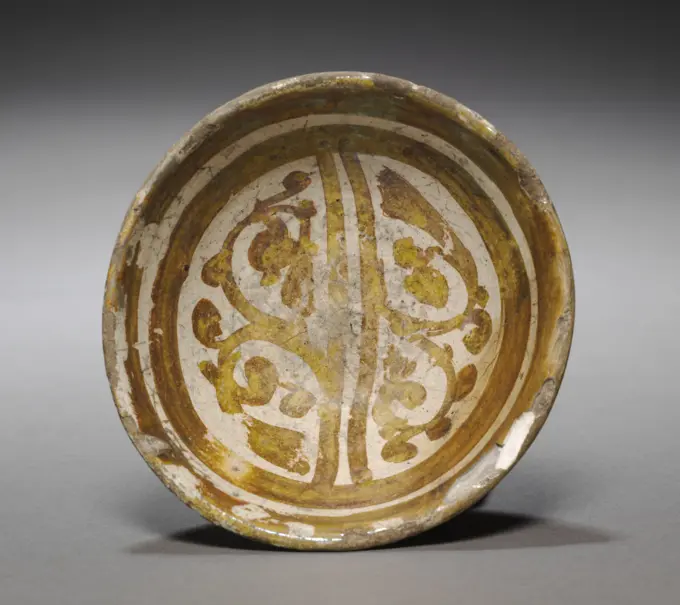
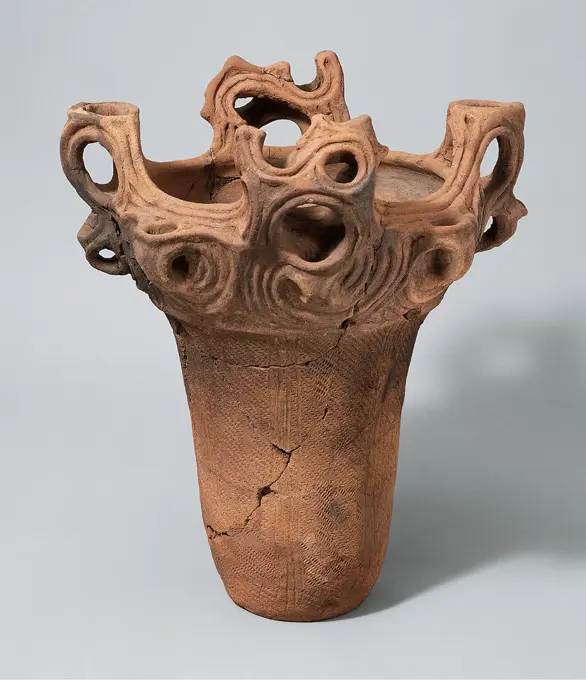
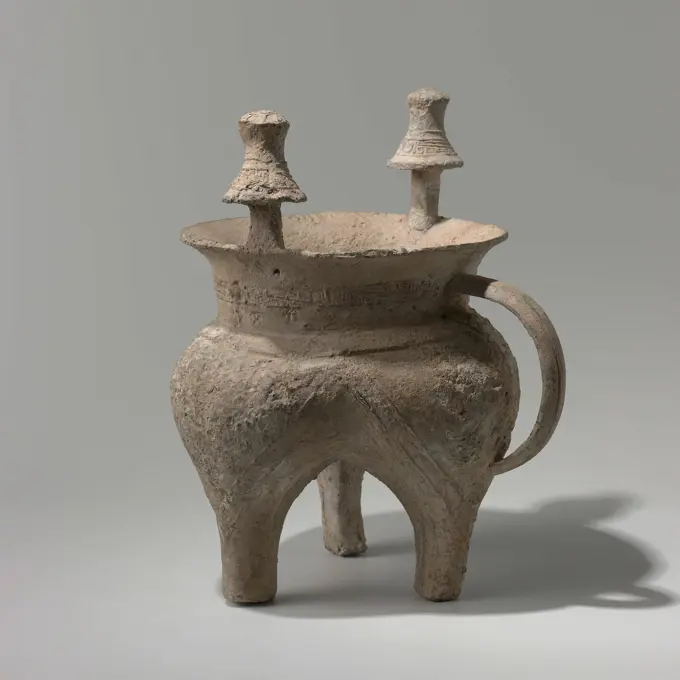
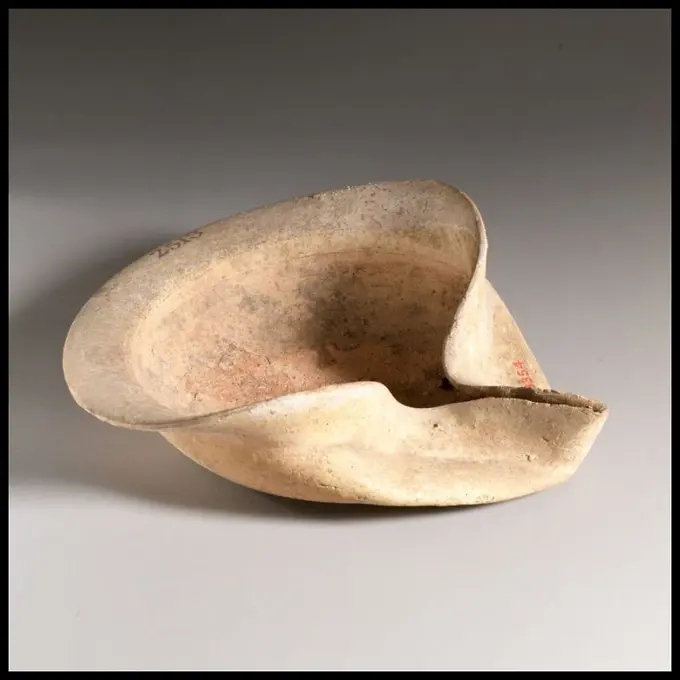
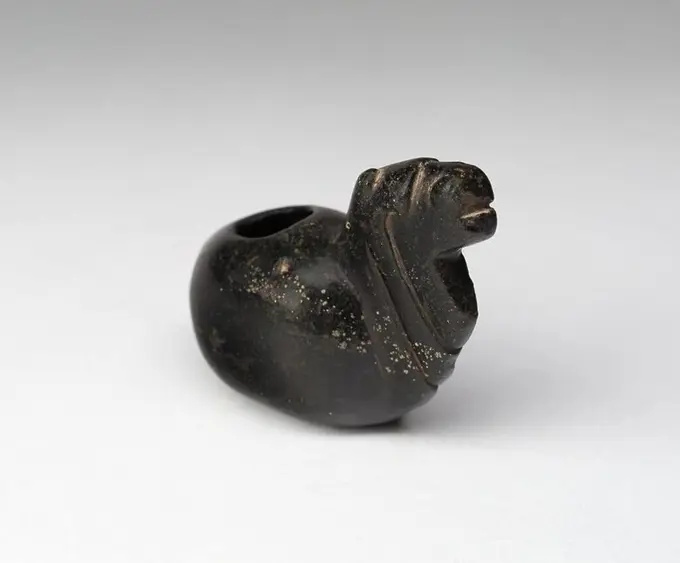
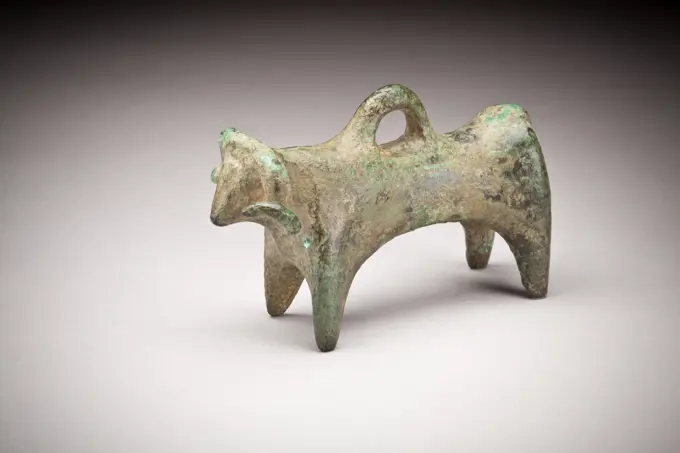
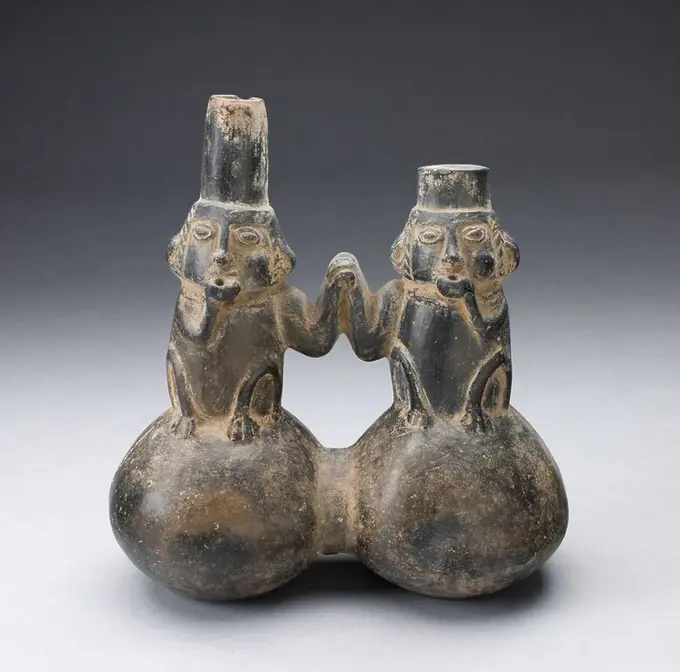
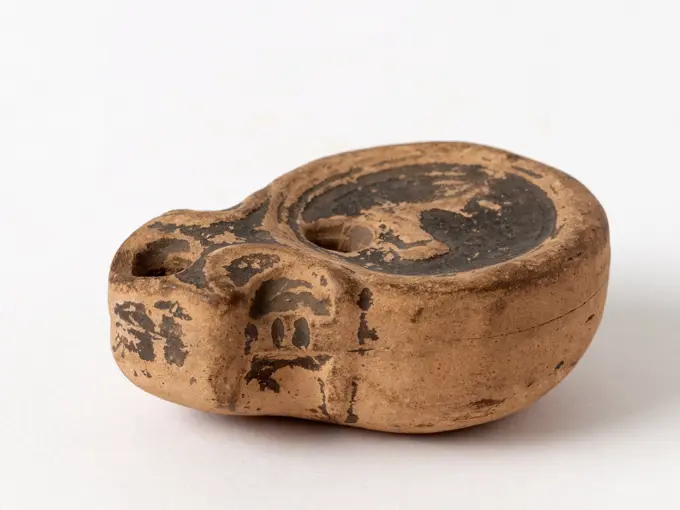
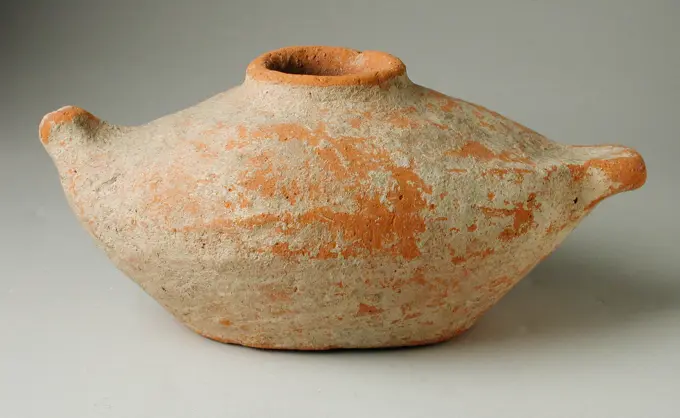
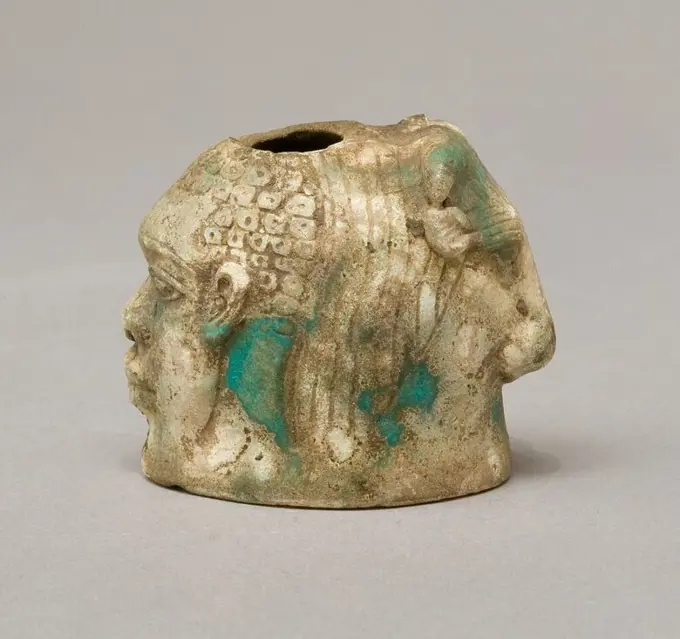
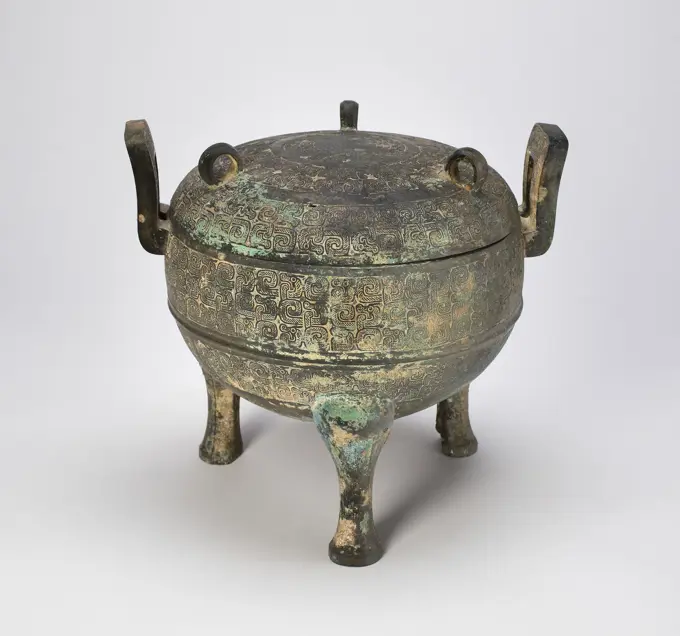
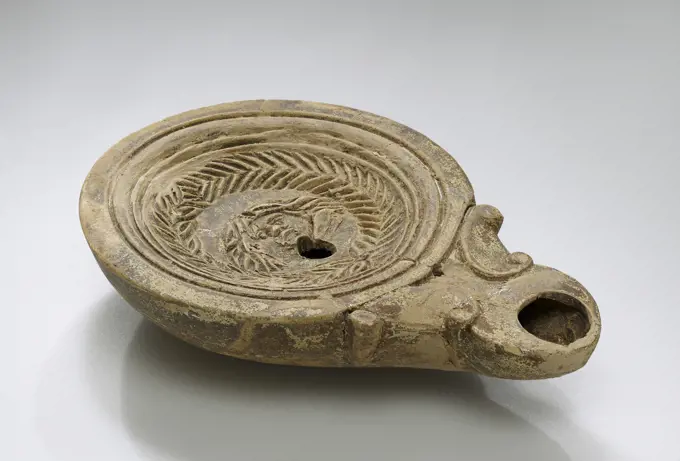
Lamp. UnknownLamp. UnknownLamp. UnknownTerracotta oil lamp 2nd century A.D. Roman Loeschcke Type 8. Mold-made, with ring handle. Deep concave discus with central filling hole surrounded by three raised concentric circles and a band of lines and grooves around edge. On broad, slanting shoulder, an irregular pattern of impressed leaves. Large wick hole. Raised base ring, and a broad, slightly concave base.Complete, except for one hole in discus towards base of handle.. Terracotta oil lamp. Roman. 2nd century A.D.. Terracotta. Mid Imperial. TerracottasTerracotta oil lamp. Culture: Roman. Dimensions: Overall: 7/8 x 3 5/8 in. (2.2 x 9.2 cm). Date: 1st century B.C.-1st century A.D..Loeschcke Type 4. Mold-made. Discus: two dolphins, facing downward, flanking a vertical anchor; a single filling hole at center obscuring the top of the anchor, and a band of lines and grooves at edge. Small volutes flanking nozzle. Incised base ring, and slightly uneven base.Intact. Museum: Metropolitan Museum of Art, New York, USA.Lamp. UnknownLamp, Cologne, Germany, Europe; 2nd - 3rd century; Terracotta; 3.5 x 5.2 x 9.5 cm (1 3,8 x 2 1,16 x 3 3,4 in.)Lamp, South Anatolia, Anatolia; 1st - 4th century; Terracotta; 2.8 x 6 x 7.9 cm (1 1,8 x 2 3,8 x 3 1,8 in.)Oil LampTerracotta oil lamp. Culture: Greek. Dimensions: Overall: 1 x 4 in. (2.5 x 10.2 cm).Wheel-made, with ring handle. Large, central filling hole, surrounded by two concentric grooves; on shoulder, radiating incised lines, with S-shaped knob on edge at left; long nozzle, with circular wick hole. Museum: Metropolitan Museum of Art, New York, USA.Lamp. UnknownLamp. Culture: Roman. Dimensions: Length: 2 7/16 in. (6.2 cm)Height: 1 9/16 in. (4 cm). Date: 3rd century A.D.. Museum: Metropolitan Museum of Art, New York, USA.Terracotta oil lamp ca. A.D. 40-100 Roman Loeschcke Type 4. Mold-made. Plain, concave discus, with small, central filling hole, and a narrow band of lines and grooves around edge. Plain, slightly sloping shoulder. Volutes flanking nozzle, with large wick hole. Incised base ring, and uneven, slightly concave base.Intact.. Terracotta oil lamp. Roman. ca. A.D. 40-100. Terracotta. Early Imperial. TerracottasLamp. UnknownTerracotta oil lamp. Culture: Roman. Dimensions: Overall: 1 1/8 x 2 3/4 in. (2.9 x 7 cm). Date: 3rd century A.D..Mold-made, with unpierced handle. Discus surrounded by a raised oval line that runs towards the wick hole; within, a crescent star pattern, with circles or squares interspersed. On shoulder, a narrow nband of lines, with another raised line running around the edge. Undefined base.Intact. Museum: Metropolitan Museum of Art, New York, USA.Terracotta miniature vase with rudimentary handles 7th-6th century B.C. Greek, Laconian Two rudimentary handles and traces of black paint.. Terracotta miniature vase with rudimentary handles 251757 Greek, Laconian, Terracotta miniature vase with rudimentary handles, 7th6th century B.C., Terracotta, H. 1 1/16 in. (2.6 cm). The Metropolitan Museum of Art, New York. Gift of A. J. B. Wace, 1924 (24.195.191)Steatite miniature offering table ca. 2000-1700 B.C. Minoan Miniature offering table.. Steatite miniature offering table 252322 Minoan, Steatite miniature offering table, ca. 20001700 B.C., Steatite, Overall: 1 3/16 x 1 11/16in. (3 x 4.3cm). The Metropolitan Museum of Art, New York. Bequest of Richard B. Seager, 1926 (26.31.394)Lamp, Central Anatolia, Anatolia; 2nd - 1st century B.C; Terracotta; 3.5 × 6.5 × 13.3 cm (1 3,8 × 2 9,16 × 5 1,4 in.)Terrracotta oil lamp. Culture: Greek. Dimensions: Overall: 1 1/8 x 3 3/4 in. (2.9 x 9.5 cm). Museum: Metropolitan Museum of Art, New York, USA.Lamp. UnknownTerracotta saucer-shaped oil lamp 4th century B.C. Cypriot Open, wheel-made. Broad, horizontal rim, pinched into a narrow, projecting nozzle, and an uneven, flat base.Intact.. Terracotta saucer-shaped oil lamp. Cypriot. 4th century B.C.. Terracotta. Cypro-Classical. TerracottasTerracotta oil lamp. Culture: Roman. Dimensions: Overall: 1 1/4 x 3 3/4 in. (3.2 x 9.5 cm). Date: 1st half of 1st century A.D..Loeschcke Type 1A. Mold-made. Discus: reclining naked male figure, resting on three round cushions, with his left leg bent forward, his right arm bent upward behind his head and his extended left arm drooping downward. Single filling hole at bottom near nozzle, with a band of lines and grooves around edge. Volutes flanking angular nozzle. Raised base ring, and flat base.Intact. Museum: Metropolitan Museum of Art, New York, USA.Lamp, North Africa; 1st - 4th century; Terracotta; 2.8 x 7.5 x 10.5 cm (1 1,8 x 2 15,16 x 4 1,8 in.)Lamp. UnknownLamp, Egypt; 1st - 4th century; Terracotta; 3 x 7.2 x 10.7 cm (1 3,16 x 2 13,16 x 4 3,16 in.)Lamp. UnknownLamp. UnknownTerracotta oil lamp 1st century B.C.-1st century A.D. Roman Mold-made. Broad, shallow, plain discus, with a single, central, small filling hole; groove and broad, raised band around edge of discus; horizontal shoulder: impressed, elongated ovules; two crescent-shaped knobs at sides; short but broad angular nozzle. Incised base ring, and slightly raised, flat base.Broken and repaired, with one small hole at left on shoulder, and another in left underside of body; one small chip in end of nozzle.. Terracotta oil lamp 241522Terracotta oil lamp Greek Mold-made. Shallow, carinated body. Large central filling hole, surrounded by a plain, horizontal band. Sloping shoulder, decorated in relief with eight radiating pointed leaves; S-shaped knob at left, and two raised lines flanking nozzle. Large palmette on back of straight nozzle, with vertical wick hole. Incised base ring, and flat base.Complete, but a large surface chip on underside of body at left.. Terracotta oil lamp 241442Terracotta oil lamp ca. A.D. 40-100 Roman Loeschcke Type 4. Mold-made. Discus: oak () tree; a single filling hole near edge at lower right; band of lines and grooves towards edge; Volutes flanking broad, rounded nozzle. Incised base ring, and raised, flat base; elongated footprint stamp at center.Intact.. Terracotta oil lamp. Roman. ca. A.D. 40-100. Terracotta. Early Imperial. TerracottasPottery Whistle ca. 800-1526 Costa Rican This object was probably used as a cinnabar container and placed in tombs.. Pottery Whistle. Costa Rican. ca. 800-1526. Clay. Pre-Columbian. Diquis Region, Costa Rica. Aerophone-Whistle Flute-whistleLamp, Sainte Monique, North Africa; 1st - 4th century; Terracotta; 3 x 7 x 9.5 cm (1 3,16 x 2 3,4 x 3 3,4 in.)Lamp. UnknownAryballos;  590-570 BC (-590-00-00--570-00-00);Terracotta oil lamp 1st half of 1st century A.D. Roman, Cypriot Loeschcke Type 1B. Mold-made. Discus: figure of Athena, draped, facing left, wearing crested, holding transverse spear in right and round shield in left hand, with a broad band of lines and grooves towards edge. Volutes flanking nozzle. Within raised base ring, flat base, with large impressed letters across center: FVAS.Body intact, but most of nozzle missing.. Terracotta oil lamp. Roman, Cypriot. 1st half of 1st century A.D.. Terracotta. Early Imperial. TerracottasTerracotta oil lamp 1st century B.C.-1st century A.D. Roman Loeschcke Type 4. Mold-made. Shallow discus: a circular frieze of gladiatorial weapons and armor, comprising pairs of swords, helmets, shields, and greaves; single filling hole at center, surrounded by two concentric lines, with a band of lines and grooves toward the edge. Volutes flanking nozzle. Incised base ring, and a broad, flat base.Complete, except for weathering chip in right edge of shoulder.. Terracotta oil lamp. Roman. 1st century B.C.-1st century A.D.. Terracotta; mold-made. Early Imperial. TerracottasFragment; (possibly) belonging to the Retable of Soest. .Lamp. Culture: Roman. Dimensions: Length: 3 1/2 in. (8.9 cm)Height: 15/16 in. (2.4 cm). Date: 1st century B.C.-1st century A.D.. Museum: Metropolitan Museum of Art, New York, USA.Animal Ornament 6th-7th century Moche (Loma Negra). Animal Ornament 315152Lamp. UnknownLid of Incense Container (Kōgō) in the Shape of a Bird, c. 1700-1868. Japan, Edo period (1615-1868). Pottery; overall: 3.2 x 5.8 cm (1 1/4 x 2 5/16 in.).Terracotta oil lamp. Culture: Greek. Dimensions: Overall: 1 3/8 x 4 in. (3.5 x 10.2 cm). Date: 1st century B.C..Mold-made, with ring handle. Plain, concave discus, with central filling hole and raised edge. On the convex-curving shoulder, a vine tendril ending in a bunch of grapes at front; a small frond decorates the base of the nozzle, which has pointed sides around the large wick hole; on handle, a central cable pattern flanked by parallel incised lines, with a cross bar at back; squat, carinated body. Raised, broad base ring, and flat base.Intact. Museum: Metropolitan Museum of Art, New York, USA.Mortar(Pepene)Double Spout and Bridge Bottle with Bird 5th-2nd century B.C. Paracas. Double Spout and Bridge Bottle with Bird 308707Lamp. UnknownTerracotta oil lamp 1st century A.D. Roman Loeschcke Type 8. Mold-made, with ring handle. Plain, deep concave discus; a single small filling hole at center, with a band of lines and grooves at edge. Plain, sloping shoulder ending in volutes flanking nozzle. Vertical incised lines along front of handle. Raised base ring, and uneven base.The front of the handle added and joined to back that forms part of the molded body.Intact.. Terracotta oil lamp. Roman. 1st century A.D.. Terracotta. Early Imperial. TerracottasVase fragment East Greek/Sardis, Lydian Concentric circle pattern.. Vase fragment 252722 East Greek/Sardis, Lydian, Vase fragment, Terracotta, H. 4 in. (10.2 cm). The Metropolitan Museum of Art, New York. Gift of The American Society for the Excavation of Sardis, 1926 (26.199.155)Lamp. UnknownTerracotta oil lamp 1st half of 1st century A.D. Roman, Cypriot Loeschcke Type 1A. Mold-made. Discus: large crouching lion, facing right, above a bucranium, both in high relief; a single filling hole behind bucranium, with a band of lines and grooves at edge. Volutes flanking nozzle. Within incised base ring, flat base, with impressed letters across center: FAVSTI.Nozzle broken and partially missing, especially on the underside, but discus and body complete.. Terracotta oil lamp. Roman, Cypriot. 1st half of 1st century A.D.. Terracotta. Early Imperial. TerracottasOil Lamp. Eastern Mediterranean, 7th-8th century. Ceramics. Earthenware, molded and glazed, with applied handleLamp, Asia Minor; 1st - 4th century; Terracotta; 3.4 x 8.4 x 12.2 cm (1 5,16 x 3 5,16 x 4 13,16 in.)Olive lamp;  XI/XII century (1090-00-00-1120-00-00);Terracotta conical cup ca. 2200-1900 B.C. Minoan From Knossos, Crete. Terracotta conical cup. Minoan. ca. 2200-1900 B.C.. Terracotta; Plain coarse ware. Middle Minoan I. VasesVase LIDING ". Bronze. China, Shang Dynasty. Paris, Cernuschi Museum. 72360-9 Handle, bronze, shang dynasty, tripod, three feet, vase lidingJug with female head 750-600 B.C. Cypriot Jug with neck in form of modeled female head, and concentric circles.. Jug with female head. Cypriot. 750-600 B.C.. Terracotta. Cypro-Archaic I. VasesAttic Black-Figure Eye Cup.Stirrup-Spout Bottle. Culture: Cupisnique. Dimensions: H x W x D: 8 1/4 x 5 3/8 x 5 1/16 in. (21 x 13.7 x 12.9 cm). Date: 12th-5th century B.C.. Museum: Metropolitan Museum of Art, New York, USA.Terracotta oil lamp. Culture: Greek. Dimensions: Other: 1 1/16 x 3 7/16 in. (2.7 x 8.7 cm).Large central filling hole, surrounded by a plain band and an incised circle; convex sloping shoulder decorated with radiating incised lines; long, straight nozzle and a single projecting knob at edge of left side; squat, carinated body. Raised, flat base.Intact, except for chip in front lip of nozzle. Museum: Metropolitan Museum of Art, New York, USA.Bowl, 1000s. Fatimid Egypt, Fustat. Earthenware with luster-painted design; diameter: 12 cm (4 3/4 in.); overall: 4.6 cm (1 13/16 in.).Lamp, North Africa; 1st - 4th century; Terracotta; 3.3 x 9.5 x 13 cm (1 5,16 x 3 3,4 x 5 1,8 in.)Terracotta vase in the shape of a bird ca. 600-550 B.C. Etruscan, Etrusco-Corinthian Wings indicated in dark wash.. Terracotta vase in the shape of a bird 255277Flame-Rimmed” Cooking Vessel (Kaen doki) Japan. Flame-Rimmed” Cooking Vessel (Kaen doki) 53154Terracotta loom weight 6th century B.C. or later Lydian Loom weight with hole.. Terracotta loom weight 252660 Lydian, Terracotta loom weight, 6th century B.C. or later, Terracotta, Length: 2 in. (5 cm). The Metropolitan Museum of Art, New York. Gift of The American Society for the Excavation of Sardis, 1926 (26.199.90)Model of a cart. Culture: Cypriot. Dimensions: H. 2 5/8 in. (6.7 cm). Date: 6th century B.C..The cart has upright sides; its wheels are missing. It has a flaring tubular socket for a pole, and pierced flanges for attachment of the axle. Museum: Metropolitan Museum of Art, New York, USA.Tripod bowl, 10th-14th century, 7 5/8 in. (19.4 cm), earthenware, Panama, 10th-14th centuryVotive Container (Canopa) 15th-16th century Inca. Votive Container (Canopa) 317591. Ritual barrel on three legs. Decorative strap around neck and to knots; Double zigzag edge around the body.Badger Vessel 11th-16th century Mississippian. Badger Vessel 312768Fragment of a Bowl 14th-15th century. Fragment of a Bowl 445167Bronze saucer-shaped lamp 6th-5th century B.C. Cypriot While terracotta was by far the most common material for lamps, bronze examples occur occasionally. They were used by the most affluent, probably for special occasions such as symposia or dedicated in sanctuaries. This piece, which is cast, accommodated two wicks.. Bronze saucer-shaped lamp. Cypriot. 6th-5th century B.C.. Bronze. Cypro-Archaic or Cypro-Classical. BronzesFolded Oil Lamp. Israel, 2nd century B.C.. Furnishings; Lighting. CeramicJia wine vessel, 12th century BCE, 8 3/4 × 6 9/16 × 6 5/16 in., 4 lb. (22.23 × 16.67 × 16.03 cm, 1.8 kg)5 5/8 × 4 1/8 in. (14.29 × 10.48 cm) (object part, mouth), Bronze, China, 12th century BCE, The profile of this jia wine vessels body is S-shaped, with the inward curvature placed close to the rim of the vessel. Dragonized taotie and rising blades with stylized cicadas decorate the neck belt. The body taotie, on a ground of squared spirals, displays unusual features: horns with alternating T-shaped and straight scores usually associated with flanges, and a hybrid forehead shield with the upper part hooked and the lower half drawn as the round-topped shield. Notable, too, is the small vertical dragon beneath the tail of the cleft taotie under the handle. The handle is topped with a bovine head and terminates with curved legs ending in hooves. Underneath, in place of an inscription, is a bearded human figure in flat relief on a spiral ground. The pictogram represents a clans insigniaGlass miniature jar 4th-5th century A.D. Roman, Syrian Semi-translucent green, appearing opaque black; handles in same color.Irregular everted rim; short, concave neck; narrow, almost horizontal shoulder; bulbous, oval body with thick side; round, thick bottom; two handles applied to edge of shoulder and top of side, drawn up and in, attached to lip of rim, with excess glass drawn up into pinched thumb rests.On body, side tooled into nine thick projecting ribs that slant downwards from left to right.Complete, but internal crack on bottom; dulling, pitting of surface bubbles, patches of creamy brown weathering, iridescence, and soil encrustation.. Glass miniature jar 253452 Roman, Syrian, Glass miniature jar, 4th5th century A.D., Glass, H.: 1 7/8 in. (4.8 cm). The Metropolitan Museum of Art, New York. Gift of Mrs. Elias Kempner, 1934 (34.132.23)Juglet 600-480 B.C. Cypriot Vertical circles, tree, and lotus buds.. Juglet. Cypriot. 600-480 B.C.. Terracotta. Cypro-Archaic II. VasesLamp. UnknownCeramic water jar from the Maiwand Fortress near Qandahar, Afghanistan. From the Ghurid Dynasty. Dated 12th CenturyLamp, saucer-shaped. Culture: Cypriot. Dimensions: Length: 5 1/16 in. (12.9 cm)Height: 1 1/2 in. (3.8 cm). Date: 5th century B.C.. Museum: Metropolitan Museum of Art, New York, USA.Ceramic incense burner, Poland. Lusatian Culture, 7th - 5th Century BC.Fusiform ointmentLamp. UnknownOffering Vessel in the Form of an Alpaca. Inca; Probably vicinity of Cuzco, Peru. Date: 1450-1532. Dimensions: 7 × 9.2 cm (2 3/4 × 3 5/8 in.). Stone. Origin: Cuzco. Museum: The Chicago Art Institute, Chicago, USA.Birdstone 1500-500 B.C. Archaic. Birdstone. Archaic. 1500-500 B.C.. Limestone. United States, North Dakota or South Dakota (). Stone-SculpturePendant. Northwestern Iran, circa 1350-800 B.C.. Jewelry and Adornments; pendants. Bronze, castShrine fragment with lion Third Intermediate Period-Late Period ca. 760-332 BC One of three fragments likely from the same miniature shrine, this horizontal bar, perhaps part of a door bolt, is topped with a crouching lion. These fragments were found in a Middle Kingdom tomb that had been re-used in the Third Intermediate Period and later for intrusive burials. View more. Shrine fragment with lion. ca. 760-332 BC. Wood, paint. Third Intermediate Period-Late Period. From Egypt, Upper Egypt, Thebes, Deir el-Bahri, Tomb MMA 511, MMA excavations, 1922-23. Dynasty 25-30Lamp, North Africa; 1st - 4th century; Terracotta; 2.4 x 7.5 x 10.9 cm (15,16 x 2 15,16 x 4 5,16 in.)Double Vessel in the Form of Two Figures Drinking and Holding Hands. Chimú; North coast, Peru. Date: 1000-1400. Dimensions: 13.5 x 17.5 cm (7 5/16 x 6 7/8 in.). Ceramic and pigment. Origin: North Coast. Museum: The Chicago Art Institute, Chicago, USA.Spindle Whorl 10th-early 16th century Mexican. Spindle Whorl 307555Capital 12th century French. Capital. French. 12th century. Marble. Sculpture-ArchitecturalElephant protomed (common name), 0100. Gray shale. Cernuschi Museum, Asia Museum of Asia in the city of Paris.Oil lamp. Rome, Catacombs, L. 3. Collection Toulouze (Anc. Dr Martin), acquisition 1889. Terracotta. High Empire. Paris, Carnavalet museum. 50035-10 Toulouze collection, high-Empire, oil lamp, terracottaAlabaster spoon or ladle 1200-1050 B.C. Cypriot The ladle is made of Cypriot stone, but imitates a shape from Eighteenth Dynasty Egypt, where such ladles were made of alabaster and wood.. Alabaster spoon or ladle. Cypriot. 1200-1050 B.C.. Gypsum (alabaster). Late Bronze Age III. Miscellaneous-Stone VasesJar in the Shape of a Headless Bird. Egypt, Naqada II Period (3500 - 3050 BCE). Furnishings; Serviceware. CeramicLamp, Asia Minor; 1st - 4th century; Terracotta; 3 x 5.4 x 10 cm (1 3,16 x 2 1,8 x 3 15,16 in.)Janus-faced aryballos depicting a Nubian and a bull. Dimensions: H. 4.8 cm (1 7/8 in); w. 3.6 (1 7/16 in); L. 4.7 cm (1 7/8 in). Date: 600-550 B.C.. Museum: Metropolitan Museum of Art, New York, USA.Dipper. Culture: Moche. Dimensions: Overall: 10 3/4 in. (27.31 cm)Other: 6 7/8 in. (17.5 cm). Date: 3rd-5th century.Moche cornpoppers, or dippers, have a lenticular body and a handle attached to one side. Whereas some handles have a hornlike shape, most have a human or animal head at the extremity. The shape of these vessels was perhaps derived from similar containers made of bottle gourd. Cornpoppers are rarely found in domestic contexts. They were used as funerary offerings and probably as drinking vessels during rituals. Many cornpoppers were discovered in spacious rooms on top of the monumental platform at Huancaco, in the Virú valley. They were associated with large jars designed to store corn beer. The back of this particular vessel represents a Moche major deity with its characteristic fanged mouth, semicircular headdress, snake-head earspools, and octopus tentacles radiating from the head. Museum: Metropolitan Museum of Art, New York, USA.Container 30. Neolithic. Terracotta. Paris, Carnavalet museum. 30, Neolithic, container, terracotta, dishes, archeological vestigeTripod Food Caldron (Ding) 599 BCE-550 BCE China. Bronze .Lamp, North Africa; 1st - 4th century; Terracotta; 2.6 x 2.5 x 10.5 cm (1 x 1 x 4 1,8 in.)Dancer and Musicians 1st century B.C.-1st century A.D. China Pottery figures of entertainers often accompanied the deceased in the afterlife. Here, a female dancer performs the popular seven dish dance,” tapping dishes with her feet as musicians play a zither and clap. One dish, the only surviving example of the original set of seven, rests under the dancer’s left foot.. Dancer and Musicians 44386Chlorite mortar ca.1600-700 B.C. Cypriot The mortar has three quite tall legs.. Chlorite mortar. Cypriot. ca.1600-700 B.C.. Chlorite. Late Bronze Age or Geometric. Miscellaneous-Stone Vases