Ancient Terracotta Oil Lamps

Various ancient terracotta oil lamps featuring unique designs and intricate patterns, showcasing historical craftsmanship from different eras.
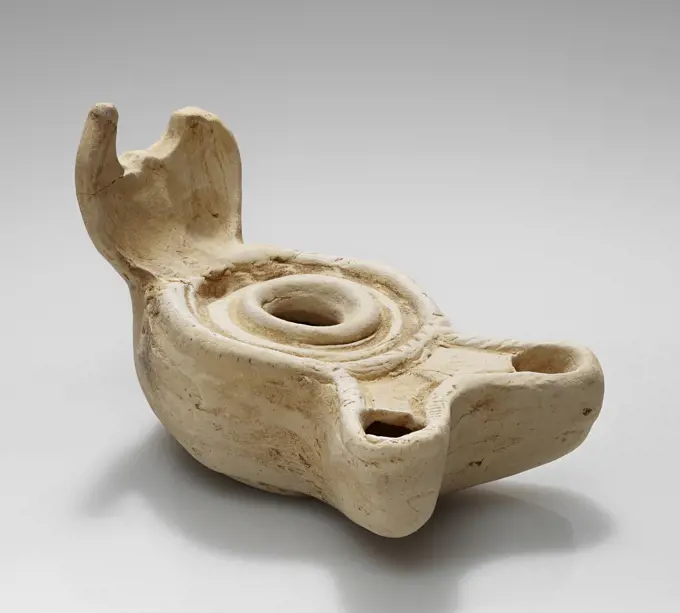
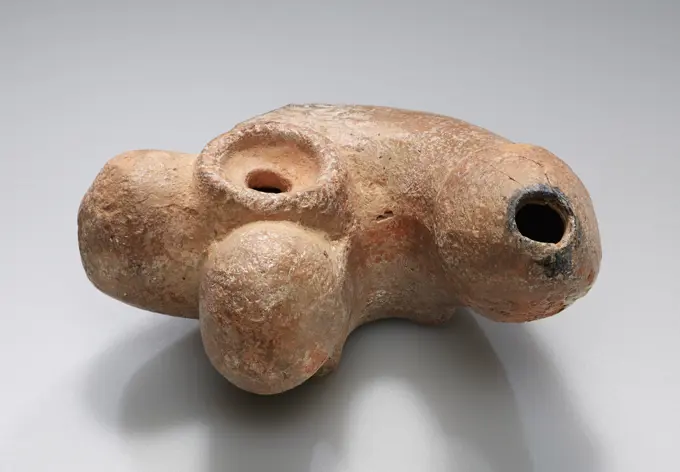
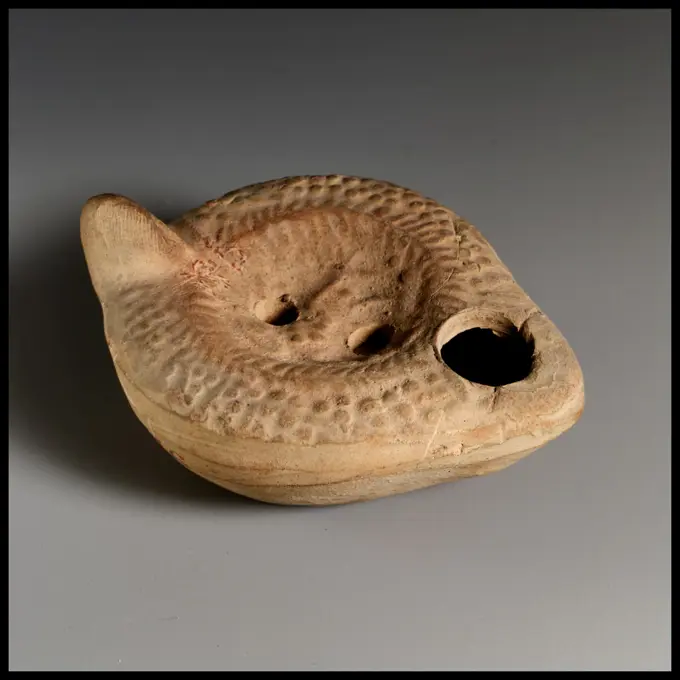
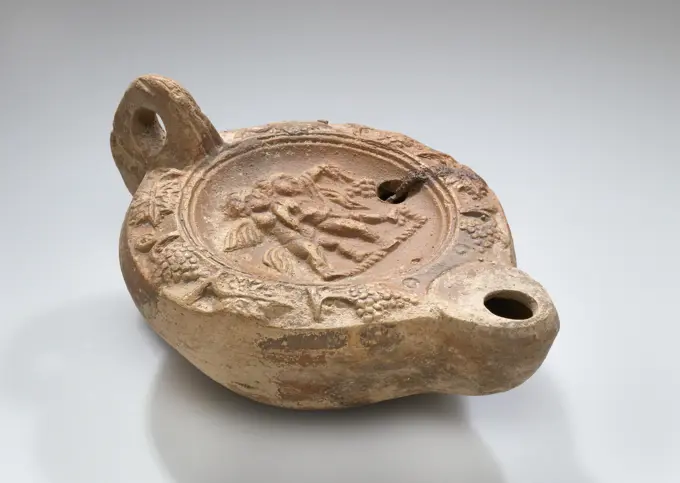
Lamp, Cologne, Germany, Europe; 2nd - 3rd century; Terracotta; 3.5 x 5.2 x 9.5 cm (1 3,8 x 2 1,16 x 3 3,4 in.)
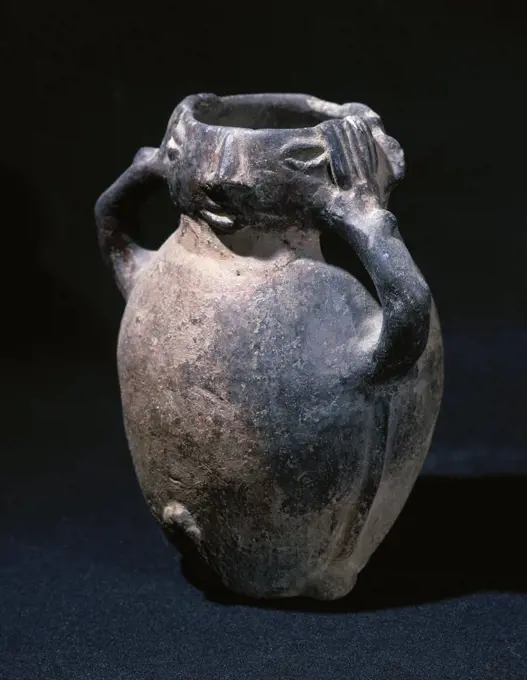
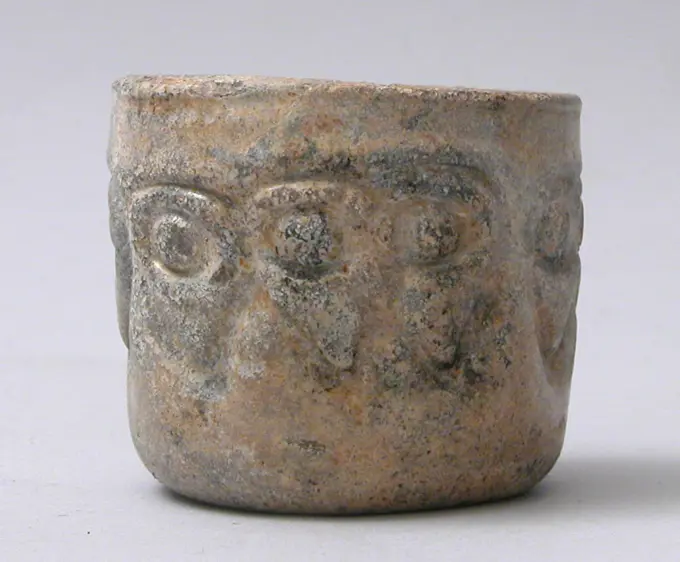
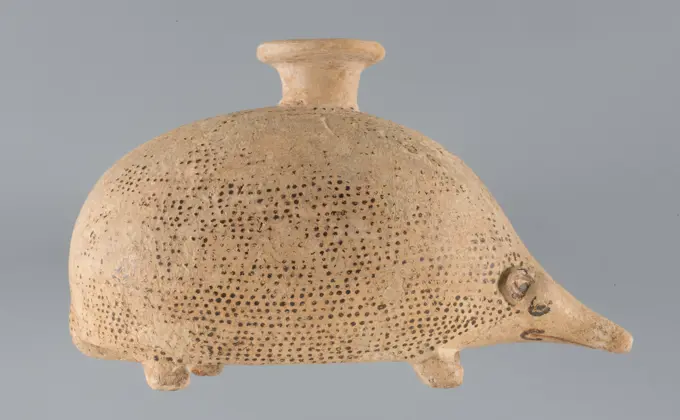
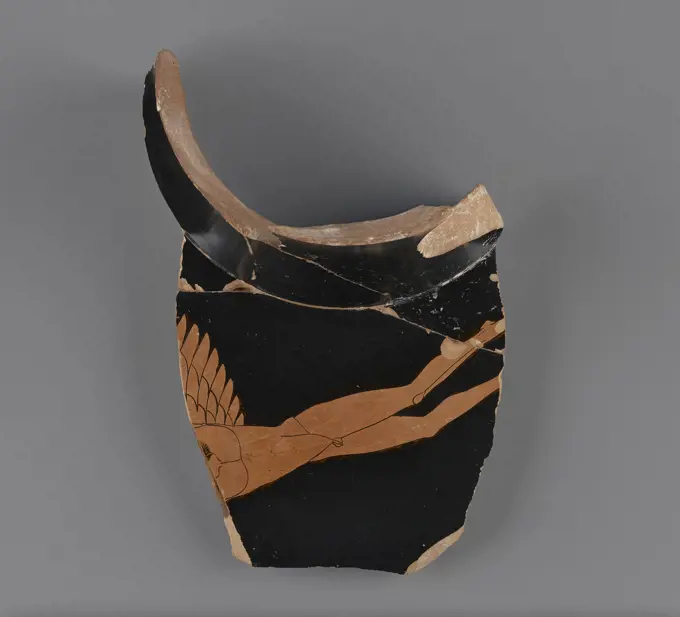
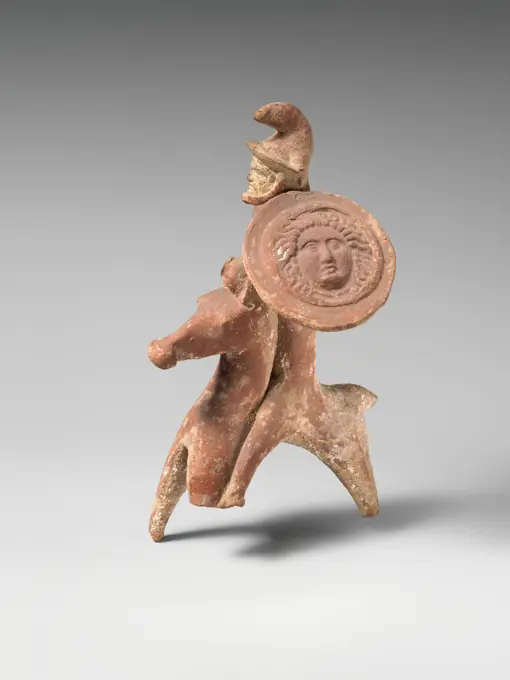
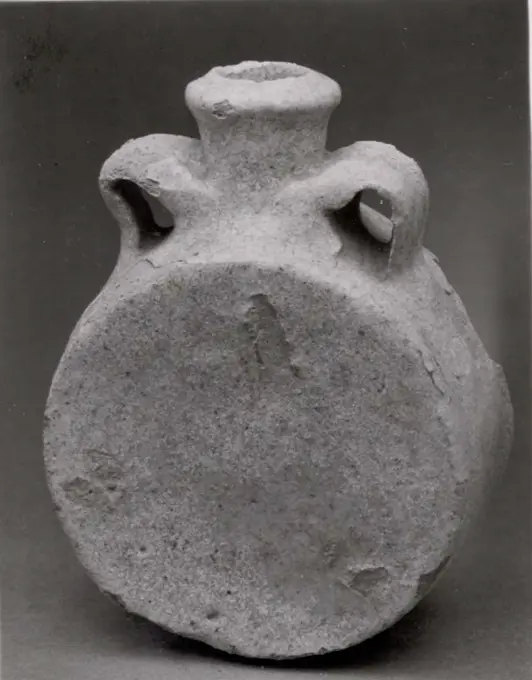
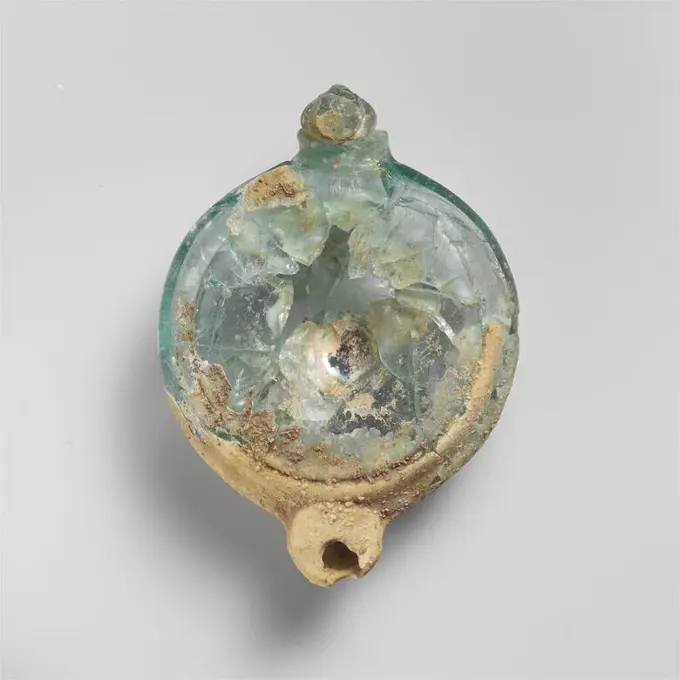
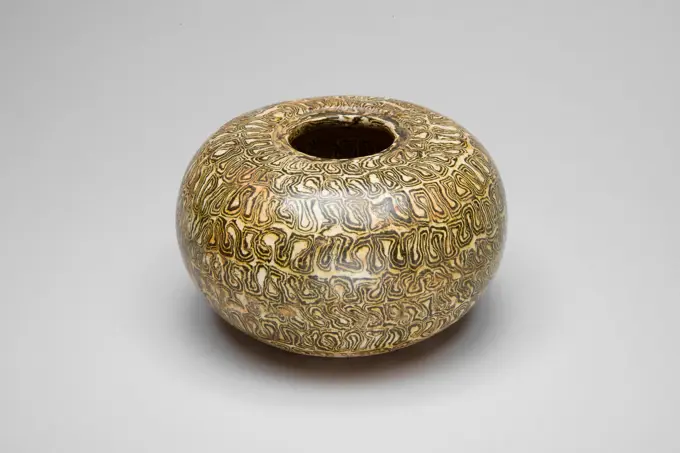
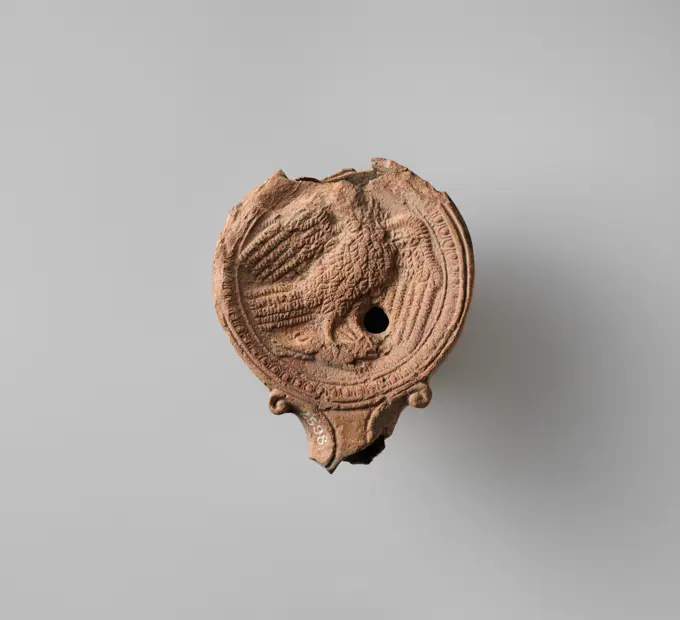
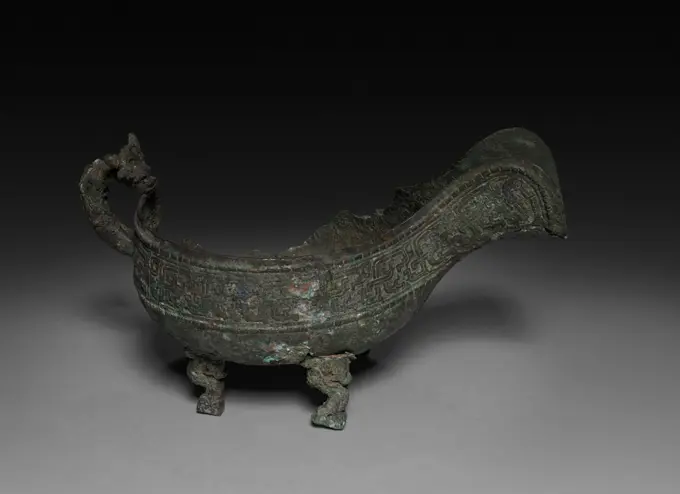
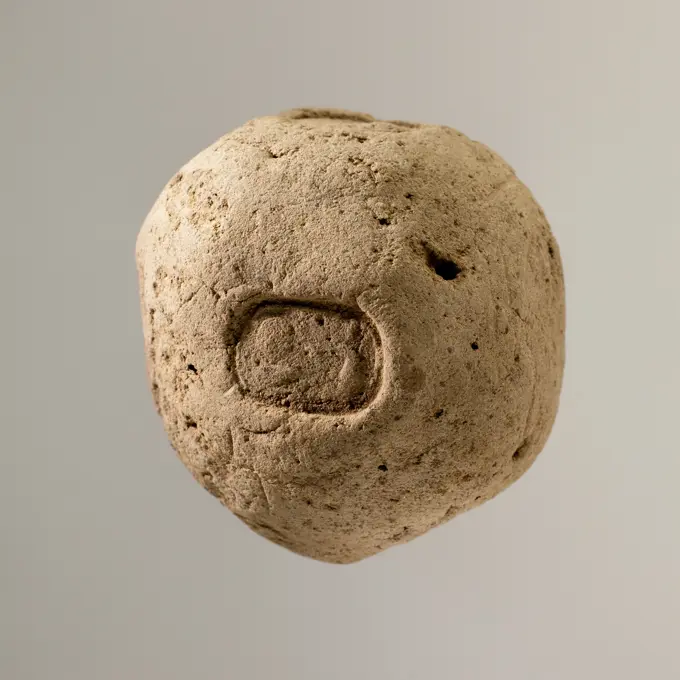
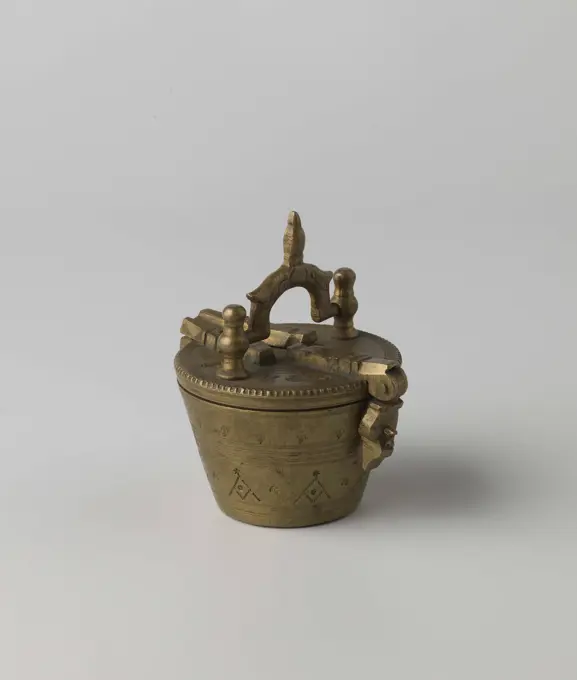
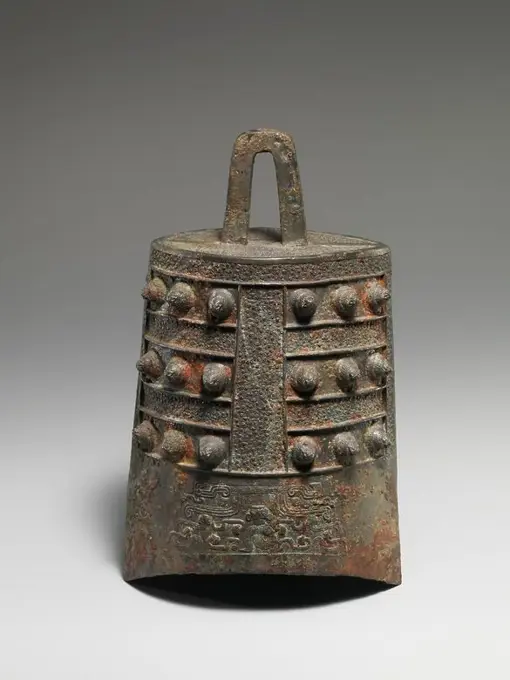
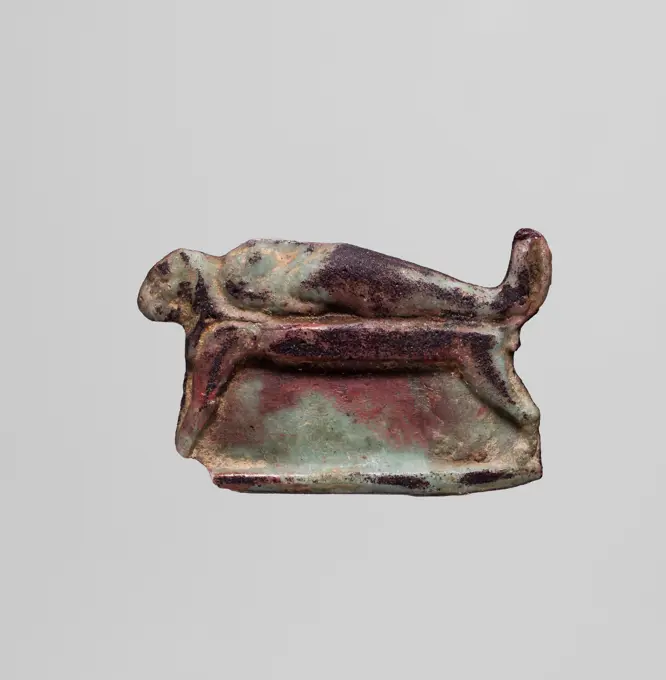
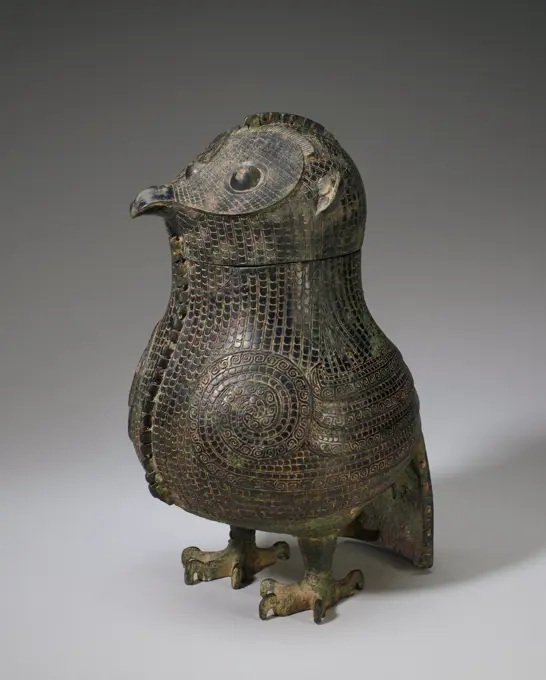
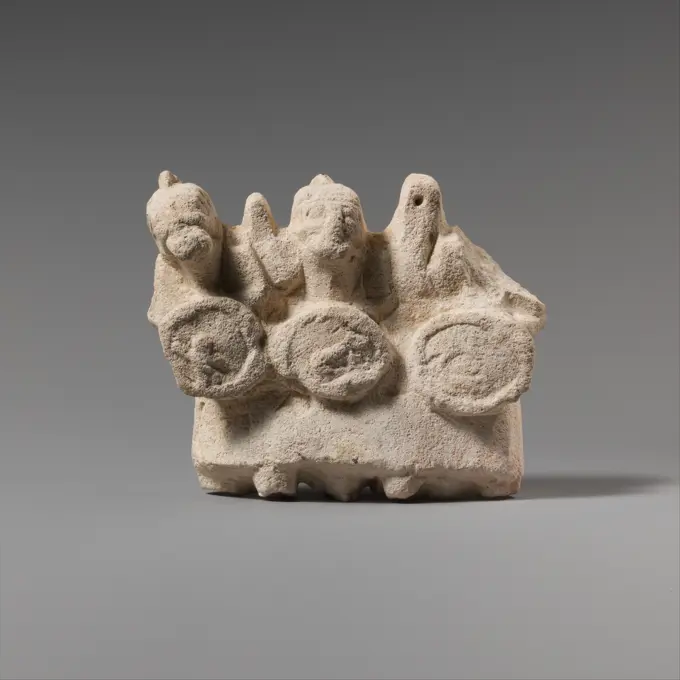
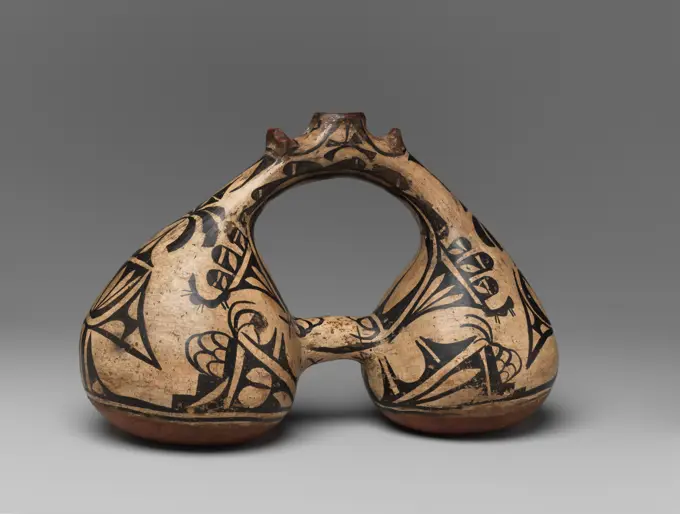
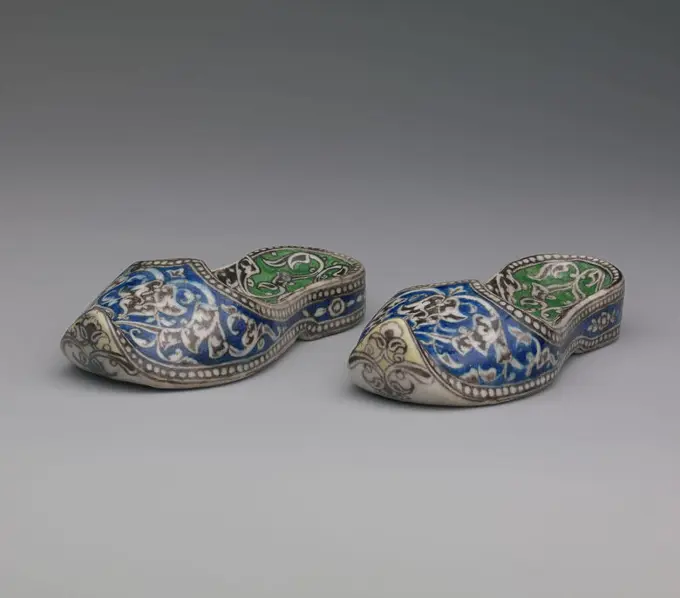
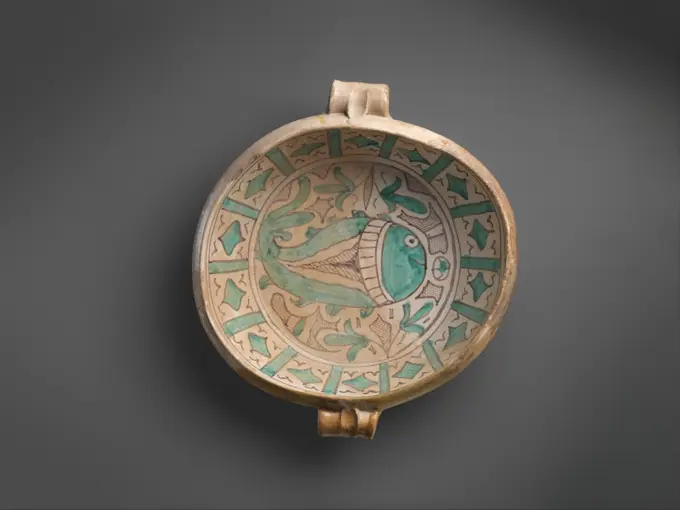
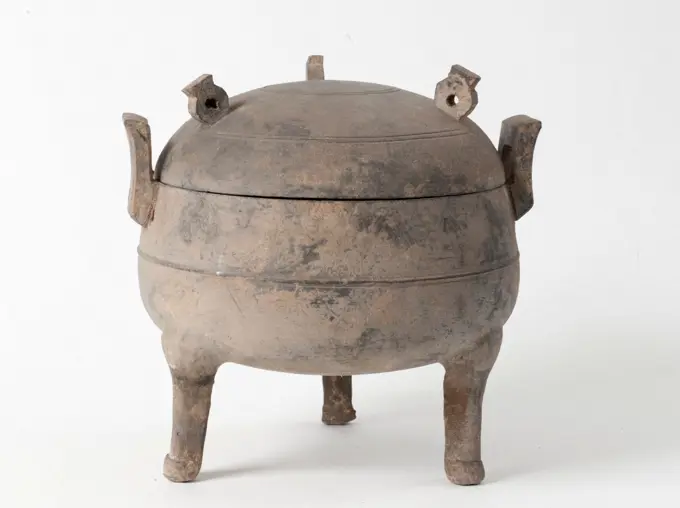
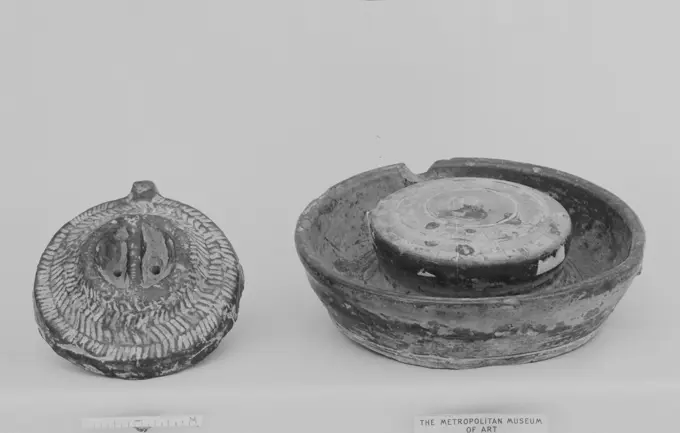
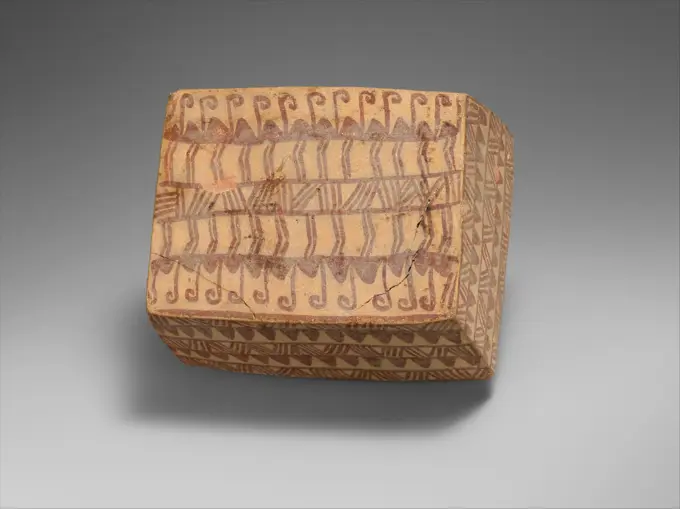
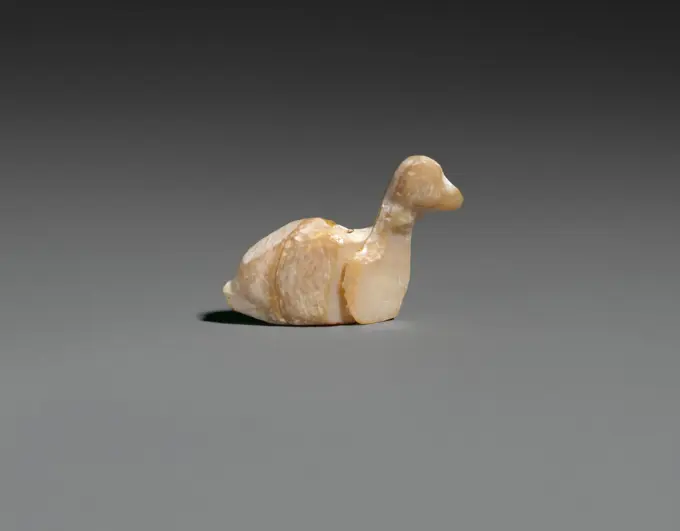
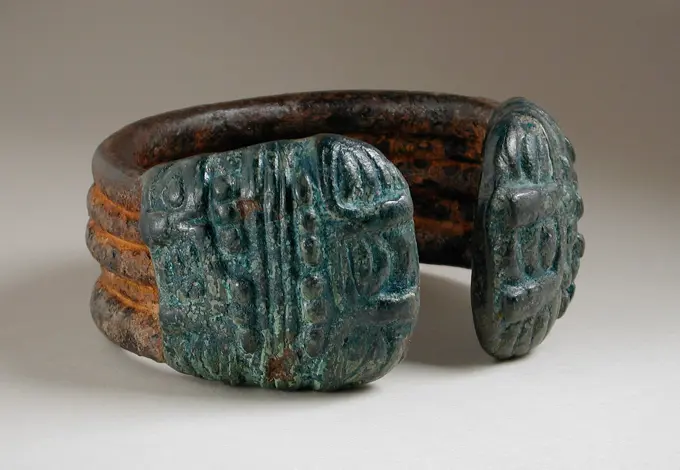
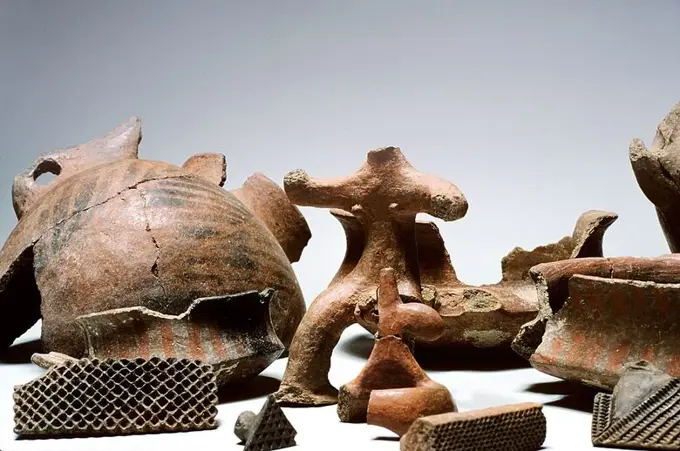
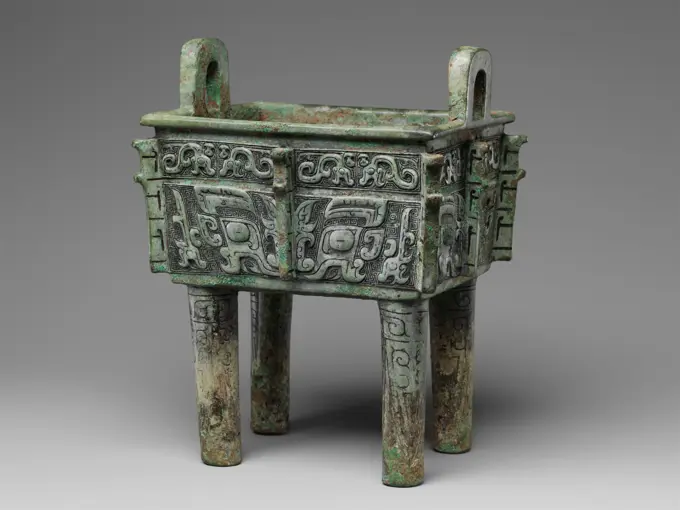
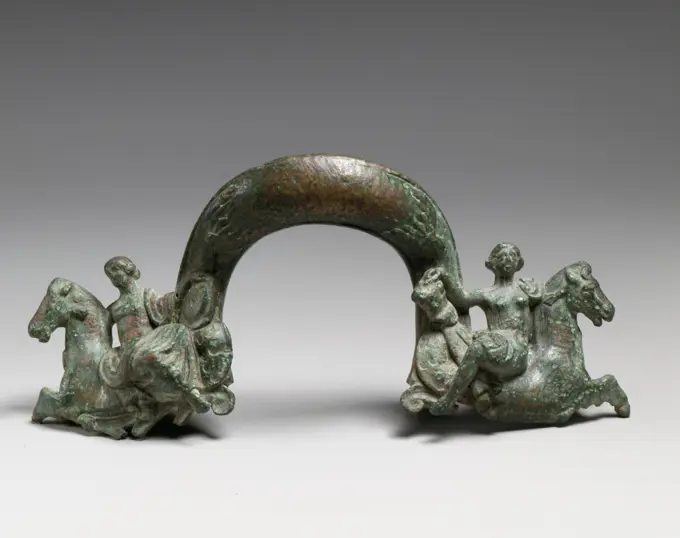
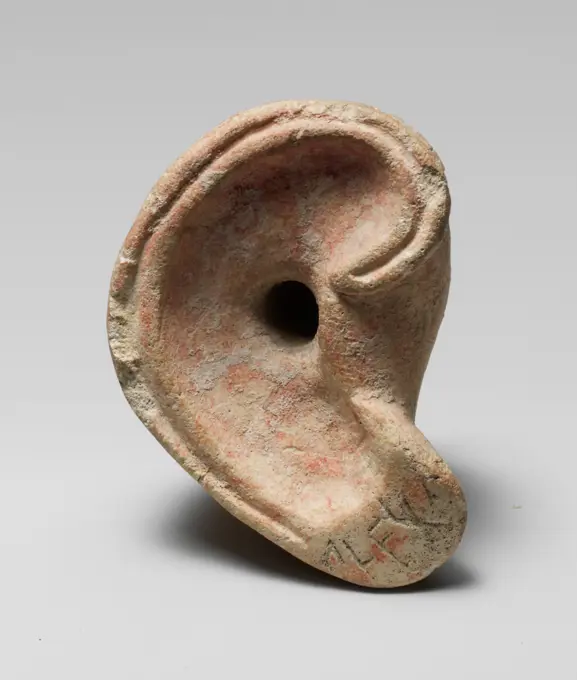
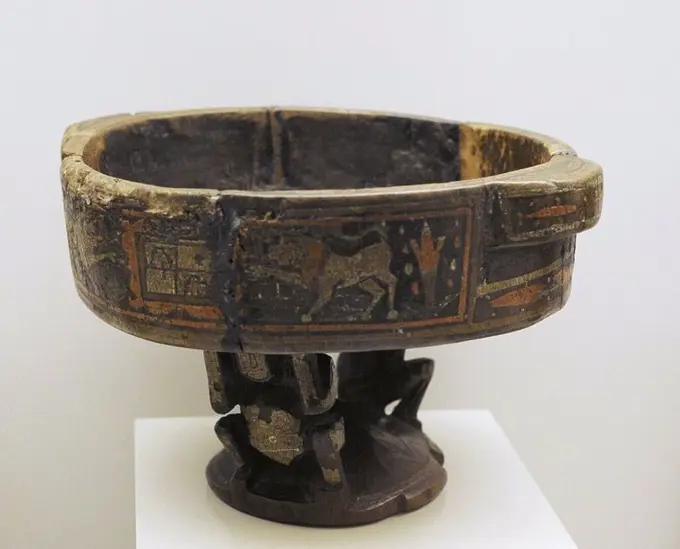
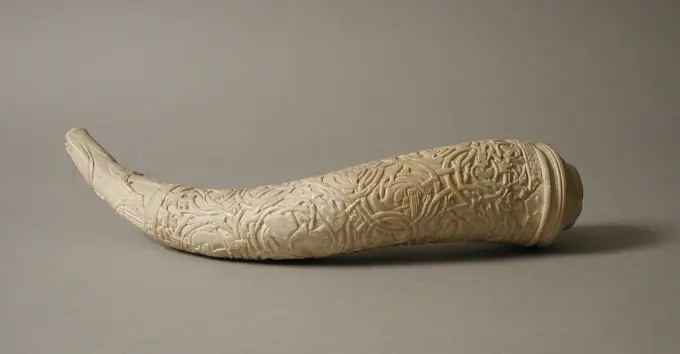
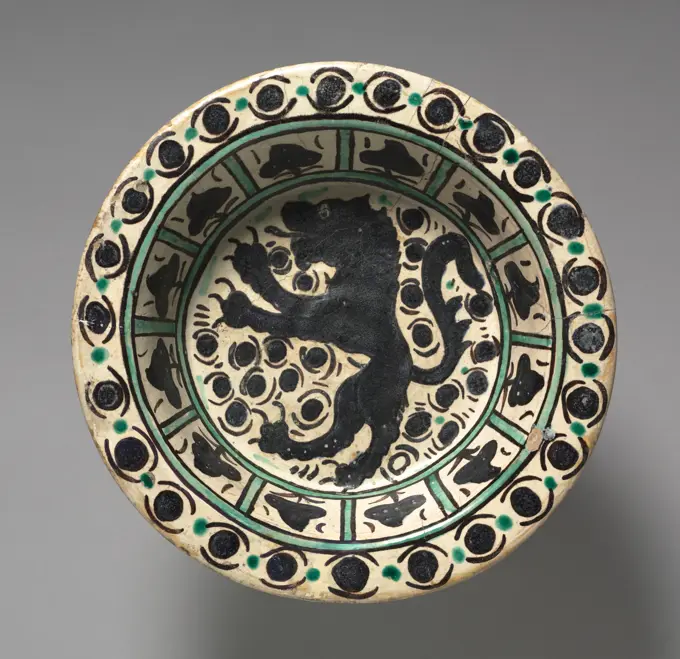
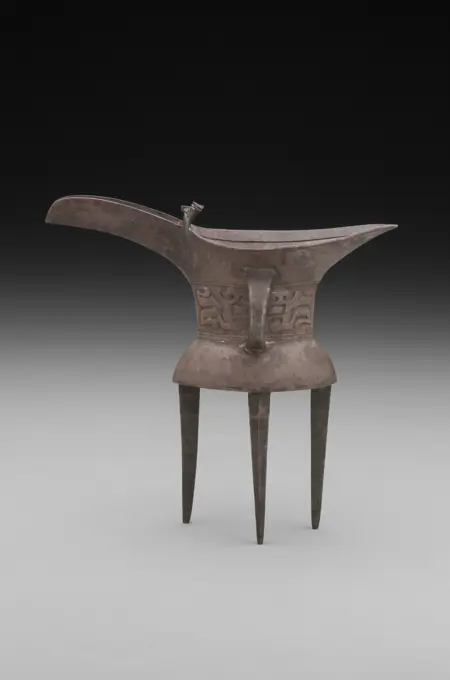
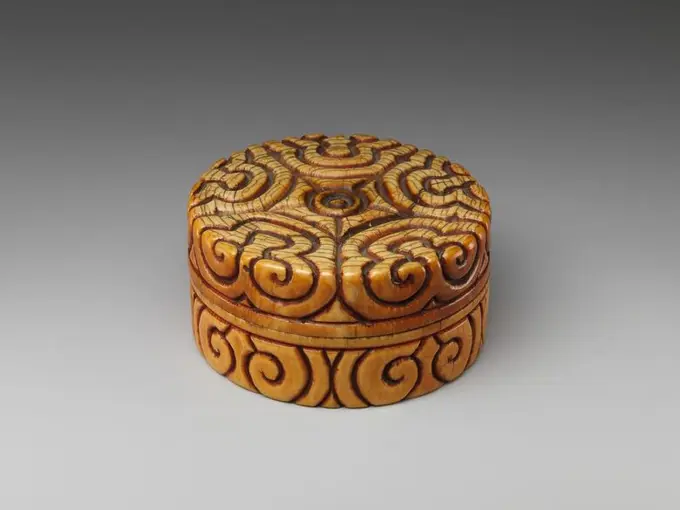
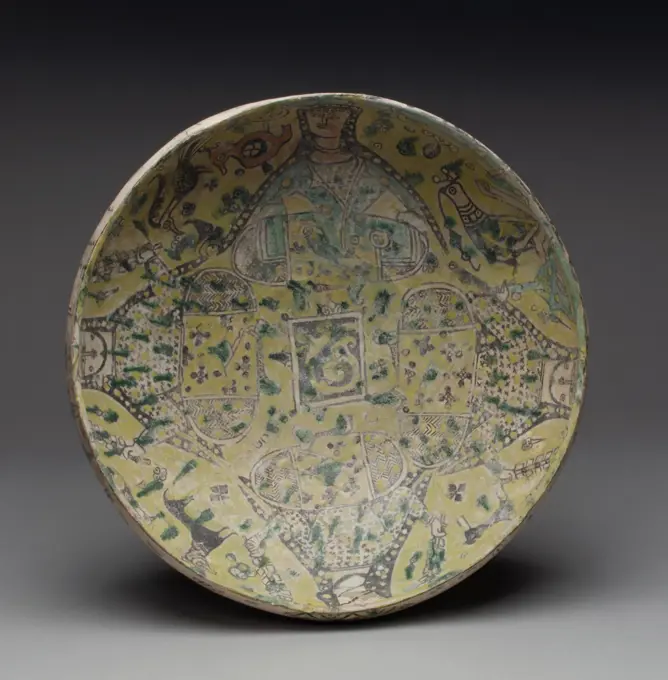
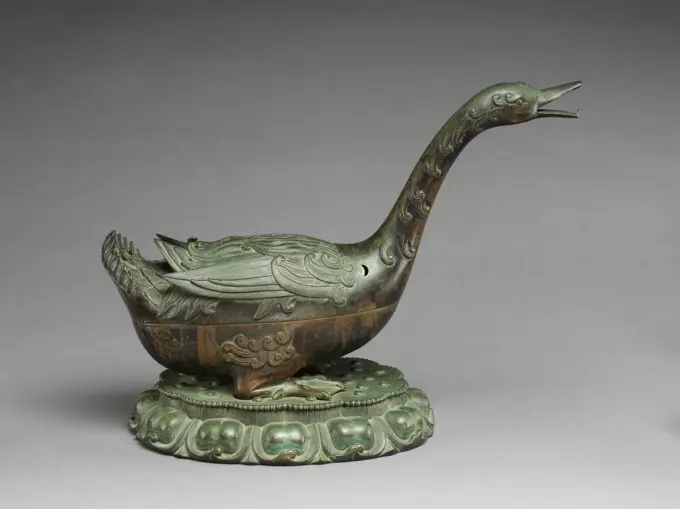
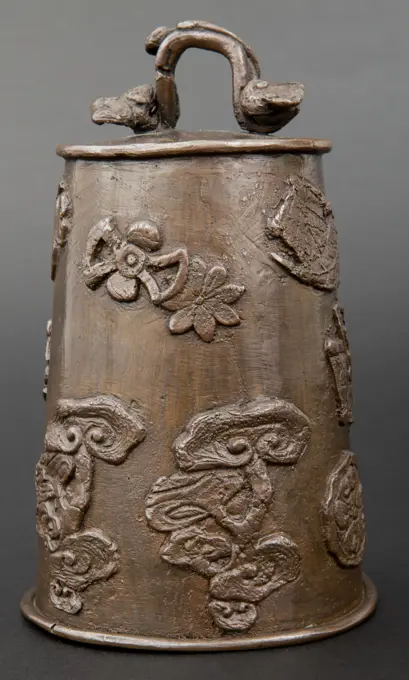
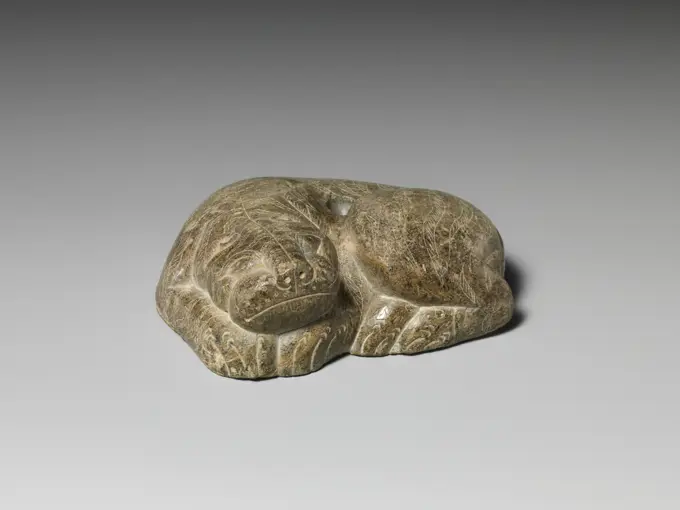
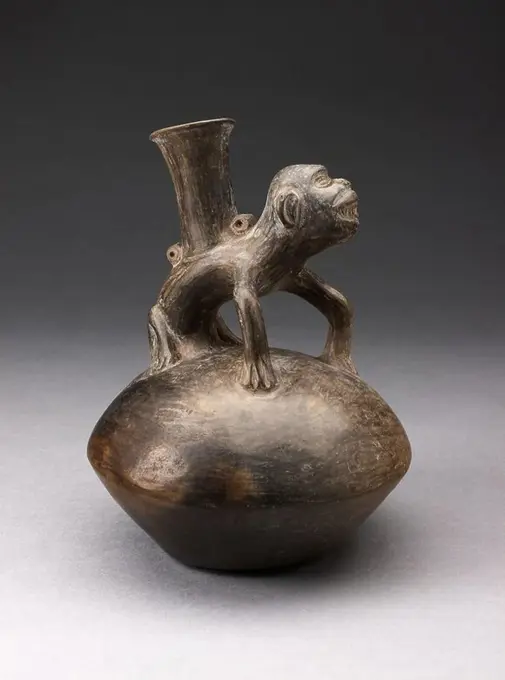
Single-Spout Vessel with a Monkey Standing on Top. Chimú-Inca; North coast, Peru. Date: 1200-1470. Dimensions: 14.6 x 11.4 cm (5 3/4 x 4 1/2 in.). Ceramic. Origin: North Coast. Museum: The Chicago Art Institute, Chicago, USA.Pre-Columbian art. Pre-Incan. Puruha Culture.  1300-1500. Anthropomorphic ceramic vessel. 17 x 15 cm (diameter). From Ecuador. Private collection.Cup 9th-10th century. Cup 448361Vessel with a BattleScene.  Artist: Unknown. Lid of ritual wine barrel with two samples.Lamp. Culture: Roman, Cypriot. Dimensions: Overall: 7/8 x 3 1/4 in. (2.2 x 8.3 cm). Date: ca. A.D. 40-100. Museum: Metropolitan Museum of Art, New York, USA.Bowl. Iran, Nishapur, 10th century. Ceramics. Earthenware, underglaze slip-paintedEurope, Bulgaria. Rhyton with handle. Clay. Late Neolithic. Karanowo VI Culture. Bulgaria 6-5 mill. BC.Ceramic vessel in the shape;  after. VI century BC (-550-00-00--550-00-00);Spindle Whorl, 700s - 900s. Iran, early Islamic period, 8th - 10th century. Bone, incised; overall: 1 x 1.8 x 1.8 cm (3/8 x 11/16 x 11/16 in.).Attic Red-Figure Hydria Fragment (comprised of 2 joined fragments); Berlin Painter (Greek (Attic), active about 500 - about 460 B.C.); Athens, Greece; about 480 B.C; Terracotta; 14.8 cm (5 13,16 in.)Horse and rider early 3rd century B.C. Cypriot The figurine, in the Kourion style, is handmade and solid. The rider's face is mold-made, as is the device on the shield. The horse has a large head and a pronounced forelock between its ears. The rider has an elongated body and short legs.. Horse and rider. Cypriot. early 3rd century B.C.. Terracotta; mold-made and hand-made. Early Hellenistic. TerracottasVase in the Shape of a Ram; Roman Empire; 2nd century; Terracotta; 11 × 17 cm (4 5,16 × 6 11,16 in.)Painted Bowl 7th-2nd century B.C. Paracas. Painted Bowl 312937Pilgrim flask ca. 3rd century B.C.-A.D. 3rd century Parthian This vessel has a drum-shaped body, small loop handles at the shoulder, and a narrow mouth. It is made of a yellowish clay, with an opaque white glaze. It was excavated at Susa in what is today southwestern Iran. Susa was the capital of the Elamite kingdom from the Bronze Age to the Iron Age, and was subsequently one of the capitals of the Achaemenid Persian Empire. It continued to be an important city under the Parthians, who conquered Susa around 140 B.C., and was the site of a Parthian mint until ca. A.D. 53. This vessel was excavated in 1937 by the French Délégation en Perse and turned over to the Tehran Museum, which in 1948 presented it to the Metropolitan Museum of Art in exchange for surveying equipment. It is not clear where exactly at the site this flask was found; similar flasks, however, have been found in tombs of Parthian date in the Ville des Artisans,’ an eastern suburb of the ancient city.Vessels of this shaMask (Nyanga) Bobo. Mask (Nyanga), early 19th century. Wood, metal, height: 20 1/2 in. (52.1 cm).  Becoming Again Masquerade is a moment for playa chance to invent and experiment, even within established social needs and existing mask genres. These two pairs of related works demonstrate artistic innovation in existing masquerade genres over time. The two Bobo works share a basic forma domed helmet with an extended vertical face, close-set eyes, and ridged hornstypical of Bobo mask style. The archaic features, weathered surface, and evidence of local repairs suggest that the nineteenth-century mask (far left) was a work of considerable local importance. It may represent an intellectual and visual predecessor of the twentieth-century version. The Senufo kponyugu masks are both horizontal composite animal forms with long, projecting horns, a large, gaping mouth, and fearsome accoutrements such as sharp teeth and claws. Such details relate to Senufo cosmology, legends, and beliefs aboutSeated bird figurine. Culture: Cypriot. Dimensions: H. 2 3/8 in. (6.1 cm). Date: ca. 600-480 B.C..The figurine is handmade and hollow. Its wings are closed, it has pellet ears, and very short stumps below the breast for legs. Museum: Metropolitan Museum of Art, New York, USA.Limestone incense burner on four legs 6th century B.C. Cypriot The four wide legs, marked with a lambda-shaped sign on two sides, support a squarelike shaft between two projecting horizontal tiers.. Limestone incense burner on four legs 244061Flamed-worked Head bead. UnknownGlass oil lamp. Culture: Roman. Dimensions: 1 1/2 × 4 3/8 × 3 1/8 in. (3.8 × 11.1 × 8 cm). Date: ca. 2nd half of 1st century A.D..Translucent blue green; applied trail in same color.Projecting oval nozzle with wick hole; circular body with sloping, slightly concave shoulder, separated from the discus by a single groove; plain discus, deeply pressed in at center; raised outer flange below shoulder, then sides curving in to rounded base with deeply pressed-in center; integral projecting oval boss at rear, opposite nozzle, to which a solid, thick trail has been applied to form a handle.Broken and repaired, with part of discus missing and weathered breaks on nozzle and handle; many bubbles; slight dulling and iridescence, with patches of thick, yellow limy weathering, especially at front of body and on nozzle, and smaller areas of soil encrustation. No filler hole is visible but must have been located towards rear of discus behind the central point where the discus and bottom have been Box American 1830-70Head Vase (Satyr); Anatolia; 2nd - 1st century B.C; Terracotta; 20.5 cm (8 1,16 in.)Compressed Spherical Bowl ( Alms Bowl ) 960 CE-1279 China. Marbled earthenware with clear glaze .Terracotta oil lamp 1st century B.C.-1st century A.D. Roman Mold-made. Large discus: in high relief, an eagle facing right, with open wings and head turned back to left, seizing a hare, also running to right; a single filling hole between eagle's left wing and leg; narrow shoulder band decorated with close-set egg-and-dart. Volutes to sides of nozzle. Base ring comprising three raised concentric circles, and slightly uneven, plain base; two raised bands extend down side from ends of volutes to base ring.Broken with much of nozzle and back of discus and body missing.. Terracotta oil lamp. Roman. 1st century B.C.-1st century A.D.. Terracotta. Early Imperial. TerracottasBronze lion paw 7th century B.C. Possibly Cypriot Form of a lion's paw with four toes; at back, rectangular socket with remains of iron. This paw, along with 74.51.5568, was long considered part of a rod tripod. Recent study has revealed that they belong with a paw now in Berlin and that all three probably come from a piece of furniture, such as a three-legged table (note the terracotta example, 74.51.1790) a support, or a candelabrum.. Bronze lion paw 244446Stirrup-Spout Vessel with Feline and Cactus 900 BCE-200 BCE North Coast. Ceramic . ChavínStirrup Spout Bottle with Birds. Culture: Moche. Dimensions: Height: 8 5/8in. (21.9cm)Diameter: 6in. (15.2cm). Date: 6th-7th century. Museum: Metropolitan Museum of Art, New York, USA.Dish; Unknown Nubian workshop; X-XII century (900-00-00-1200-00-00);Nubian ceramics, nubian vesselsSacrificial Vessel, Ming dynasty (1368-1644) . China, Ming dynasty (1368-1644) . Bronze; overall: 11.5 x 15.3 cm (4 1/2 x 6 in.).Ball of Mud with Seven Seal Impressions of Amenhotep III ca. 1390-1353 B.C. New Kingdom. Ball of Mud with Seven Seal Impressions of Amenhotep III. ca. 1390-1353 B.C.. Mud. New Kingdom. From Egypt, Upper Egypt, Thebes, Malqata, King's Palace, East magazine, MMA excavations, 1910-12. Dynasty 18Mirror disk 5th-4th century B.C. Greek, South Italian . Mirror disk 256036Ornament, before 1921. Colombia, 19th-20th century. Black ware; diameter: 10.6 cm (4 3/16 in.); overall: 13 x 10 x 10.5 cm (5 1/8 x 3 15/16 x 4 1/8 in.).Lamp. UnknownConnection weight of 2 Amsterdam pounds. Sunweight of 2 Amsterdam pounds, from yellow copper. Round to the bottom slightly tapered container with a lid on which a handle and closure, everything from heavy copper. The object consists of fifteen parts: seven weights and an addition in lead (to replace the 8th weight and the valve), the bin and the lid (which form the housing), a hinge, a closing bracket, two handle tips and the handle. The brands 'F.K. are on' t lid 2 l 'and quality mark. Some austere decorations are engraved outside the bowl.Tang Dynasty pottery- rhyton. 7th cent. Animal decorated with musicians CHINA.Limestone bunch of narcissus. Culture: Cypriot. Dimensions: Overall: 3 3/4 x 3 3/8 in. (9.5 x 8.6 cm). Date: 5th century B.C..The bunch of narcissus belongs to a quite large statue. Museum: Metropolitan Museum of Art, New York, USA.Animal. Culture: Coptic. Dimensions: Overall: 2 9/16 x 3 7/16 x 1 9/16 in. (6.5 x 8.7 x 4 cm). Date: 4th-7th century. Museum: Metropolitan Museum of Art, New York, USA.Niuzhong Bell. Culture: China. Dimensions: H: 11 3/4 in. (29.8 cm); W: 7 in. (17.8 cm); D: 4 1/2 in. (11.4 cm). Date: 5th century B.C.. Museum: Metropolitan Museum of Art, New York, USA.Zoomorphic WhistleBase and Feet of Devata or Yakshi, 20th century fake. India, Province of Orissa, 20th century. Sandstone;Cymbals with chain. Cymbals with chain 248883Palmette (common name), 0100. Gray shale. Cernuschi Museum, Asia Museum of Asia in the city of Paris.Crouching Figure. Culture: Djenné peoples. Dimensions: H. 3 1/2 x W. 3 1/4 x D. 8 3/4 in. (8.9 x 8.3 x 22.2 cm). Date: 13th-19th century. Museum: Metropolitan Museum of Art, New York, USA.Fibula, boat-shaped type 8th-6th century B.C. Italic The bow is hollow and open on its underside. Its outer surface is decorated with incised patterns.. Fibula, boat-shaped type 246372Lazio Viterbo Viterbo Museo Civico83. Hutzel, Max 1960-1990 Views of paintings (Middle Ages through 18th c.), frescoes, a tabernacle, coffin, sculpture reliefs, portal fragments, busts, sculpture, tapestry found in the Pinacoteca, Second floor gallery and Second floor cloister sequences. Antiquities: Many views of Etruscan and Roman fragments, sculpture, sarcophagi, pottery, masks, jewelry and other objects found in the Storeroom sequence (inventory numbers on back of prints), and the Cloister, Second floor Cloister, Valle Giulia, Sala Romana and Sala Etrusca sequences. General Notes: There are eight separate numerical sequences for this location. The cloister as an architectural structure, rather than museum site, is documented in the record and file for S. Maria della Verita, Cloister, all views of which are stored in Medieval core collection. Five views from the Museo Civico Second floor cloister sequence are stored in Medieval. German-born photographer and scholar Max Hutzel (1911-Amulet - mumia leżąca na lwim łożu. unknown, authorTerracotta vase in the form of a bull. Culture: Cypriot. Dimensions: H. 4 7/8 in. (12.4 cm). Date: 1600-1050 B.C..White binding-pattern. Museum: Metropolitan Museum of Art, New York, USA.Terracotta oil lamp 4th-5th century A.D. Roman, Cypriot Vessberg Type 18. Unpierced handle. Mold-made. Discus: racehorse running left and wearing ornate collar, flanked to either side by herringbone wreath; two filling holes above and below horse. On shoulder, stylized vine tendril with bunches of grapes. On undefined, concave base, star design with indistinct letters () between rays. Buff clay.Intact.. Terracotta oil lamp. Roman, Cypriot. 4th-5th century A.D.. Terracotta. Late Imperial. TerracottasZun wine vessel in the shape of an owl, 13th-12th century BCE, Unknown, 12 1/4 × 7 3/16 × 8 1/4 in., 8.2 lb. (31.12 × 18.26 × 20.96 cm, 3.7 kg)4 5/8 × 4 11/16 in. (11.75 × 11.91 cm) (object part, mouth-a)4 1/4 × 4 3/8 in. (10.8 × 11.11 cm) (object part, mouth-b), Bronze, China, 13th-12th century BCE, Zun is a type of bronze wine vessel used by Shang-dynasty (c. 1600-1046 BCE) aristocrats during ritual ceremonies to honor their ancestors. This owl-shaped zun is divided into two sections: the removable owls-head lid and the birds hollow body. Vessels shaped like animals constitute virtually the only bronze sculpture known from the Shang period. Besides this owl, vessels in the form of buffalo, boars, rhinoceroses, elephants, and rams have also survived. This owl is one of the oldest and most naturalistic of the few remaining owl-shaped zun. Its form exhibits the influence of the Shang capital, Anyang, in the North, but the style and casting technique of the vessel (the indentation on tJar for Eye Paint (kohl) with Attached Stand ca. 1850-1775 B.C. Middle Kingdom. Jar for Eye Paint (kohl) with Attached Stand. ca. 1850-1775 B.C.. Travertine (Egyptian alabaster). Middle Kingdom. From Egypt. Dynasty 12-13Lamp. UnknownLimestone statuette of Geryon probably early 5th century B.C. Cypriot The bodies, partially hidden by the shields, form a single block. The shields are decorated with a motif in relief: on the left a sphinx, at the center probably a lion.. Limestone statuette of Geryon 242138Double-lobed polychrome canteen Tewa (San Ildefonso Pueblo), Native American ca. 1860 Diverse Pueblo communities of the Southwest share aesthetic and religious practices that center on the vitality of the unpredictable desert landscape and the life-giving power of water and rain. Pueblo pottery regularly features imagery that reflects deep spiritual and community connections to local landscapes and other sacred spaces. Used to collect and store rainwater, the walls of this double-gourd canteen were built with hand-pulled clay coils and painted with locally collected desert pigments and slips.This double-lunged polychromatic ceremonial jar embodies rich Tewa symbolism, including images of clouds, water, plant-life, and birds painted in black bee plant on a cream-colored background. The double chambers, connected at the center, represent Tewa male-female dualities and resemble gourds, which are part of Pueblo agricultural life and ceremonial dances. Feather designs reference sky and praySpindle Whorl 10th-early 16th century Mexican. Spindle Whorl 307548Child's Saddle with Lion Pommel, 1600s. France, 17th century. Leather, tooled with wood, canvas and steel on a brass frame; overall: 35.6 x 31.8 x 27.3 cm (14 x 12 1/2 x 10 3/4 in.).Model Storage Vessel, c. 2000-1900 BC. Egypt, Middle Kingdom, late Dynasty 11 (2040-1980 BC) to early Dynasty 12 (1980-1951 BC). Painted wood; diameter: 4.6 cm (1 13/16 in.); overall: 10.5 cm (4 1/8 in.).Pair of Qajar Ceramic Shoes. Dimensions: L: 5.7 in (14.5 cm). Date: ca. 1880. Museum: Metropolitan Museum of Art, New York, USA.Two-Handled Bowl with Fish 1400-1430 Italian With its delicate palette of greens and browns and its bold, almost whimsical design, the style of this dish derives from earlier works associated with Orvieto.. Two-Handled Bowl with Fish 463409Tripode Ding and its cover ". Black terracotta. Epoque of the combatant kingdoms (481-221 BC). Paris, Cernuschi museum. Anse, Chinese art, Chinese Ceramic, cover, dynasty combatant kingdoms, fighter kingdoms, oval form, terracotta, tripod ding, three feetGrist Mill China. Grist Mill. China. Earthenware. Han dynasty (206 B.C.-220). CeramicsDecorated ware box illustrating rows of flamingos ca. 3500-3300 B.C. Predynastic, Naqada II. Decorated ware box illustrating rows of flamingos 547265Duck amulet ca. 2700-2600 B.C. Sumerian. Duck amulet. Sumerian. ca. 2700-2600 B.C.. Shell. Early Dynastic II. Mesopotamia, NippurFragment of a tankard (schnelle) with Justice, Faith and Patience, Anno Knütgen (attributed to workshop of), c. 1566 - c. 1575 Fragment of a jug (schnelle) of stoneware with a cylindrical, slightly tapered body. Ear and edge are missing. Profiles above the foot and below the edge. On the body in relief three times a printed and imposed, elongated box with a personification in each: righteousness, faith and patience with the inscriptions 'the court siches', 'der GHE ...' and 'the Gedvl 1566'. Siegburg. Siegburg stoneware. glaze vitrification Fragment of a jug (schnelle) of stoneware with a cylindrical, slightly tapered body. Ear and edge are missing. Profiles above the foot and below the edge. On the body in relief three times a printed and imposed, elongated box with a personification in each: righteousness, faith and patience with the inscriptions 'the court siches', 'der GHE ...' and 'the Gedvl 1566'. Siegburg. Siegburg stoneware. glaze vitrificationAnklet. Iran, Luristan, circa 1000 - 650 B.C.. Jewelry and Adornments; anklets. Iron, wroughtModel of a cart with a human figure ca. 600-480 B.C. Cypriot The figurine is handmade. A male figure is seated on the floor of the cart, which has low sides, a curved rear, and an open front.. Model of a cart with a human figure 241348Kettle with Pine Design and Lion-Head Handles. Kiyokatsu (Japan, active early to mid-19th century). Japan, early 19th century. Costumes; Accessories. Ivory with staining, sumiCUEVA PINTADA DE GALDAR: RESTOS Y PIEZAS DE CERAMICA. VASIJAS Y FIGURAS. GALDAR, GRAN CANARIA, ESPAÑA.Terracotta conical-hemispherical spindle-whorl with flat base. Culture: Cypriot. Dimensions: H. 1 1/2 in. (3.8 cm). Date: ca. 2000-1725 B.C..Spindle whorls aided in the making of cloth for garments and bedding. They were placed in tombs, perhaps so that the deceased could continue to spin wool in the afterlife. Museum: Metropolitan Museum of Art, New York, USA.Horse with Painted Abstract Design. Western Iran. Sculpture. CeramicDish of pottery decorated with blue geometric ornaments. Fragment of a saucer of blue painted majolica, on the flat decorated with a star or flower ornament and on the edge concentric circles. Dug up in London.Rectangular Cauldron (Fangding) 12th-11th century B.C. China The most common decorative motif on Shang and early Western Zhou ritual bronzes is a stylized animal mask” (taotie) with bulging eyes and curved horns. These masks are typically composed of two confronted profiles of the same animal.. Rectangular Cauldron (Fangding). China. 12th-11th century B.C.. Bronze. Shang dynasty (ca. 1600-1046 B.C.). MetalworkDish of white -baking earthenware, with white glaze on the top, on which a stylized flower is painted in blue on the flat and on the edge, anonymous, c. 1500 - c. 1699    earthenware. glazeBronze handle of a shallow basin 4th century B.C. Greek The attachments at each end of the handle depict Nereids riding hippocamps (sea horses) and bringing a shield and a cuirass (body armor) to Achilles. Because the mythological reference is to the sea, the vase to which the handle belonged may have contained watera podanypter (foot basin), for example.. Bronze handle of a shallow basin. Greek. 4th century B.C.. Bronze. Late Classical. BronzesStone Temple Model 1st-8th century Mezcala. Stone Temple Model 317469Stone flask with carved fish, Korea. Korean Civilisation, Yi dynasty, 16th century.Fragment of a Pot Handle 4th-7th century Coptic. Fragment of a Pot Handle 477337Lobed Mirror with Six Blossoms, mid 7th century. China, Tang dynasty (618-907). Bronze; diameter: 19.1 cm (7 1/2 in.); overall: 1.2 cm (1/2 in.); rim: 0.6 cm (1/4 in.).Lamp with Mask overlaid with gold foil. UnknownLimestone votive ear 4th-3rd century B.C. Cypriot On the lobe are five syllabic signs, the meaning of which is not evident.The right ear is schematically rendered, with the canal indicated by a circular hole. There are traces of red paint. On the lobe are five syllabic signs, the meaning of which is not evident.. Limestone votive ear 241912Mirror. Culture: China. Dimensions: Diam. 8 1/8 in. (20.6 cm). Museum: Metropolitan Museum of Art, New York, USA.Vase fragment Minoan. Vase fragment 247763Kero colonial de tradición Inca. Madera policromada. Inca-Colonial. Siglos XVI-XVIII. Cuzco, Perú. Museo de América. Madrid. España.Spindle Whorl, 700s - 900s. Iran, early Islamic period, 8th - 10th century. Bone, incised; overall: 0.6 x 1.5 x 1.5 cm (1/4 x 9/16 x 9/16 in.).Vessel leg in the form of a bird 5th-3rd century B.C. China. Vessel leg in the form of a bird. China. 5th-3rd century B.C.. Bronze. Eastern Zhou dynasty, Warring States period (475-221 B.C.). MetalworkLime Pot in the Shape of Cat 11th-12th century Cambodia. Lime Pot in the Shape of Cat 73809Fragment (foot) with white shard, with flowers, stripes and geometric surfaces in yellow, orange and blue glaze on a white surface at the top, anonymous, c. 1400 - c. 1950  Italy earthenware  Italy earthenwareChariot wheel-shaped cup 5th century Korea Distinctive sculptural pottery such as this piece, which exhibits both technical command and imagination, is a highlight of the art of the Three Kingdoms period.. Chariot wheel-shaped cup 39497Drinking Horn 19th century (original dated 15th century) Danish. Drinking Horn. Danish. 19th century (original dated 15th century). Plaster cast. Reproductions-MiscellanySpindle Whorl, 8th-10th century. Iran, early Islamic period, 8th-10th century. Bone, incised; overall: 0.8 x 2.2 x 2.2 cm (5/16 x 7/8 x 7/8 in.).Dish with a Lion, c. 1430-50. Italy, Florence, 15th century. Tin-glazed earthenware (maiolica); diameter: 28.6 cm (11 1/4 in.).Pouring Vessel(Jue)Box with pommel-scroll design. Culture: China. Dimensions: H. 1 7/8 in. (4.8 cm); Diam. 3 1/2 in. (8.9 cm). Date: late 13th-14th century.The decoration covering the surface of this box is sometimes known as a pommel-scroll design because it resembles the shape of sword's pommel. A flowering plum tree and crescent moon made of ivory, gold leaf, lacquer, and glass, are inlaid into the interior of the cover. The motif may allude to any number of earlier poems that evoke the shadows of plum blossoms by moonlight in a night filled with their scent. Museum: Metropolitan Museum of Art, New York, USA.Bowl 10th century Although the iconography of buff-colored earthenwares like this bowl is not well understood, it is clear that a number of pieces with similar colors were created in a Christian context. At the time, Nishapur was also a Nestorian bishopric, and a number of these pieces incorporate crosses in their decoration.. Bowl 451820Lampka z napisem greckim C   (Niech będzie moim zbawcą); na początku i końcu napisu krzyże, na dysku cztery greckie litery "" (alfa) ułożone w znak krzyża. warsztat asuański, workshopIncense burner in the form of a goose early 15th century China This incense burner is an extremely rare example of an imperially-commissioned bronze from the early Ming dynasty. Cleverly designed so that the fragrant incense is exhaled from the birds open beak, the censer artfully combines naturalism, ornamental detail, and a sense of history as it references similar incense burners first created during the Han dynasty (206 BC-AD 220) and revived during the Song (960-1279) and Yuan (1271-1368) dynasties. These earlier examples are typically simpler and less animated. The massive size, lively form, and meticulous details of the current work perfectly demonstrate the new taste and high standards of the early Ming period, when the imperial art patronage reached a new peak.. Incense burner in the form of a goose. China. early 15th century. Bronze. Ming dynasty (1368-1644). MetalworkBag with shards of earthenware from V.O.C. ship De 'Witte Leeuw', Anonymous, Before 1613  Bag with shards of red-baking earthenware and stoneware from V.O.C. ship the 'Witte Leeuw'.  earthenware   Sint-HelenaA bell decorated with motifs of Taoist emblems with a lingzhi mushroom unknownPole Base in the Form of a Tiger China. Pole Base in the Form of a Tiger. China. Steatite. Han dynasty (206 B.C.-A.D. 220). SculptureStone Temple Model 1st-8th century Mezcala. Stone Temple Model 317123Capital 15th century Catalan. Capital. Catalan. 15th century. Sandstone. Made in Catalonia, Spain. Sculpture-Architectural