Ancient Terracotta Oil Lamps

Various ancient terracotta oil lamps featuring unique designs and intricate patterns, showcasing historical craftsmanship from different eras.
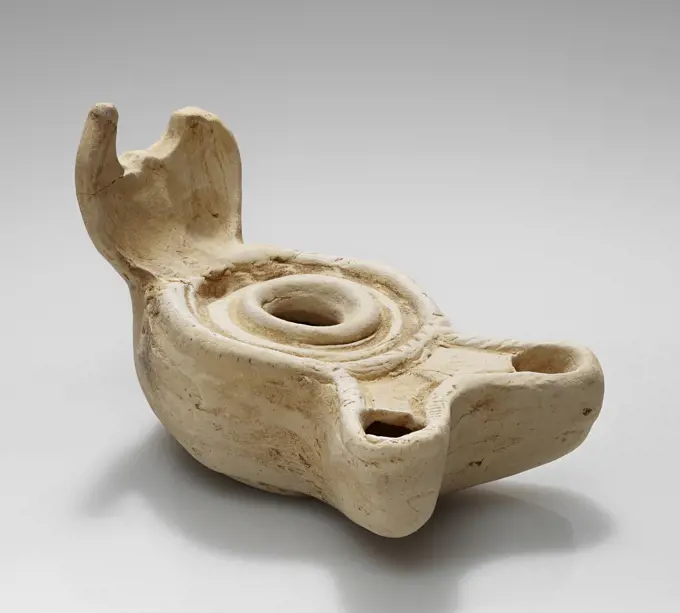
Lamp, Cologne, Germany, Europe; 2nd - 3rd century; Terracotta; 3.5 x 5.2 x 9.5 cm (1 3,8 x 2 1,16 x 3 3,4 in.)
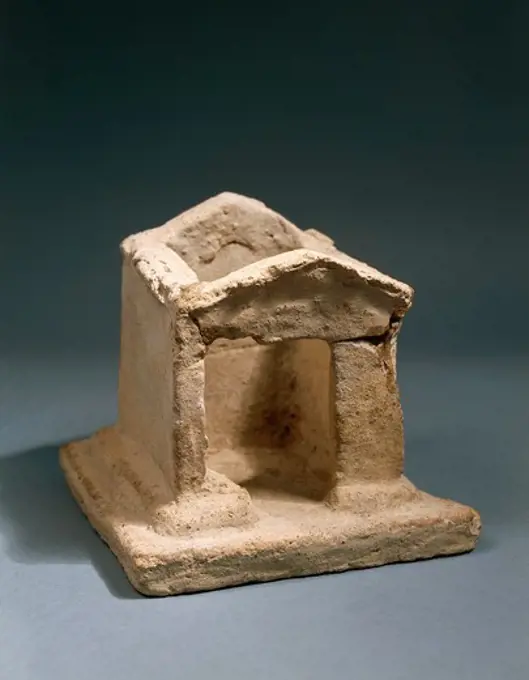
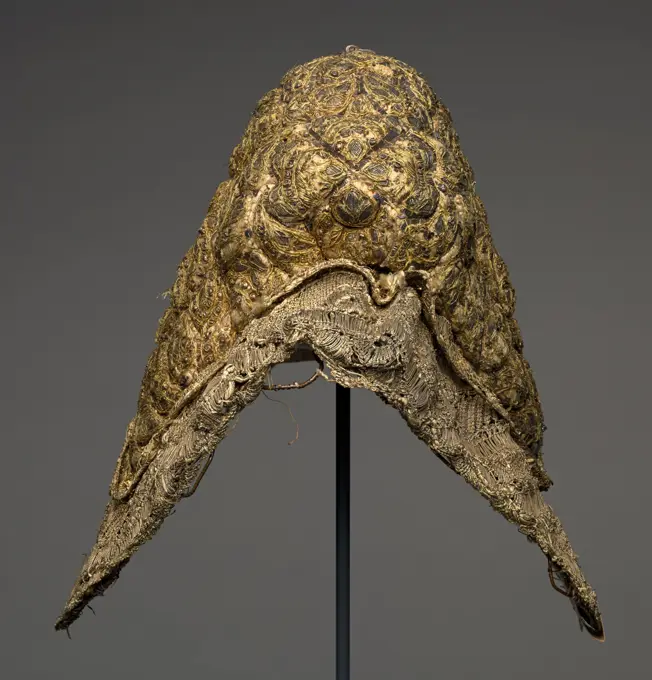
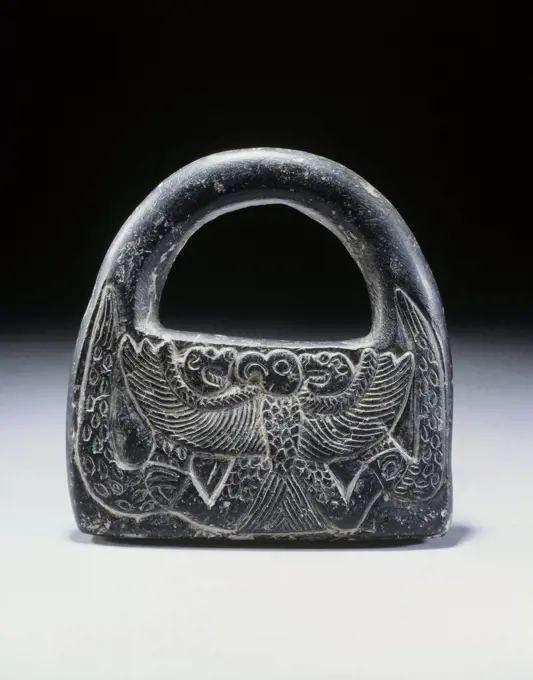
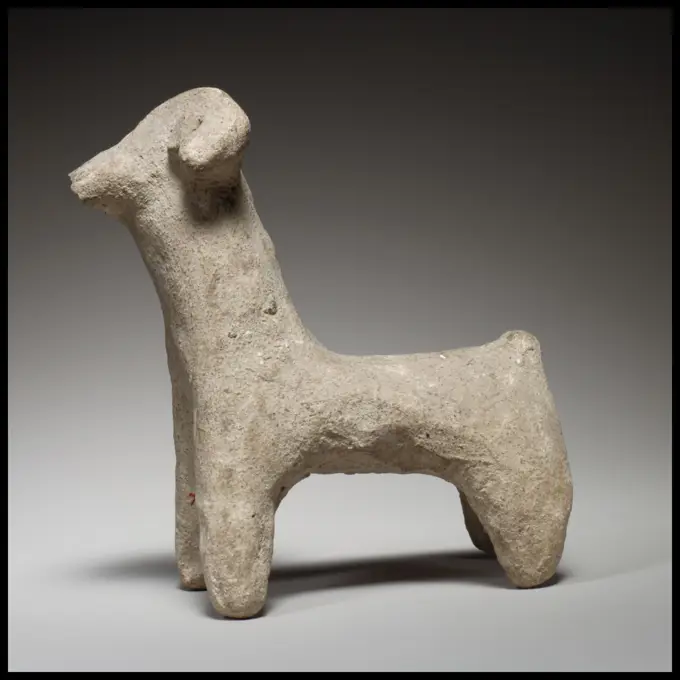
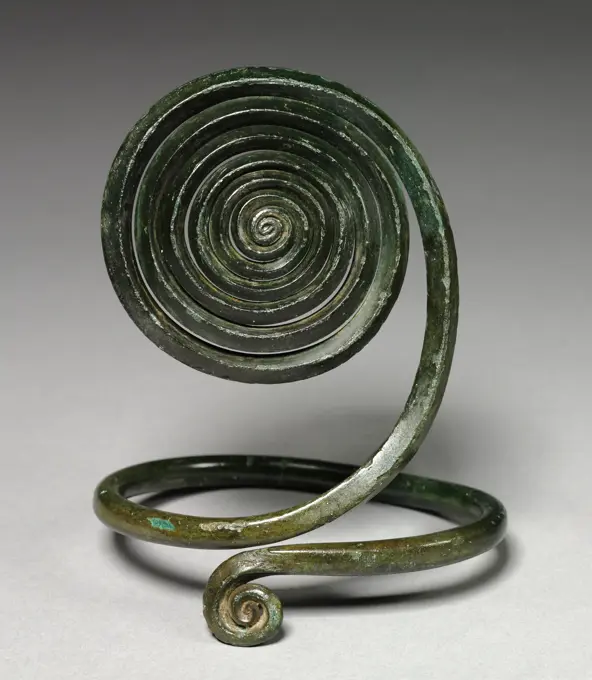
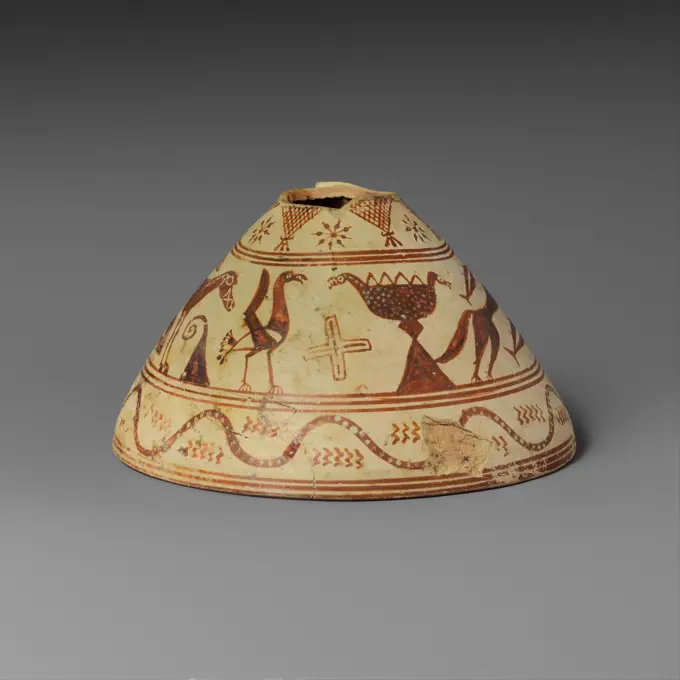
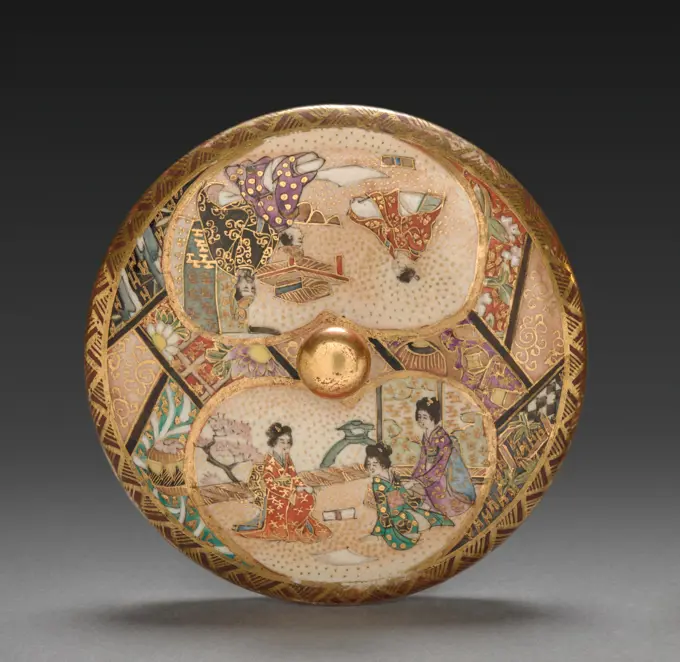
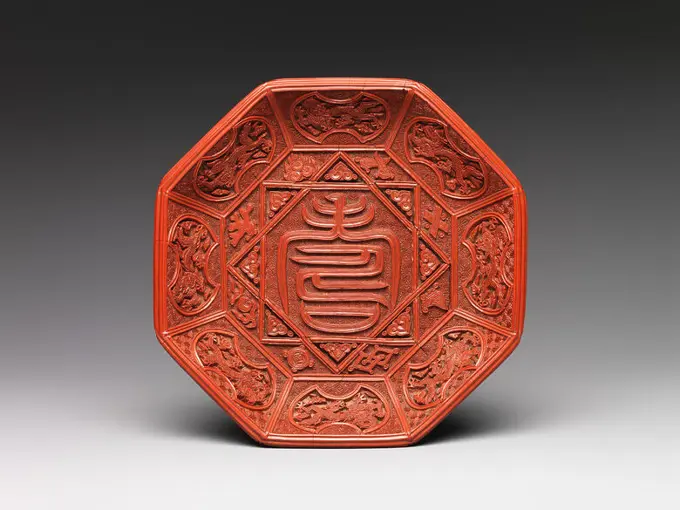
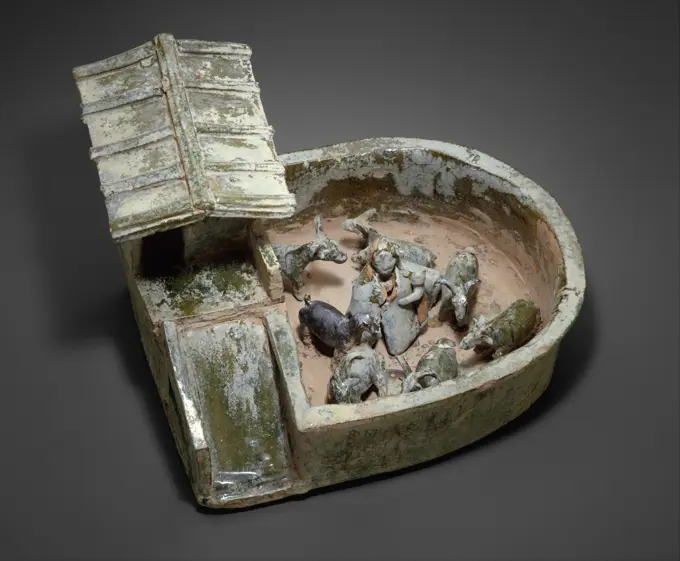
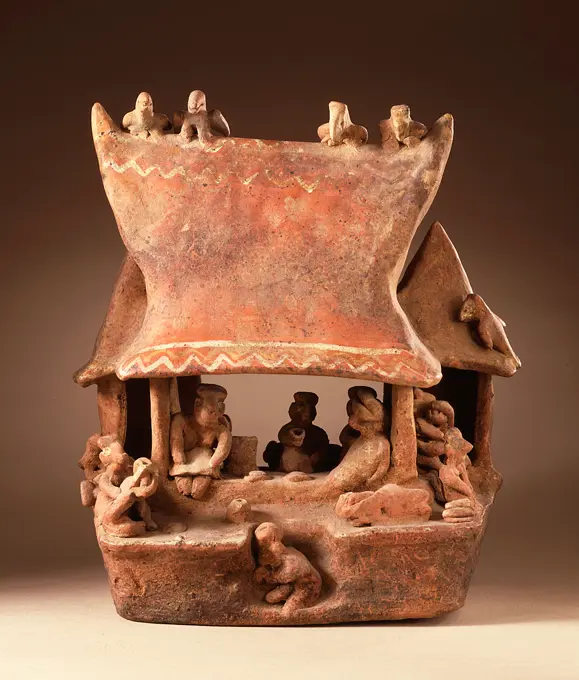
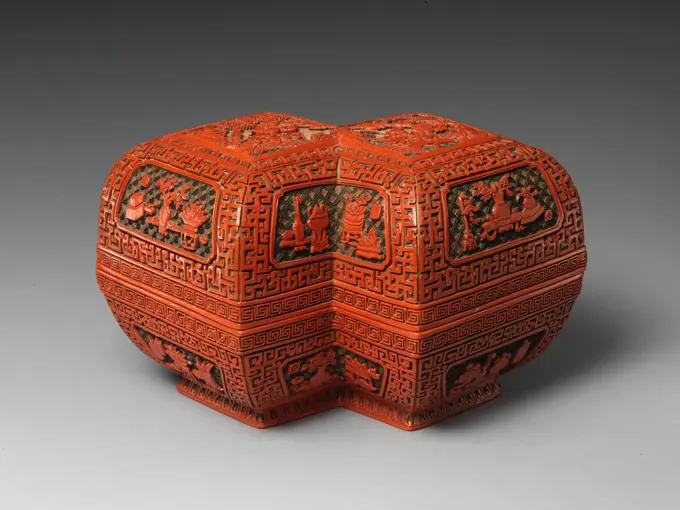
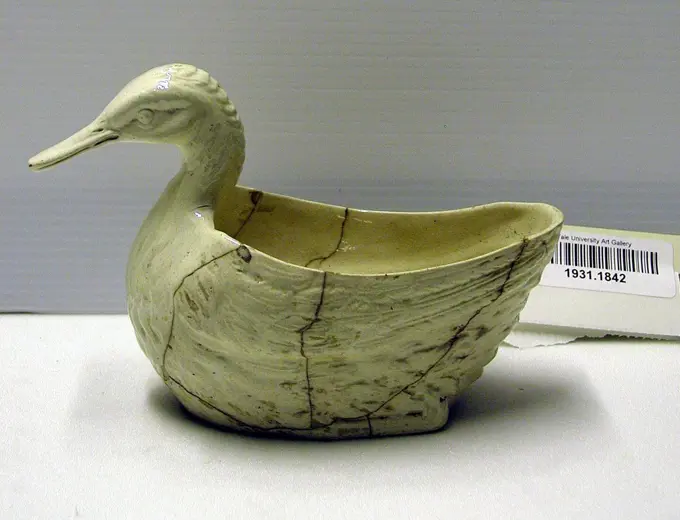
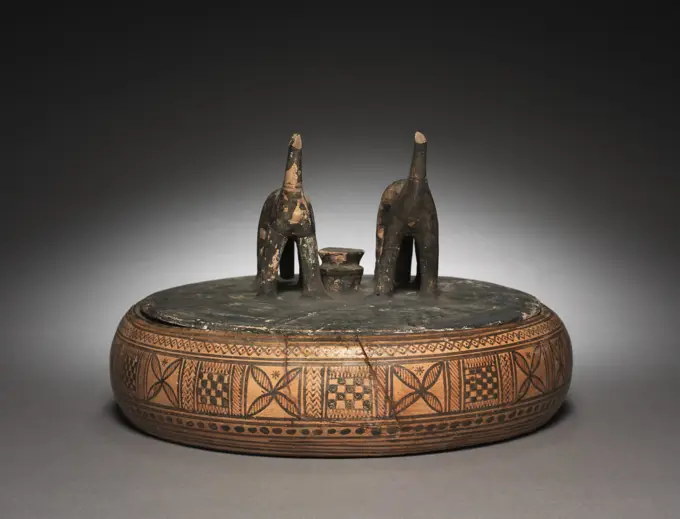
Geometric Horse Pyxis (Cylindrical Lidded Box), c. 760-750 BC. Greece, Attic, late Geometric la. Ceramic; diameter: 30.1 cm (11 7/8 in.); overall: 17.7 cm (6 15/16 in.).Temple model, votive terracotta workEmbroidered Peasant Headdress, 1700s. Germany, Nüremberg, 18th century. Embroidery, gold thread; edged with gold lace; overall: 28 x 33 cm (11 x 13 in.).Seven loomweights, 323-113 B.C., Terracotta, a: 3.5 cm (1 3/8 in.), Yale-French Excavations atDura-Europos, Excavated in Dura-Europos, Syria, Syrian,Dura-Europos, Hellenistic, Tools andEquipmentBactrian Steatite Or Chlorite Handle Weight 2000 B.C. Iran Or Afghanistan 2000 B.C. Ancient Near East(- ) Christie's Images, London, England Ram figurine ca. 600-480 B.C. Cypriot The figurine is handmade and solid. The head is chipped. It has curving horns, pellet ears, and short legs. The tail is attached to the right hind leg.. Ram figurine 244796Rattle Bowl, Trophy-Head Deity 3rd-1st century B.C. Paracas. Rattle Bowl, Trophy-Head Deity 310222Brush Pot, 1736-1795, 4 1/8 x 3 1/16 x 2 5/8in. (10.5 x 7.8 x 6.7cm), Glazed earthenware, China, 18th centuryCopper Face Mask Ornament 3rd century B.C.-A.D. 2nd century Vicús. Copper Face Mask Ornament 315231Spiral Armilla, c. 1500 BC. Central Europe, Bronze Age, c. 2500-800 BC. Bronze, wrought; overall: 16.5 x 12.1 cm (6 1/2 x 4 3/4 in.).Terracotta conical lekythos (vase for oil) ca. 700 B.C. Greek, Corinthian The decoration combines birds, fish, horses, and a wolf in an exuberantly dynamic composition. Of particular note is the large cauldron; the two birds' heads are the artist's interpretation of the griffin attachments that typically decorated bronze vessels. Compare the splendid bronze griffin head (1972.118.54).. Terracotta conical lekythos (vase for oil) 251362 Greek, Corinthian, Terracotta conical lekythos (vase for oil), ca. 700 B.C., Terracotta, H. 3 5/8 in. (9.2 cm) diameter 6 7/16 in. (16.4 cm). The Metropolitan Museum of Art, New York. Rogers Fund, 1923 (23.160.18)Covered Dish (lid), early 1900s. Japan, Meiji period (1868-1912). Porcelain with overglaze color enamel and gold (Satsuma ware); diameter of lid: 7 cm (2 3/4 in.).Dish with character for longevity (shou). Culture: China. Dimensions: H. 1 5/16 in. (3.3 cm); Diam. 6 /4 in. (17.1 cm). Date: 1522-1566.Eight auspicious emblems, including flaming pearls, a pair of horns, and a pair of books, encircle the character for longevity (shou) in the center of this dish; the same designs are found on the exterior. The dragons on the outer edge all lack one claw. Since five-clawed dragons symbolized the emperor, the claws were likely removed to make the dish suitable for presentation to a member of the nobility or a senior court official. Museum: Metropolitan Museum of Art, New York, USA.Animal Pen with Figures 1st-early 3rd century China This animal pen is populated with goats, tended to with one hand by a mother who cradles an infant in her other arm. It is typical of mingqi or "spirit utensils" that accompanied the deceased in burials of the Eastern Han dynasty (25-220 A.D.). Replicas of farm animals, utilitarian objects, and entertainers were believed to provide nourishment and amusement for the soul of the tomb occupant. The elevated structure serves as an architectural record of rustic buildings that would have been part of a large agricultural estate, and preserves in clay details of wooden design and constructionsuch as the low-pitched roof with a series of wood rafters flanging from a central beamthat have long since disintegrated above ground.The popularization of mingqi over the course of the Han dynasty (206 B.C.-220 A.D.) reflects dramatic changes in Chinese society, illustrating how power circulated beyond the imperial government and nobility to a broadHouse Group. Mexico, Nayarit, 200 BCE-500 CE. Ceramics. Slip-painted ceramicStone votive relief of an eye 4th-3rd century B.C. Cypriot The surface of the small, almost rectangular plaque is burned. An eye with a thick eyelid is sculpted into the surface.. Stone votive relief of an eye 244050Lozenge box with scene of treasure tributary 18th century China. Lozenge box with scene of treasure tributary. China. 18th century. Carved red lacquer. Qing dynasty (1644-1911). LacquerSauce Boat in Form ofDuckGoose-headed Vessel (Zun). Culture: China. Dimensions: H. 13 11/16 in. (34.8 cm); Diam. 9 5/8 in. (24.4 cm). Museum: Metropolitan Museum of Art, New York, USA.