Ancient Terracotta Oil Lamps

Collection of ancient terracotta oil lamps from Roman and North African origins, showcasing intricate designs, historical significance, and unique artistic styles.
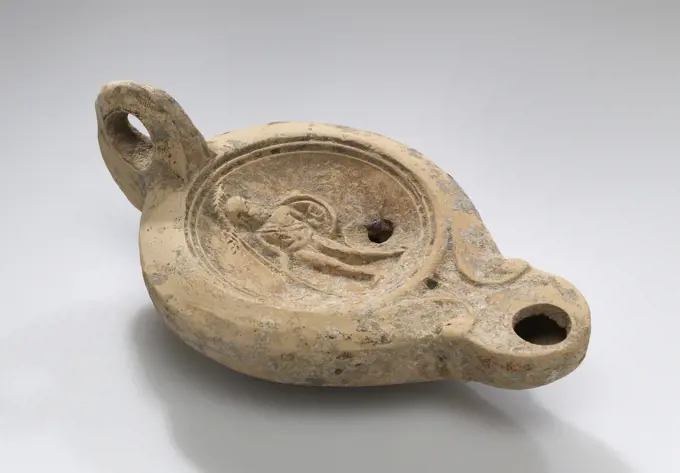
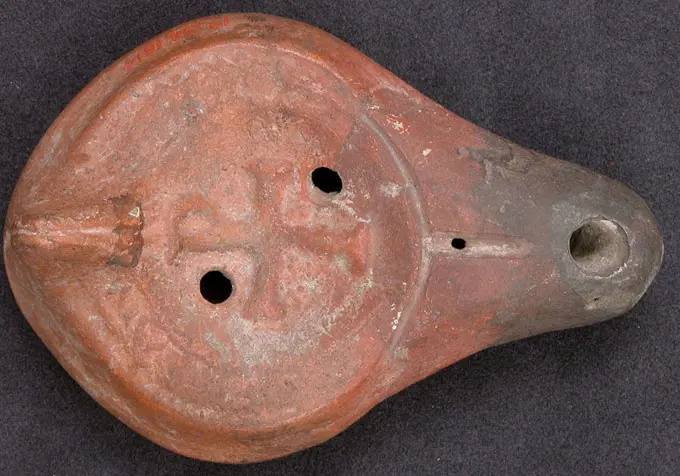
Lamp; North Africa, Tunisia; 1st - 2nd century; Terracotta; 12.2 x 4.9 x 7 cm (4 13,16 x 1 15,16 x 2 3,4 in.)
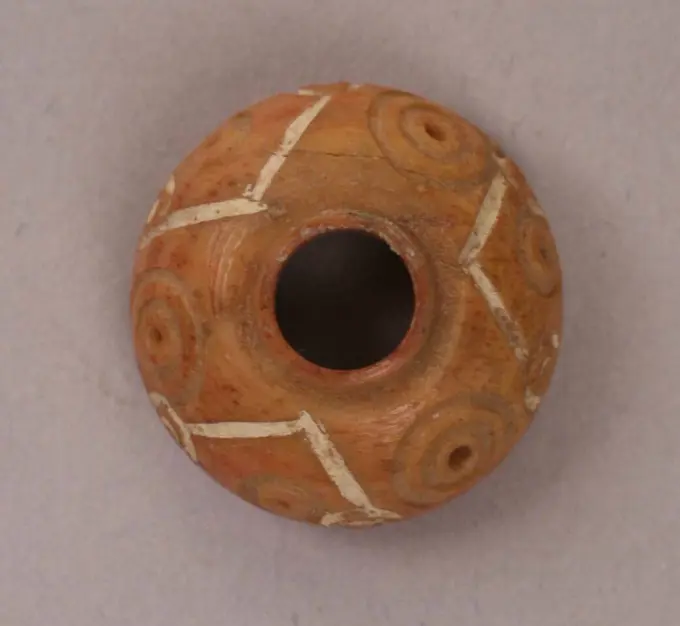
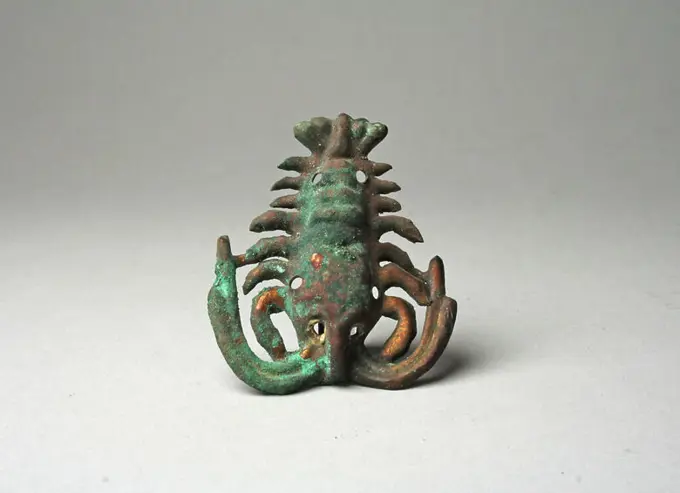
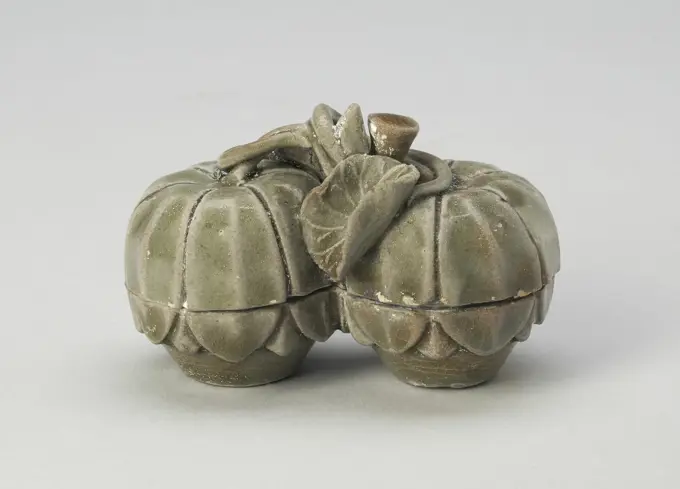
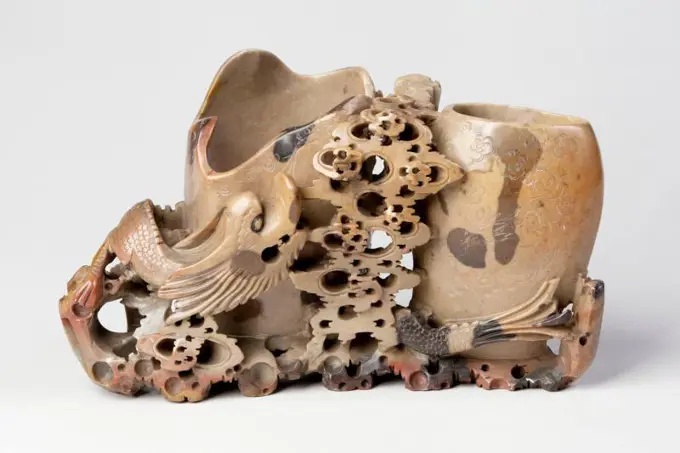
Lamp 5th-6th century Small earthenware lamps, made from double molds, were the most commonly used source of light during the Coptic period. A wick produced from plant fiber or linen fabric was placed in a reservoir filled with oil, generally castor or sesame oil, and illuminated. Religious symbols used as decoration, such as this variation of the Chi-Rho Christogram, the monogram for Christ 's name, were thought to offer protection for the lamps owner.. Lamp 454742Bow Fibula. Greek; Thessaly. Date: 800 BC-700 BC. Dimensions: 3.1 × 5.0 × 1.2 cm (1 1/4 × 2 × 1/2 in.). Bronze. Origin: Greece. Museum: The Chicago Art Institute, Chicago, USA. Author: ANCIENT GREEK.Lid with Figurative Scenes. Culture: Indonesia (Java, Majapahit). Dimensions: H. 3 1/2 in. (8.9 cm); W. 8 1/4 in. (21 cm); D. 8 in. (20.3 cm). Date: 14th century. Museum: Metropolitan Museum of Art, New York, USA.PUIT Margelle ". Terracotta. Han Dynasty (206 BC-220 AD). Paris, Cernuschi museum. Chinese art, Chinese Ceramic, Han dynasty, Han time, rectangular shape, Puit Margelle, Decorative Pattern, Terracotta, AnimalBig prehistoric conch on coloured background. Guadalajara Big prehistoric conch on coloured background. Guadalajara, Jalisco. Mexico Copyright: xZoonar.com/Pascopixx 22082341Halberd axe blade, Warring States periodButton or Bead 9th-10th century The dot-in-circle motif recalls designs presumed to be of magical significance, most likely an abstract eye to ward off the evil-eye, which serves an apotropaic function. Easily reproduced with a tool and visible in many cultures and times, this symbol may have lost its meaning, and become simply a decorative pattern, or may have one that we have not yet discovered.. Button or Bead. 9th-10th century. Bone; tinted, incised, and inlaid with paint. Excavated in Iran, Nishapur. Ivories and BoneAttic Red-Figure Plastic Keras Fragment (comprised of 13 joined fragments). UnknownAnimal Ornament. Culture: Moche (Loma Negra). Dimensions: Length 2 in. (5 cm). Date: 390-450. Museum: Metropolitan Museum of Art, New York, USA.Spider Ornament 6th-7th century Moche (Loma Negra). Spider Ornament 315167Pair of boxes with covers in the form of snails ca. 1750 German, Hanover Münden. Pair of boxes with covers in the form of snails 205844Fruit in a dish from a tomb at Deir el Bahari, Egypt. Part of a food store for the afterlife of a deceases person circa 1900 BCDouble Melon-Shaped Box 960 CE-1127 China. Yaozhou ware; stoneware with underglaze carved and molded decoration .Chinese Carved Double Vase with Dragon,  Qing Dynasty, 19th century