Ancient Terracotta Pottery

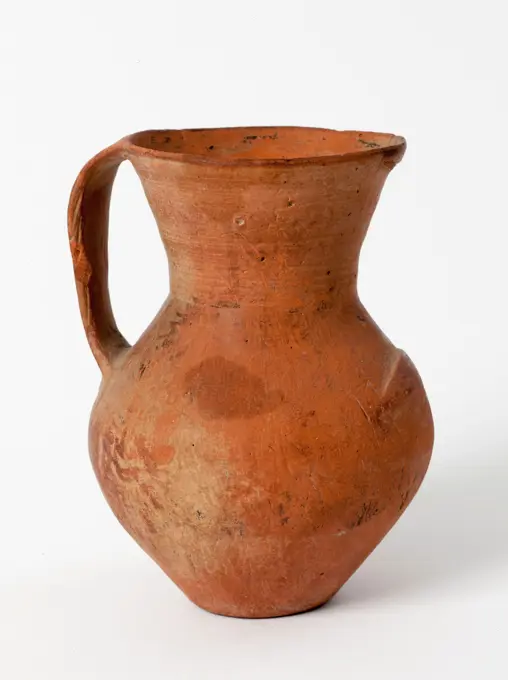
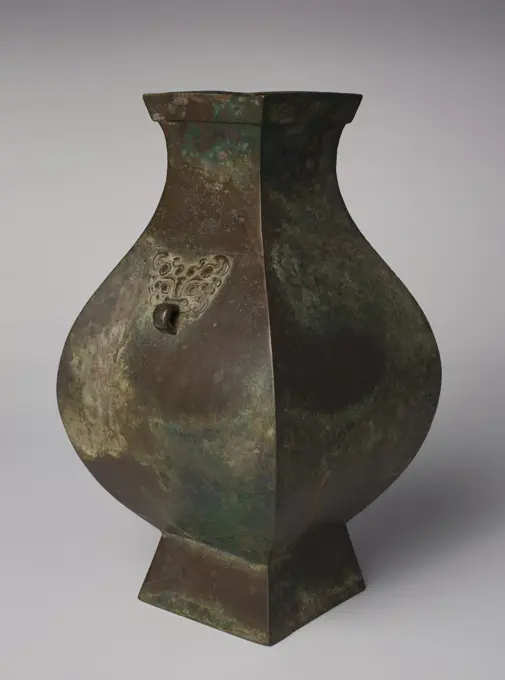
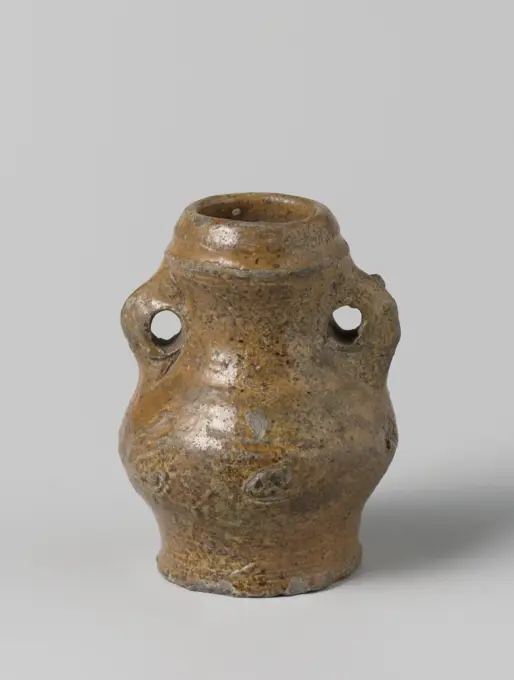
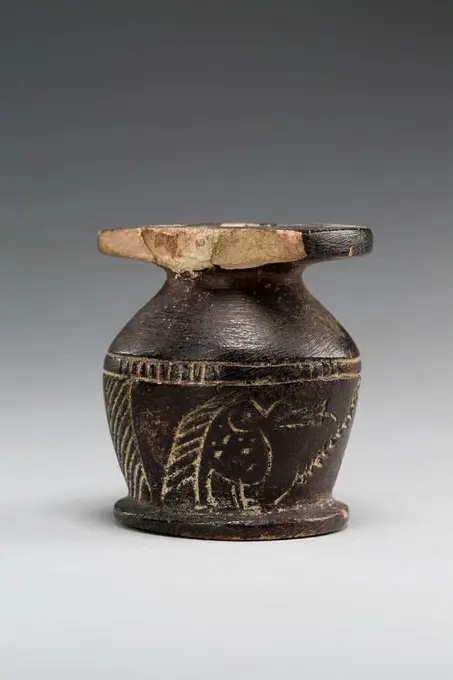
A collection of ancient pots and jars from various cultures, displaying distinctive shapes and decorative elements, showcasing historical pottery art.

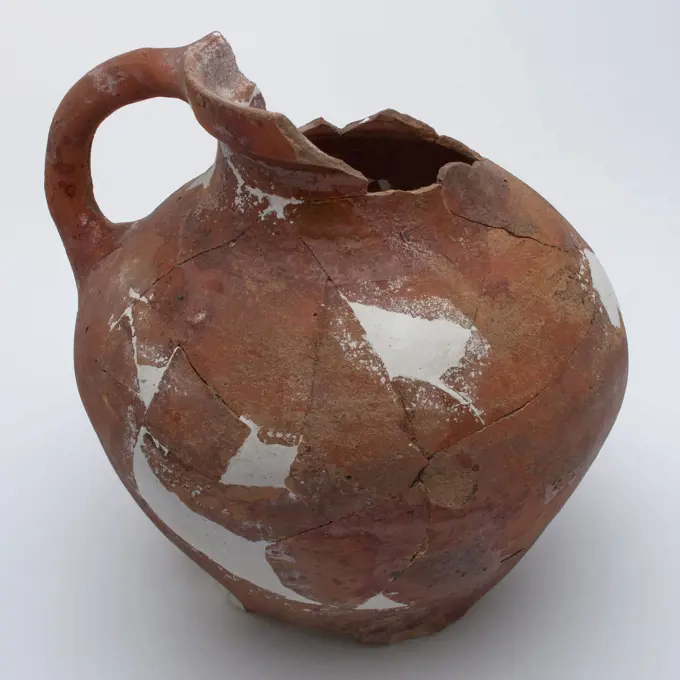
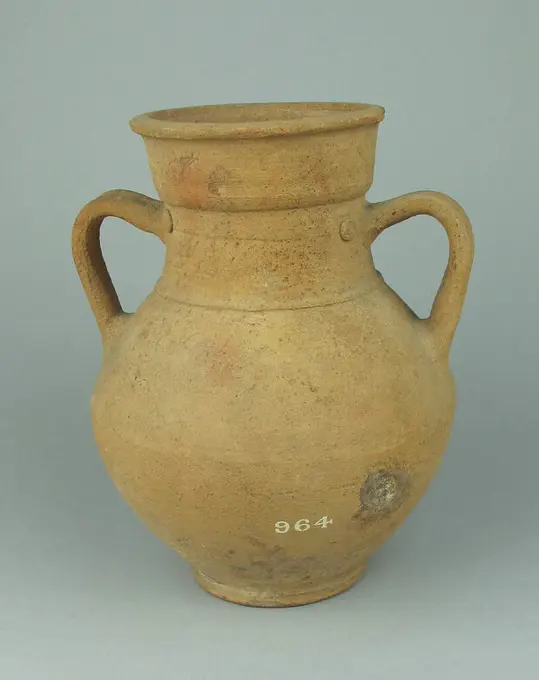
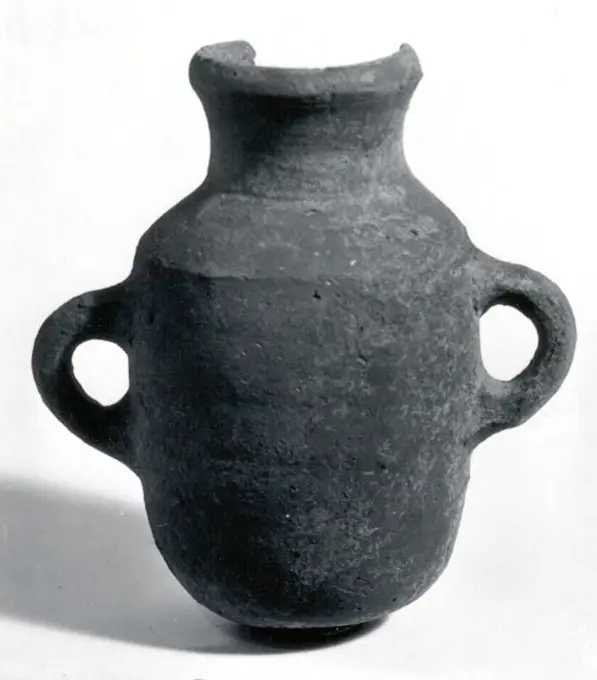
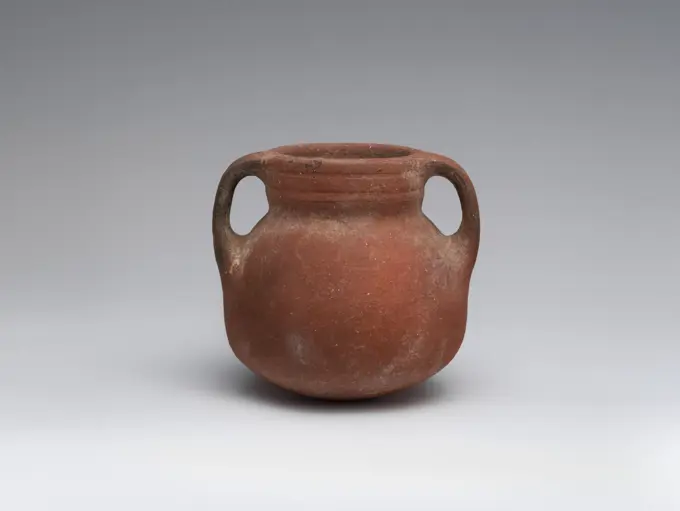
Pottery jug with two ears, on shoulder double notched line, pitcher water jug pitcher holder kitchenware soil find ceramics pottery clay engobe, hand turned pottery jug unglazed two standing bandstands stand. Double notched ring around the shoulder. The ears are attached between the shoulder and layer on the side wall. Sandy stand. Tapered model narrowing downwards. Gray shard smeared with brown engobe archeology to import indigenous pottery import water wrapping
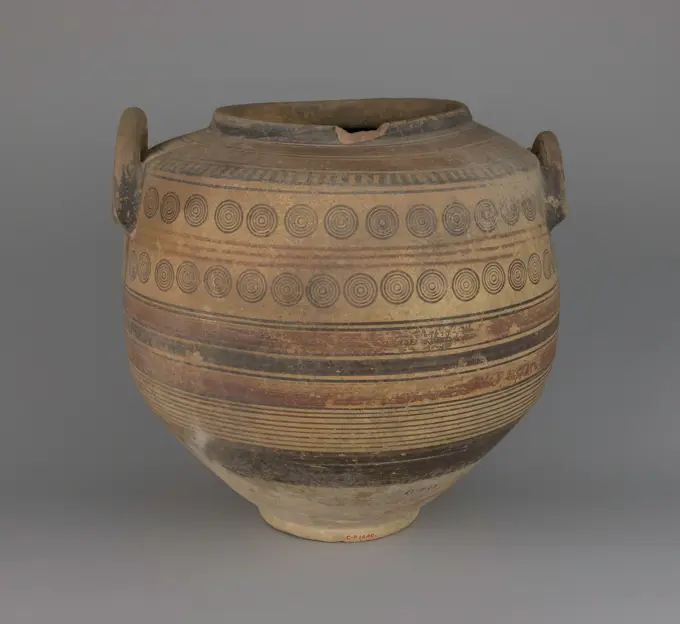
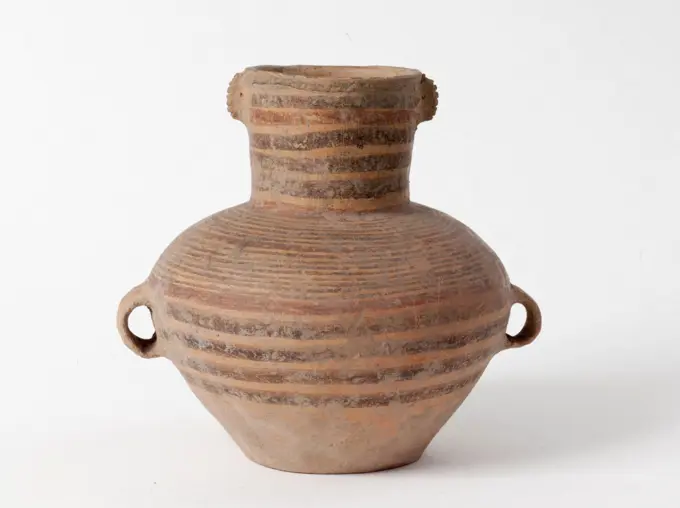
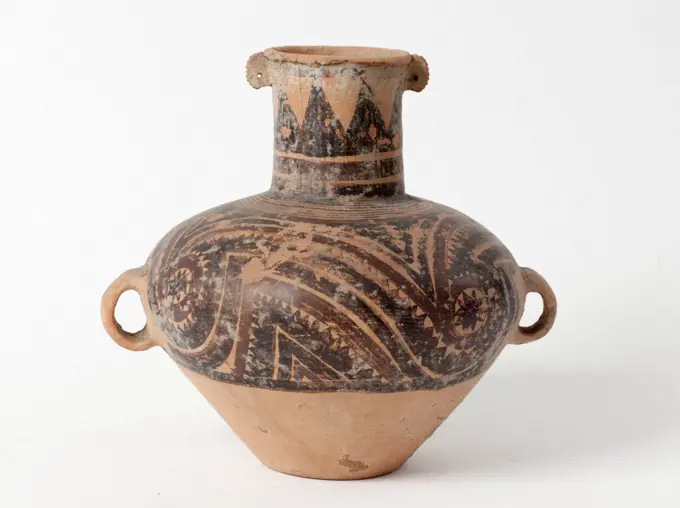
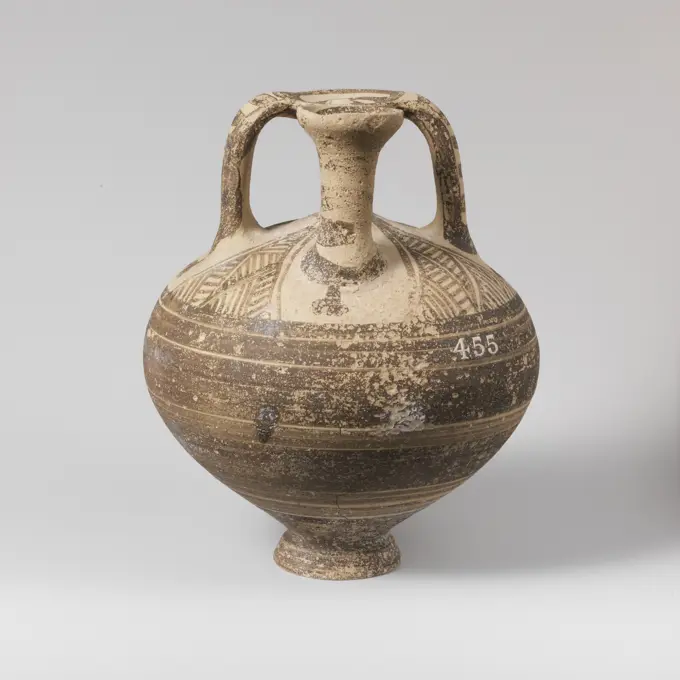
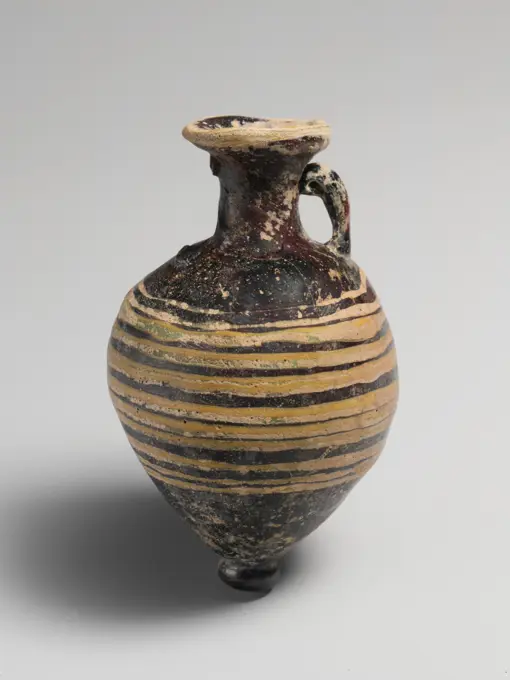
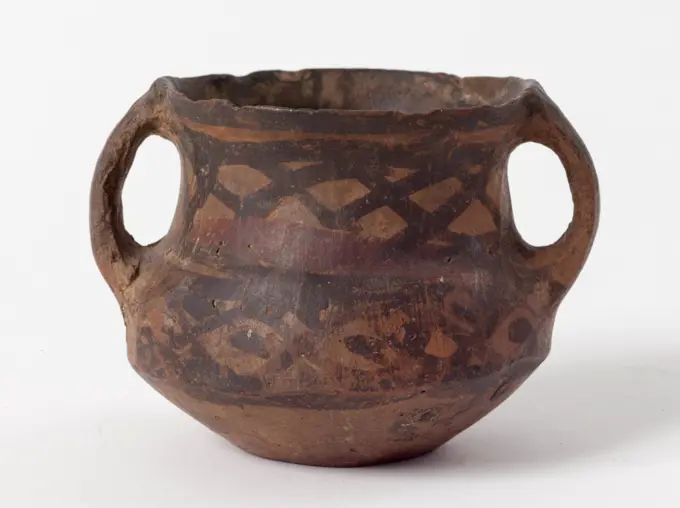
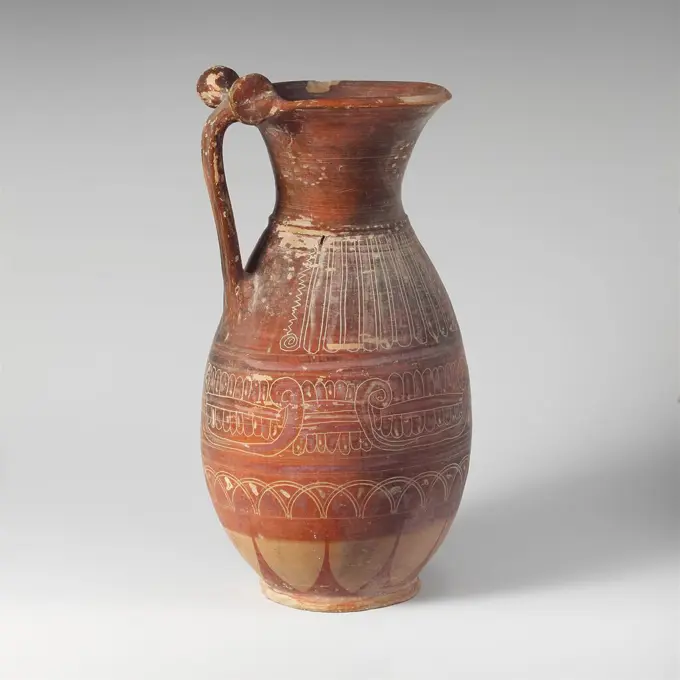
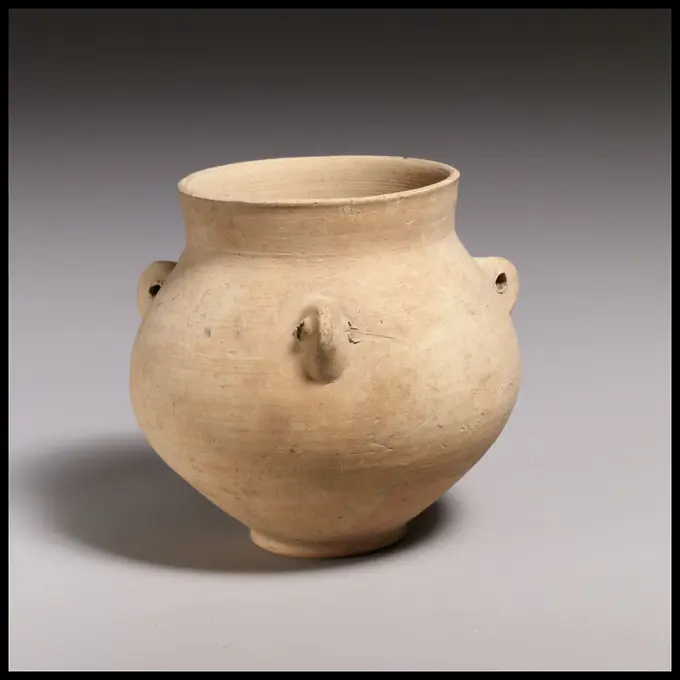
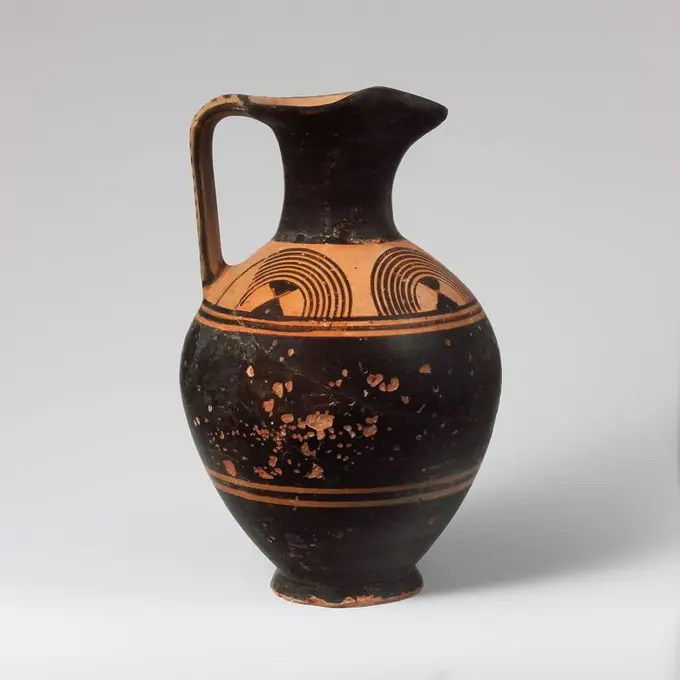
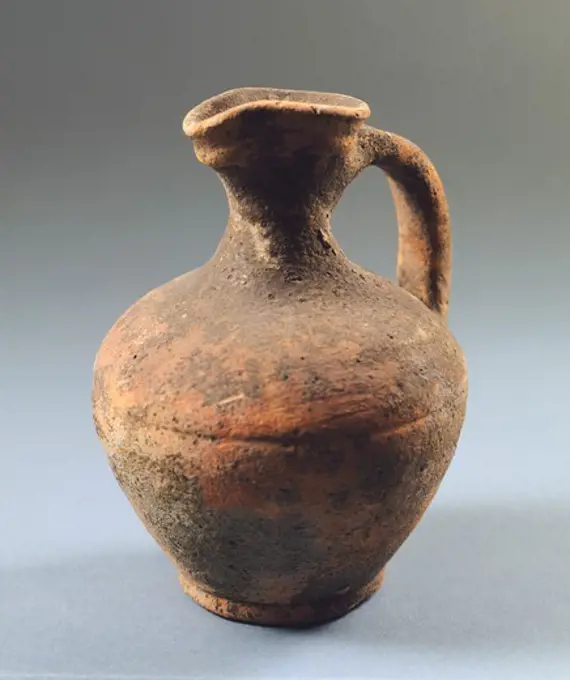
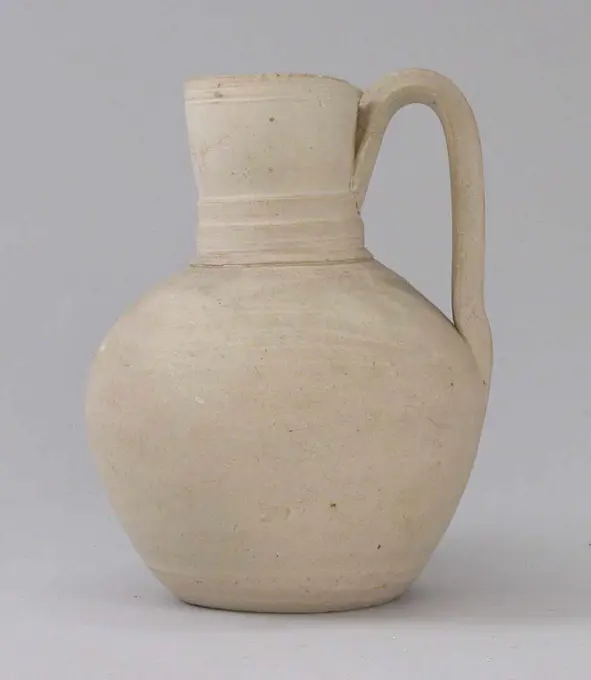
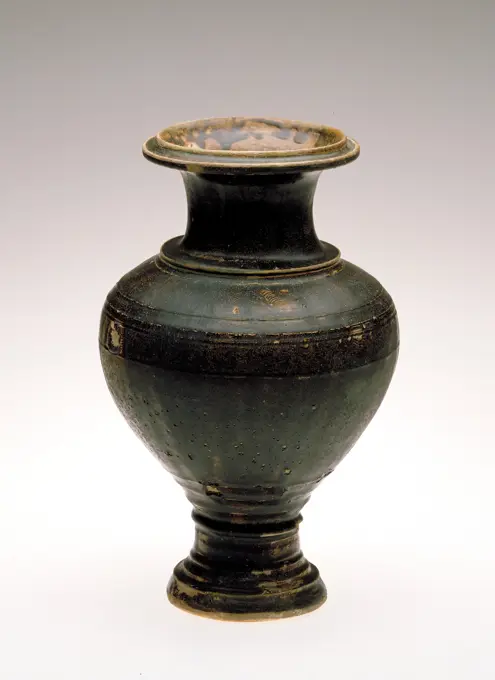
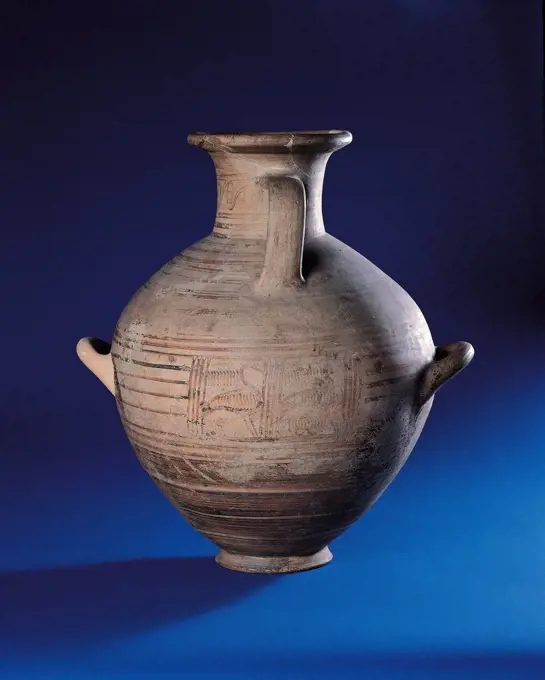
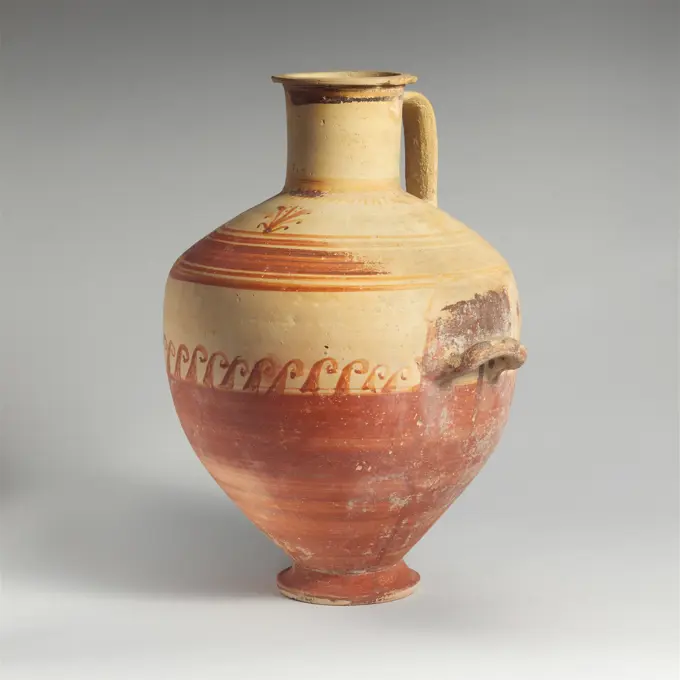
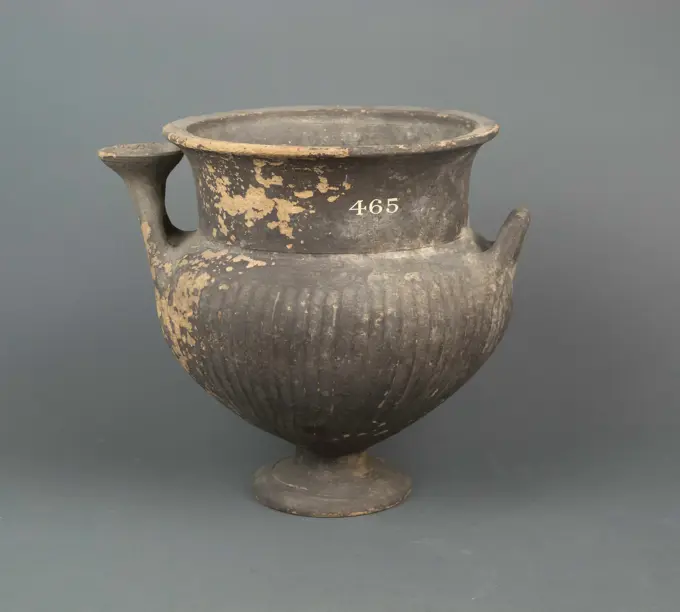
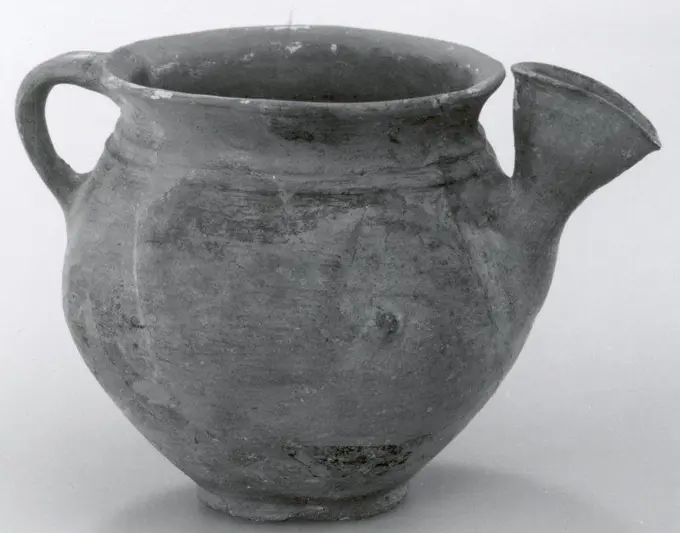
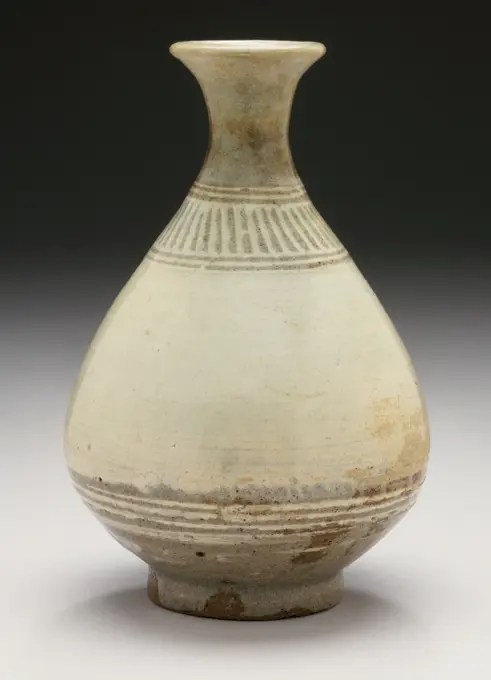
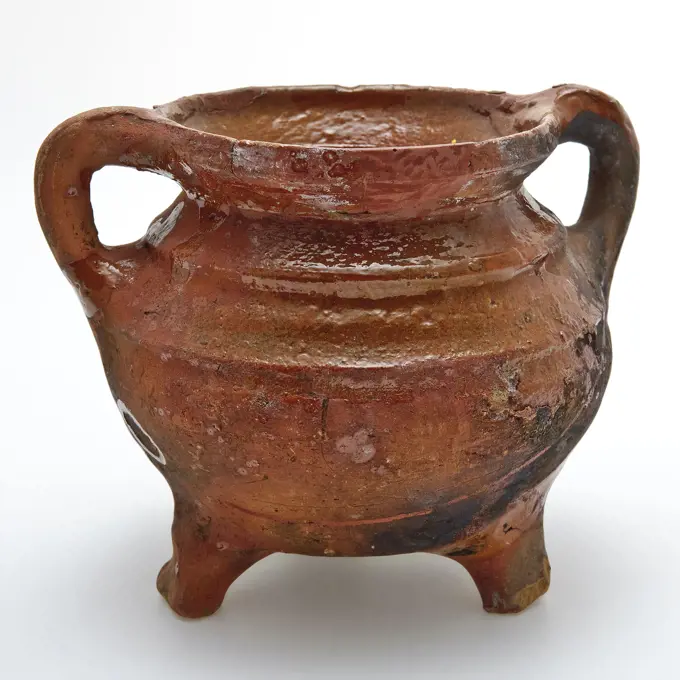
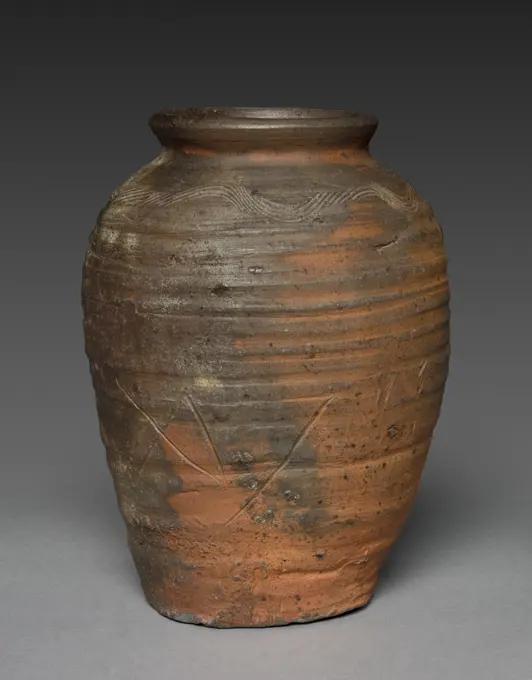
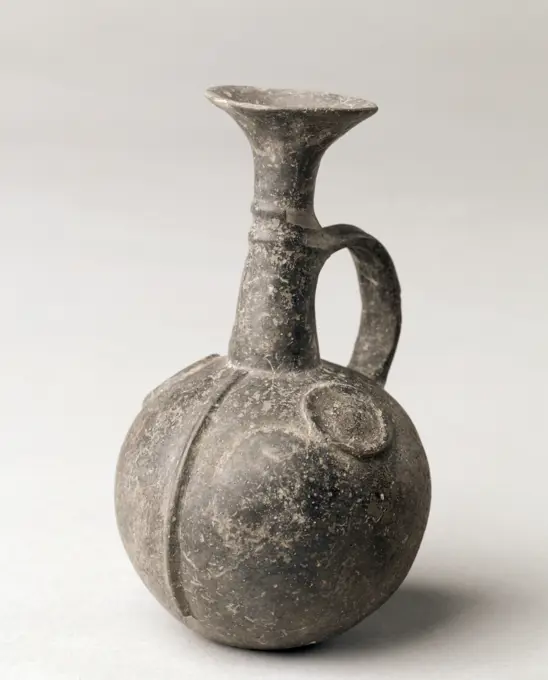
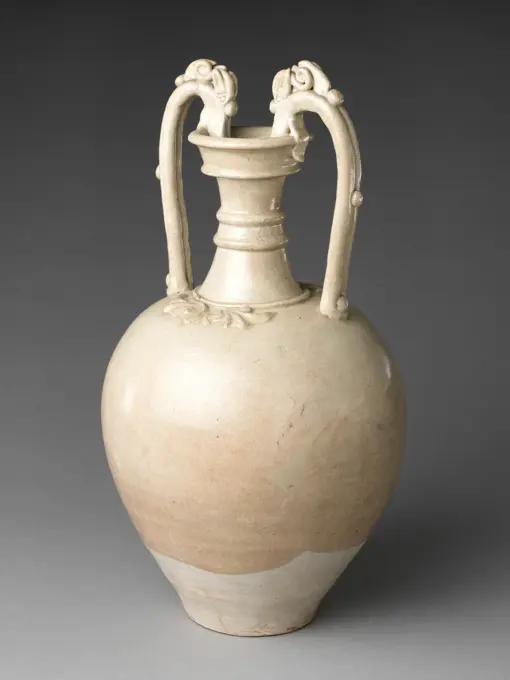
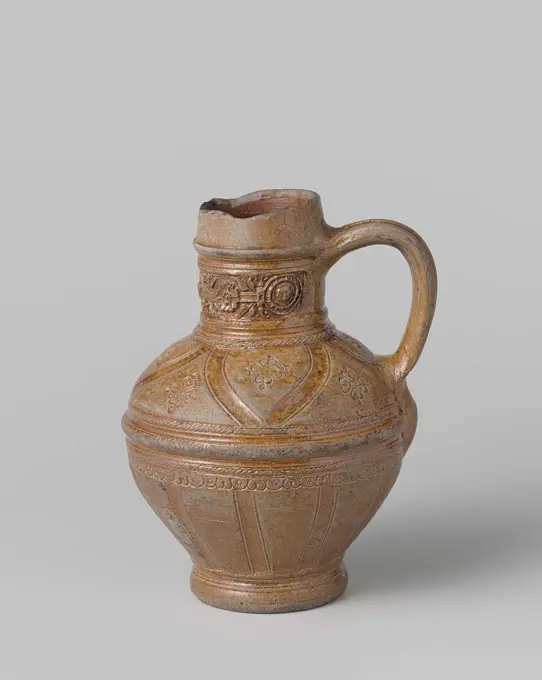
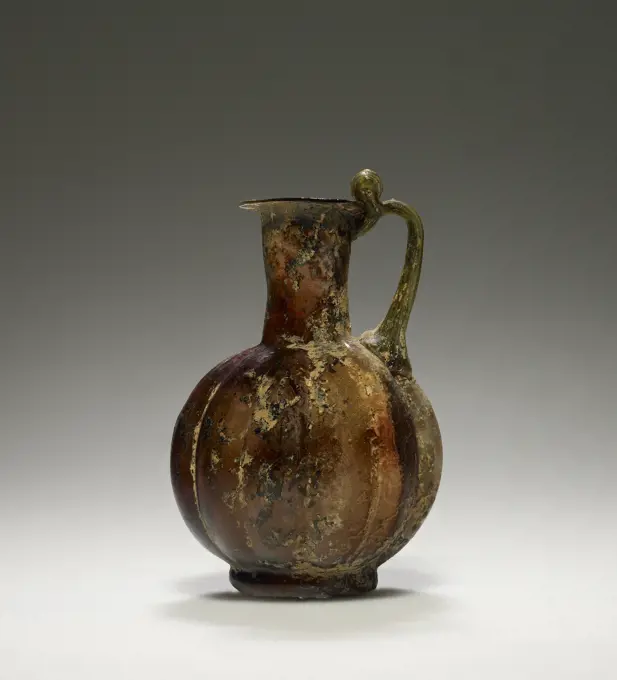
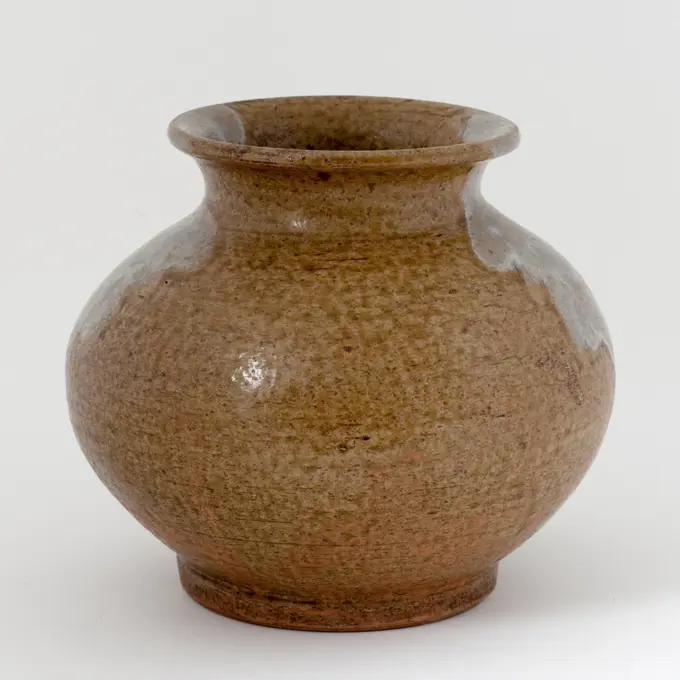
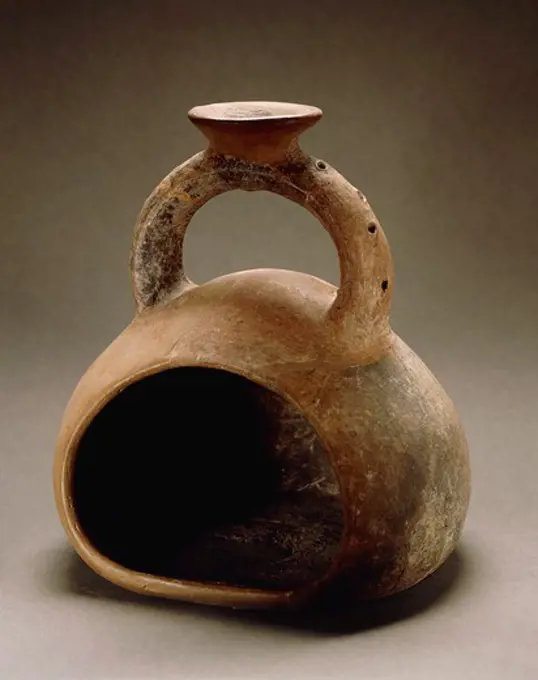
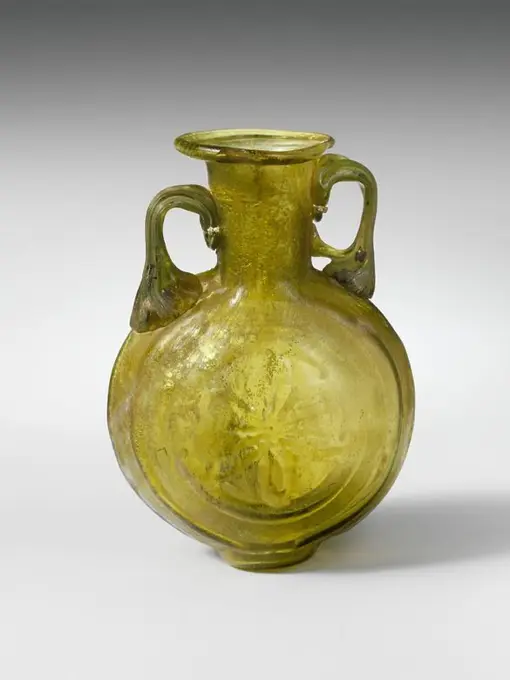
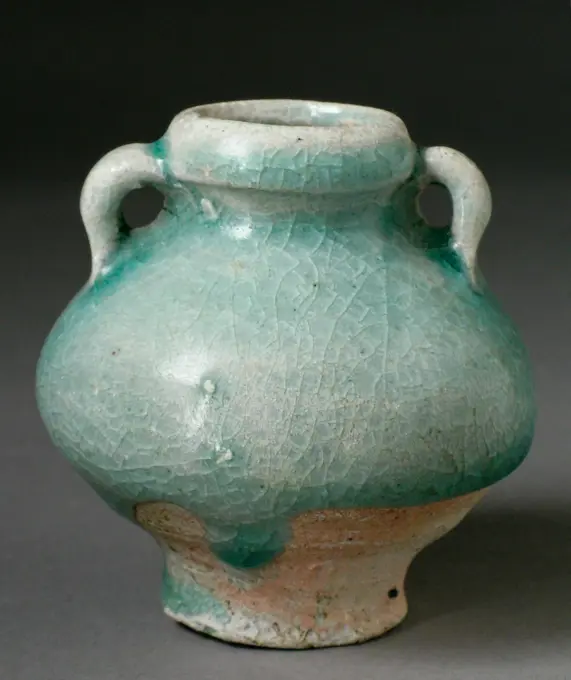
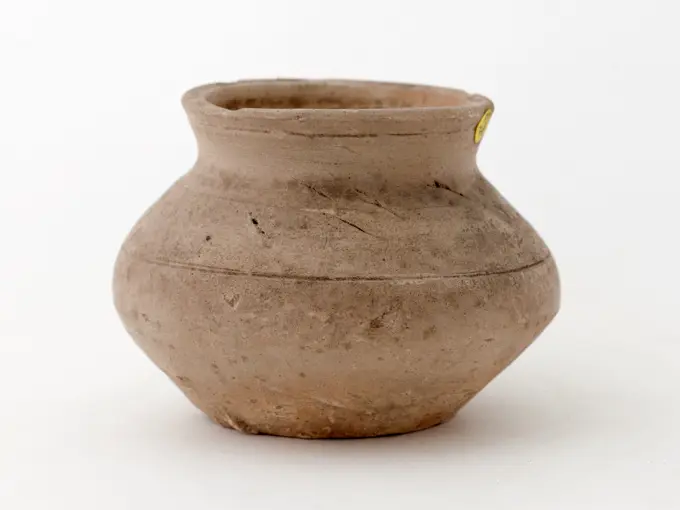
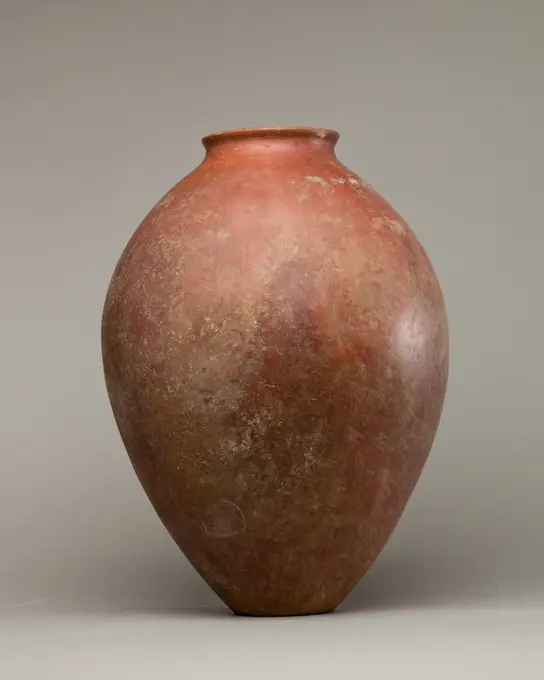
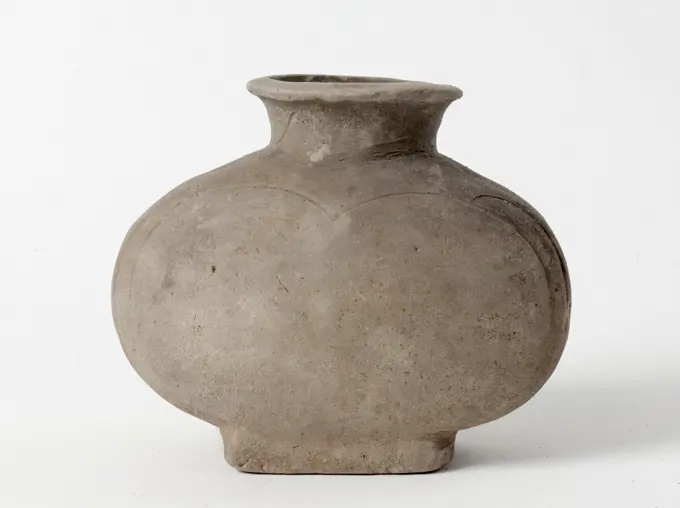
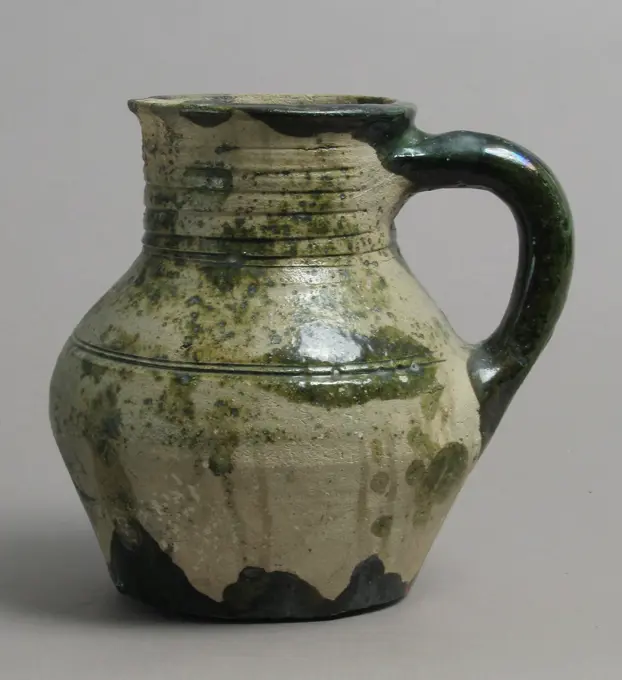
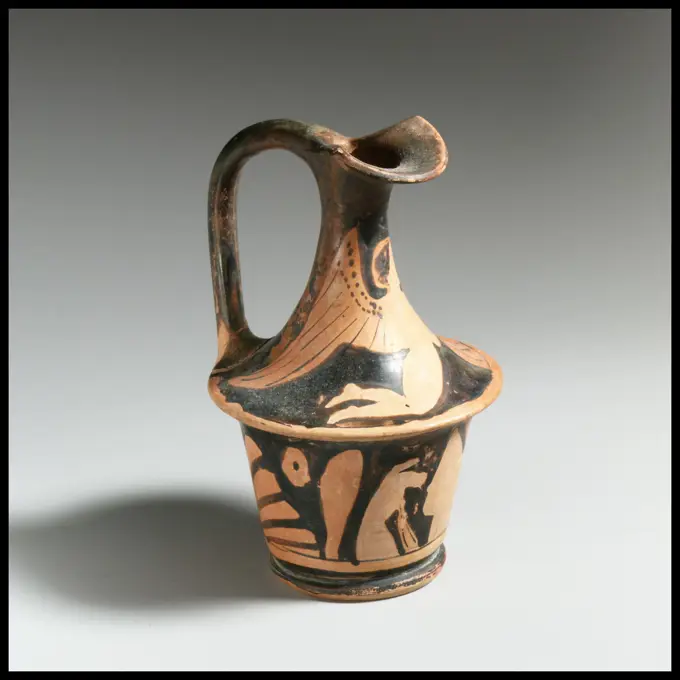
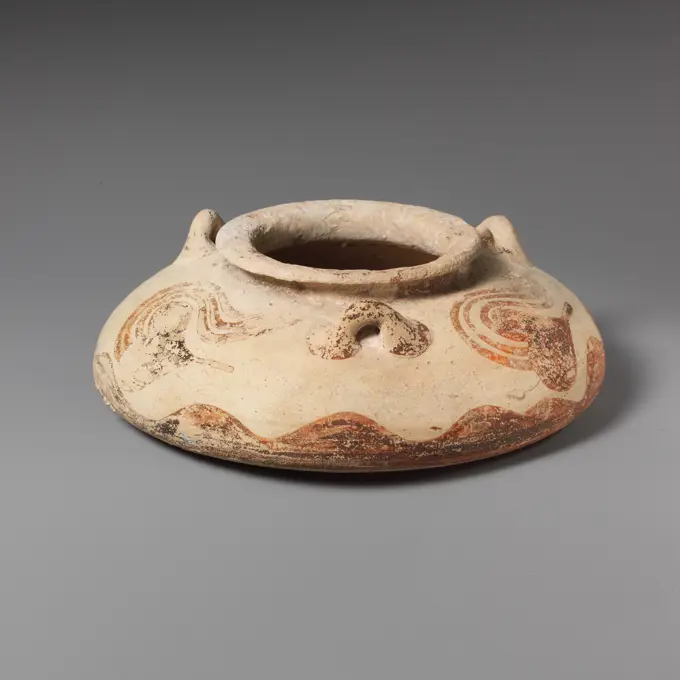
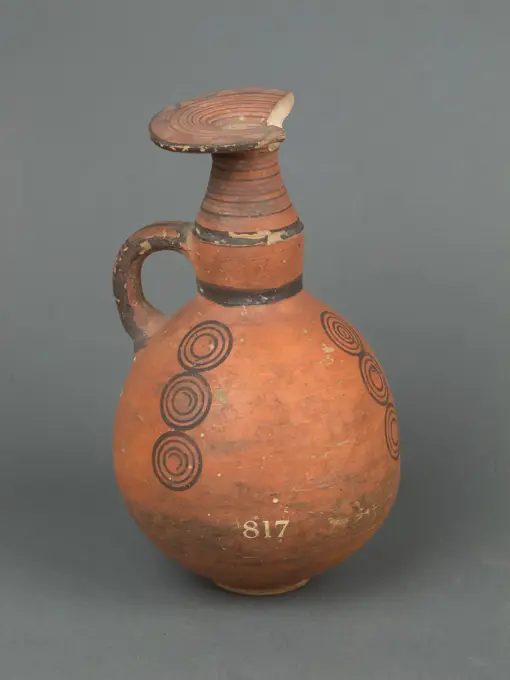
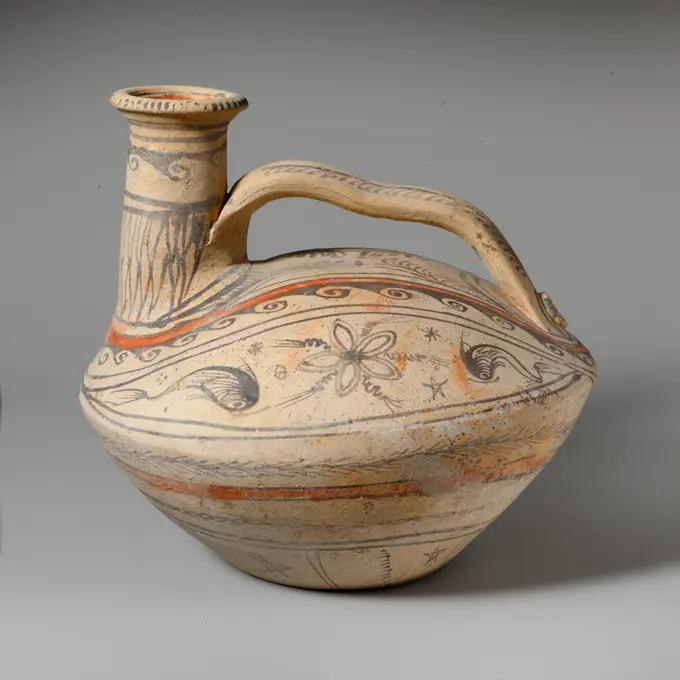
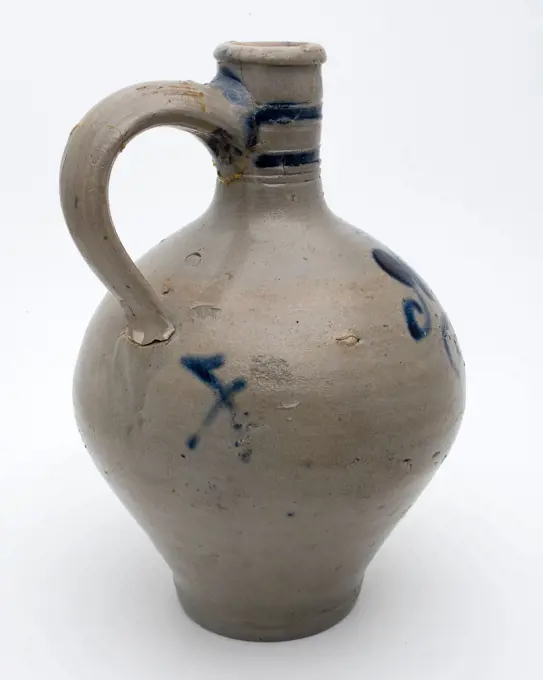
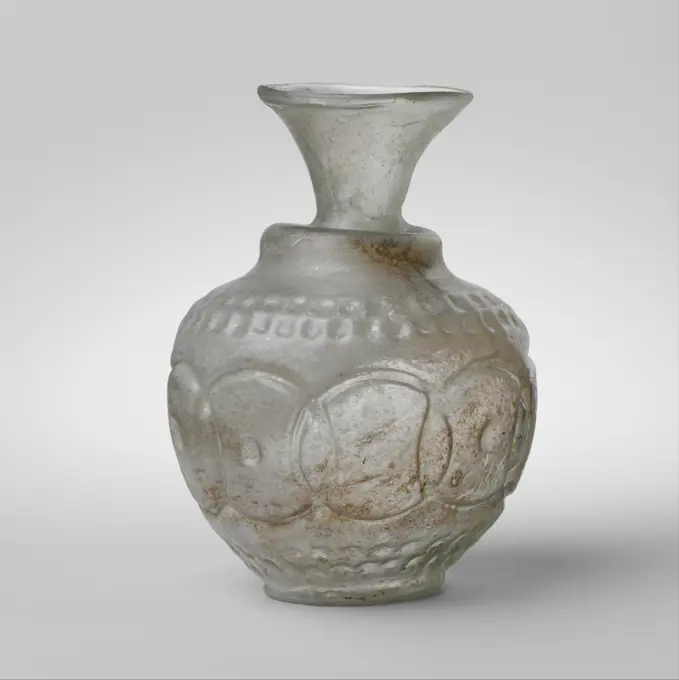
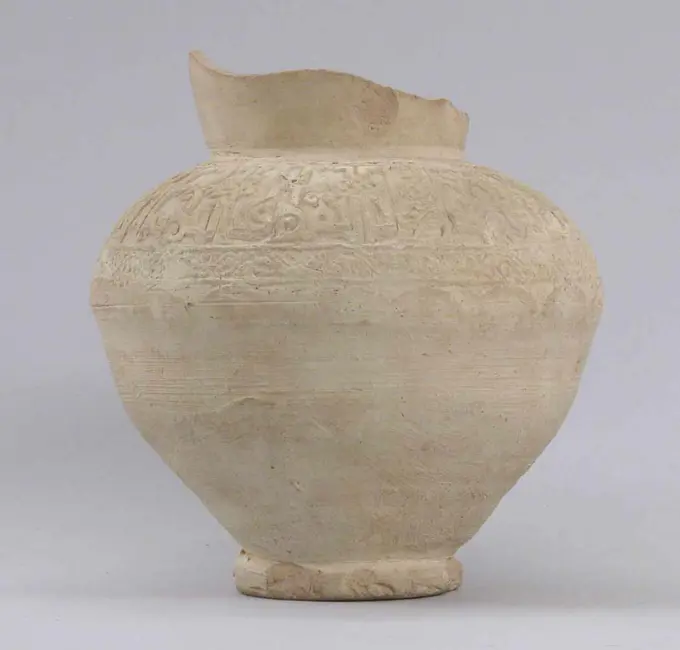
Pot 4th-7th century Coptic. Pot 476272Dinos 600-480 B.C. Cypriot. Dinos. Cypriot. 600-480 B.C.. Terracotta. Cypro-Archaic II. VasesVase. Terre Civa. Vietnam. Paris, Muse Cernuschi. Vase Asian art, art of extreme orient, art of Vietnam, Vietnamese art, terracotta, dishesPottery jug with two ears, on shoulder double notched line, pitcher water jug pitcher holder kitchenware soil find ceramics pottery clay engobe, hand turned pottery jug unglazed two standing bandstands stand. Double notched ring around the shoulder. The ears are attached between the shoulder and layer on the side wall. Sandy stand. Tapered model narrowing downwards. Gray shard smeared with brown engobe archeology to import indigenous pottery import water wrappingJar ". Terracotta with polychrome decoration. Neolithic period (around 8000 BC). Paris, Cernuschi museum. Anse, Chinese art, Chinese Ceramic, container, jar, decorative motif, Neolithic period, container, terracottaJar ". Terracotta with polychrome paint. Neolithic period (around 8000 BC). Paris, Cernuschi museum. Anse, Chinese art, Chinese Ceramic, container, jar, decorative motif, Neolithic period, container, terracottaTerracotta stirrup jar early 11th century B.C. Cypriot Broad and narrow bands and on shoulder, shaded triangles.. Terracotta stirrup jar 240965Single-Handled Pedestal Jar with Geometric Motifs and Appliques on Shoulders. Lambayeque; North coast, Peru. Date: 1000-1470. Dimensions: H. 18.7 cm (7 3/8 in.). Ceramic and pigment. Origin: North Coast. Museum: The Chicago Art Institute, FLORENCIA, USA.Glass amphoriskos (perfume bottle) 5th century B.C. Greek, Eastern Mediterranean Opaque dark purple, with handles in same color; trails in opaque yellow and opaque turquoise blue.Deeply inward-sloping rim-disk; tall cylindrical neck with concave sides; uneven sloping shoulder; top-shaped body; circular base-knob with deep indent on bottom; two vertical strap handles applied to shoulder, drawn up, and pressed onto neck.A yellow trail attached at edge of rim-disk; another yellow trail and an overlapping turquoise blue trail applied to shoulder, wound in a tight spiral around body, ending two-thirds of the way down.Complete, except for most of one handle; broken and repaired around neck; dulling, pitting, and creamy iridescent weathering.. Glass amphoriskos (perfume bottle). Greek, Eastern Mediterranean. 5th century B.C.. Glass; core-formed, Group I. Classical. GlassJar ". Terracotta with polychrome decoration. Neolithic period (around 8000 BC). Paris, Cernuschi museum. Anse, Chinese art, Chinese Ceramic, containerjarre, decorative motif, Neolithic period, container, terracottaOinochoe ca. 1050-900 B.C. Cypriot. Oinochoe. Cypriot. ca. 1050-900 B.C.. Terracotta. Iron Age. VasesJug. Jug of stoneware. Decorated with a bagpipe blowerTerracotta olpe (jug). Culture: Etruscan, Italo-Corinthian. Dimensions: 11 15/16in. (30.4cm)Other (height with handle): 12 3/8in. (31.5cm)Other (height without handle): 11 15/16in. (30.4cm). Date: ca. 600-575 B.C..Incised tongues at shoulder, designs at belly, concentric half circles at base. Museum: Metropolitan Museum of Art, New York, USA.Terracotta collar-necked jar. Culture: Mycenaean. Dimensions: H. 4 1/4 in. (10.7 cm.)Diameter 4 1/2 in. (11.3 cm.). Date: ca. 1400-1190 B.C..The three vertical lugs on the shoulder likely were used to tie down a lid. Museum: Metropolitan Museum of Art, New York, USA.Terracotta oinochoe (jug). Culture: Greek, Attic. Dimensions: H. 2 1/2 in. (6.3 cm). Date: ca. 900 B.C..From the Hymettos deposit (see 30.118.1). Museum: Metropolitan Museum of Art, New York, USA.Terracotta olpaio from a tomb in Lovere, Lombardy, Italy. Italic Civilization.Three-handled Jar ca. 1550-1295 B.C. New Kingdom This three-handled storage jar has an elongated ovoid body with a rounded base and a flaring rim. Traces of pink paint can be seen on the body, the handles, and along the rim.. Three-handled Jar. ca. 1550-1295 B.C.. Pottery, paint. New Kingdom. From Egypt, Memphite Region, Lisht North, Cemetery, MMA excavations, 1915-16. Dynasty 18Ewer 9th-10th century. Ewer 449736Jug. Culture: Cypriot. Dimensions: H. 5 7/8 in. (14.9 cm). Date: 600-480 B.C..Three converging lines alternating with groups of arrow-shaped lines. Museum: Metropolitan Museum of Art, New York, USA.Baluster Jar, 12th century, 13 7/16 x 8 1/2 x 8 1/2 in. (34.13 x 21.59 x 21.59 cm) (at shoulder), Khmer ware Stoneware with incised decor under brown glaze, Cambodia, 12th centuryCycladic hydria from rock-cut tomb No. 160 at Selciatello di Sopra (Viterbo), 9th Century,Terracotta Hadra hydria (water jar) 3rd century B.C. Greek, Ptolemaic On body, wave pattern; on shoulder, conventional ornaments.. Terracotta Hadra hydria (water jar) 245574Jug. Jug of stoneware. With vaulted foot and ball shaped, ribbed belly. The high neck widens upwards.AmphoraOlpeEwer. Egypt or Syria, 10th-12th century. Ceramics. Earthenware, incisedPot 4th-7th century Coptic. Pot 476294Krater 1050-950 B.C. Cypriot Grooved body, miniature bowl on one handle; light clay under dark slip.. Krater. Cypriot. 1050-950 B.C.. Terracotta. Cypro-Geometric I. VasesSpouted jar ca. 7th century B.C. Iran This globular pitcher has a flat base, an everted rim, and a single loop handle connected at the rim and shoulder. A triangular spout emerges from one side of the pitcher, and two raised ridges encircle the neck. The pitcher is made of buff clay using a potters wheel, with the handle and spouted added.The pitcher was excavated at Tepe Nush-i Jan, an Iron Age hilltop site about 60 km sound of Hamadan in western Iran. Nush-i Jan was occupied in the 7th and 6th centuries B.C., and its occupants are generally thought to be the Medes, an Iranian people known from Assyrian, Achaemenid and Biblical sources. Though the textual sources portray them as a powerful empire, archaeological evidence for the Medes has yet to sustain this impression. Rather, they seem to have lived in scattered fortified sites in western and central Iran, without any clear capital. Nush-i Jan, one of the best known of these sites, features two temples, a columned hall, and a fort.Bottle with Inlaid Brushstroke Marks. Korea, Korean, Joseon dynasty (1392-1910), early 20th century. Furnishings; Accessories. Buncheong ware: Wheel-thrown stoneware with stamped and slip-filled decoration, and pale green glazePottery grape on three legs, two ears, decorated with two ridges around the shoulder, grape cooking pot crockery holder kitchenware earthenware ceramics earthenware glaze lead glaze, hand-turned glazed baked Pottery grape on three legs. Red shard sparsely glazed internally only under the neck opening on the bottom Sphere of the body with slanting neck edge Two sausage ears Decorated with two ridges over the shoulder. Slightly bereaved archeology inn The Heart Geervliet Bernisse indigenous pottery cooking kitchen nutrition food preparation Soil discovery: Geervliet Dorpsplein 1 demolition Trouw put 5 city inn 't Hart 1985.Vase bottle (usual name), 1400. Gray cover sandstones. Cernuschi Museum, Asia Museum of Asia in the city of Paris.BOTIJA VIDRIADA CON DOS ASAS Y DECORACION INCISA-S XX CERAMICA POPULAR. Location: ALFARERIA. SPAIN.Container in the Form of an Ancient Bronze Jar (hu). China; probably Hebei province. Date: 475 BC-221 BC. Dimensions: H. 36.0 cm (14 in.); diam. 21.6 cm (8 1/2 in.). Earthenware. Origin: China. Museum: The Chicago Art Institute, Chicago, USA.Terracotta stirrup jar Mycenaean ca. 1375-1300BCE Groups of broad and narrow lines, conventional design on shoulder. View more. Terracotta stirrup jar. Mycenaean. ca. 1375-1300BCE. Terracotta. Late Helladic IIIA2. VasesStorage Jar: Bizen Ware, late 1400s-early 1500s. Japan, Muromachi period (1392-1573). Stoneware with natural ash glaze, incised comb pattern, and incised potter's mark; diameter: 18.8 cm (7 3/8 in.); overall: 25.5 cm (10 1/16 in.).Terracotta amphoriskos (oil flask). Culture: Greek, Attic. Dimensions: H. 7 3/8 in. (18.8 cm). Date: 4th century B.C..With stamped patterns. Museum: Metropolitan Museum of Art, New York, USA.Cypriot Bichrome Ware Amphora. UnknownPottery water jug on four stand fins, sparing glaze on shoulder, red shard, water jug be tableware holder soil find ceramic earthenware glaze lead glaze, hand-turned glazed baked Pottery water jug on four stand fins. Red shard Spicy glazed on the shoulder and glaze stain on the side wall Egg-shaped jug with slightly constricted neck and large standing sausage ear Shallow cuff around the neck edge Finger impression in the edge at the place of the attachment of the ear archeology House in Woude Slikkerveer Ridderkerk native pottery water washing food preparation Soil discovery: Huis te Woude Slikkerveer 1969.Pitcher with Interlocking Zigzag Motifs and Checkerboard Pattern. Ancestral Pueblo (Anasazi), Kayenta Black-on-white; Kayenta area, north-east Arizona, United States. Date: 900 AD-1500. Dimensions: H. 17.2 cm (6 3/4 in.). Ceramic and pigment. Origin: Arizona. Museum: The Chicago Art Institute, Chicago, USA.Two-handled jar with incised decoration to comb. Height 8, 5 cm Diameter 8 cm. (12 th-13 th) - Medieval period belonging of the " Burgo de Santiuste Museum" in Alcalá de Henares. (Madrid). SPAIN.Jug, c. 1600-1450 BC. Cyprus, Late Cypriot I. Base-ring ware; diameter: 8 cm (3 1/8 in.); overall: 13.8 cm (5 7/16 in.); diameter of base: 3.7 cm (1 7/16 in.).Amphora with dragon-shaped handles 7th century China The long and complicated history of the shape illustrates the wide-ranging influences found in Chinese art in the seventh and eighth centuries, when China was the center of a trading network that stretched from the Mediterranean to Korea and Japan. The ovoid shape suggests the amphora” of Greece and Rome, while the animal-shaped handles allude to Persian and Central Asian metalwork. The ubiquitous dragon is a Chinese addition to this type of storage vessel.. Amphora with dragon-shaped handles. China. 7th century. Stoneware with raised decoration and pale buff glaze. Tang dynasty (618-907). CeramicsSmall jugCovered Box. Thailand, Sawankhalok, 16th century. Furnishings; Accessories. StonewareEwerAmphora. Culture: Cypriot. Dimensions: H. 8 1/2 in. (21.6 cm).Vase with four knobs like rivets on neck, of unpainted clay. Museum: Metropolitan Museum of Art, New York, USA.Brown jug. Brown jug, with ornaments and reliefs on the neck and belly.Bowl. Dynasty: Dynasty 18. Date: ca. 1550-1295 B.C.. Museum: Metropolitan Museum of Art, New York, USA.Bottle ca. late 8th-7th century B.C. Israelite. Bottle 323144Oinochoe; Eastern Mediterranean; 1st century; Glass; 7.5 cm (2 15,16 in.)Jarre ". Celadon green coverage sandstones and milky white spots. China, Hunan, Changsha. Paris, Cernuschi Museum. Asian art, Chinese art, Chinese ceramic, container, oval form, jar, container, terracottaGlass amphoriskos (perfume bottle) 2nd to mid-1st century B.C. Greek, Eastern Mediterranean Translucent pale blue, with handles in translucent greenish yellow; trail in opaque yellow.Thin rim-disk, sloping deeply inward, with jagged vertical lip to mouth; tall cylindrical neck; broad angular shoulder; elongated ovoid body, turning in to almost pointed bottom; vestiges of two vertical strap handles applied over trails in large pads on shoulder and pressed on to top neck.Yellow trail applied to edge of rim-disk, wound spirally down neck and across shoulder, then tooled into a close-set festoon pattern to lower body, with twenty-three uneven upward strokes, forming slight vertical ribbing on sides, and continuing in thick spiral lines to pointed bottom.Cracks around rim and in body, with most of handles and all of base-knob missing; some pitting, most of surface covered with creamy brown weathering and iridescence.. Glass amphoriskos (perfume bottle) 245634Unglazed jug with ear, rings on straight neck, convex belly on pinched foot, jug crockery holder soil find ceramic pottery, hand-turned baked unglazed jug with an ear rings on straight neck convex belly on pinched foot (6 toes) archeology pour serveJug. Culture: French. Dimensions: Overall: 8 1/8 x 6 7/8 x 6 5/16 in. (20.6 x 17.5 x 16.1 cm). Date: late 1200s-early 1300s. Museum: Metropolitan Museum of Art, New York, USA.Nuragic civilization. Ceramic brazier. From Sardinia Region.Glass lentoid amphoriskos. Culture: Roman. Dimensions: Overall: 3 x 2 1/8 x 1 1/2 in. (7.6 x 5.4 x 3.8 cm). Date: 1st century A.D..Translucent greenish yellow; handles in a slightly greener color.Tubular rim, folded out, over, and in, with irregular inner lip; flaring mouth; cylindrical neck; lentoid body; small circular base with rounded edges and flat bottom; two rod handles of unequal length applied to shoulder in pads (one also with part of trail attached to lower neck), drawn up, tooled in, and pressed onto neck below top of handle. One continuous mold seam around body and across bottom, extending to base of neck, slightly misaligned and forming a ridge across bottom.On each side of body, a six-petaled rosette in raised outline, bordered by two concentric raised bands.Intact, except for small, slightly weathered chip in rim; many pinprick bubbles and a few white impurities; dulling, faint iridescence, and patchy weathering on exterior, encrustation, whitish weathering and brilTerracotta miniature jar with two handles 7th-6th century B.C. Greek, Laconian Two handles, traces of white paint.. Terracotta miniature jar with two handles 251760 Greek, Laconian, Terracotta miniature jar with two handles, 7th6th century B.C., Terracotta, H. 1 3/4 in. (4.5 cm). The Metropolitan Museum of Art, New York. Gift of A. J. B. Wace, 1924 (24.195.194)Dinos 600-480 B.C. Cypriot Bowl with two handles, bands, and concentric circles.. Dinos. Cypriot. 600-480 B.C.. Terracotta. Cypro-Archaic II. VasesJar. Thailand, Sawankhalok, 15th century. Furnishings; Serviceware. Stoneware with celadon glazeGreek civilization, Helladic period, 11th century b.C. Matt-painted amphoriskos decorated with geometric patterns, late Bronze Age. From Aiani, Livadeia.Jug c 1790-1820 New England. Earthenware . Artist unknownVase Hu ". Terracotta with green lead glaze. Han dynasty (206 BC-220 AD). Paris, Cernuschi museum. Chinese art, Chinese ceramic, han dynasty, han time, green lead, terracotta, humSmall bottle in ANSES (common name). Green covered sandstone. Cernuschi Museum, Asia Museum of Asia in the city of Paris.Glubular pot with high flared collar ". Terracotta. Vietnam-Xe-Xive s. Paris, Cernuschi museum. 72361-15 Evase, high pass, Vietnamese object, globular pot, terracottaTerracotta juglet. Culture: Cypriot. Dimensions: H. 4 1/2 in. (11.4 cm). Date: 600-480 B.C..Sack shaped, with bands and lotus flowers. Museum: Metropolitan Museum of Art, New York, USA.Red polished ware jar ca. 3850-2960 B.C. Predynastic Period. Red polished ware jar 547506Buire ". Terracotta with decoration painted in black. Neolithic period (around 8000 BC). Paris, Cernuschi museum. Anse, Chinese art, Buire, Chinese Ceramic, container, Neolithic period, container, terracottaTerracotta beaker with barbotine decoration 2nd century A.D. Roman Orange glazed bowl with barbotine leaf and interrupted line pattern.. Terracotta beaker with barbotine decoration. Roman. 2nd century A.D.. Terracotta; Lower Rhineland color-coated ware. VasesJar ca. 100-300 Japan. Jar 56572Fang Hu (Storage Jar), 1st-2nd century, 13 1/2 x 7 1/4 in. (34.29 x 18.42 cm), Bronze, China, 1st-2nd centuryJug Cypriot. Jug. Cypriot. Terracotta. Hellenic. VasesJug with two handles, anonymous, c. 1500 - c. 1599 Small jug of stoneware with a spherical body and wide neck. Two C-shaped ears attached to the neck and shoulder. A profile on the neck and the jug is covered with a brown Engobe. Raeren. Rae stoneware. glaze. engobe vitrification Small jug of stoneware with a spherical body and wide neck. Two C-shaped ears attached to the neck and shoulder. A profile on the neck and the jug is covered with a brown Engobe. Raeren. Rae stoneware. glaze. engobe vitrificationOvoid pot with small profiled collar ". Terracotta. Vietnam-Xe-Xive s. Paris, Cernuschi museum. 72186-55 Vietnamese object, small profile collar, oil, terracottaWhistling Double Spout and Bridge Bottle 1st century B.C.-A.D. 2nd century Salinar (). Whistling Double Spout and Bridge Bottle 310230Globular jar. Terracotta. Vietnam. Paris, Muse Cernuschi. Globular jar Asian art, art of extreme orient, art of Vietnam, Vietnamese art, terracotta, dishesJar ca. 1550-1295 B.C. New Kingdom This three-handled storage jar has an elongated ovoid body with a rounded base. Traces of paint are still visible on the body. It is similar to vessel MMA 15.3.1614, but lost its neck and rim in antiquity.. Jar. ca. 1550-1295 B.C.. Red pottery. New Kingdom. From Egypt, Memphite Region, Lisht North, Cemetery, MMA excavations, 1915-16. Dynasty 18Kohl jar decorated wtih Horus falcon and grotesque figure. Dimensions: H. 5 cm (1 15/16 in.); Dia. 4.8 cm (1 7/8 in.). Dynasty: Dynasty 18. Date: ca. 1550-1295 B.C.. Museum: Metropolitan Museum of Art, New York, USA.Jar. Terracotta, Vietnam, 10th-12th century. Provenance: Vietnam. Paris, Cernuschi museum. 78605-20 Archeology, Vietnamese art, pot, container, terracotta, archeological vestige, XEME 10th 10th 10th 10th century, XIIIEM XIIIth 13th 13th 13th 13Pot 4th-7th century Coptic. Pot 477331. Waterpot (Mizusashi) of stoneware with a horizontal handle on the belly just under the shoulder, partly covered with a creamy glaze. The lower part of the pot is unglazed. Marked on the underside with an unidentified, printed seal mark. Old label on the bottom with '20251 / COLL Bing / NTT'. A second handle has been demolished; The fractures have been repaired with golden lacquer. In the style of Ninsei. Kyoyaki.Anonymous, pouring and lid (common name). Ivory covered sandstone, white paste, dark green glaze, incised and relief decor. Cernuschi Museum, Asia Museum of Asia in the city of Paris.Cocoon vase ". Terracotta. China, Han dynasty (206 BC-220 AD). Paris, Cernuschi museum. Chinese art, Chinese ceramic, container, han dynasty, han time, oval form, container, terracotta, cocoon vaseJug early-mid-16th century British Unlike Spanish and Italian tin-glazed earthenware, English pottery was not produced in a few particular sites, but over the entire country wherever the necessary clay beds existed. Produced in vast numbers for ordinary usage, these wares had little decorative value. For this reason, few examples have survived, and these have been recovered almost exclusively through excavation. The representation of English earthenware on the tables of affluent households, such as that in the Luttrell Psalter, is exceedingly rare. In spite of their commonplace nature, however, these objects can be appreciated for their pleasing profiles and simple, if occasionally careless, decoration. Vessels such as this one, produced during the first half of the sixteenth century and generally referred to as Tudor jugs, were decorated with bands incised by a stylus on the wet clay while the jug was still spinning on the potters wheel. The vessel was then fired and given a bright gVessel 12th-16th century () Middle Niger civilization. Vessel 317989Ornamental Finial, late 1700s. France, late 18th century. Bronze; overall: 11.8 x 8.3 cm (4 5/8 x 3 1/4 in.).Cooking pot ca. late 8th-7th century B.C. Israelite. Cooking pot. Israelite. ca. late 8th-7th century B.C.. Ceramic. Iron Age II. Levant, Lachish (modern Tell ed-Duweir)Oinochoe Etruscan Above, Eros flying; below, female head, profile to left.. Oinochoe 247375Ewer 12th-13th century. Ewer. 12th-13th century. Stonepaste; glazed. Attributed to Iran. CeramicsTerracotta squat alabastron (jar) ca. 13th century B.C. Mycenaean Squat jar with flattened body and three handles.. Terracotta squat alabastron (jar) 244726CERAMICA POPULAR DE VALL DE UXO (CATALUNA).Jug 600-480 B.C. Cypriot One-handle and vertical groups of concentric circles.. Jug. Cypriot. 600-480 B.C.. Terracotta. Cypro-Archaic II. VasesTerracotta askos (flask with a spout and handle over the top) 3rd century B.C. Native Italian, Daunian, Canosan This askos represents a different but typical Daunian shape. The convex shoulder emphasizes the fluidly drawn dolphins.. Terracotta askos (flask with a spout and handle over the top) 255309Cologne jar with ear, belly with floral decoration, two blue bands around the neck, jug crockery holder soil find ceramic stoneware glaze salt glaze, hand-turned painted glazed fried Narrow neck convex belly narrowing to standing surface. Gray shard archeology import pottery serve drink serve keep cellar serve Rotterdam education Academy of Fine Arts and Technical Sciences Cool Coolvest Dijkzigt G.J. de Jonghweg City Triangle Blaak Academy of Fine Arts and Technical Sciences Rotterdam.Backer (funnel neck cup) with portraits in Medallions, Anonymous, c. 1550 - c. 1599 Cup (funnel neck cup) of stoneware on a wavy foot with an egg -shaped body and funnel -shaped neck. The C-shaped ear is attached to the shoulder. The cup is decorated with hinges and on the abdomen in relief in a printed and imposed medallion with Protretten of Charles V, 'Carolvs', the Duke of Saxony,' Her So Sasen ', and the Duke of Gulik, Kleef and Berg,' Her wan gvilich '. Siegburg. Siegburg stoneware. glaze vitrification Cup (funnel neck cup) of stoneware on a wavy foot with an egg -shaped body and funnel -shaped neck. The C-shaped ear is attached to the shoulder. The cup is decorated with hinges and on the abdomen in relief in a printed and imposed medallion with Protretten of Charles V, 'Carolvs', the Duke of Saxony,' Her So Sasen ', and the Duke of Gulik, Kleef and Berg,' Her wan gvilich '. Siegburg. Siegburg stoneware. glaze vitrificationGlass flask decorated with intersecting circles 2nd-3rd century A.D. Roman Translucent colorless with pale blue green tinge.Uneven rounded rim with slight inward lip on one side; upper half of neck funnel-shaped, then more cylindrical but tapering downwards; pushed in shoulder, above vertical collar; spherical body; projecting round edge to base concave bottom; no pontil mark. Body blown into a four-part mold of three vertical sections, joined to a shallow, disk-shaped base section.On body, sunken relief design of nine interlocking circles with a dot at the center of each circle, bordered above and below by a double row of smaller dots; on bottom, a raised circle around a small central knob.Intact; some bubbles and blowing striations, with a sharp, trail-like swirl on inside of neck, shoulder, and collar; dulling, pitting, and iridescence on exterior, patches of weathering on interior.Decorated with intersecting circles.. Glass flask decorated with intersecting circles 245377Jug (Bartmann jug) with a bird, anonymous, c. 1650 - c. 1749 Jug (beard fancier bush) of stoneware on the standing surface with a spherical body and narrow neck. The C-shaped ear is attached to the neck and shoulder. Profiles on the neck. Covered with a brown Engobe. On the belly in relief a small, printed and imposed medallion with a bird in a landscape . On the neck, continuously on the shoulder, a bearded man. Frechten. Cheek stoneware. glaze. engobe vitrification Jug (beard fancier bush) of stoneware on the standing surface with a spherical body and narrow neck. The C-shaped ear is attached to the neck and shoulder. Profiles on the neck. Covered with a brown Engobe. On the belly in relief a small, printed and imposed medallion with a bird in a landscape . On the neck, continuously on the shoulder, a bearded man. Frechten. Cheek stoneware. glaze. engobe vitrificationEwer with Peony Scroll 1000-1099 China. Cizhou ware; stoneware, slip-coated with underglaze incised and impressed decoration .Pear-shaped ewer with an inscription and foliate scrolls, anonymous, c. 1175 - c. 1224 Can be decorated from quartz fritry with a inscription ('Barakat', 'blessing'), entryed leaf ranks and covered with a monochrome turquoise alarm laze. Iran earthenware. glaze engraving / vitrification Can be decorated from quartz fritry with a inscription ('Barakat', 'blessing'), entryed leaf ranks and covered with a monochrome turquoise alarm laze. Iran earthenware. glaze engraving / vitrificationJar 11th-12th century. Jar 451695